Critical Thinking Normal Science Worksheets for 5-Year-Olds
7 filtered results
-
From - To
Unlock the power of young minds with our "Critical Thinking Normal Science Worksheets for 5-Year-Olds." Designed to engage and challenge, these printable worksheets foster curiosity and enhance problem-solving skills through fun and interactive science activities. Each worksheet encourages children to ask questions, make observations, and think critically about the world around them. Perfect for home or classroom use, teachers and parents will find these resources invaluable for nurturing a love for science and building a strong foundation in critical thinking. Empower your child's educational journey today with these engaging, expertly-crafted worksheets!
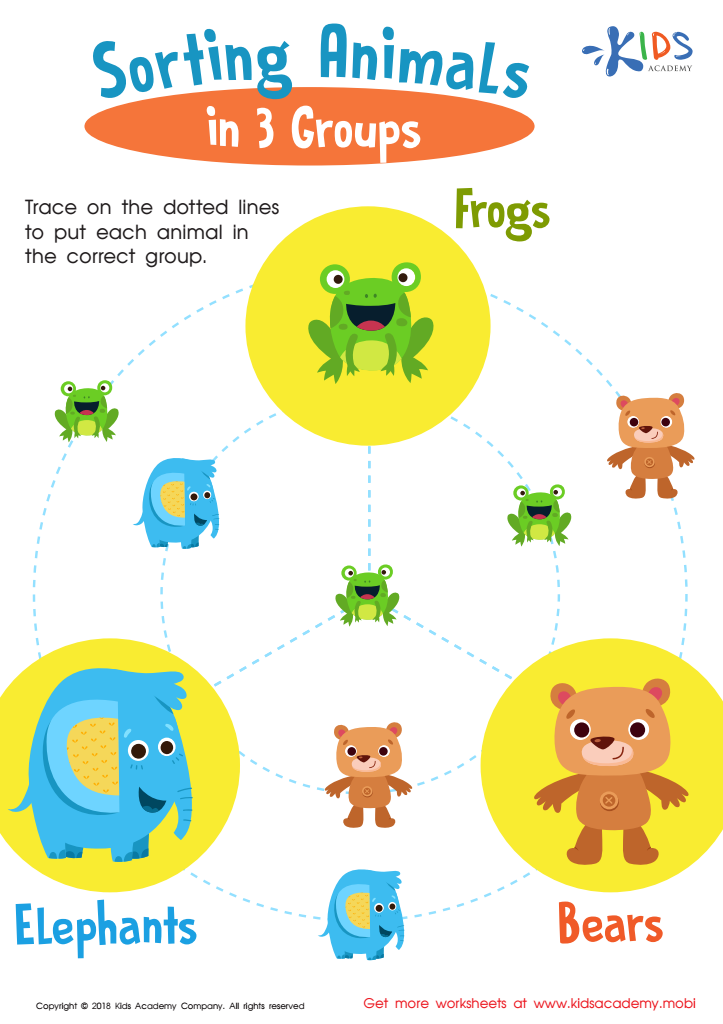
Sorting Animals in 3 Groups Worksheet
 Assign to My Students
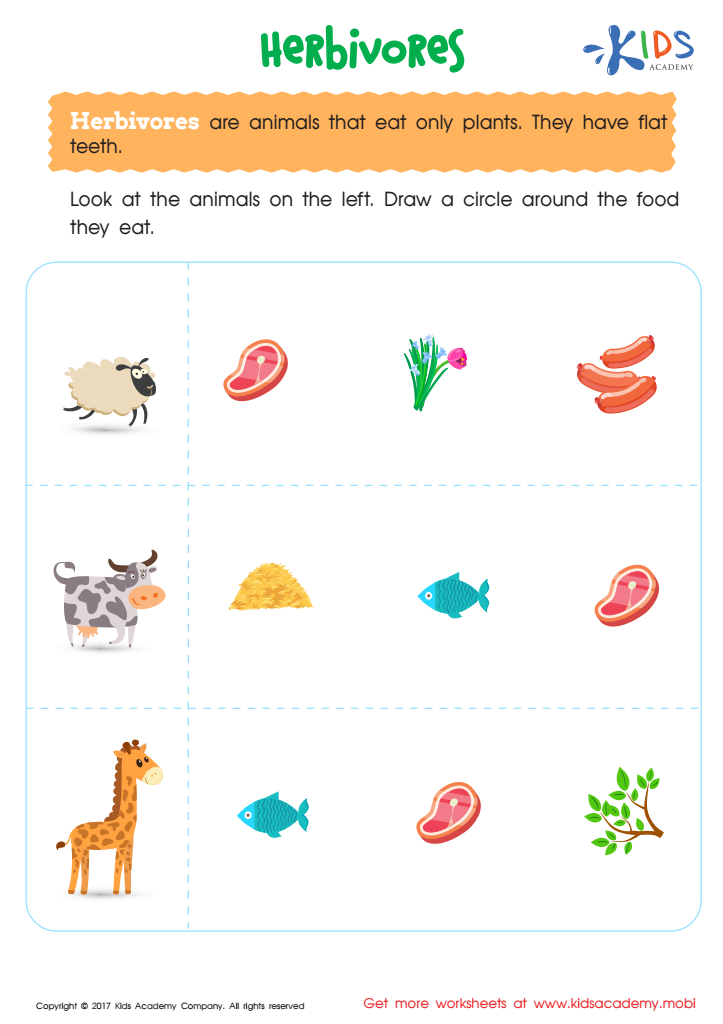
Herbivores Printable
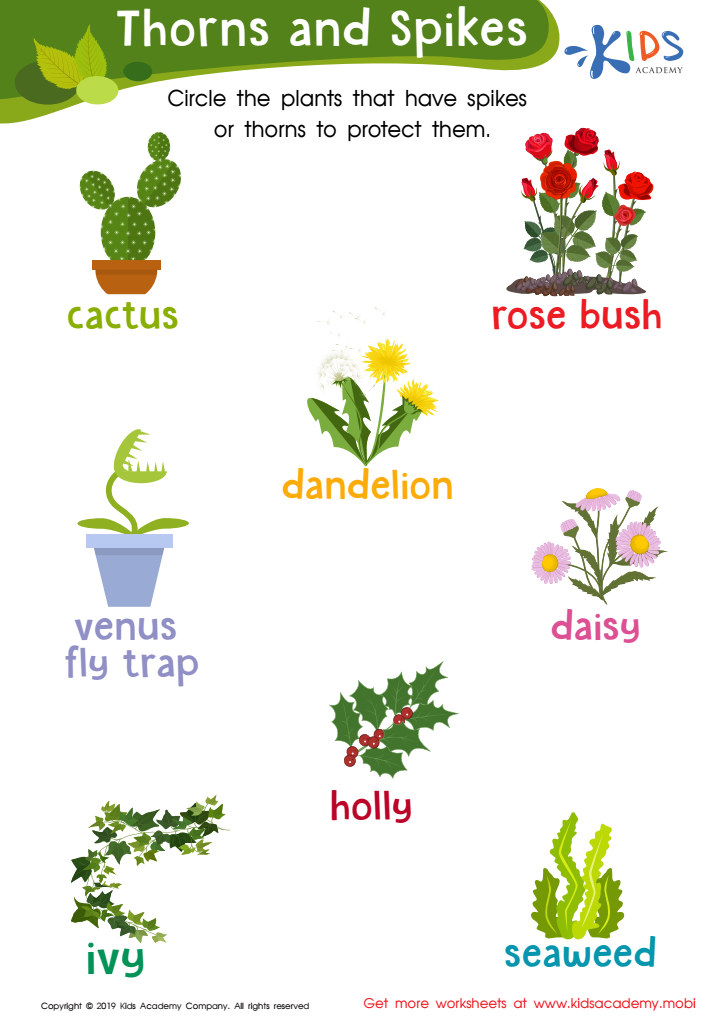
Thorns and Spikes Worksheet
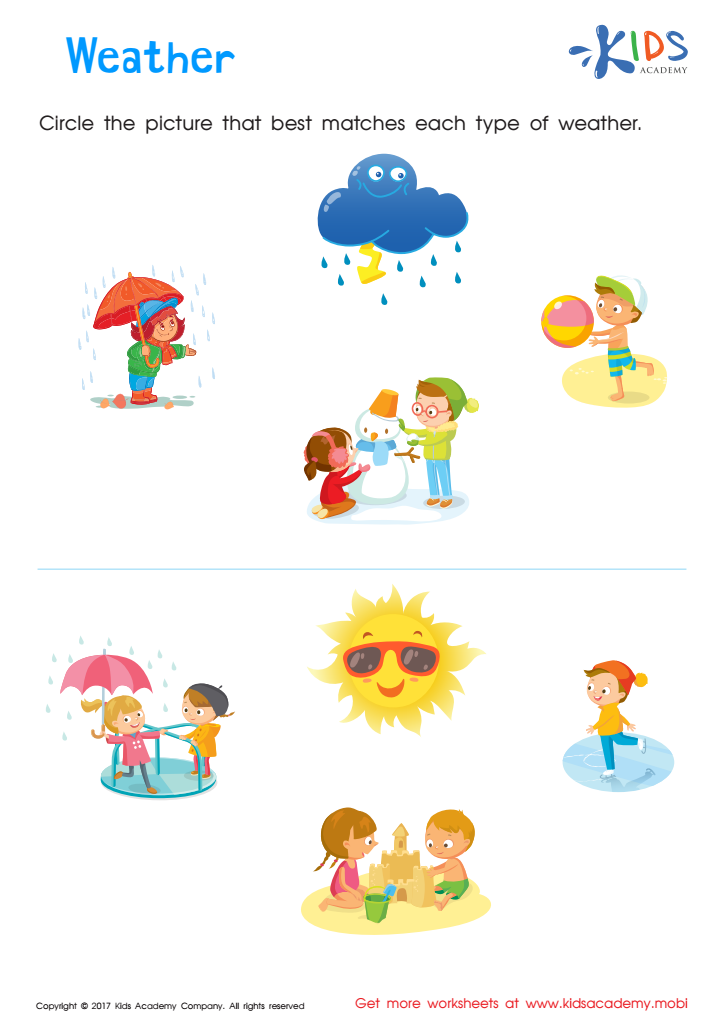
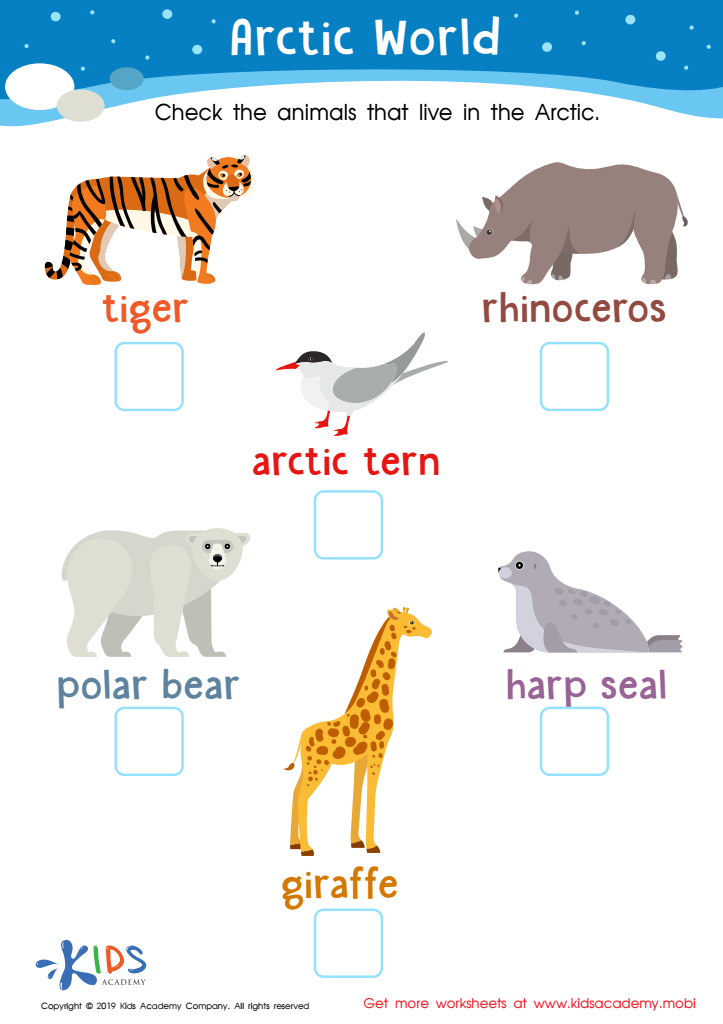
Arctic World Worksheet
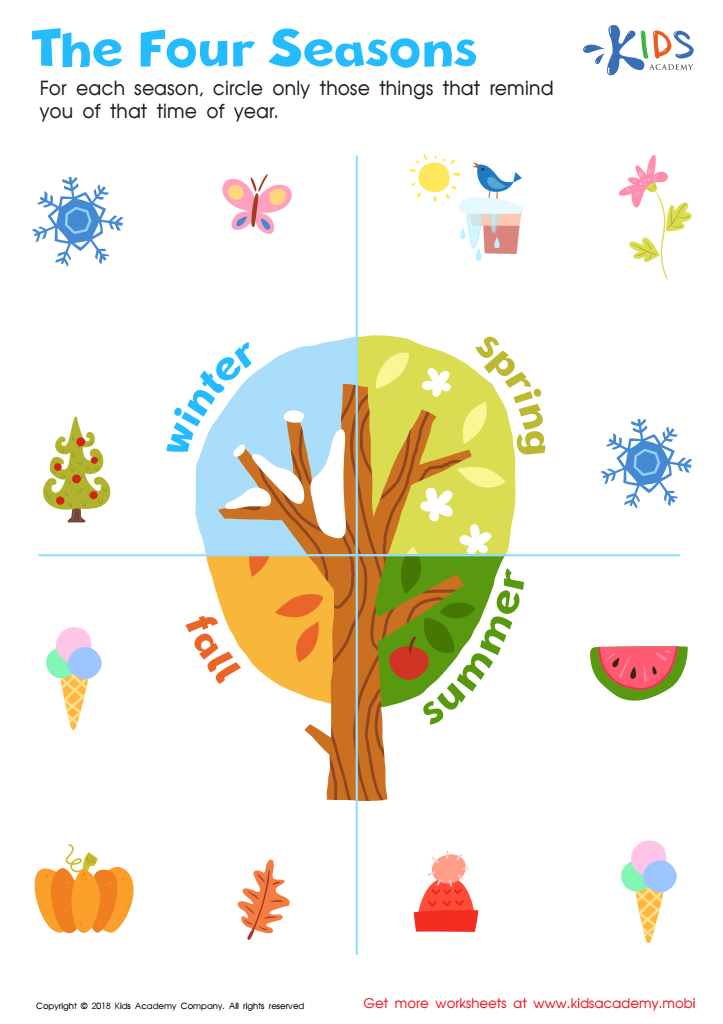
The Four Seasons Worksheet








Cultivating critical thinking and an understanding of "normal science" in 5-year-olds is vital for several reasons. At this early age, children's brains are highly receptive to new concepts, laying a foundation for lifelong learning and problem-solving skills. Critical thinking allows young children to make sense of their world by questioning, analyzing, and making reasoned decisions.
Introducing normal science – basic principles observed in the natural world – helps children develop a curiosity about how things work. This natural curiosity can be harnessed to help them engage with, and form an understanding of, foundational scientific concepts. For instance, through simple experiments, children learn to make observations, ask questions, and draw conclusions based on evidence.
As they practice critical thinking skills, children become better equipped to handle daily challenges and navigate complex situations. This skill also aids in their social development, teaching them to view situations from multiple perspectives and understand the importance of reasoning and evidence in decision-making. Educators and parents who focus on nurturing these abilities contribute to creating confident, inquisitive, and independent thinkers. Fostering such an environment early on sets the stage for academic success and responsible citizenship, as children equipped with these skills tend to perform better in school and interact more thoughtfully with their communities as they grow older.







