Shape Recognition Normal 2D Shapes Worksheets for Ages 6-7
14 filtered results
-
From - To
Discover our engaging Shape Recognition Worksheets designed specifically for ages 6-7! With a focus on normal 2D shapes, these printable activities help young learners identify, differentiate, and categorize geometric figures such as circles, squares, triangles, and rectangles. Each worksheet uses fun graphics and interactive exercises to reinforce shape knowledge, ensuring that children develop a strong foundation in math concepts. Ideal for classroom use or at-home learning, these worksheets encourage critical thinking and problem-solving skills, making learning both fun and educational. Dive into the world of 2D shapes with our comprehensive resources tailored to spark curiosity and foster a love for learning!
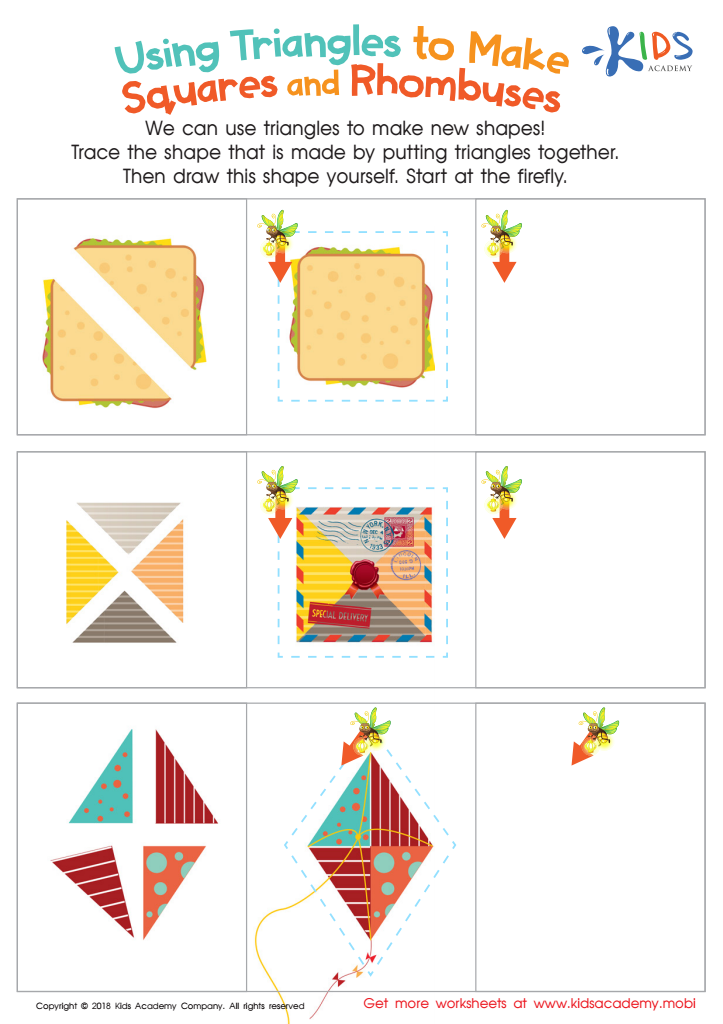
Using Triangles to Make Squares and Rhombuses Worksheet
 Assign to My Students

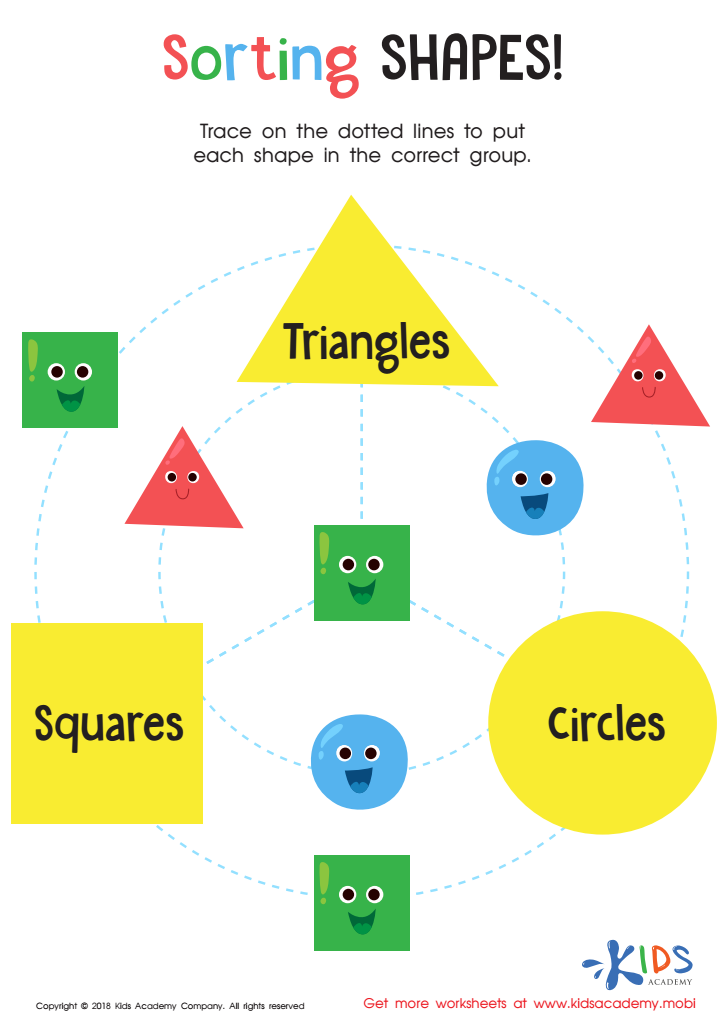
Sorting Shapes - Part 3 Worksheet
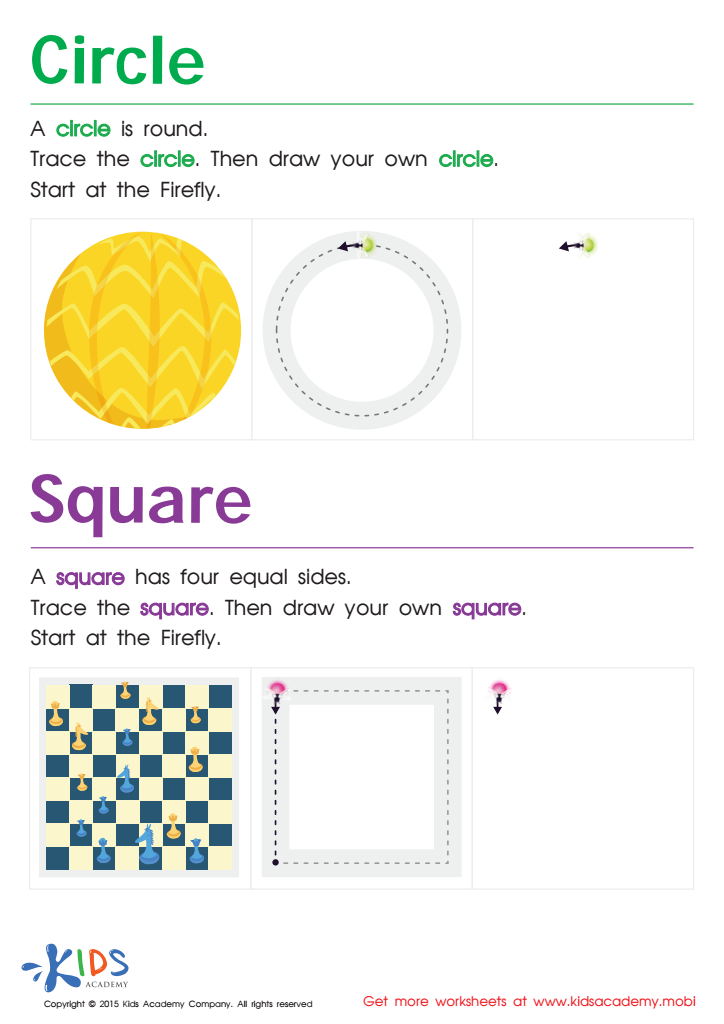
Trace And Draw a Circle And a Square Worksheet
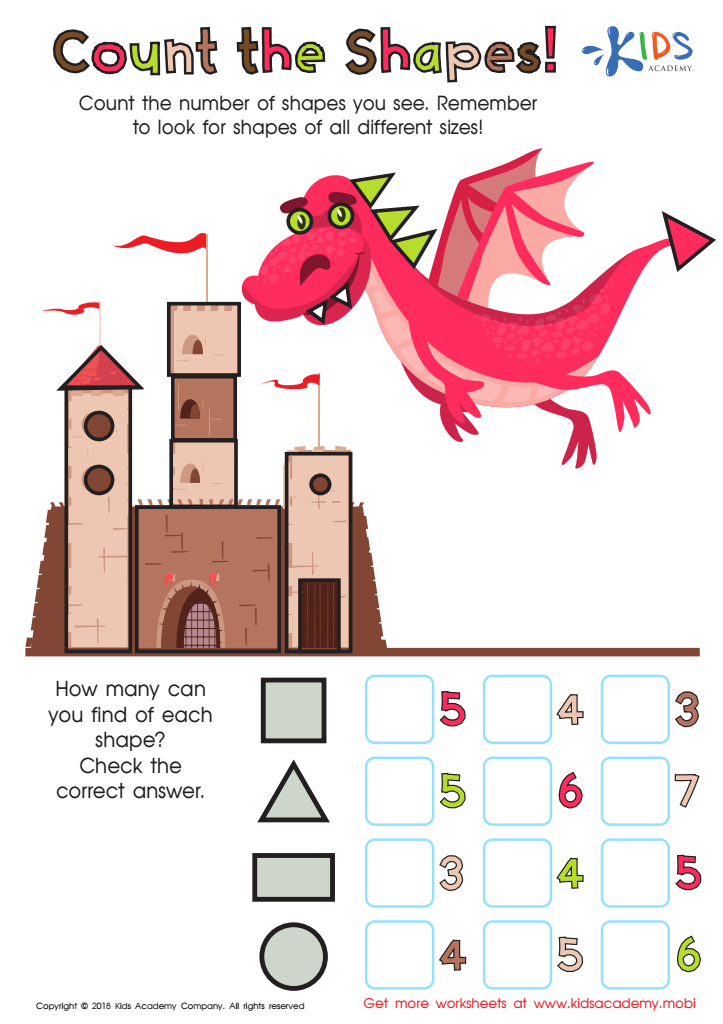
Count the Shapes Worksheet
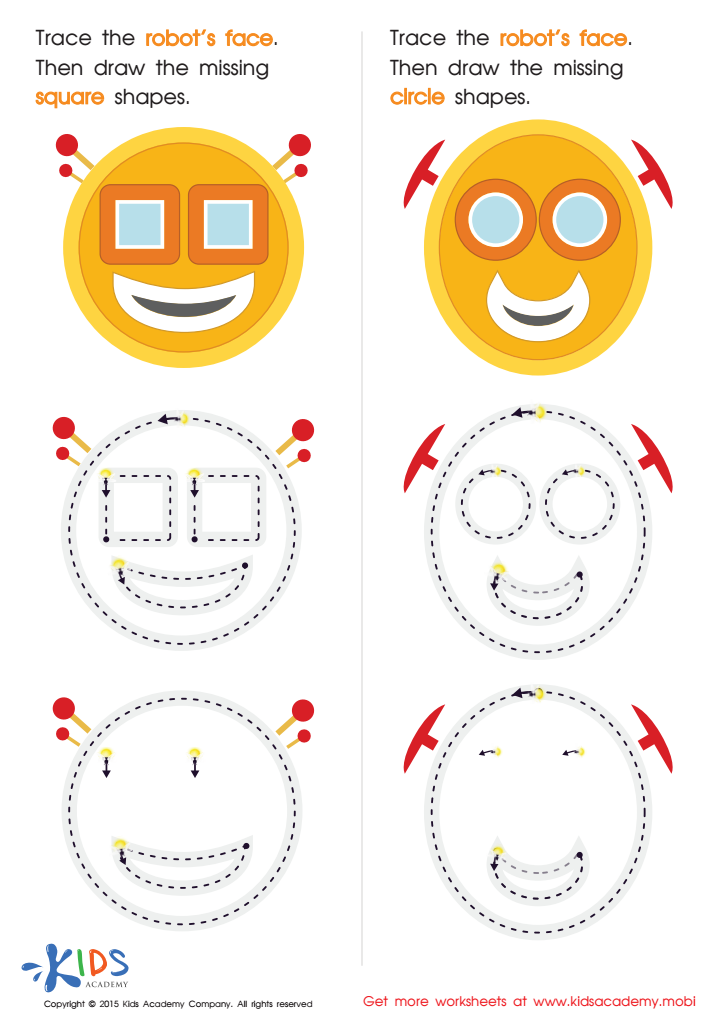
Practicing to Draw Circles And Squares Printable
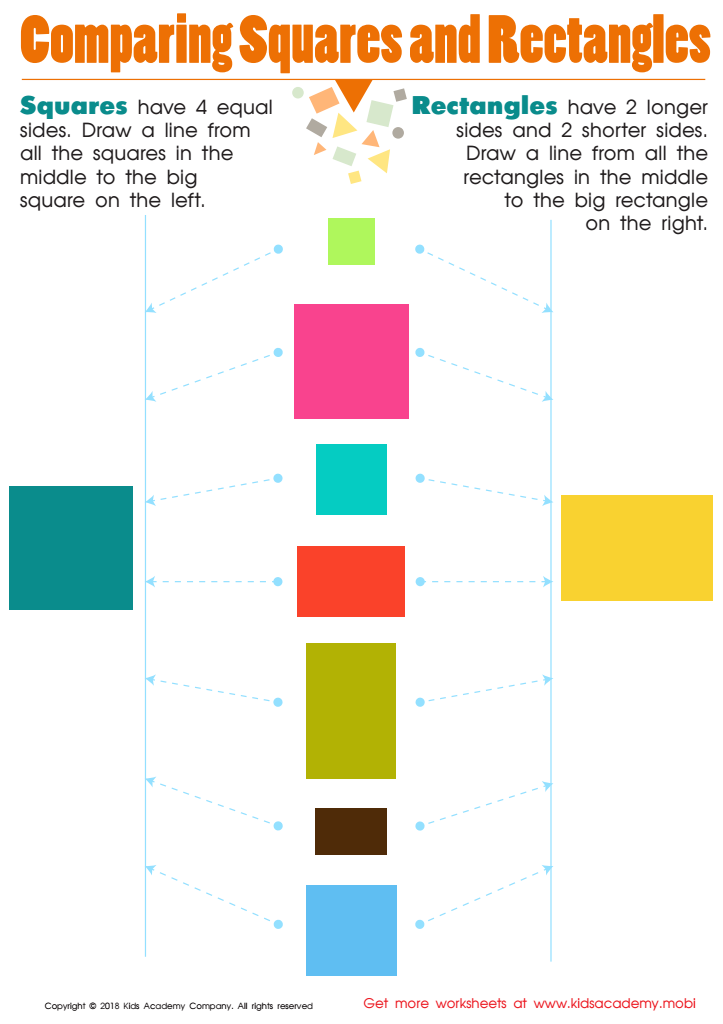
Comparing Squares Rectangles Worksheet
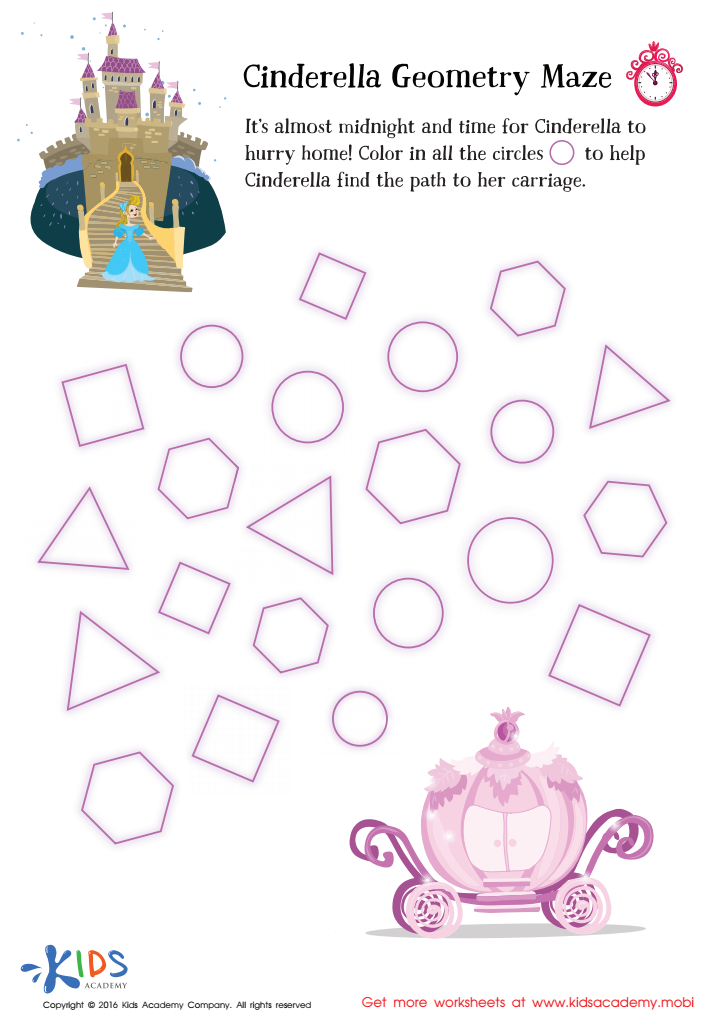
Cinderella Geometry Maze Worksheet
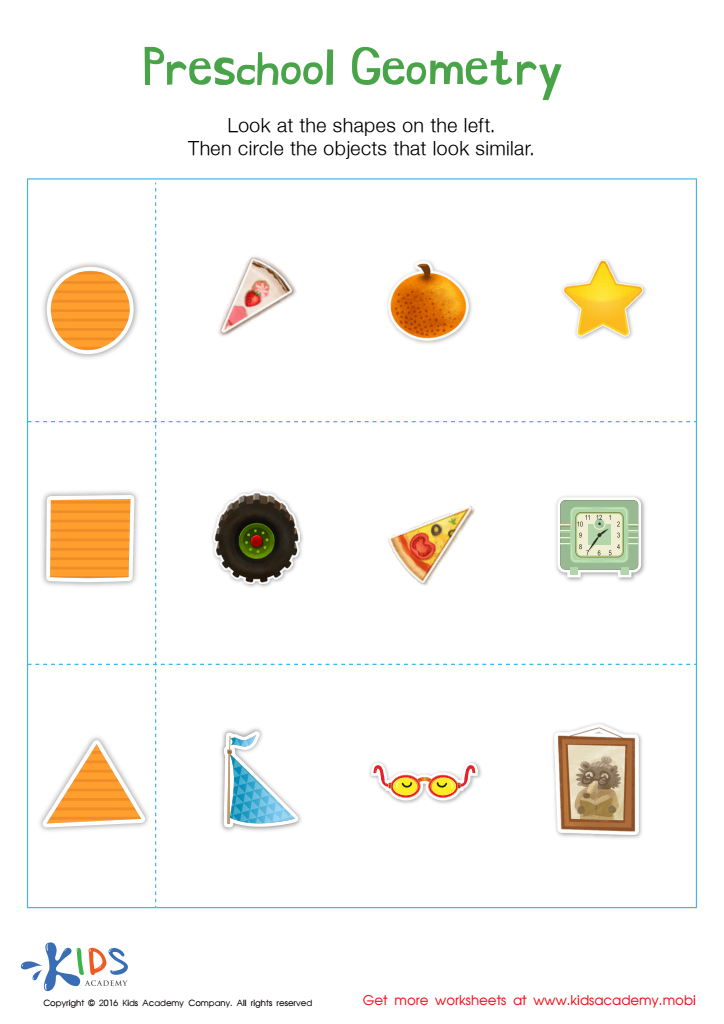
Preschool Geometry Match Up Worksheet
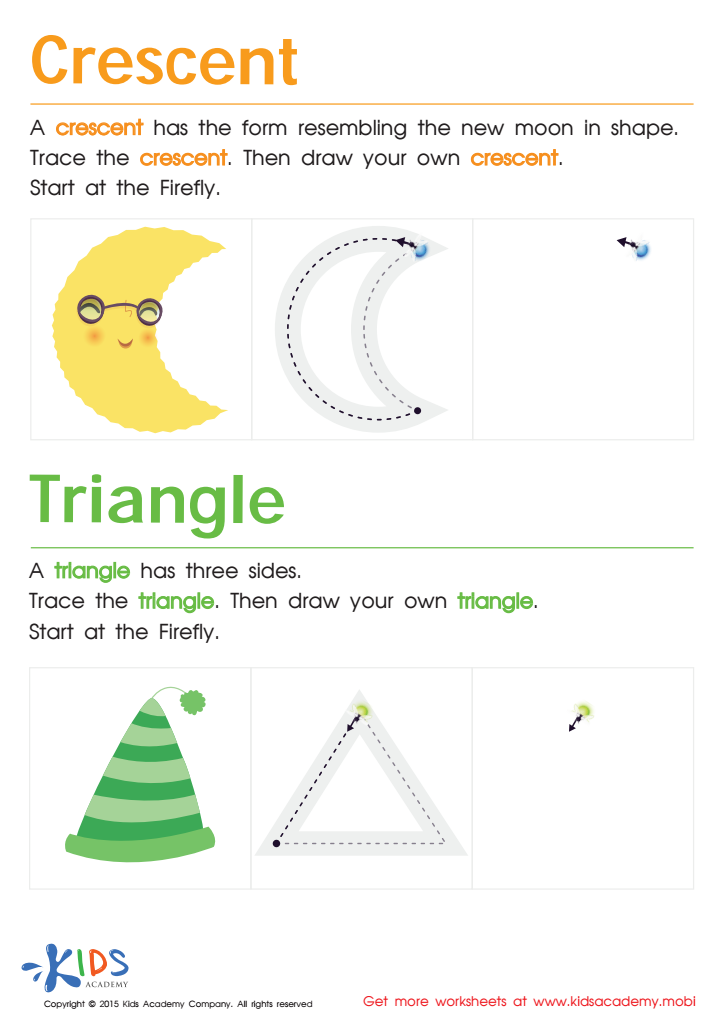
Learning to Draw Crescents And Triangles Worksheet
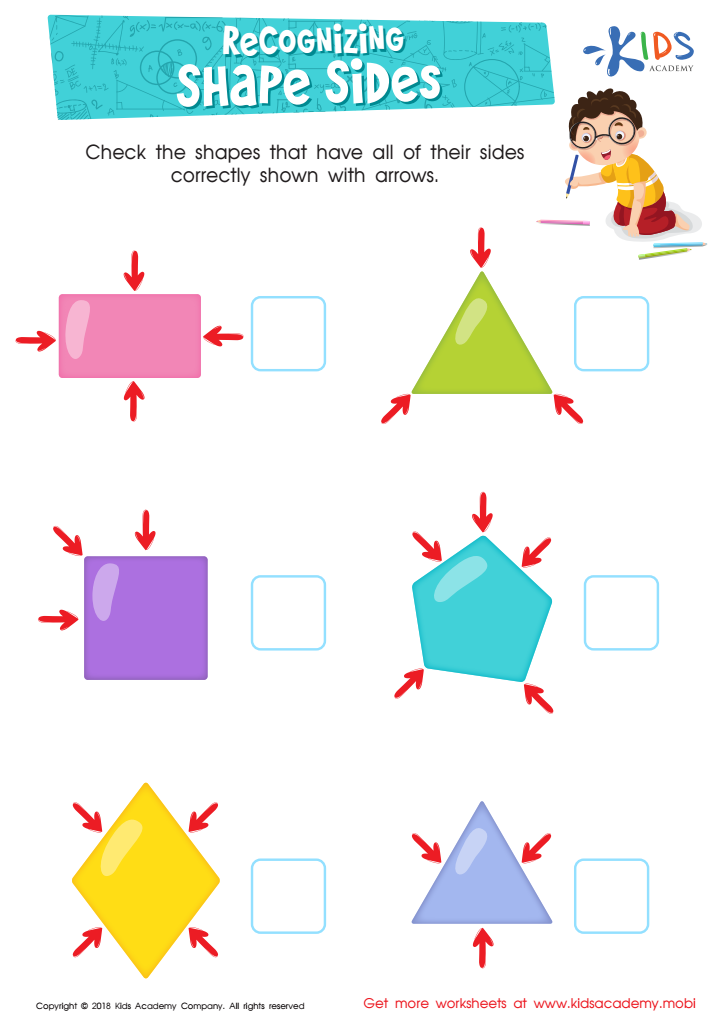
Recognizing Shape Sides Worksheet
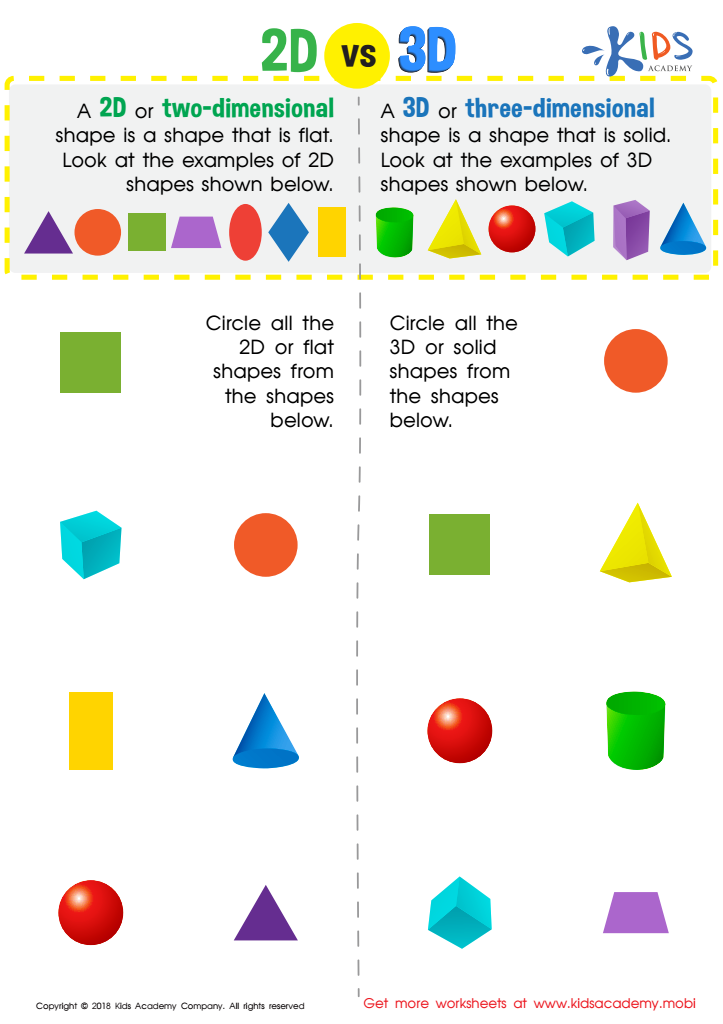
2D vs 3D Shapes Worksheet
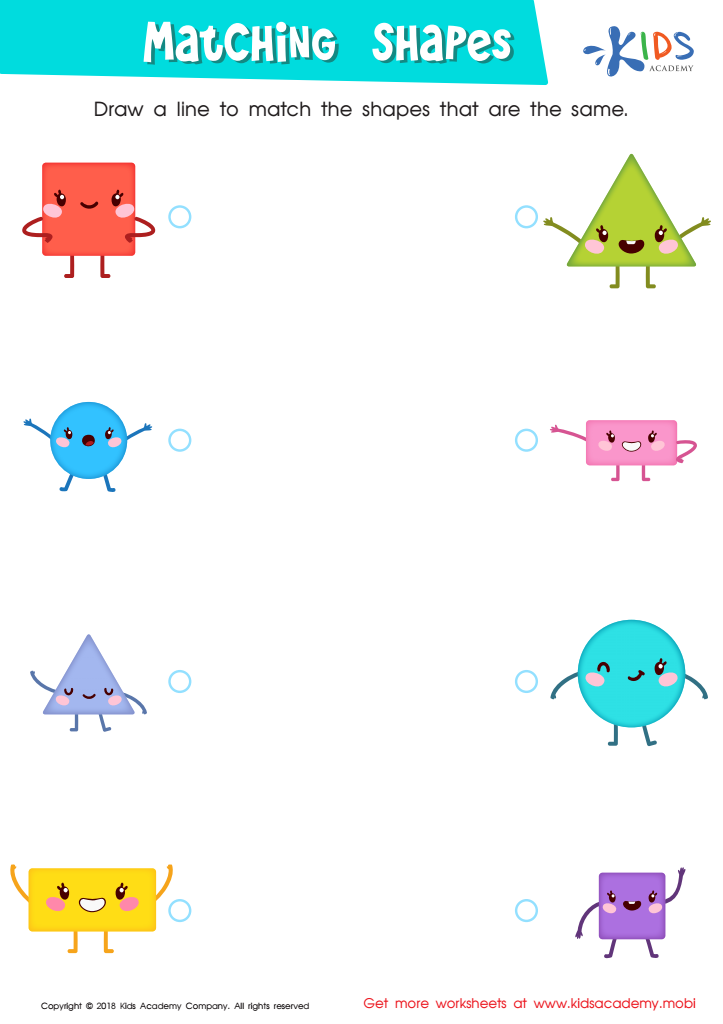
Matching Shapes Worksheet
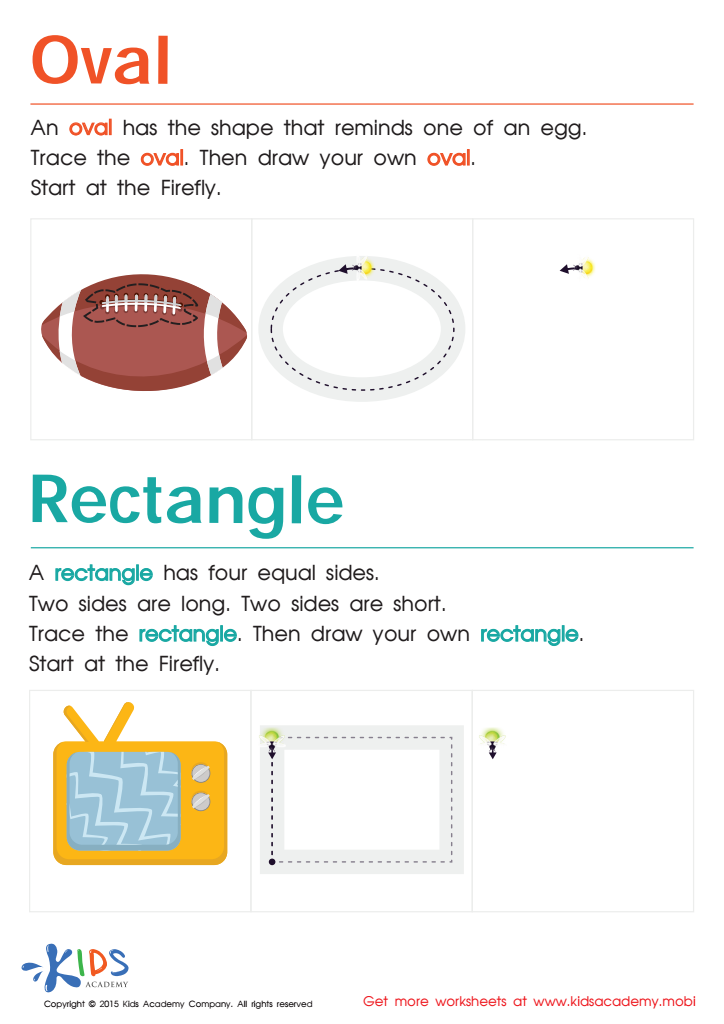
Easy Drawing of Ovals And Rectangles Worksheet
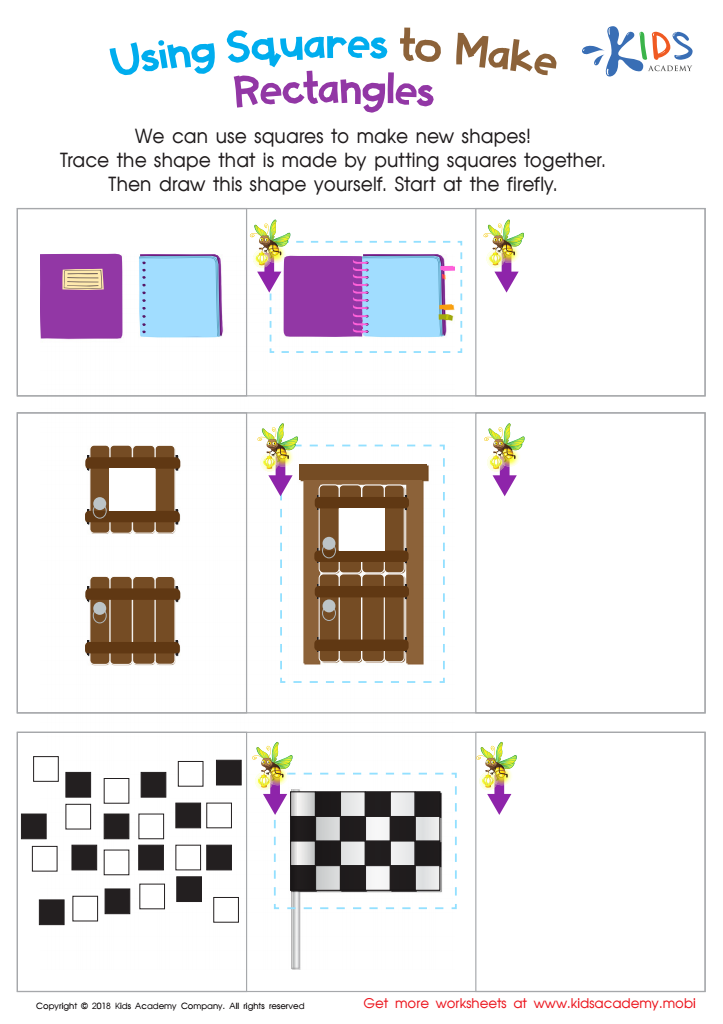
Using Squares to Make Rectangles Worksheet








Shape recognition in 2D forms is a foundational skill that plays a vital role in early childhood development, especially for children aged 6 to 7. For parents and teachers, understanding the importance of this skill is crucial for several reasons.
Firstly, shape recognition enhances cognitive development. When children identify and differentiate shapes, they are developing their problem-solving and critical thinking abilities. These skills are essential as they form the basis for more complex mathematical concepts later on, such as geometry.
Secondly, shape recognition supports spatial awareness. Children learn to navigate their environment and understand how objects fit into their surroundings. This spatial cognitive skill is meaningful for activities ranging from organizing their personal space to understanding maps and directions.
Moreover, recognizing shapes aids in language development. Children learn to articulate the names and characteristics of shapes, enriching their vocabulary and communication skills.
Finally, understanding shapes fosters creativity. Educators can utilize art and hands-on activities to encourage imaginative play, allowing children to construct, draw, and explore 2D shapes in multiple contexts.
In summary, supporting shape recognition in young learners is integral to their overall academic growth and everyday functioning. By prioritizing this skill, parents and teachers can equip children with essential tools for future success.