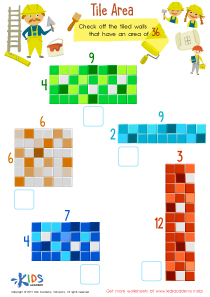
Fine Motor Skills Normal Numbers Worksheets for Ages 6-7
18 filtered results
-
From - To
Our "Fine Motor Skills Normal Numbers Worksheets for Ages 6-7" are designed to improve both fine motor skills and numerical proficiency in young learners. These engaging worksheets provide fun, interactive activities that will help your child develop precise hand-eye coordination required for writing and other tasks. Each worksheet combines number tracing, counting exercises, and drawing activities to ensure children have a thorough understanding of numbers 1-20. Perfectly tailored for early learners, our worksheets are a blend of education and creativity, making skill-building enjoyable and effective. Help your child succeed with our expertly crafted resources.

8 Petals Worksheet
 Assign to My Students
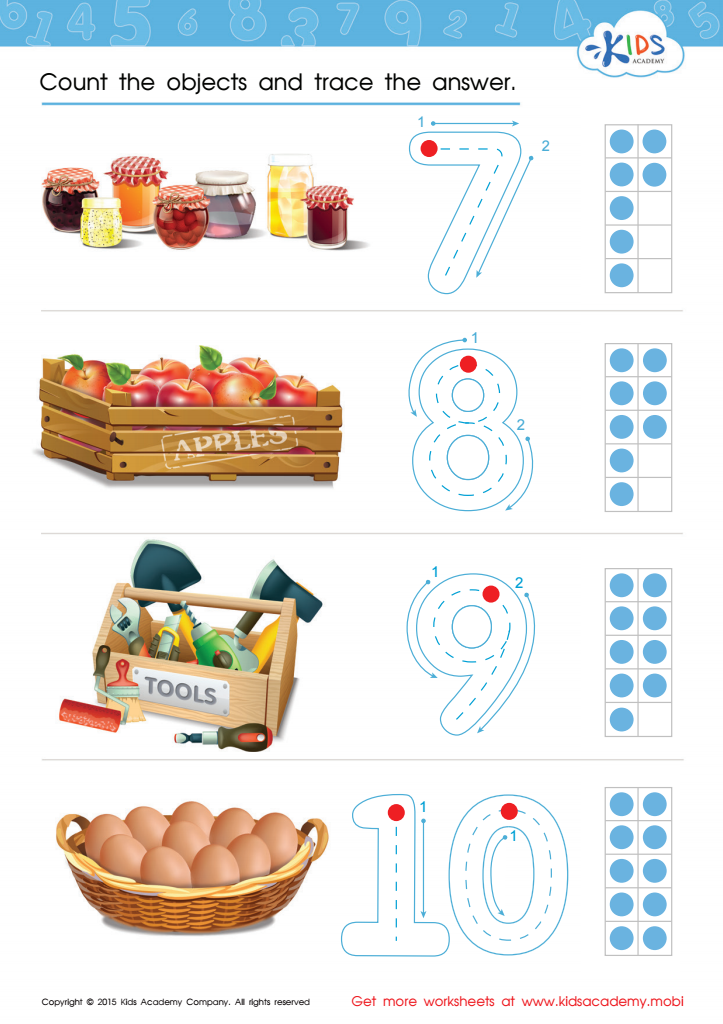
Count and Trace 7 – 10 Worksheet
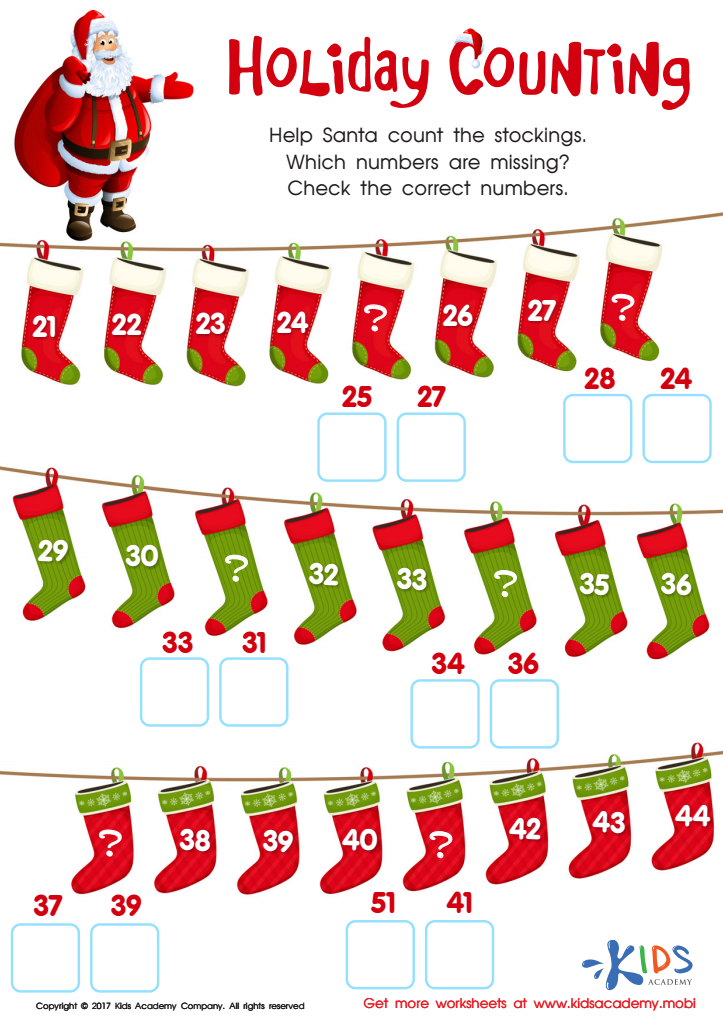
Holiday Counting Worksheet
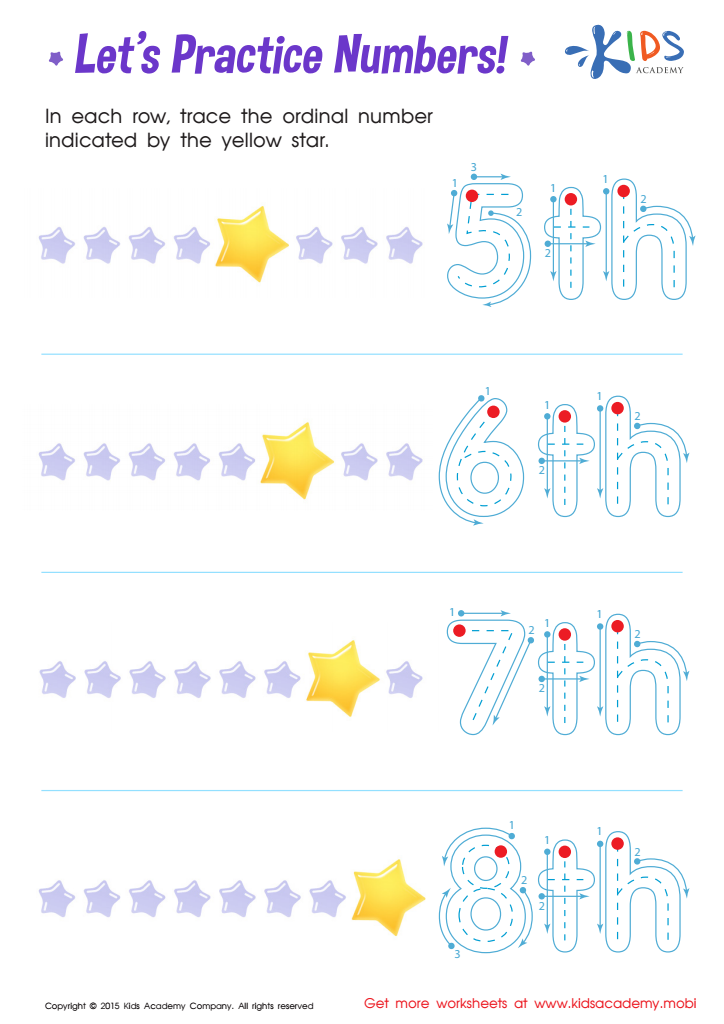
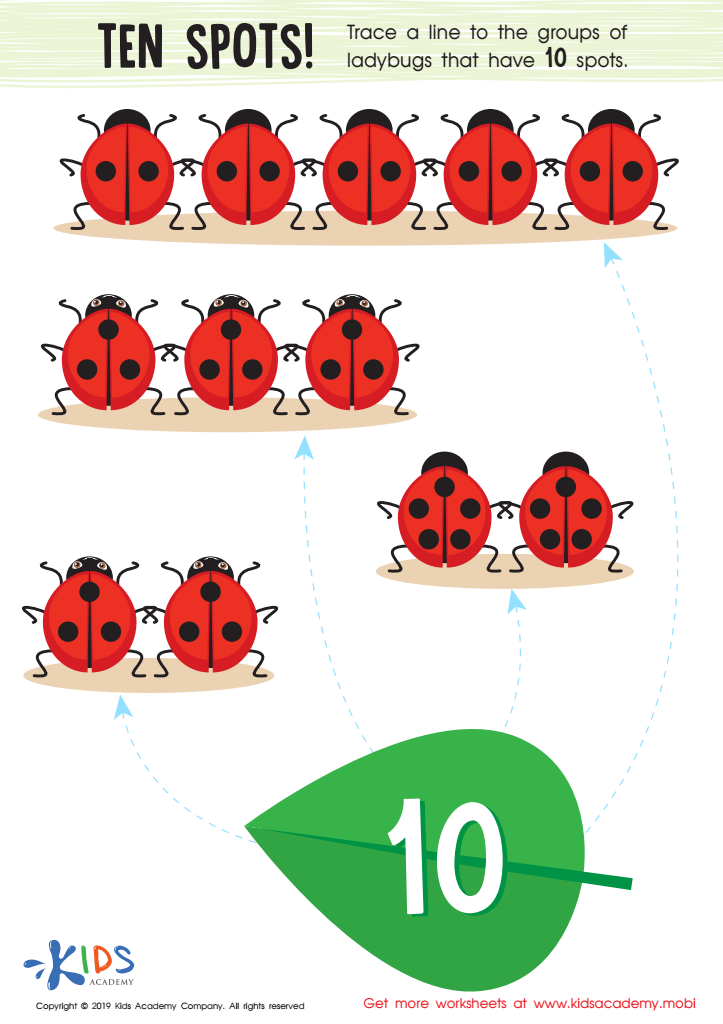
Ten Spots Worksheet
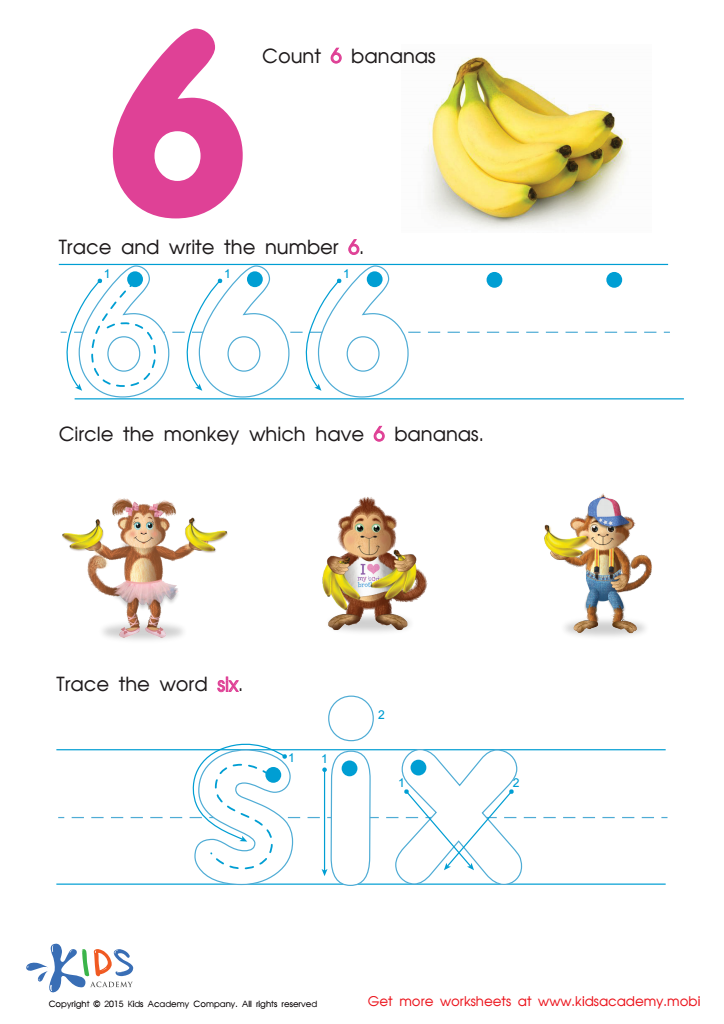
Tracing And Writing Number 6 Worksheet
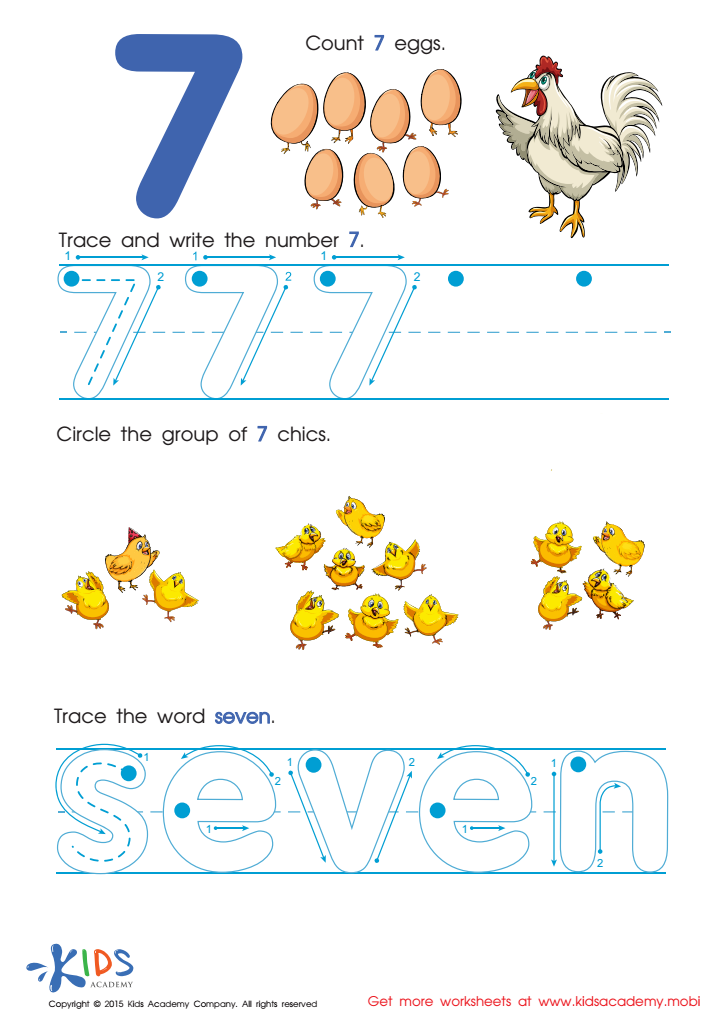
Trace And Write Number 7 with Fun Worksheet
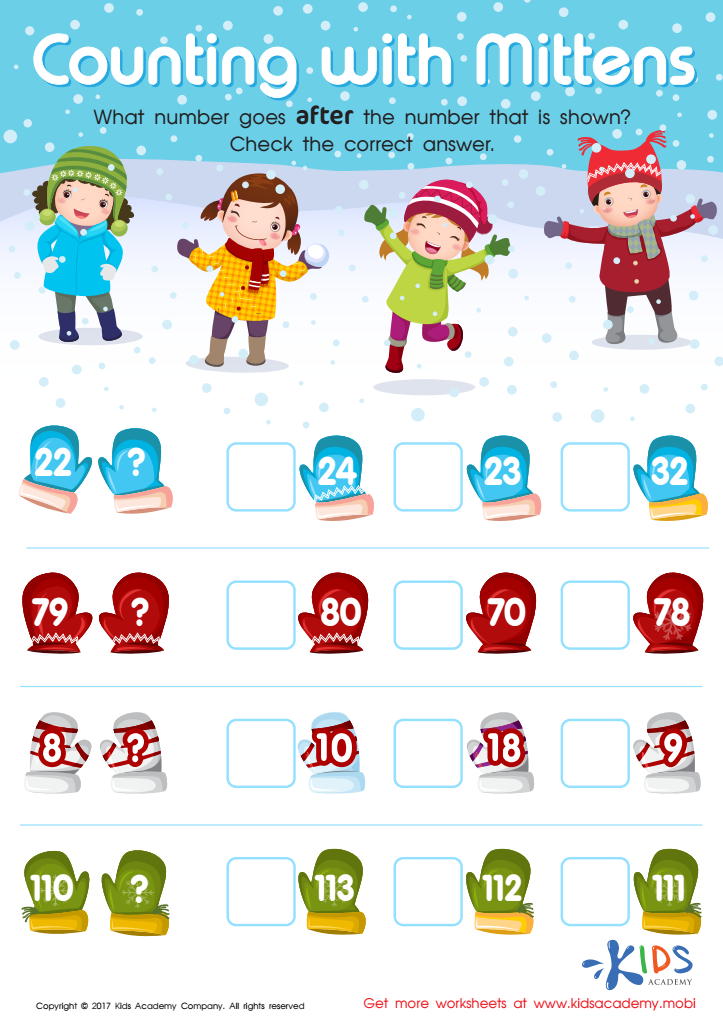
Counting with Mittens Worksheet
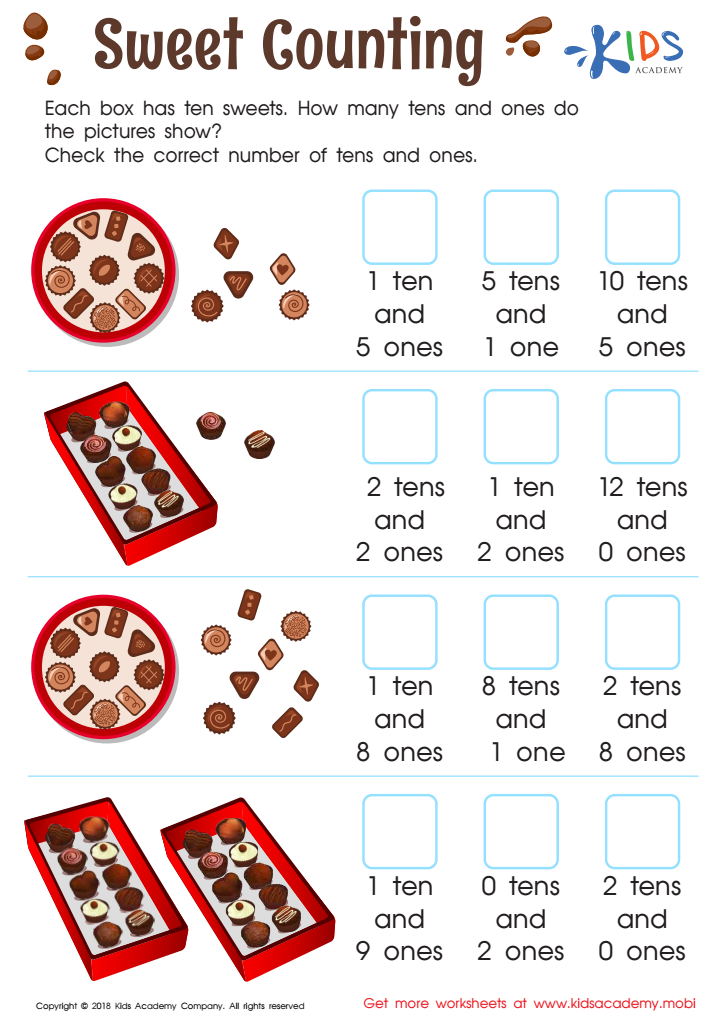
Sweet Counting - Part 2 Worksheet
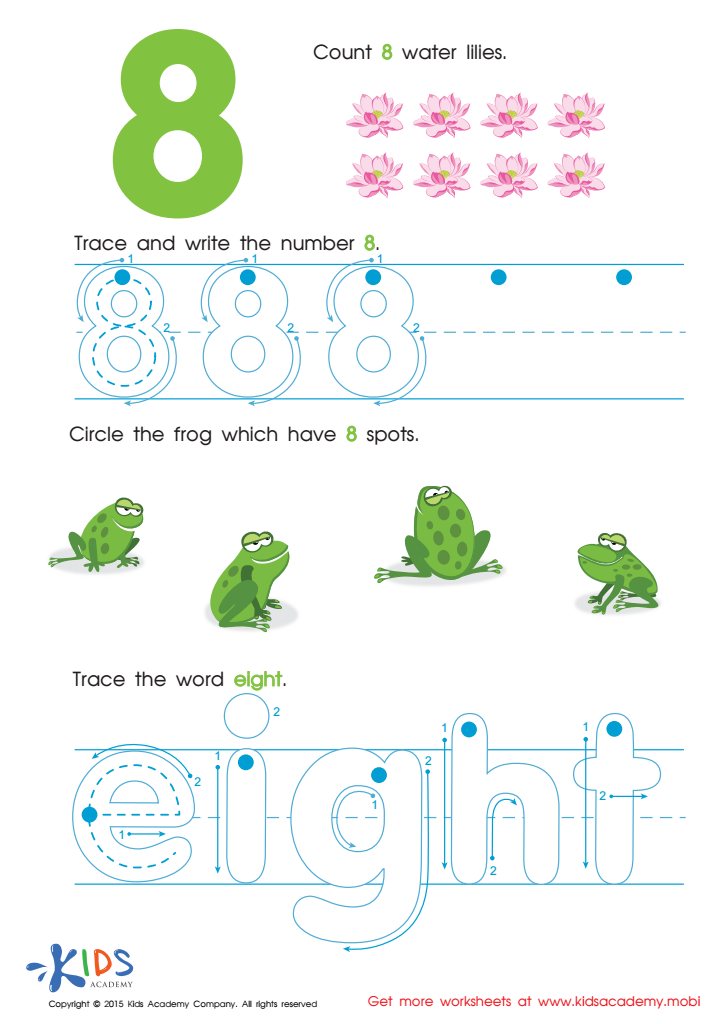
Learn Number 8 Easily Worksheet
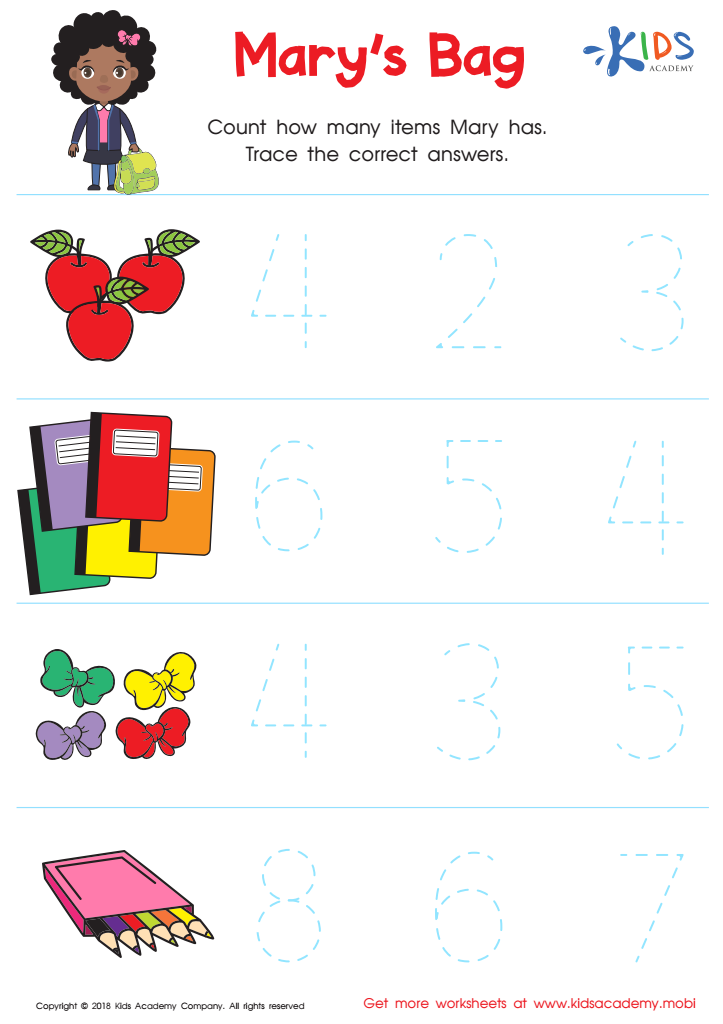
Kindergarten Number Tracing: Mary's Bag Worksheet
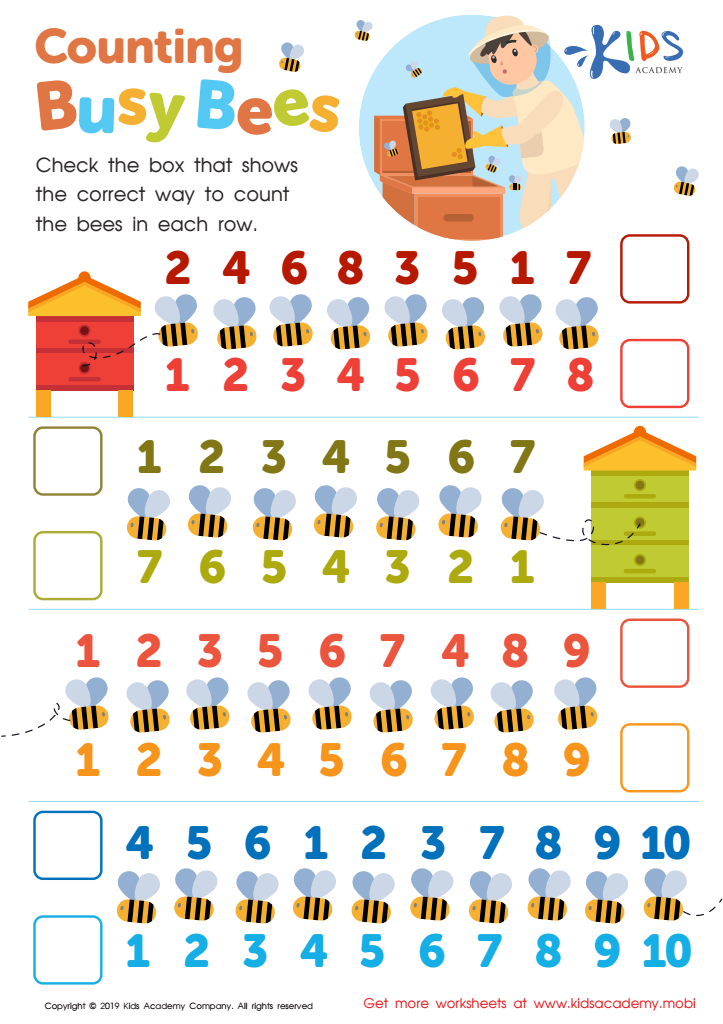
Counting Busy Bees Worksheet
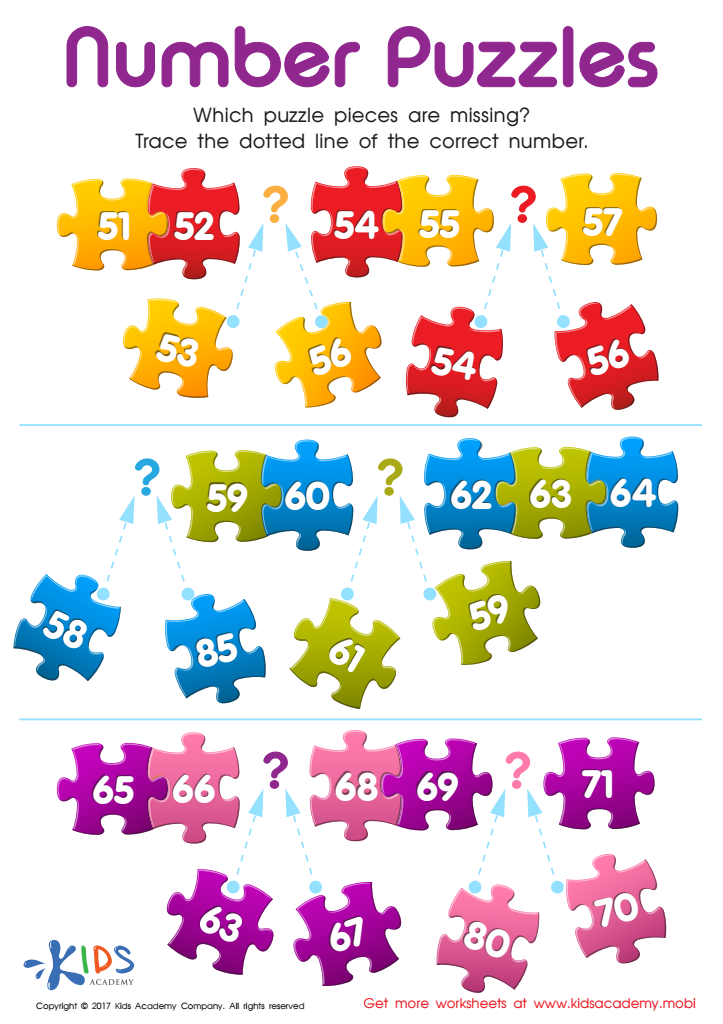
Number Puzzles Worksheet
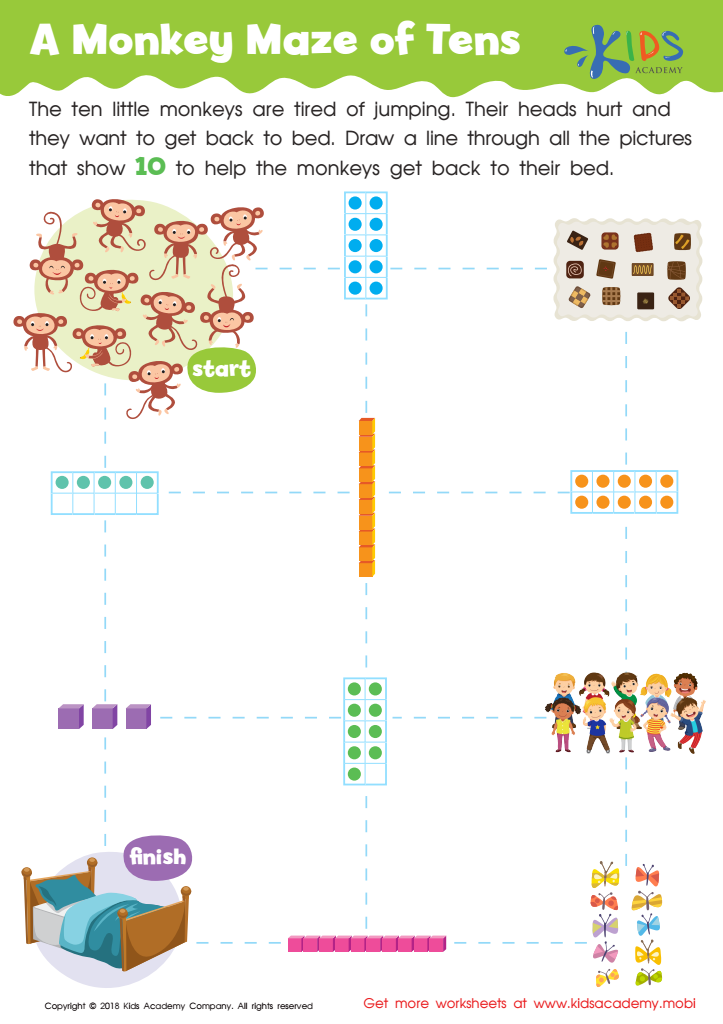
A Monkey Maze of Tens Worksheet
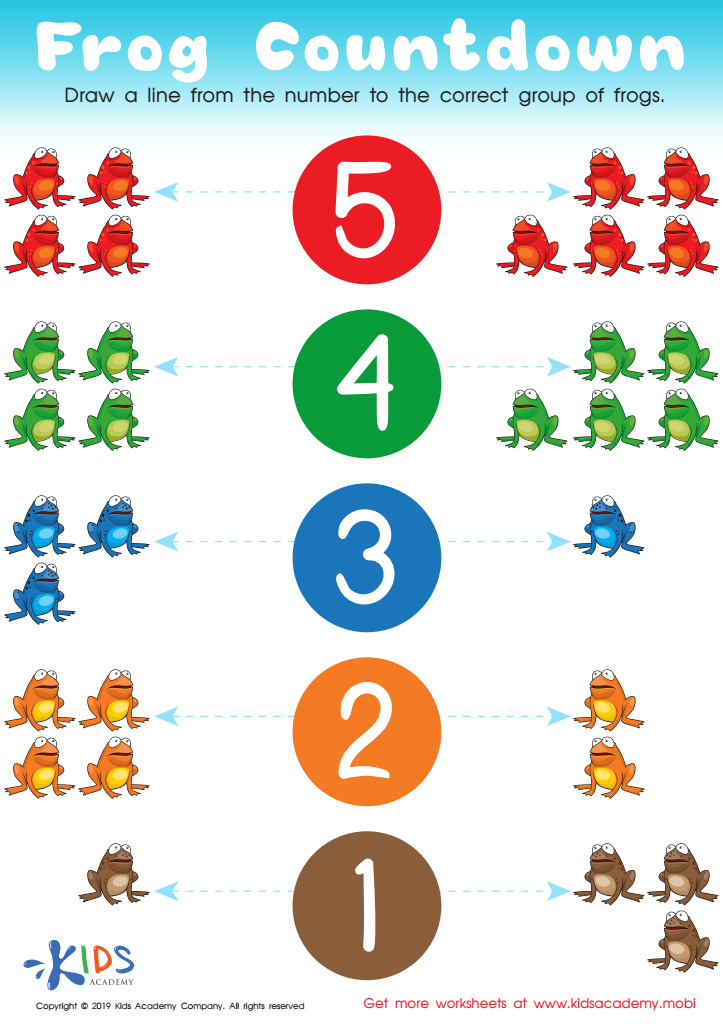
Frog Countdown Worksheet
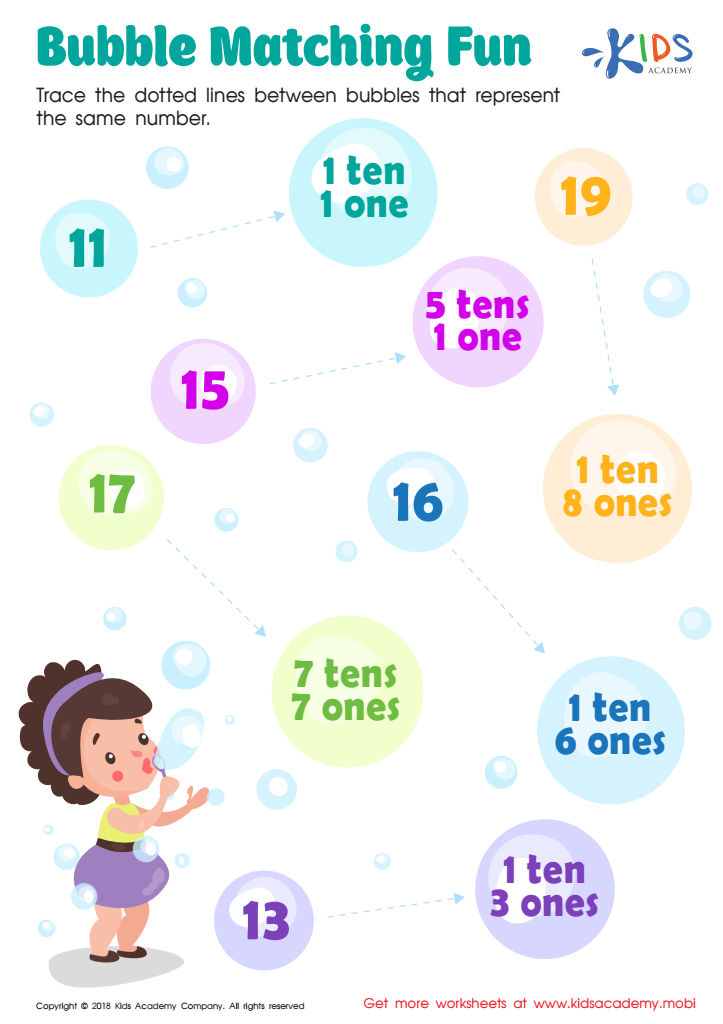
Bubble Matching Fun Worksheet
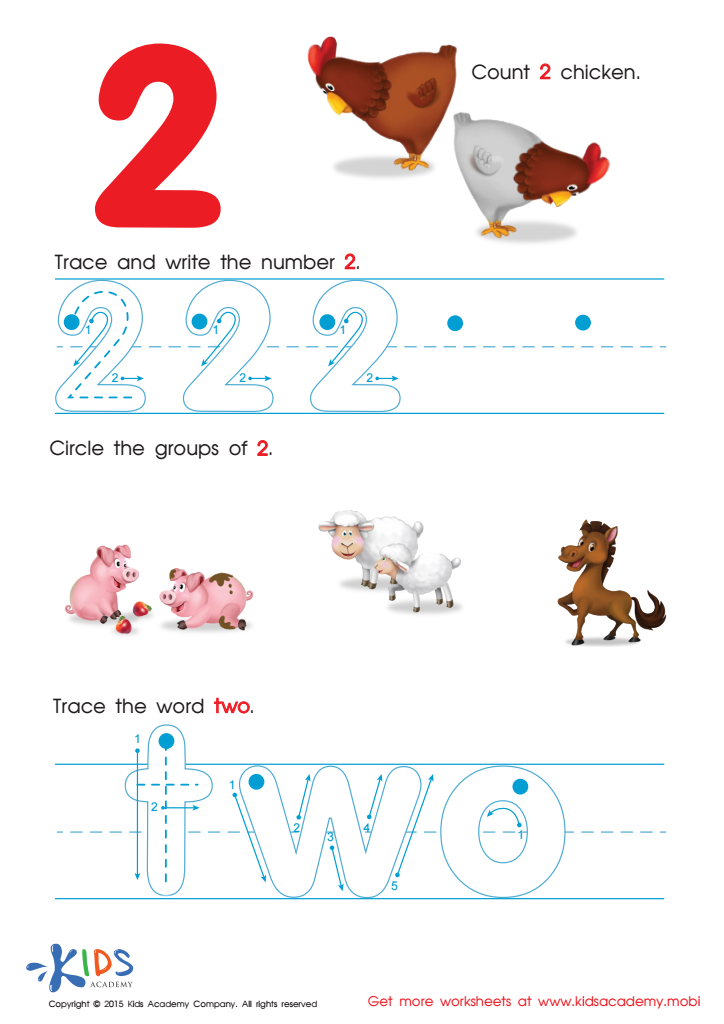
Learn to Write the Number 2 Worksheet
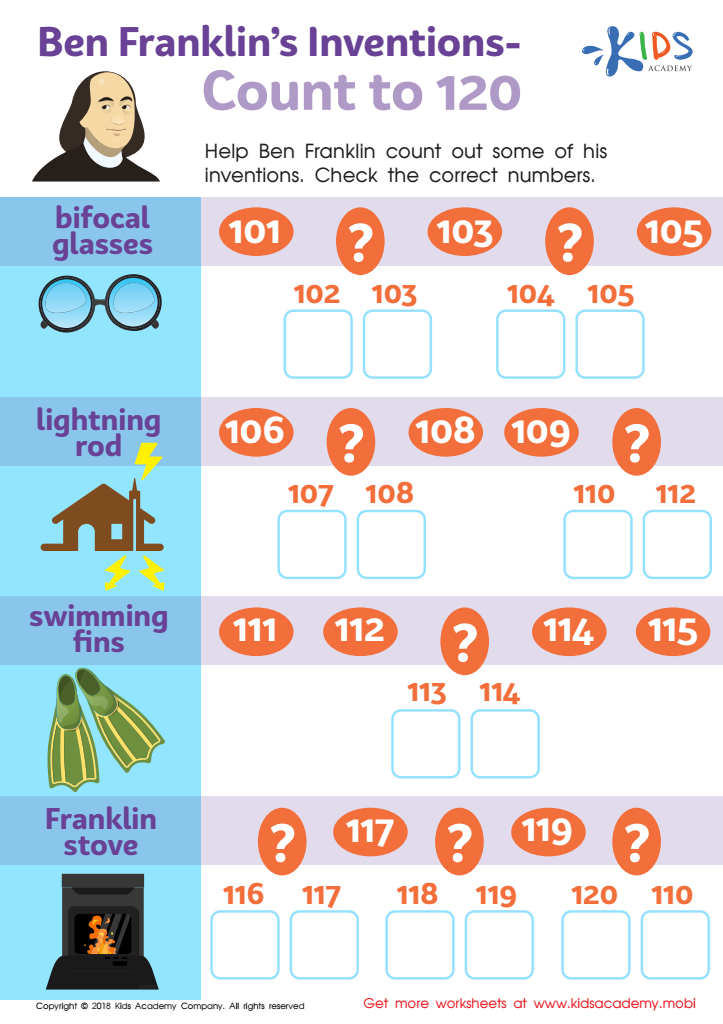
Ben Franklin’s Inventions – Count to 120 Worksheet








Fine motor skills involve the coordination of small muscles, particularly in the hands and fingers, enabling children to perform precise movements. These skills are foundational for many daily activities and academic tasks in children ages 6-7.
At this age, children are expected to refine their ability to write legibly, dress independently, manipulate small objects, and perform tasks that require hand-eye coordination. Normal developmental milestones for fine motor skills include the ability to write letters and numbers neatly, use scissors with control, button shirts, tie shoelaces, and engage in detailed artwork.
Careful monitoring of fine motor skills by parents or teachers is crucial because these skills impact academic performance and self-esteem. Poor fine motor skills can lead to difficulties in writing, which may affect a child's ability to keep pace with classroom activities, thereby hindering academic progress. Additionally, struggling with tasks that peers perform easily can induce frustration and negatively affect a child's confidence.
By recognizing the importance of fine motor skills and understanding age-appropriate milestones, parents and teachers can provide targeted support and early interventions if needed. Activities like playing with clay, threading beads, or practicing drawing can significantly enhance these skills. Early identification and support allow children to develop the proficiency required for academic success and daily life skills.