Vocabulary enhancement Normal Social Studies Worksheets for Ages 6-7
17 filtered results
-
From - To
Enhance your child's vocabulary with our engaging Normal Social Studies Worksheets designed specifically for ages 6-7. These thoughtfully crafted worksheets offer an interactive approach to learning essential social studies concepts while building a robust vocabulary. Each activity encourages exploration and understanding of cultural, historical, and civic topics, fostering a sense of curiosity and awareness in young learners. With fun visuals and age-appropriate language, these worksheets make learning enjoyable and accessible. Perfect for use at home or in the classroom, our vocabulary enhancement resources will help your child develop critical thinking and communication skills, setting a solid foundation for future academic success.
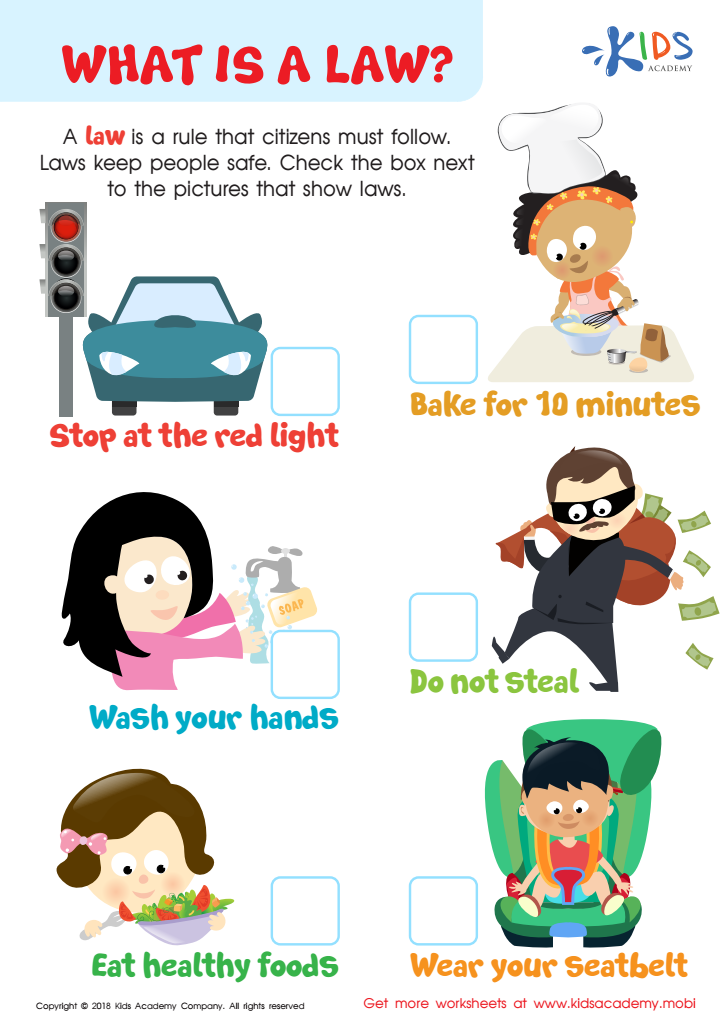
What is a Law? Worksheet
 Assign to My Students

Traditional Clothing in Scotland Worksheet

The Arctic Region Worksheet
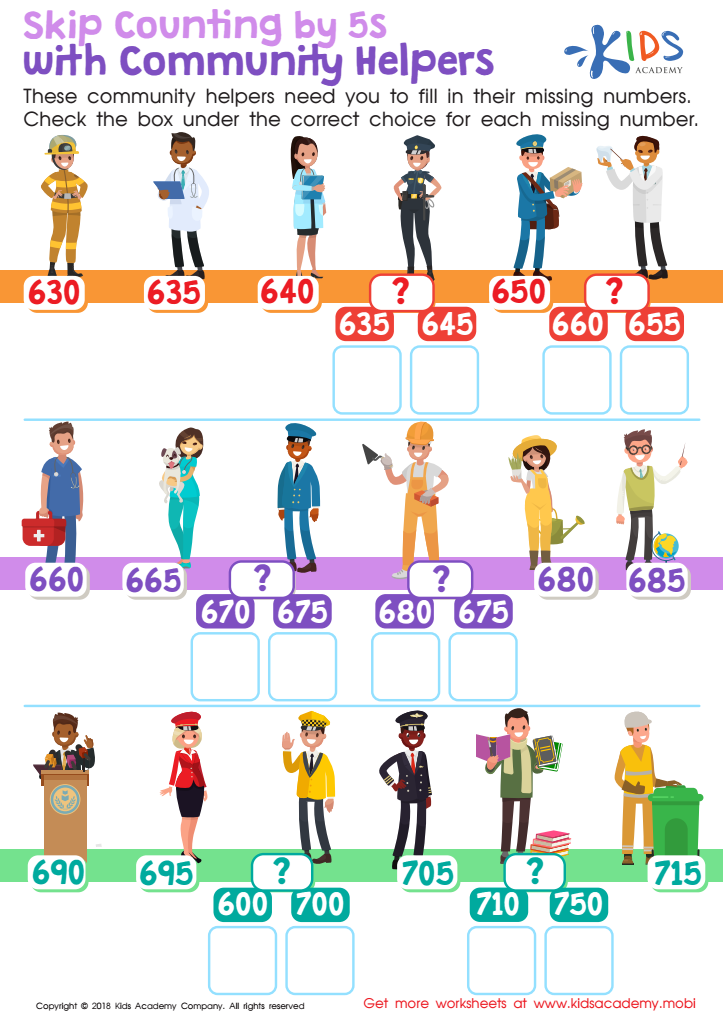
Skip Counting by 5s With Community Helpers Worksheet
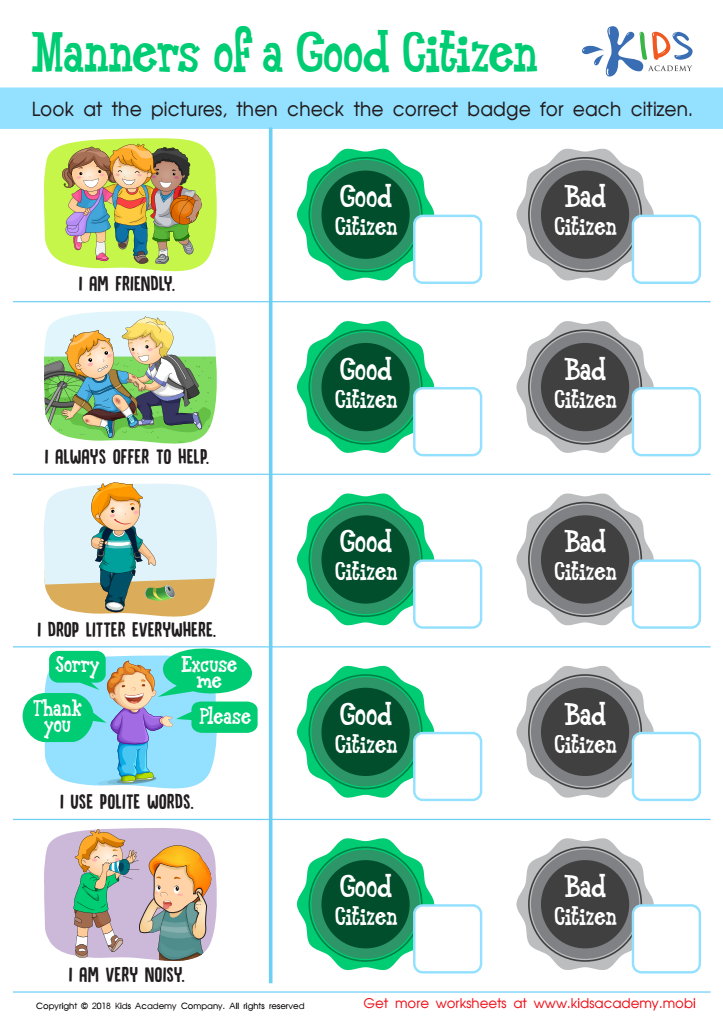
Manners of a Good Citizen Worksheet

Thanksgiving Holiday Printable
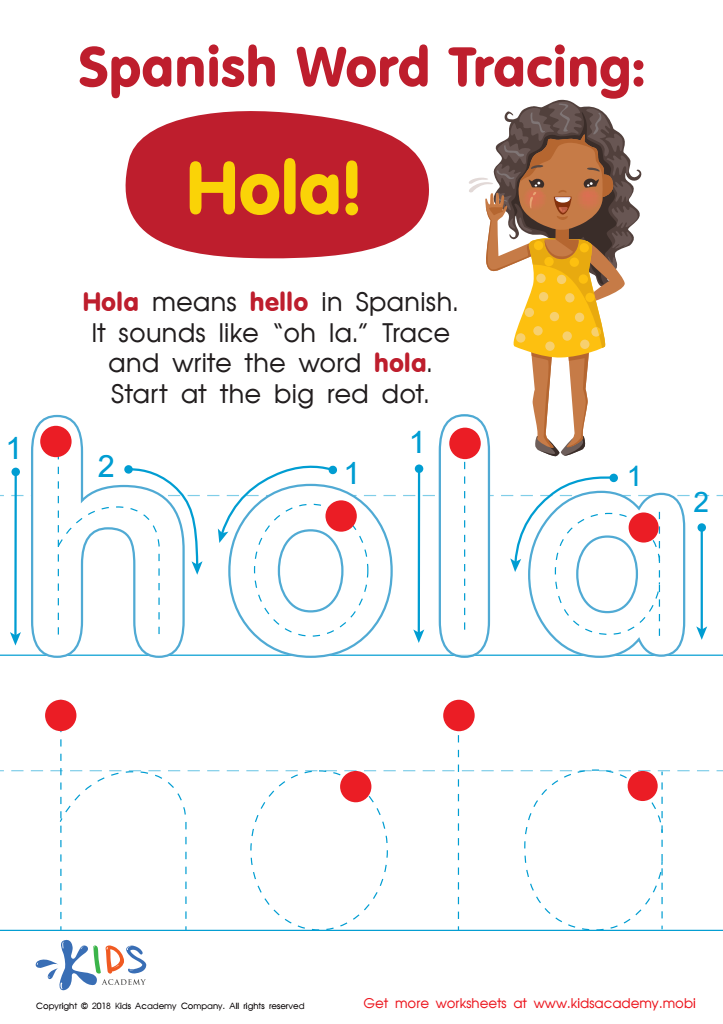
Spanish Word Tracing: Hola Worksheet
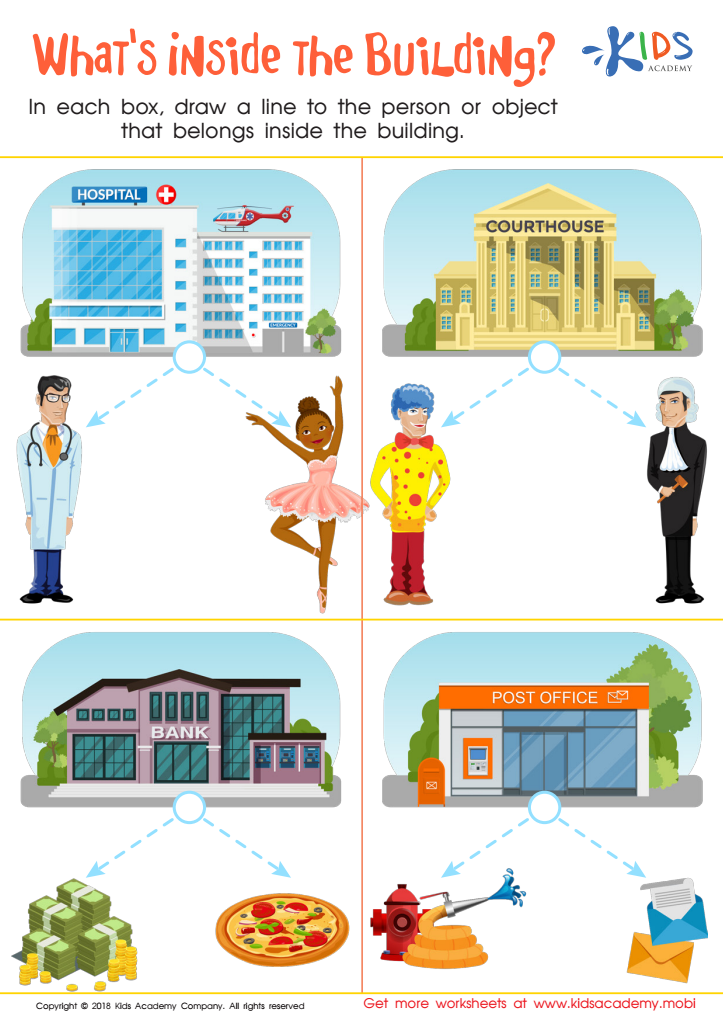
What's Inside the Building? Worksheet
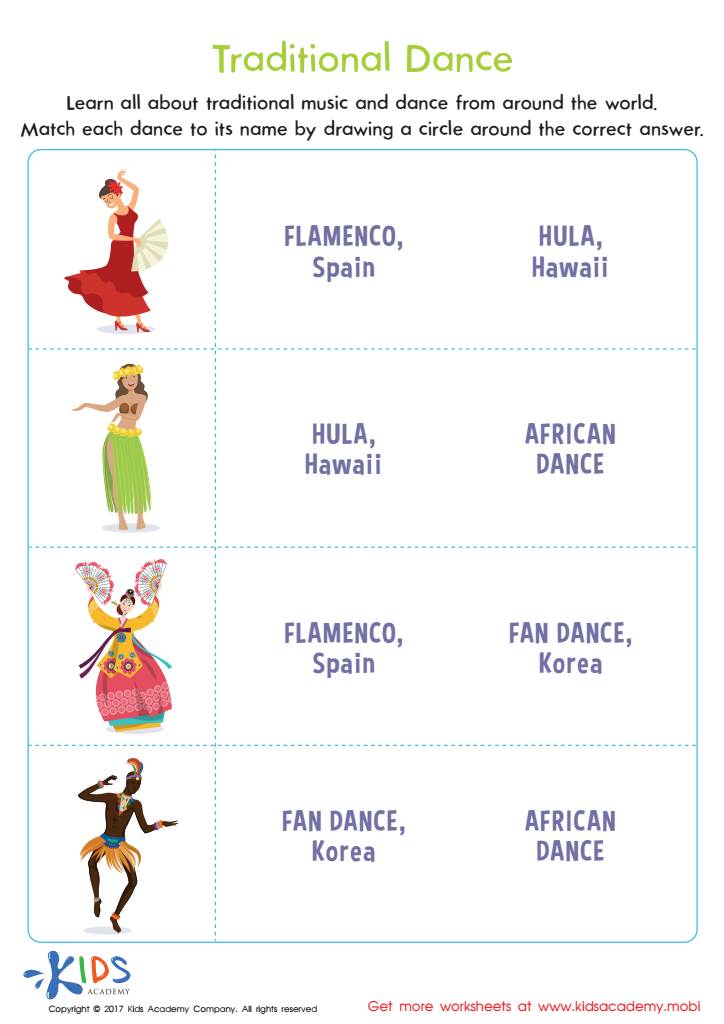
Traditional Dance Printable
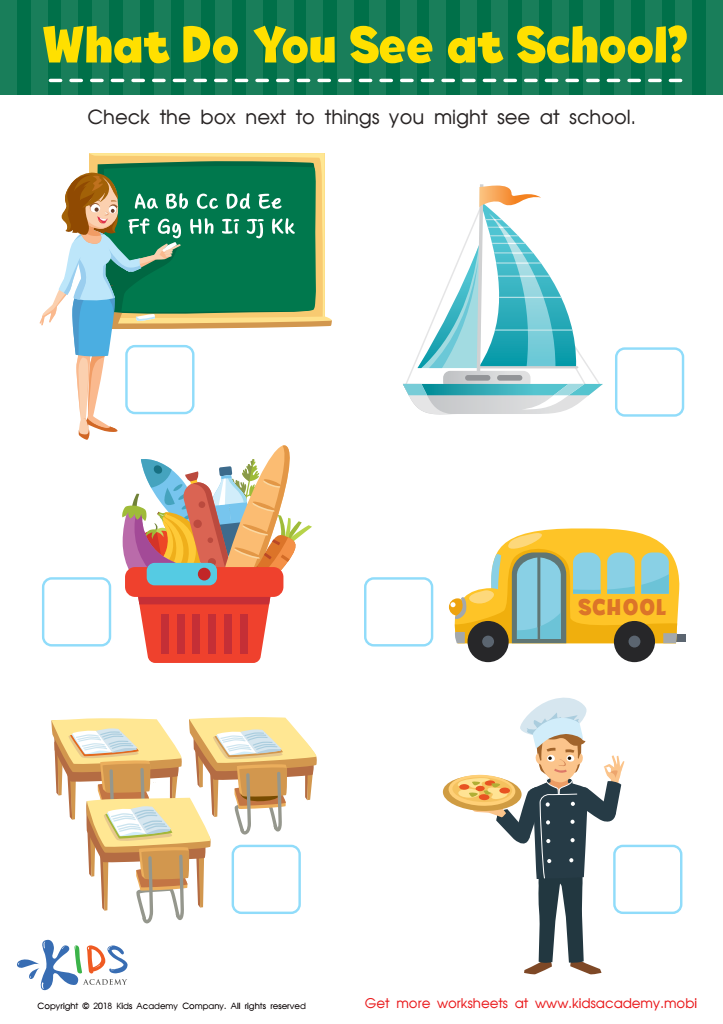
What Do you See at School? Worksheet
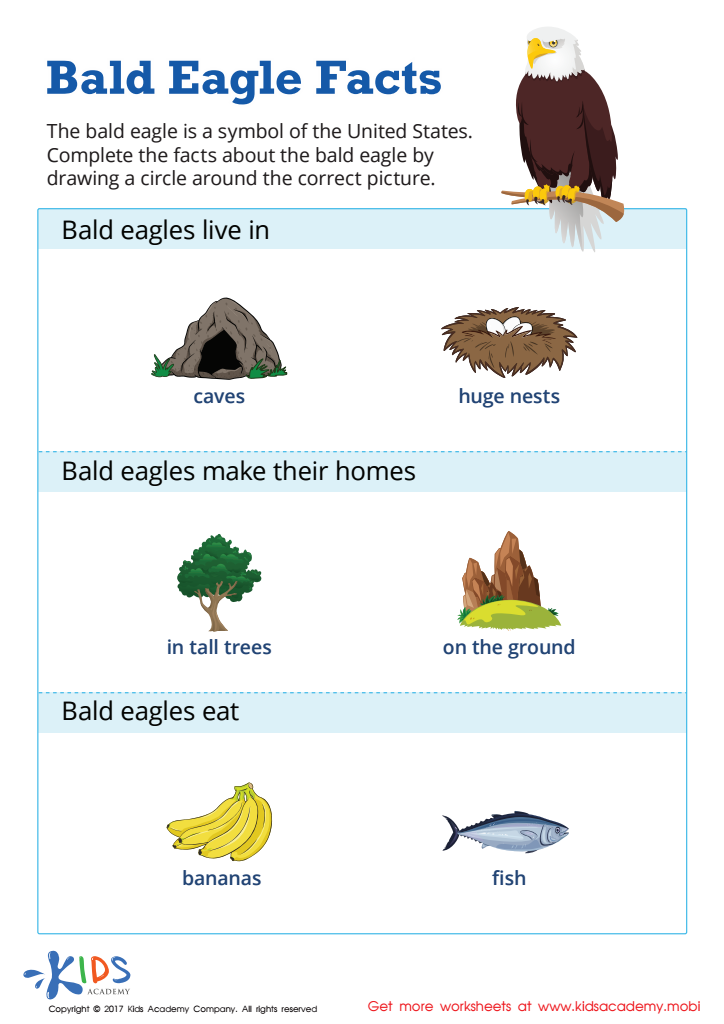
Bald Eagle Facts Worksheet
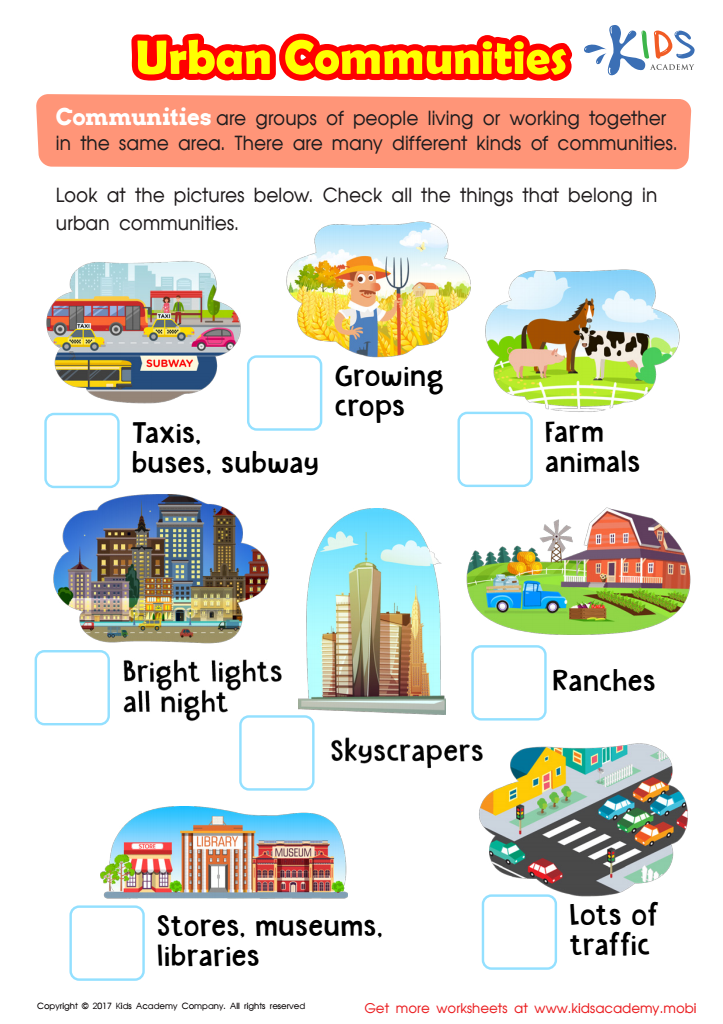
Urban Communities Printable
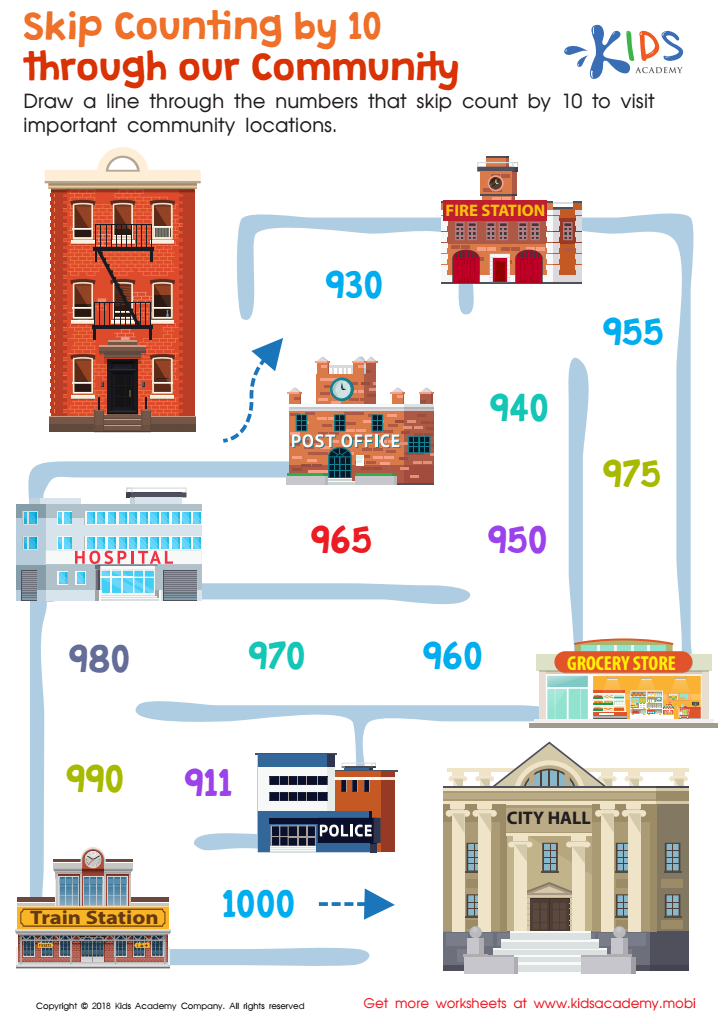
Skip Counting by 10 Through Our Community Worksheet
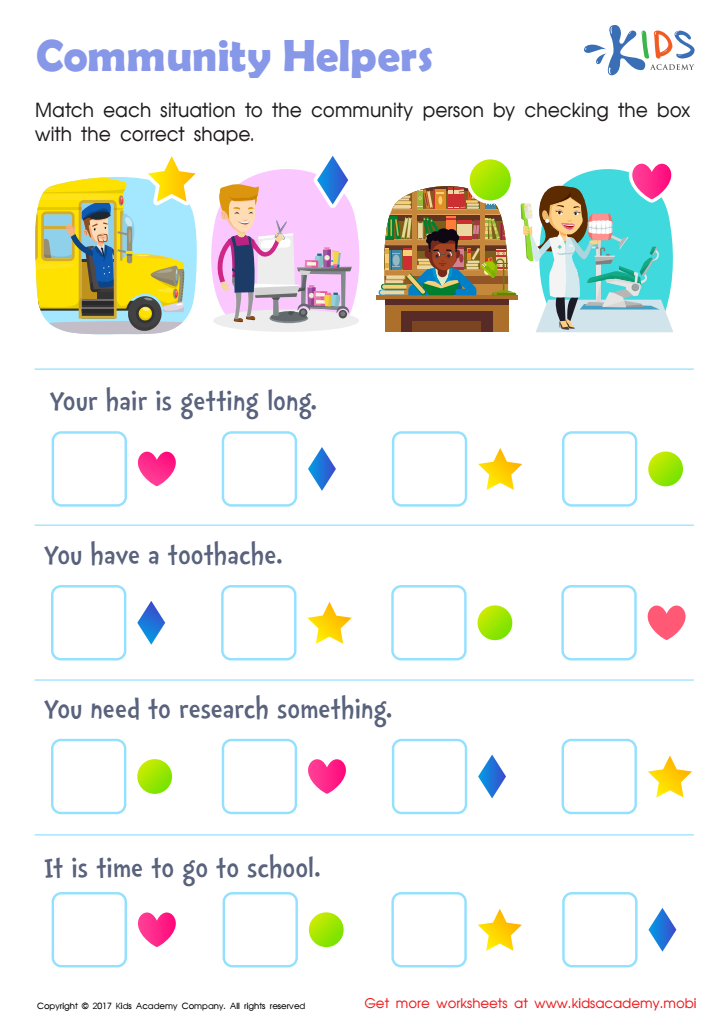
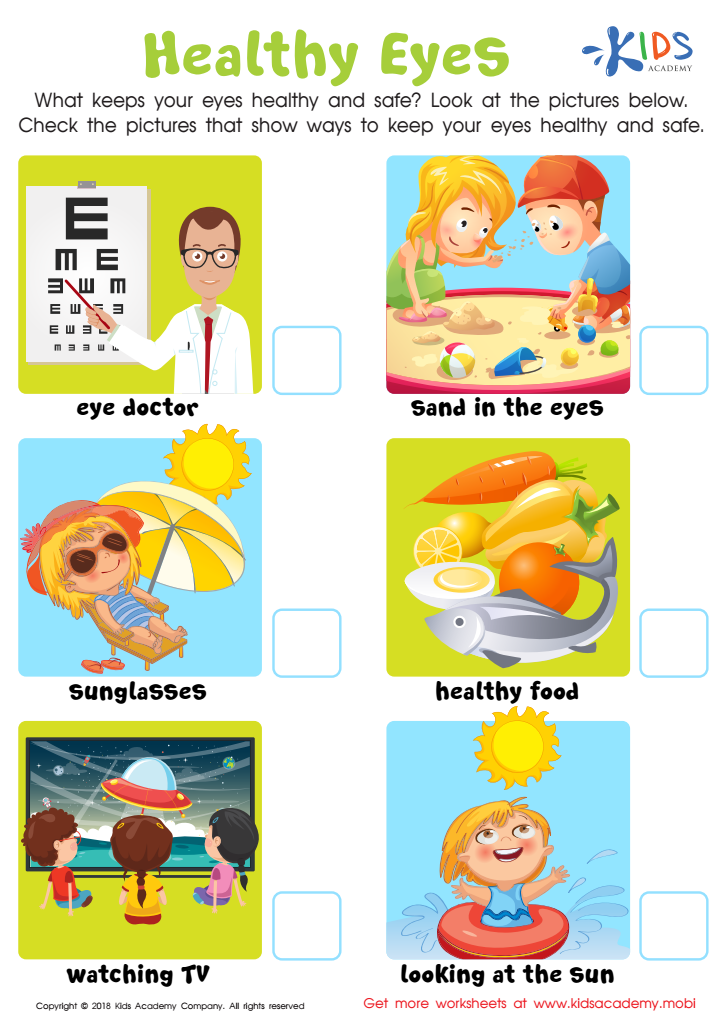
Healthy Eyes Worksheet
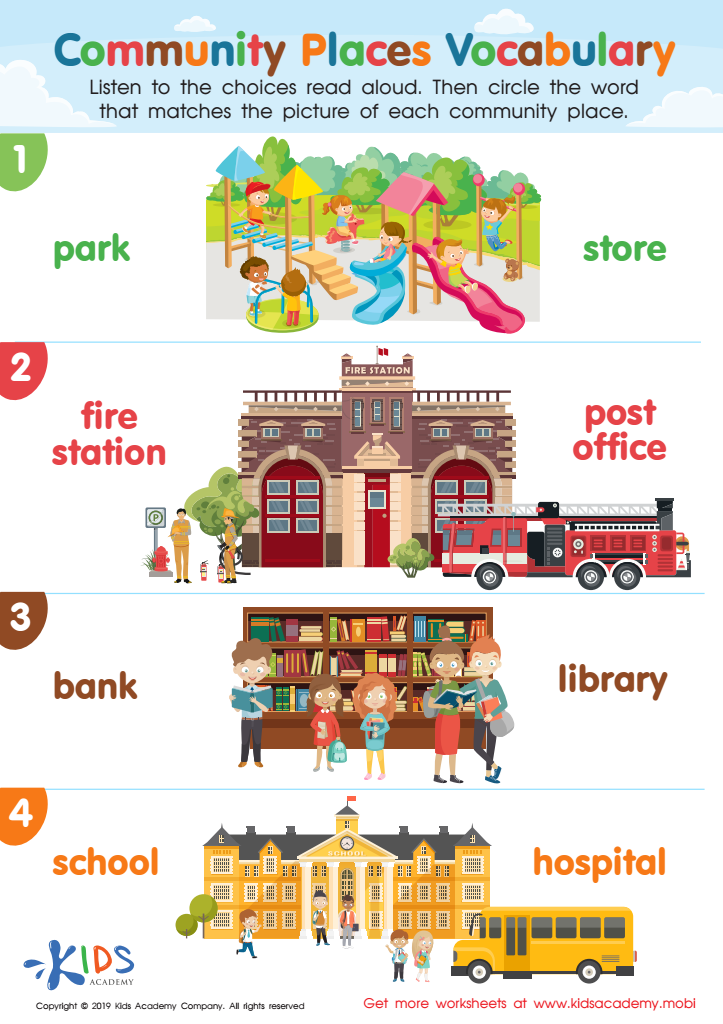
Community Places Vocabulary Worksheet
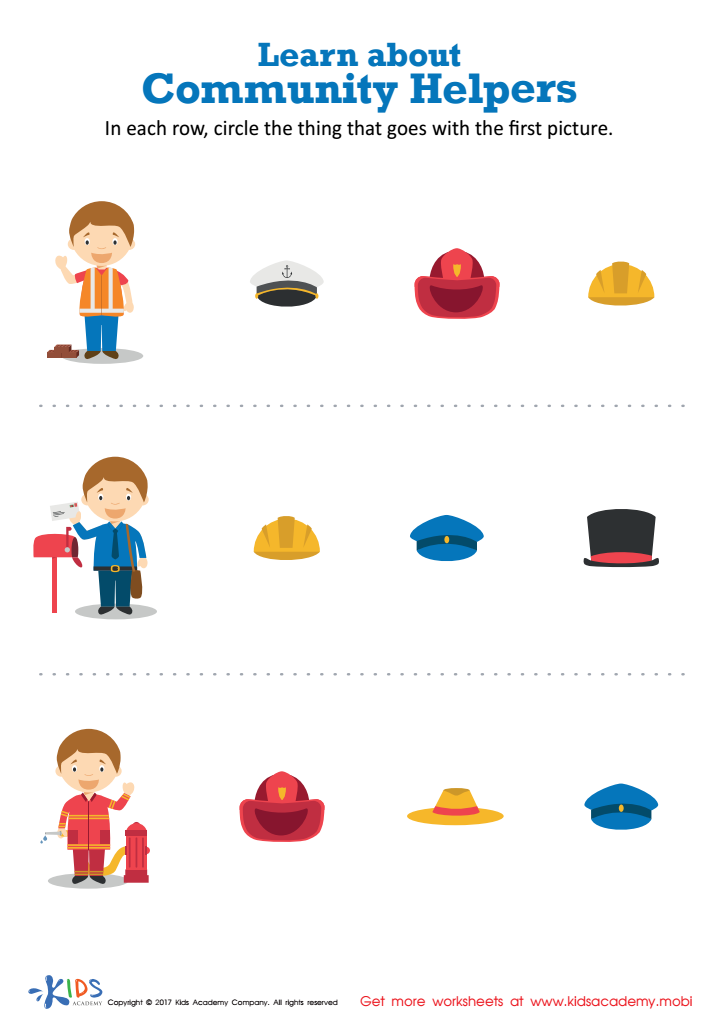
Learn about Community Helpers Printable



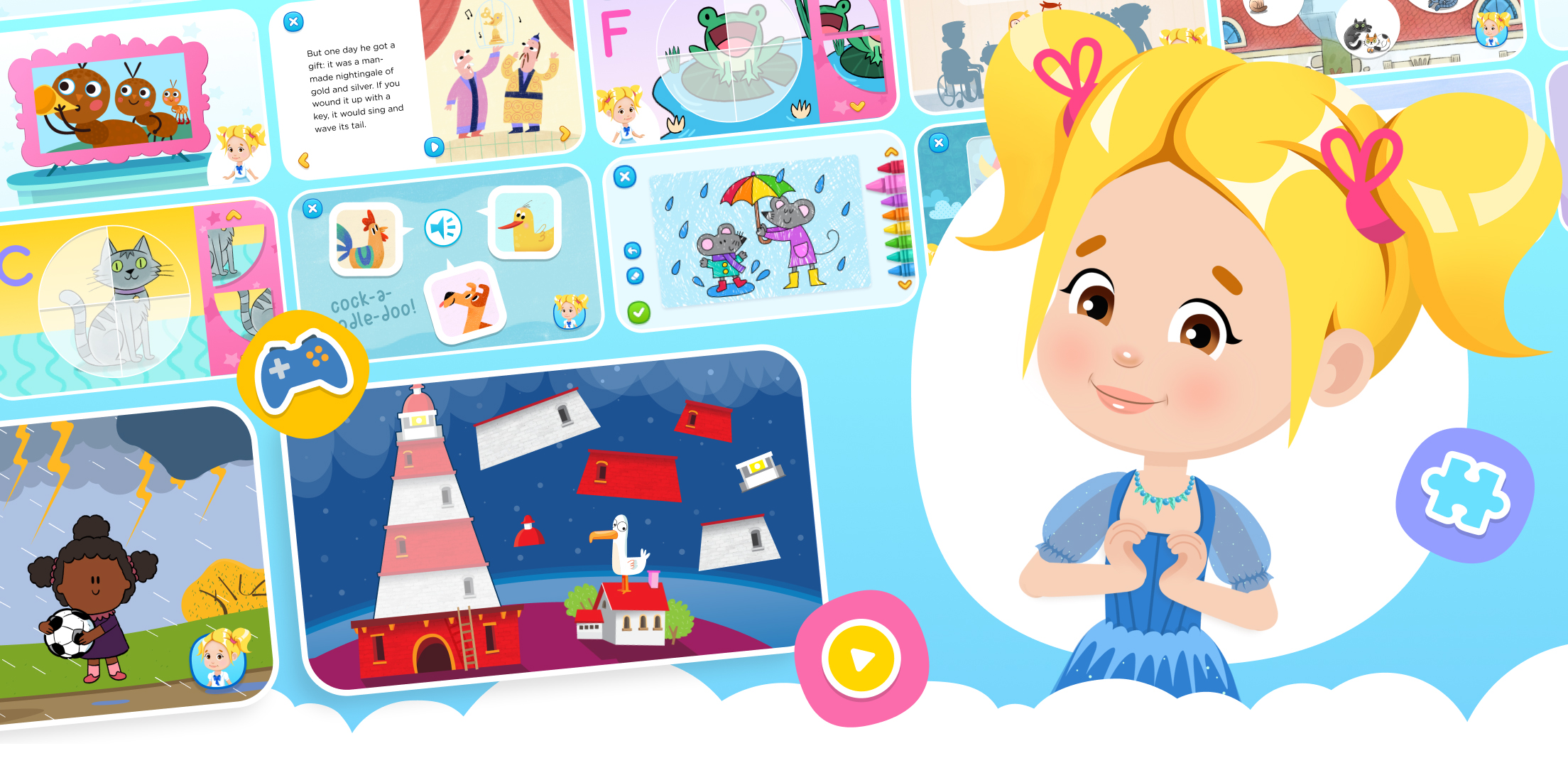




Vocabulary enhancement is crucial for children aged 6-7, especially in the context of social studies. This is a formative stage when kids begin to grasp complex concepts about their community, culture, and history. A rich vocabulary helps them articulate their thoughts, understand diverse perspectives, and engage meaningfully in discussions. By expanding their vocabulary, children can express themselves better, ask questions, and convey their experiences, which fosters critical thinking and emotional intelligence.
Additionally, integrating vocabulary development into social studies encourages active learning. Children become more engaged with lessons, as they learn words in context, making them more relatable and memorable. This comprehensive understanding empowers kids to form connections between new terms and their real-world application.
Moreover, enhanced vocabulary can improve overall literacy skills, which are foundational for academic success across subjects. Parents and teachers who prioritize vocabulary enrichment help create a nurturing learning environment that promotes curiosity and a love for knowledge. Ultimately, this investment into vocabulary development supports children in becoming informed, articulate, and empathetic citizens, paving the way for their future learning experiences and social interactions. We should collectively care about these efforts to ensure our children are well-equipped for the complexities of life and society.