Normal Matching Worksheets for Ages 6-8 - Page 2
29 filtered results
-
From - To
 Assign to My Students
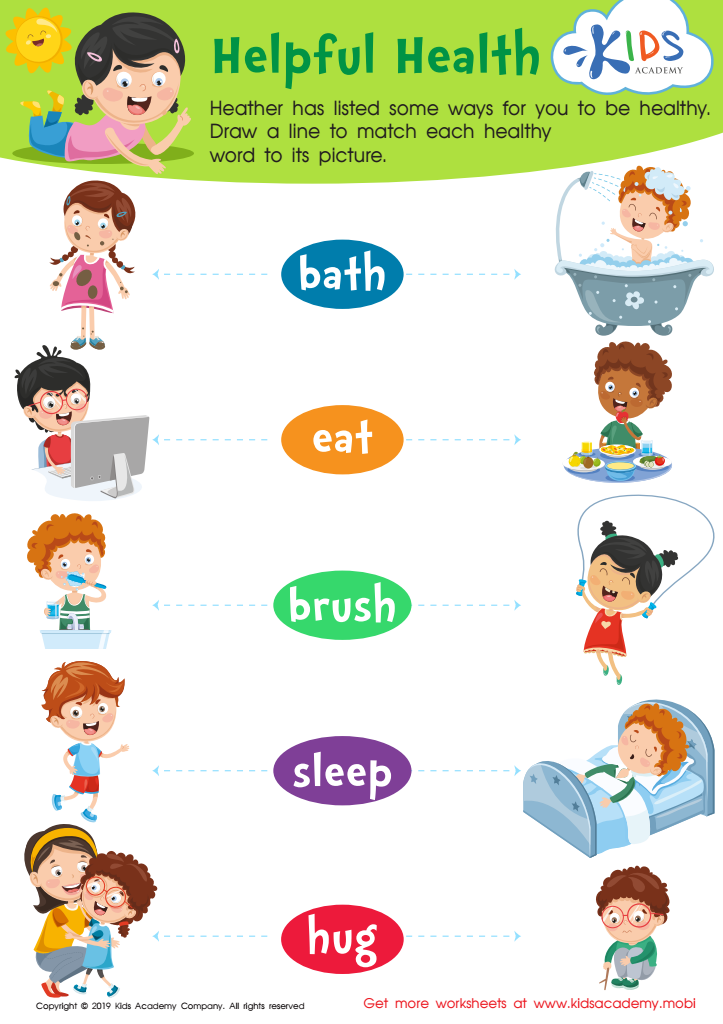
Helpful Health Worksheet
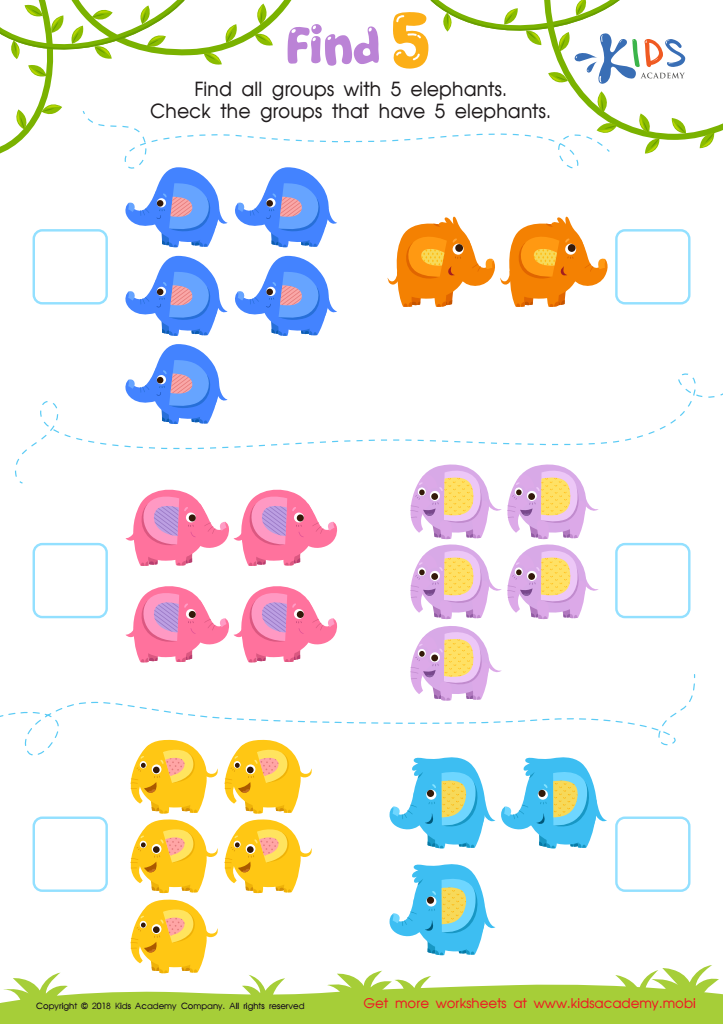
Find 5 Worksheet
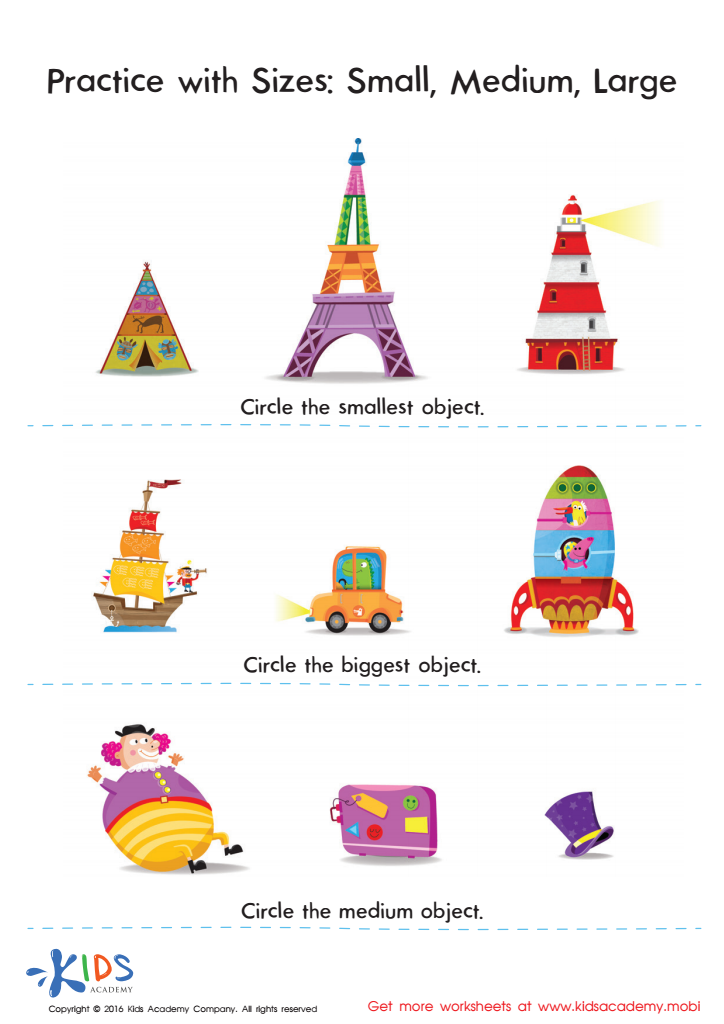








Normal Matching is essential for children aged 6-8 as it fosters crucial cognitive and emotional development. At this stage, children are beginning to understand similarities and differences among objects, concepts, and people. Normal Matching exercises help enhance their observational skills, strengthen critical thinking, and boost memory retention, all of which are foundational for future learning.
By engaging in Normal Matching activities, children practice categorization, which aids in their understanding of relationships and patterns. This skill not only enhances academic performance but also promotes social interactions, as they learn to recognize features in peers and categorize social dynamics. Furthermore, these activities encourage patience, persistence, and confidence as children work through matching tasks, laying the groundwork for effective problem-solving abilities.
Moreover, involving parents and teachers in Normal Matching can create a supportive learning environment. Parents can reinforce these skills at home through fun games and activities, while teachers can implement them in the classroom to cater to diverse learning styles. Together, they can guide children towards developing an organized thought process that ultimately prepares them for more complex concepts in math, science, and literacy. Therefore, Normal Matching forms a bridge between early educational experiences and lifelong learning behaviors.








