Normal Science Worksheets for Ages 6-8 - Page 4
308 filtered results
-
From - To
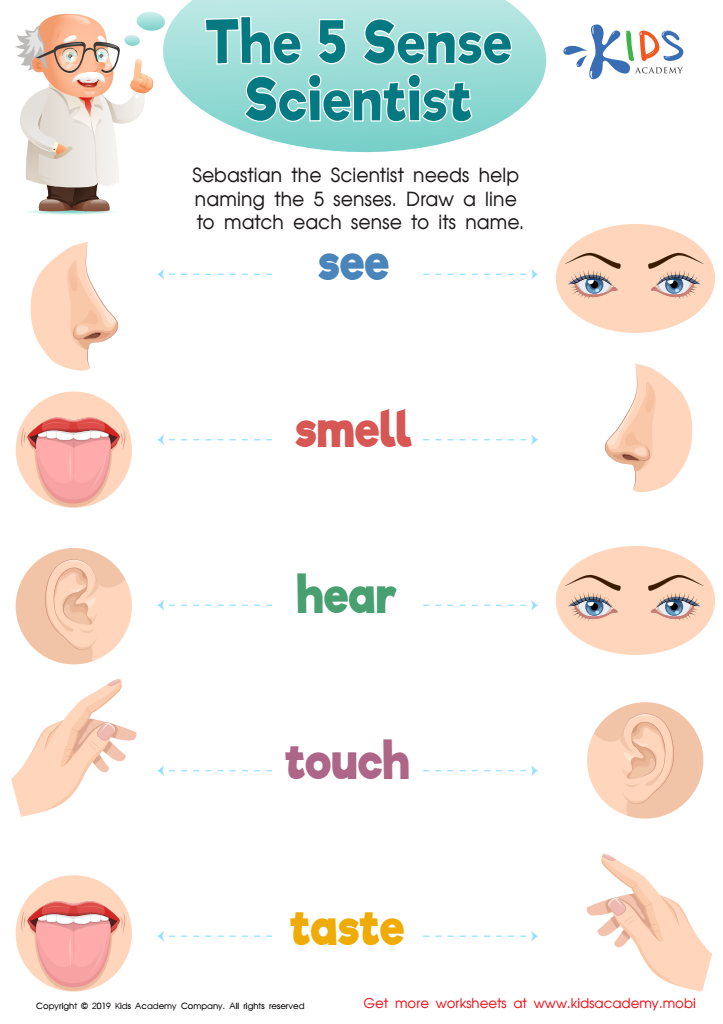
The 5 Sense Scientist Worksheet
 Assign to My Students
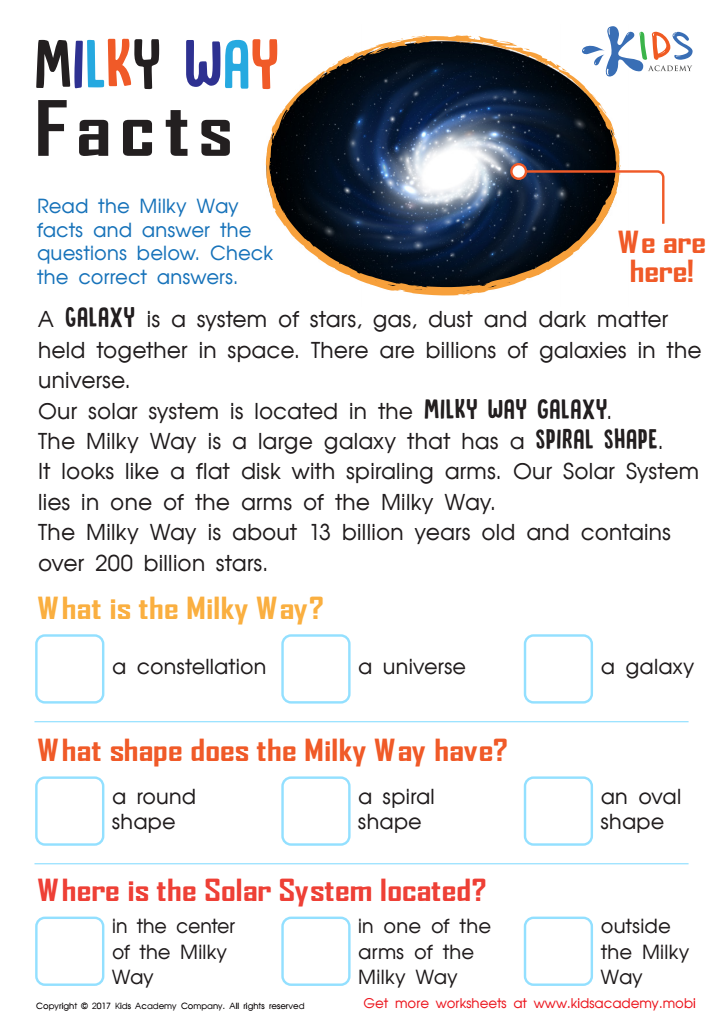
Milky Way Facts Worksheet
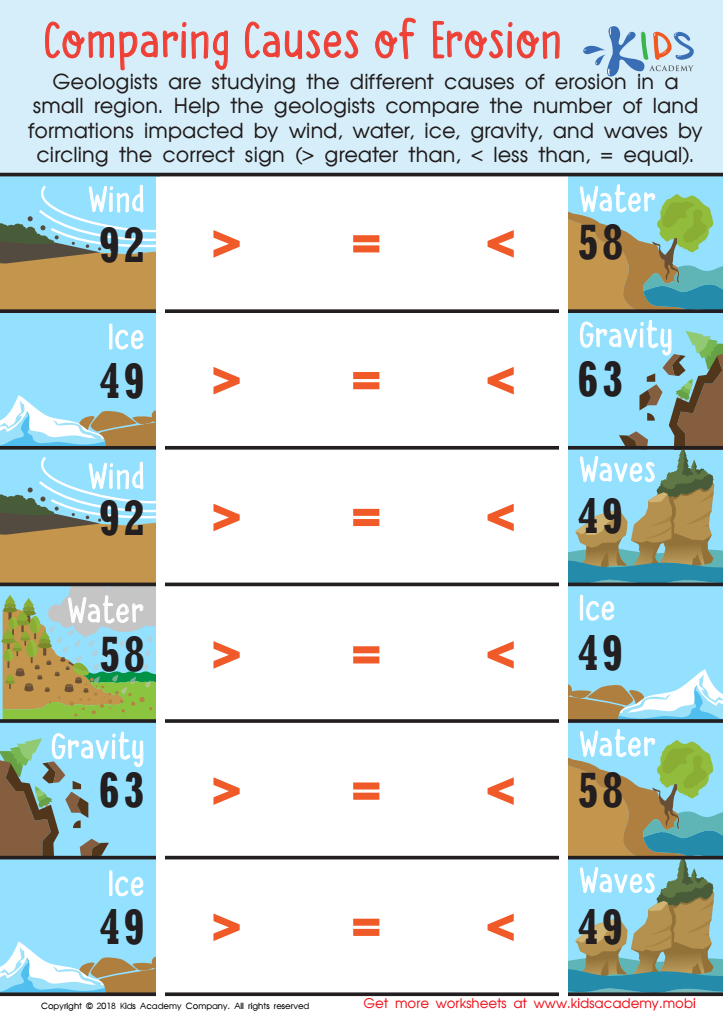
Comparing Causes of Erosion Worksheet
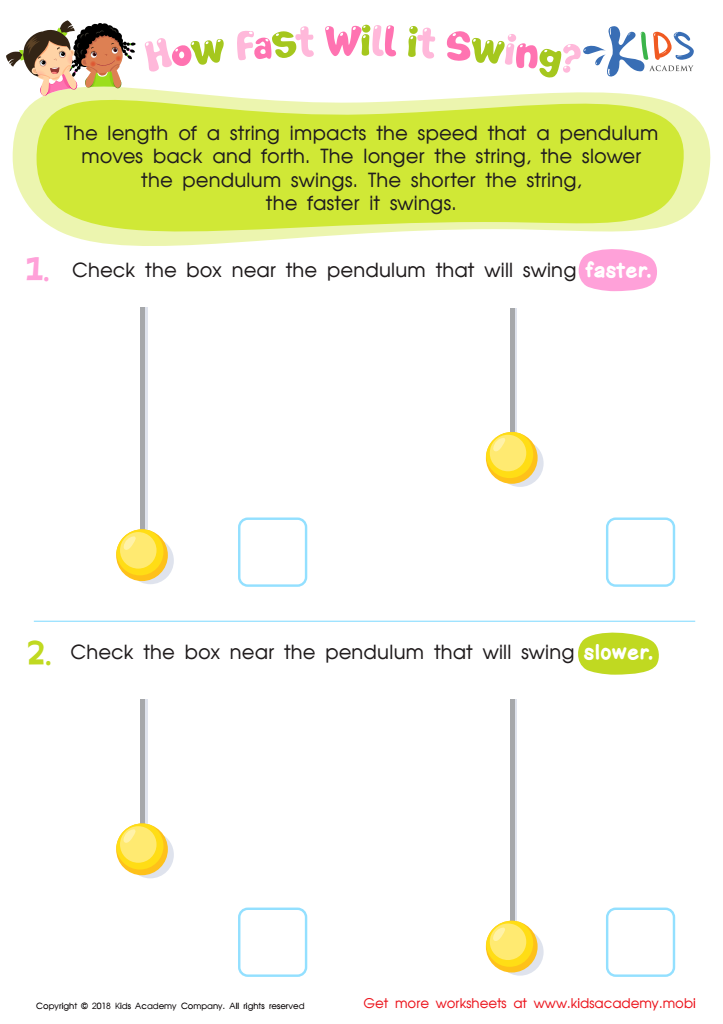
Pendulum Experiment Worksheet For 3rd Grade
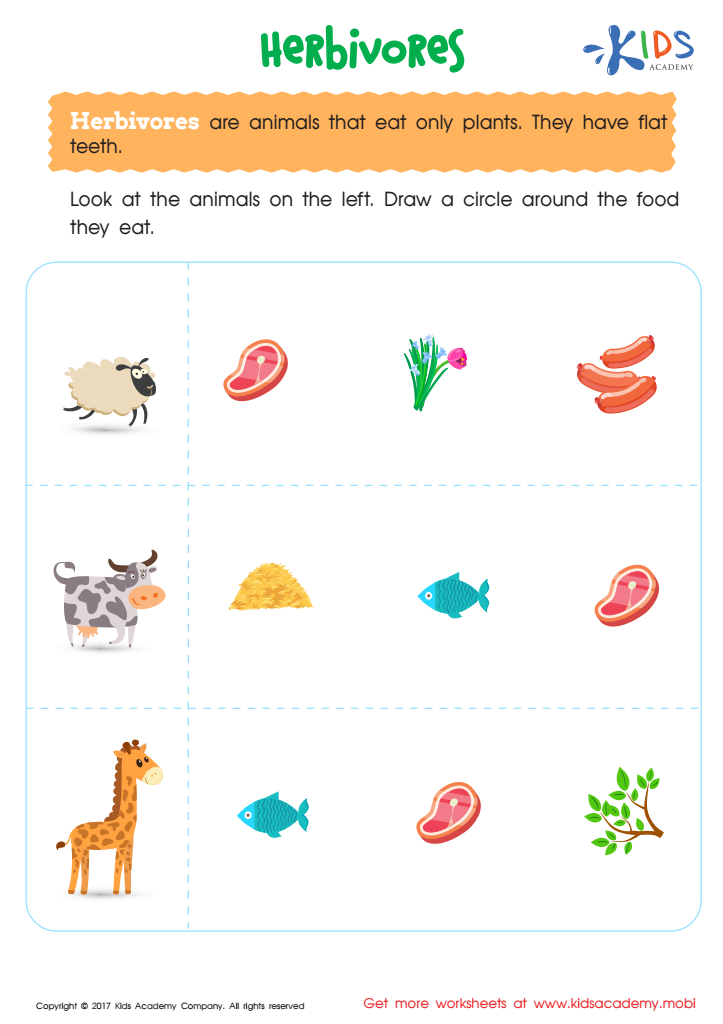
Herbivores Printable
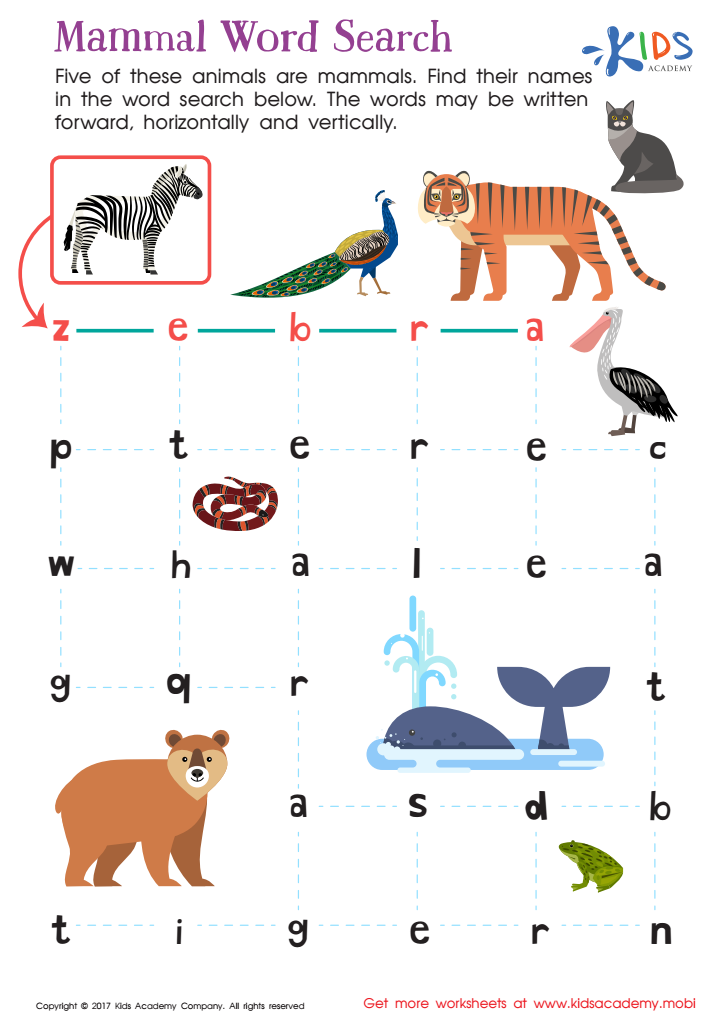
Printable Mammal Word Search
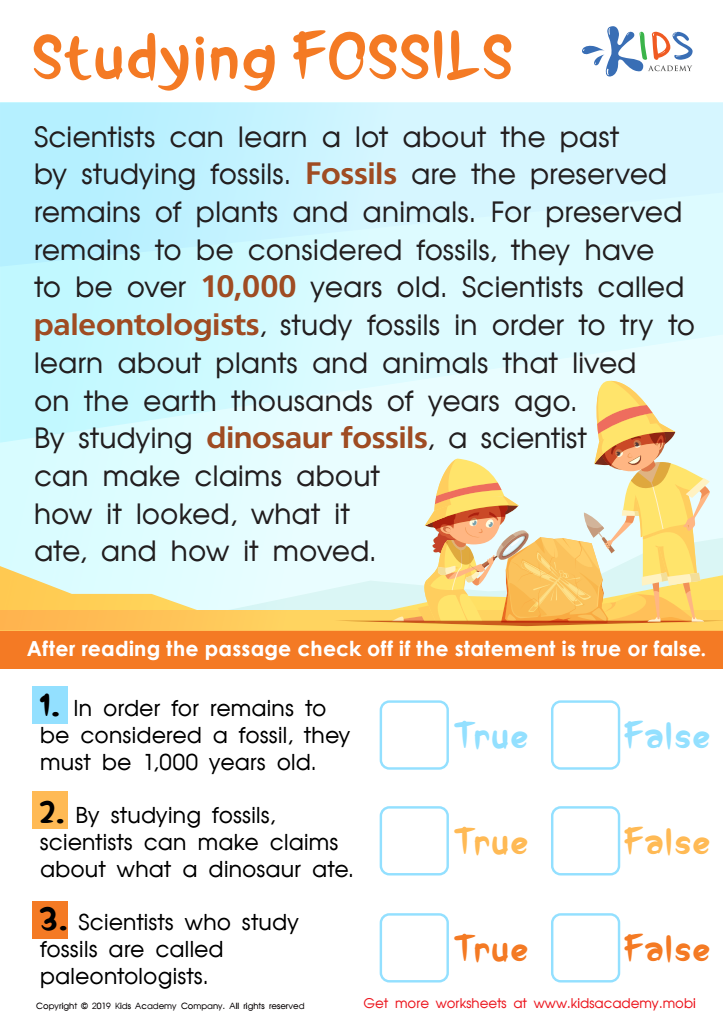
Studying Fossils Worksheet
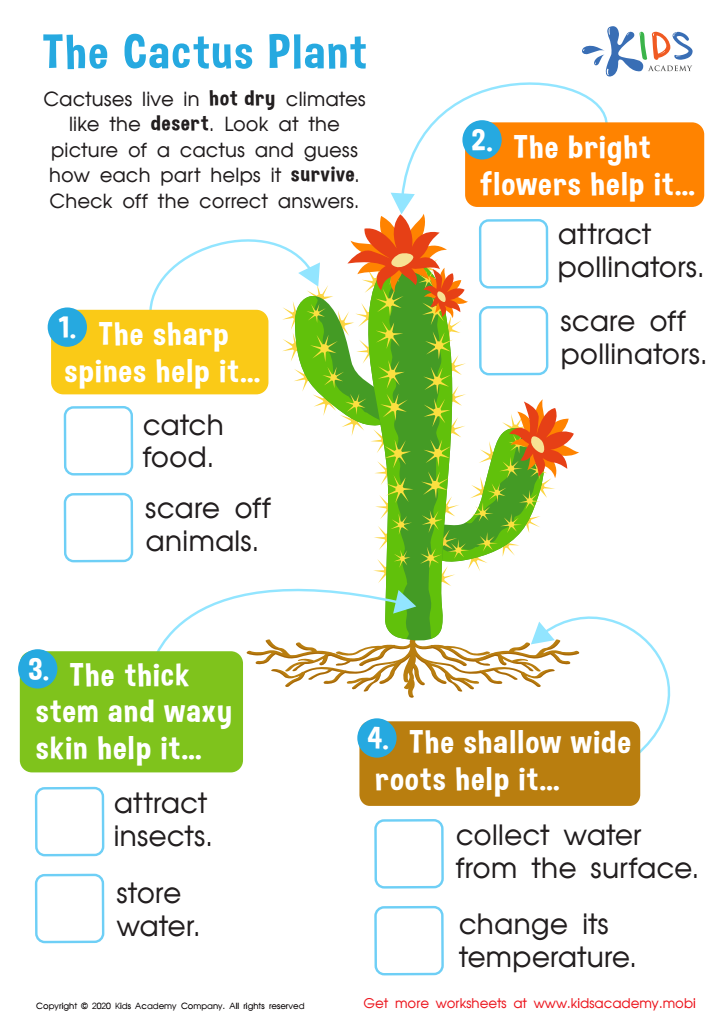
The Cactus Plant Worksheet
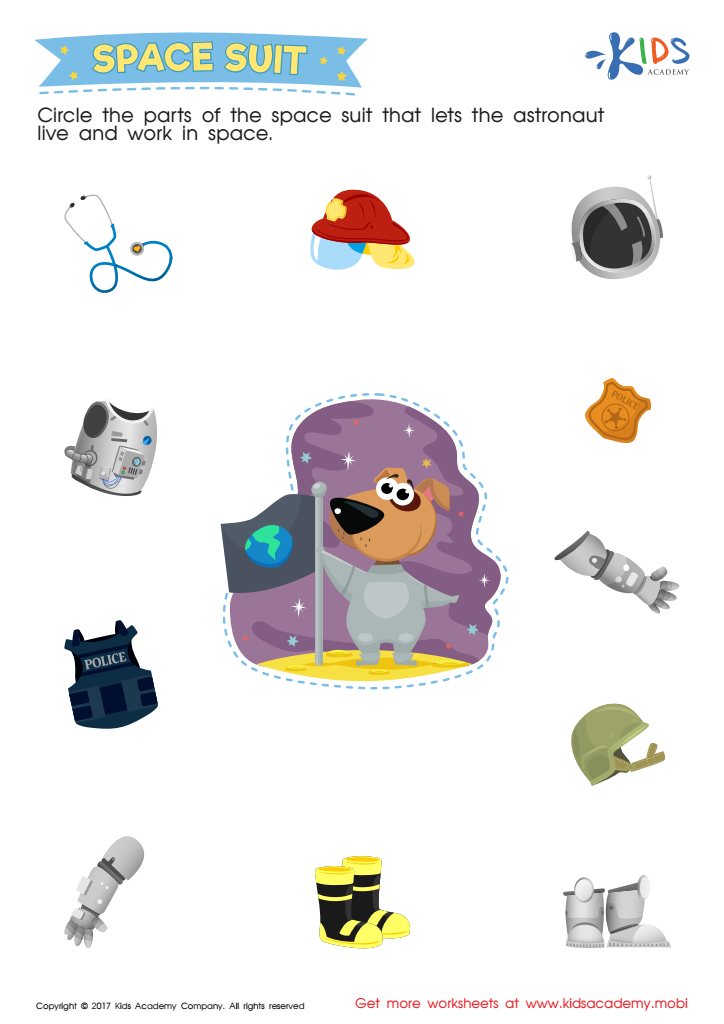
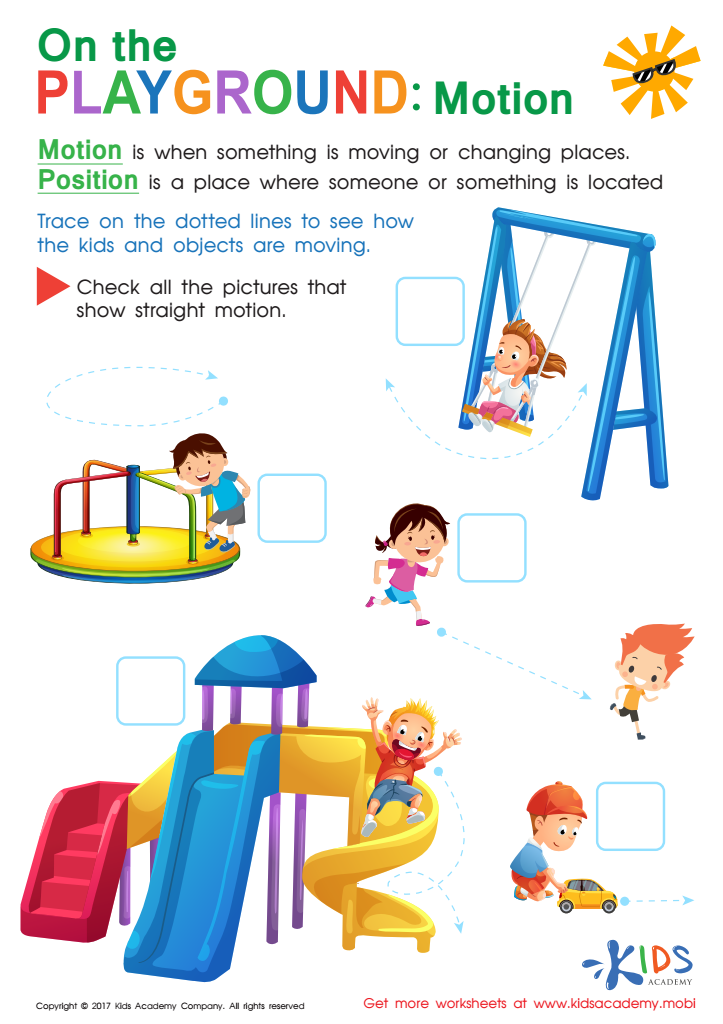
Position and Motion Worksheet
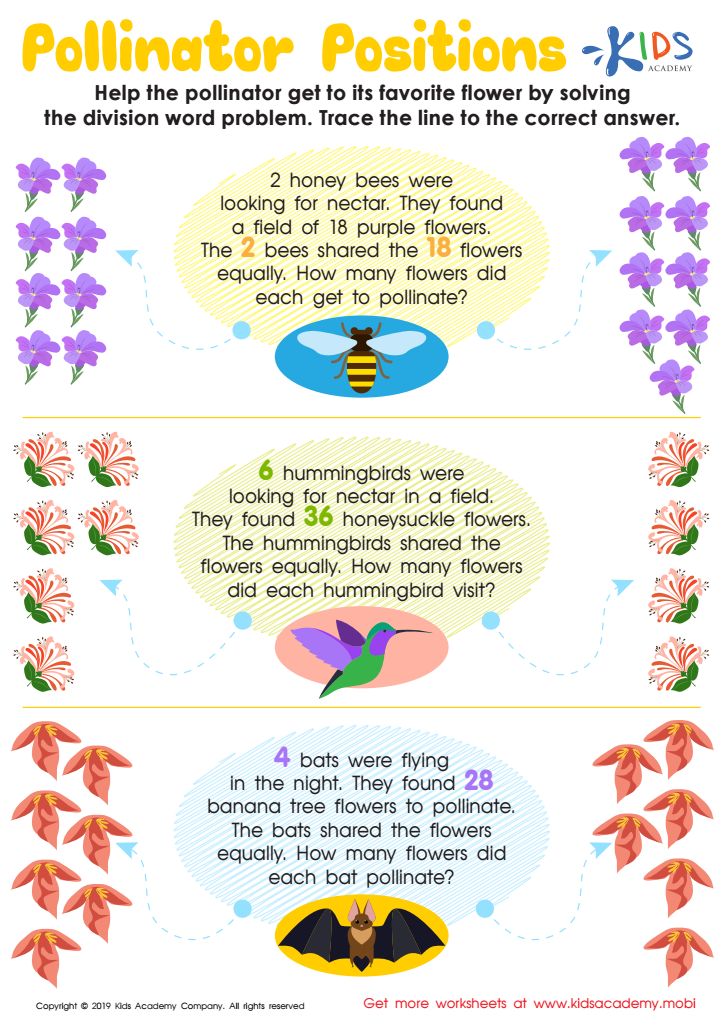
Pollinator Positions Worksheet
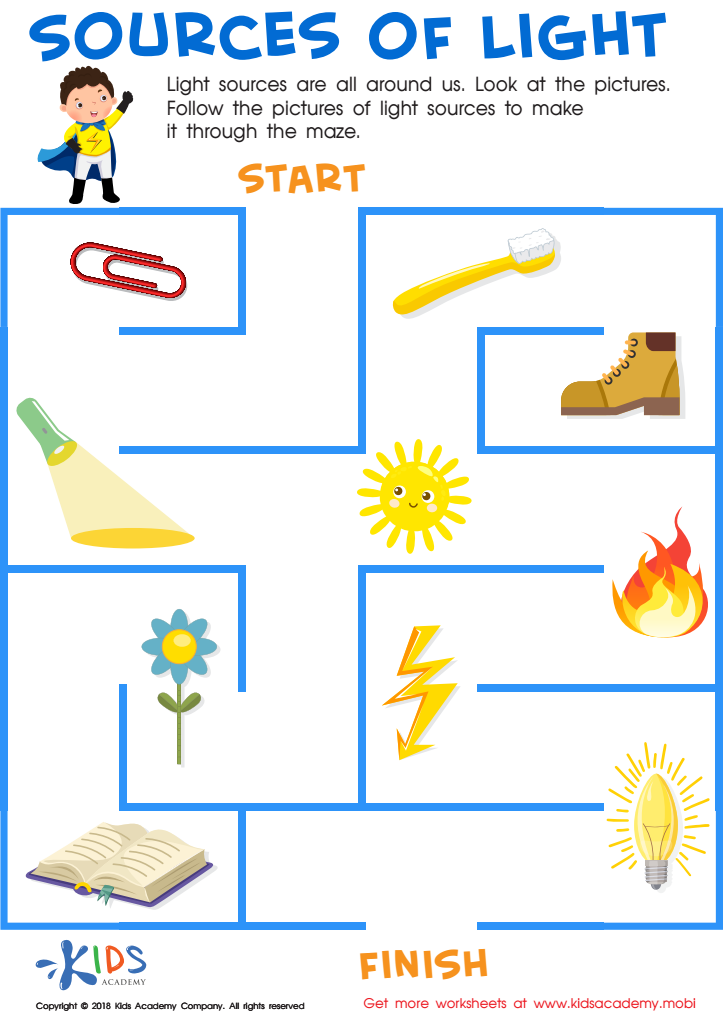
Sources of Light Worksheet
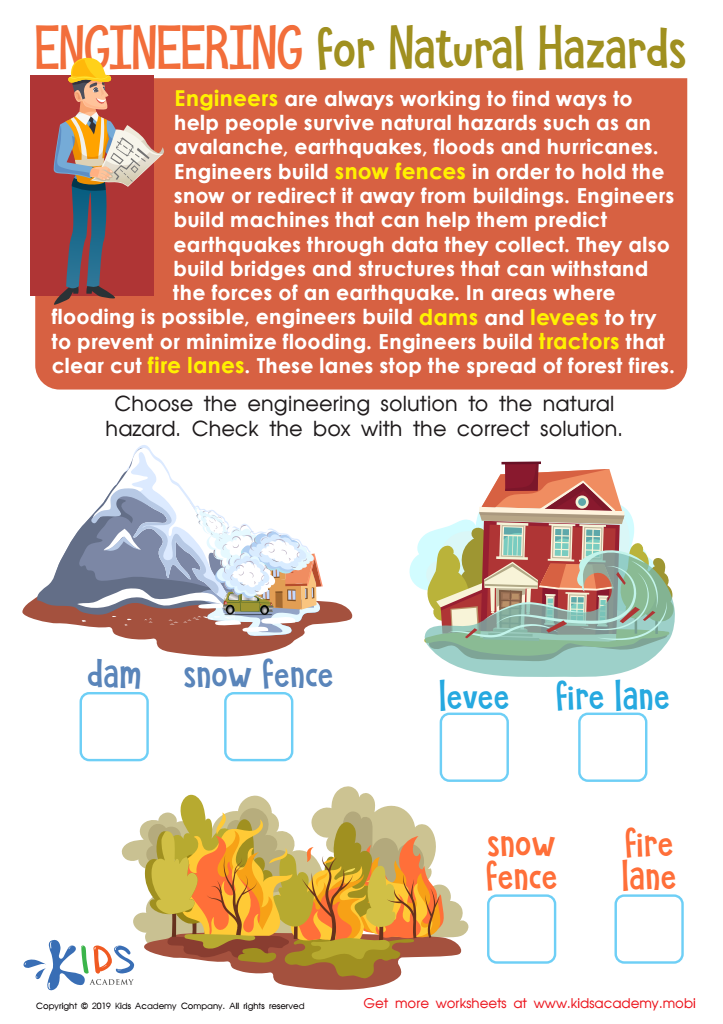
Engineering Natural Hazards Worksheet
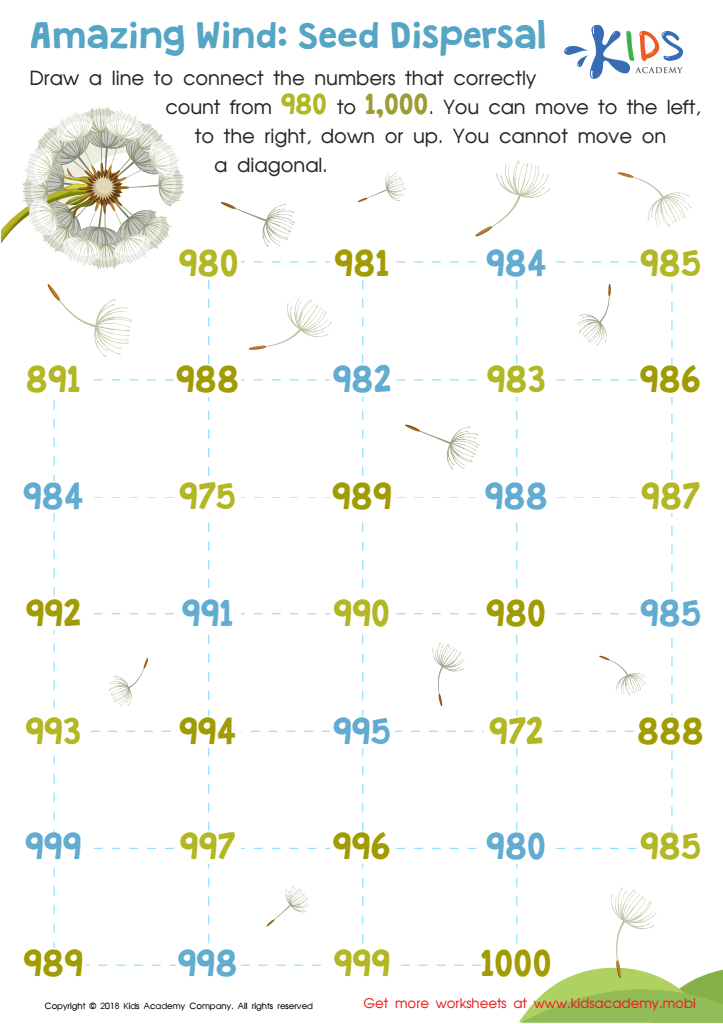
Amazing Wind: Seed Dispersal Worksheet
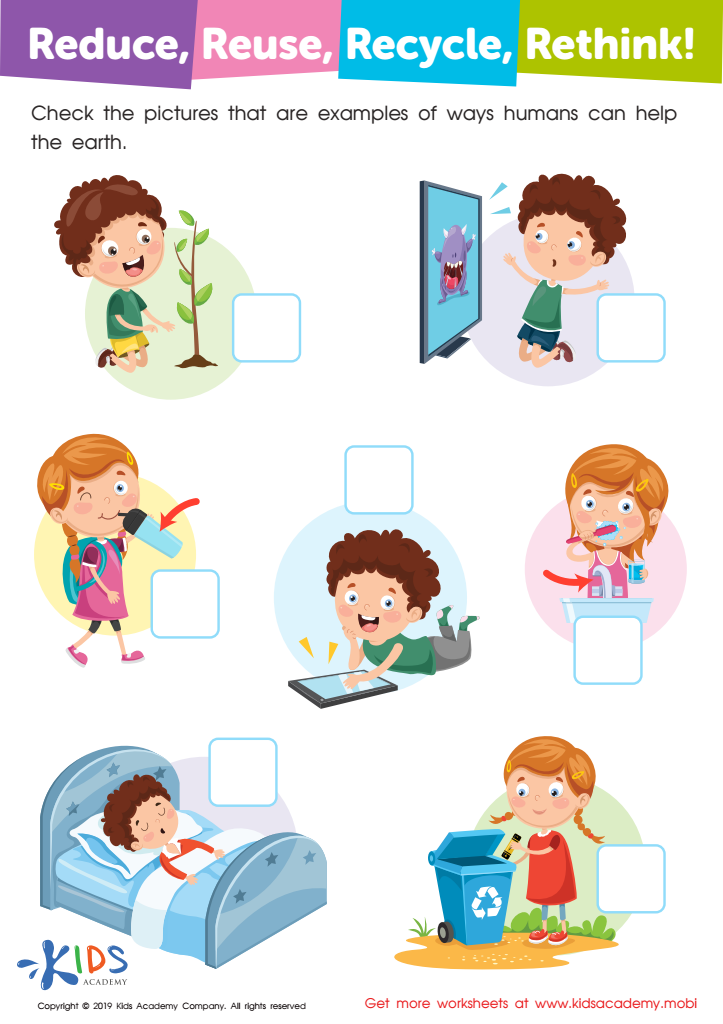
Reduce, Reuse, Recycle, Rethink Worksheet
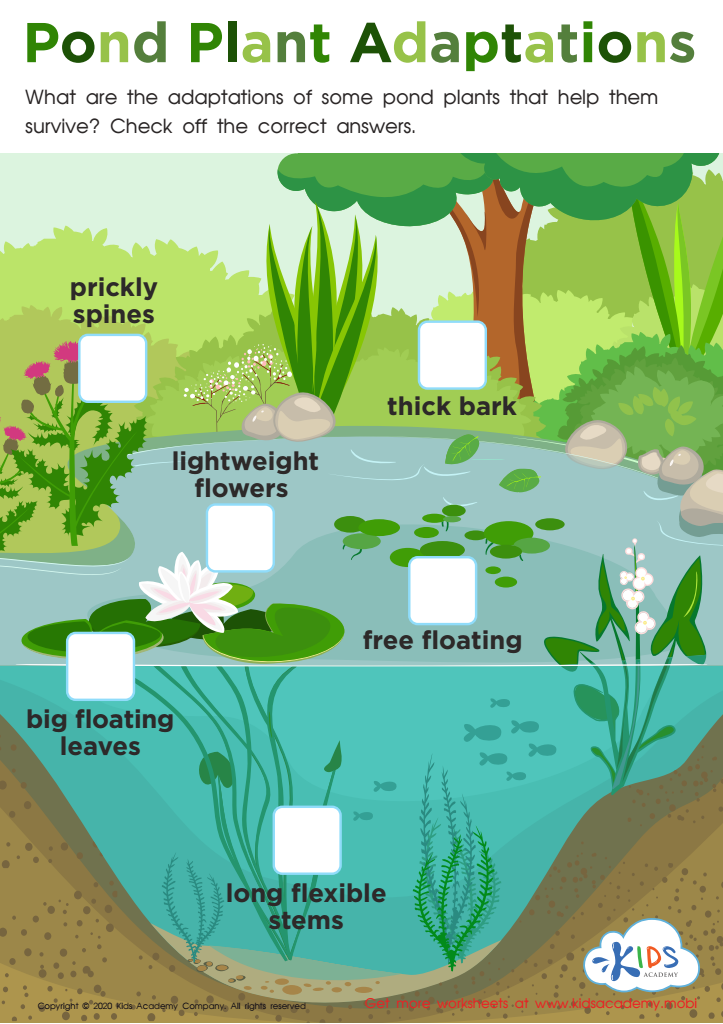
Pond Plant Adaptations
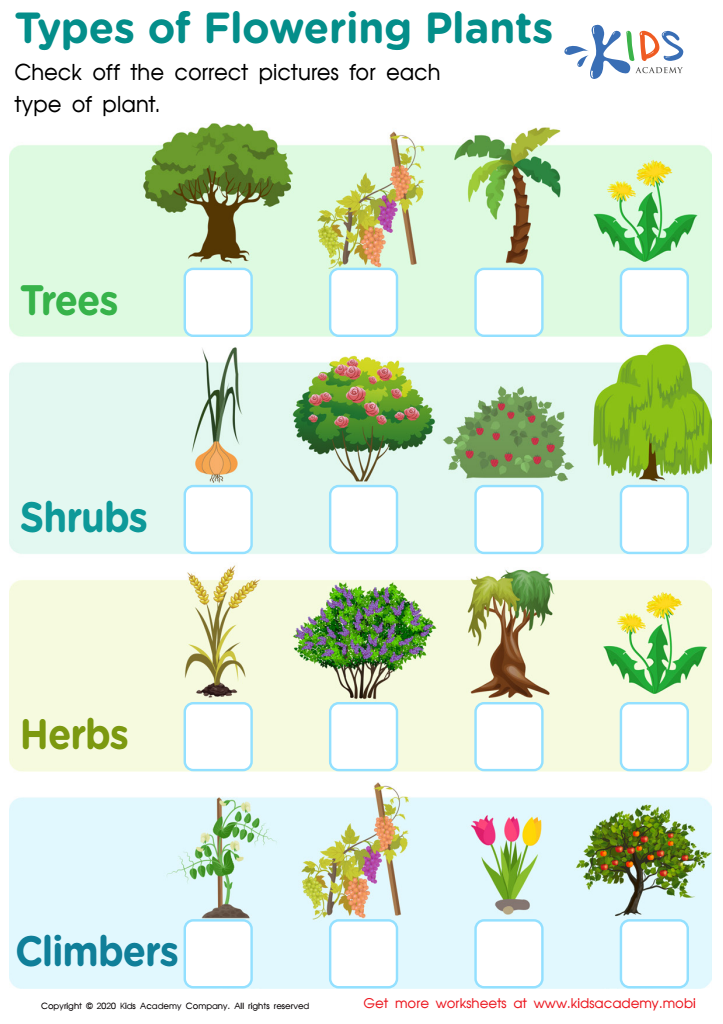
Types of Flowering Plants Worksheet
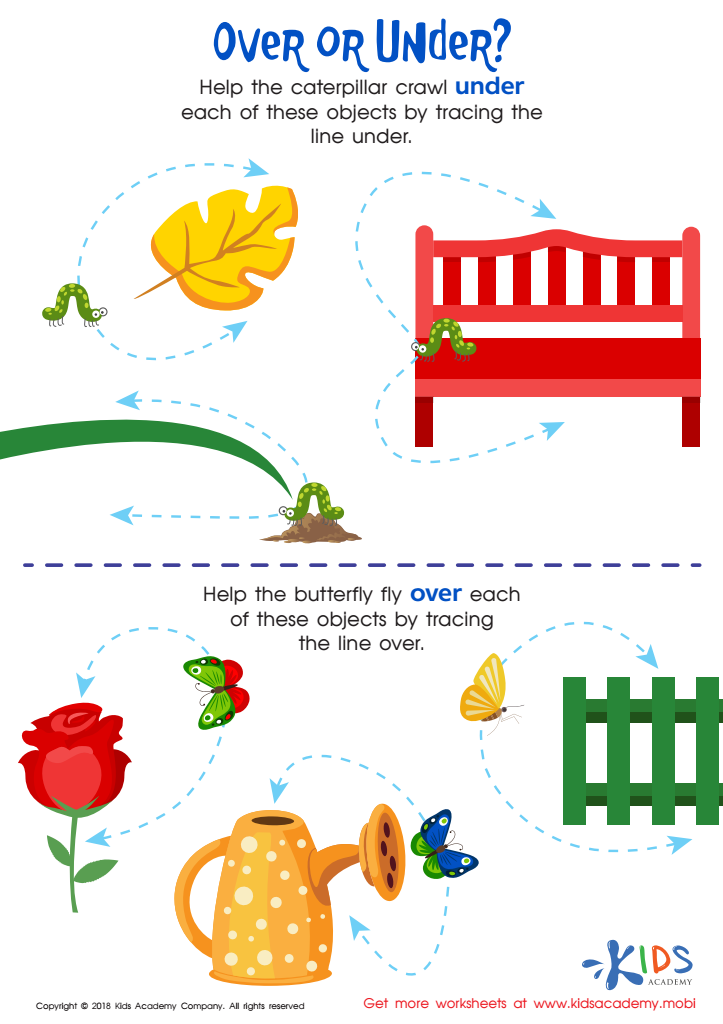
Over or Under? Worksheet
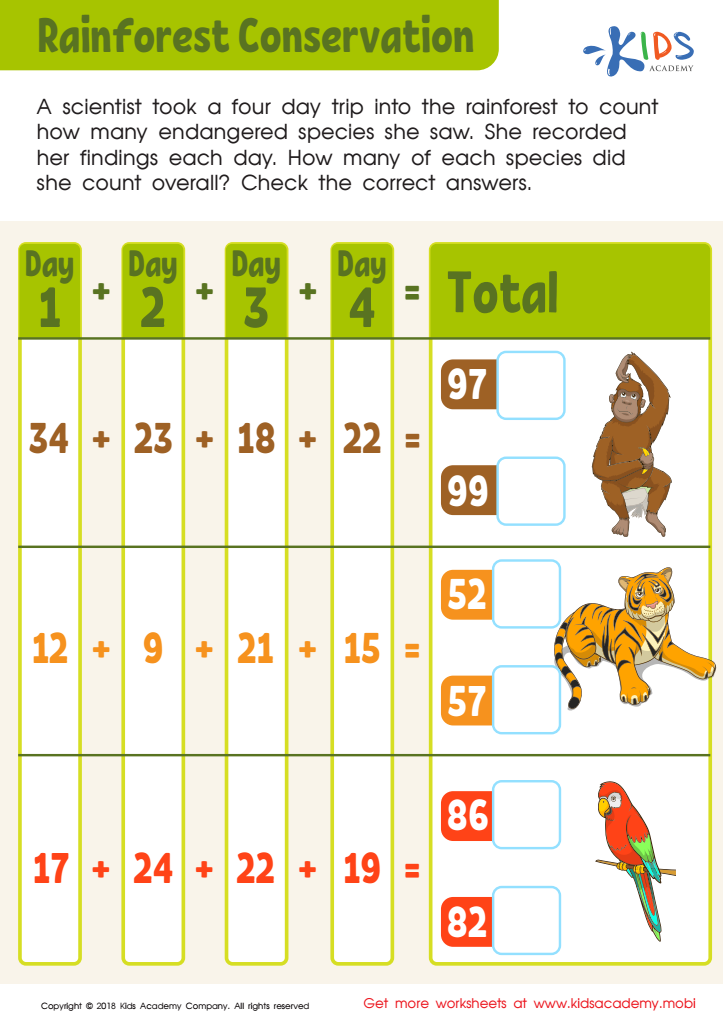
Rainforest Conservation Worksheet
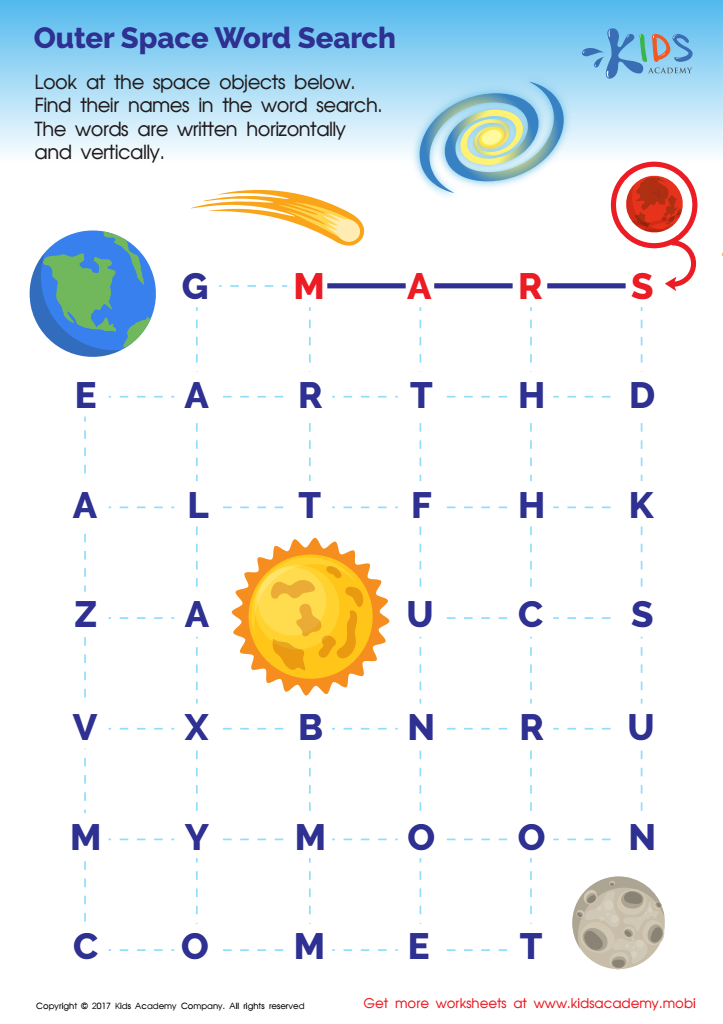
Outer Space Word Search Printable
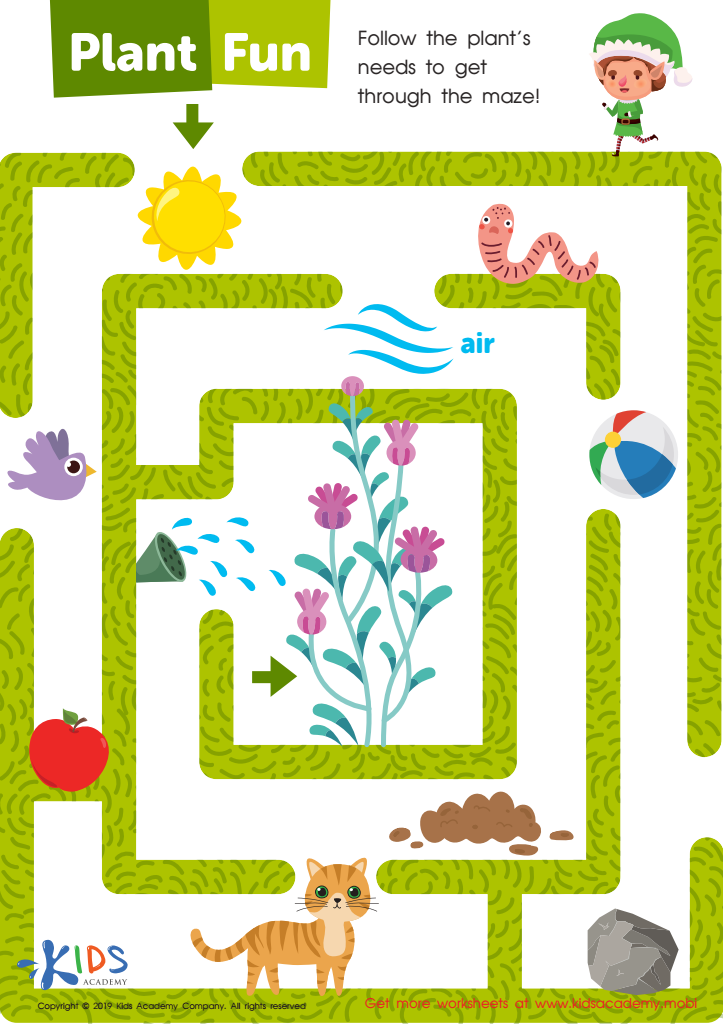
Plant Fun Worksheet
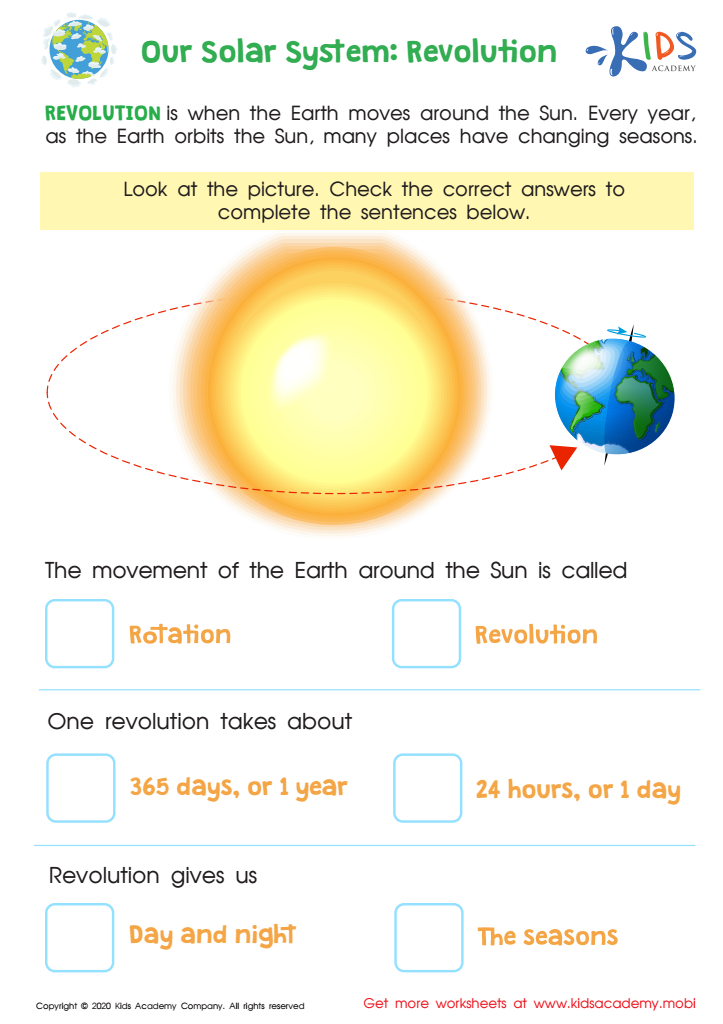
Our Solar System: Revolution Printable
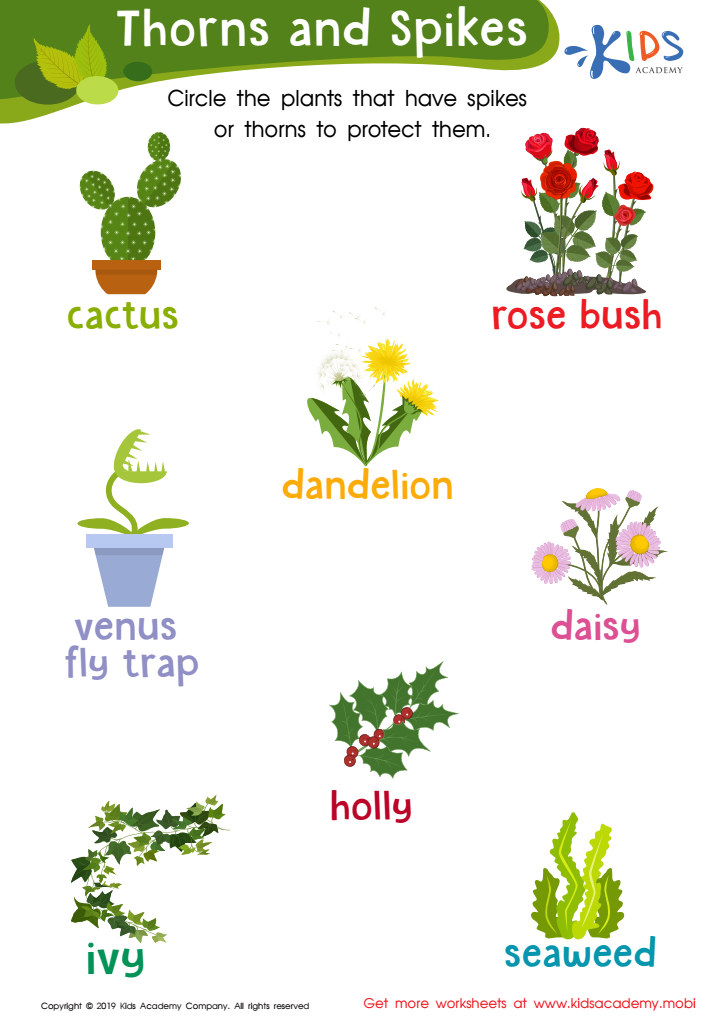
Thorns and Spikes Worksheet
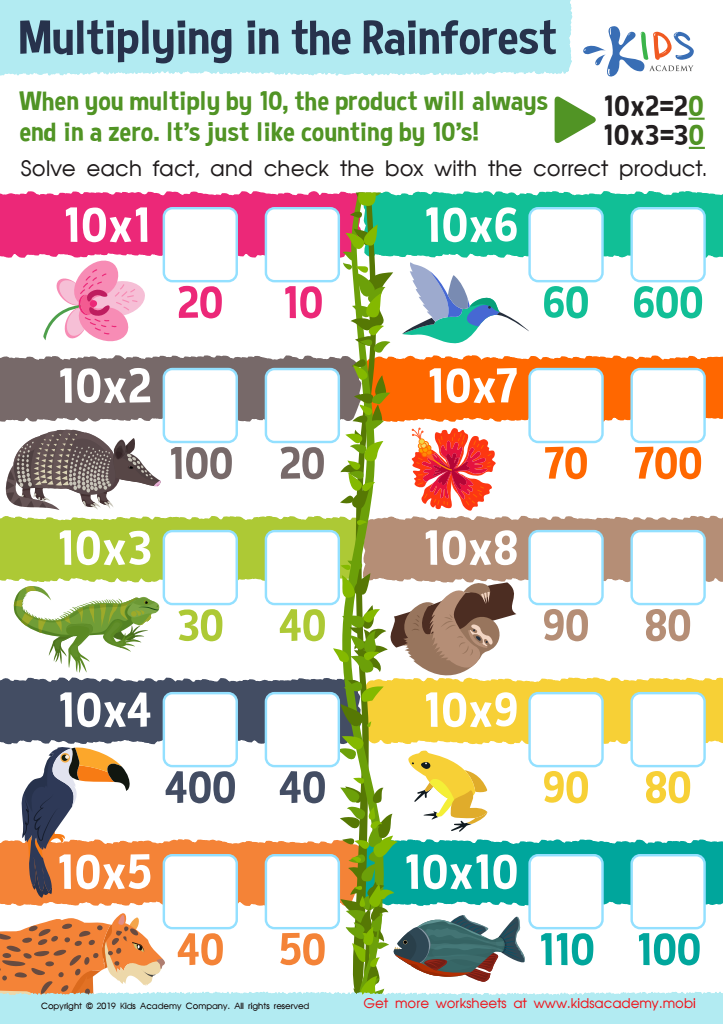
Multiplying in the Rainforest Worksheet








Normal Science for ages 6-8 lays the foundational understanding of scientific principles while fostering curiosity and exploration. At this critical developmental stage, children naturally engage with the world around them, making it the perfect time to introduce them to basic scientific concepts. Teaching normal science concepts encourages observational skills, critical thinking, and problem-solving abilities, which are essential lifelong skills.
Parents and teachers should care because incorporating science into daily learning not only satisfies children’s innate curiosity but also promotes cognitive development. Engaging in science activities helps children make connections between abstract ideas and real-world applications. Furthermore, it instills a sense of inquiry and encourages them to ask questions and seek answers, laying the groundwork for future academic endeavors.
Additionally, fostering an interest in science at this age supports gender equity in the STEM fields as both boys and girls develop confidence in their scientific abilities. By nurturing a curiosity for science now, parents and teachers can help cultivate the next generation of innovators, thinkers, and problem solvers. All together, early exposure to normal science enhances academic performance and prepares children for an increasingly complex world.







