Critical Thinking Normal Science Worksheets for Ages 6-8
20 filtered results
-
From - To
Unlock your child’s potential with our "Critical Thinking Normal Science Worksheets for Ages 6-8" at Kids Academy! Specifically designed to spark curiosity and foster problem-solving skills, these worksheets blend engaging science facts with activities tailored for young minds. Help your child develop crucial critical thinking skills through fun and interactive exercises that encourage exploration and reasoning. Perfect for home or classroom use, our worksheets bring science to life, making learning an exciting adventure for children aged 6-8. Prepare your young learners for future success with our expertly crafted resources that make education both enjoyable and impactful. Explore today!
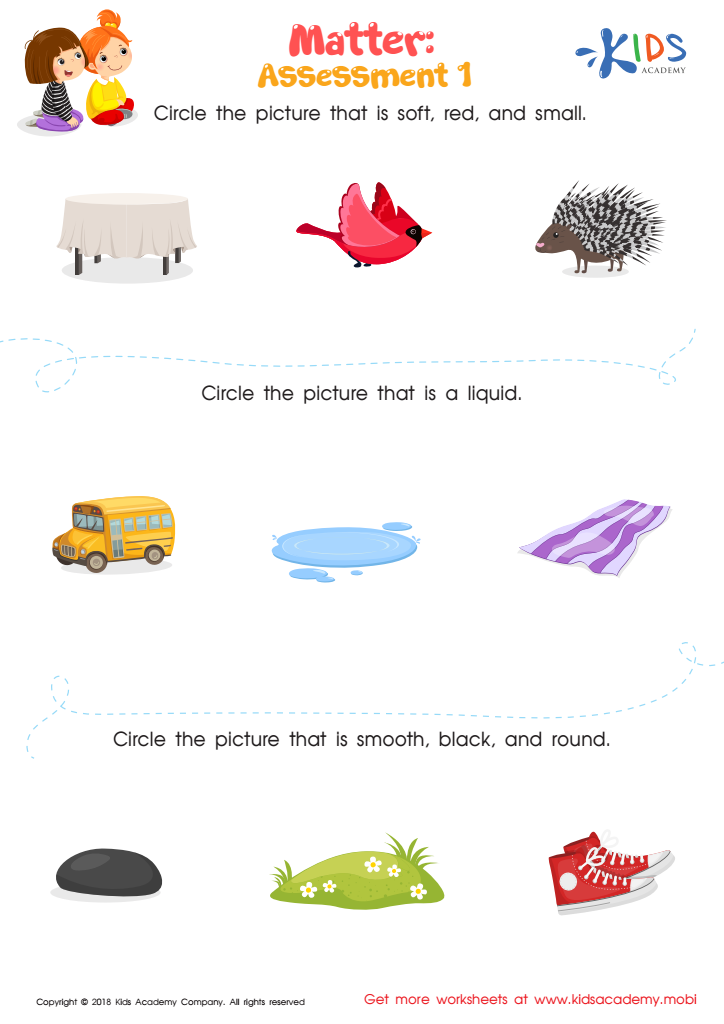
Matter: Assessment 1 Worksheet
 Assign to My Students
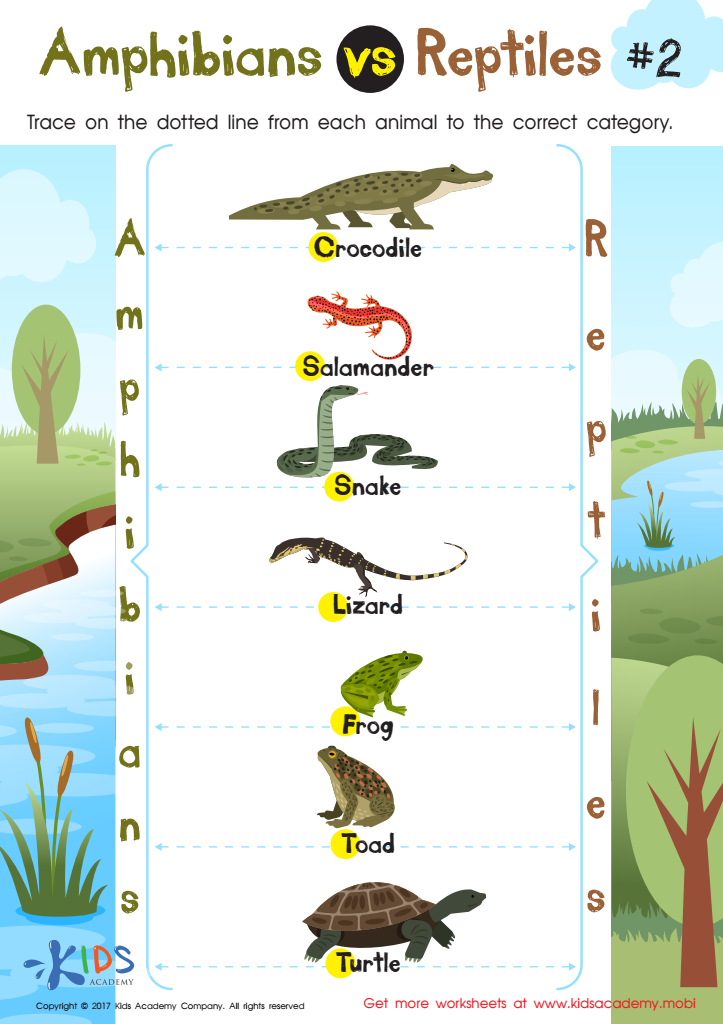
Amphibians vs Reptiles Worksheet for 3rd Grade
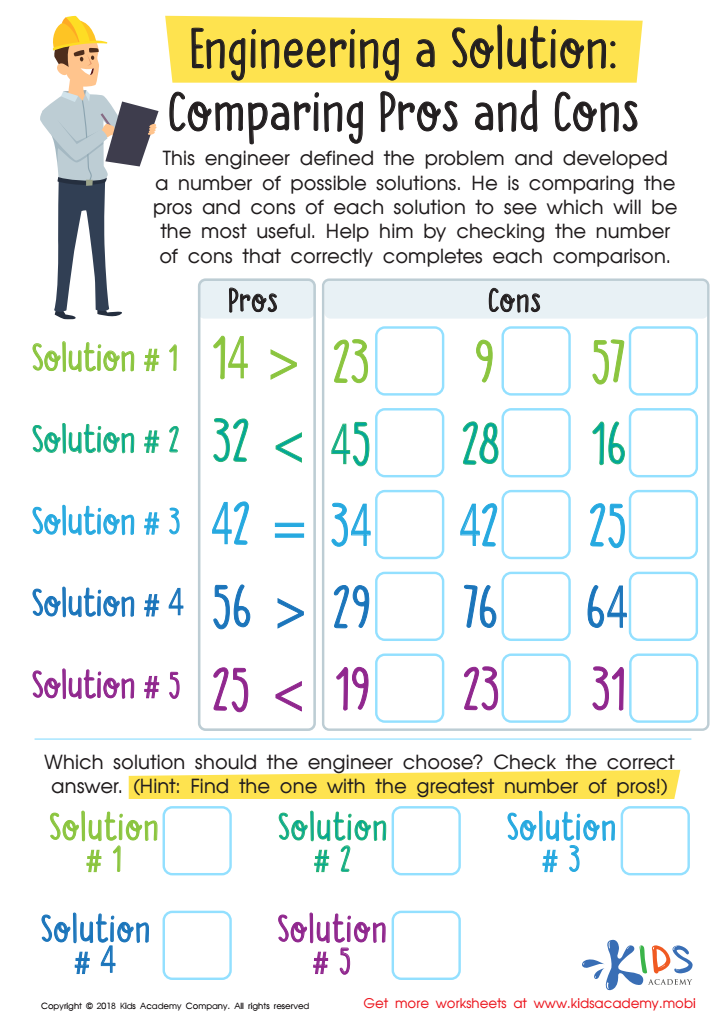
Engineering a Solution: Comparing Pros and Cons Worksheet
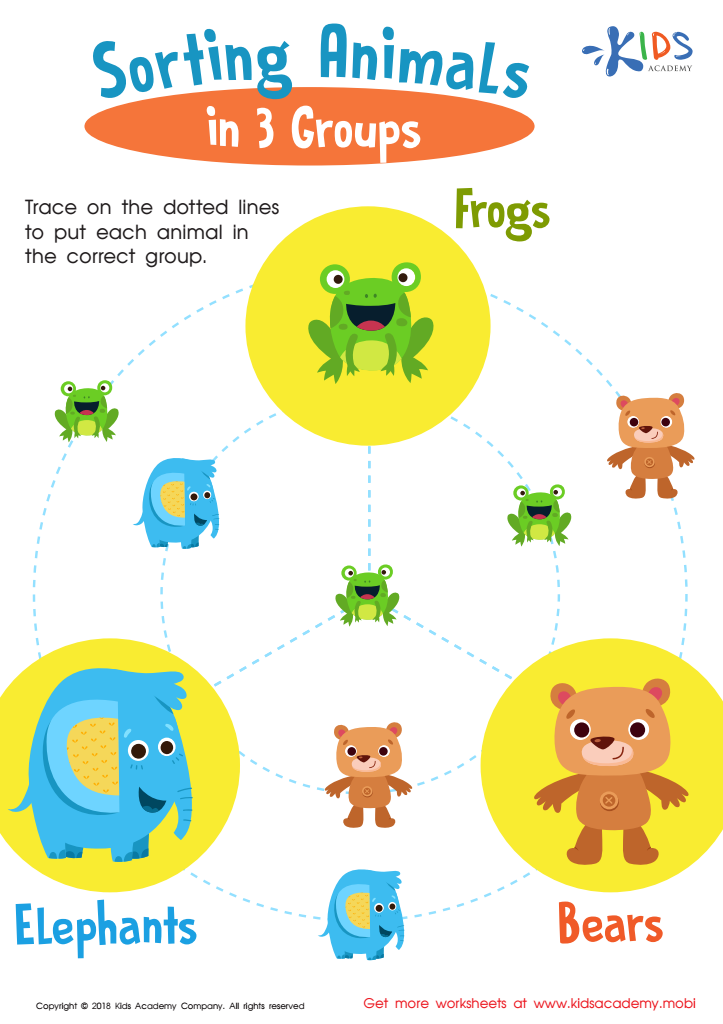
Sorting Animals in 3 Groups Worksheet
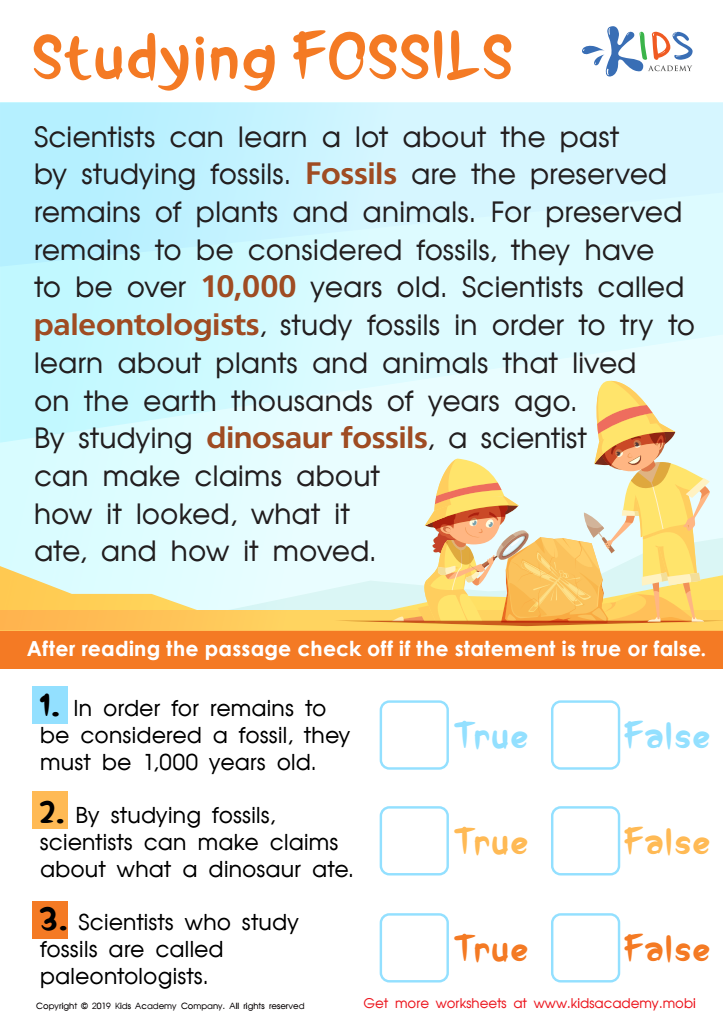
Studying Fossils Worksheet
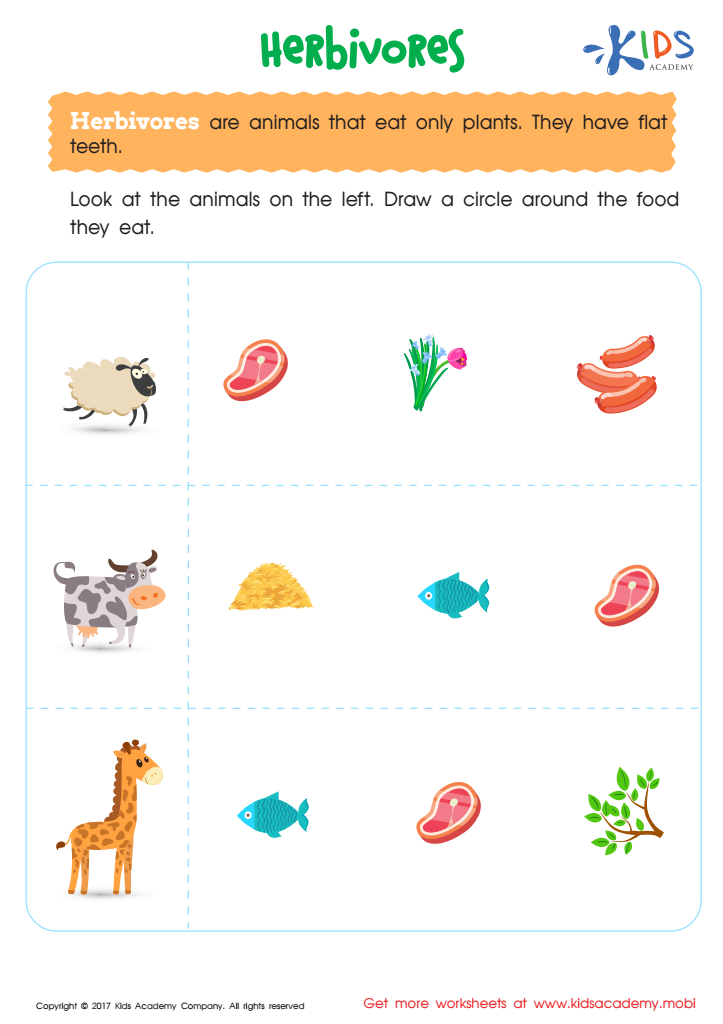
Herbivores Printable
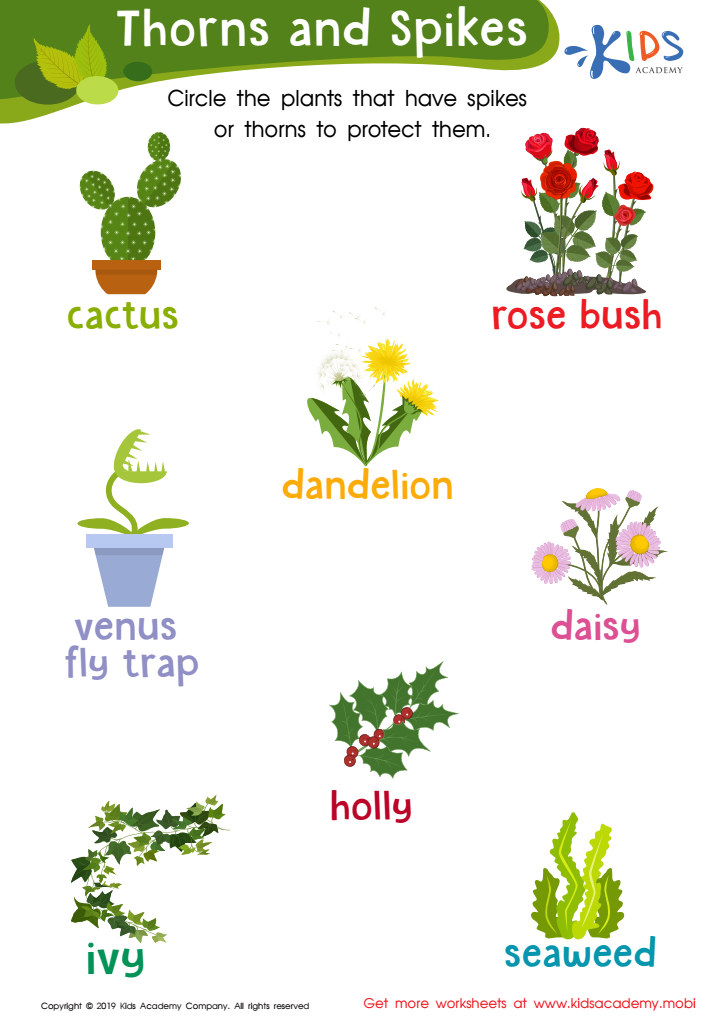
Thorns and Spikes Worksheet
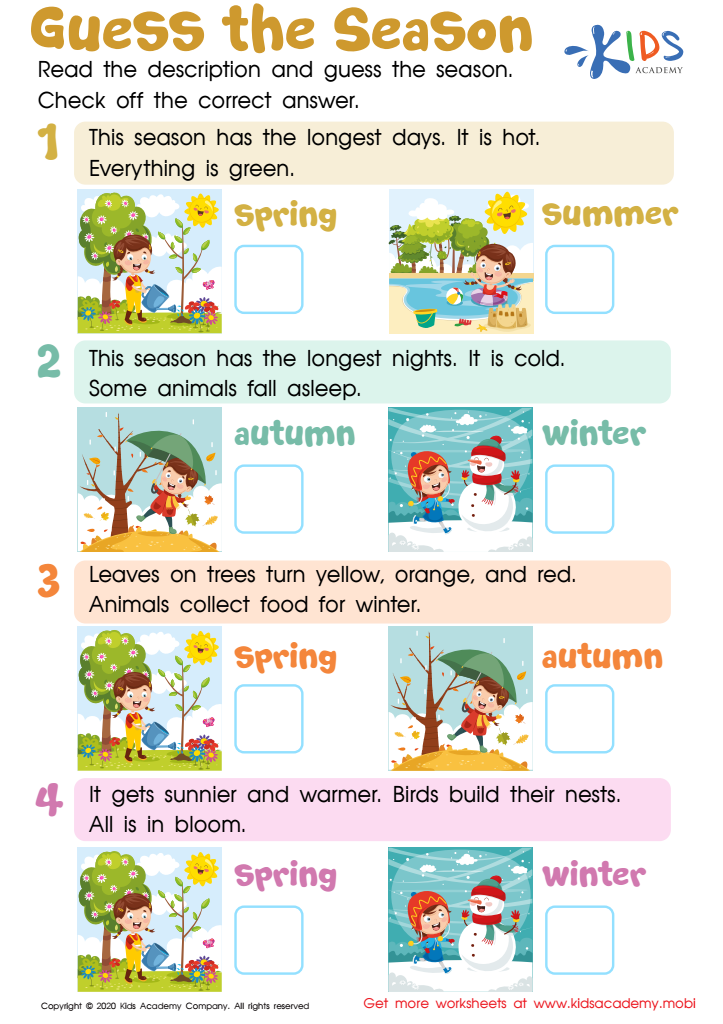
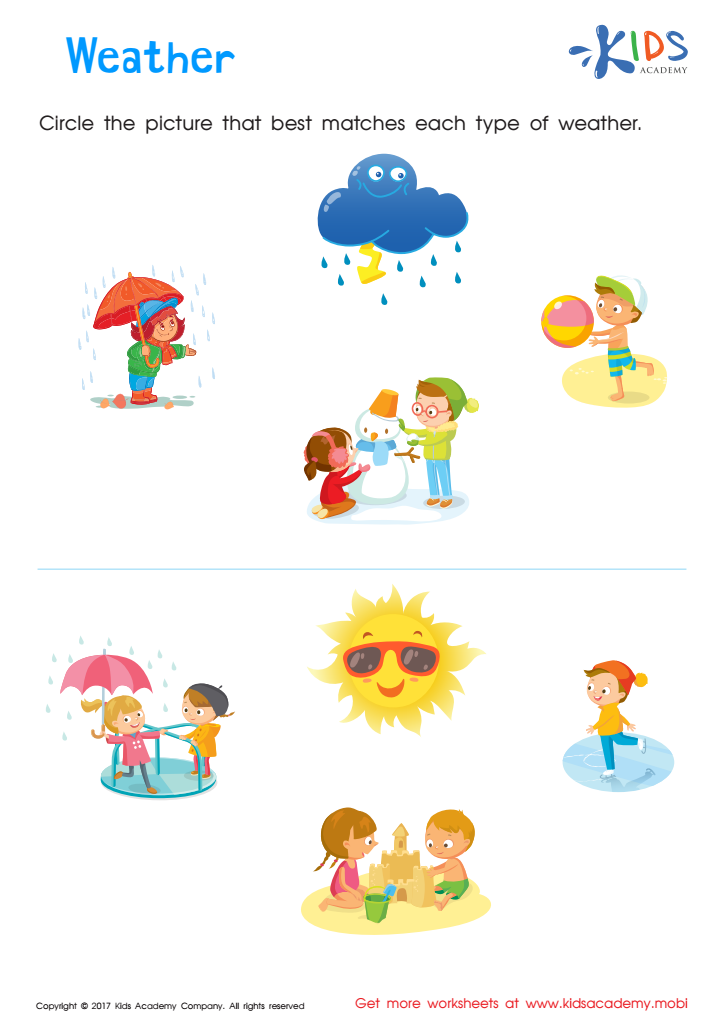
Guess the Season Worksheet
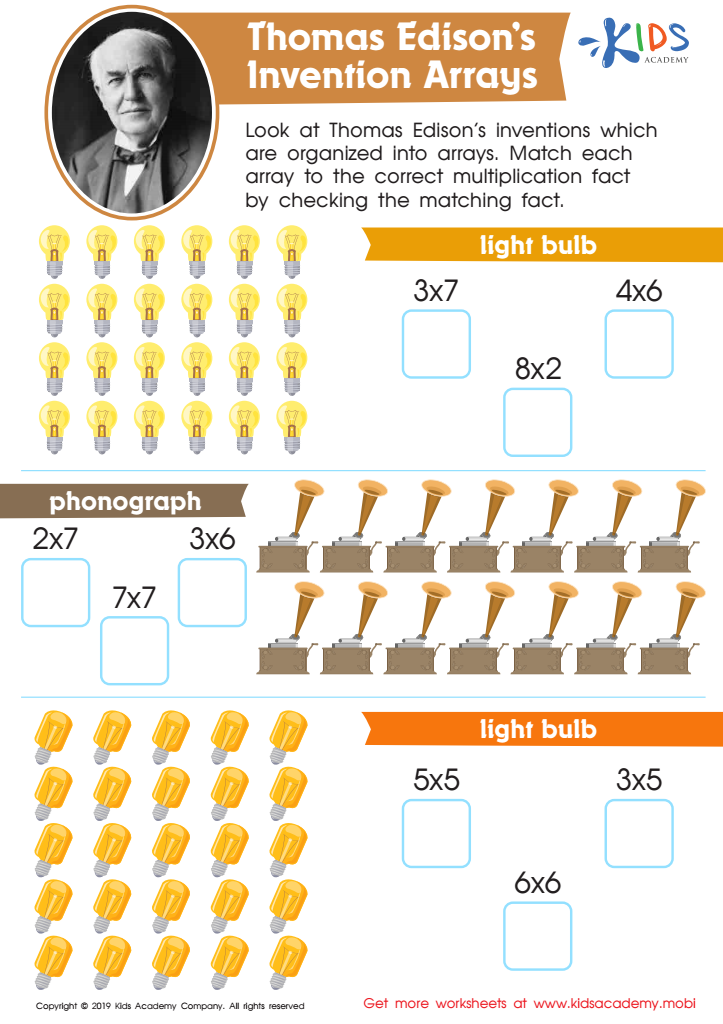
Thomas Edison’s Invention Arrays Worksheet
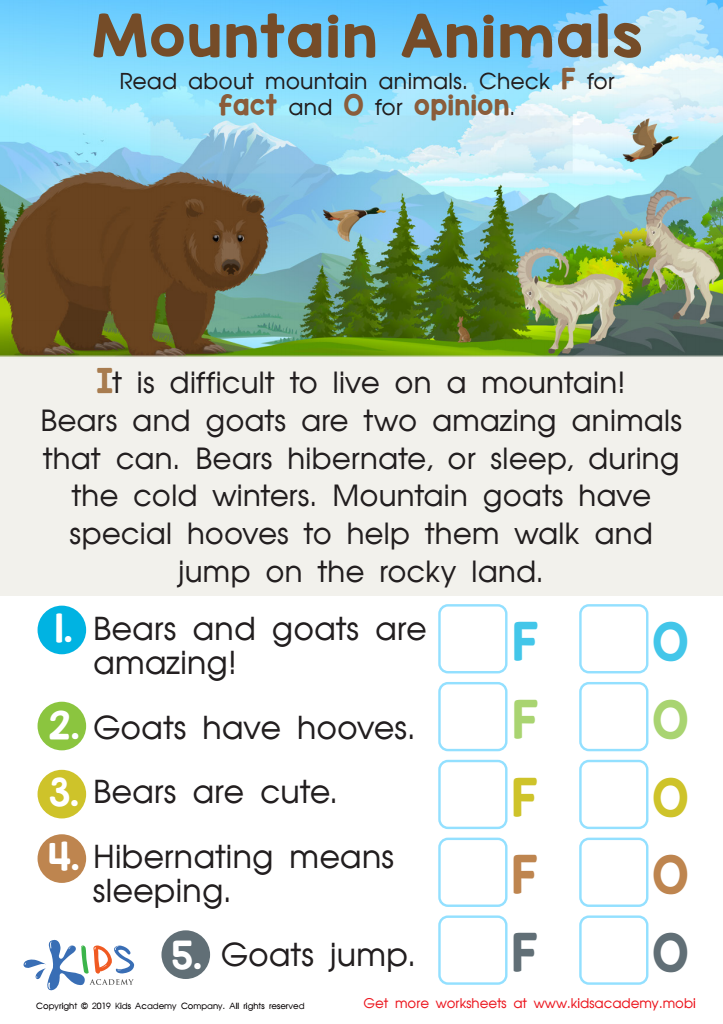
Mountain Animals Worksheet
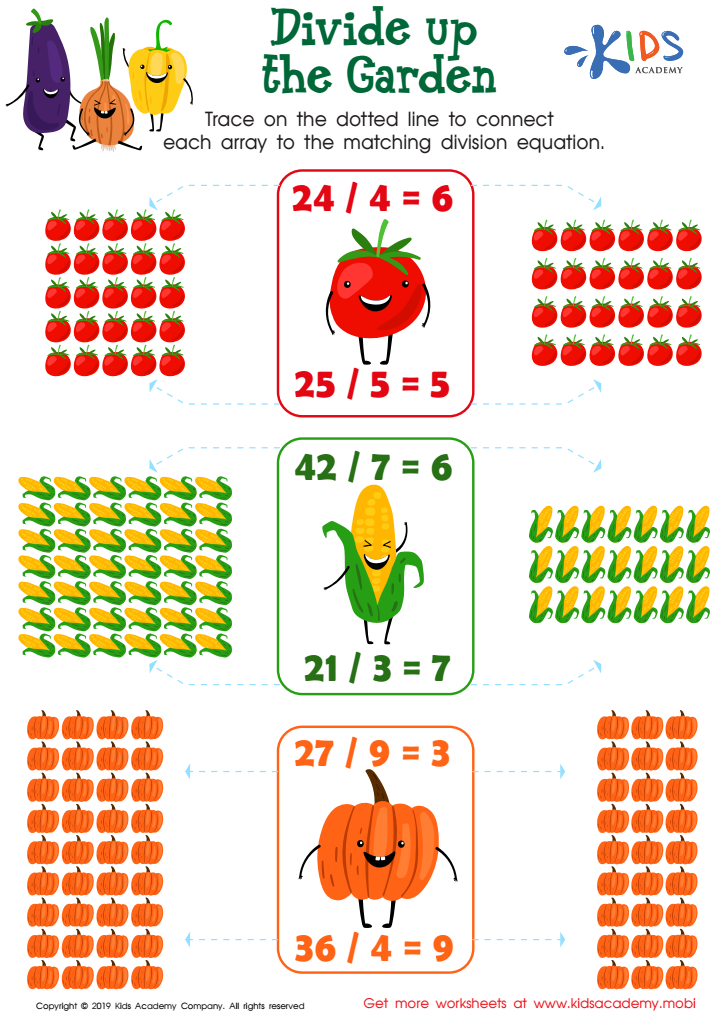
Divide up the Garden Worksheet
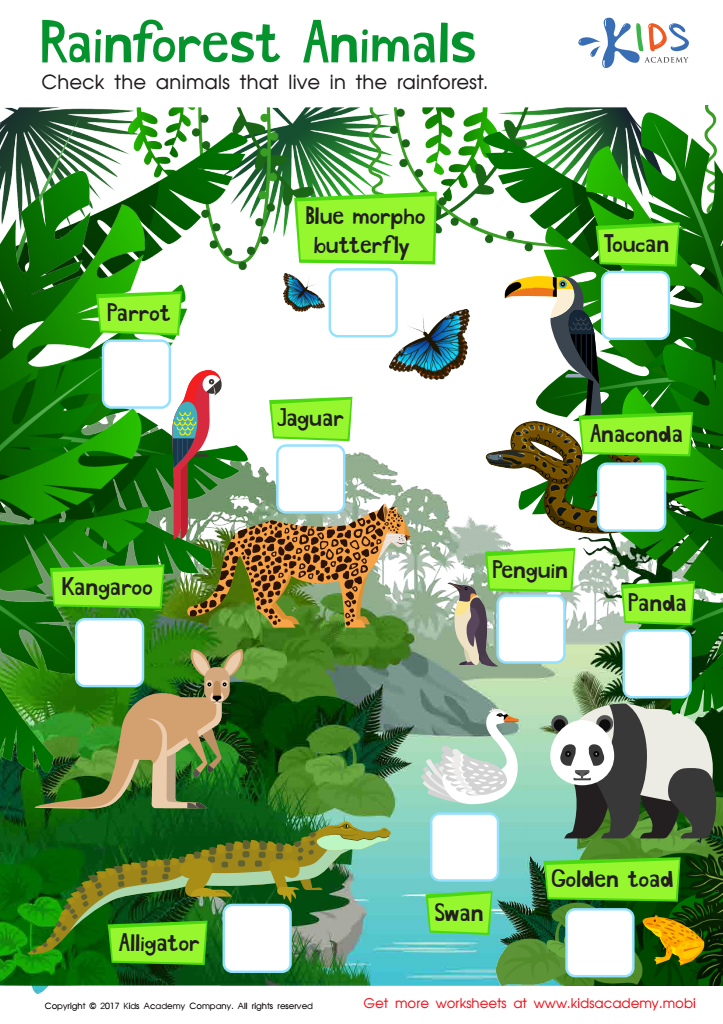
Rainforest Animals Worksheet
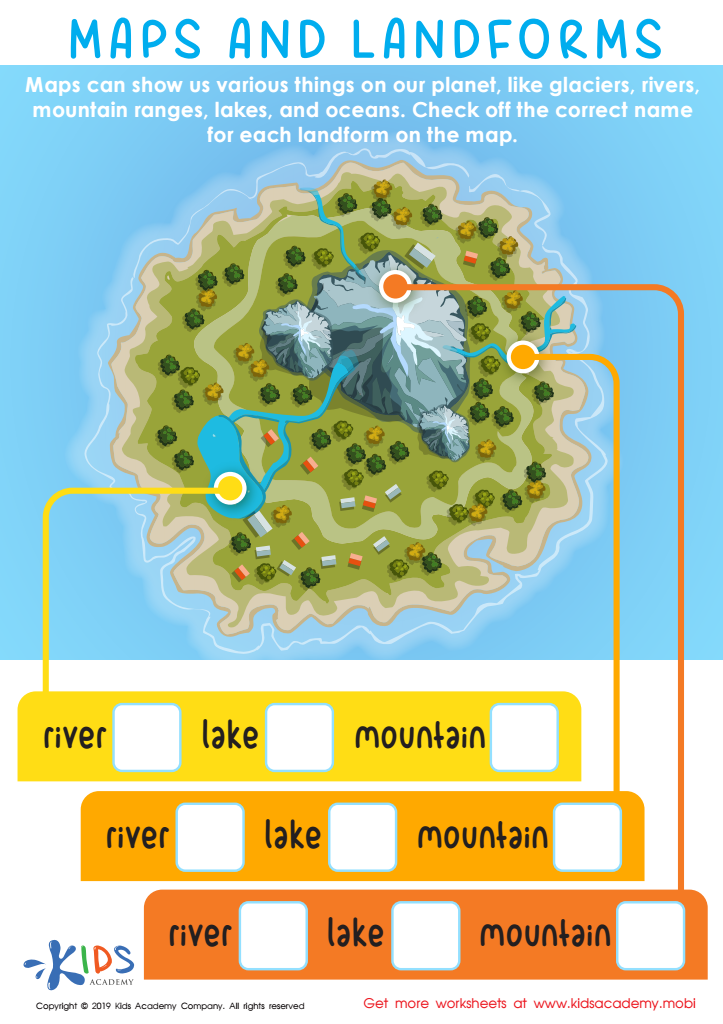
Maps and Landforms Worksheet
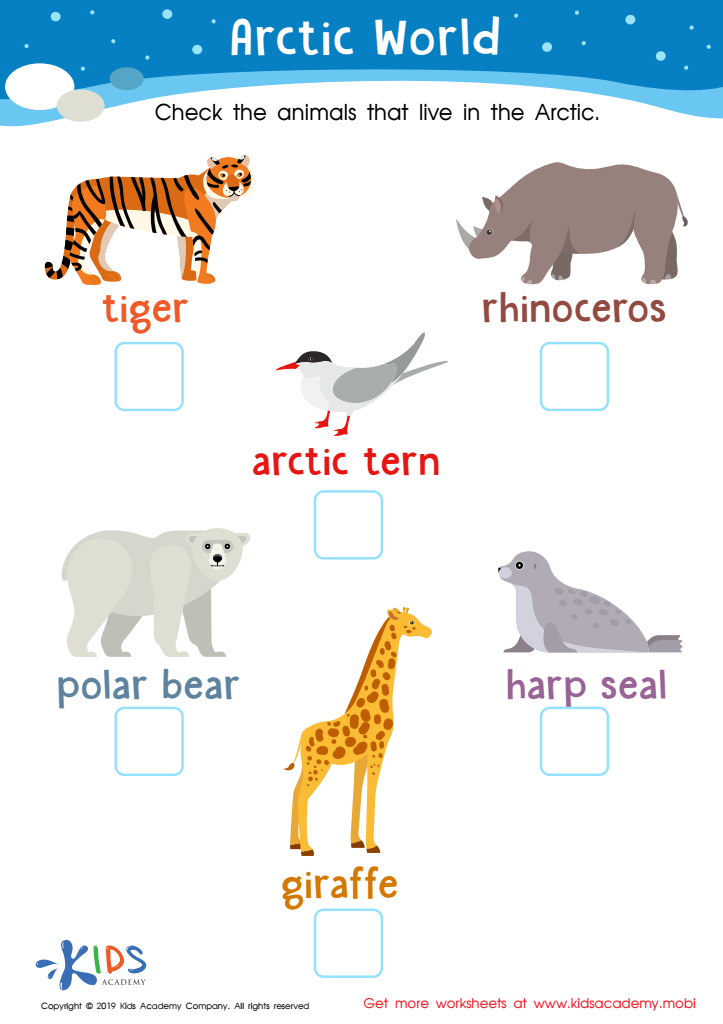
Arctic World Worksheet
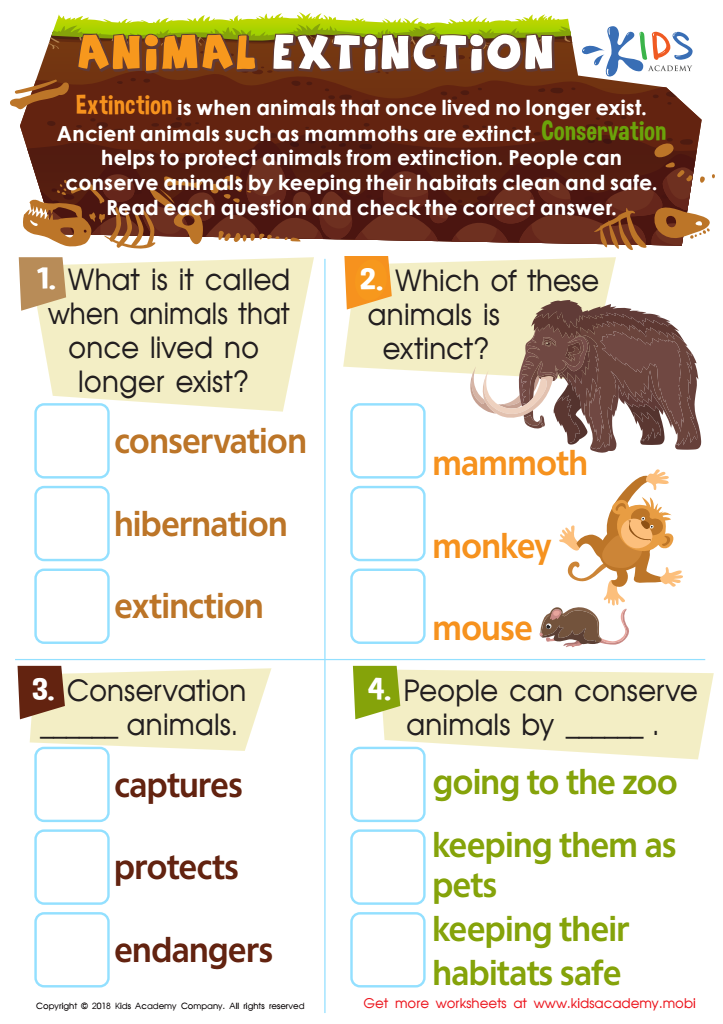
Animal Extinction Worksheet
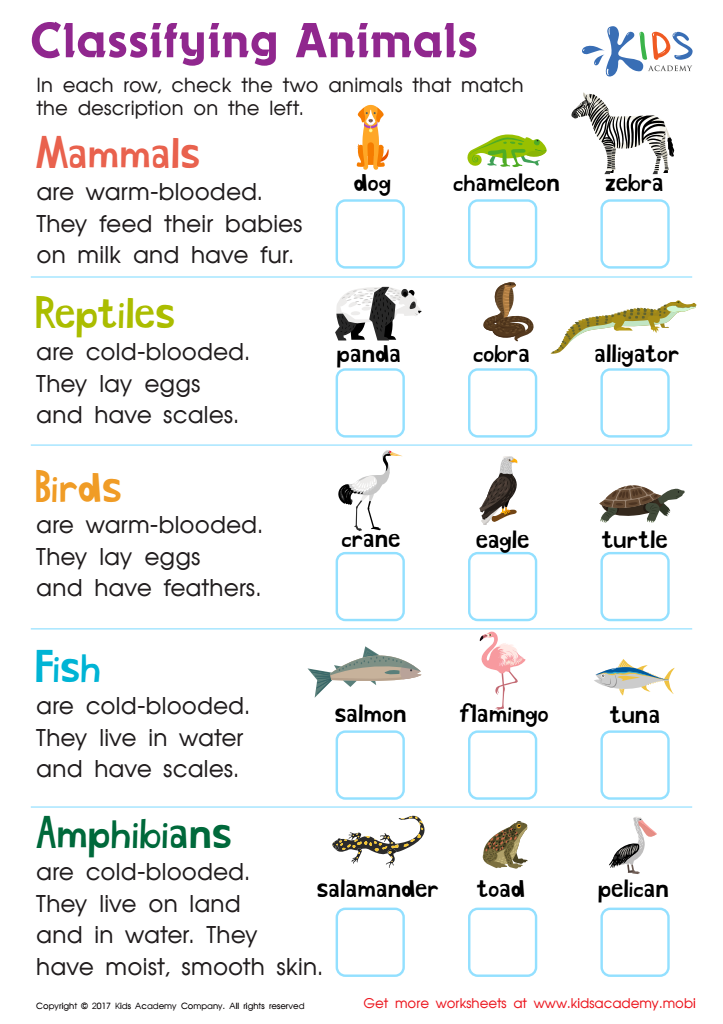
Classifying Animals Worksheet
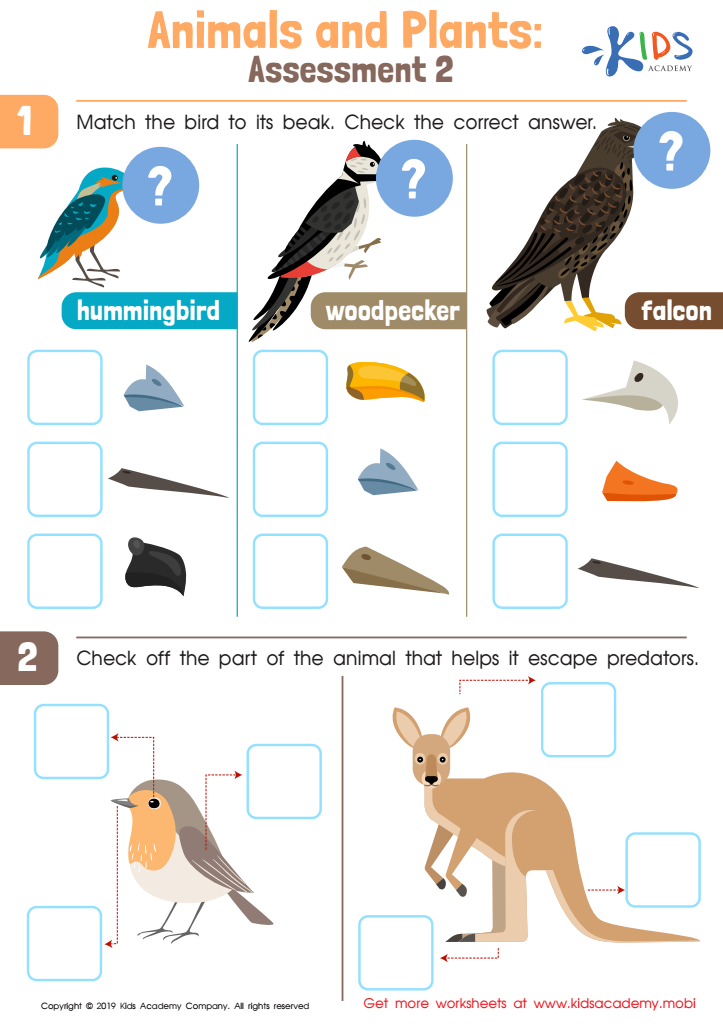
Animals and Plants: Assessment 2 Worksheet
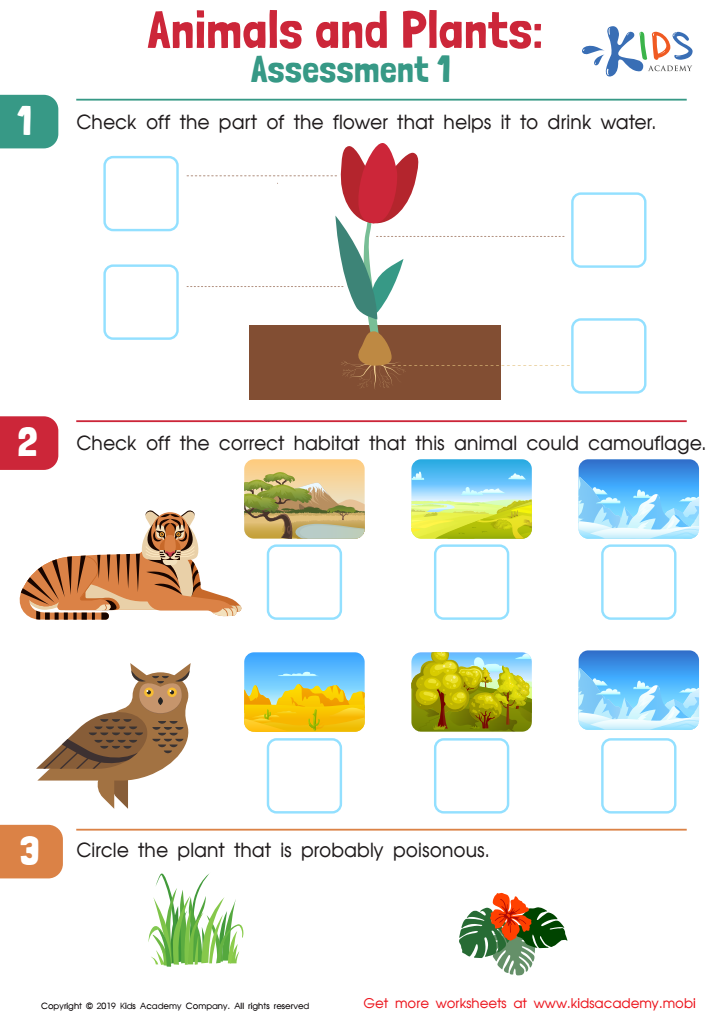
Animals and Plants: Assessment 1 Worksheet





Parents and teachers should deeply care about fostering critical thinking and normal science skills in children aged 6-8 because these foundational years are crucial for cognitive and intellectual development. At this stage, children are naturally curious and open to learning, making it the perfect time to nurture their ability to analyze, reason, and ask questions. Developing critical thinking skills helps children to not just accept information but to evaluate it, recognize patterns, and draw independent conclusions, which is essential for problem-solving and decision-making throughout life.
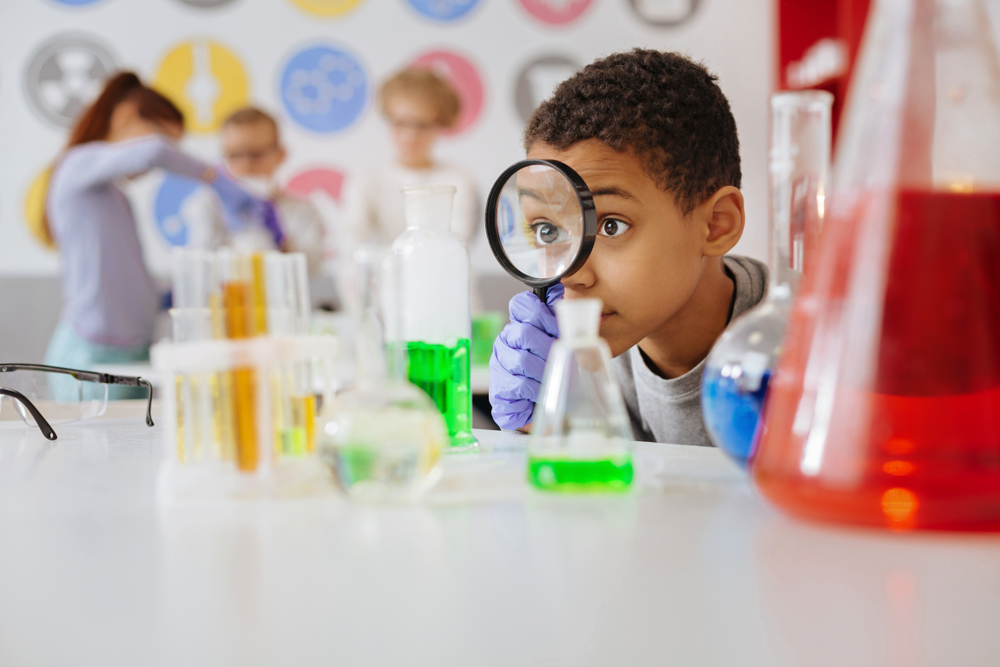
Incorporating basic scientific inquiry and experiments into their education encourages a hands-on, minds-on approach to learning that can spark a lifelong interest in science and natural phenomena. By engaging in normal science activities, children learn to observe, hypothesize, experiment, and draw conclusions based on evidence, which instills a solid understanding of the scientific method. These skills are key to developing informed, inquisitive individuals who can navigate and understand the world around them.
Moreover, critical thinking and science education promote perseverance, as children learn through trial and error, understanding that making mistakes is part of the learning process. This resilience is invaluable not only academically but in everyday life situations. Thus, fostering these skills at an early age sets the foundation for a more thoughtful, innovative, and scientifically-literate future generation.







