Normal Reading Worksheets for Ages 6-9 - Page 2
325 filtered results
-
From - To
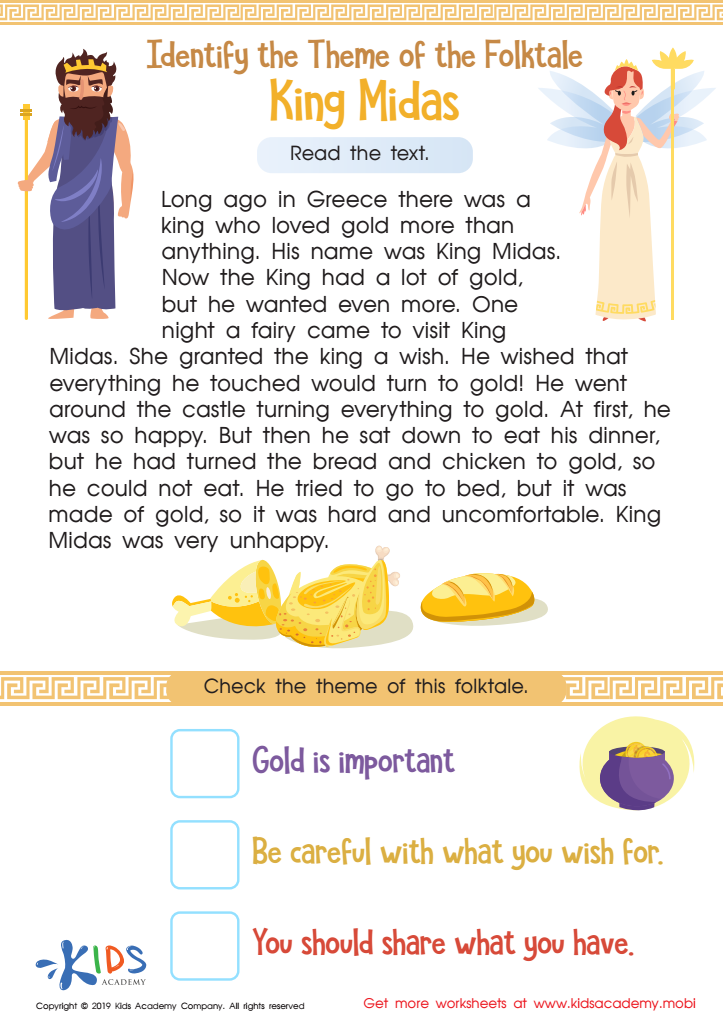
King Midas Worksheet
 Assign to My Students
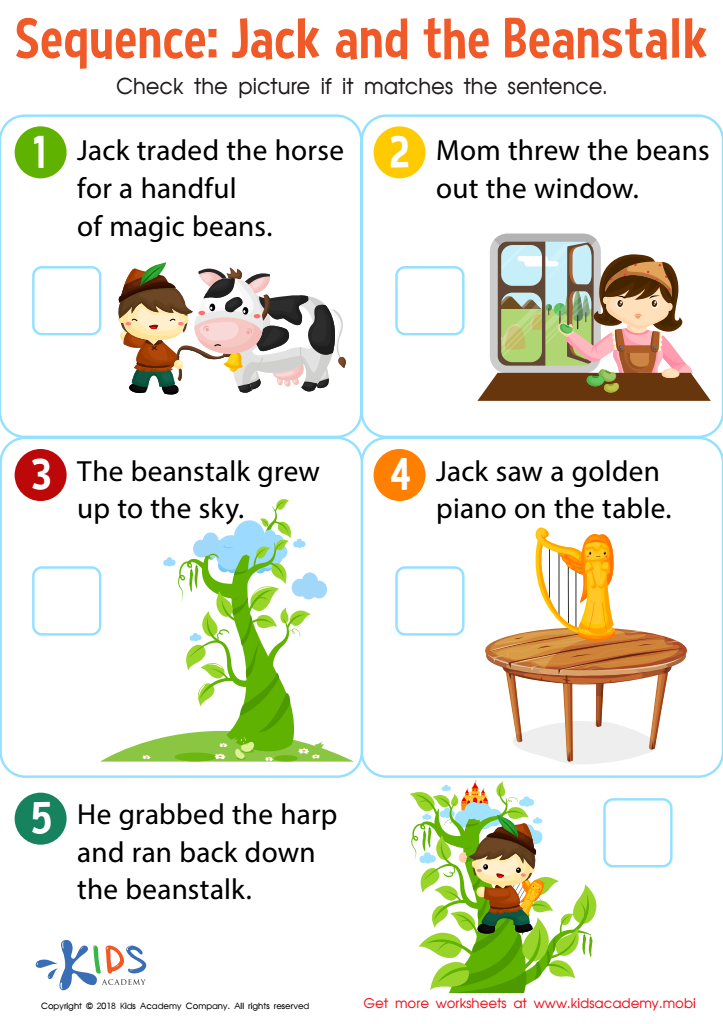
Sequence: Jack and The Beanstalk Worksheet
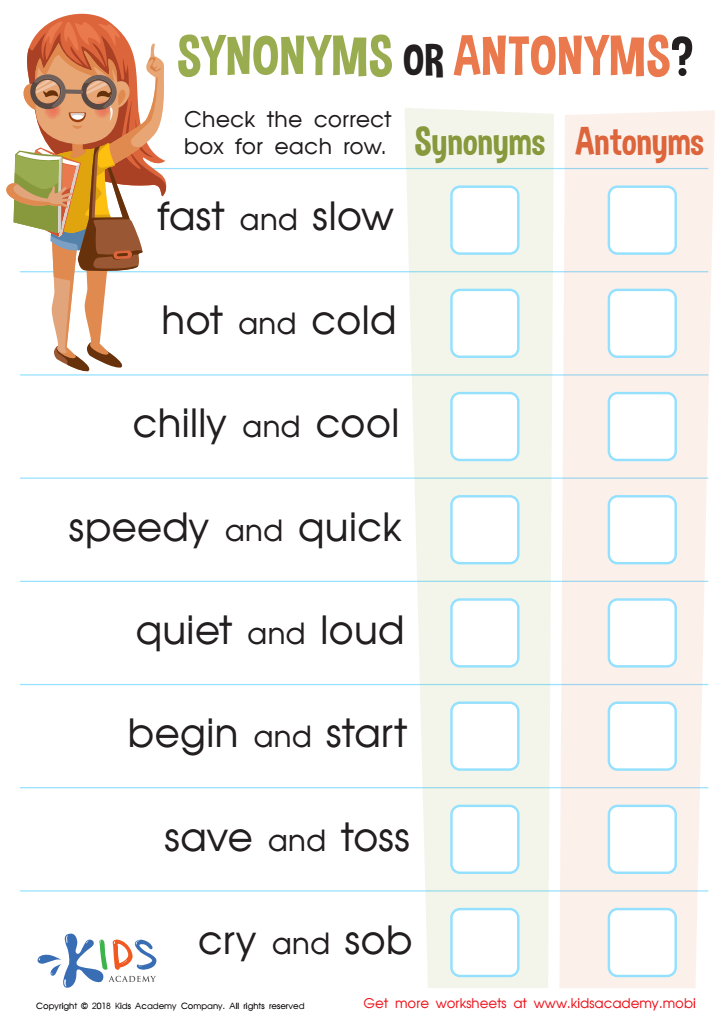
Synonyms or Antonyms: Assessment Worksheet
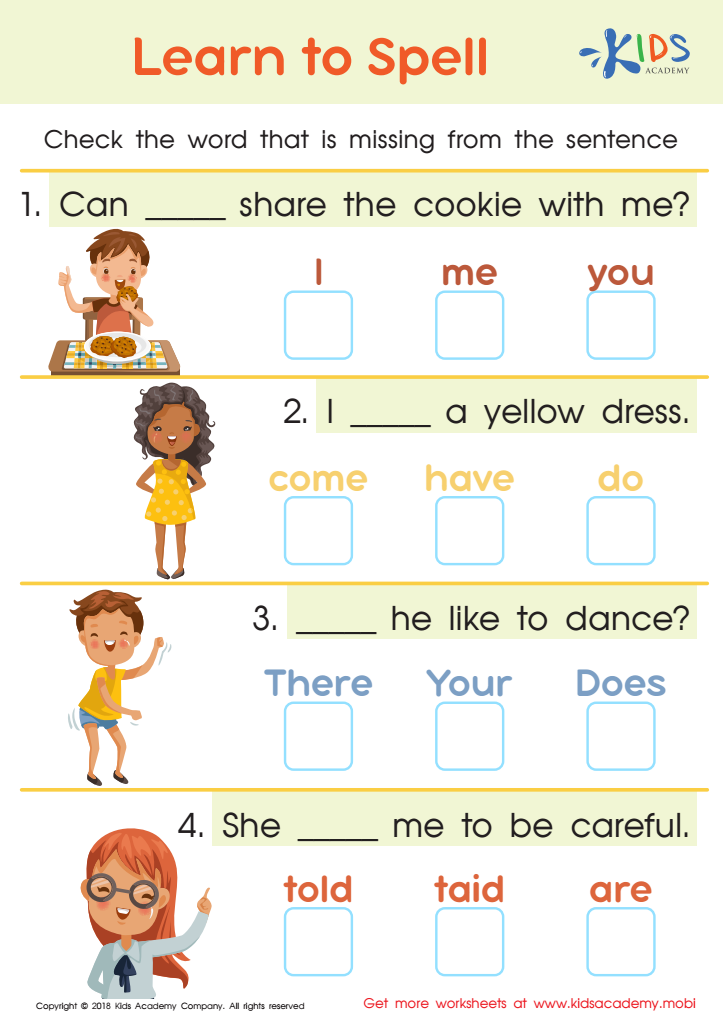
Learn to Spell Worksheet
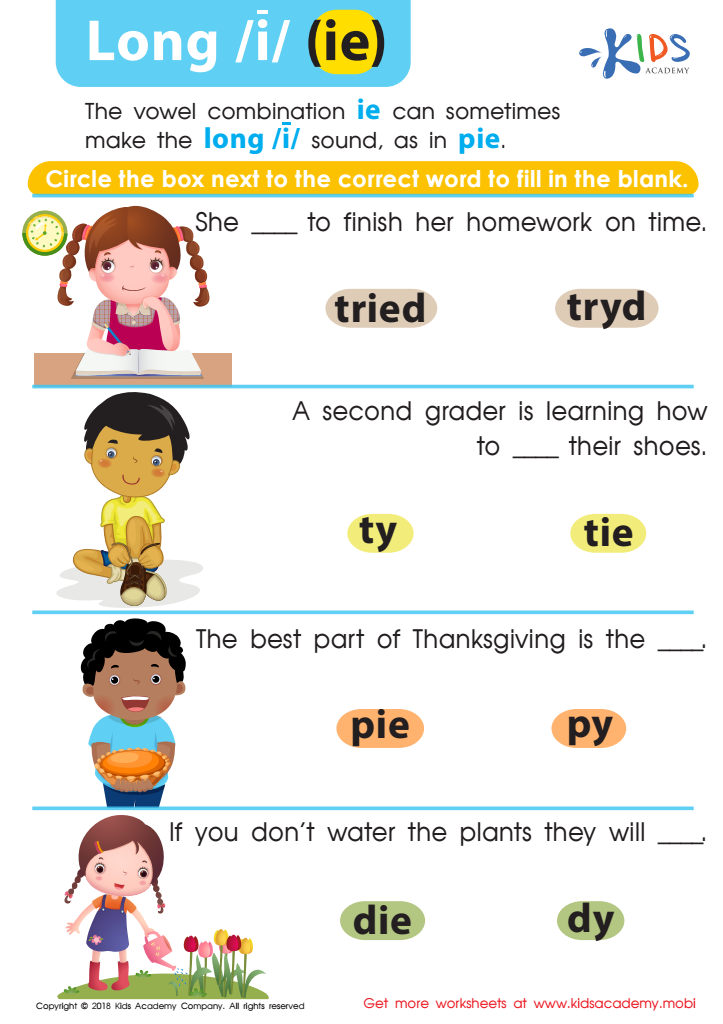
Reading: Long I and IE Worksheet
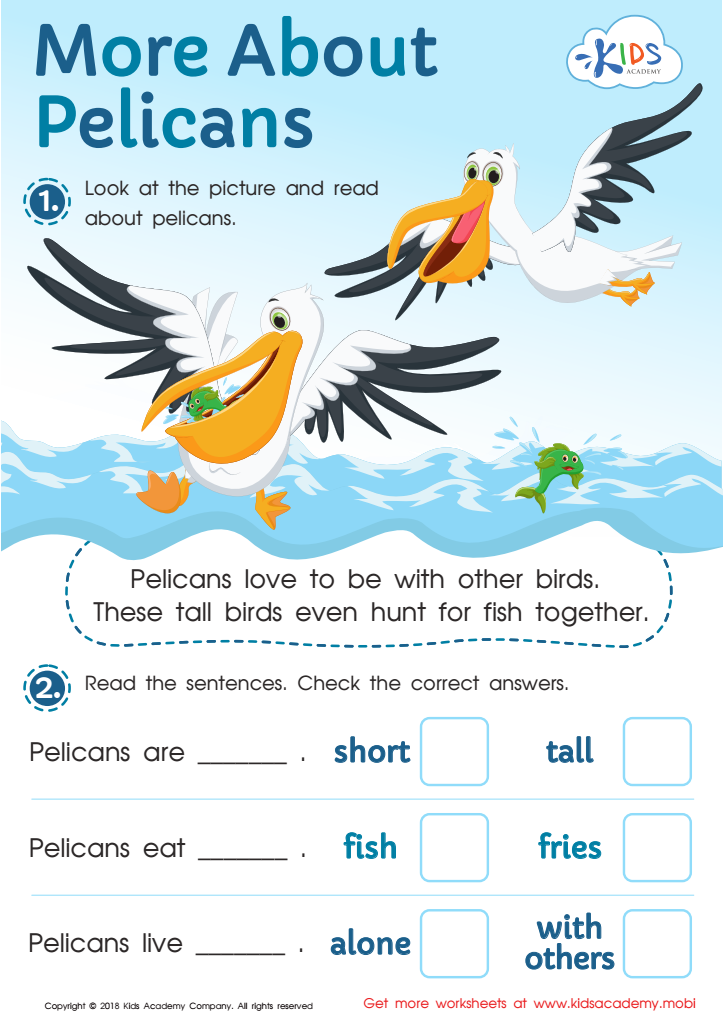
More About Pelicans Worksheet
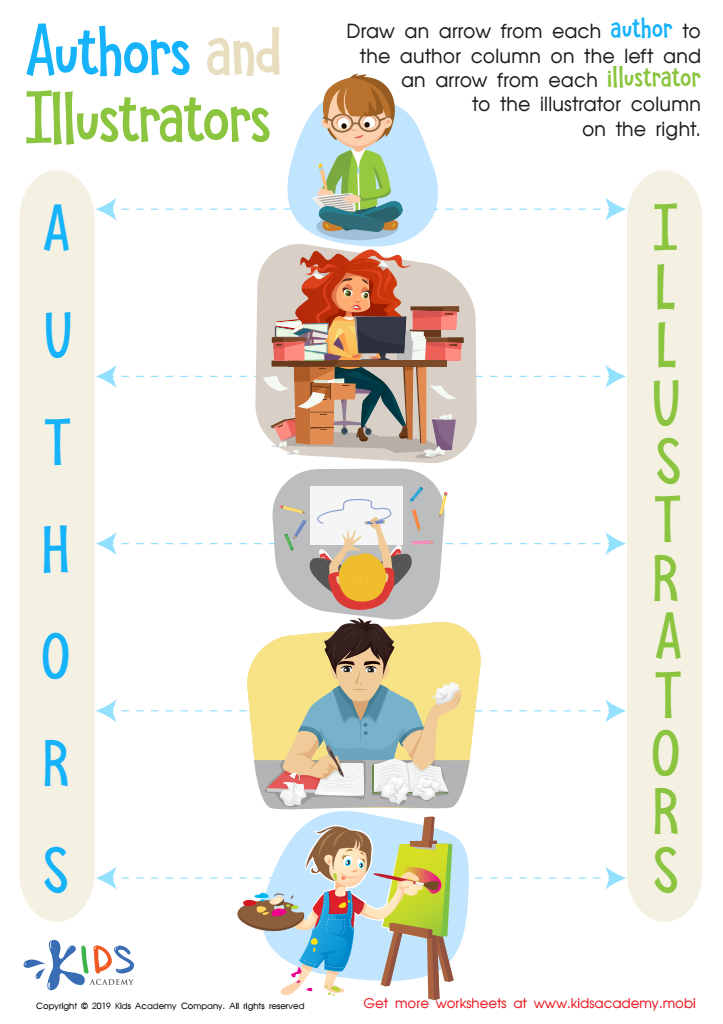
Authors and Illustrators Worksheet
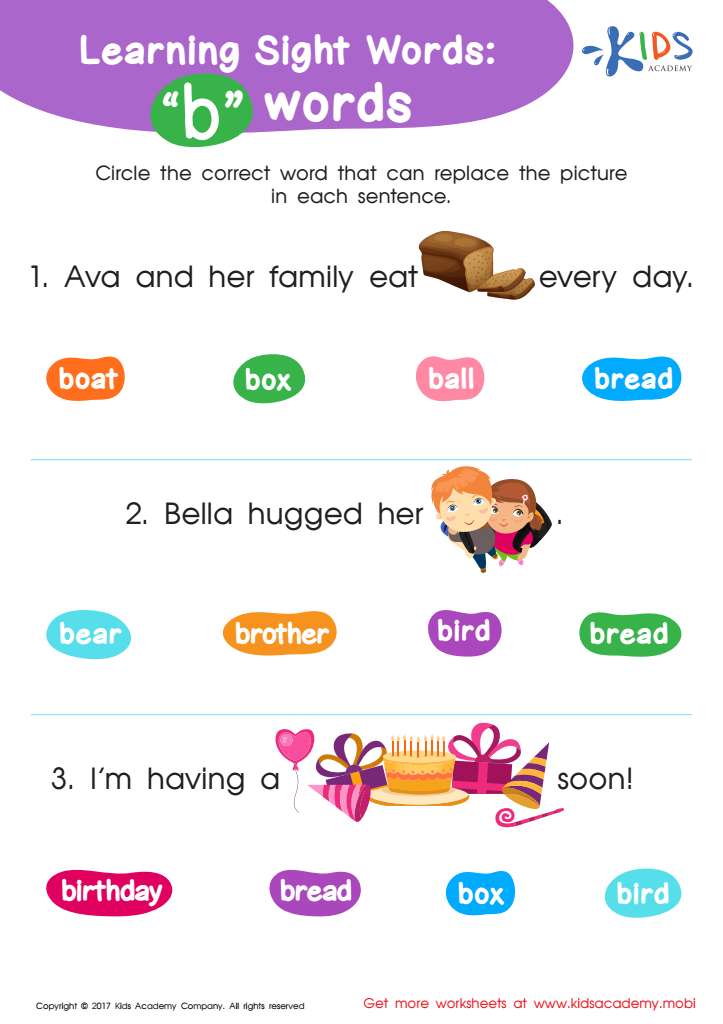
Sight Words Free Worksheet – B Words
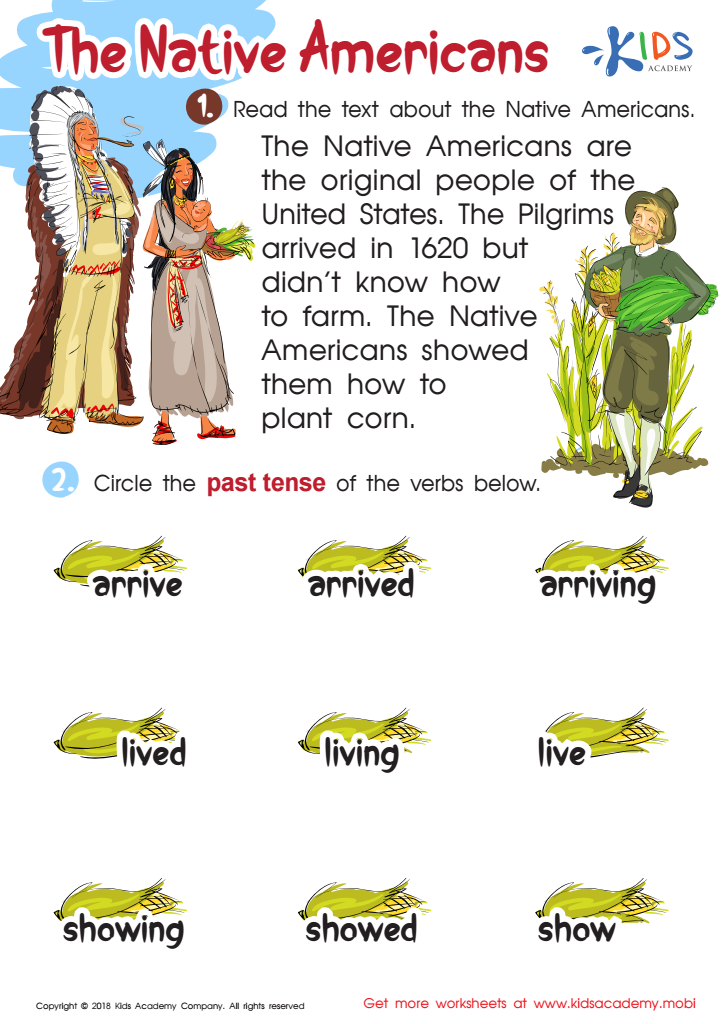
The Native Americans Worksheet
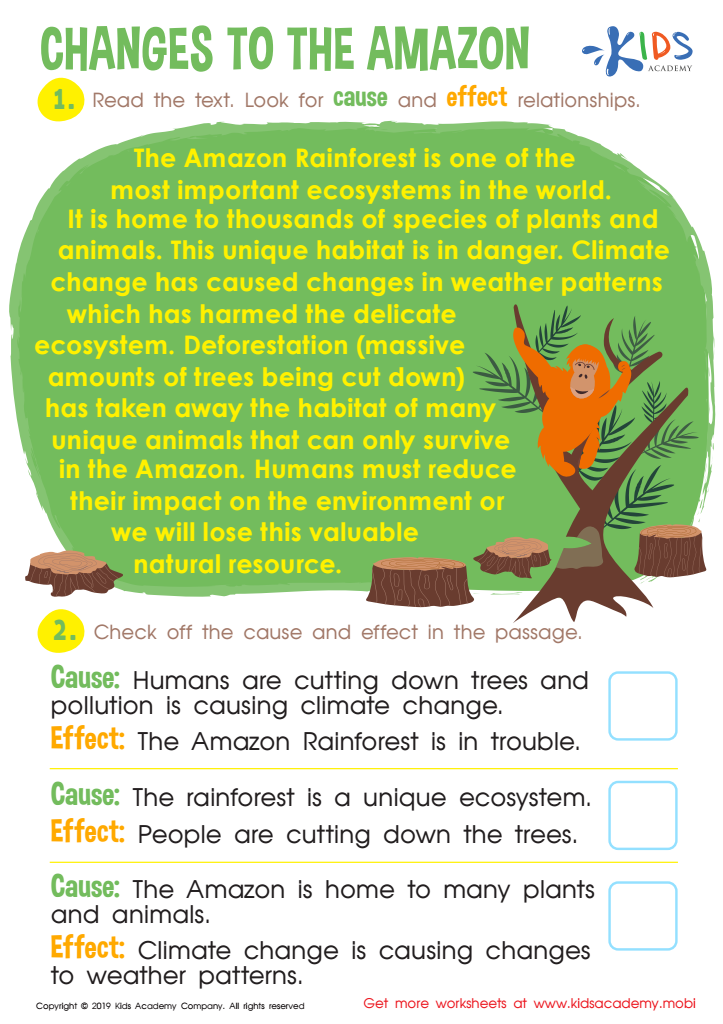
Changes to the Amazon Worksheet
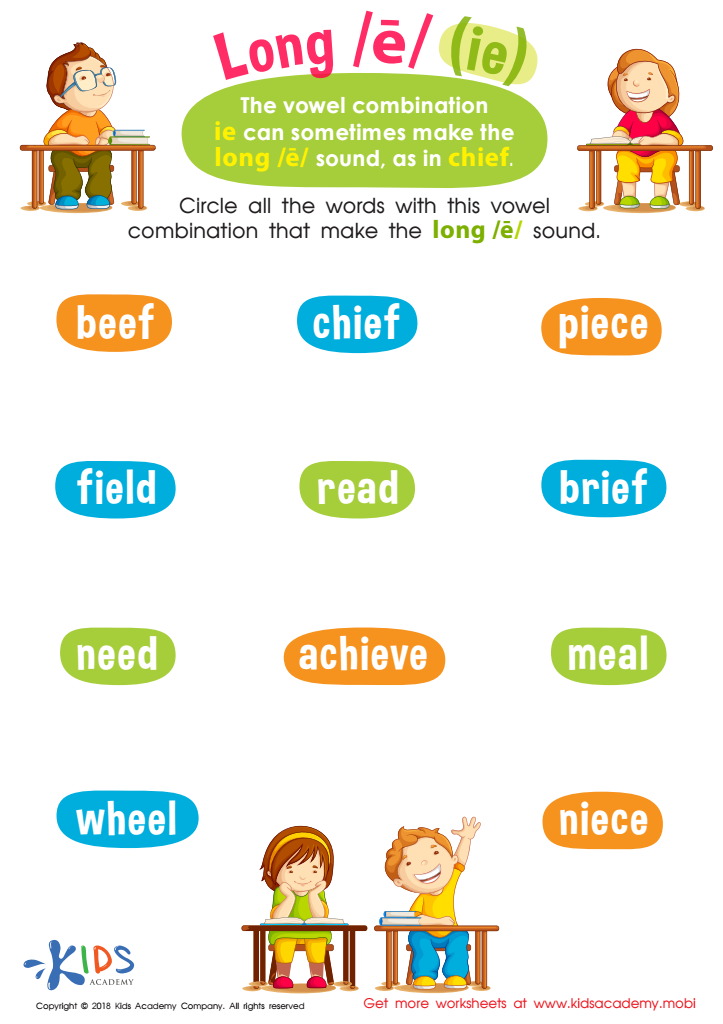
Reading: Long E and IE Worksheet
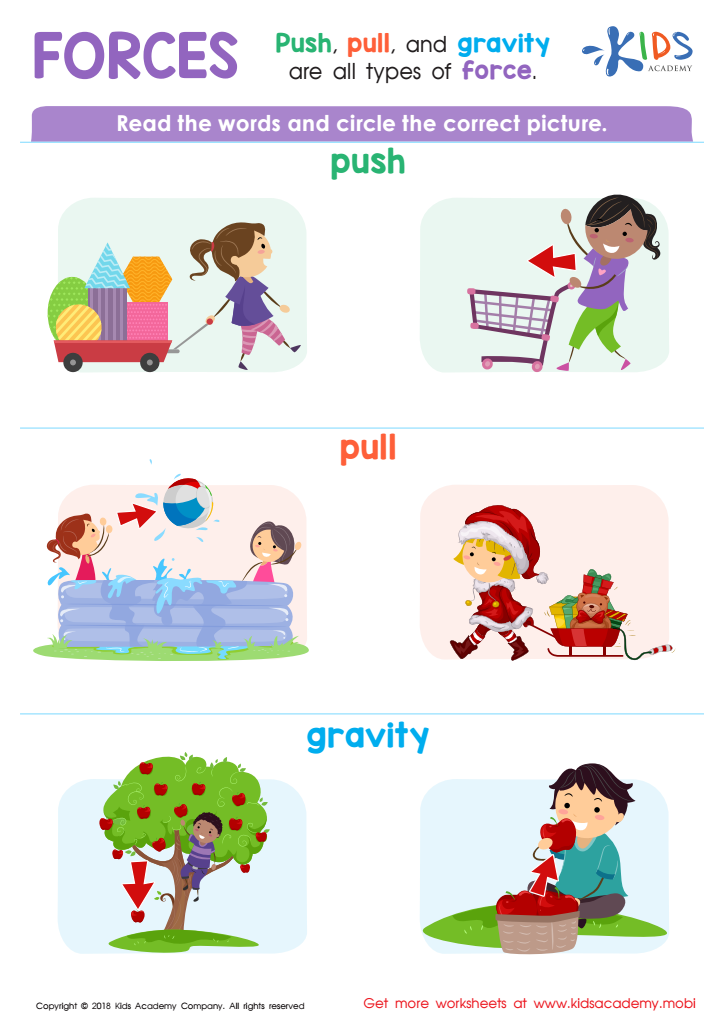
Forces Worksheet
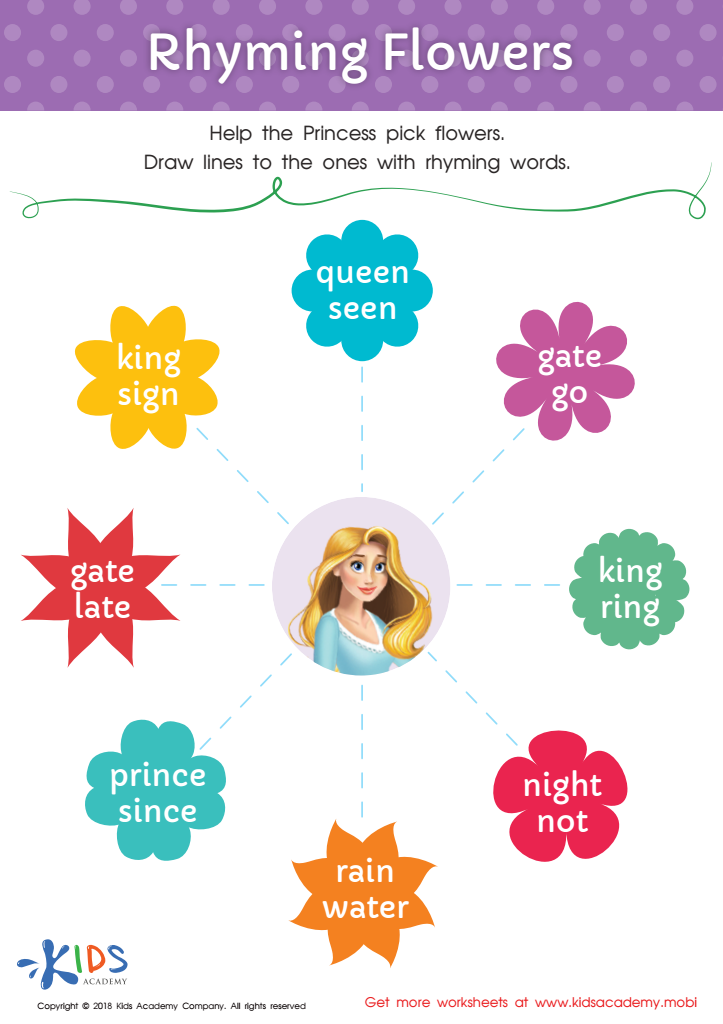
Rhyming Flowers Worksheet
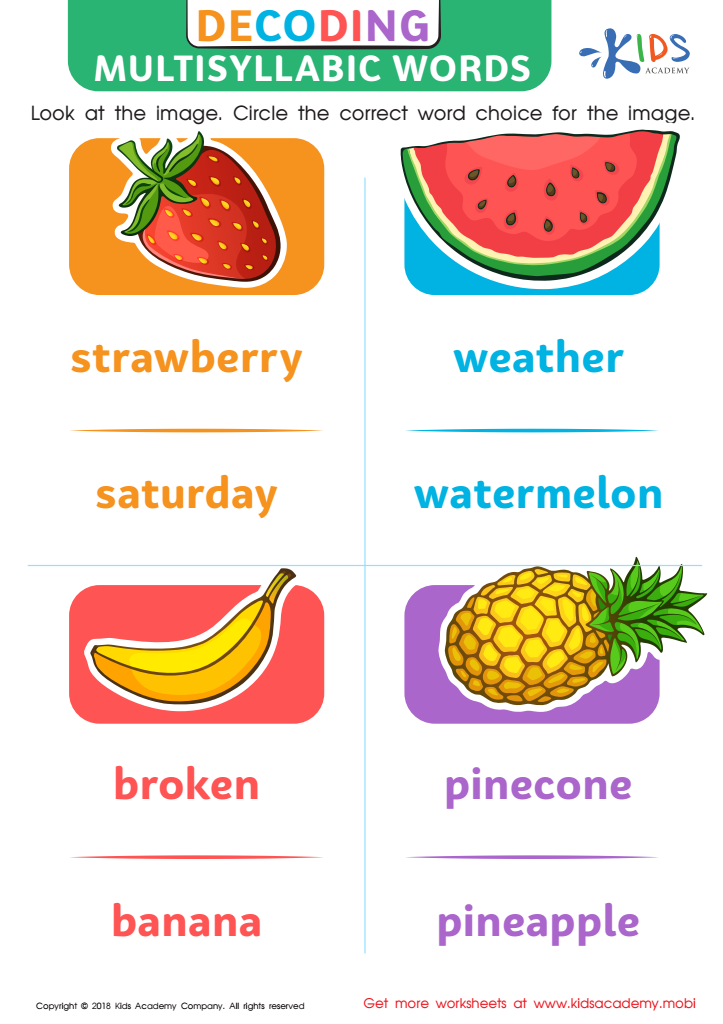
Decoding Multisyllabic Words Worksheet
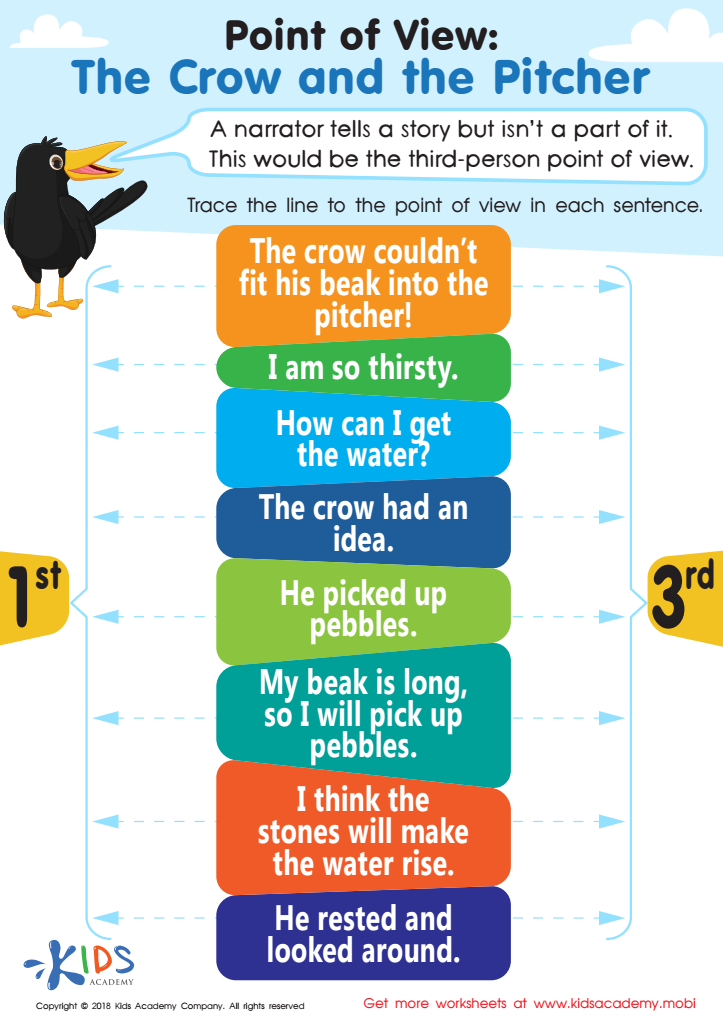
Point of View: The Crow and the Pitcher Worksheet
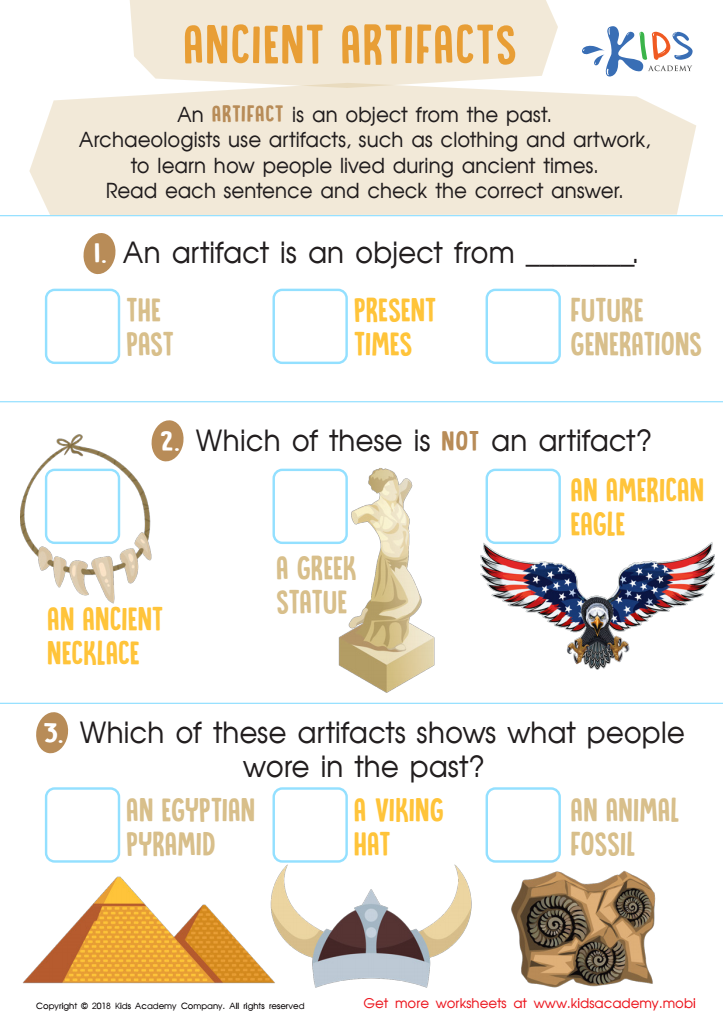
Ancient Artifacts Worksheet
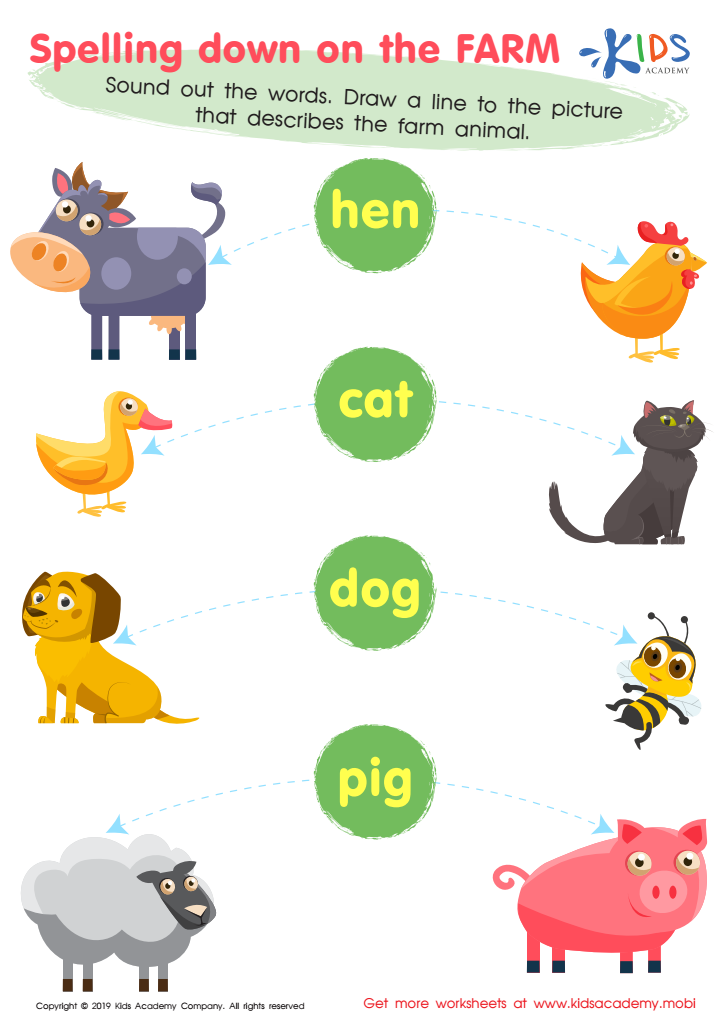
Spelling Down on the Farm Worksheet
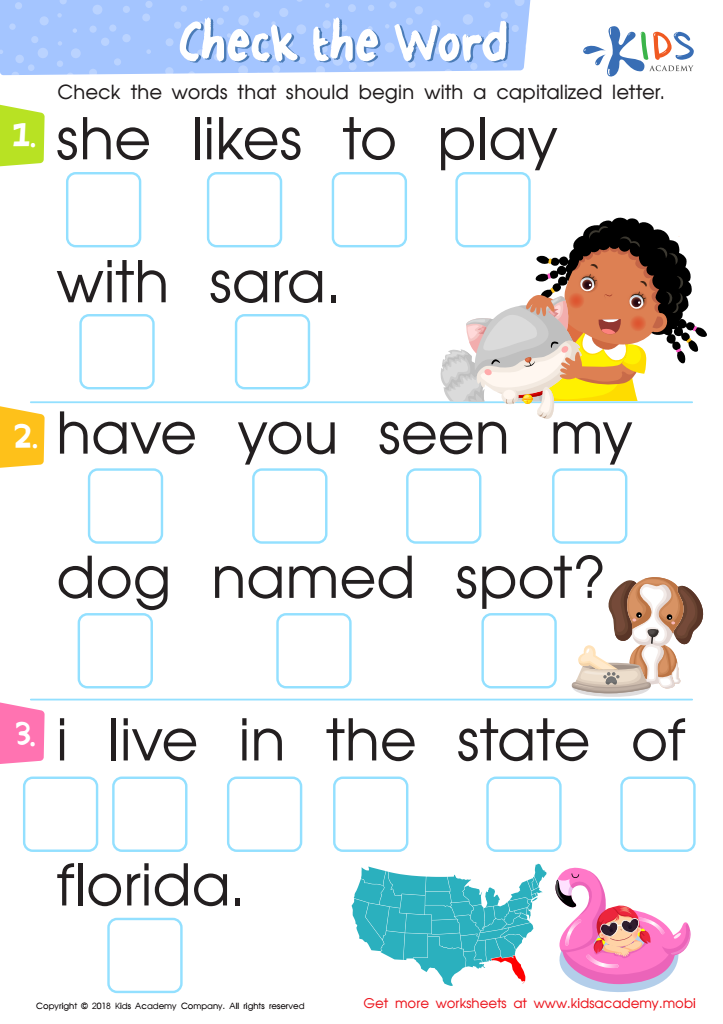
Check the Word Worksheet
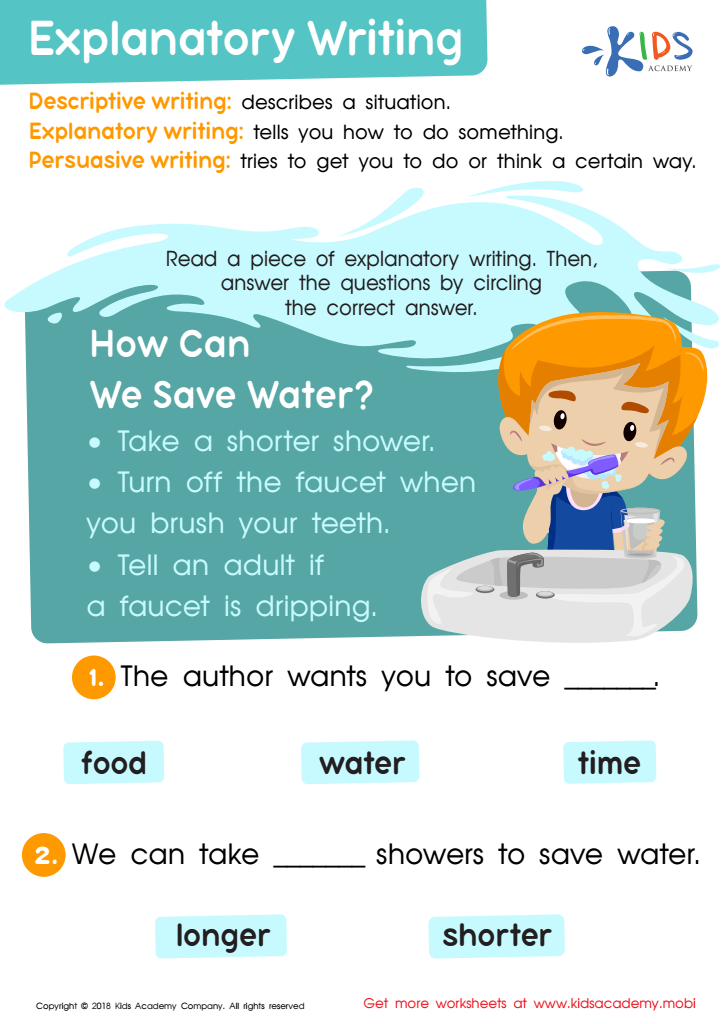
Explanatory Writing Worksheet
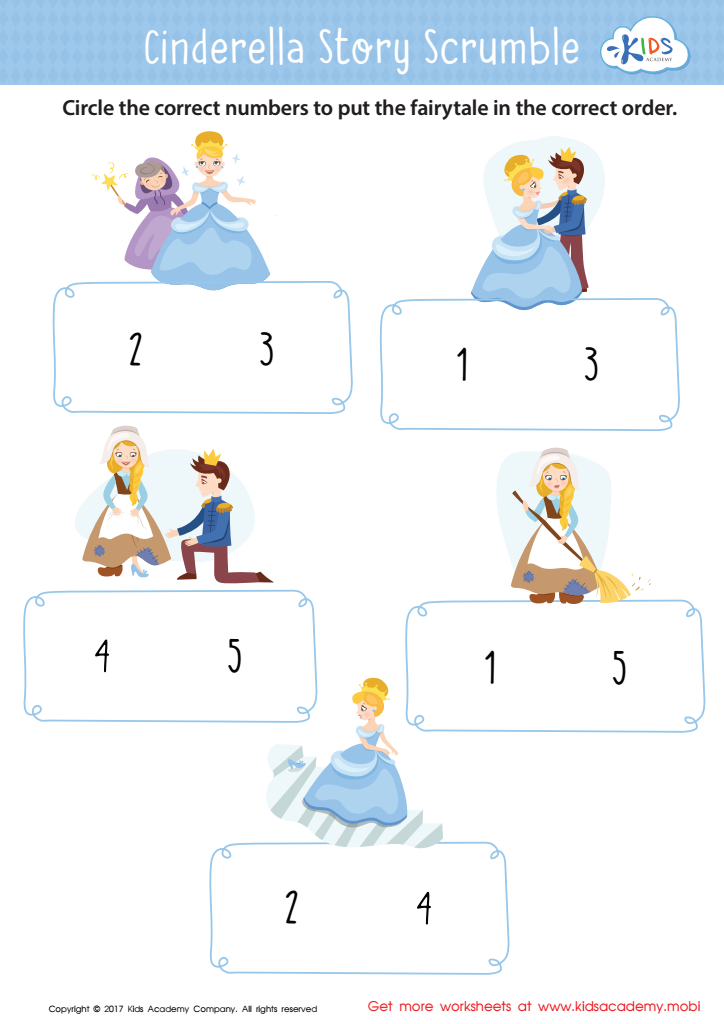
Cinderella Story Sequencing Worksheet
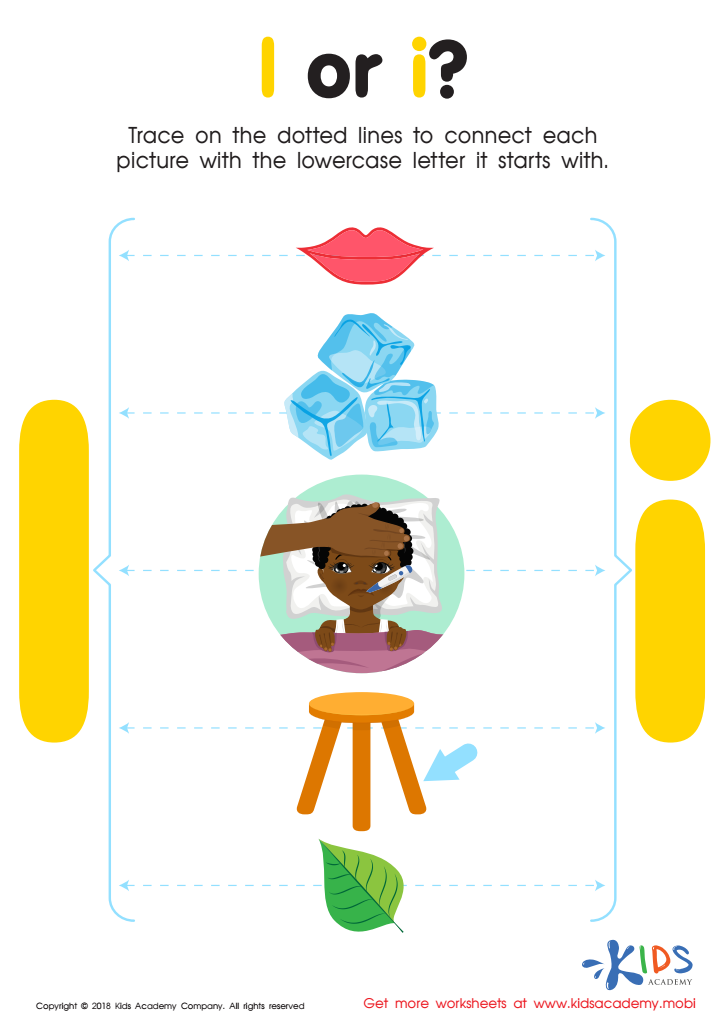
l or i? Worksheet
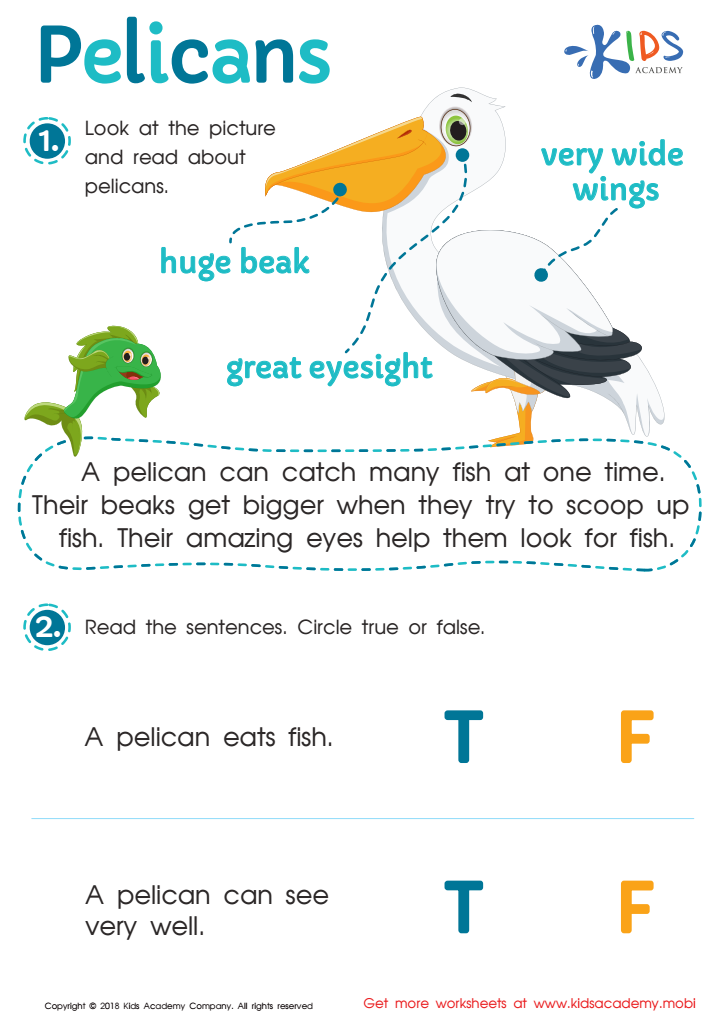
Pelicans Worksheet
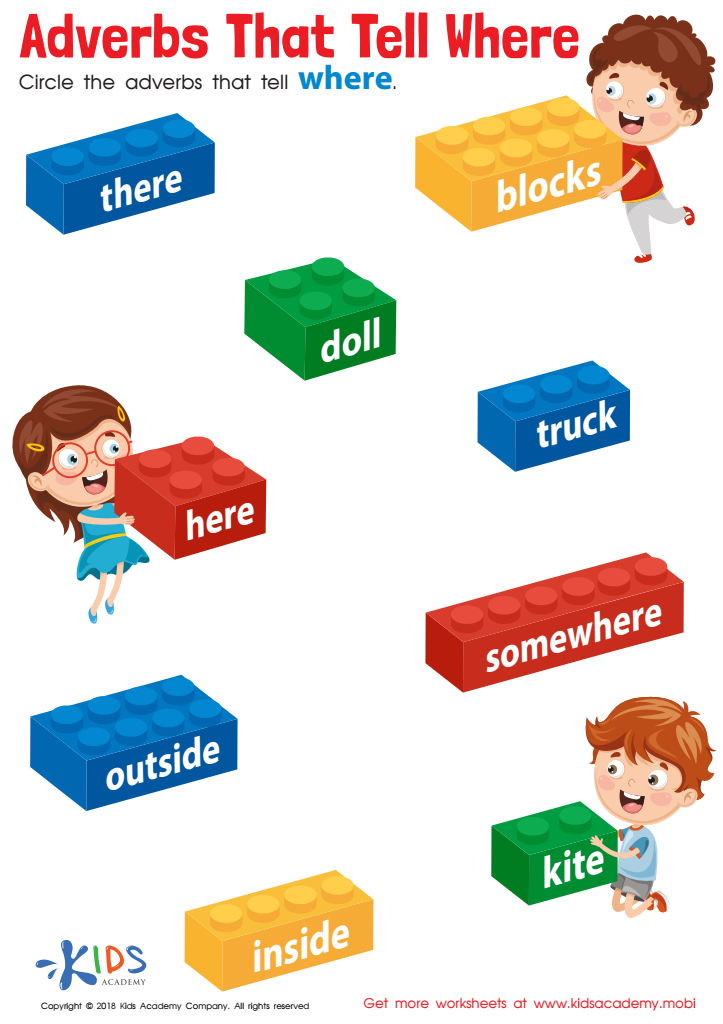
Adverbs That Tell Where Worksheet
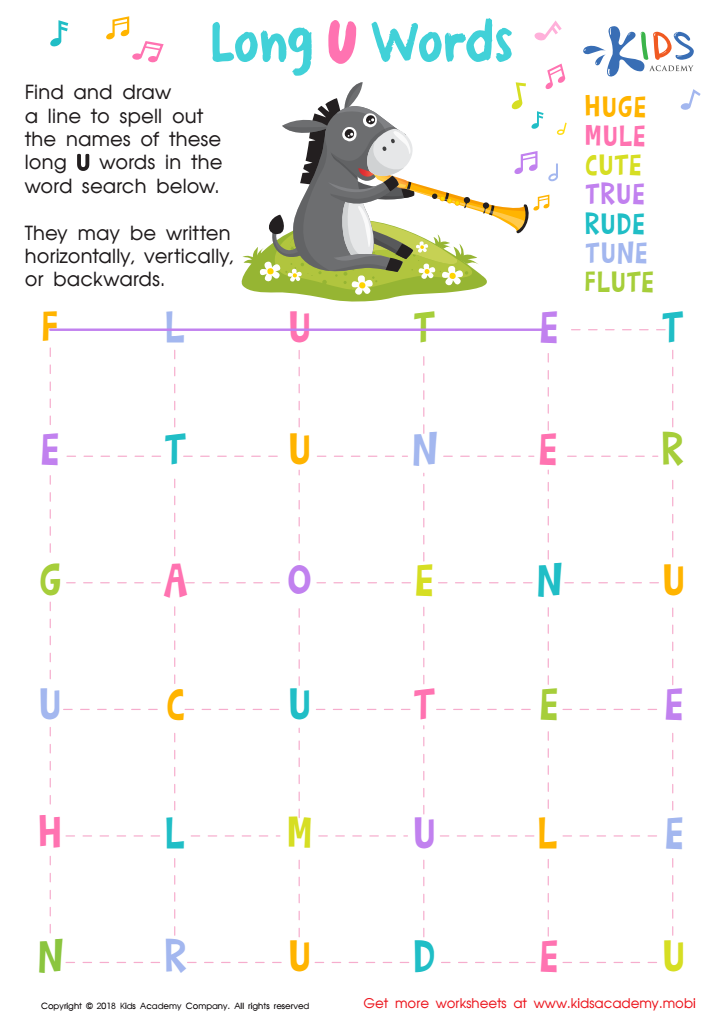
Long /u/ Words Worksheet




.jpg)



Parents and teachers should care about normal reading development for children ages 6-9 because this stage is crucial for laying the foundation of literacy skills. During these years, children transition from learning to read to reading to learn. Mastery of reading during this period impacts overall academic success, influencing comprehension, vocabulary, and critical thinking skills crucial for other subjects.
Engaging in normal reading practices helps children develop fluency and fosters a love for literature, enhancing their ability to connect with the material. Exposure to a variety of texts not only supports language development but also boosts cognitive abilities, emotional understanding, and cultural awareness. Recognizing individual reading milestones and challenges promotes tailored support, helping kids who may struggle, ensuring that learning gaps are addressed early.
Additionally, parents and teachers play vital roles as models, demonstrating enthusiasm for reading as a lifelong endeavor. Consistent reading practices can enhance communication between home and school, cultivating a collaborative environment that promotes each child's reading journey. Investing time in understanding normal reading practices sets children up for future academic achievements and inspires a lasting appreciation for literature, critical in a world where information literacy is paramount.








