Normal Reading Comprehension Worksheets for Ages 6-9 - Page 3
192 filtered results
-
From - To
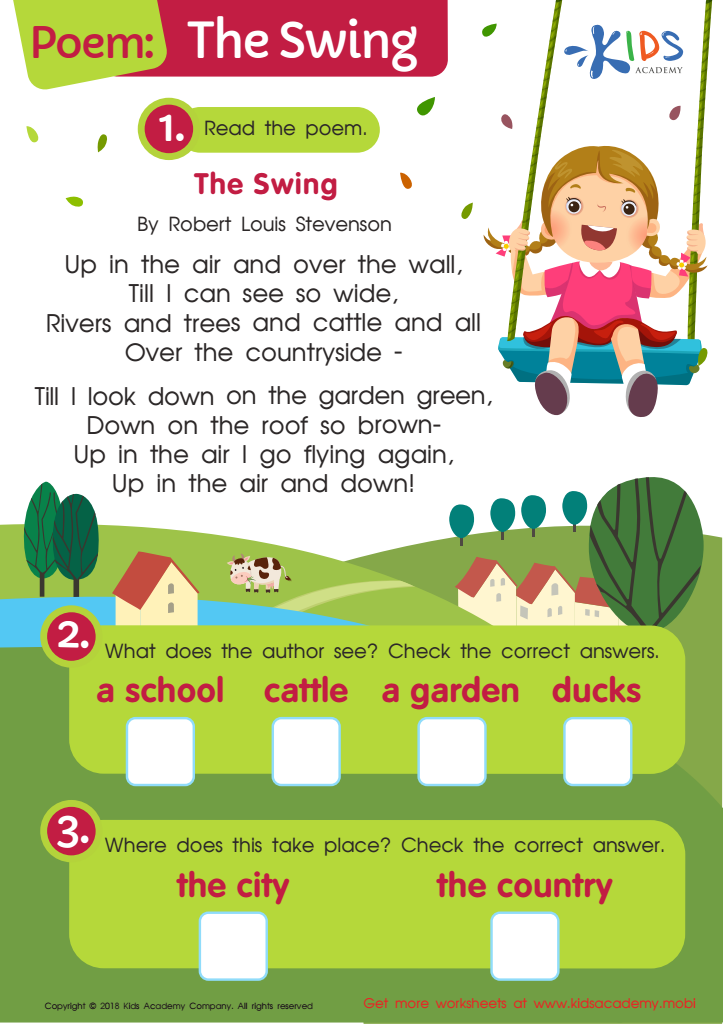
Poem: The Swing Worksheet
 Assign to My Students
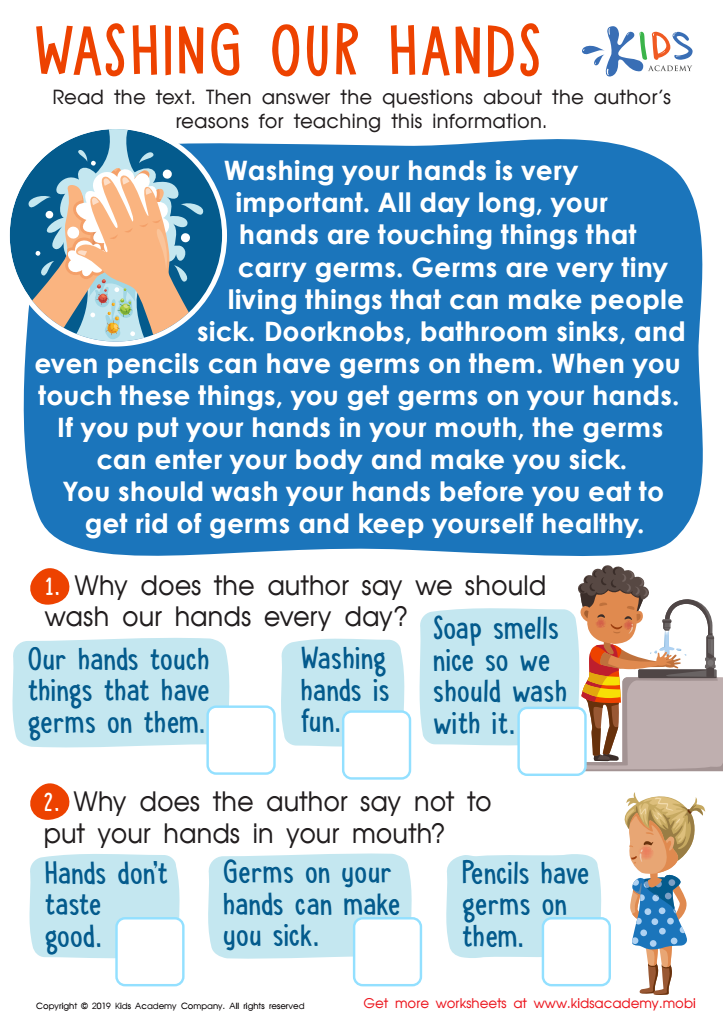
Washing Our Hands Worksheet
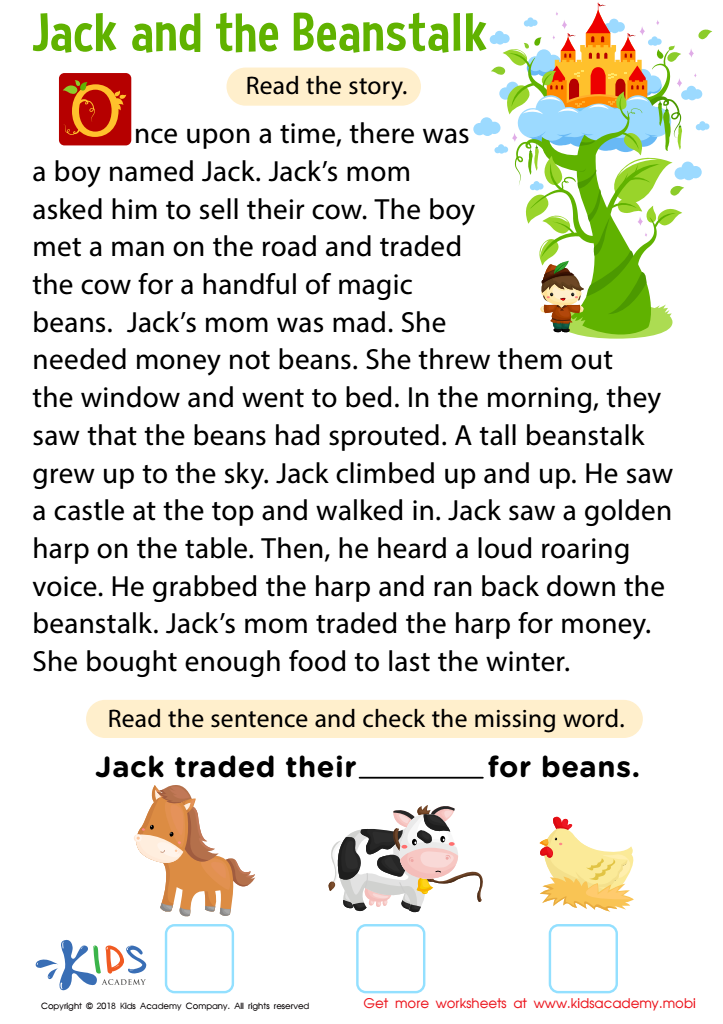
Jack and Beanstalk Worksheet
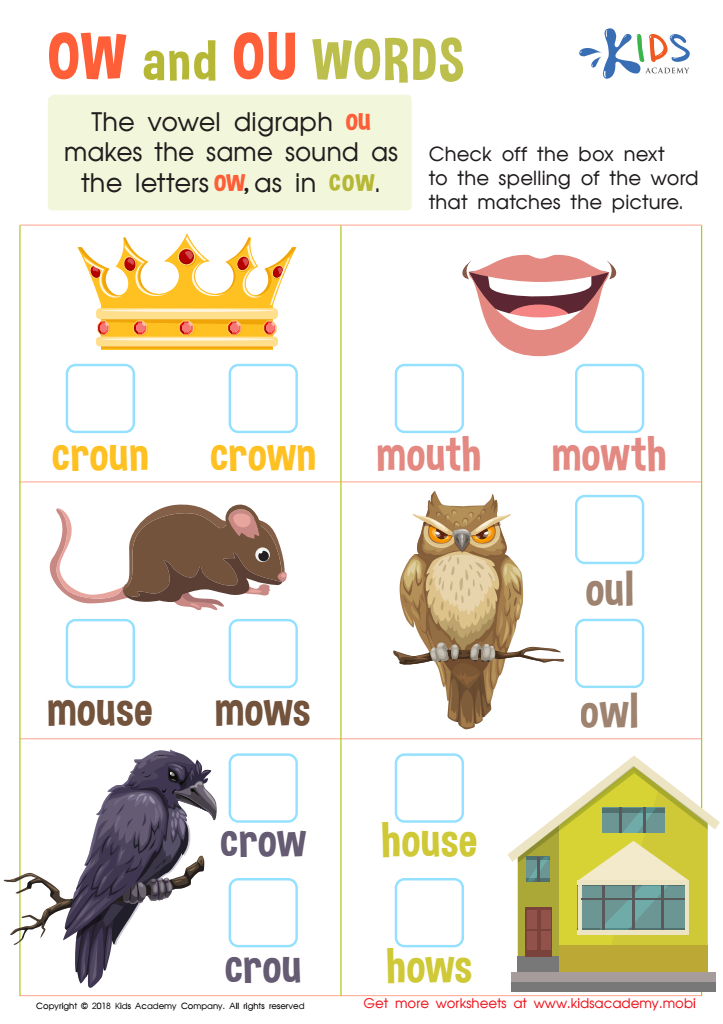
Reading: OW and OU Words Worksheet
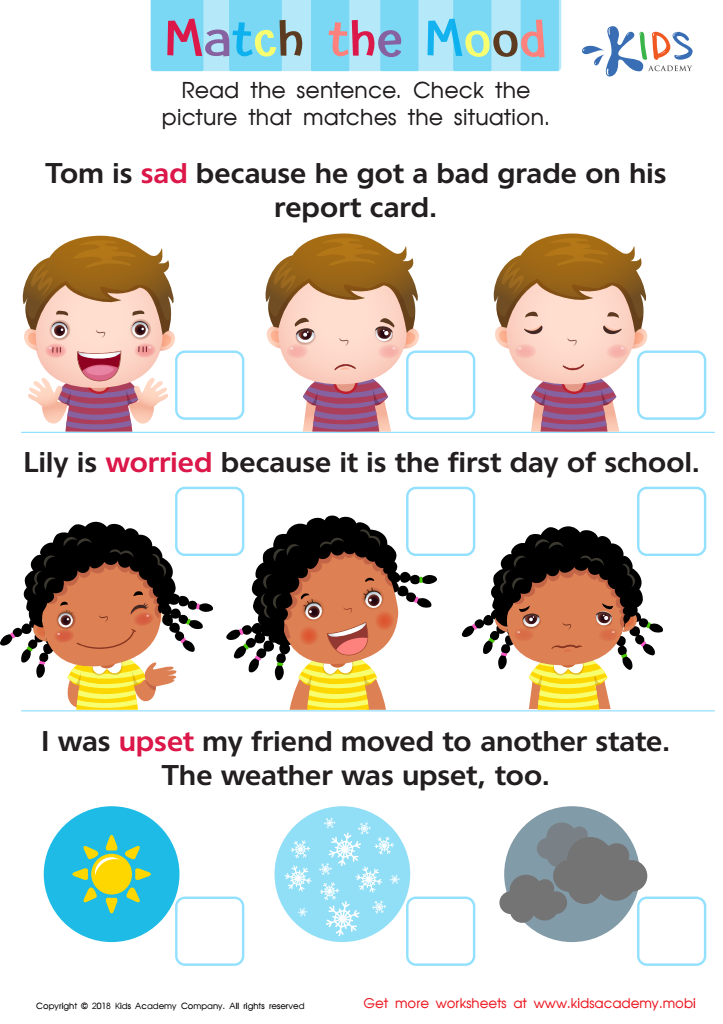
Match The Mood Worksheet
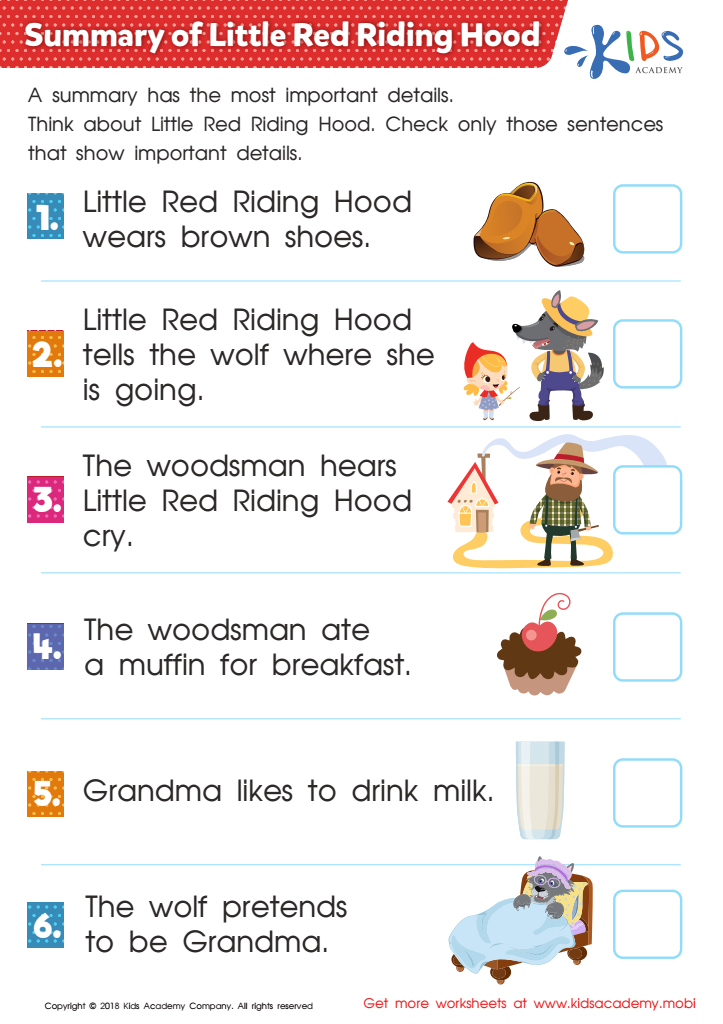
Summary of Little Red Riding Hood Worksheet
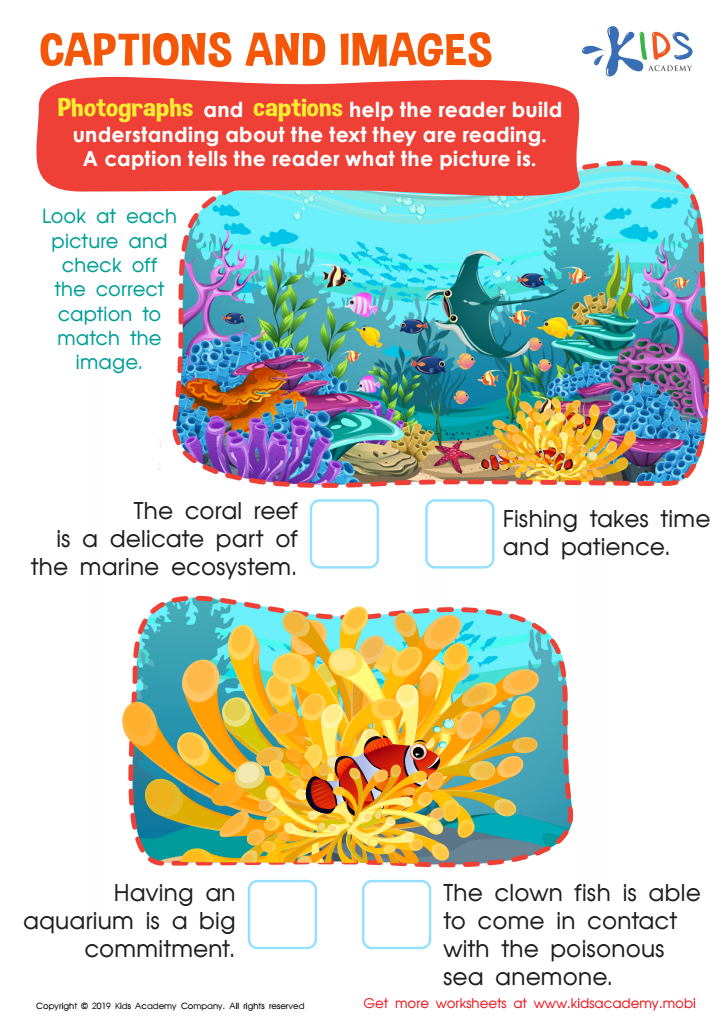
Captions and Images Worksheet
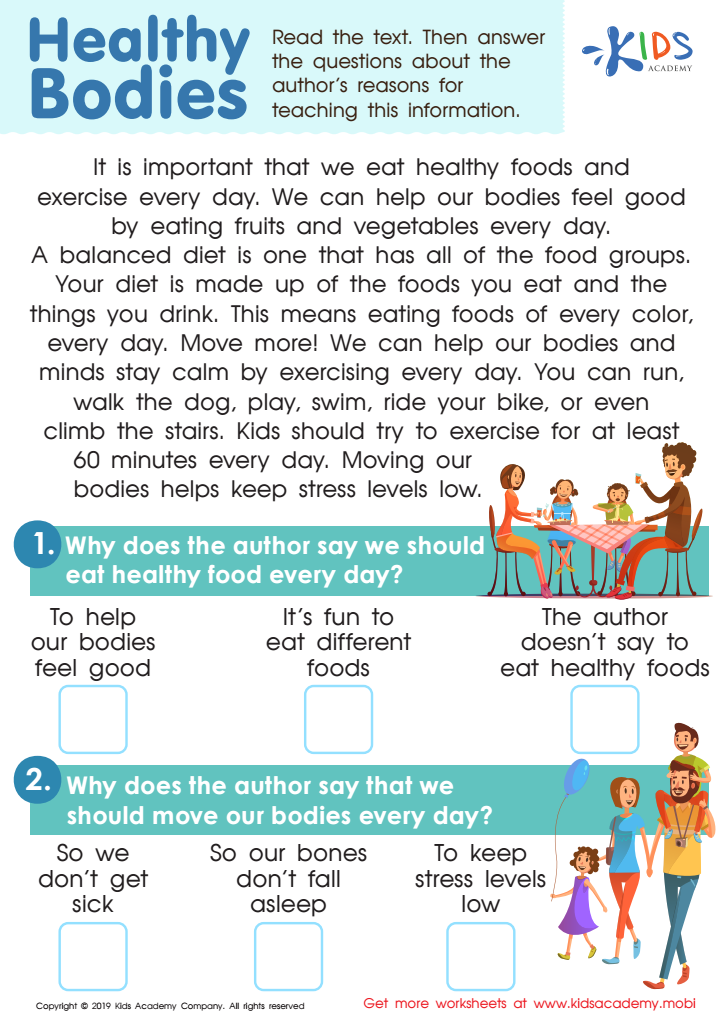
Healthy Bodies Worksheet
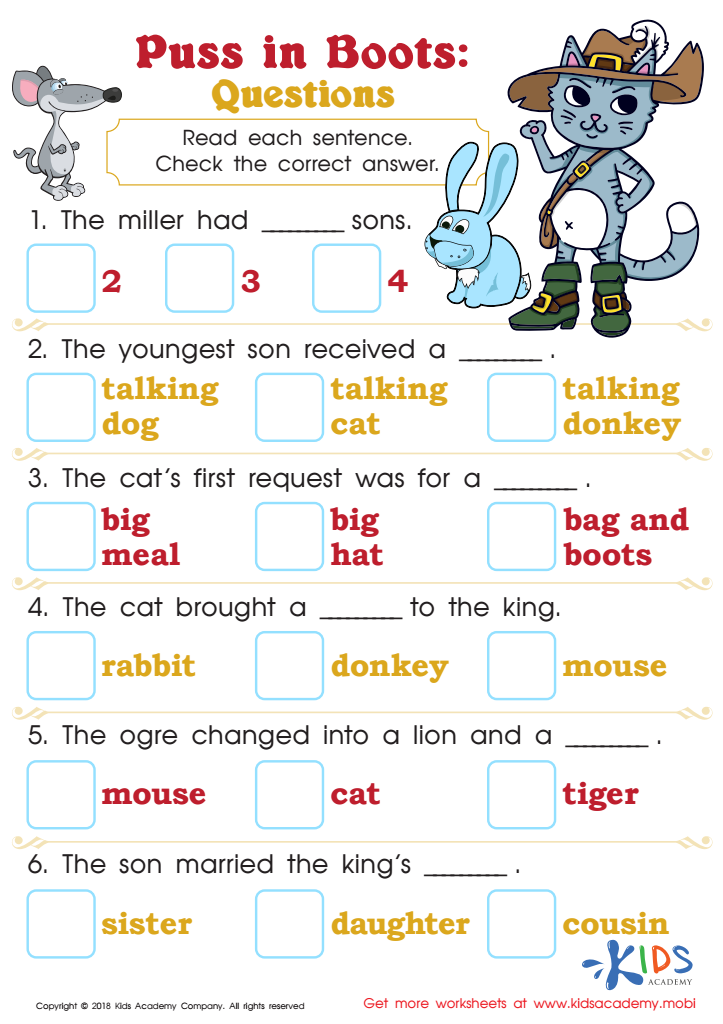
Puss in Boots: Questions Worksheet
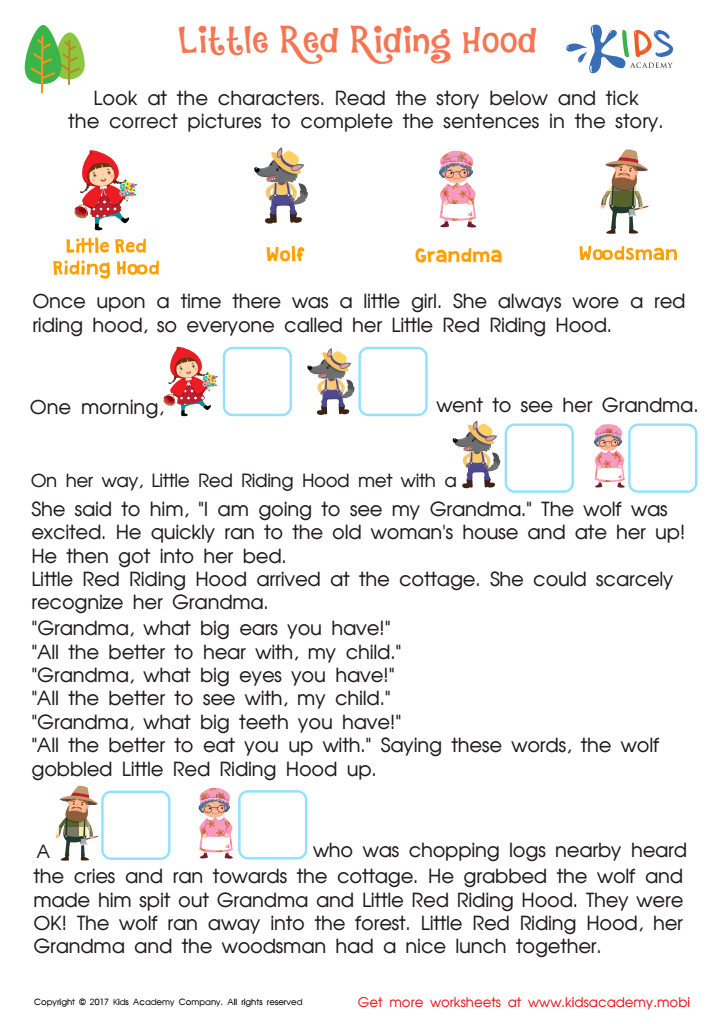
Little Red Riding Hood Printable
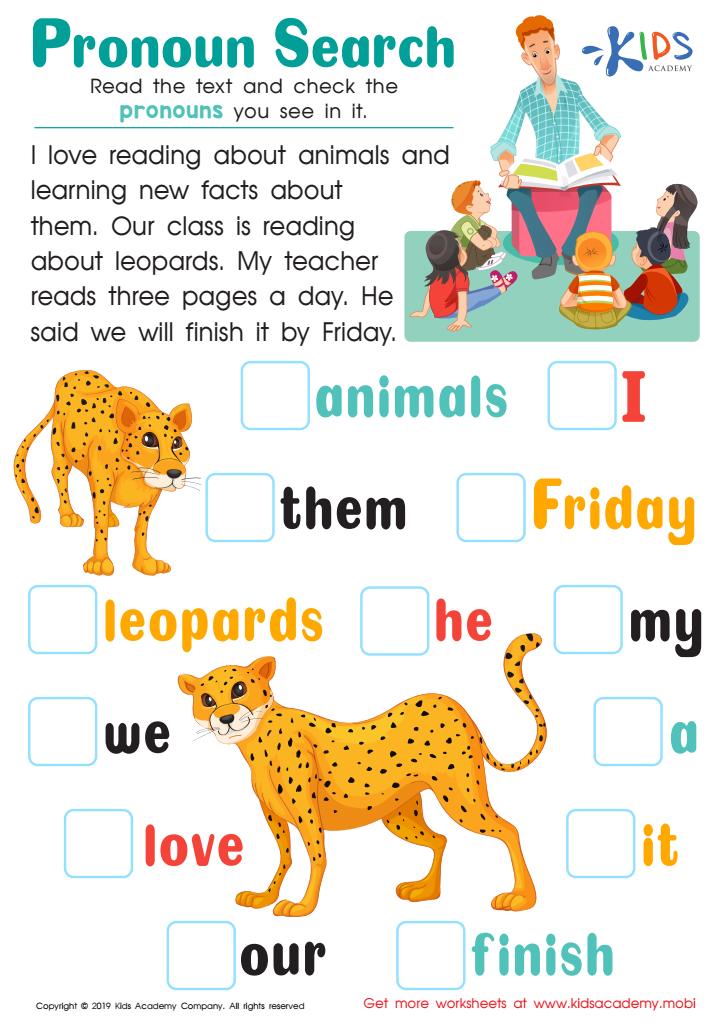
Pronoun Search Worksheet
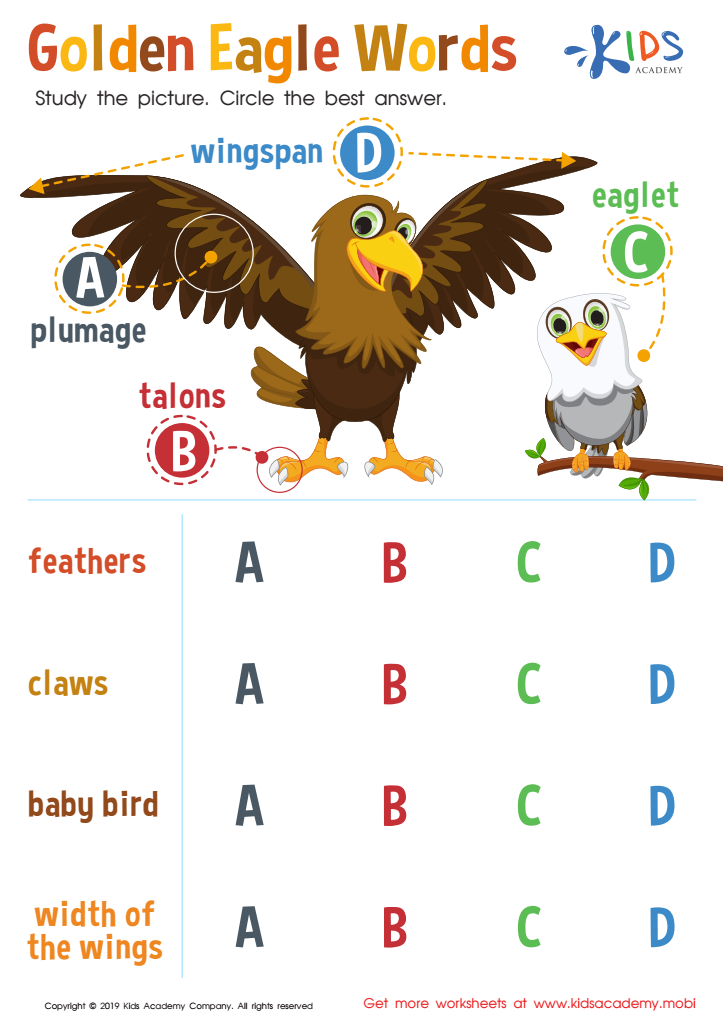
Golden Eagle Words Worksheet
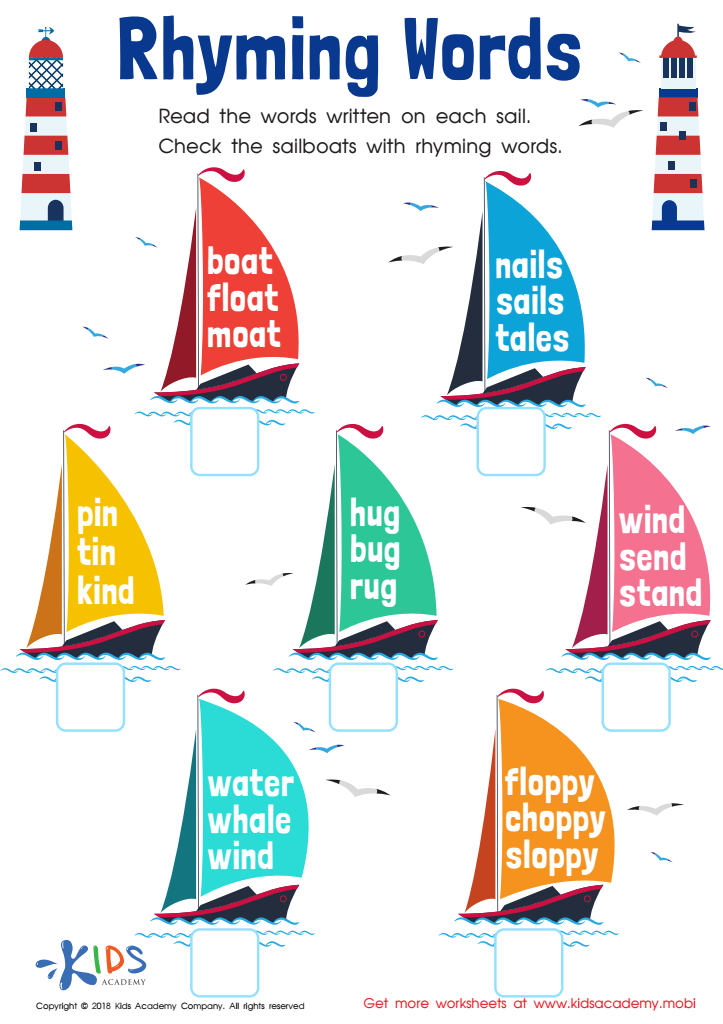
Rhyming Words Worksheet
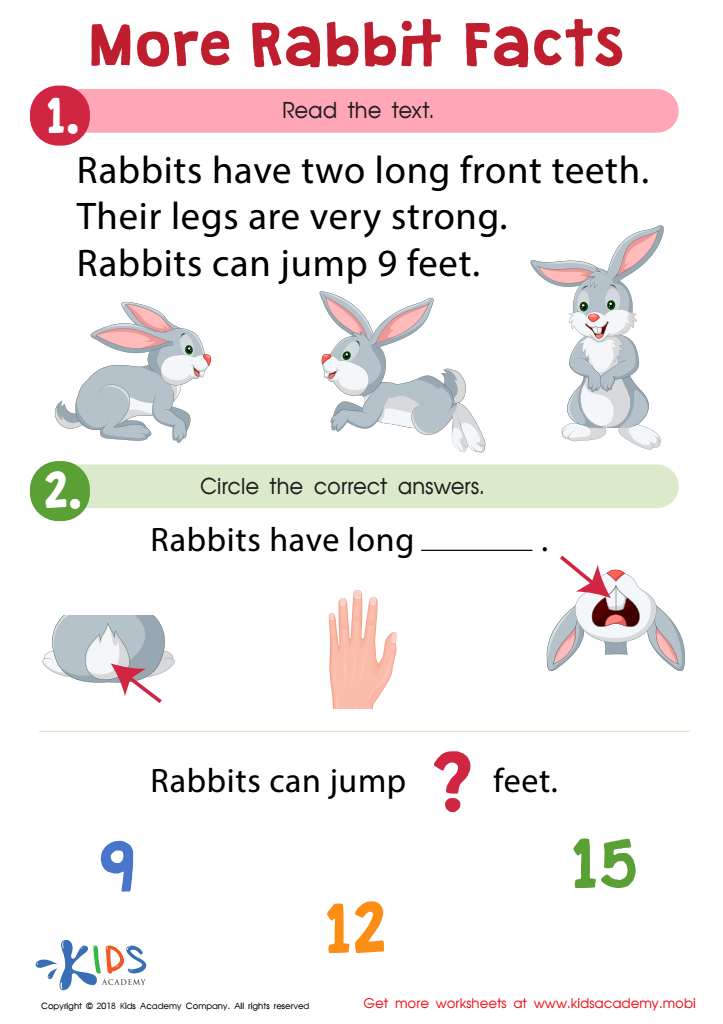
More Rabbit Facts Worksheet
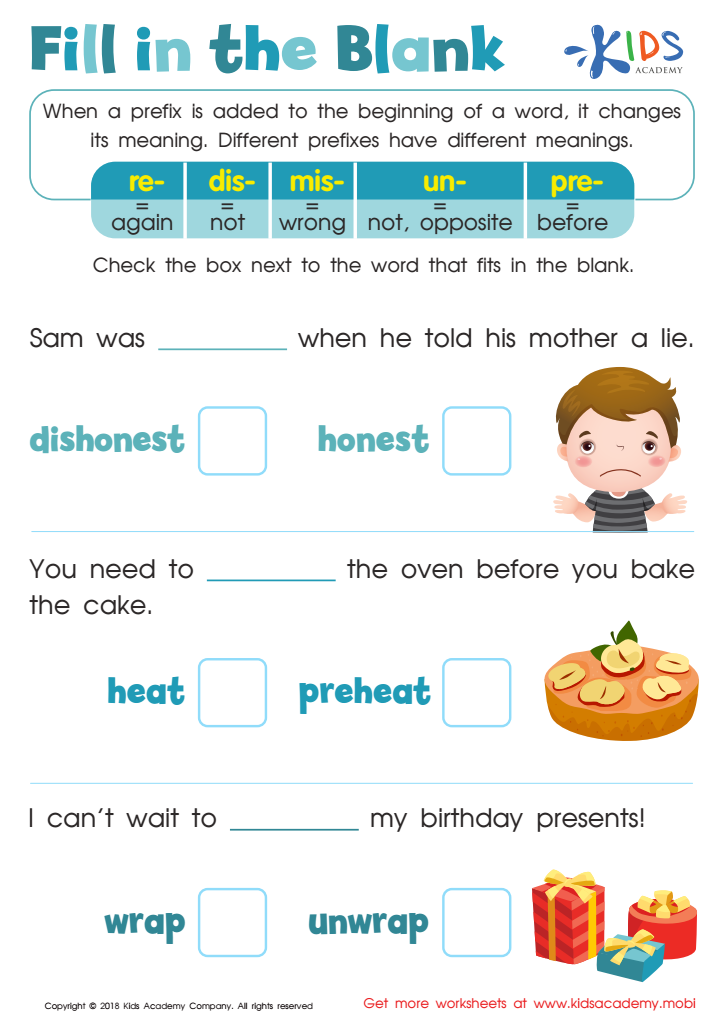
Reading: Fill in the Blank Worksheet
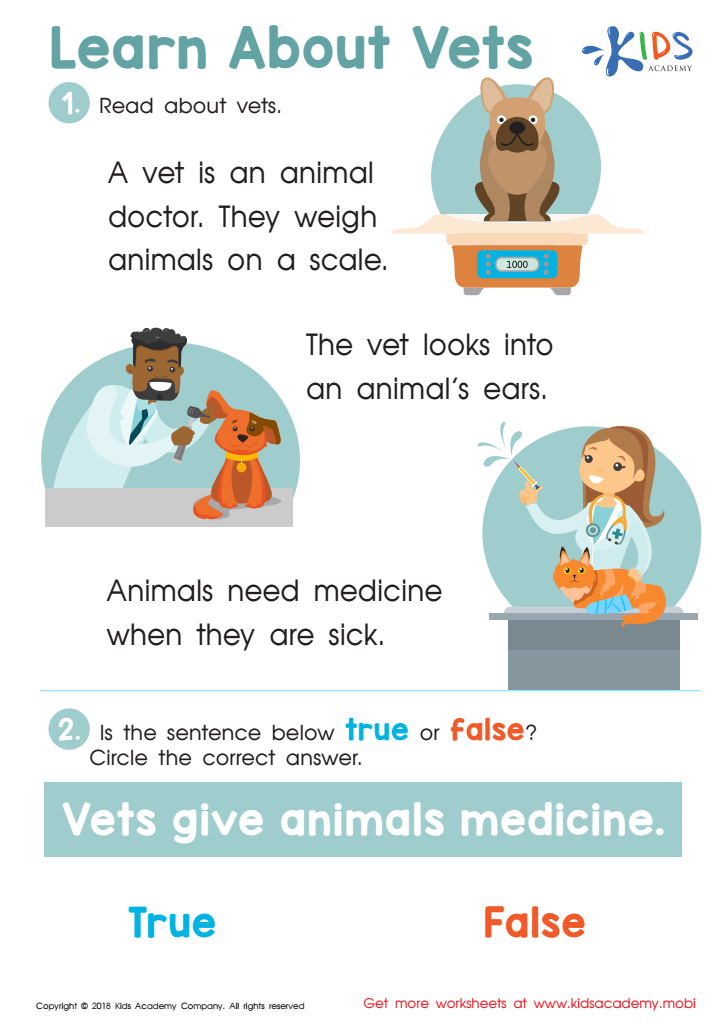
Learn About Vets Worksheet
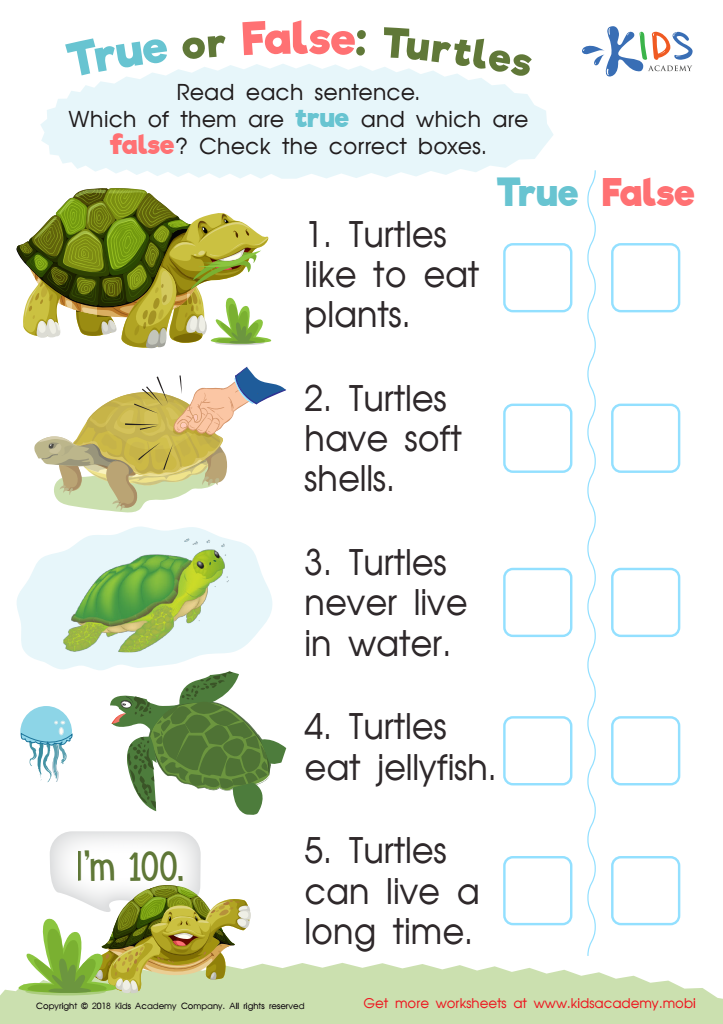
True or False: Turtles Worksheet
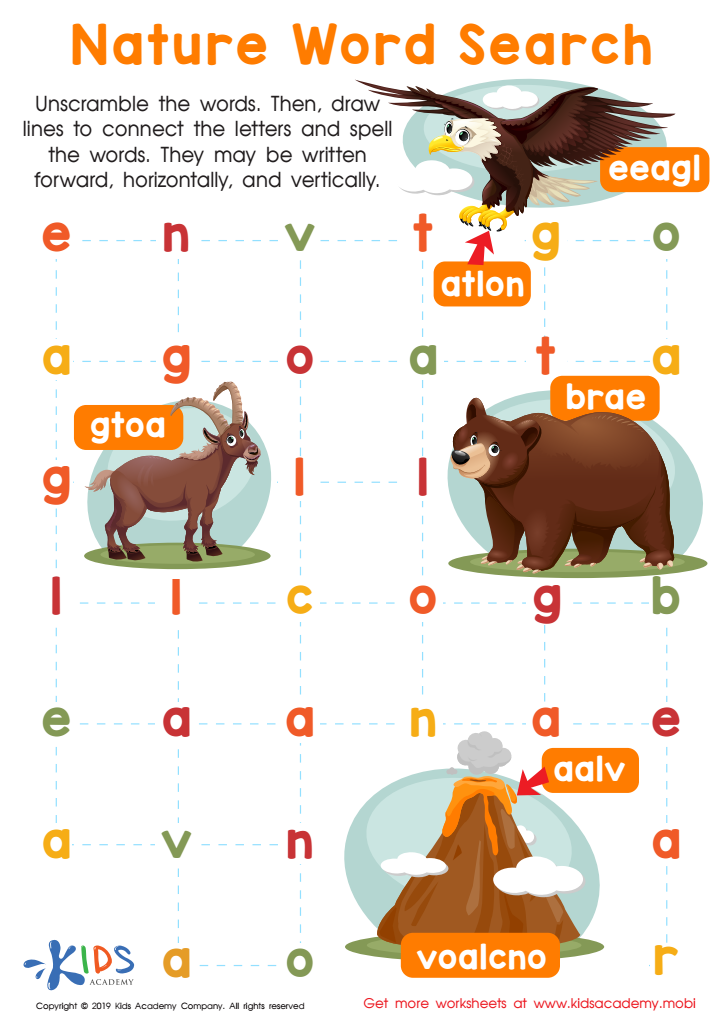
Nature Word Search Worksheet
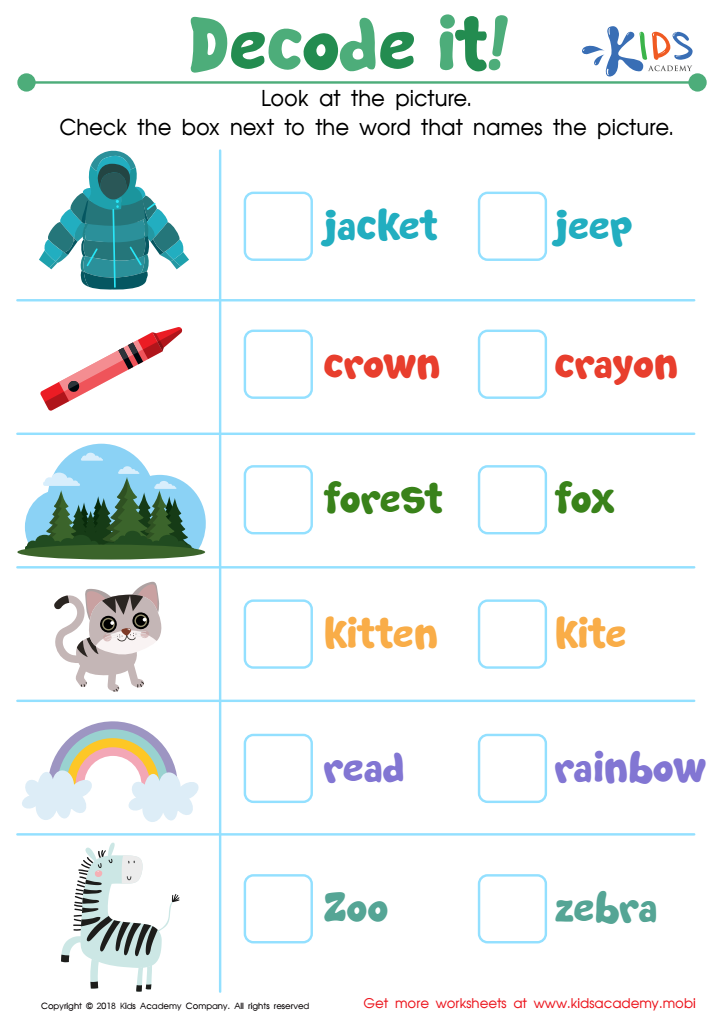
Reading: Decode It Worksheet
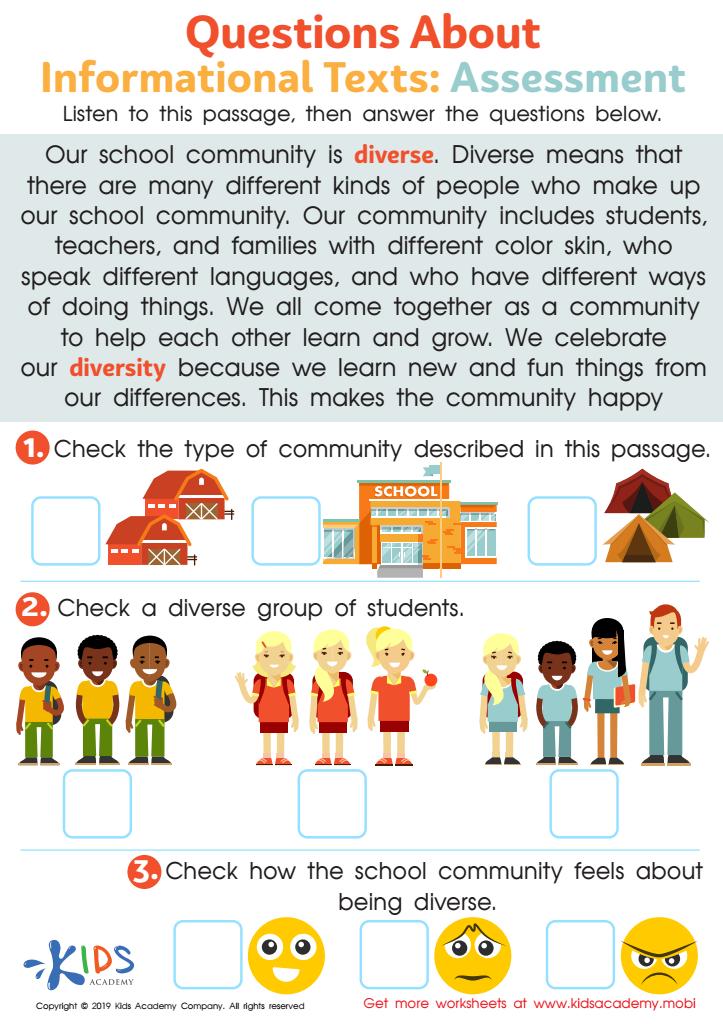
Questions About Informational Texts: Assessment 1 Worksheet
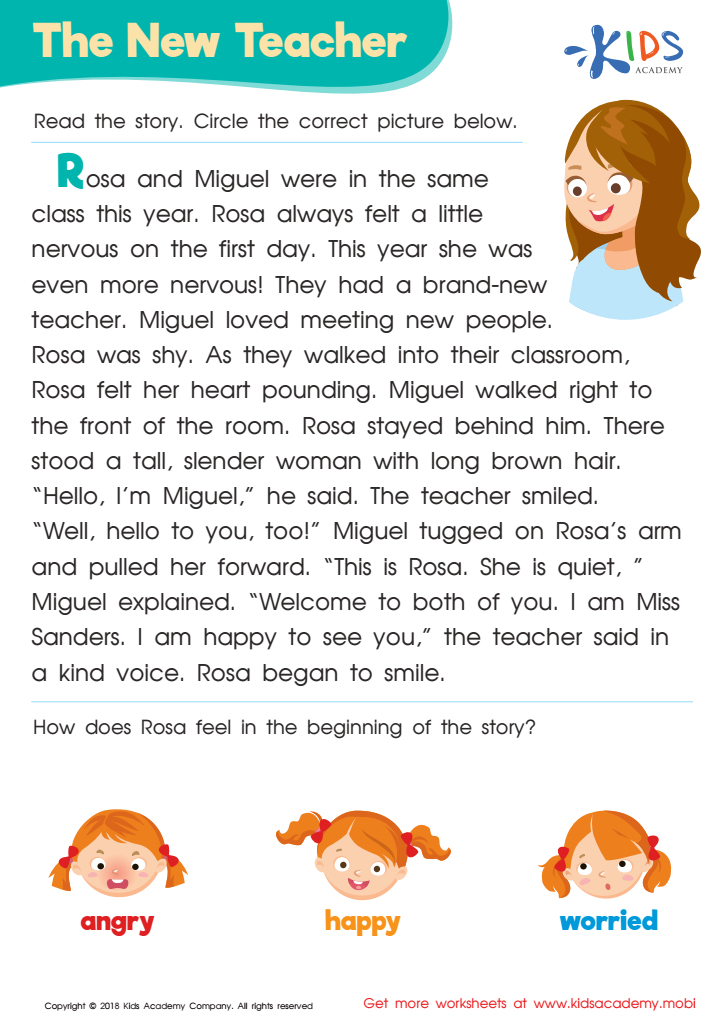
The New Teacher Worksheet
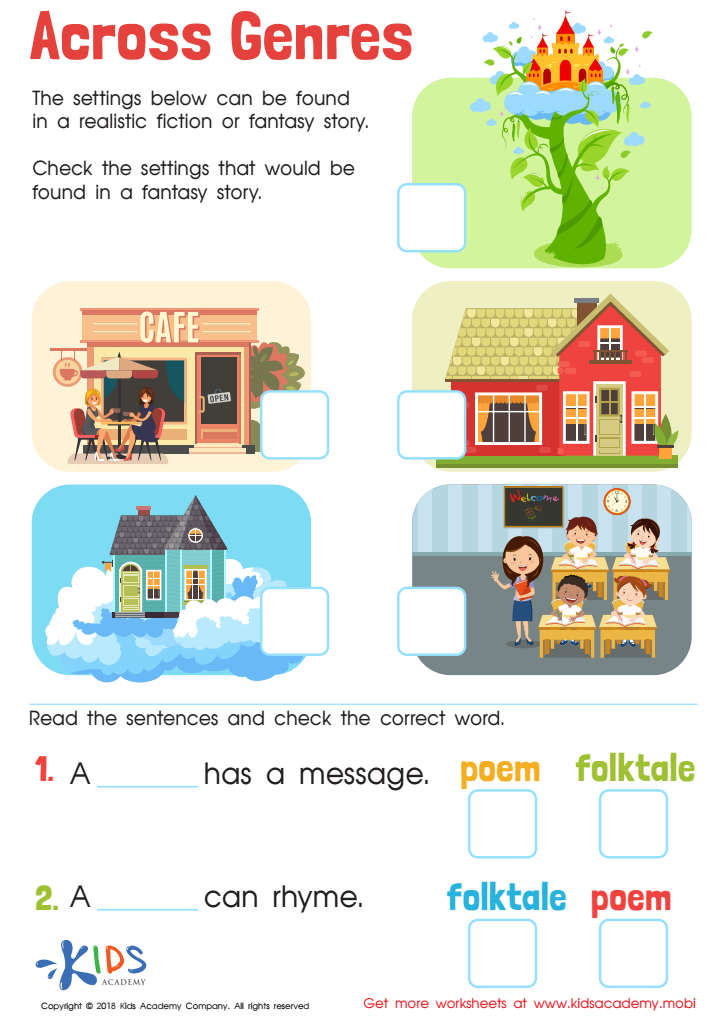
Across Genres Worksheet
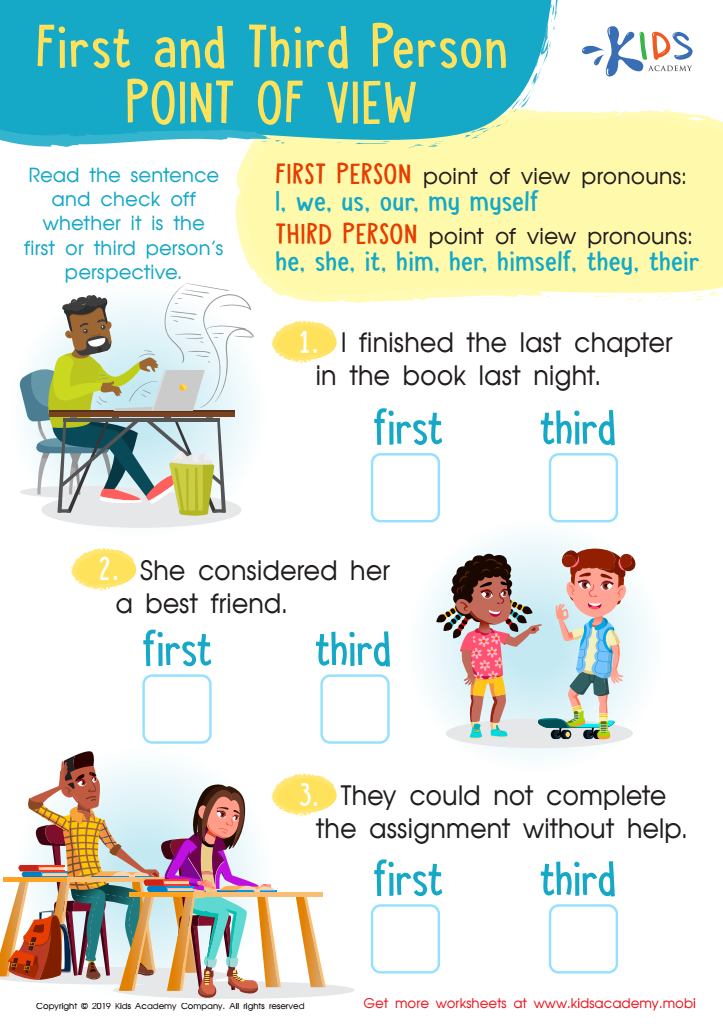
First and Third Person Point of View Worksheet
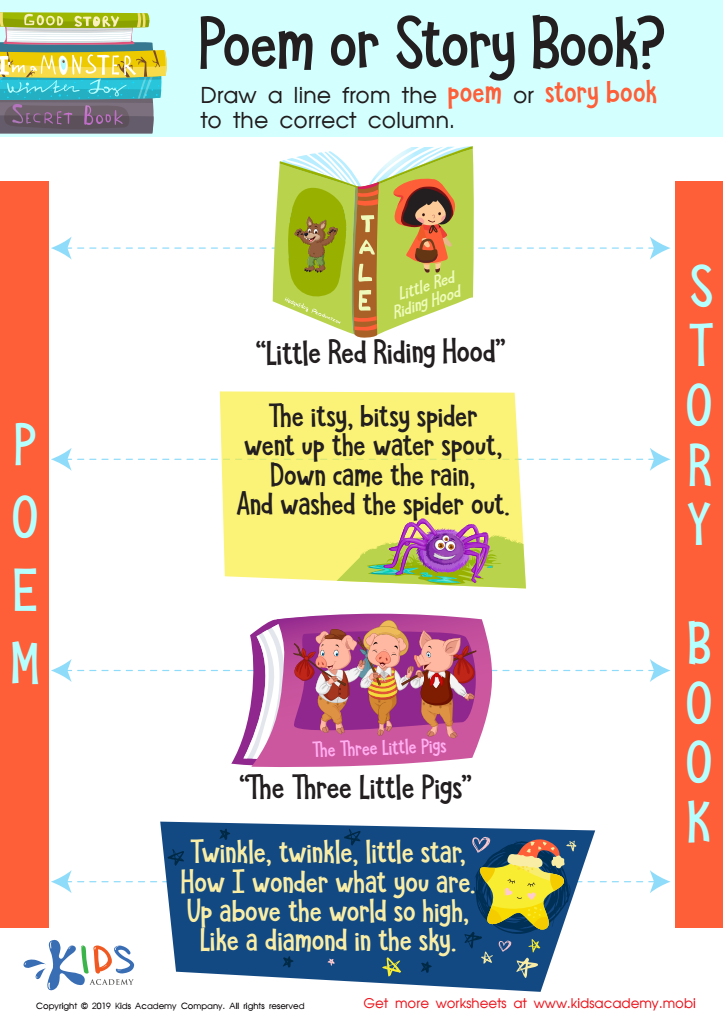
Poem or Story Book? Worksheet








Reading comprehension is a crucial skill for children aged 6-9 as it lays the foundation for their overall academic success and lifelong learning. During these formative years, children transition from learning to read to reading to learn. Good reading comprehension enables children to understand, interpret, and analyze text, fostering critical thinking. It impacts their performance across subjects such as math, science, and social studies, where instructions and problems are often presented in written form.
Additionally, proficient reading comprehension skills help to build a child's vocabulary and language abilities. Understanding the context in which words are used aids in developing more advanced language skills, enhancing communication and expression.
For parents and teachers, nurturing reading comprehension at an early age means encouraging a love for reading, which can transform reading from a chore into a lifelong hobby. Engaged readers are more likely to develop curiosity and empathy, as they explore different worlds, perspectives, and ideas through stories and texts.
Moreover, children who struggle with comprehension may face frustration, lowered self-esteem, and academic disadvantages that persist over time. Early intervention and support can prevent these negative outcomes. By prioritizing reading comprehension, parents and teachers equip children with the skills they need to succeed both in school and beyond.








