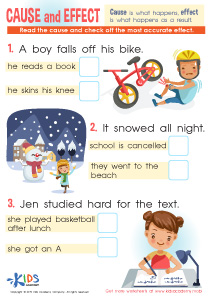
Normal Reading Non-Fiction Worksheets for Ages 6-9 - Page 2
65 filtered results
-
From - To
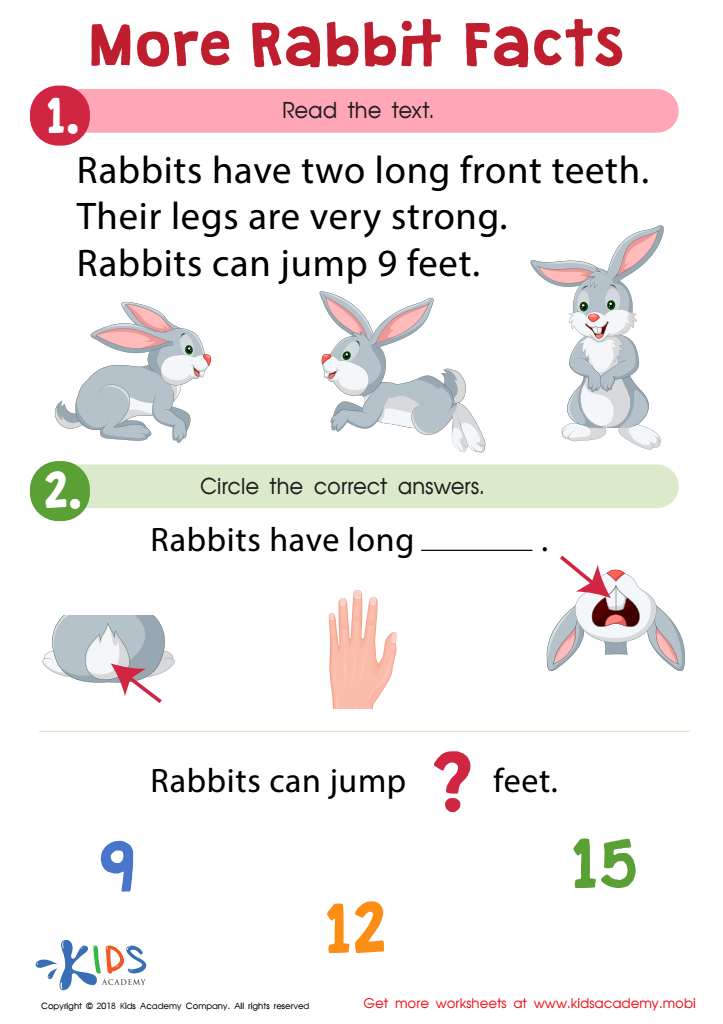
More Rabbit Facts Worksheet
 Assign to My Students
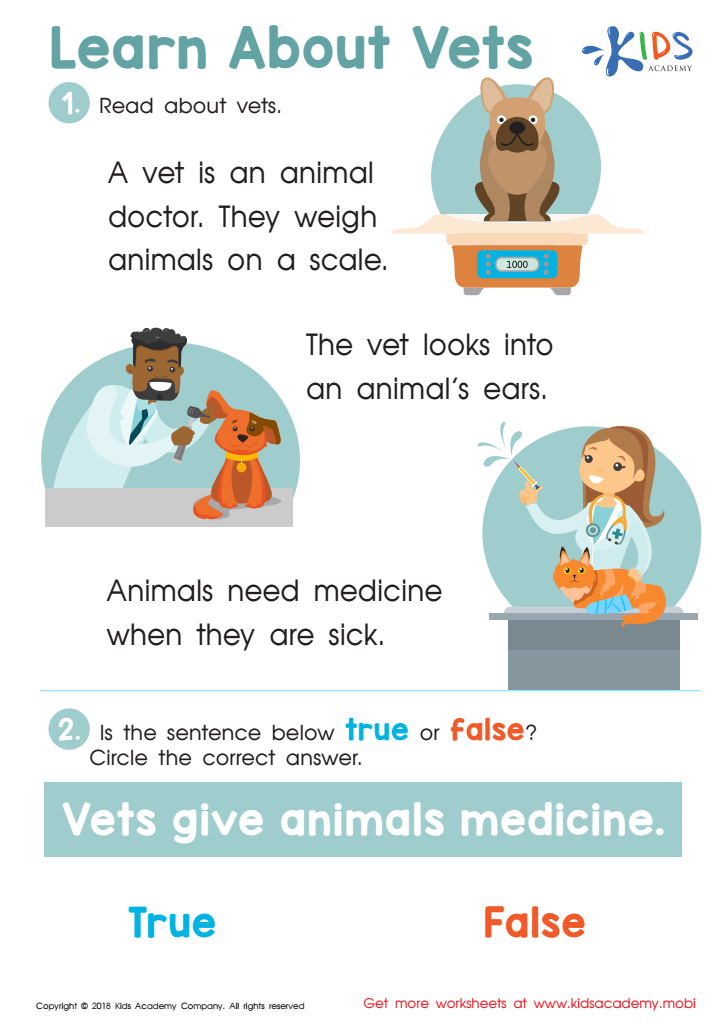
Learn About Vets Worksheet
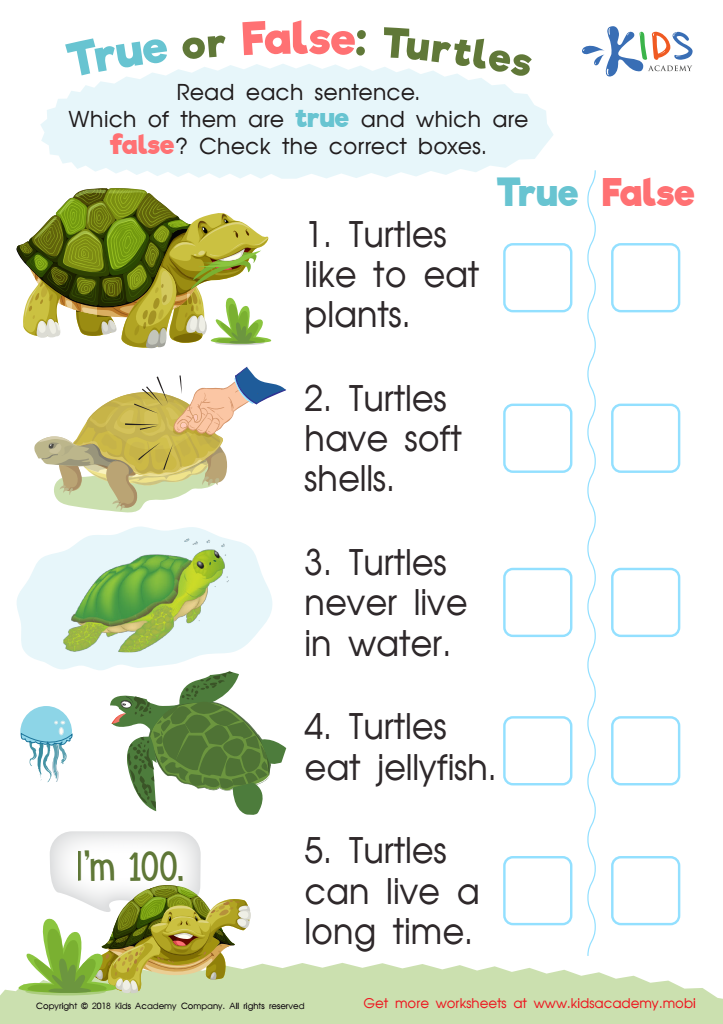
True or False: Turtles Worksheet
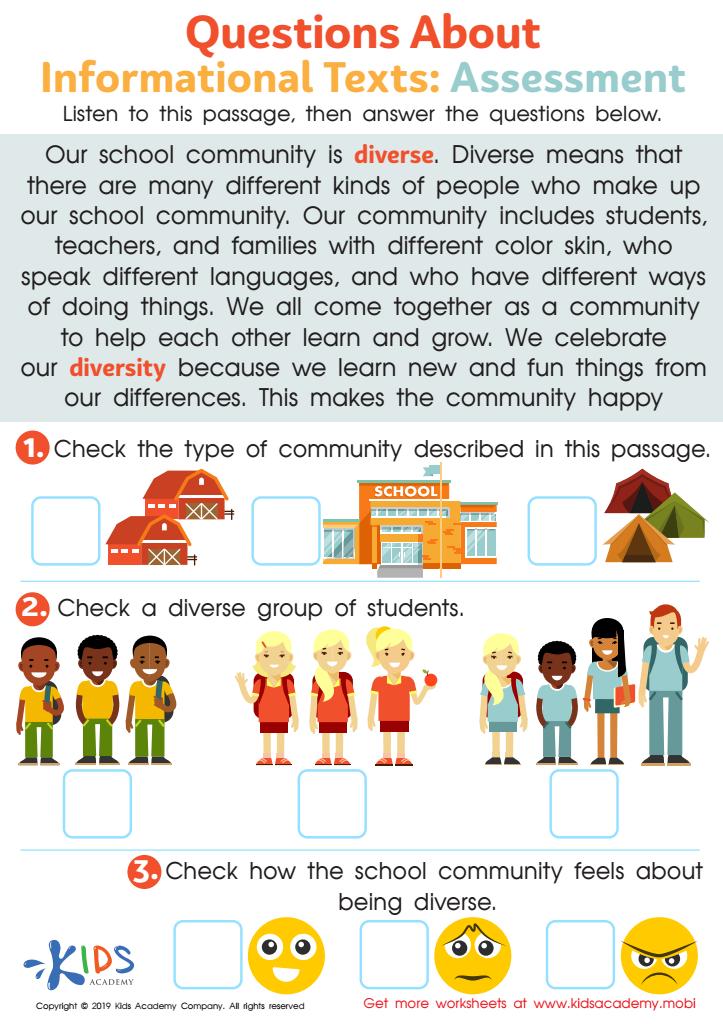
Questions About Informational Texts: Assessment 1 Worksheet
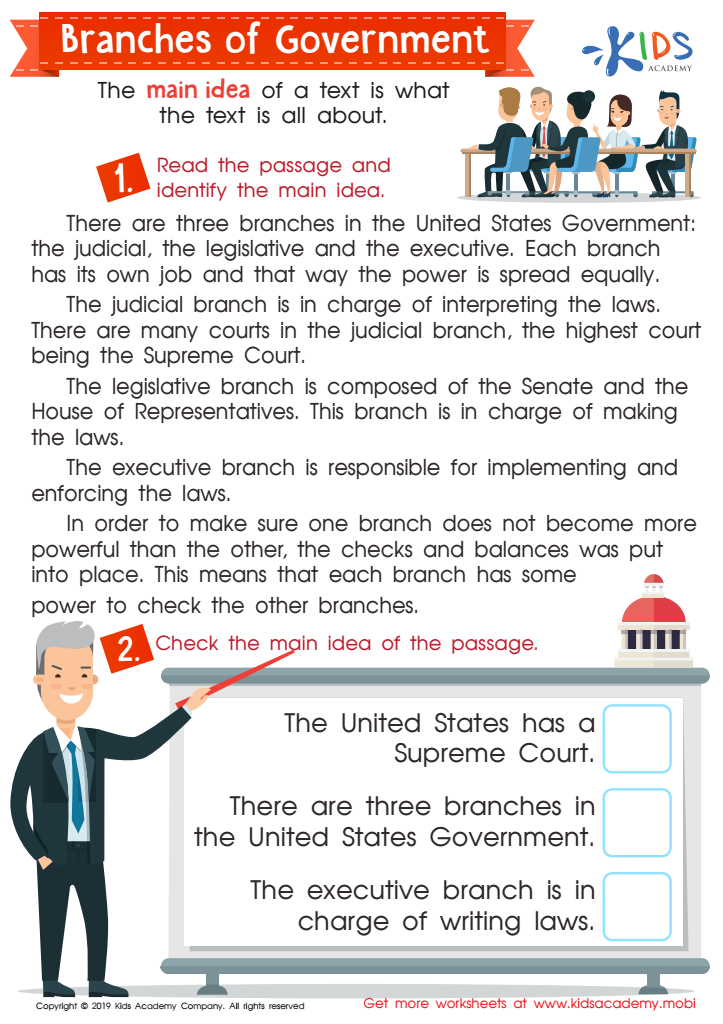
Branches of the Government Worksheet
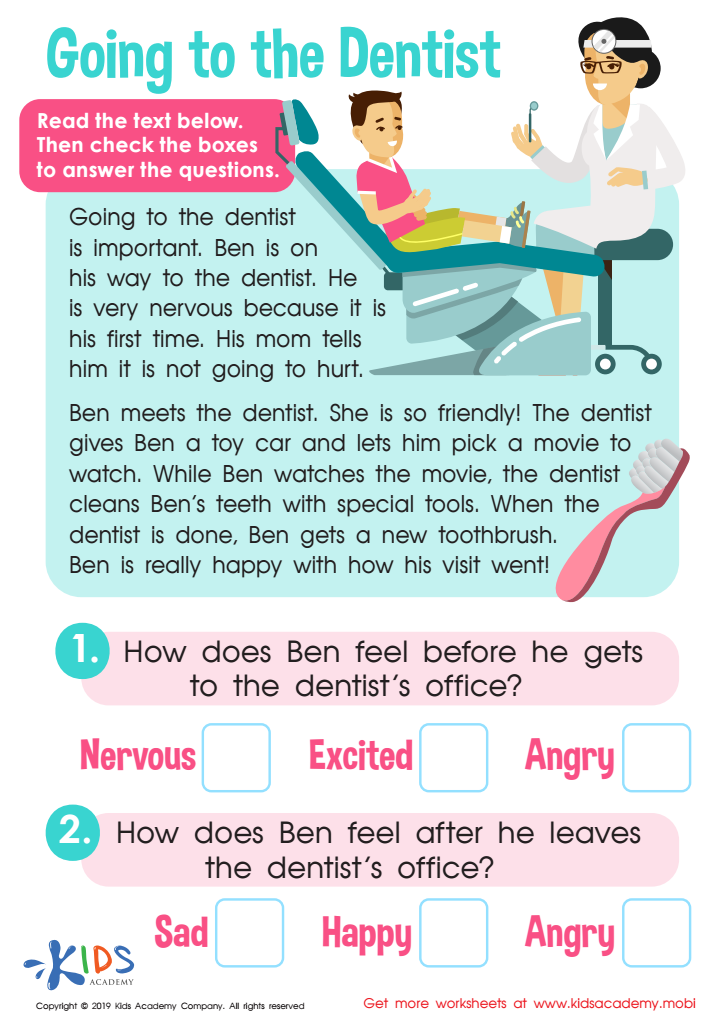
Going to the Dentist Worksheet
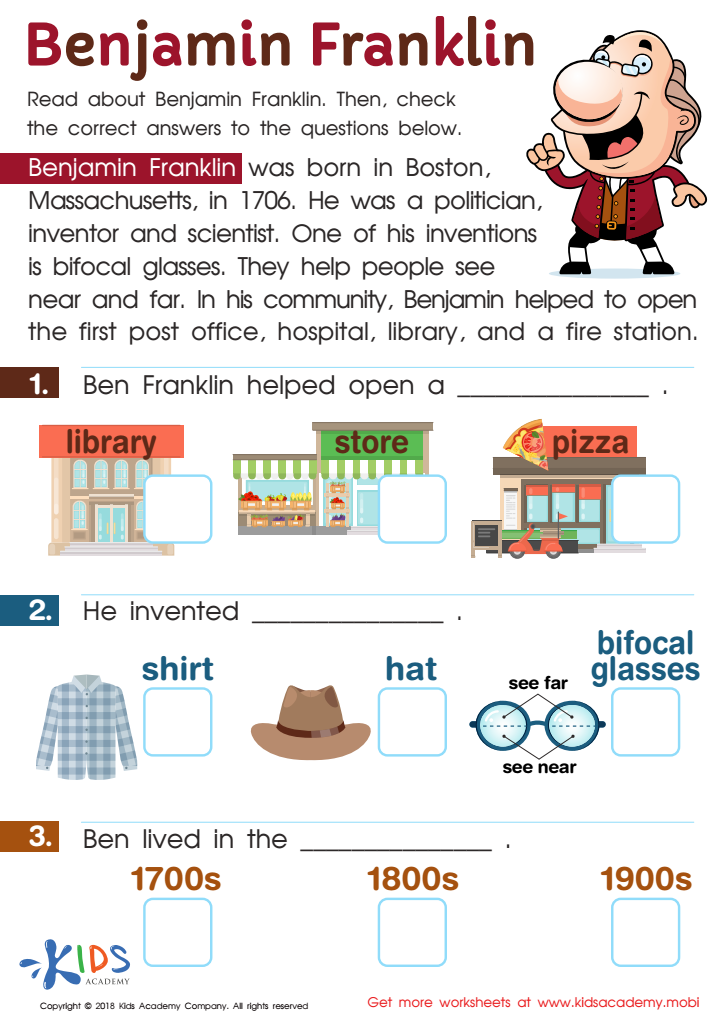
Benjamin Franklin Worksheet
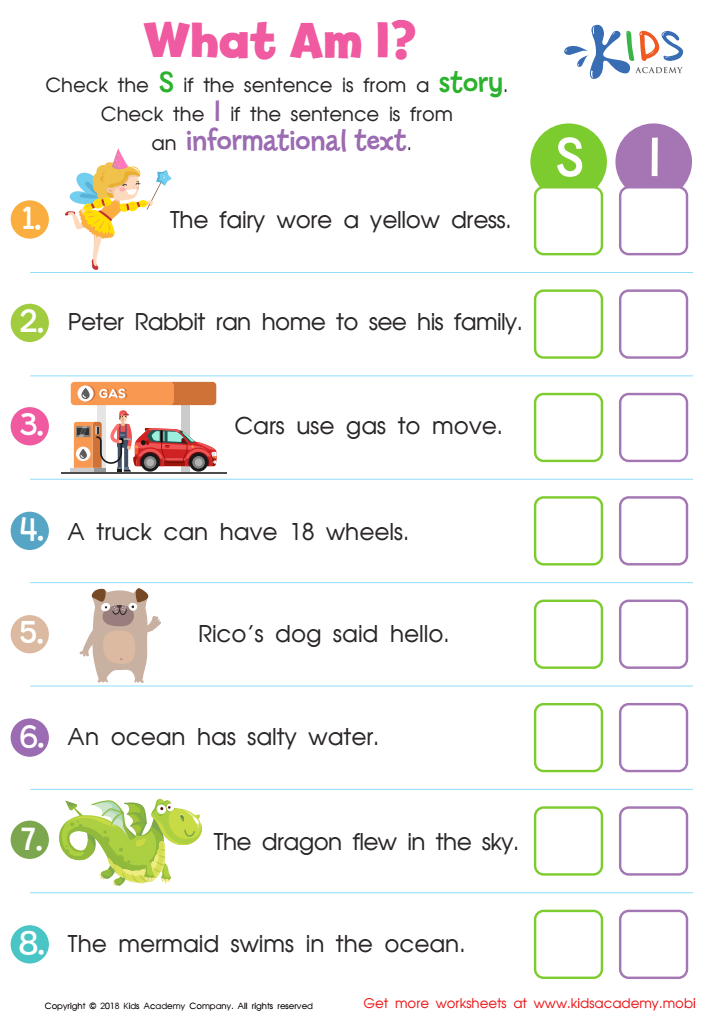
What Am I? Worksheet
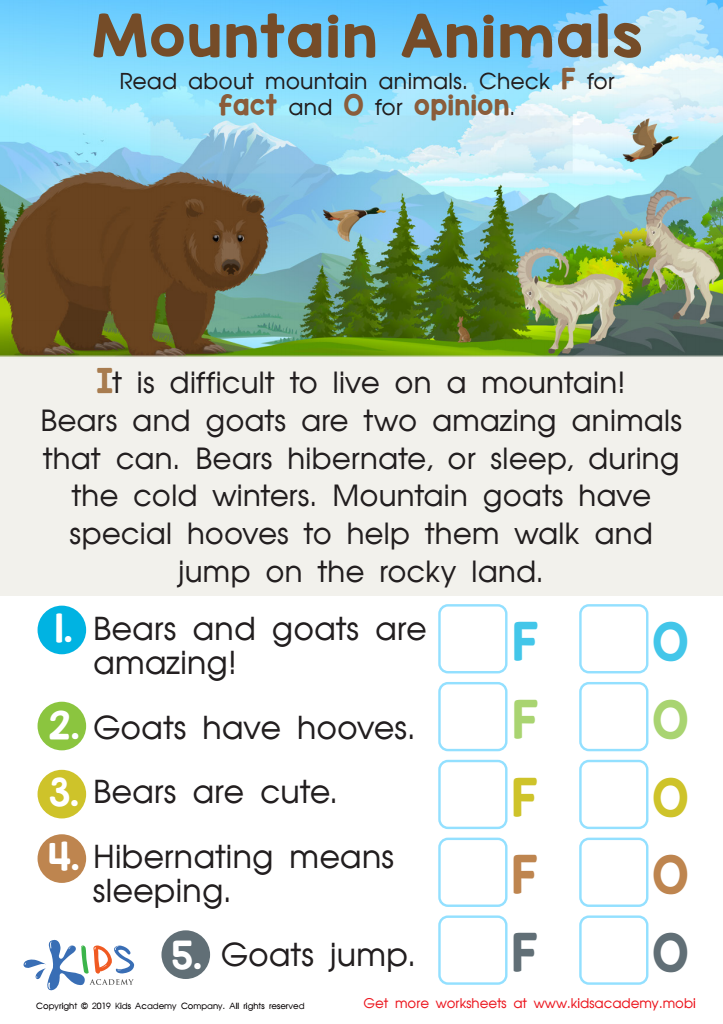
Mountain Animals Worksheet
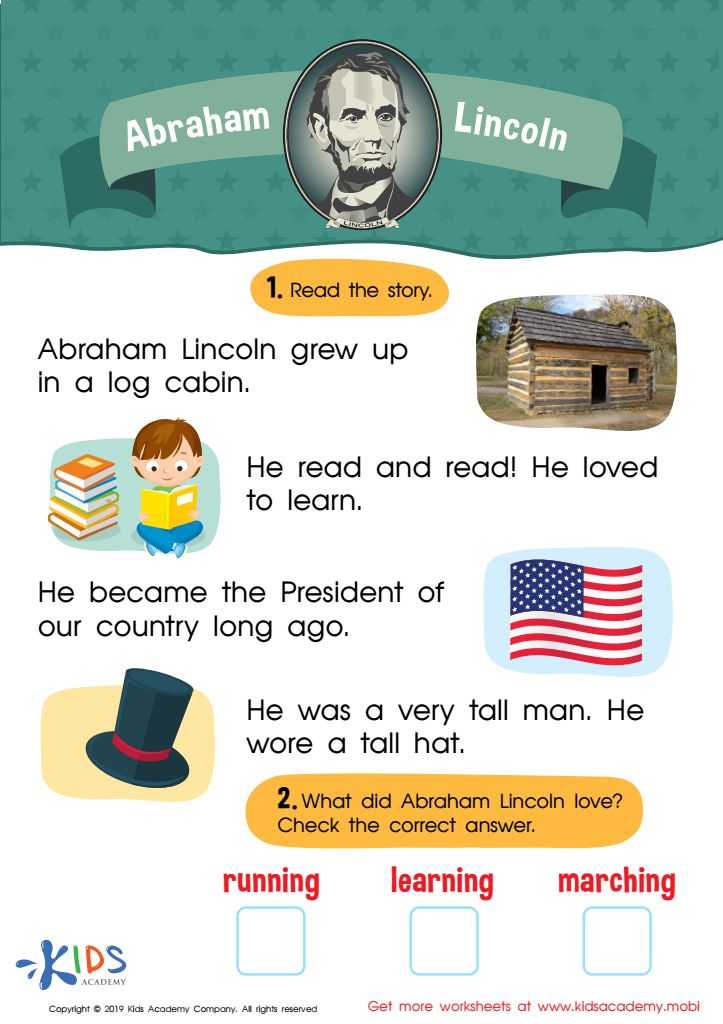
Abraham Lincoln Worksheet
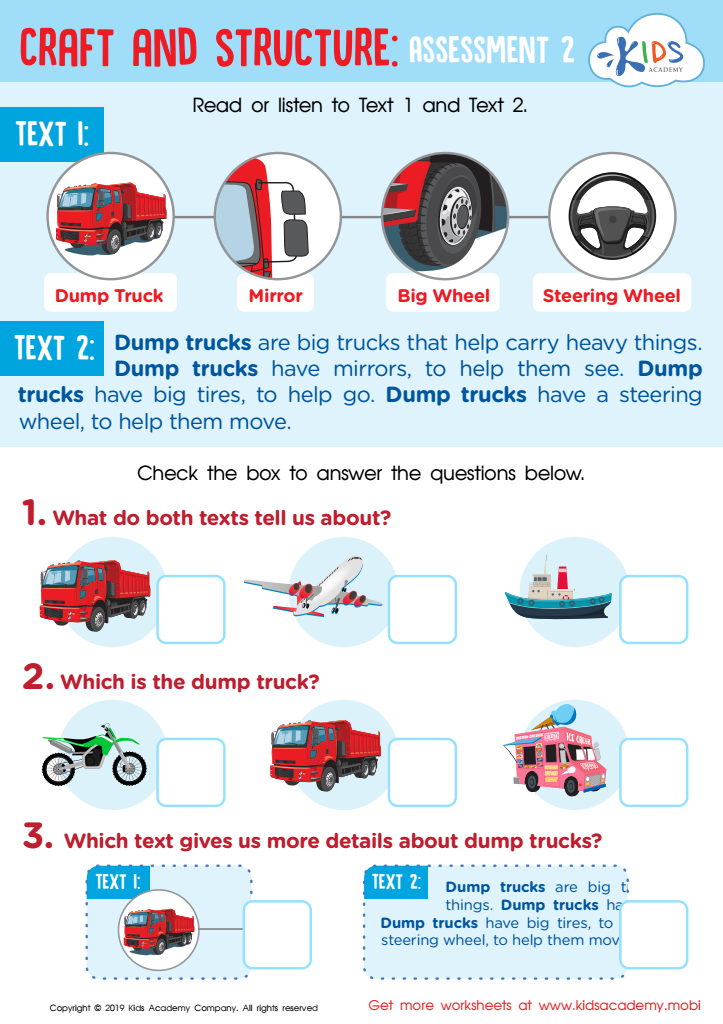
Craft and Structure: Assessment 2 Worksheet
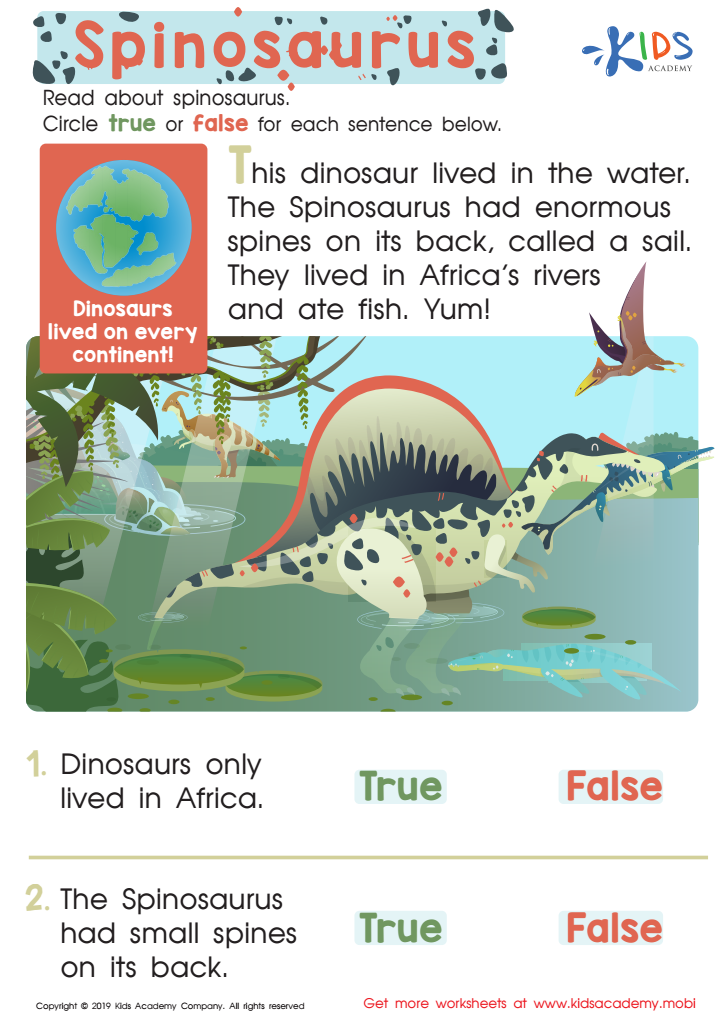
Spinosaurus Assessment Worksheet
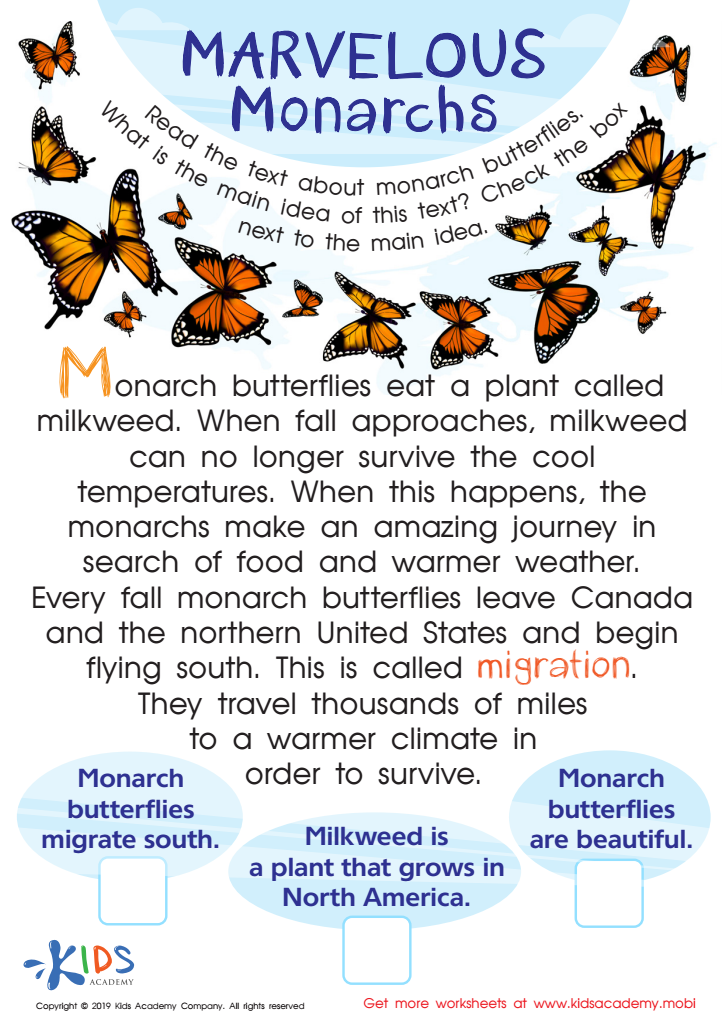
Marvelous Monarchs Worksheet
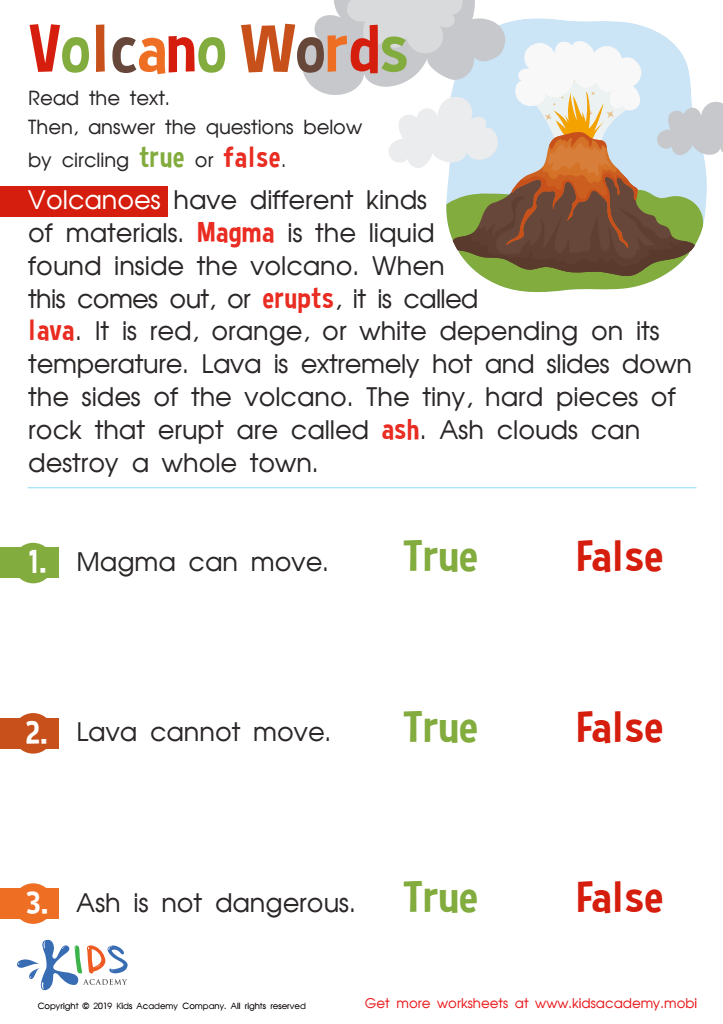
Volcano Words Worksheet
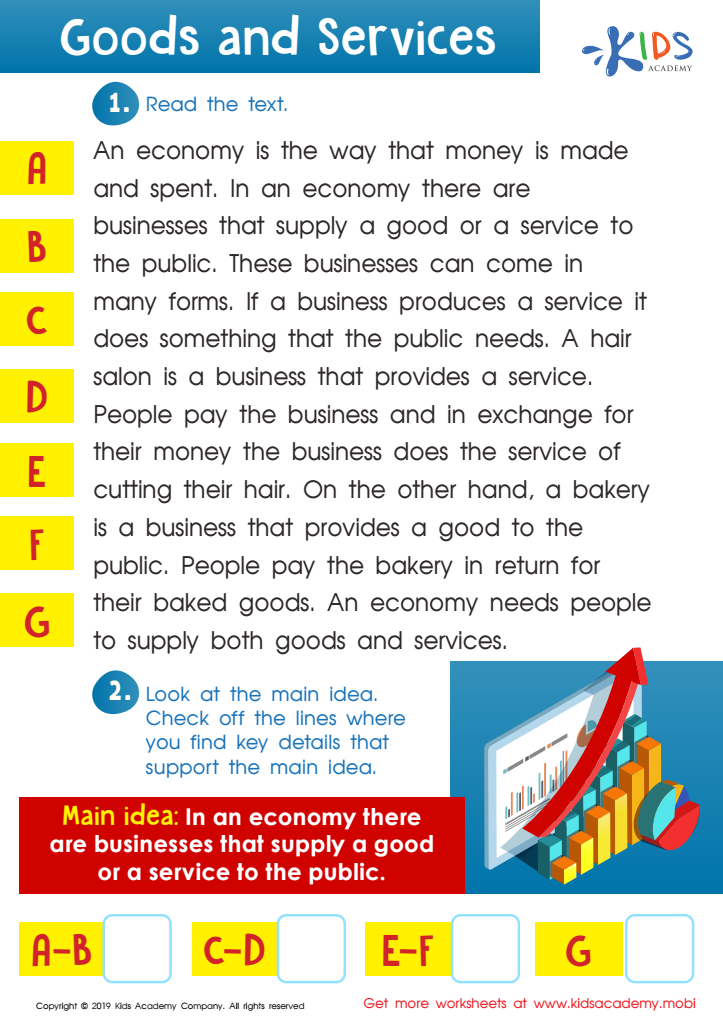
Goods and Services Worksheet
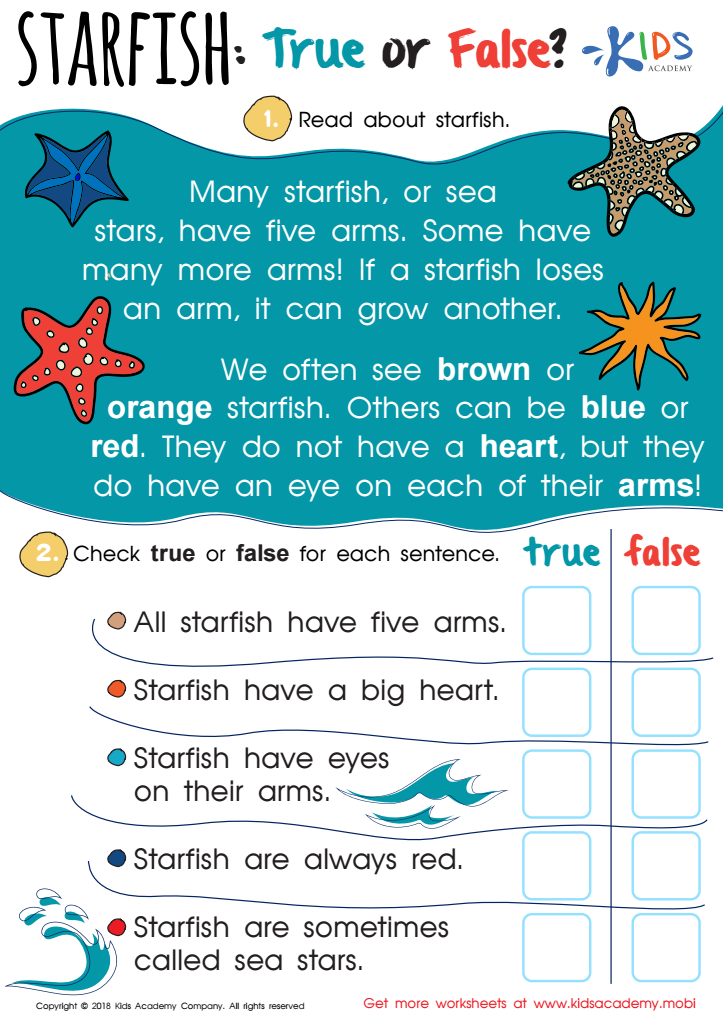
Starfish: True or False Worksheet
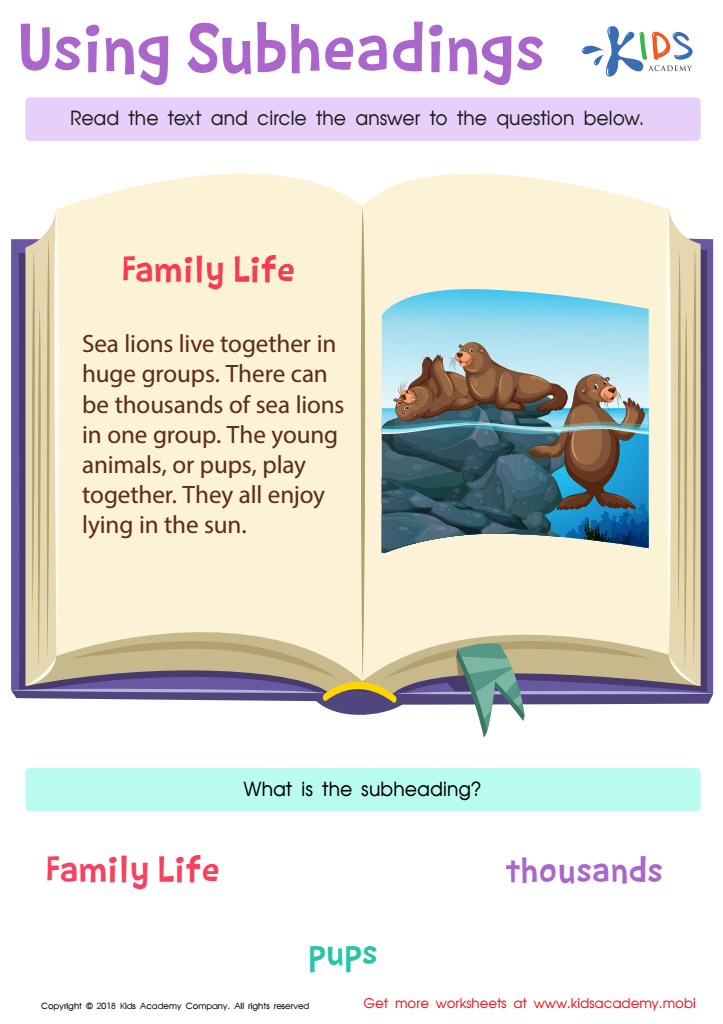
Using Subheadings Worksheet
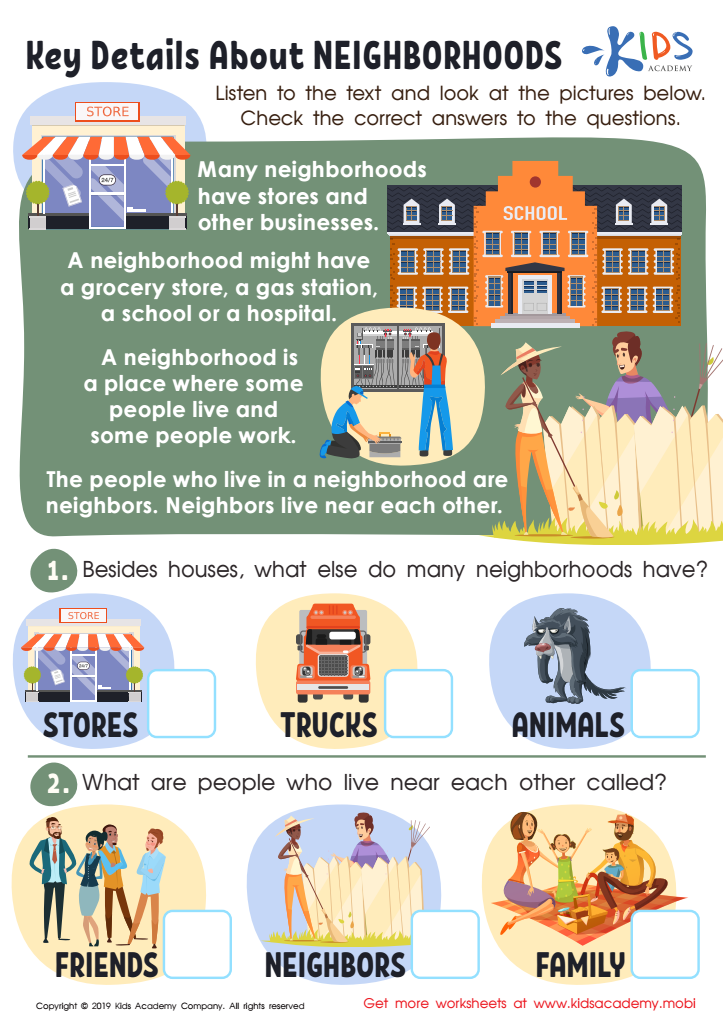
Key Details Neighborhoods Worksheet
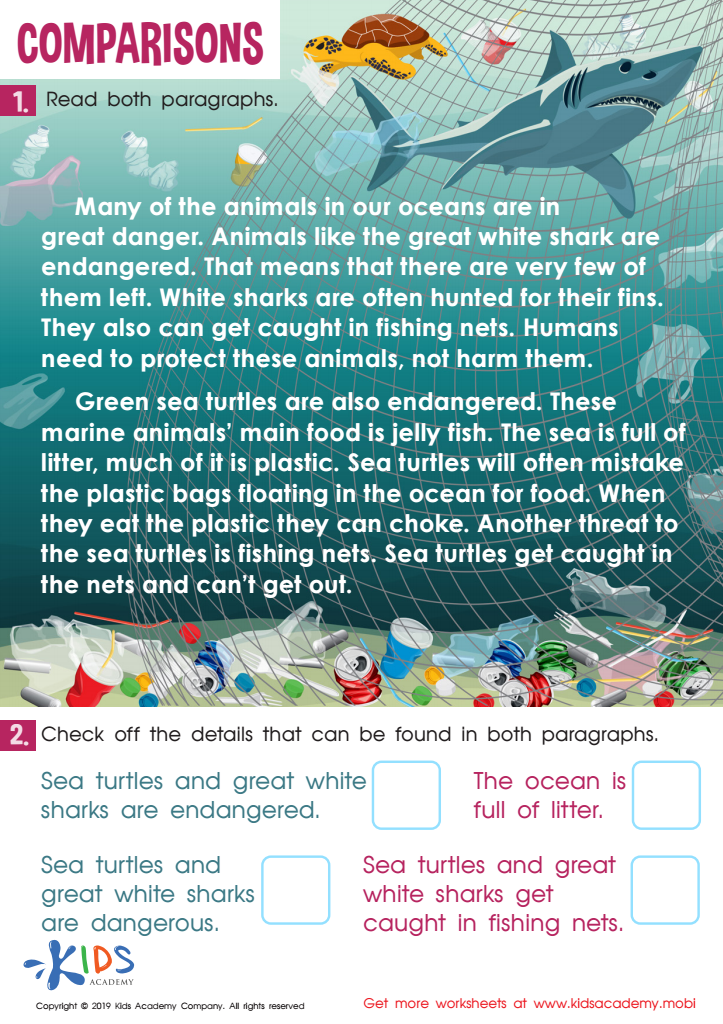
Comparisons Worksheet
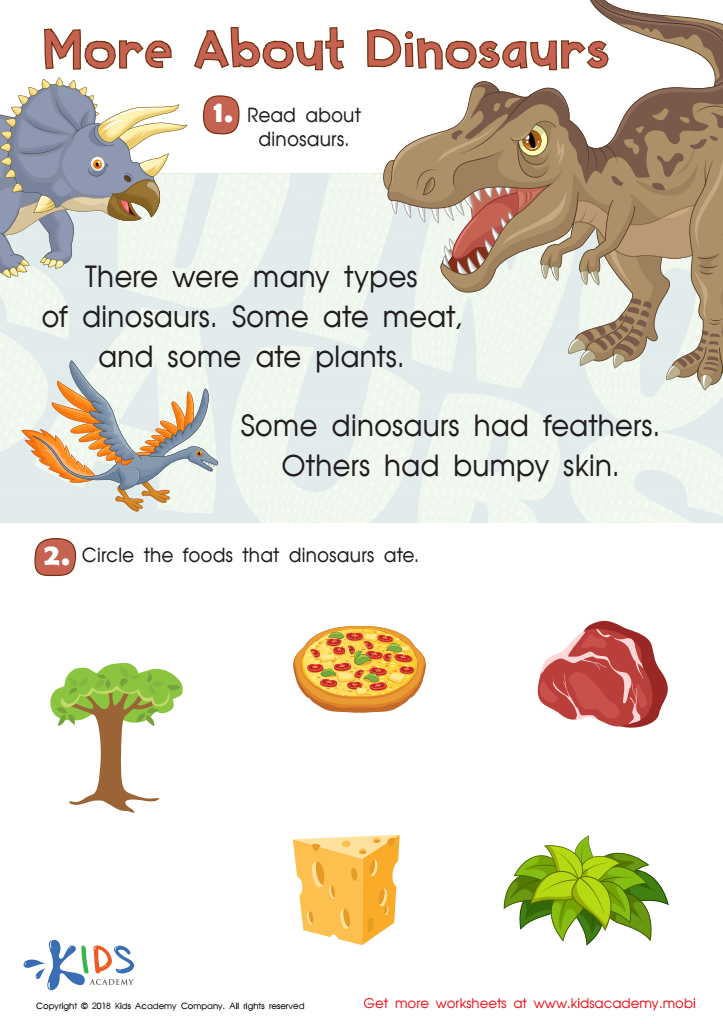
More About Dinosaurs Worksheet
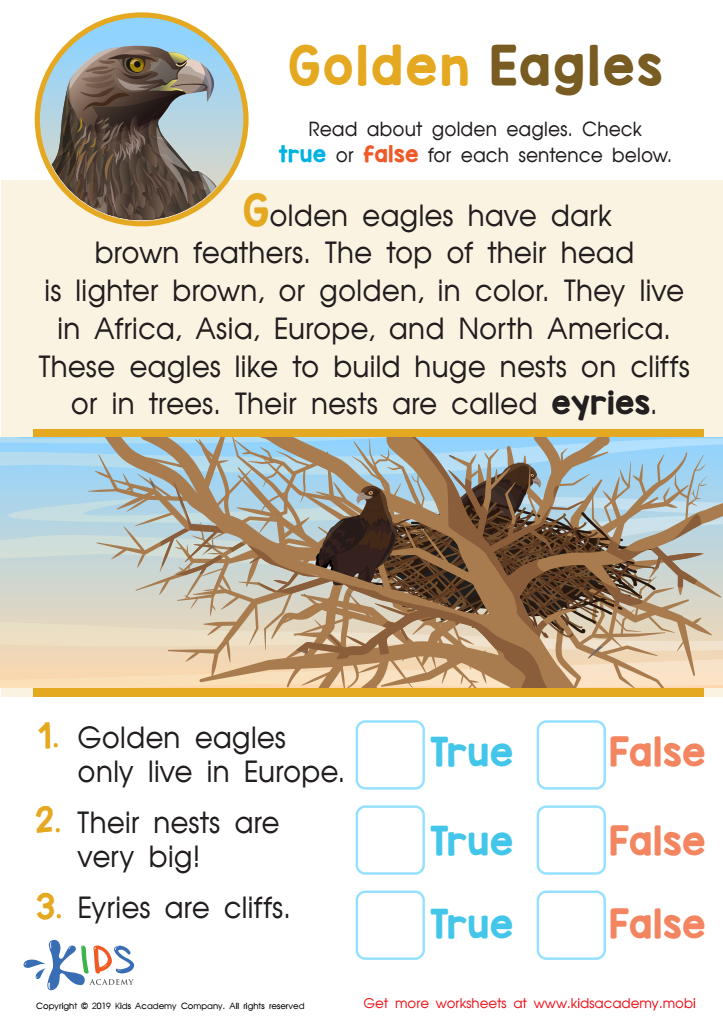
Golden Eagles Worksheet
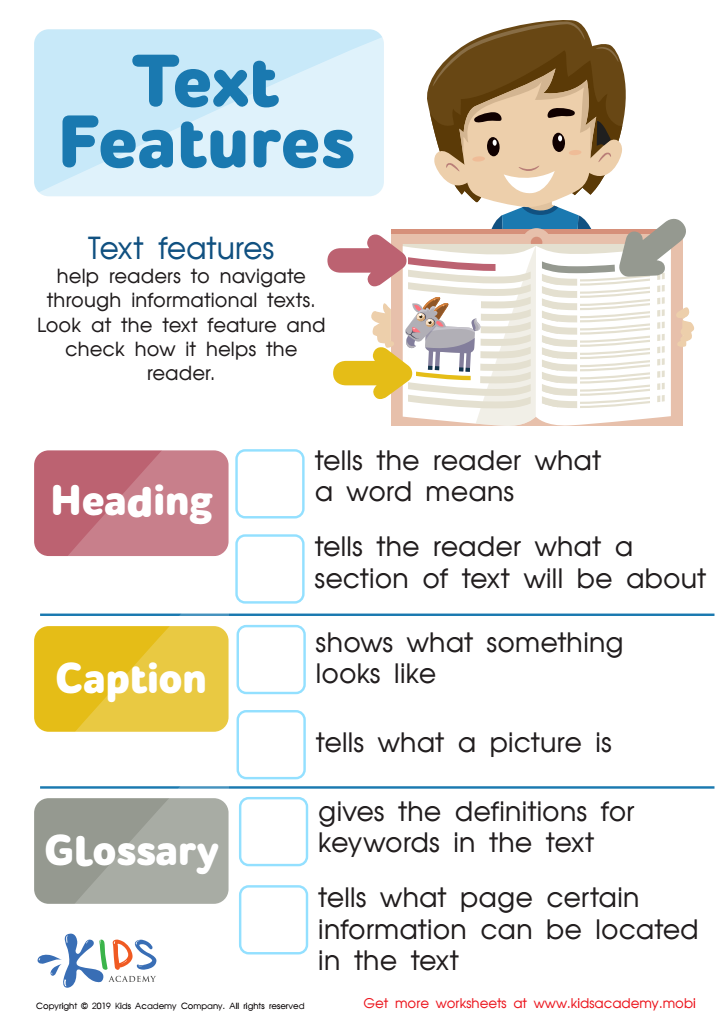
Text Features Worksheet
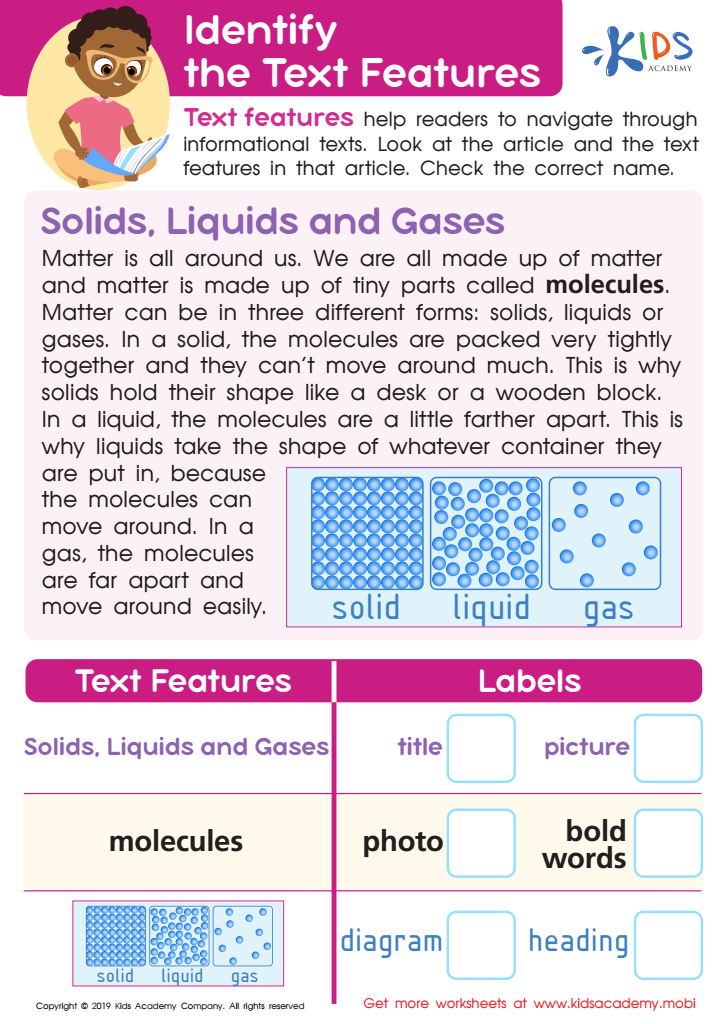
Identify the Text Features Worksheet
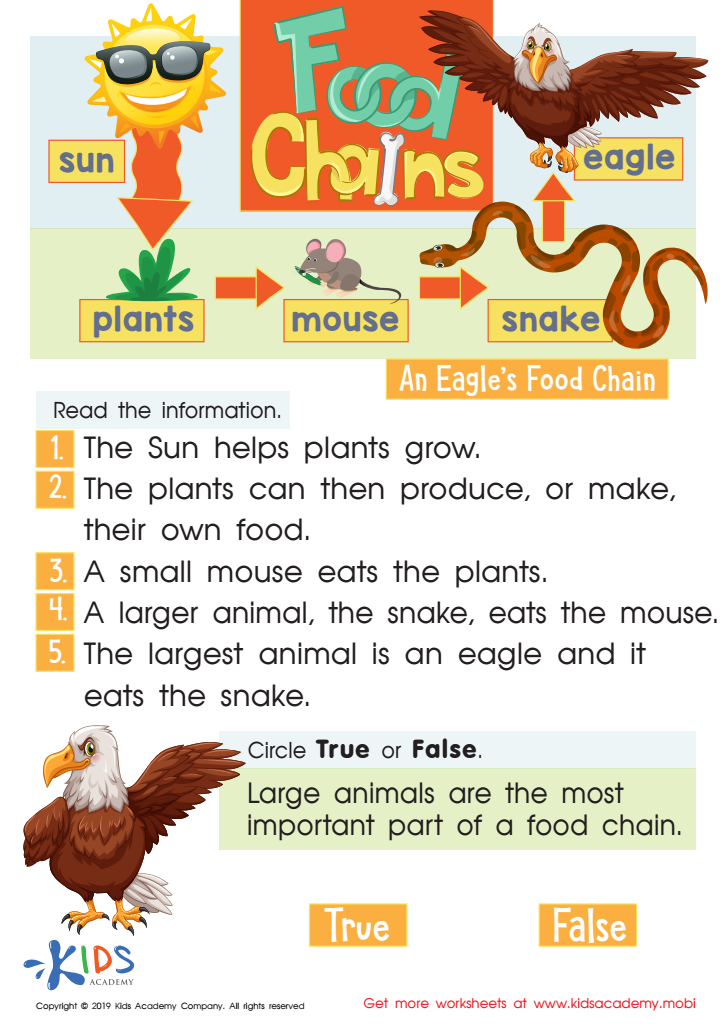
Food Chains Worksheet



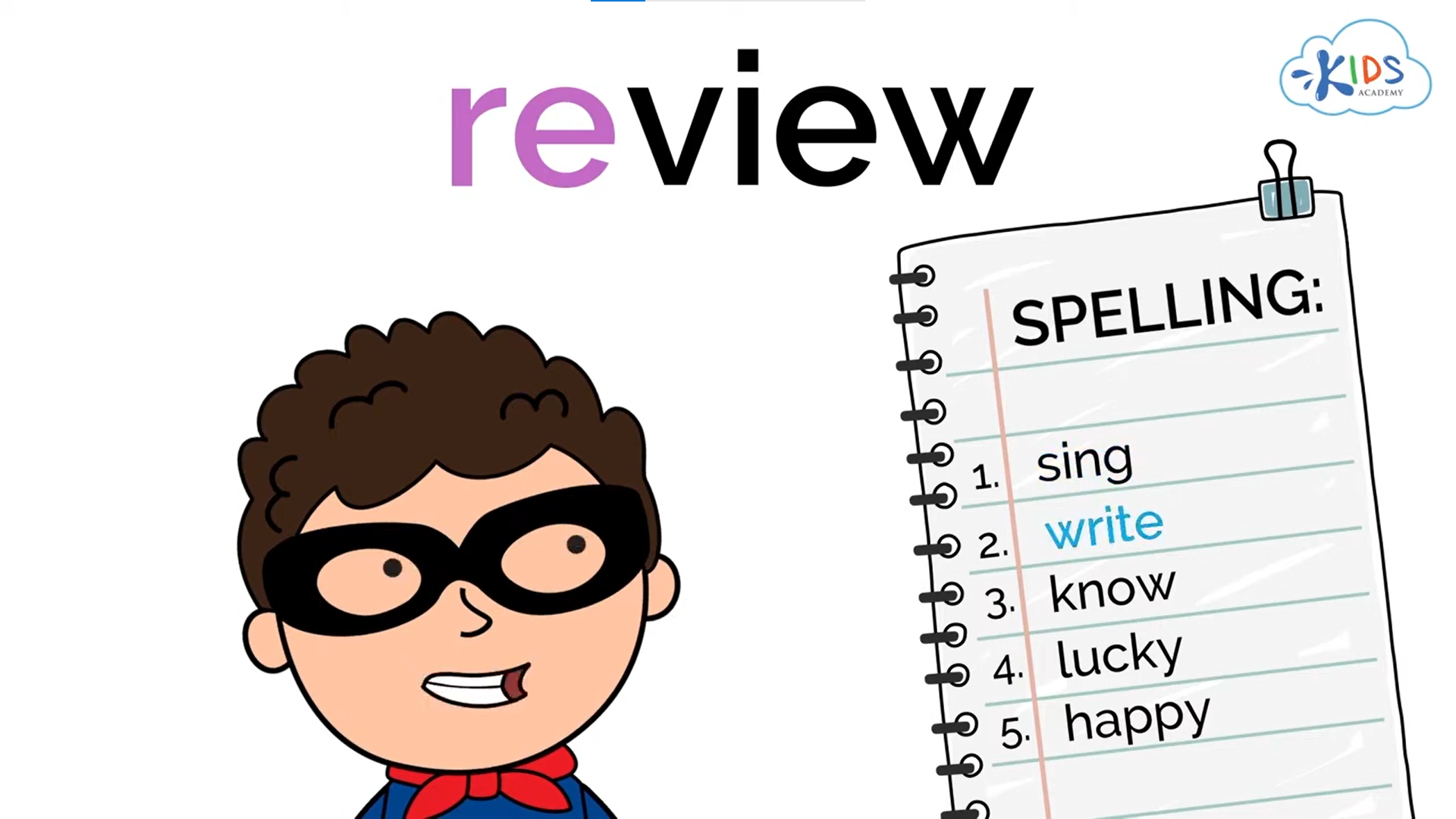




Parents and teachers should care about normal reading of non-fiction for ages 6-9 because it establishes a strong foundation for lifelong learning and critical thinking. This age range is crucial for cognitive and language development, and exposing children to non-fiction helps them acquire a broader vocabulary, better comprehension skills, and a deeper understanding of the world around them. Non-fiction texts often provide factual information, introduce complex topics in a simplified manner, and stimulate curiosity about diverse subjects such as science, history, and geography.
By engaging with non-fiction, young learners develop the ability to distinguish between fact and fiction, enhancing their analytical skills and forming an essential part of their education. Furthermore, non-fiction reading supports the development of information literacy, teaching children how to seek out and evaluate information, a critical skill in our information-rich society.
For teachers, incorporating non-fiction into the curriculum means aligning with educational standards and fostering a more balanced reading program. For parents, it is about expanding their child’s horizons and helping them become more informed individuals. In essence, normal reading of non-fiction encourages a well-rounded educational experience that prepares children for the challenges of higher education and the complexities of the real world.