Normal Plants Worksheets for Ages 6-9
22 filtered results
-
From - To
Discover our engaging Normal Plants Worksheets designed specifically for children aged 6-9! These worksheets provide a fun and interactive way for young learners to explore the fascinating world of plants. Through a variety of activities, including identifying plant parts, understanding their life cycles, and recognizing different species, students will develop crucial science skills while fostering a love for nature. Each worksheet is crafted to enhance critical thinking, creativity, and problem-solving abilities in a playful and educational manner. Ideal for classroom use or homeschooling, our Normal Plants Worksheets make learning about the environment enjoyable and accessible. Start your botanical adventure today!
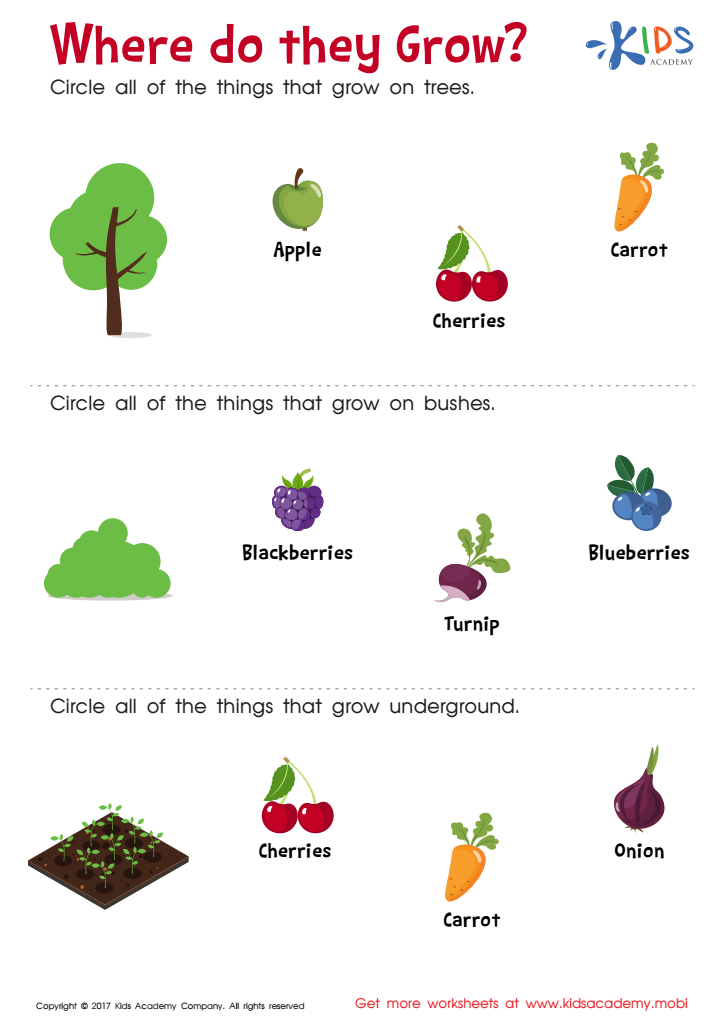
Where Do They Grow Worksheet
 Assign to My Students
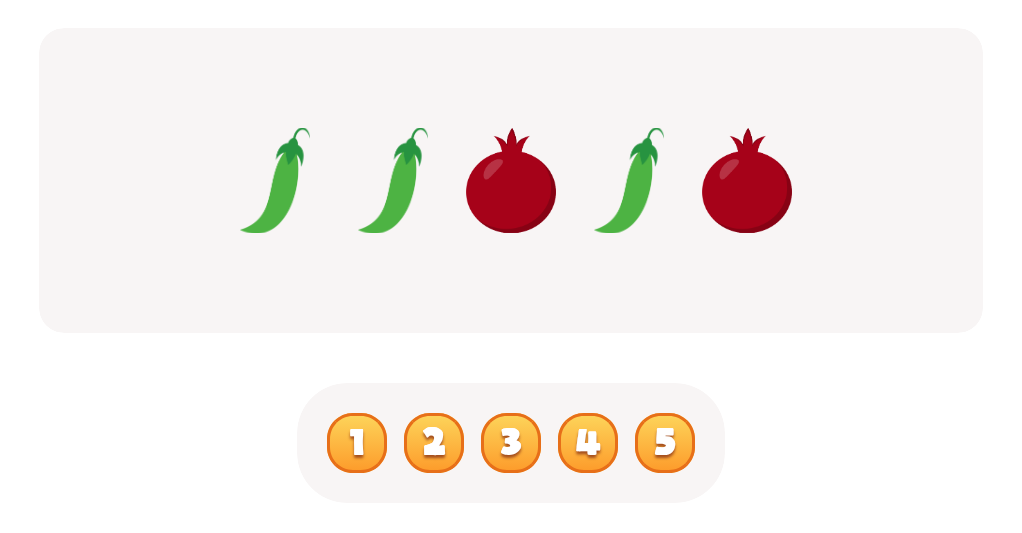

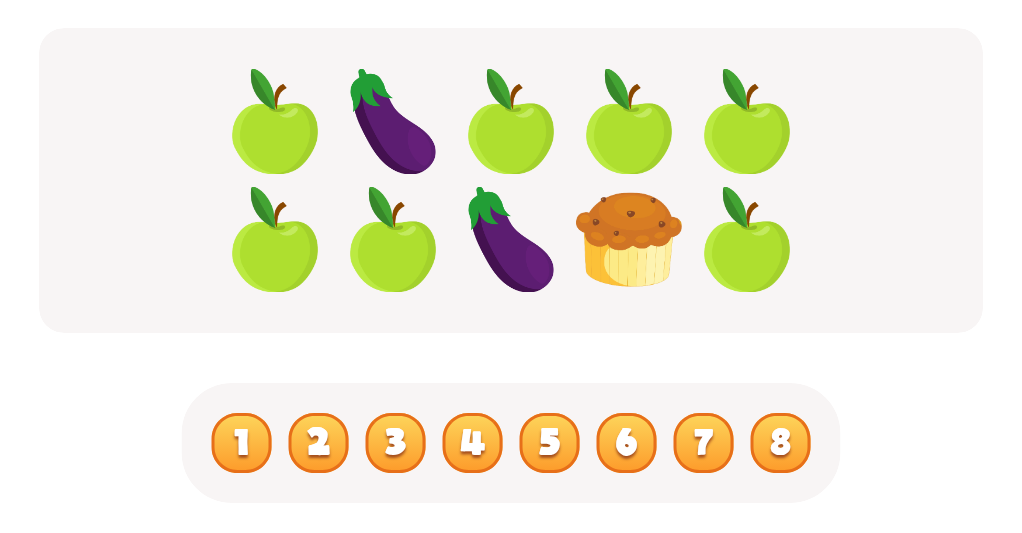


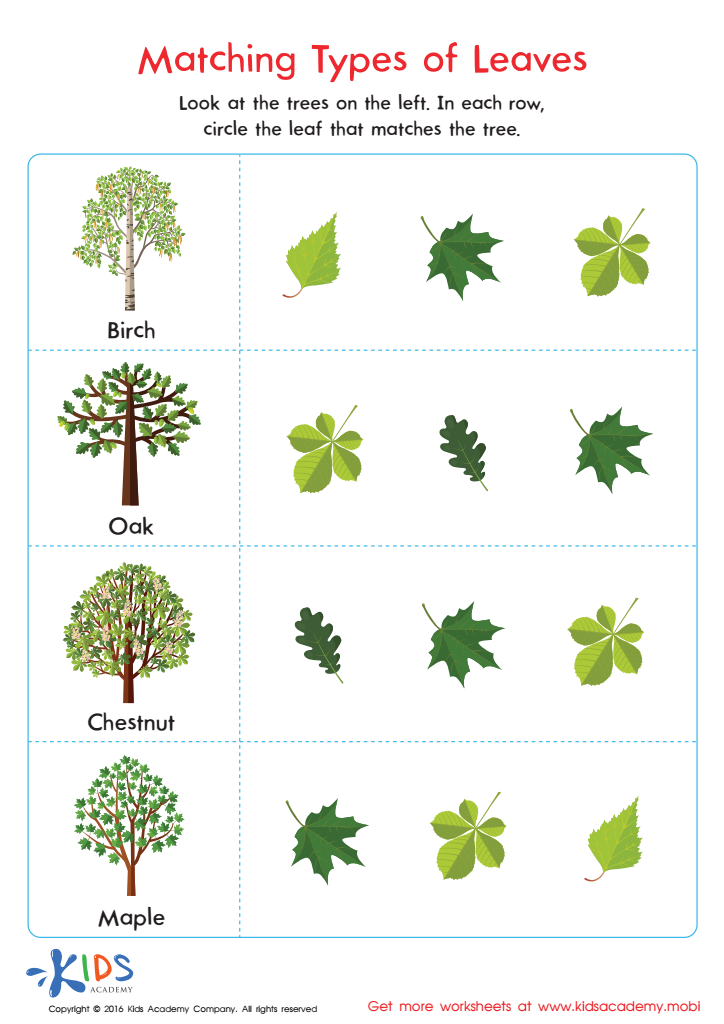
Matching Types of Leaves Printable
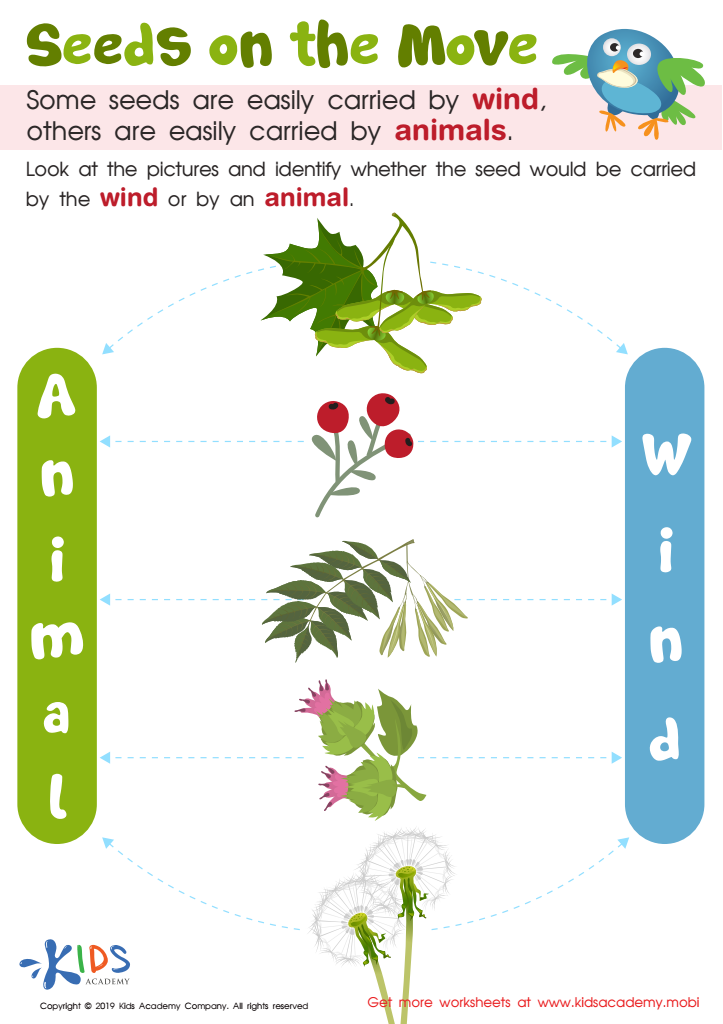
Seeds on the Move Worksheet
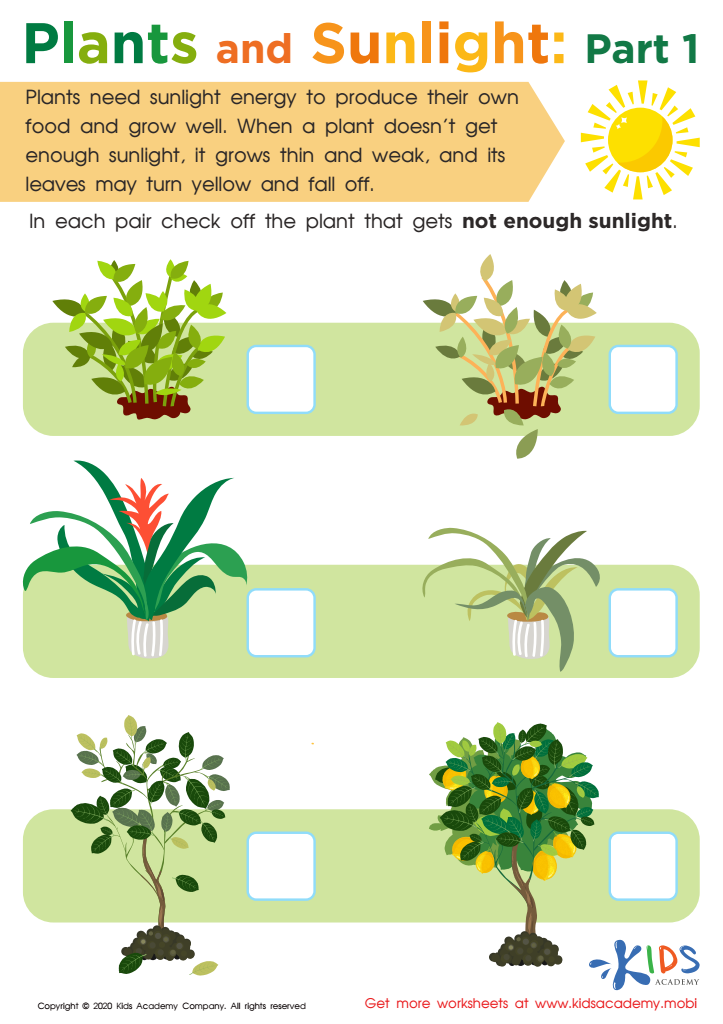
Plants and Sunlight: Part 1 Worksheet
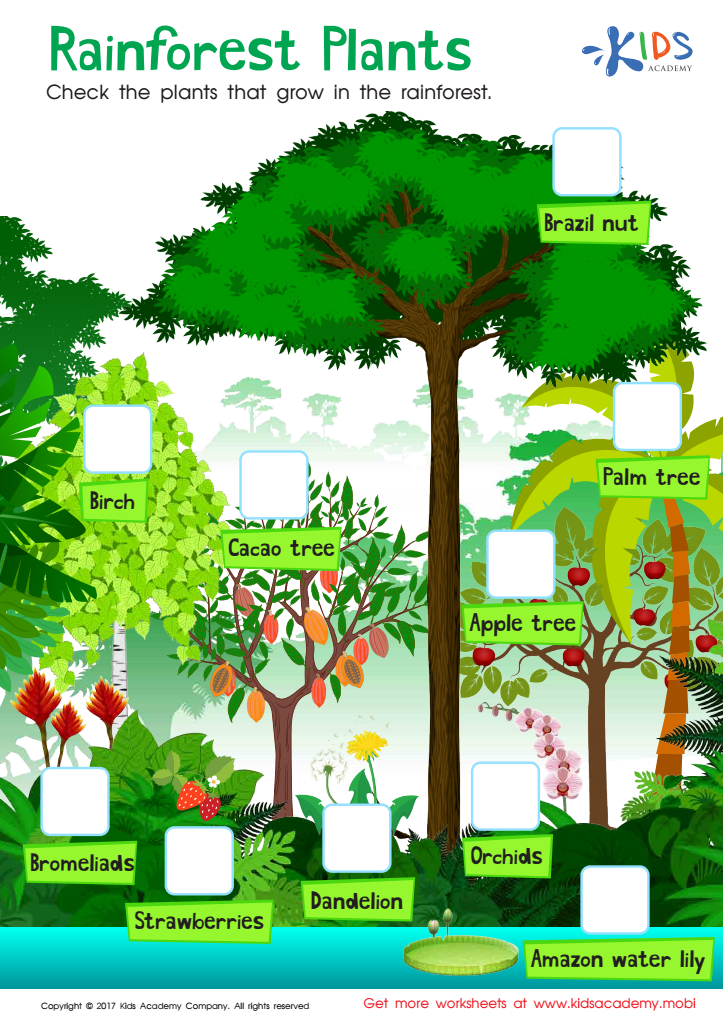
Rainforest Plants Worksheet
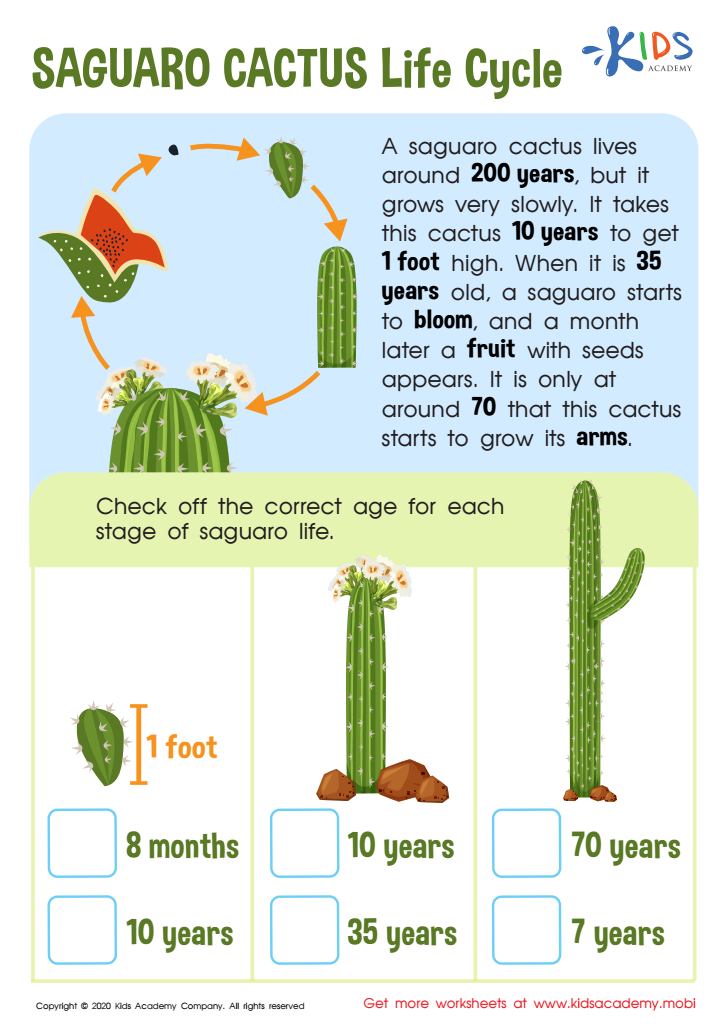
Saguaro Cactus Life Cycle Worksheet
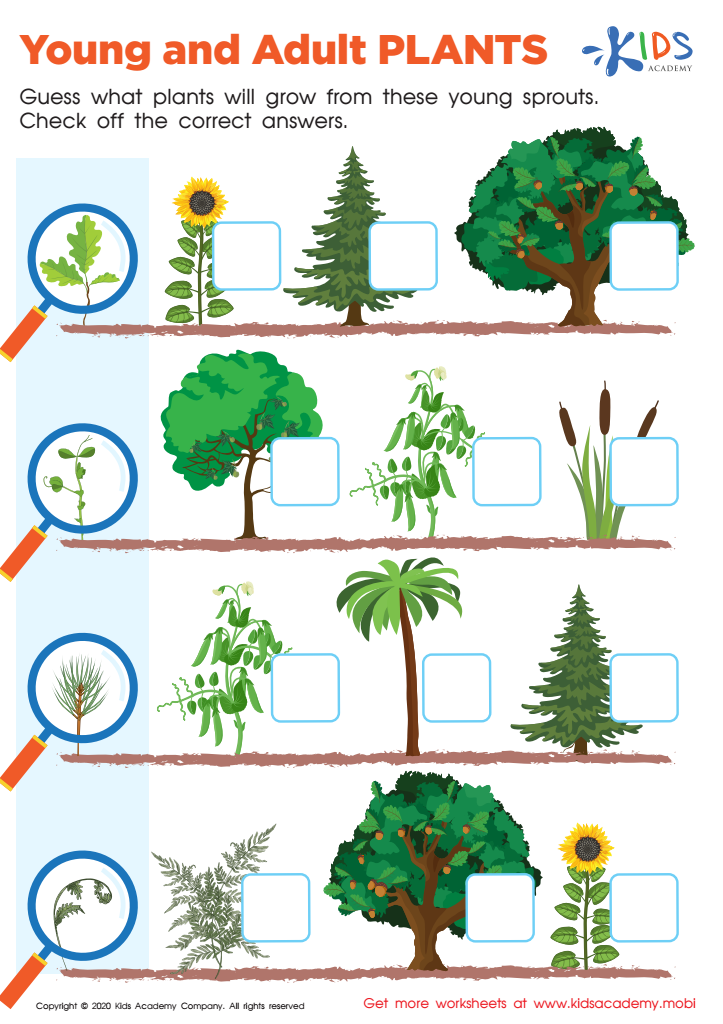
Young and Adult Plants Worksheet
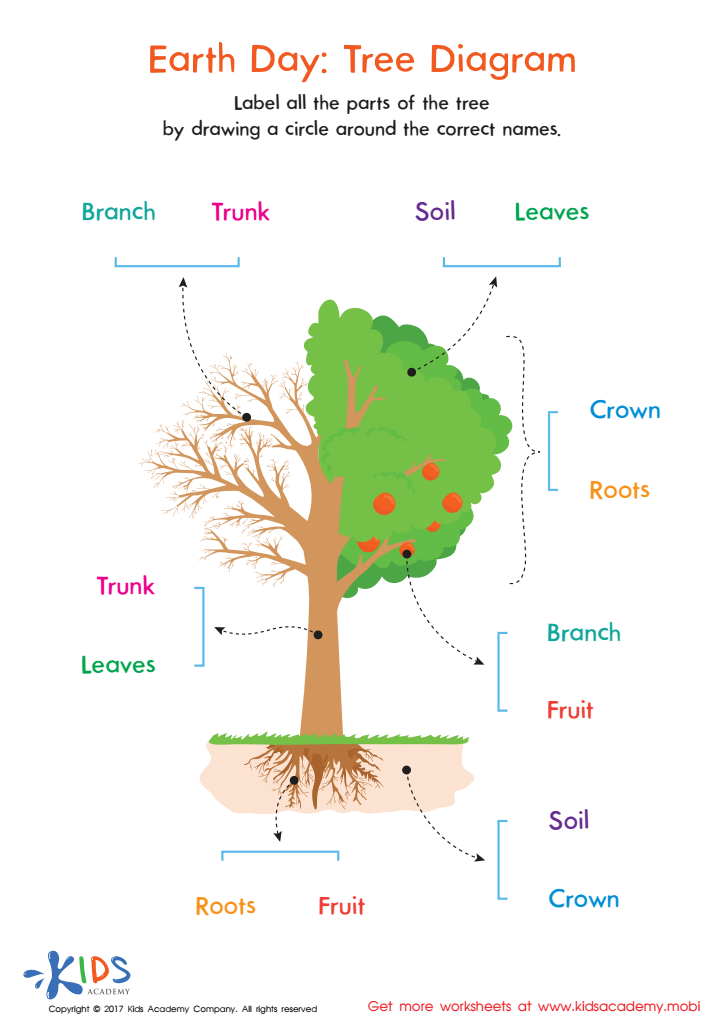
Earth Day: Tree Diagram Worksheet
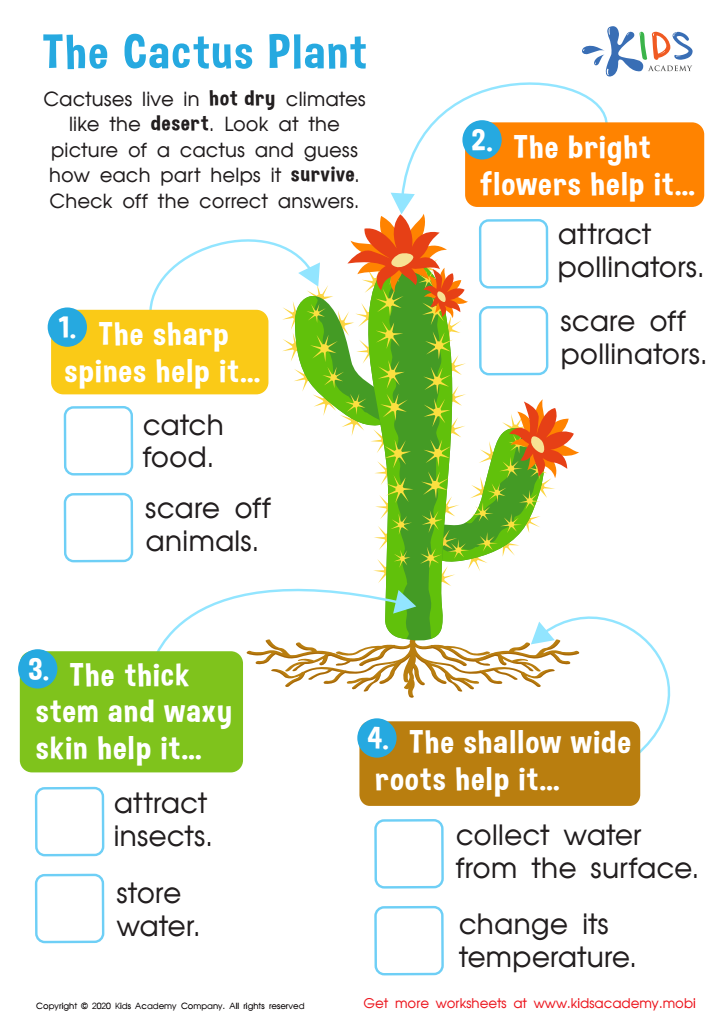
The Cactus Plant Worksheet
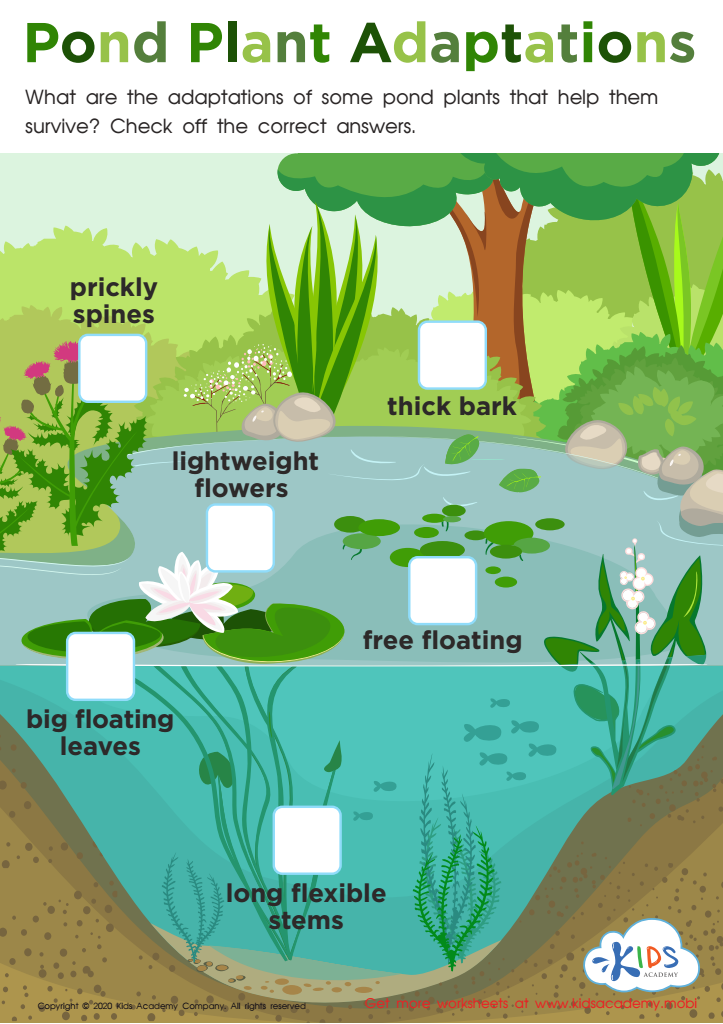
Pond Plant Adaptations
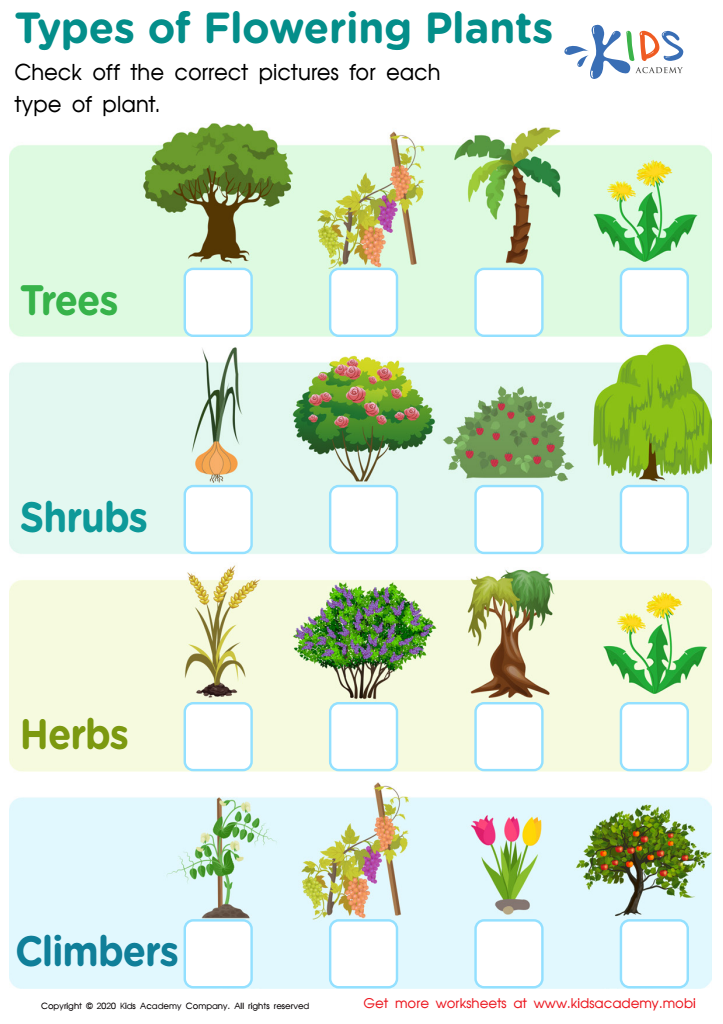
Types of Flowering Plants Worksheet
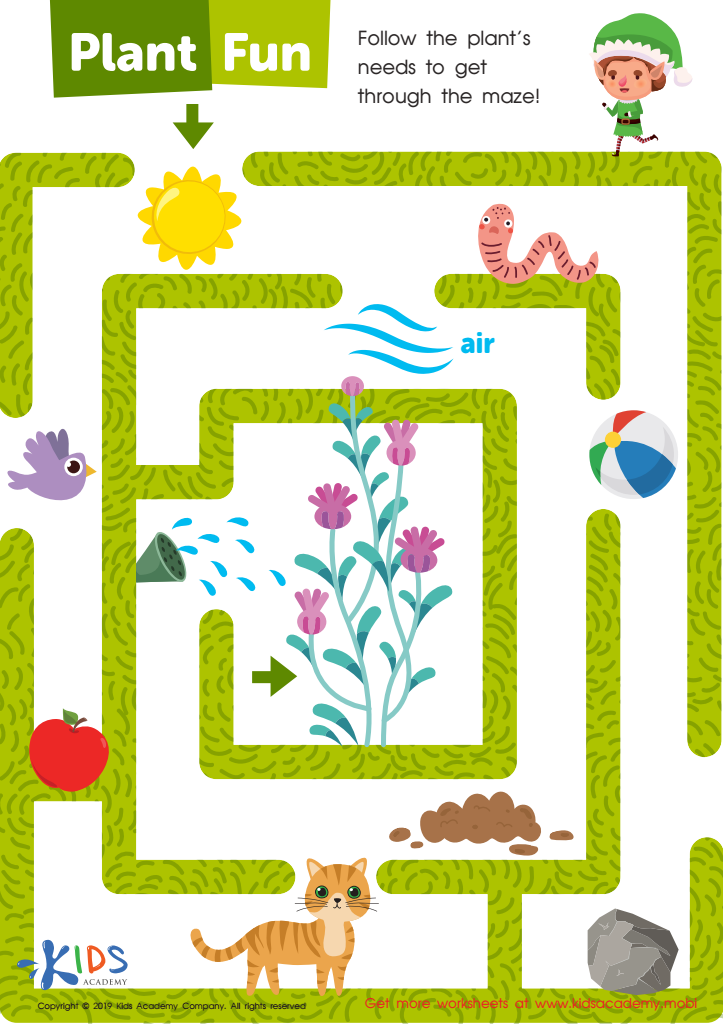
Plant Fun Worksheet
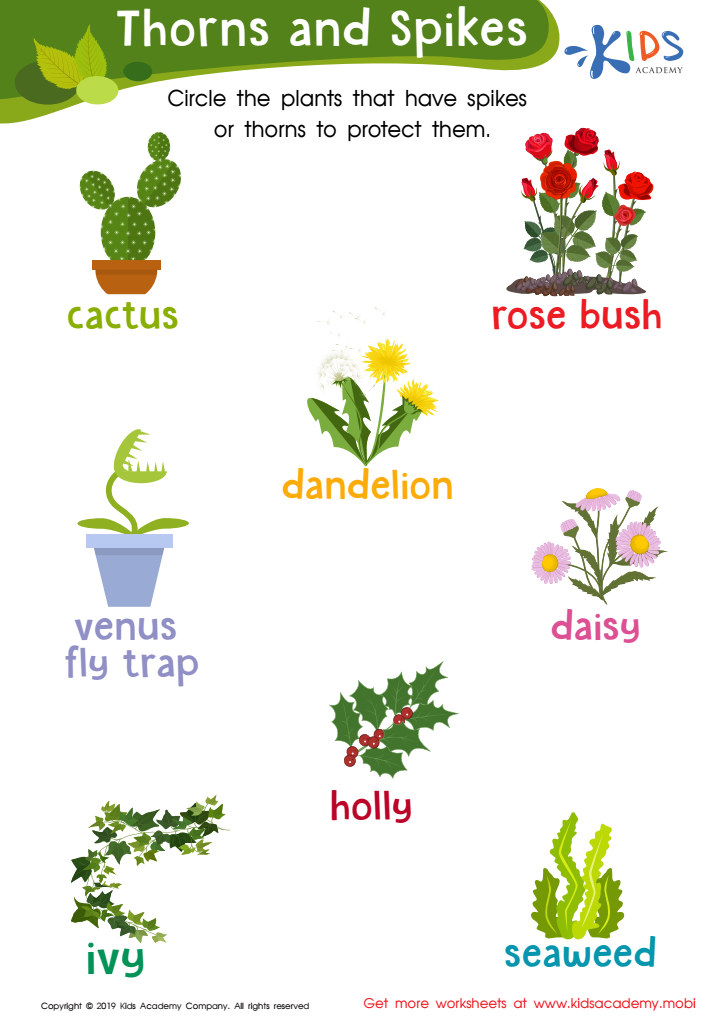
Thorns and Spikes Worksheet
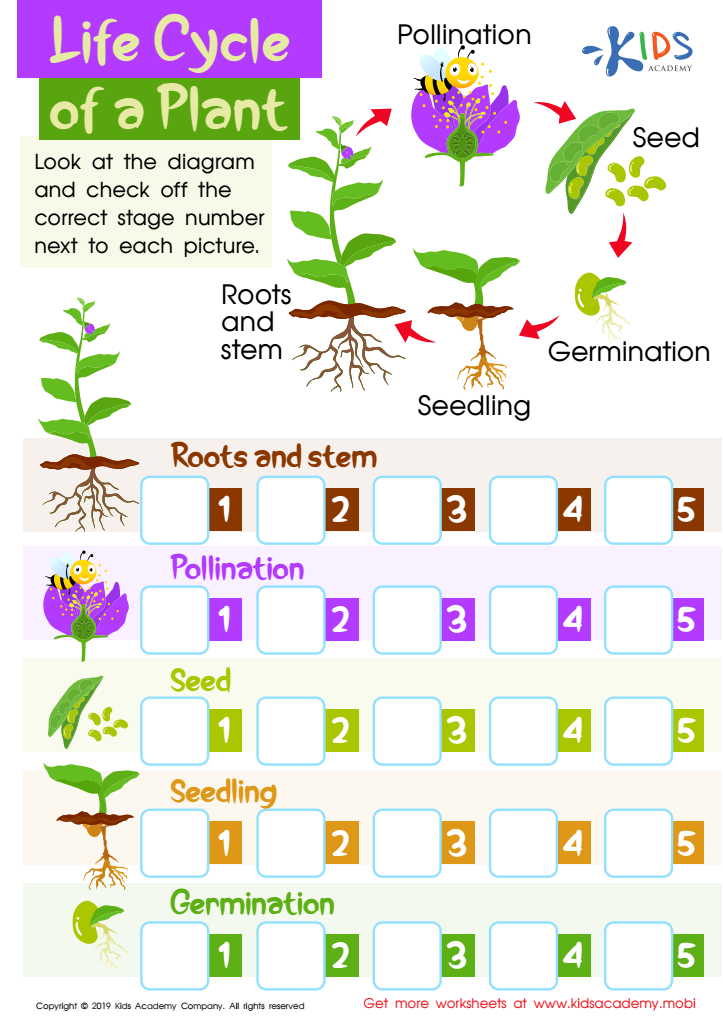
Life Cycle of a Plant Worksheet
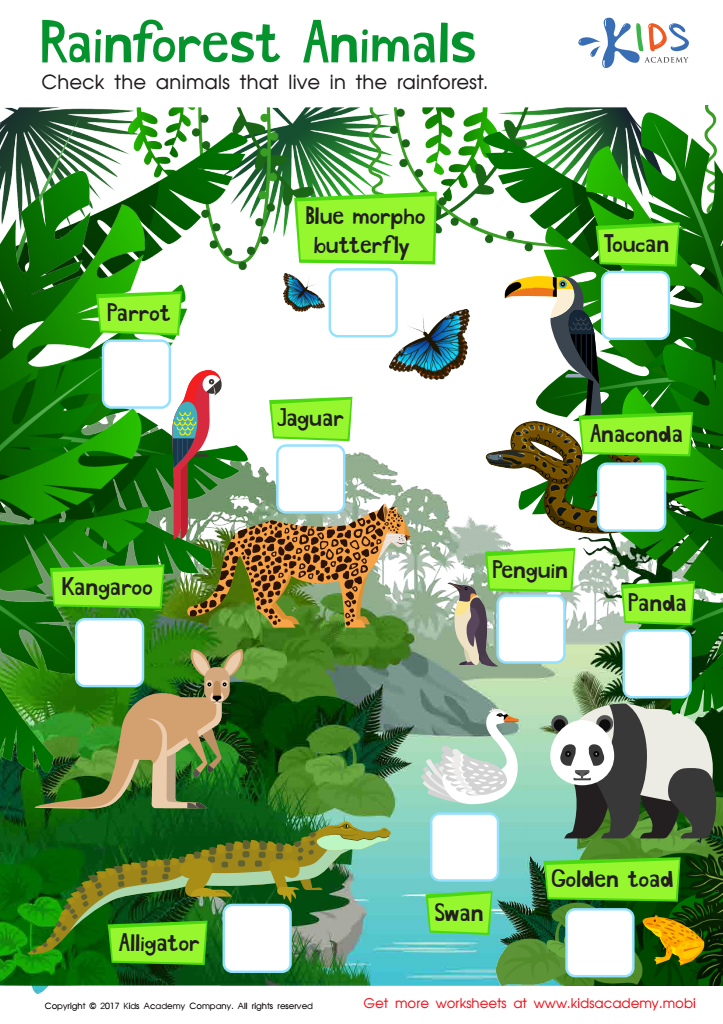
Rainforest Animals Worksheet
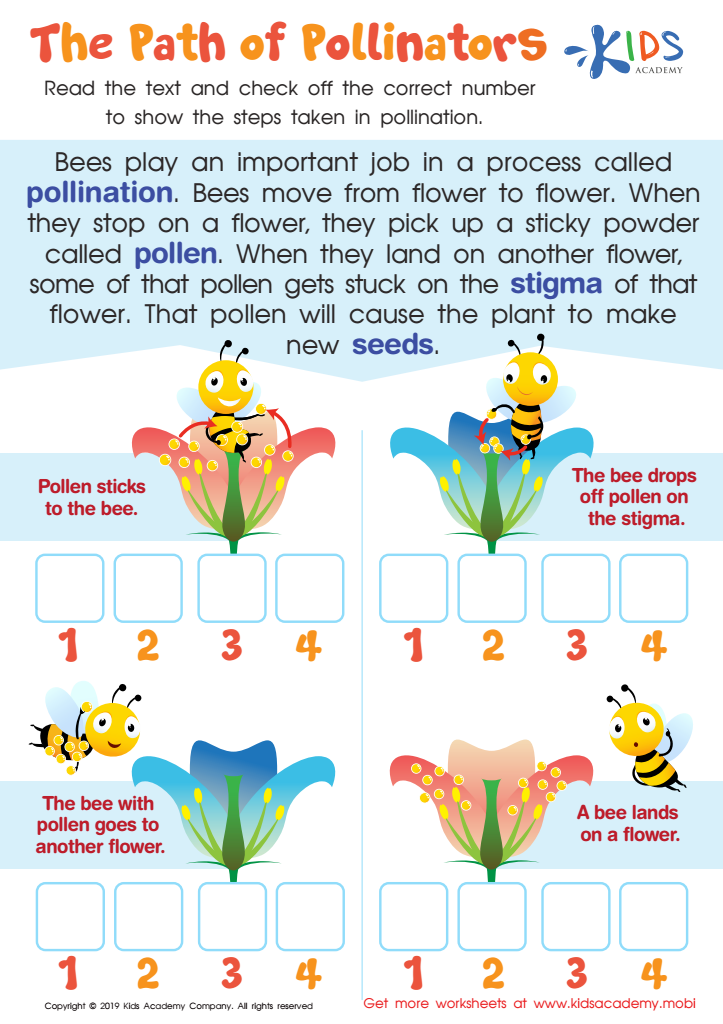
The Path of Pollinators Worksheet
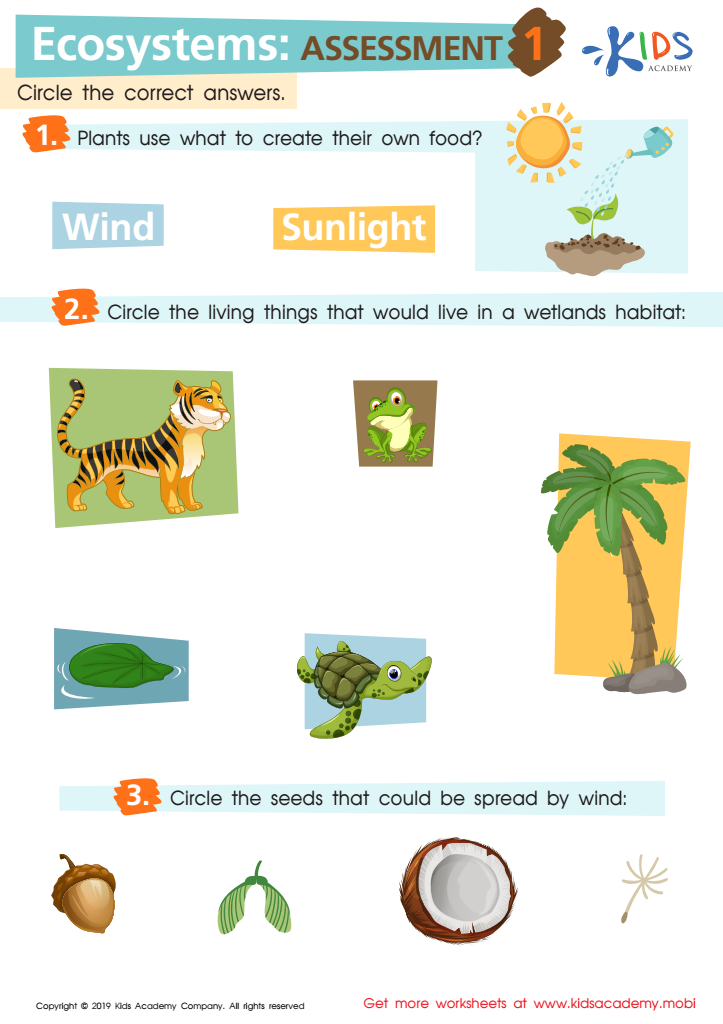
Ecosystems: Assessment 1 Worksheet
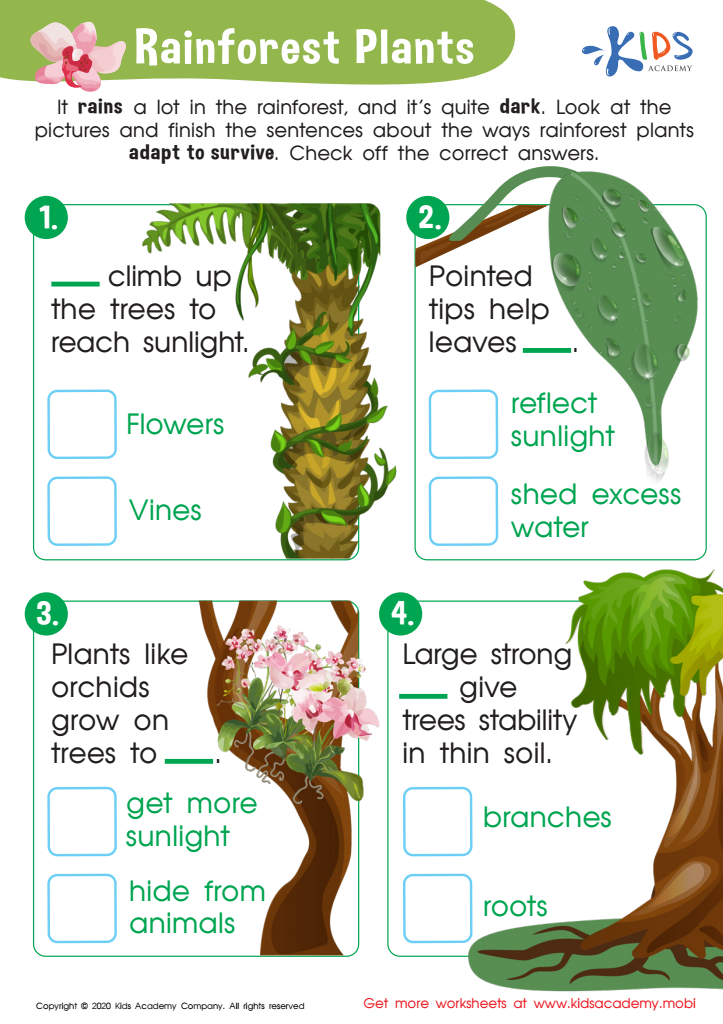
Rainforest Plants Worksheet
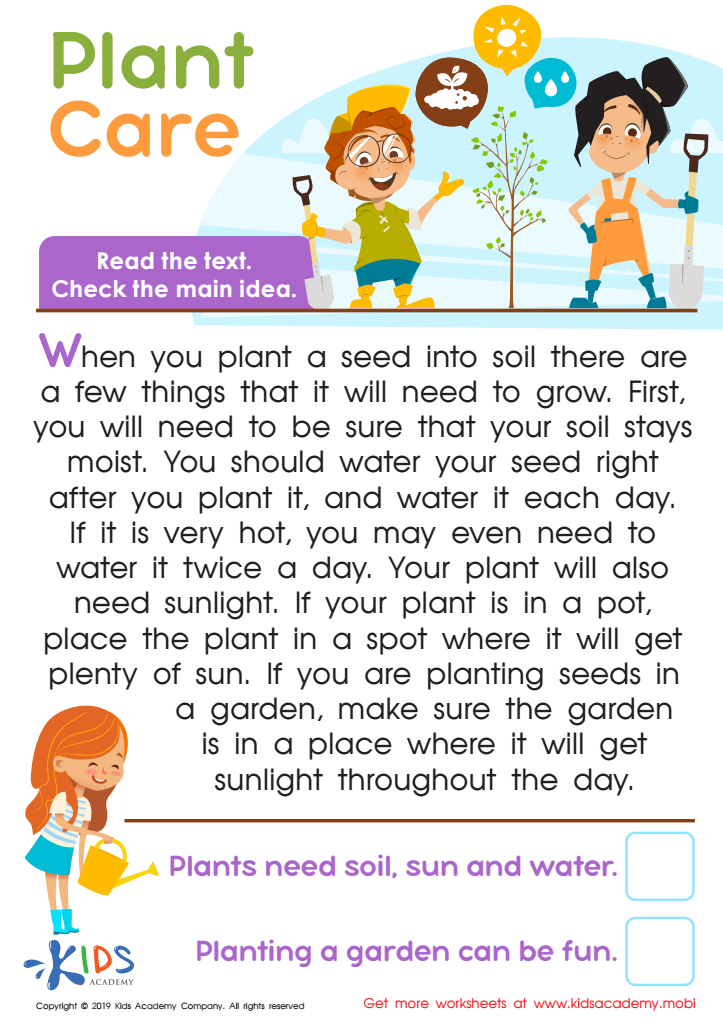
Plant Care Worksheet
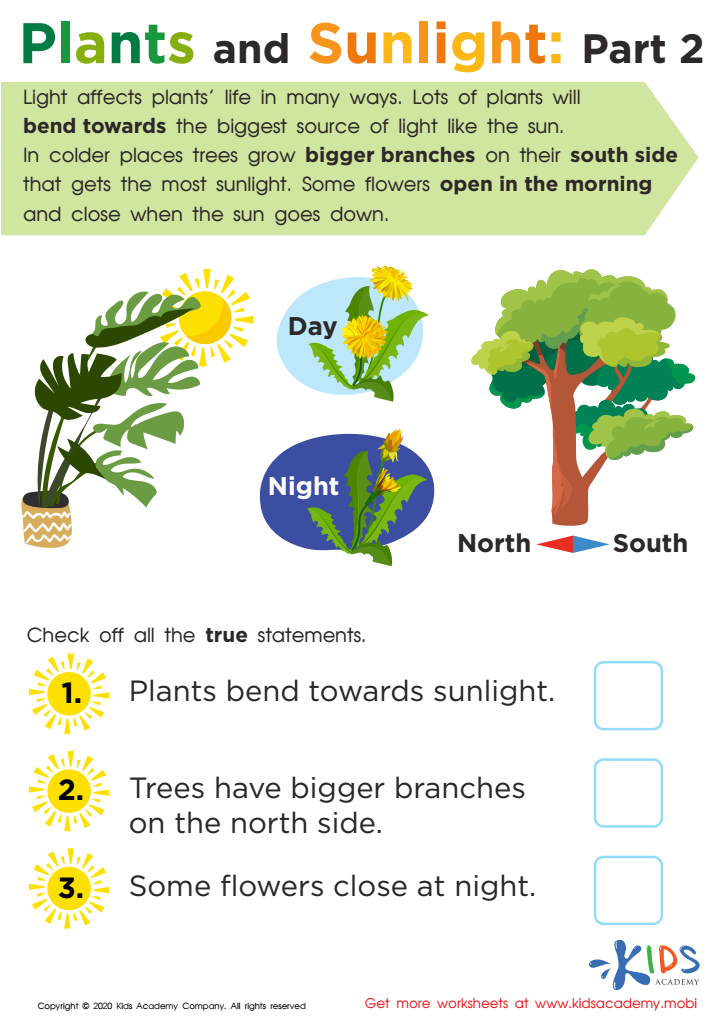
Plants and Sunlight: Part 2 Worksheet
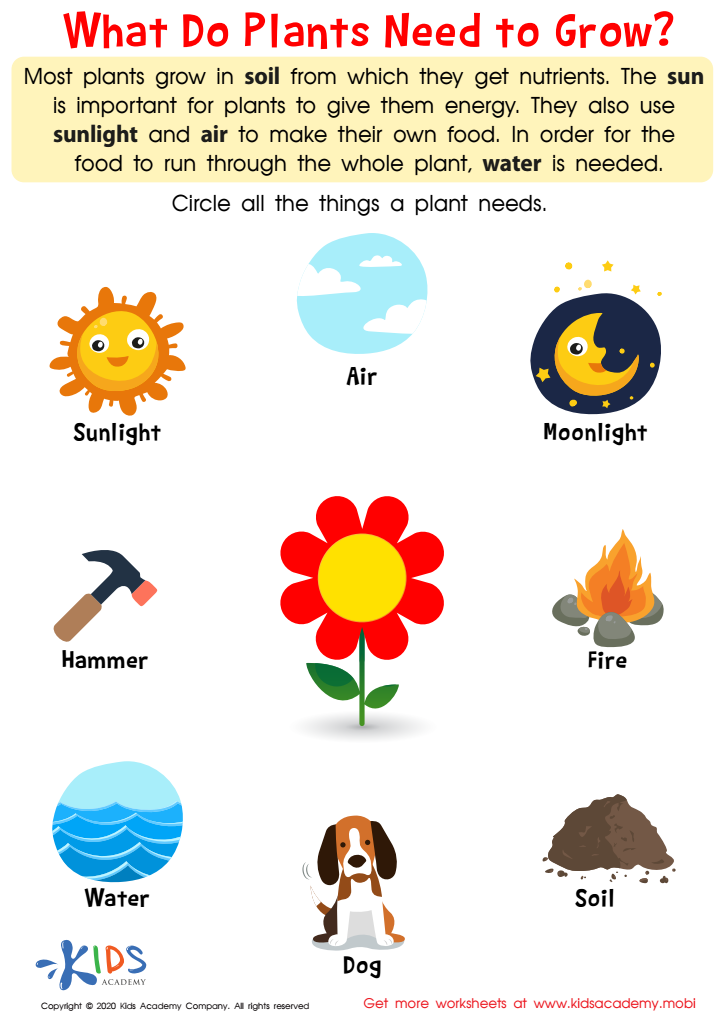
What Do Plants Need to Grow Worksheet
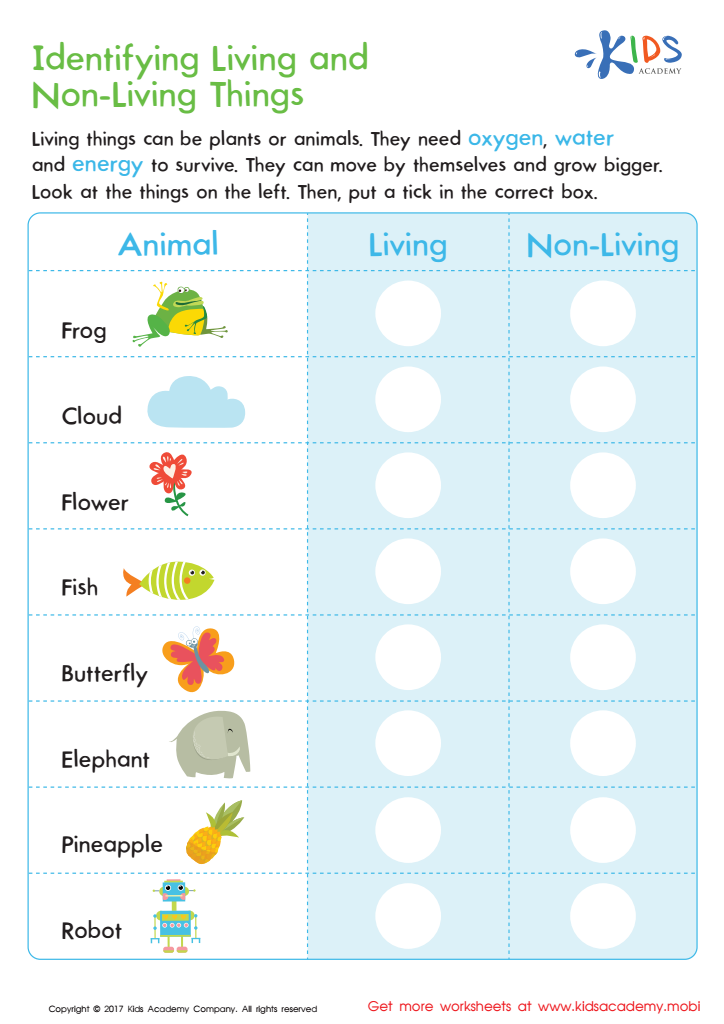
Identifying Living or Non–living Worksheet








Parents and teachers should care about normal plants for children aged 6-9 because plants are fundamental to understanding the world around us. At this age, children are naturally curious, making it an opportune time to instill an appreciation for nature. Learning about normal plants—their structures, functions, and ecosystems—encourages environmental awareness and responsibility.
Understanding plants helps children grasp essential concepts in life science, including photosynthesis, growth, and the interconnectedness of ecosystems. This knowledge fosters critical thinking and observation skills, encouraging children to explore their surroundings hands-on. Exploring local flora can spark interest in science and promote a sense of stewardship over the environment.
Furthermore, engaging with plants can enhance well-being. Activities like gardening or plant care provide a therapeutic outlet, reducing stress and promoting mental health—an important aspect for children navigating various challenges in their early years.
Lastly, learning about plants can cultivate creativity and imagination through art, stories, or experiments. By nurturing an appreciation for normal plants, parents and teachers can inspire future generations to value and protect the natural world while enjoying its countless benefits. Overall, recognizing the significance of normal plants lays a foundation for lifelong learning and respect for nature.