Normal Governance and Civics Worksheets for Ages 6-9
41 filtered results
-
From - To
Discover an engaging collection of Normal Governance and Civics Worksheets designed specifically for children ages 6-9. These interactive worksheets introduce young learners to essential concepts such as authority, community roles, and the importance of rules. Each activity aligns with early social studies curriculum standards, promoting critical thinking and civic awareness. Perfect for classroom use or homeschooling, our worksheets stimulate curiosity and encourage discussions about governance, citizenship, and the responsibilities of individuals within a community. Help your child build a strong foundation in civics through fun, relatable tasks that nurture their understanding of the world around them. Download and print today!
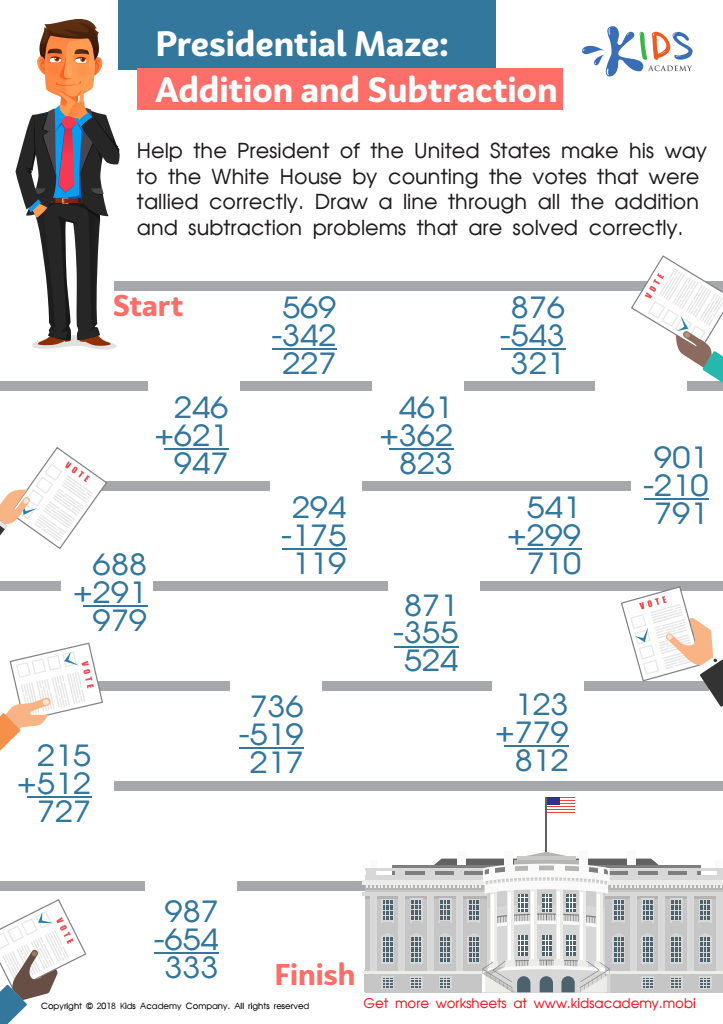
Presidential Maze: Addition and Subtraction Worksheet
 Assign to My Students
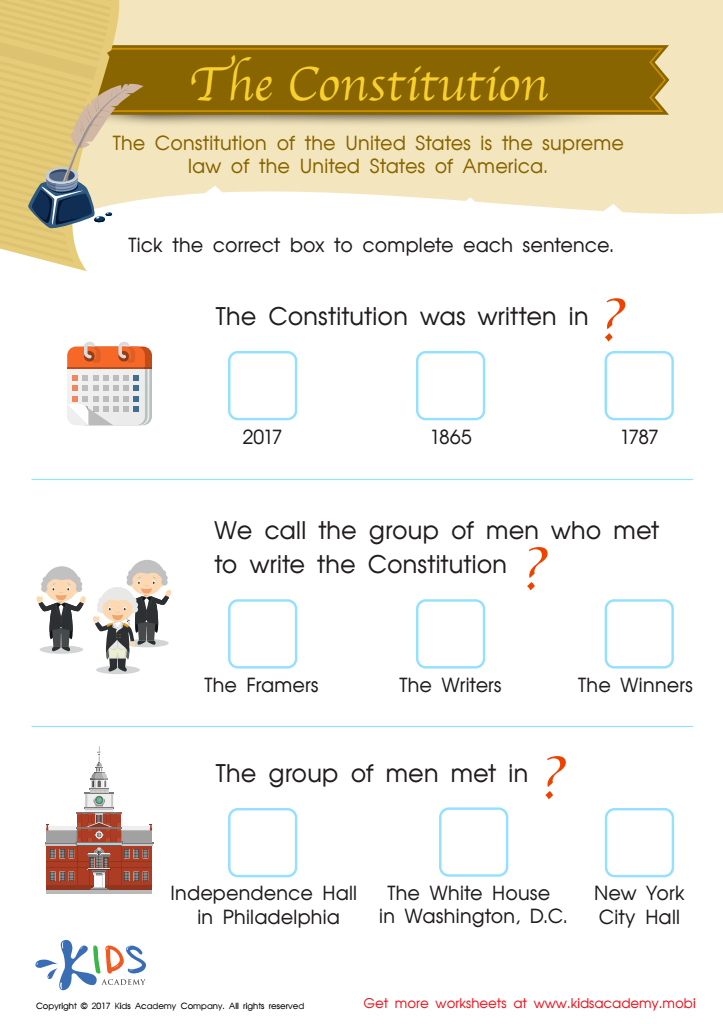
The Constitution Worksheet
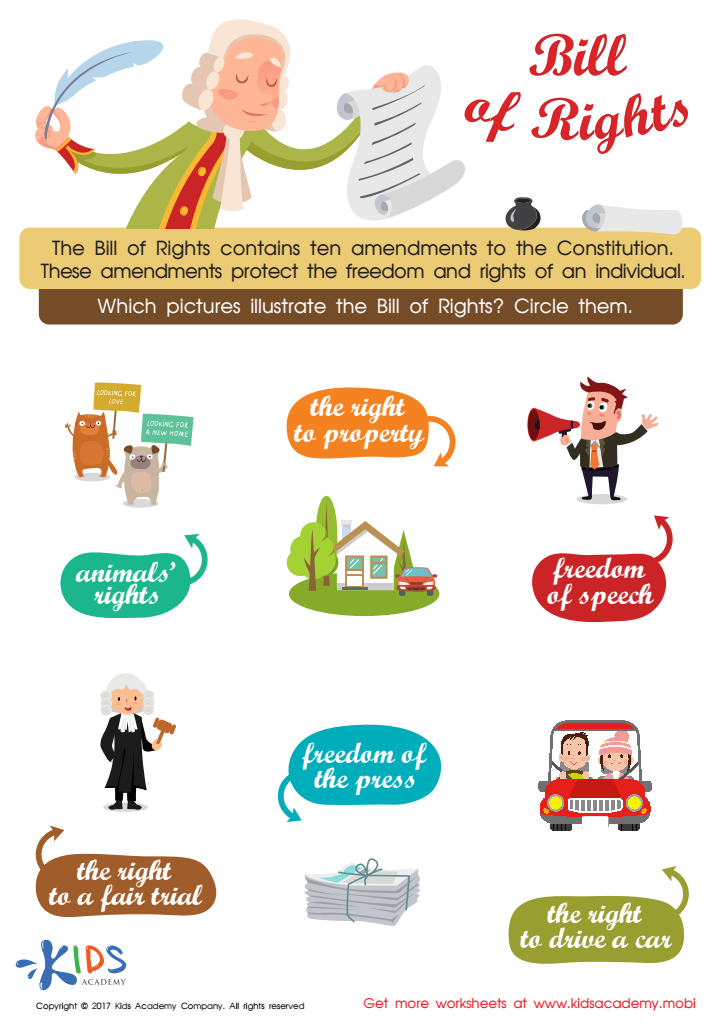
Bill of Rights Worksheet
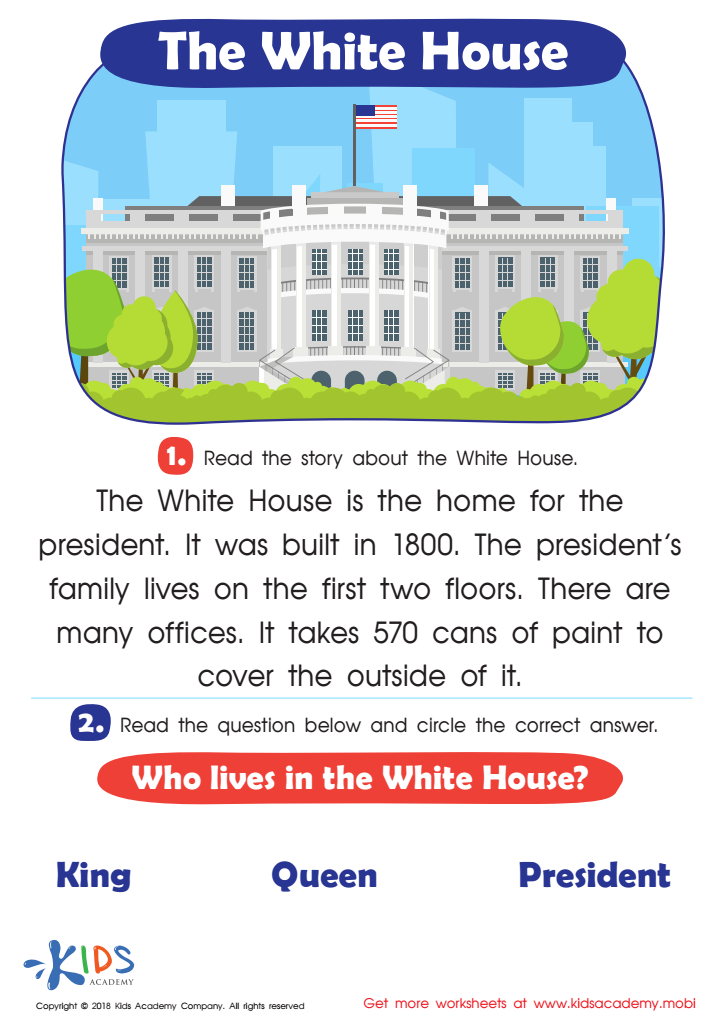
White House Worksheet
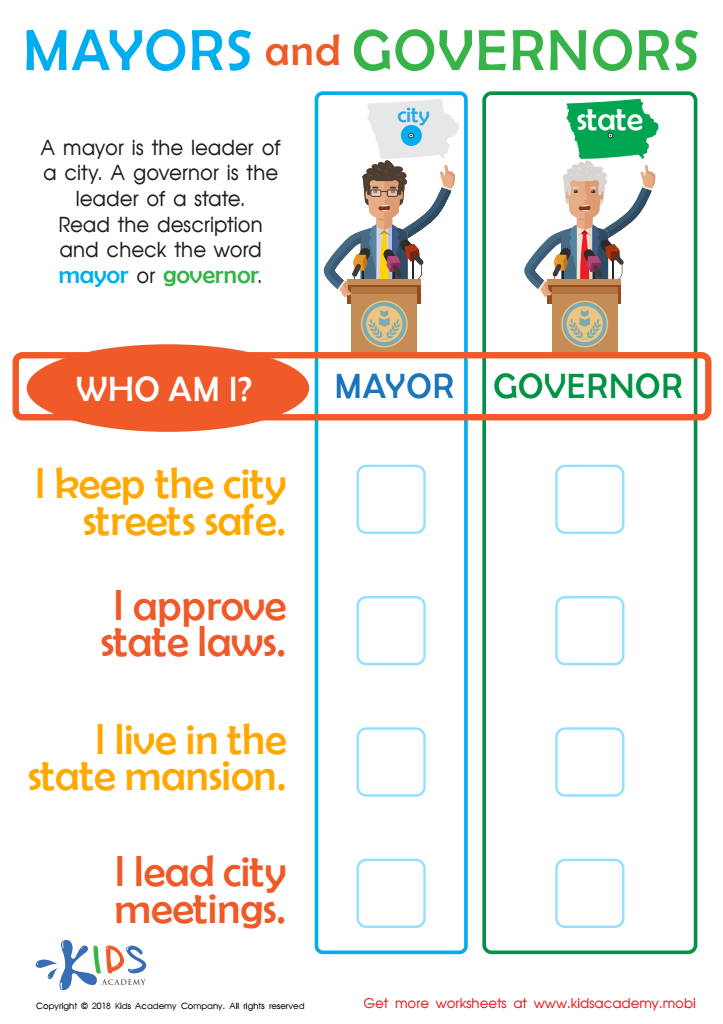
Mayors and Governors Worksheet
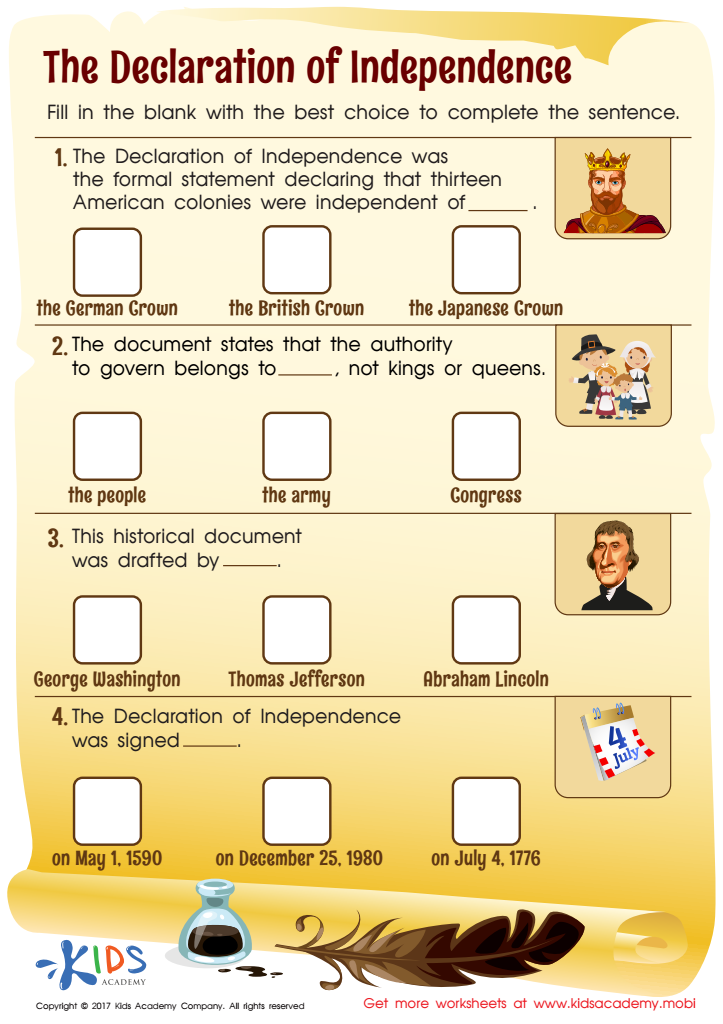
Declaration of Independence Worksheet
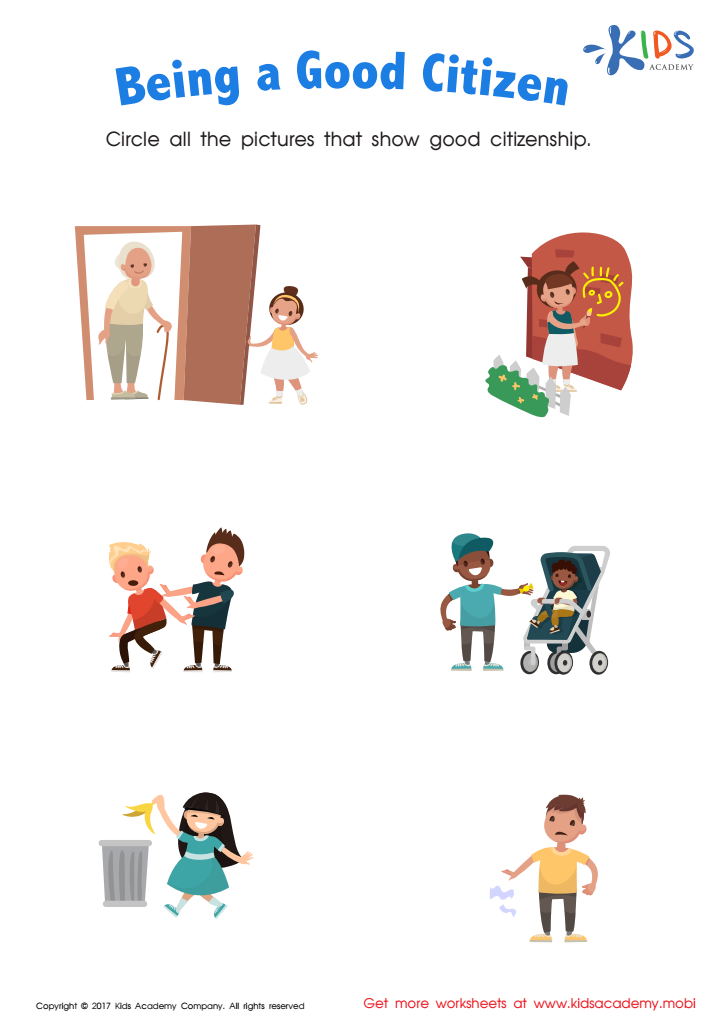
Being a Good Citizen Printable
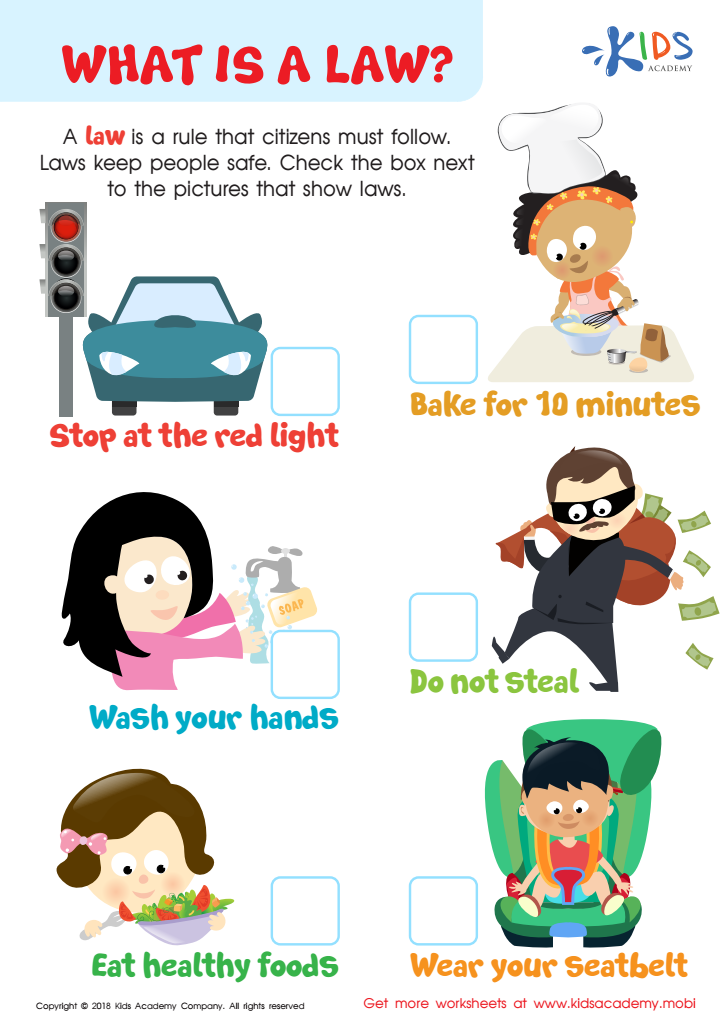
What is a Law? Worksheet
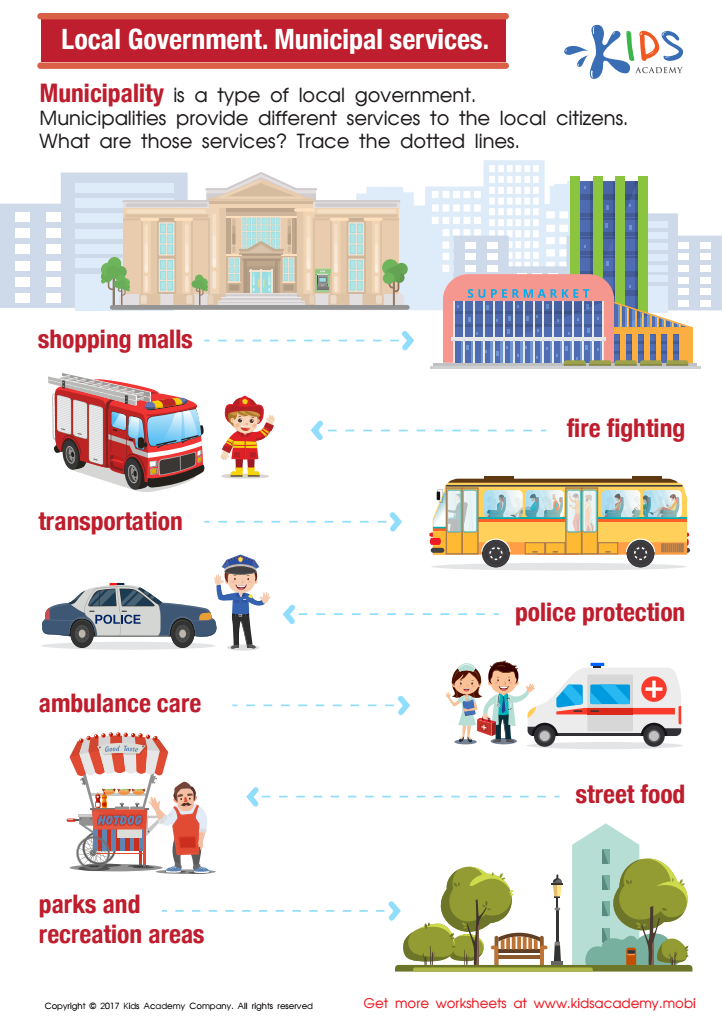
Local Government Worksheet
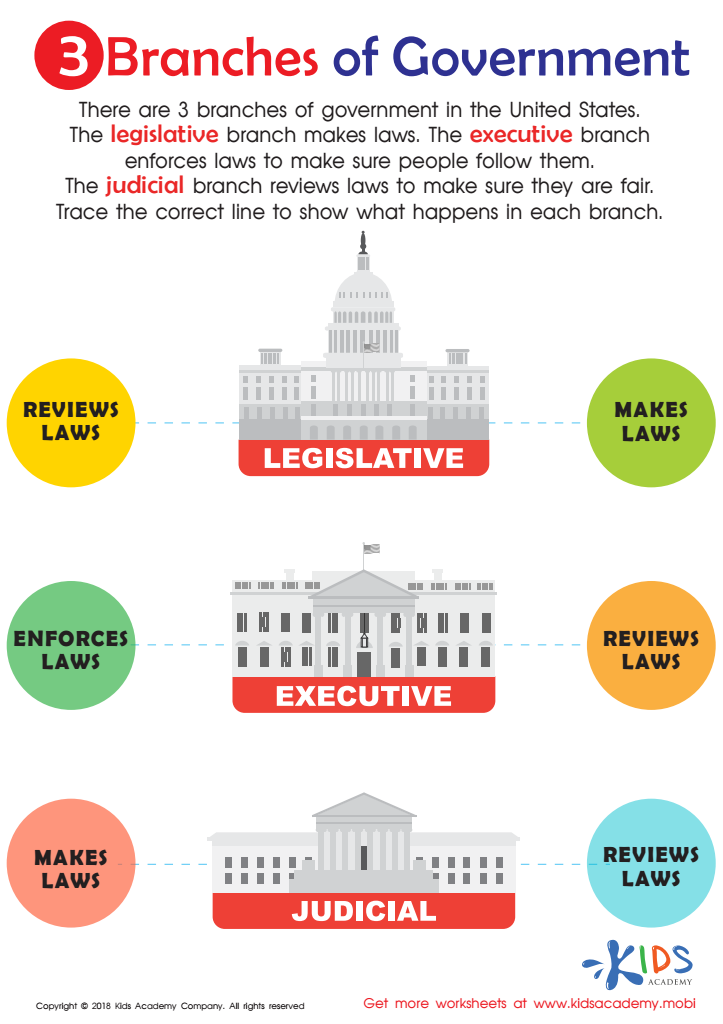
3 Branches of Government Worksheet
Italian Word Tracing: Ciao Worksheet
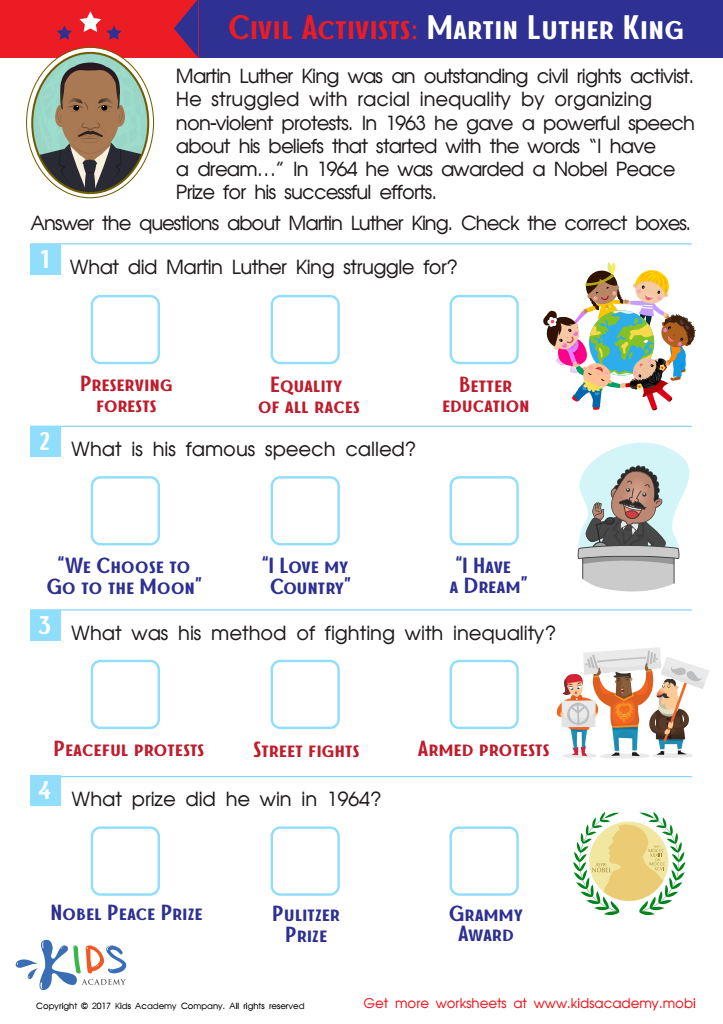
Martin Luther King Worksheet
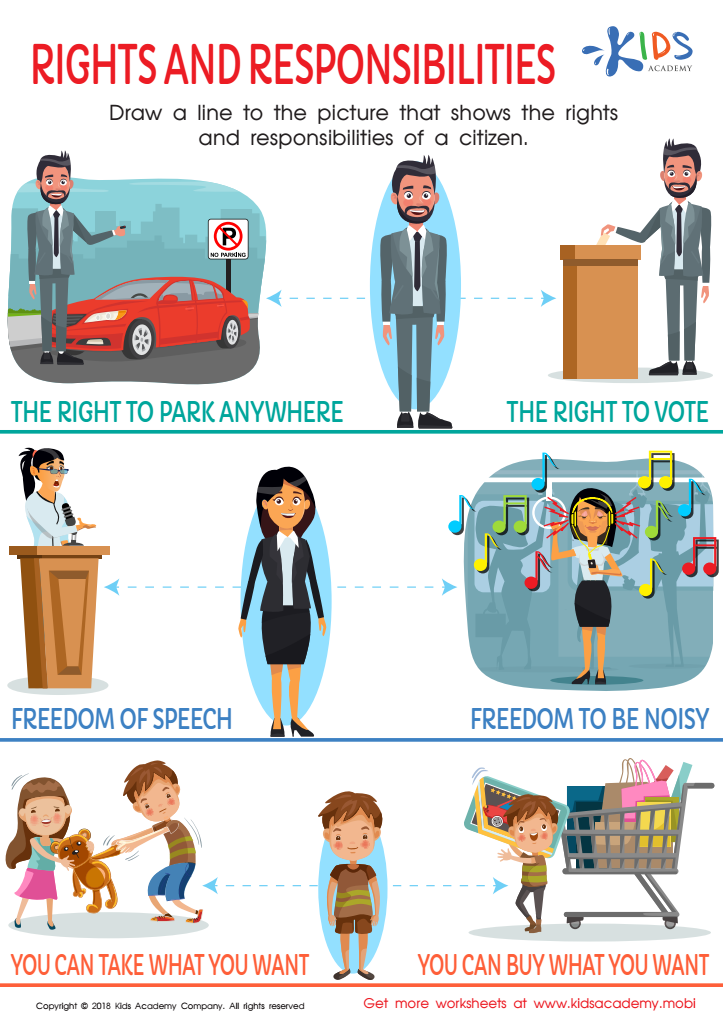
Rights and Responsibilities Worksheet
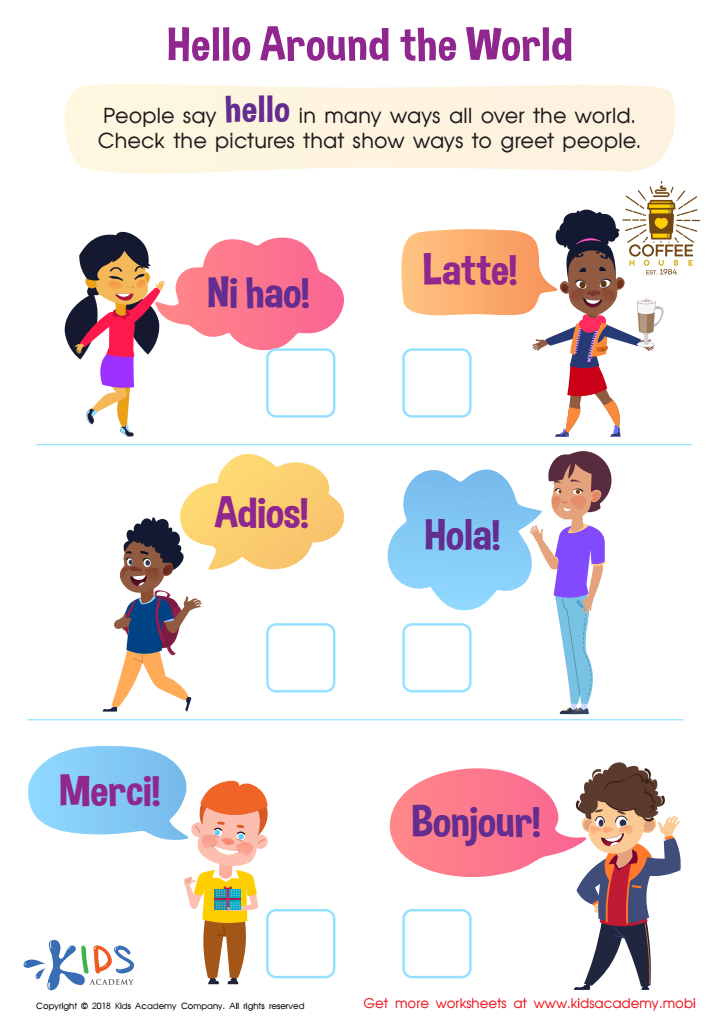
Hello Around the World Worksheet
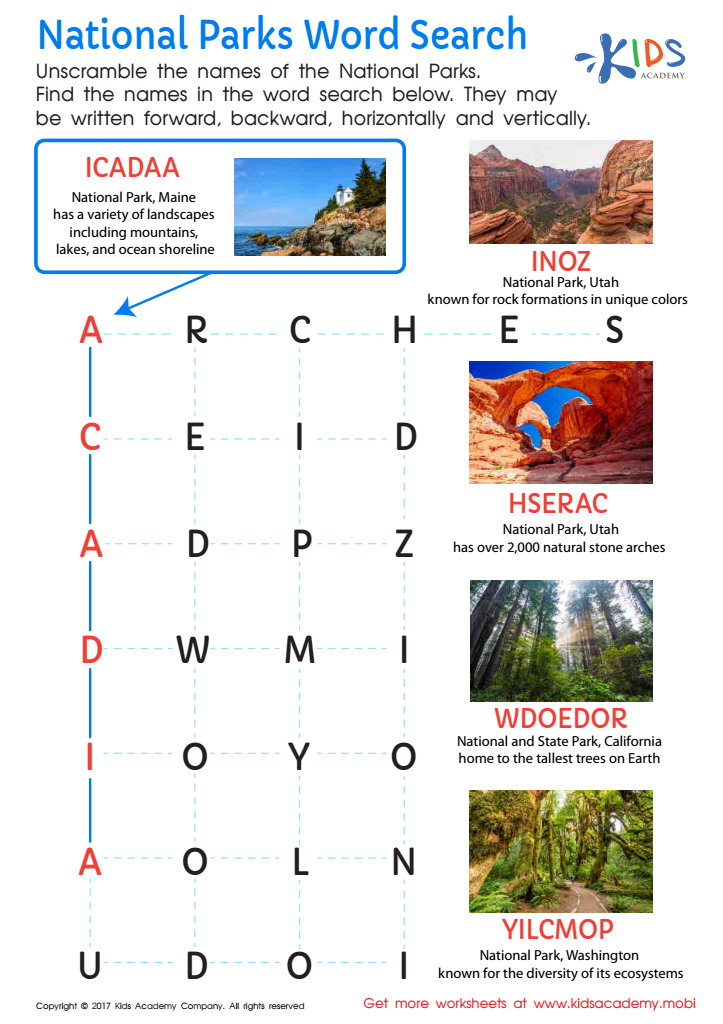
National Parks Word Search Worksheet
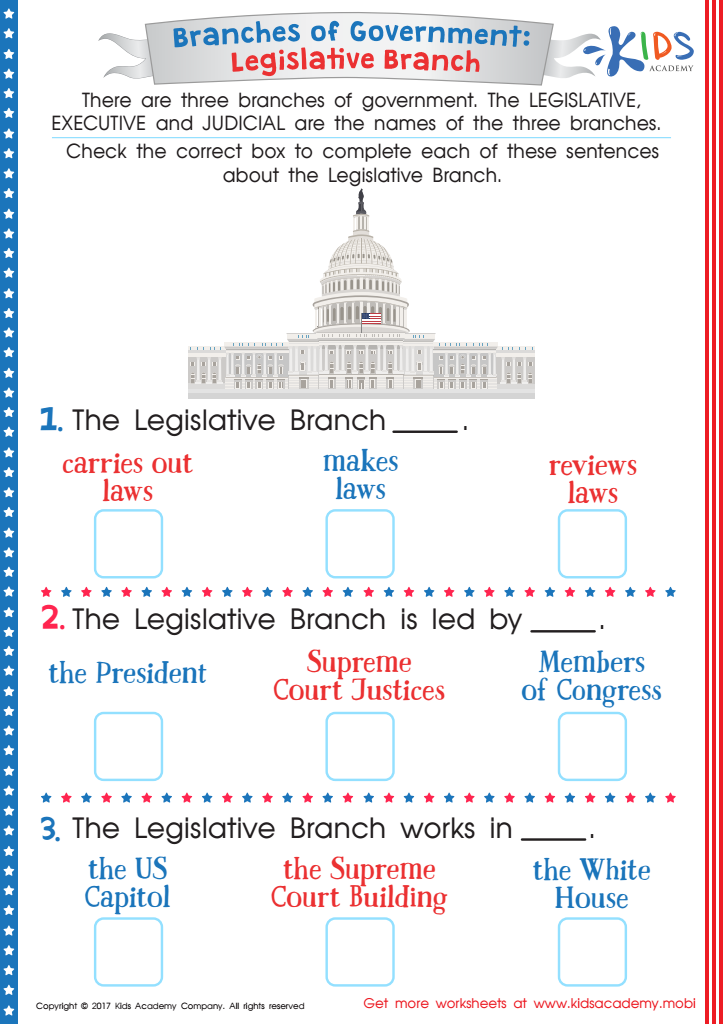
Branches of the Government: Legislative Branch Worksheet
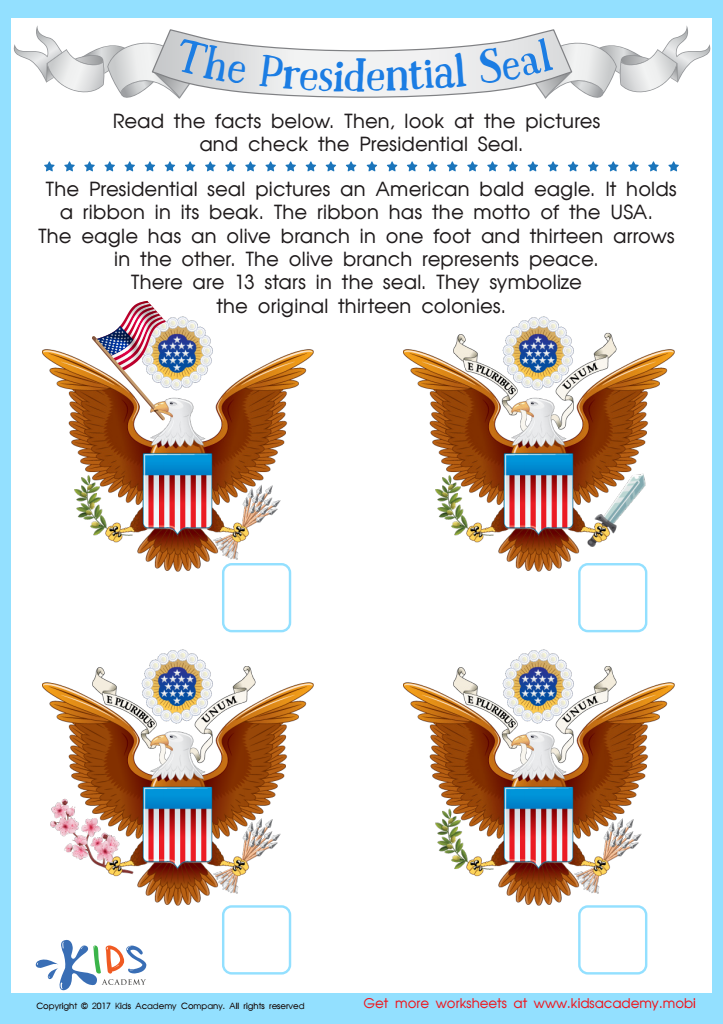
The Presidential Symbol Worksheet
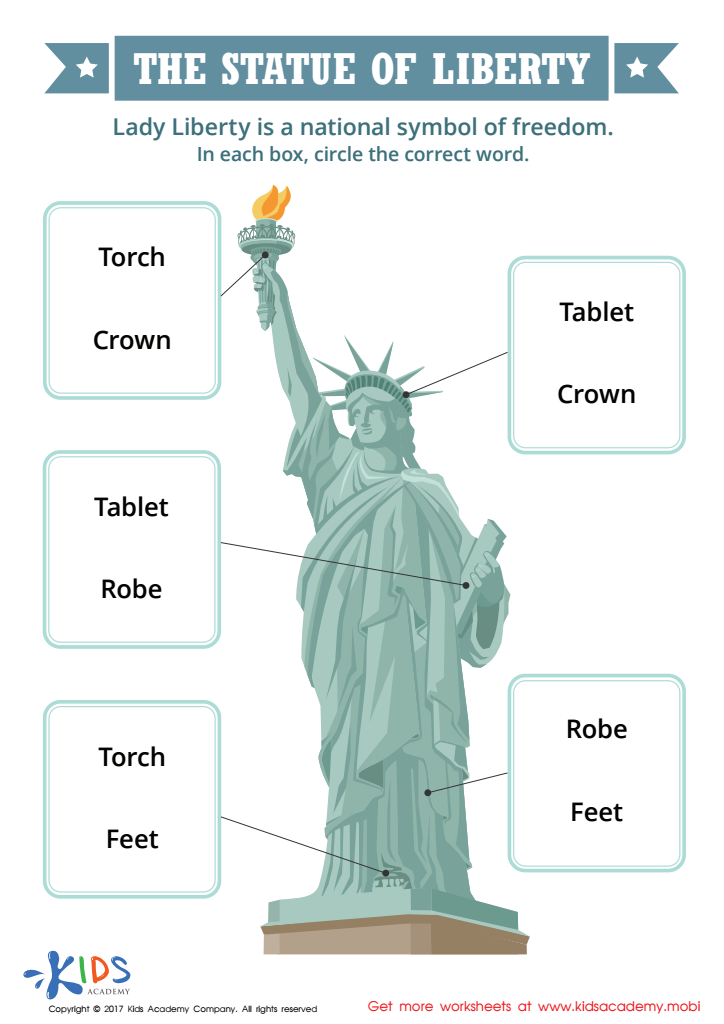
The Statue of Liberty Printable
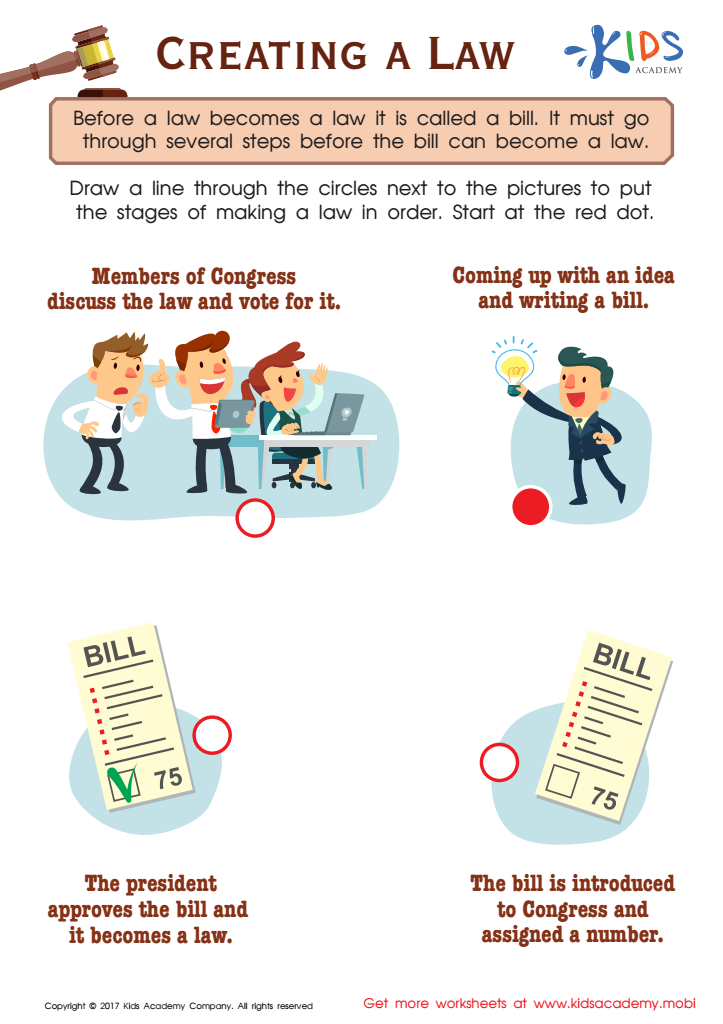
Creating a Law Worksheet
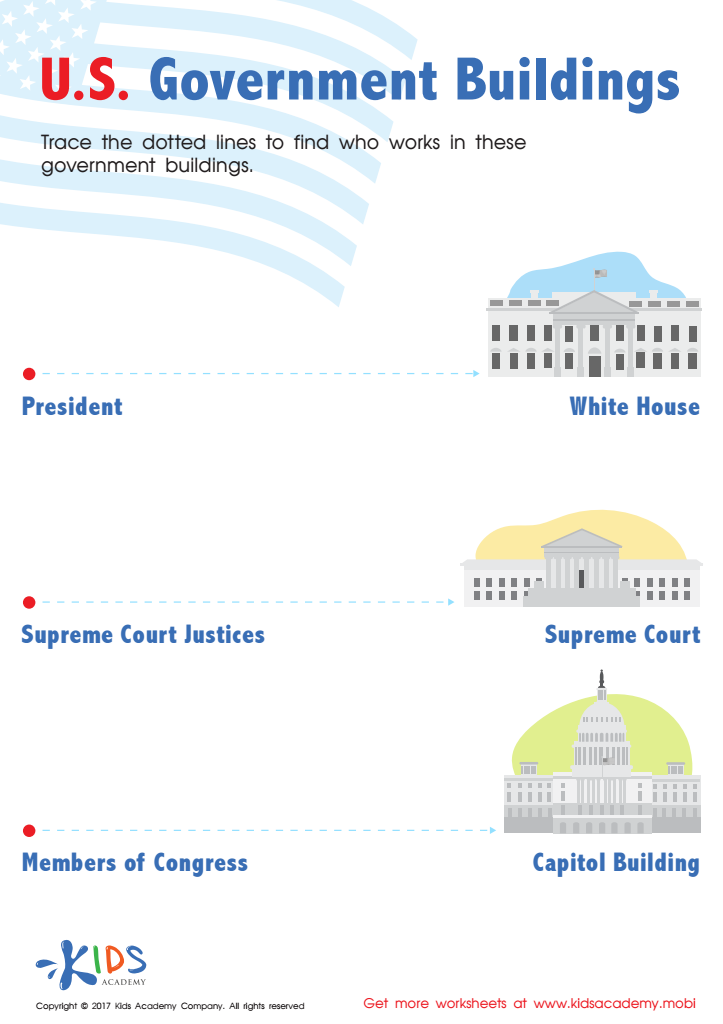
US Government Buildings Printable
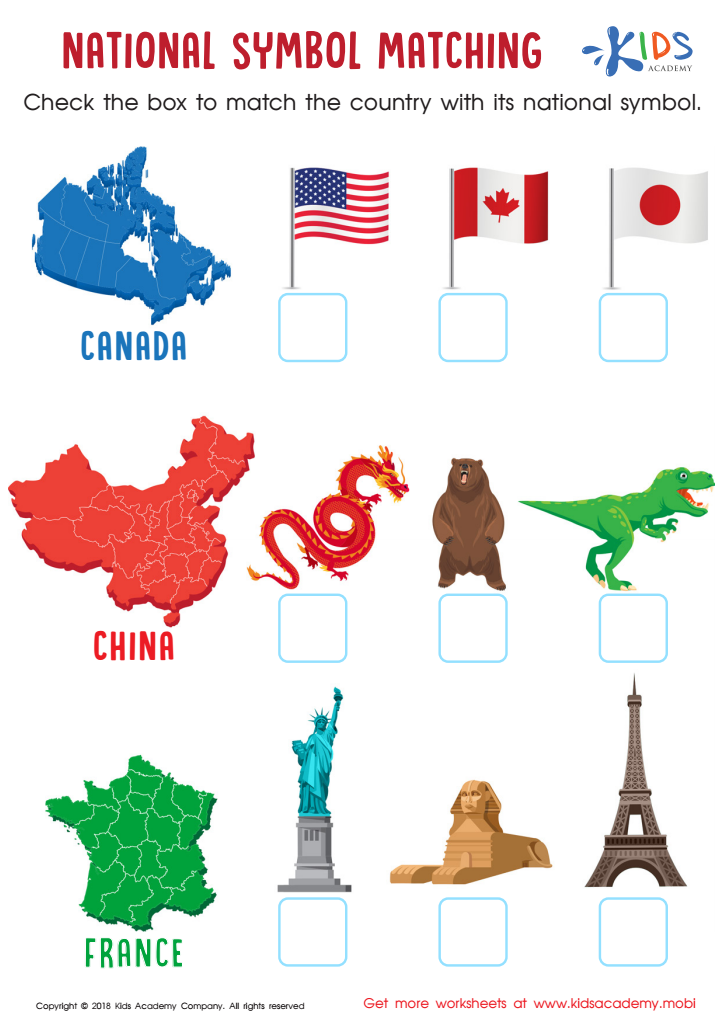
National Symbol Matching Worksheet
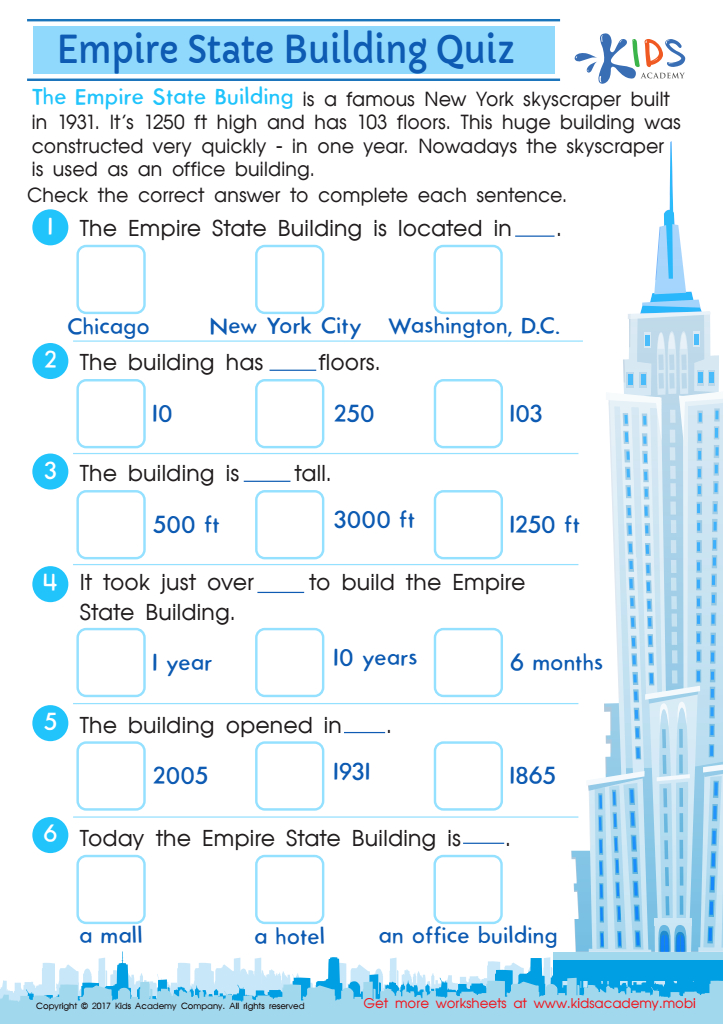
Empire State Building Printable Worksheet
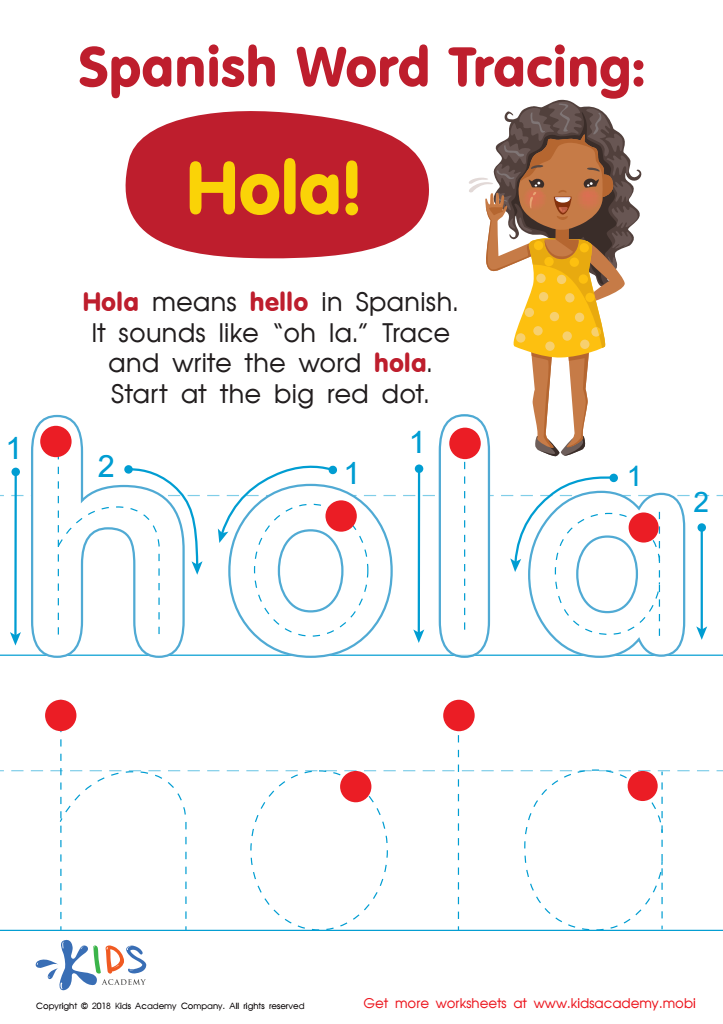
Spanish Word Tracing: Hola Worksheet
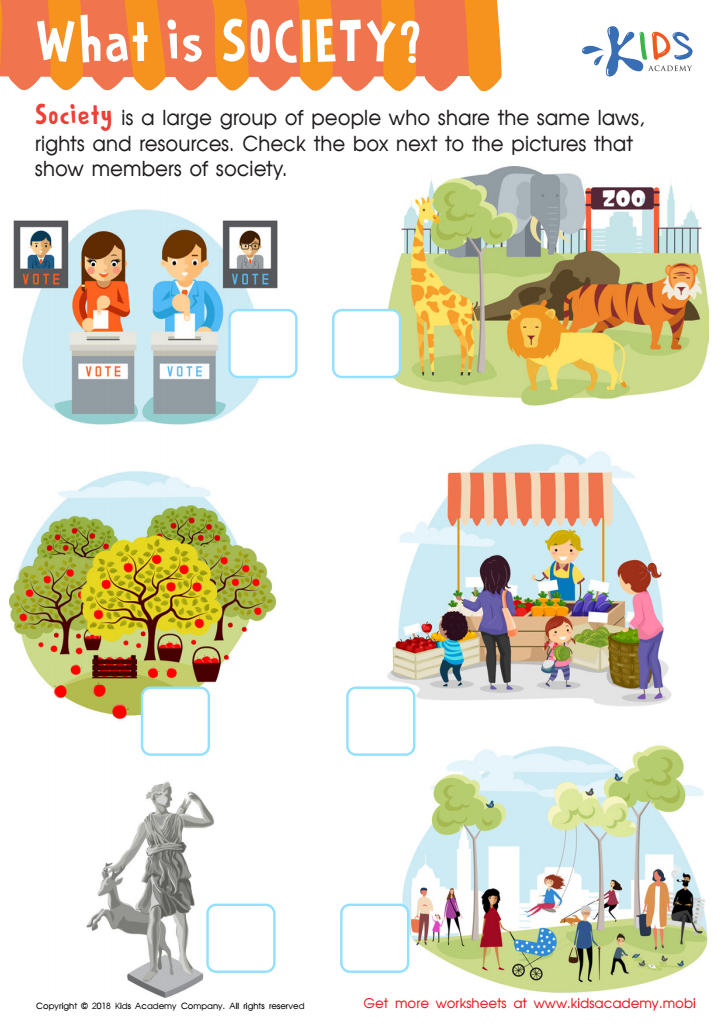
What Is Society? Worksheet


Parents and teachers should prioritize Normal Governance and Civics education for children aged 6-9 as it lays the foundation for responsible citizenship and community engagement. At this age, children are beginning to understand social structures, relationships, and their roles within them. Introducing concepts of governance—such as rules, fairness, and cooperation—helps them grasp the importance of laws and how decisions impact their lives and communities.
Teaching civics instills a sense of belonging and responsibility, encouraging children to recognize their rights while also understanding their duties to others. It promotes critical thinking, as children learn to discuss different viewpoints and navigate conflicts respectfully and constructively. This early exposure fosters empathy and awareness of diversity, critical for developing harmonious communities.
Additionally, in an age where media influences perceptions of governance and society, grounding kids in civics helps them discern credible information, think analytically, and actively participate in dialogues about their environment. Engaging children in these discussions nurtures informed, active citizens who will contribute positively to society as they grow. Thus, emphasizing Normal Governance and Civics not only benefits individual development but also cultivates a more engaged, understanding, and collaborative future society.








