Problem-Solving Skills Normal Worksheets for 6-Year-Olds - Page 2
67 filtered results
-
From - To
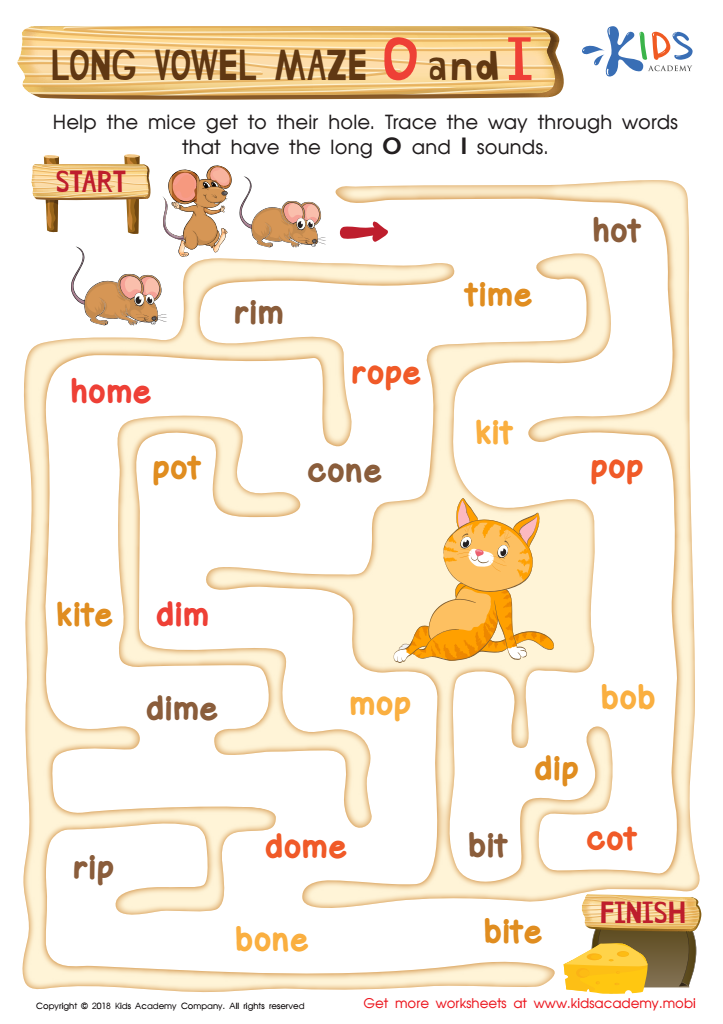
Long Vowel Maze /o/ and /i/ Worksheet
 Assign to My Students
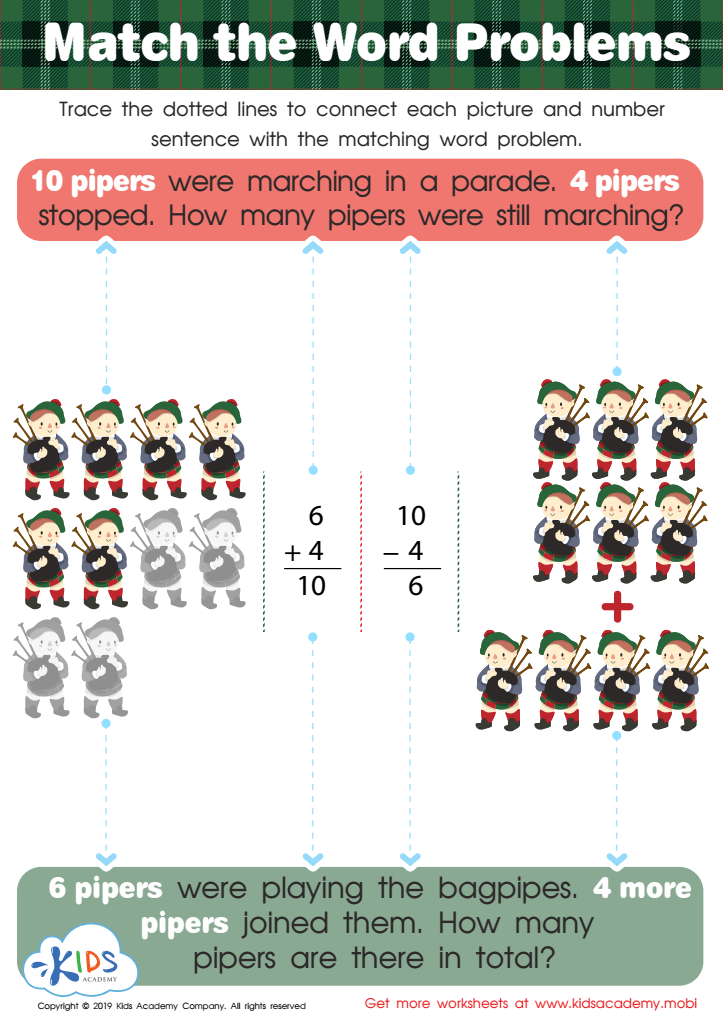
Match the Word Problems Worksheet
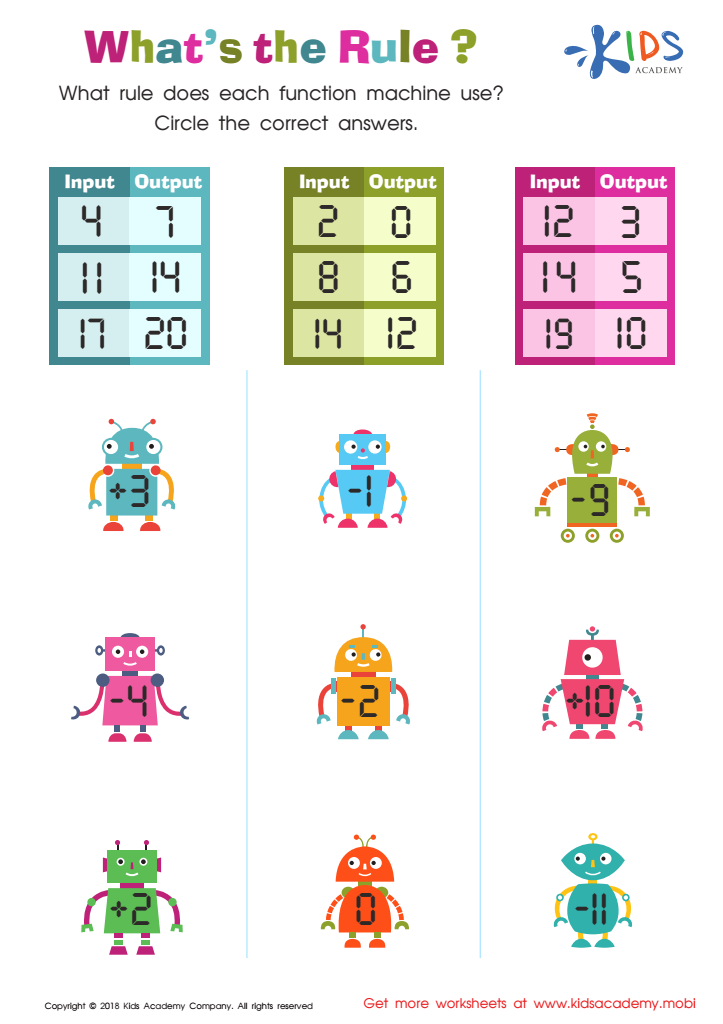
What's the Rule Worksheet
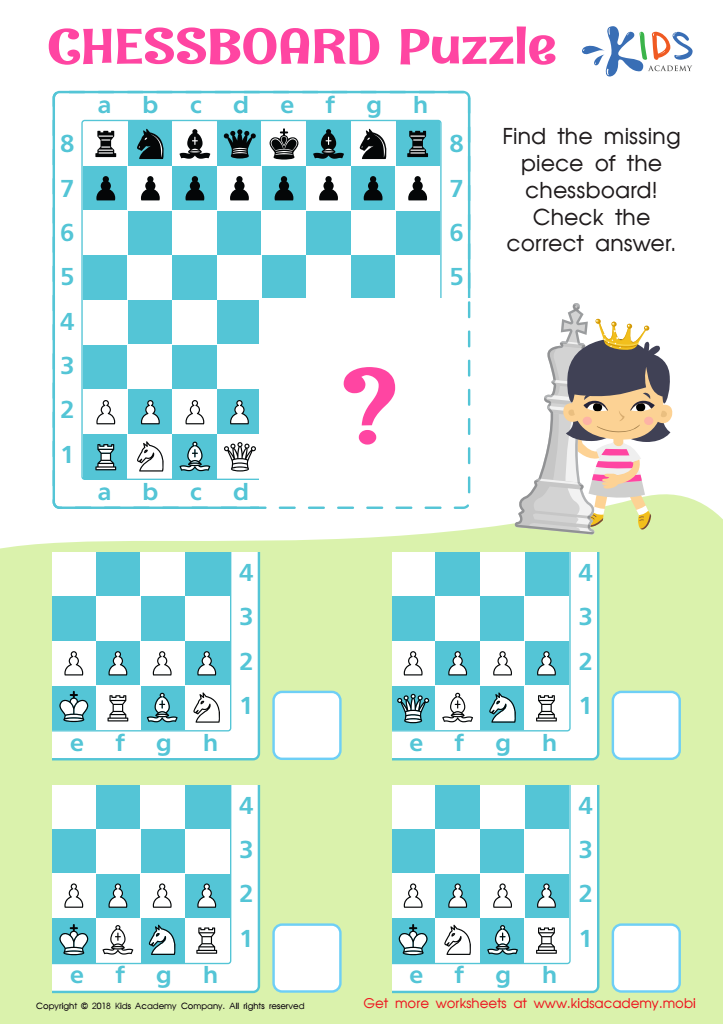
Chessboard Puzzle Worksheet
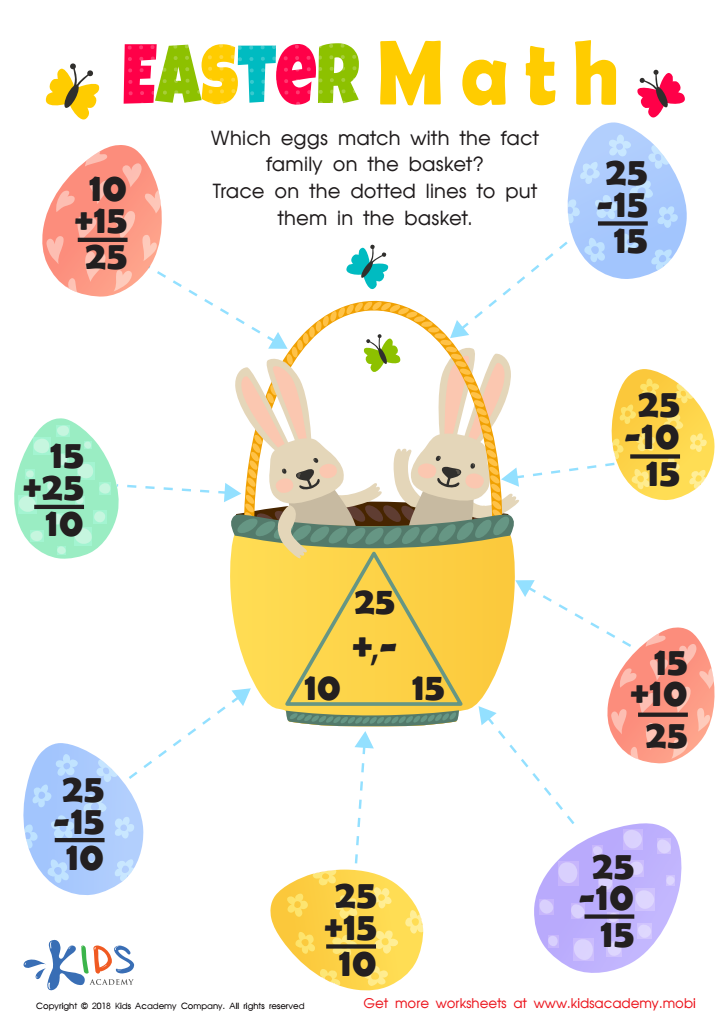
Fact Families: Easter Math Worksheet

Cinderella Geometry Maze Worksheet
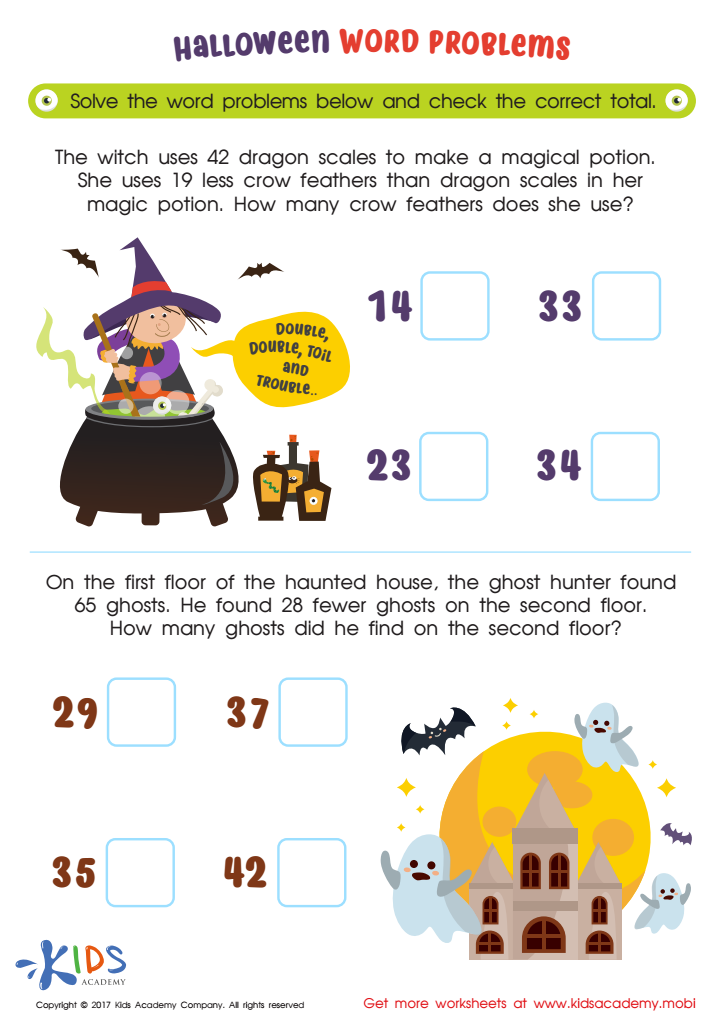
Halloween Word Problems Printable
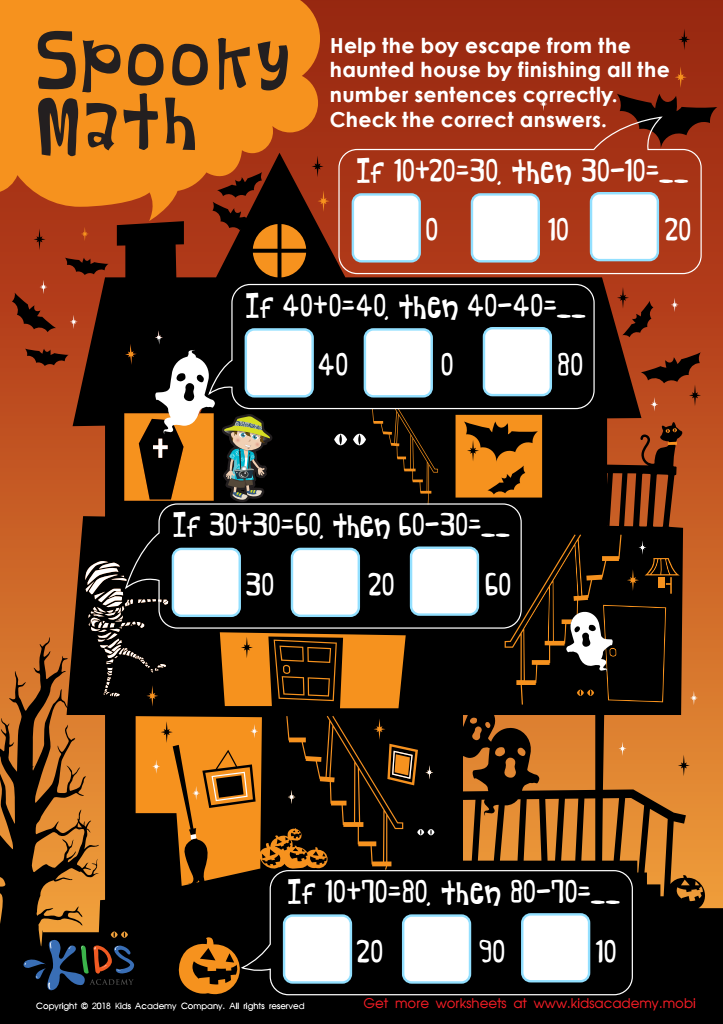
Subtract Tens: Spooky Math Worksheet
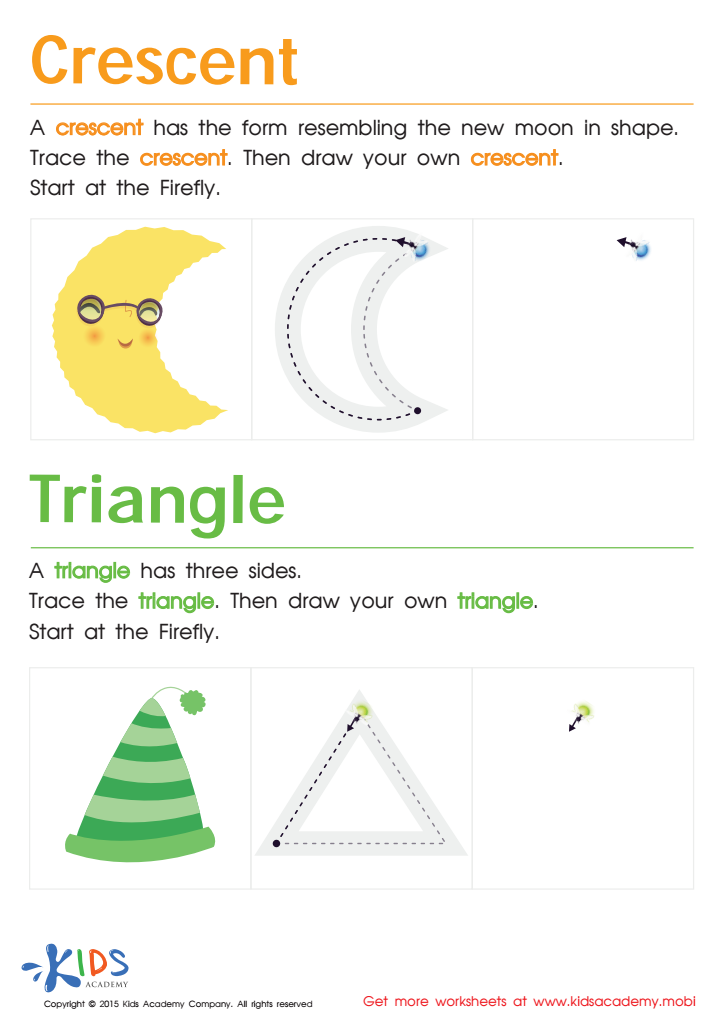
Learning to Draw Crescents And Triangles Worksheet
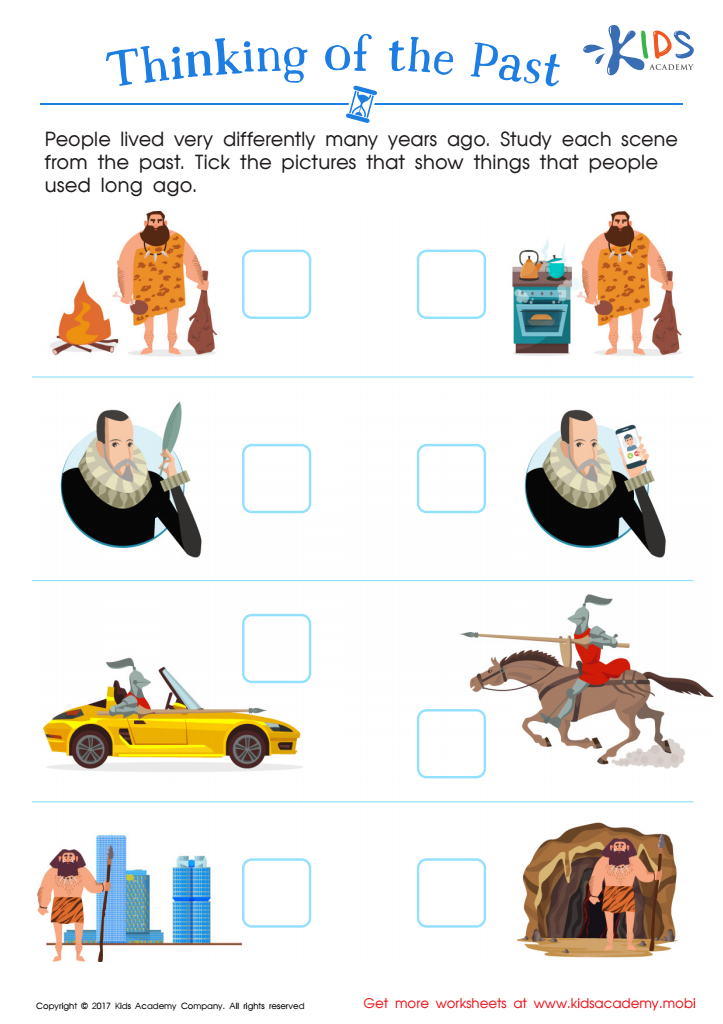
Thinking Past Printable
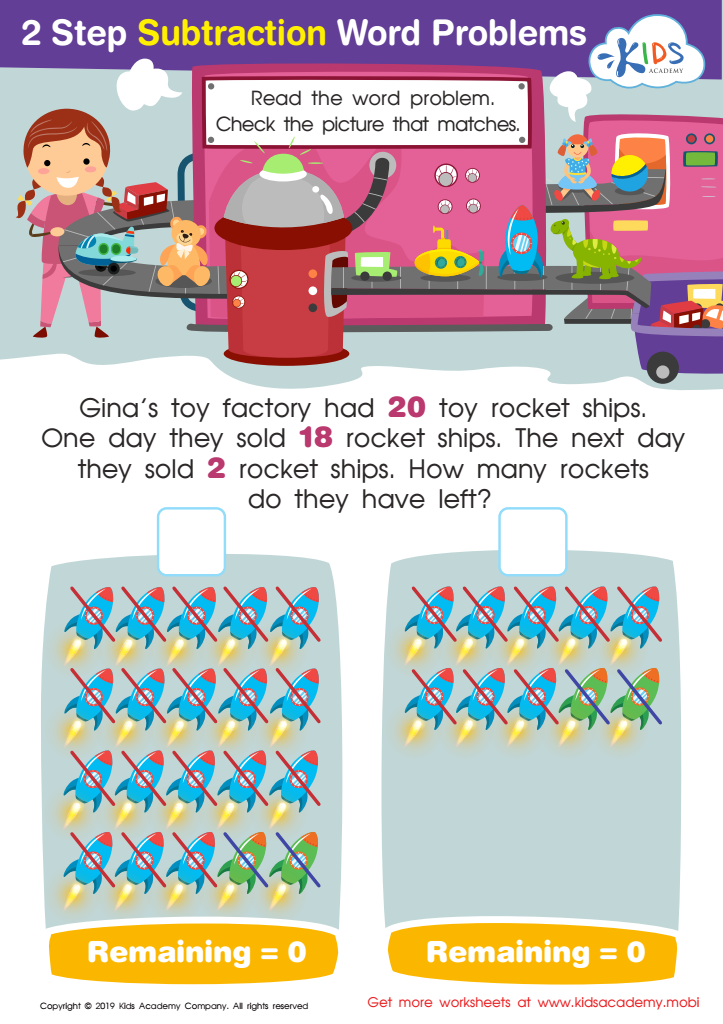
Step Subtraction Word Problems Worksheet
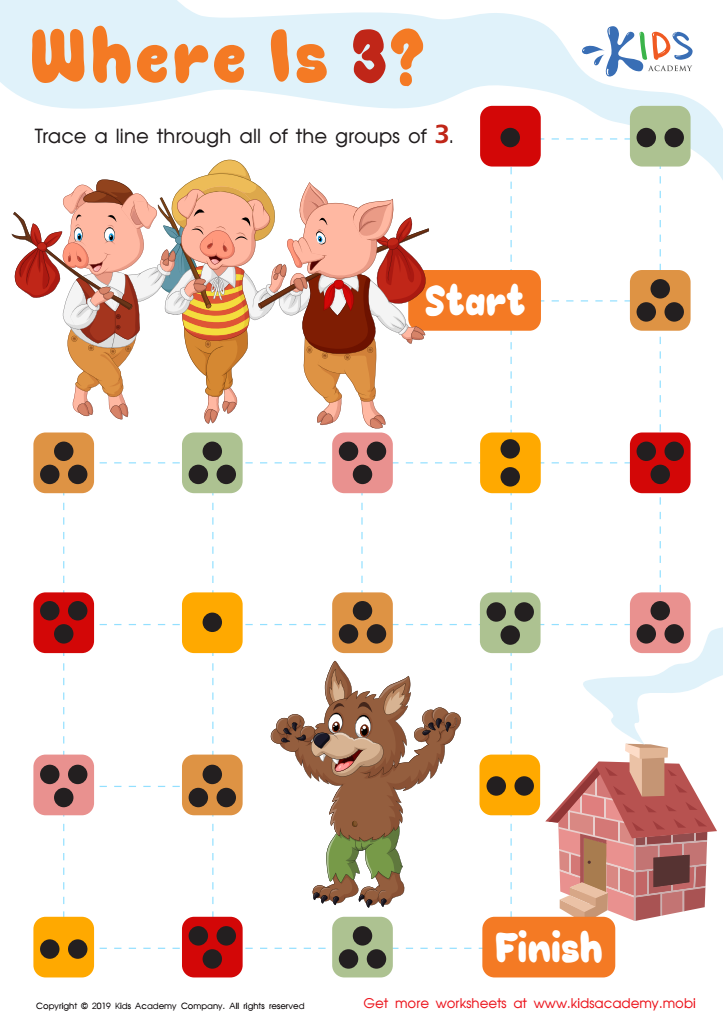
Where Is 3? Worksheet

Shapes Maze Geometry Worksheet
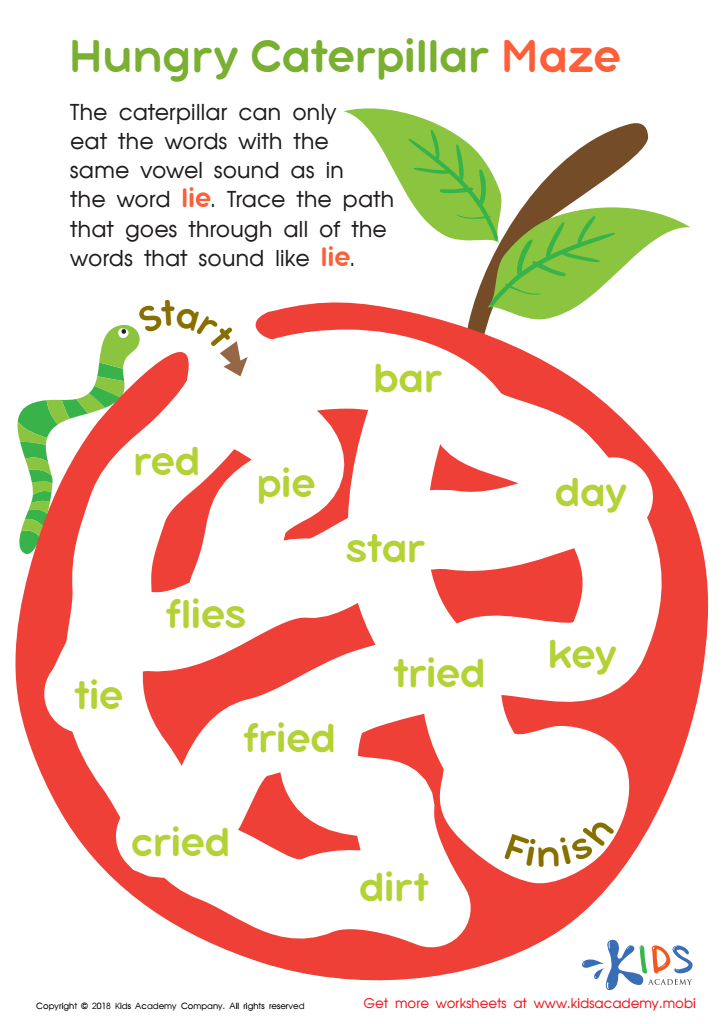
Hungry Caterpillar Maze Worksheet
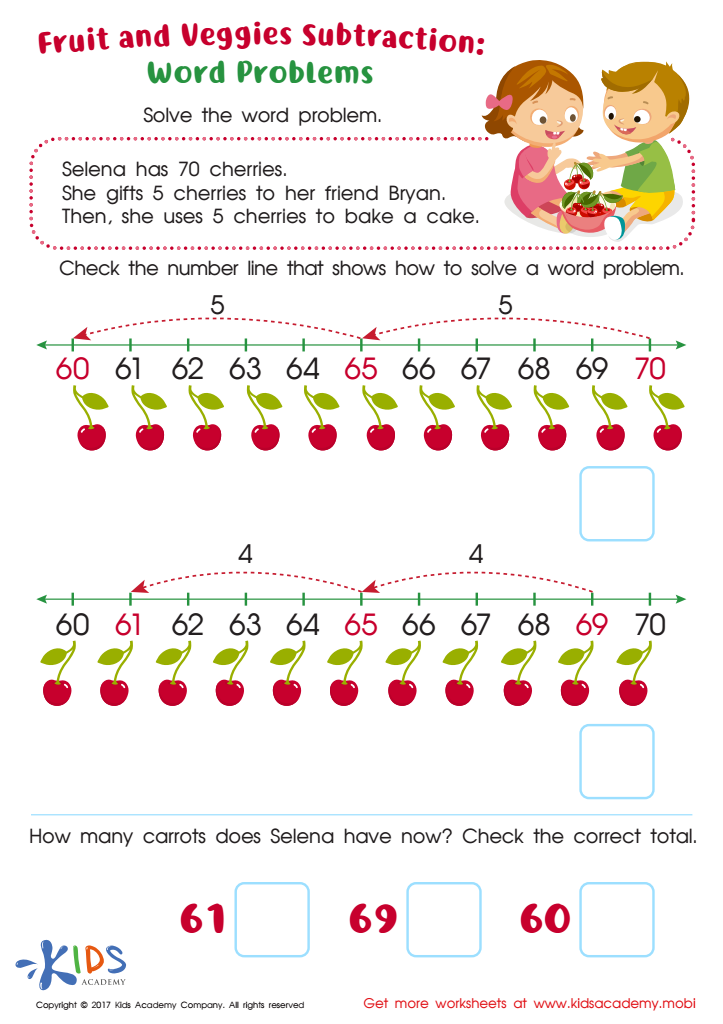
Subtraction Word Problems Free Printable
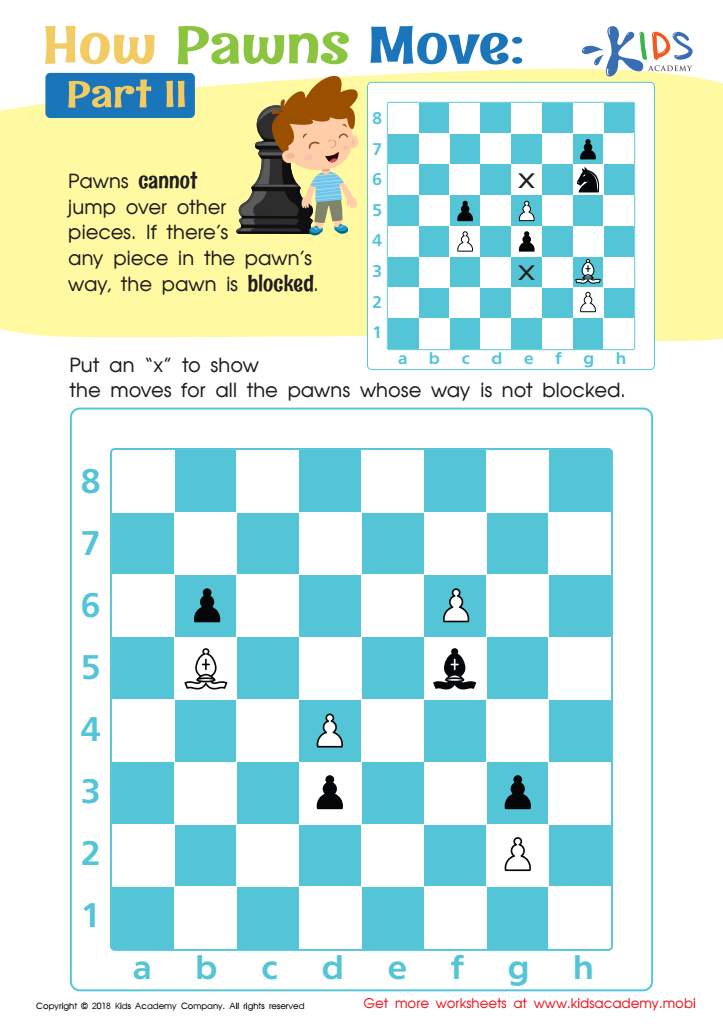
How Pawns Move: Part II Worksheet
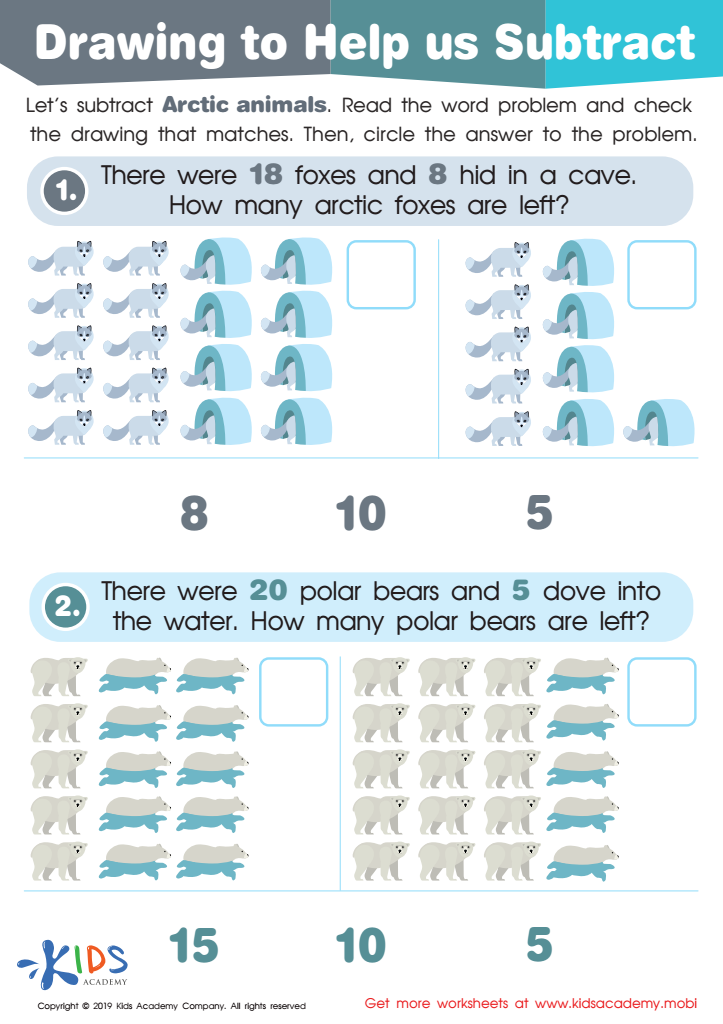
Drawing to Help Us Subtract Worksheet
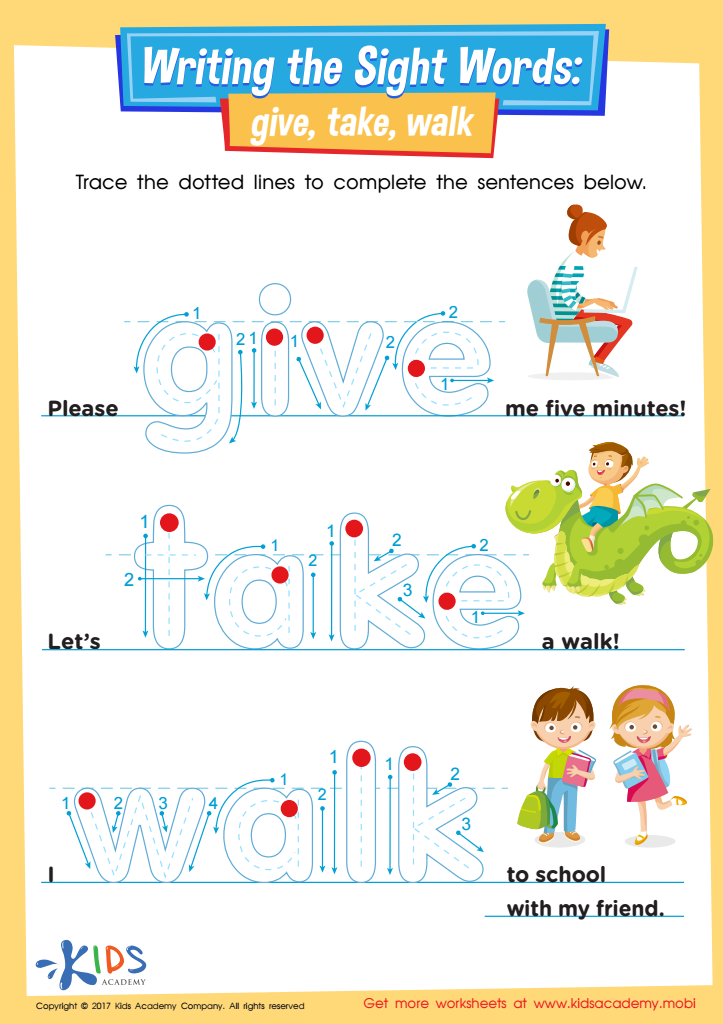
Give, Take, Walk Printable Sight Words Worksheet
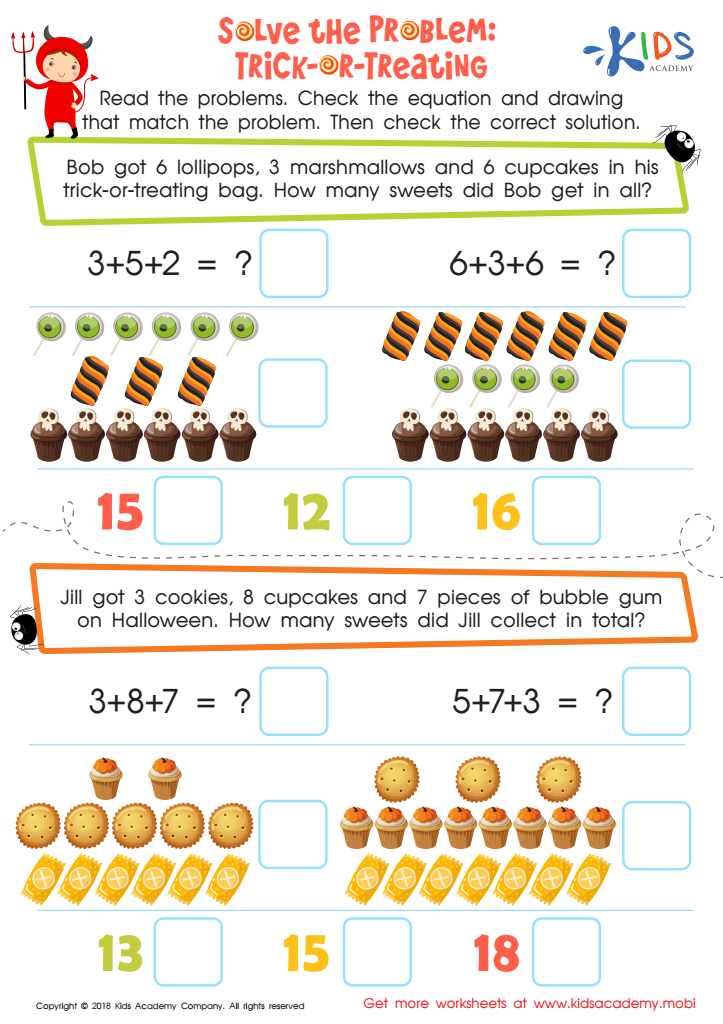
Solve the Problem: Trick–or–treating Worksheet
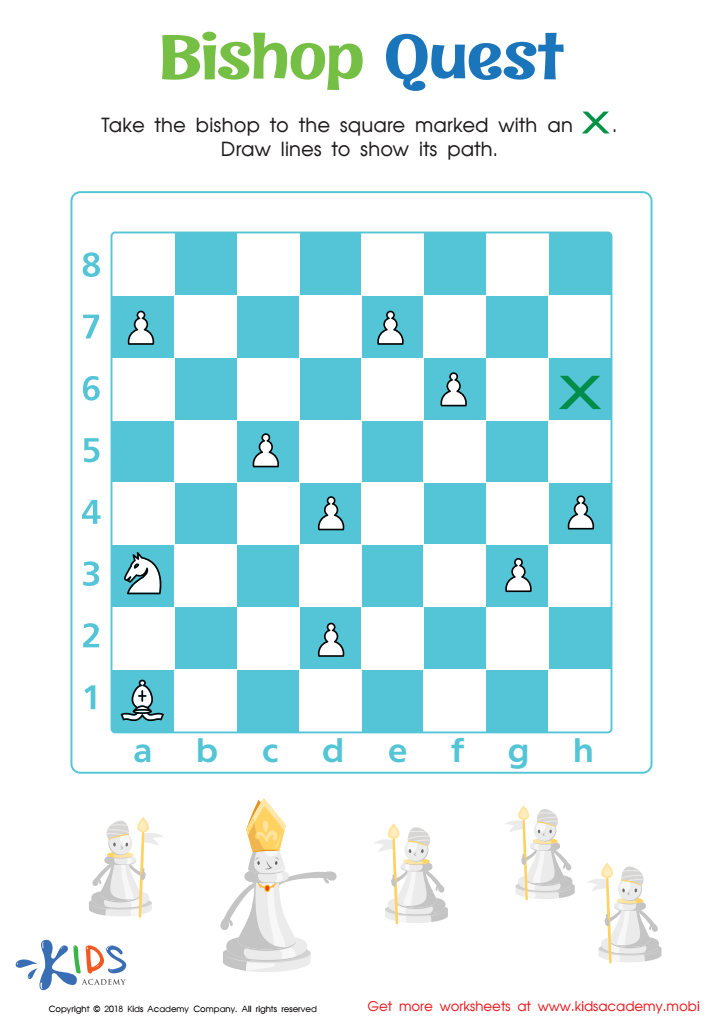
Bishop Quest Worksheet
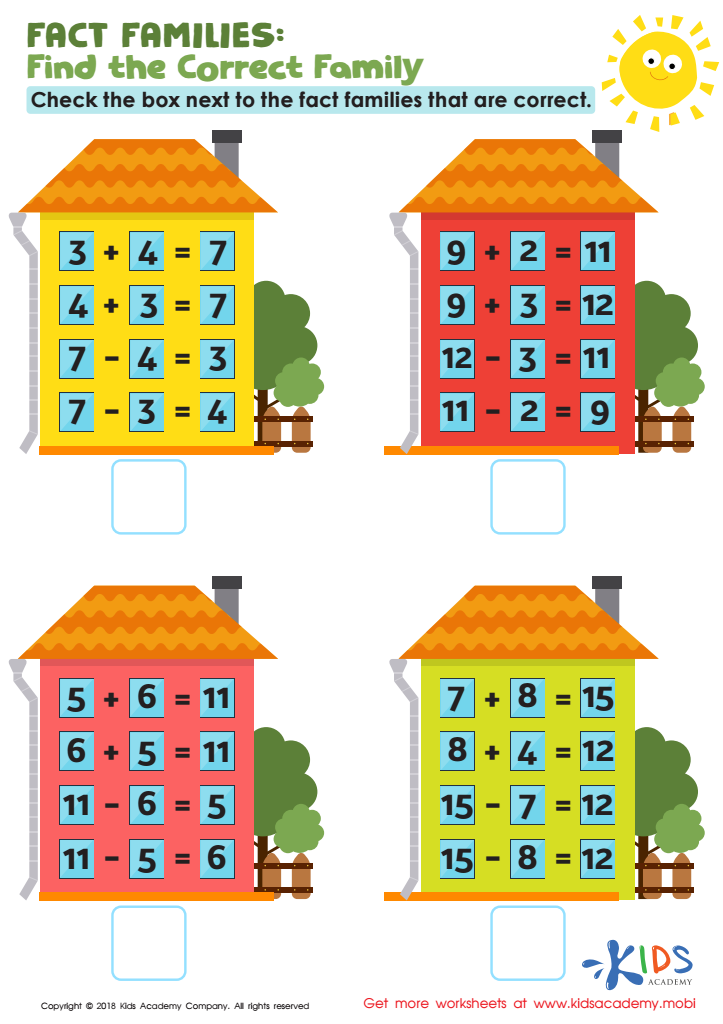
Fact Families: Find Correct Family Worksheet
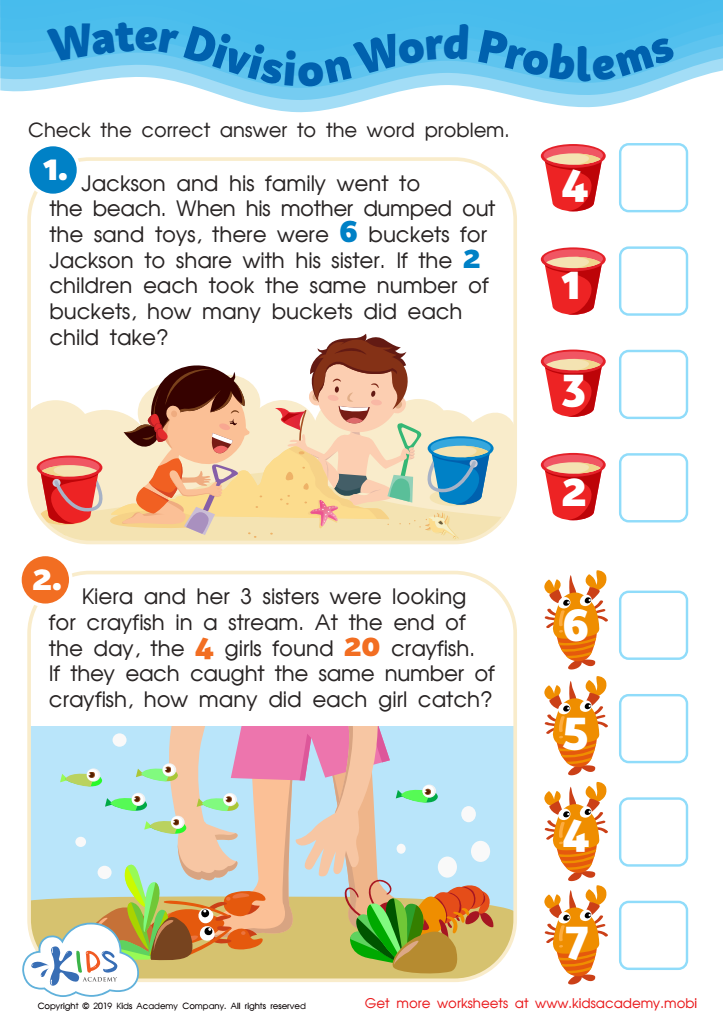
Water Division Word Problems Worksheet
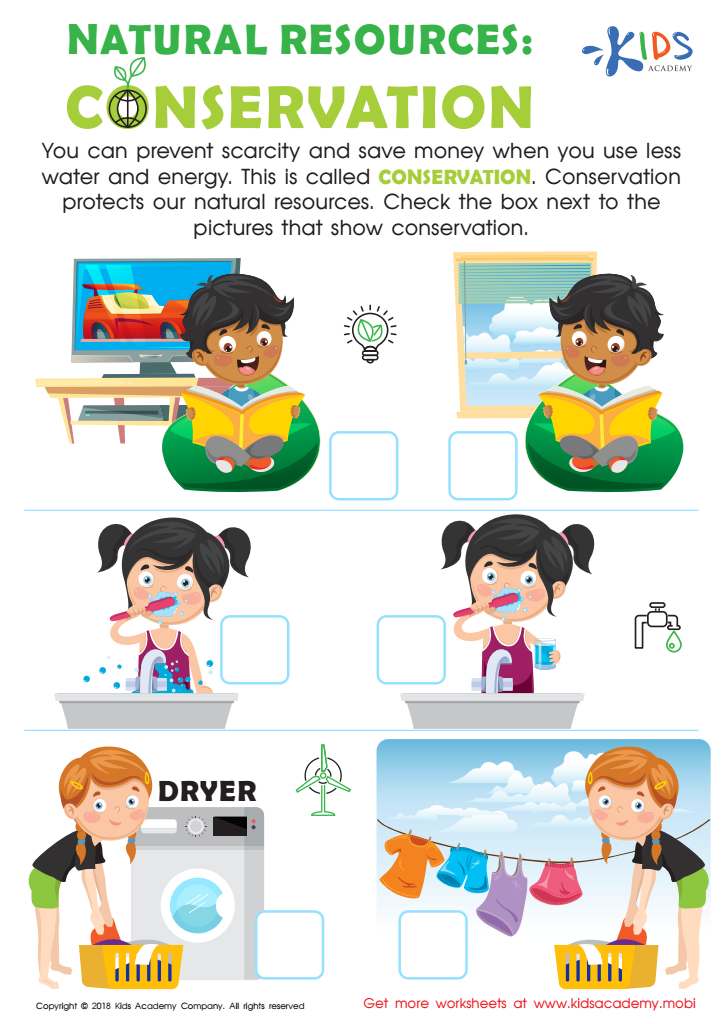
Natural Resources: Conservation Worksheet
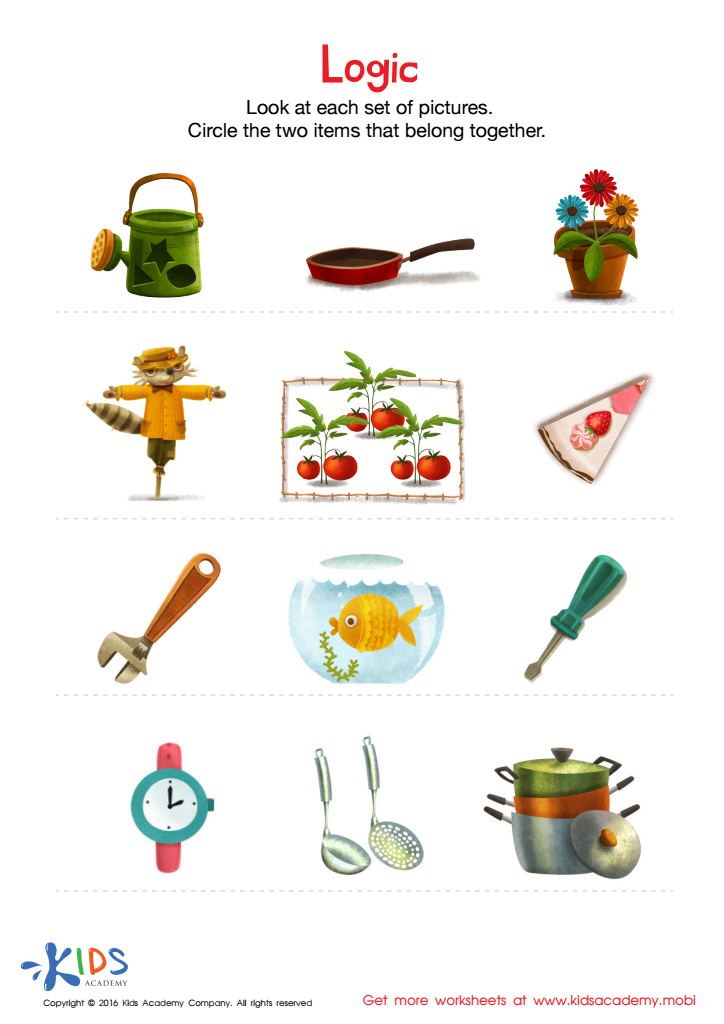
Logic Game Sorting Worksheet








Fostering problem-solving skills in 6-year-olds is crucial for their overall development and future success. At this age, children are typically in kindergarten or first grade, forming foundational abilities for their later academic and personal lives. Developing problem-solving skills helps young children navigate challenges, both in schoolwork and social interactions, with greater ease.
Firstly, problem-solving enhances critical thinking. Children learn to analyze situations, identify various solutions, and choose the best course of action. This cognitive process strengthens their ability to understand and apply concepts, which is indispensable for subjects like math and science.
Moreover, problem-solving skills instill a sense of independence and confidence. When children successfully tackle problems on their own, they build resilience and a can-do attitude. This confidence is essential not only for academic tasks but also for everyday challenges and interpersonal relationships.
In addition, problem-solving promotes social skills. Working through issues involves communication, negotiation, and empathy, key components of successful interactions with peers and adults.
Teachers and parents play a vital role in nurturing these skills by creating an environment of curiosity and open-ended questions, encouraging trial and error, and celebrating the process over perfection. By prioritizing problem-solving skills, we equip 6-year-olds with tools for lifelong learning and adaptability.








