Vocabulary expansion Normal Alphabet Worksheets for Ages 7-9
31 filtered results
-
From - To
Enhance your child's vocabulary with our engaging Normal Alphabet Worksheets, specifically designed for ages 7-9. These interactive exercises encourage word recognition, spelling, and language comprehension through fun activities. From matching letters to vocabulary-building exercises, each worksheet fosters a passion for learning while reinforcing essential skills. Ideal for home or classroom use, our resources help develop literacy and critical thinking, empowering young learners to express themselves confidently. Explore our diverse selection of worksheets to support your child's educational journey and make vocabulary expansion an enjoyable experience. Start today and watch their language skills flourish!
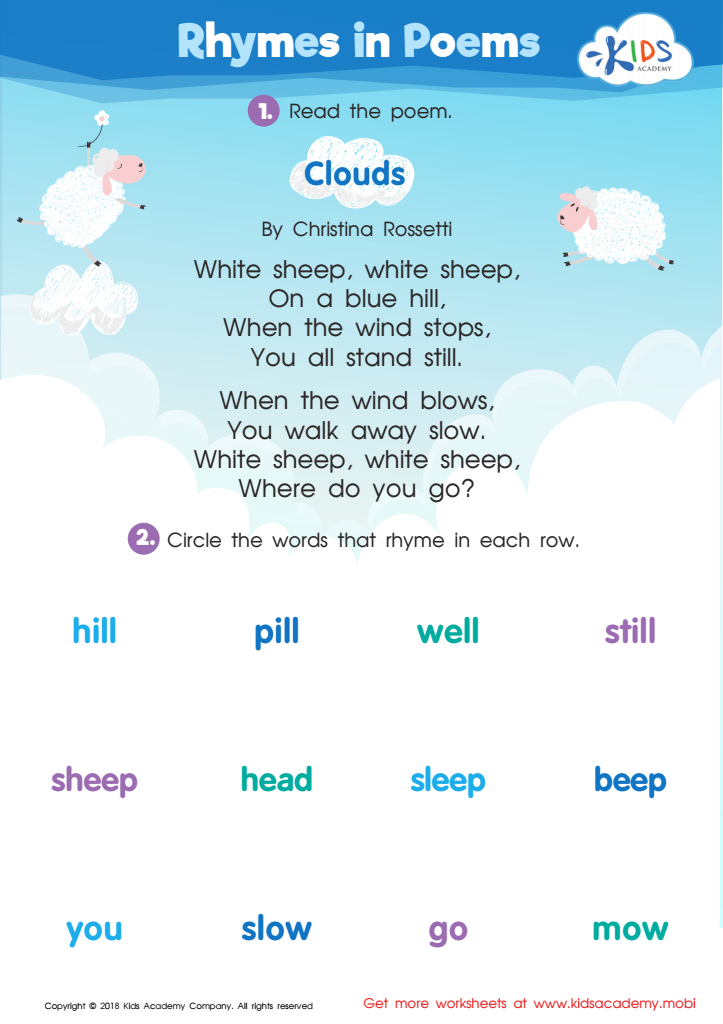
Rhymes in Poems Worksheet
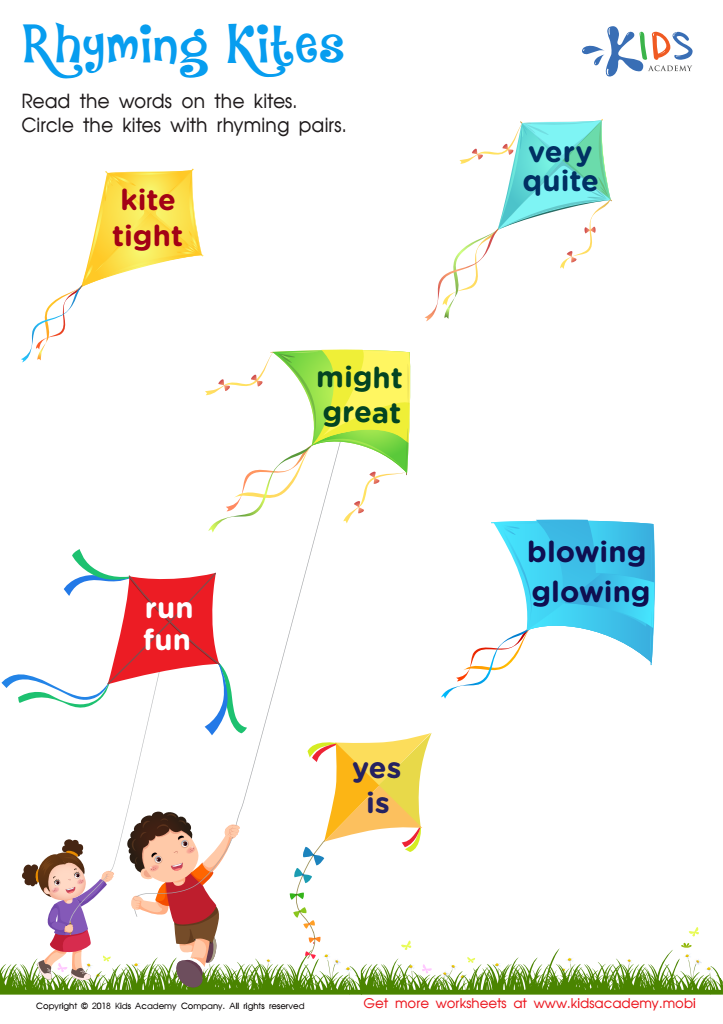
Rhyming Kites Worksheet
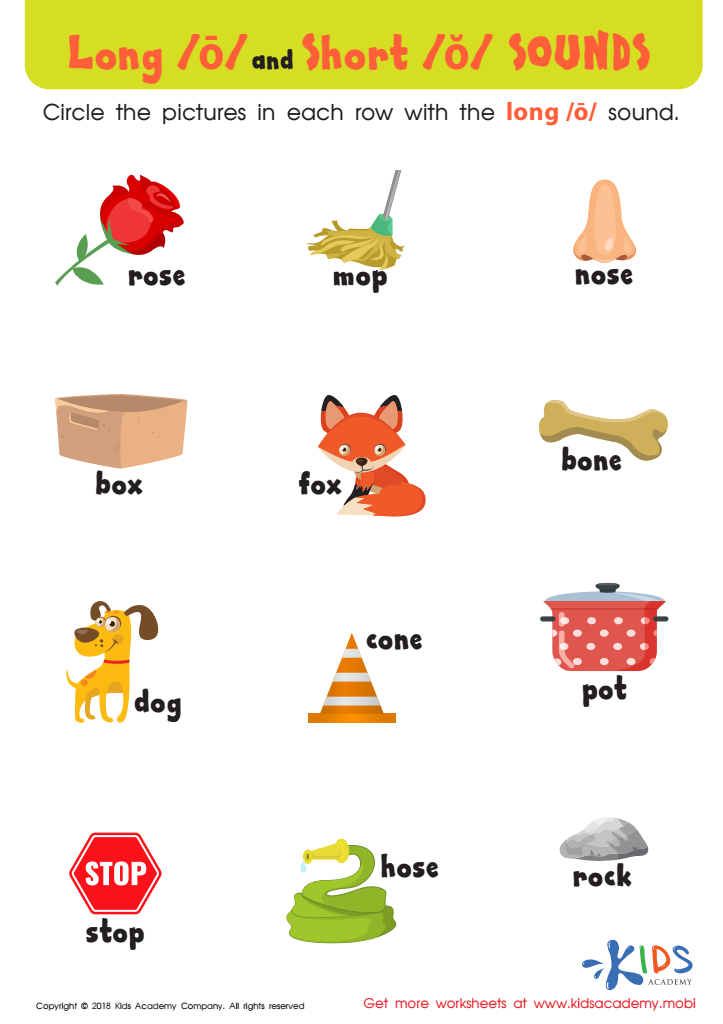
Reading: Long O and Short O Sounds Worksheet
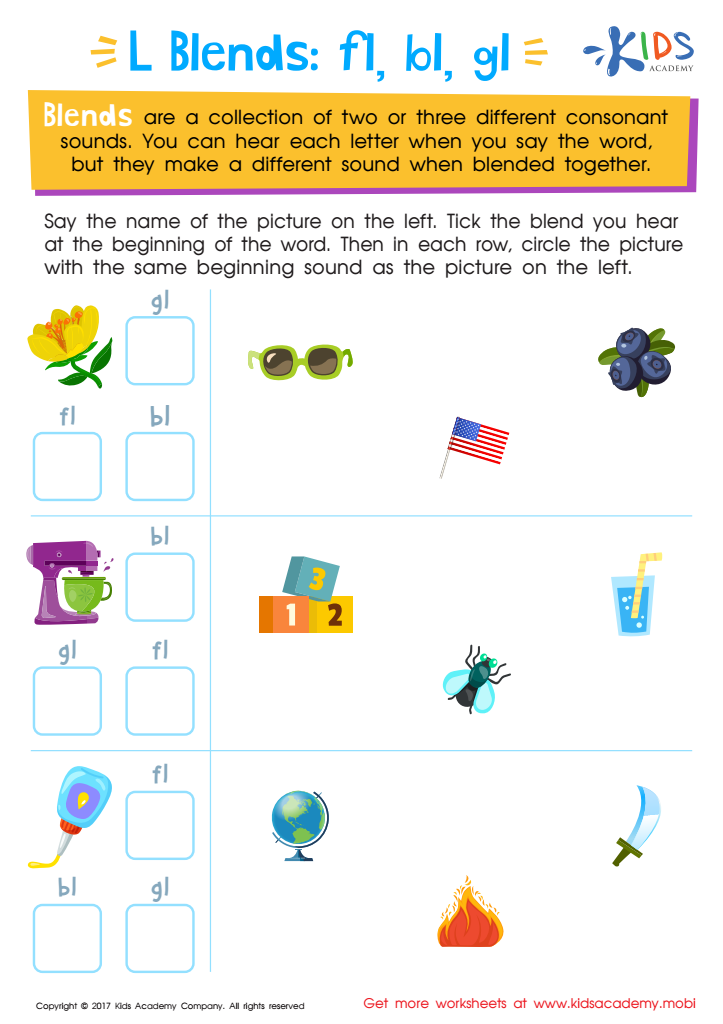
Blending Consonants: "Fl", "Bl" and "Gl" Printable
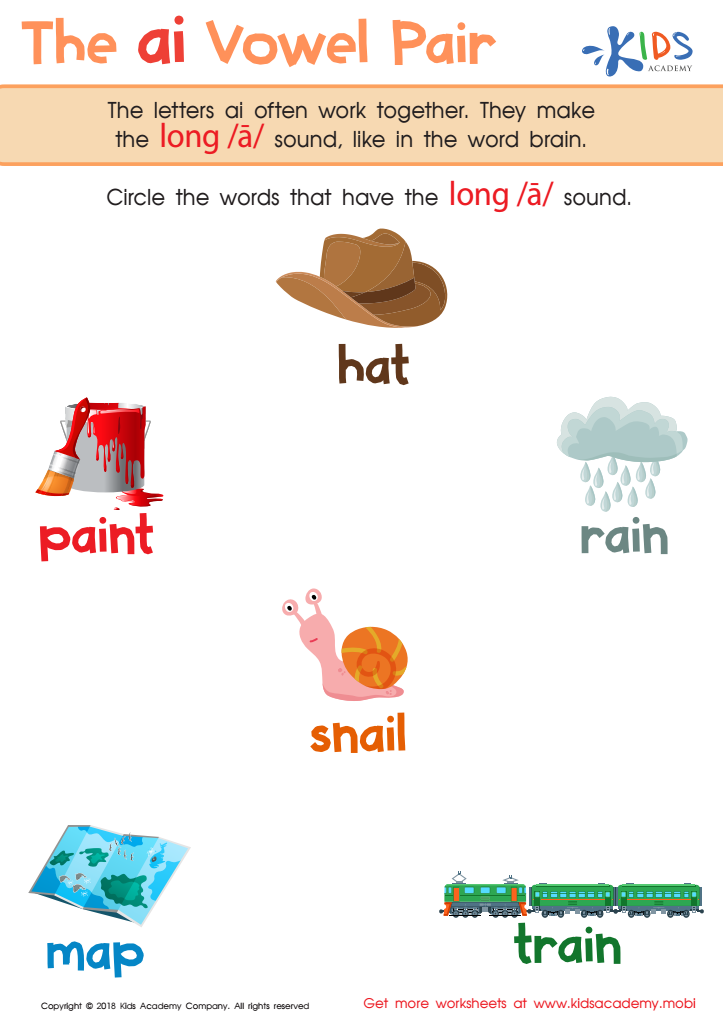
The AI Vowel Pair Worksheet
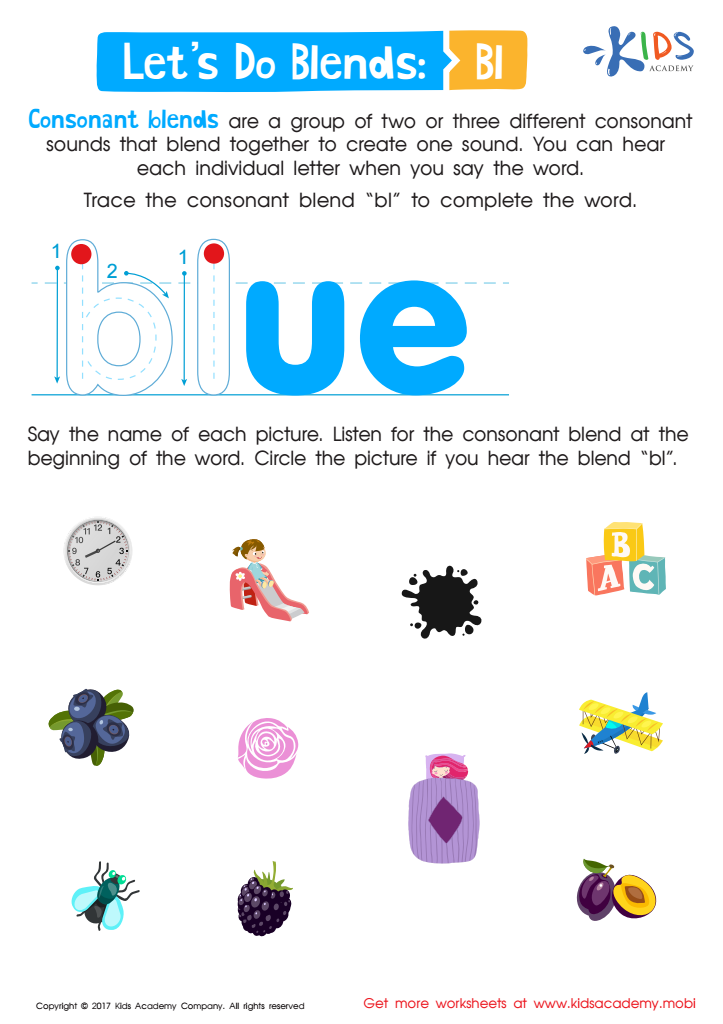
Beginning Blends: "Bl" Words Worksheet
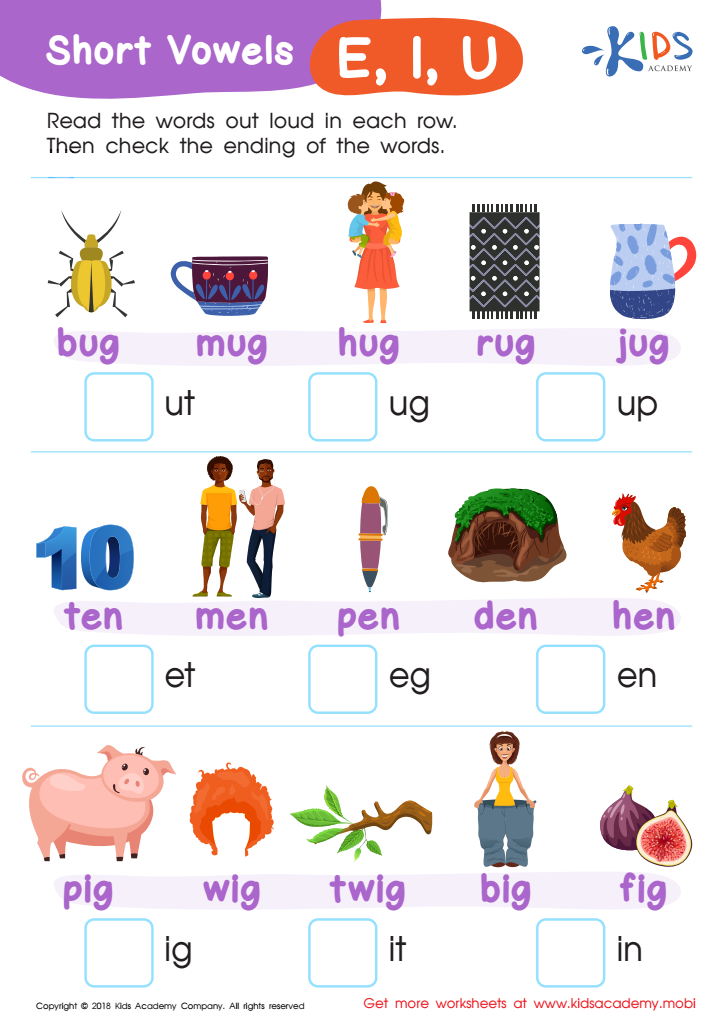
Short Vowels /e/, /i/, and /u/ Worksheet
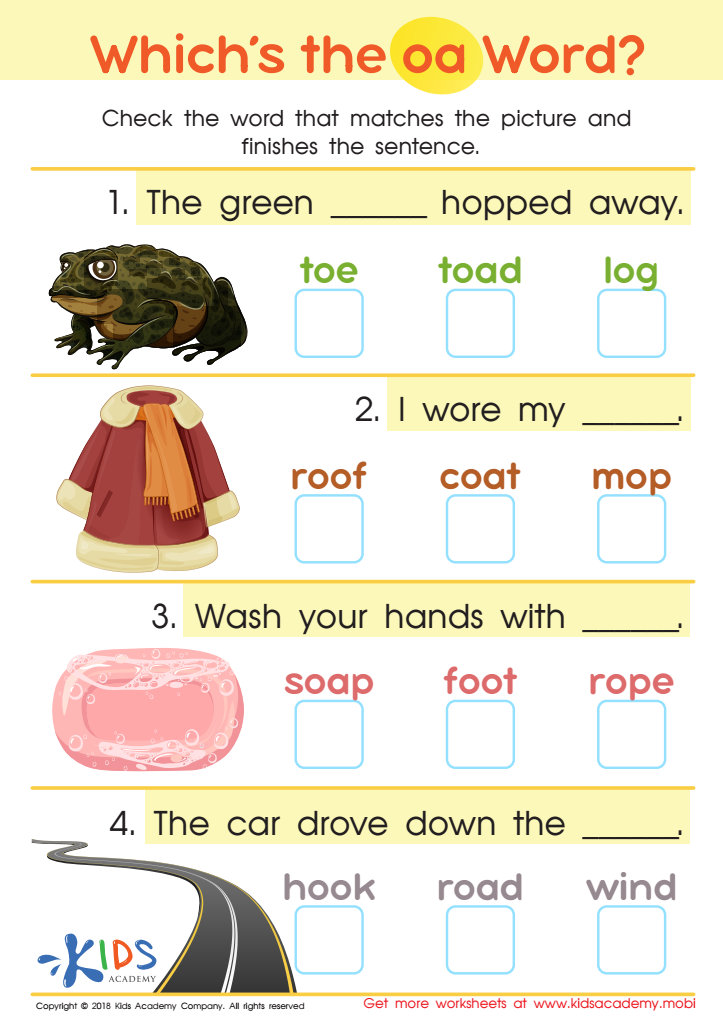
Which's the OA Word? Worksheet
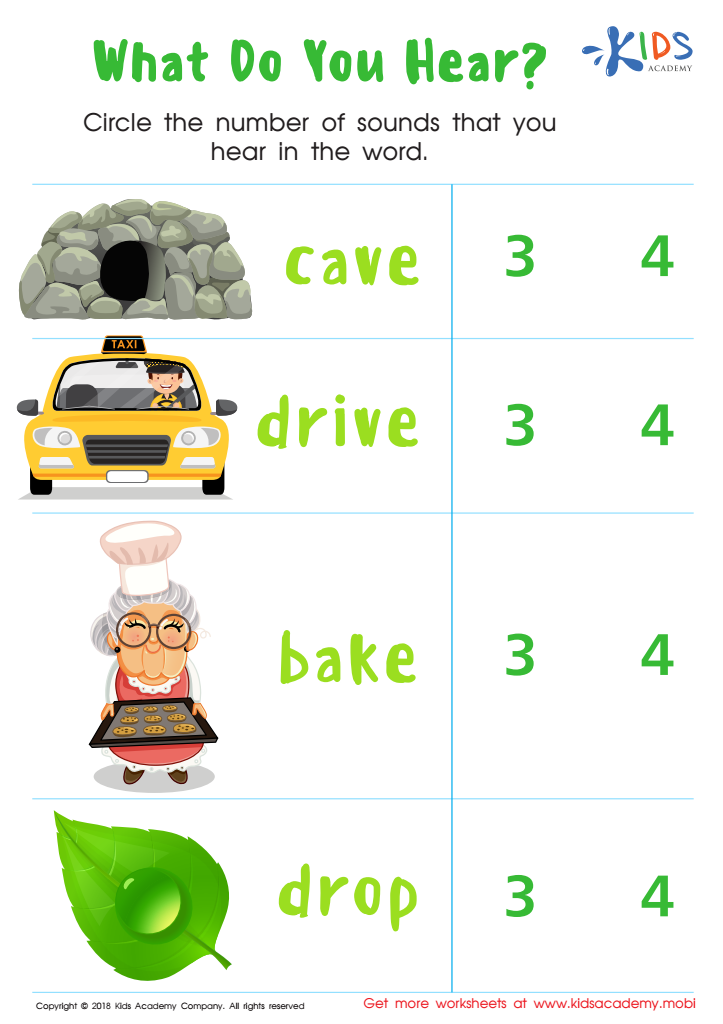
What Do You Hear? Worksheet
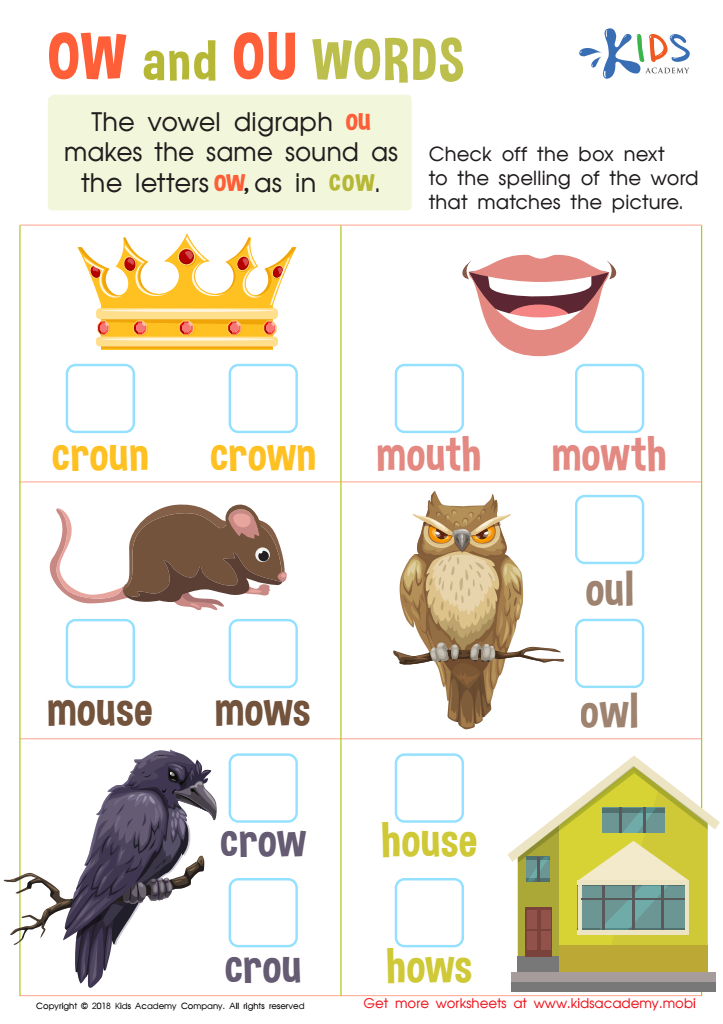
Reading: OW and OU Words Worksheet
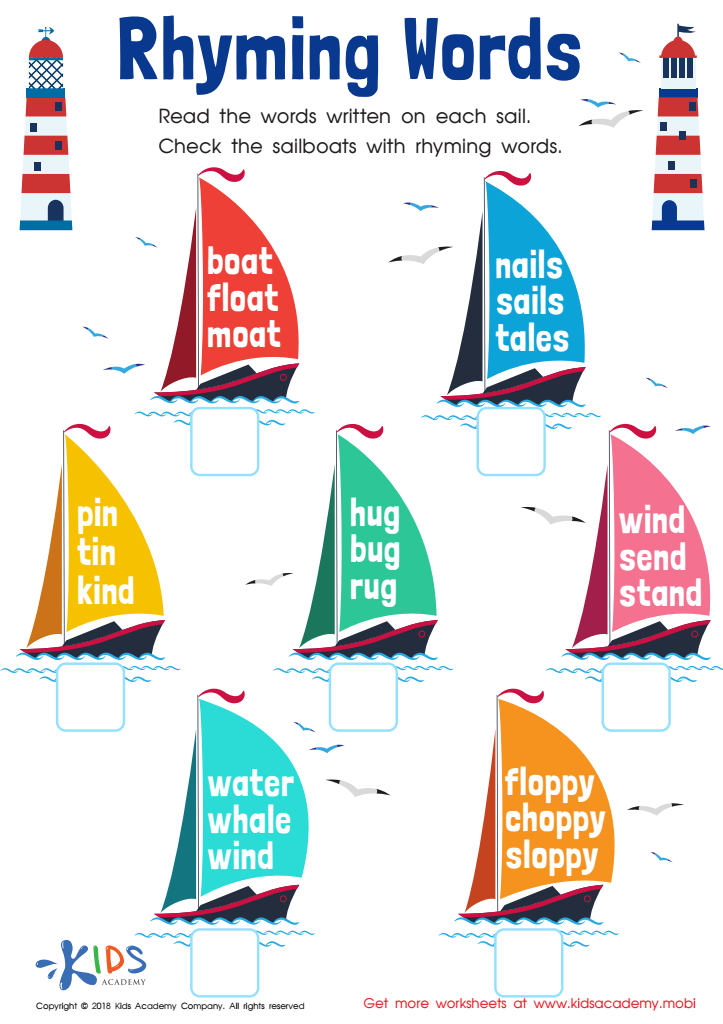
Rhyming Words Worksheet
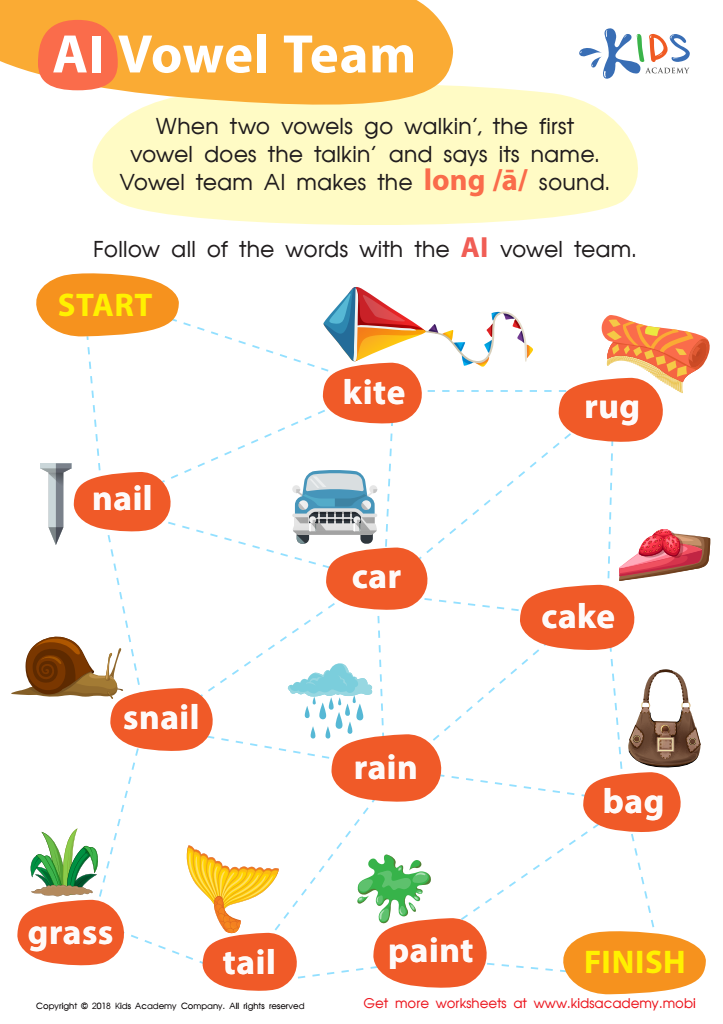
Reading: AI Vowel Team Worksheet
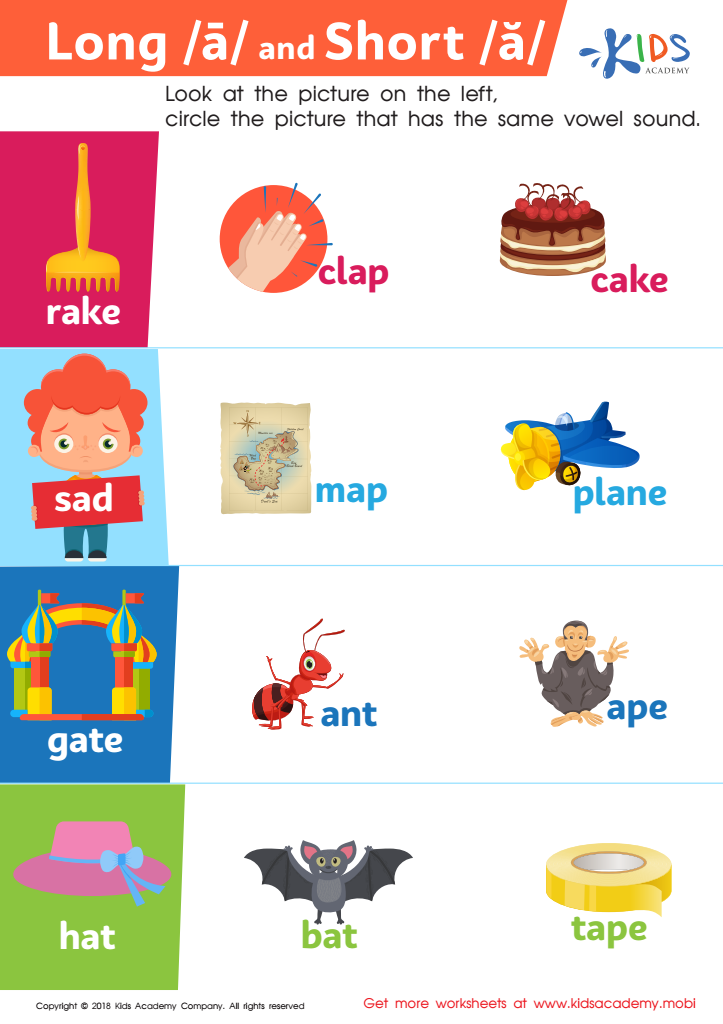
Reading: Long a and Short a Worksheet
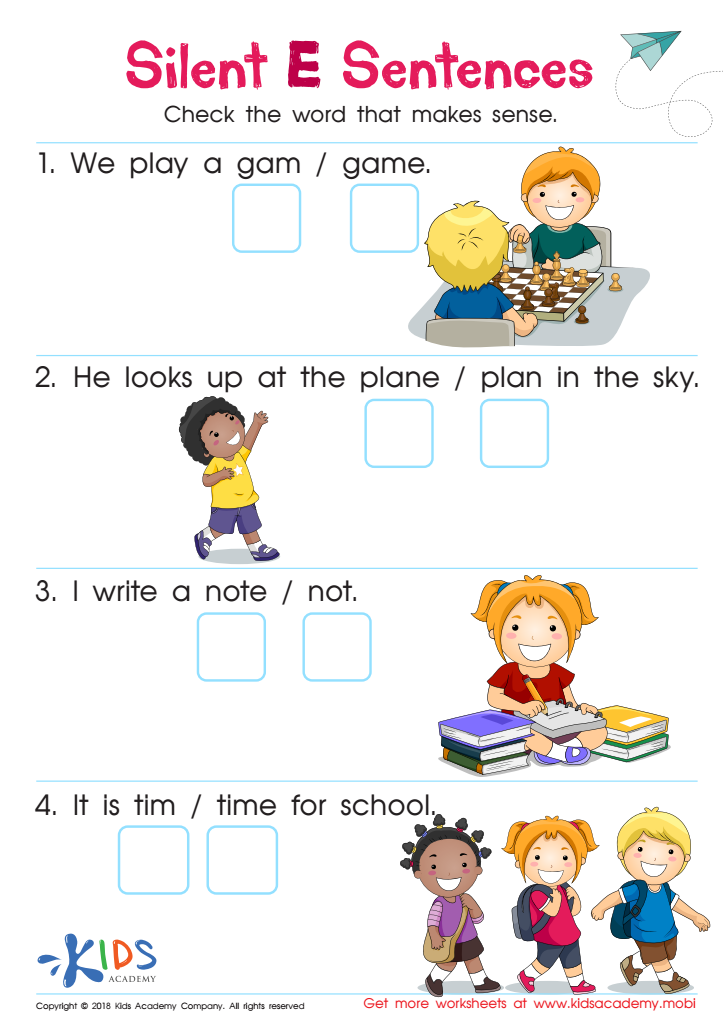
Silent E Sentences Worksheet
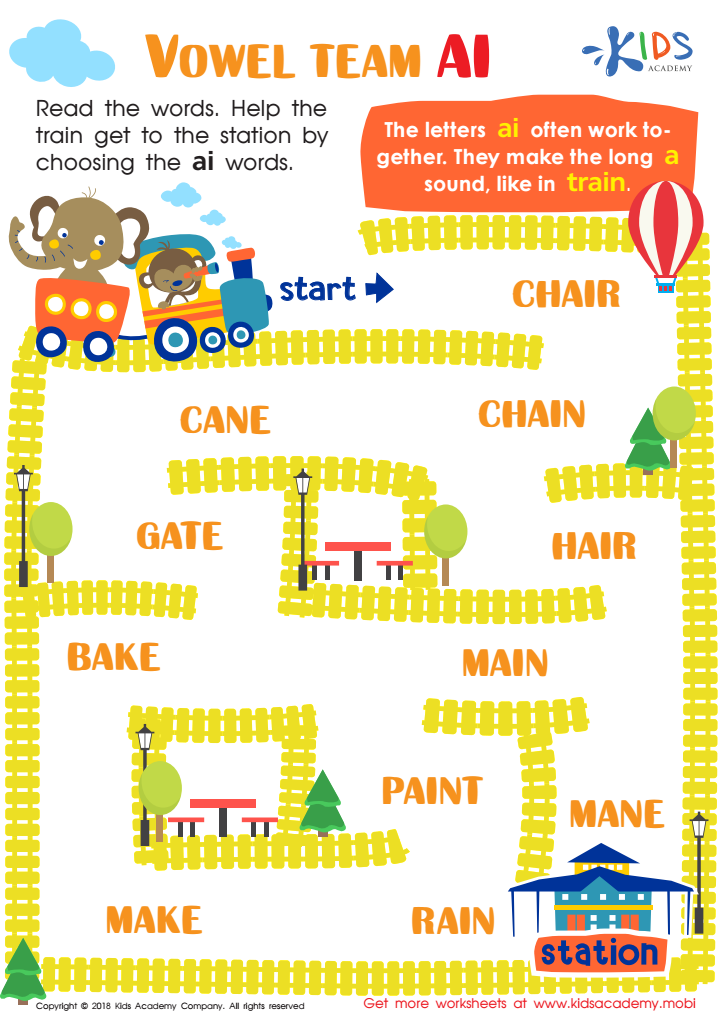
Vowel team ai Worksheet

Long and Short U Worksheet
 Assign to My Students
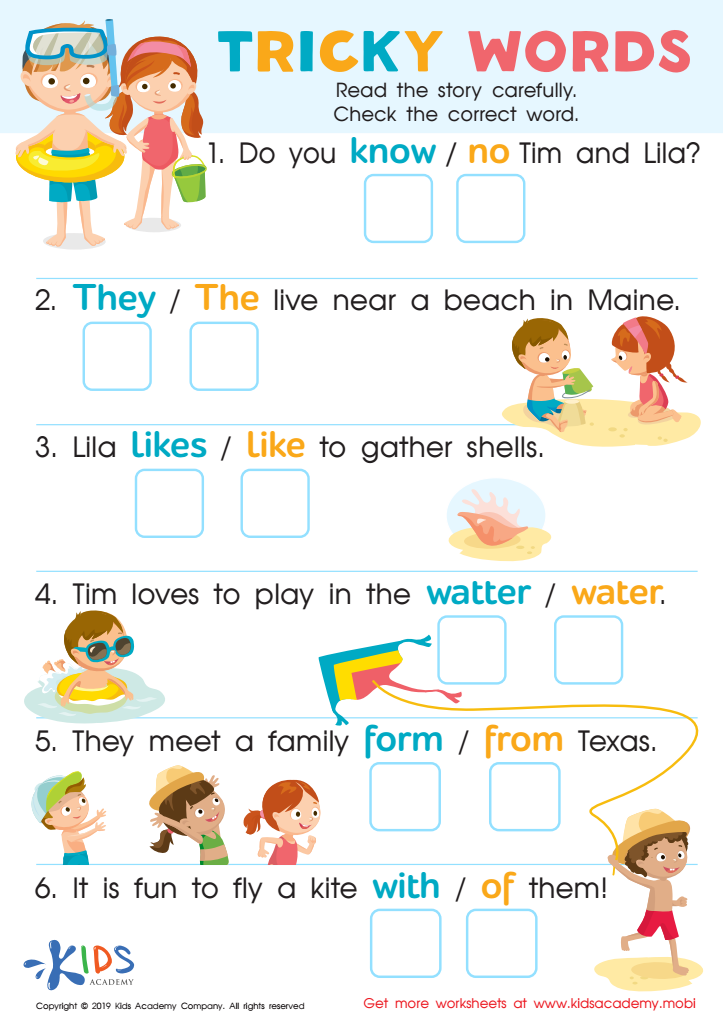
Tricky Words Worksheet
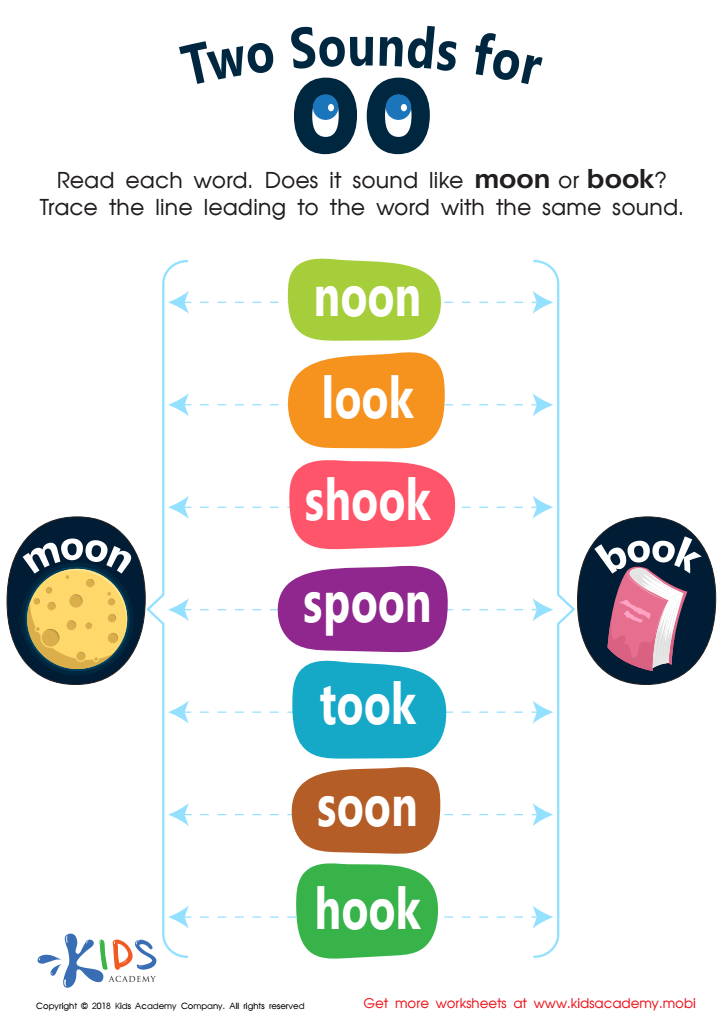
Two Sounds for OO Worksheet
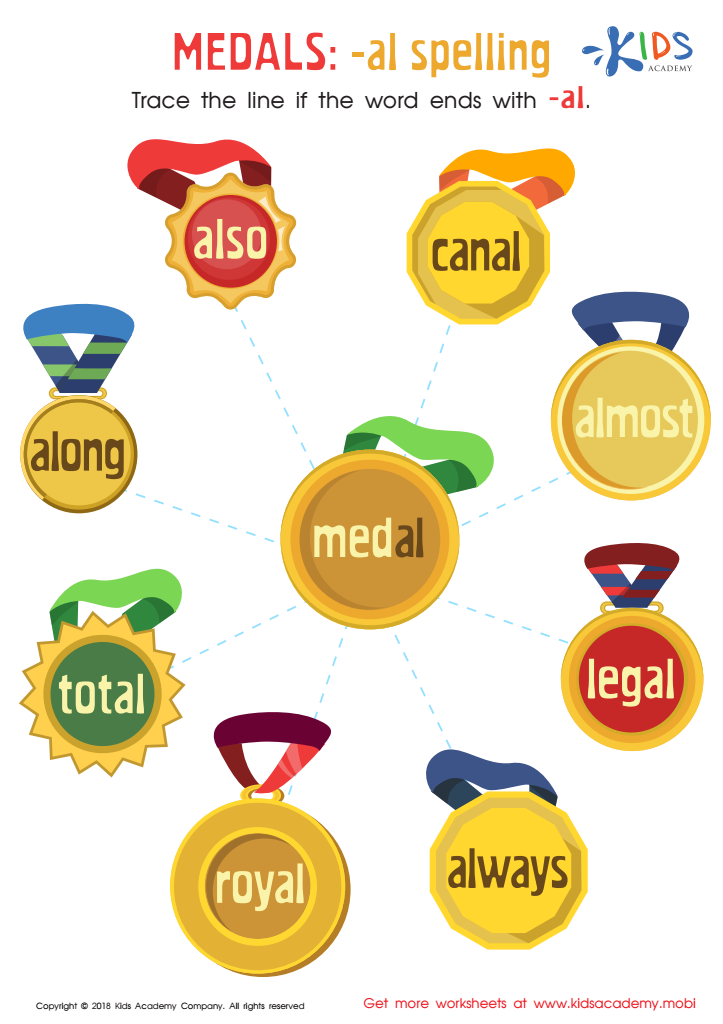
Medals: Al Spelling Worksheet
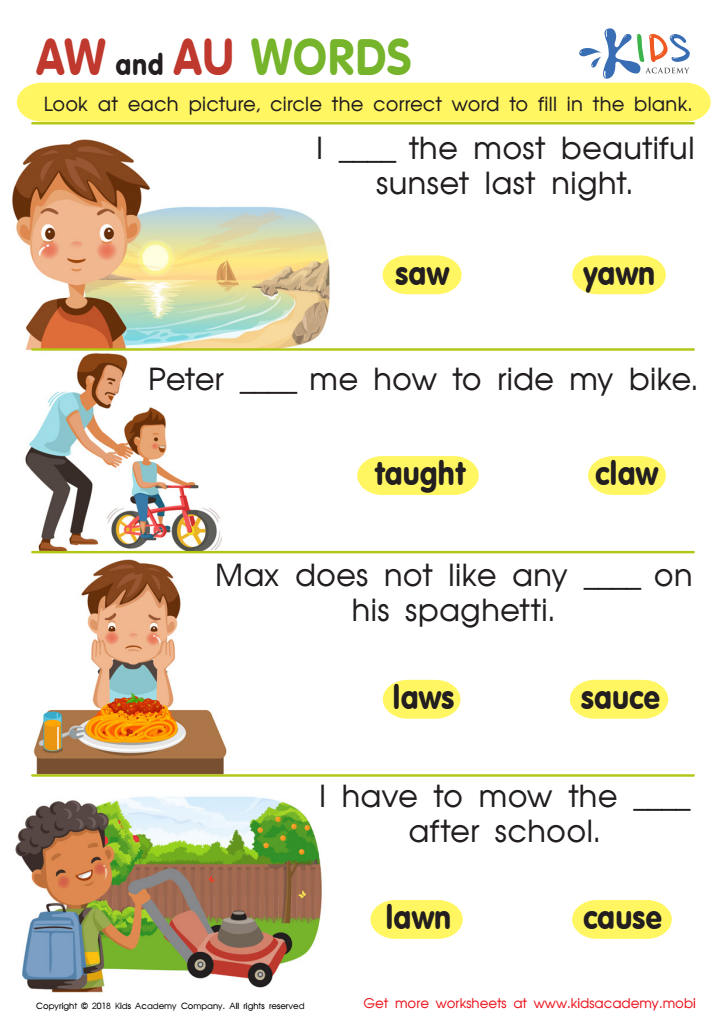
Reading: AW and AU Words Worksheet
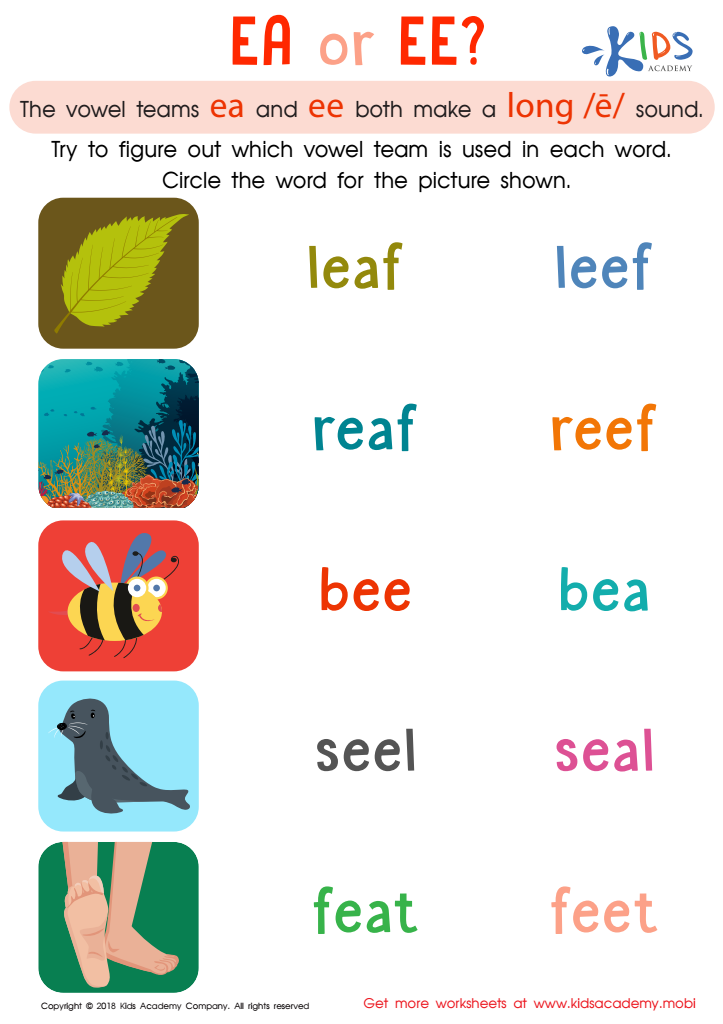
Reading: EA and EE Worksheet
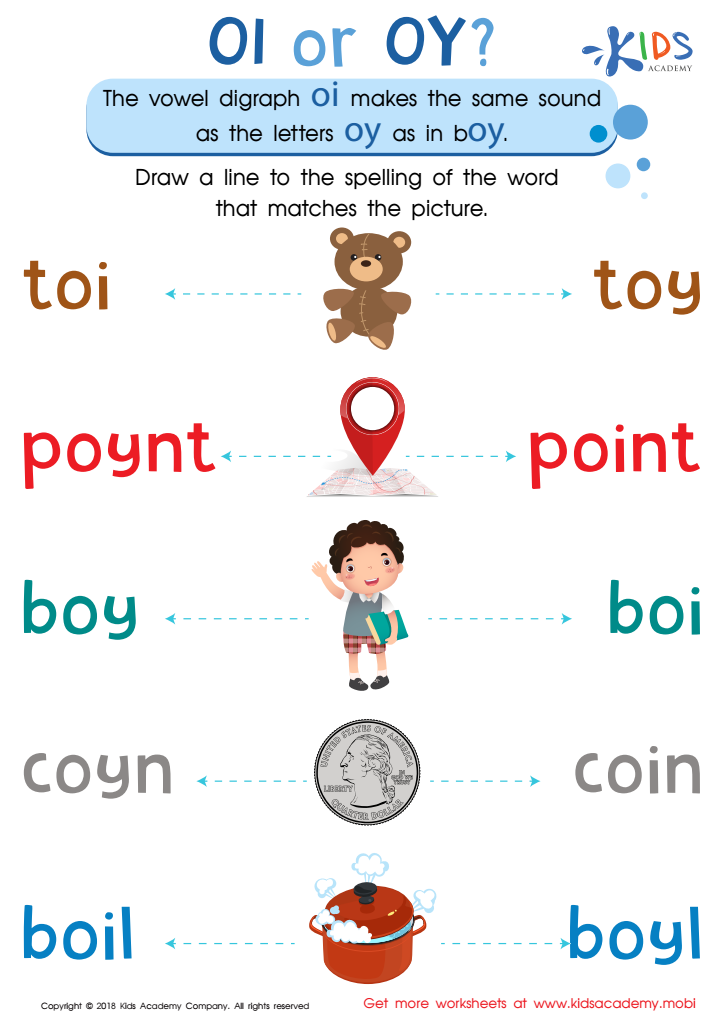
Reading: OI and OY Worksheet
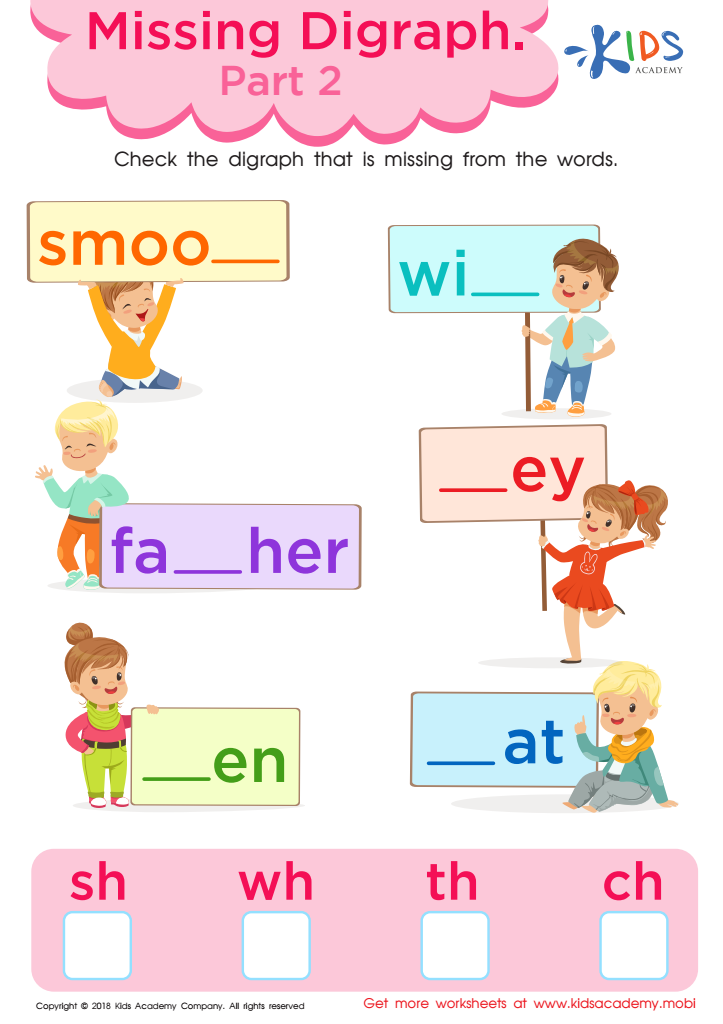
Missing Digraph: Part 2 Worksheet
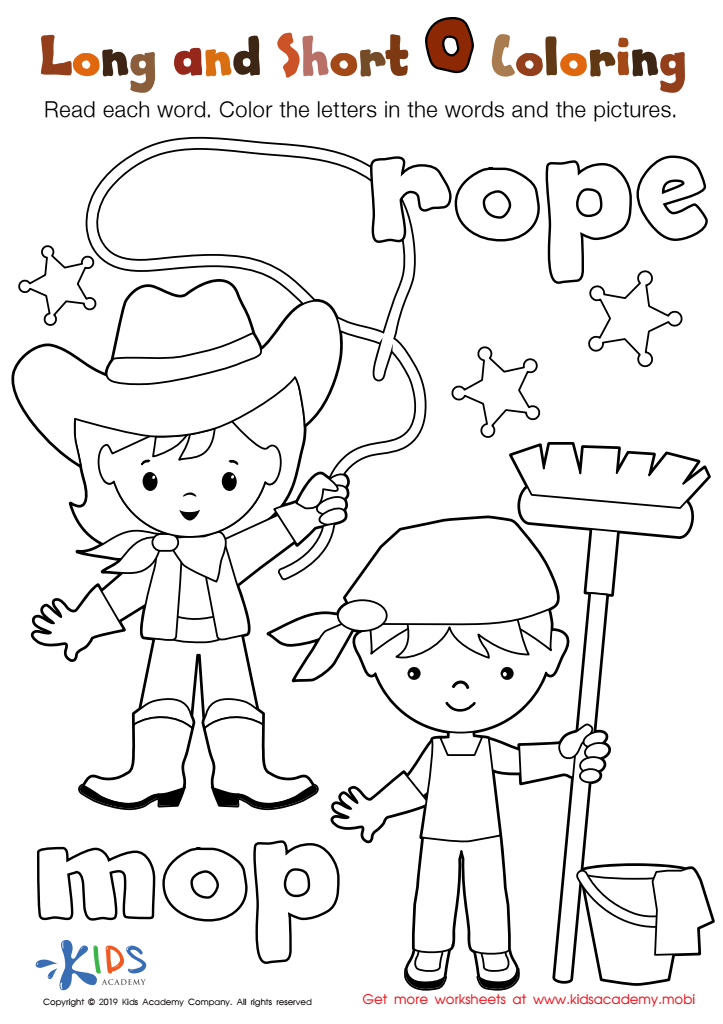
Long and Short O Worksheet
Assign to My Students







Vocabulary expansion for children aged 7-9 is essential for their academic and social development. At this stage, children are transitioning from learning to read to reading to learn, making a robust vocabulary crucial for their comprehension skills. A strong vocabulary enhances their ability to understand complex texts, express ideas clearly, and engage meaningfully in conversations.
For parents, fostering vocabulary growth supports their child’s confidence in communication, leading to better performance in school. This age is marked by curiosity and exploration; introducing new words allows children to express their thoughts and feelings, encouraging open dialogue between parents and children.
For teachers, vocabulary expansion is a critical component of effective instruction. By integrating rich, varied vocabulary into their teaching, educators can establish strong connections between words and concepts. This not only aids in reading comprehension but also prepares students for future academic challenges.
Additionally, a strong vocabulary promotes critical thinking skills. Children learn to categorize, analyze, and synthesize information, which serves them well in higher education and in their future careers. Ultimately, a robust vocabulary equips children with essential tools for lifelong learning and successful communication, highlighting the need for proactive efforts in vocabulary building at this formative age.







