Problem-Solving Skills Normal Math Worksheets for Ages 7-9 - Page 2
60 filtered results
-
From - To
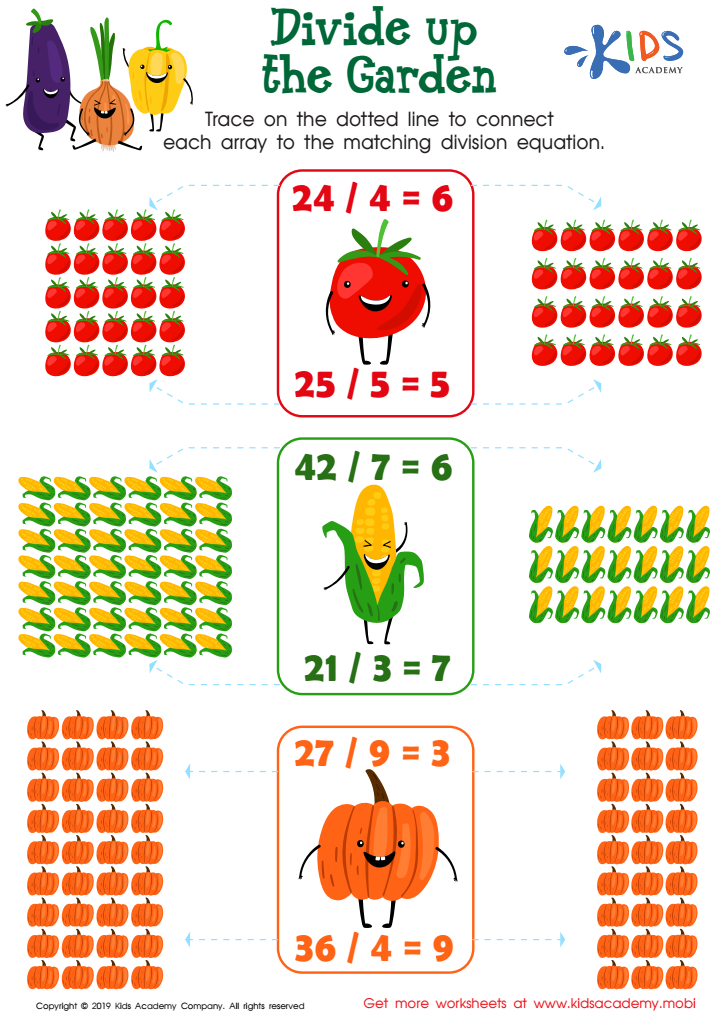
Divide up the Garden Worksheet
 Assign to My Students
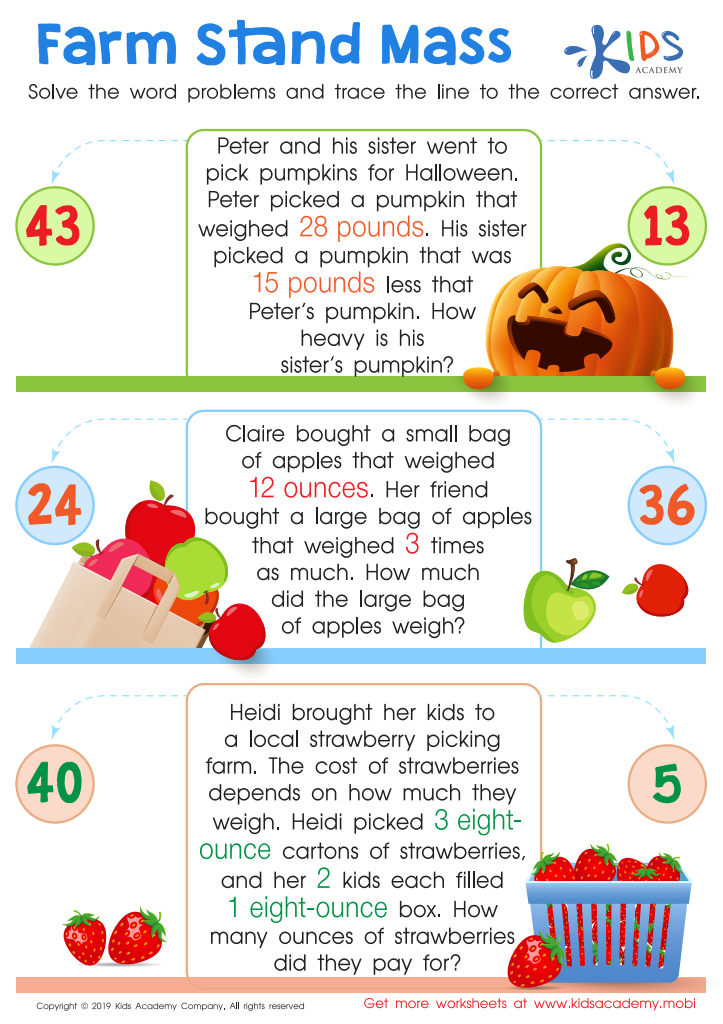
Farm Stand Mass Worksheet
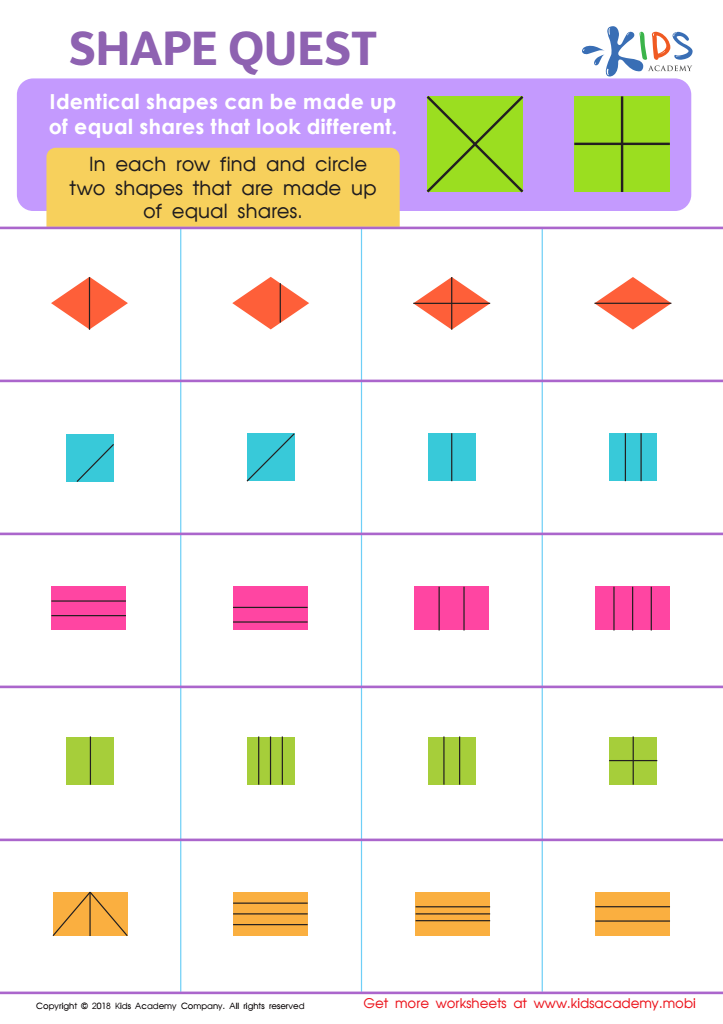
Shape Quest Worksheet
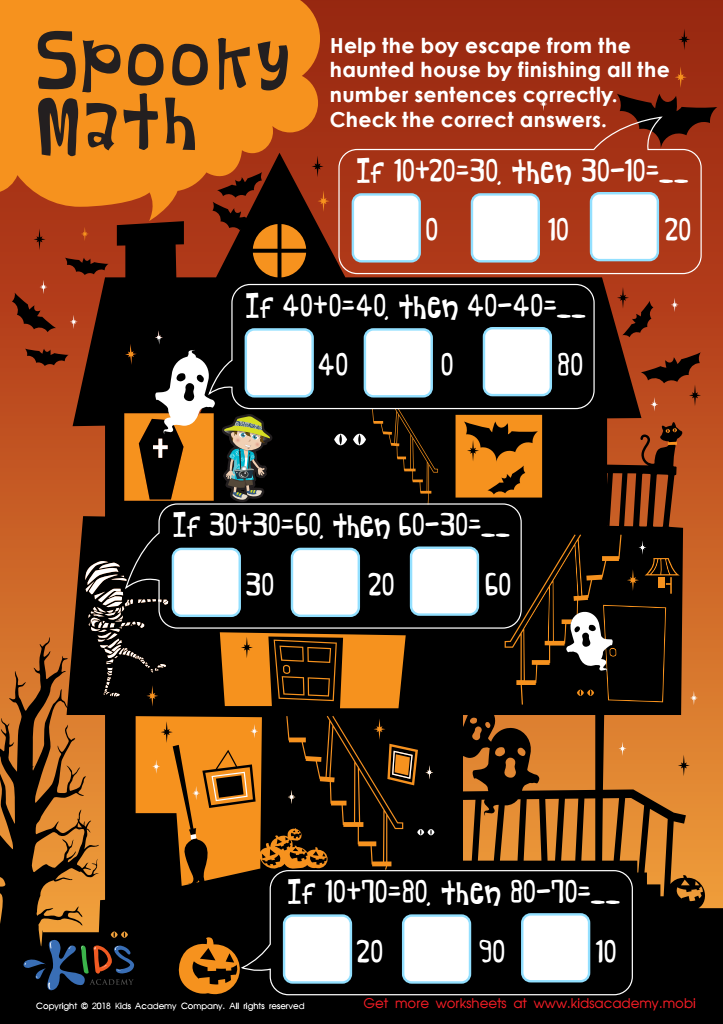
Subtract Tens: Spooky Math Worksheet
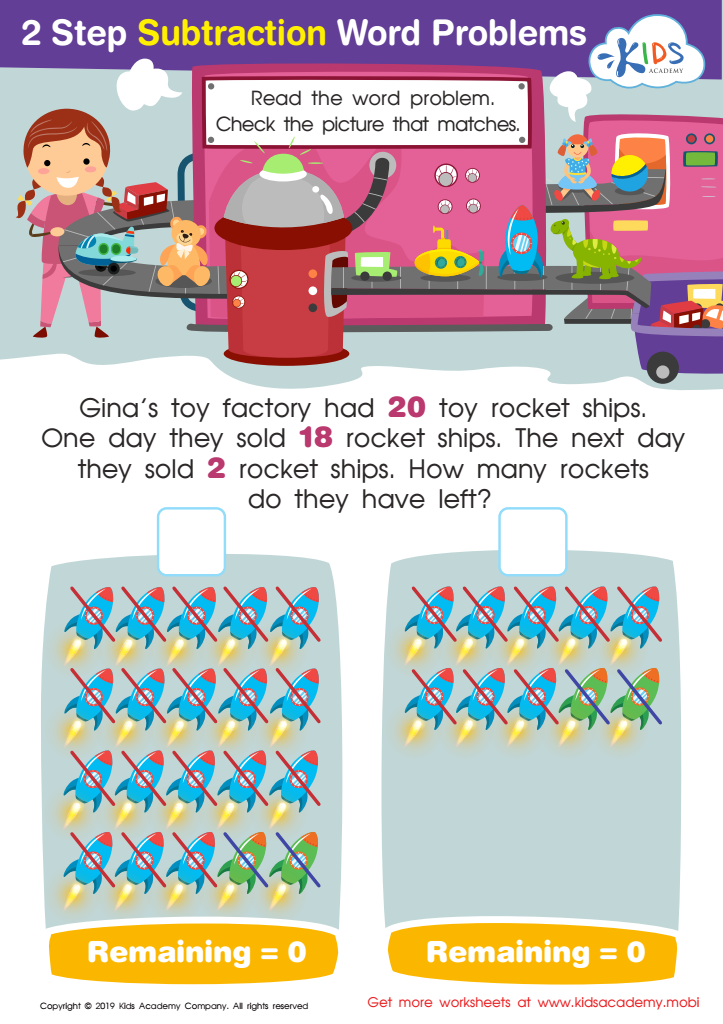
Step Subtraction Word Problems Worksheet
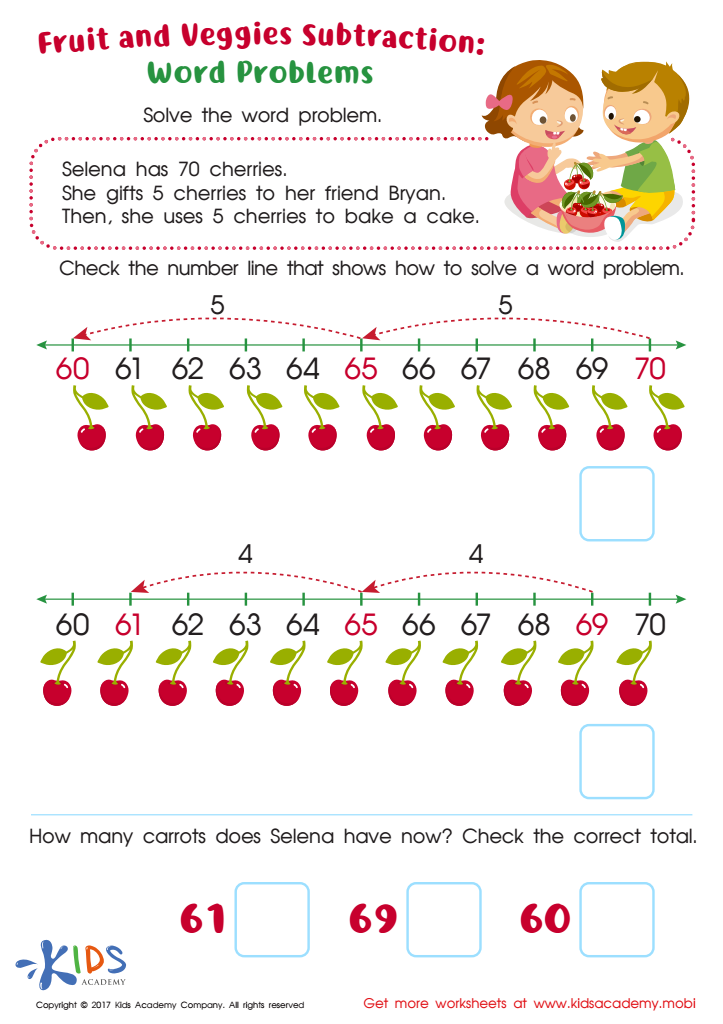
Subtraction Word Problems Free Printable

Equal Fractions Maze Worksheet
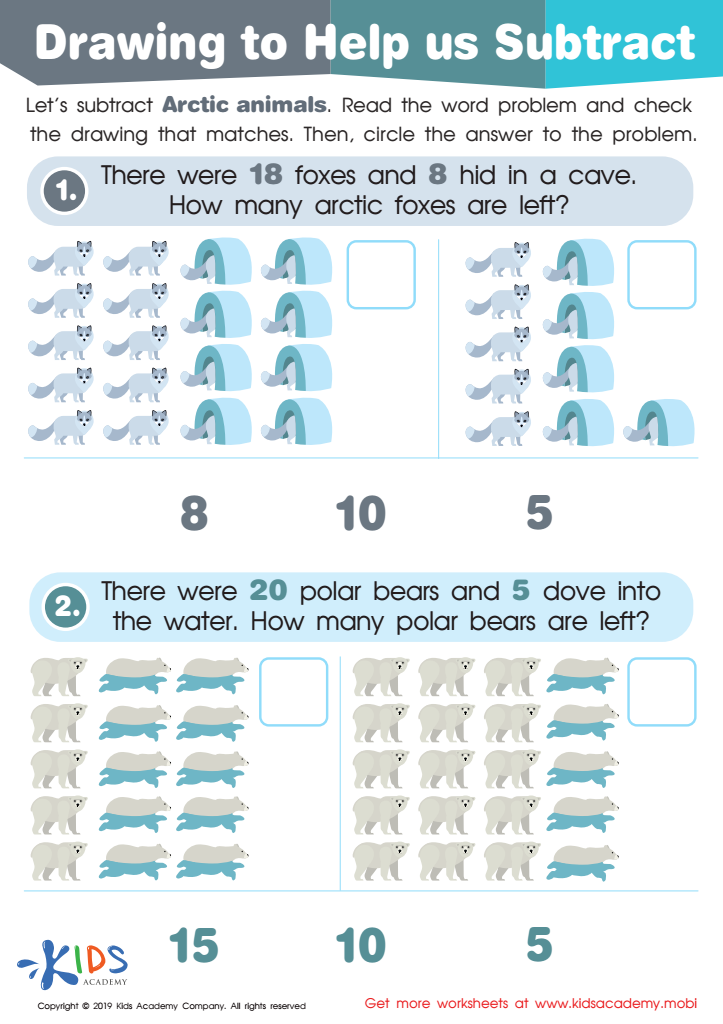
Drawing to Help Us Subtract Worksheet
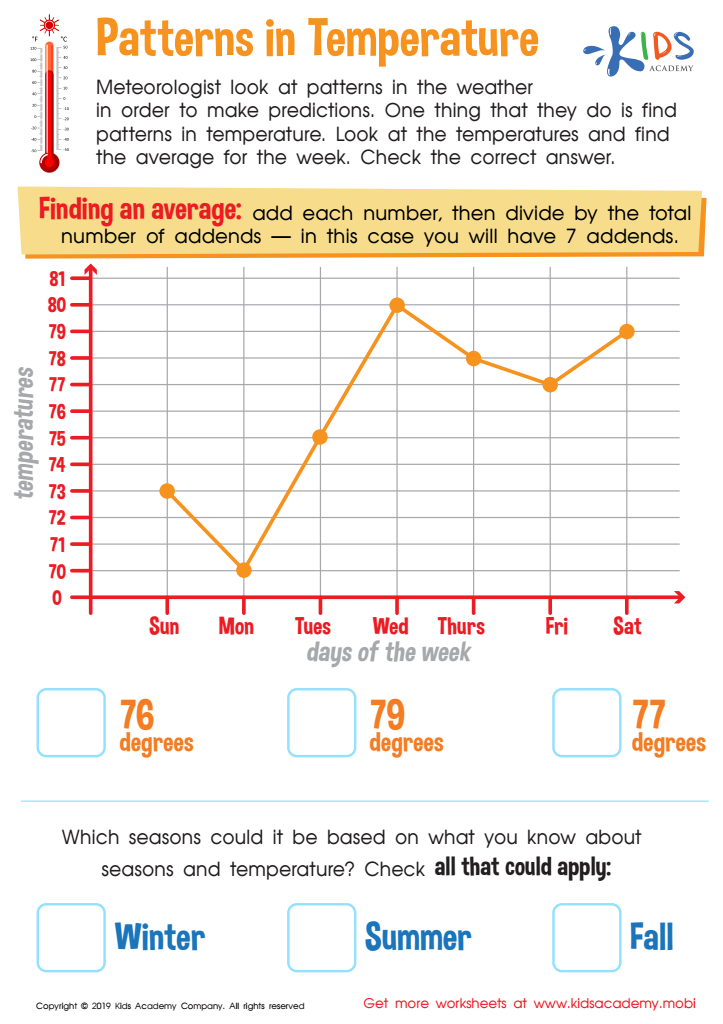
Patterns in Temperature Worksheet
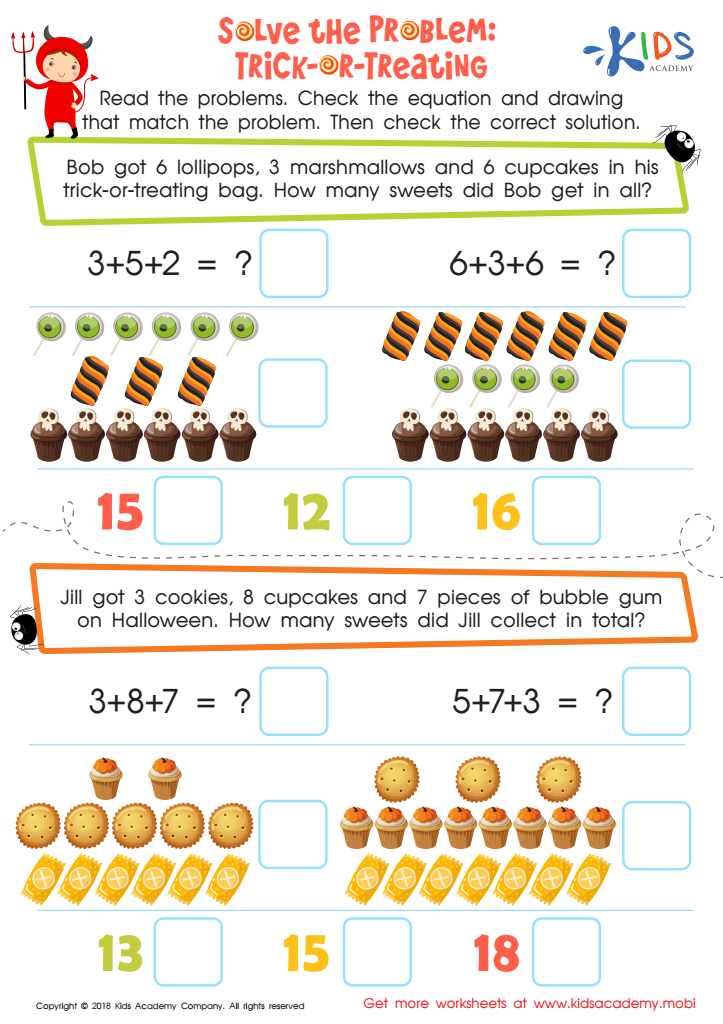
Solve the Problem: Trick–or–treating Worksheet
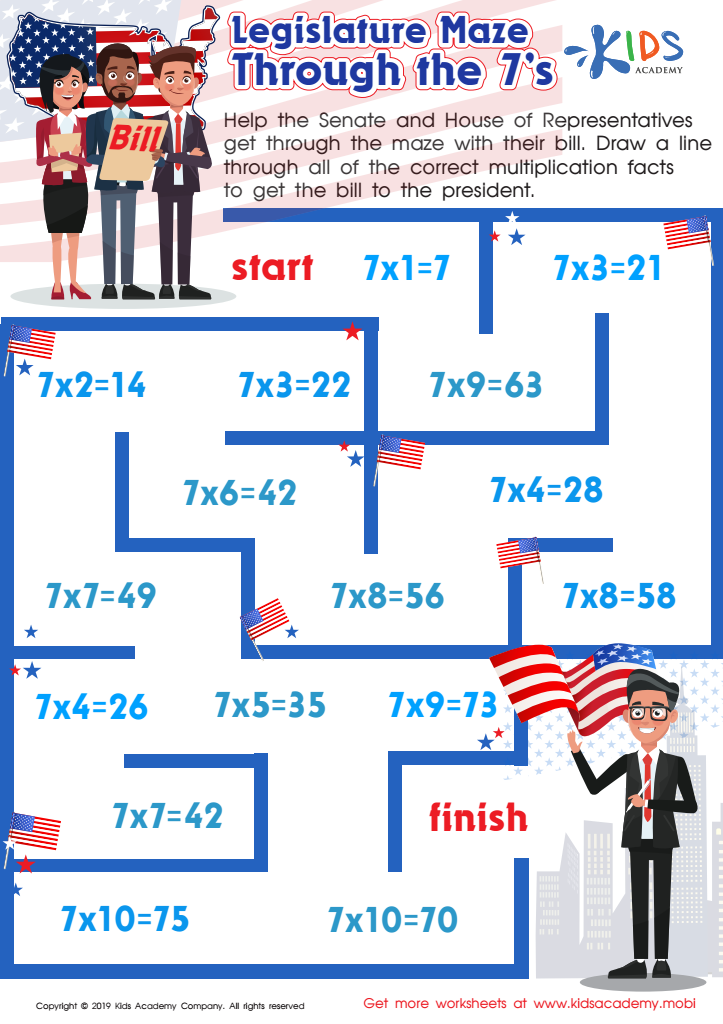
Legislature Maze Through the 7’s Worksheet
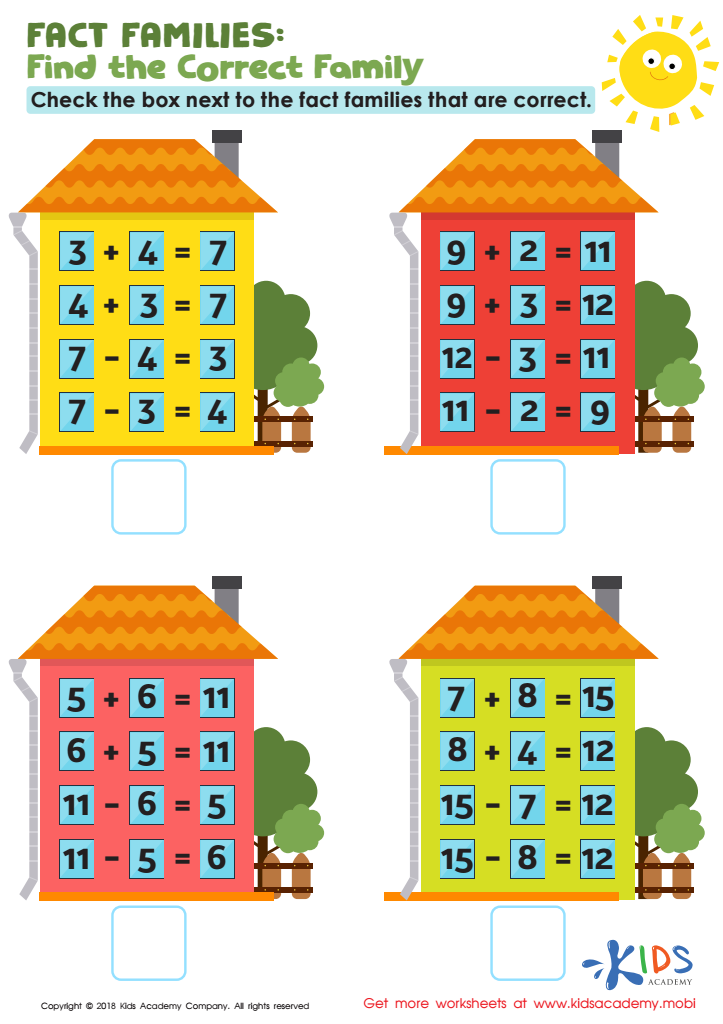
Fact Families: Find Correct Family Worksheet
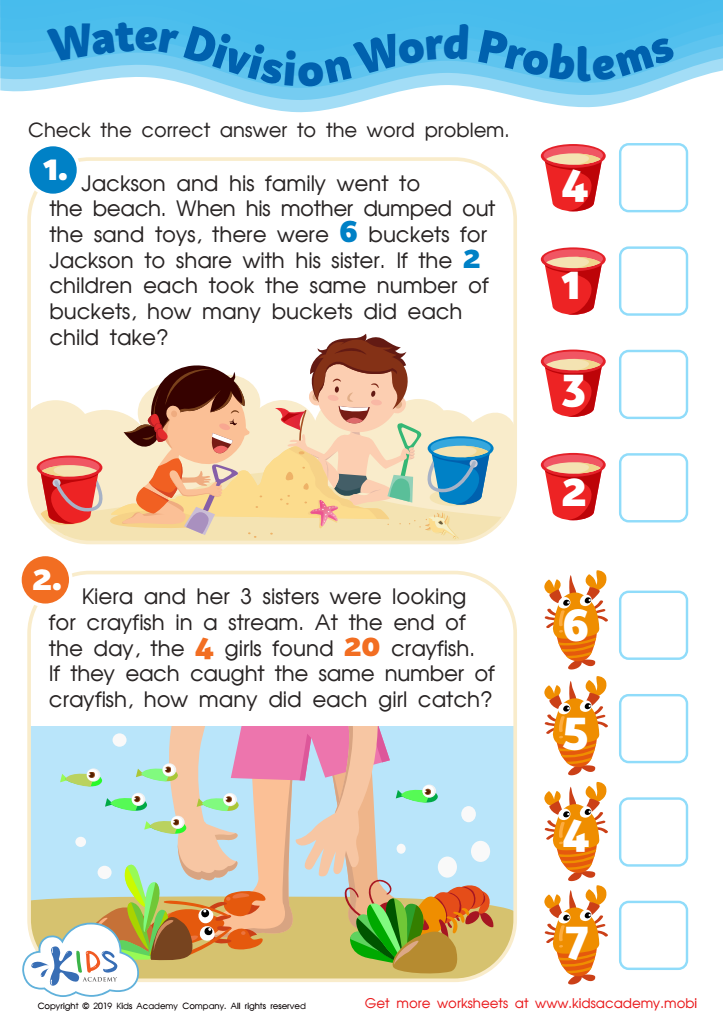
Water Division Word Problems Worksheet
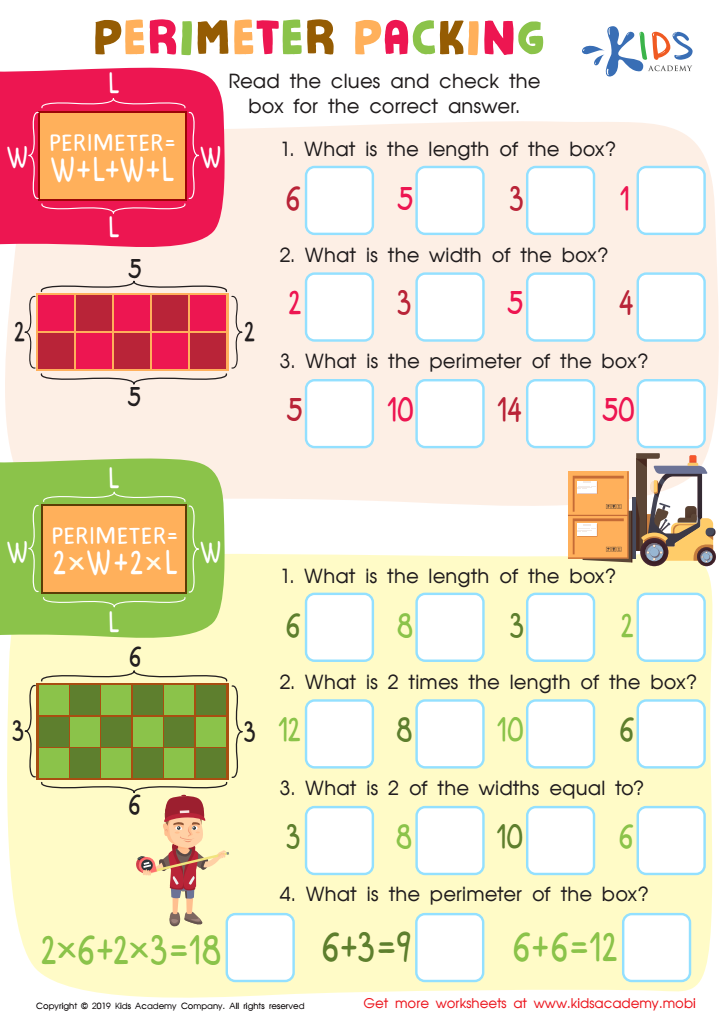
Perimeter Parking Worksheet

Logic Game Sorting Worksheet
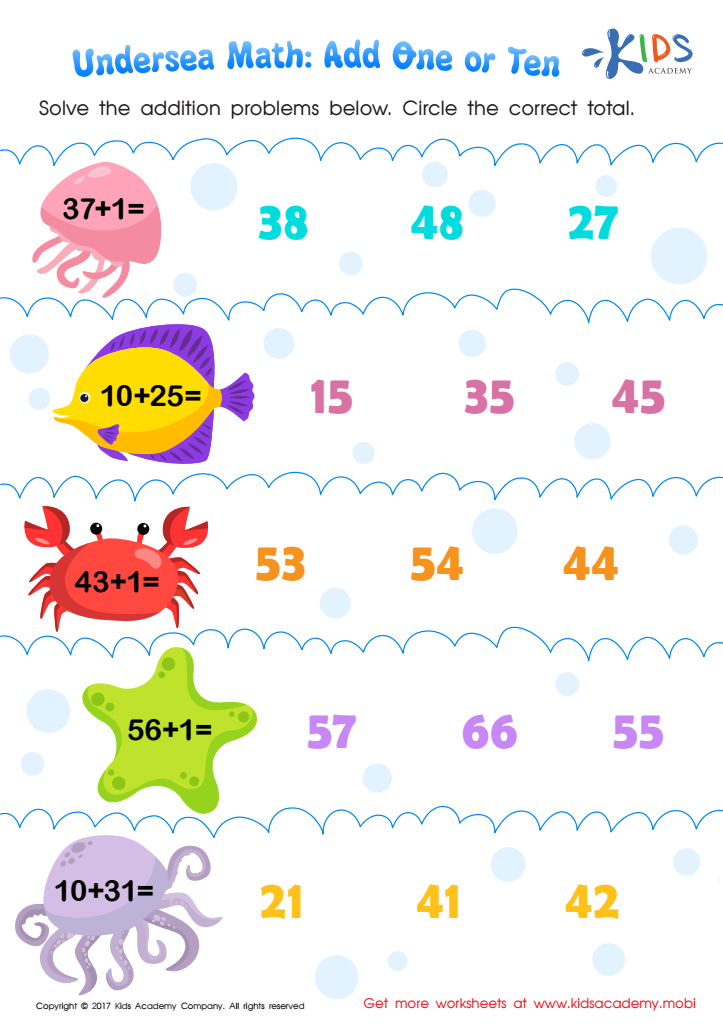
Undersea Math Worksheet
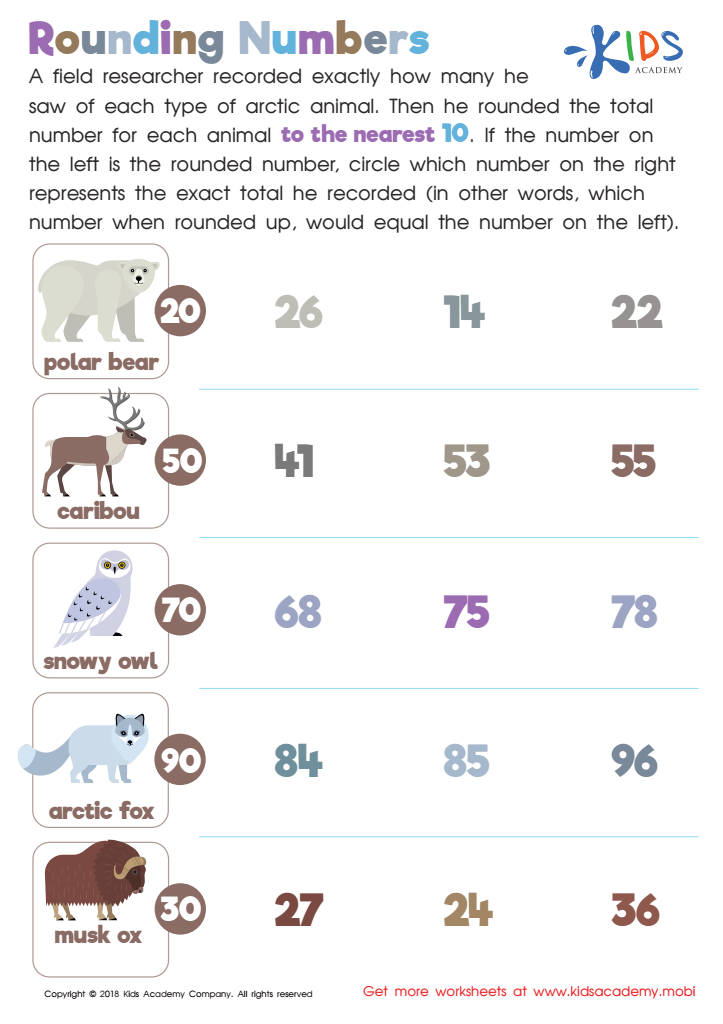
Rounding Numbers Worksheet
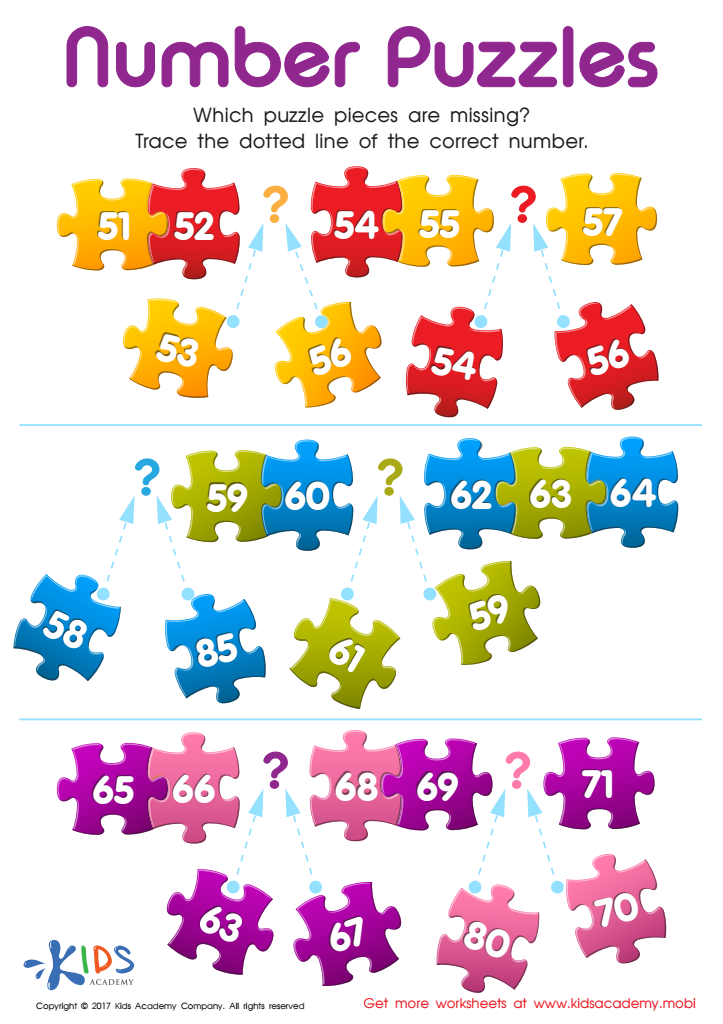
Number Puzzles Worksheet
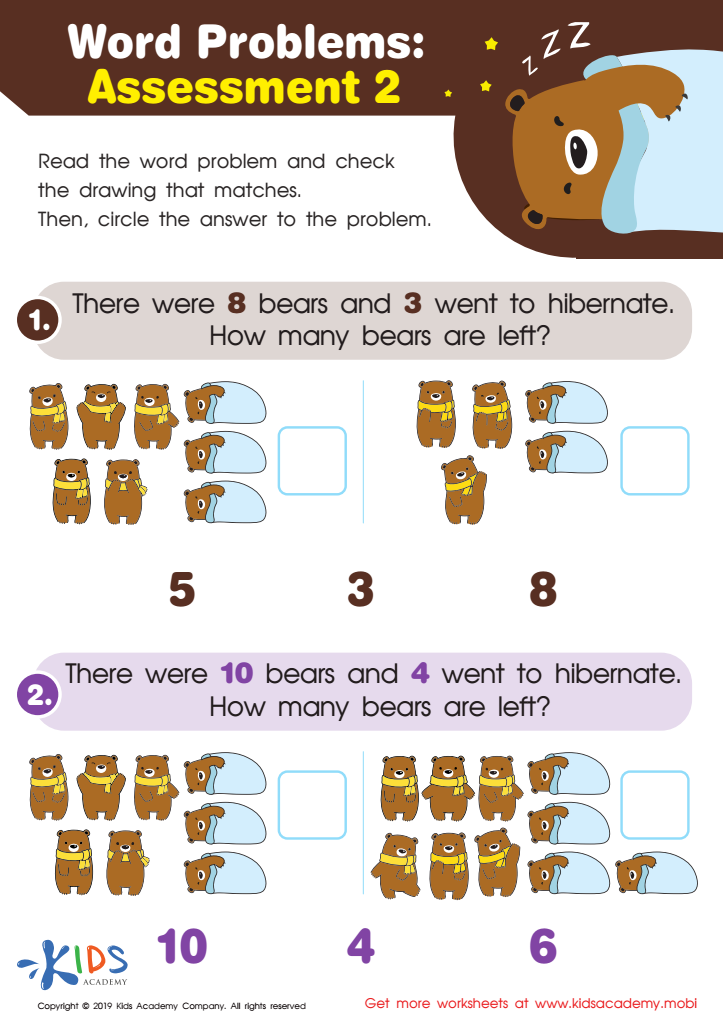
Word Problems: Assessment 2 Worksheet
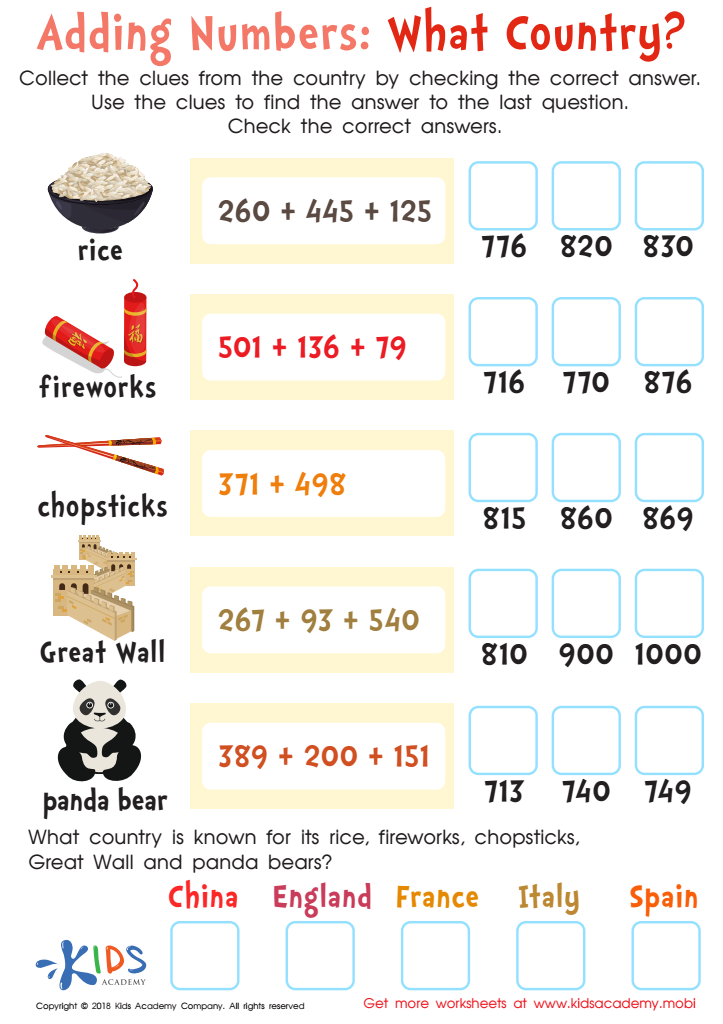
Adding Numbers: What Country Worksheet
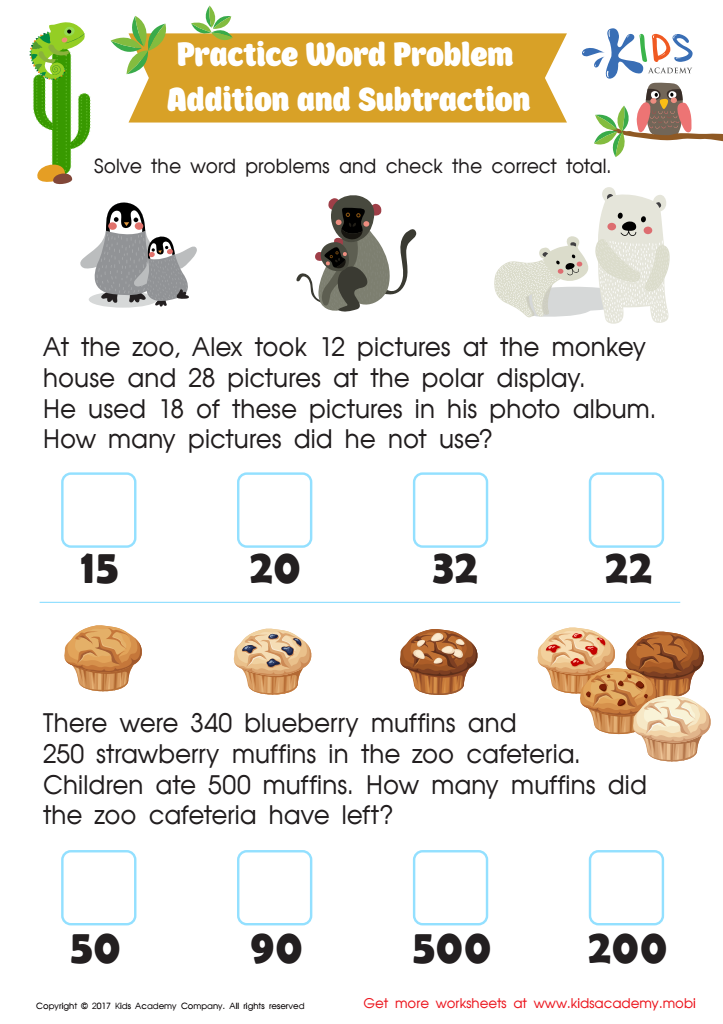
Addition and Subtraction: Word Problems Worksheet

Vegetable Gardens Worksheet
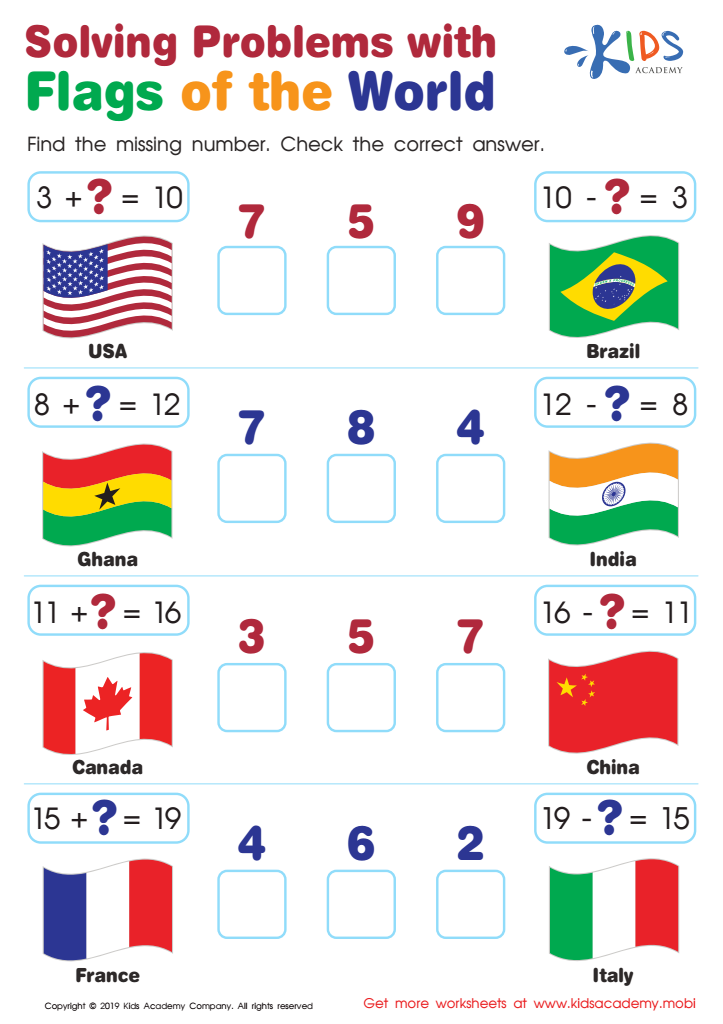
Solving Problems with Flags of the World Worksheet
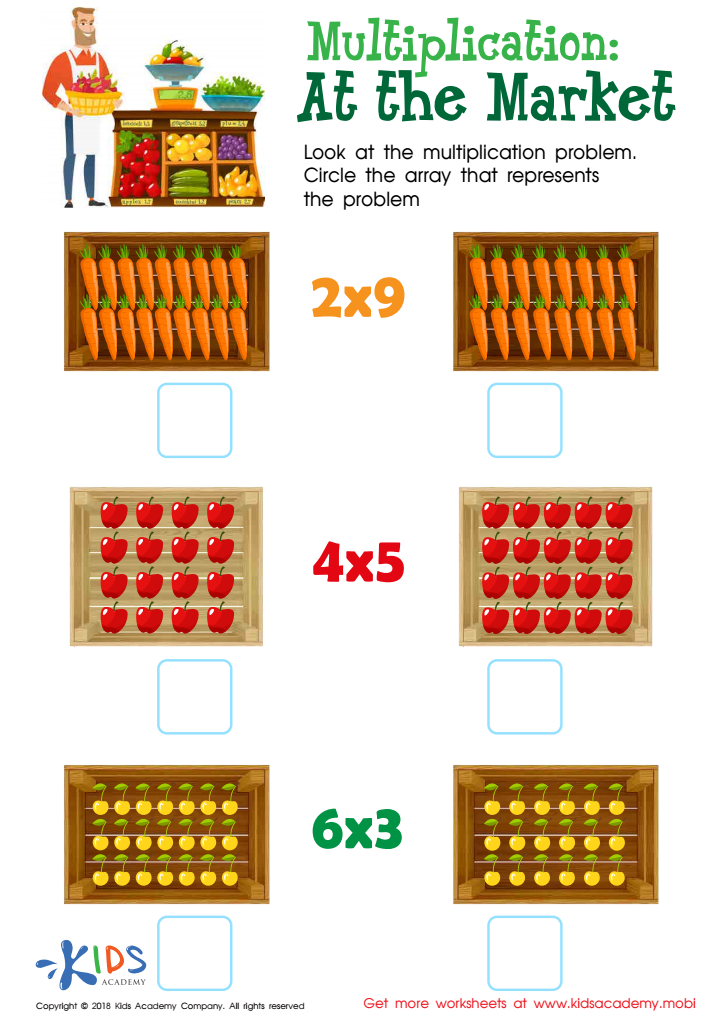
At the Market Worksheet


.jpg)





Parents and teachers should care about teaching problem-solving skills in mathematics to children aged 7-9 because these skills form the foundation for future academic success and daily life. At this developmental stage, children begin to transition from concrete thinking to more abstract thought processes. Introducing problem-solving strategies in math cultivates critical thinking, encourages a growth mindset, and enhances resilience as they tackle complex tasks.
Developing these skills helps students approach challenges methodically, breaking down problems into manageable steps. This not only improves their mathematical abilities but also fosters creativity, as they learn to explore multiple solutions for a given problem. Moreover, strong problem-solving skills are integral for subjects beyond math, enhancing analytical reasoning and decision-making in science, social studies, and literacy.
Furthermore, engaging in effective problem-solving activities boosts children's confidence and self-esteem. When children experience success in overcoming mathematical challenges, they are more likely to take on new tasks with a positive attitude. For parents and teachers, focusing on these essential skills ensures that students are well-prepared for future educational demands and everyday situations, laying a groundwork for lifelong learning and adaptability in an ever-changing world.








