Normal Multiplication Worksheets for Ages 7-9 - Page 2
46 filtered results
-
From - To
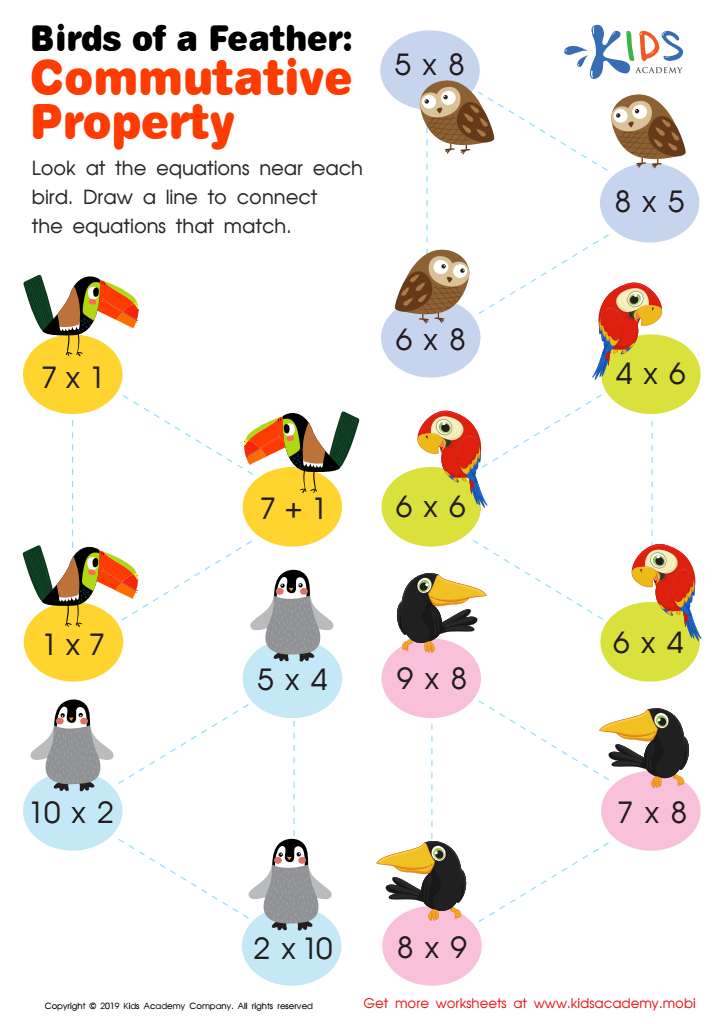
Birds of a Feather: Commutative Property Worksheet
 Assign to My Students
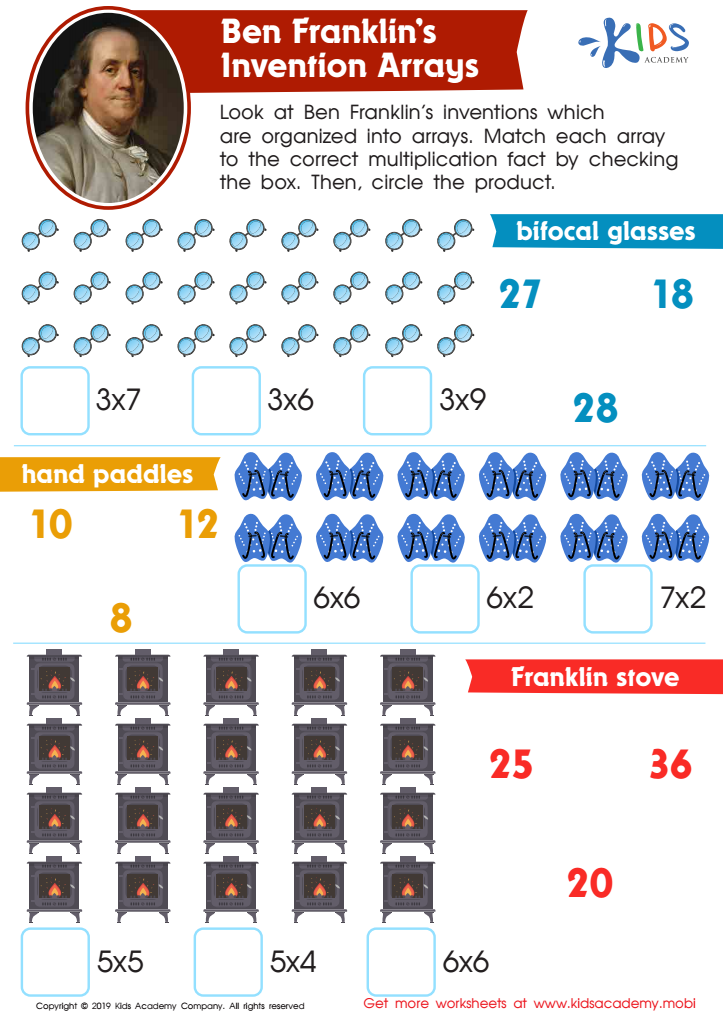
Ben Franklin’s Invention Arrays Worksheet
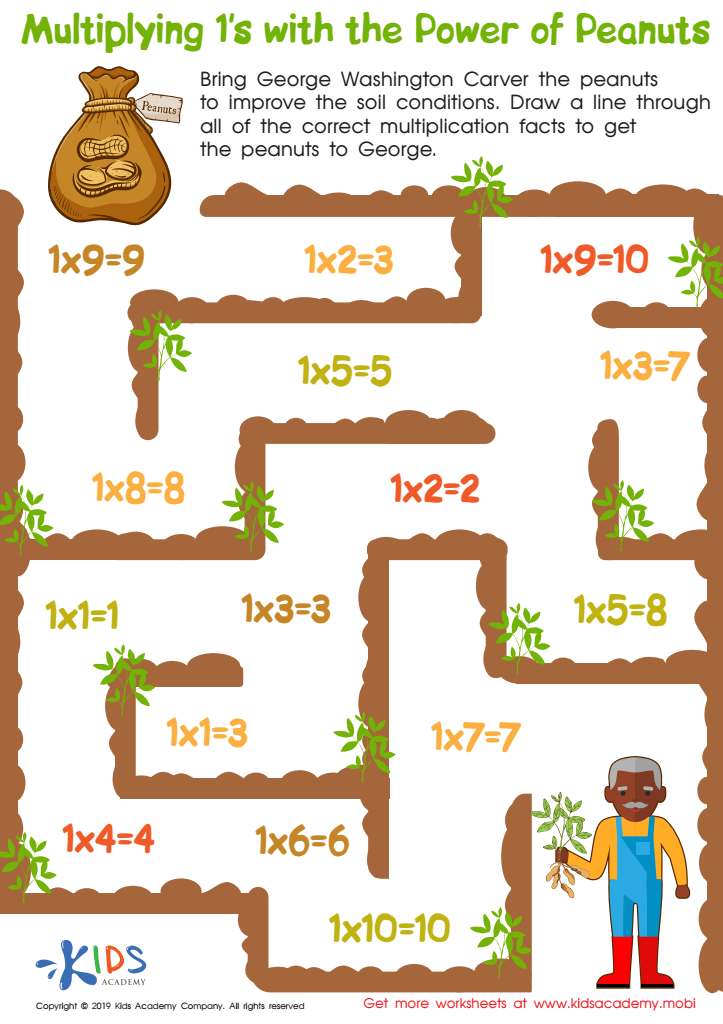
Multiplying 1’s With the Power of Peanuts Worksheet
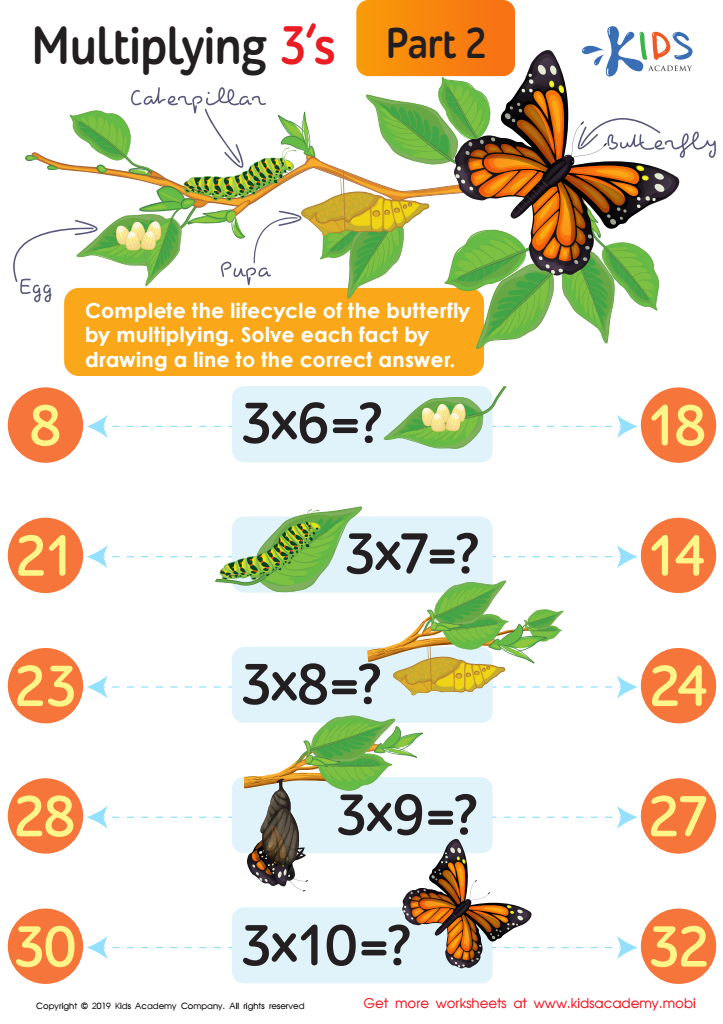
Multiplying 3s Part 2 Worksheet
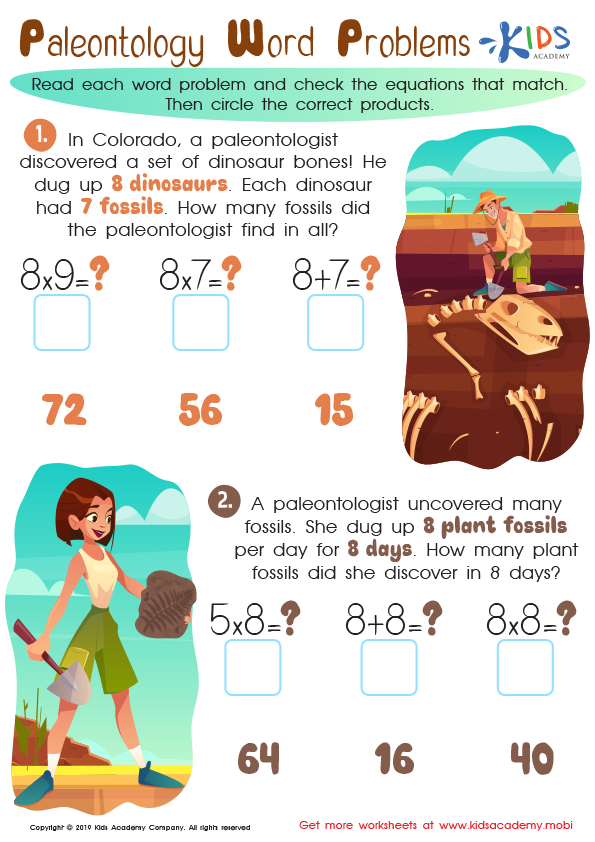
Archeology Word Problems Worksheet
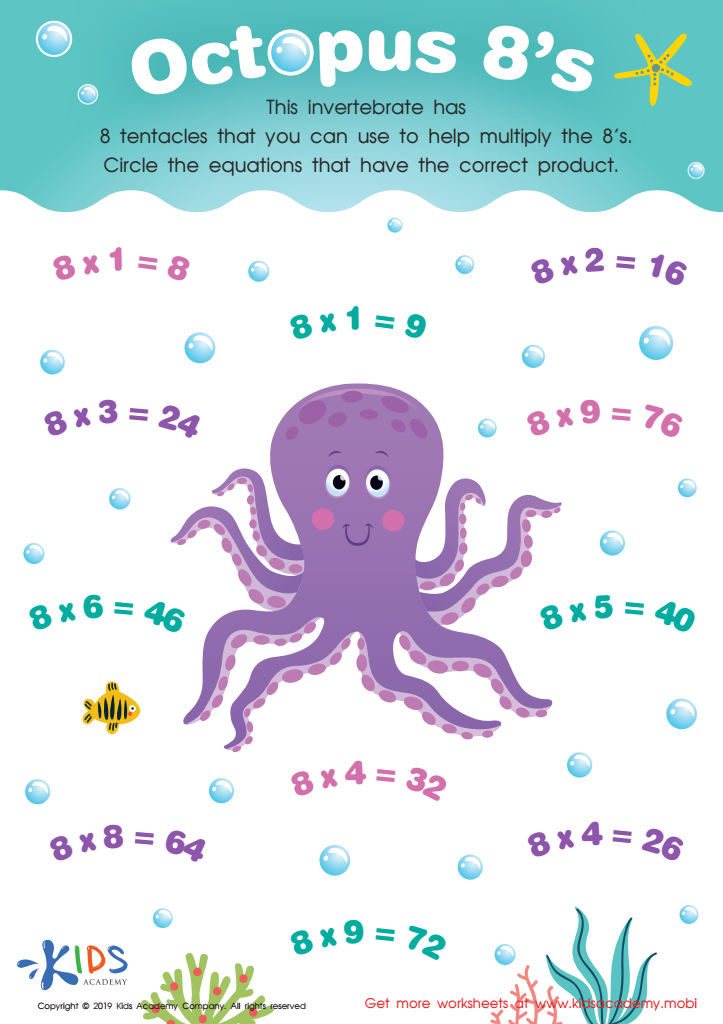
Octopus 8’s Worksheet
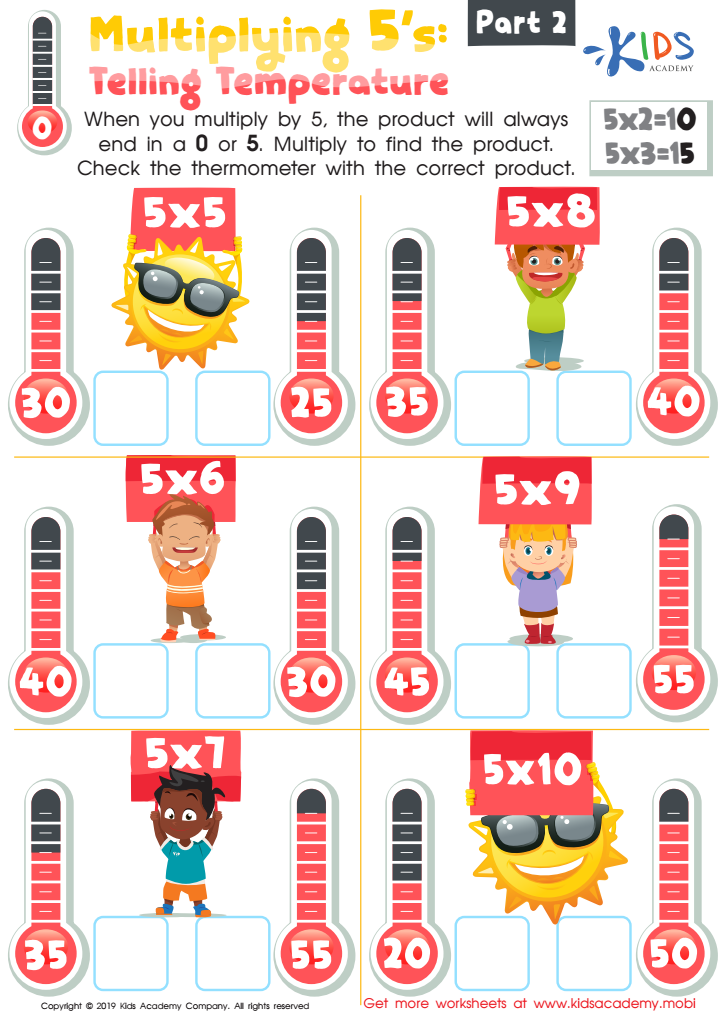
Multiplying 5’s: Telling Temperature Part 2 Worksheet
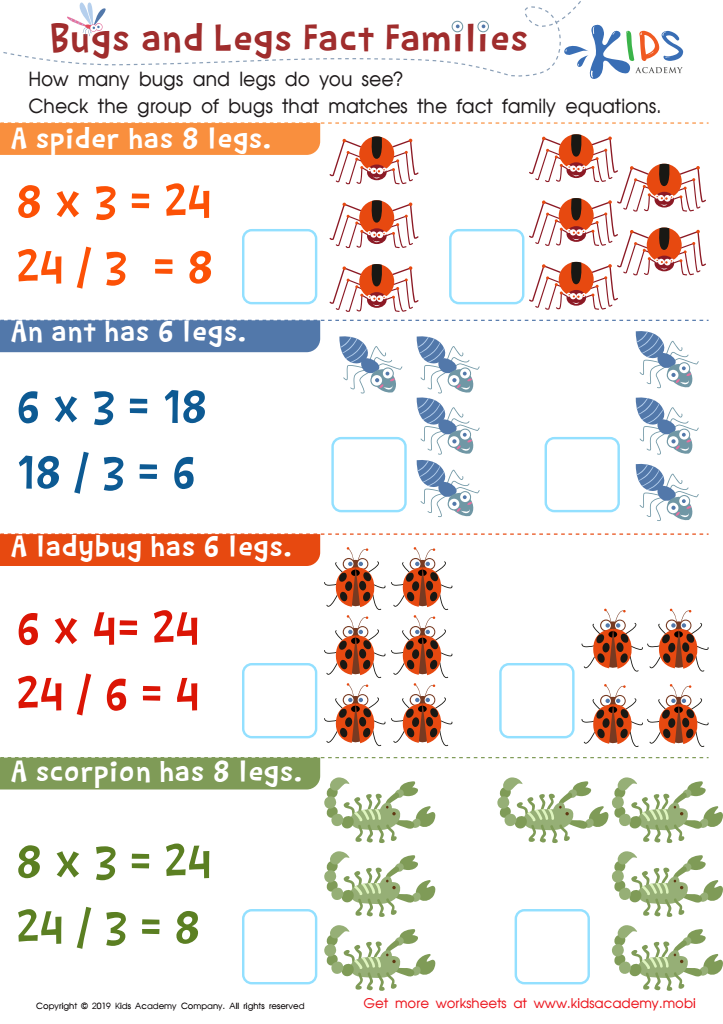
Bugs and Legs Fact Families Worksheet
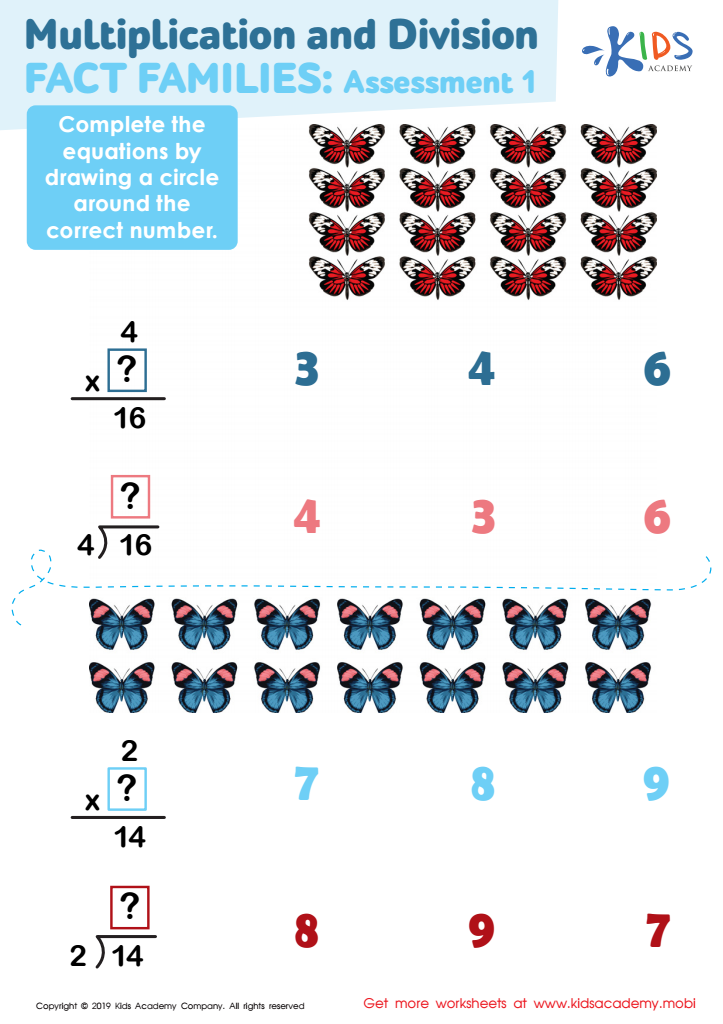
Multiplication and Division Fact Families Assessment 1 Worksheet
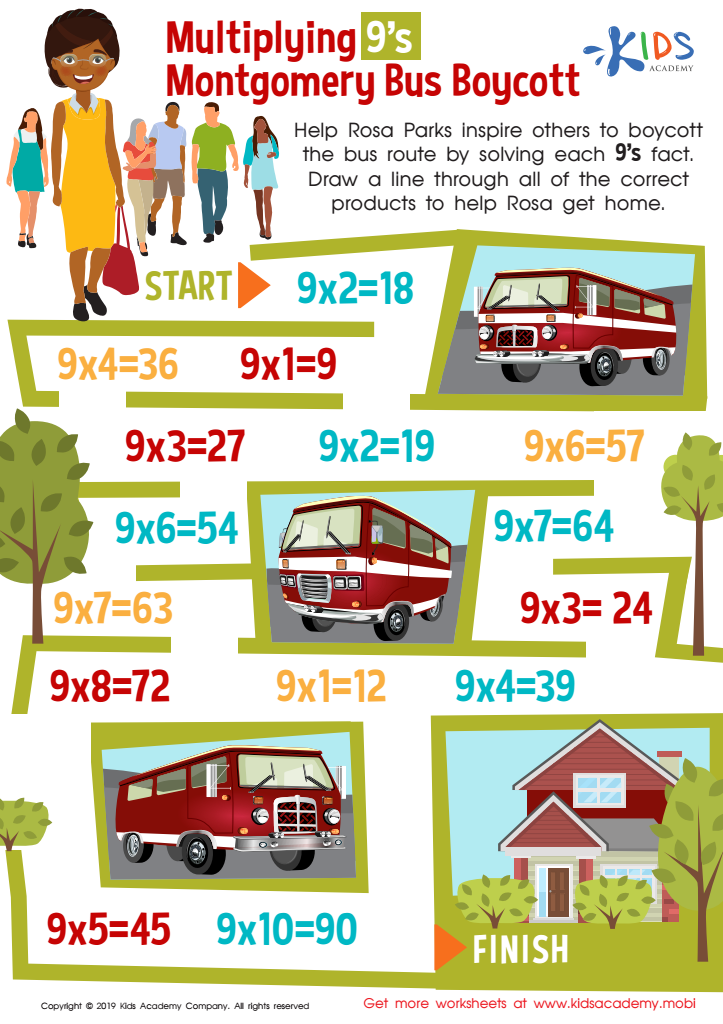
Multiplying 9’s Montgomery Bus Boycott Worksheet
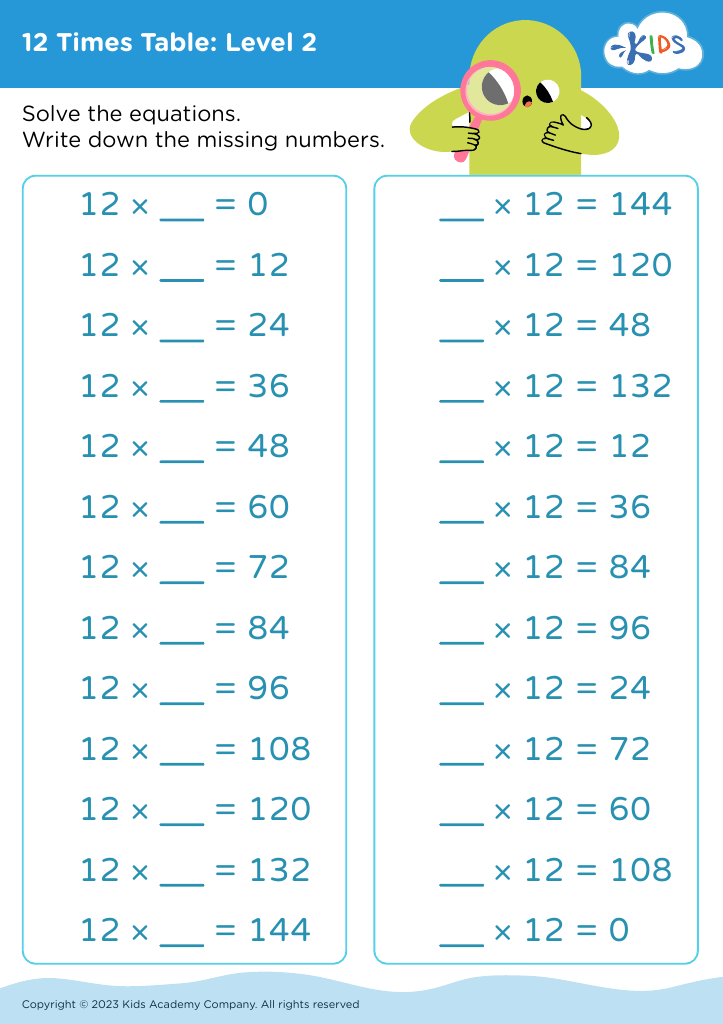
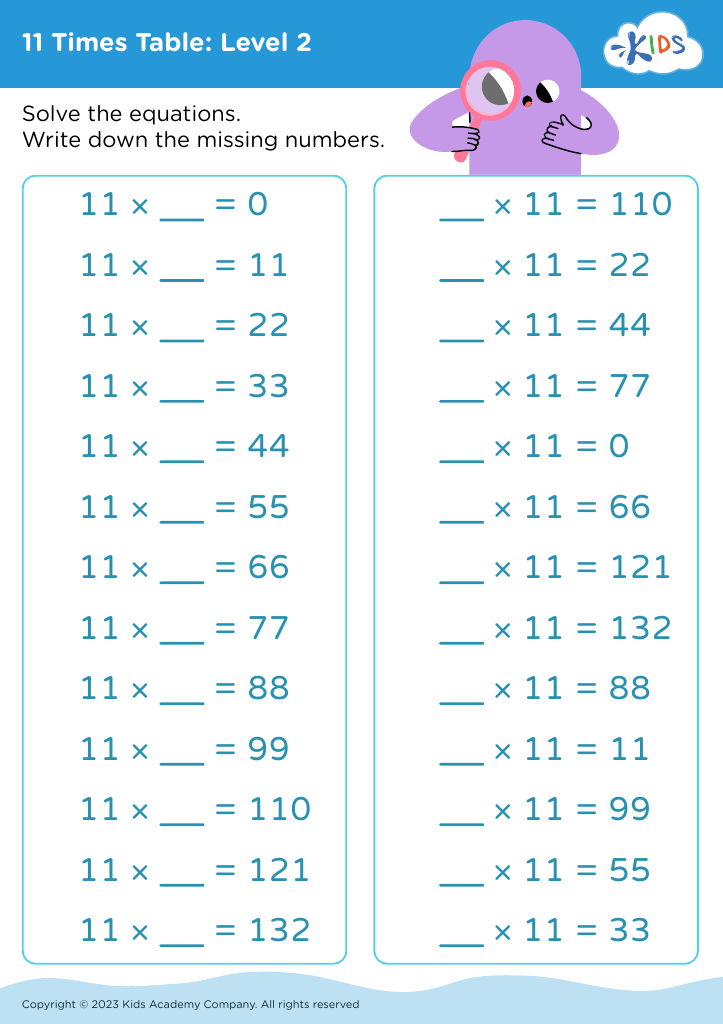
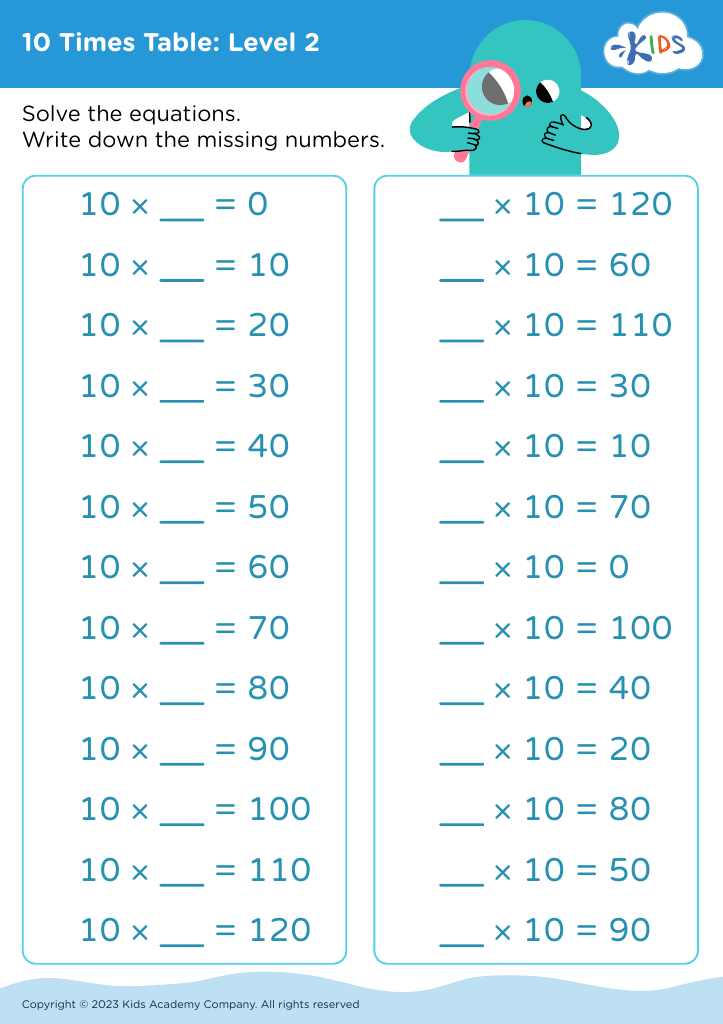
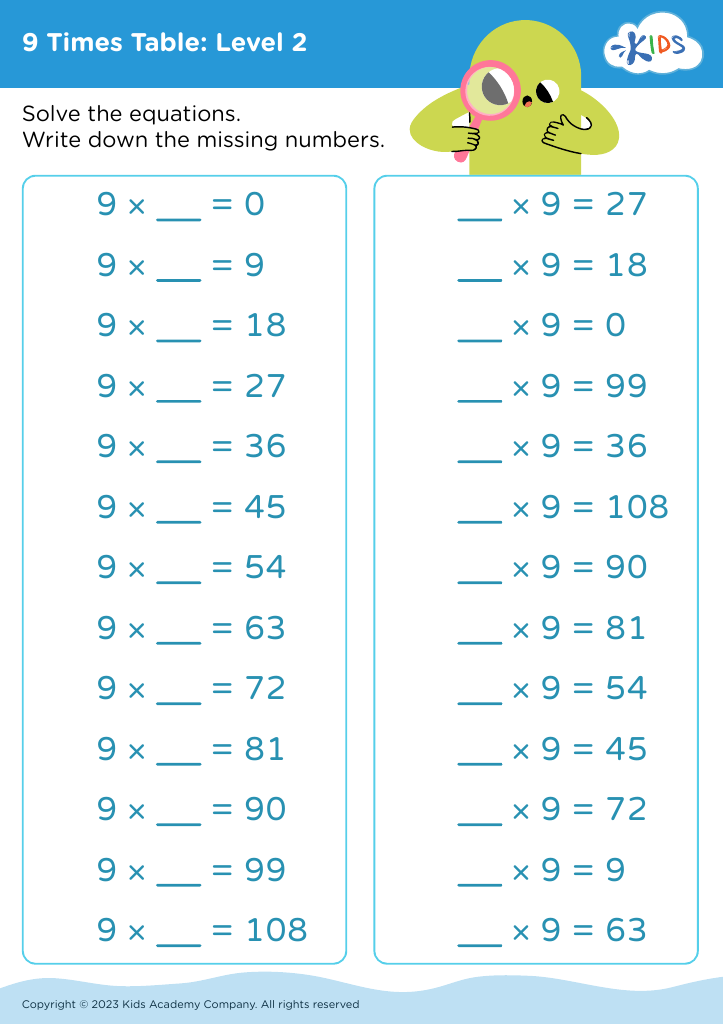
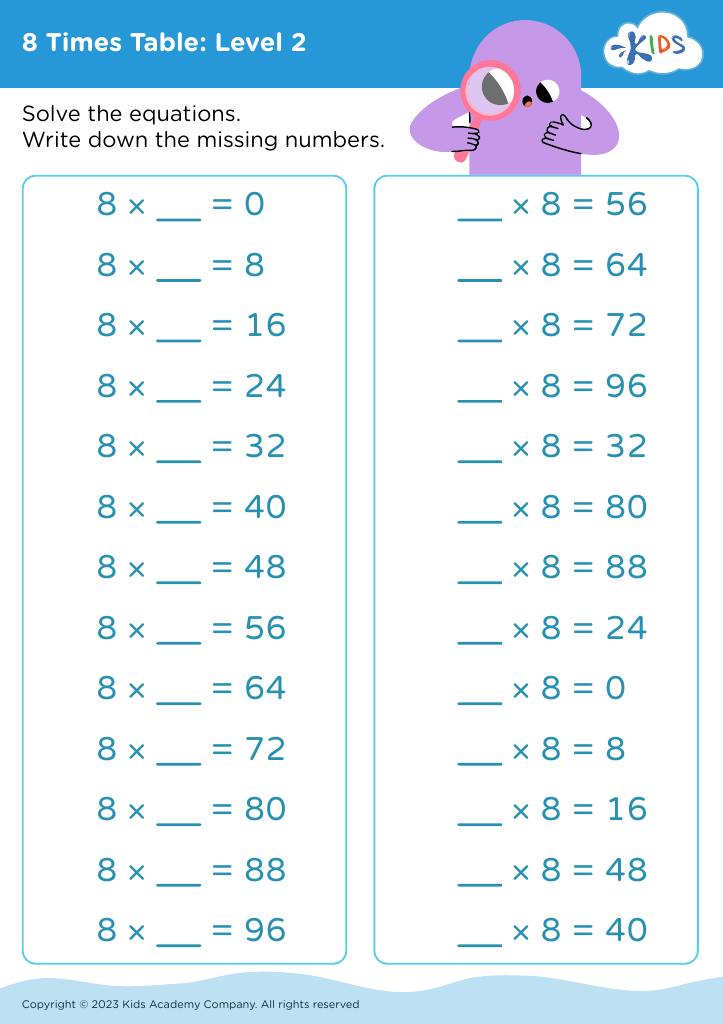
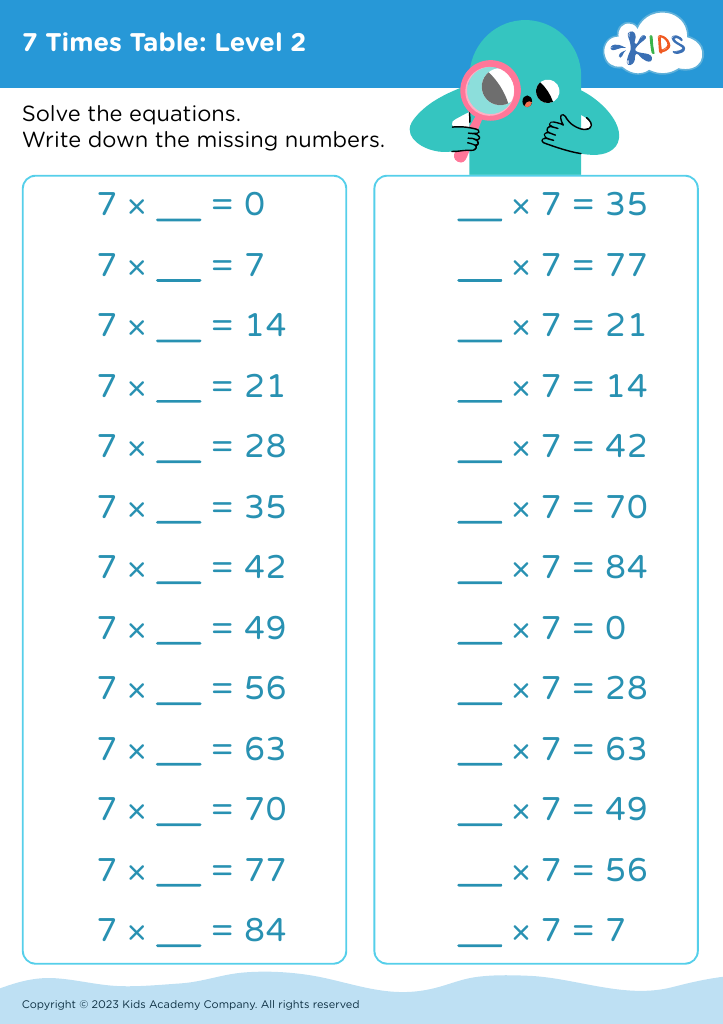
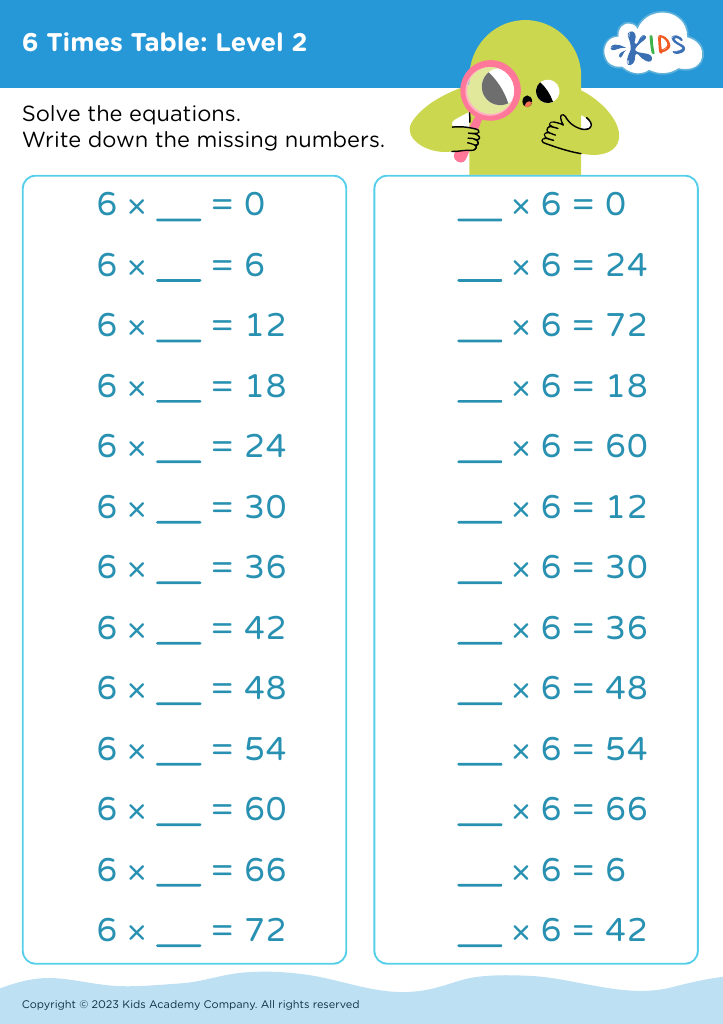
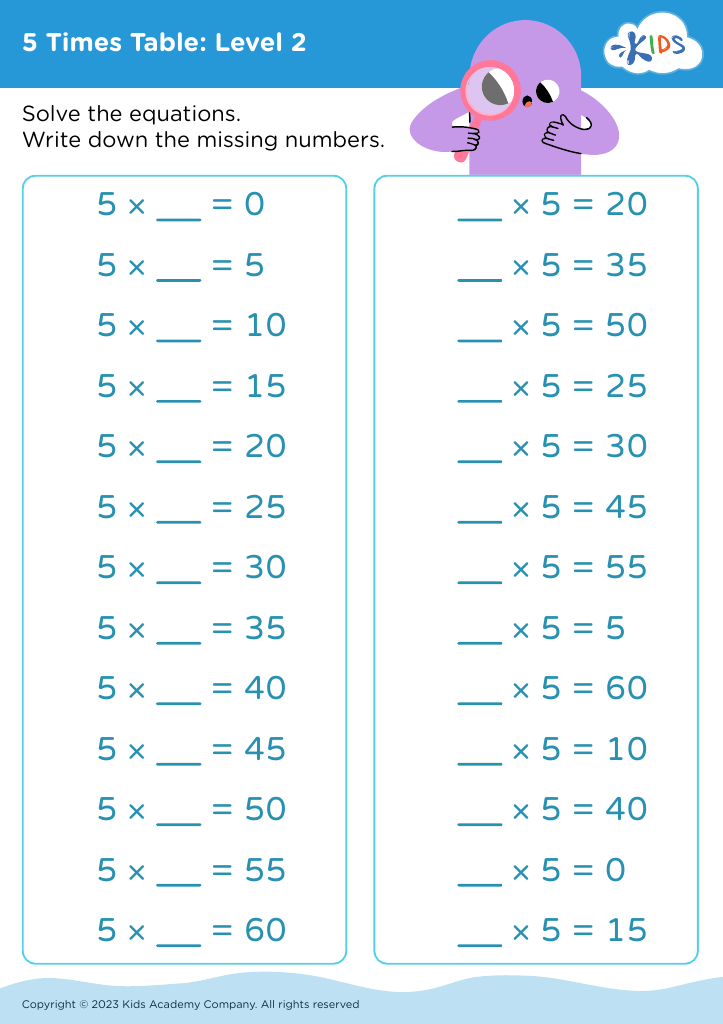
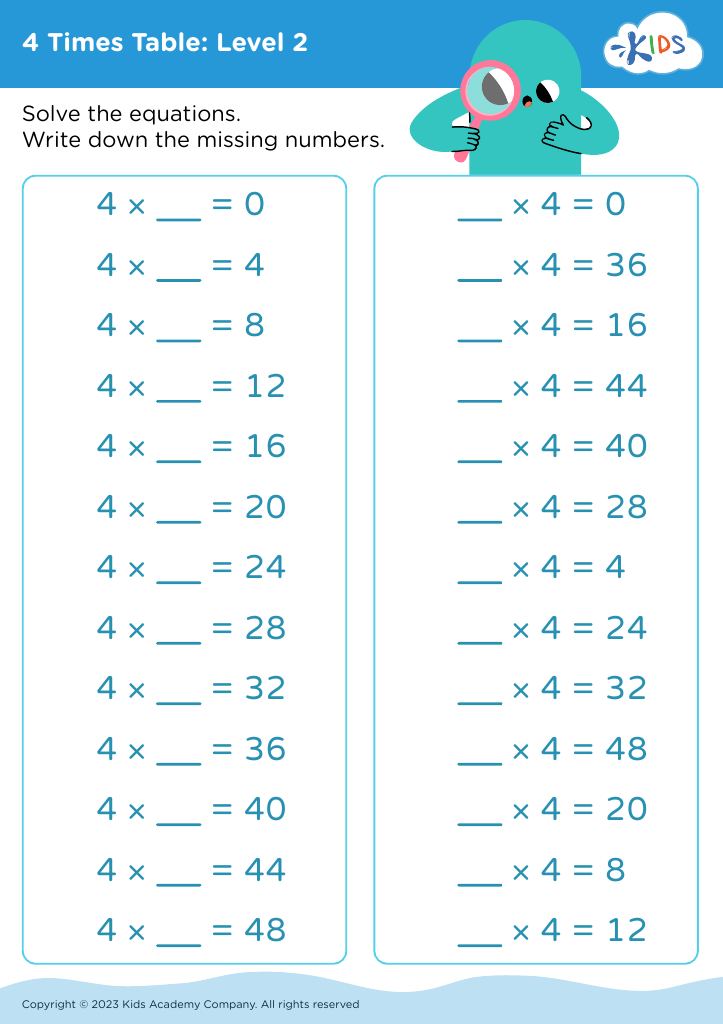
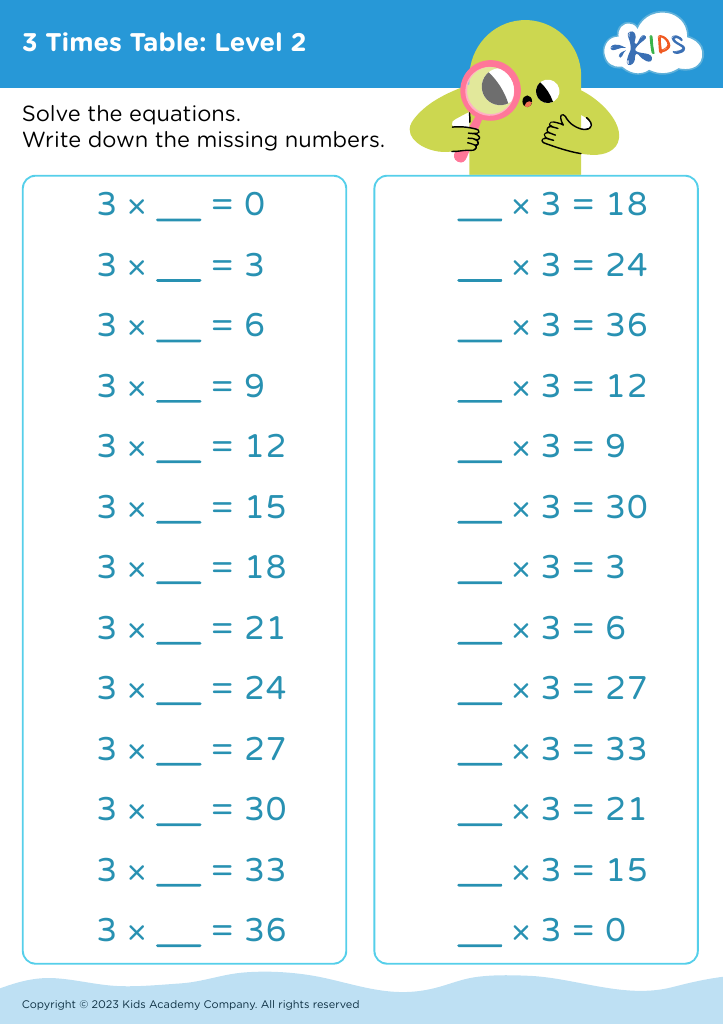
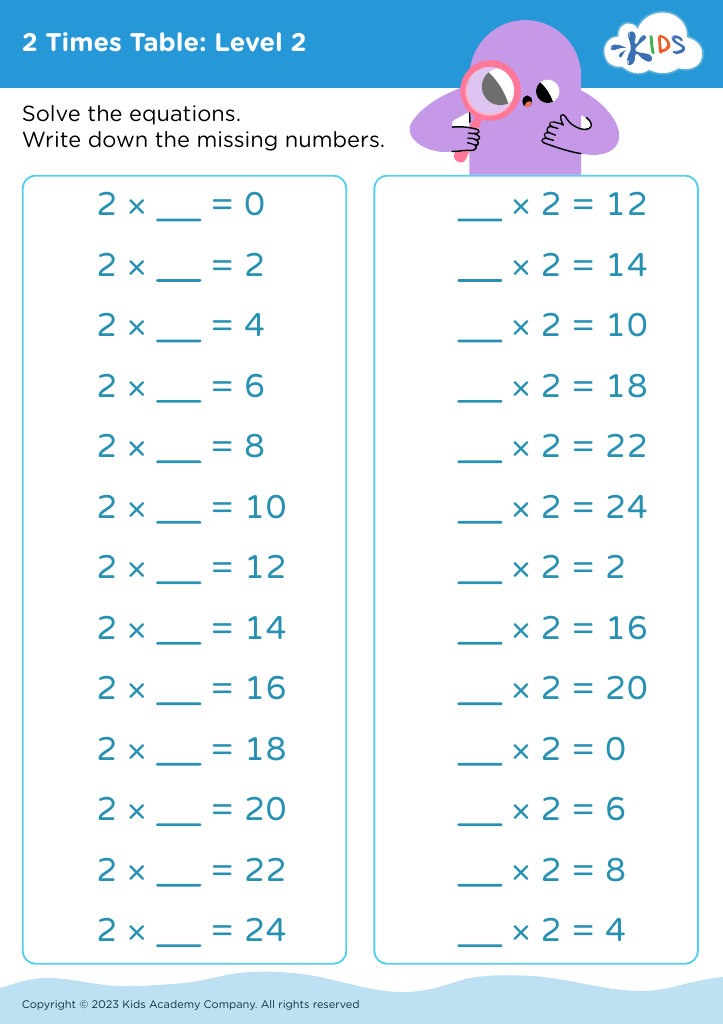
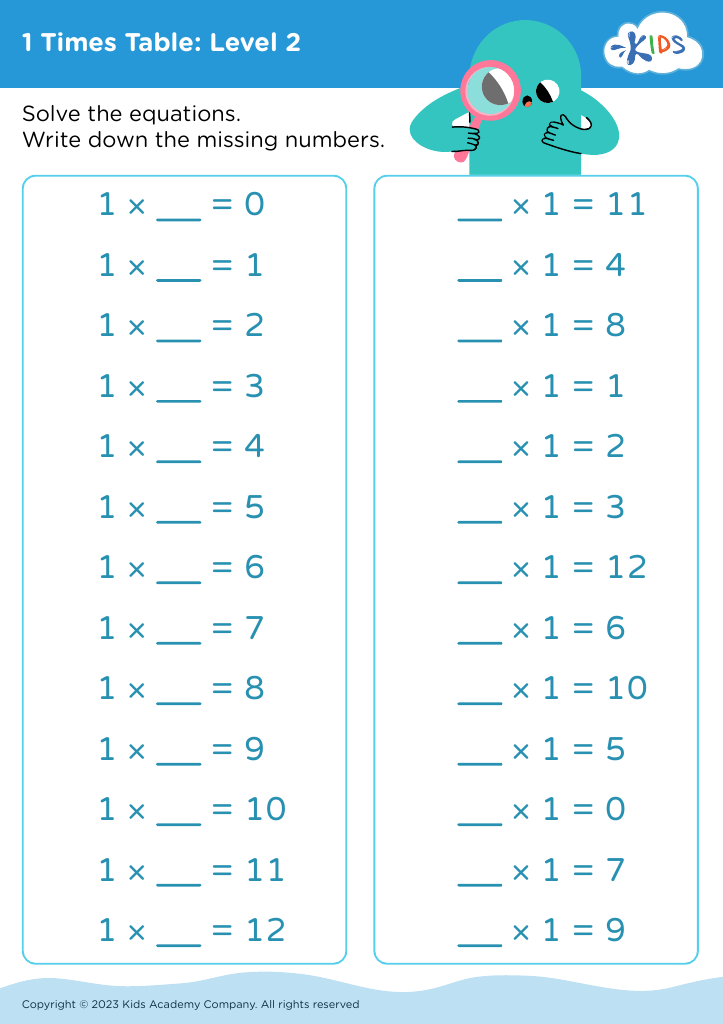





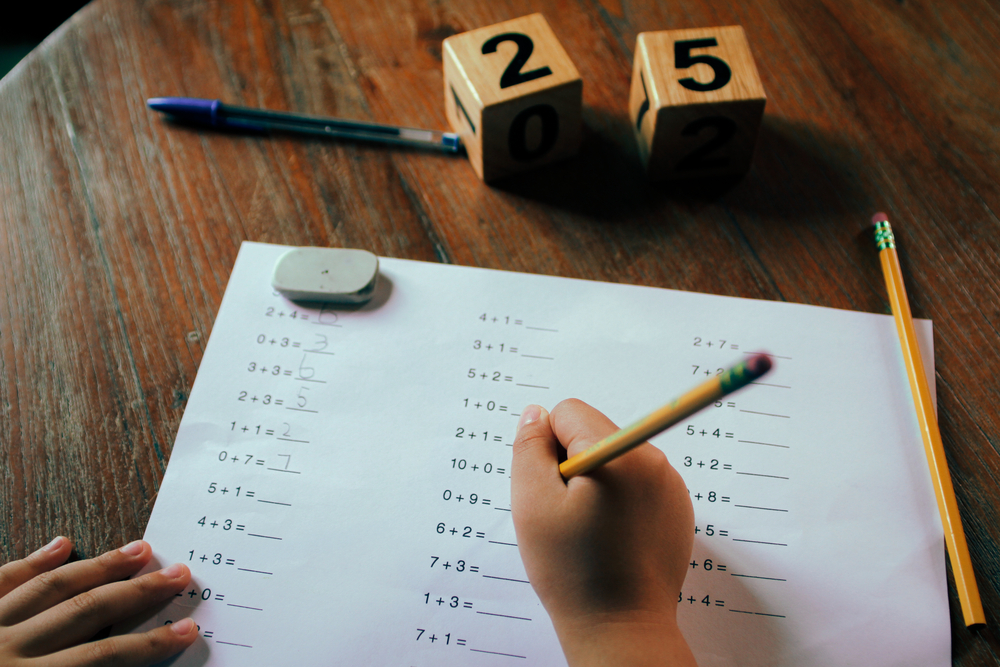


Normal multiplication is a foundational mathematical concept for children aged 7-9, serving as a crucial building block for future learning. At this age, students are developing cognitive skills that require both critical thinking and problem-solving capabilities. Understanding multiplication not only enhances their arithmetic skills but also fosters a strong number sense that is essential for more complex mathematical operations like division, fractions, and eventually algebra.
Moreover, mastery of multiplication can boost a child’s confidence in mathematics. As they grasp this concept, they often experience a sense of accomplishment, which encourages a positive attitude toward learning about numbers.
Additionally, multiplication is frequently utilized in real-life situations—whether measuring ingredients in cooking, dividing items equally among friends, or managing money. This practical application makes it important for parents and teachers to engage children in multiplication, illustrating its relevance beyond the classroom.
Lastly, in a world increasingly driven by technology, where jobs often require mathematical literacy, building proficiency in multiplication at this young age ensures that children are well-prepared for future educational challenges, ultimately equipping them with essential skills for lifelong learning. Therefore, fostering a solid understanding of normal multiplication should be a priority for both parents and educators.








