Problem-Solving Skills Normal Worksheets for 8-Year-Olds - Page 3
72 filtered results
-
From - To
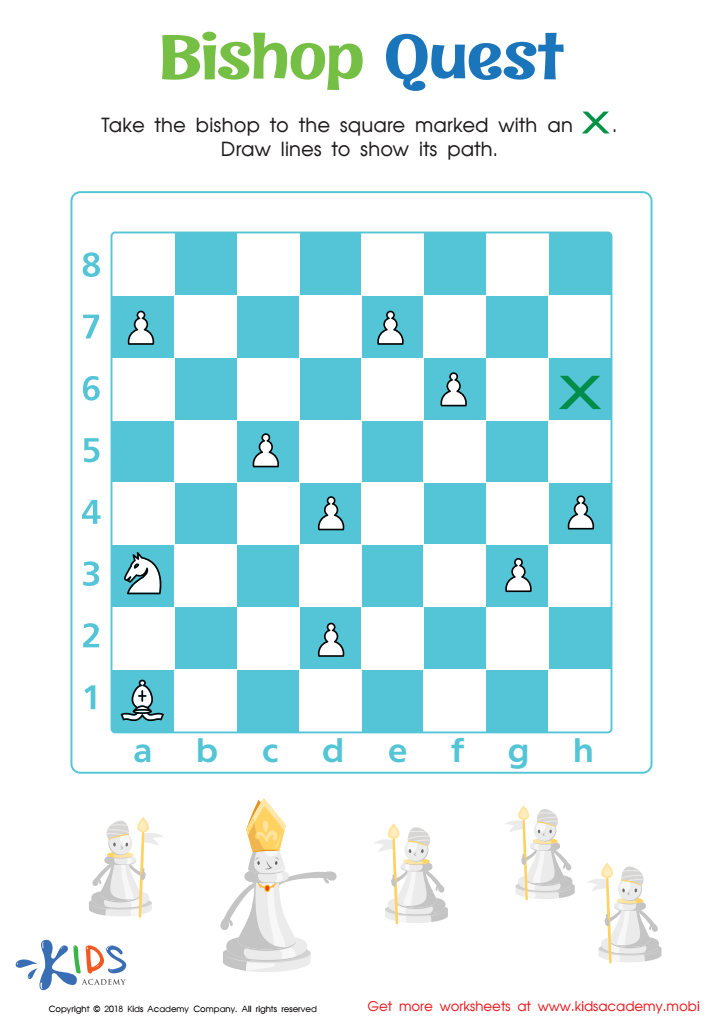
Bishop Quest Worksheet
 Assign to My Students
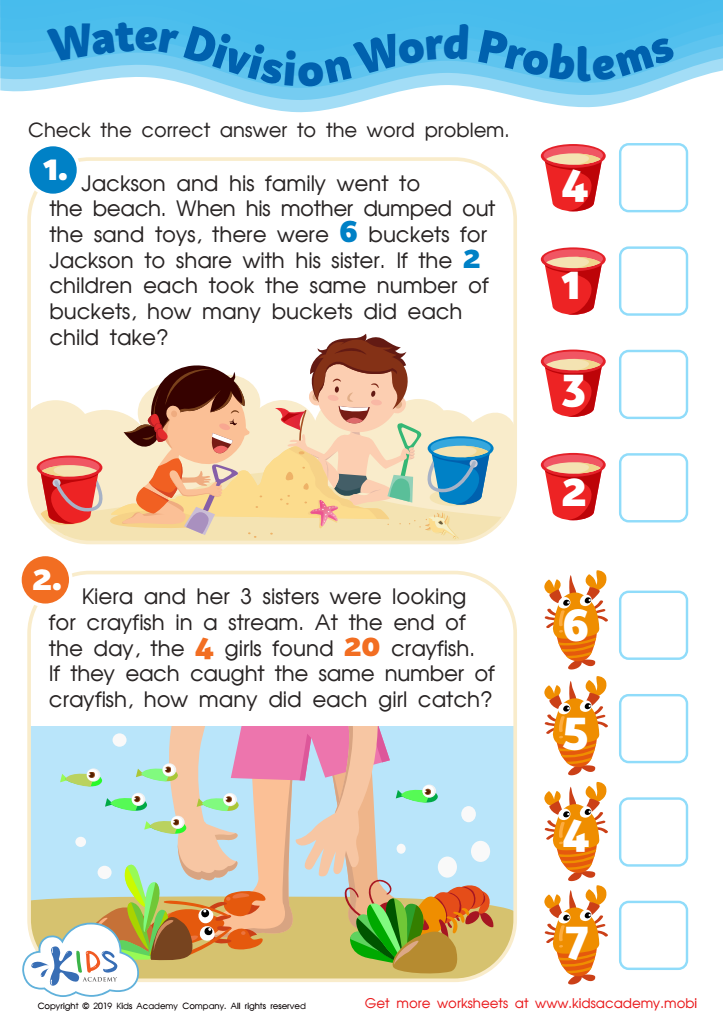
Water Division Word Problems Worksheet
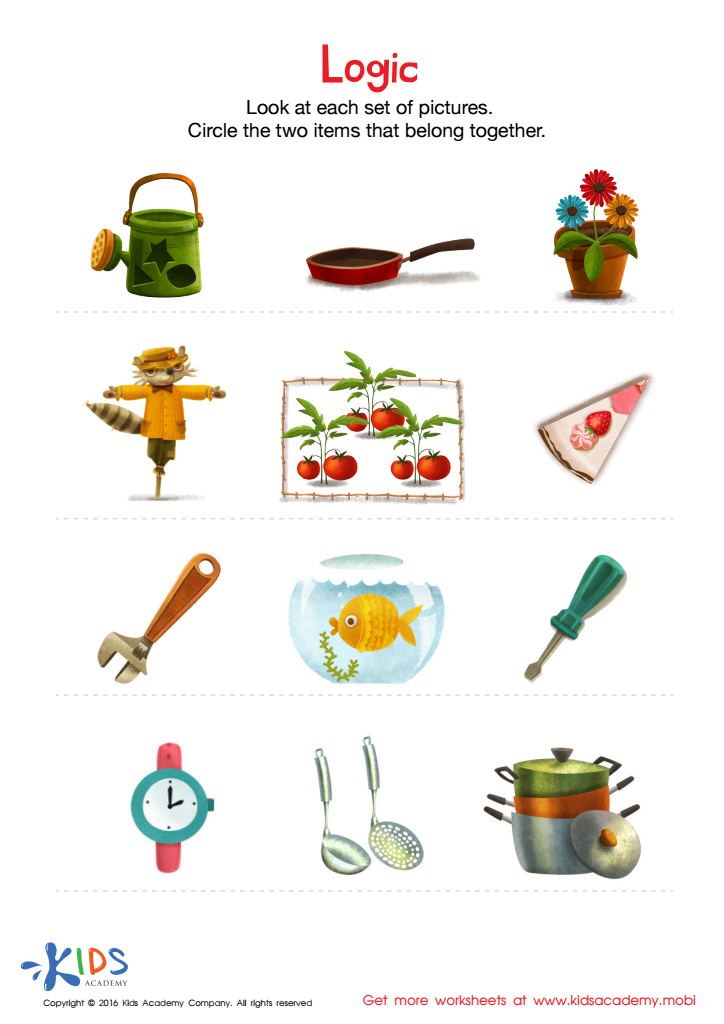
Logic Game Sorting Worksheet
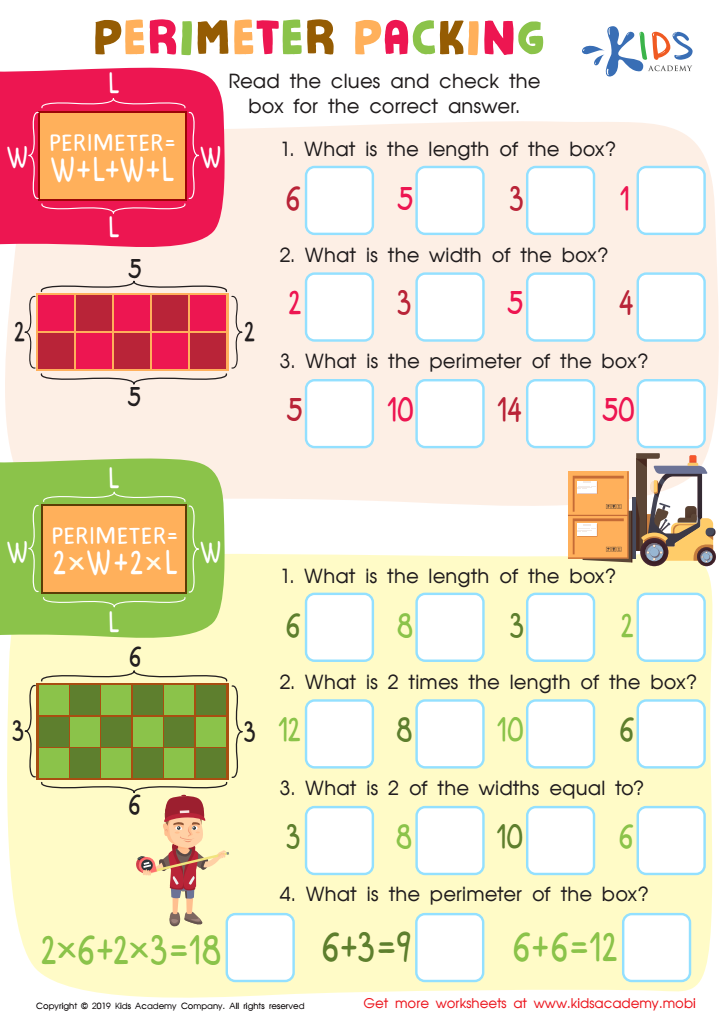
Perimeter Parking Worksheet
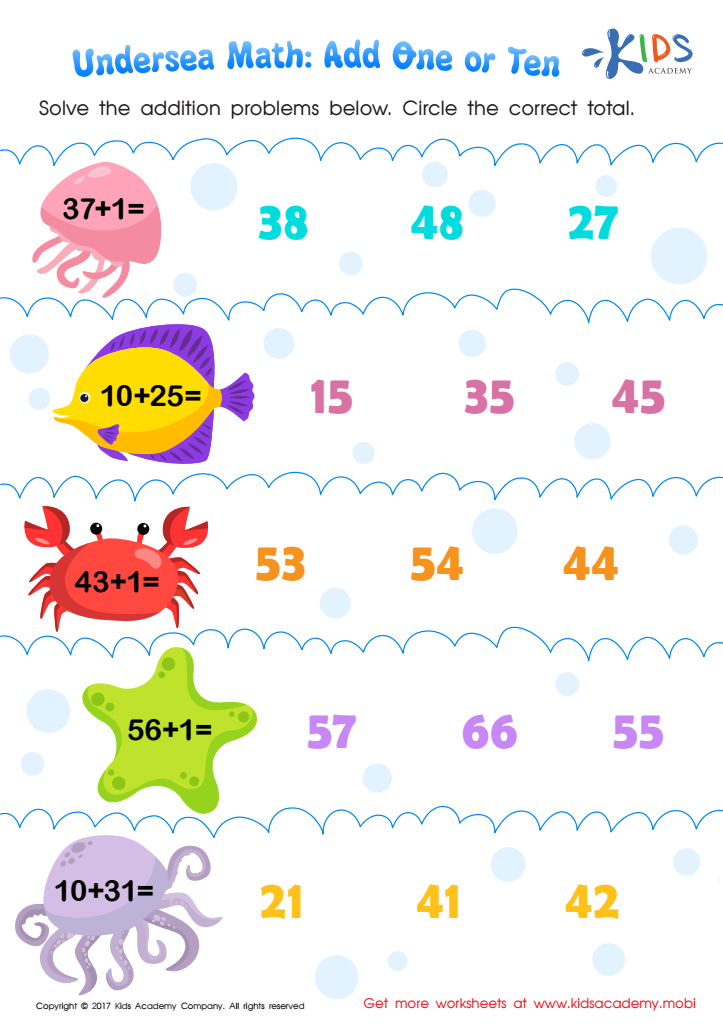
Undersea Math Worksheet
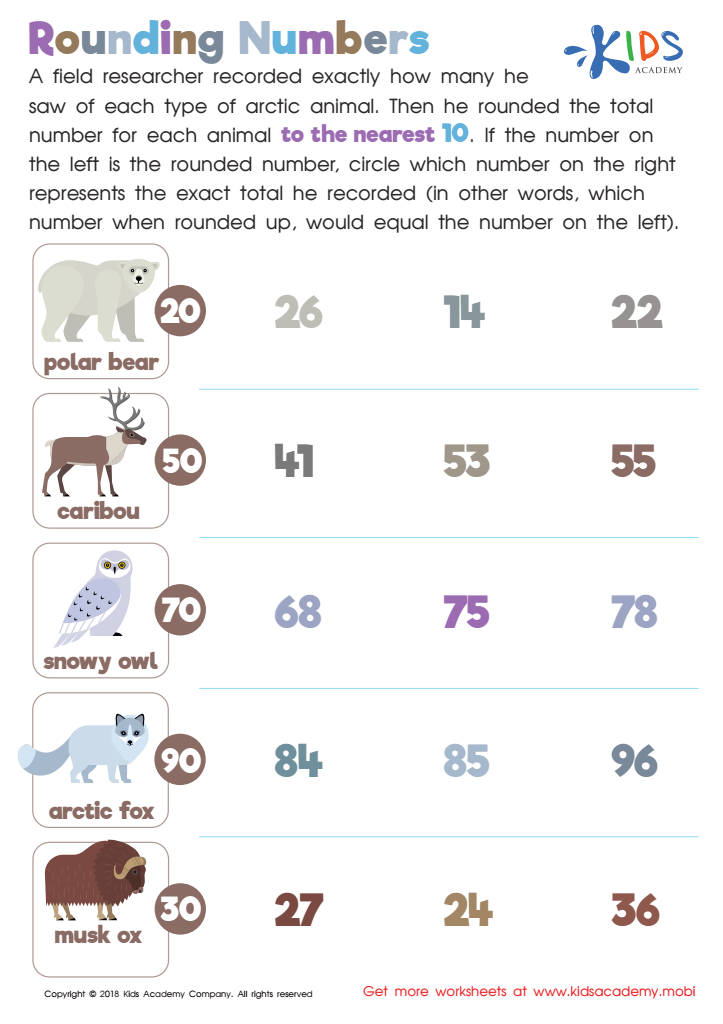
Rounding Numbers Worksheet
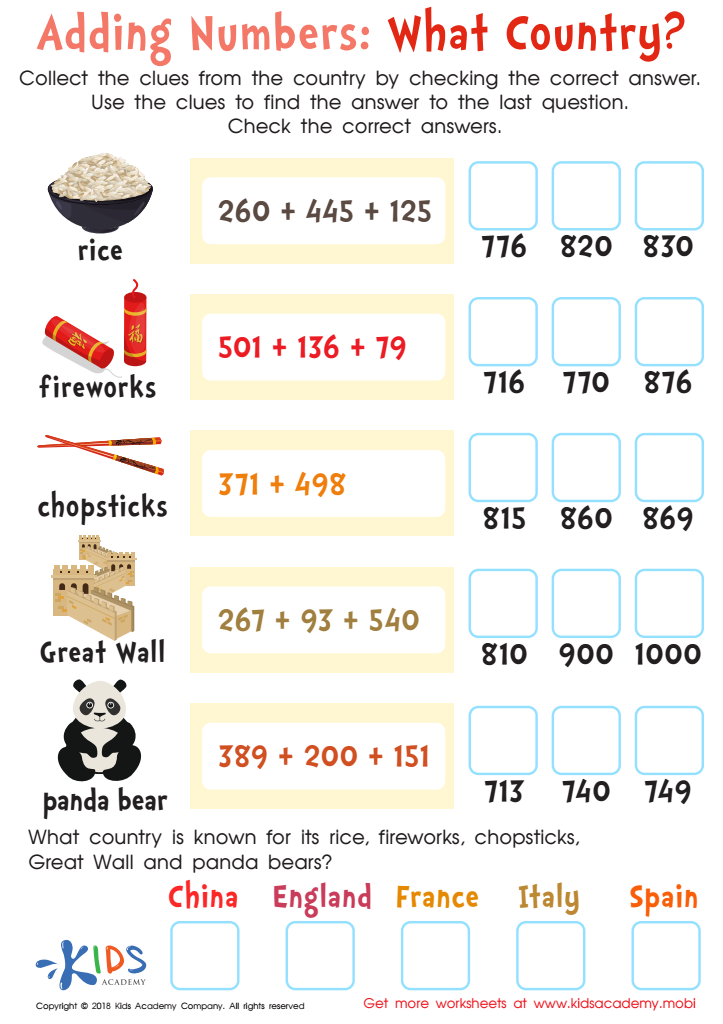
Adding Numbers: What Country Worksheet
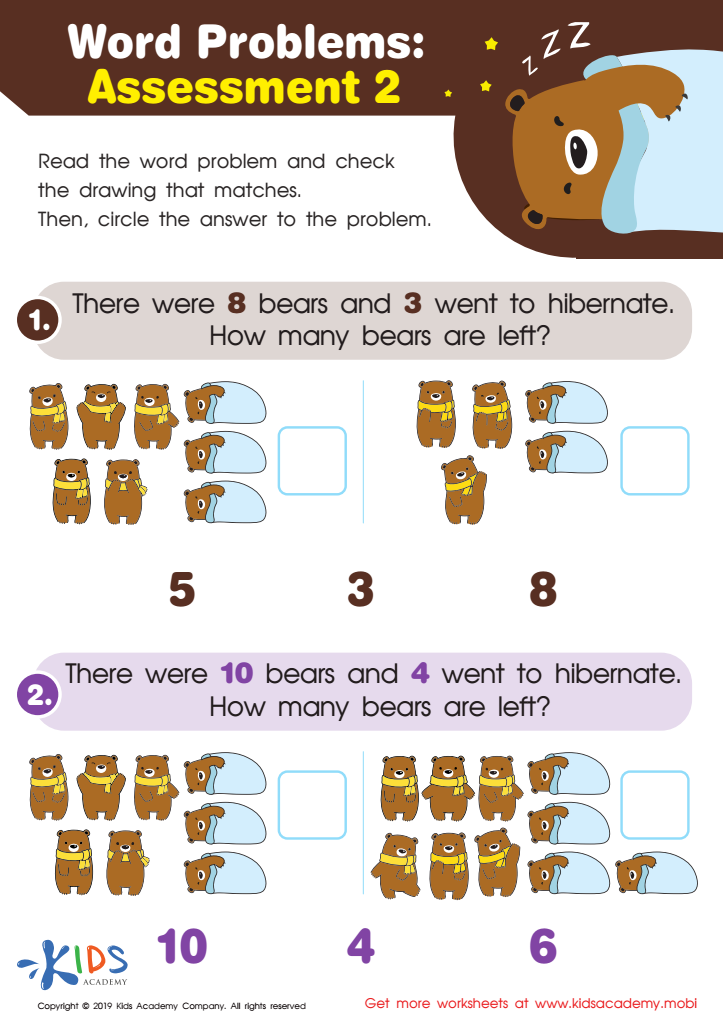
Word Problems: Assessment 2 Worksheet
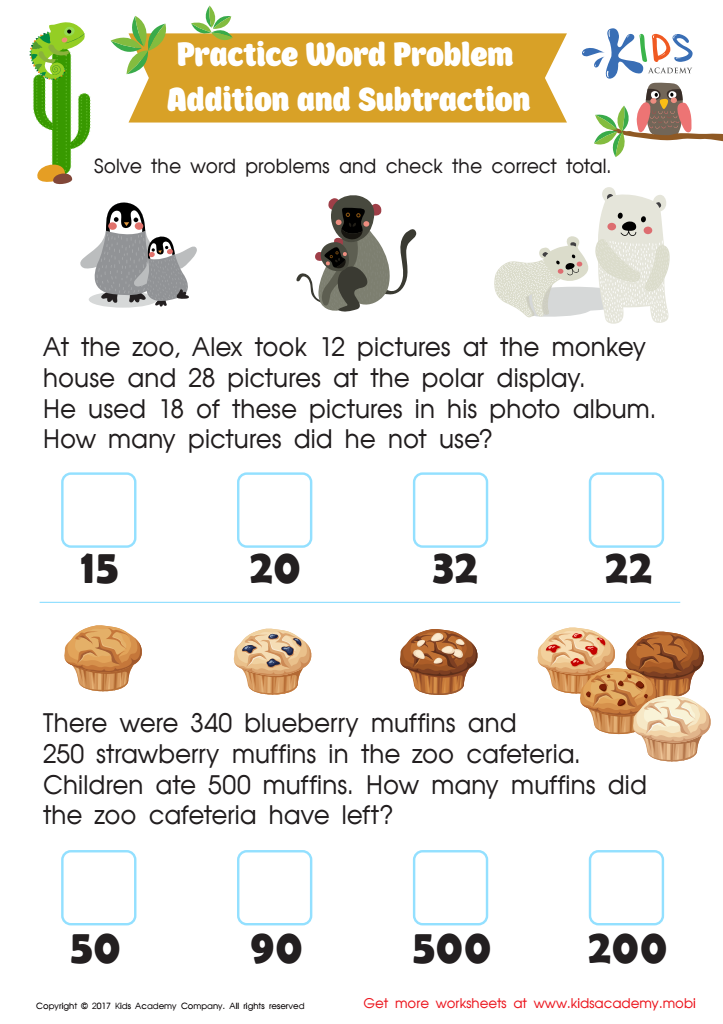
Addition and Subtraction: Word Problems Worksheet
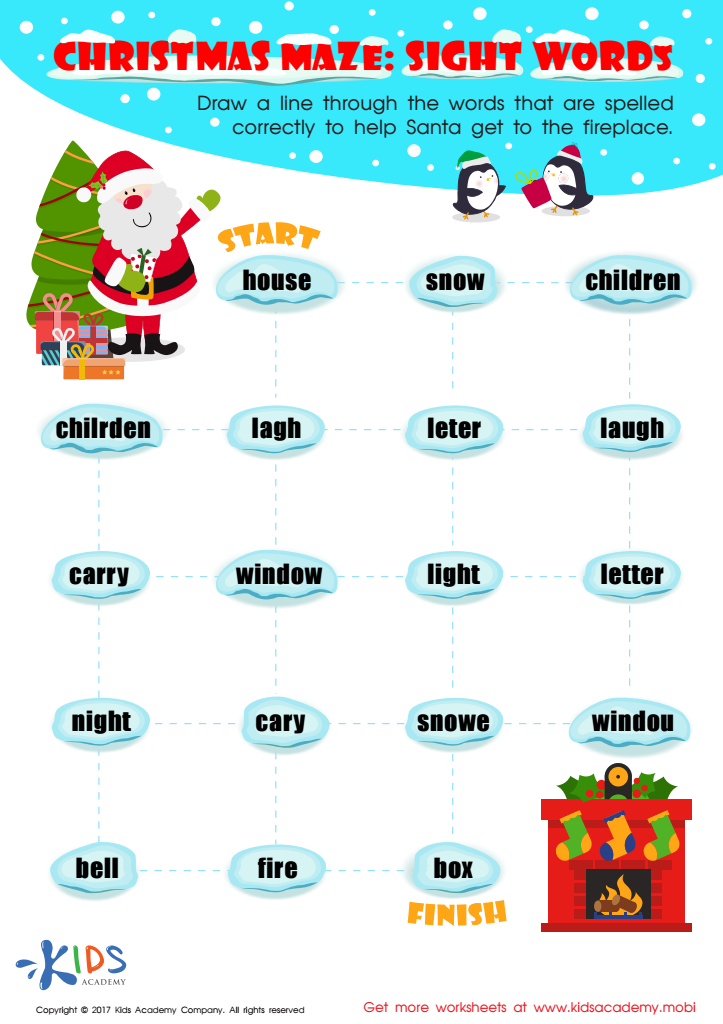
Sight Words Christmas Maze Printable

Vegetable Gardens Worksheet
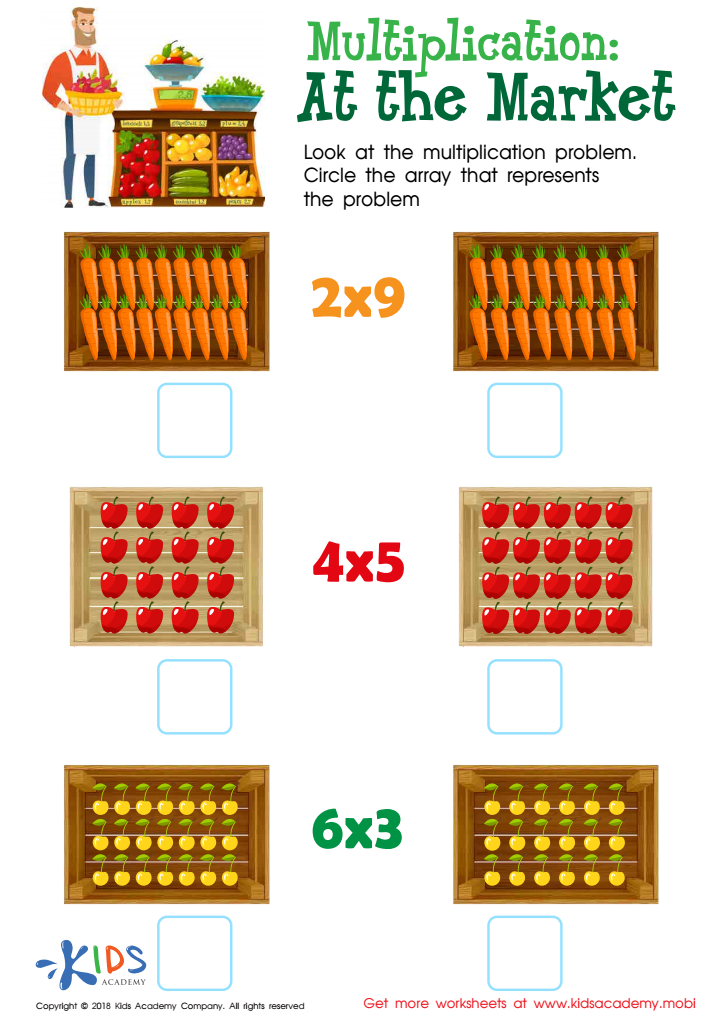
At the Market Worksheet
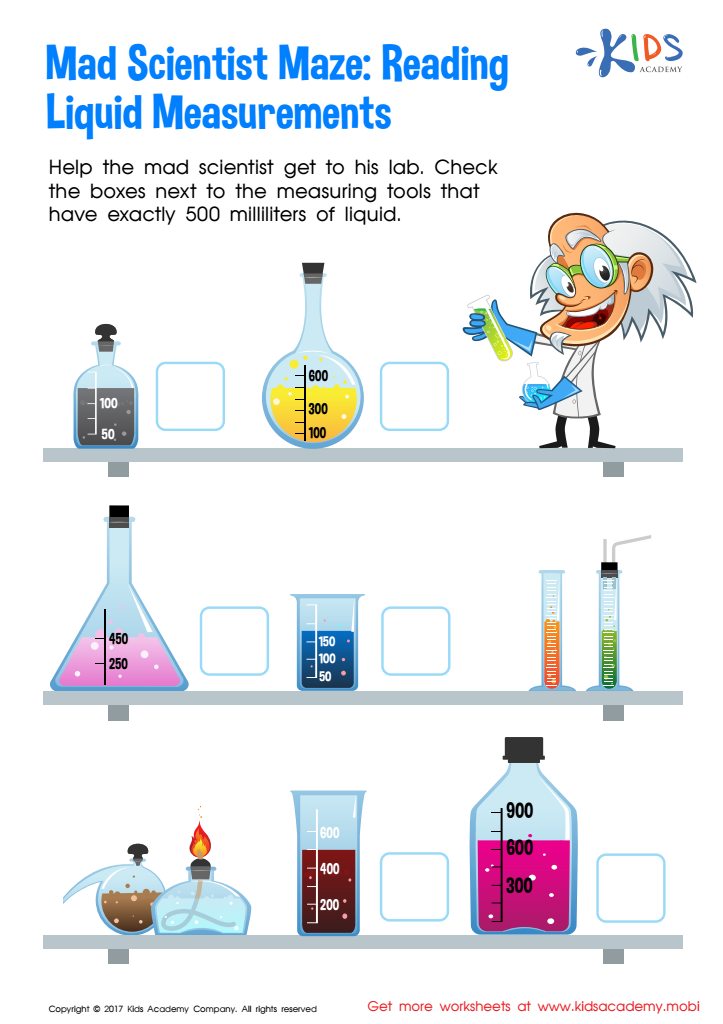
Reading Liquid Measurement Worksheet
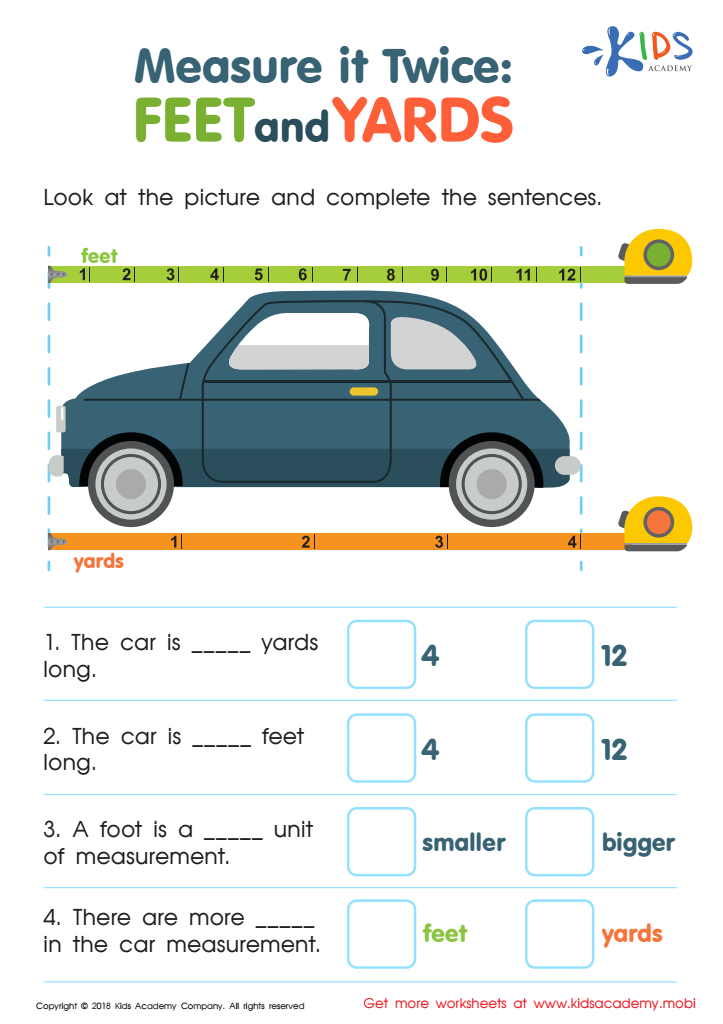
Measure It Twice: Feet and Yards Worksheet
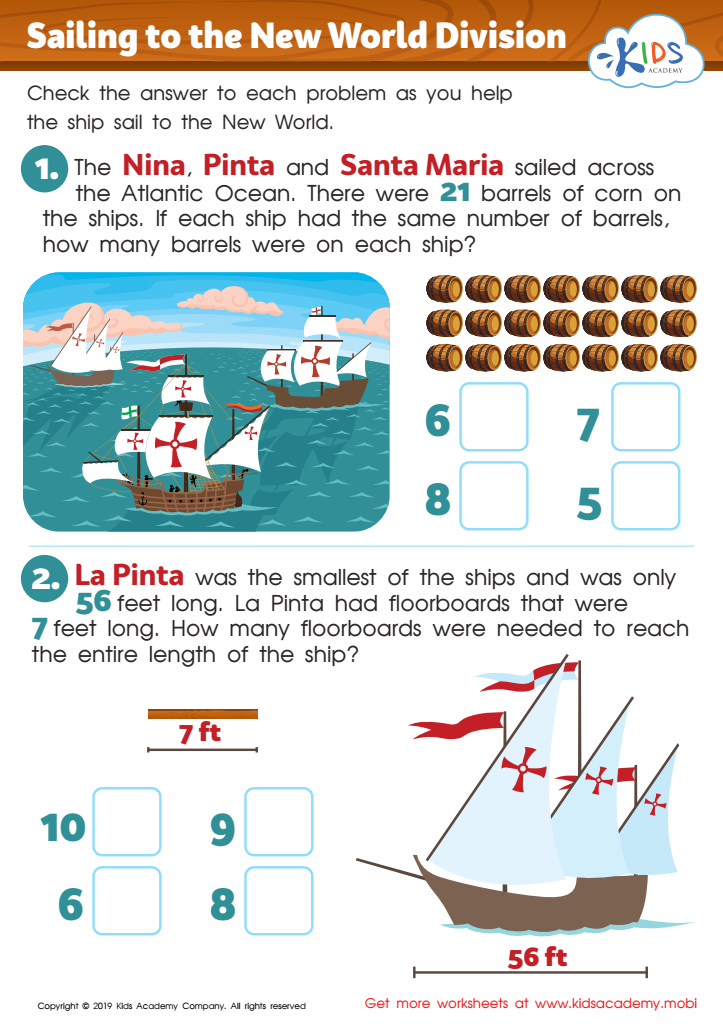
Sailing to the New World Division Worksheet
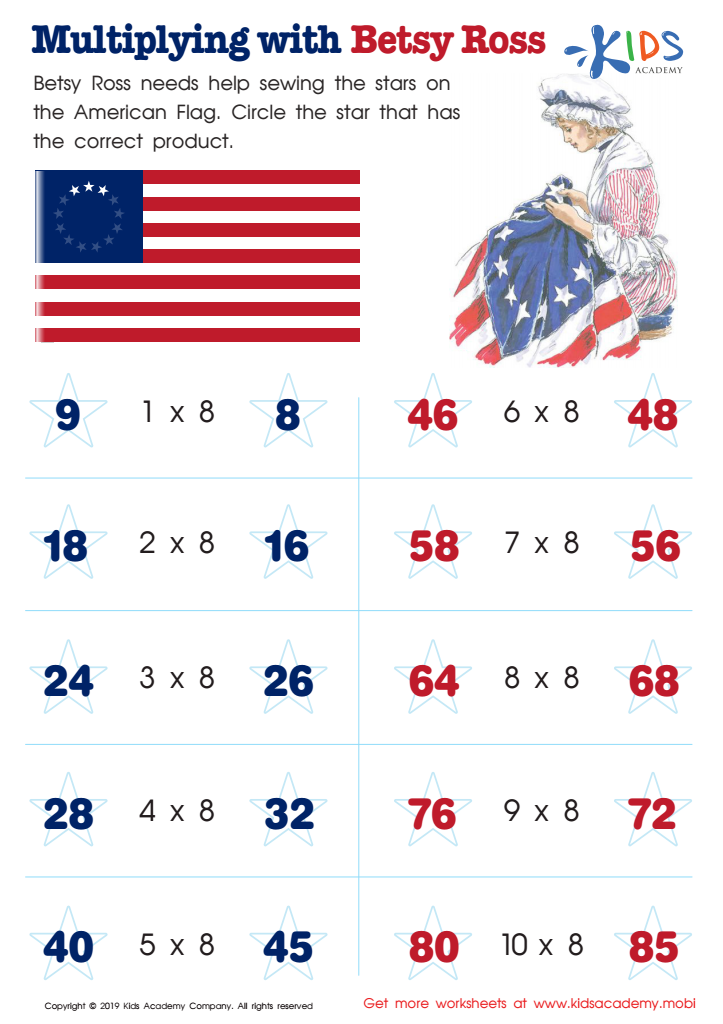
Multiplying with Betsy Ross Worksheet
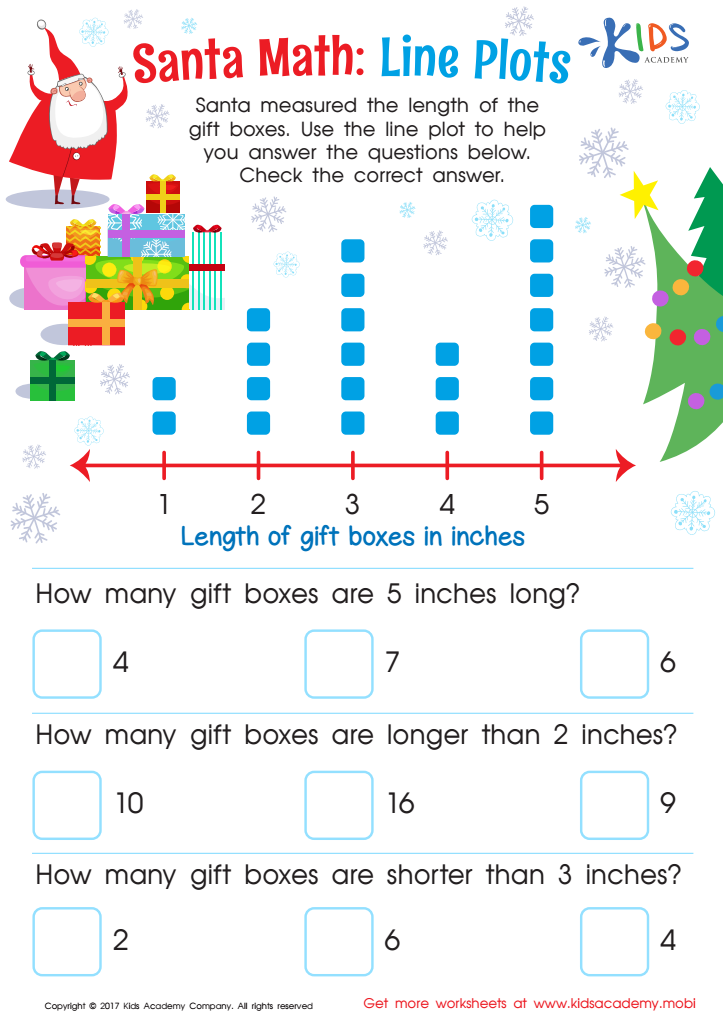
Line Plot Worksheet

Pegasus Maze: GH Words Worksheet
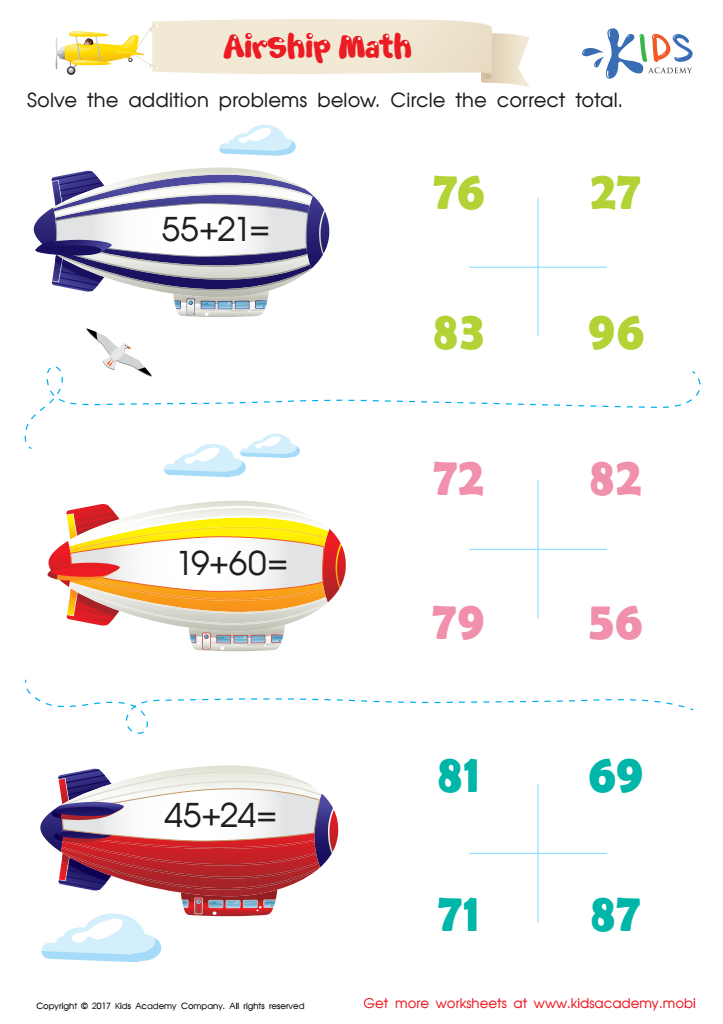
Airship Math Addition Printable
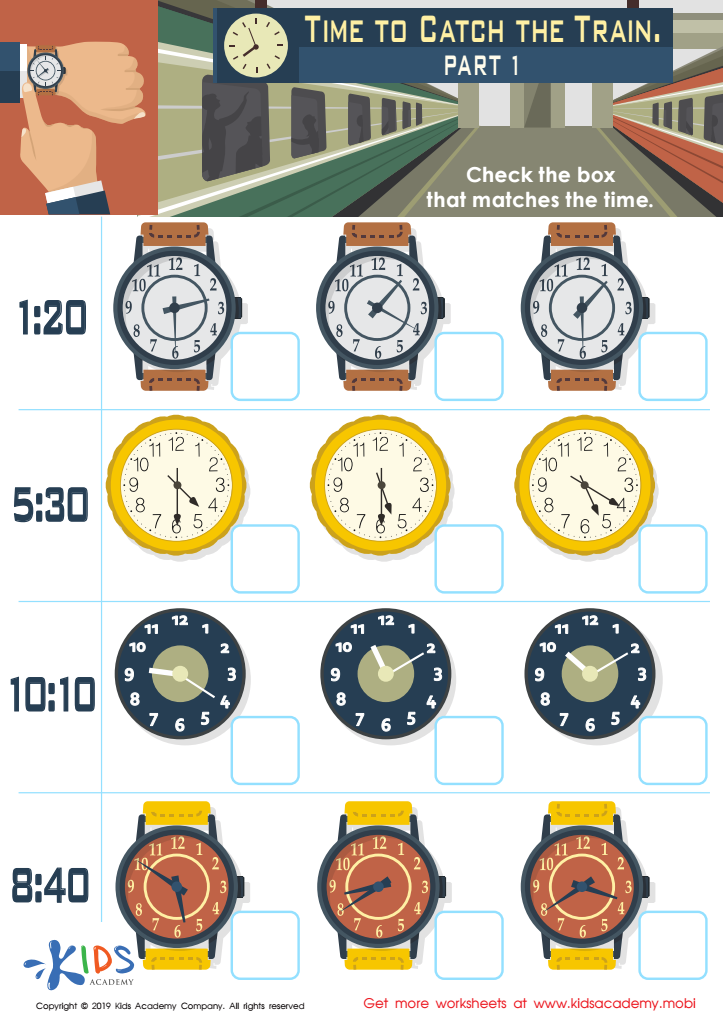
Time to Catch the Train Part 1 Worksheet
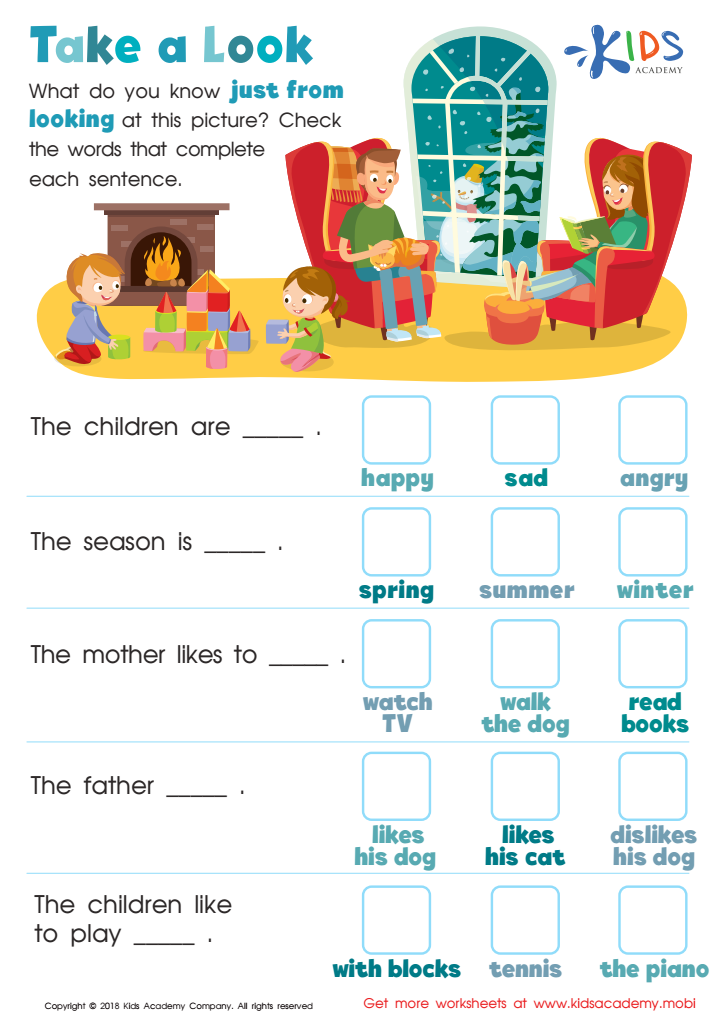
Take a Look - Part 1 Worksheet
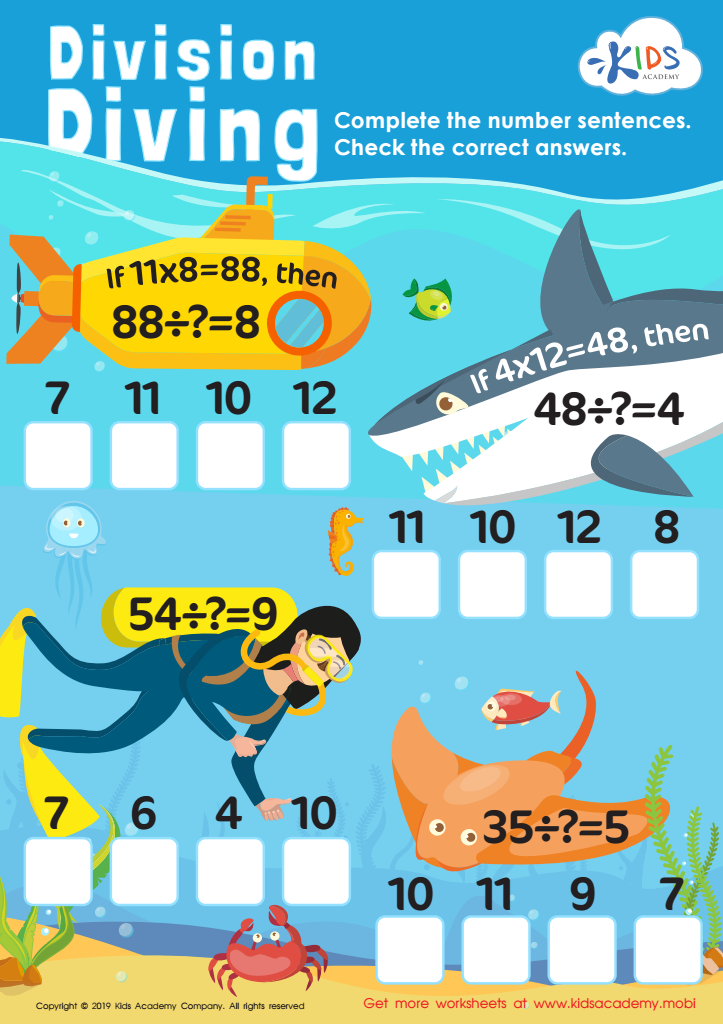
Division Diving Worksheet
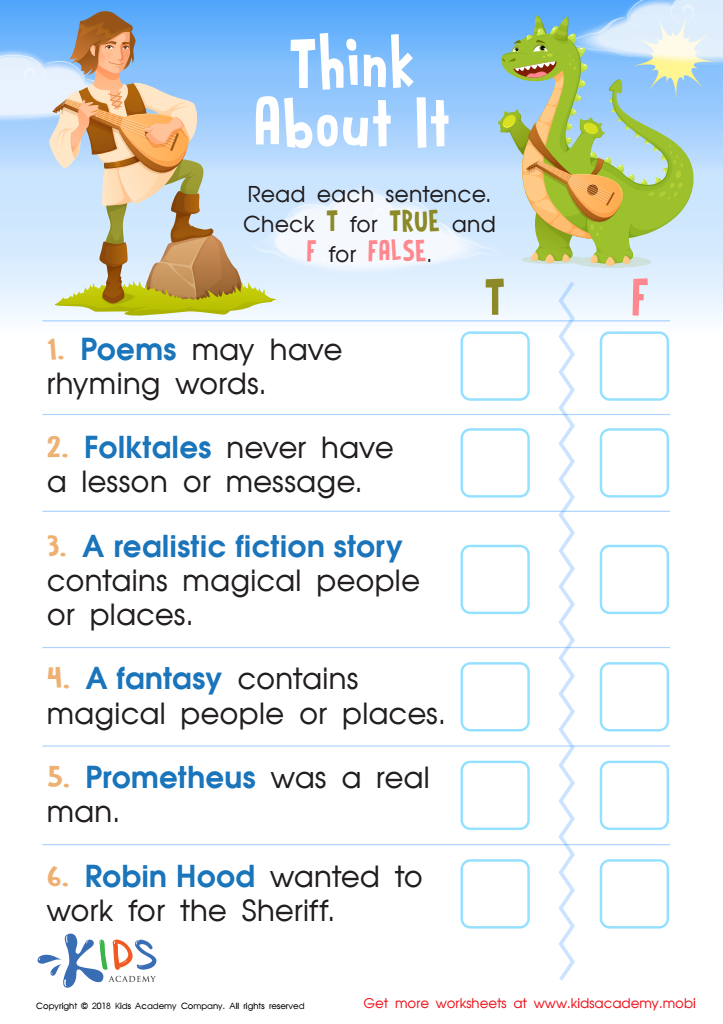
Think About It: Assessment Worksheet
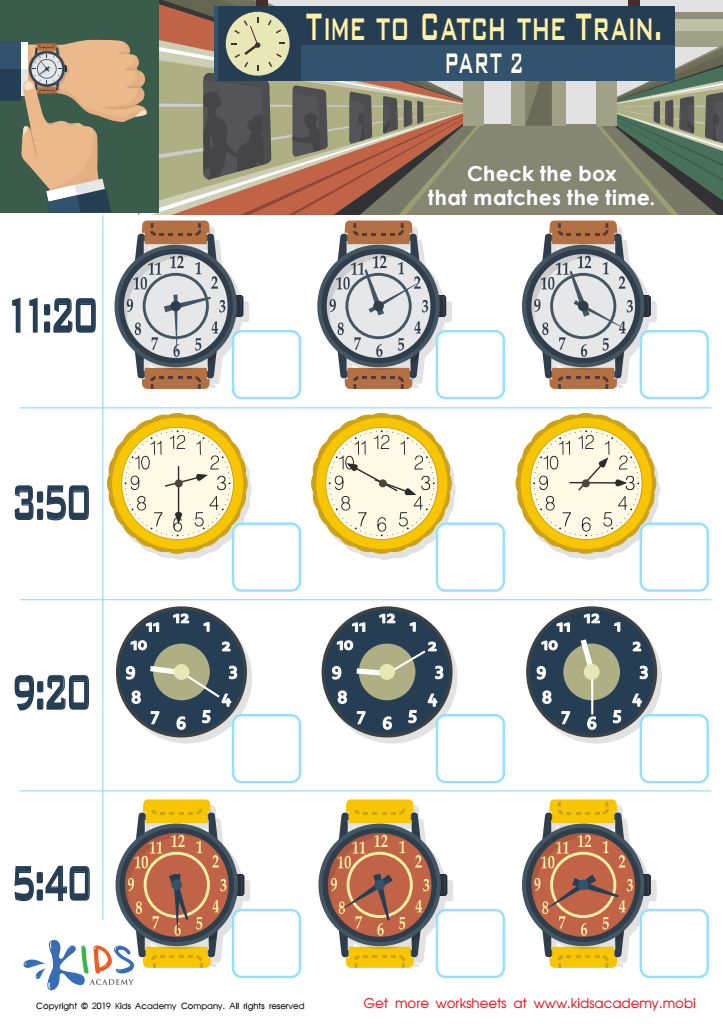
Time to Catch the Train Part 2 Worksheet


.jpg)



%20(1).jpg)

Teaching problem-solving skills to 8-year-olds is vital for several reasons. At this age, children are developing cognitive abilities that will set the foundation for their future learning and interactions. Problem-solving skills enable children to navigate challenges, think critically, and find effective solutions, fostering independence.
For parents, nurturing these skills means helping kids handle everyday issues independently, reducing parental intervention over time. Independence built through problem-solving boosts confidence and encourages children to approach challenges with a "can-do" attitude, crucial for personal and academic growth.
Teachers benefit by introducing structured problem-solving within the curriculum, enhancing students' ability to grasp complex concepts. This proactive approach means fewer classroom disputes, smoother teamwork, and a cooperative learning environment. Students capable of problem-solving approach their learning with determination and creativity, leading to improved academic performance.
Moreover, fostering problem-solving skills supports emotional development; children learn to manage frustration and develop resilience. In a rapidly changing world, these skills are invaluable, preparing children to become adaptable and innovative thinkers. Thus, instilling problem-solving abilities in 8-year-olds is an investment in their future, setting the stage for lifelong learning and success.








