Shape Recognition Normal Worksheets - Page 2
50 filtered results
-
From - To
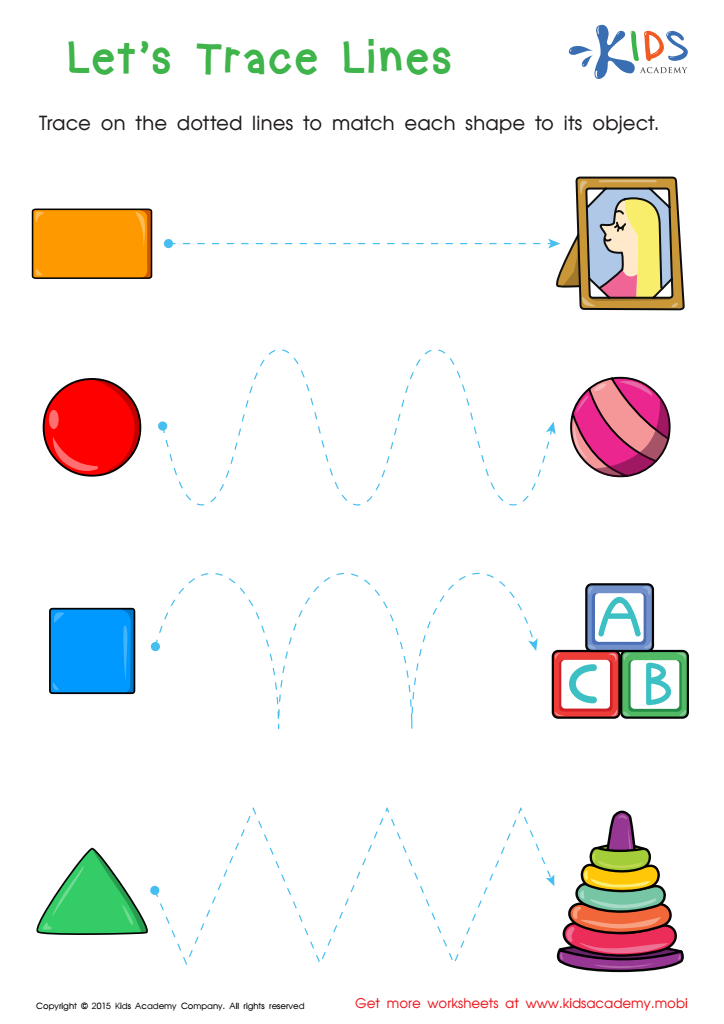
First Words: Let's Trace Lines Worksheet
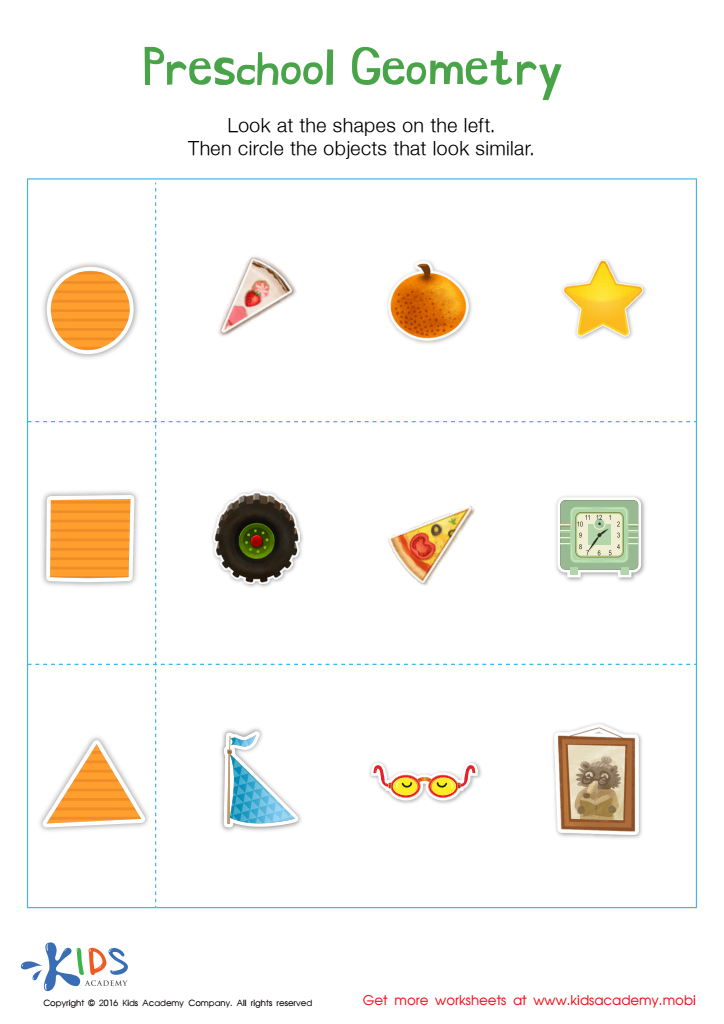
Preschool Geometry Match Up Worksheet
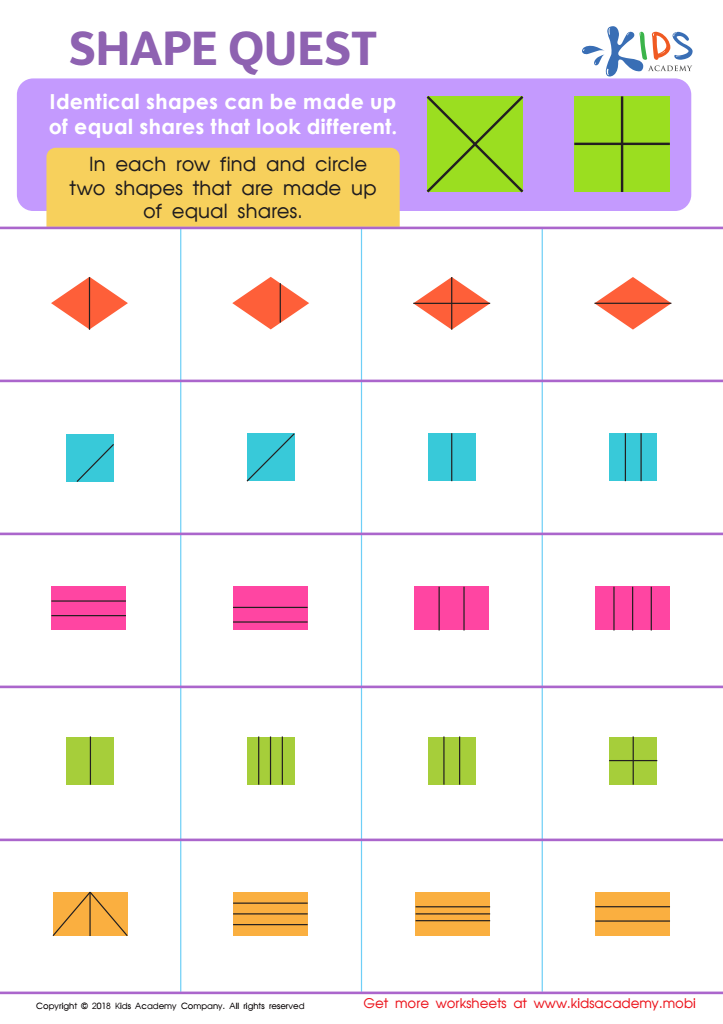
Shape Quest Worksheet
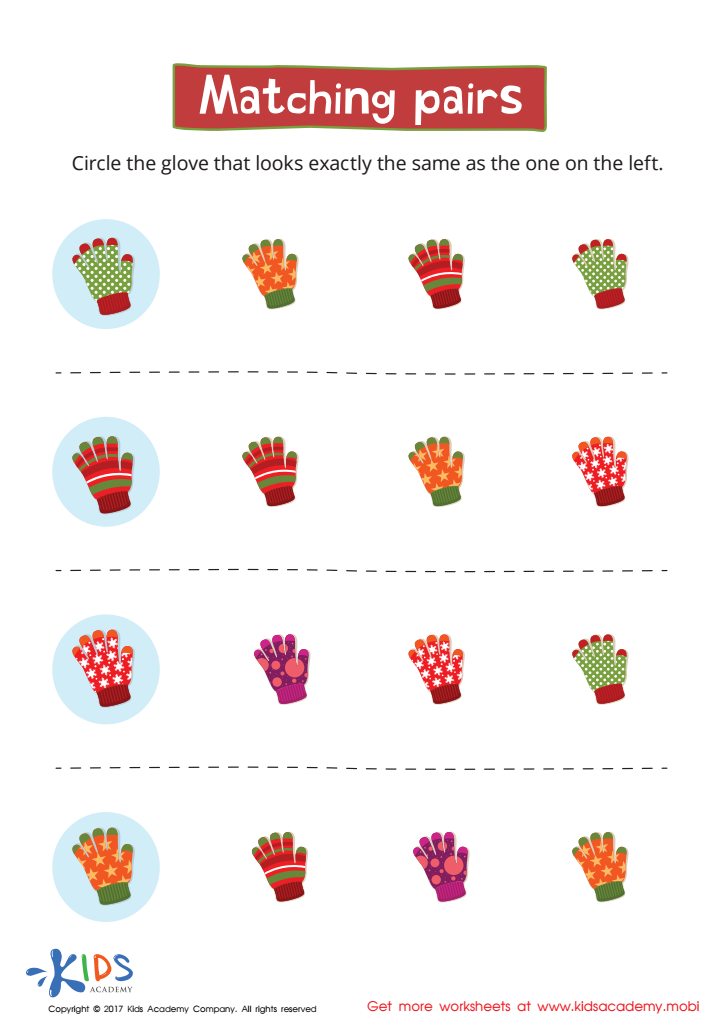
Matching: Matching Pairs Worksheet
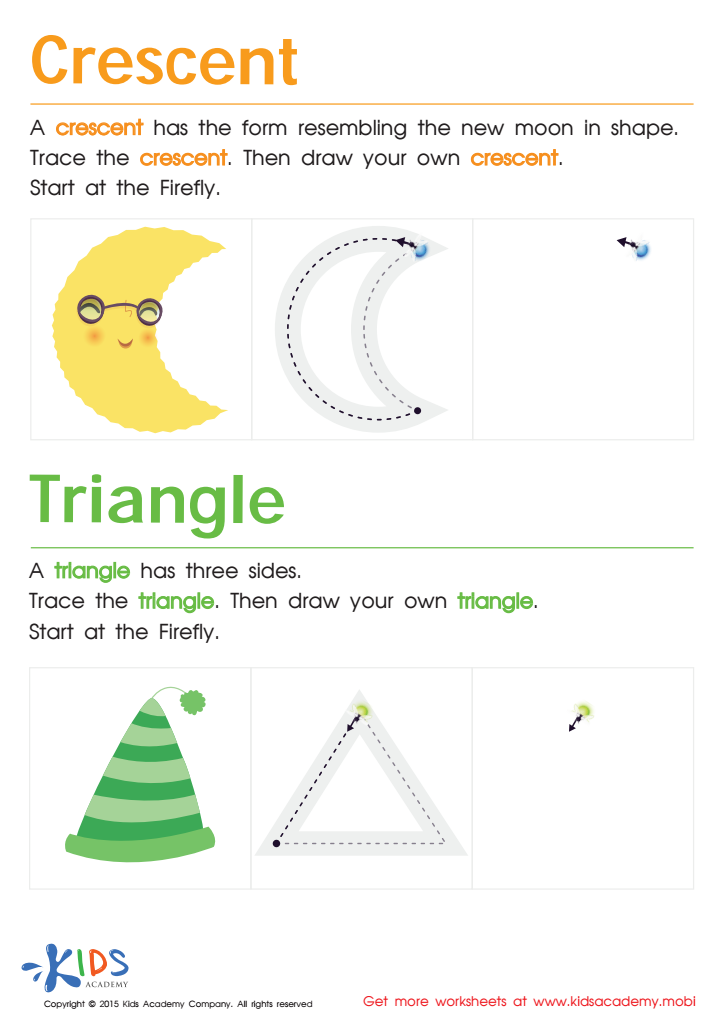
Learning to Draw Crescents And Triangles Worksheet
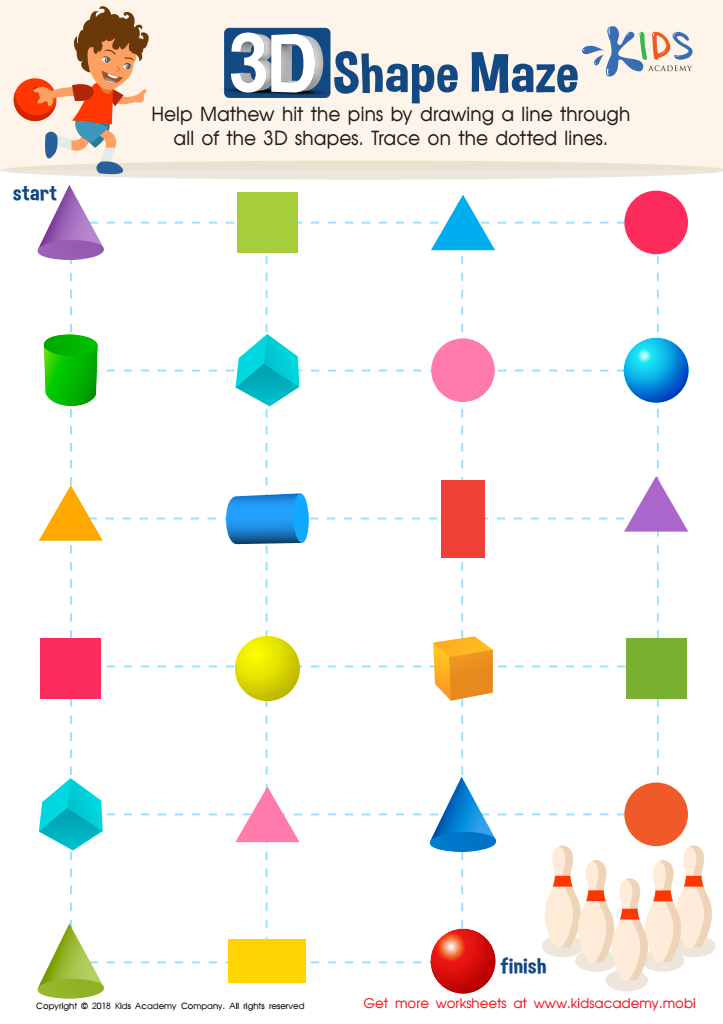
Shapes Maze Geometry Worksheet
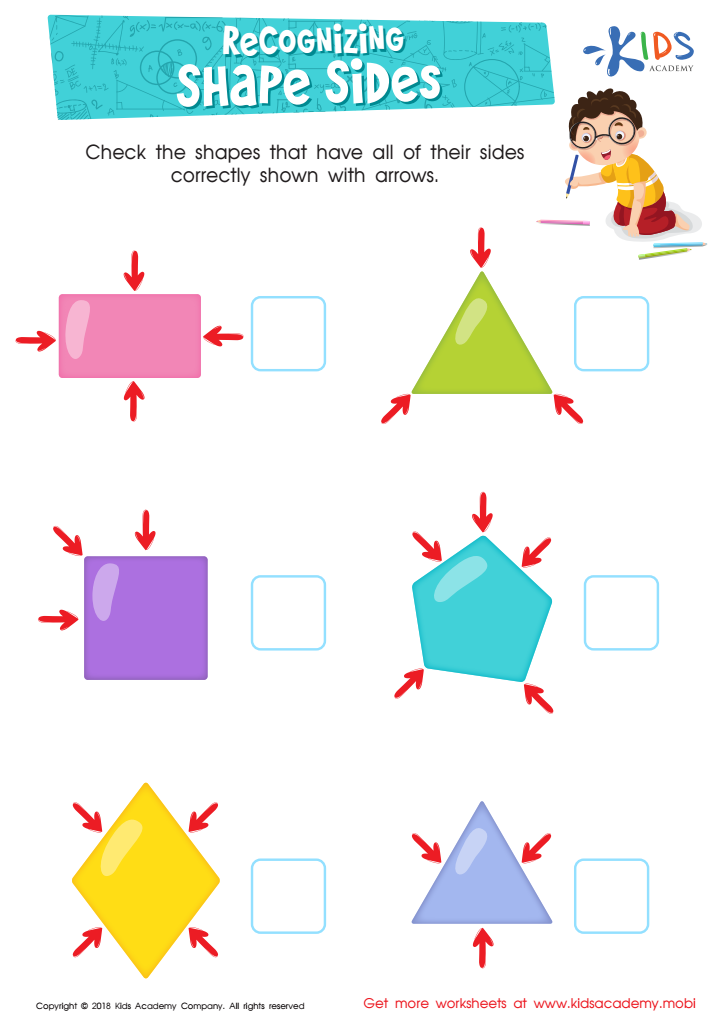
Recognizing Shape Sides Worksheet
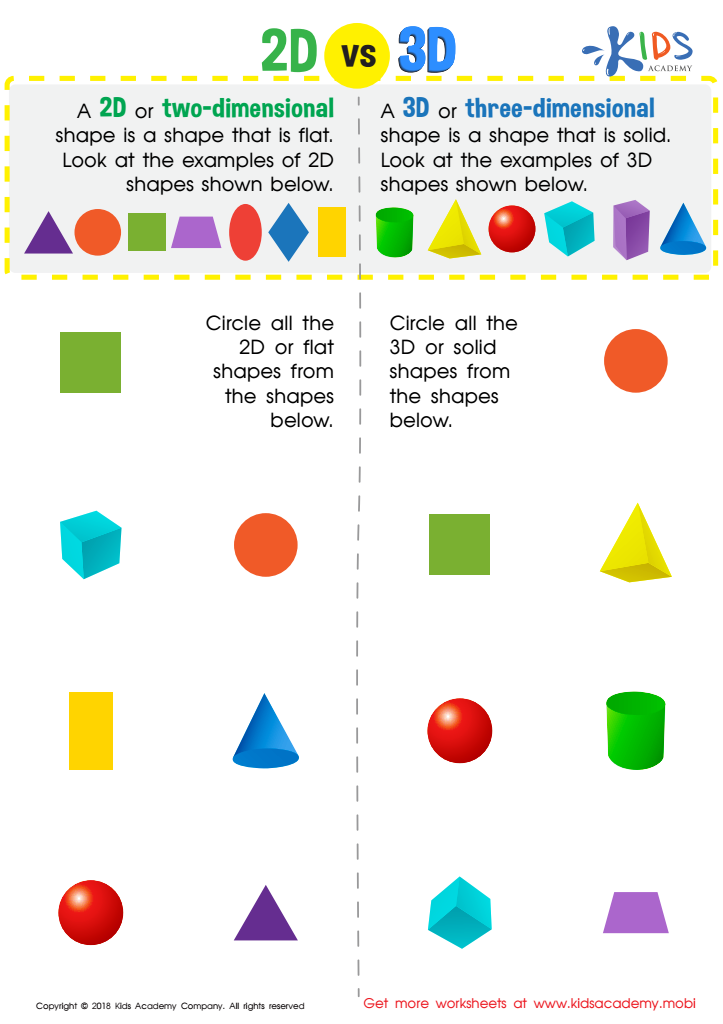
2D vs 3D Shapes Worksheet
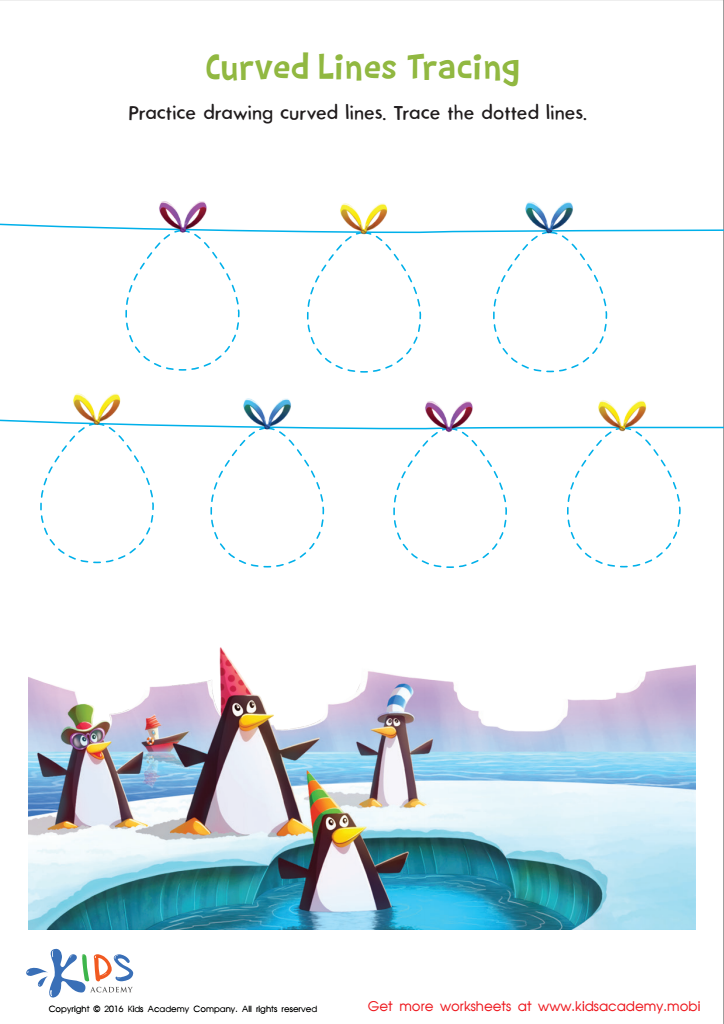
Curved Lines Tracing Worksheet
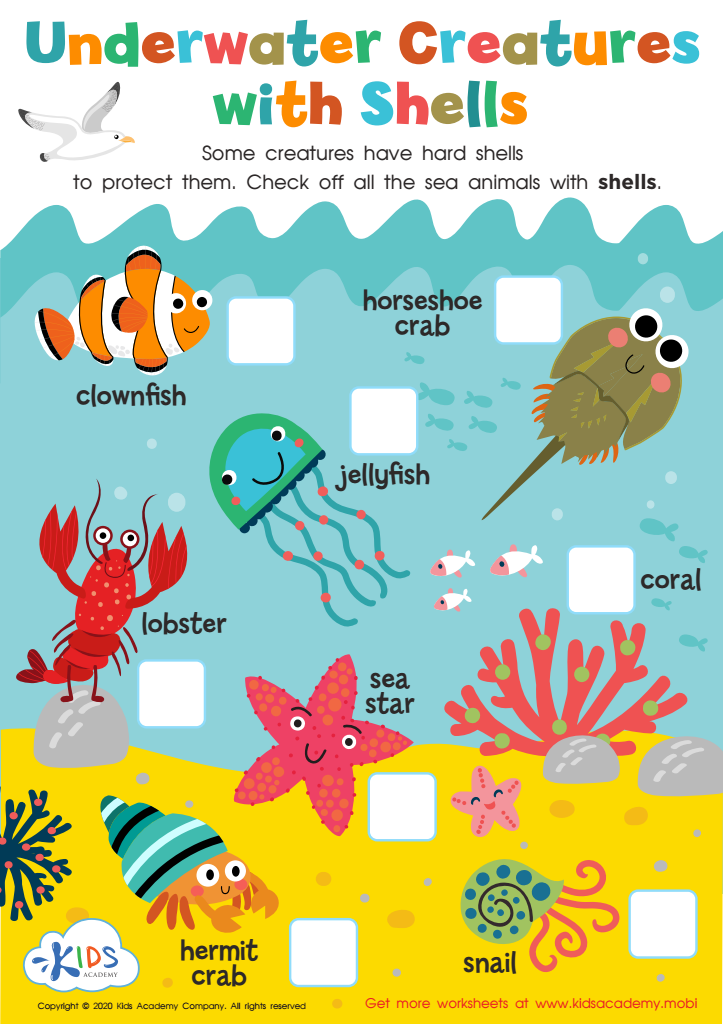
Underwater Creatures with Shells Worksheet
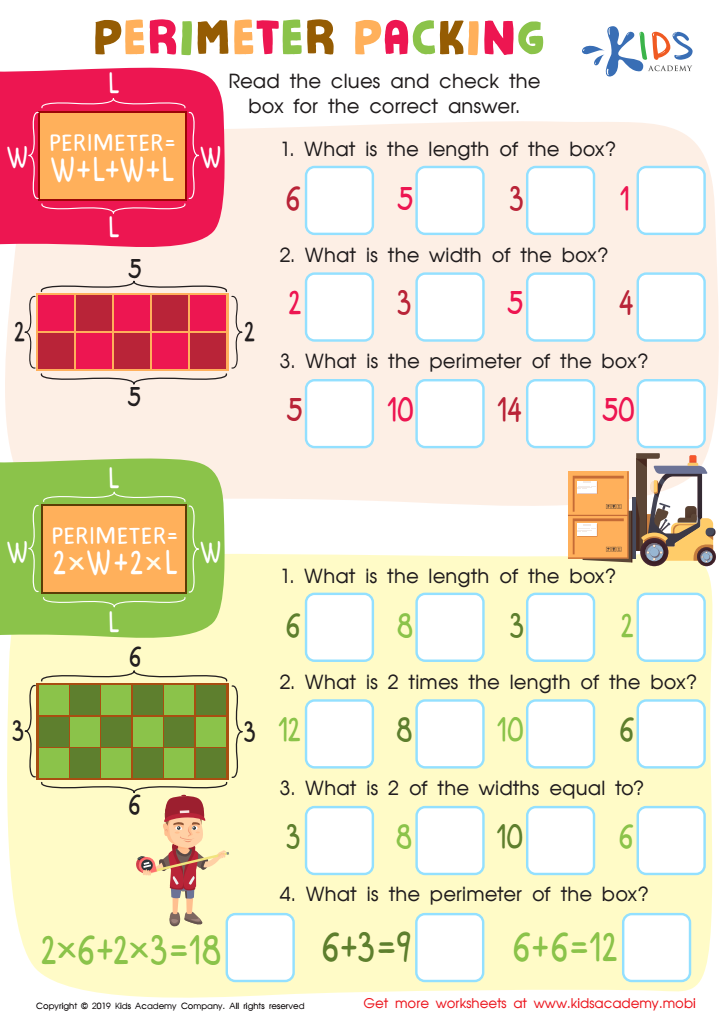
Perimeter Parking Worksheet
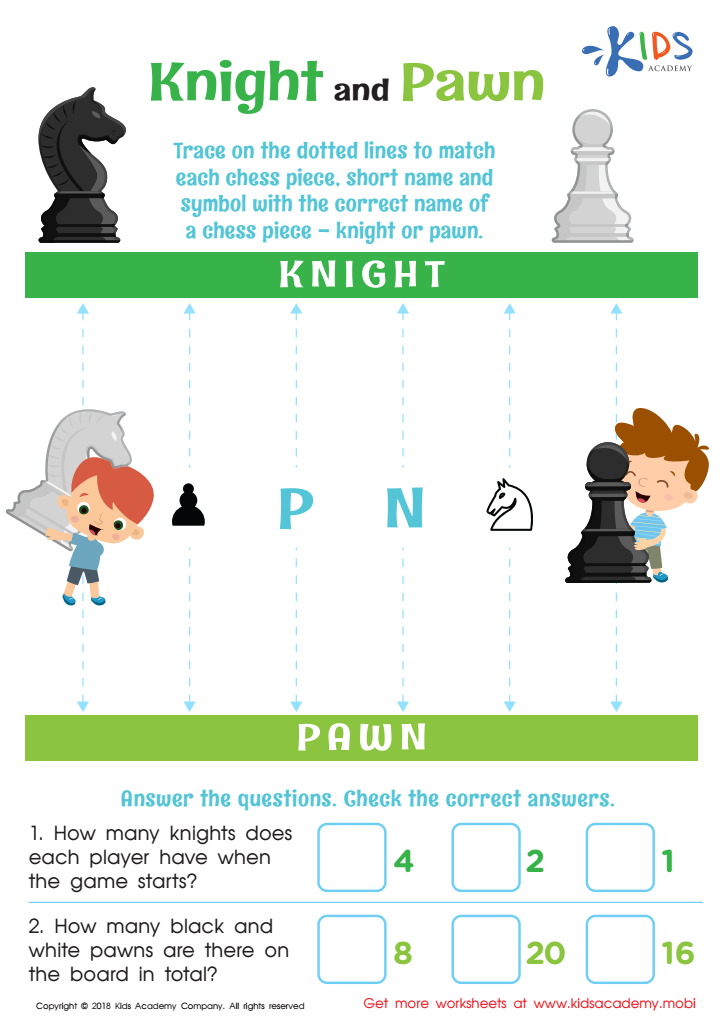
Knight and Pawn Worksheet
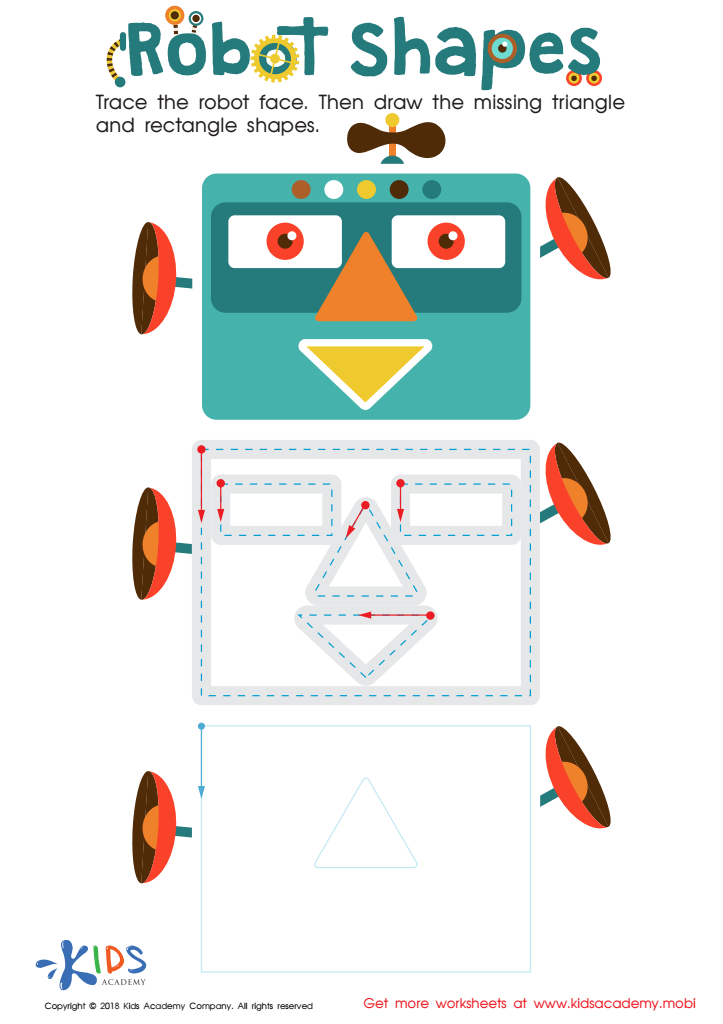
Robot Shapes Worksheet
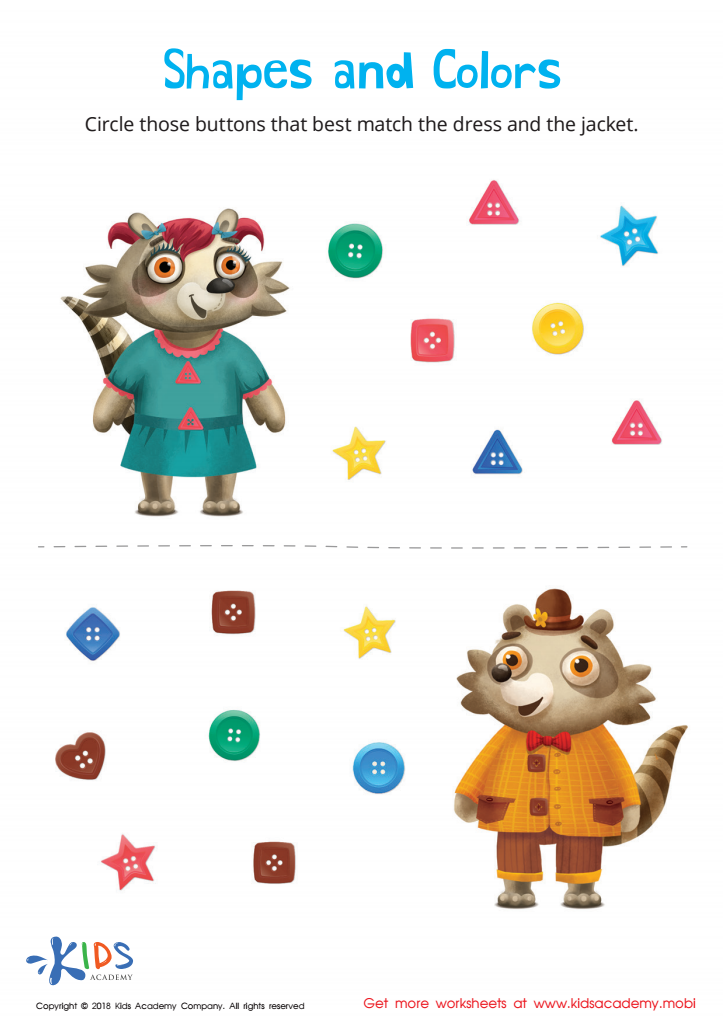
Shapes and Colors Worksheet
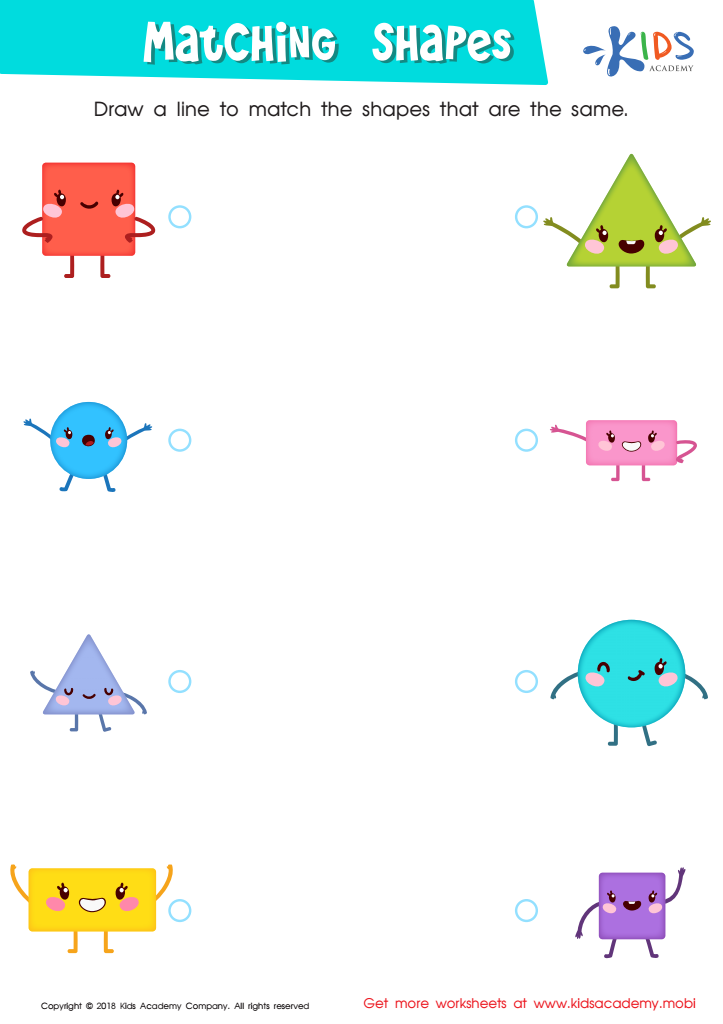
Matching Shapes Worksheet
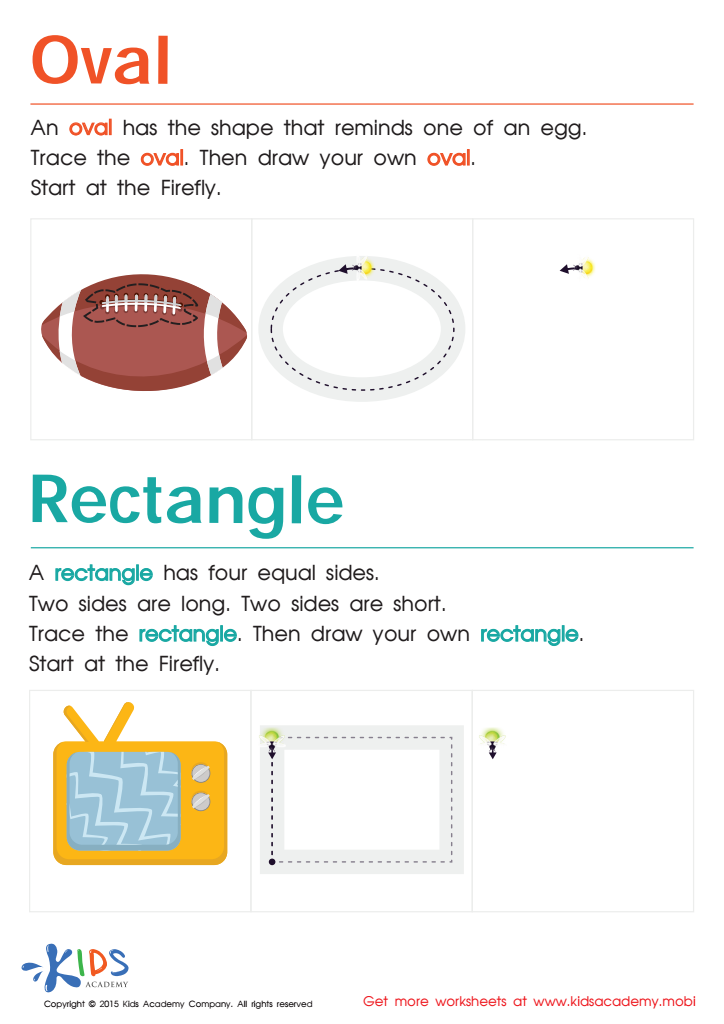
Easy Drawing of Ovals And Rectangles Worksheet
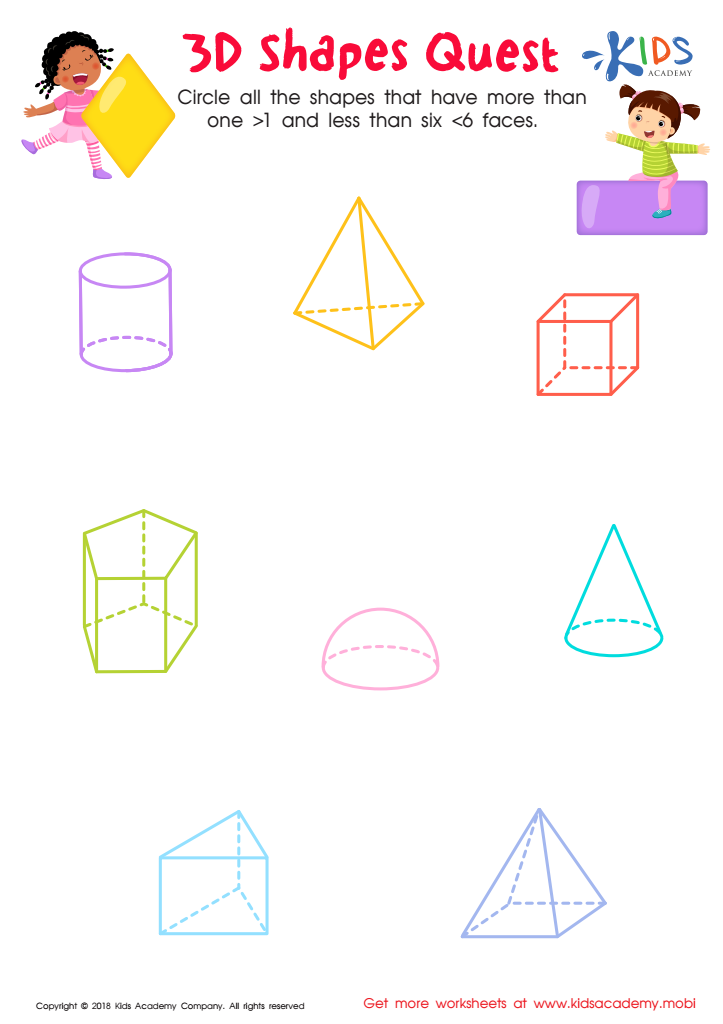
3D Shapes Quest Worksheet
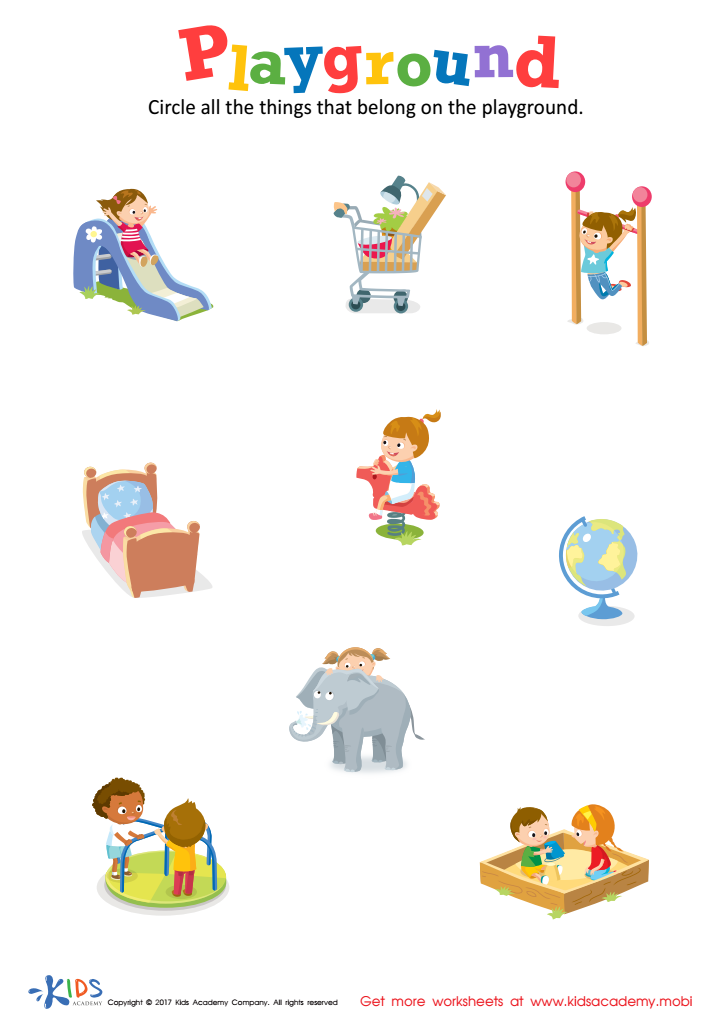
Playground Worksheet
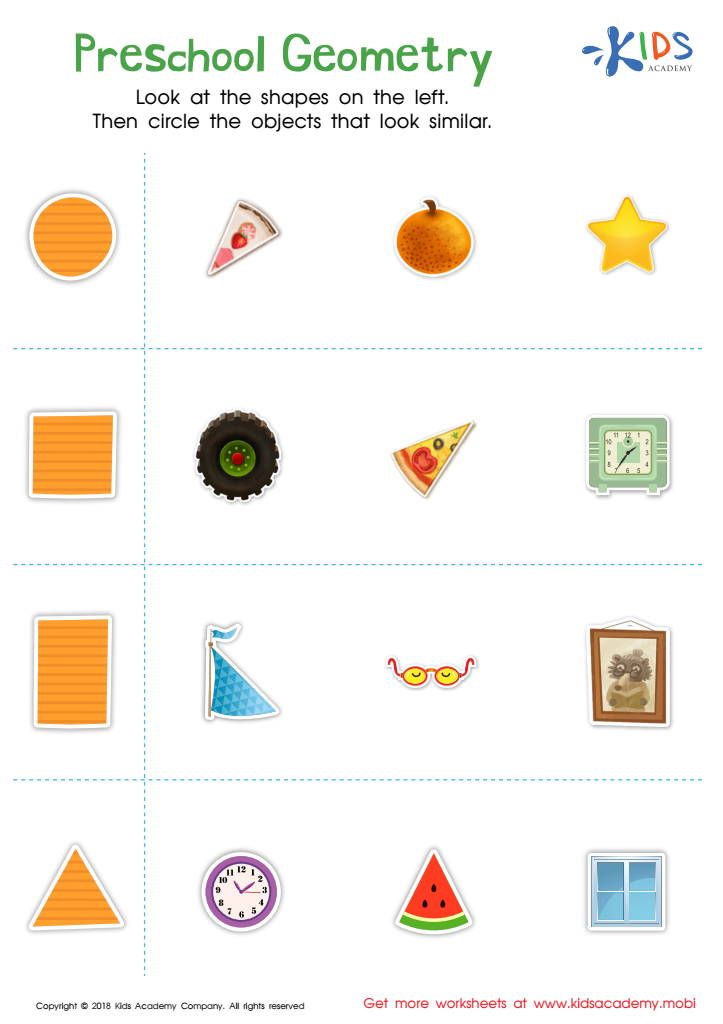
Preschool Geometry Worksheet
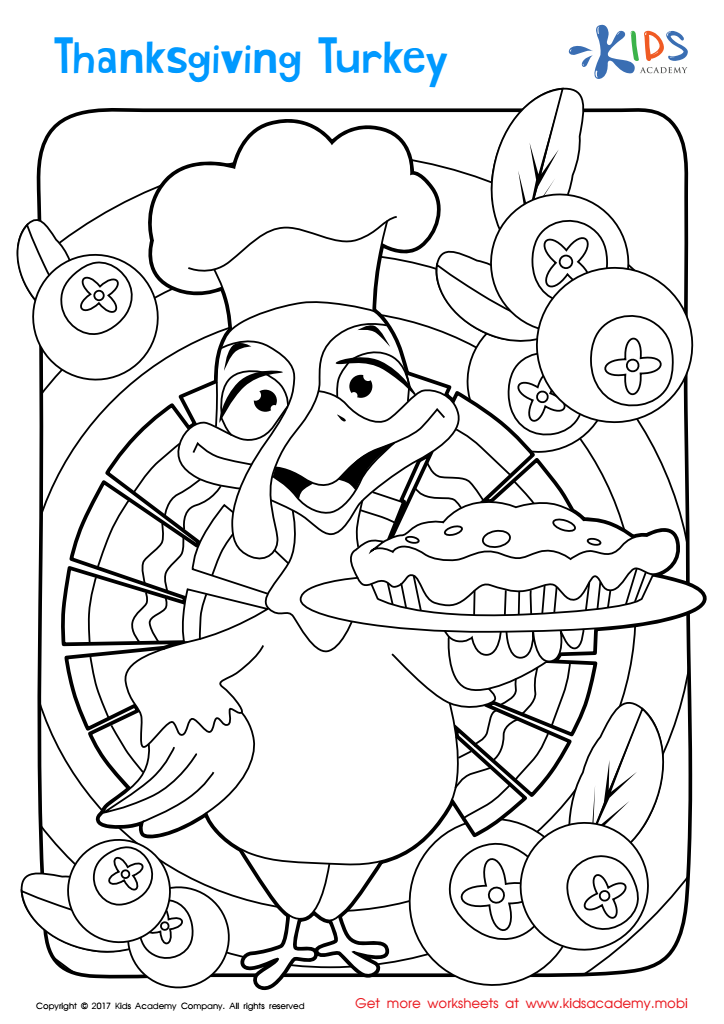
Turkey Thanksgiving Day Worksheet
 Assign to My Students
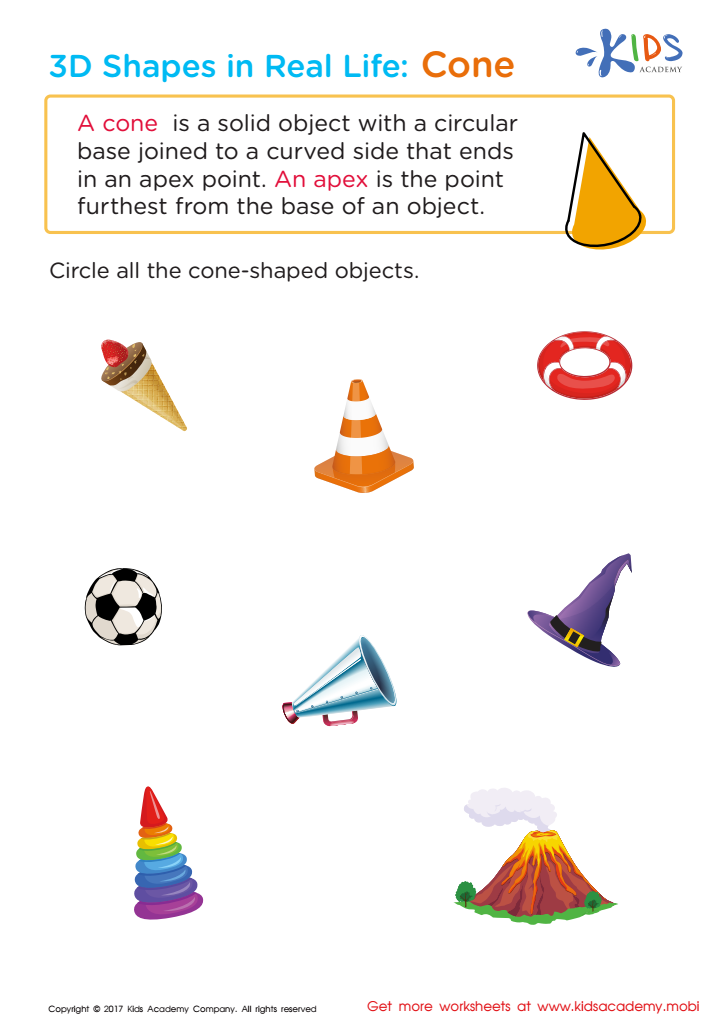
Shapes in Real Life: Cone Worksheet
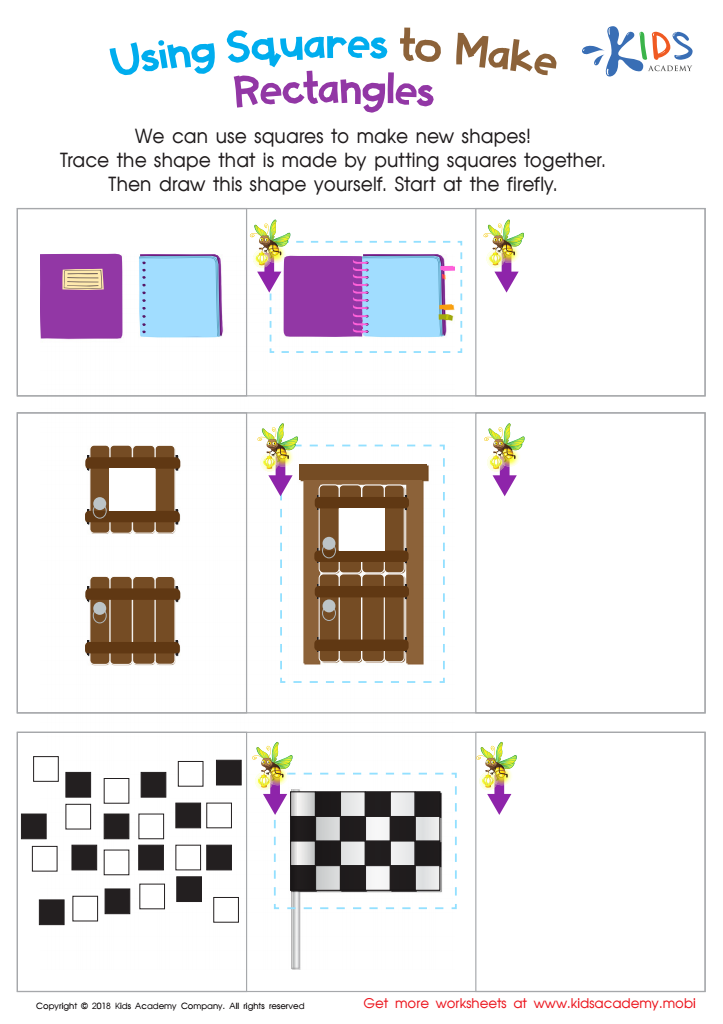
Using Squares to Make Rectangles Worksheet
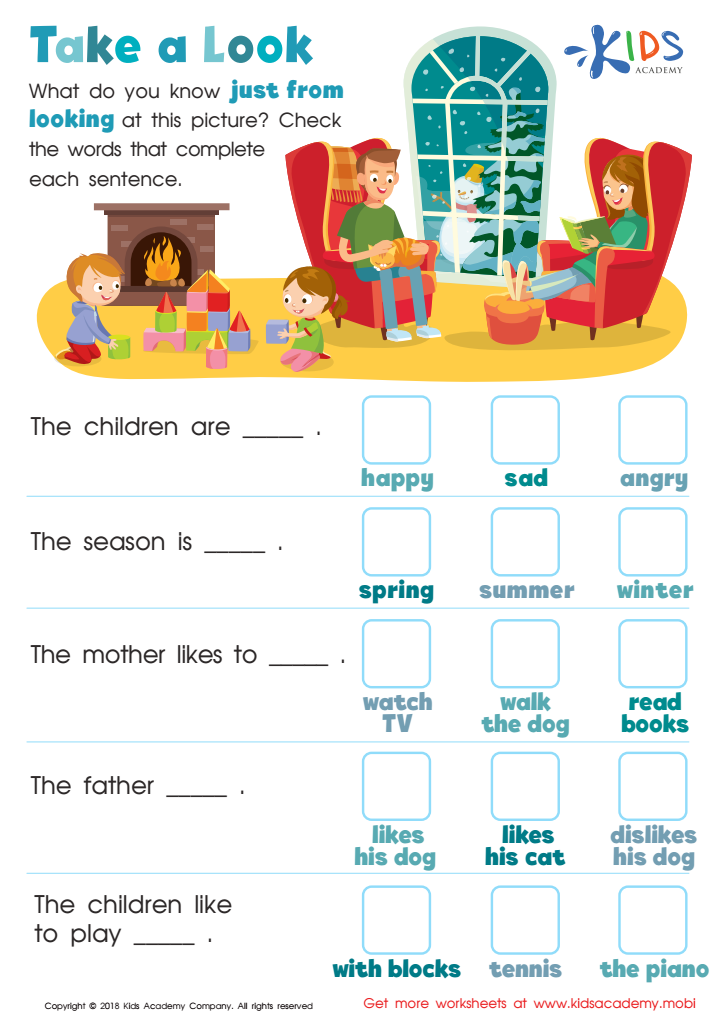
Take a Look - Part 1 Worksheet
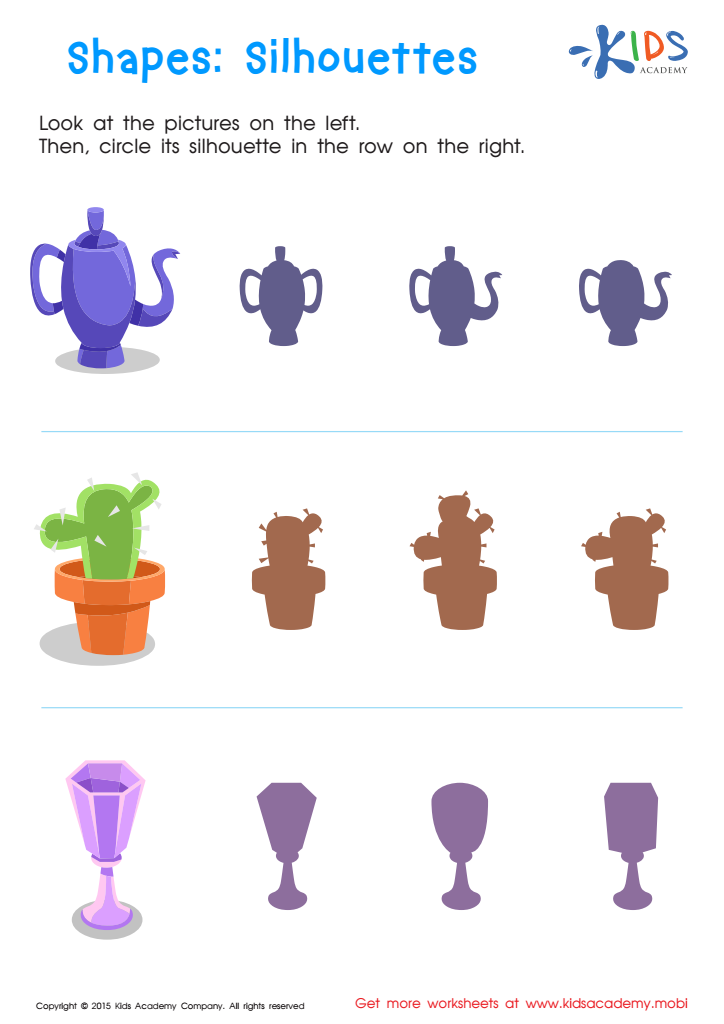
Silhouettes – Shapes Worksheet


.jpg)



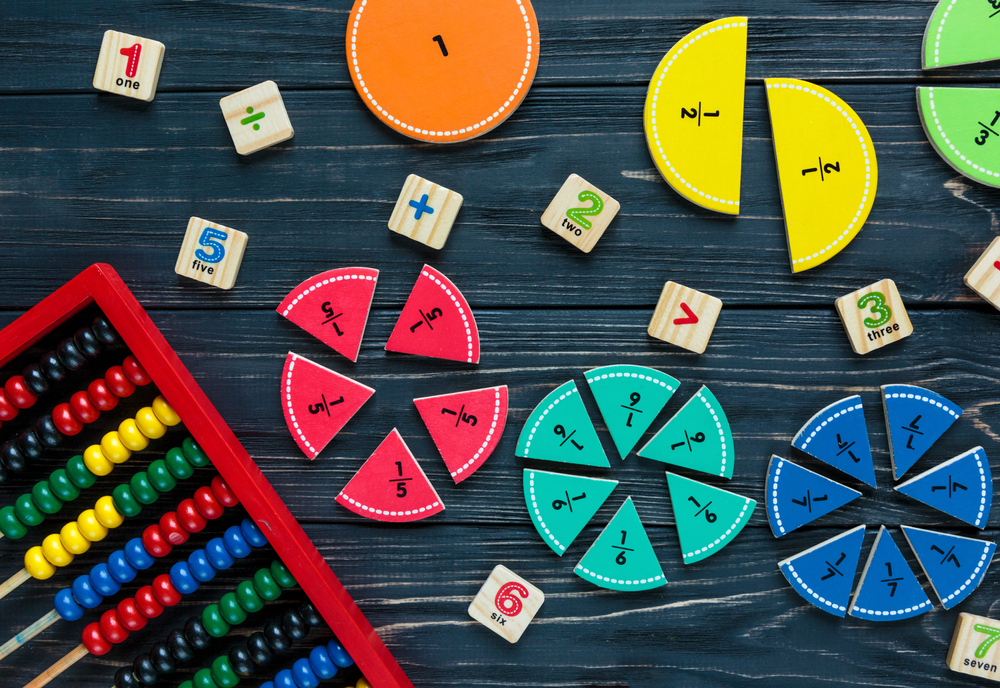

Shape recognition is a crucial foundational skill for young learners, serving as a stepping stone for more advanced mathematical and spatial reasoning development. Parents and teachers should care about shape recognition because it plays a significant role in children’s cognitive growth. Understanding shapes helps children develop their critical thinking and problem-solving abilities, as they learn to identify, compare, and categorize different geometric forms.
Additionally, early shape recognition is linked to improved performance in mathematics later in life. By recognizing shapes, children begin to construct the knowledge necessary for understanding complex concepts such as symmetry, patterns, and spatial relations. This competency not only enhances their mathematical skills but also enriches their overall cognitive development.
Beyond academics, shape recognition assists in everyday life. It cultivates observational skills and the ability to navigate their environment, allowing children to recognize and interact with the world around them more effectively. Encouraging shape recognition also fosters creativity and imagination as children engage in art and design activities that incorporate geometric forms. Ultimately, by prioritizing shape recognition, parents and teachers are equipping children with essential tools for learning and life, leading to well-rounded, capable individuals.








