Reading worksheets activities for Ages 3-8
29 filtered results
-
From - To
Discover a treasure trove of engaging reading worksheet activities designed specifically for children aged 3-8! Our expertly crafted resources aim to nurture early literacy skills through fun and interactive exercises. Explore a diverse range of printable worksheets that promote phonics, vocabulary development, and comprehension, all tailored to captivate young minds. From alphabet tracing to story prompts, each activity encourages learning through play, fostering a love for reading from an early age. Ideal for teachers and parents alike, these worksheets are perfect for classroom settings or at-home practice. Boost your child's confidence and skills in reading with our comprehensive activities today!
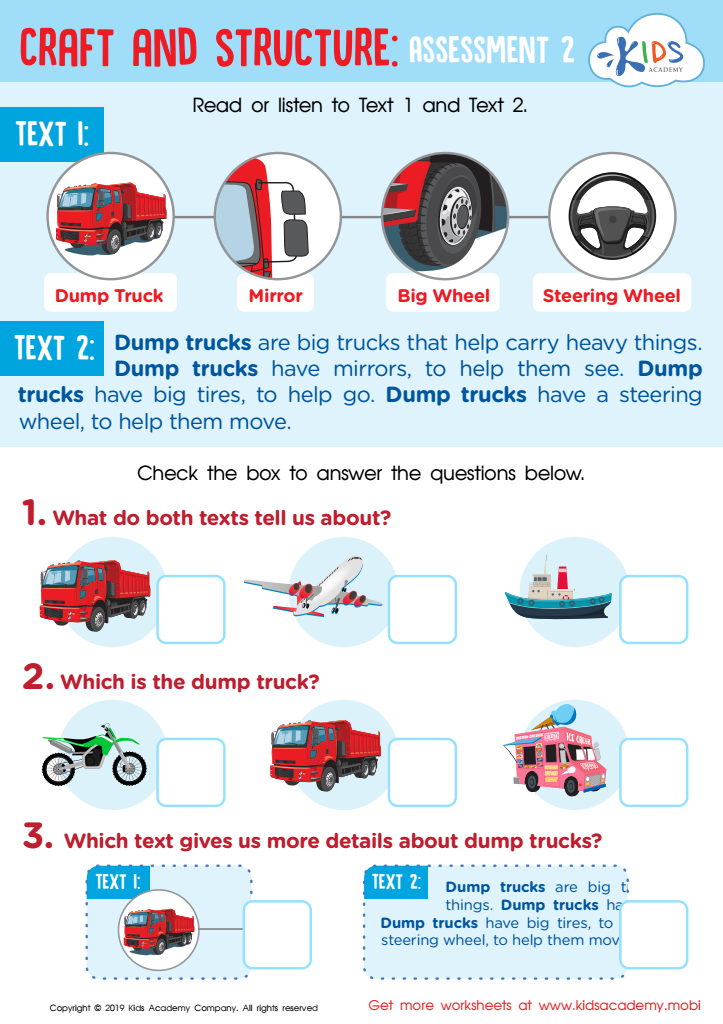
Craft and Structure: Assessment 2 Worksheet
 Assign to My Students
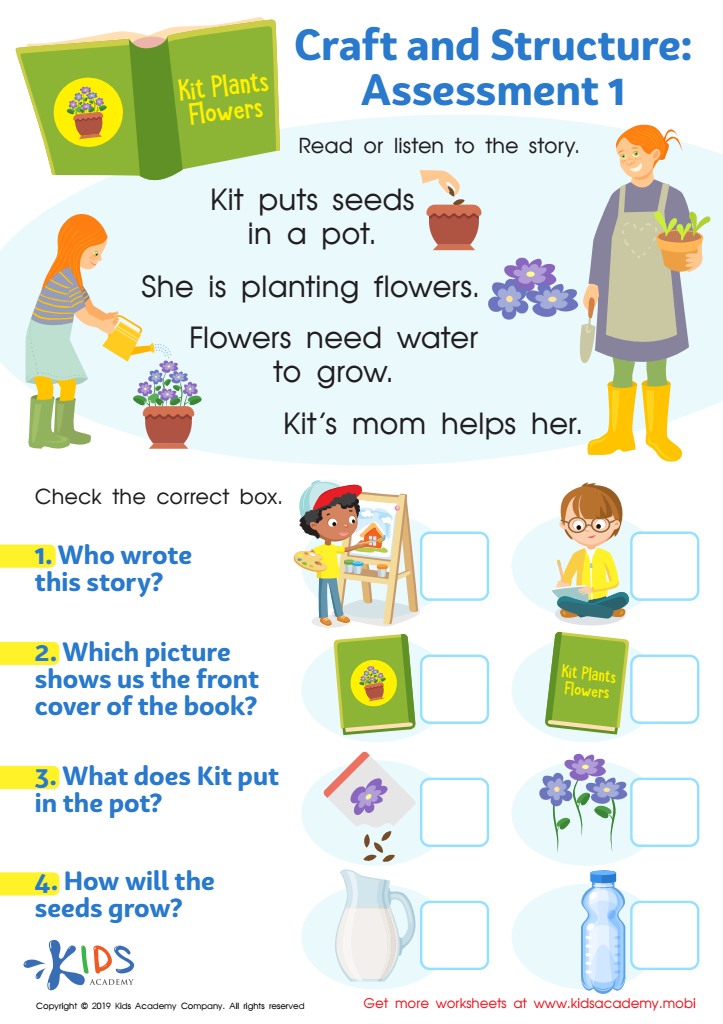
Craft and Structure: Assessment 1 Worksheet
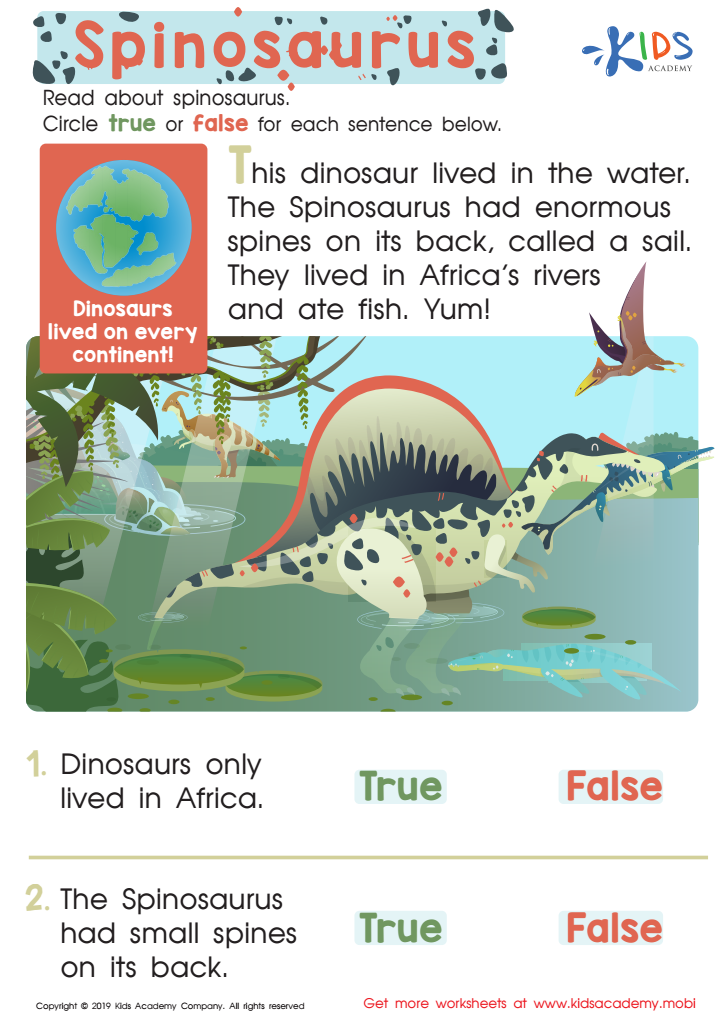
Spinosaurus Assessment Worksheet
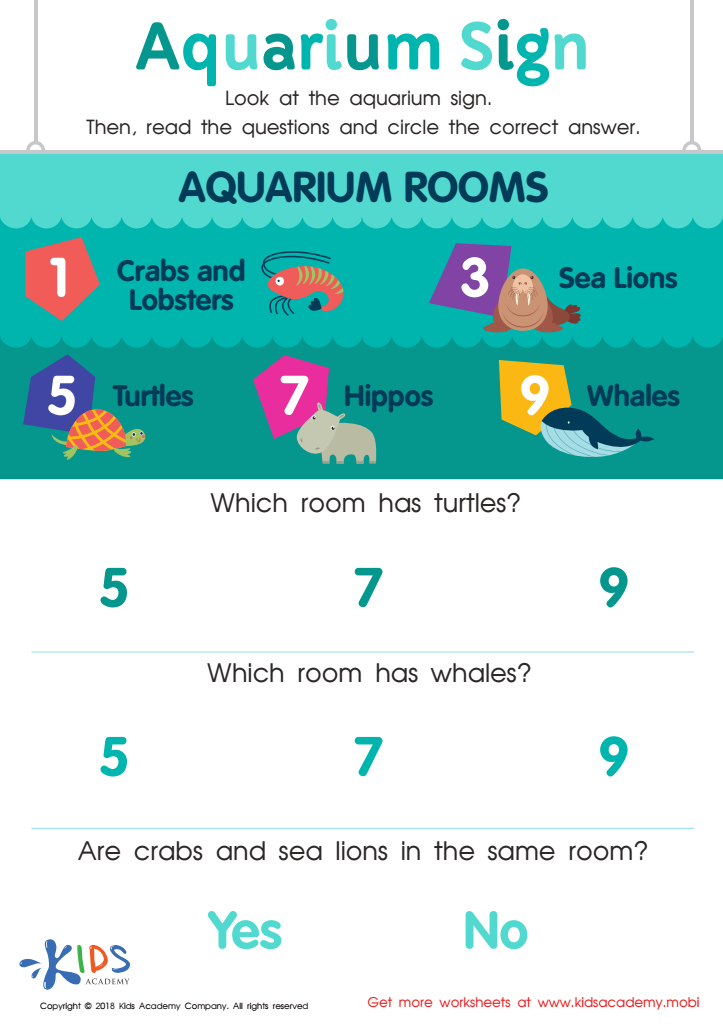
Assessment: Aquarium Sign Worksheet
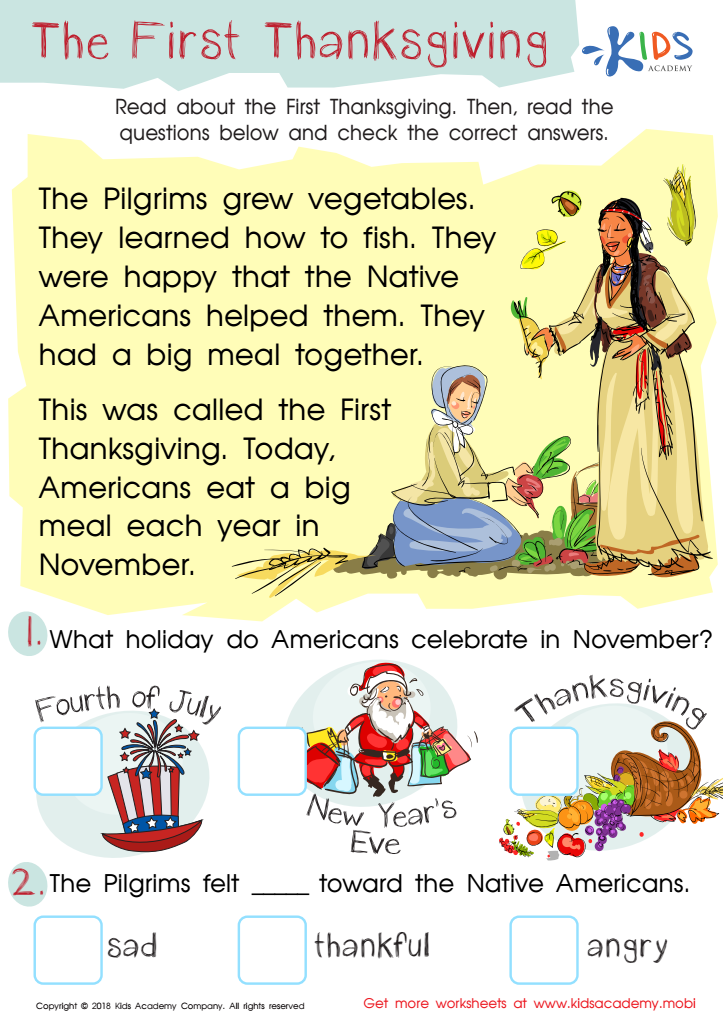
Assessment: First Thanksgiving Worksheet
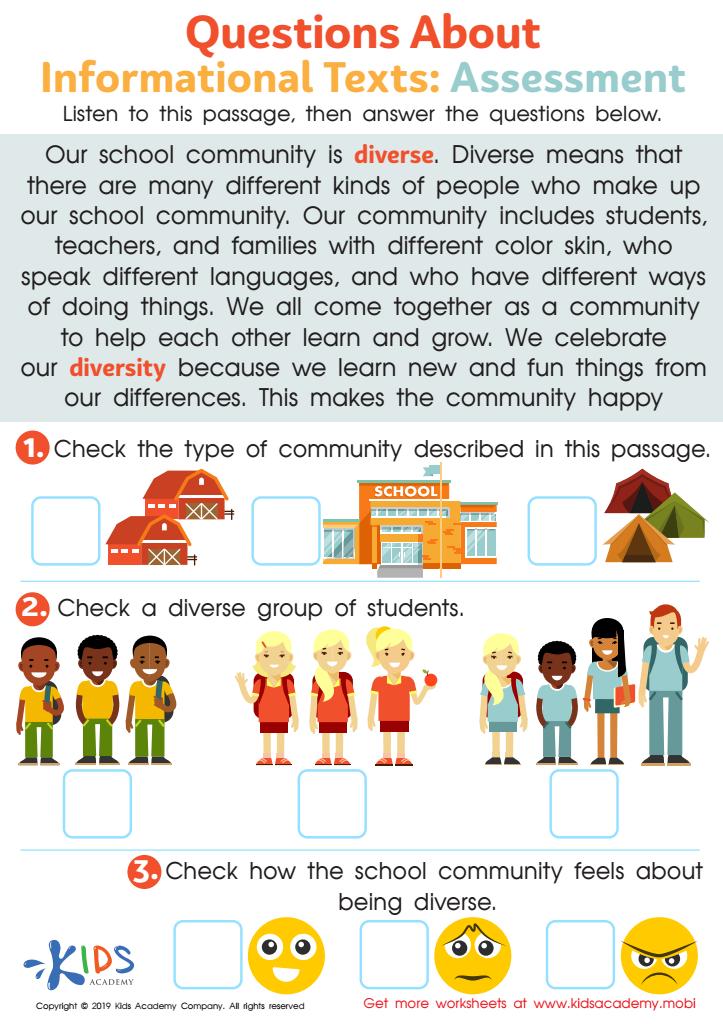
Questions About Informational Texts: Assessment 1 Worksheet
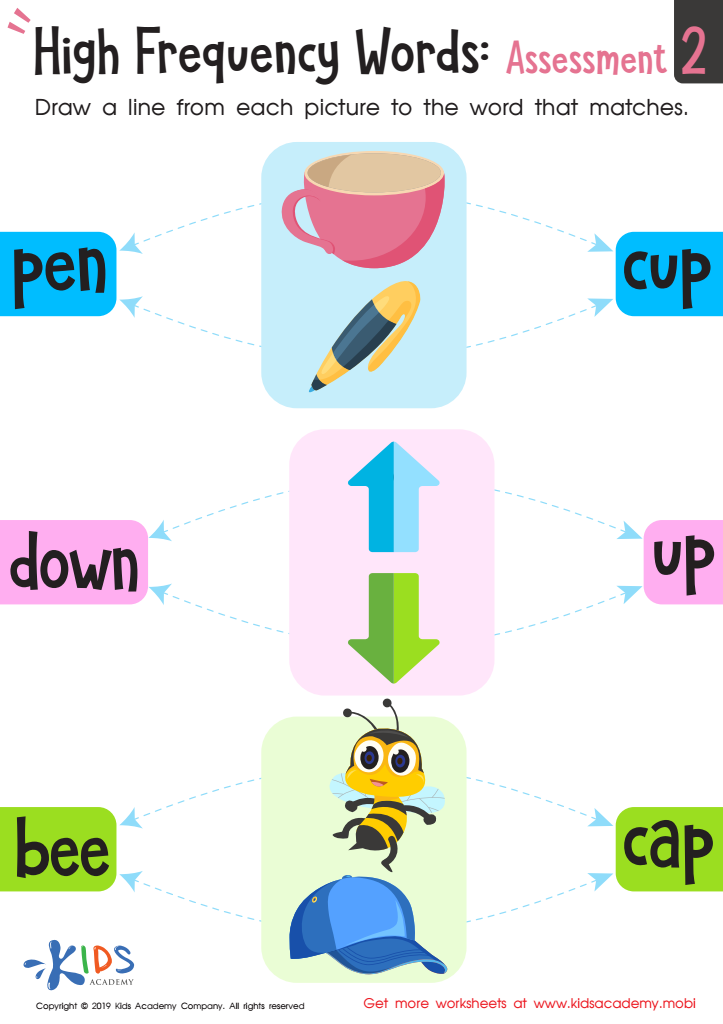
High Frequency Words: Assessment 2 Worksheet
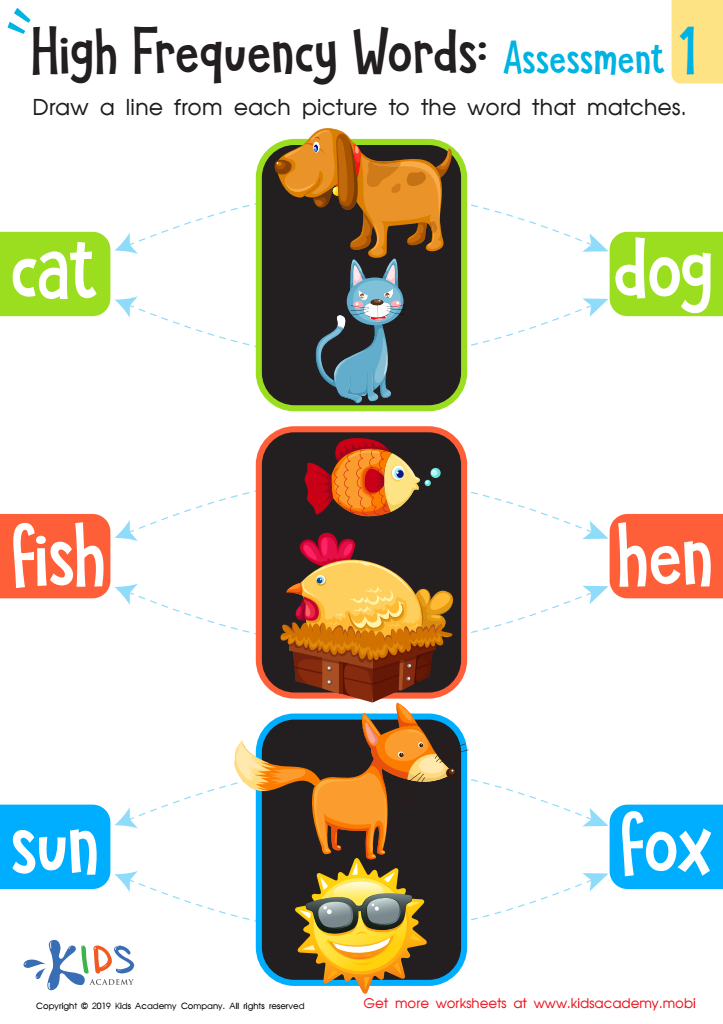
High Frequency Words: Assessment 1 Worksheet
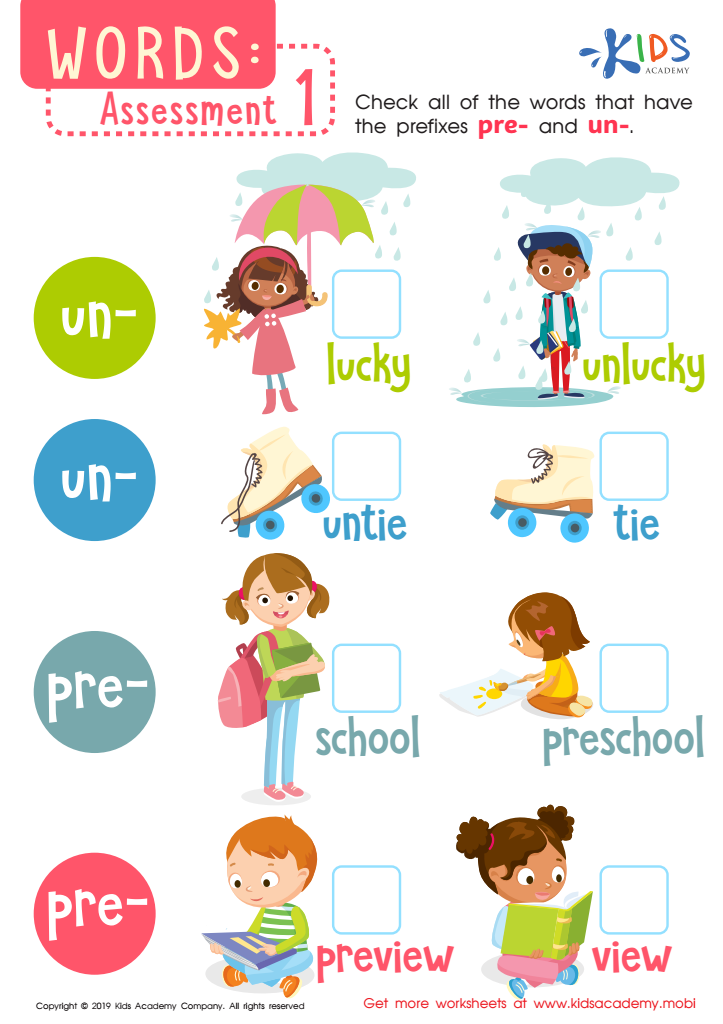
Words: Assessment 1 Worksheet
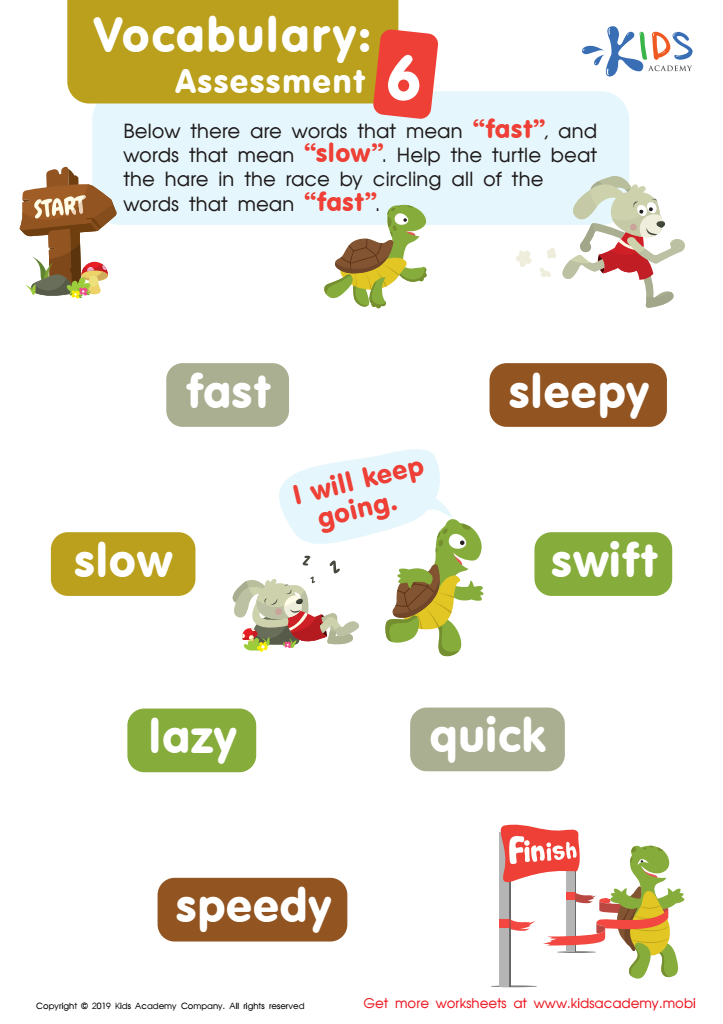
Vocabulary: Assessment 6 Worksheet
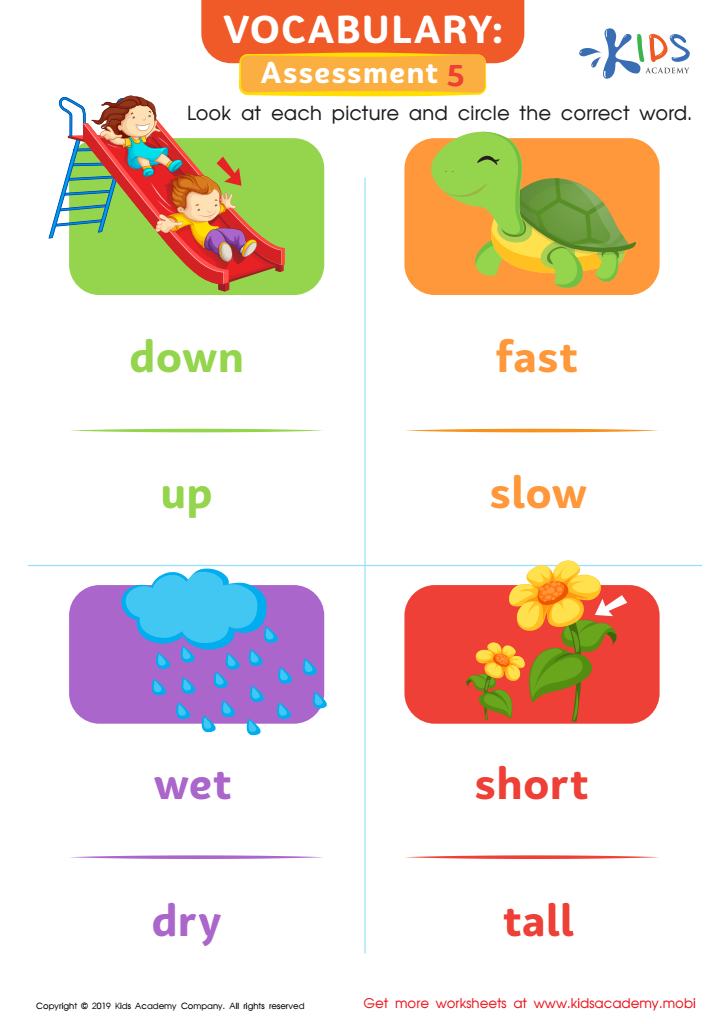
Vocabulary: Assessment 5 Worksheet
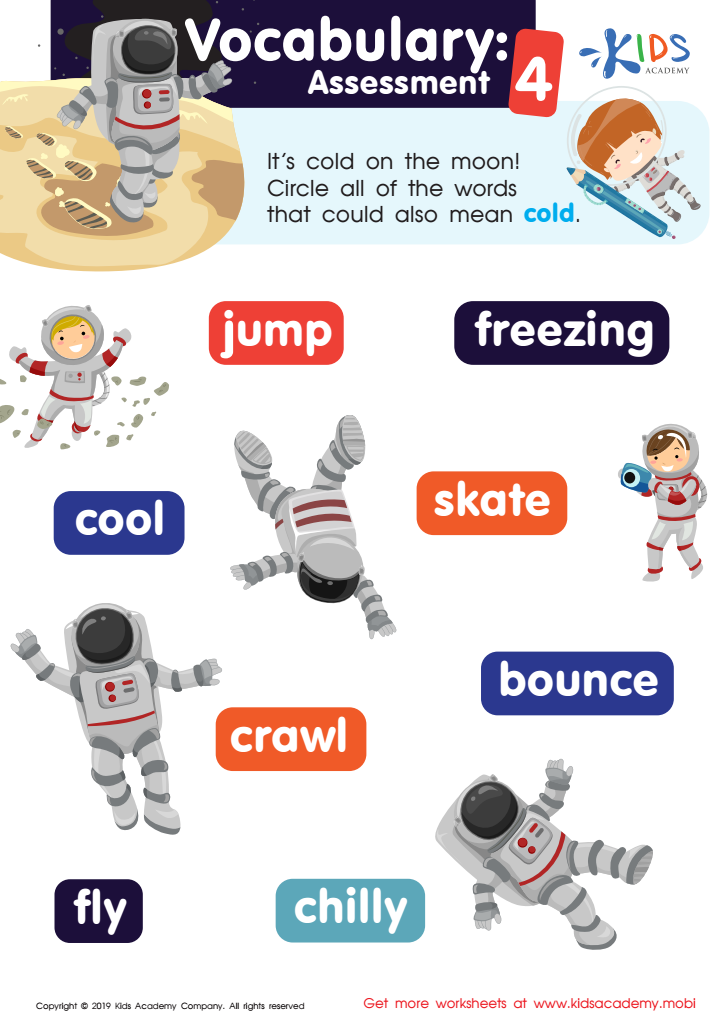
Vocabulary: Assessment 4 Worksheet
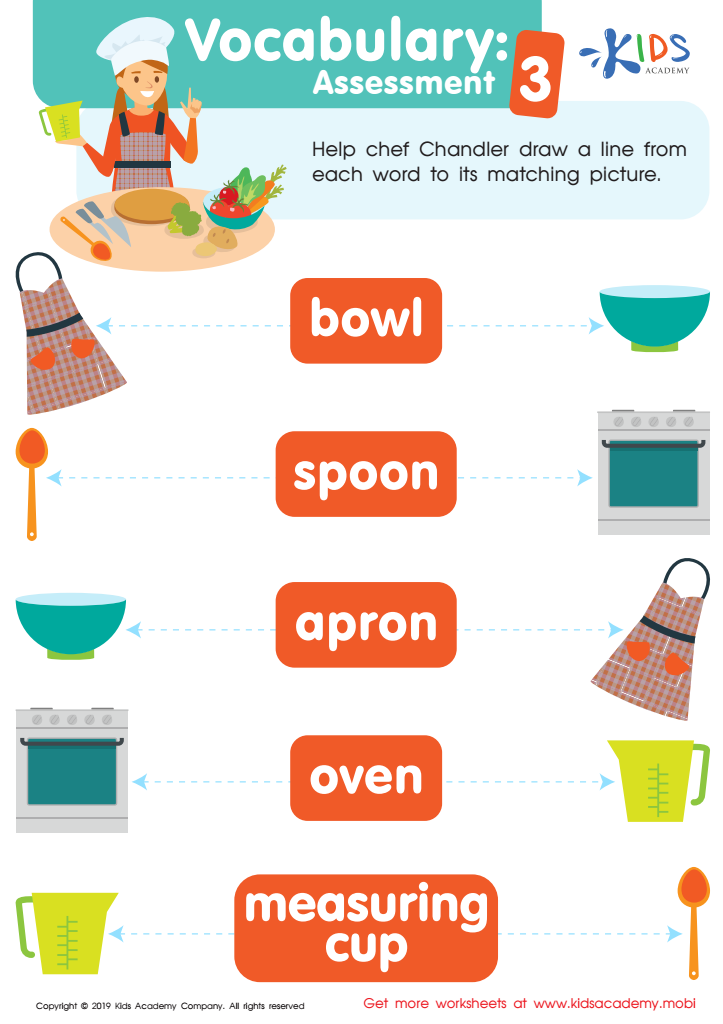
Vocabulary: Assessment 3 Worksheet
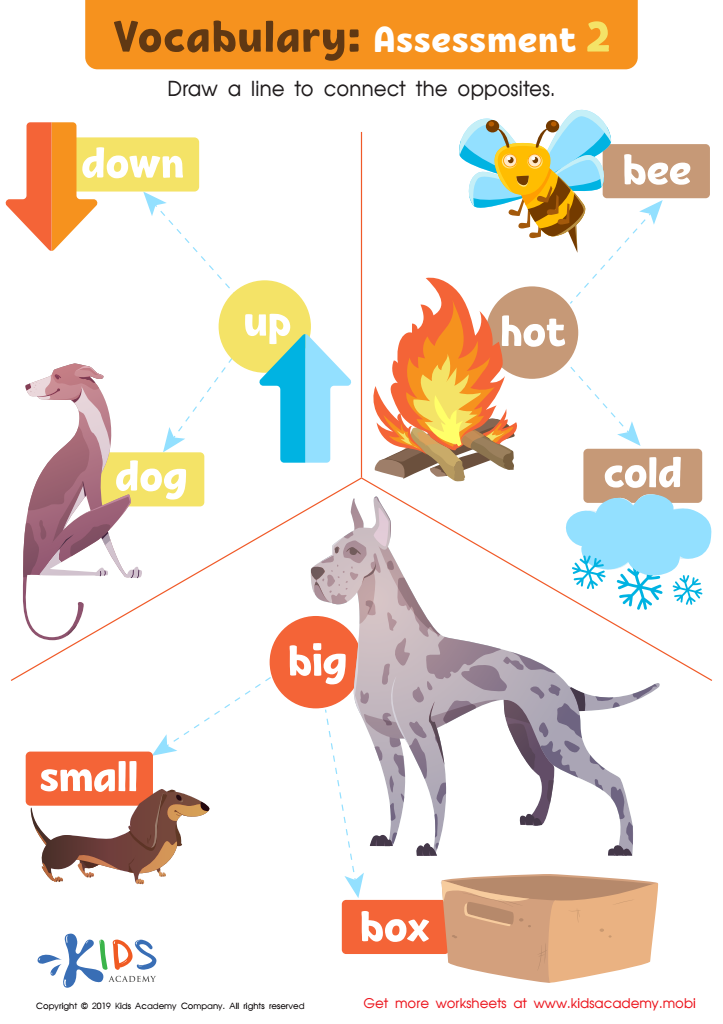
Vocabulary: Assessment 2 Worksheet
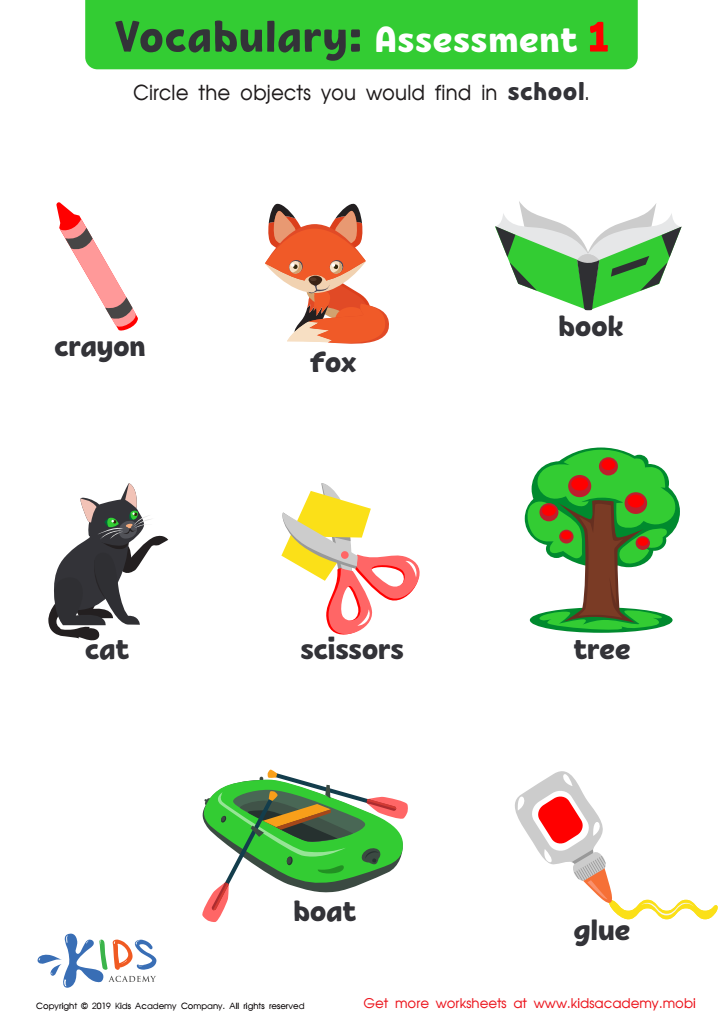
Vocabulary: Assessment 1 Worksheet
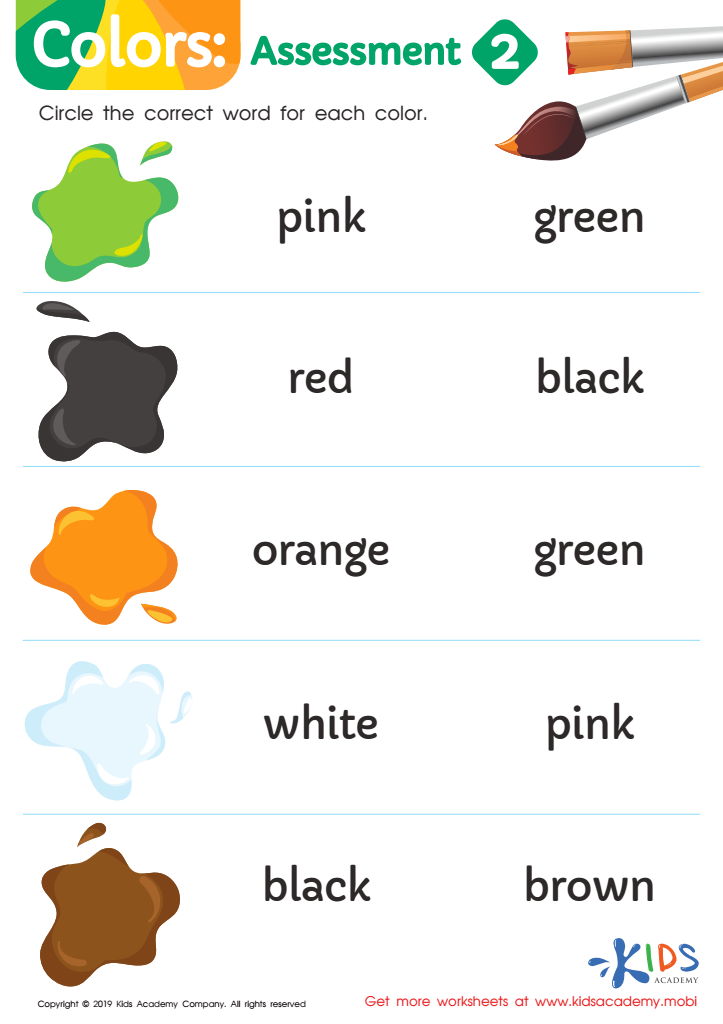
Colors: Assessment 2 Worksheet
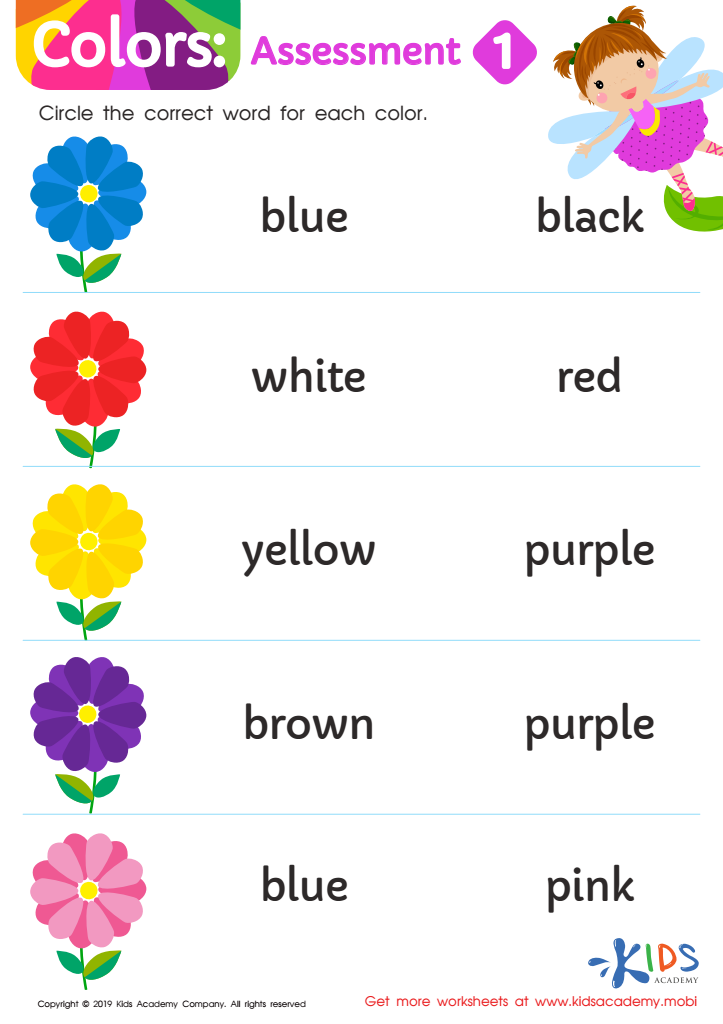
Colors: Assessment 1 Worksheet
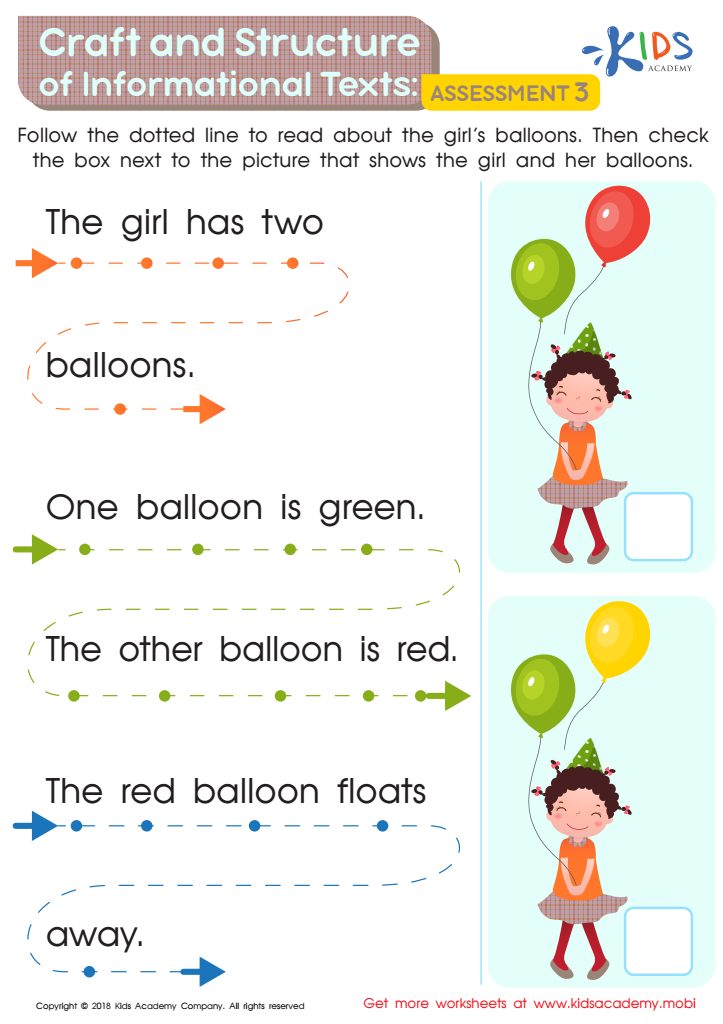
Craft and Structure of Informational Texts: Assessment 3 Worksheet
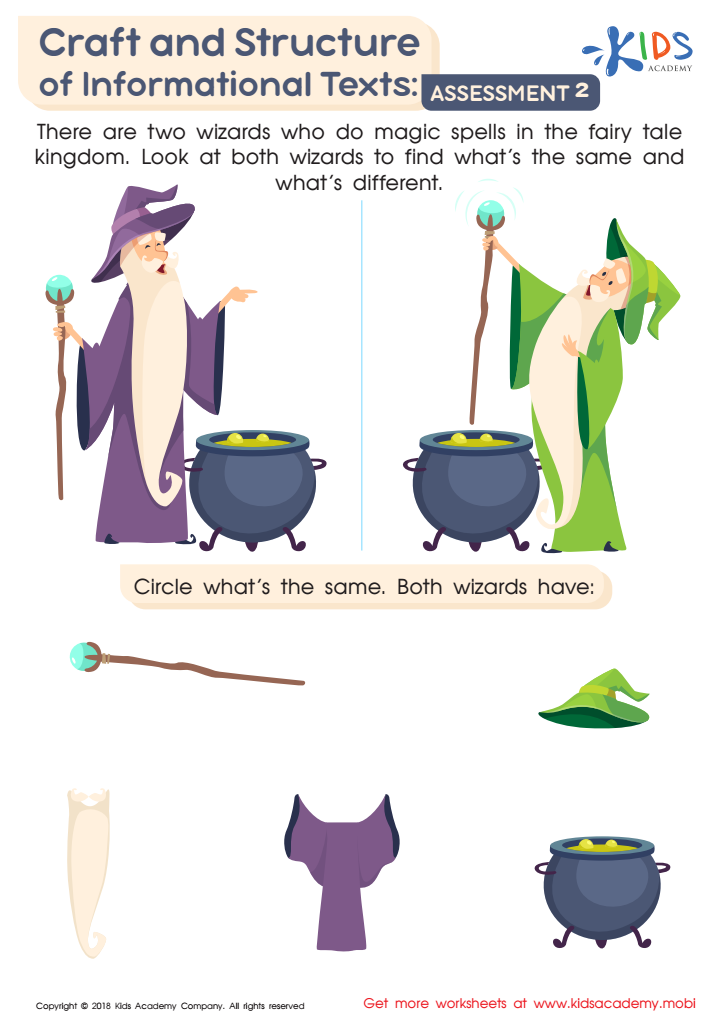
Craft and Structure of Informational Texts: Assessment 2 Worksheet
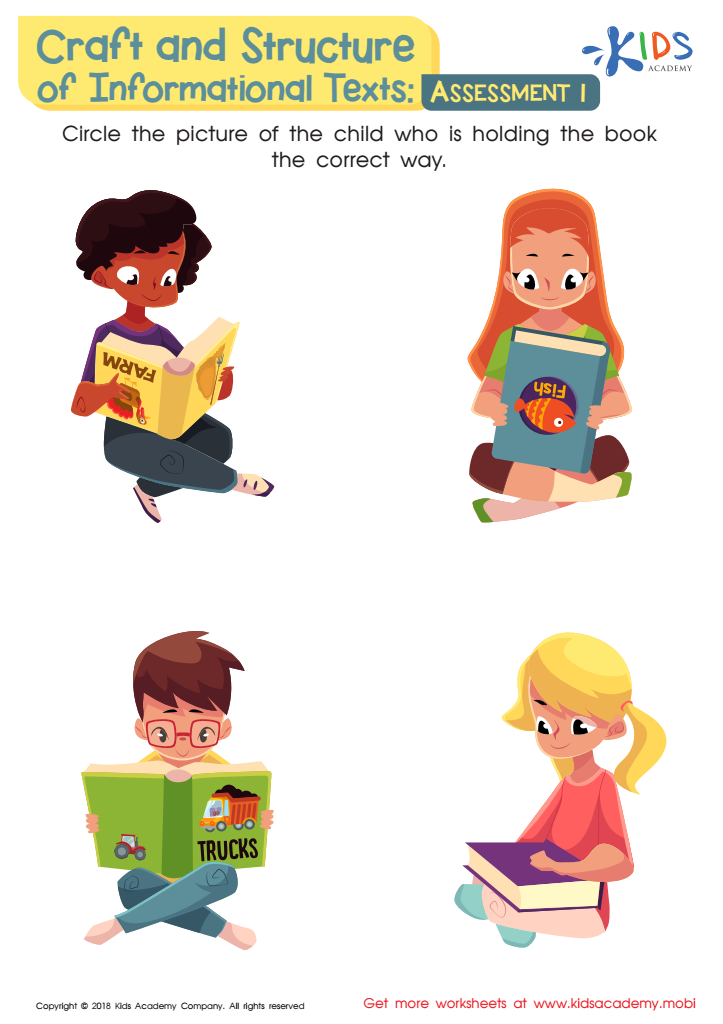
Craft and Structure of Informational Texts: Assessment 1 Worksheet
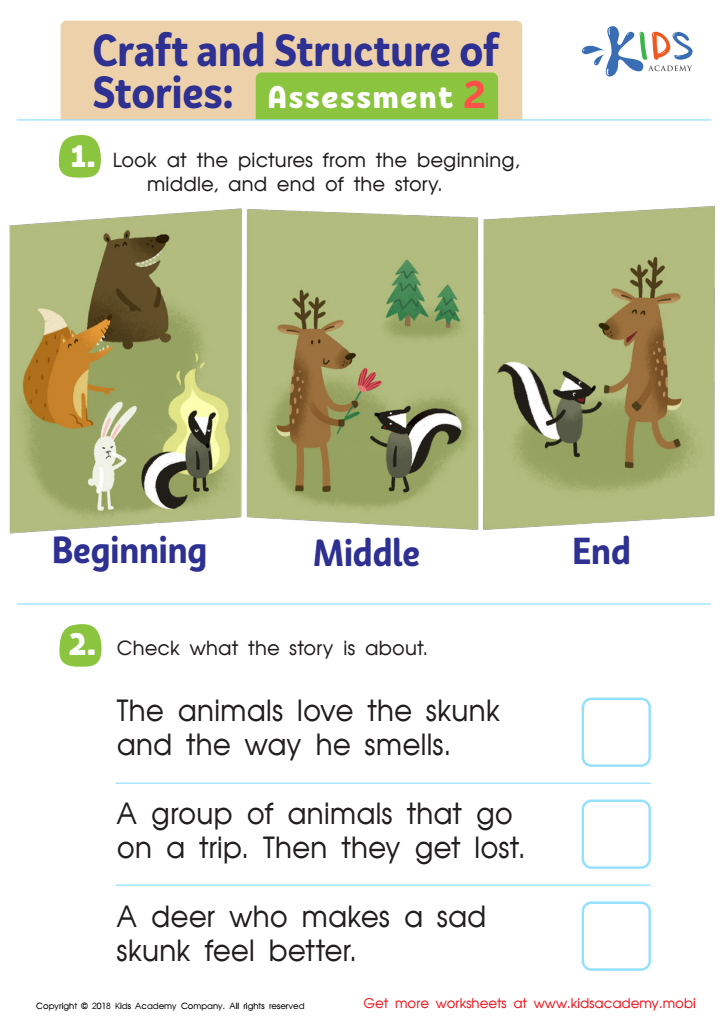
Craft and Structure of Stories: Assessment 2 Worksheet
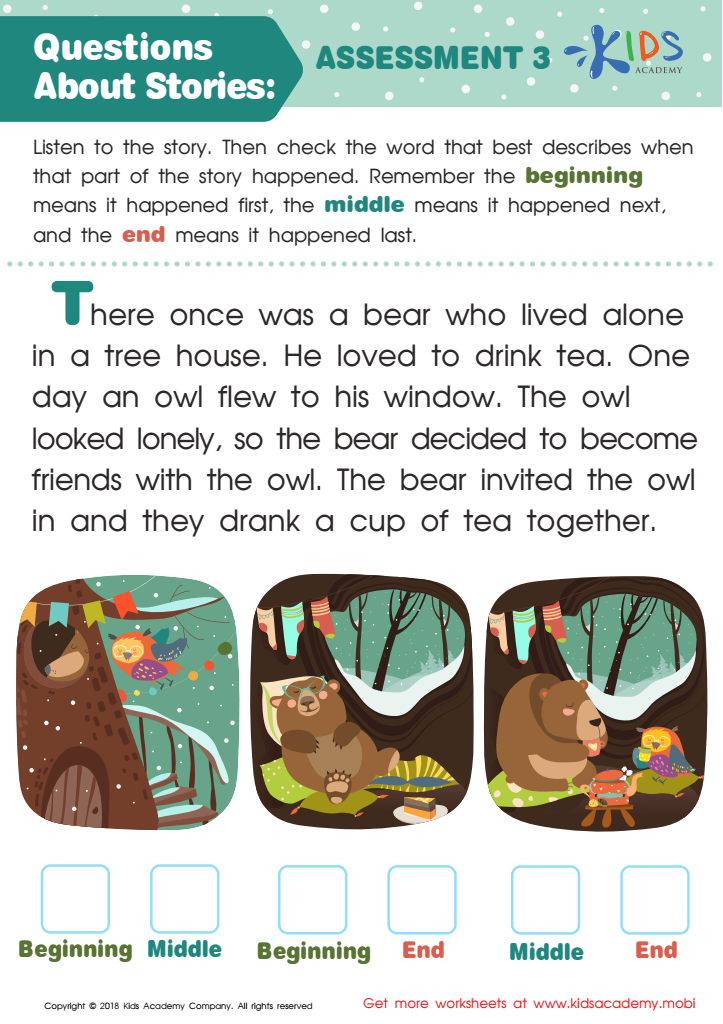
Questions About Stories: Assessment 3 Worksheet
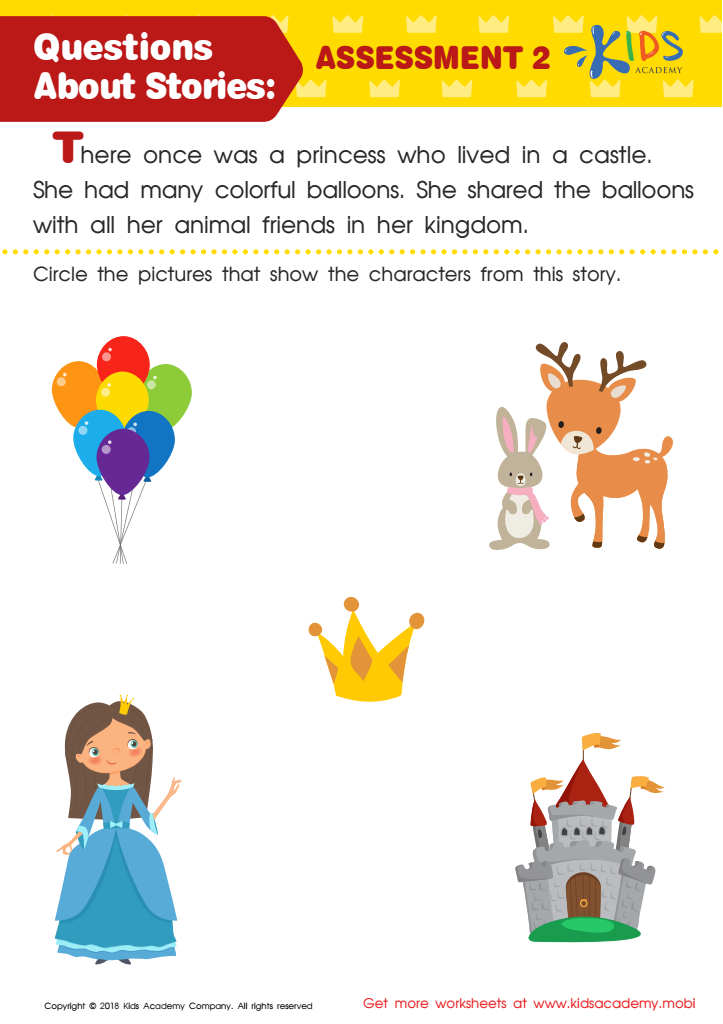
Questions About Stories: Assessment 2 Worksheet
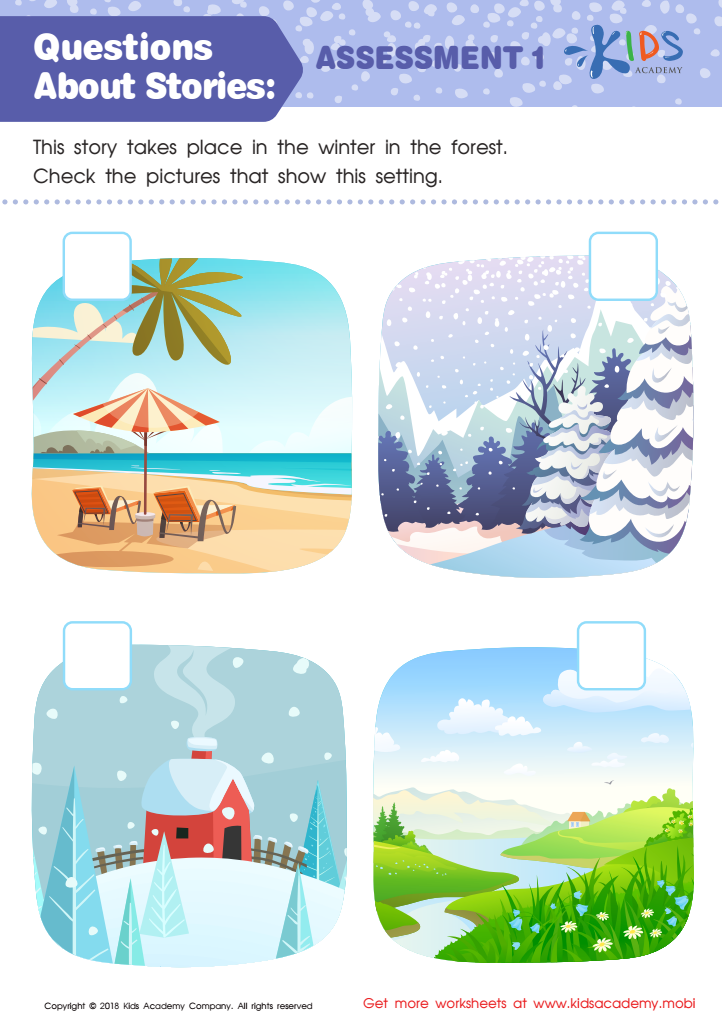
Questions About Stories: Assessment 1 Worksheet







Reading activities for children aged 3-8 are crucial for fostering essential literacy skills that set the foundation for lifelong learning. During these formative years, a child's brain develops rapidly, and engaging in reading-related activities can significantly enhance their cognitive, social, and emotional growth.
Firstly, early exposure to reading improves vocabulary and language skills. Children learn words, sentence structures, and storytelling, which enhances their ability to communicate effectively. This foundational knowledge boosts their confidence when they eventually begin formal education.
Moreover, reading activities promote imagination and creativity. Exposure to diverse stories introduces children to new ideas and cultures, nurturing empathy and social awareness. As they engage with characters and plots, their critical thinking skills develop, enabling them to make connections and interpret information more effectively.
Furthermore, these activities create valuable bonding experiences between parents, teachers, and children. Shared reading time fosters a love for books, making learning enjoyable and encouraging families to create a reading-rich environment.
In sum, engaging 3 to 8-year-olds in reading activities is not just about literacy; it's an investment in their overall development. Parents and teachers play a pivotal role in guiding and supporting this critical aspect of growth, laying the groundwork for future academic success and lifelong learning.








