Matching worksheets activities for Ages 3-9 - Page 4
82 filtered results
-
From - To
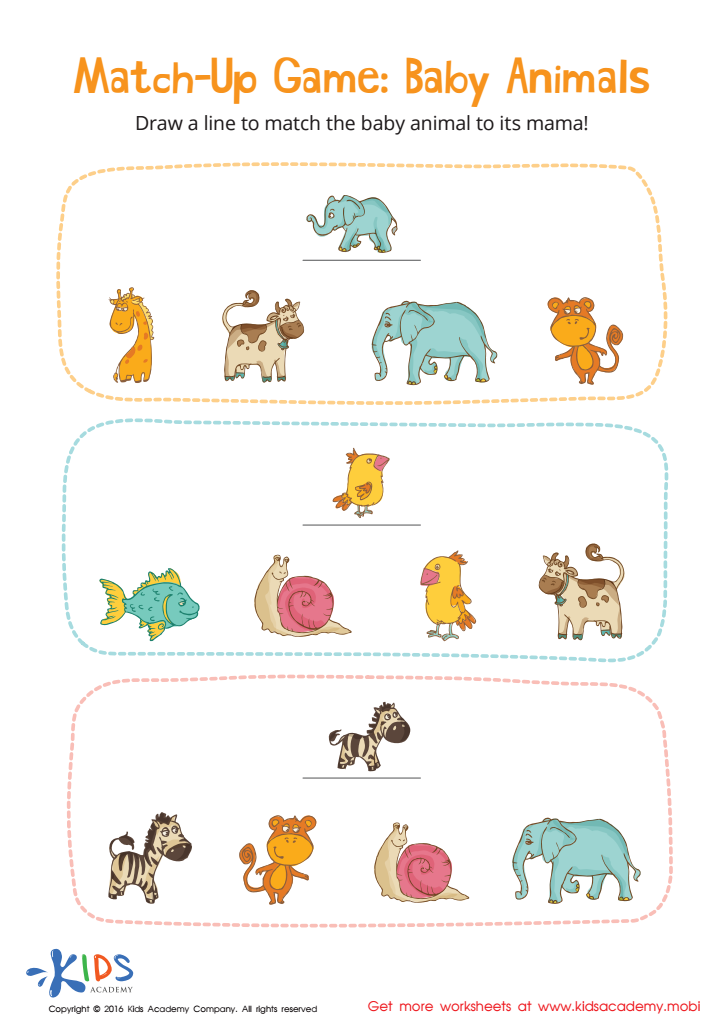
Baby Animals Match-Up Worksheet
 Assign to My Students
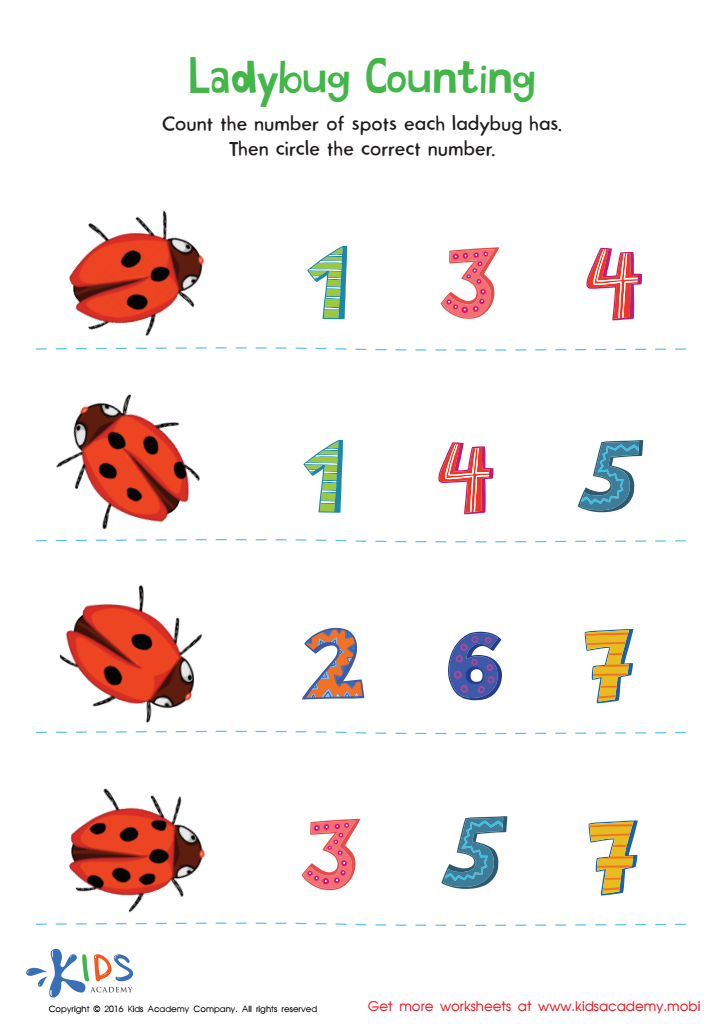
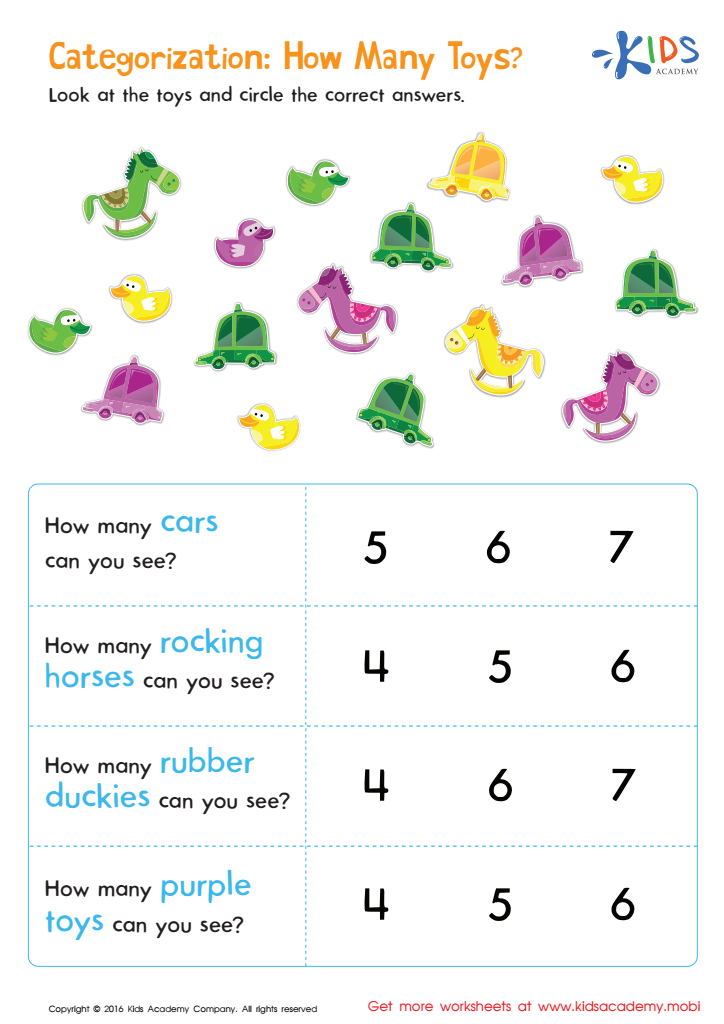
Classifying Toys by Type and Color Sorting Worksheet
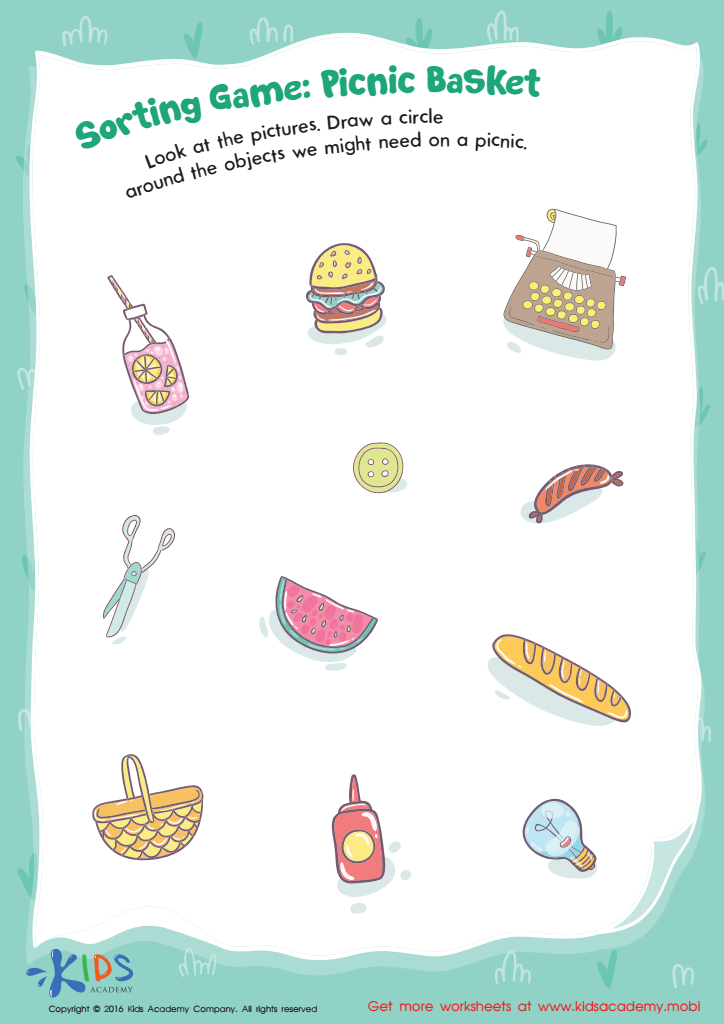
Picnic Basket Sorting Worksheet
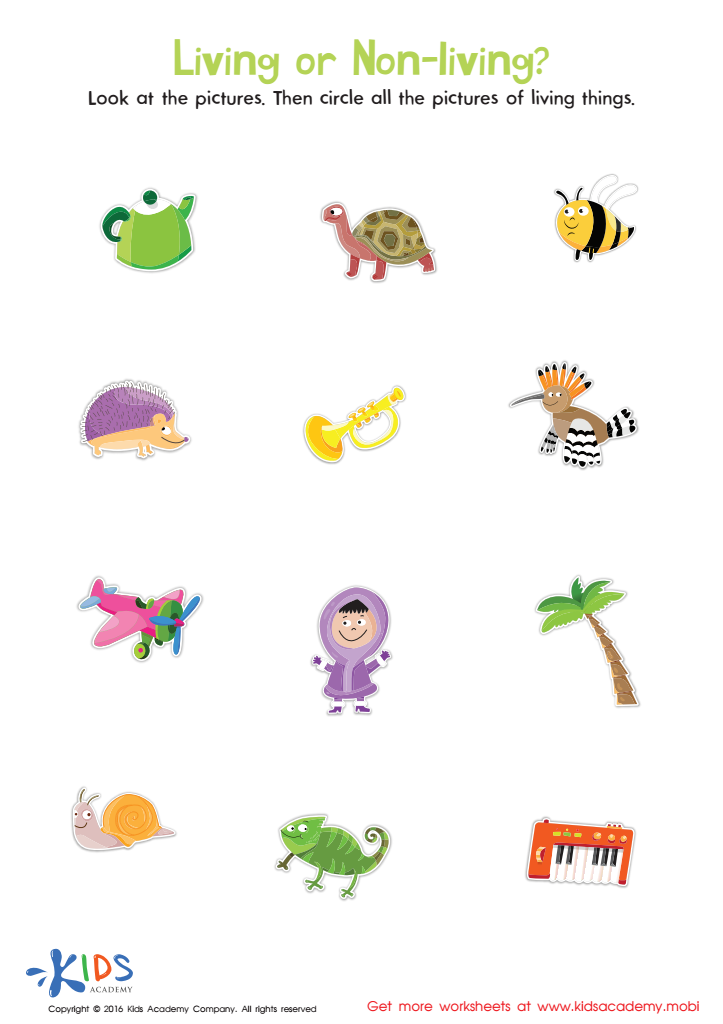
Identifying Living and Non–living Things Sorting Worksheet
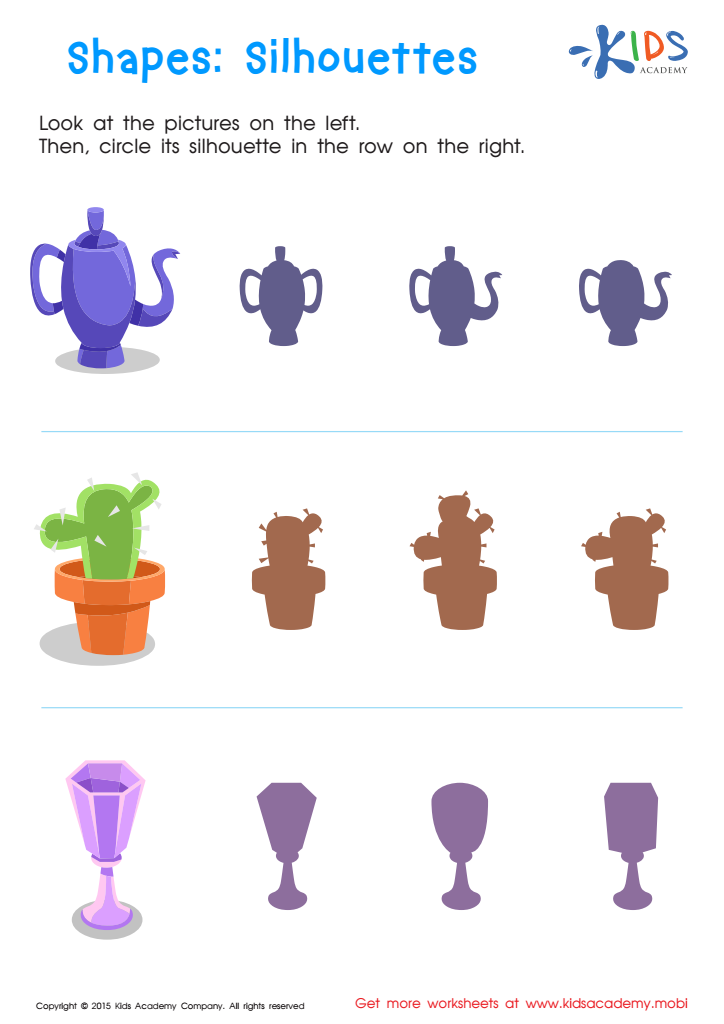
Silhouettes – Shapes Worksheet
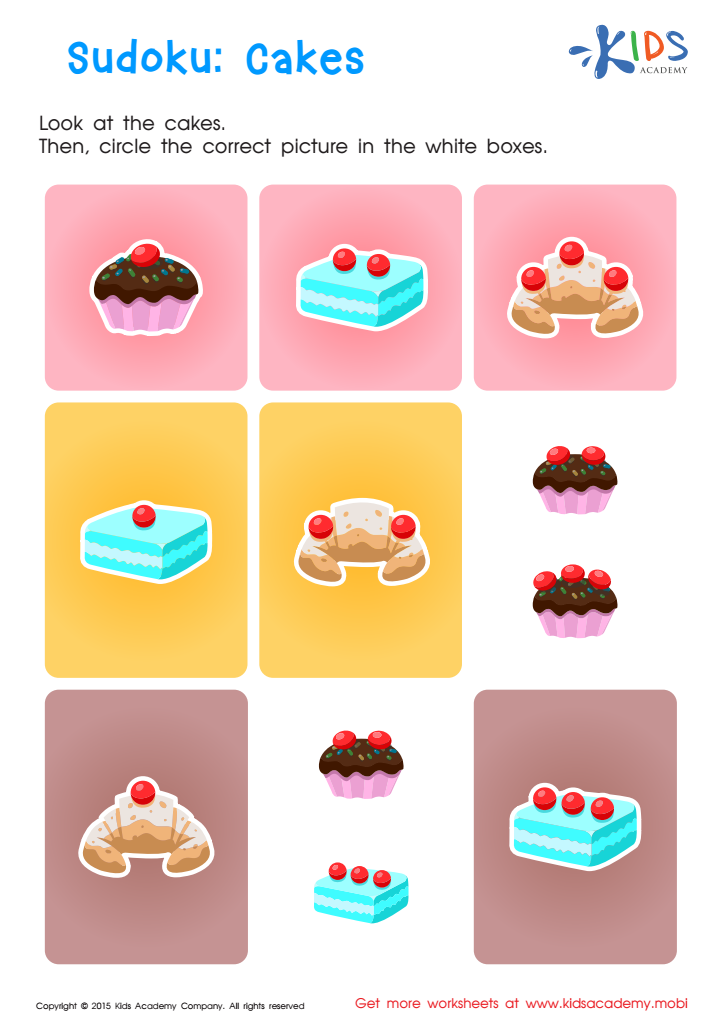
Sudoku Worksheet
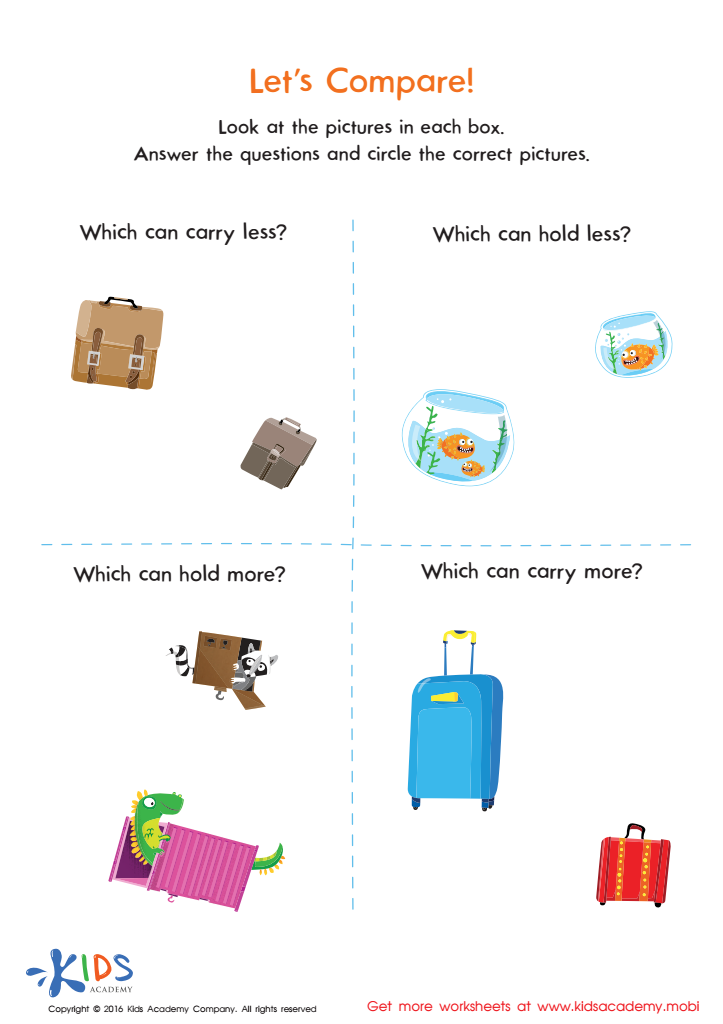
Let's Compare Worksheet: Big or Small
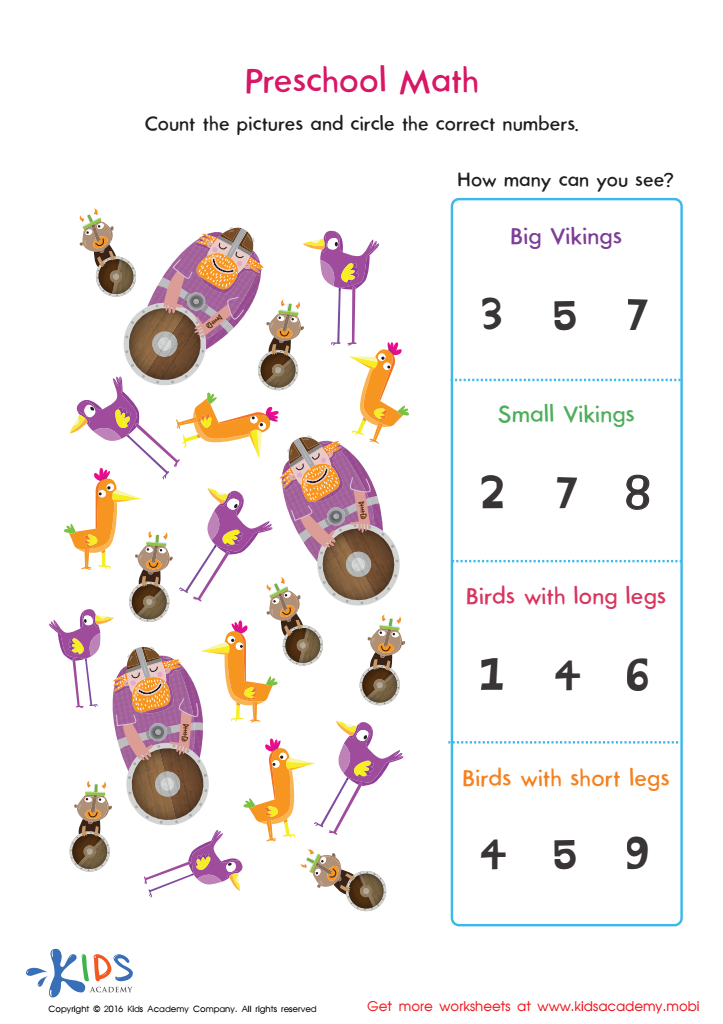
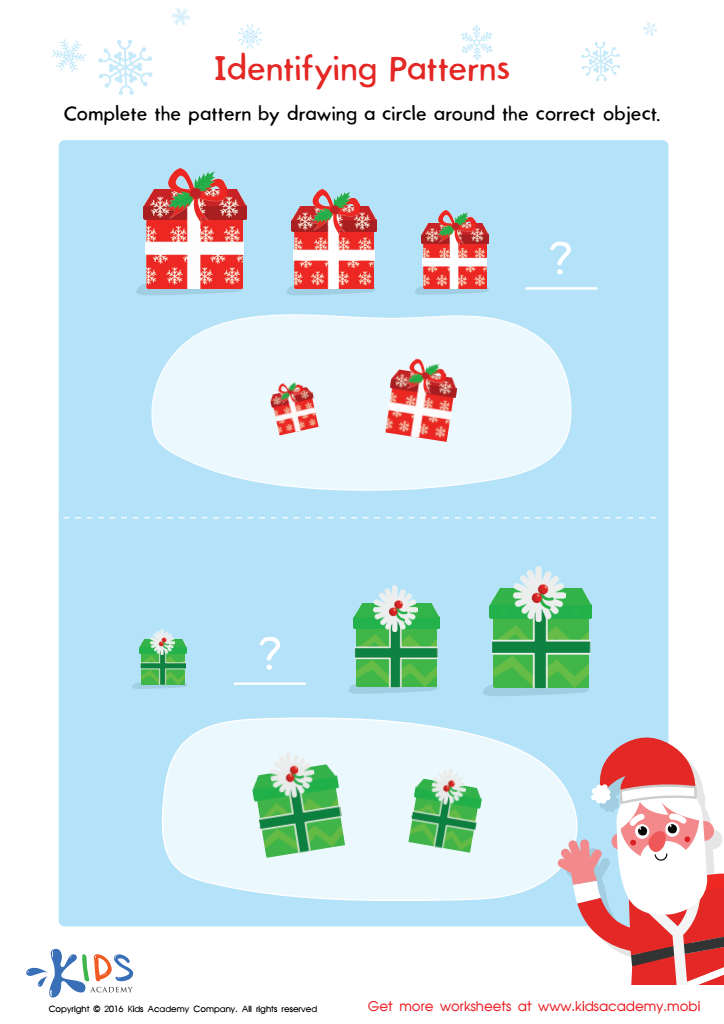
Identifying Patterns Worksheet








Matching activities for children ages 3-9 are essential for several reasons. First, they play a crucial role in cognitive development. By engaging in matching games, children enhance their memory retention and improve their ability to recognize patterns and relationships among objects. This skill set is foundational for later academic pursuits, such as reading and math.
Moreover, matching activities foster essential socio-emotional skills. When children participate in group matching games, they learn about cooperation, sharing, patience, and turn-taking, all of which are vital for building strong social relationships. Participating in these activities also boosts a child's confidence and self-esteem as they successfully make connections and complete challenges.
Parents and teachers should also value matching activities for their versatility. They can be tailored to various subjects such as science, language arts, and geography, making them a great tool for holistic education. Additionally, these activities are often enjoyable for children, making learning fun and engaging.
Finally, matching games can easily be integrated into daily routines or classroom activities, offering not only educational benefits but also a way to strengthen family bonds or classroom cooperation. Overall, matching activities provide a multi-faceted approach to early childhood development, making them an invaluable tool in a child's growth.








