
Connecting the Dots worksheets activities for Ages 4-8
10 filtered results
Difficulty Level
Grade
Age
-
From - To
Subject
Activity
Standards
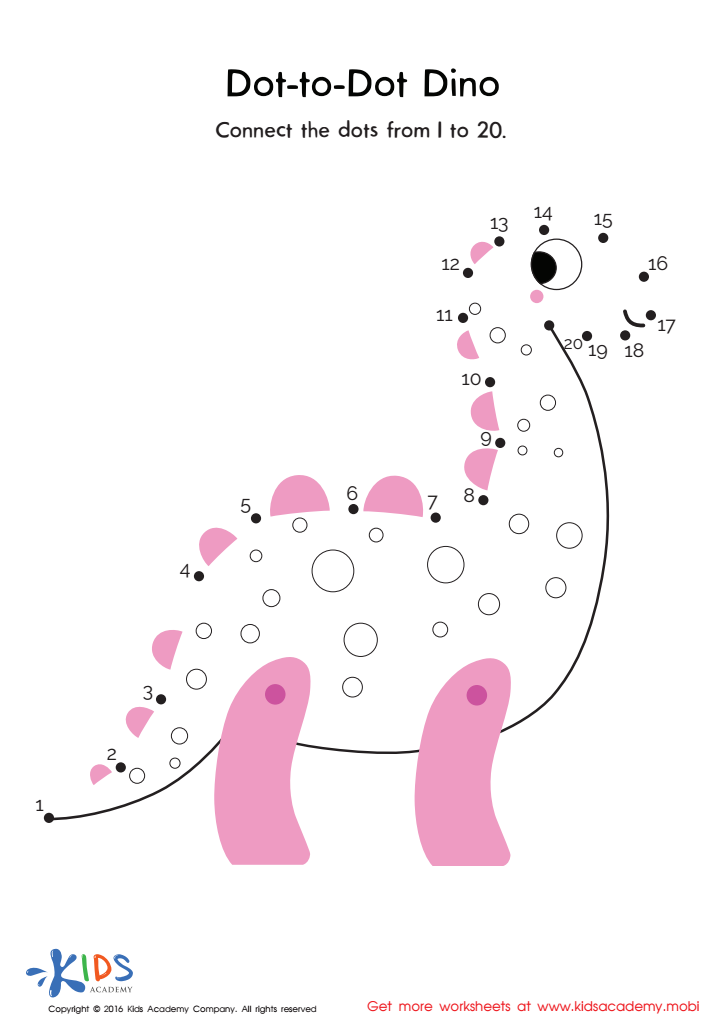
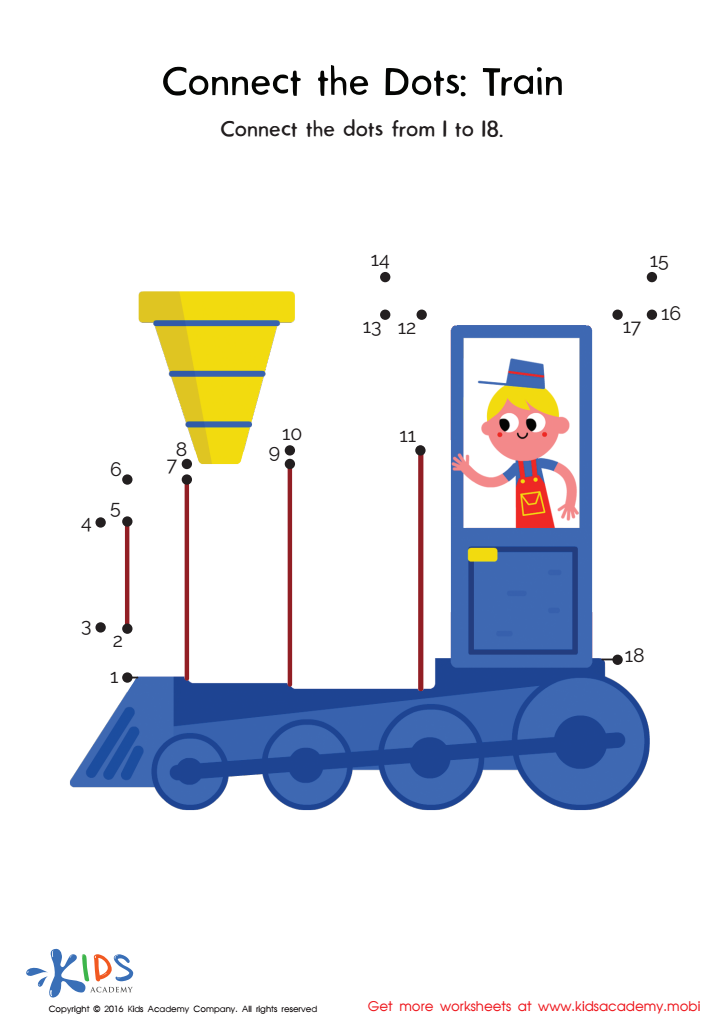
Discover the fun and educational world of Connecting the Dots worksheets designed for children ages 4-8! These engaging activities enhance fine motor skills, encourage creativity, and improve number recognition. As little learners connect the dots to reveal exciting images, they develop hand-eye coordination and concentration. Our worksheets encompass various themes, ensuring endless entertainment while supporting cognitive growth. Ideal for both classroom and home settings, these printables make learning enjoyable and interactive. Perfect for aspiring young artists, the Connecting the Dots activities pave the way for artistic expression while reinforcing essential early learning concepts. Explore today and watch your child's skills flourish!
Favorites
With answer key
Interactive
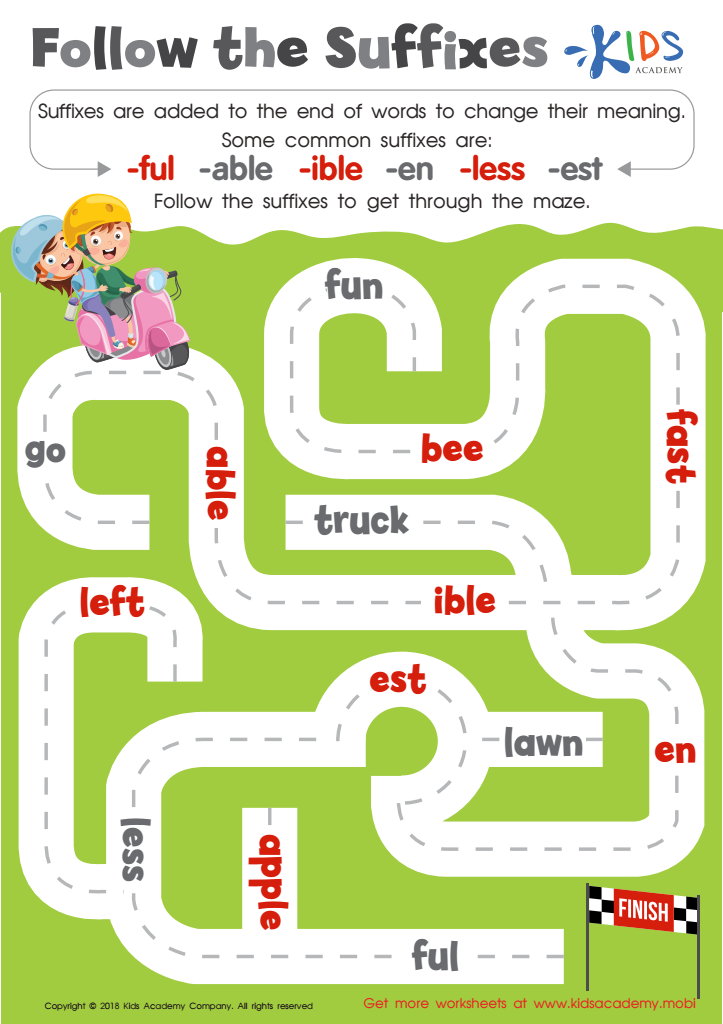
Reading: Follow the Suffixes Worksheet
Students use suffixes to find the right way through a maze in this enjoyable activity! Understanding suffixes helps kids decode and comprehend more words, leading to better reading fluency. A great addition to your reading classes, keep this printable close!
 Assign to My Students
Reading: Follow the Suffixes Worksheet
Worksheet
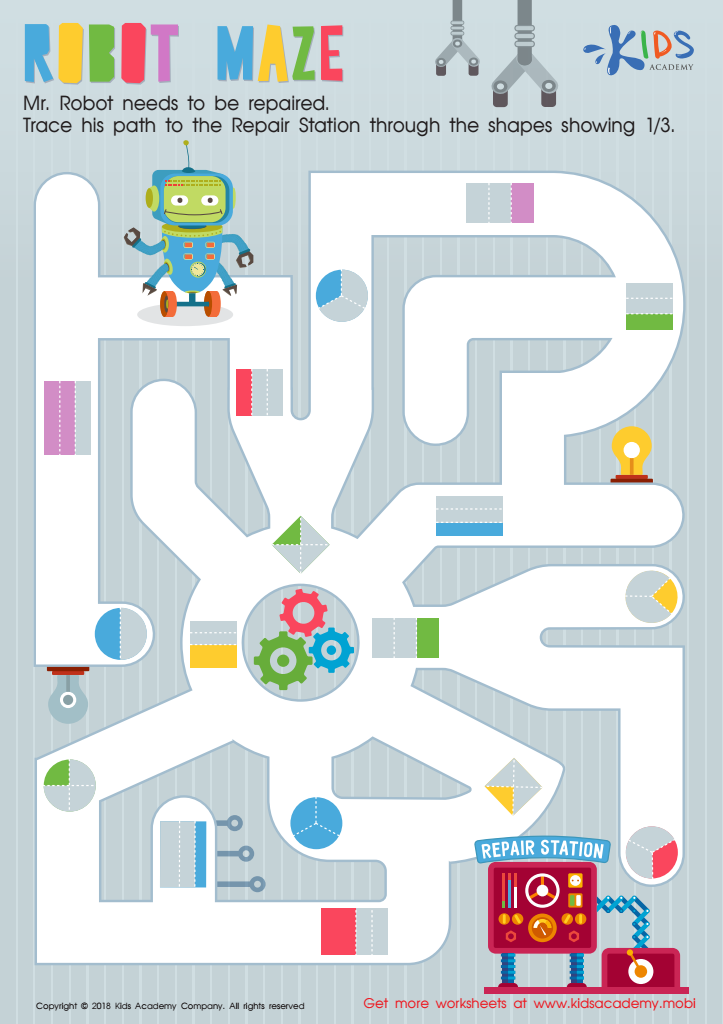
Robot Maze Worksheet
Help Mr. Robot get fixed! Give your students this fun worksheet where they need to guide him through the maze to the Repair Station. The paths they need to take are the ones with shapes that have 1/3 colored. Encourage them to look carefully and trace Mr. Robot through those paths.
Robot Maze Worksheet
Worksheet
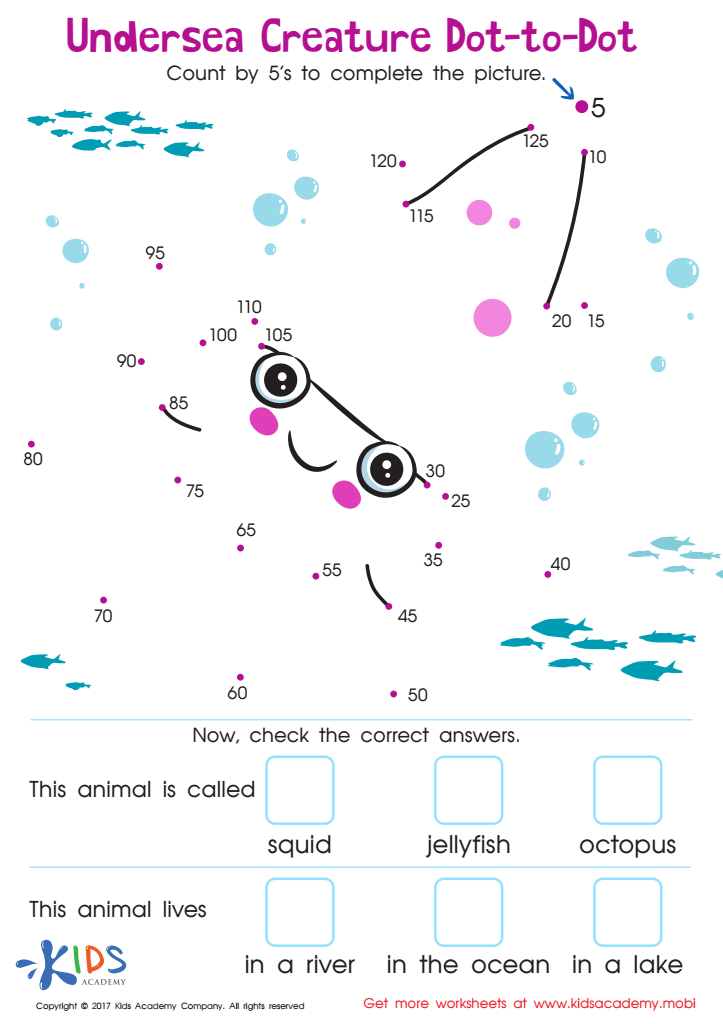
Undersea: Dot To Dot Worksheet
This dot-to-dot worksheet is a great way to teach kids about the undersea world while having fun. Kids will love connecting the dots and counting in 5s. Then they can check their answers.
Undersea: Dot To Dot Worksheet
Worksheet
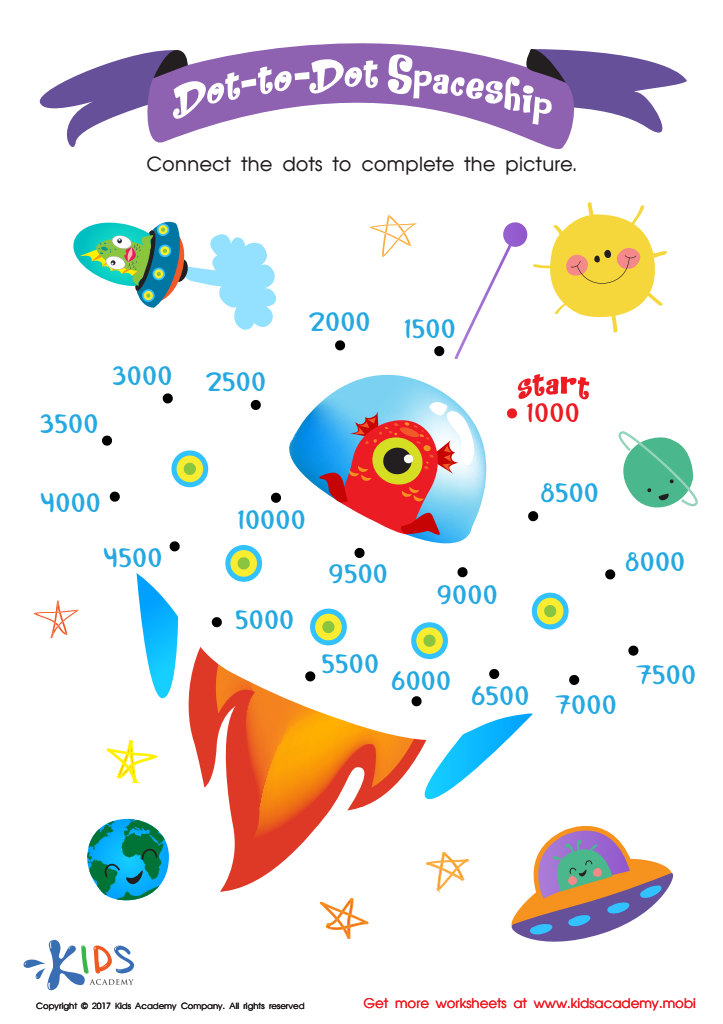
Dot to Dot Worksheet for 3rd Grade
Let your 3rd grader develop better number skills with this dot-to-dot worksheet! They can have fun outlining a spaceship as they skip count by 500 up to 10,000. It's a great way to boost their number sense and make learning more exciting.
Dot to Dot Worksheet for 3rd Grade
Worksheet
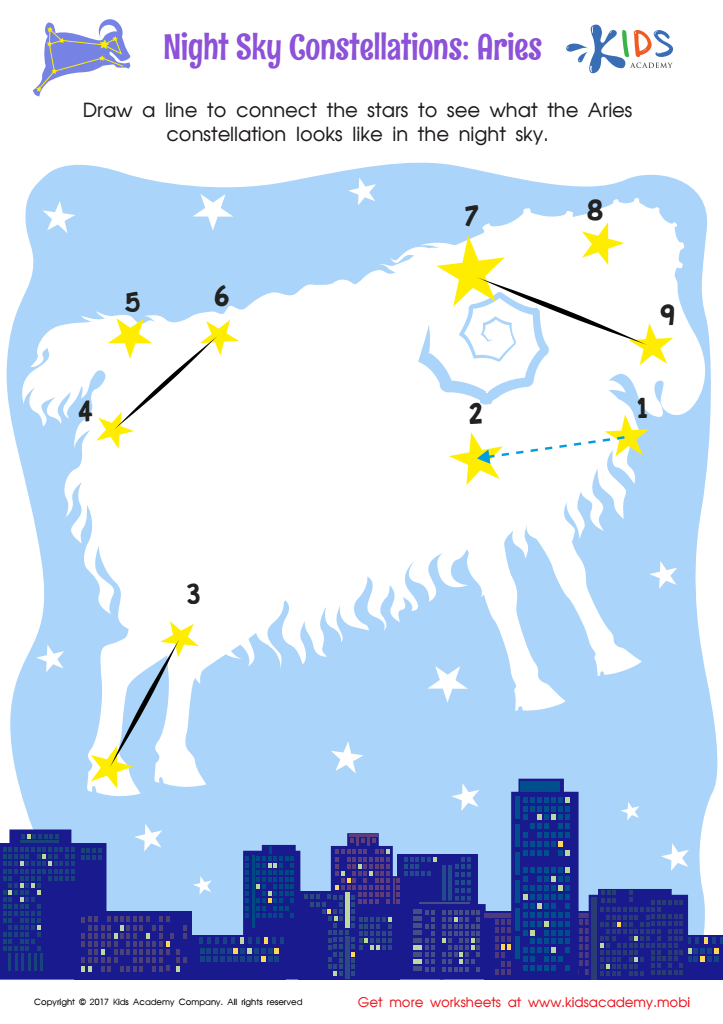
Night Sky Constellations: Aries Worksheet
Let your child explore the night sky with this fun, easy-to-complete constellation worksheet: Aries! Have them connect the stars to uncover the popular constellation. Talk about constellations and their locations to enrich their learning!
Night Sky Constellations: Aries Worksheet
Worksheet
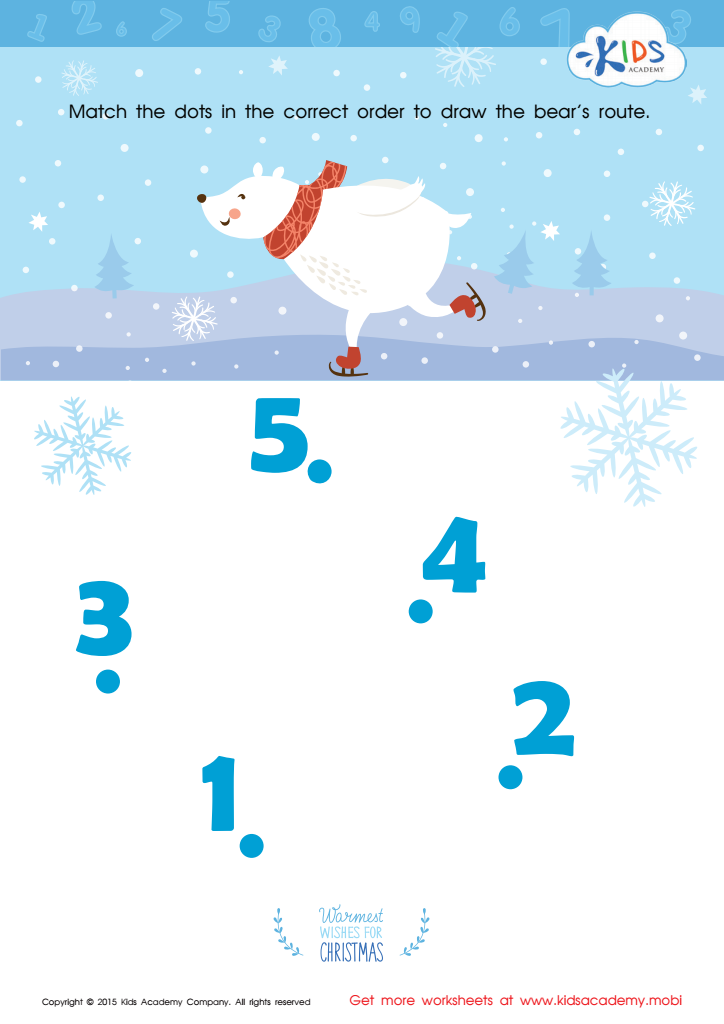
Drawing the Bear's Route by Number Worksheet
This winter-themed math worksheet is perfect for counting practice. Have fun learning and celebrating the season with your kindergartener as they trace and recognize numbers. It also helps develop fine motor muscles. For more fun, check out the math worksheets on Kids Academy.
Drawing the Bear's Route by Number Worksheet
Worksheet
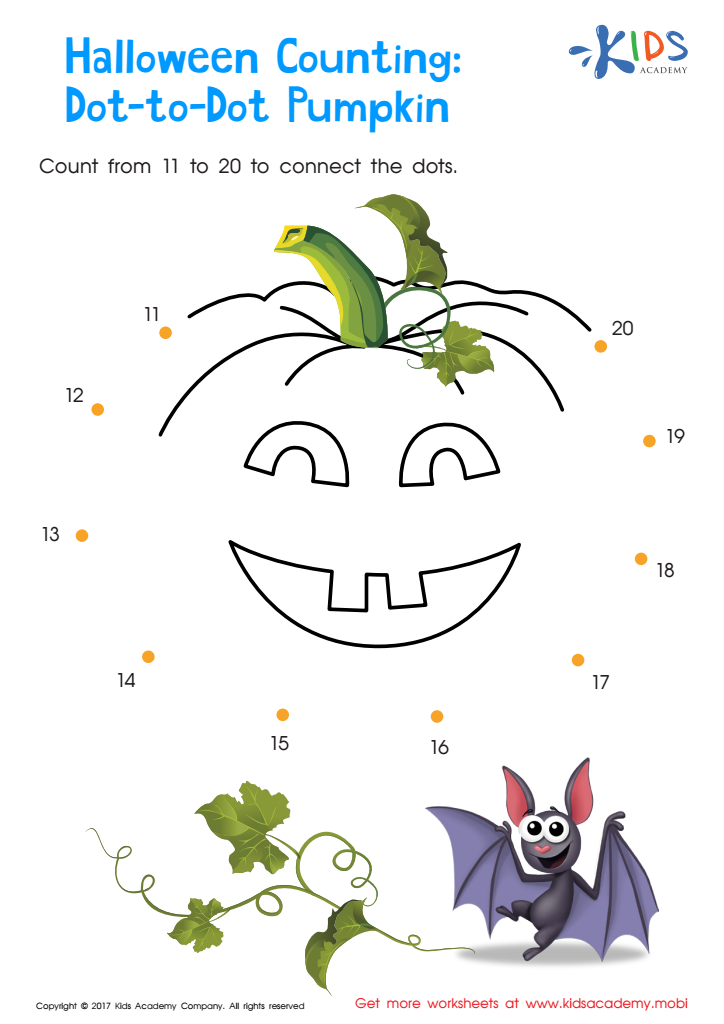
Ordering 11–20: Halloween Counting Worksheet
No matter the time of year, help your child get ready for Halloween with this worksheet. They'll practice counting from 11 to 20, recognizing numbers, and using a pencil to draw. By connecting the dots, they'll create a pumpkin picture, while unknowingly strengthening their early math skills. Print it today for an educational and fun experience!
Ordering 11–20: Halloween Counting Worksheet
Worksheet
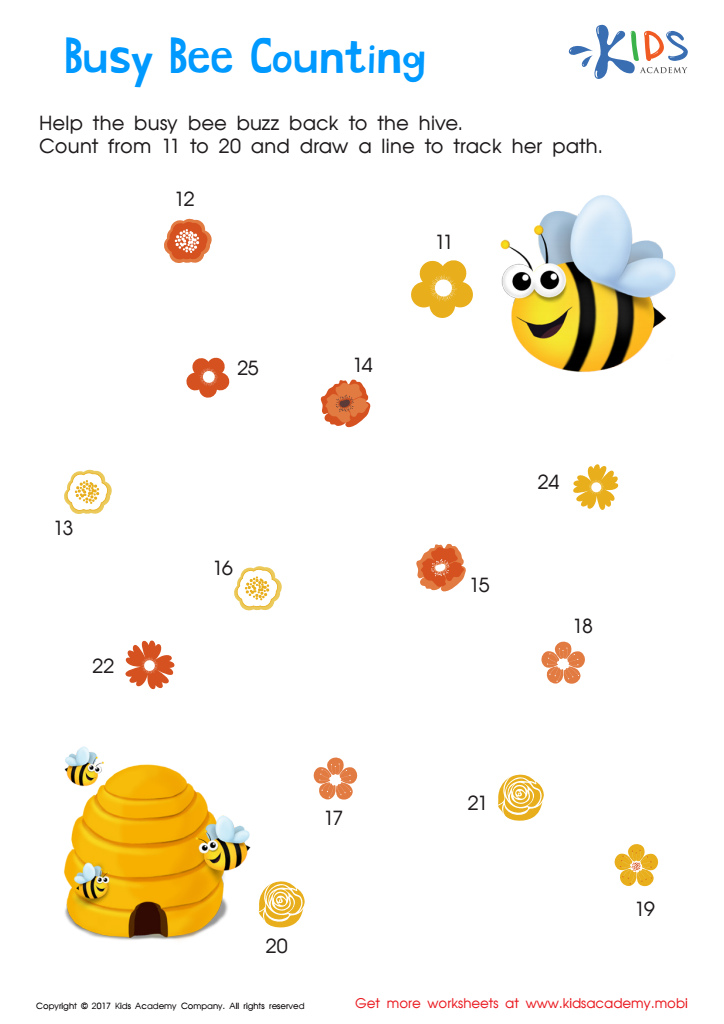
Ordering 11–20: Busy Bee Counting Worksheet
Help your child master counting from 11 to 20 with our connect the dot counting worksheet. Kids will have fun counting, drawing and problem-solving with this vibrant worksheet. With clear directions, adorable pictures and a sense of purpose, your child will develop crucial numeracy skills without even knowing it!
Ordering 11–20: Busy Bee Counting Worksheet
Worksheet
Join Kids Academy for Free
Who is primarily going to use this learning content?






Connecting the Dots activities are an engaging and effective tool for children ages 4-8, offering a range of developmental benefits that parents and teachers should genuinely care about. Firstly, these activities enhance fine motor skills as children grip pencils or crayons to connect points, which helps develop hand-eye coordination essential for writing and drawing. Secondly, they foster cognitive development by encouraging problem-solving and critical thinking. As children strategize how to connect the dots, they practice planning and visualization skills.
Moreover, Connecting the Dots activities introduce early math concepts, such as counting, sequencing, and recognizing patterns, laying a solid foundation for future mathematical understanding. These exercises also promote spatial awareness, helping children better comprehend shapes and sizes.
In addition to cognitive benefits, these activities can also aid in emotional development, as completing a dot-to-dot puzzle provides a sense of achievement and boosts self-esteem. Incorporating this playful aspect into learning encourages parent-child and teacher-child interactions, fostering stronger emotional connections. Thus, parents and teachers should value Connecting the Dots activities not just as fun pastimes, but as integral components of early childhood education that support comprehensive growth across multiple domains.








