Tracing Shapes worksheets activities for Ages 4-8
20 filtered results
-
From - To
Discover a fun and interactive way to introduce your child to shapes with our "Tracing Shapes Worksheets" designed for ages 4-8! These engaging activities promote fine motor skills and hand-eye coordination while helping young learners recognize and understand different shapes. Each worksheet features a variety of shapes—circles, squares, triangles, and more—offering ample practice for little hands. Ideal for preschoolers and early grade students, our printables make learning enjoyable and can easily be integrated into home or classroom settings. Watch your child's confidence grow as they trace, identify, and master shapes in a playful, educational environment! Download now and spark creativity!
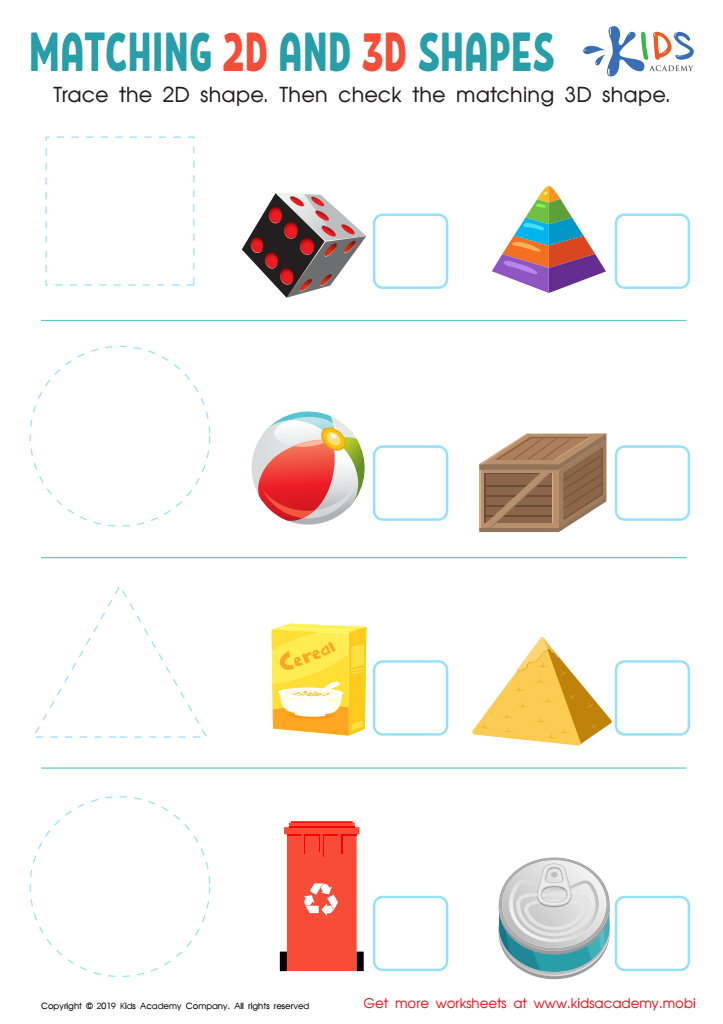
Matching 2D and 3D Shapes Worksheet
 Assign to My Students
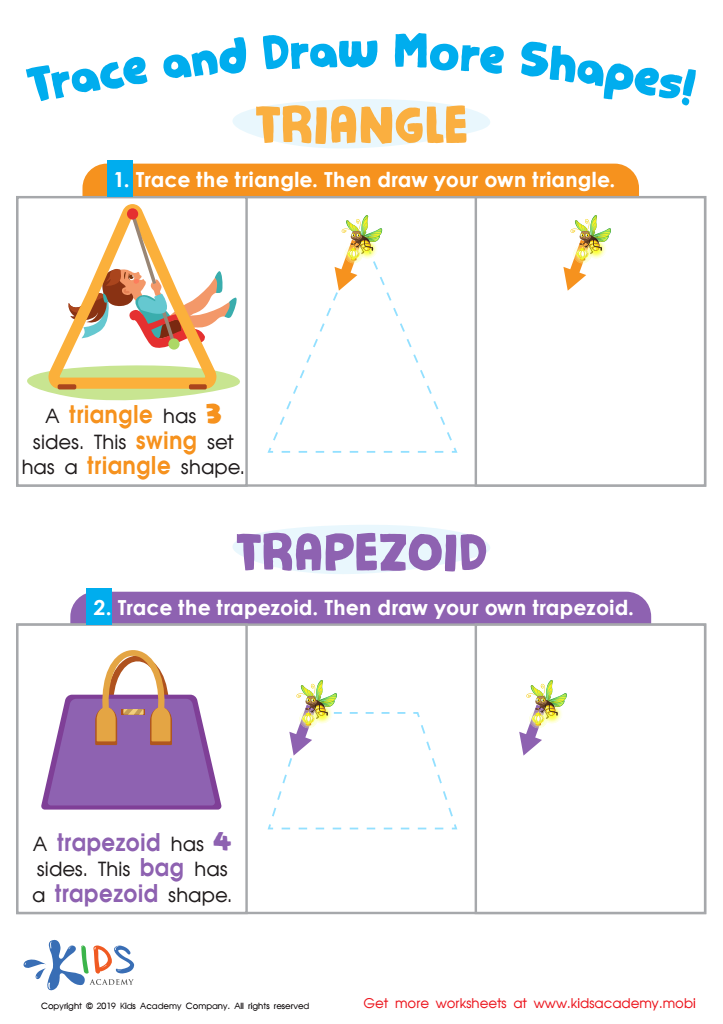
Trace and Draw More Shapes Worksheet
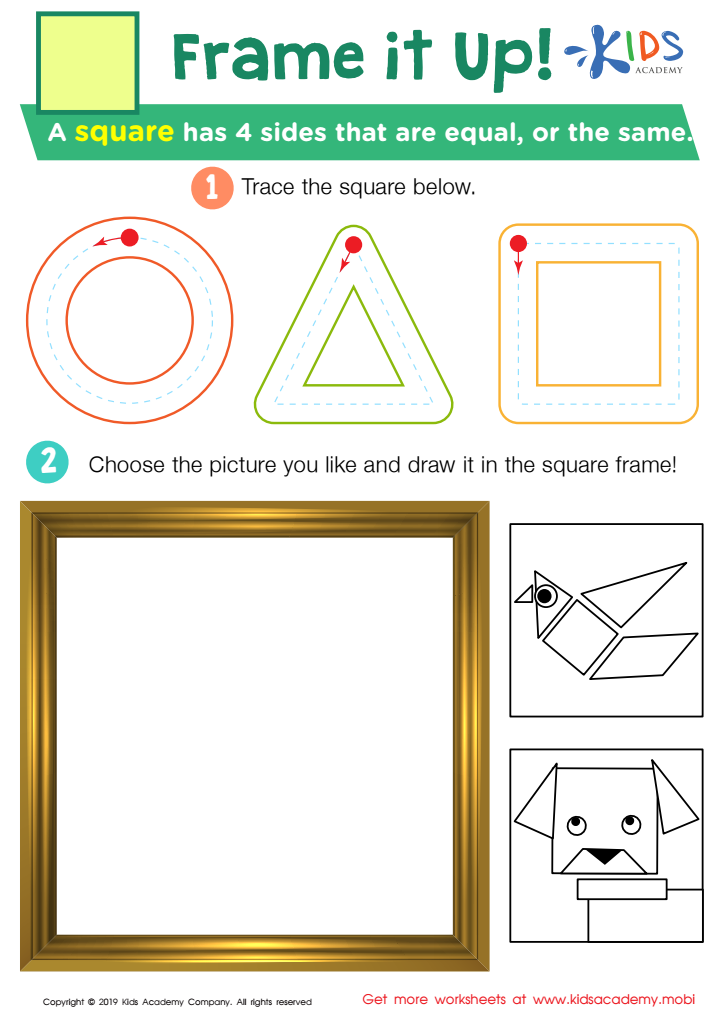
Frame it Up Worksheet
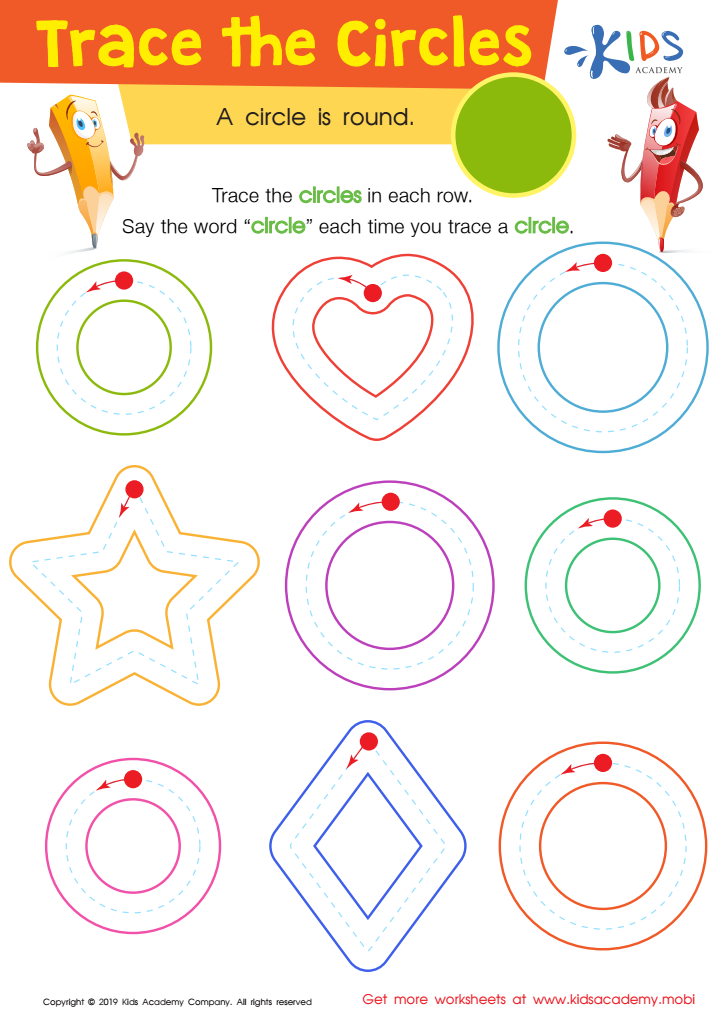
Trace The Circles Worksheet
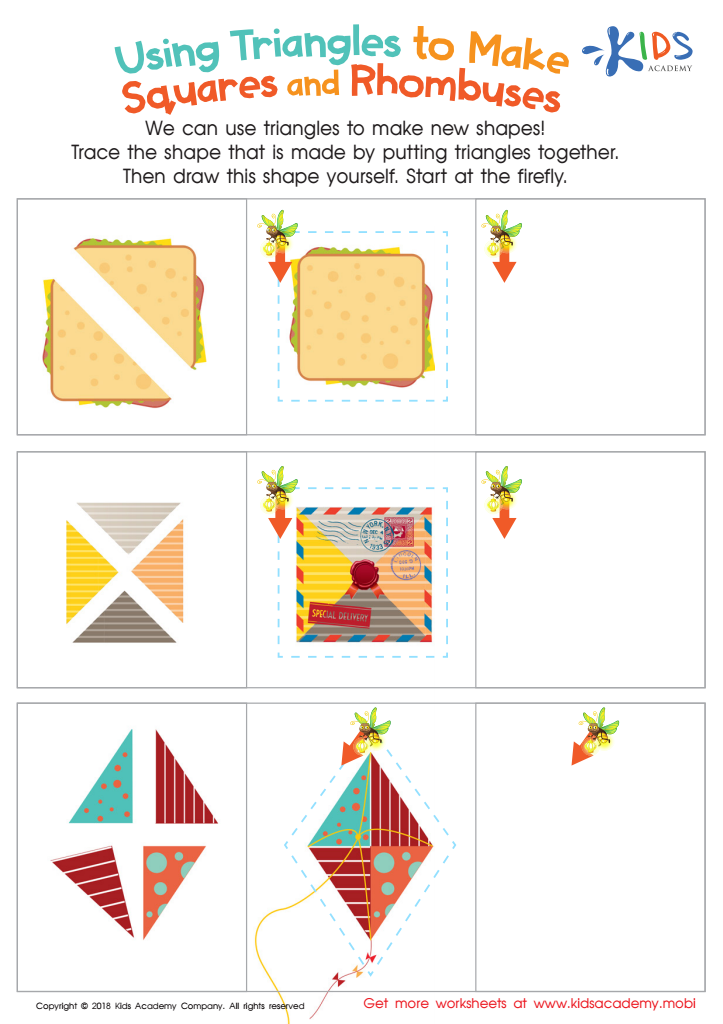
Using Triangles to Make Squares and Rhombuses Worksheet
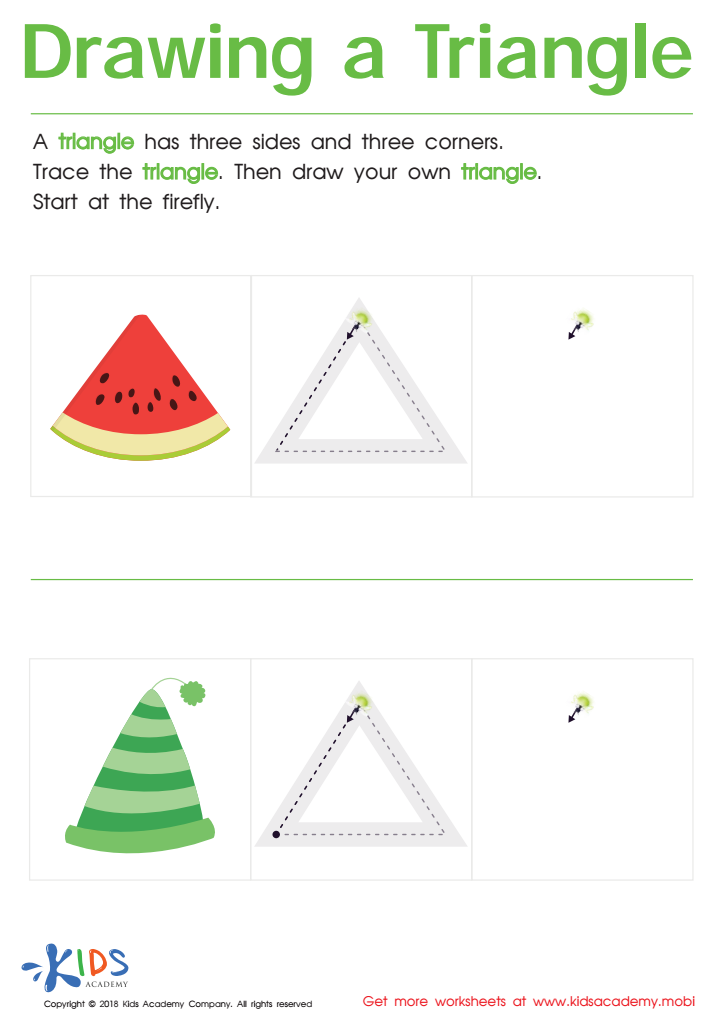
Drawing a Triangle Worksheet
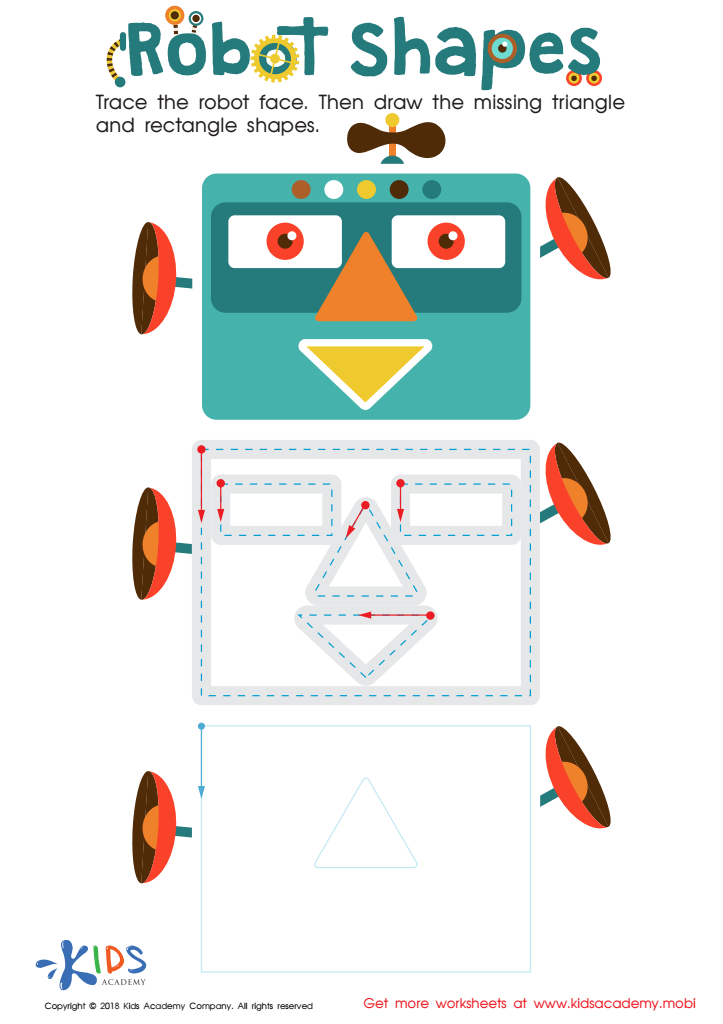
Robot Shapes Worksheet
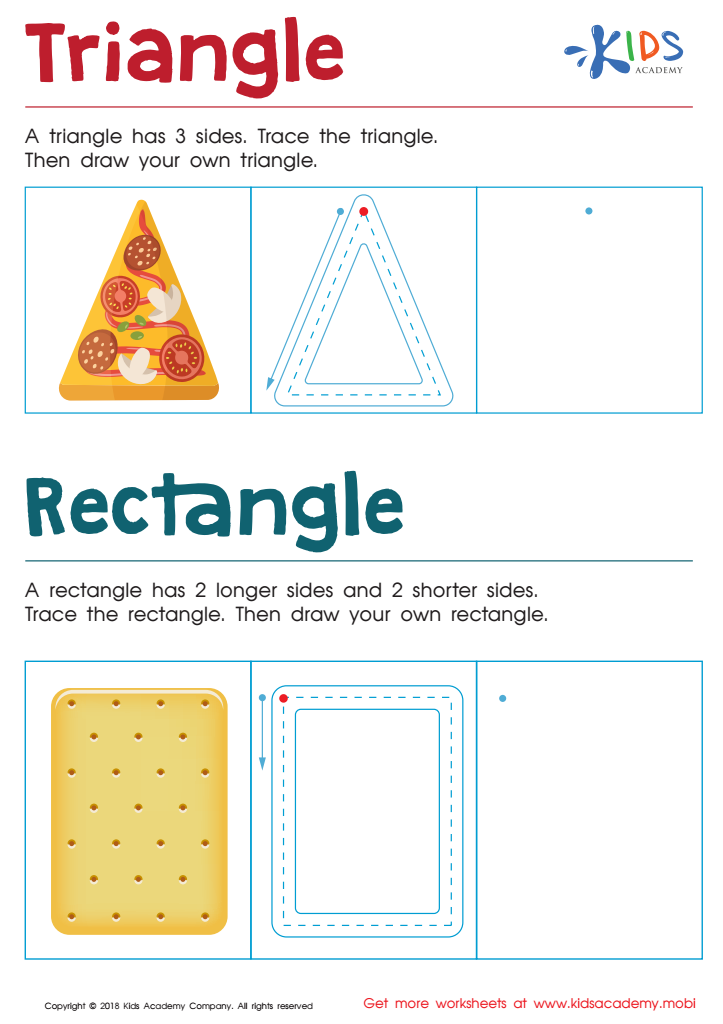
Triangle Rectangle Worksheet
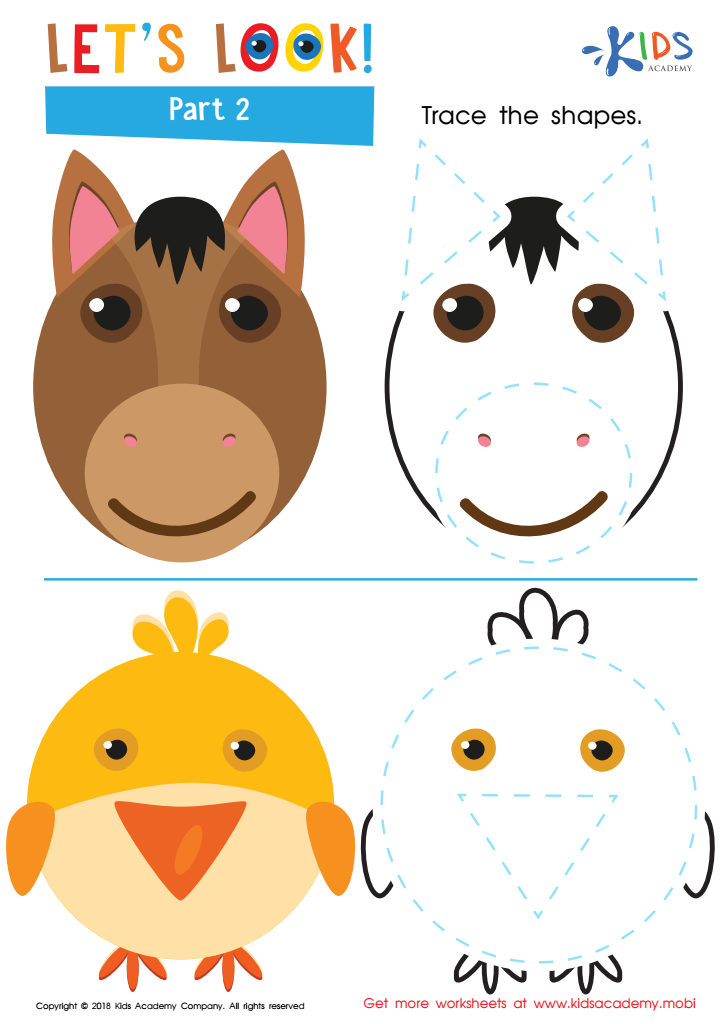
Let's Look! Part 2 Worksheet
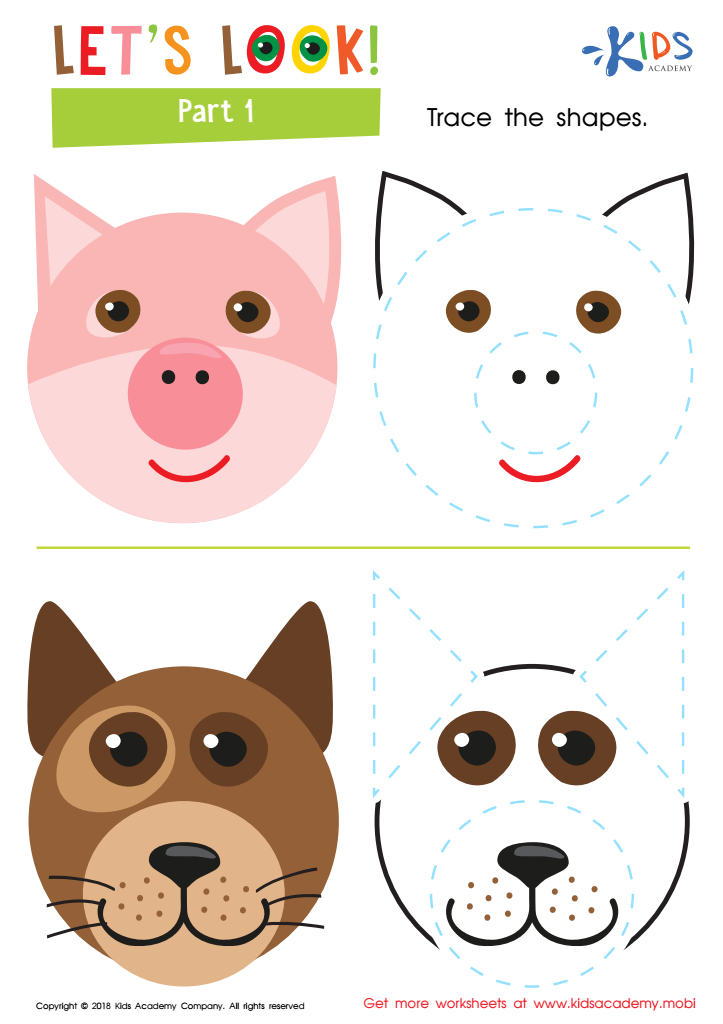
Let's Look! Part 1 Worksheet
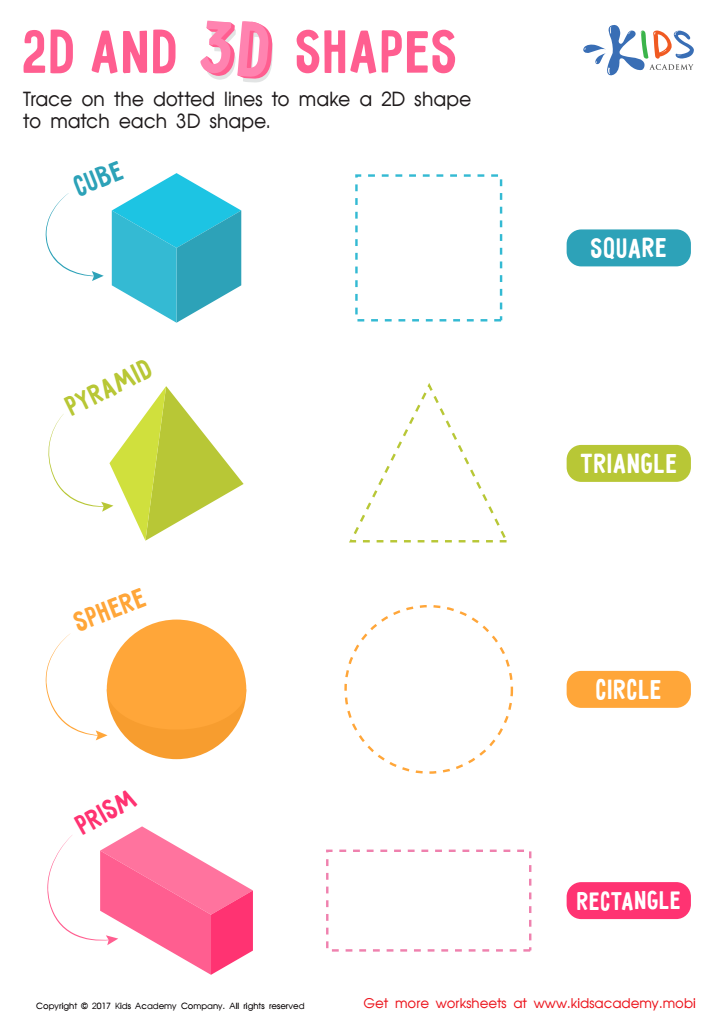
2D and 3D Shapes Worksheet
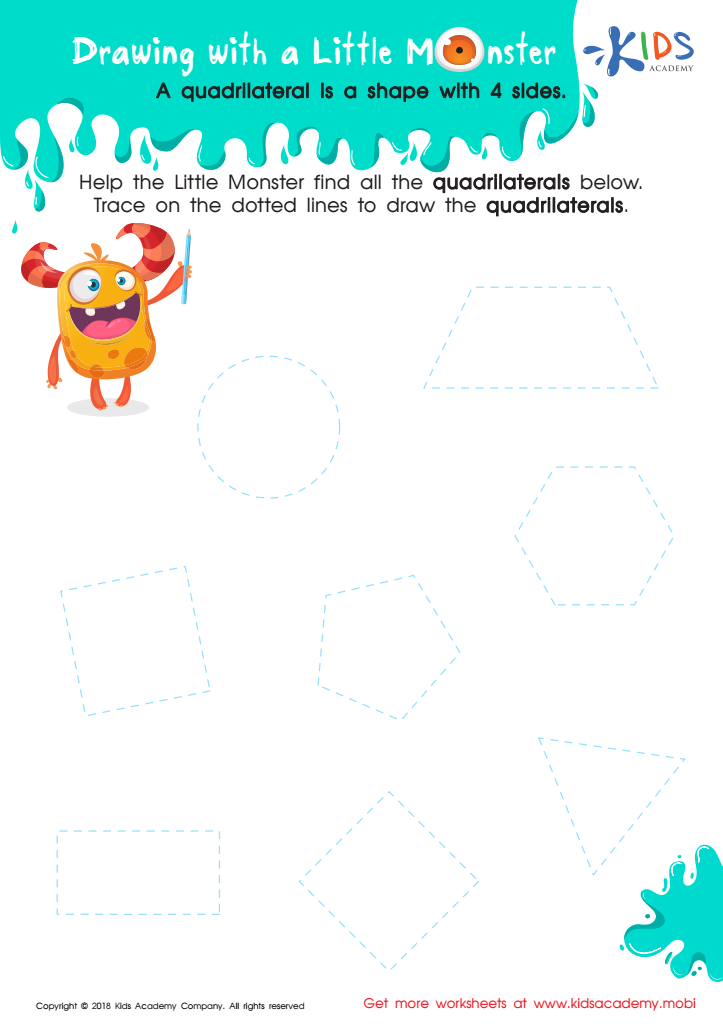
Drawing with a Little Monster Worksheet
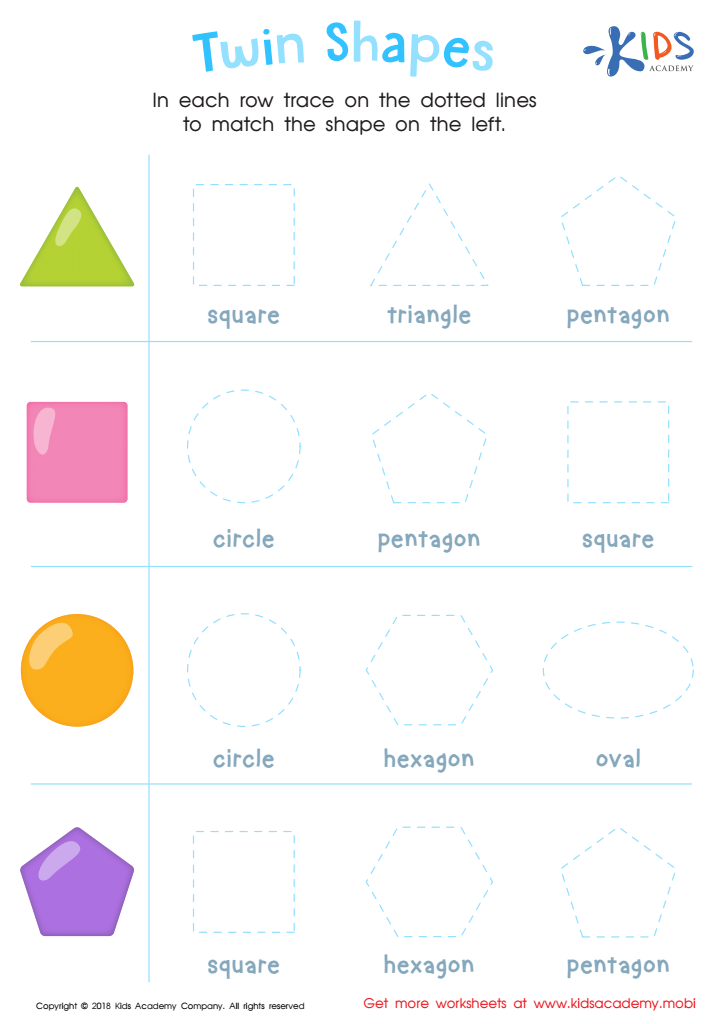
Twin Shapes Dot-to-Dot Worksheet
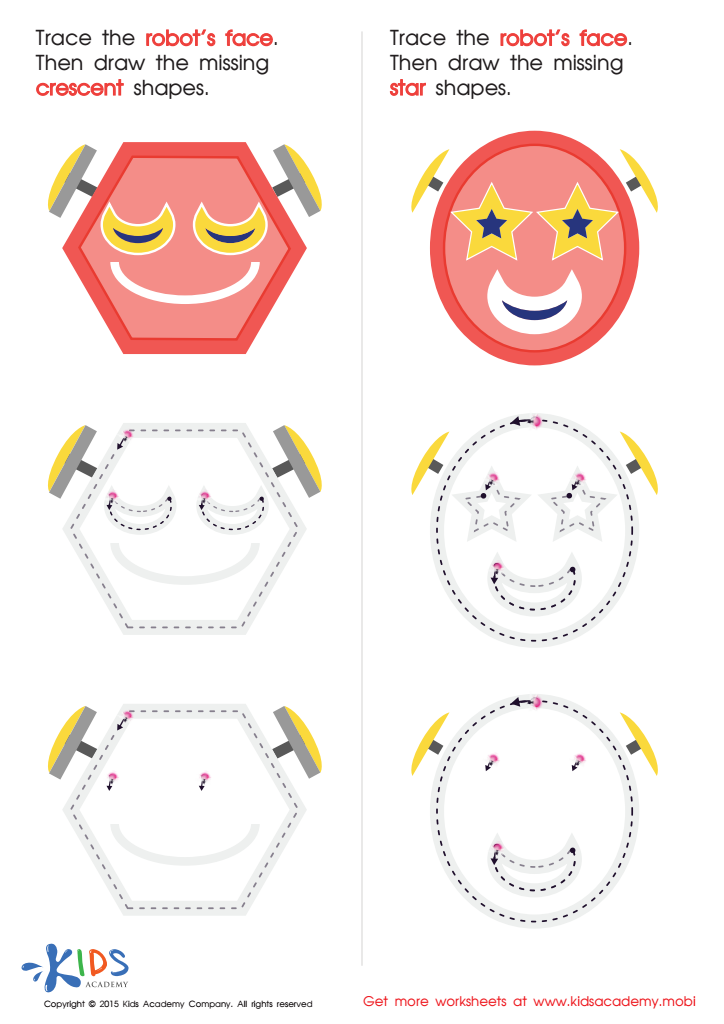
Composing a Robot's Face of Crescents And Stars Worksheet
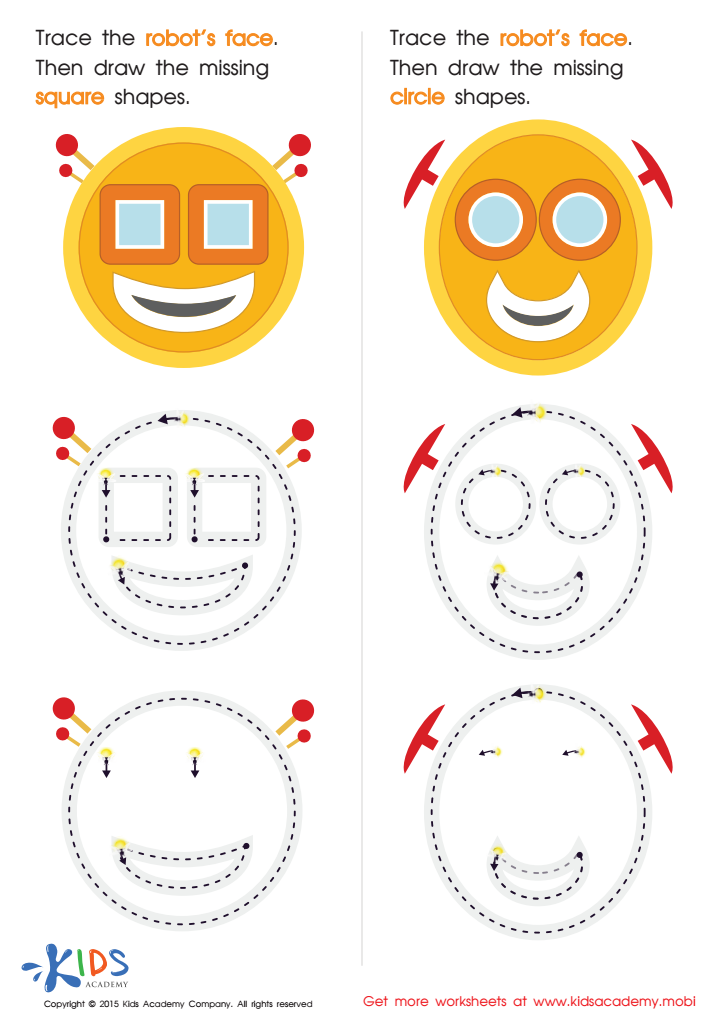
Practicing to Draw Circles And Squares Printable
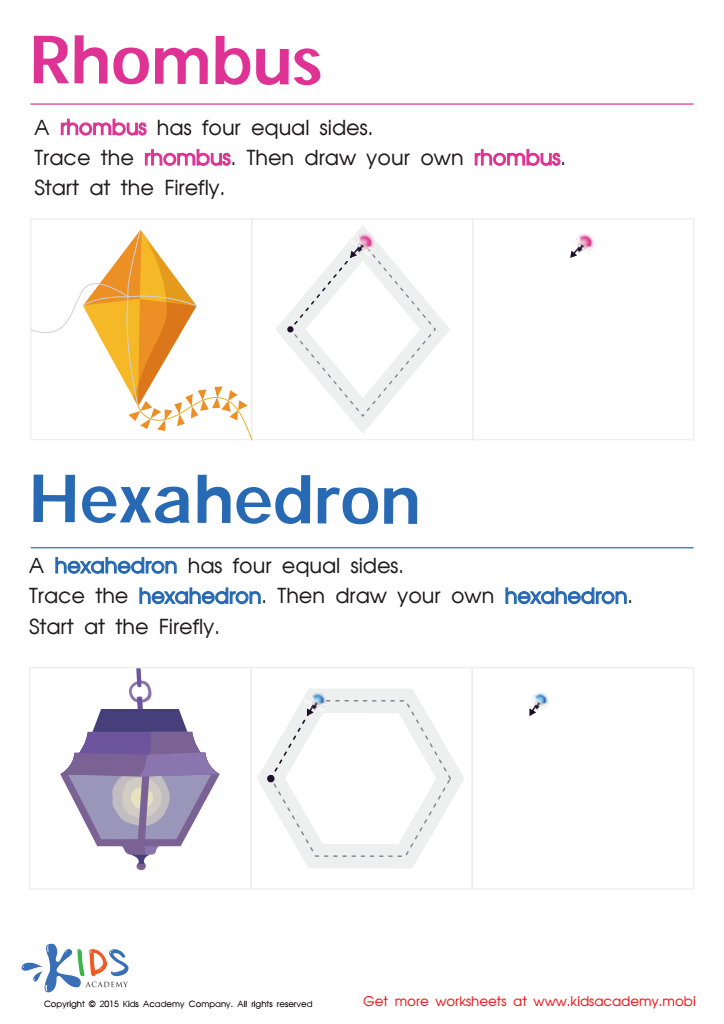
Draw a Rhombus And a Hexahedron Printable
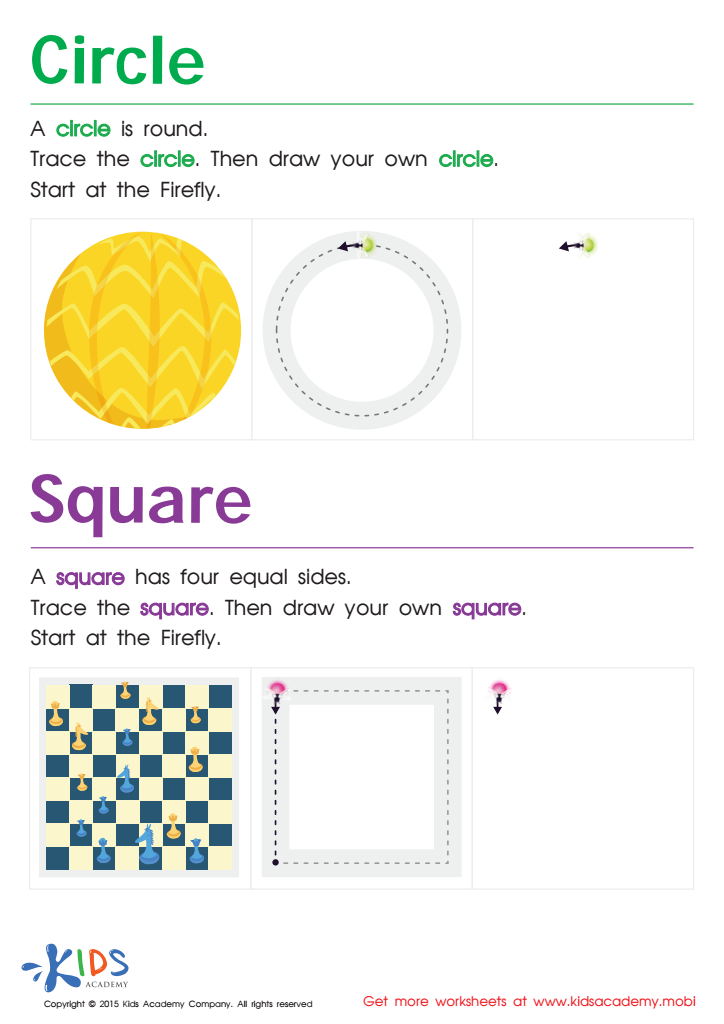
Trace And Draw a Circle And a Square Worksheet
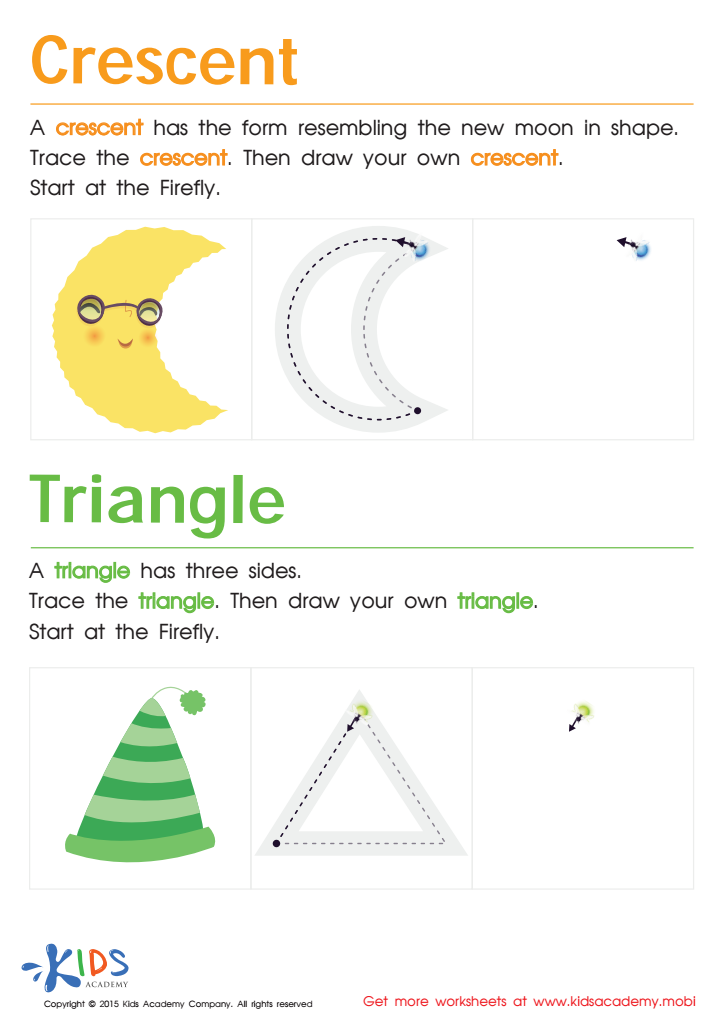
Learning to Draw Crescents And Triangles Worksheet
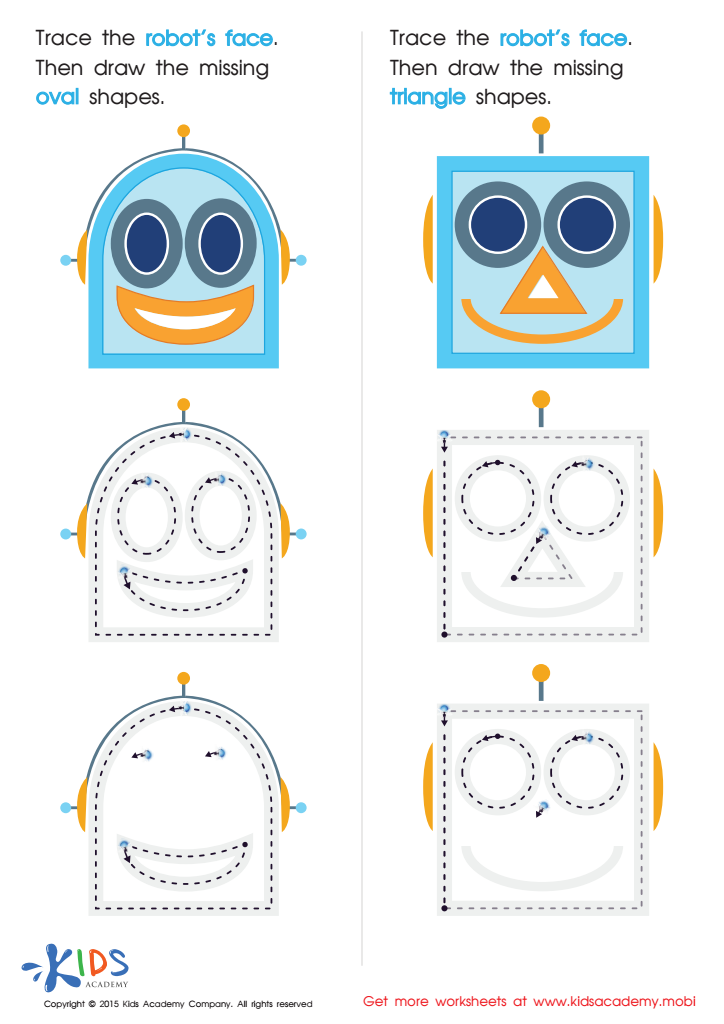
Drawing Ovals And Triangles with Fun Printable
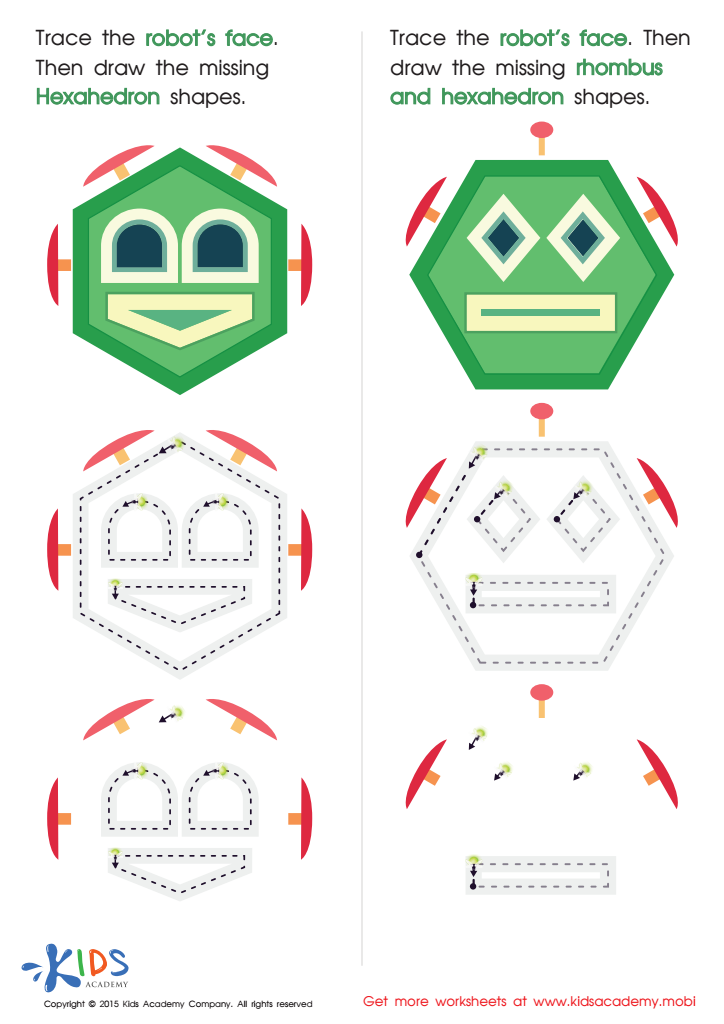
Practice Drawing Hexahedrons And a Rhombus Worksheet








Tracing shapes activities for children ages 4-8 are essential for several reasons. Firstly, these activities enhance fine motor skills, necessary for writing and everyday tasks. When children trace shapes, they develop hand-eye coordination and dexterity, laying the groundwork for more complex skills later in life.
Secondly, tracing shapes fosters an understanding of geometry, helping children recognize and differentiate basic shapes like circles, squares, and triangles. This early exposure not only supports mathematical comprehension but also boosts spatial awareness, which is vital as they progress in their education.
Additionally, tracing activities encourage cognitive development. As children follow the lines, they strengthen their focus and attention to detail, promoting patience and perseverance. This process also ignites creativity, as kids can trace and color shapes to create unique artwork, merging learning with fun.
Socially, shape tracing can be a collaborative activity. It allows children to interact, share, and learn from peers, thereby enhancing their communication skills.
In summary, Tracing Shapes activities are not merely playful tasks; they serve as foundational building blocks for motor skills, cognitive development, shape recognition, and social interaction, all crucial for children’s growth in early education. Parents and teachers play a pivotal role in supporting these developmental opportunities.








