Matching worksheets activities for Ages 6-9 - Page 3
62 filtered results
-
From - To
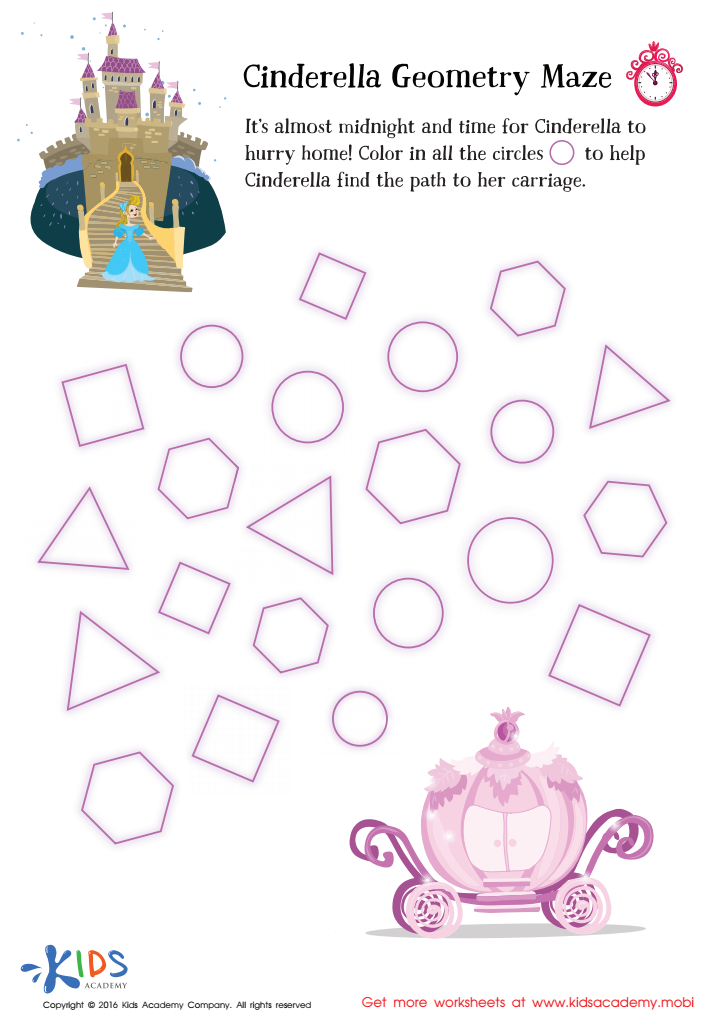
Cinderella Geometry Maze Worksheet
 Assign to My Students
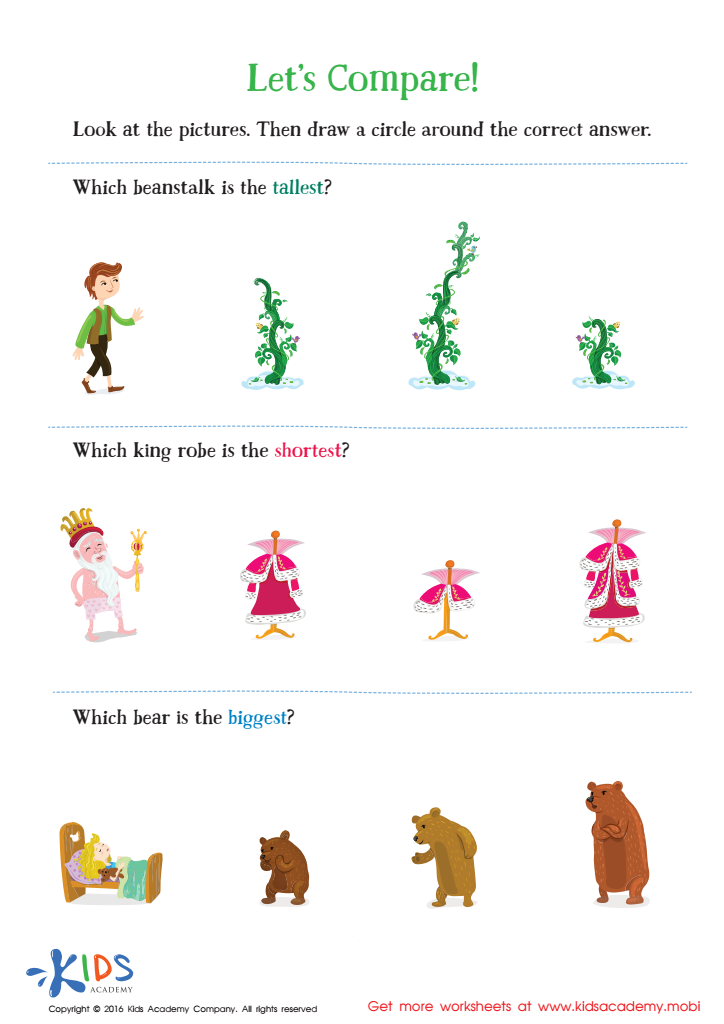
Fairy Tale Worksheet: Let's Compare
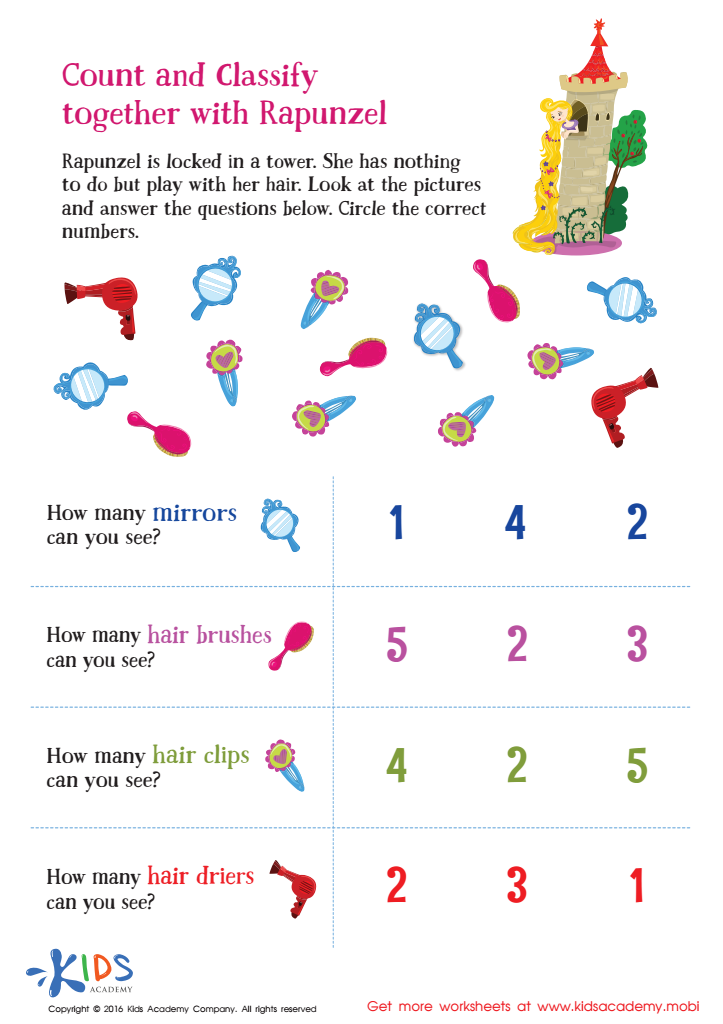
Fairy Tale Worksheet: Count and Classify with Rapunzel
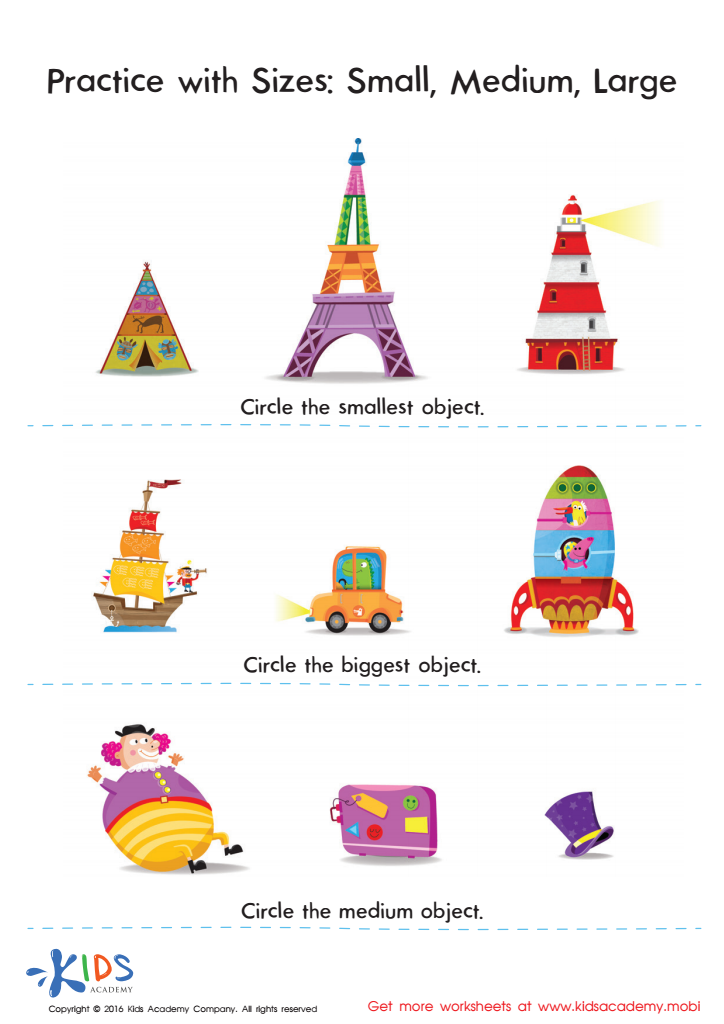
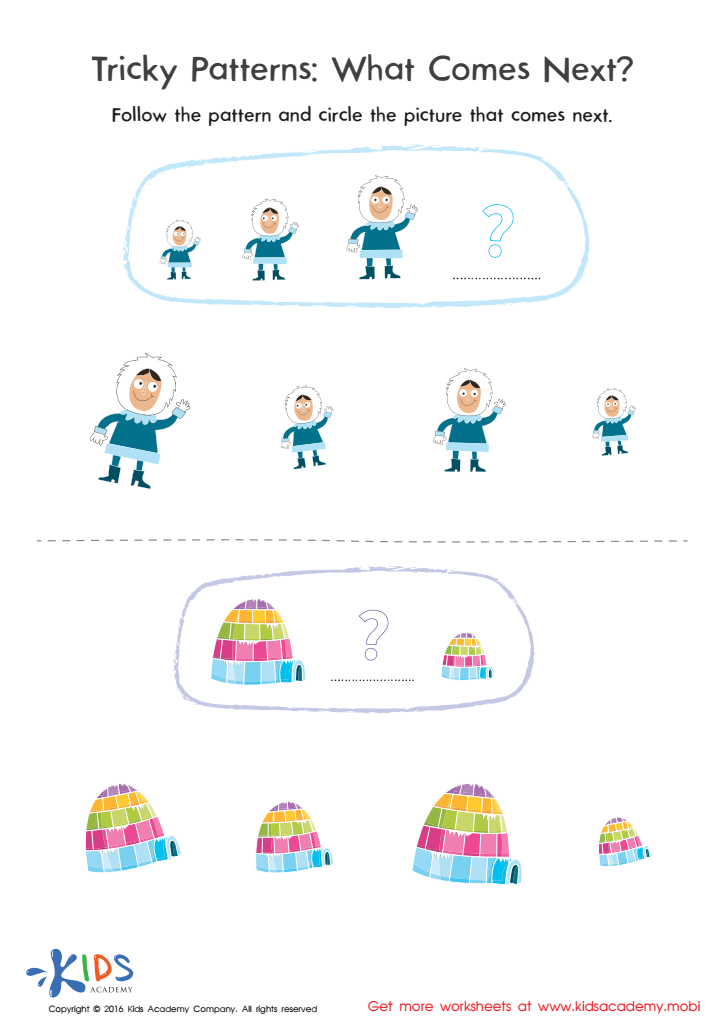
Tricky Patterns Size Worksheet
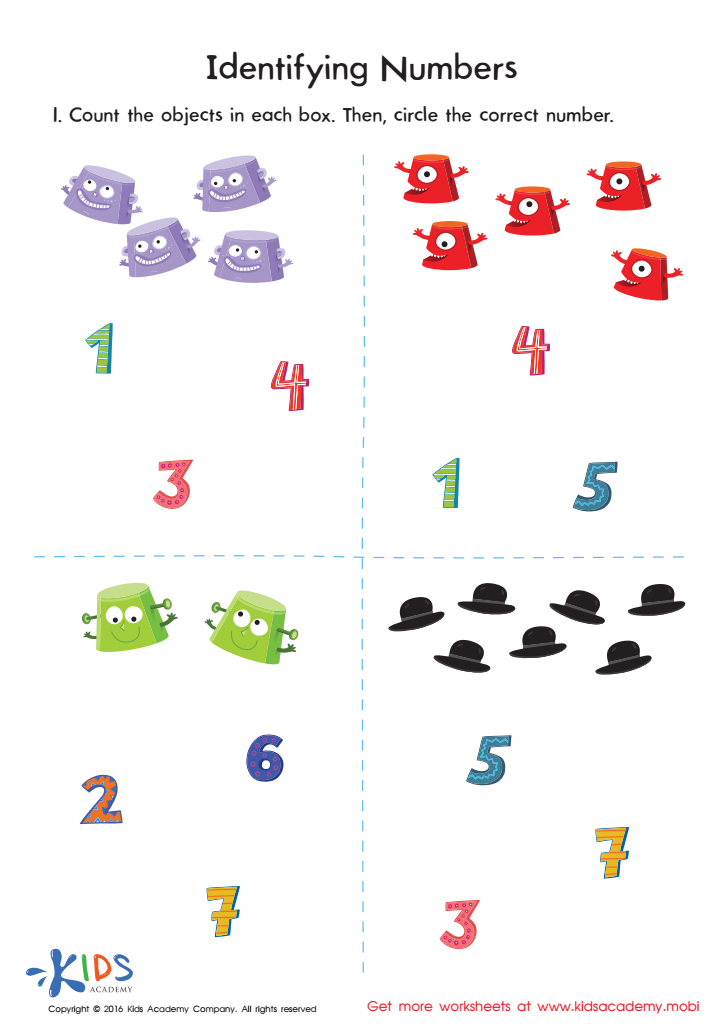
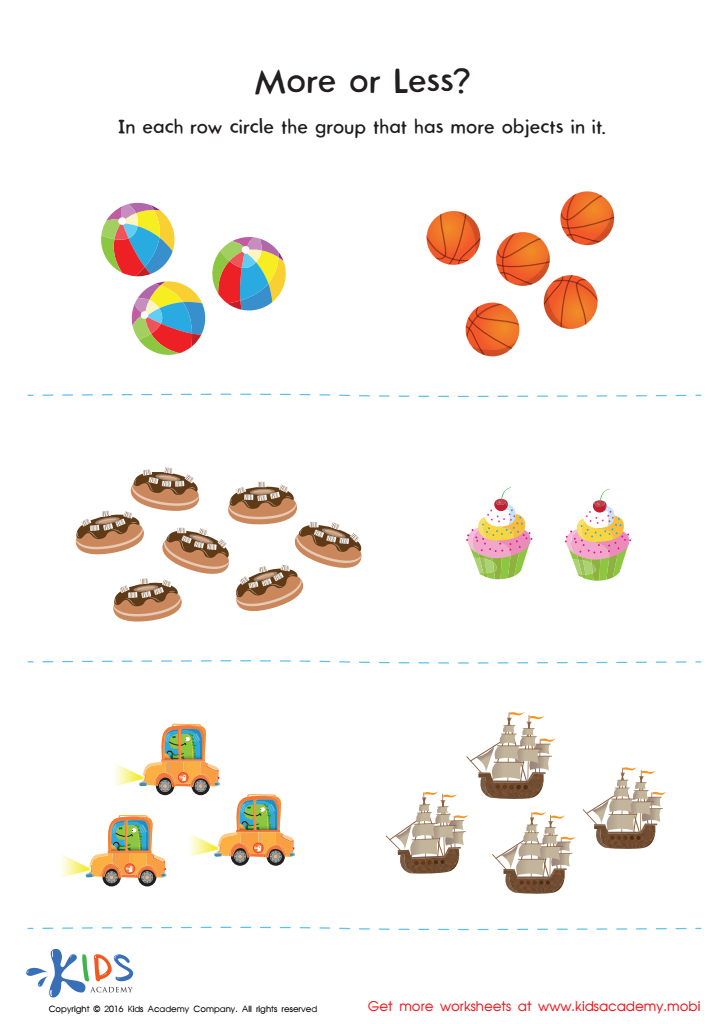
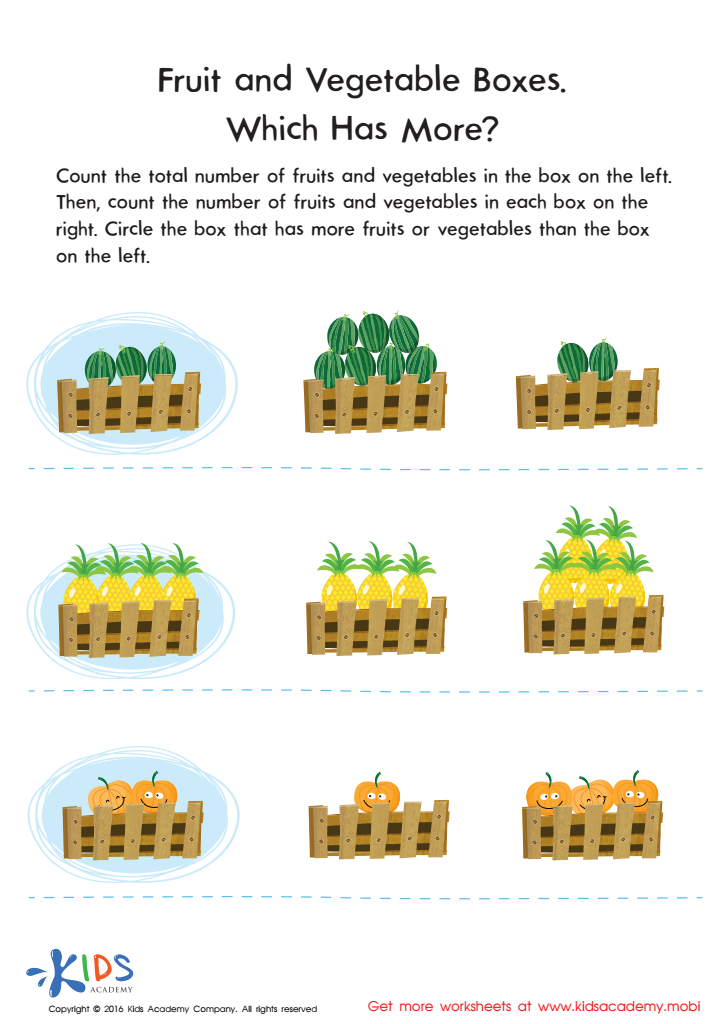
Which Has More? Size Worksheet
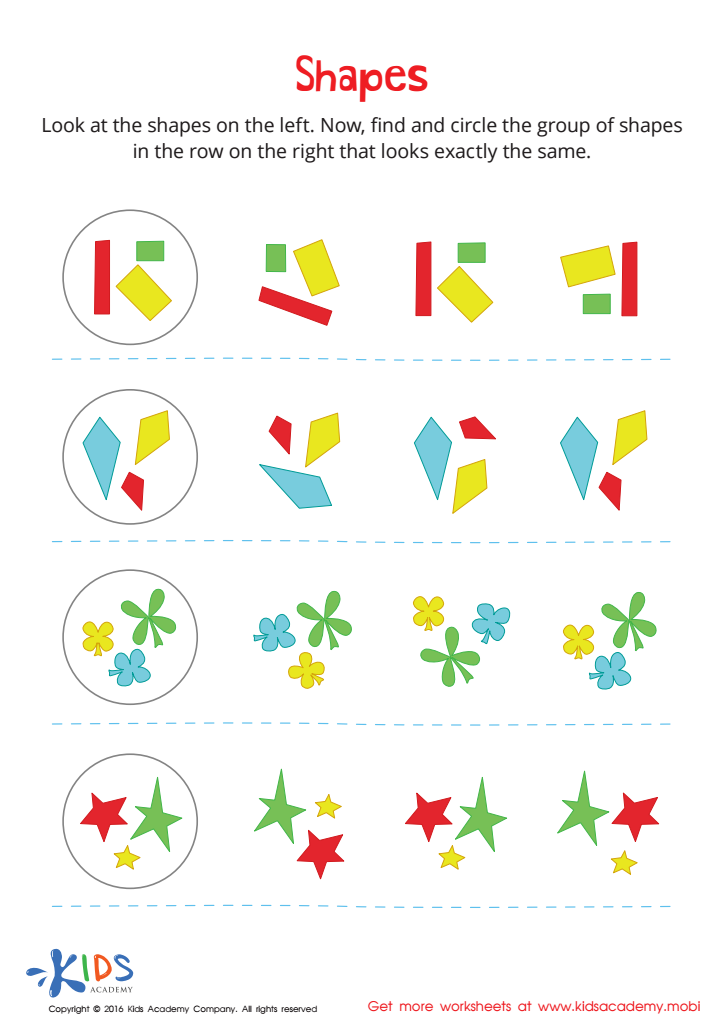
Shapes Worksheet
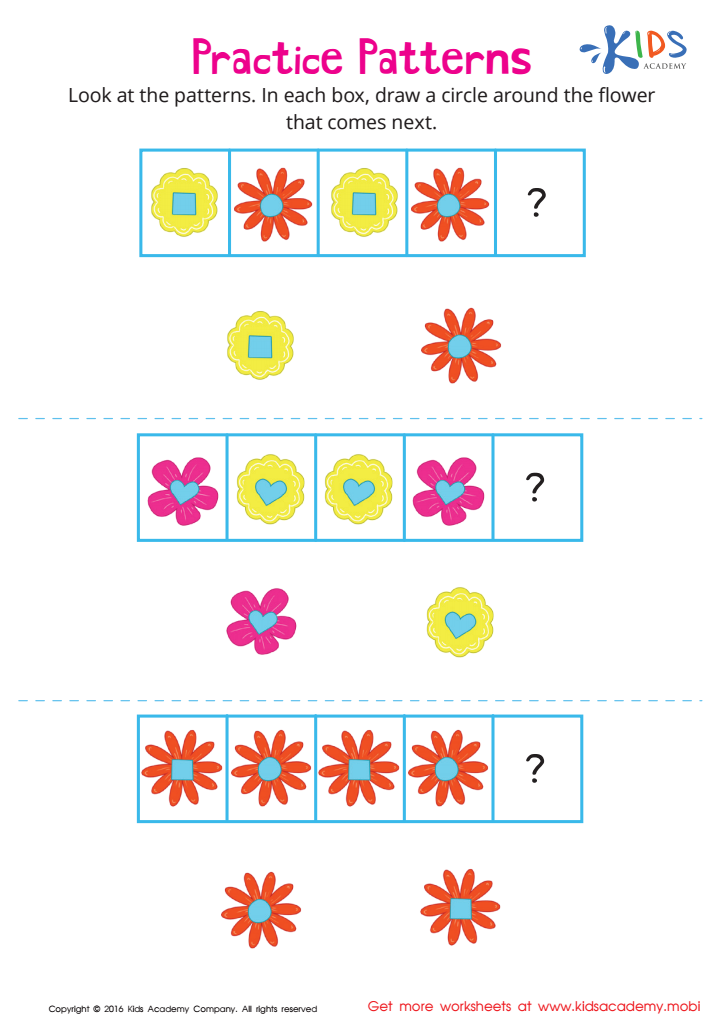
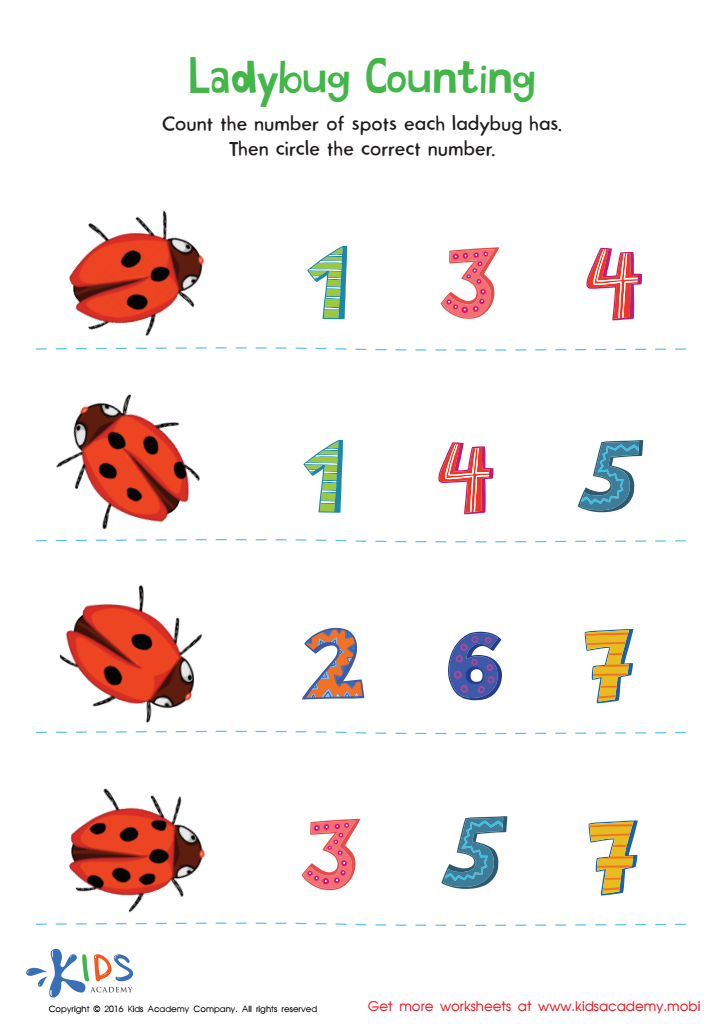
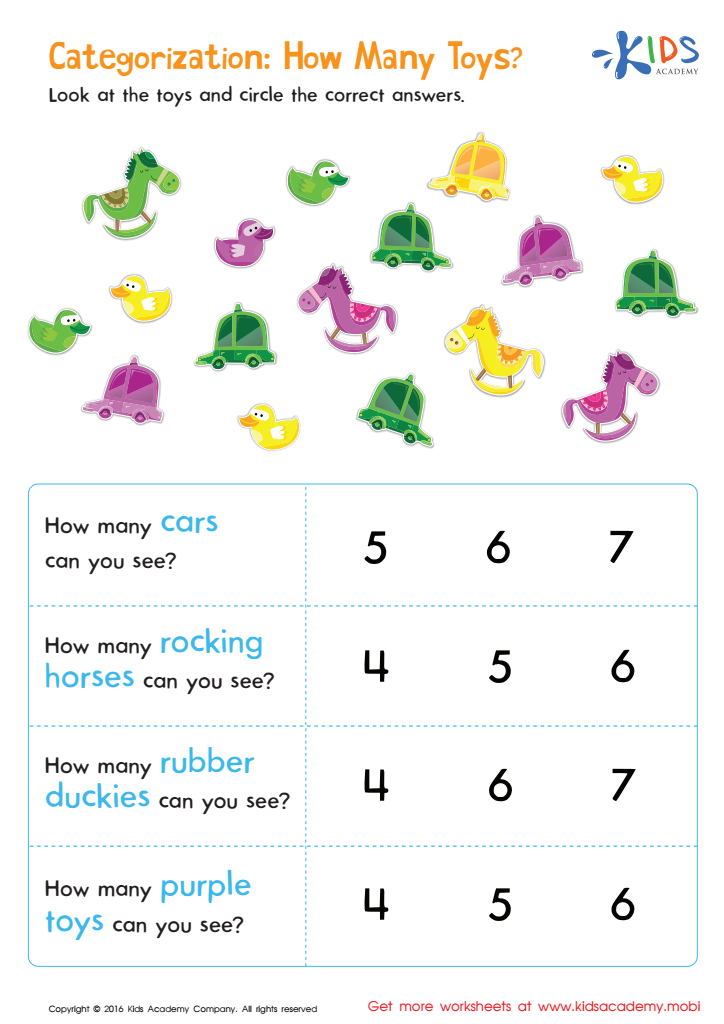
Classifying Toys by Type and Color Sorting Worksheet
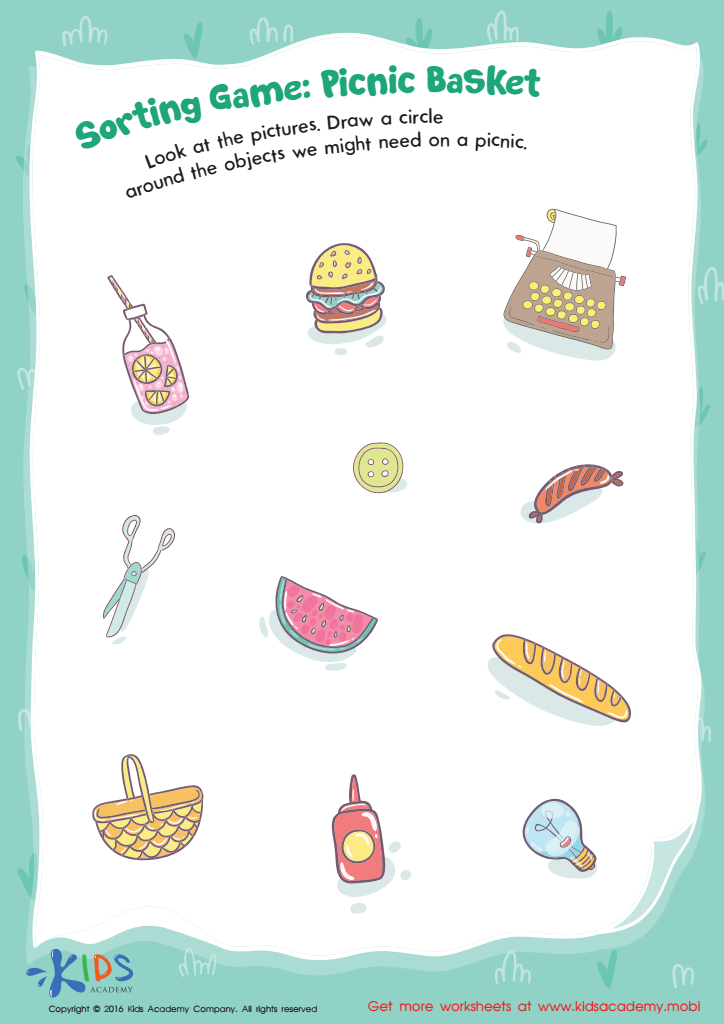
Picnic Basket Sorting Worksheet
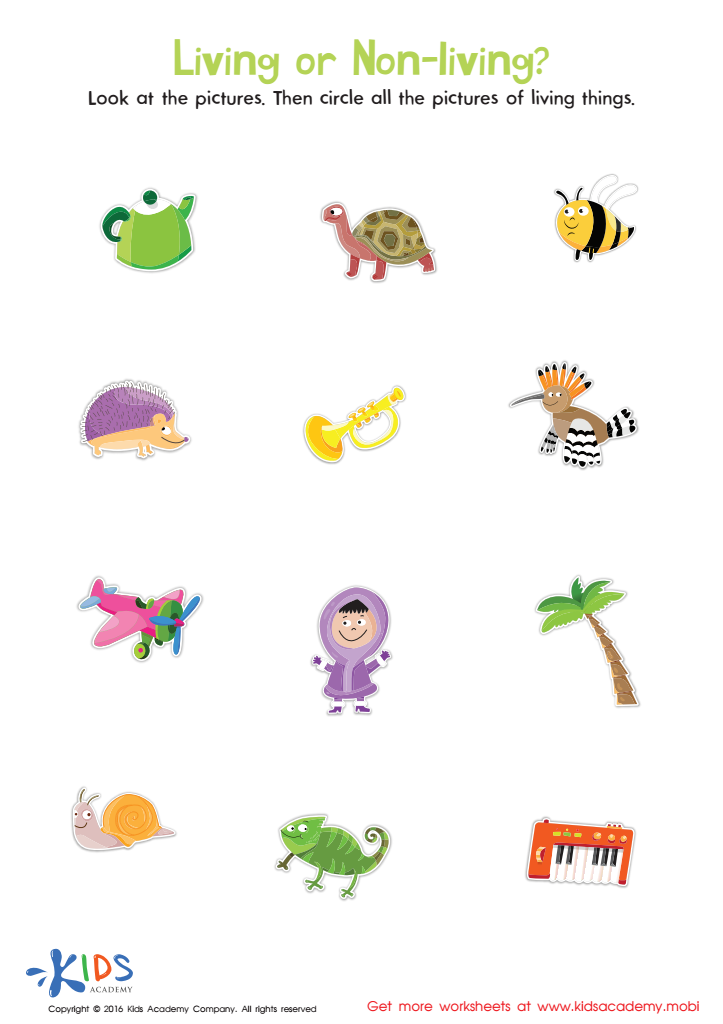
Identifying Living and Non–living Things Sorting Worksheet






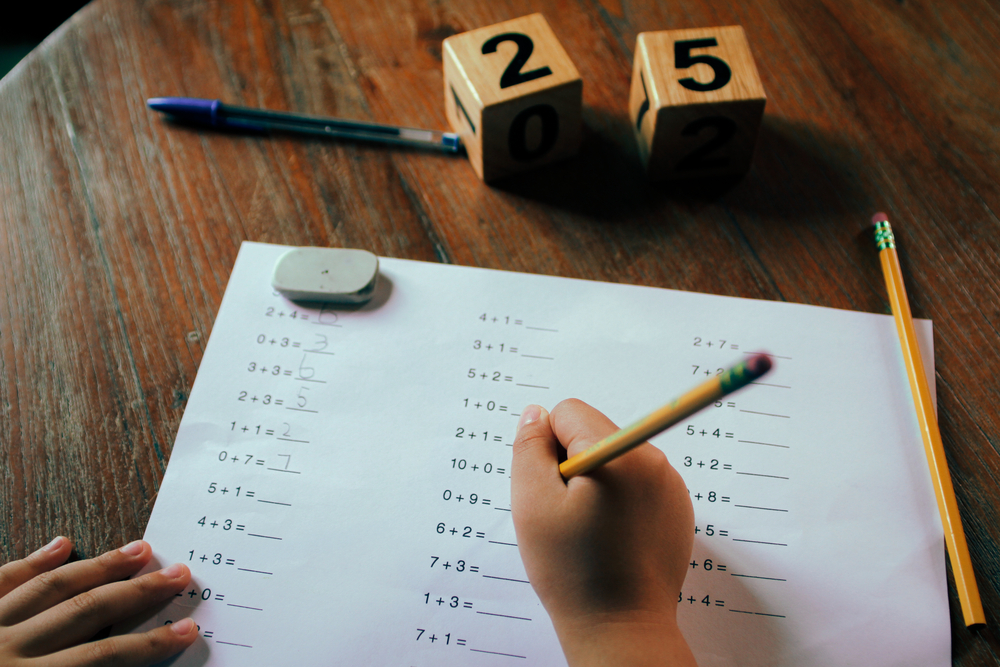

Matching activities for children ages 6-9 are vital tools for fostered cognitive and social development. At this stage, kids are increasingly honing their analytical and memory skills. Engaging in matching activities can significantly enhance these abilities, as these exercises require students to recall information, identify patterns, and establish associations between items, which nurtures critical thinking.
Furthermore, matching games are versatile; they can encompass various subjects such as vocabulary, math concepts, geography, and science. This flair for interactivity and play makes learning enjoyable, keeping young learners motivated and engaged. Such activities also promote social skills, allowing children to collaborate and communicate with peers, thereby improving their interpersonal relationships.
From a developmental perspective, matching games help with emotional growth. They build resilience and patience as children face challenges in finding the right matches, learning to stay focused and persistent.
For parents and teachers, incorporating these activities into the learning process represents a strategic method of reinforcing academic content in an enjoyable way. It supports brain development and nurtures a love for learning during these formative years, laying a strong foundation for their future educational journey. Thus, matching activities hold significant value in promoting well-rounded growth in young learners.








