Easy Phonics worksheets activities for Ages 5-7
4 filtered results
-
From - To
Discover a fun and engaging collection of Easy Phonics Worksheets and activities for children aged 5-7! Designed to enhance early literacy skills, our worksheets provide hands-on learning experiences that make phonics enjoyable. Covering essential concepts like letter sounds, blending, and decoding, these activities help young learners build a solid foundation for reading. Each worksheet incorporates colorful illustrations and interactive exercises to keep kids motivated and eager to learn. Whether at home or in the classroom, these resources are perfect for developing confidence in phonics and enhancing reading abilities. Explore our easy worksheets today and spark a love for reading in your child!
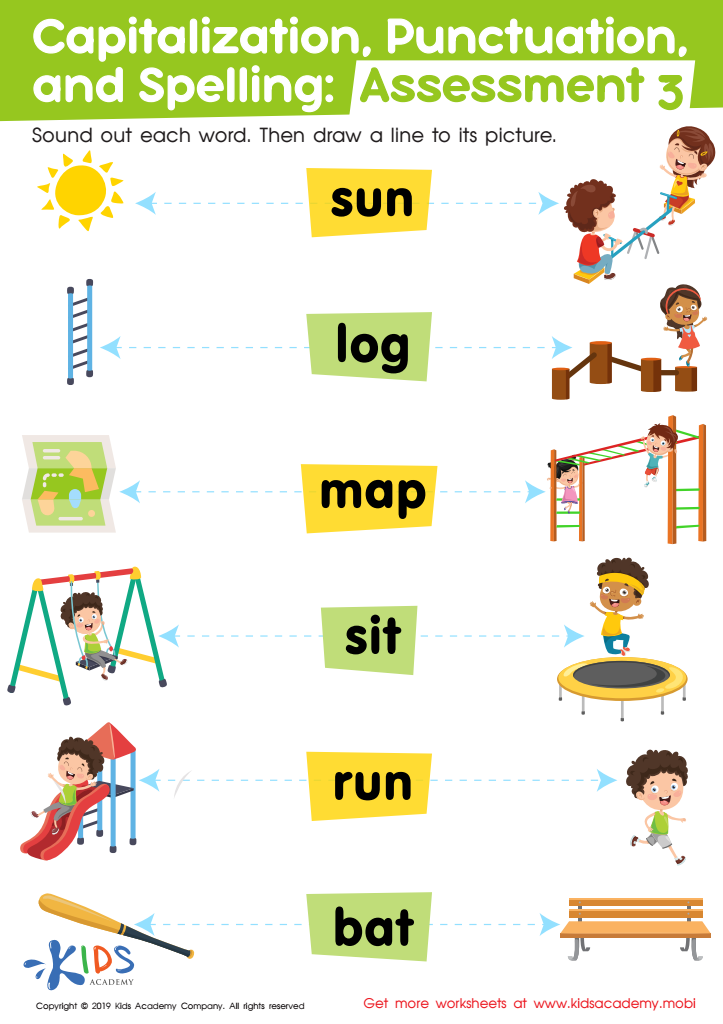
Capitalization. Punctuation. Spelling. Assessment 3 Worksheet
 Assign to My Students
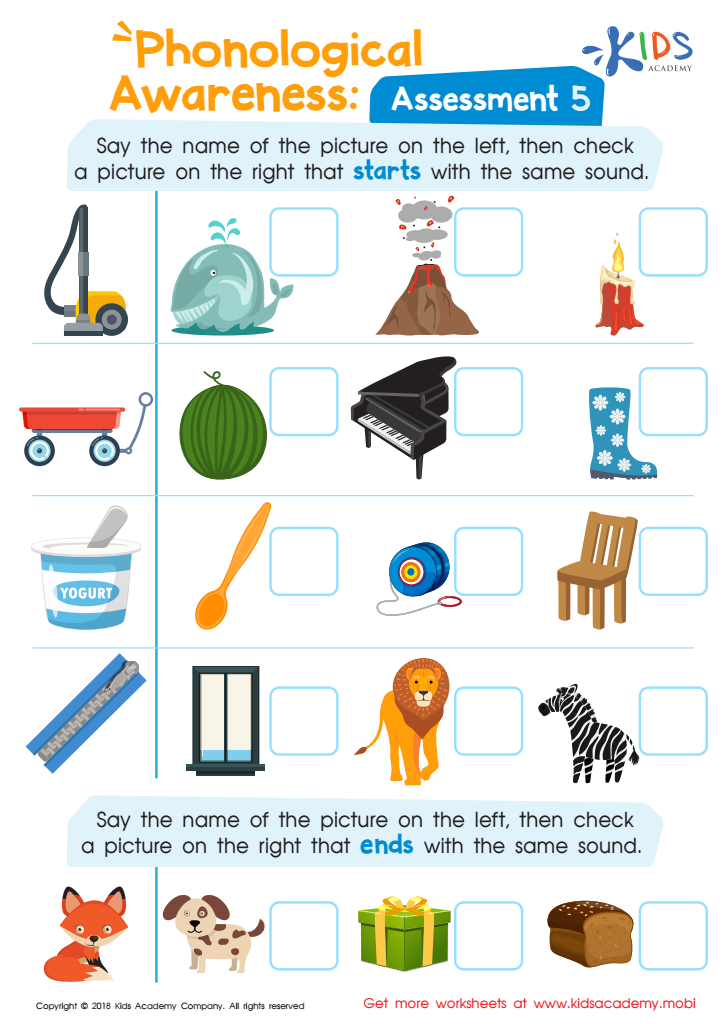
Phonological Awareness: Assessment 5 Worksheet
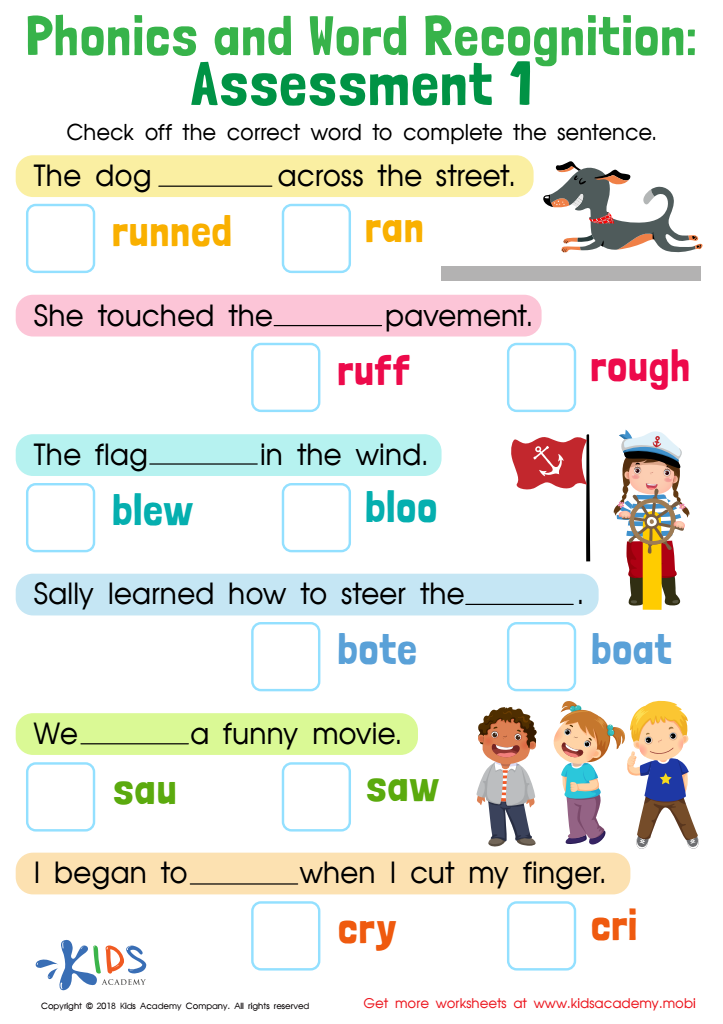
Phonics and Word Recognition: Assessment 1 Worksheet
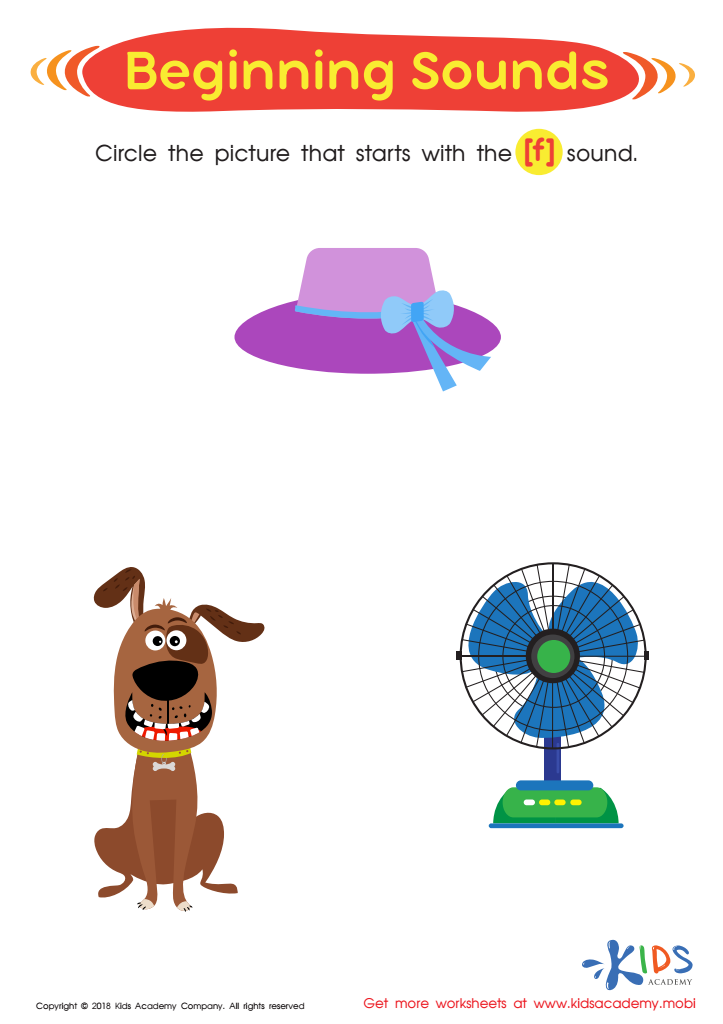
Beginning Sounds Assessment Printable






Easy Phonics activities for Ages 5-7 are crucial for early literacy development, providing foundational skills that children need to become proficient readers and writers. At this stage, children are developing phonemic awareness, which is the ability to recognize and manipulate sounds in spoken language. Engaging with targeted phonics activities helps children understand the relationship between letters and sounds, reinforcing their decoding abilities.
For parents and teachers, these activities promote a systematic approach to reading instruction. Kids learn to blend sounds into words, segment words into sounds, and confidently approach unfamiliar text. When phonics is integrated into playful and creative activities, it maintains children's interest in learning, fostering a positive attitude towards reading.
Moreover, mastering phonics leads to improved comprehension skills, as children can decode words and focus on the meaning behind them. High-quality phonics instruction also supports children who may struggle with literacy, ensuring that all learners have the tools they need to succeed. Ultimately, by prioritizing Easy Phonics activities, parents and teachers can lay the groundwork for lifelong reading skills, empowering children to engage with literature and language confidently, setting the stage for academic success in the future.








