Easy Knowledge Check worksheets activities for Ages 5-8 - Page 2
27 filtered results
-
From - To
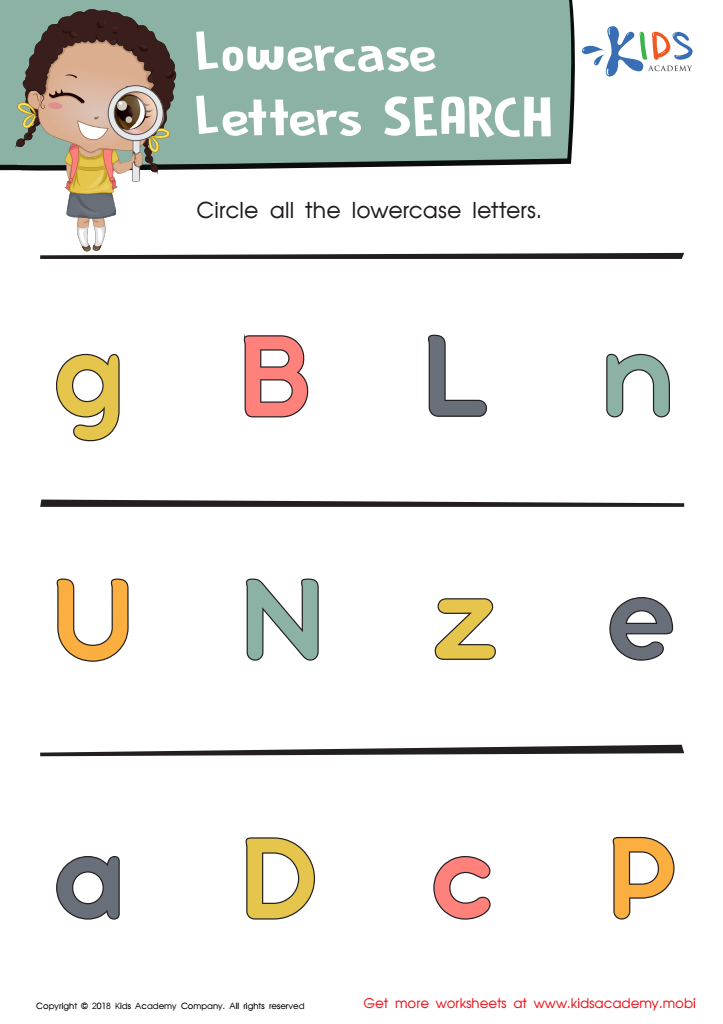
Lowercase Letters Search: Assessment Worksheet
 Assign to My Students
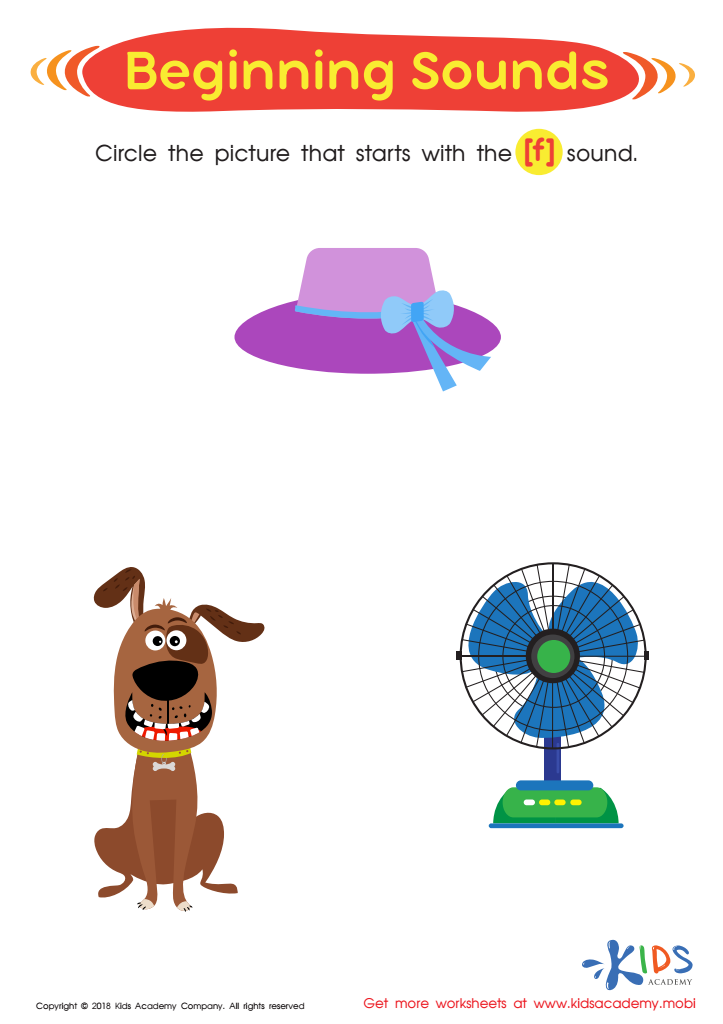
Beginning Sounds Assessment Printable
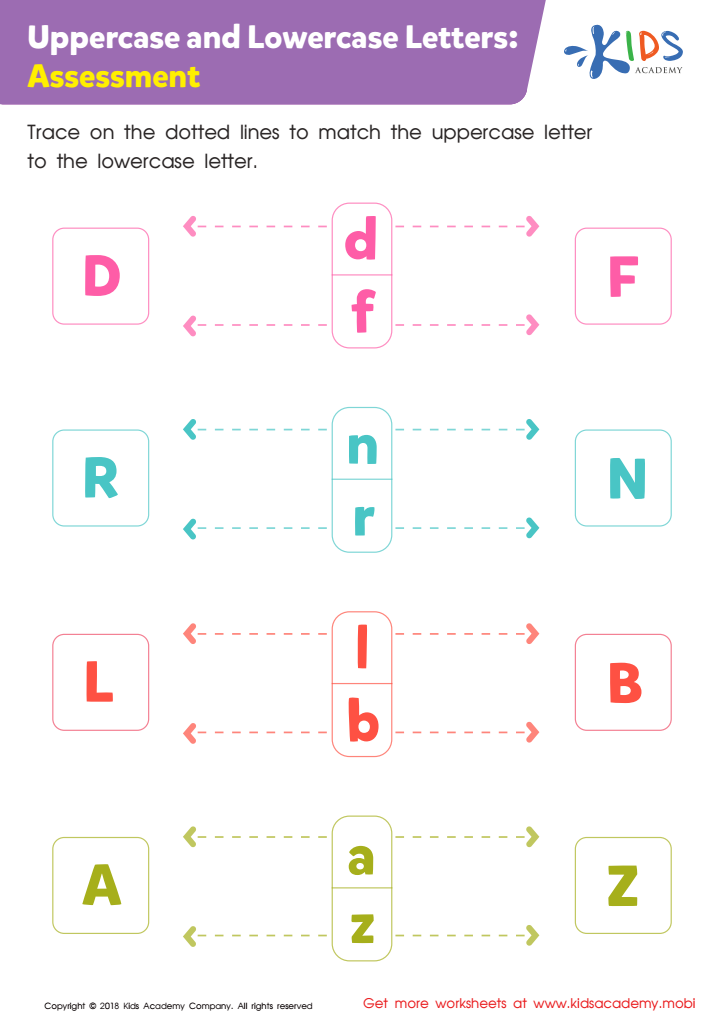
Uppercase and Lowercase Letters: Assessment Worksheet






Easy Knowledge Check activities for ages 5-8 are essential for both parents and teachers as they play a crucial role in supporting young children's cognitive and emotional development. These activities provide a structured yet engaging way to assess understanding and knowledge retention in a playful manner. At this developmental stage, children thrive on interactive experiences that help them solidify what they've learned, whether it be basic math, reading comprehension, or social skills.
Furthermore, these activities promote critical thinking and problem-solving abilities, key competencies for lifelong learning. By regularly incorporating knowledge checks, teachers can identify learning gaps early and tailor their instructional approach to fit individual needs. Parents, on the other hand, can use these activities to foster a collaborative learning environment at home, reinforcing lessons learned in school.
Additionally, Easy Knowledge Checks can boost a child's confidence as they receive immediate feedback, helping them recognize their strengths and areas for improvement. Overall, when parents and teachers engage with these activities, they not only enhance educational outcomes but also nurture a love for learning, preparing children for future academic challenges and instilling a curious mindset that lasts a lifetime.








