Filters

34 filtered results

Clear all filters
Favorites
With answer key
Interactive

34 filtered results

Difficulty Level

Grade


Check out this FREE Logical Thinking Trial Lesson for age 3-6!

Lesson 3- Classify and Sort Shapes

Favorites
With answer key
Interactive
  • Logical Thinking
  • 3-6
  • Interactive
  • Extra Challenge
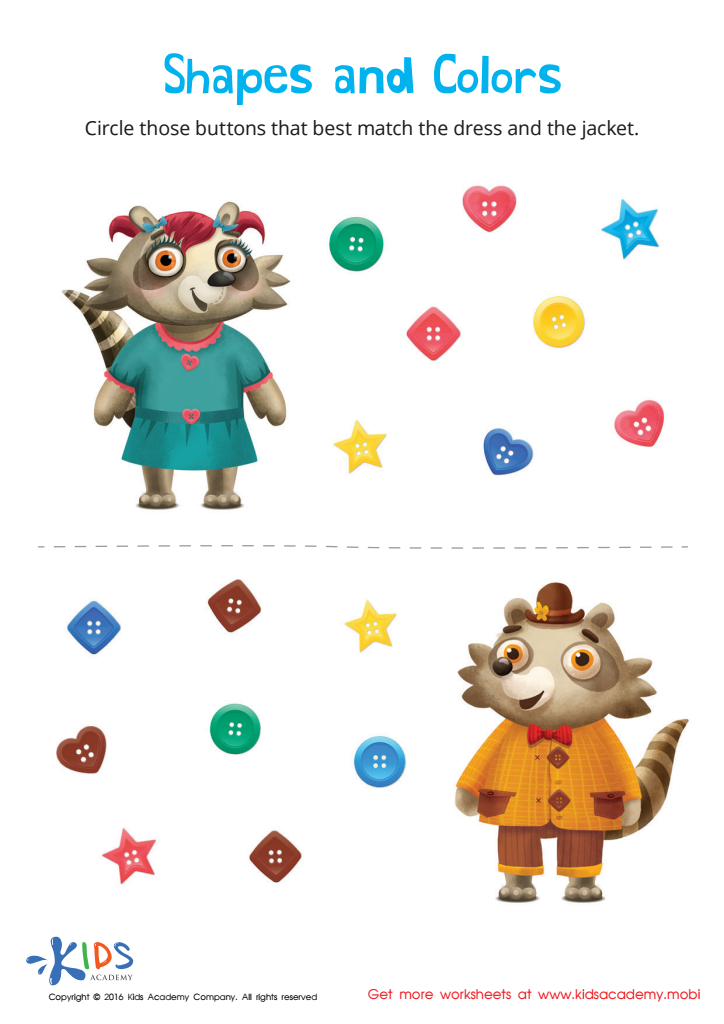
Matching Colors Worksheet

Matching: Shapes and Colors Worksheet

Help Mr. and Mrs. Raccoon find the right buttons to match their shirts! Kids will identify shapes and colors and learn to match them correctly.
Matching: Shapes and Colors Worksheet
Worksheet
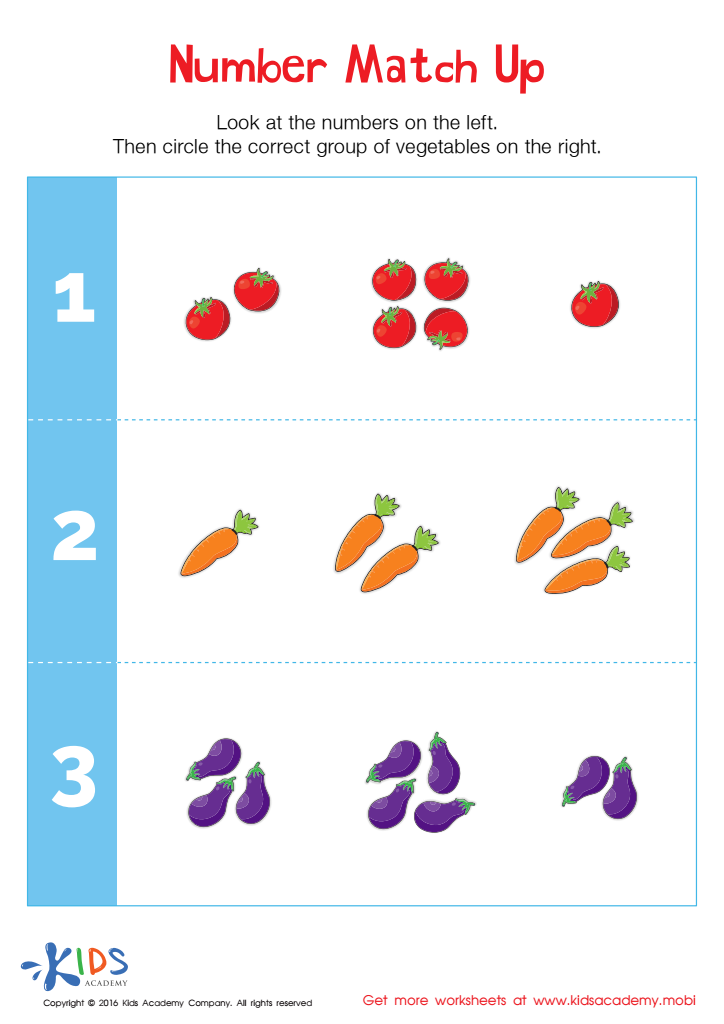
Number Match-up Worksheet

Number Match Up Worksheet

Help your child learn early math skills with this cute number match-up worksheet! Through this exercise, your preschooler can practice following directions, recognizing numbers, counting and understanding the difference between left and right. Bright and catchy pictures such as veggies make the worksheet fun and engaging. Print it out and let your child enjoy counting and matching the veggies!
Number Match Up Worksheet
Worksheet
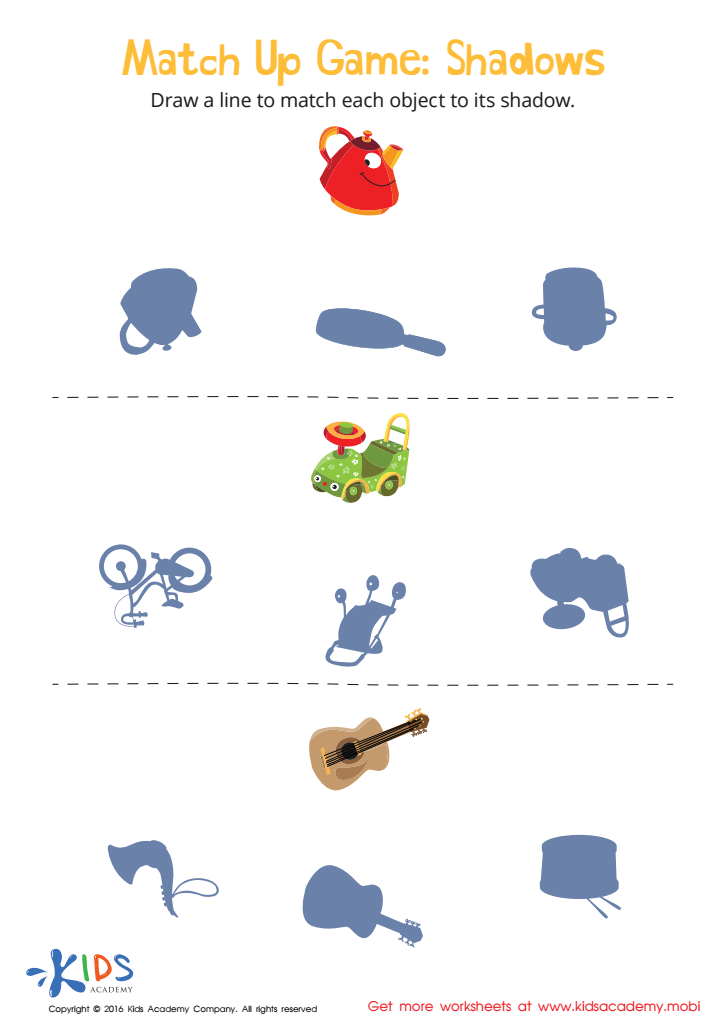
Match-up Worksheet for Toddlers

Shadows Worksheet

Shadows Worksheet
Worksheet
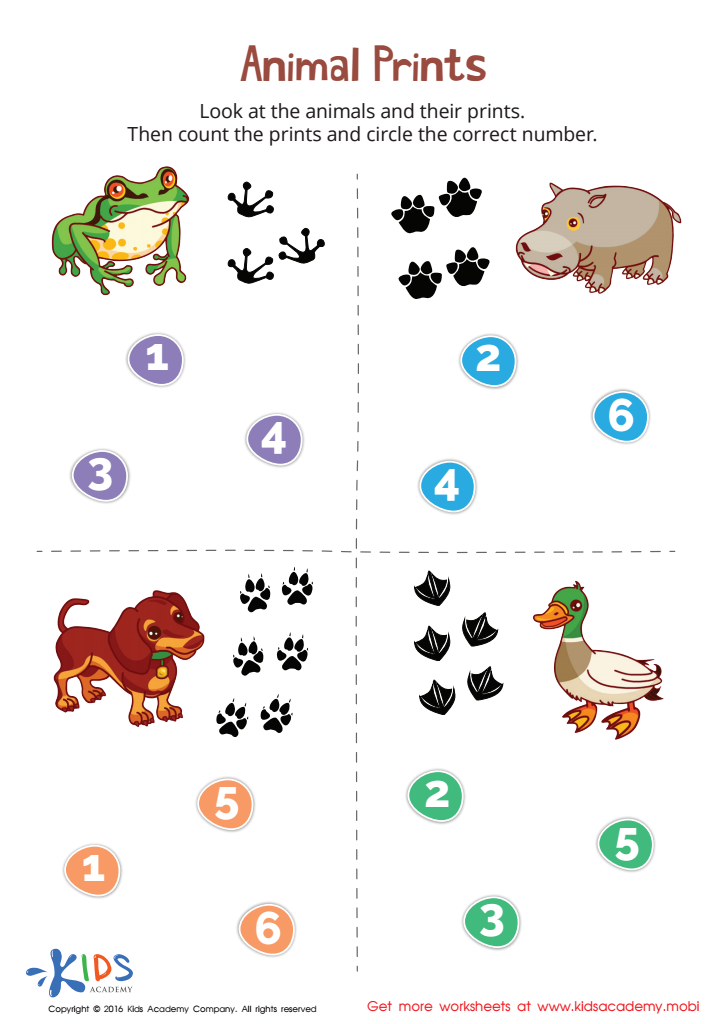
Animal Paw Prints Worksheet

Animal Prints Match-Up Worksheet
Help your little learner build early math skills with this fun animal paw prints worksheet. With it, they'll count, recognize numbers, and learn about the animals that make the paw prints. Talk to them about the prints and ask them to count. They'll love exploring and learning about the different animals, all while sharpening essential math skills!
Animal Prints Match-Up Worksheet
Worksheet
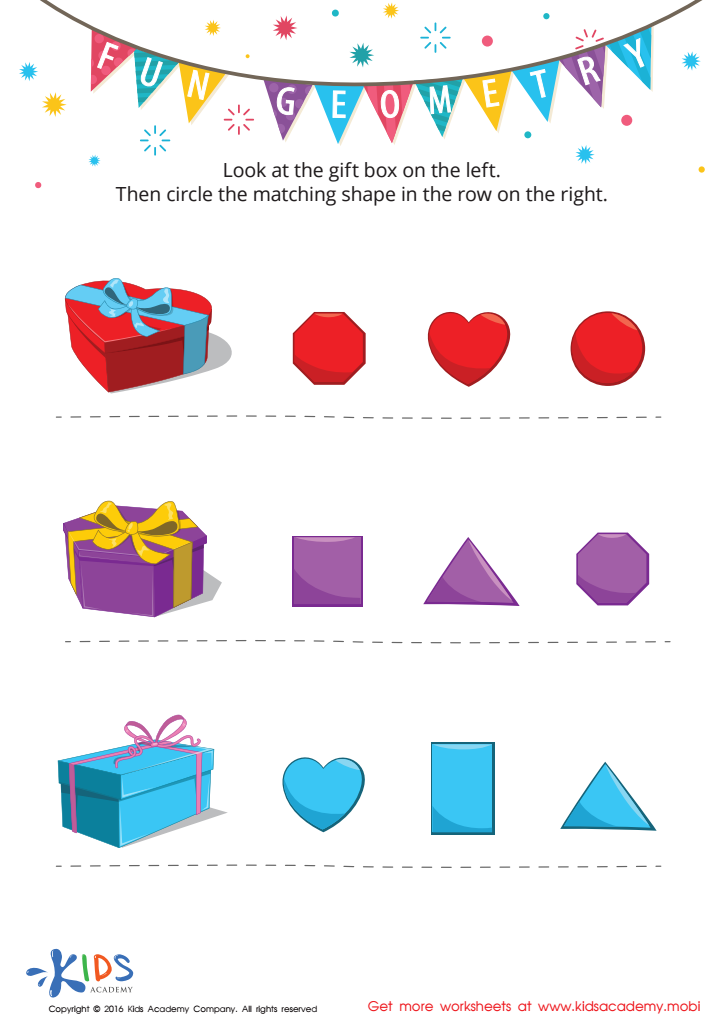
Geometry Matching Worksheet

Fun Geometry Worksheet

Give your child the gift of learning with this fun and educational geometry matching worksheet! It'll help them develop essential matching and problem-solving skills while having fun. Vibrant pictures will excite them to complete it and get a better grasp of the world around them.
Fun Geometry Worksheet
Worksheet
Size Worksheets for Preschoolers

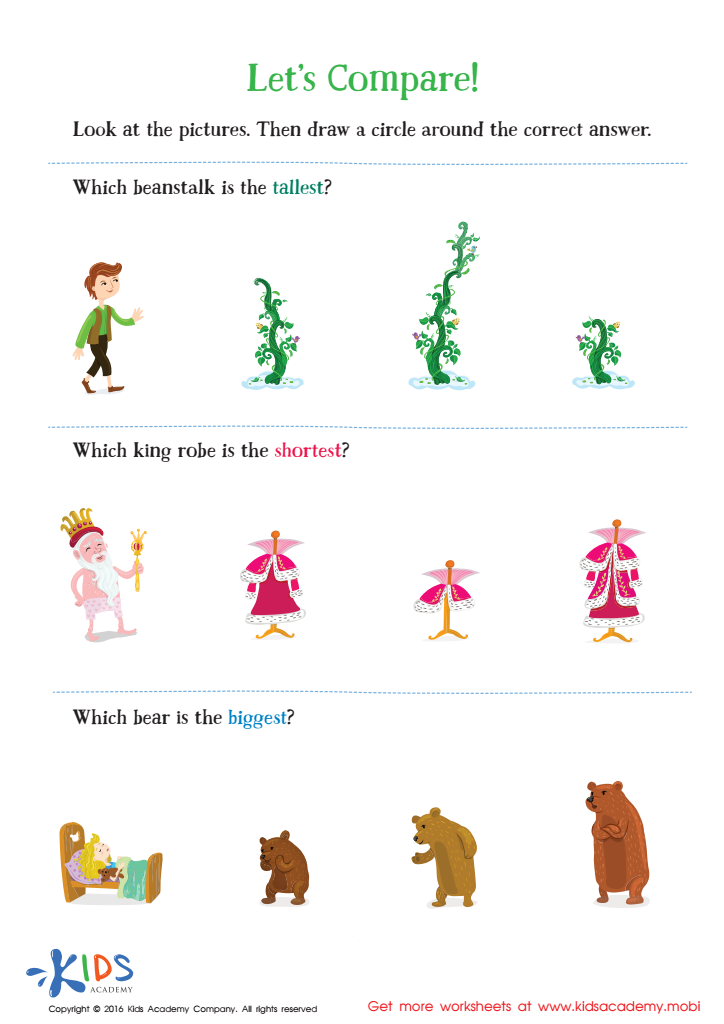
Fairy Tale Worksheet: Let's Compare

Preschoolers need to recognize different sizes of objects. This worksheet combines fun fairy tales with size practice, helping them read, problem solve, and sort through pictures. Your child will love the images and be eager to complete it. Enhance their learning by talking about the tales to build comprehension.
Fairy Tale Worksheet: Let's Compare
Worksheet
Preschool Counting Worksheets

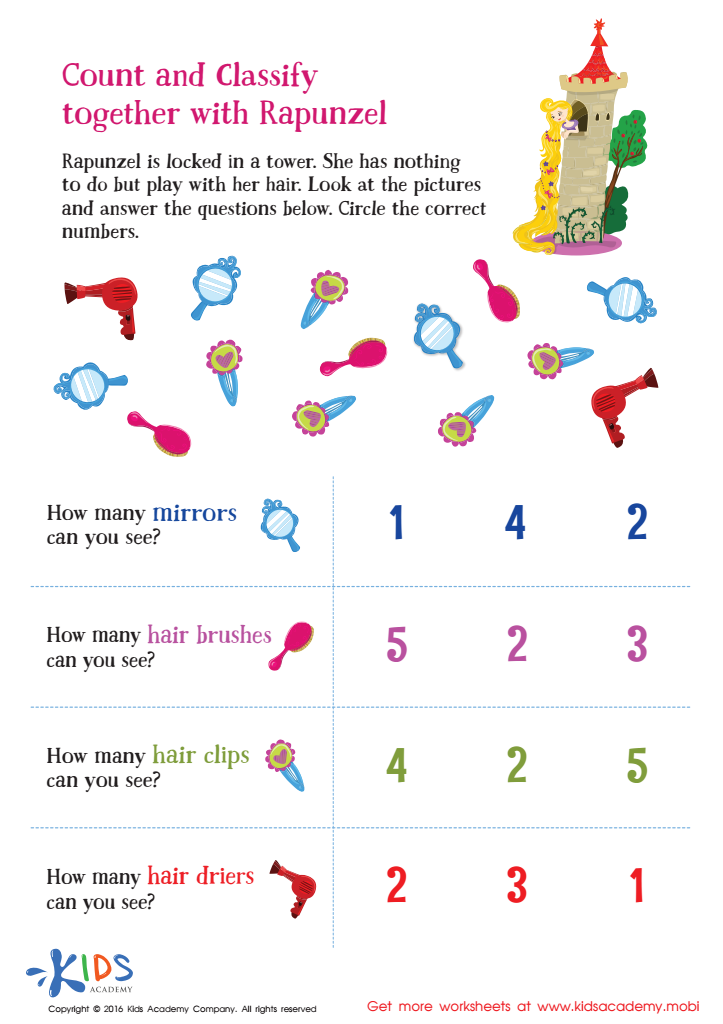
Fairy Tale Worksheet: Count and Classify with Rapunzel
Get printing and shine a light on your pre-math skills!
Fairy Tale Worksheet: Count and Classify with Rapunzel
Worksheet
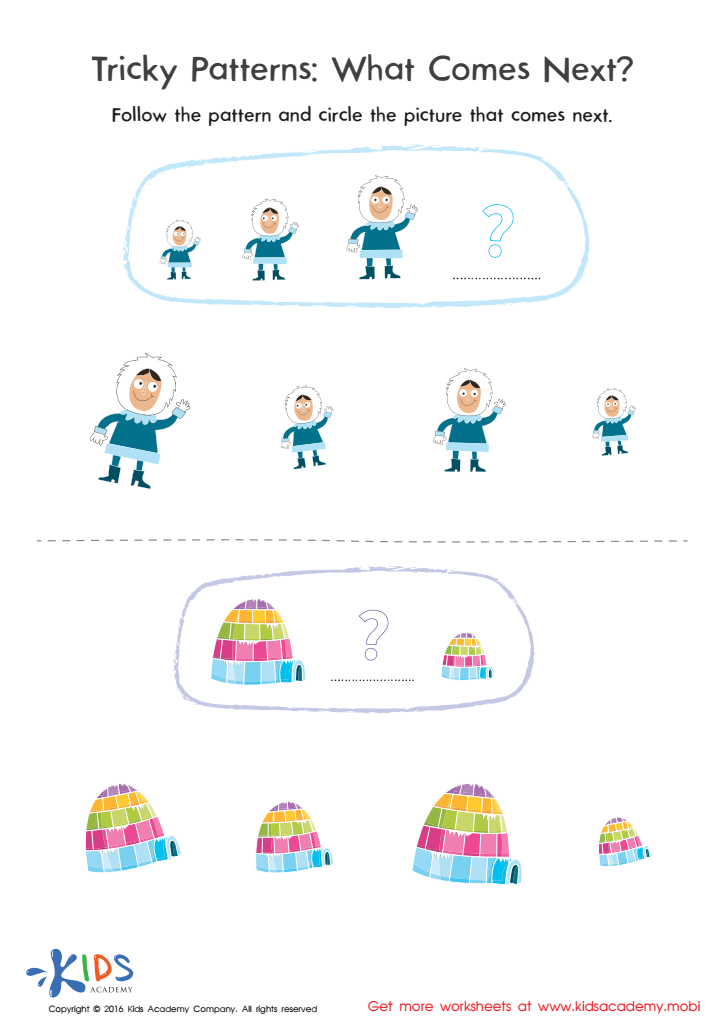
Picture Pattern Worksheet

Tricky Patterns Size Worksheet

Give your child a head start on critical thinking with this picture pattern worksheet! It's an intriguingly fun way to help them master important skills like spatial reasoning, critical thinking, and logical reasoning. They'll differentiate between shapes, complete the pattern with a logical answer, and look for and understand patterns. It's the perfect foundation for future math skills, setting them up for future success!
Tricky Patterns Size Worksheet
Worksheet
Number Recognition Worksheet

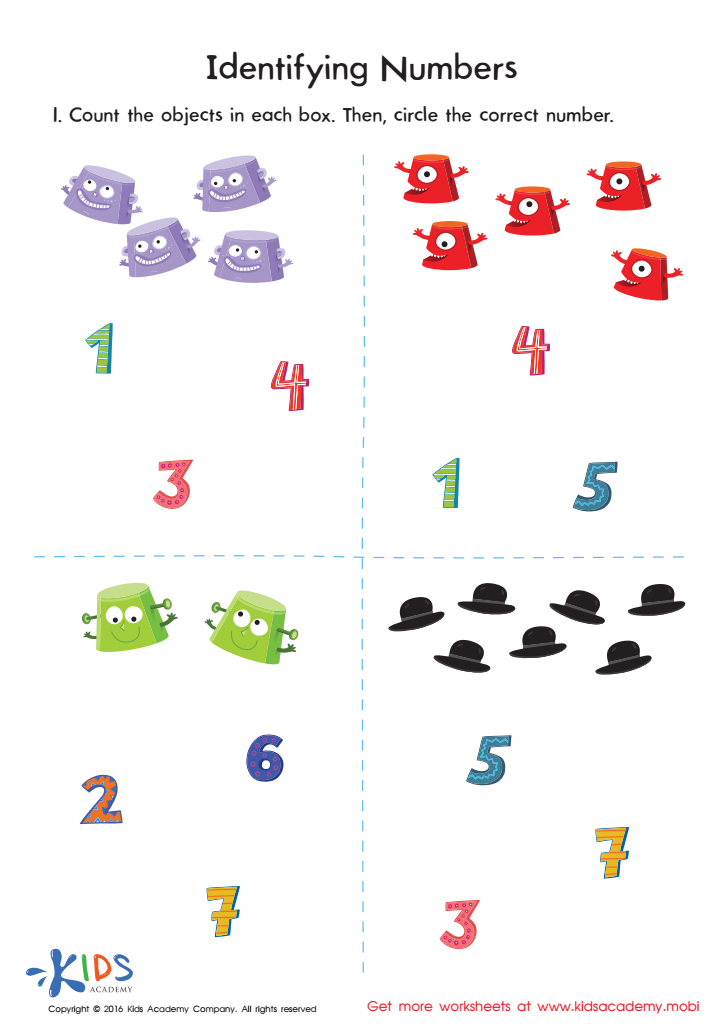
Identifying Numbers Size Worksheet

Identifying Numbers Size Worksheet
Worksheet
Comparing Numbers Printable Worksheet

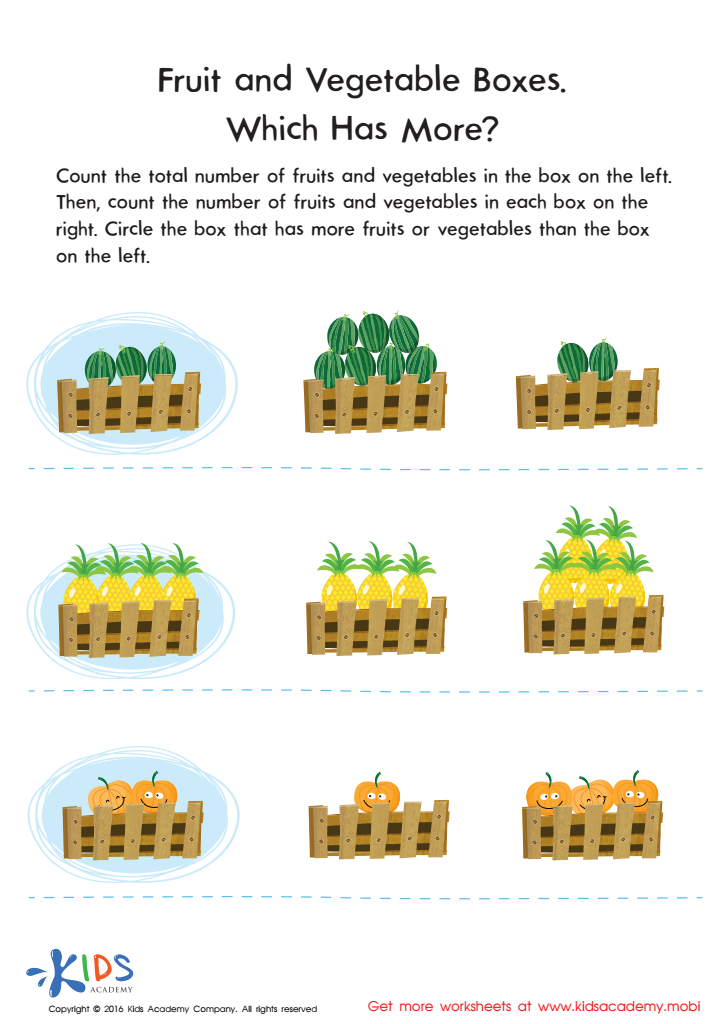
Which Has More? Size Worksheet

This worksheet is perfect for your child to practice critical thinking and logical reasoning. Your child will count and compare the fruits and veggies in the crates to decide which one has more. They will use complex cognitive skills and practice following precise rules. Guide them through the directions and help keep their focus, while enjoying the images.
Which Has More? Size Worksheet

Worksheet


Extra Challenge Logical Thinking activities for children aged 3-6 are vital for their cognitive development and overall learning. During these formative years, young minds are exceptionally receptive to absorbing information and skills, making it an ideal time to introduce problem-solving activities that foster logical reasoning.

Engaging in logical thinking exercises helps children develop critical skills such as spatial awareness, pattern recognition, and analytical thinking. These activities encourage curiosity and creativity, enabling kids to explore concepts more deeply. They learn to identify relationships, make connections, and approach problems methodically, which prepares them for future academic challenges.

Moreover, logical thinking activities often involve play-based learning, making the experience enjoyable and engaging. This method of learning reinforces a love for exploration and promotes persistence when faced with difficulties. It also cultivates social skills, as children often work together during these activities, thereby learning the values of teamwork and communication.

Lastly, parents and teachers play a crucial role in supporting these activities, creating an enriching environment where critical thinking can flourish. By prioritizing logical thinking exercises, caregivers help lay a strong foundation for lifelong learning and success in a rapidly evolving world. Investing in these early challenges unlocks a child’s potential and fosters a critical mindset essential for their future.