Normal Matching worksheets activities for Ages 4-7 - Page 2
41 filtered results
-
From - To
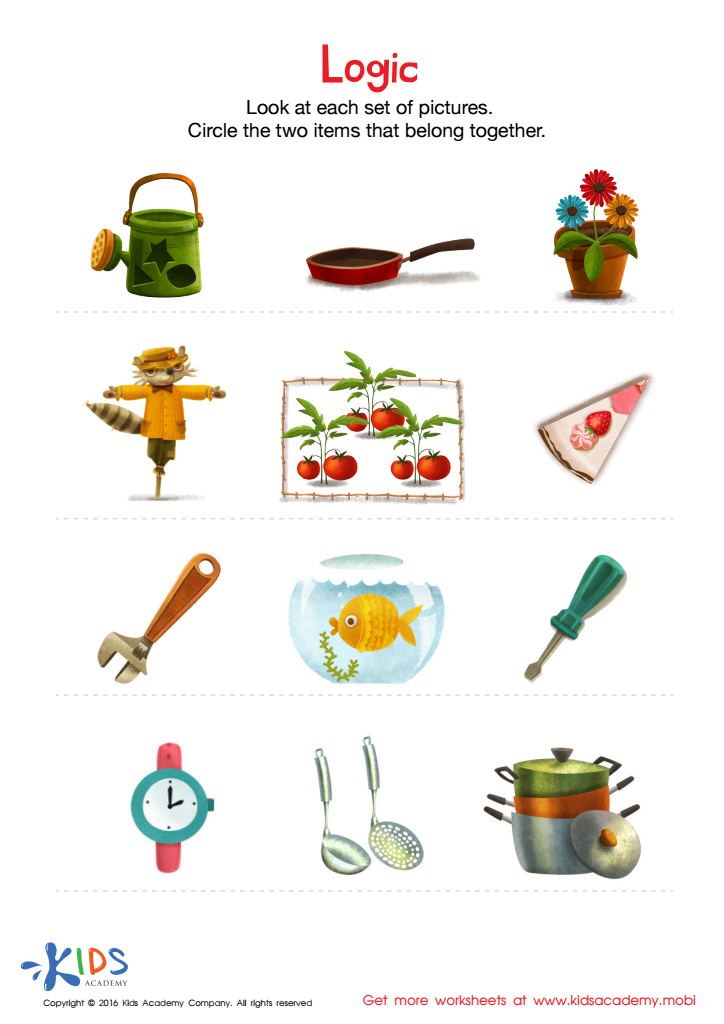
Logic Game Sorting Worksheet
 Assign to My Students
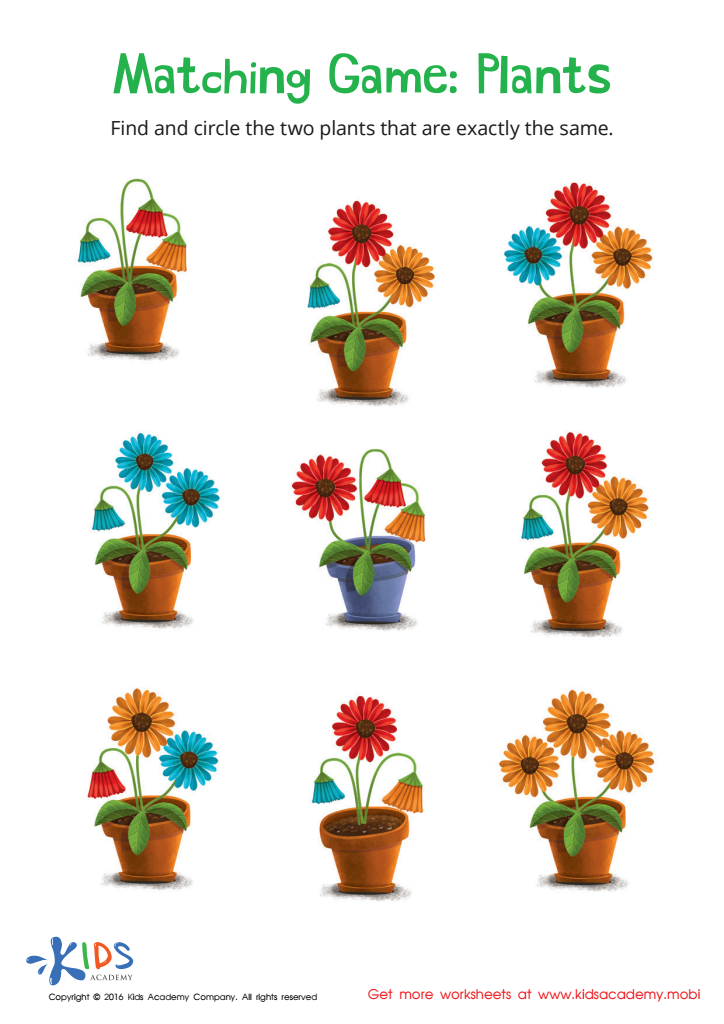
Matching: Plants Worksheet
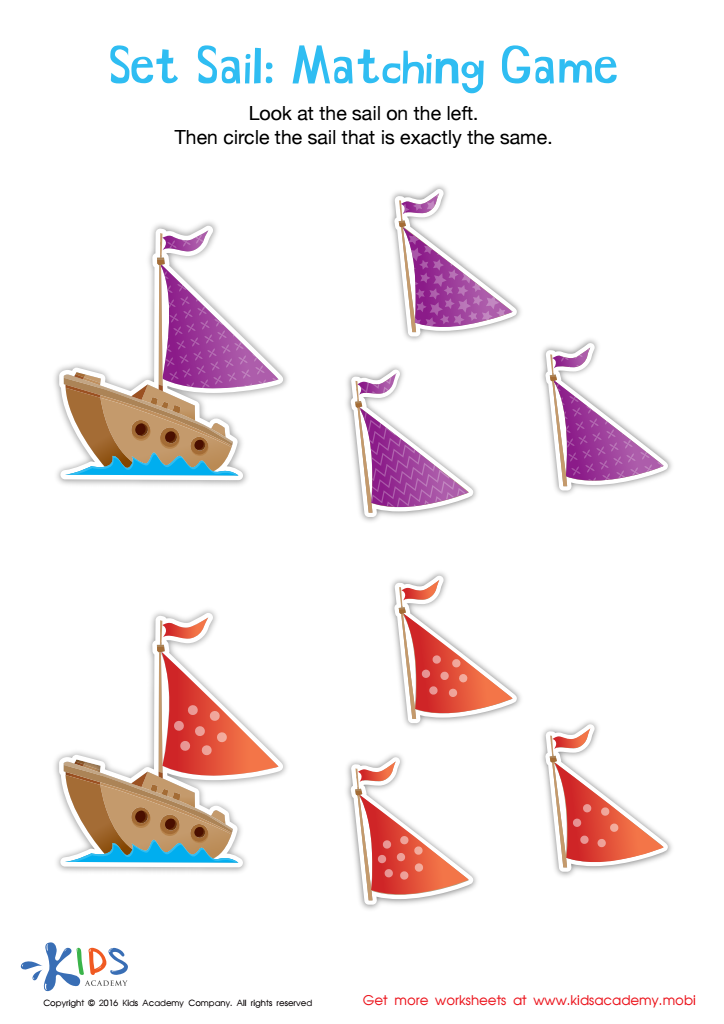
Set Sail Worksheet
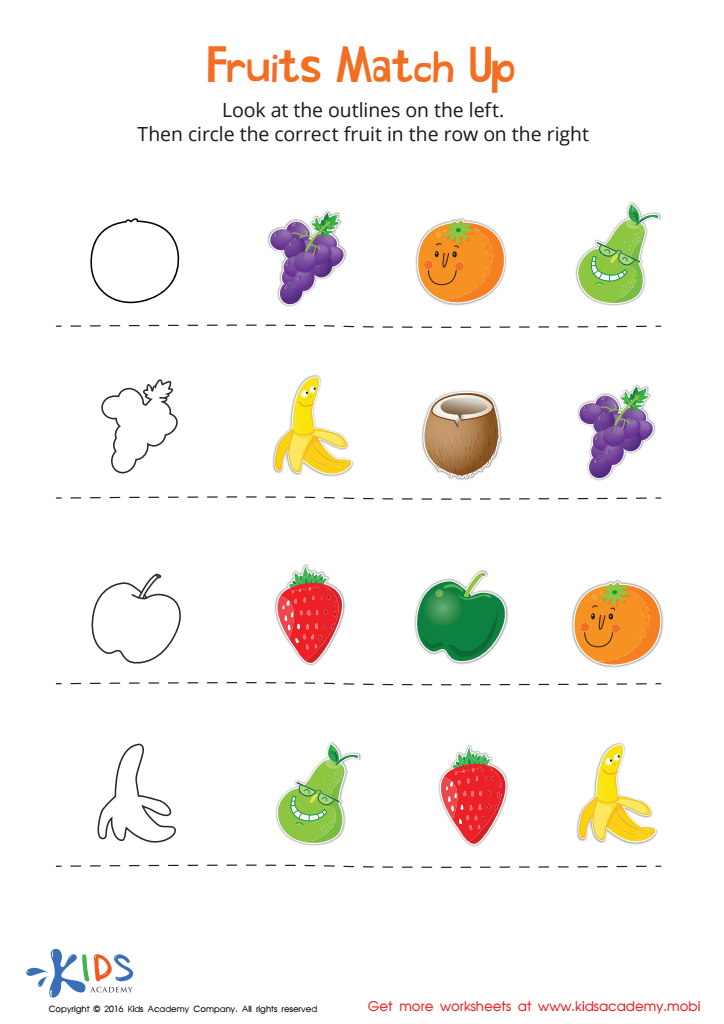
Fruits Match Up Worksheet
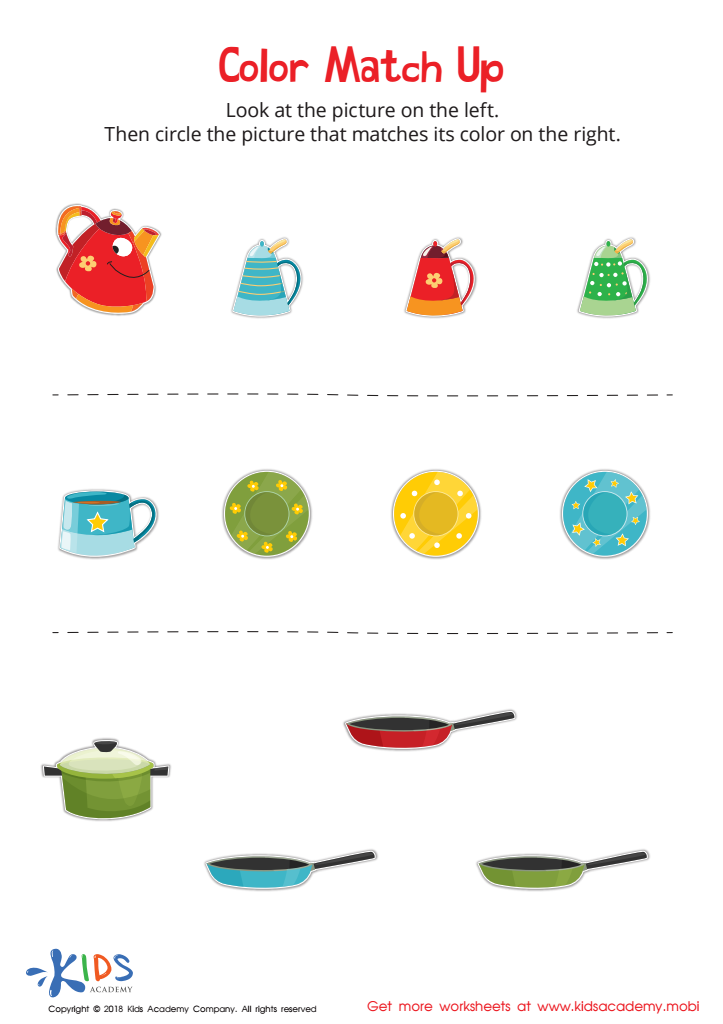
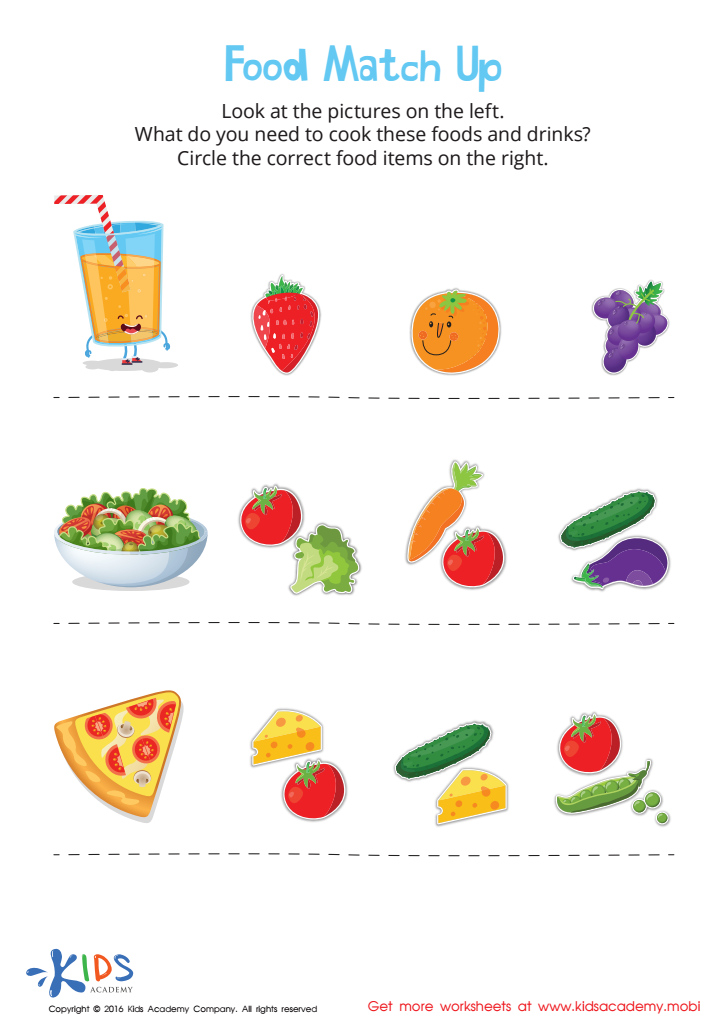
Food Match Up Worksheet
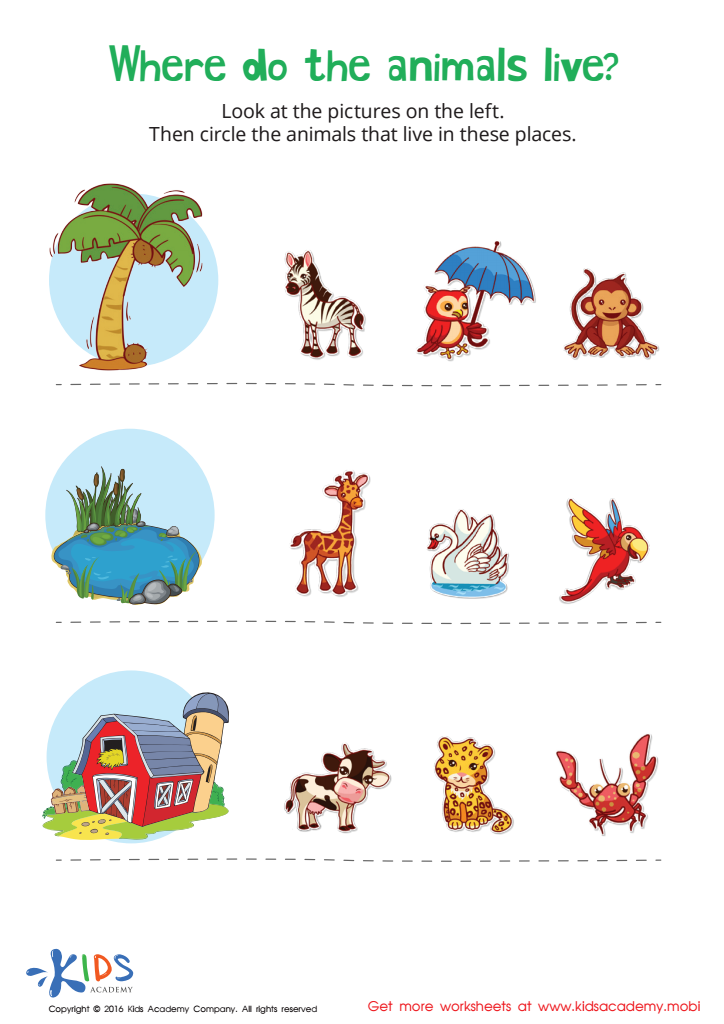
Where Animals Live Worksheet
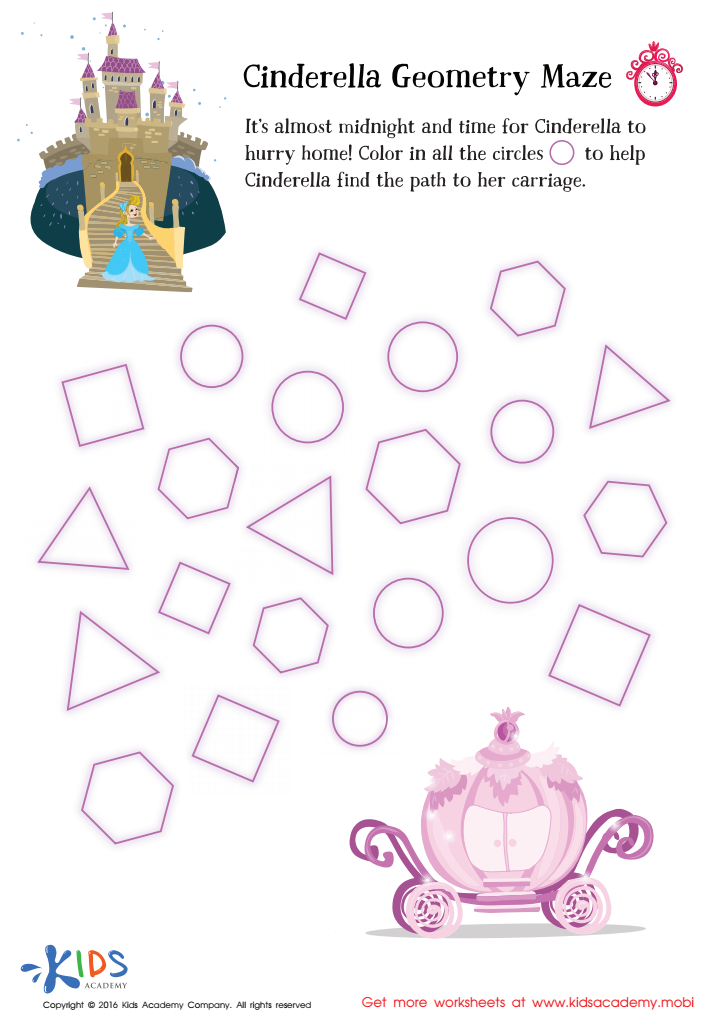
Cinderella Geometry Maze Worksheet
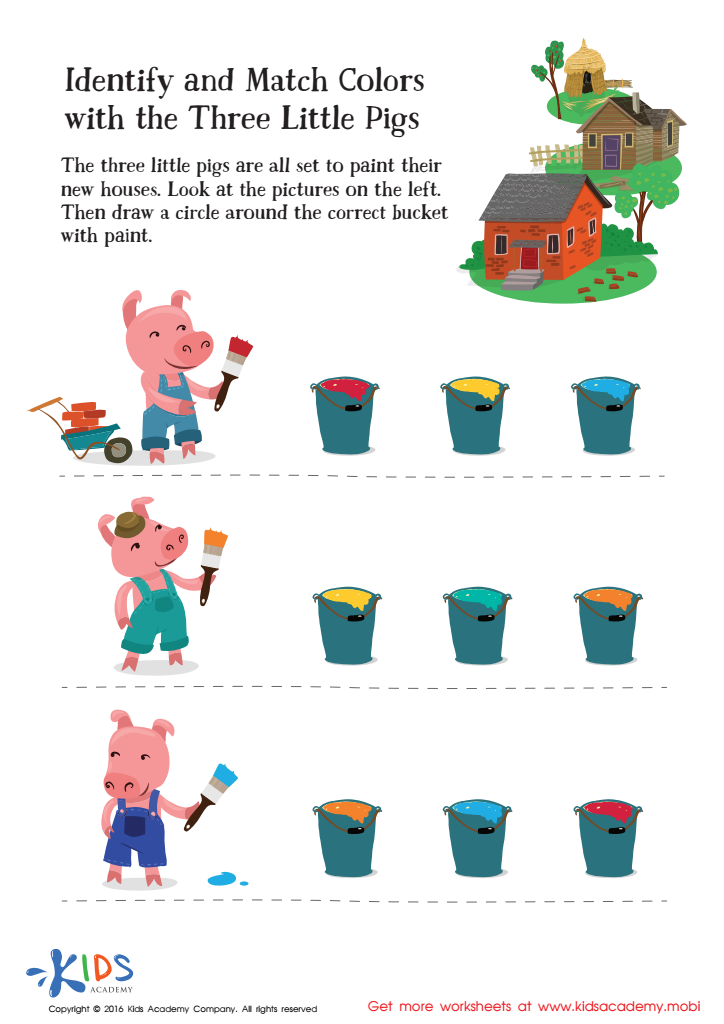
Fairy Tale Worksheet: Identify and Match Colors with Three Little Pigs
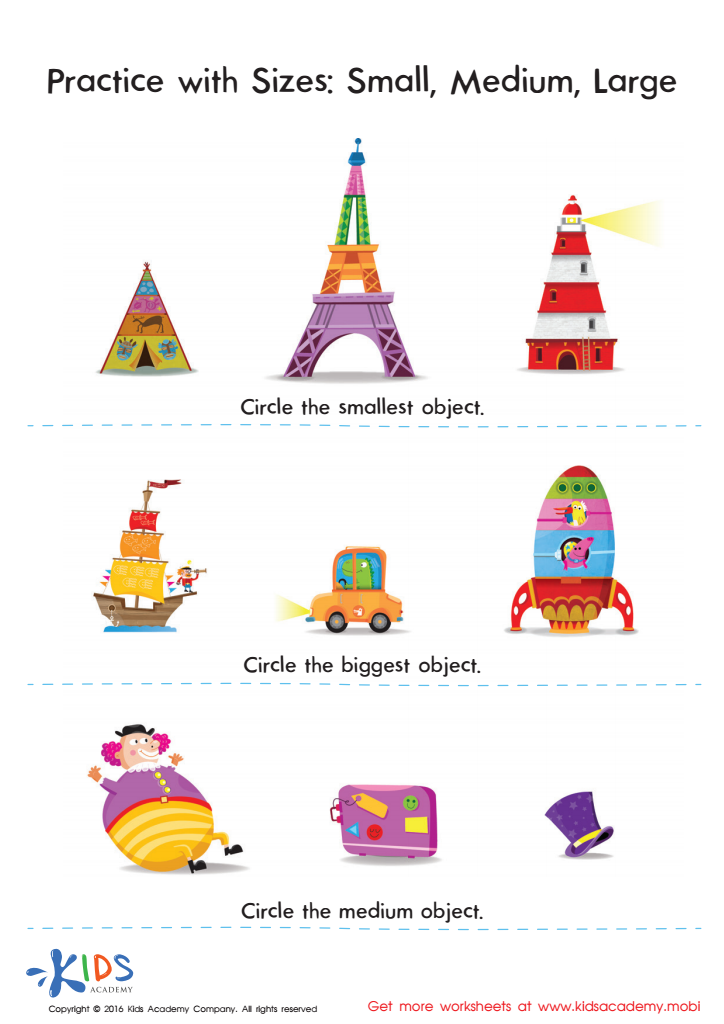
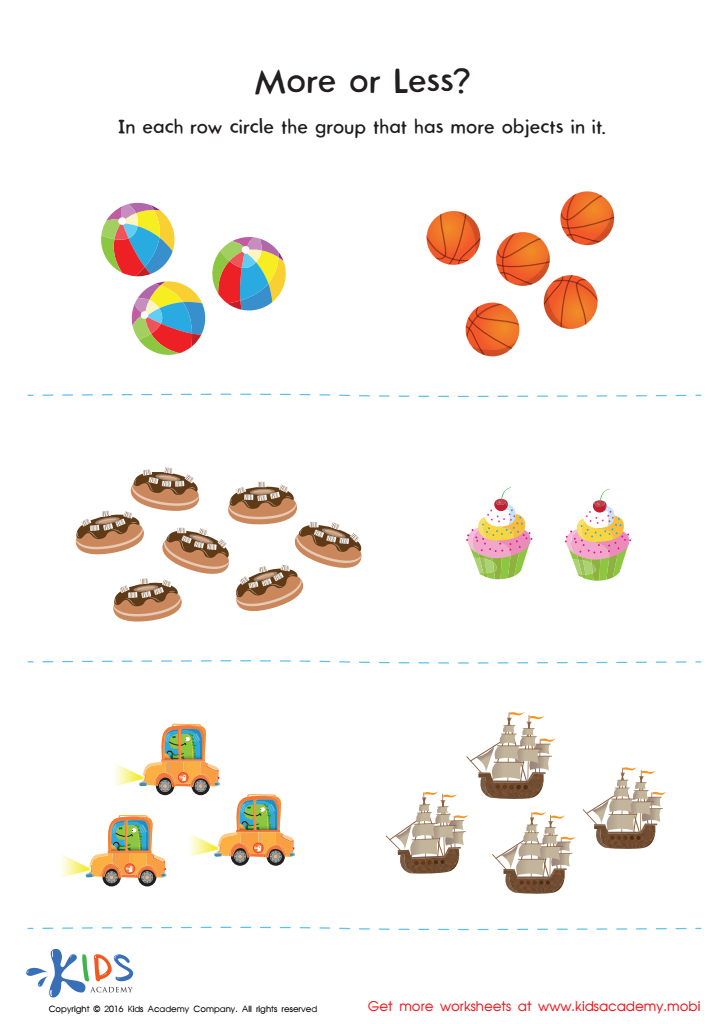
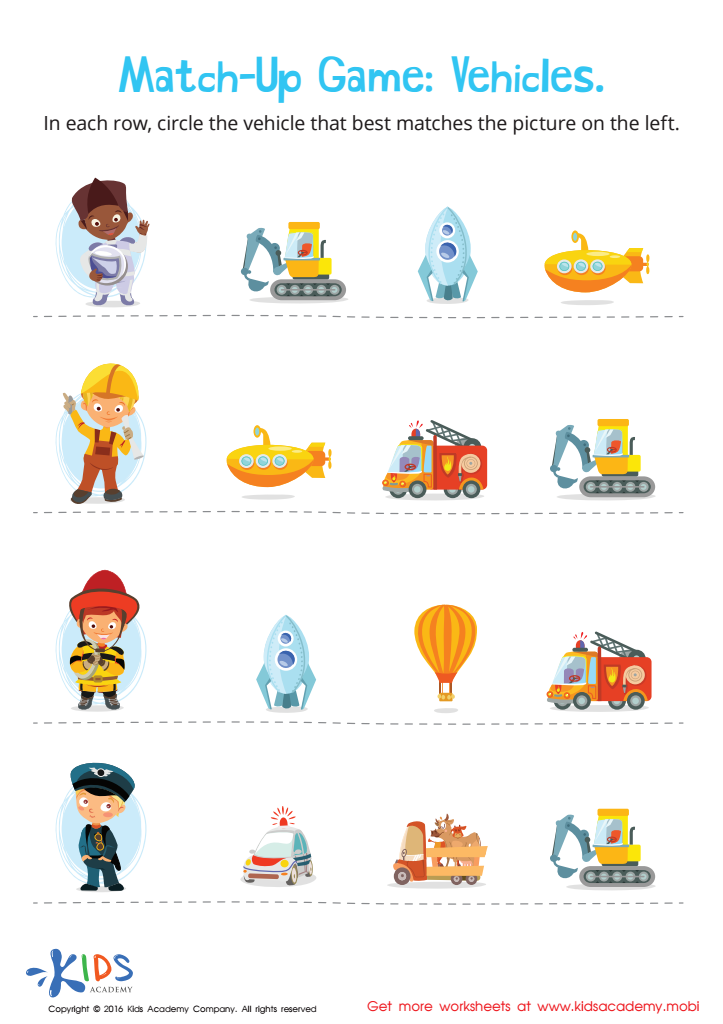
Vehicles Worksheet
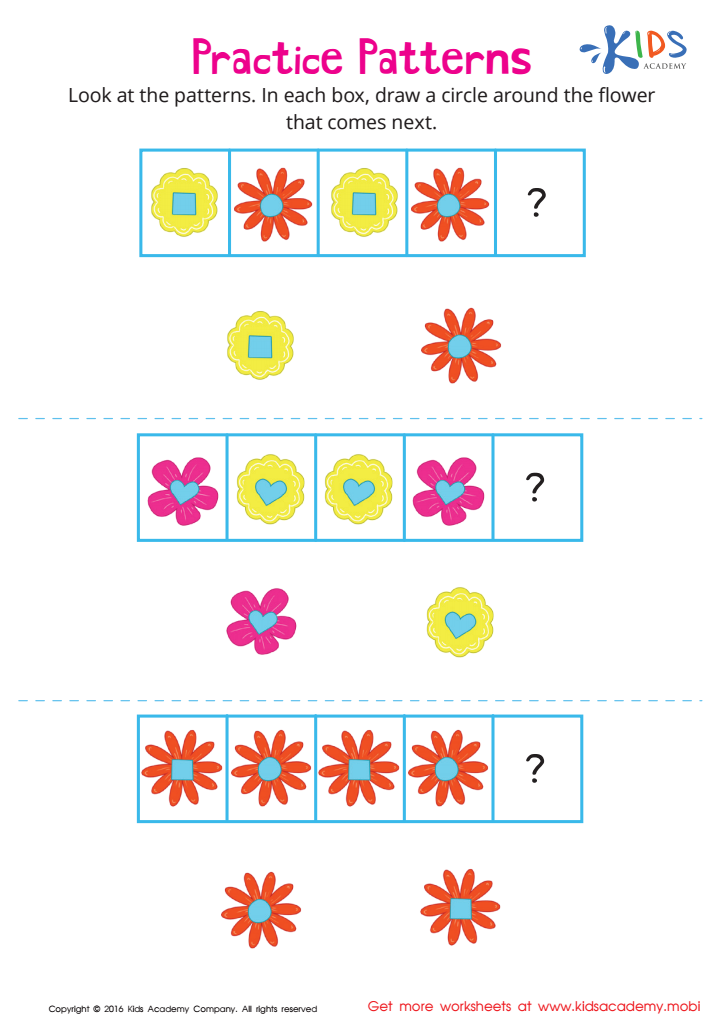
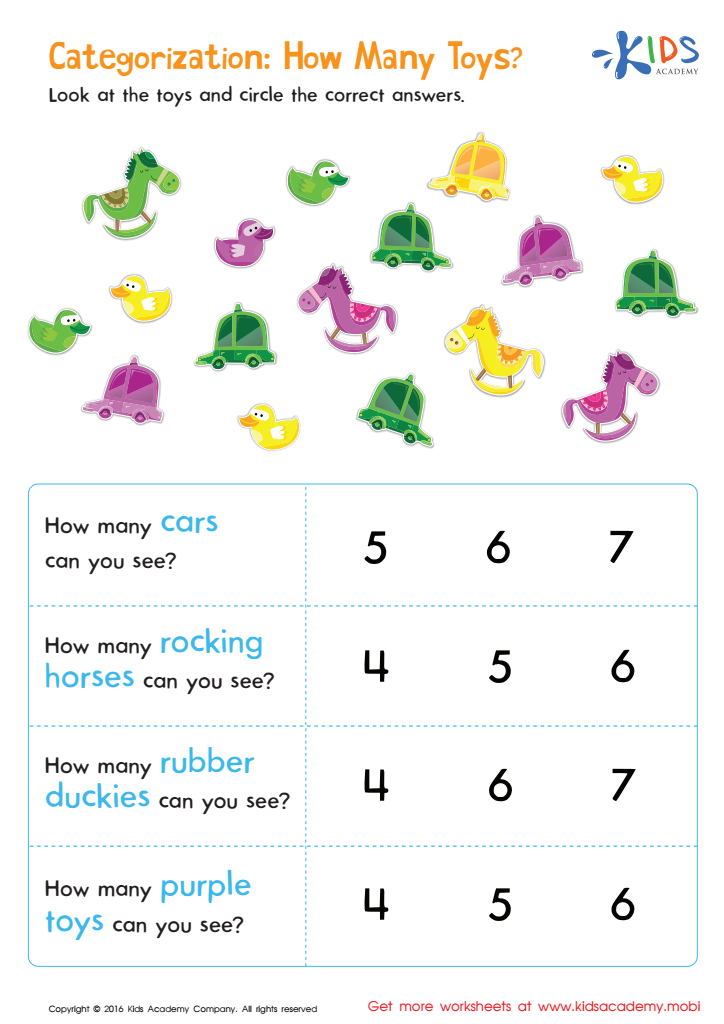
Classifying Toys by Type and Color Sorting Worksheet
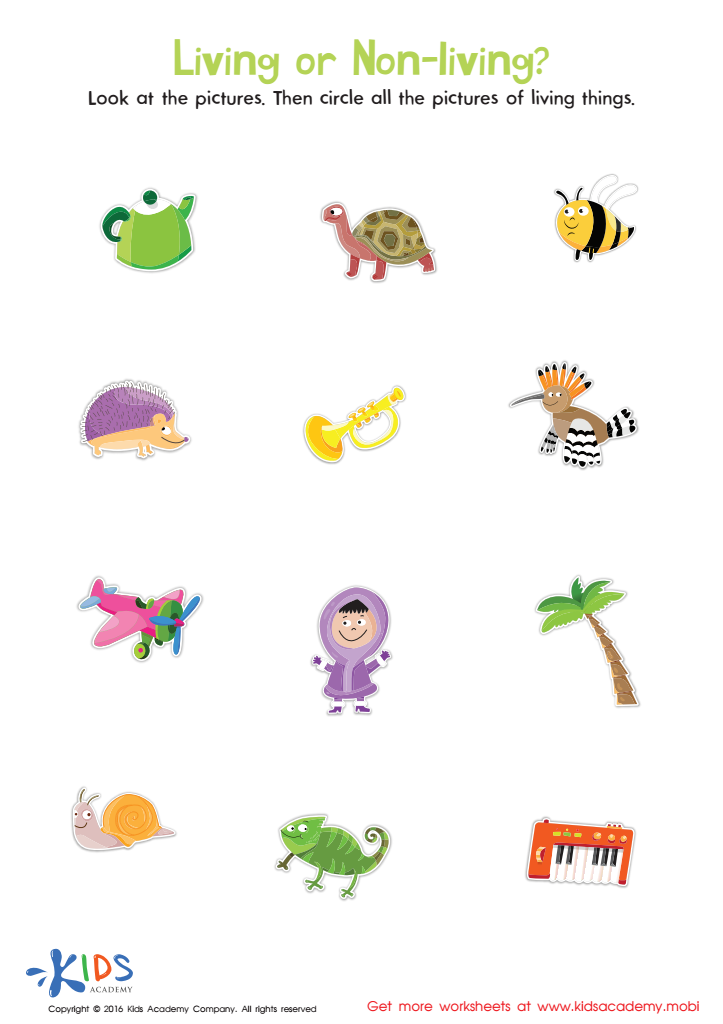
Identifying Living and Non–living Things Sorting Worksheet
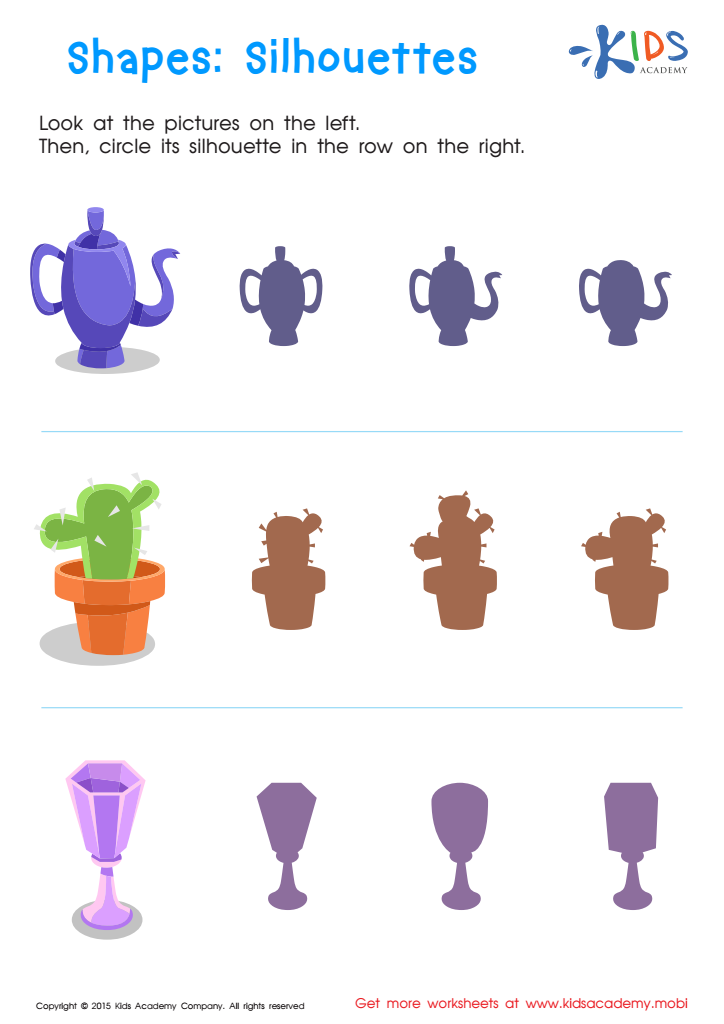
Silhouettes – Shapes Worksheet
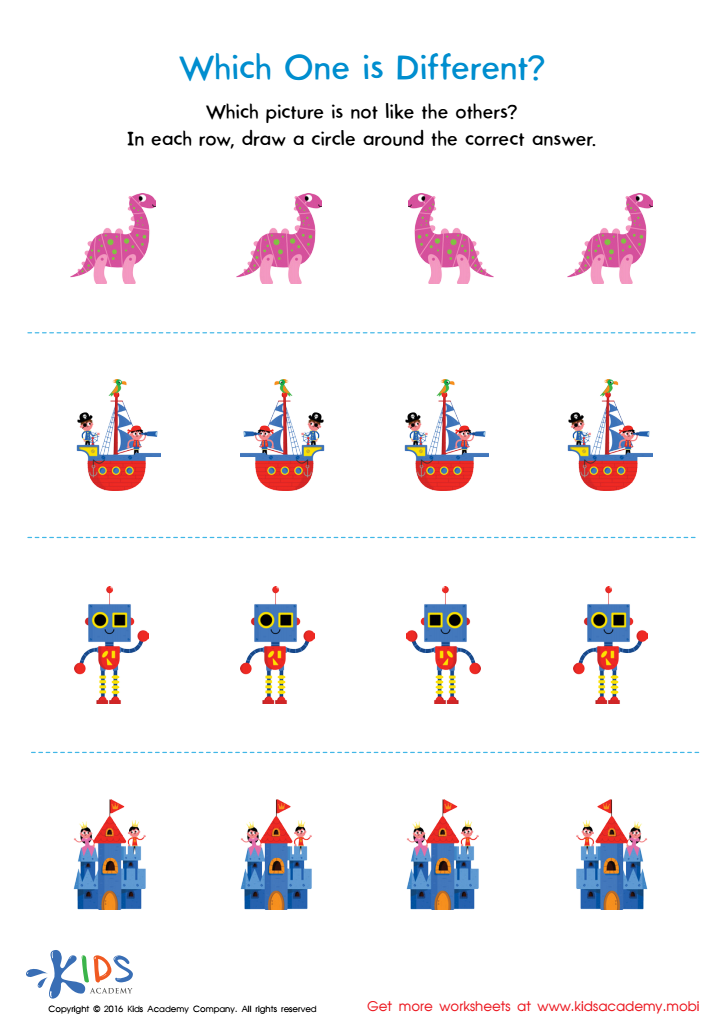
Which One Is Different Worksheet







Normal Matching activities are essential for young children aged 4-7 because they support early cognitive development, crucial social skills, and foundational learning. At this stage, children are naturally curious, and engaging in matching activities allows them to explore and understand their environment more systematically.
Matching activities enhance cognitive abilities by promoting critical thinking and problem-solving skills. When children match colors, shapes, or objects, they are exercising their observation skills, enhancing memory, and beginning to understand concepts of categorization and classification, which are key components of early mathematics and science.
Additionally, these activities foster social skills as young learners often work cooperatively with peers or family members. This collaboration encourages communication, turn-taking, and negotiation skills.
Teachers and parents who recognize the importance of Normal Matching activities can provide enriching experiences that stimulate creativity and reinforce learning. They create opportunities for meaningful engagement that can make learning enjoyable and encourage a love for education. In summary, Normal Matching activities are not just simple games; they are stepping stones that support a child's overall development, setting the foundation for future academic success and lifelong skills.








