Normal Logical Thinking worksheets activities for Ages 5-7 - Page 3
56 filtered results
-
From - To
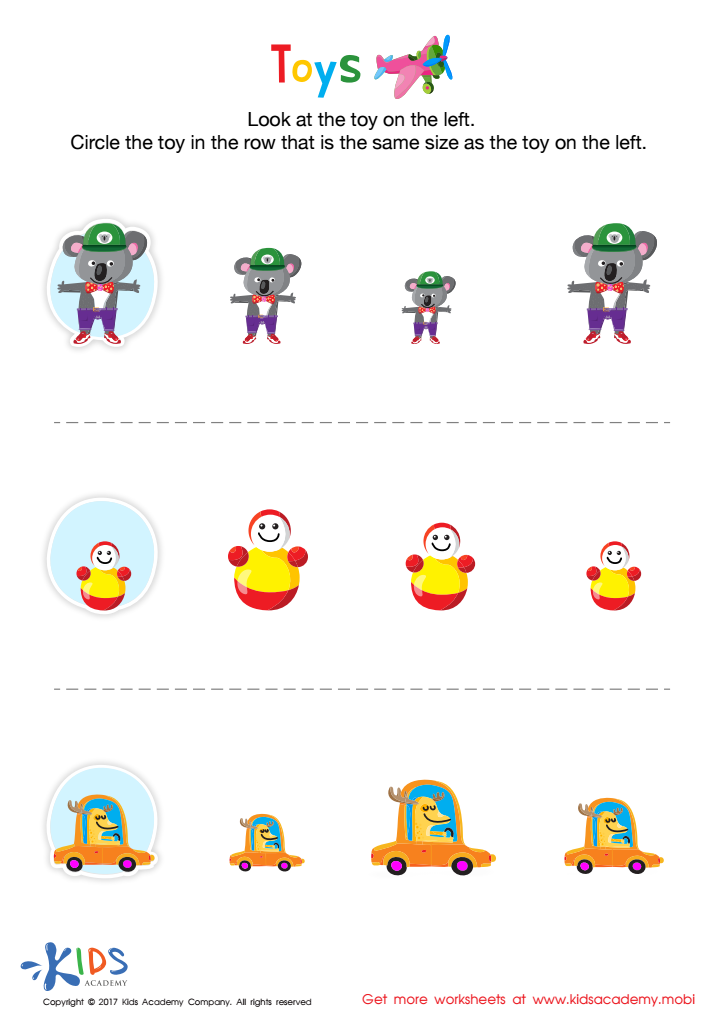
Matching: Classifying Toys by Size Worksheet
 Assign to My Students
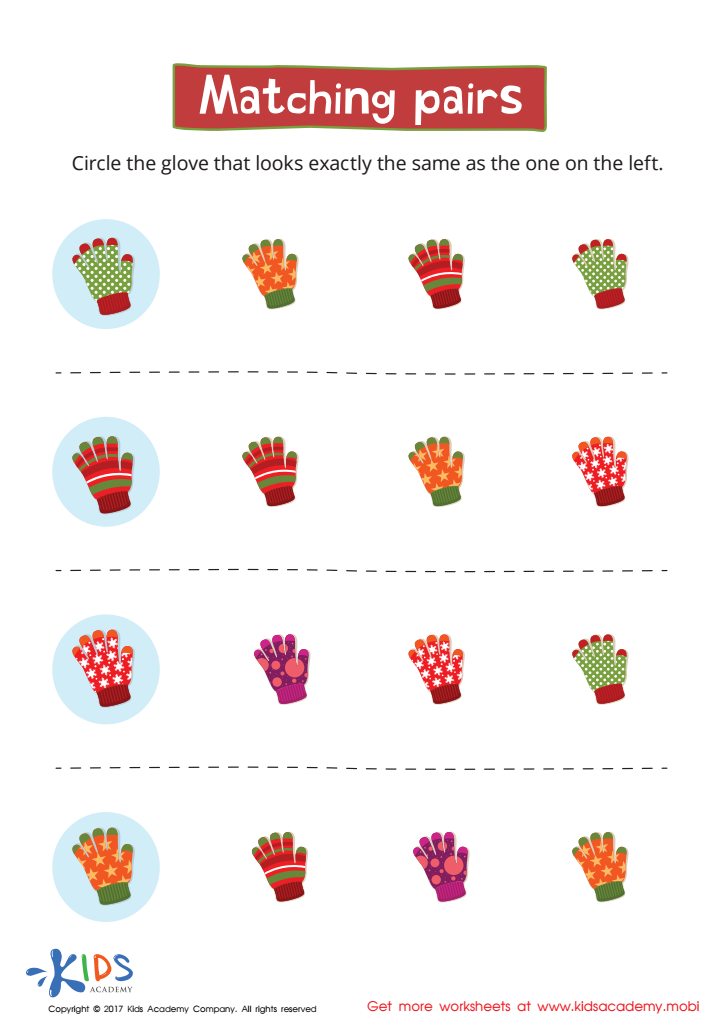
Matching: Matching Pairs Worksheet
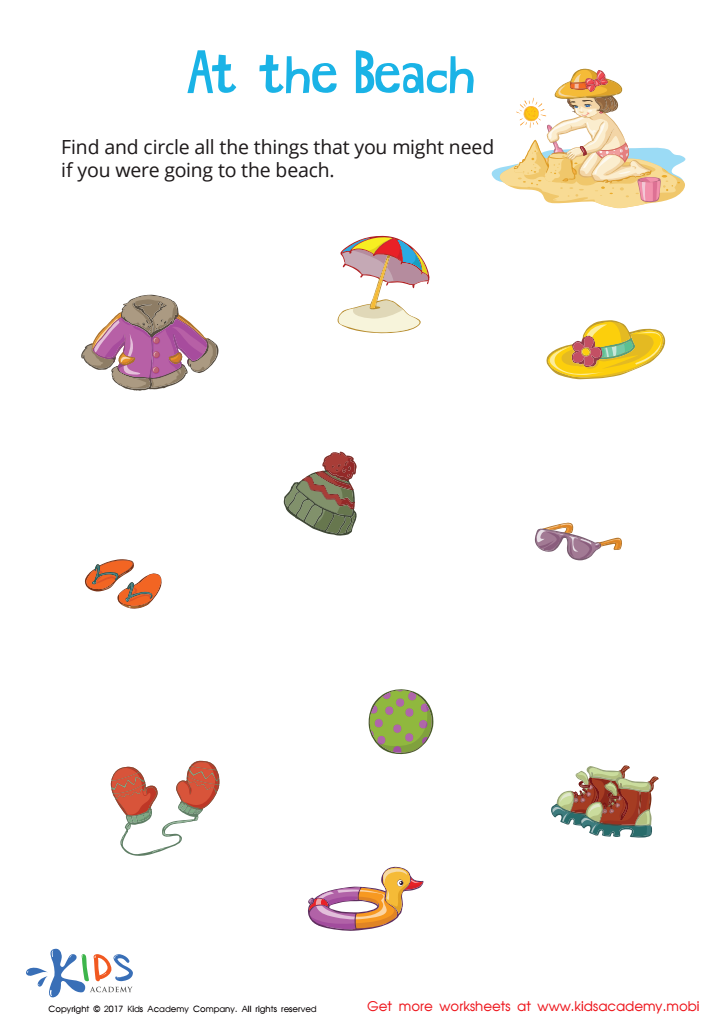
At the Beach Sorting Worksheet


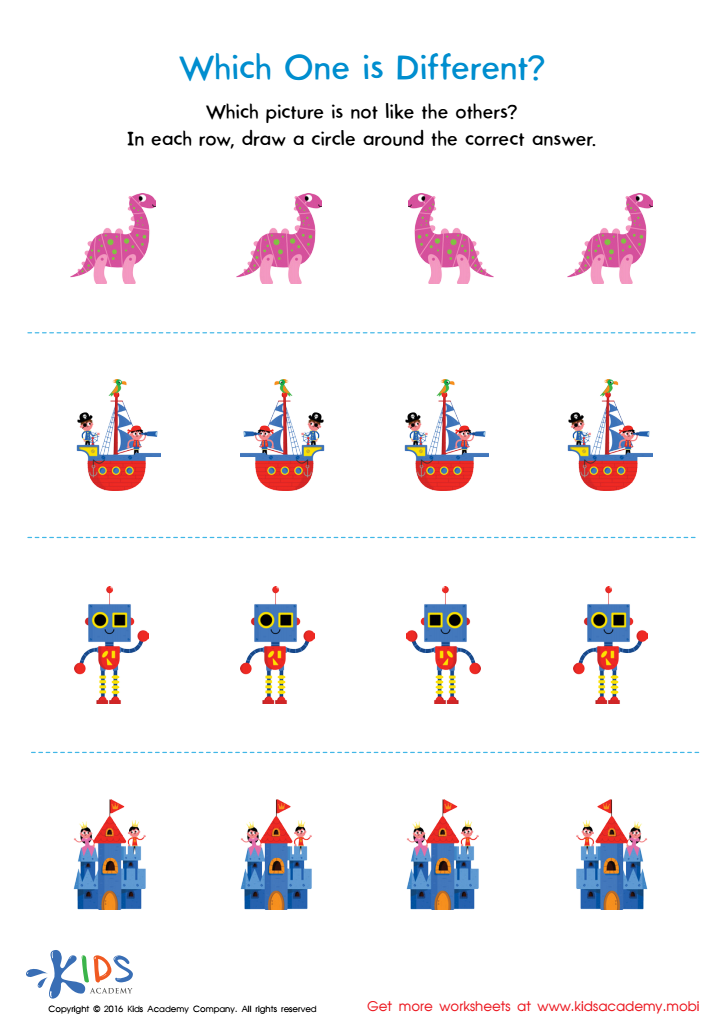
Which One Is Different Worksheet
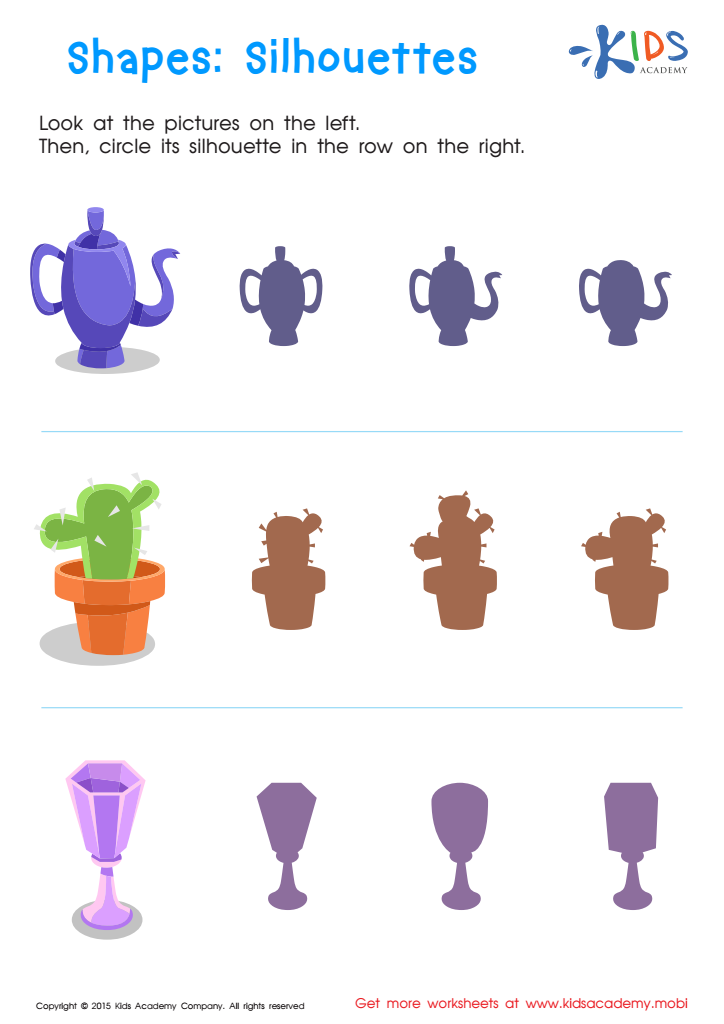
Silhouettes – Shapes Worksheet
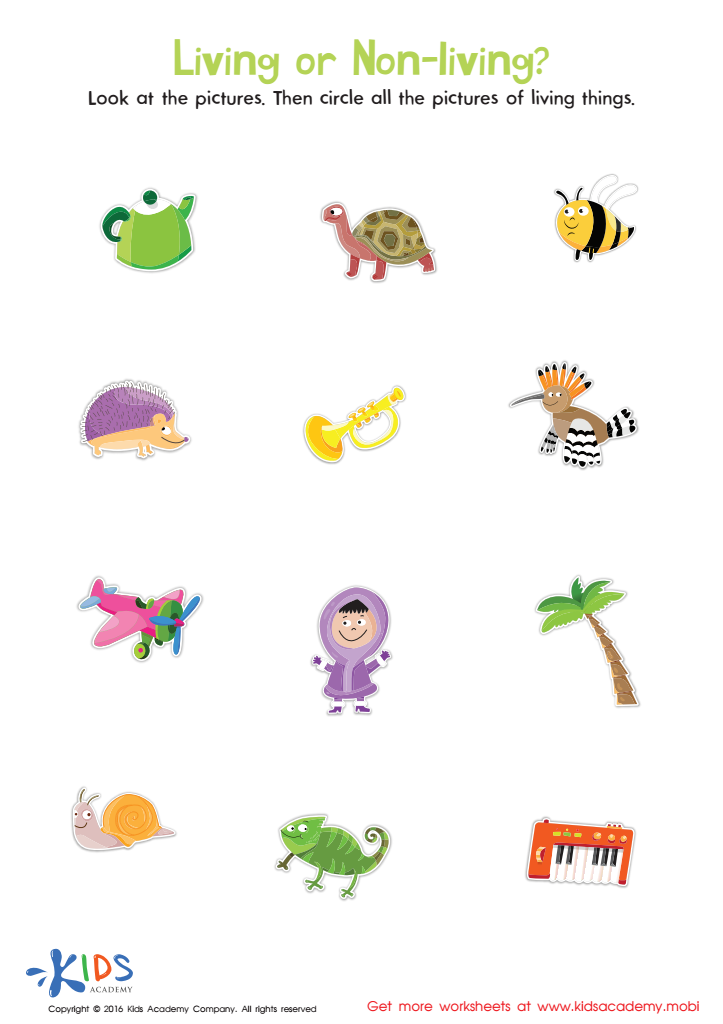
Identifying Living and Non–living Things Sorting Worksheet








Normal logical thinking activities are crucial for children aged 5-7 as they lay the foundation for critical cognitive skills necessary for future learning and problem-solving. At this developmental stage, children are naturally curious and experimentative, making it an ideal time to engage them in structured logical thinking activities that foster reasoning abilities.
These activities help enhance a child's ability to analyze information, identify patterns, and make connections, which are essential skills in both academic and real-world scenarios. Through games, puzzles, and discussions that nurture logical thinking, children improve their decision-making, which bolsters confidence in their abilities. For example, engaging in age-appropriate logic puzzles can stimulate their brain development by encouraging them to think ahead and evaluate outcomes.
Moreover, increased logical reasoning supports literacy and numeracy, as children learn to categorize, sequence, and understand relationships among concepts. Parents and teachers who prioritize these activities create opportunities for children to develop persistence and flexibility in thinking, harnessing their innate curiosity.
Ultimately, normal logical thinking activities not only prepare children for more complex educational tasks but also promote self-regulated learning—skills that are vital as they progress through their educational journey and beyond. This investment in early cognitive development fosters lifelong learners equipped for the challenges ahead.








