Normal Physical Science worksheets activities for Ages 6-8
4 filtered results
-
From - To
Discover engaging Normal Physical Science worksheets designed for children aged 6-8! Our carefully crafted activities combine fun and education, fostering a love for science in young learners. Each worksheet promotes critical thinking through interactive lessons that cover key concepts such as matter, energy, and simple physical properties. Ideal for both in-class use and at-home practice, these worksheets cater to various learning styles, ensuring every child can grasp essential scientific principles. Encourage curiosity and inspire budding scientists with colorful illustrations and captivating exercises. Start your child's scientific journey today with our user-friendly printable worksheets that make learning an enjoyable adventure!
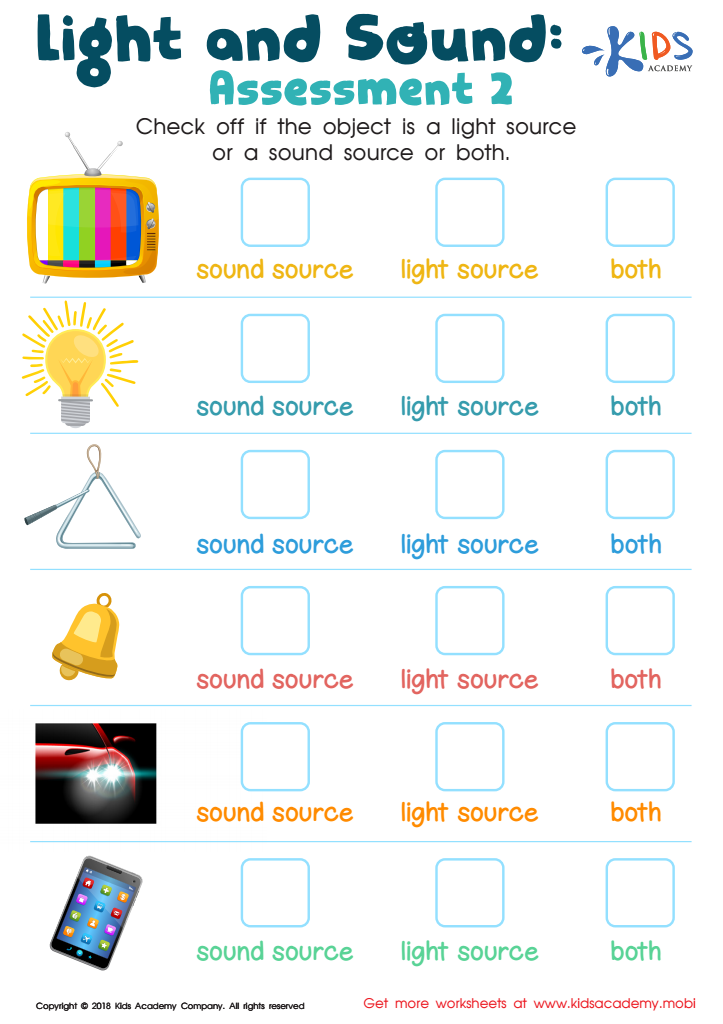
Light and Sound: Assessment 2 Worksheet
 Assign to My Students
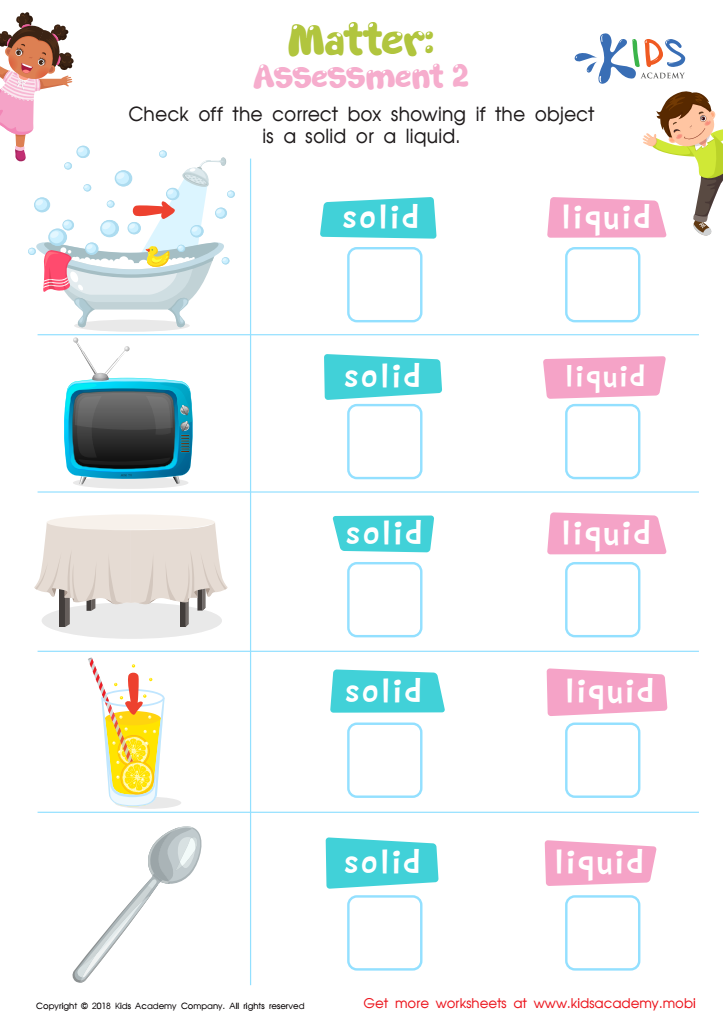
Matter: Assessment 2 Worksheet
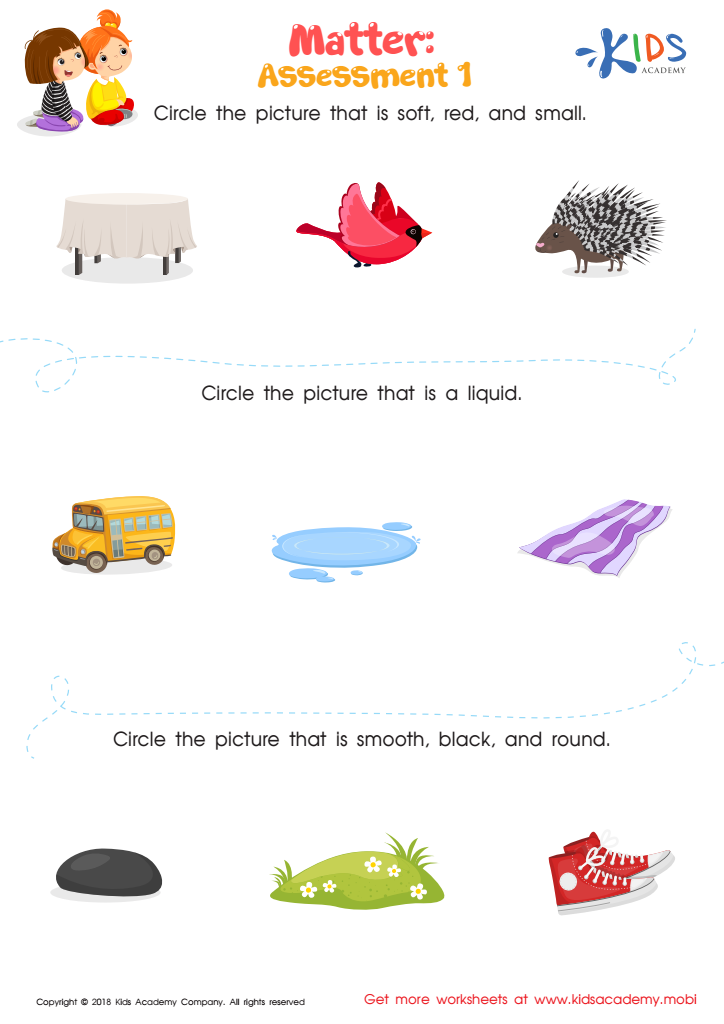
Matter: Assessment 1 Worksheet
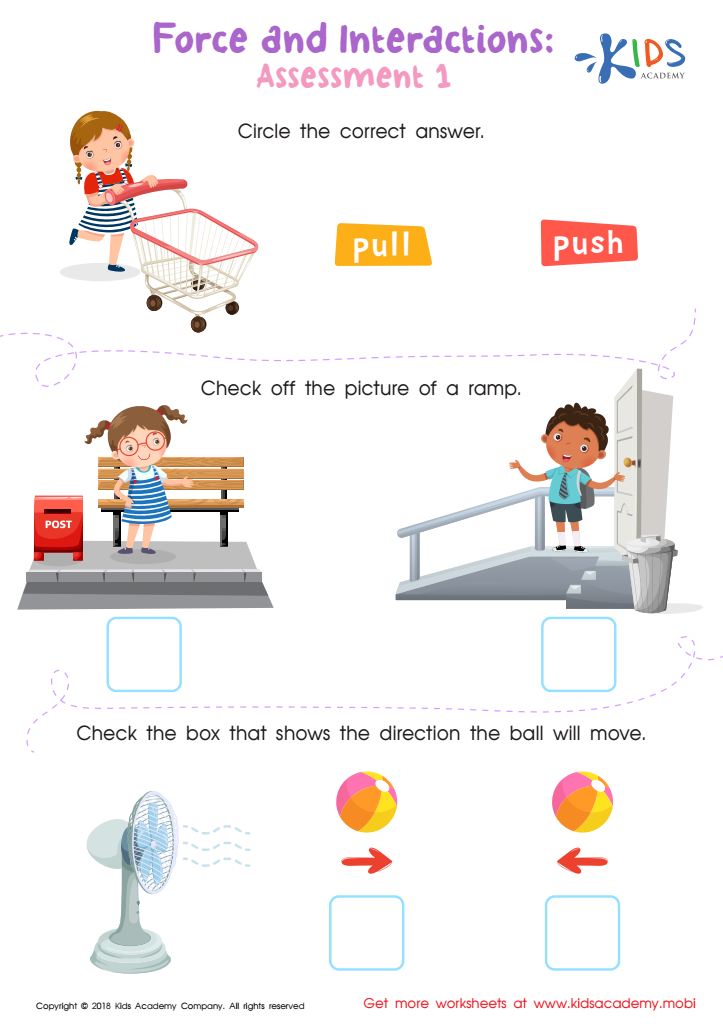
Force and Interactions: Assessment 1 Worksheet



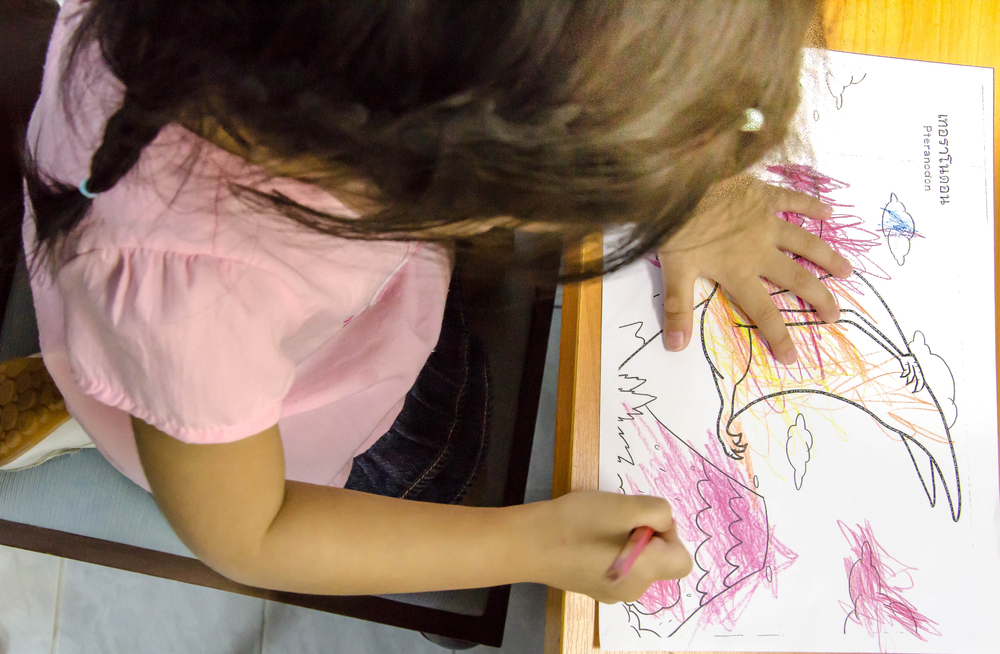



Parents and teachers should prioritize Normal Physical Science activities for children aged 6-8 because these foundational experiences are crucial for sparking curiosity and fostering a love for learning. At this stage, children are naturally inquisitive, constantly asking questions about the world around them. Engaging in physical science activities allows them to explore concepts like gravity, force, motion, and matter through hands-on experiments that make abstract ideas tangible.
These activities promote critical thinking and problem-solving skills as children hypothesize, test, and draw conclusions. They enhance fine motor skills and hand-eye coordination through manipulation of materials and observation of phenomena. Moreover, science activities encourage collaboration and communication as children work in groups, promoting social skills and teamwork.
Furthermore, introducing science at a young age helps establish a strong foundation for future learning in STEM (Science, Technology, Engineering, and Mathematics) fields. Early exposure to scientific inquiry can inspire lifelong learning and stimulate interest in more complex scientific concepts later.
In summary, engaging in Normal Physical Science activities fosters essential cognitive, social, and emotional development in young children, laying the groundwork for both academic success and a lifelong appreciation for the sciences.








