Normal Tracing Letters worksheets activities for Ages 6-8 - Page 2
31 filtered results
-
From - To
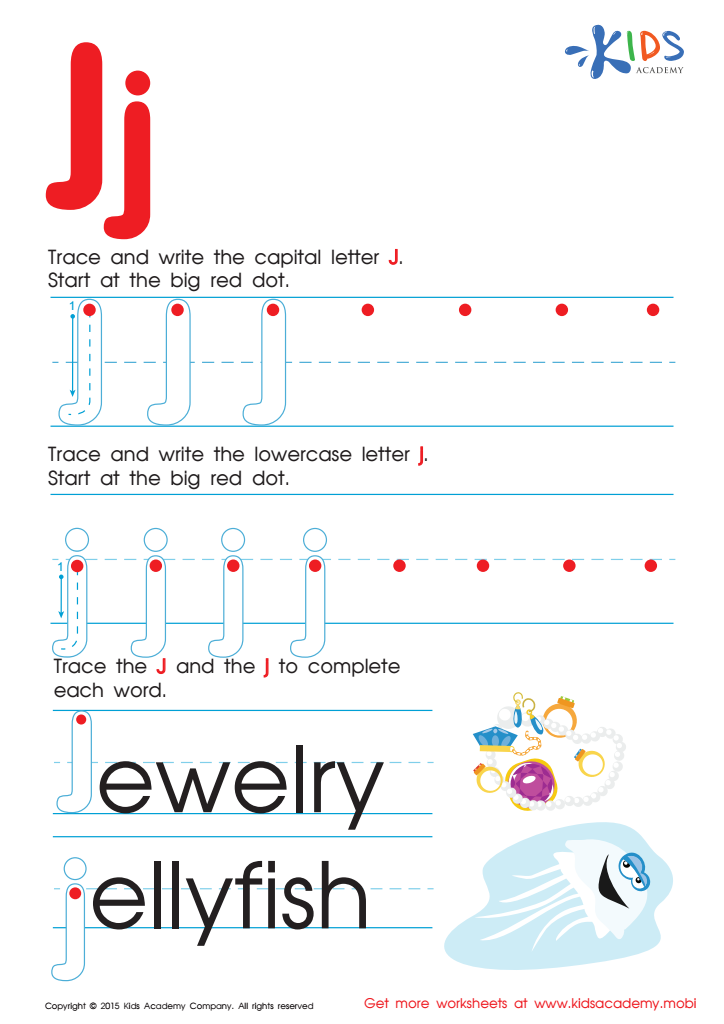
Letter J Tracing Page
 Assign to My Students
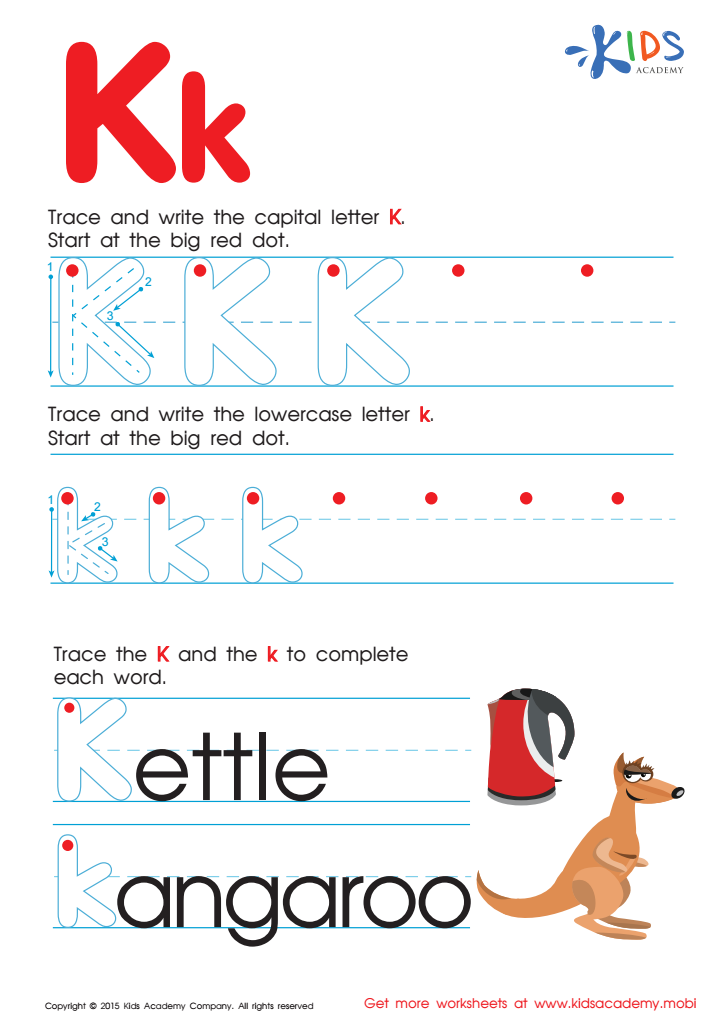
Letter K Tracing Page
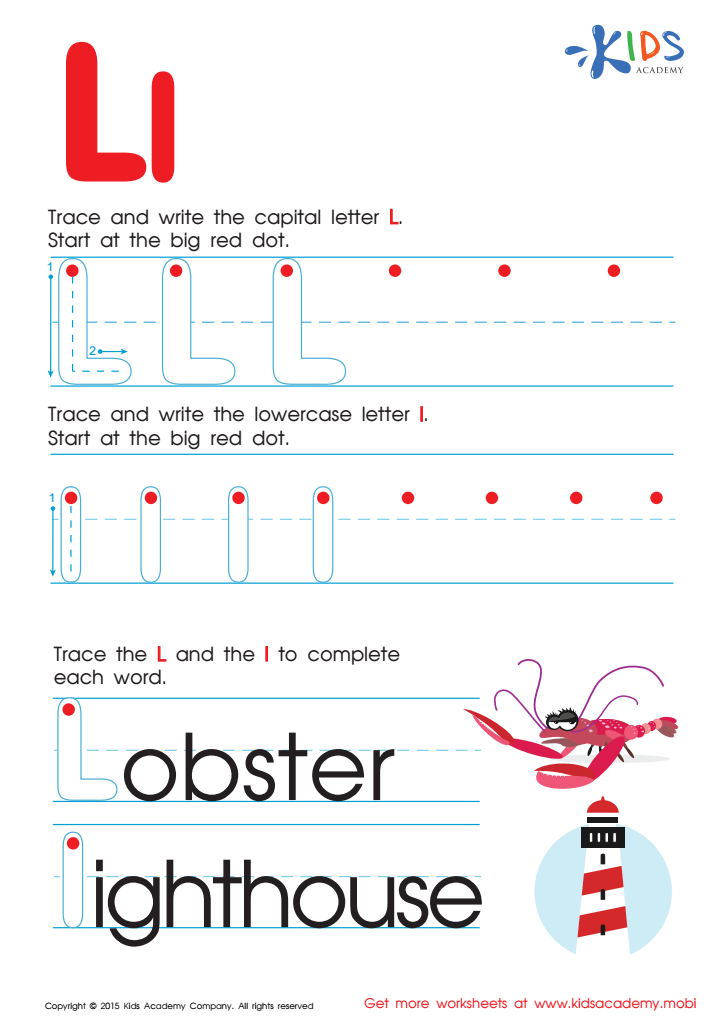
Letter L Tracing Page
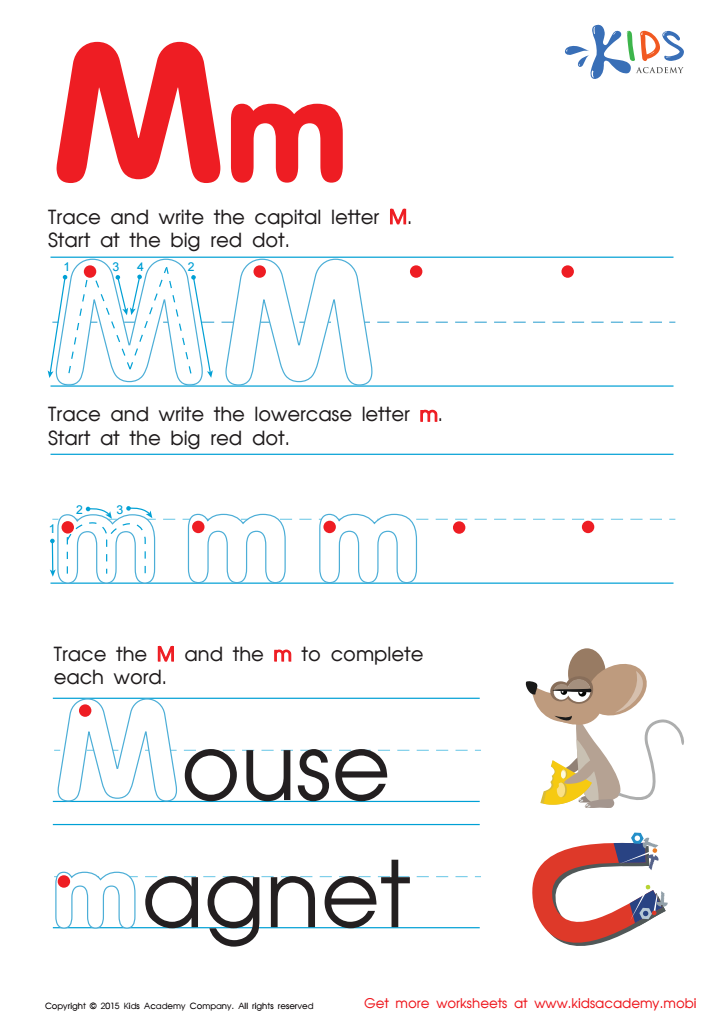
Letter M Tracing Page
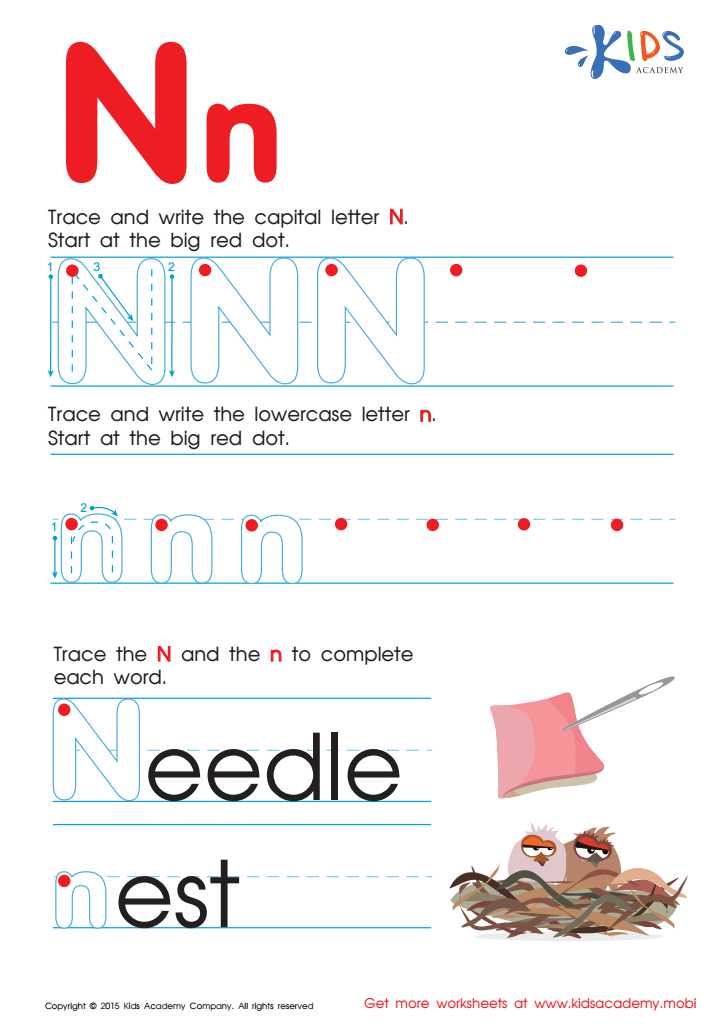
Letter N Tracing Page
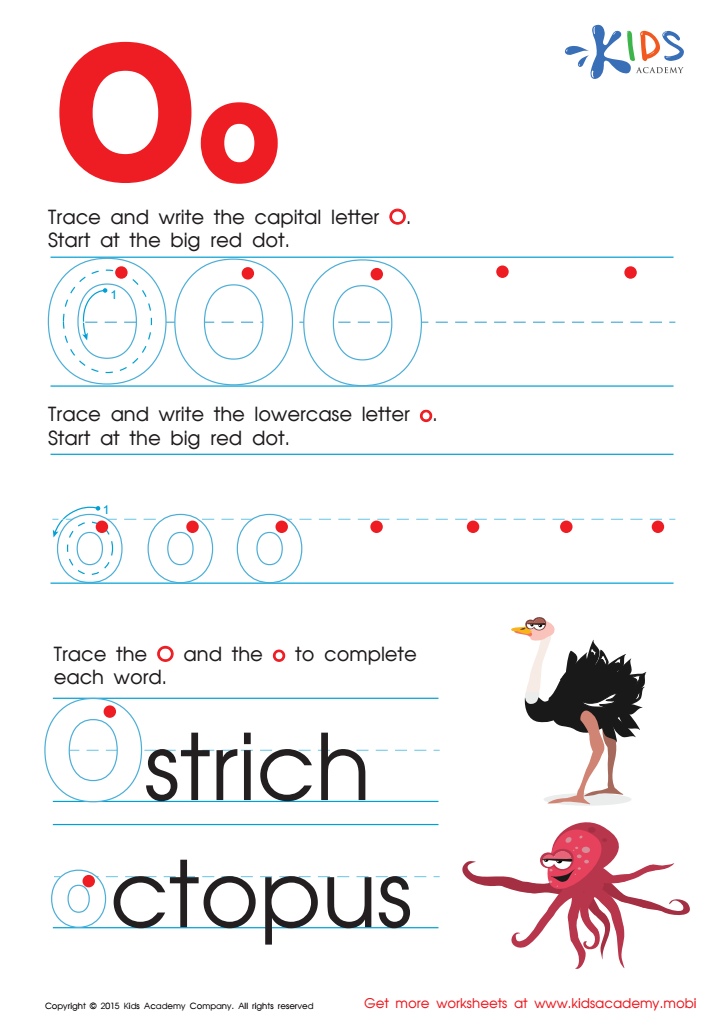
Letter O Tracing Page

Letter P Tracing Page






Normal tracing letters activities for children aged 6-8 are vital for foundational literacy development. During these early years, children transition from recognizing letters to mastering handwriting, which is crucial for effective communication. Tracing helps reinforce letter shapes and sounds, aiding in both spelling and reading skills.
Engaging in tracing activities also enhances fine motor skills. Developing hand-eye coordination and dexterity is essential as children learn how to grip a pencil correctly and form letters fluidly. These skills contribute to their overall written expression and academic performance in later years.
Additionally, tracing letters can foster creativity and independence. Children often feel a sense of accomplishment as they see their improvement over time, building their confidence in writing. It can also serve as a fun, interactive way to encourage practice, which teachers and parents can incorporate into learning routines.
Moreover, these activities can be easily tailored to meet diverse learning needs and interests. The versatility in choosing themes or combining tracing with art makes it an effective tool for engaging young learners. Parents and teachers should prioritize these activities to invest in children's literacy skills, paving the way for successful educational journeys ahead.








