Normal Tracing worksheets activities for Ages 7-9 - Page 3
55 filtered results
-
From - To
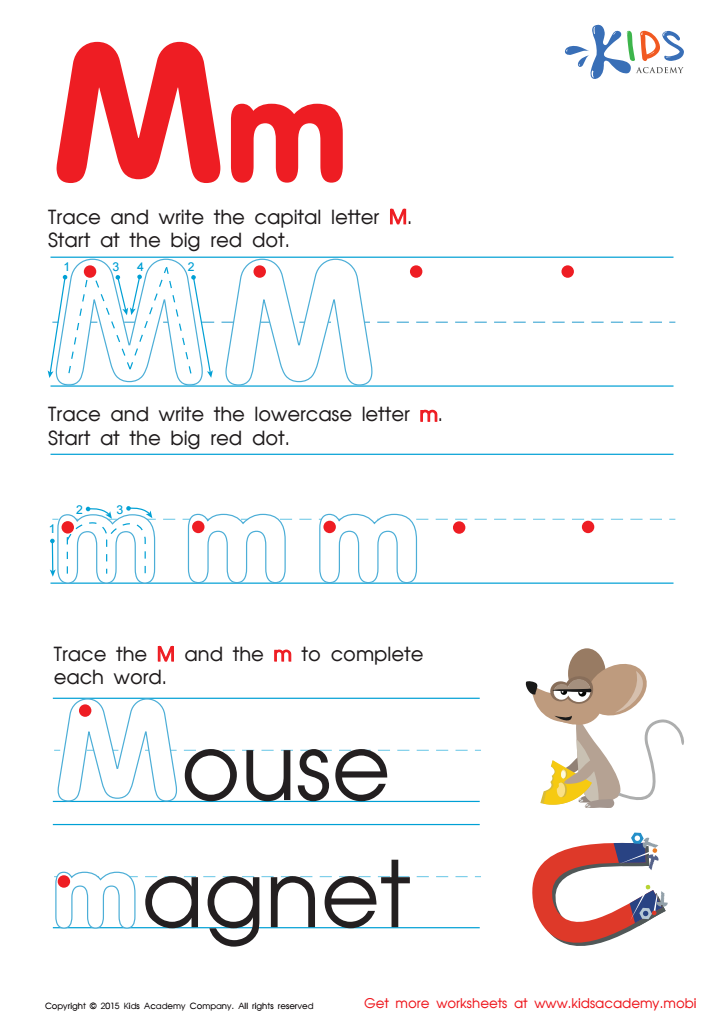
Letter M Tracing Page
 Assign to My Students
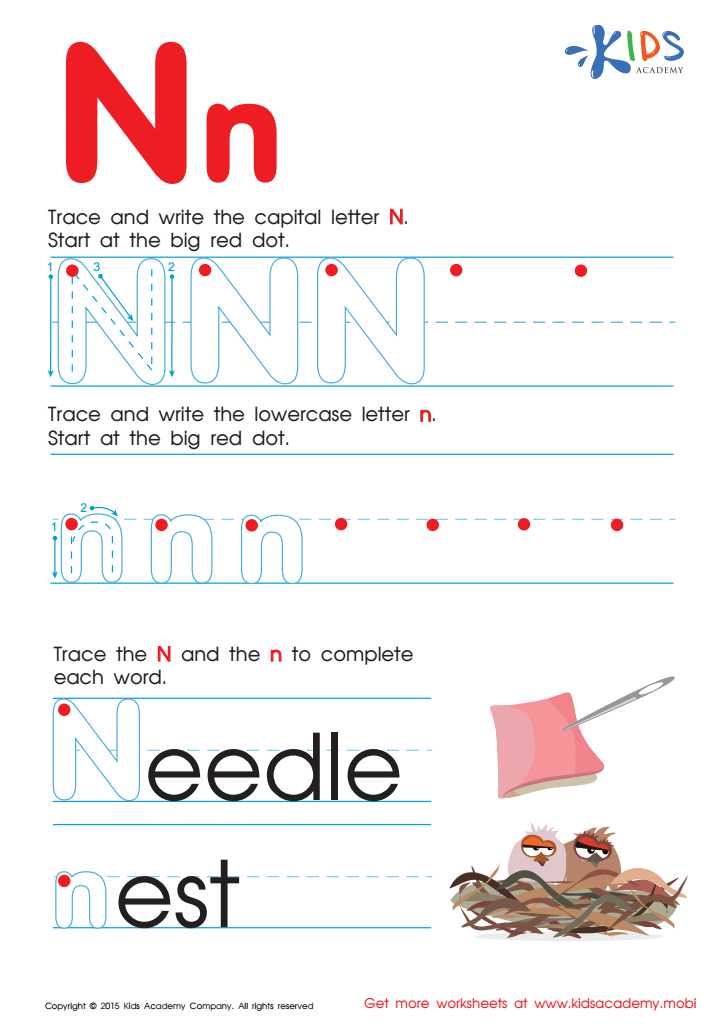
Letter N Tracing Page
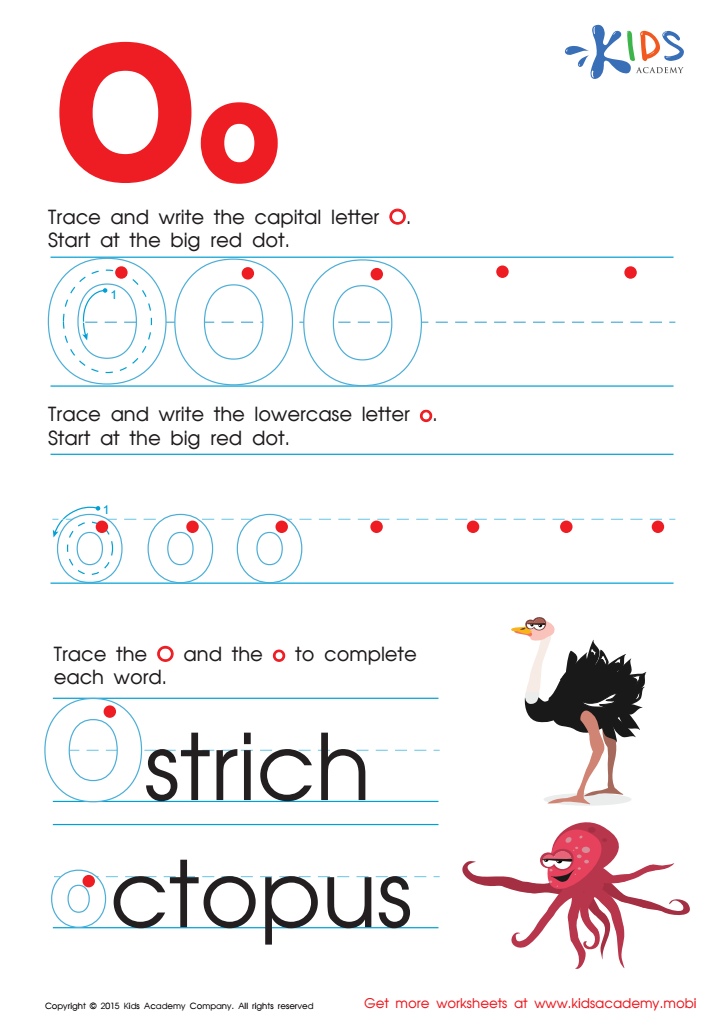
Letter O Tracing Page

Letter P Tracing Page
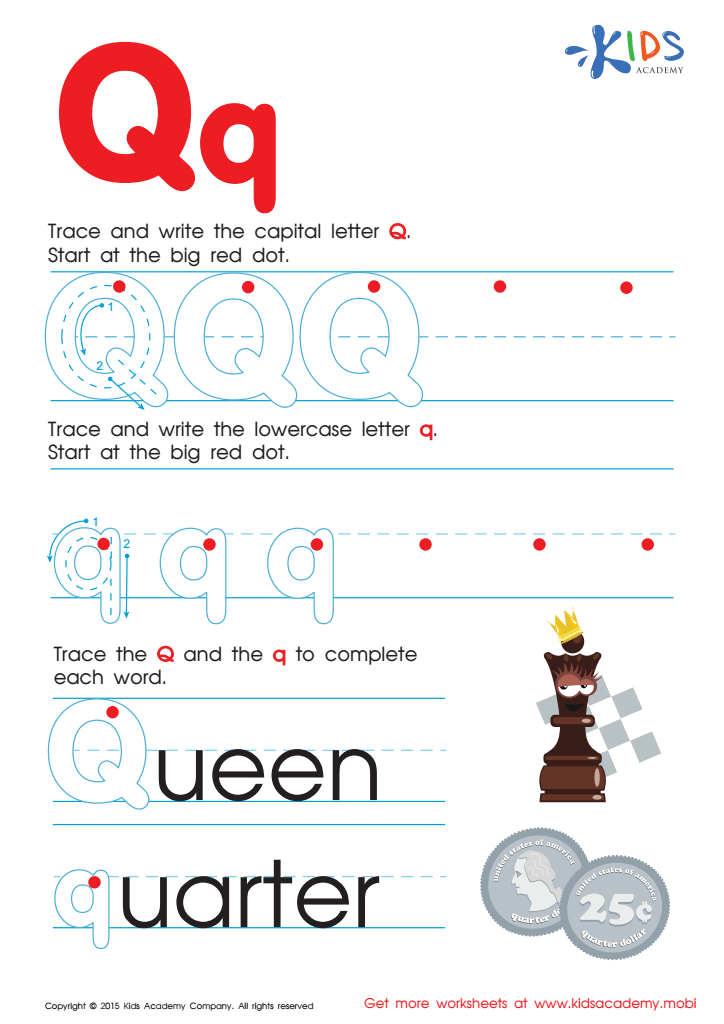
Letter Q Tracing Page
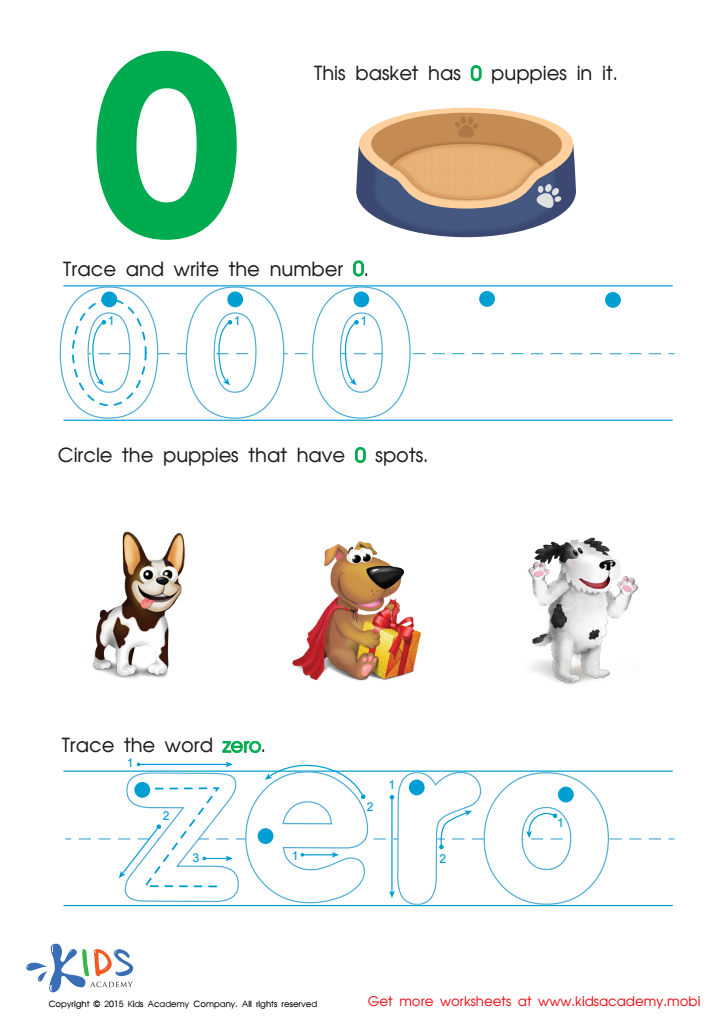
Trace And Write Number 0 Worksheet
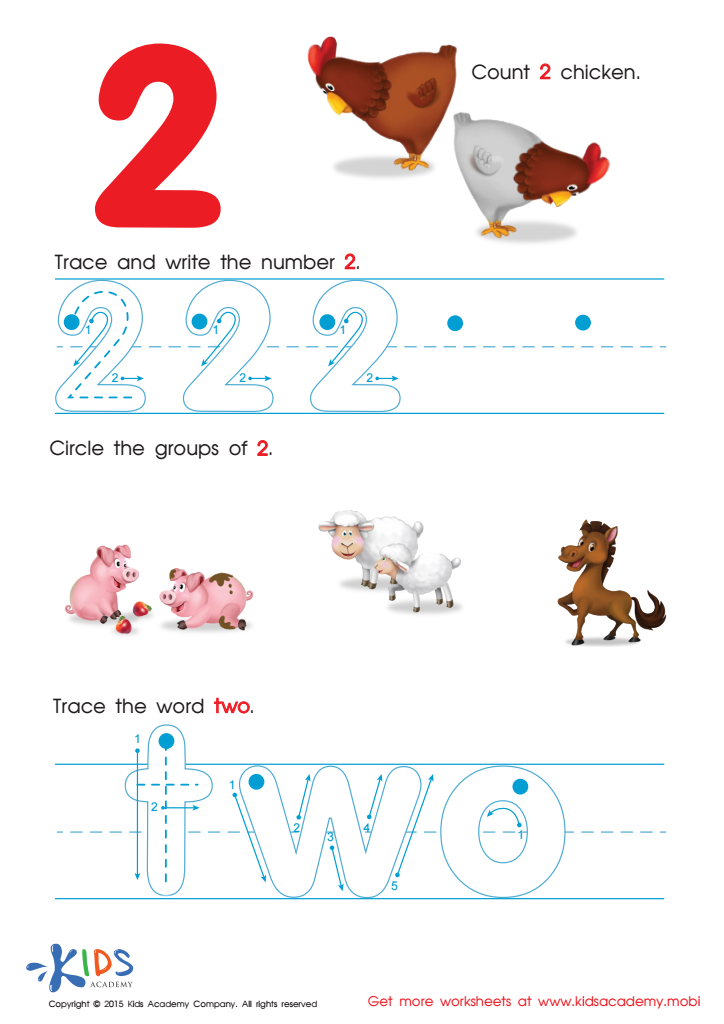
Learn to Write the Number 2 Worksheet








Normal tracing activities are essential for children aged 7-9 as they play a pivotal role in developing fine motor skills, hand-eye coordination, and spatial awareness. At this age, children are refining their writing abilities, and tracing provides an enjoyable way to practice essential letters, numbers, and shapes. These activities also encourage concentration and focus, helping to build the persistence needed for more complex tasks.
Additionally, tracing can enhance cognitive skills as children learn to recognize patterns and improve their recall abilities. It fosters creativity, allowing children the chance to explore art and design as they engage with various shapes and images. Furthermore, tracing can serve as a bridge to more advanced skills such as drawing and writing, laying the groundwork for literacy and numeracy success.
Parents and teachers should prioritize tracing activities as they not only promote academic readiness but also offer a fun and interactive learning experience. Engaging children in these activities nurtures their self-confidence and willingness to tackle new challenges. With consistent practice, students can achieve greater dexterity and precision in their work, contributing to their overall development and establishing a strong foundation for lifelong learning.








