Geometry Worksheets for Ages 3-6 - Page 4
128 filtered results
-
From - To
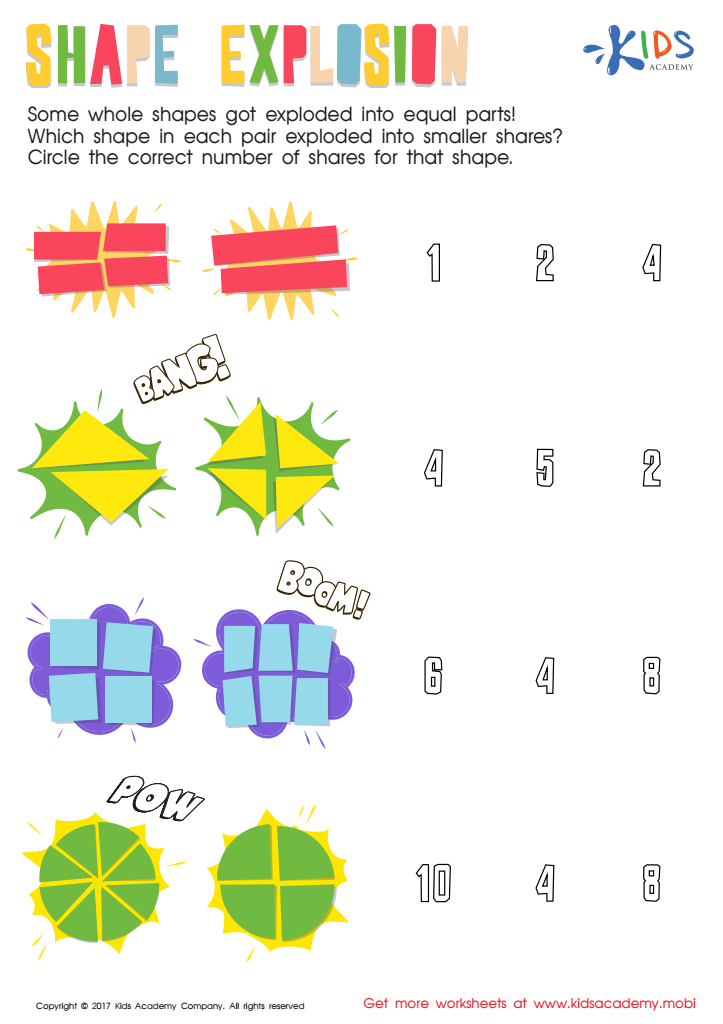
Shape Explosion Worksheet
 Assign to My Students











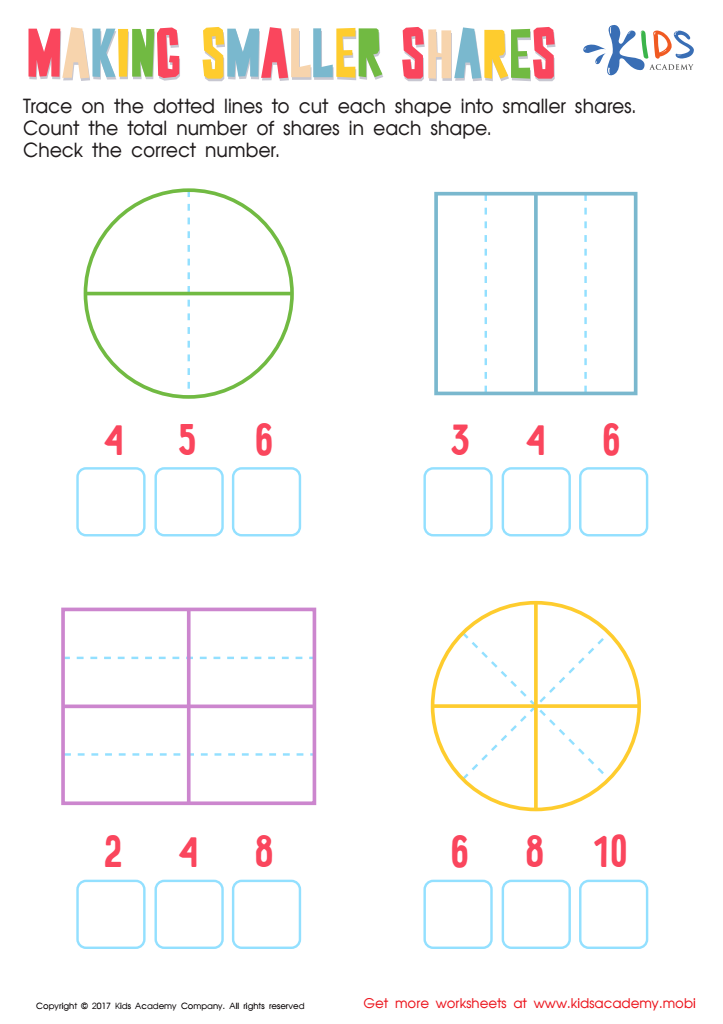
Making Smaller Shares Worksheet
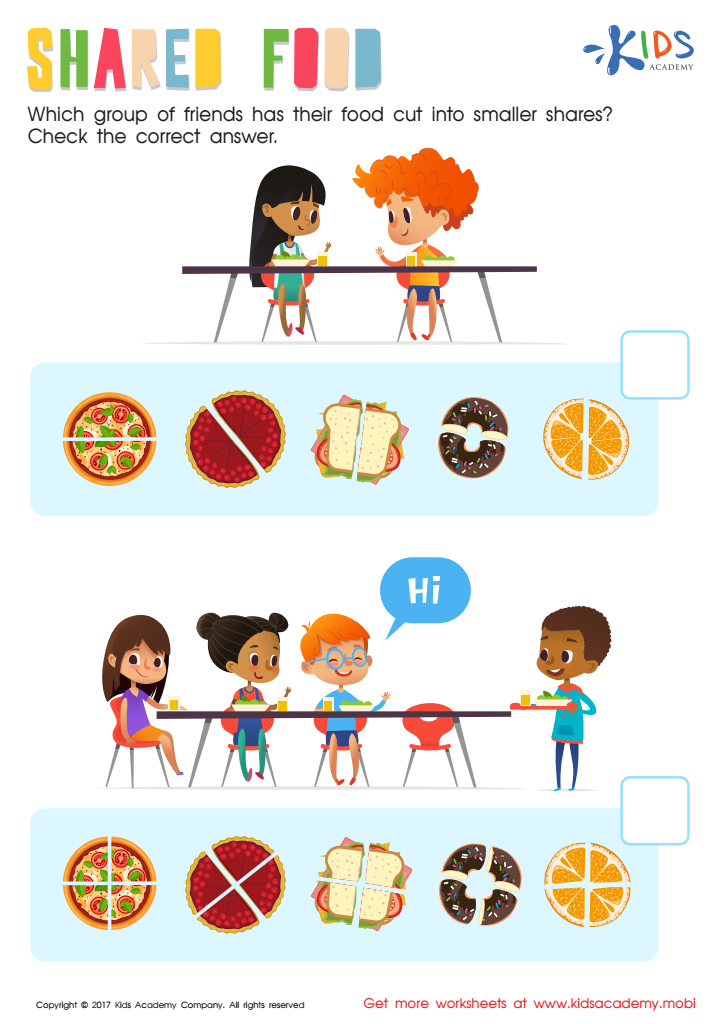
Shared Food Worksheet
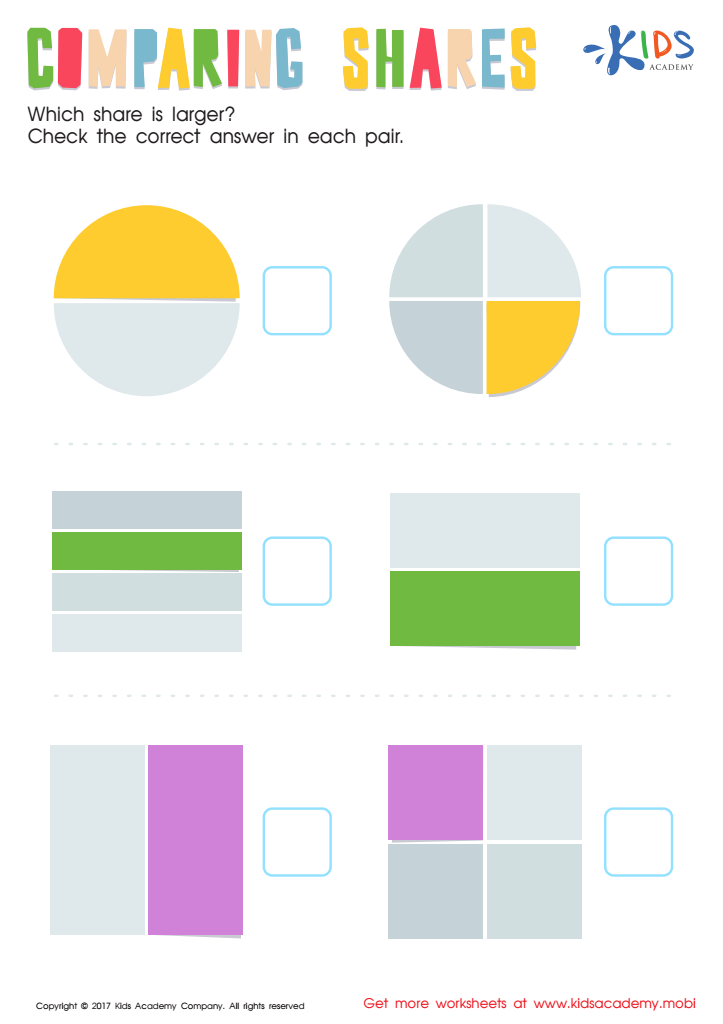
Comparing Shares Worksheet
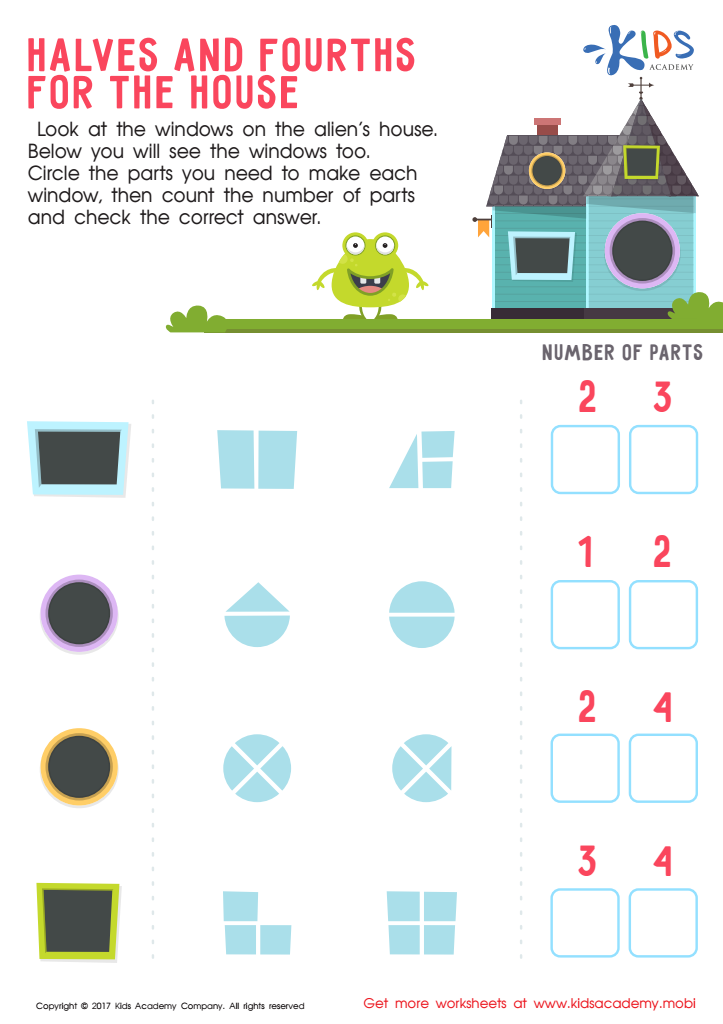
Halves and Fourths for the House Worksheet
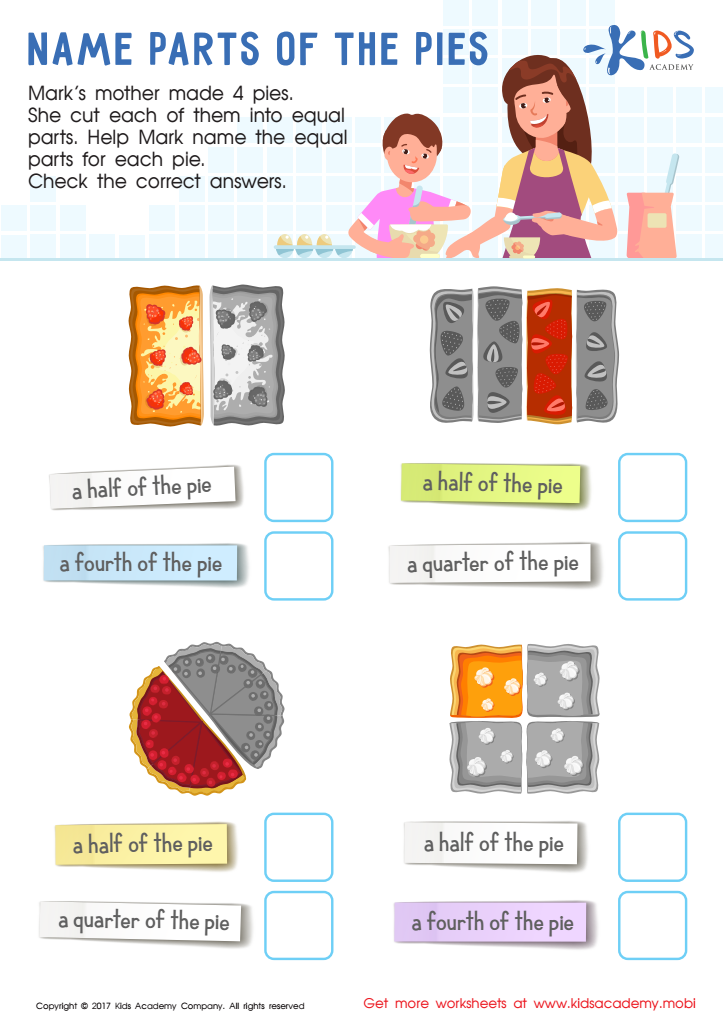
Name Parts of the Pies Worksheet
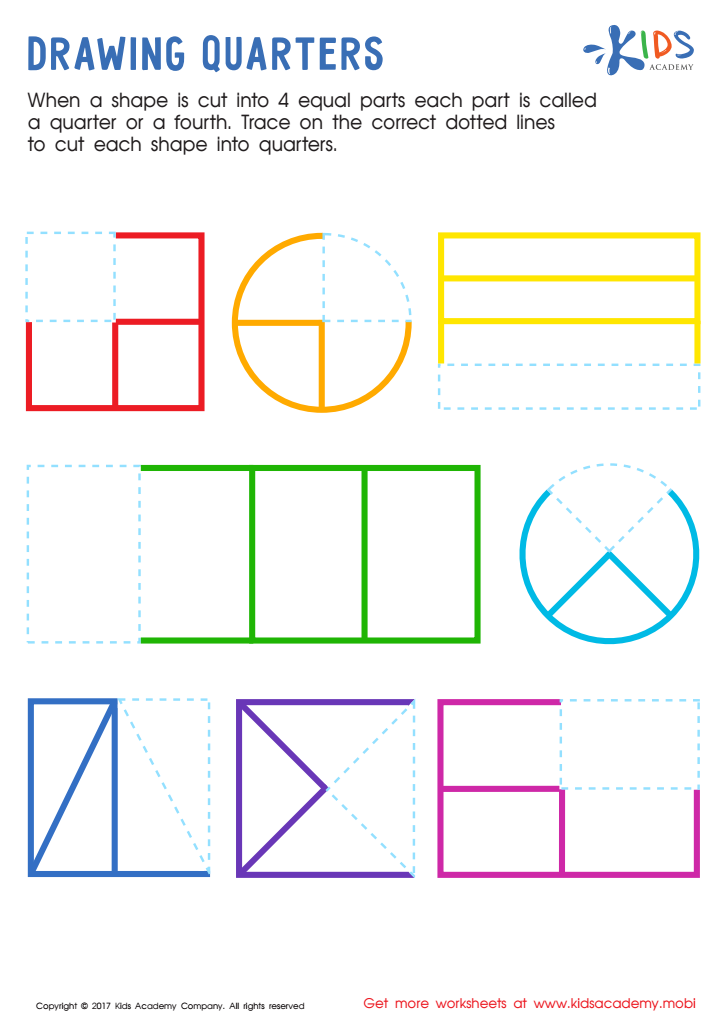
Drawing Quarters Worksheet
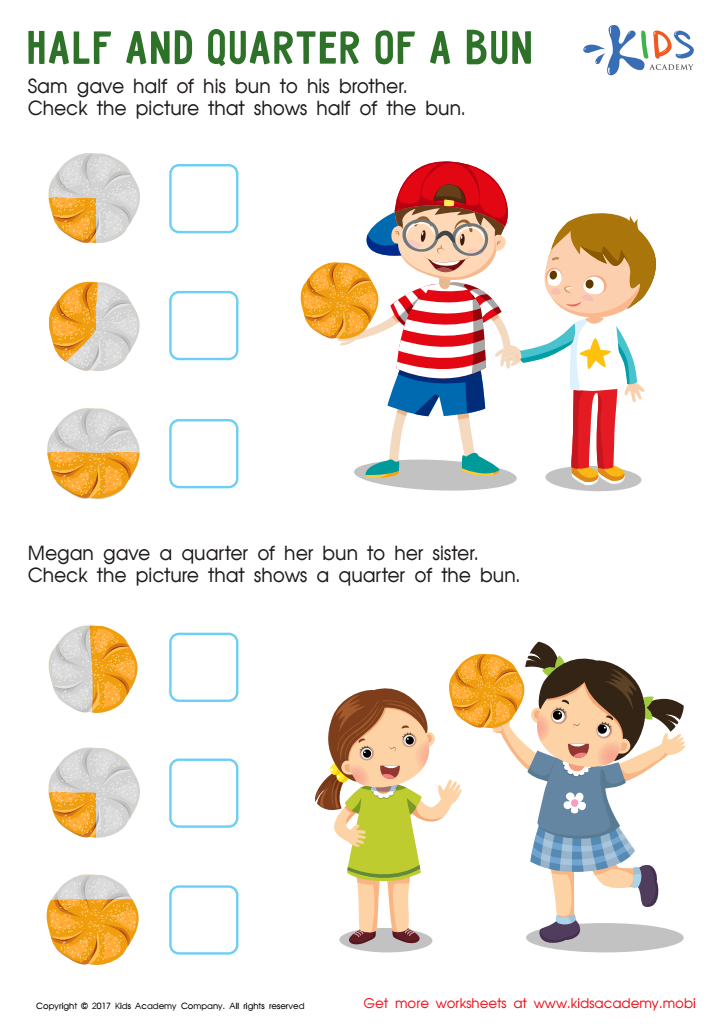
Half and Quarter of a Bun Worksheet
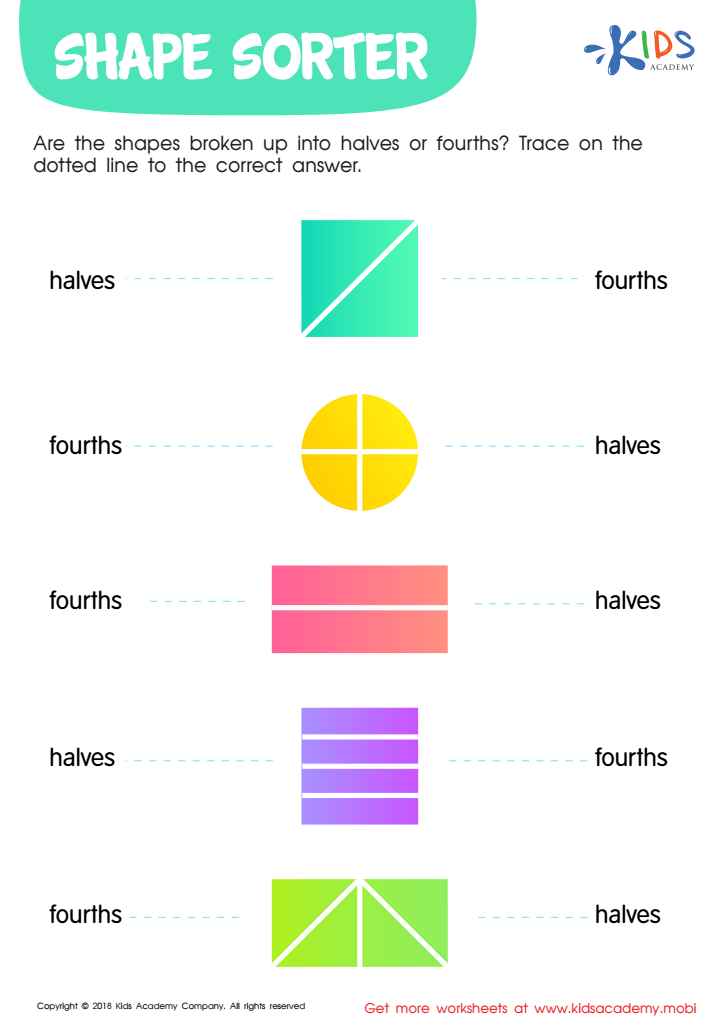
Shape Sorter Worksheet
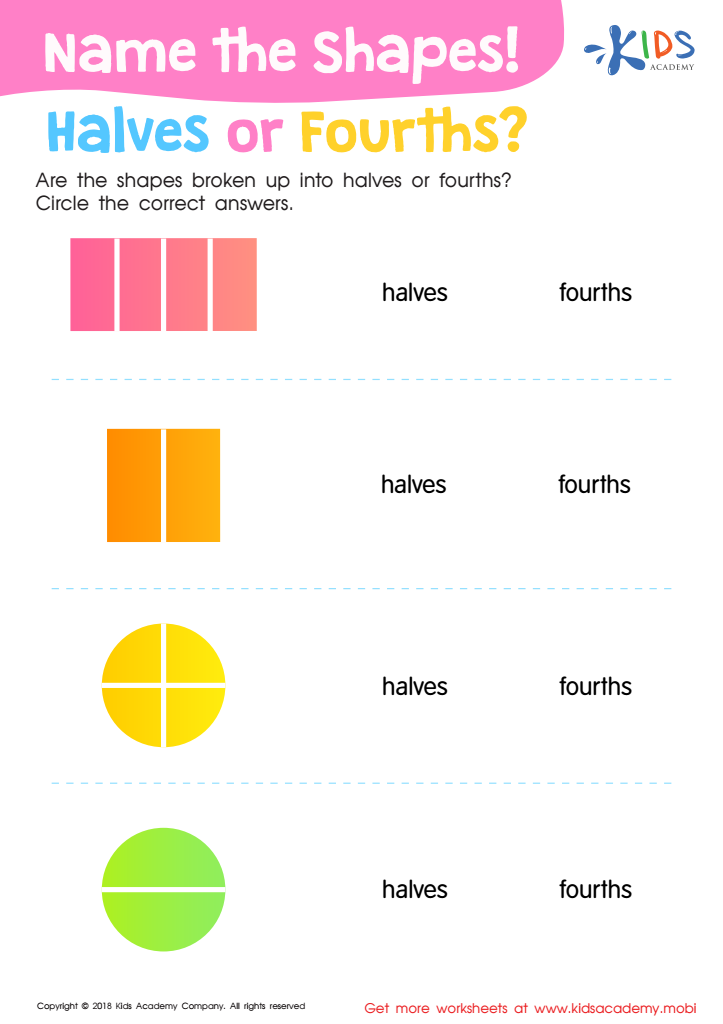
Name the Shapes Halves or Fourths? Worksheet
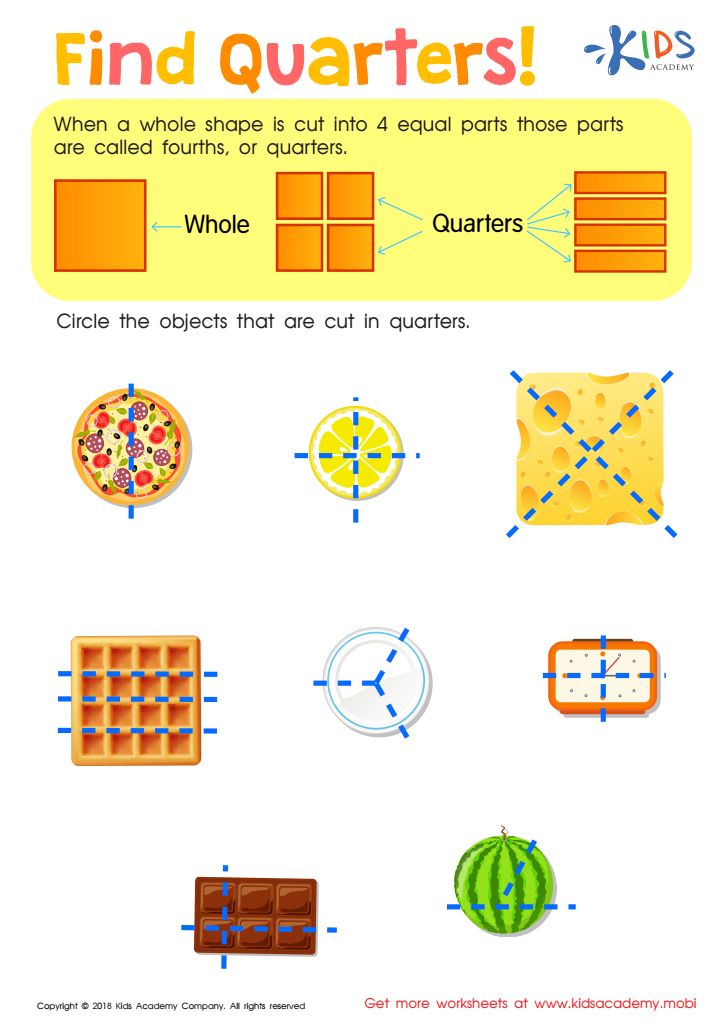
Find Quarters Worksheet
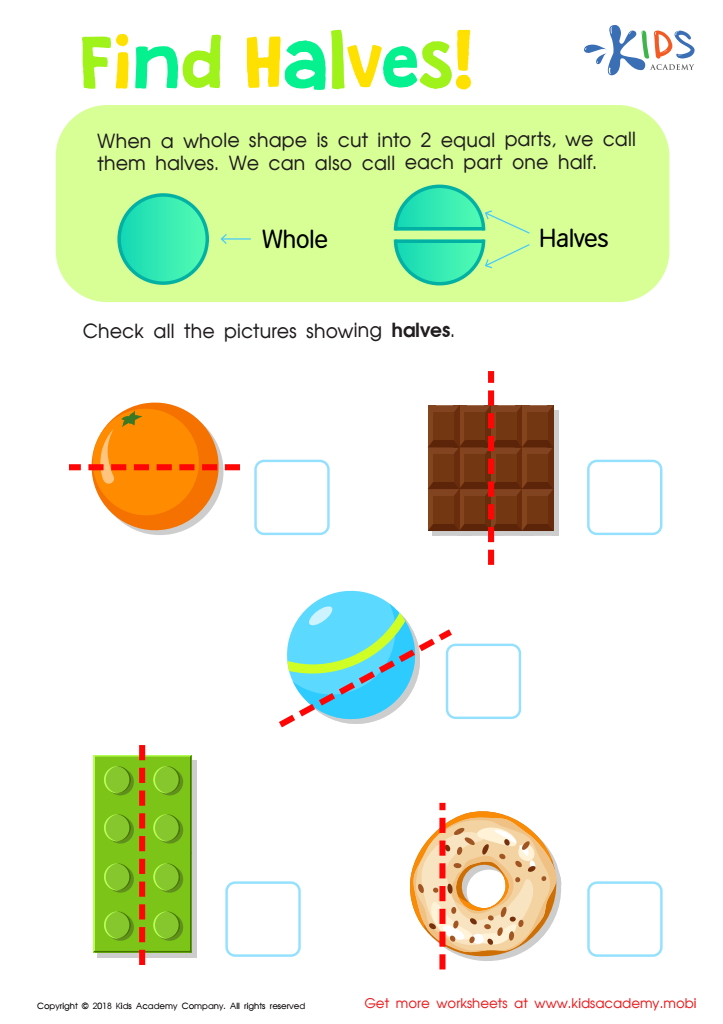
Find Halves Worksheet
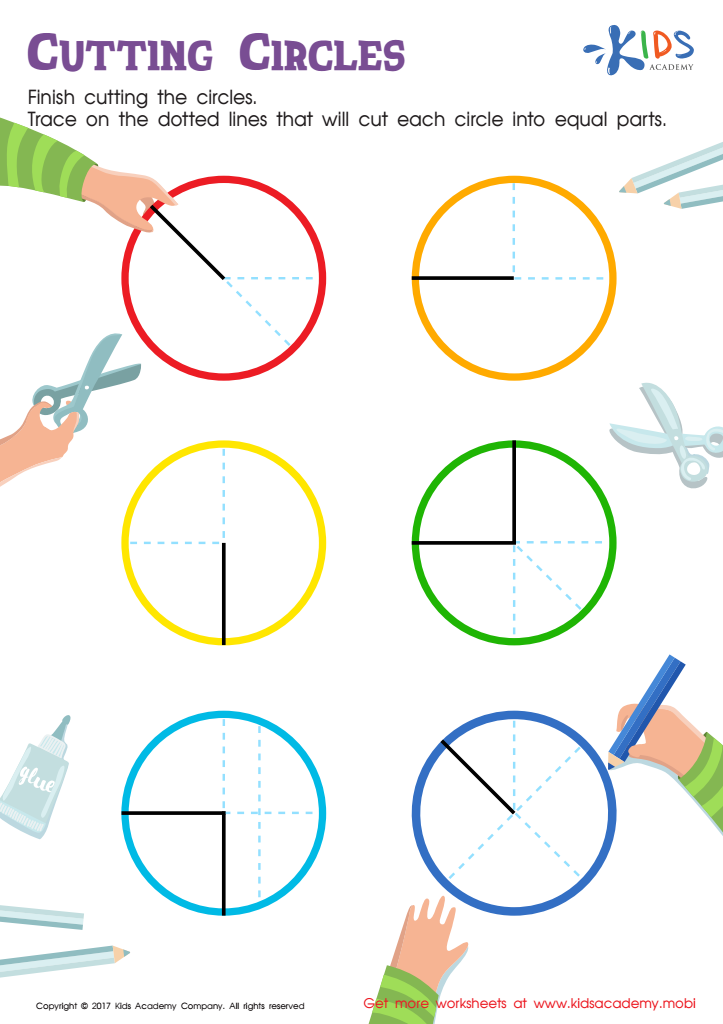
Cutting Circles Worksheet
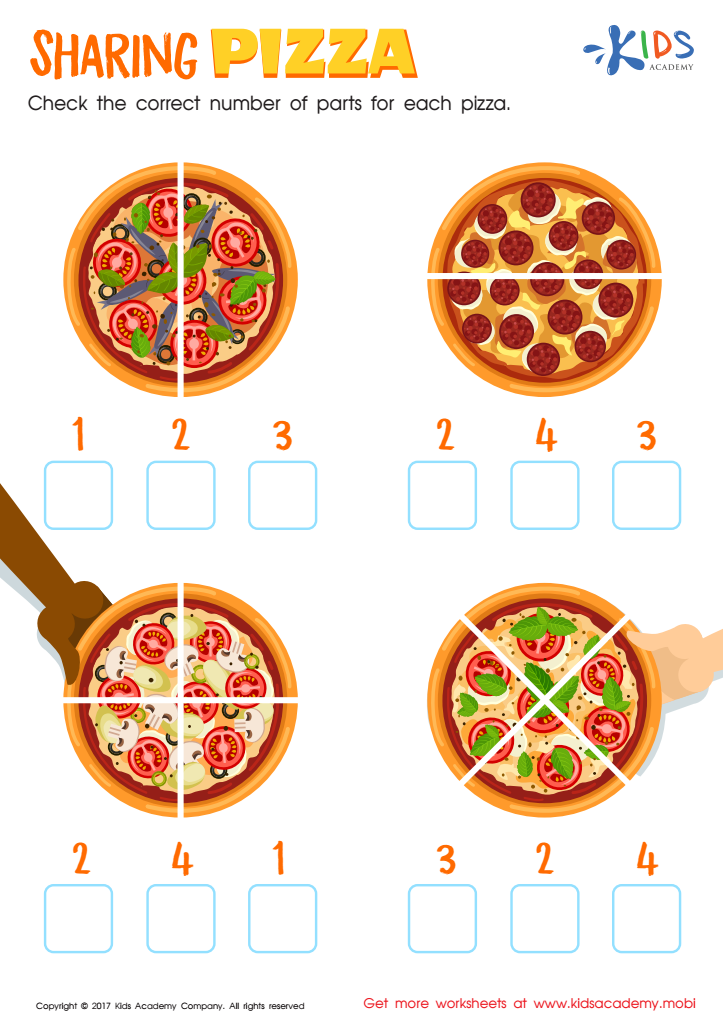
Sharing Pizza Worksheet
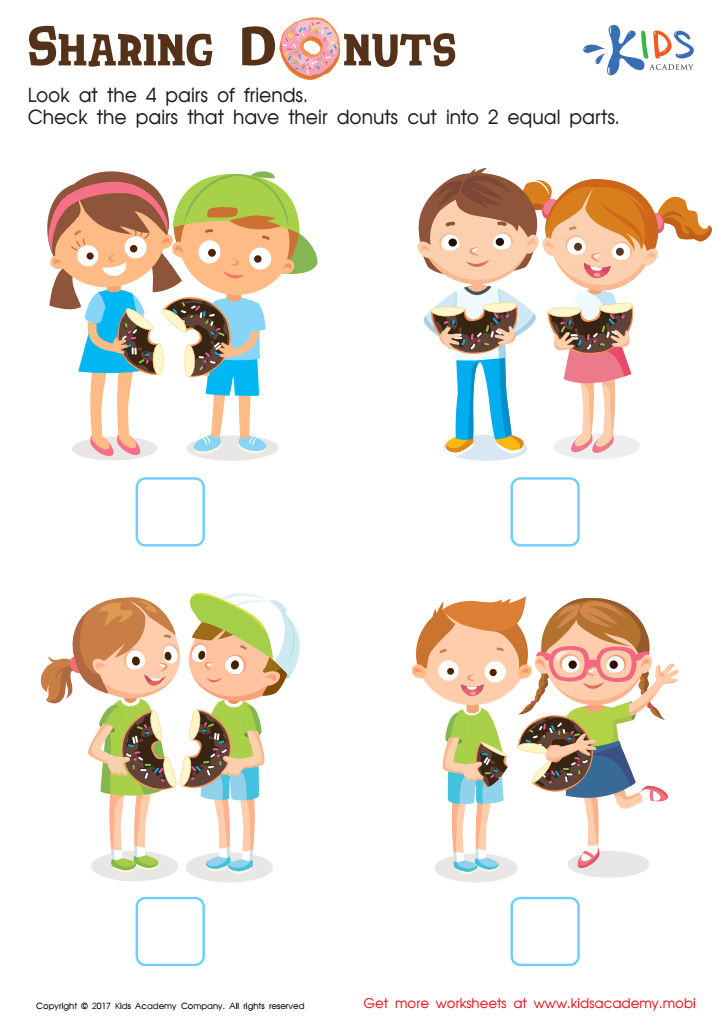
Sharing Donuts Worksheet
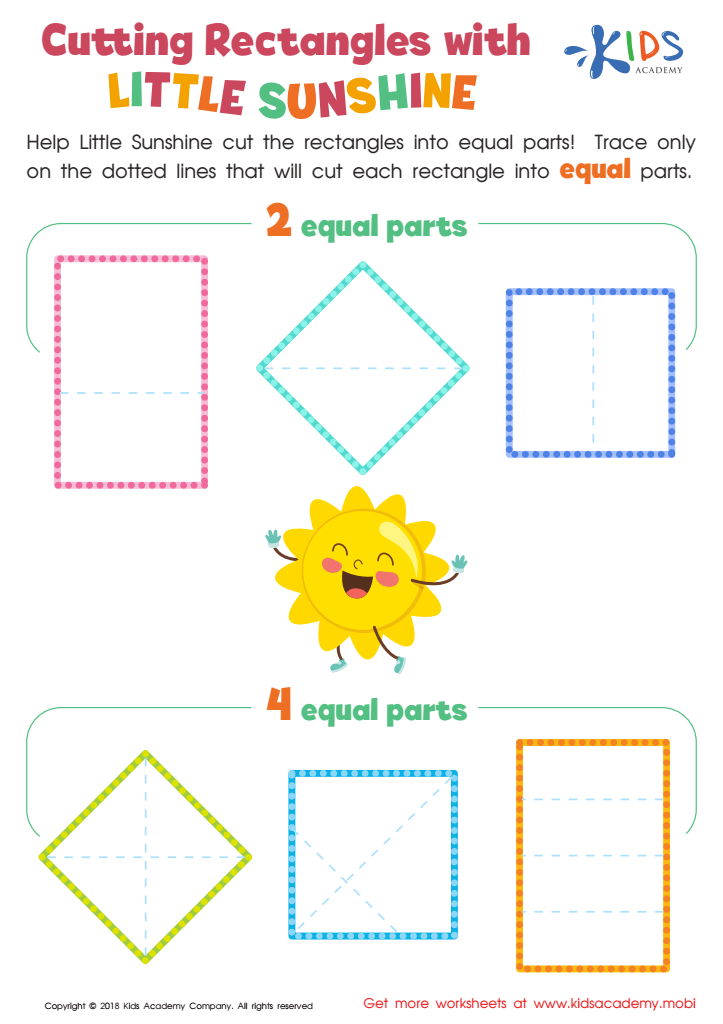
Cutting Rectangles with Little Sunshine Worksheet
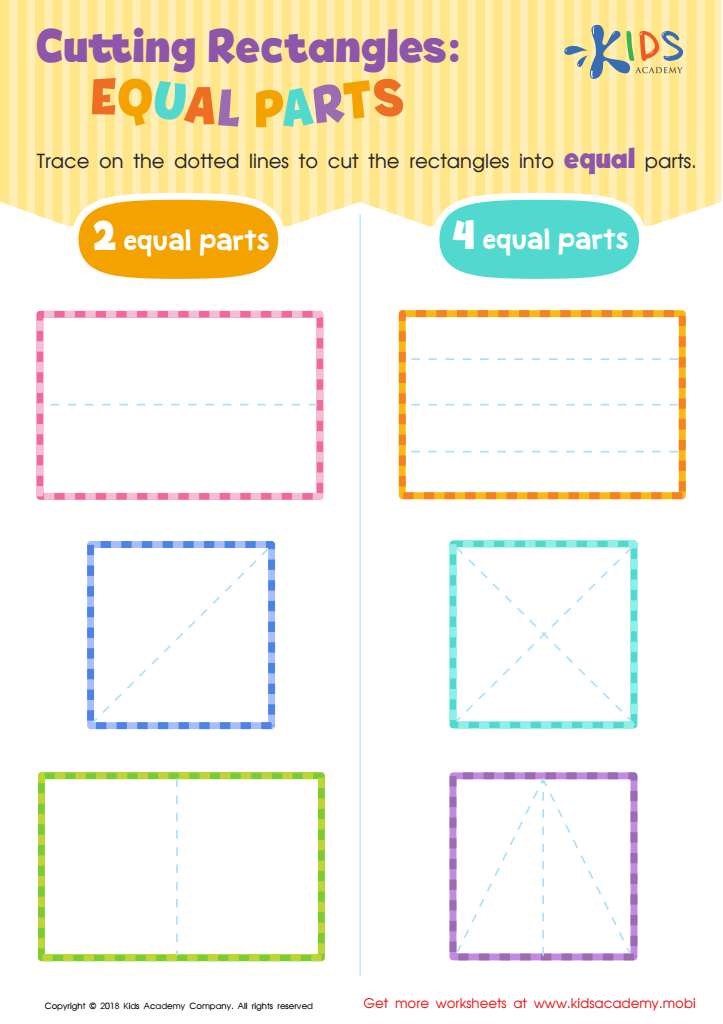
Cutting Rectangles: Equal Parts Worksheet
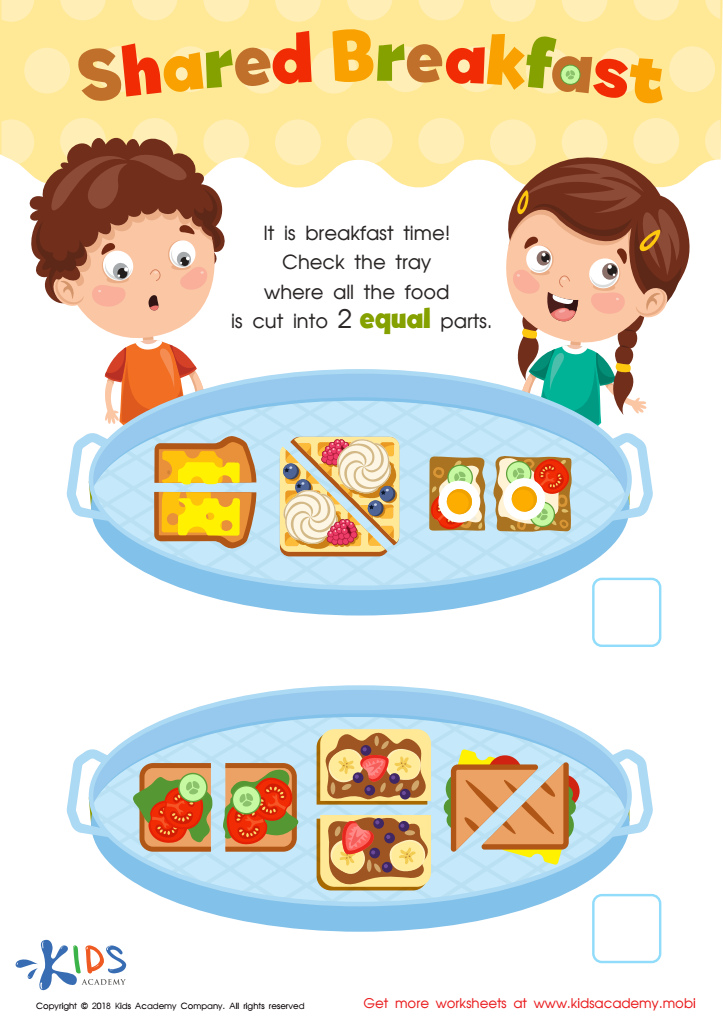
Shared Breakfast Worksheet
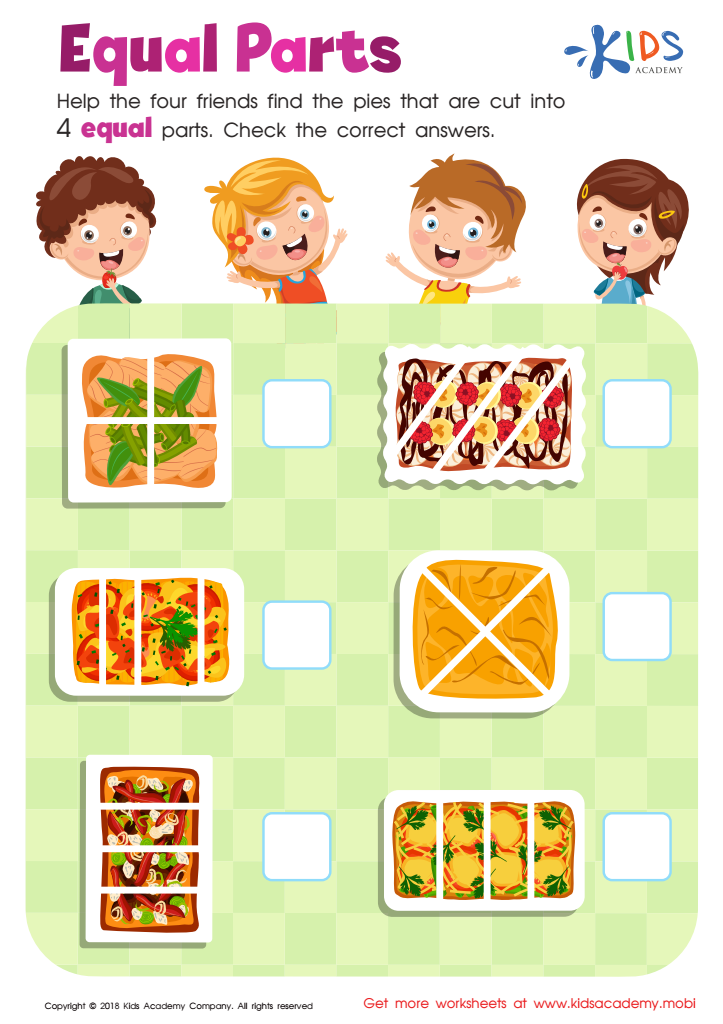
Equal Parts: Food Worksheet
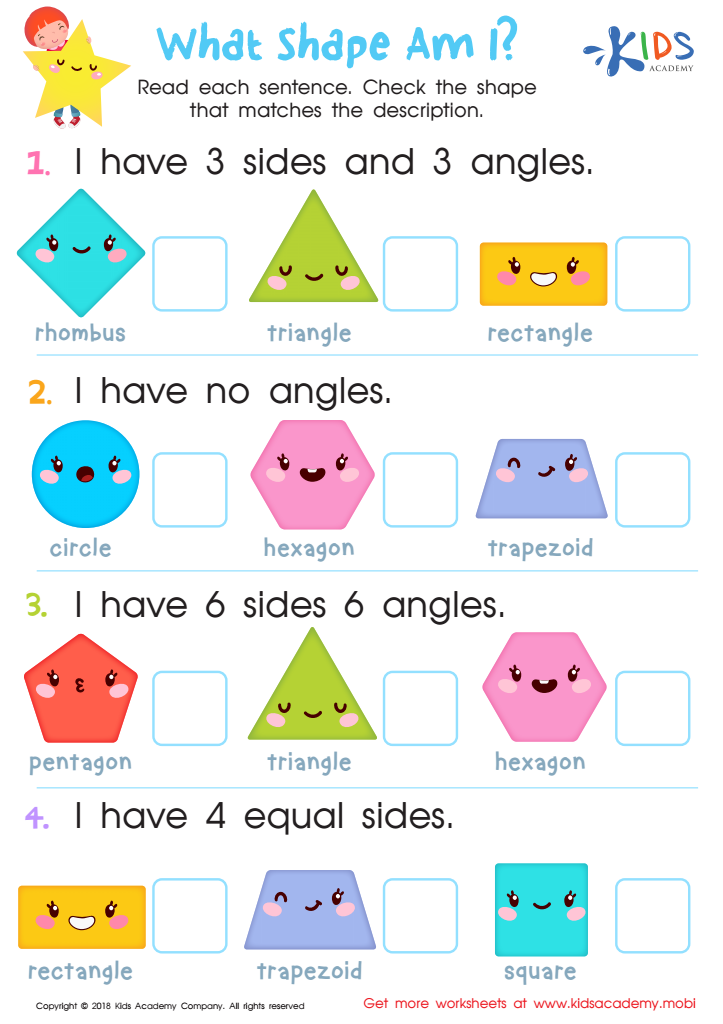
What Shape Am I? Worksheet
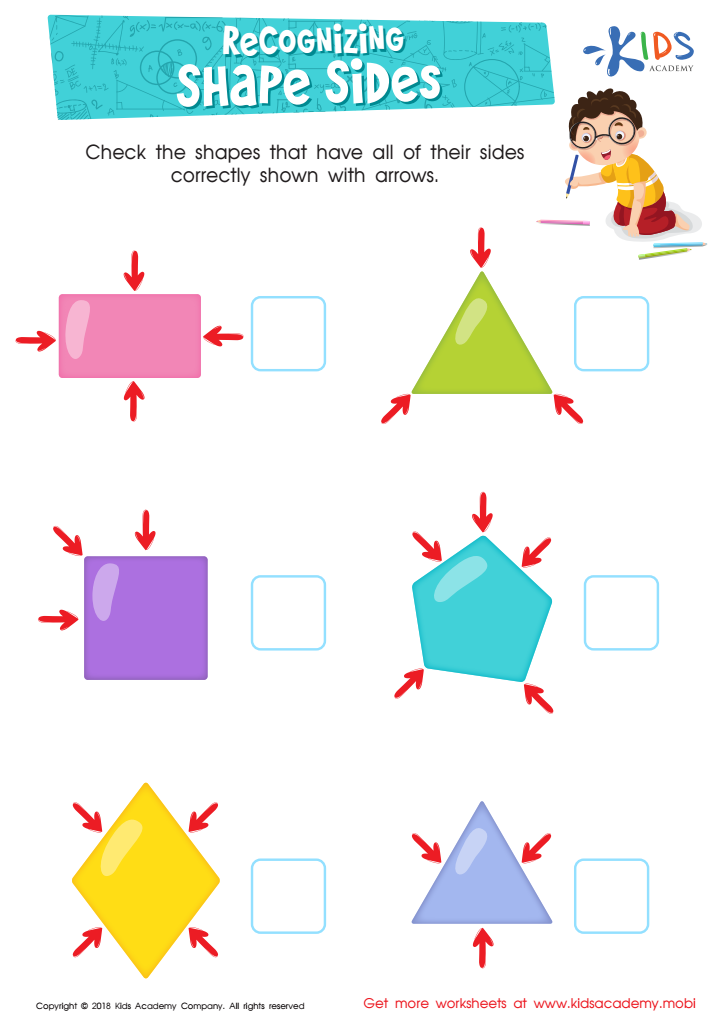
Recognizing Shape Sides Worksheet
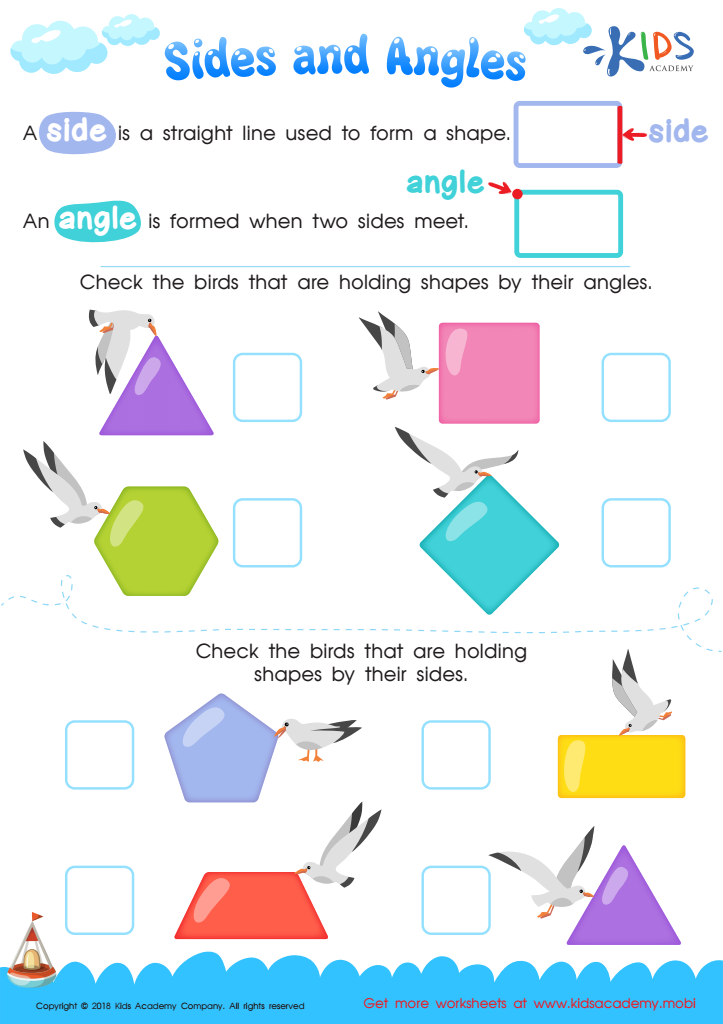
Sides and Angles Worksheet
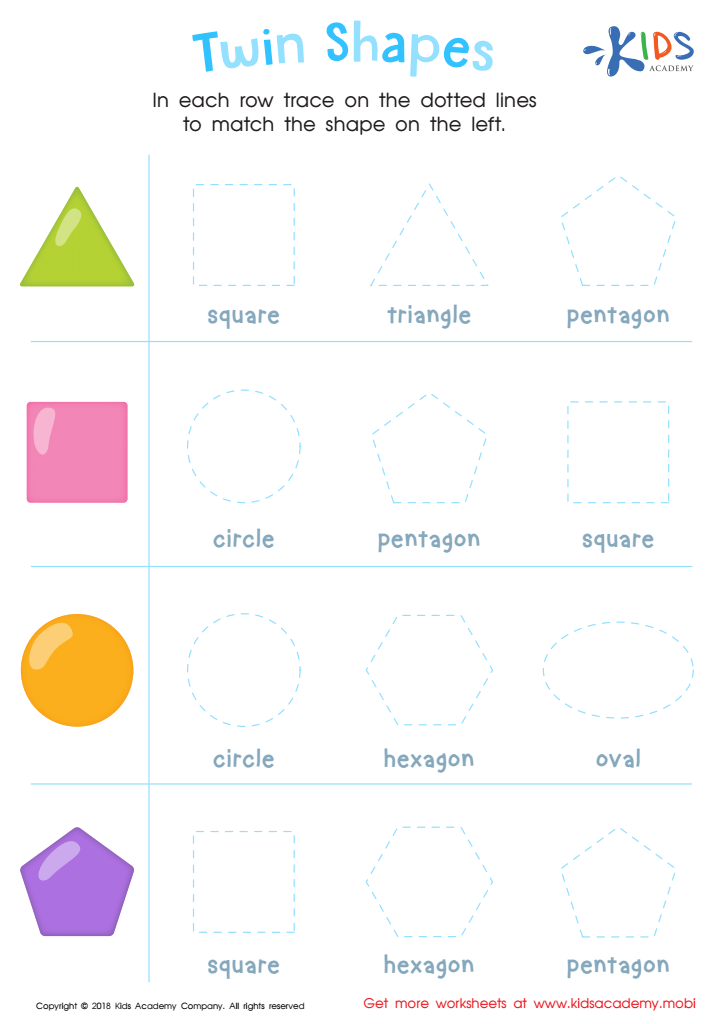
Twin Shapes Dot-to-Dot Worksheet
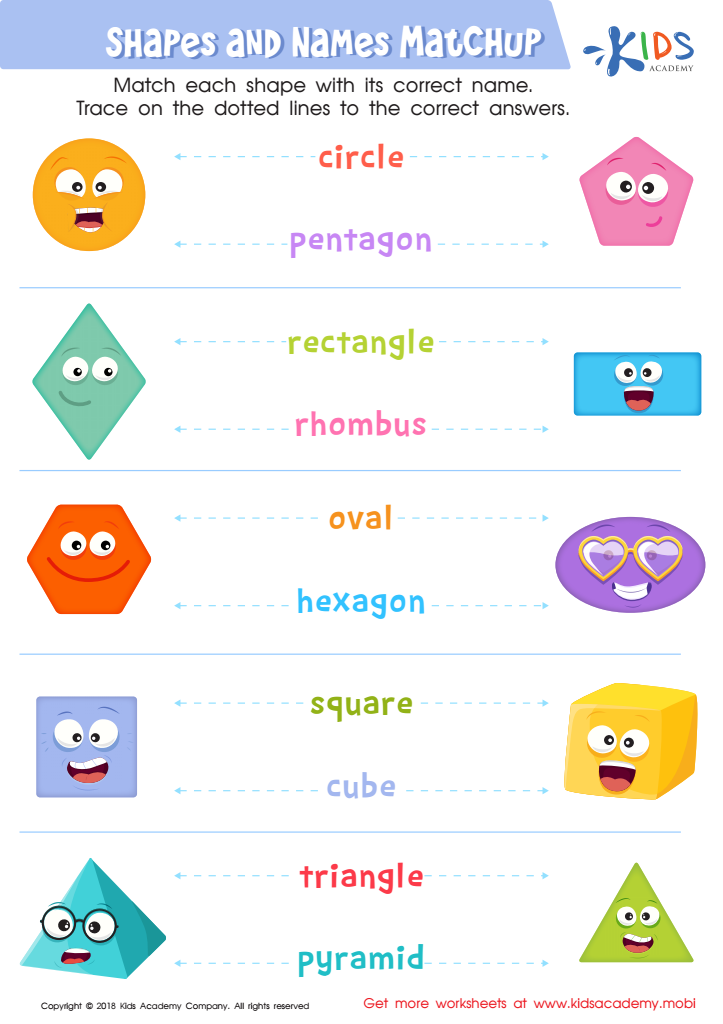
Shapes and Names Matchup Worksheet








Geometry for ages 3-6 lays a vital foundation for children's cognitive development and everyday practical skills. At this young age, children are naturally curious, engaging with their environment, and beginning to observe shapes, sizes, and spatial relationships around them. Introducing geometric concepts helps spark this natural curiosity and promotes critical thinking.
Engaging with geometry supports early mathematical skills, enhancing a child's ability to recognize, describe, and compare attributes of different shapes. It cultivates spatial awareness, necessary for later math learning, problem-solving, and even science and engineering concepts.
Moreover, geometry fosters creativity and imagination through hands-on activities like building blocks or art projects. This not only makes learning playful and enjoyable but also helps develop fine motor skills and hand-eye coordination.
Additionally, a strong grasp of geometric concepts contributes to a child's confidence in tackling more advanced math. By integrating geometry into everyday activities, from shape sorting to identifying geometric patterns, parents and teachers can create a rich, supportive learning environment. Ultimately, early exposure to geometry will nurture a child's love for learning, equipping them with the skills and knowledge necessary for future academic success.








