Addition Worksheets for Ages 3-7 - Page 4
120 filtered results
-
From - To
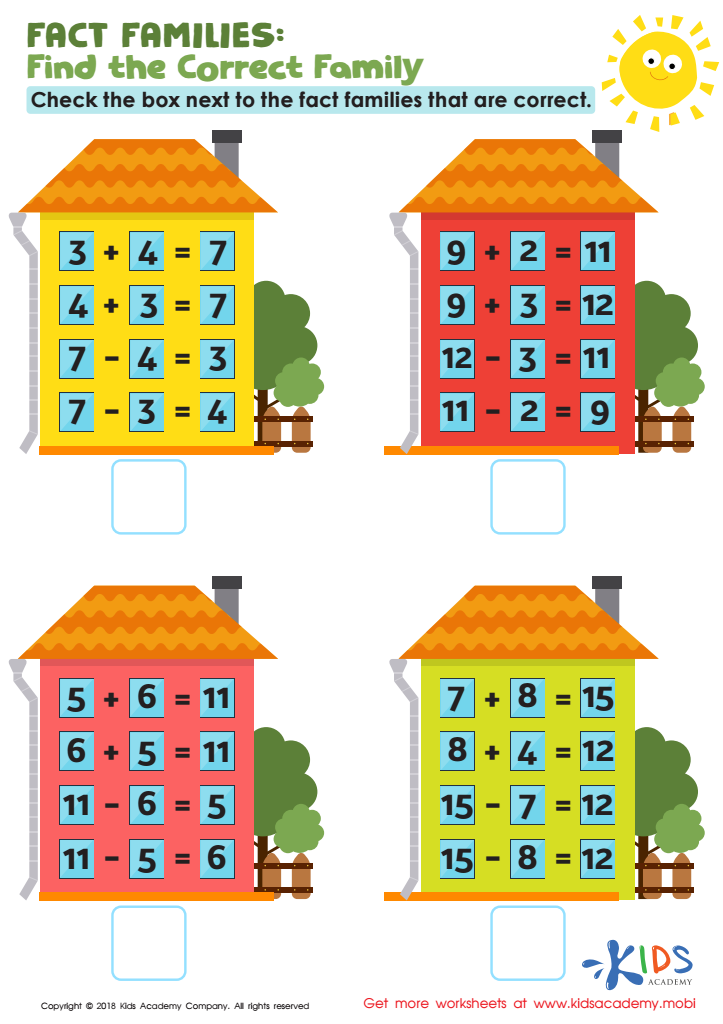
Fact Families: Find Correct Family Worksheet
 Assign to My Students
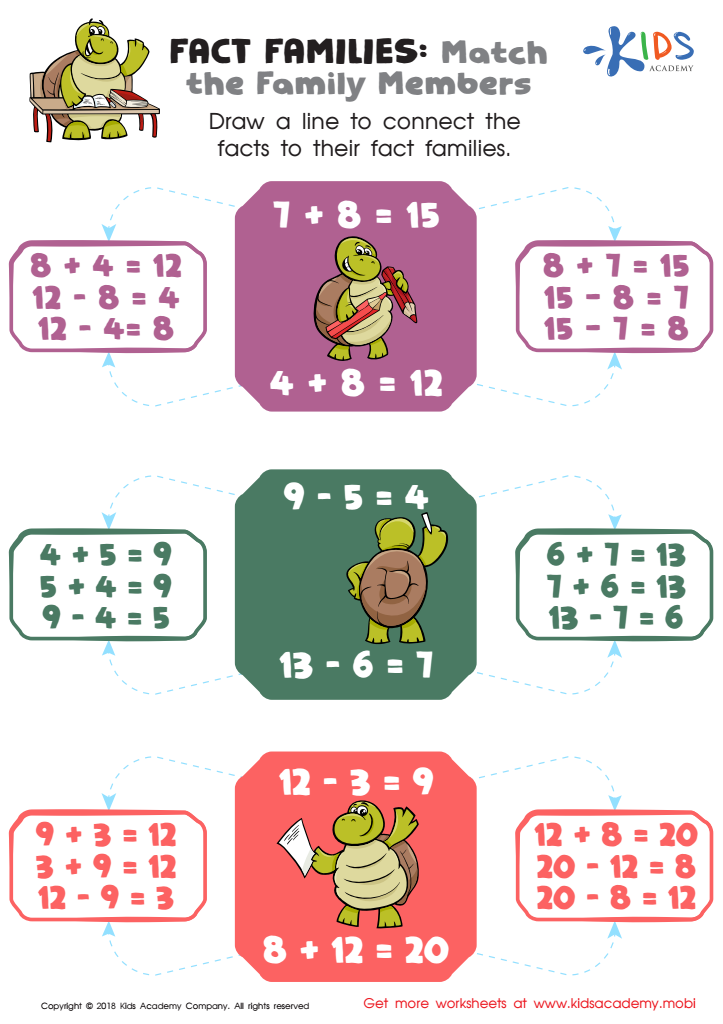
Fact Families: Match Family Members Worksheet
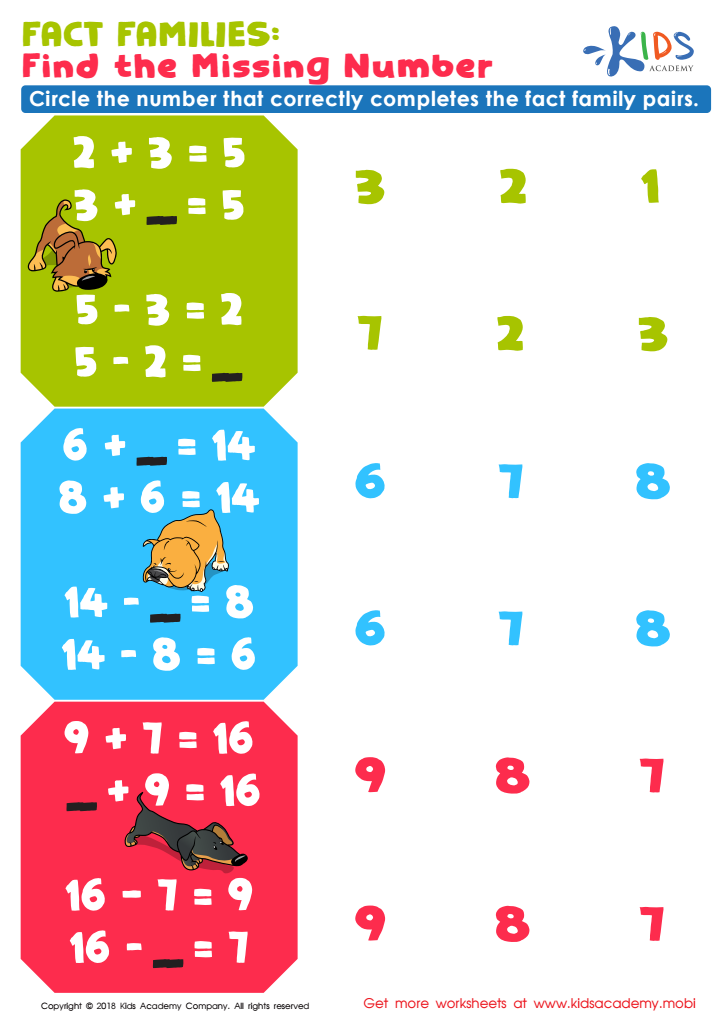
Fact Families: Find Missing Number Worksheet
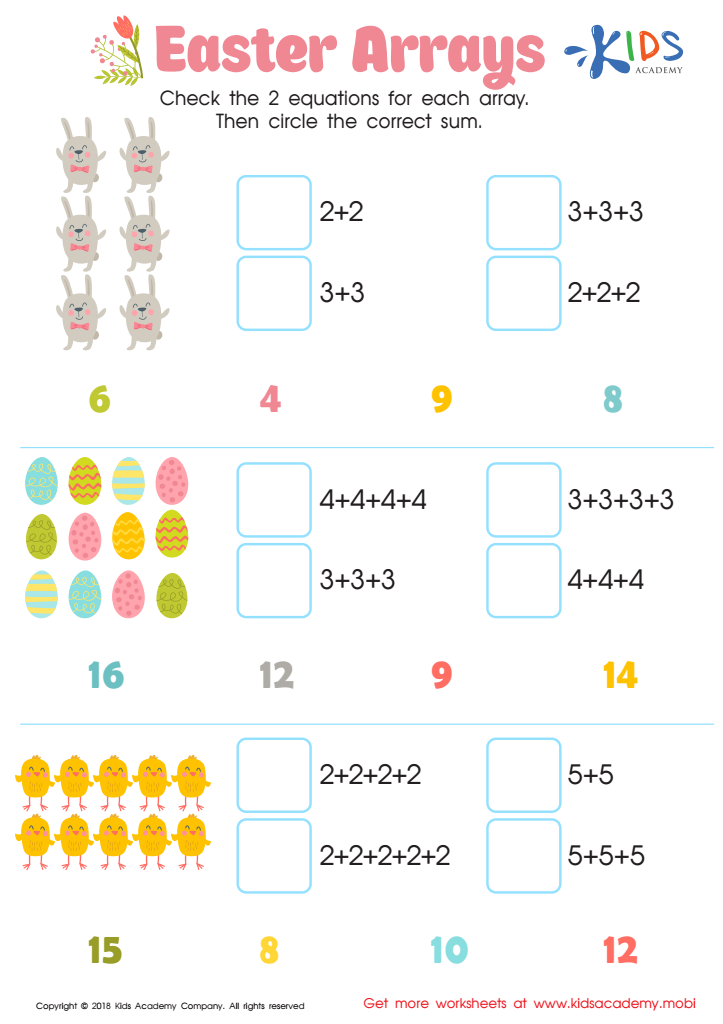
Easter Arrays Worksheet
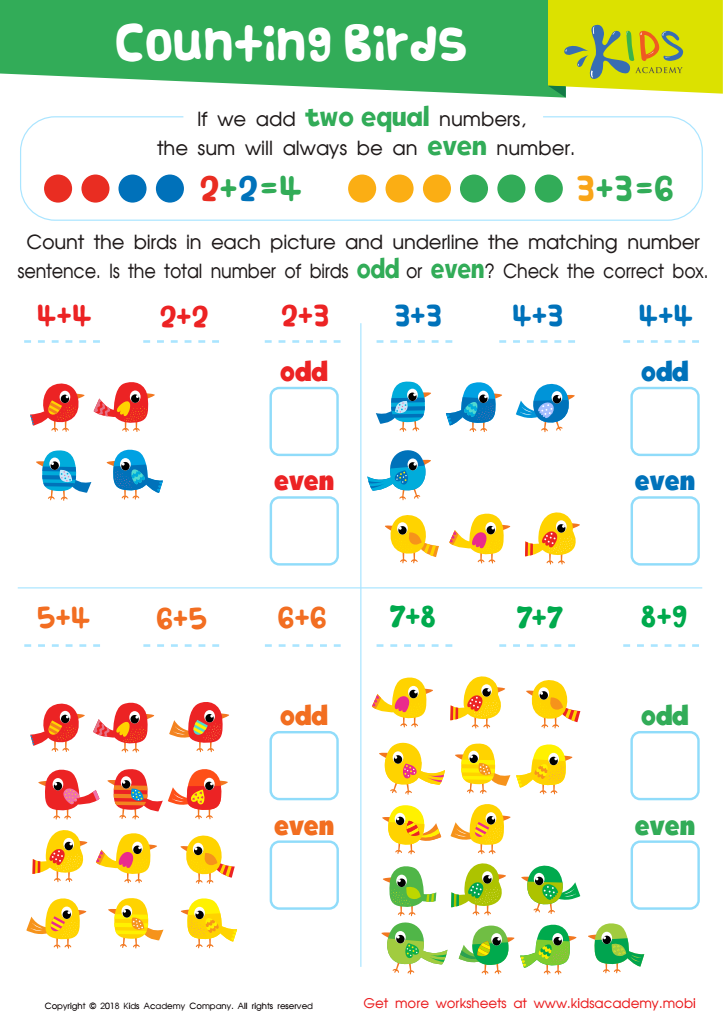
Counting Birds Worksheet
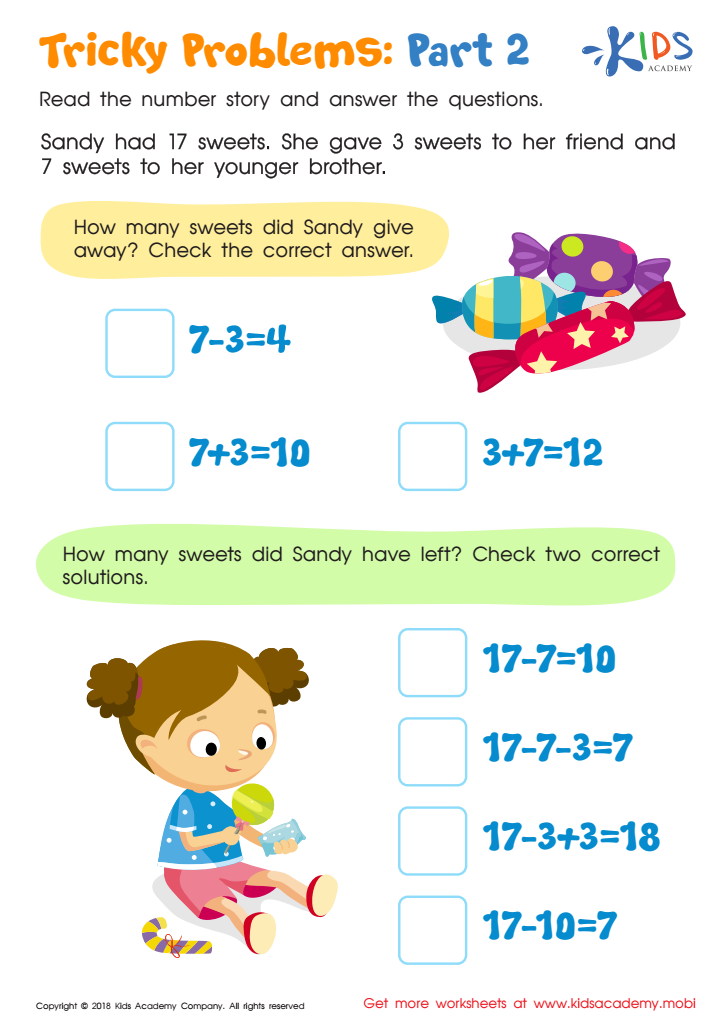
Tricky Problems Worksheet: Part 2
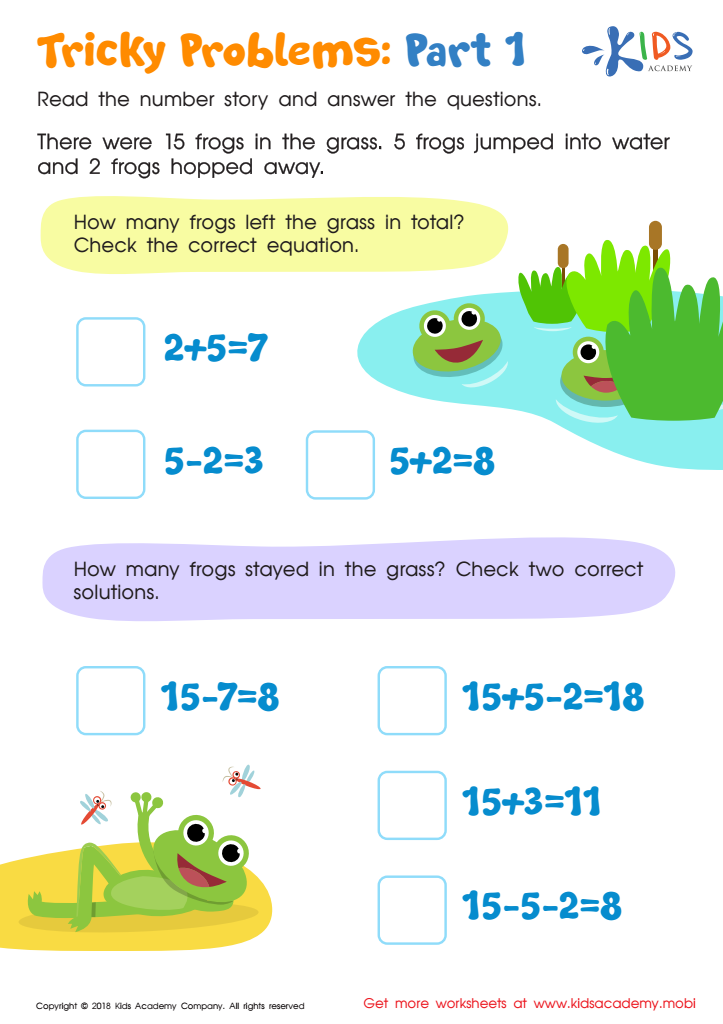
Tricky Problems Worksheet: Part 1
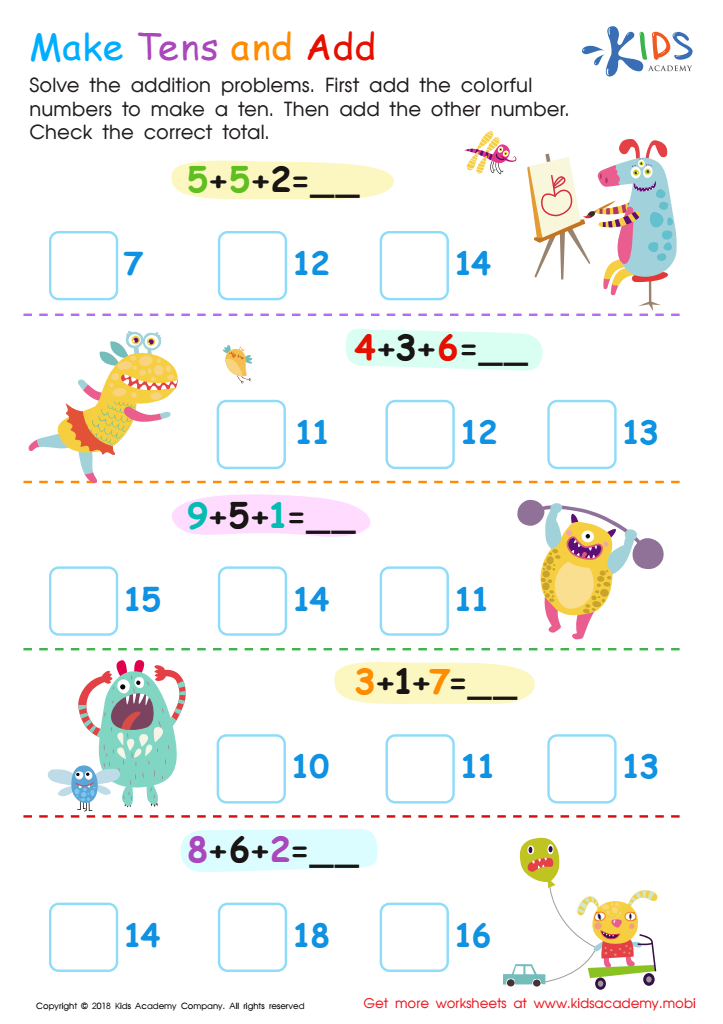
Make Tens and Add Worksheet
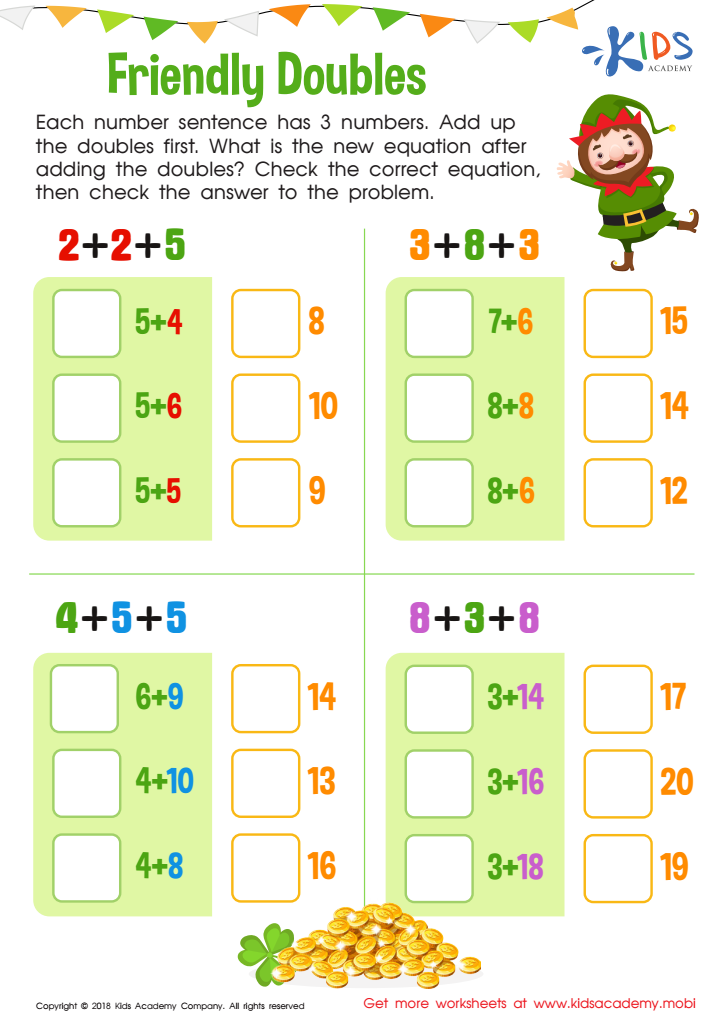
Friendly Doubles Worksheet
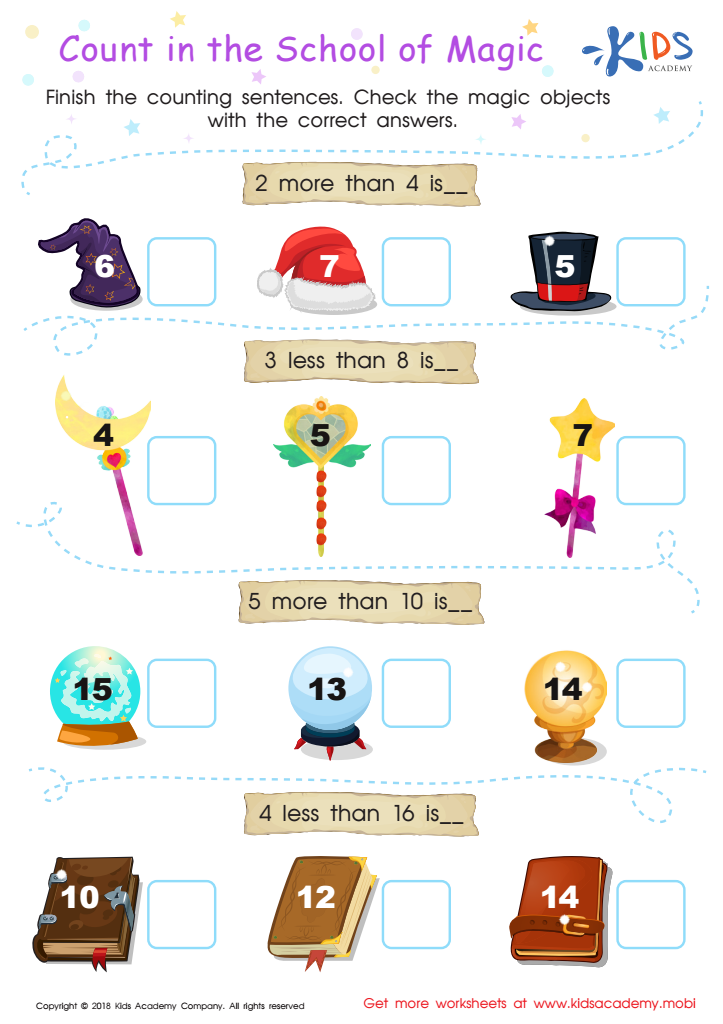
Count in the School of Magic Worksheet
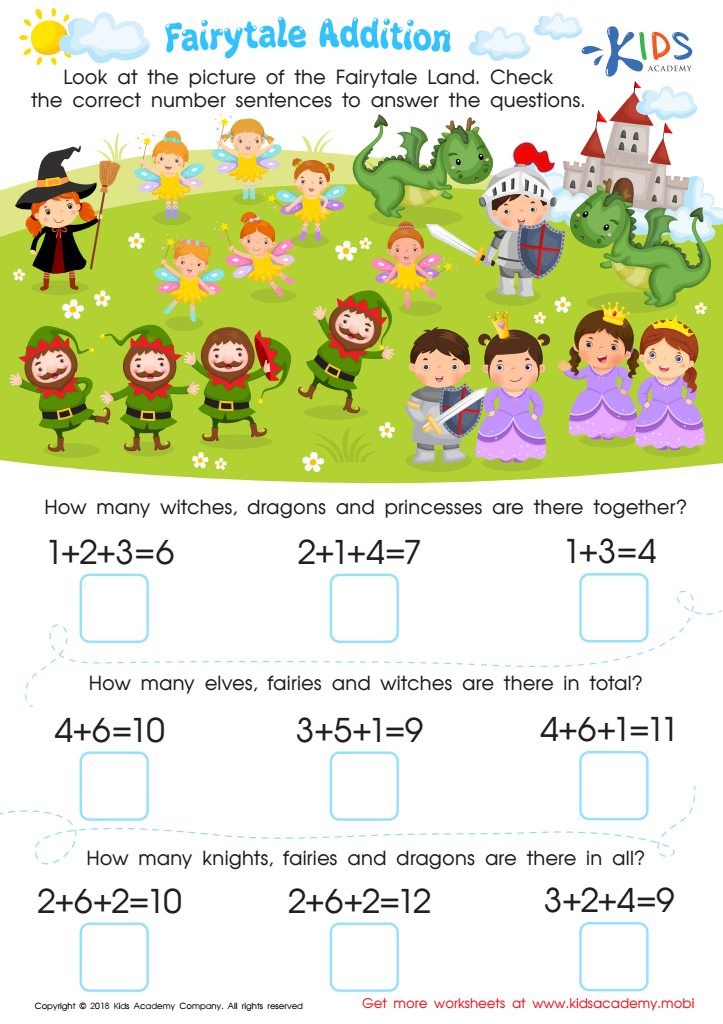
Fairytale Addition Worksheet
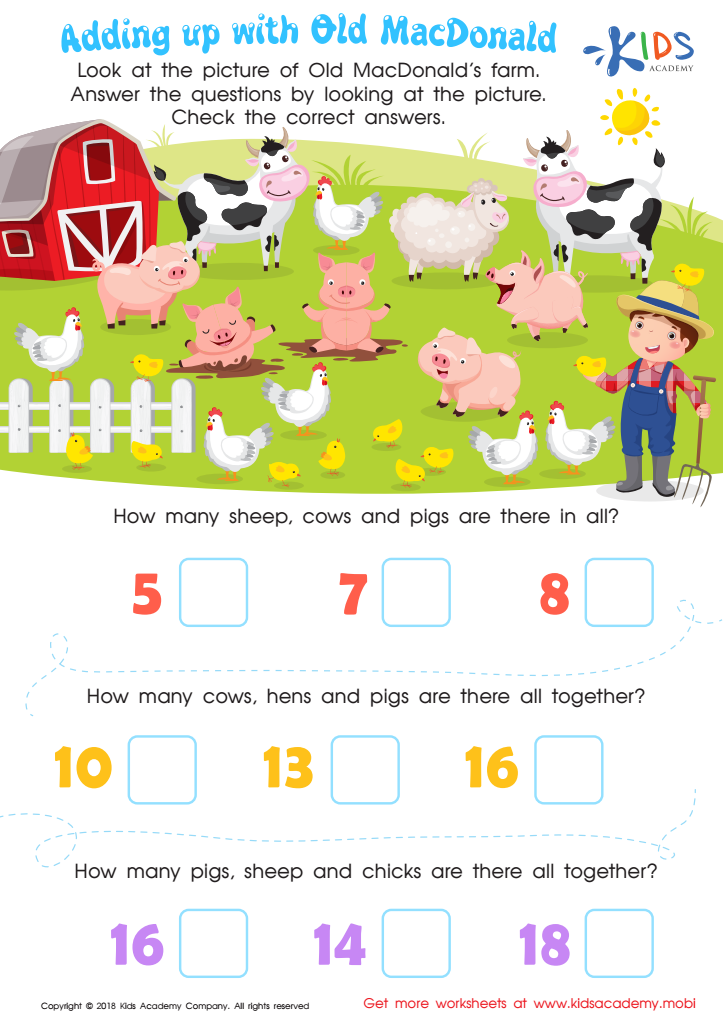
Adding Up with Old MacDonald Worksheet
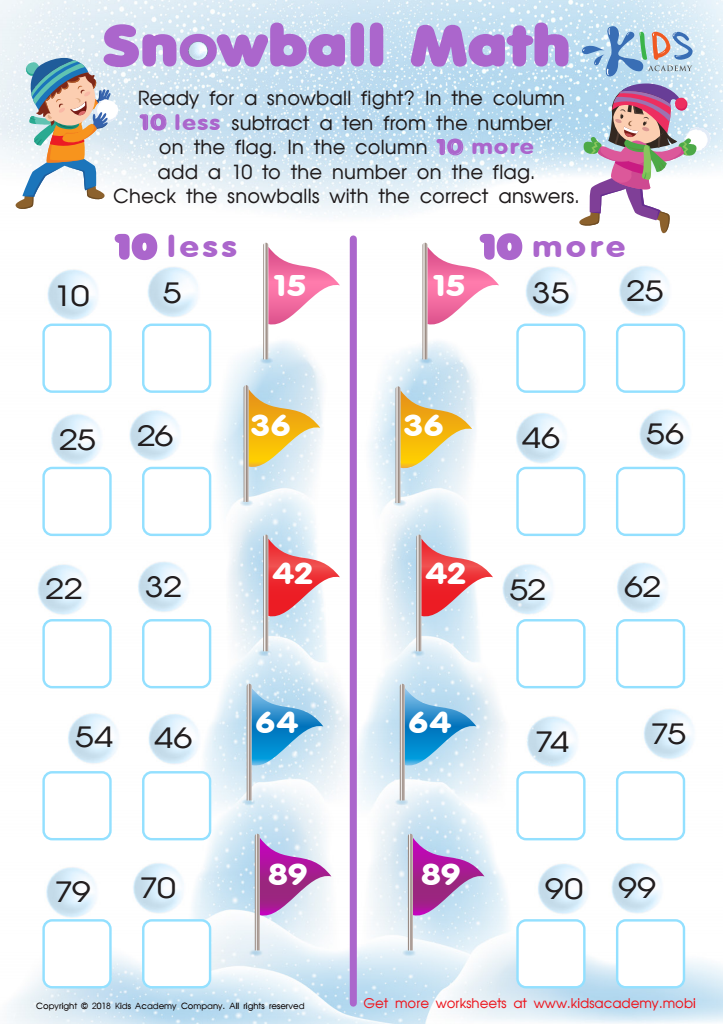
Snowball Math Worksheet
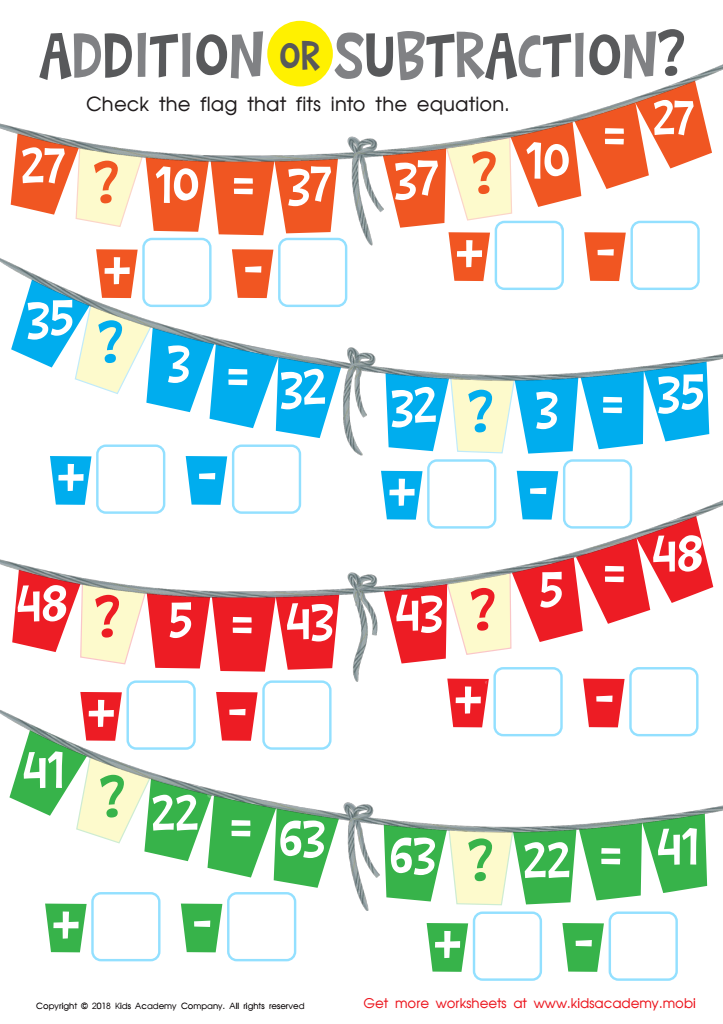
Addition or Subtraction? Worksheet
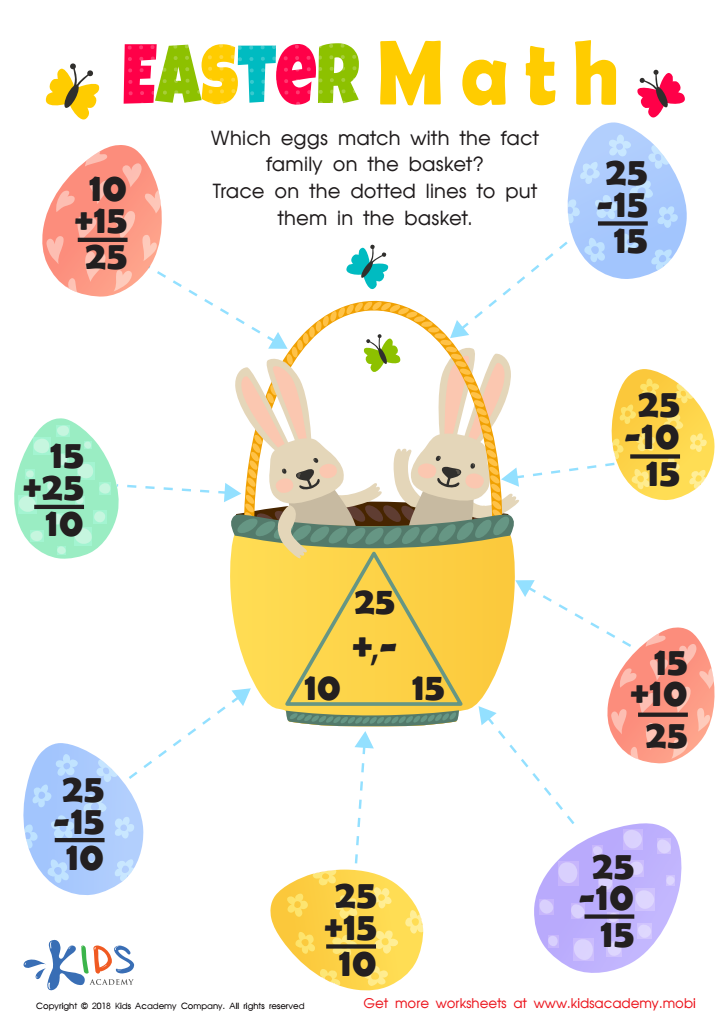
Fact Families: Easter Math Worksheet
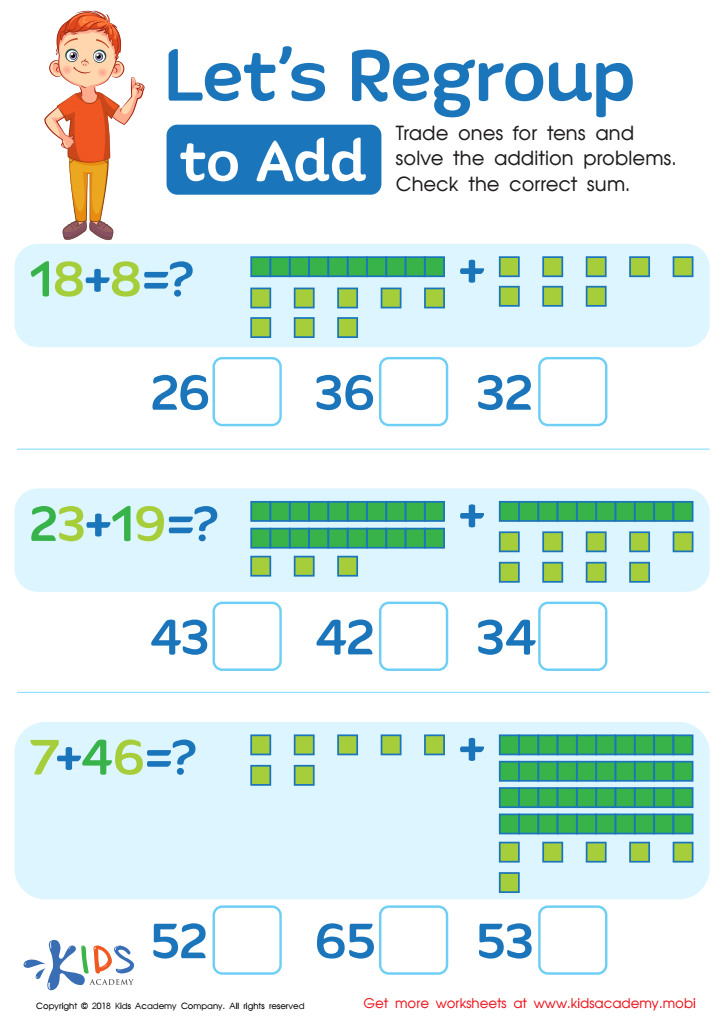
Let's Regroup to Add Worksheet
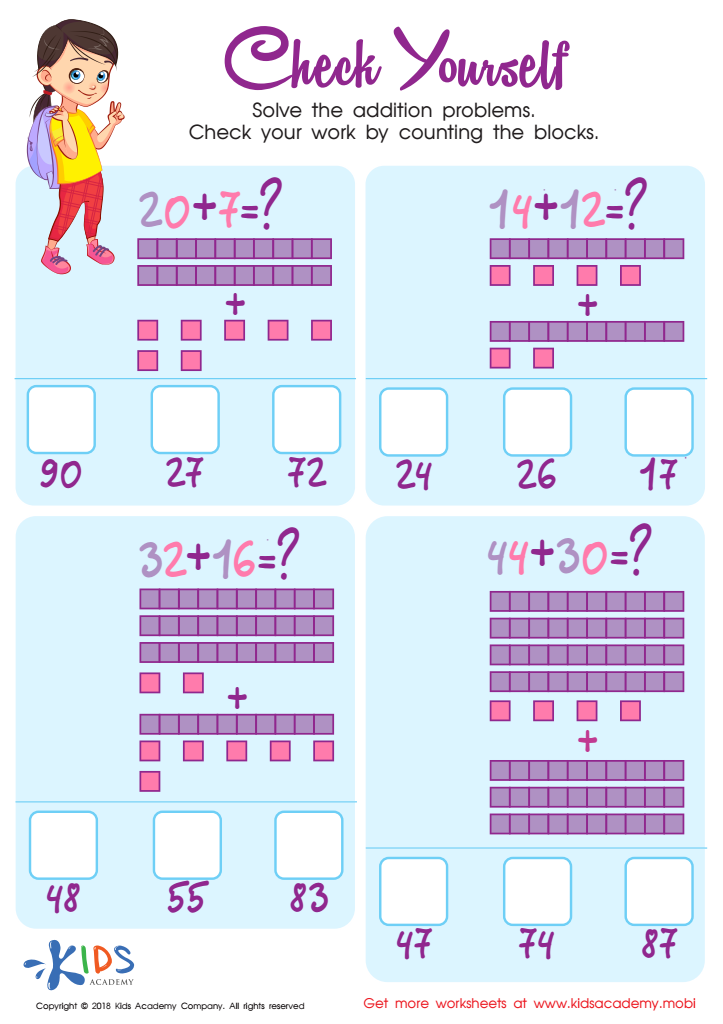
Adding with Base 1 Blocks Worksheet: Check Yourself
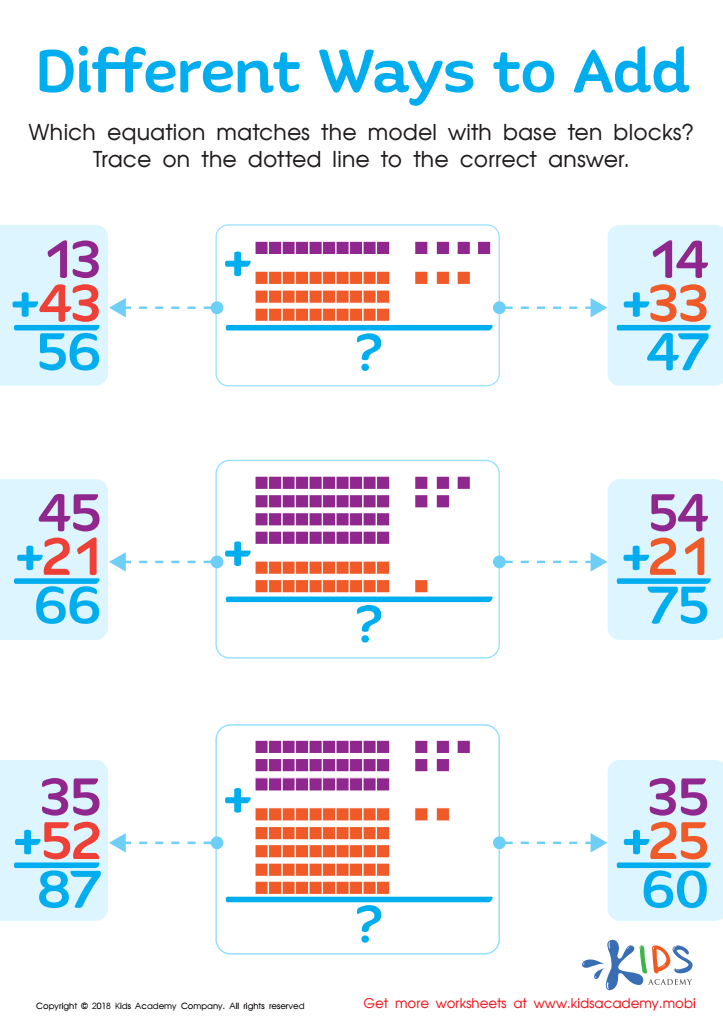
Different Ways to Add Worksheet
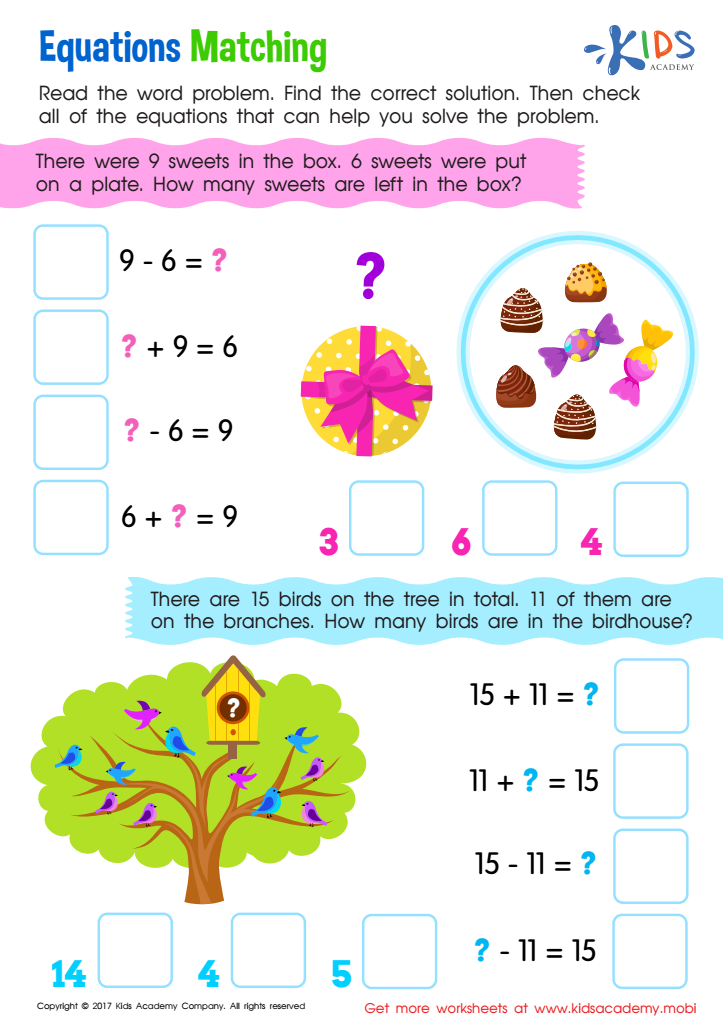
Equations Matching Word Problems Worksheet
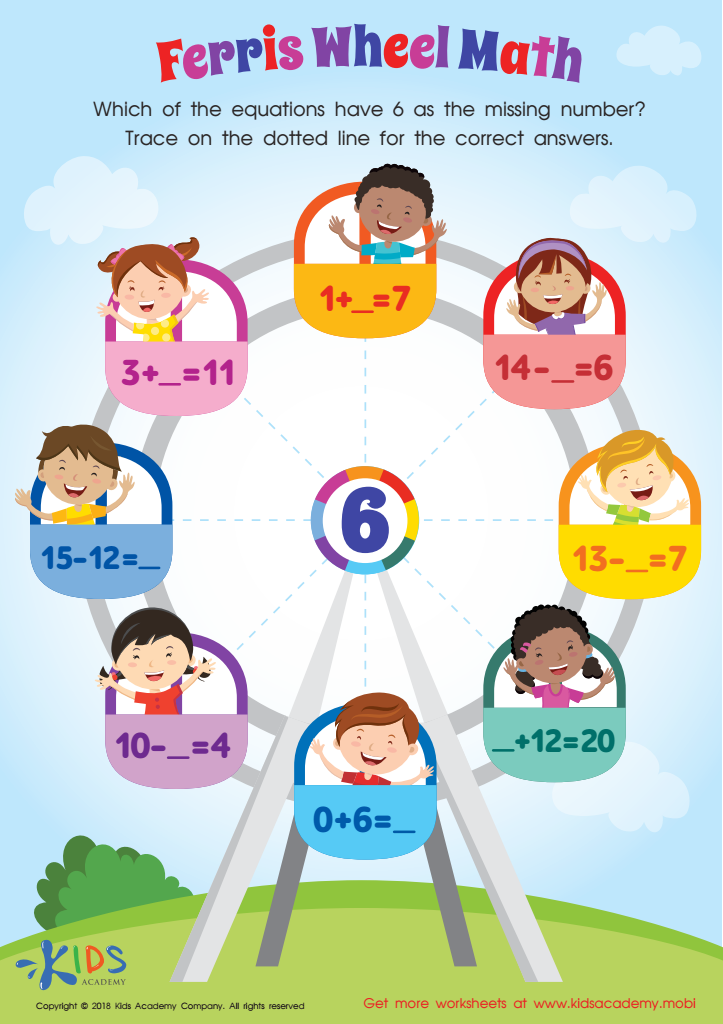
Missing Number: Ferris Wheel Math Worksheet
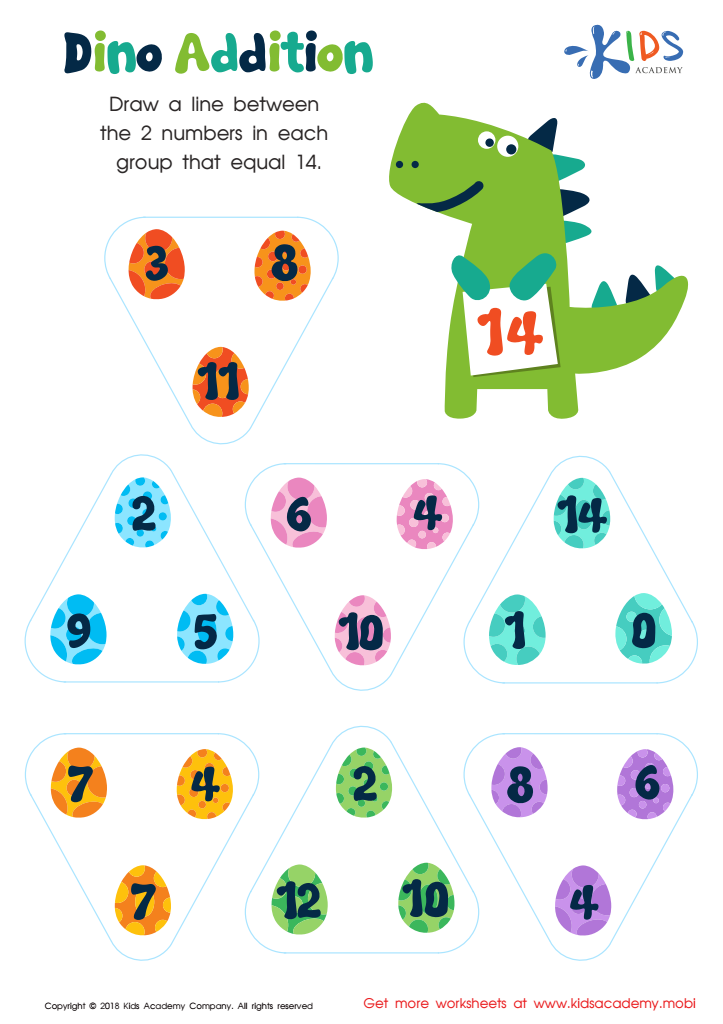
Dino Addition Worksheet
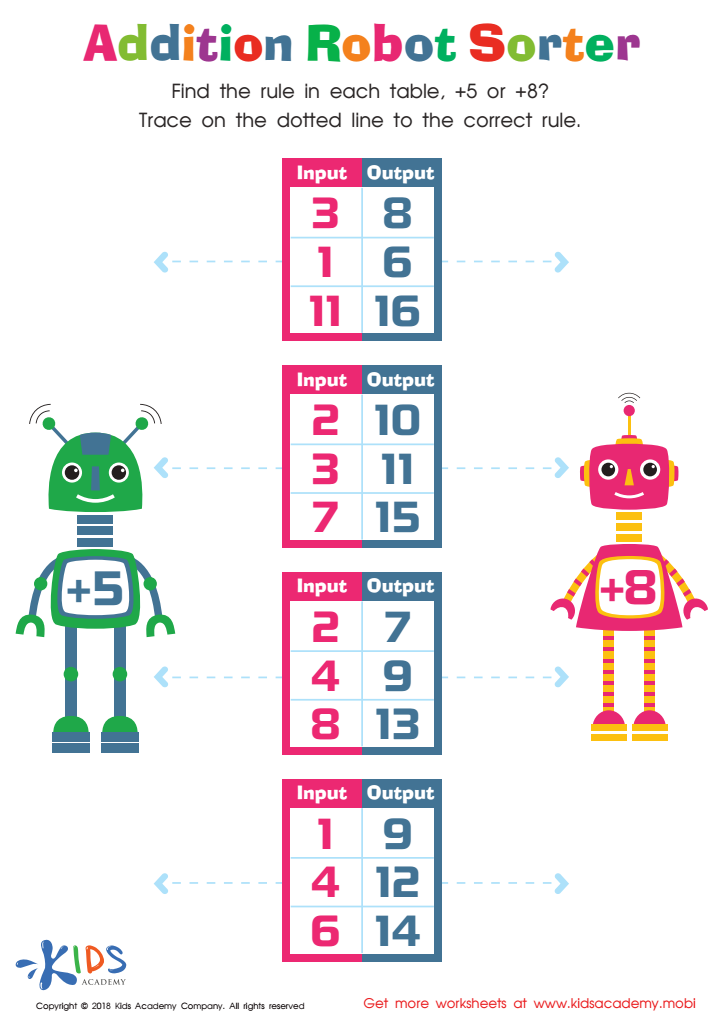
Addition Robot Sorter Worksheet
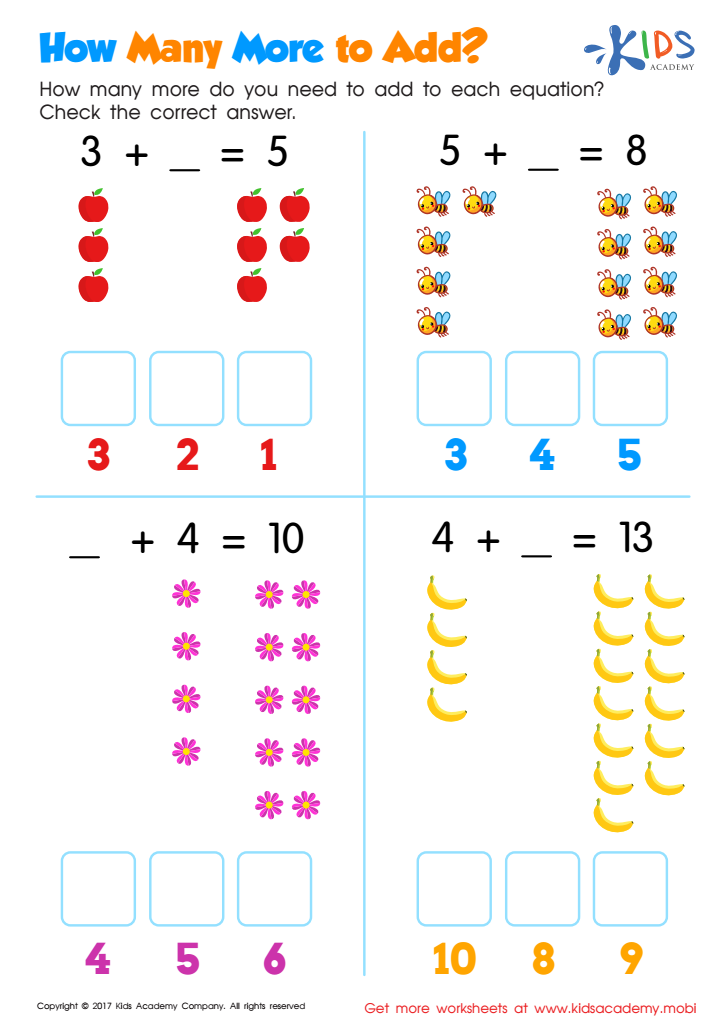
How Many More to Add Worksheet
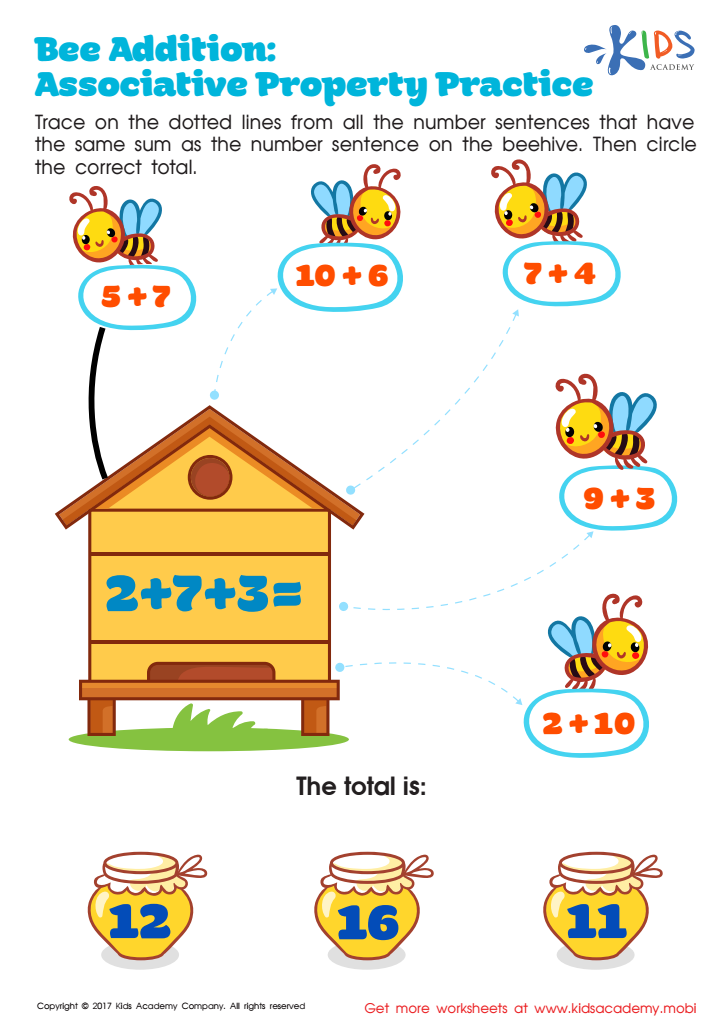
Bee Addition: Associative Property Practice Worksheet








Parents and teachers should prioritize introducing addition to children aged 3 to 7 for several compelling reasons. First, early math skills lay the foundation for critical thinking and problem-solving. By teaching addition, children develop an understanding of basic mathematical concepts and relationships, which are essential as they progress through their education.
Additionally, addition helps to strengthen cognitive development. Engaging with numbers fosters logical reasoning and enhances memory. As children practice addition, they learn to recognize patterns and sequences, which are vital skills not only in math but also in subjects like science and reading.
Furthermore, early exposure to addition can boost a child's confidence. Mastering basic math helps them feel more competent in school, spurring a love for learning. Positive early experiences with math can inspire further exploration into STEM fields in the future.
Lastly, addition is a fundamental life skill. Understanding basic arithmetic is essential for everyday tasks such as managing money, cooking, and making time management decisions. By emphasizing addition in early education, parents and teachers equip children with tools for both academic success and practical life skills, ultimately setting them on a path to lifelong learning and achievement.








