Consonants Worksheets for Ages 3-8 - Page 2
34 filtered results
-
From - To
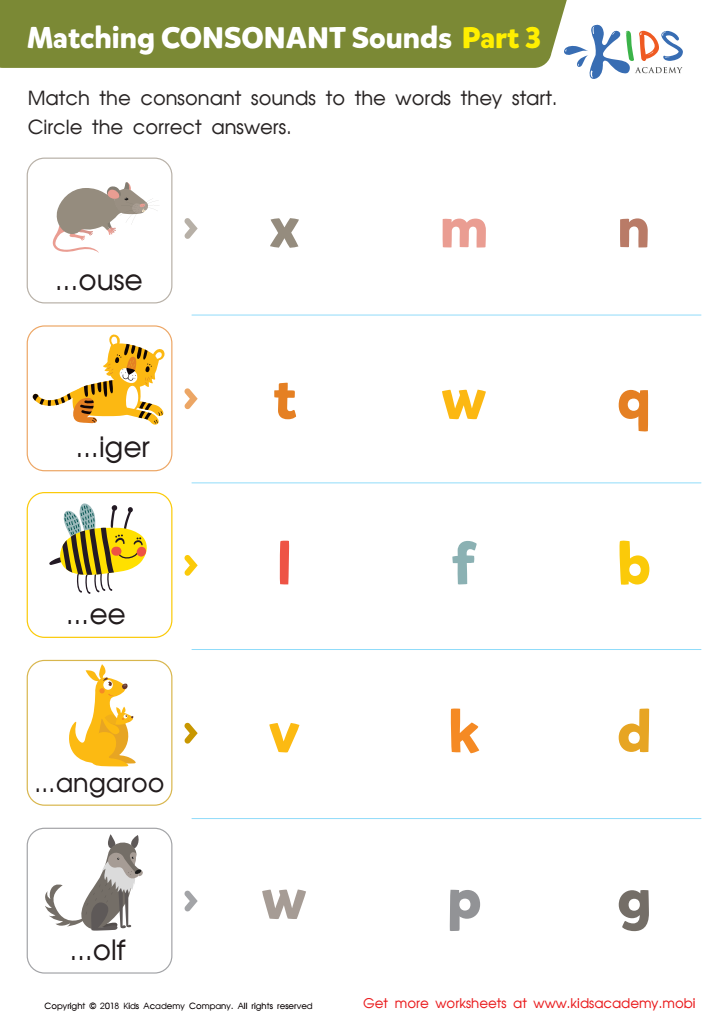
Matching Consonant Sounds: Part 3 Worksheet
 Assign to My Students
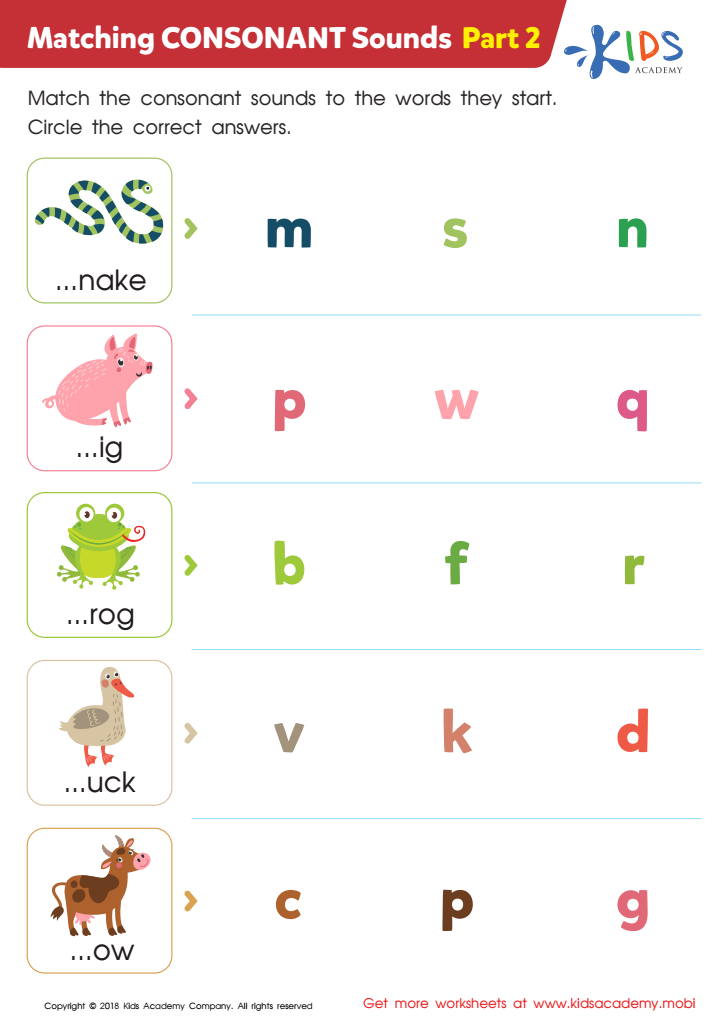
Matching Consonant Sounds: Part 2 Worksheet
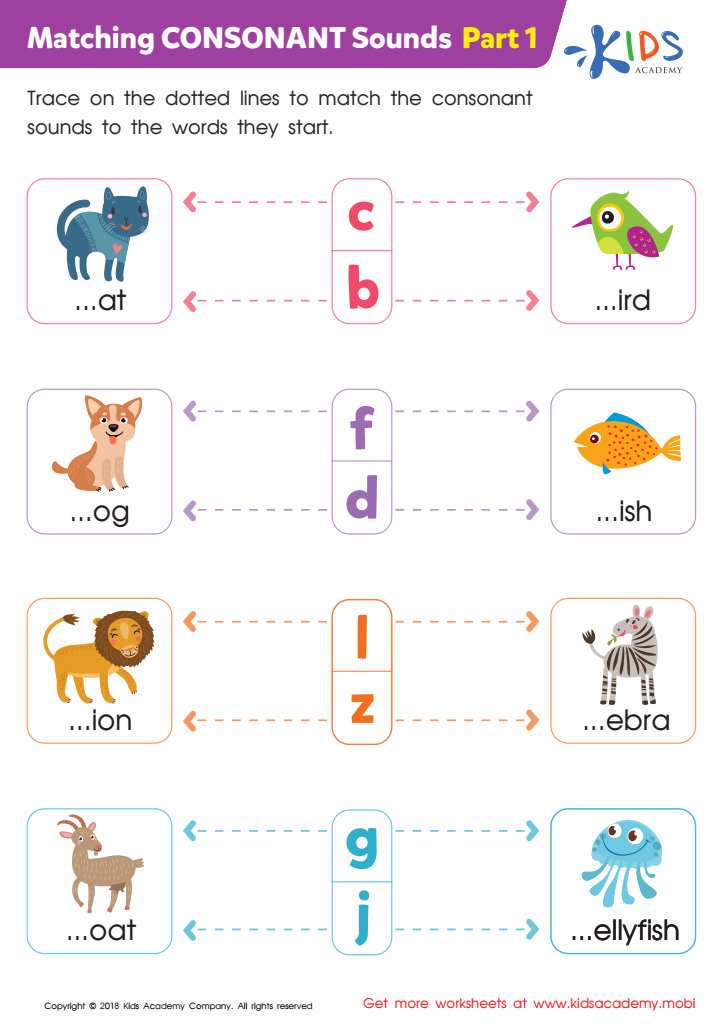
Matching Consonant Sounds: Part 1 Worksheet
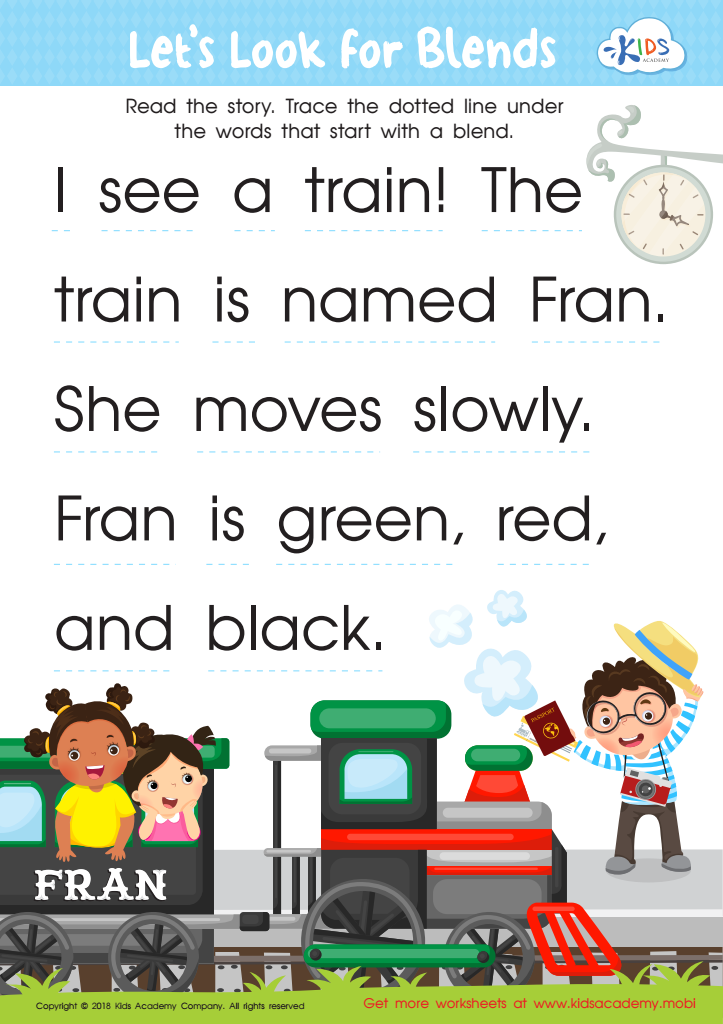
Let's Look for Blends Worksheet
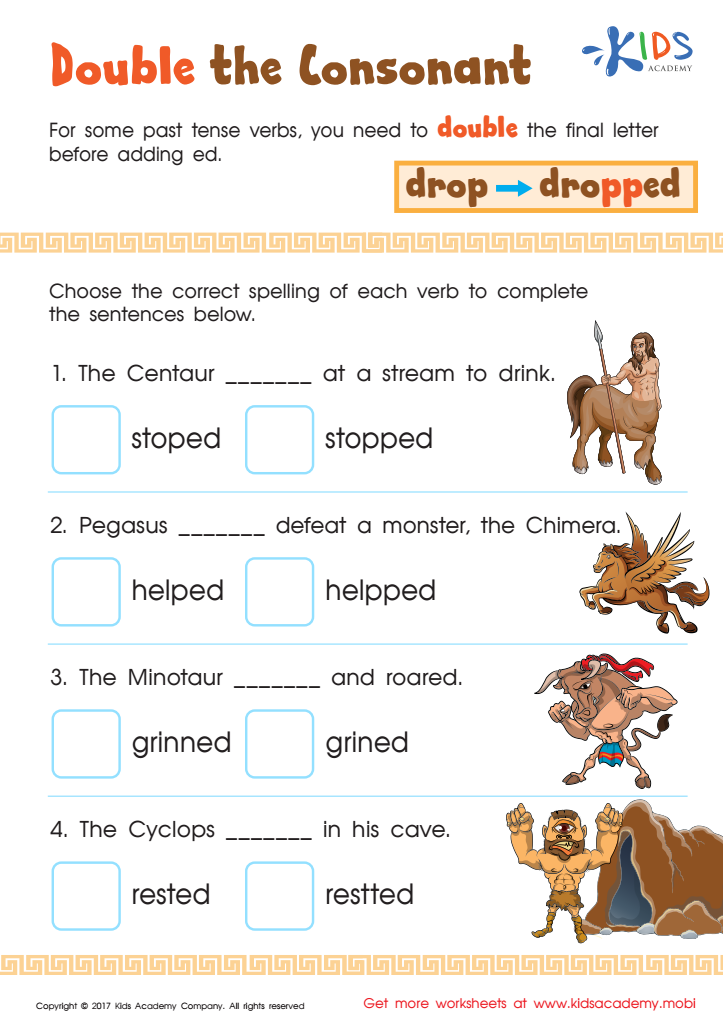
Double Consonant Spelling Worksheet
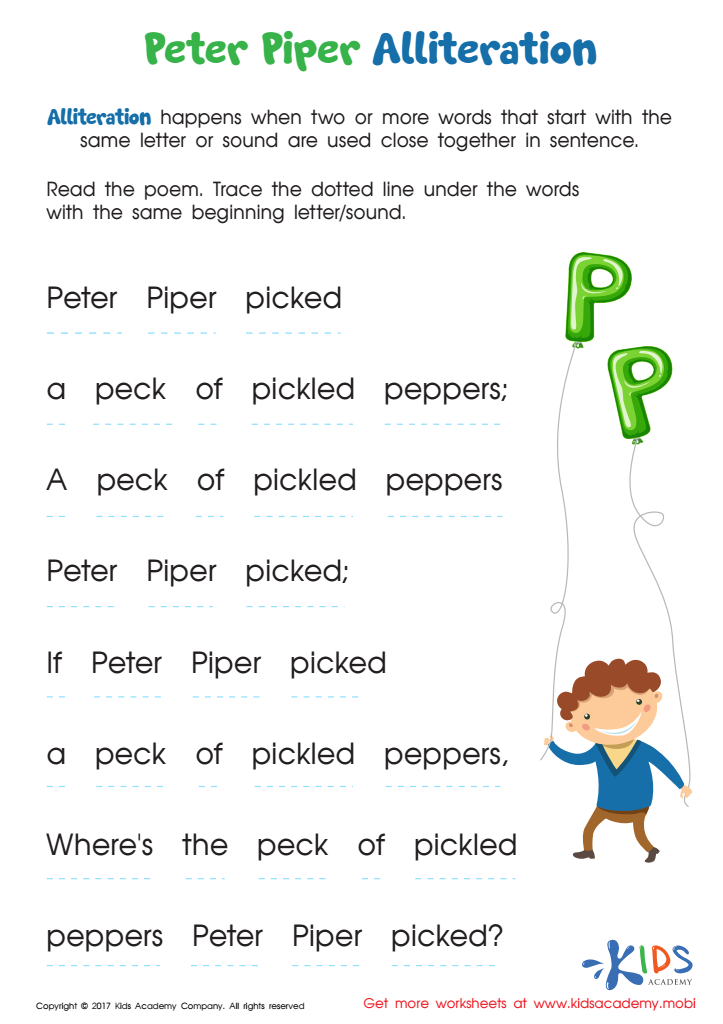
Peter Piper Alliteration Worksheet
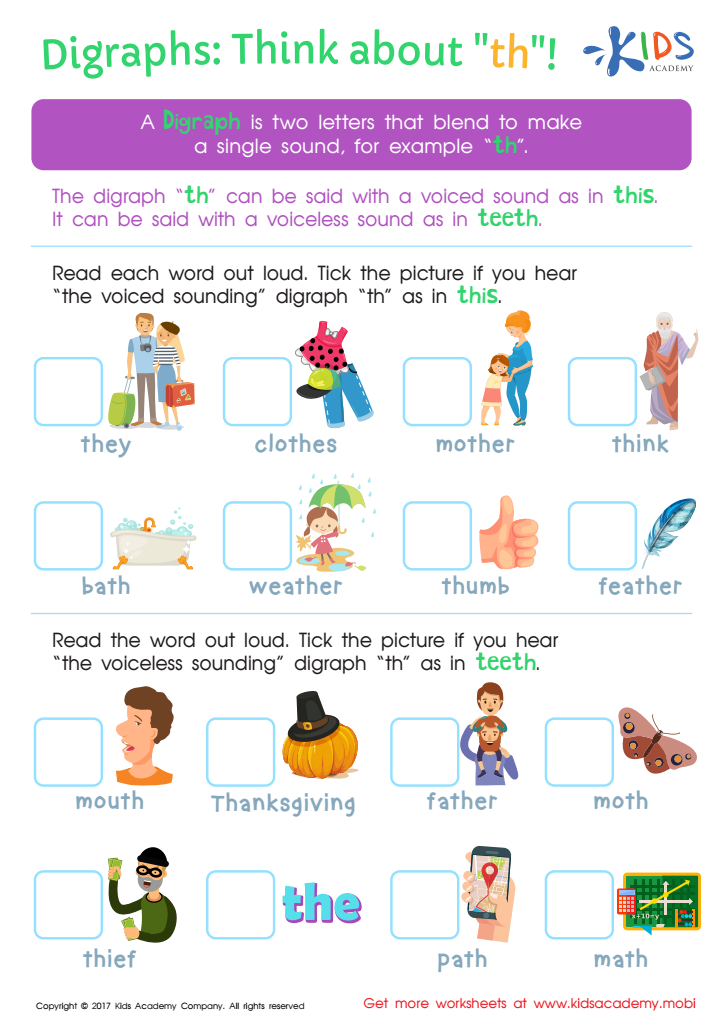
Digraphs: Think About "th" Worksheet
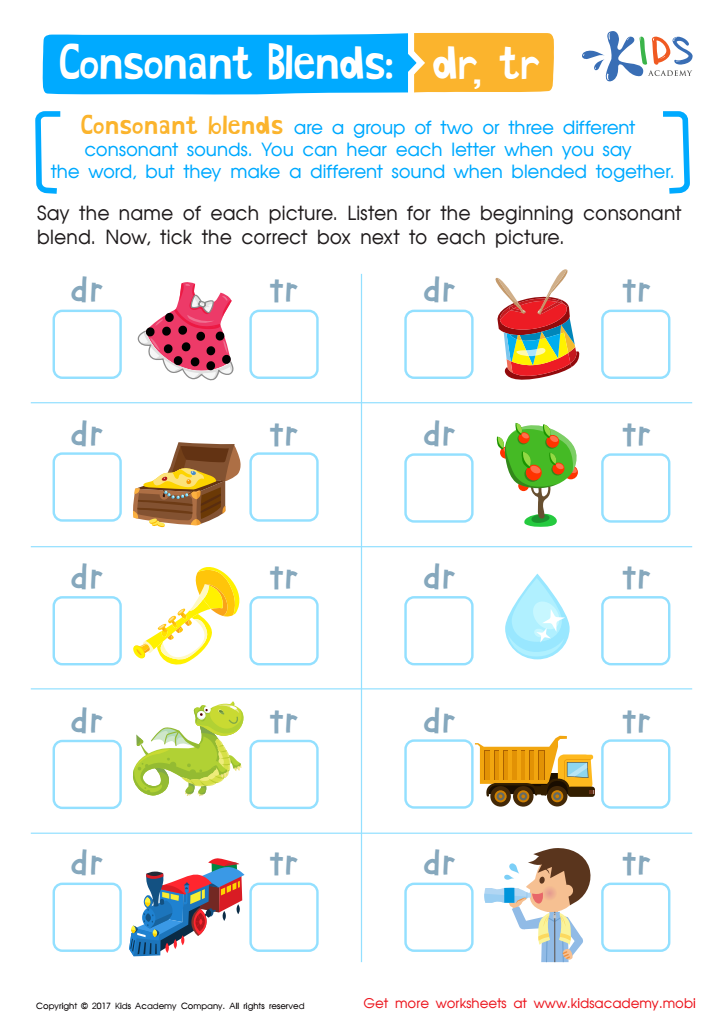
Consonant Blends: "Dr" and "Tr" Printable
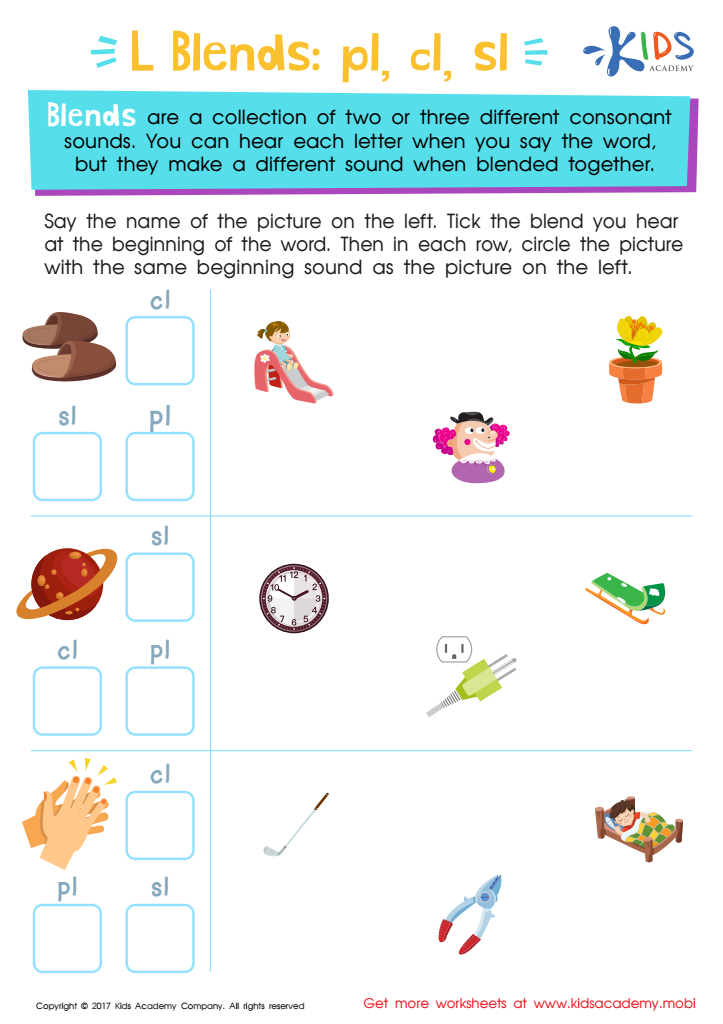
L Blends: "Pl", "Cl" and "Sl" Printable
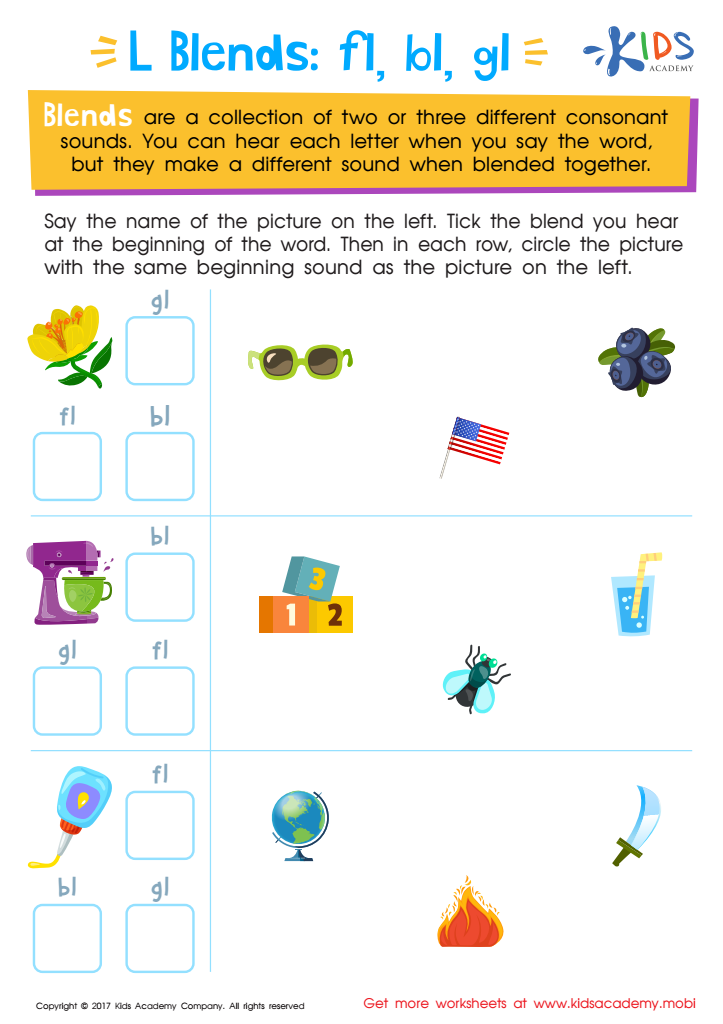
Blending Consonants: "Fl", "Bl" and "Gl" Printable



Understanding consonants is crucial for young children (ages 3-8) as they form the building blocks of language and early literacy. Consonants, combined with vowels, create the syllables and words essential for fluent reading and effective communication.
During this age range, children's brains are highly receptive to learning new sounds and forming auditory patterns. Mastery of consonant sounds significantly contributes to developing phonemic awareness—the ability to hear and manipulate individual sounds in words. This skill is foundational for decoding words during reading and for constructing words during spelling and writing.
For parents and teachers, emphasizing consonant usage can enhance vocabulary acquisition. When children understand and pronounce consonants clearly, their speech becomes more understandable, which boosts confidence and encourages social interaction. Fostering a strong grasp of consonants also mitigates future reading difficulties. Studies show that early phonics education, including consonant recognition, correlates with later academic success in reading and writing.
Engaging activities like singing alphabet songs, playing phonics games, and reading aloud can make learning consonants enjoyable and effective. Thus, investing time in teaching consonants ensures that children develop a solid linguistic foundation, facilitating lifelong literacy and communication skills.







