Two Letter Phonics Worksheets for Ages 3-8
18 filtered results
-
From - To
Introduce your child to early reading with our "Two Letter Phonics Worksheets" designed for ages 3-8. These engaging and educational worksheets focus on teaching kids letter sounds and simple phonetic combinations, building a strong foundation for reading fluency. With fun activities, colorful graphics, and a variety of exercises, children will enjoy learning through play. Boost their confidence as they master essential phonics skills, perfect for both classroom and at-home practice. Enhance your child's literacy journey today with our expertly crafted worksheets, tailored to make early education enjoyable and effective. Start exploring now!
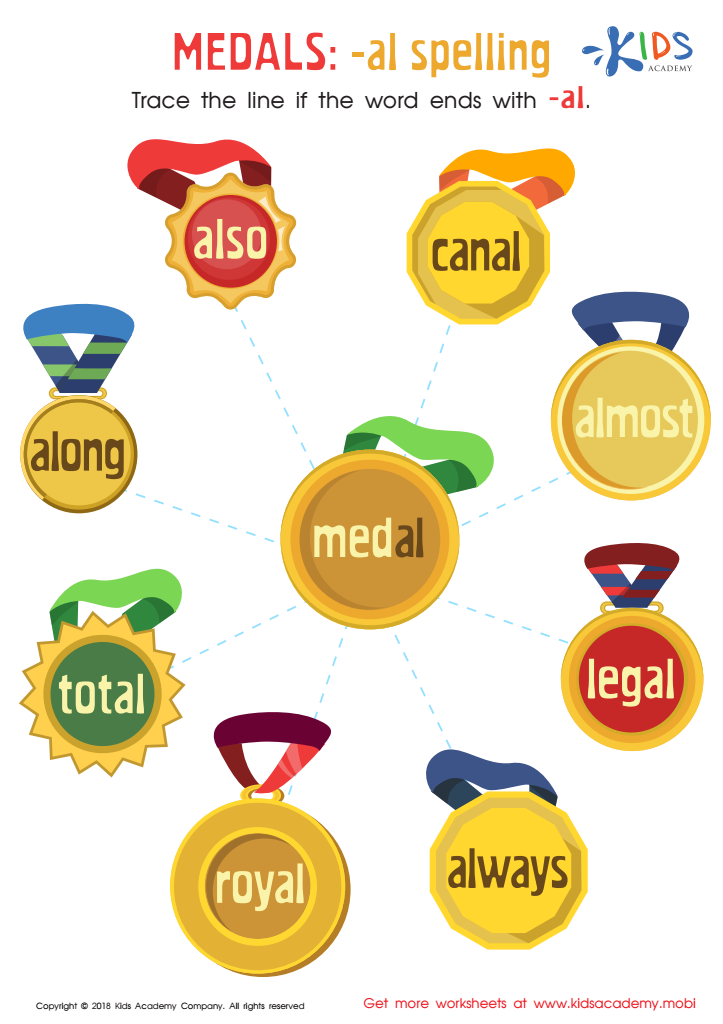
Medals: Al Spelling Worksheet
 Assign to My Students
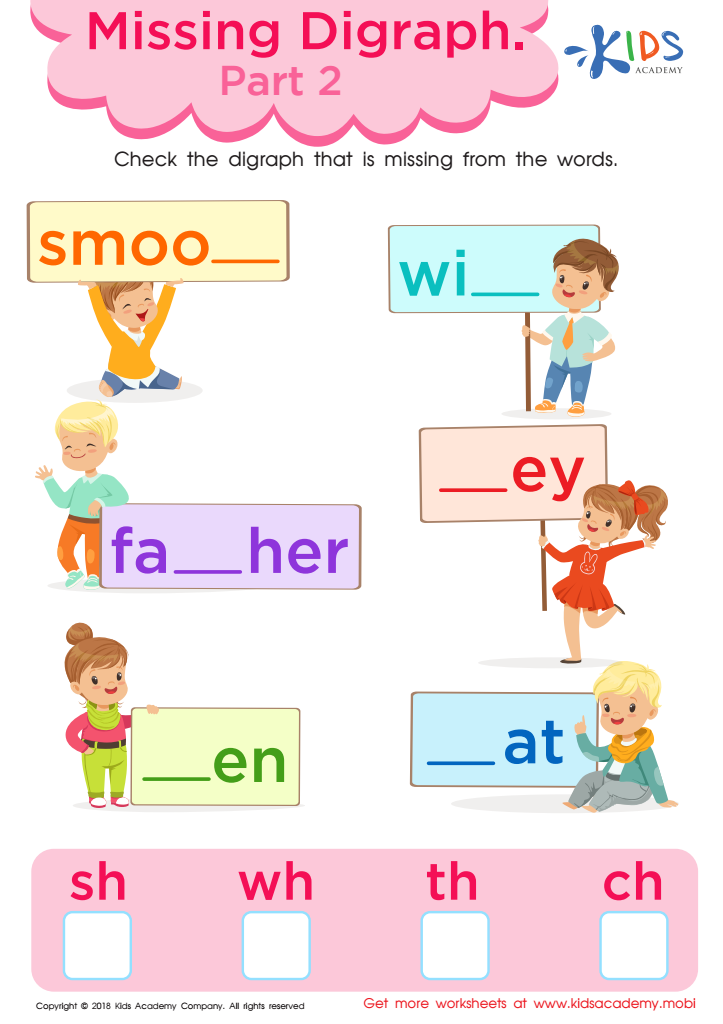
Missing Digraph: Part 2 Worksheet
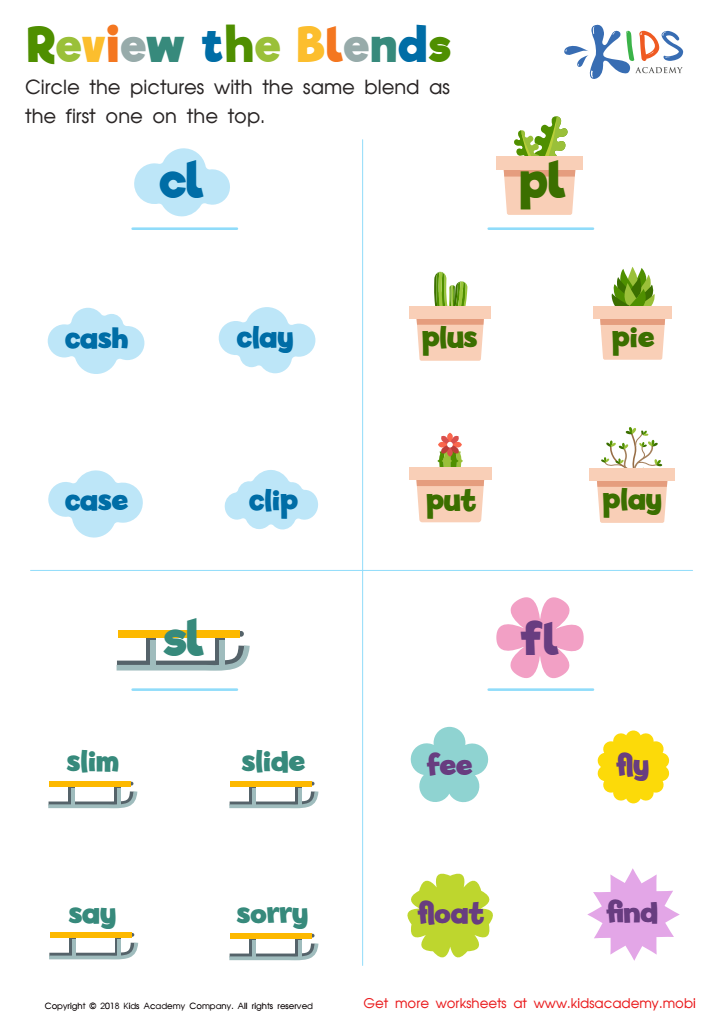
Review the Blends Worksheet
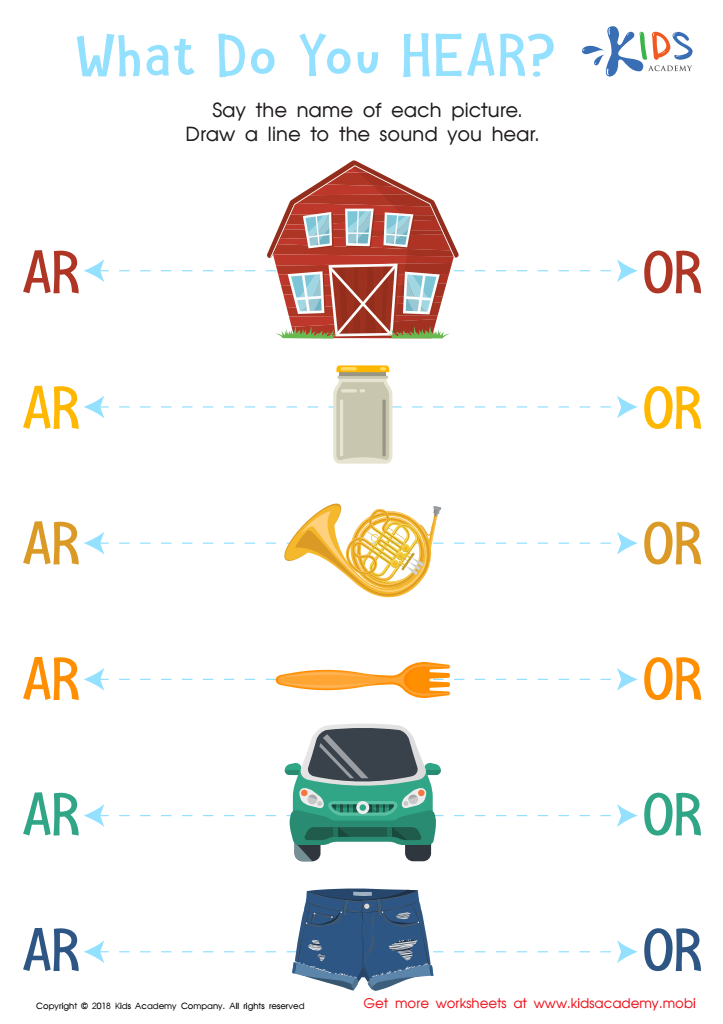
What do you hear Worksheet
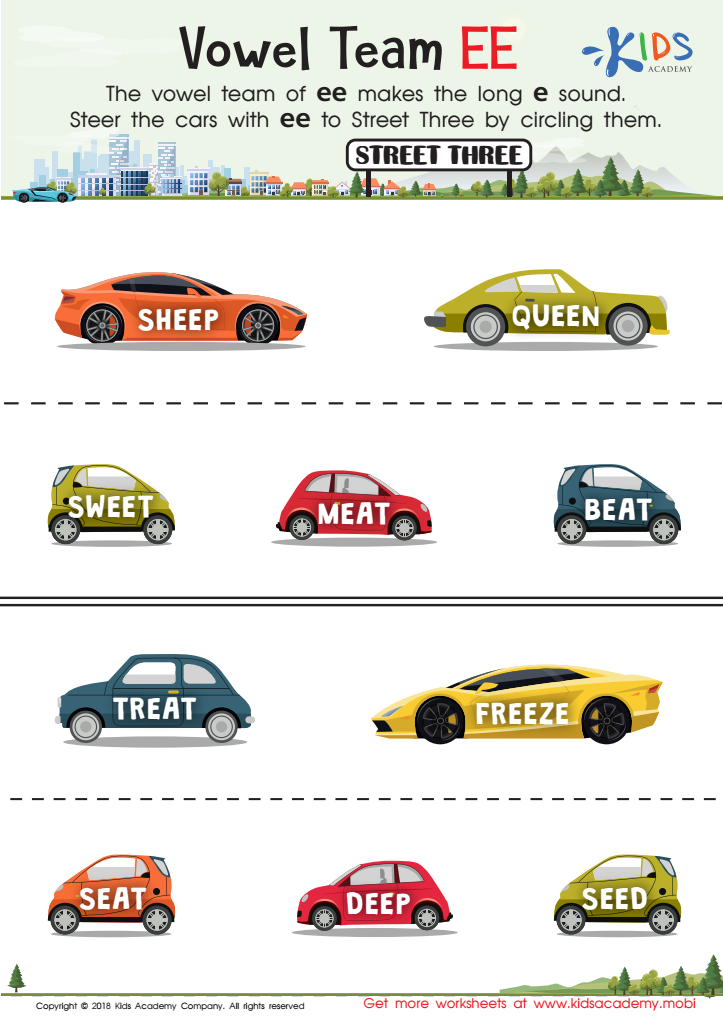
Vowel team ee Worksheet
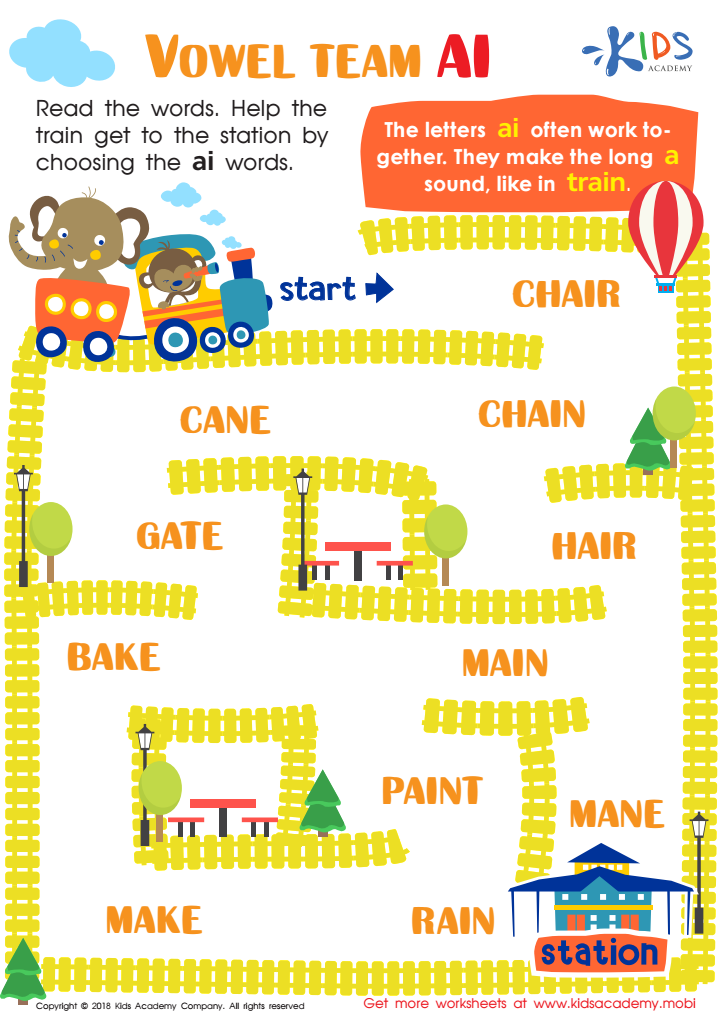
Vowel team ai Worksheet
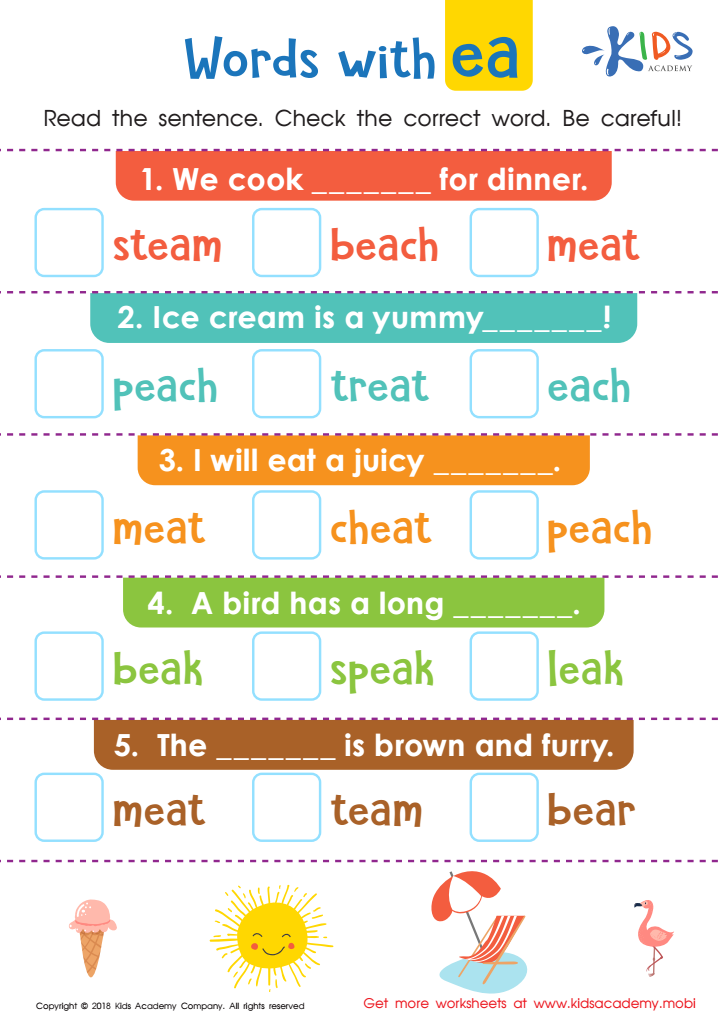
Words with ea Worksheet
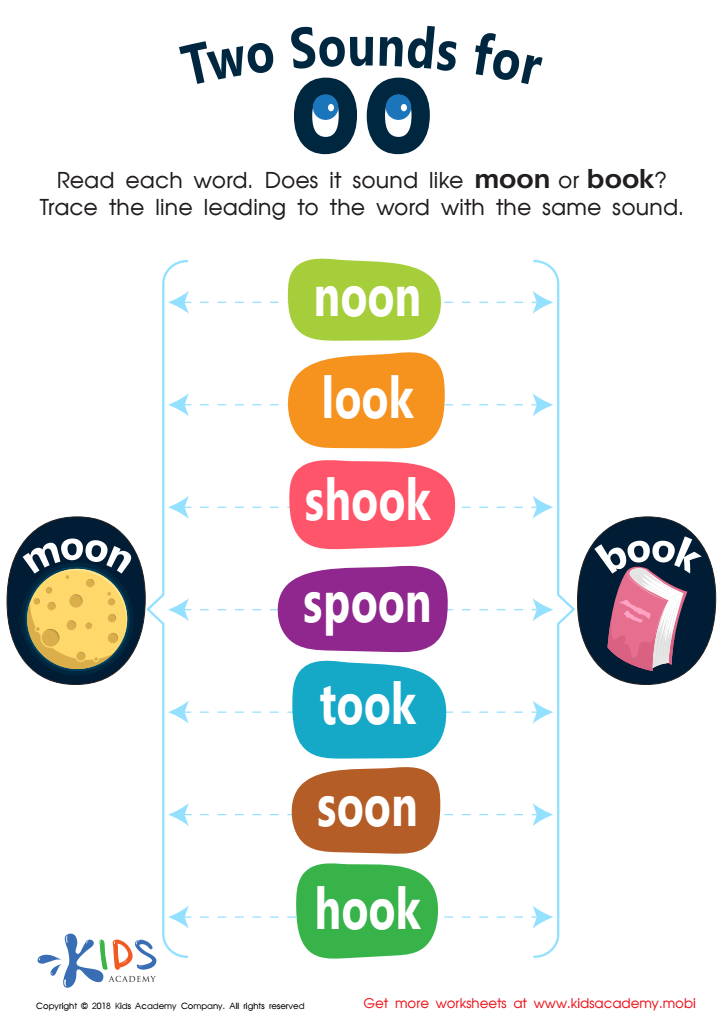
Two Sounds for OO Worksheet
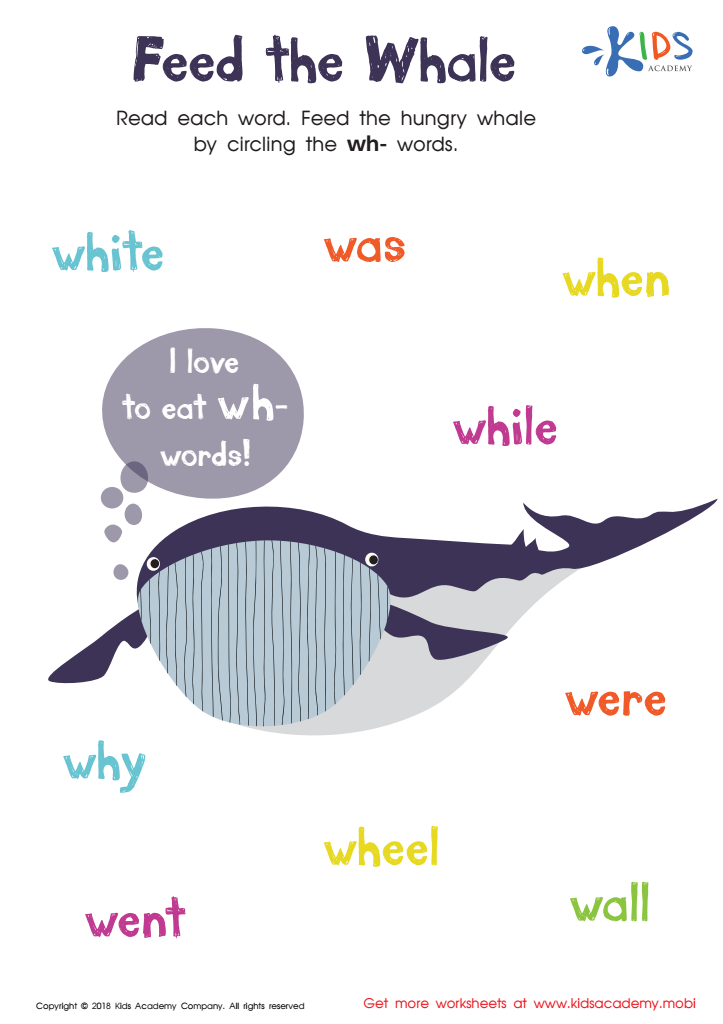
Feed the Whale Worksheet
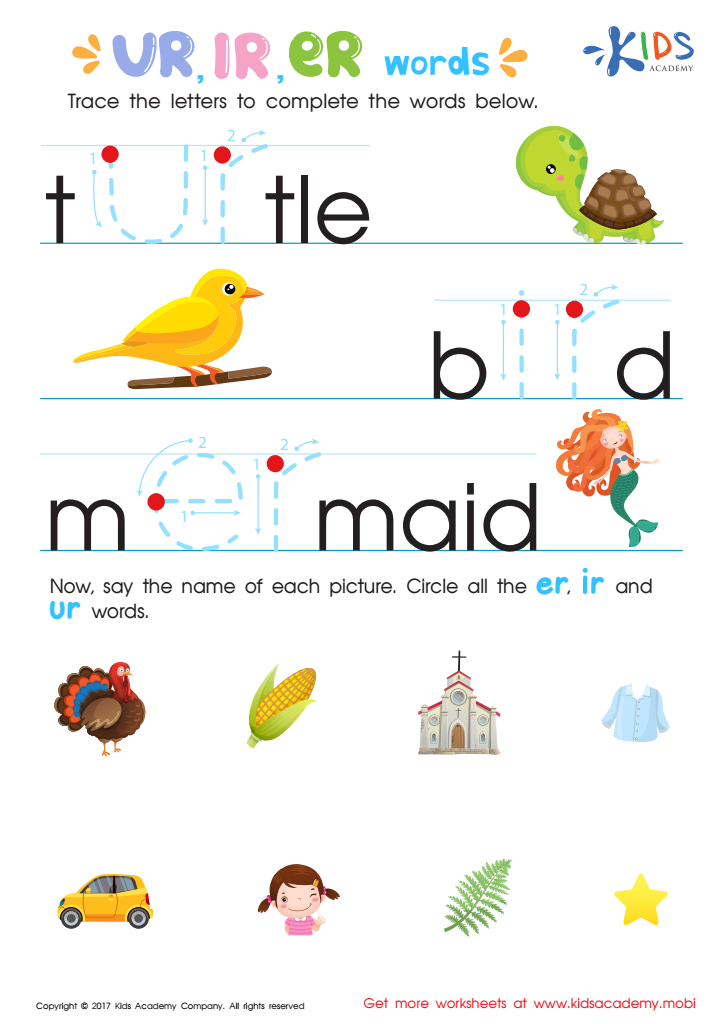
IR UR ER Words Worksheet
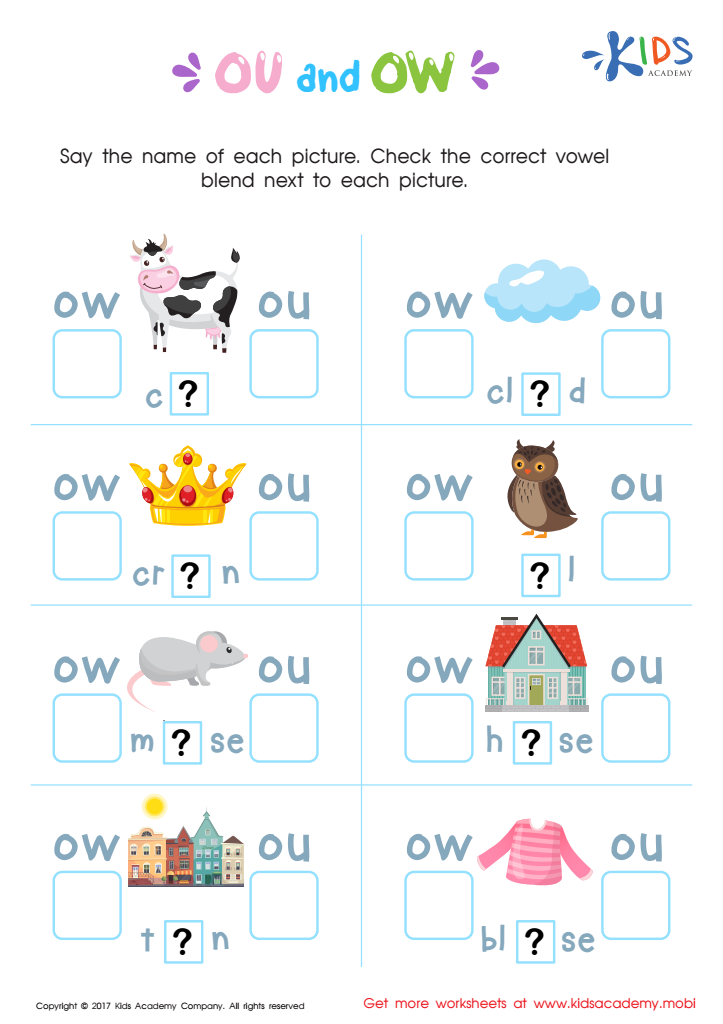
OU and OW Words Worksheet
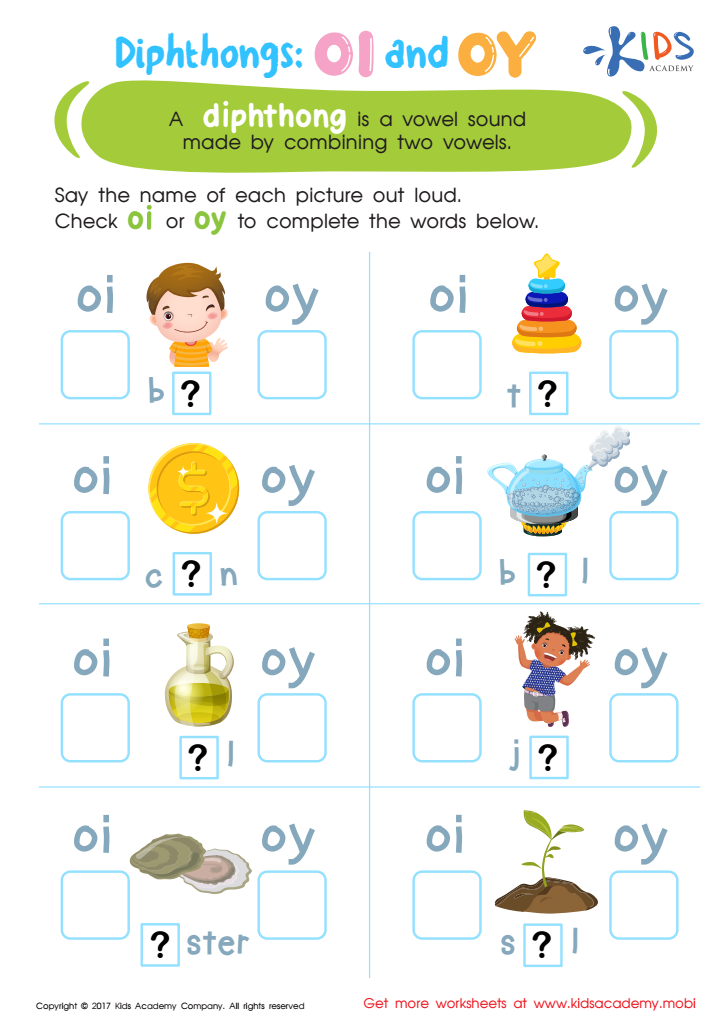
Vowel Diphthongs OI OY Worksheet
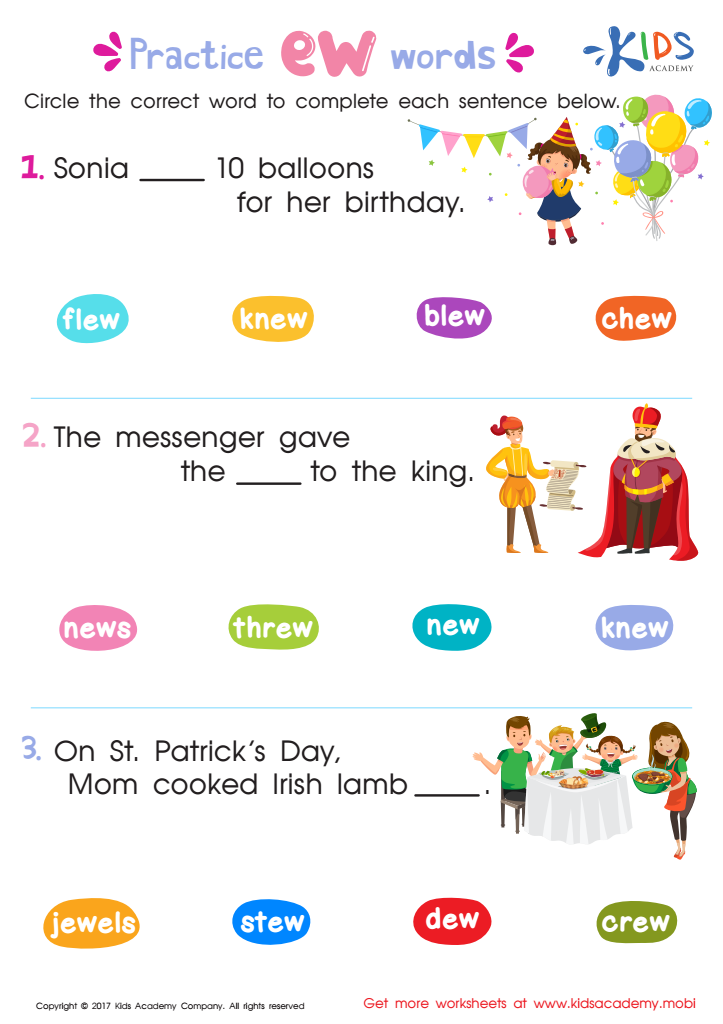
EW Words Worksheet
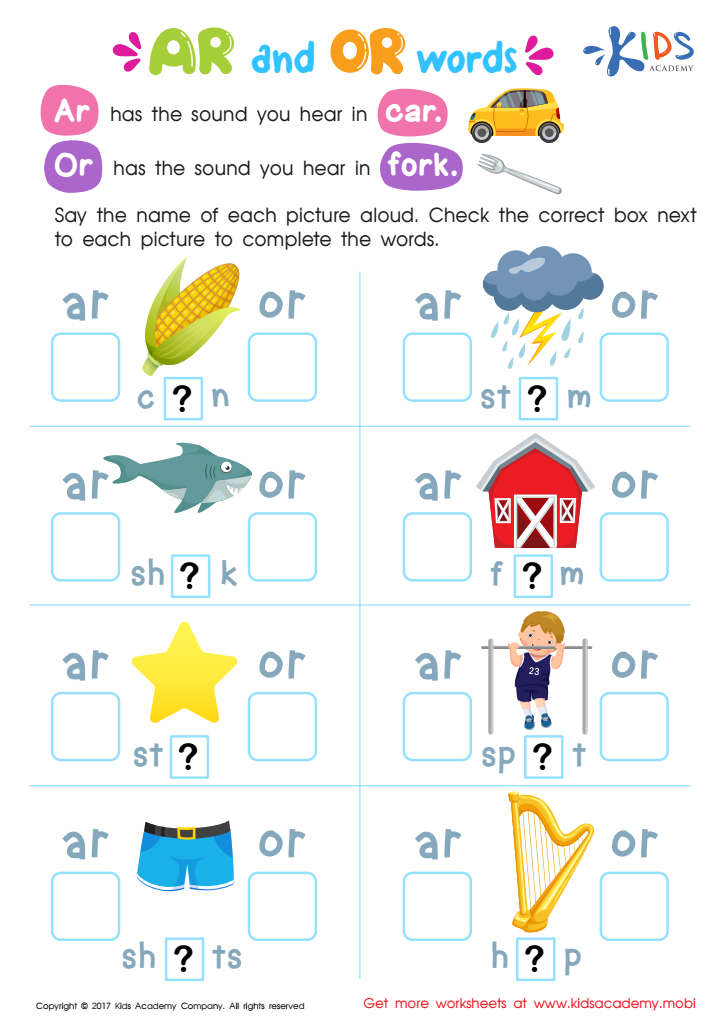
Ar and Or Words Phonics Worksheet
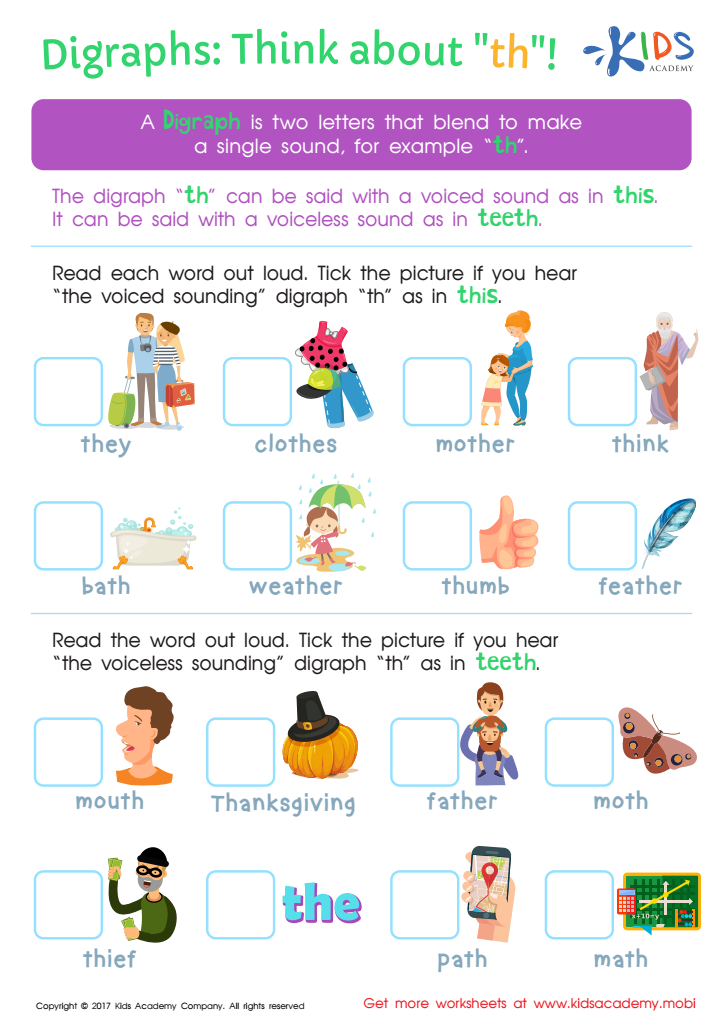
Digraphs: Think About "th" Worksheet
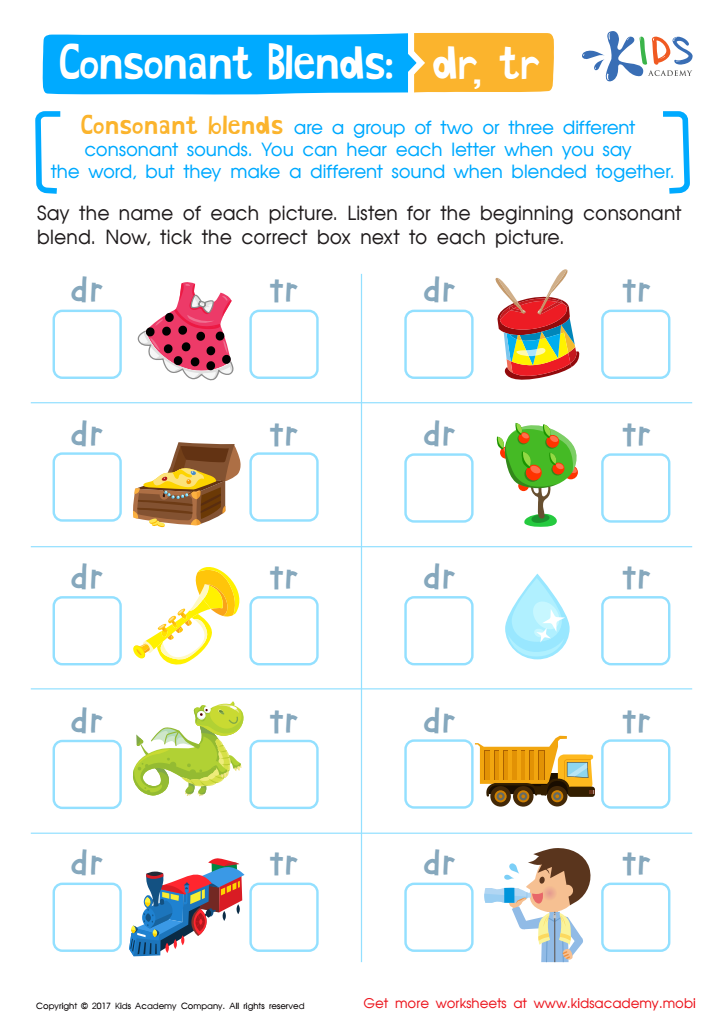
Consonant Blends: "Dr" and "Tr" Printable
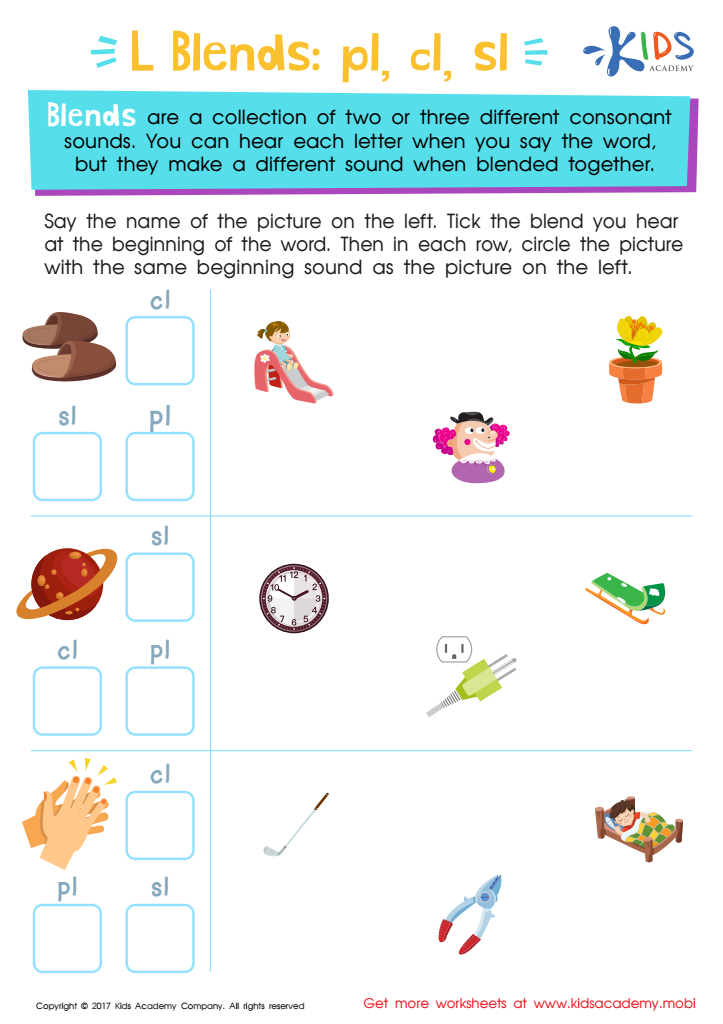
L Blends: "Pl", "Cl" and "Sl" Printable
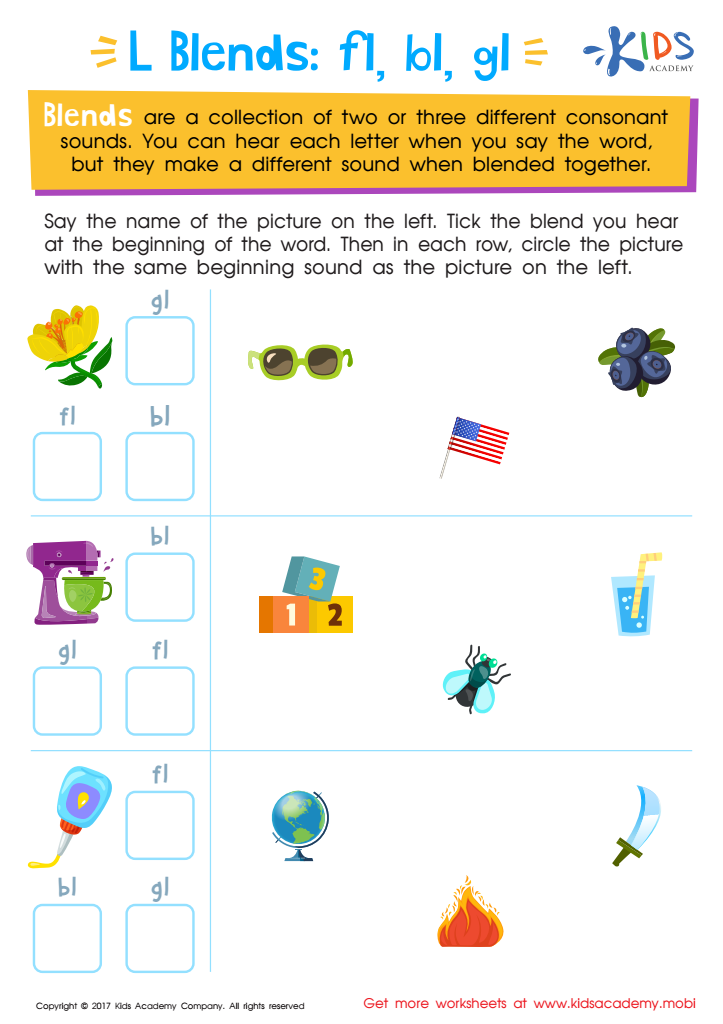
Blending Consonants: "Fl", "Bl" and "Gl" Printable



Two-letter phonics, incorporating consonant blends and digraphs like "sh," "ch," and "bl," is foundational in early childhood literacy and plays a crucial role in children’s language development between the ages of 3-8. During these formative years, children are highly receptive to learning new sounds and patterns, which are essential for mastering reading and writing skills.
Parents and teachers should prioritize two-letter phonics because it builds a strong phonemic awareness — the ability to hear, identify, and manipulate individual sounds in words. This skill is indispensable for decoding unfamiliar words, enabling children to read more fluently and with better comprehension. Early exposure to these phonics also supports spelling proficiency, as children learn to recognize common sound-letter relationships and word patterns.
Moreover, understanding two-letter sounds can boost a child's confidence in their reading capabilities, fostering a love for learning and reading. This enthusiasm often translates into higher academic achievement and an overall positive attitude towards education.
Addressing two-letter phonics at an appropriate age ensures that children build a robust literacy foundation, setting the stage for success in subsequent education levels. Hence, parents and teachers should integrate engaging, well-structured phonics activities into early learning curriculums to enhance children’s linguistic development during these critical early years.







