Geometry Worksheets for Ages 3-8 - Page 9
198 filtered results
-
From - To
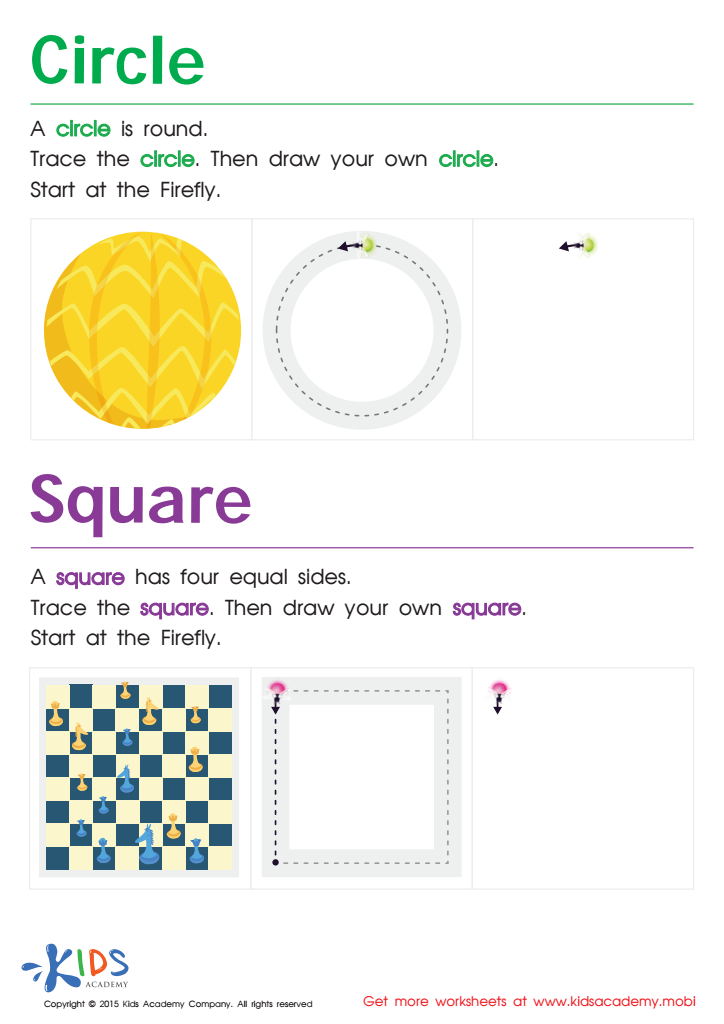
Trace And Draw a Circle And a Square Worksheet
 Assign to My Students











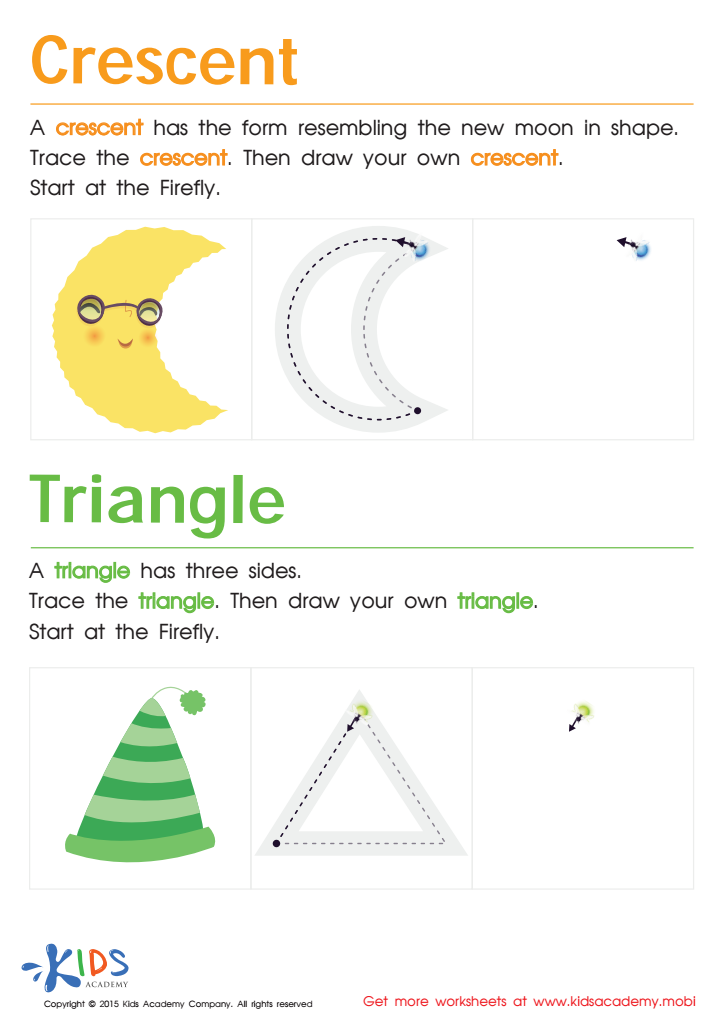
Learning to Draw Crescents And Triangles Worksheet
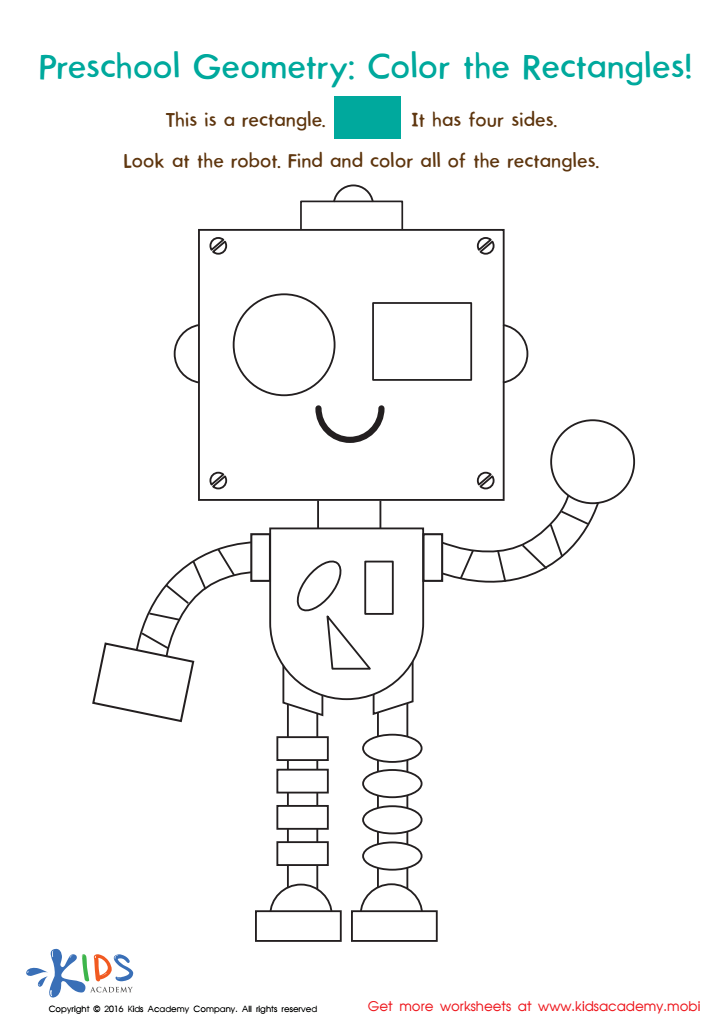
Geometry Worksheet
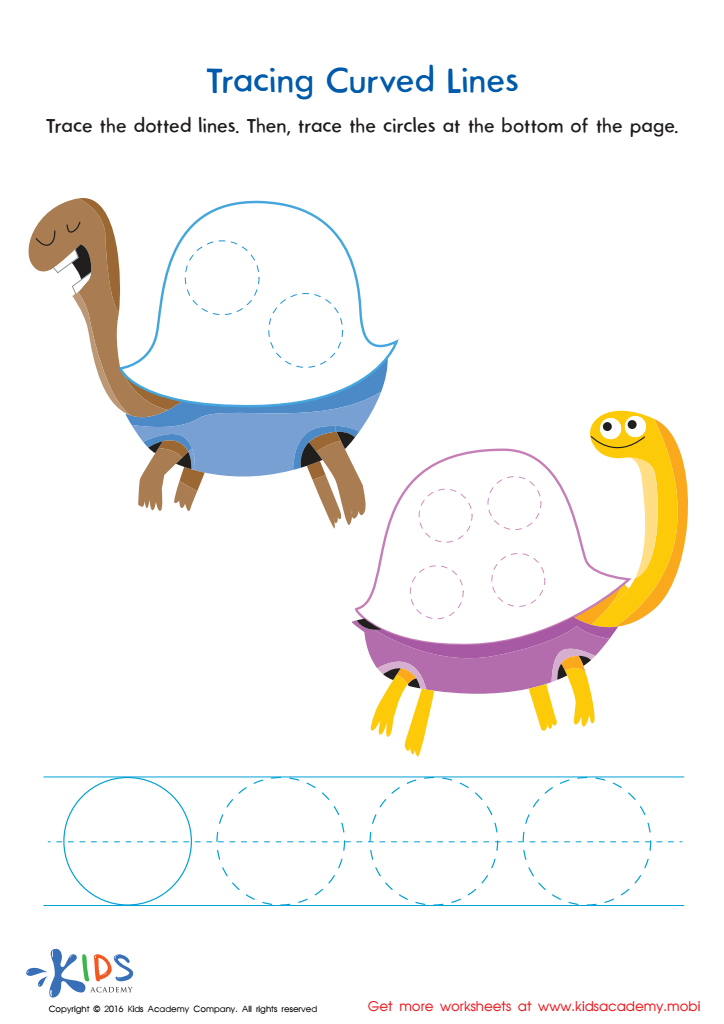
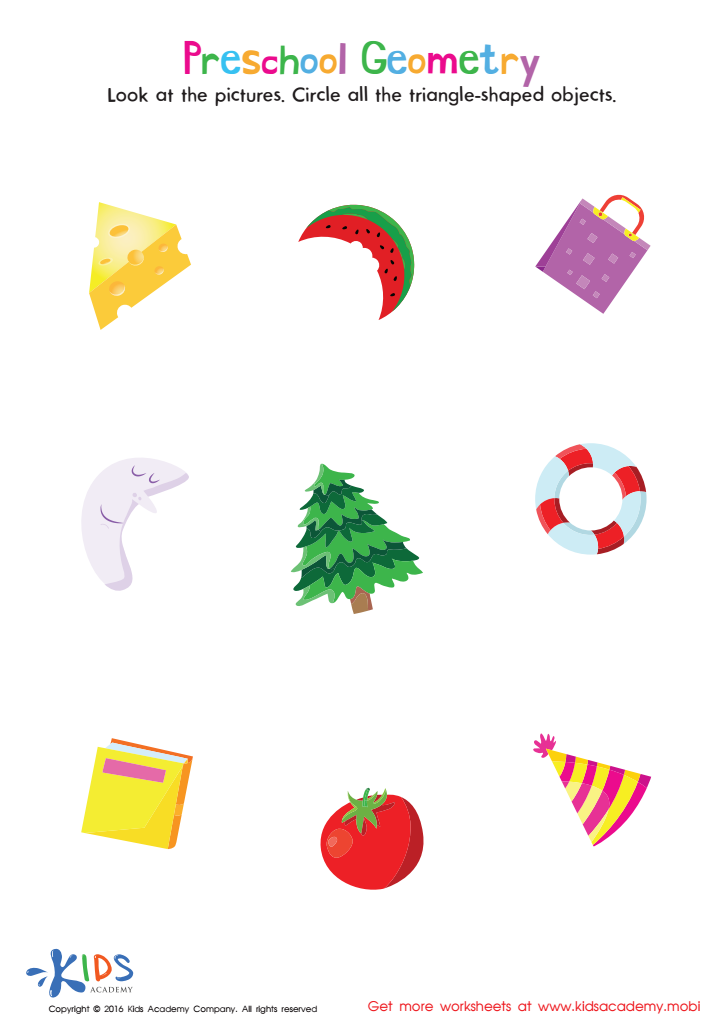
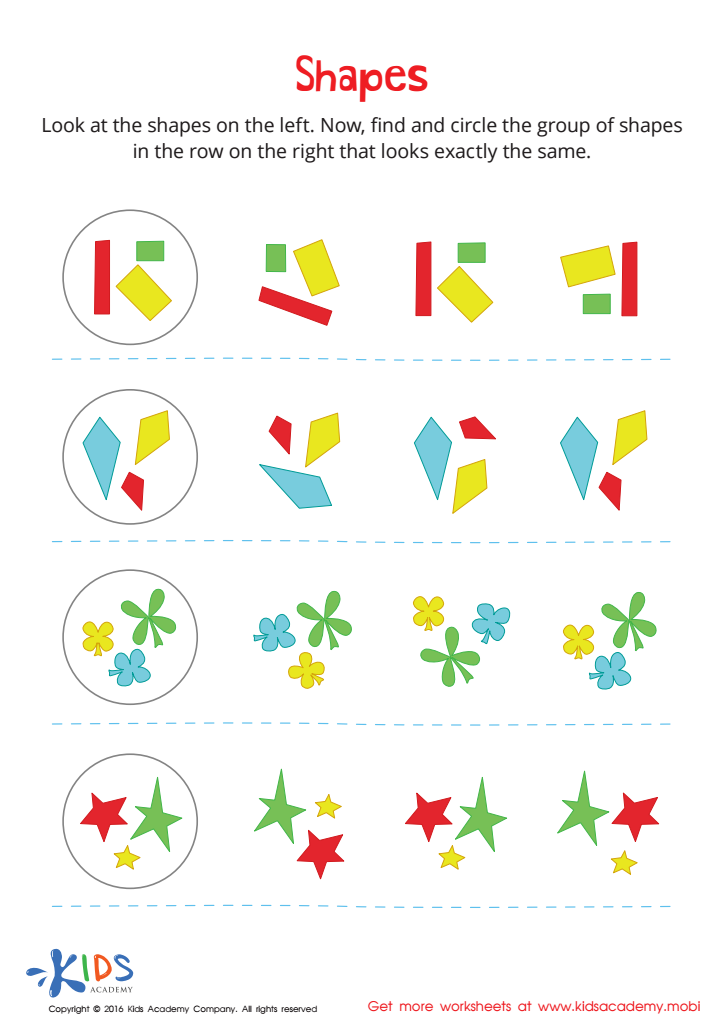
Shapes Worksheet








Parents and teachers should care about geometry for children ages 3-8 because it lays a crucial foundation for their cognitive development and future academic success. During these formative years, young learners are naturally curious about the world around them, and geometry provides a structured way for them to explore shapes, sizes, patterns, and spatial relationships.
First and foremost, understanding basic geometric concepts helps develop essential problem-solving and critical thinking skills. As children learn to identify and manipulate shapes, they engage in activities that require them to observe, compare, and analyze—key components of logical reasoning.
Moreover, early exposure to geometry promotes spatial awareness, which is critical for everyday tasks as well as advanced subjects like science, technology, engineering, and math (STEM). For instance, being able to visualize and mentally rotate objects is a skill used in fields ranging from architecture to programming.
Geometry also enhances vocabulary and language skills. Describing shapes, their attributes, and their positions in space involves using specific terminology, which helps expand children's descriptive language and communication skills.
Finally, learning geometry at an early age makes math more engaging and less intimidating. Fun, hands-on geometric activities foster a positive attitude toward learning and encourage a lifelong interest in mathematics. Thus, geometry is more than just a topic in math—it is a vital component of a well-rounded early education.








