Numbers Worksheets for Ages 3-8 - Page 3
510 filtered results
-
From - To
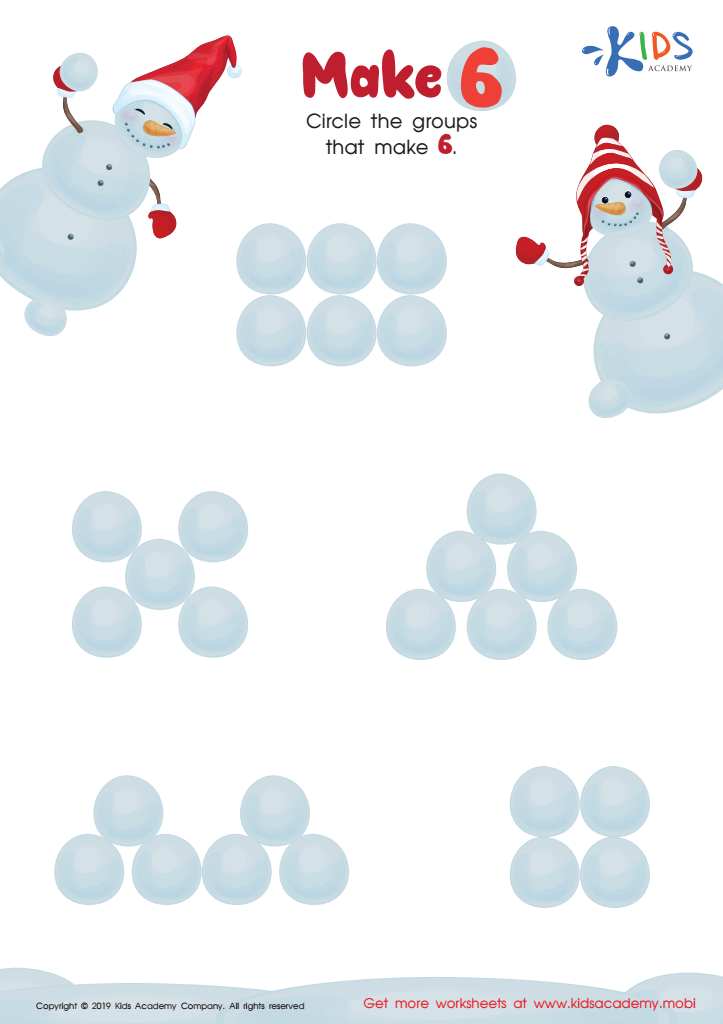
Make 6 Worksheet
 Assign to My Students
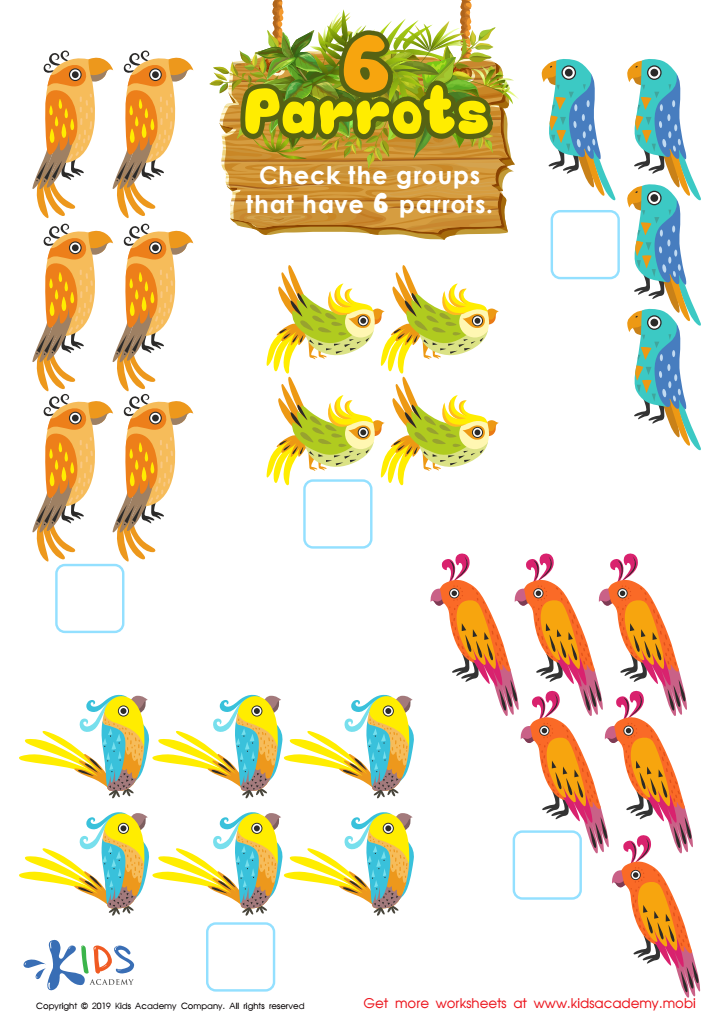
6 Parrots Worksheet
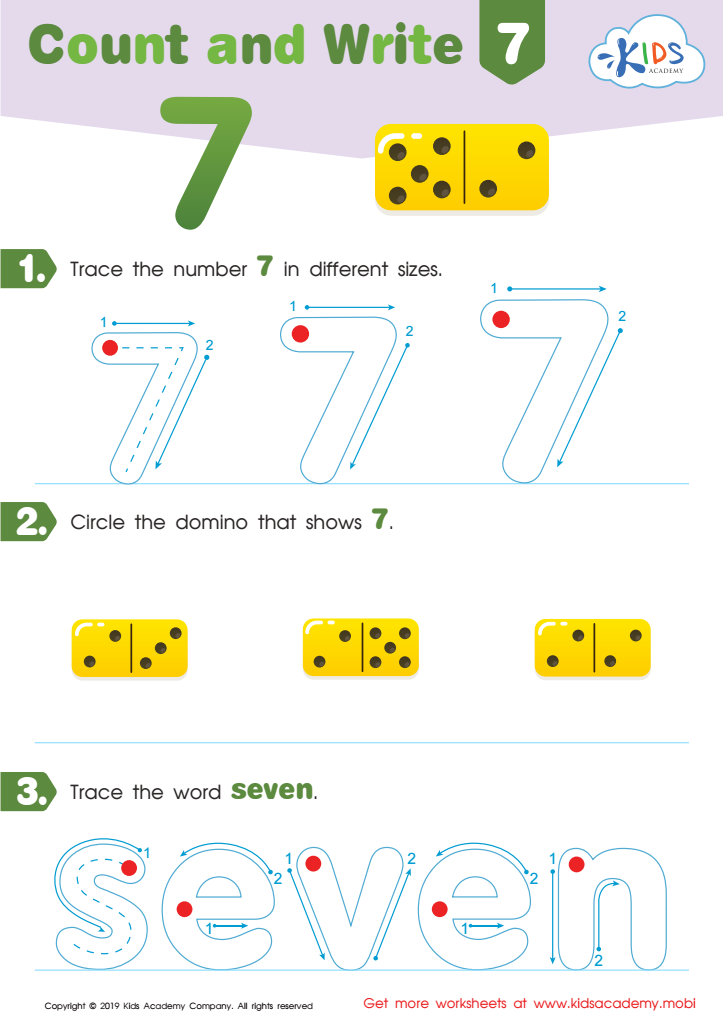
Count and Write 7 Worksheet
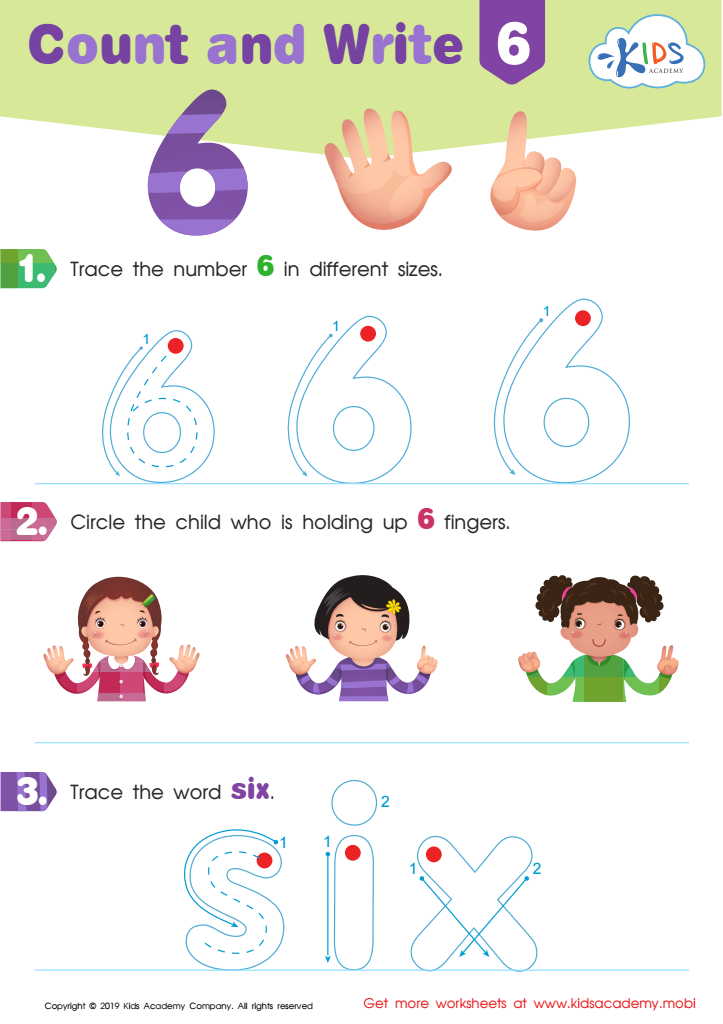
Count and Write 6 Worksheet
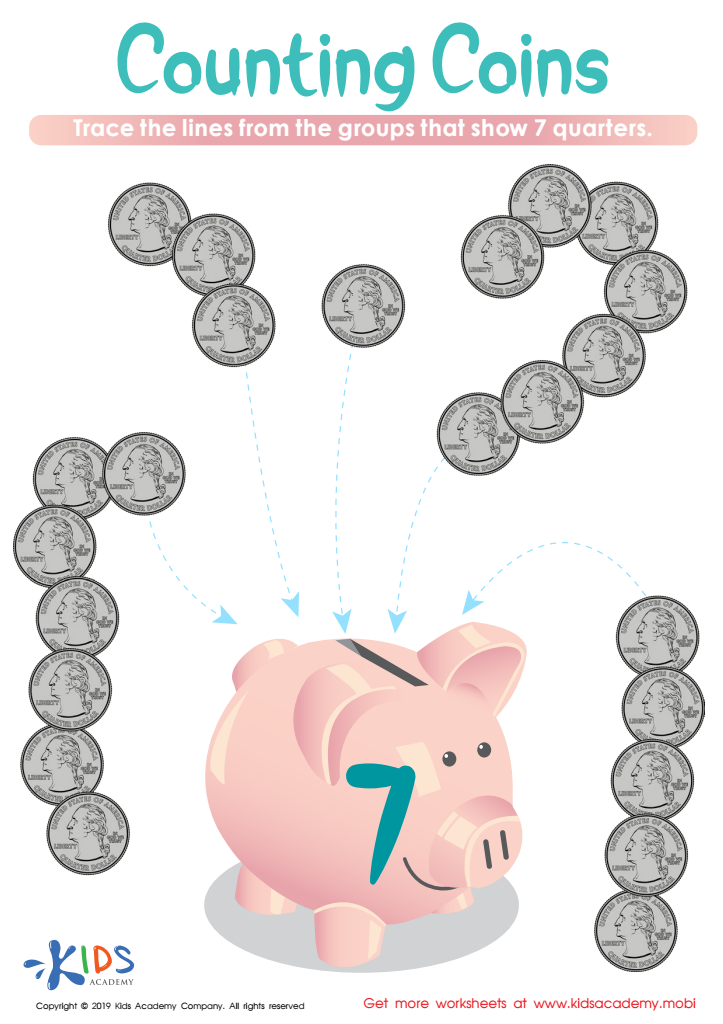
Counting Coins Worksheet
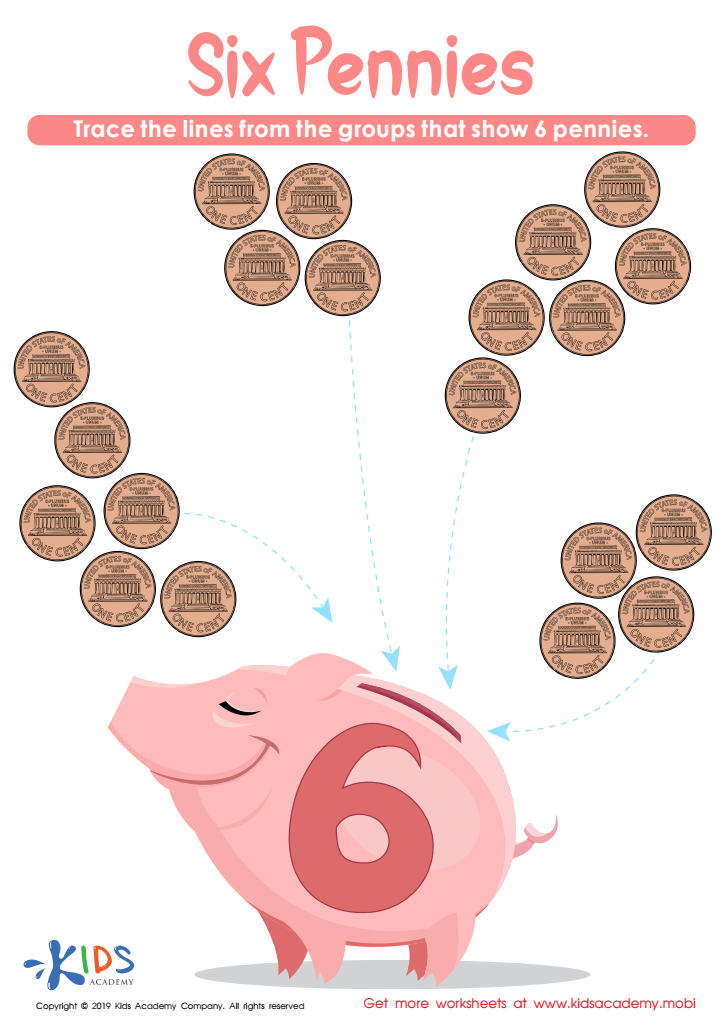
Six Pennies Worksheet
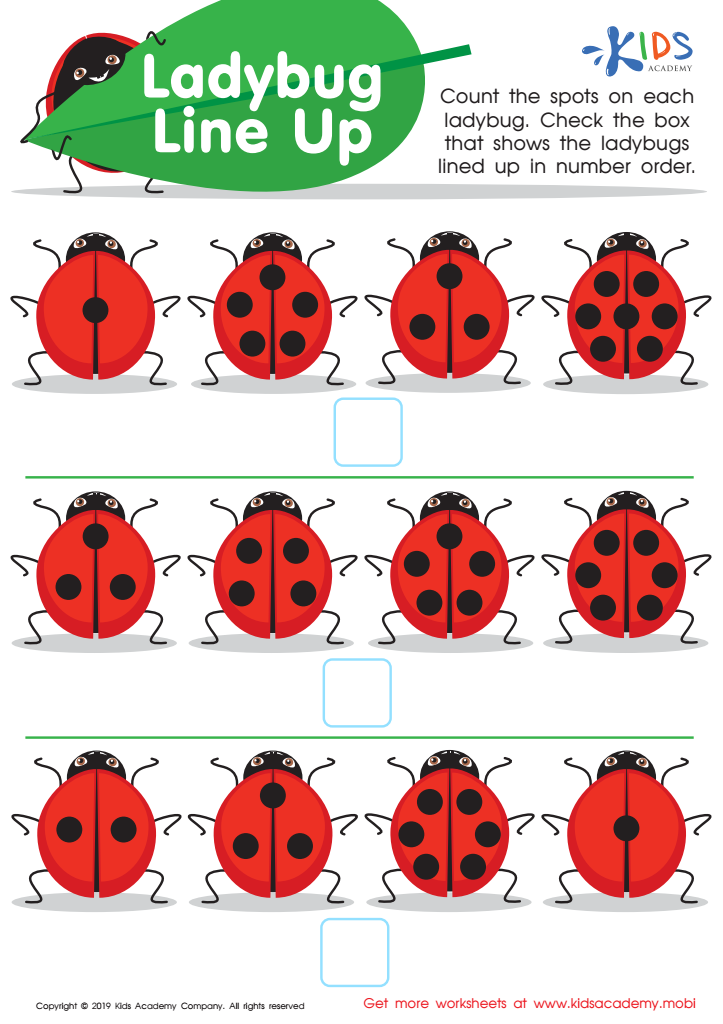
Ladybug Line Up Worksheet
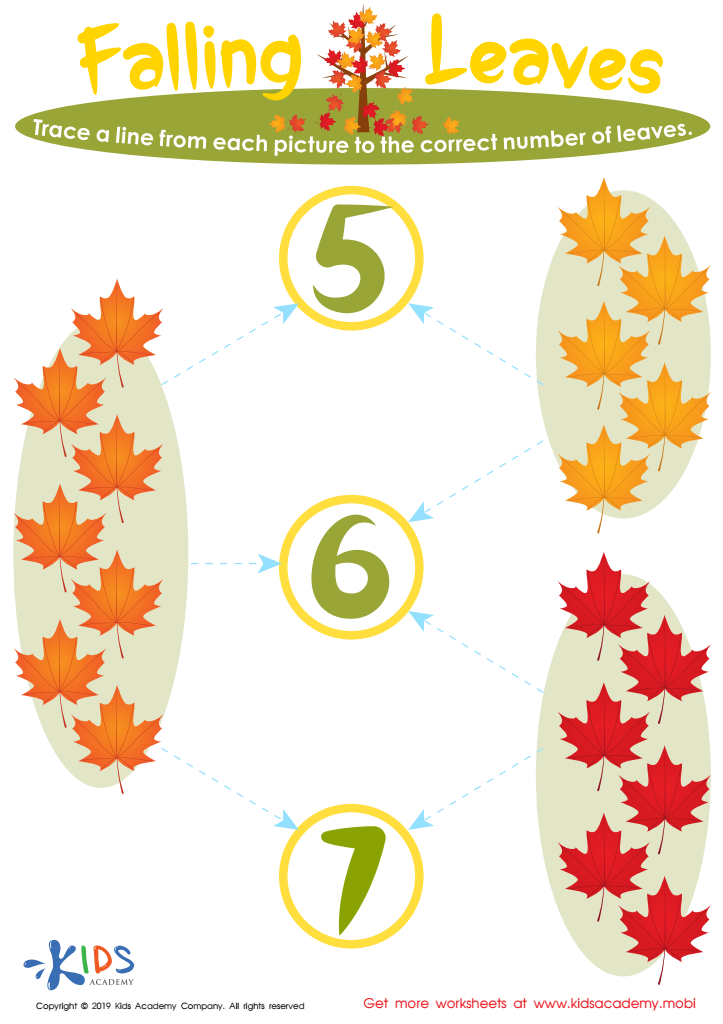
Falling Leaves Worksheet
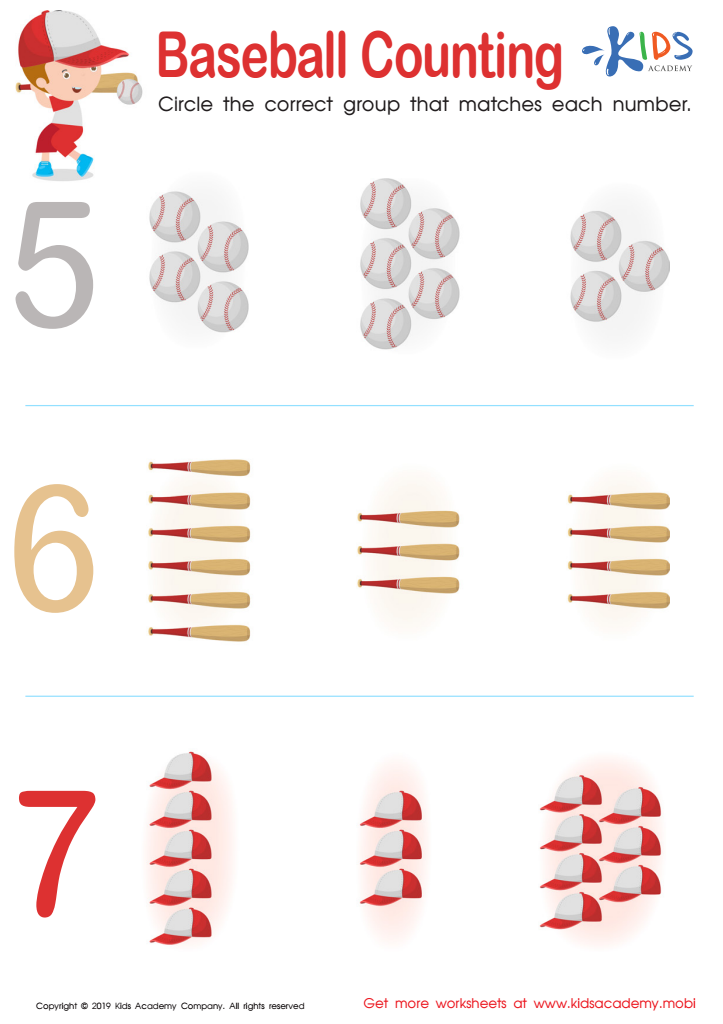
Baseball Counting Worksheet
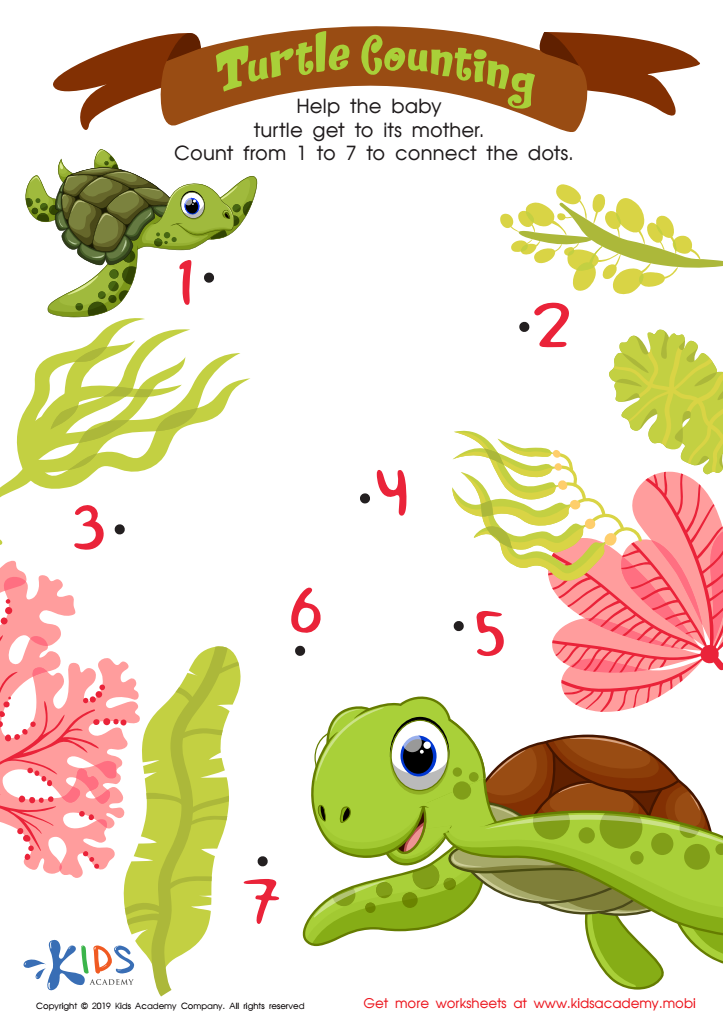
Turtle Counting Worksheet
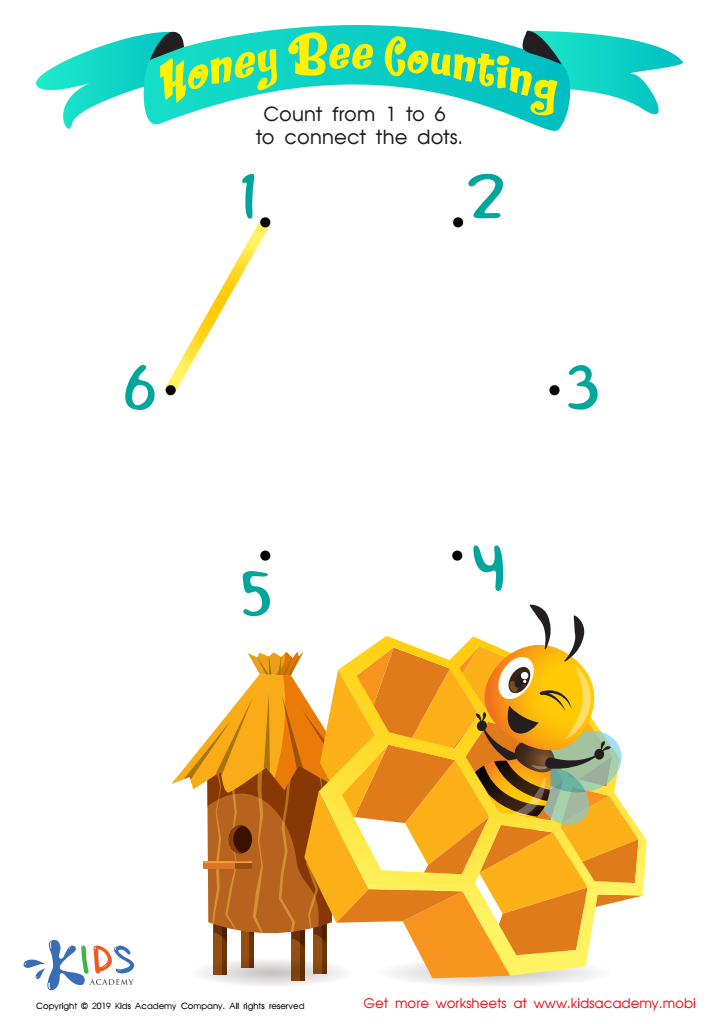
Honey Bee Counting Worksheet
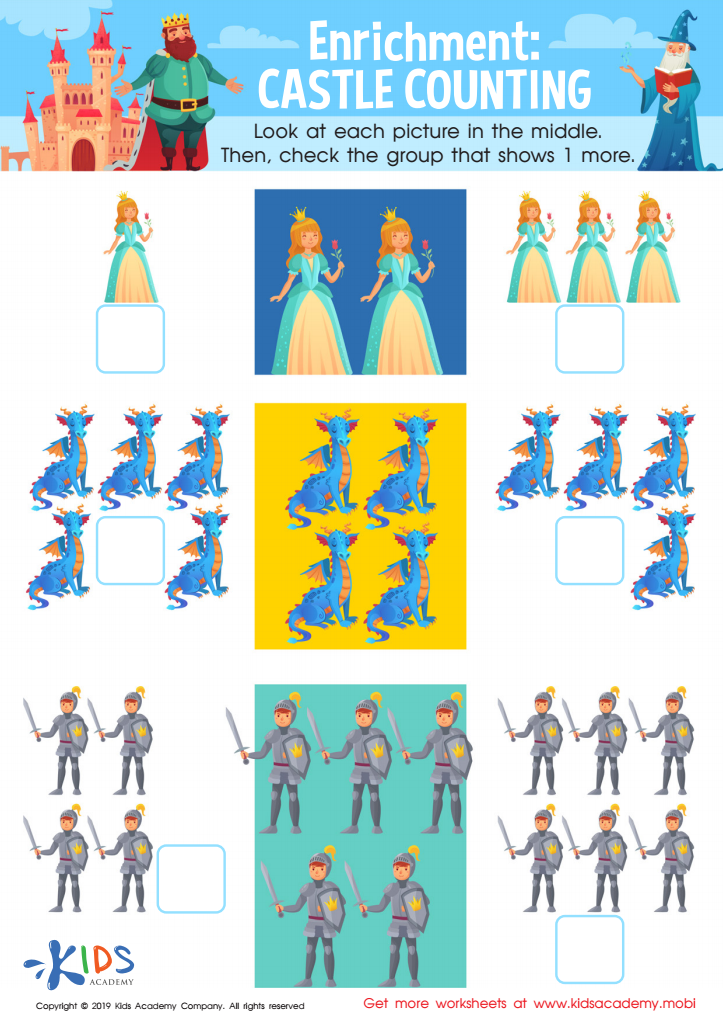
Enrichment: Castle Counting Worksheet
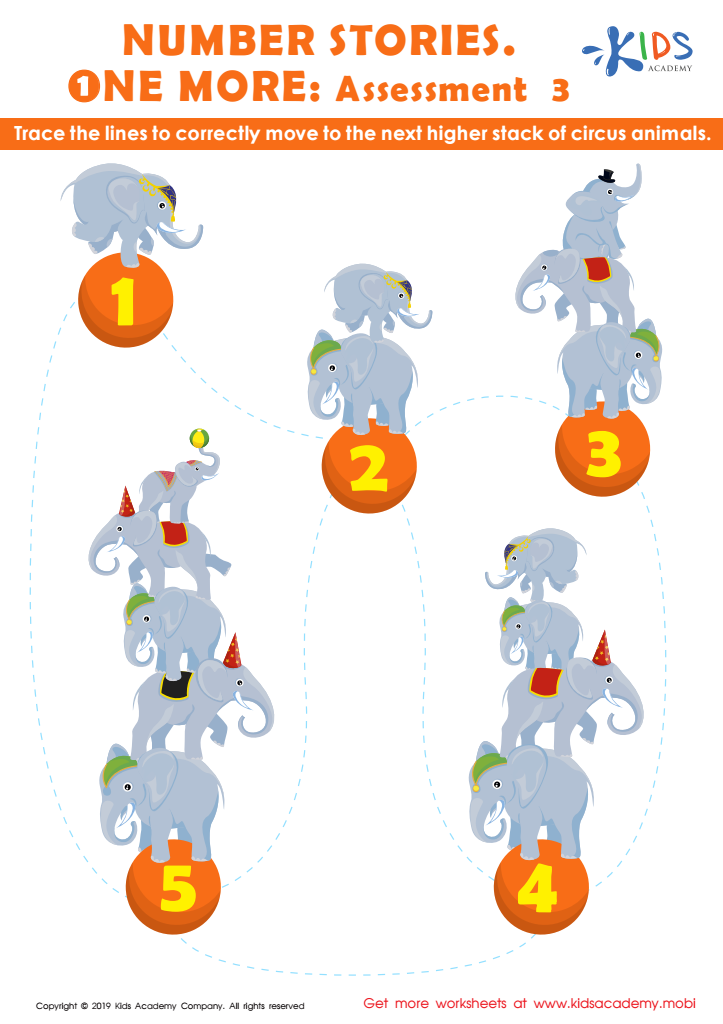
Number Stories One More: Assessment 3 Worksheet
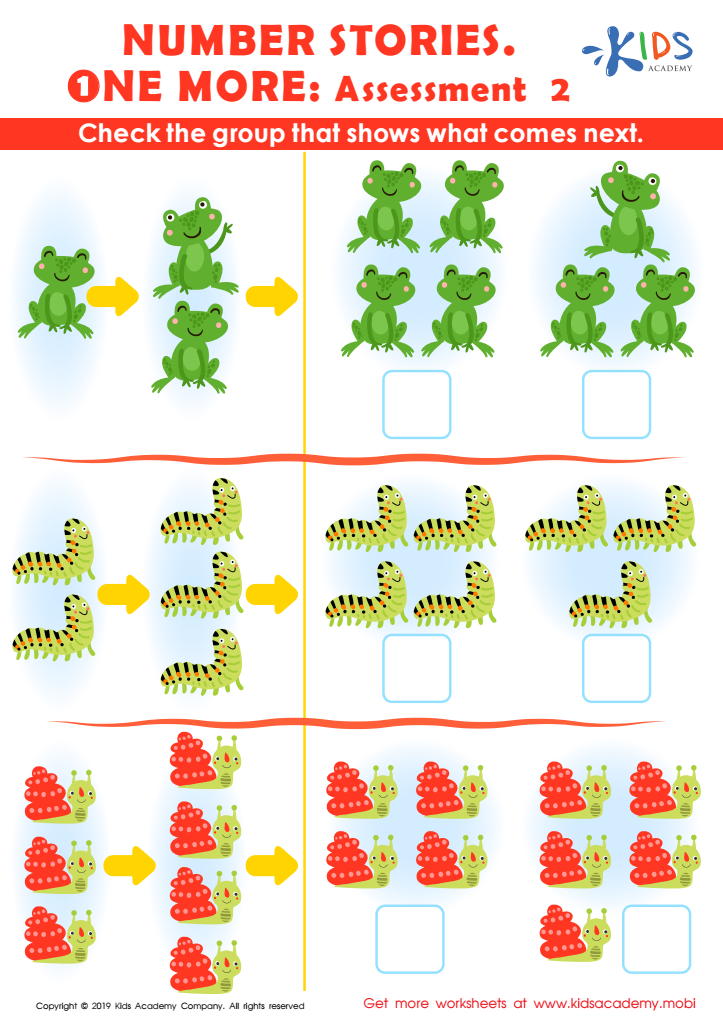
Number Stories One More – Assessment 2 Worksheet
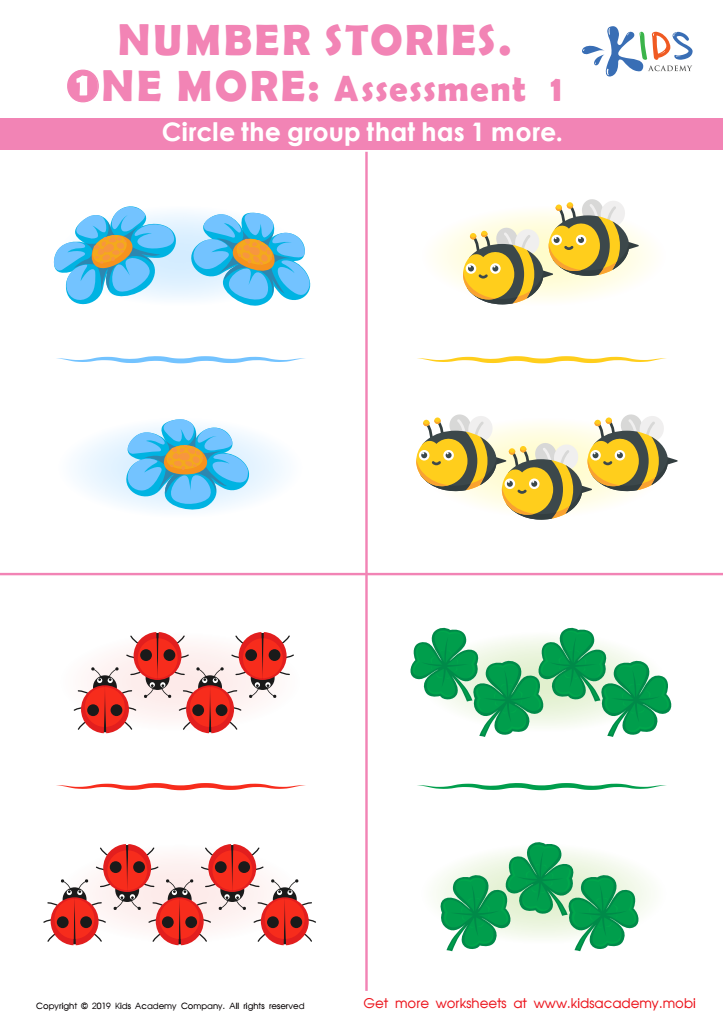
Number Stories One More – Assessment 1 Worksheet
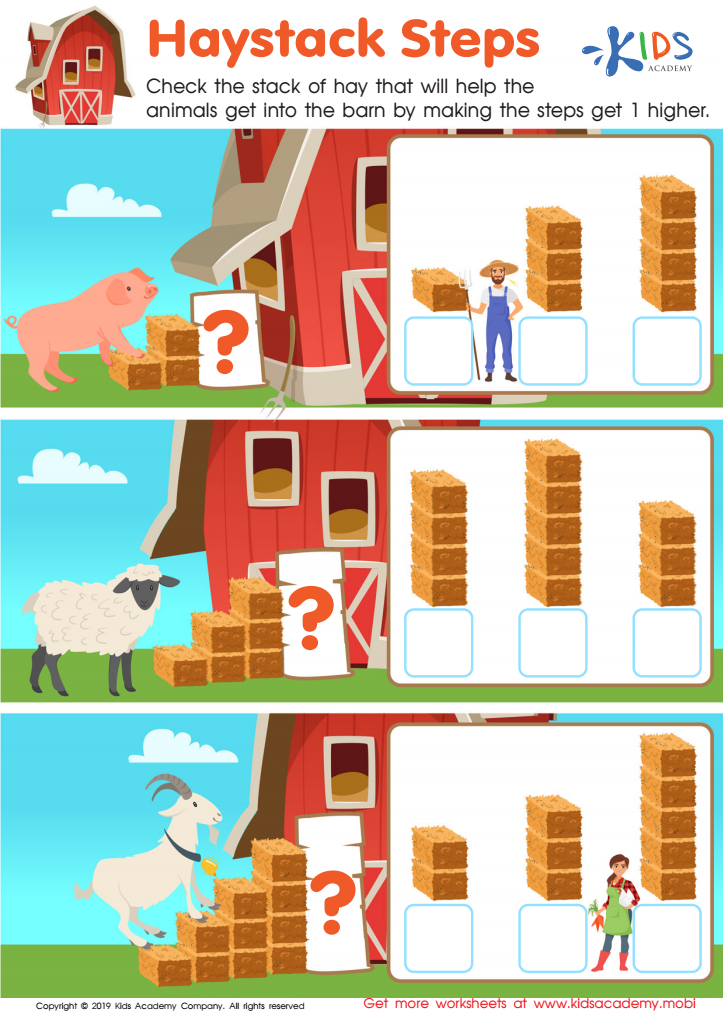
Haystack Steps Worksheet
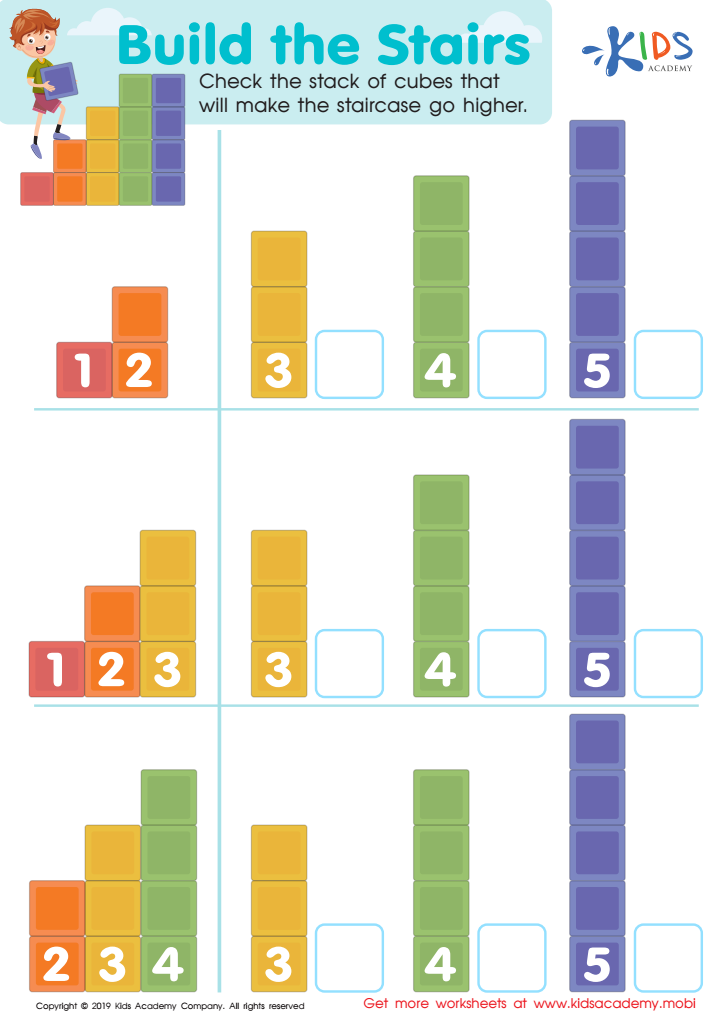
Build the Stairs Worksheet
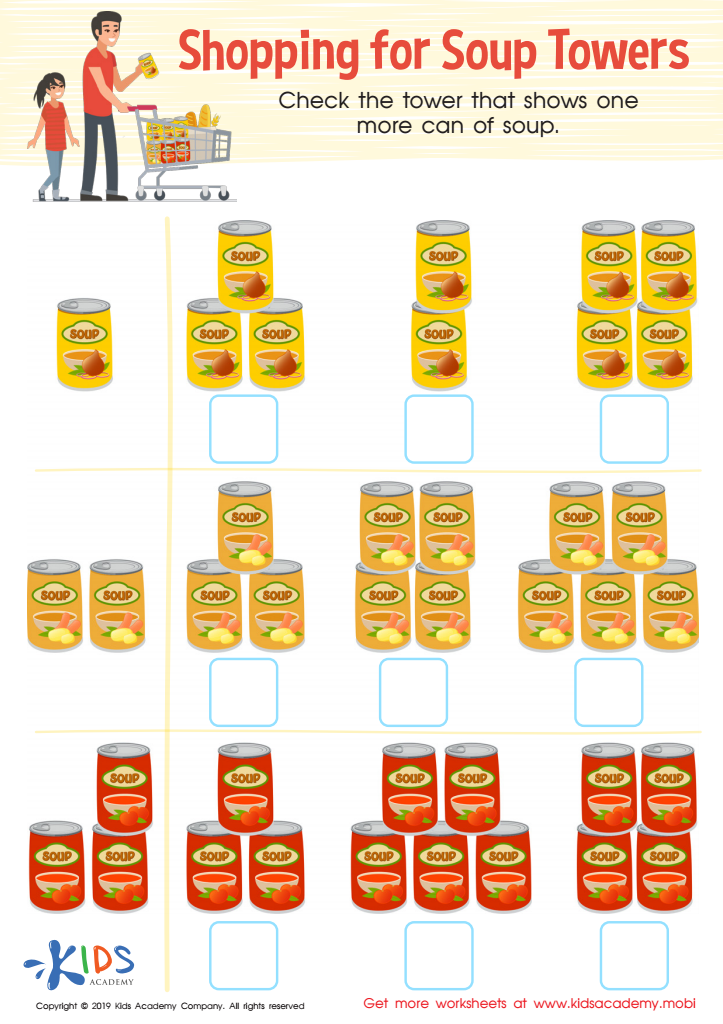
Soup Towers Worksheet
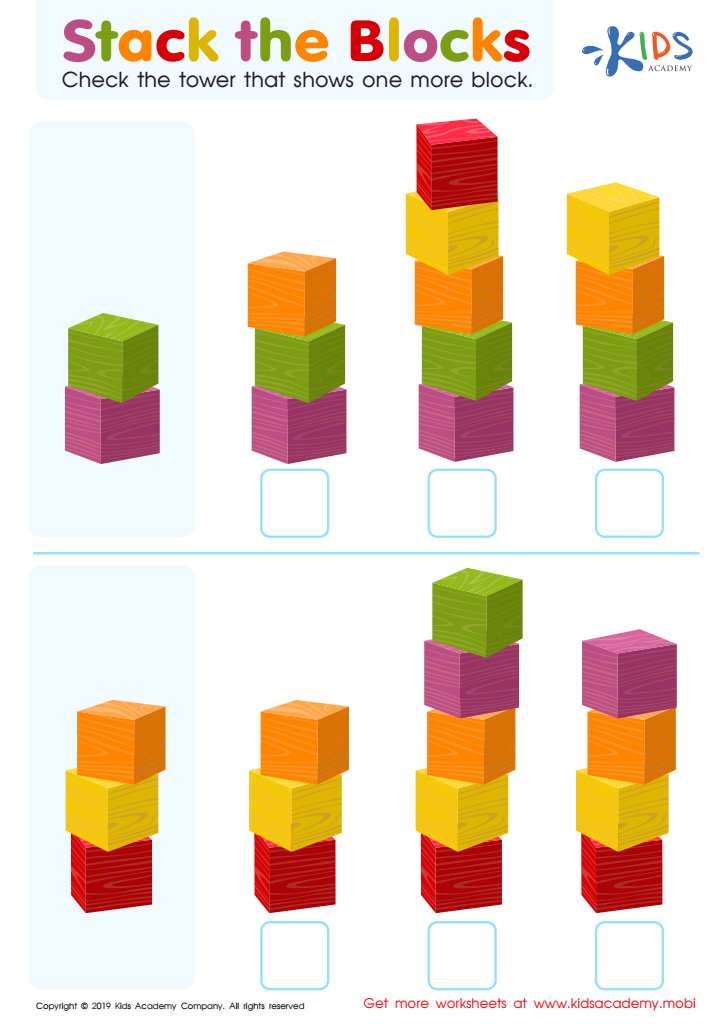
Stack the Blocks Worksheet
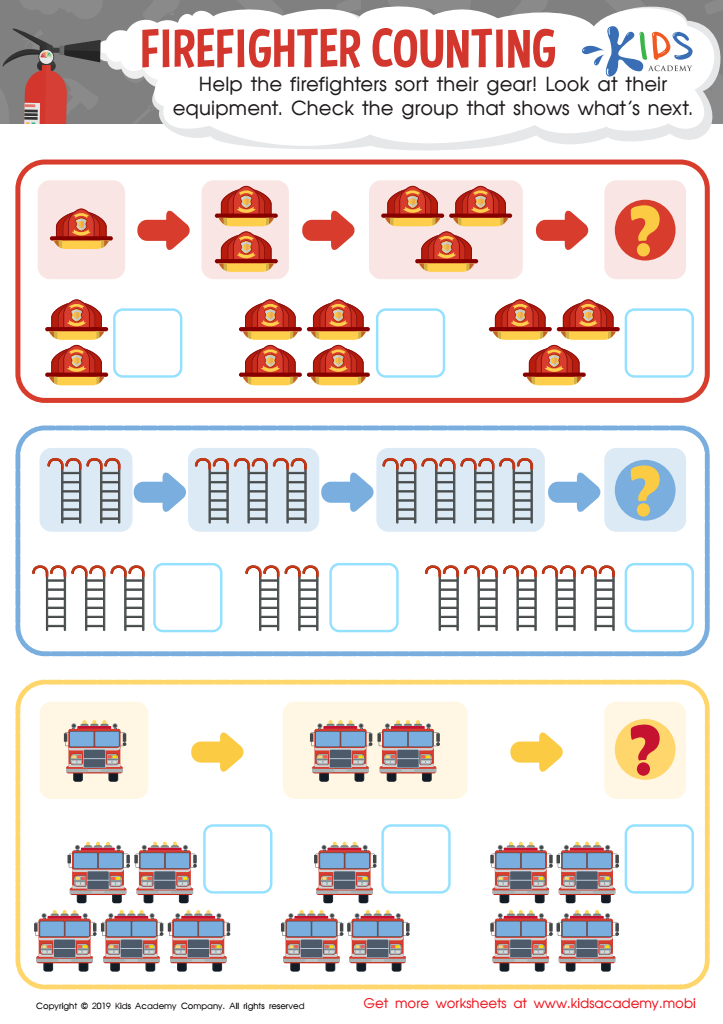
Firefighter Counting Worksheet
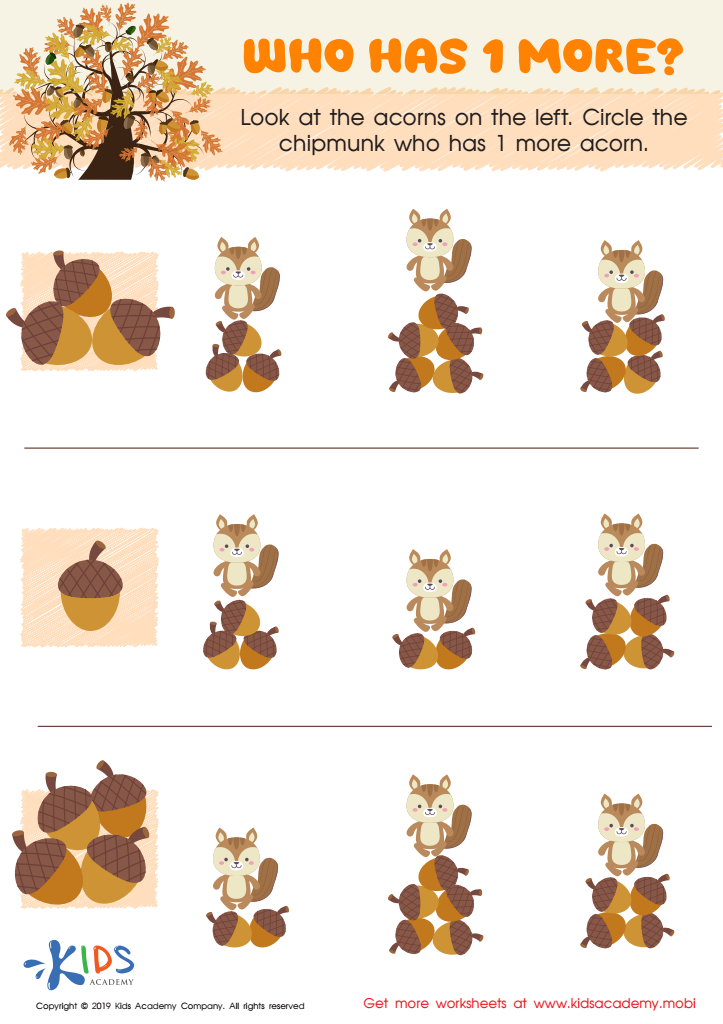
Who Has 1 More? Worksheet
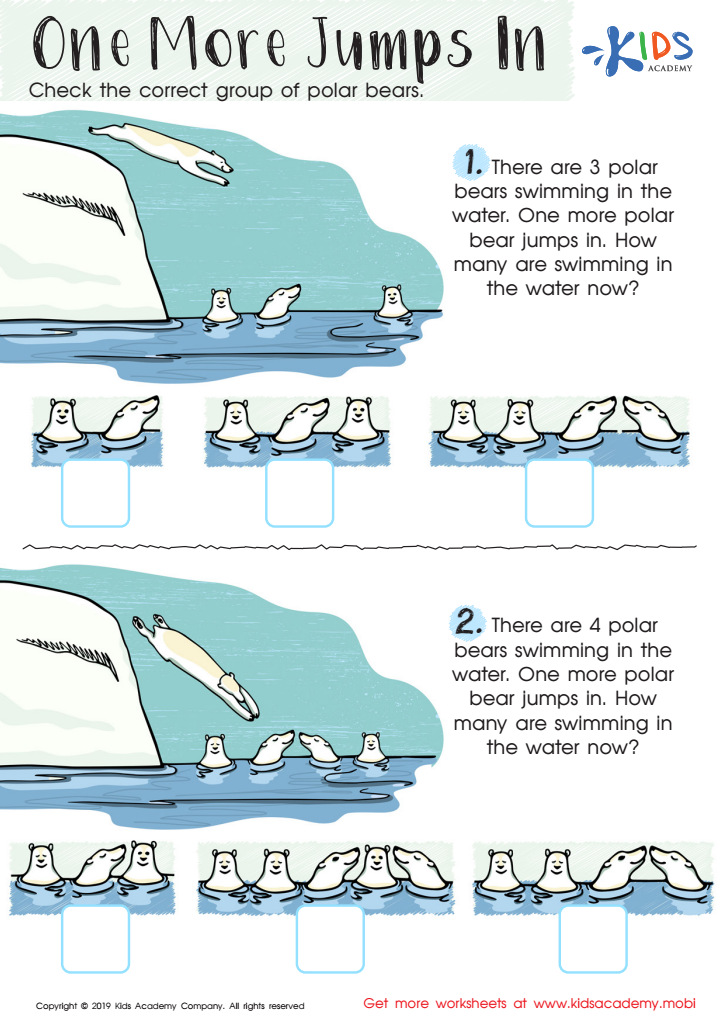
One More Jumps In Worksheet
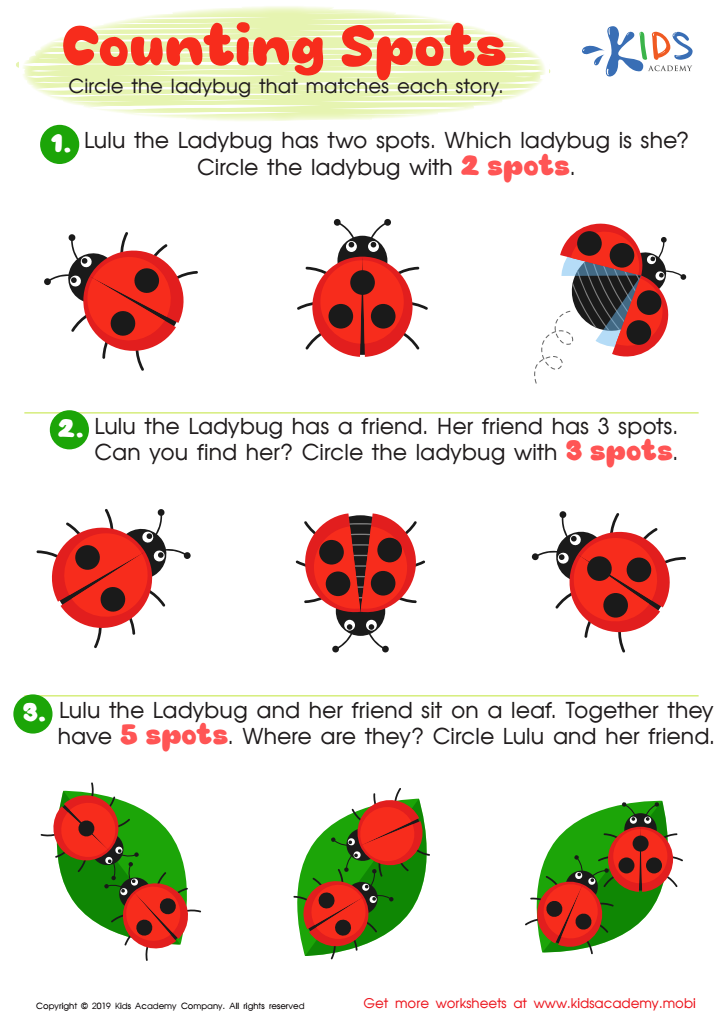
Counting Spots Worksheet
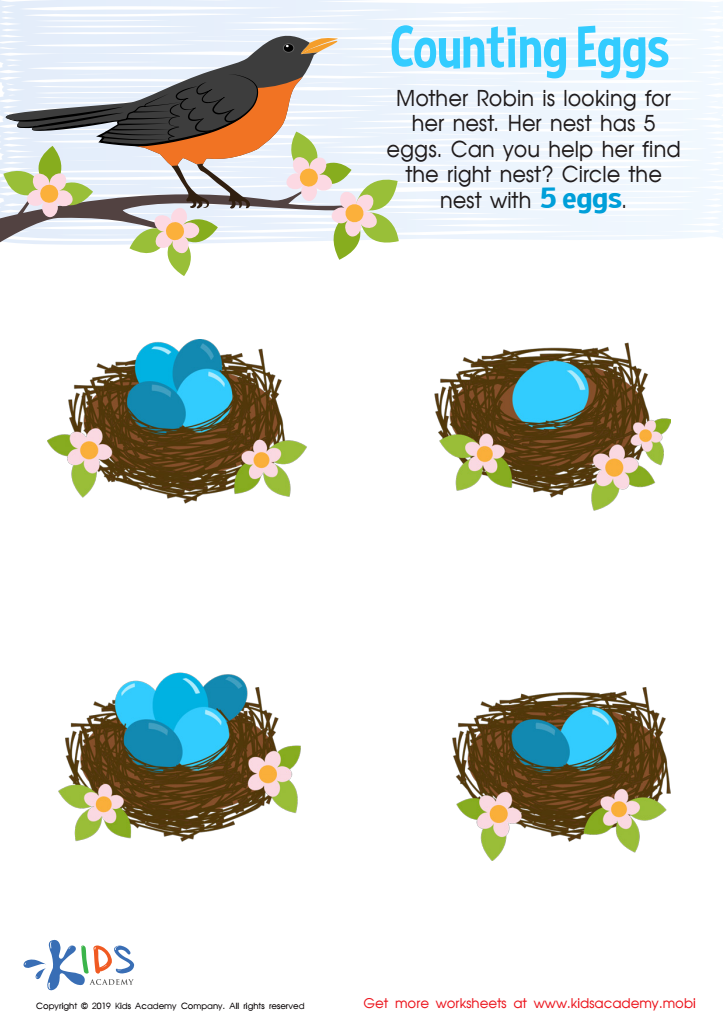
Counting Eggs Worksheet








Understanding numbers is fundamental for children's cognitive development, and it plays a critical role in their early education. For children ages 3-8, number sense forms the foundation for mathematical skills they will need later in life, affecting their academic success in subjects like science, engineering, and technology.
Parents and teachers should pay attention to early numerical proficiency because it nurtures problem-solving abilities and critical thinking. Engaging children in fun, number-related activities helps them recognize patterns, understand quantities, and develop a sense of spatial awareness, which are essential skills not just for math but for daily decision-making and reasoning.
Additionally, early number knowledge aids in boosting children's self-confidence. When students grasp mathematical concepts early on, it reduces anxiety as they progress through school, leading to a more positive attitude toward learning. Involving parents in this process creates a supportive environment, reinforcing the child's understanding and enthusiasm towards numbers.
By prioritizing numerical skills, parents and teachers lay the groundwork for lifelong learning, empowering children to tackle complex challenges in the future. Ultimately, a strong foundation in numbers equips children with essential tools for academic achievement and real-world applications.








