Reading Fiction Worksheets for Ages 3-8 - Page 3
161 filtered results
-
From - To
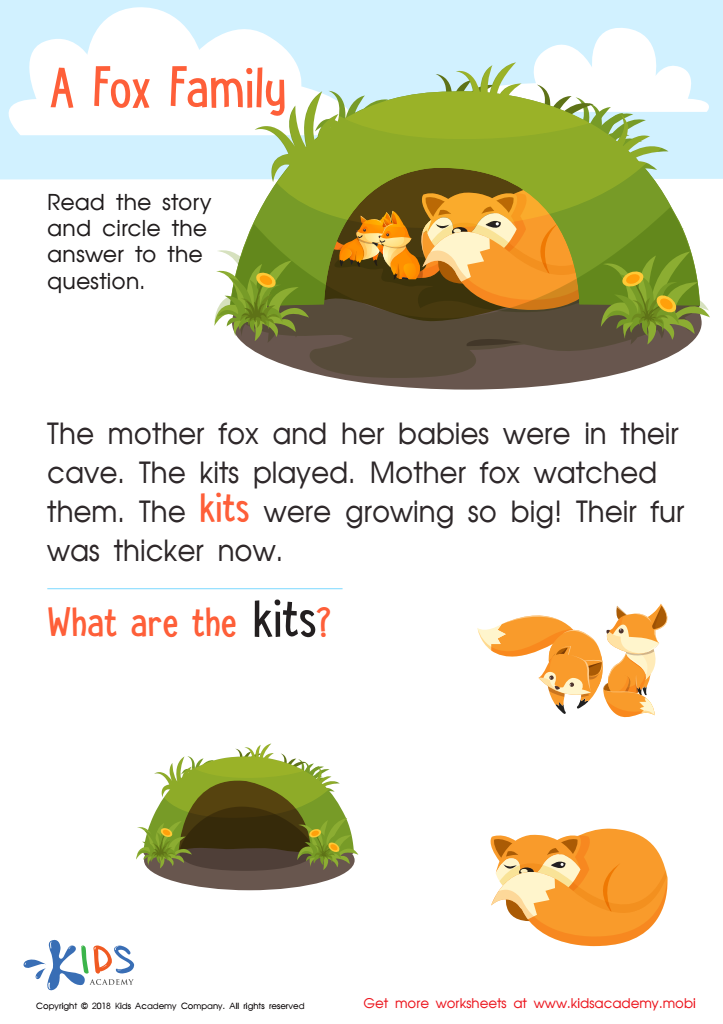
A Fox Family Worksheet
 Assign to My Students
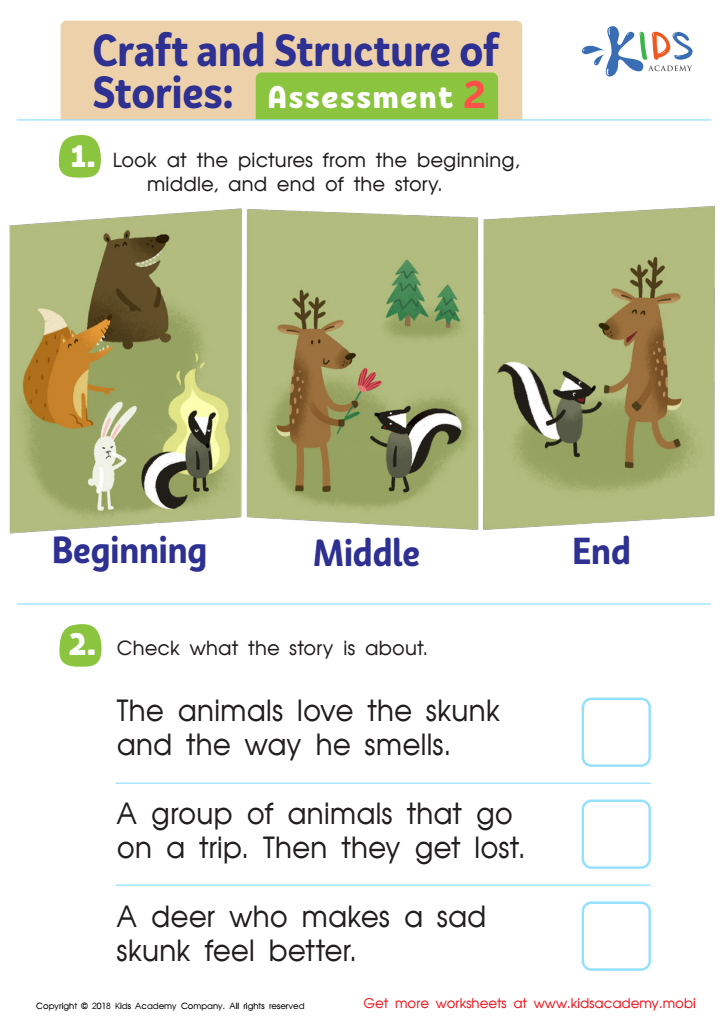
Craft and Structure of Stories: Assessment 2 Worksheet
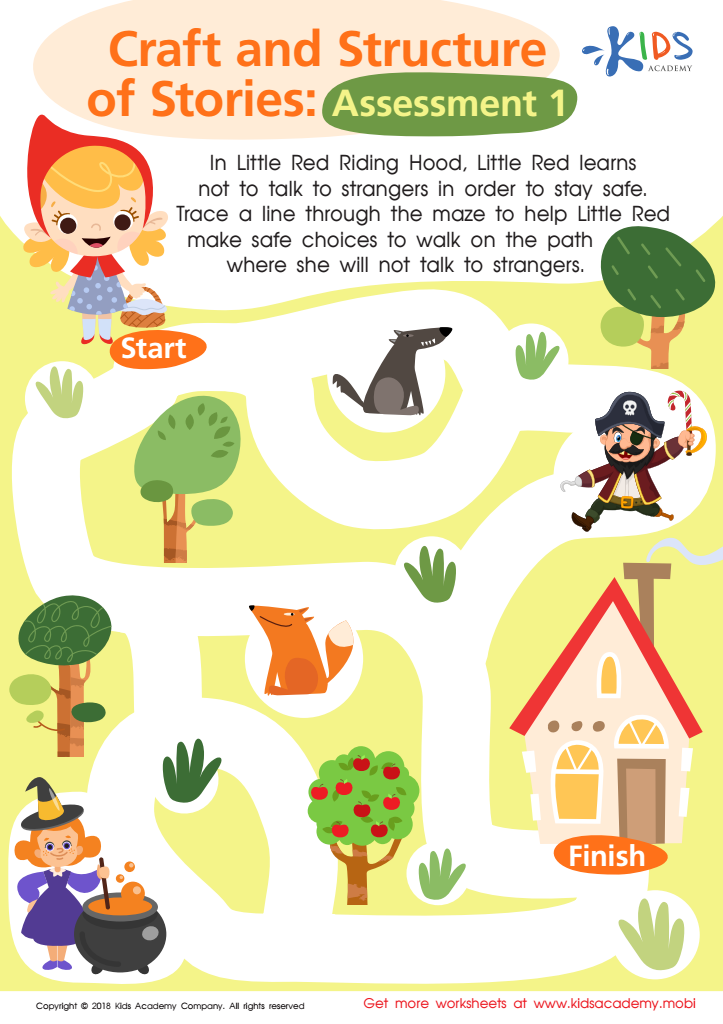
Craft and Structure of Stories: Assessment 1 Worksheet
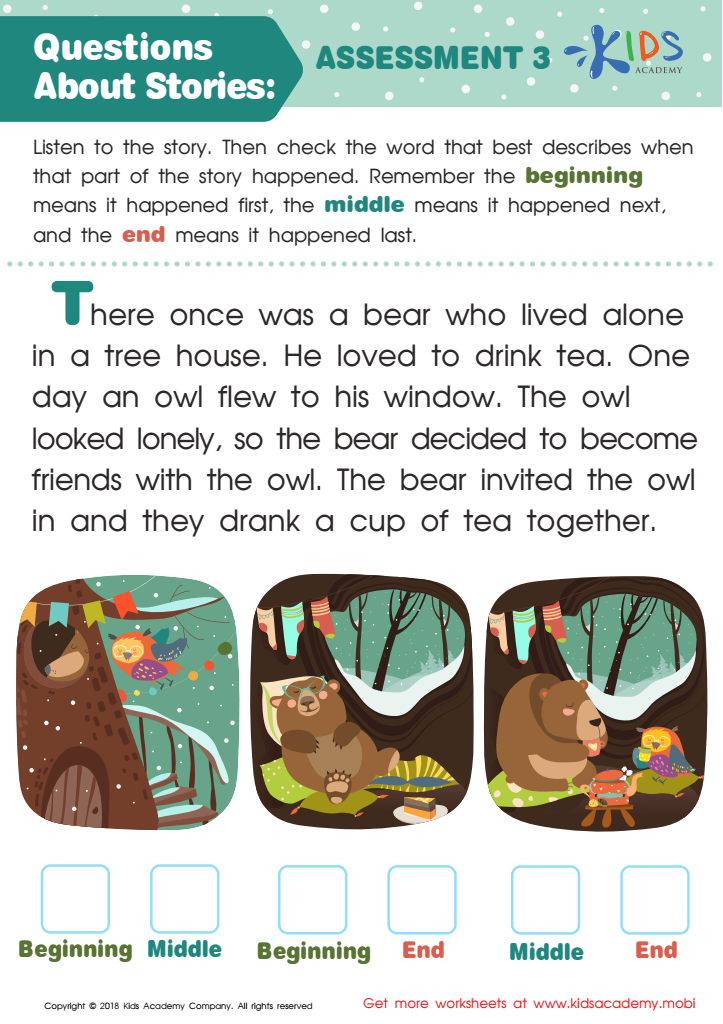
Questions About Stories: Assessment 3 Worksheet
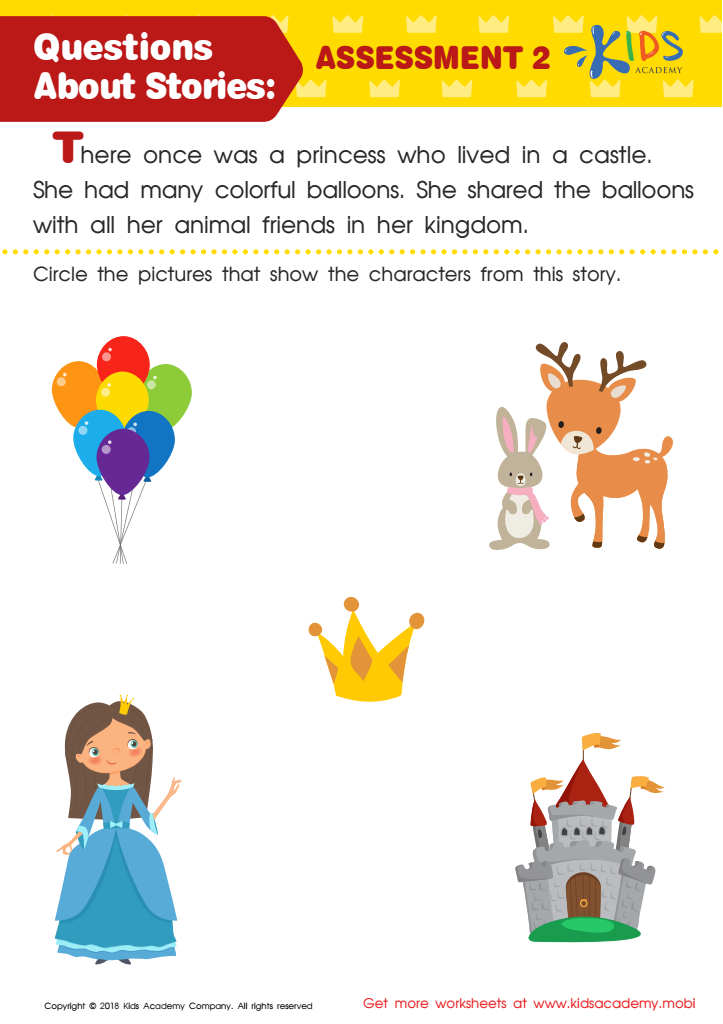
Questions About Stories: Assessment 2 Worksheet
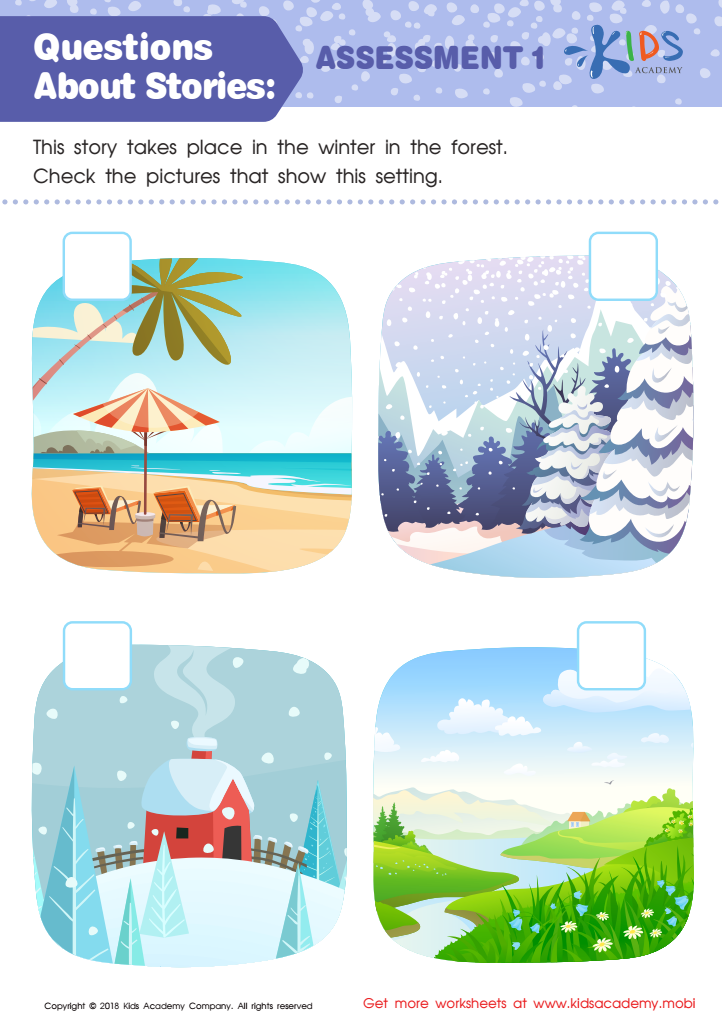
Questions About Stories: Assessment 1 Worksheet
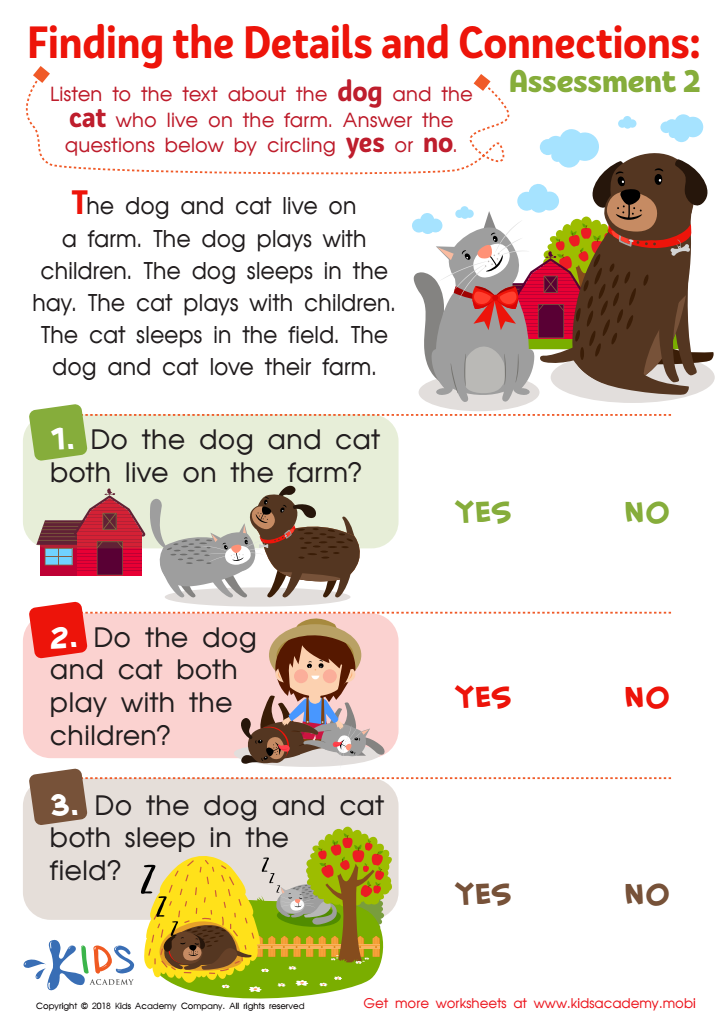
Finding the Details and Connections: Assessment 2 Worksheet
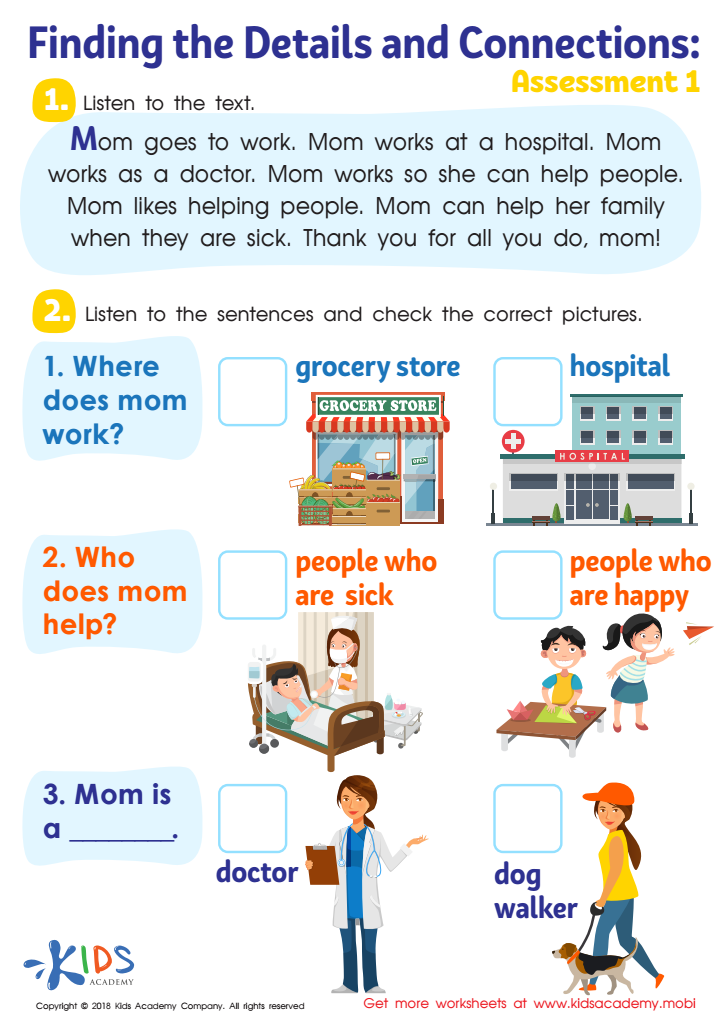
Finding the Details and Connections: Assessment 1 Worksheet
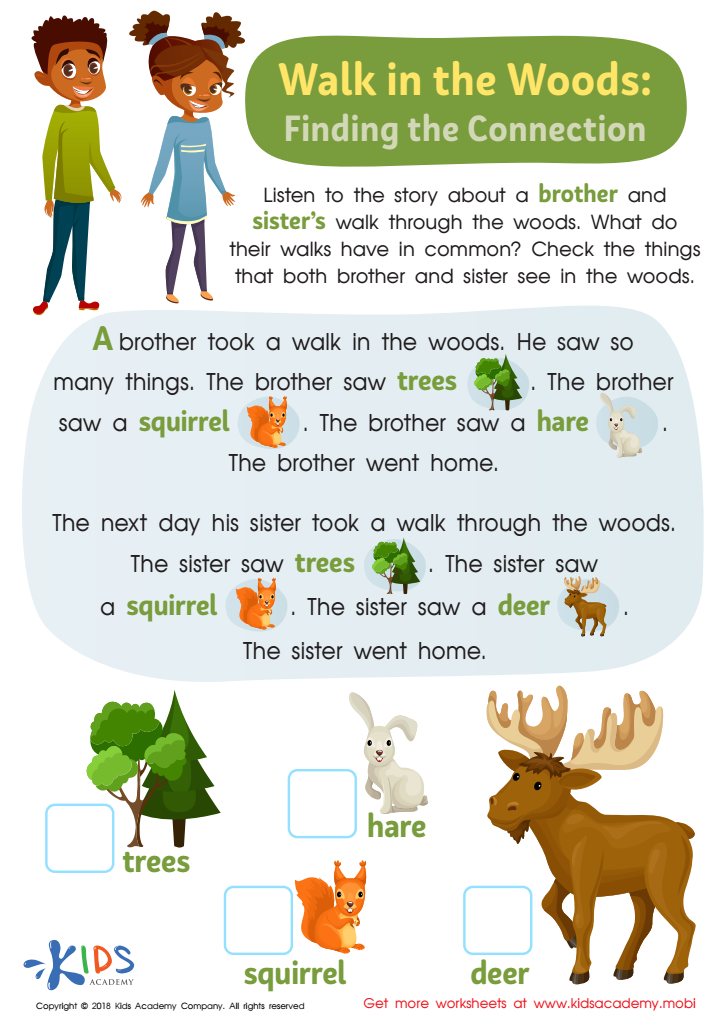
Walk In the Woods: Finding Connections Worksheet
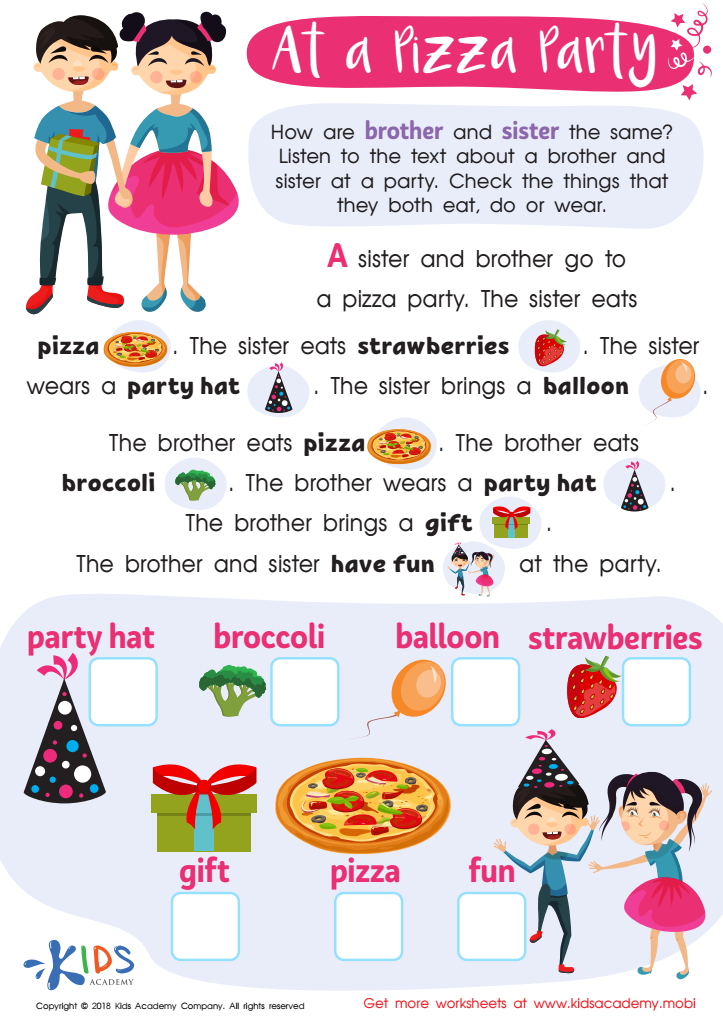
At a Pizza Party Worksheet
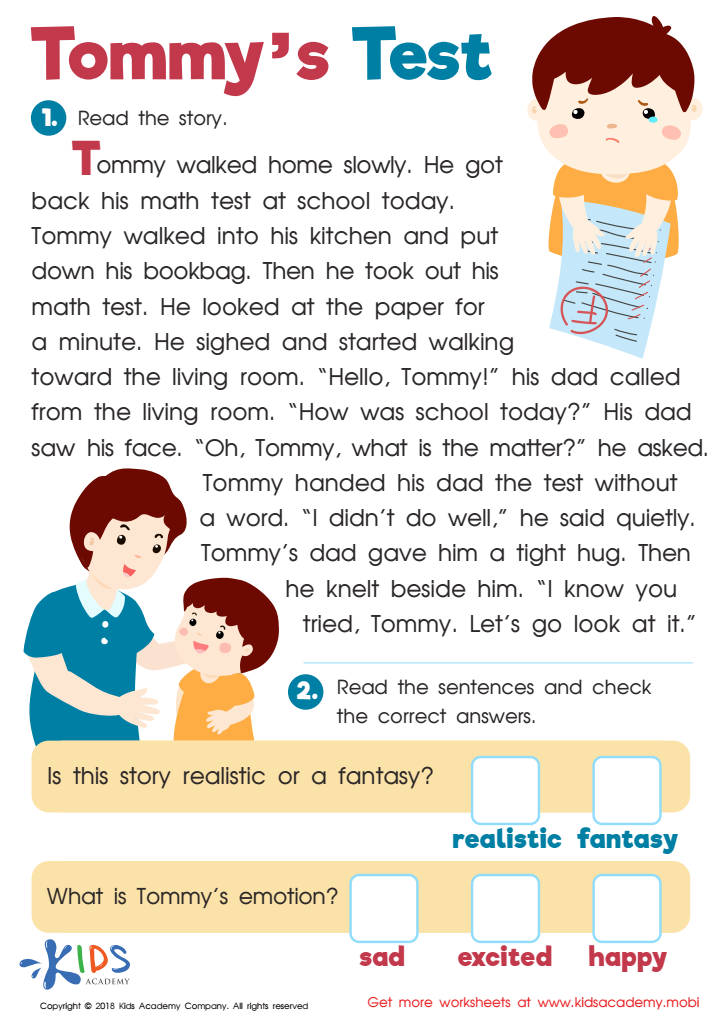
Tommys Test Worksheet
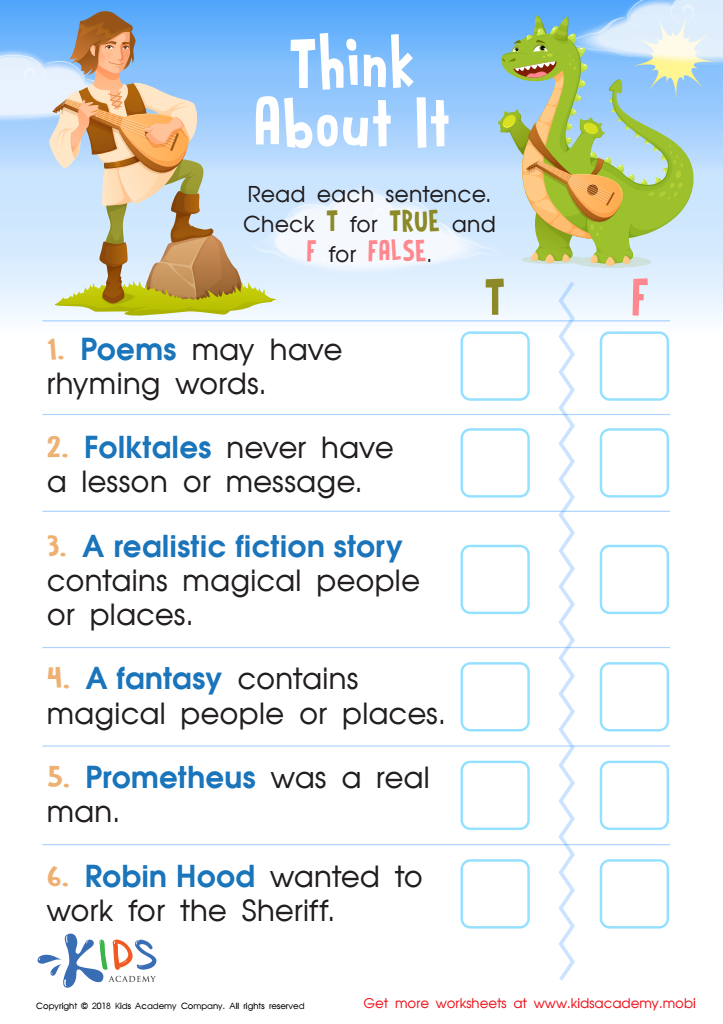
Think About It: Assessment Worksheet
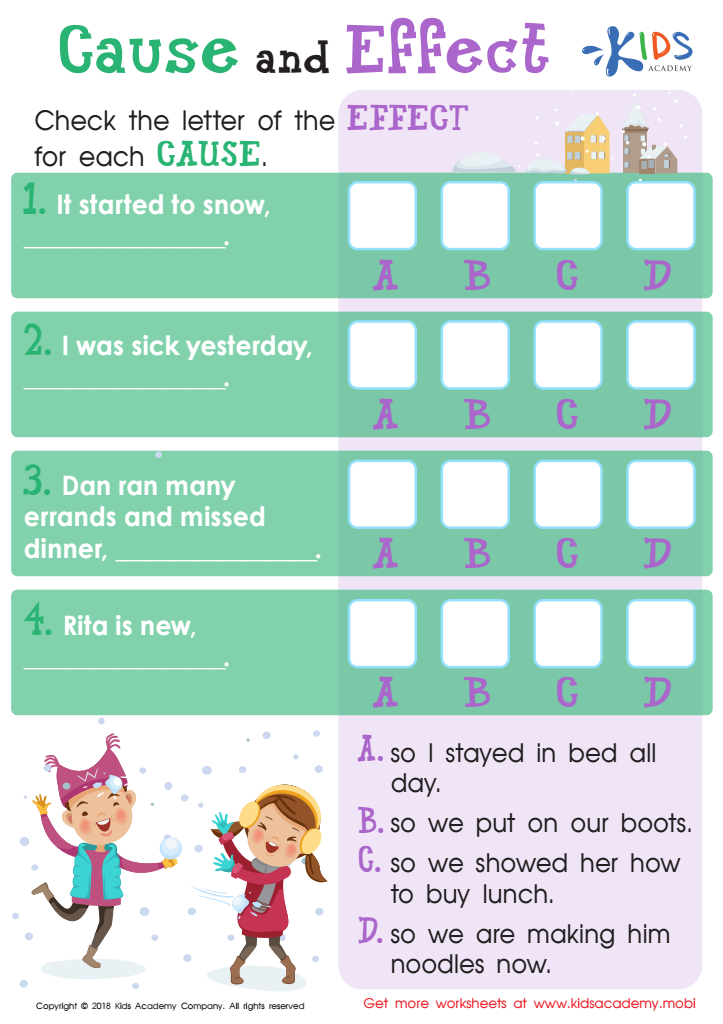
Cause and Effect Worksheet
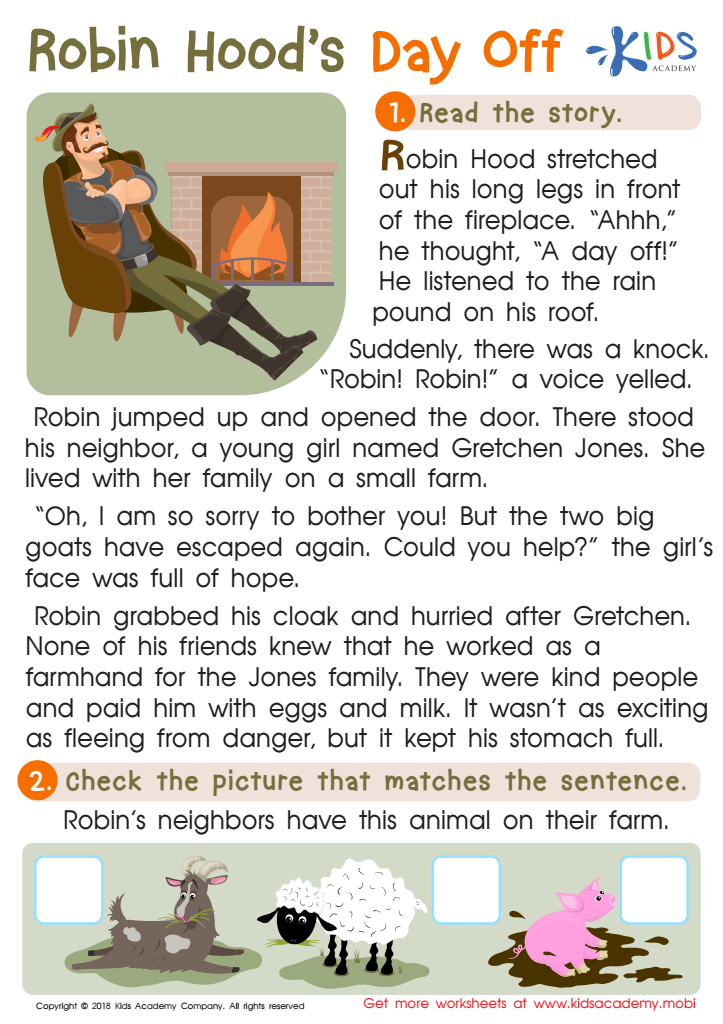
Robin Hood's Day Off Worksheet
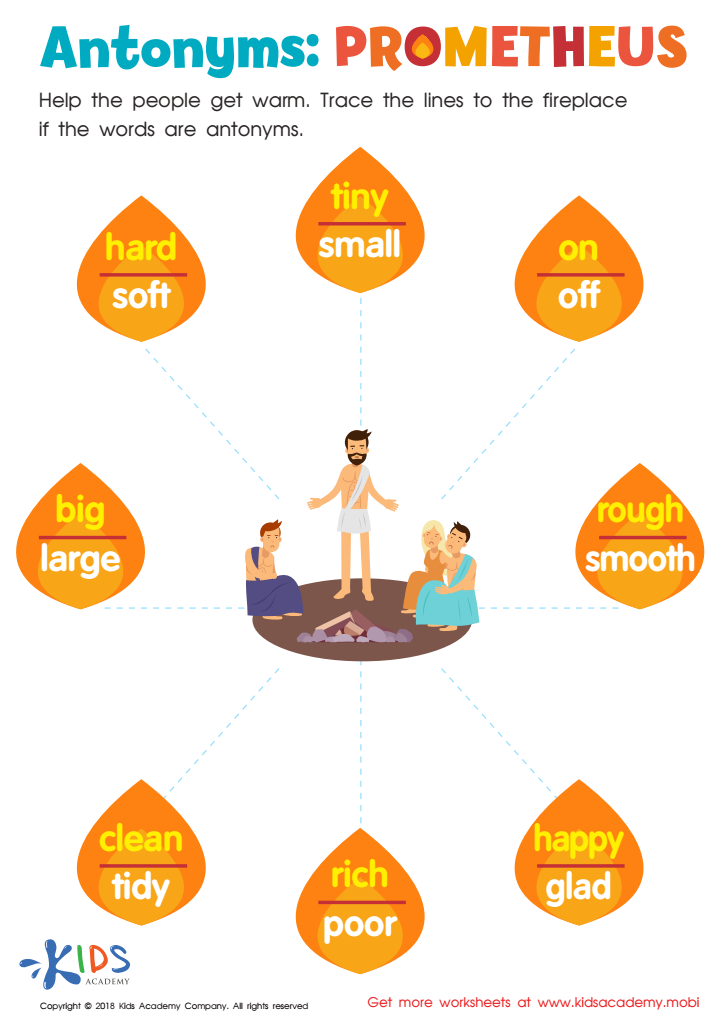
Antonyms: Prometheus Worksheet
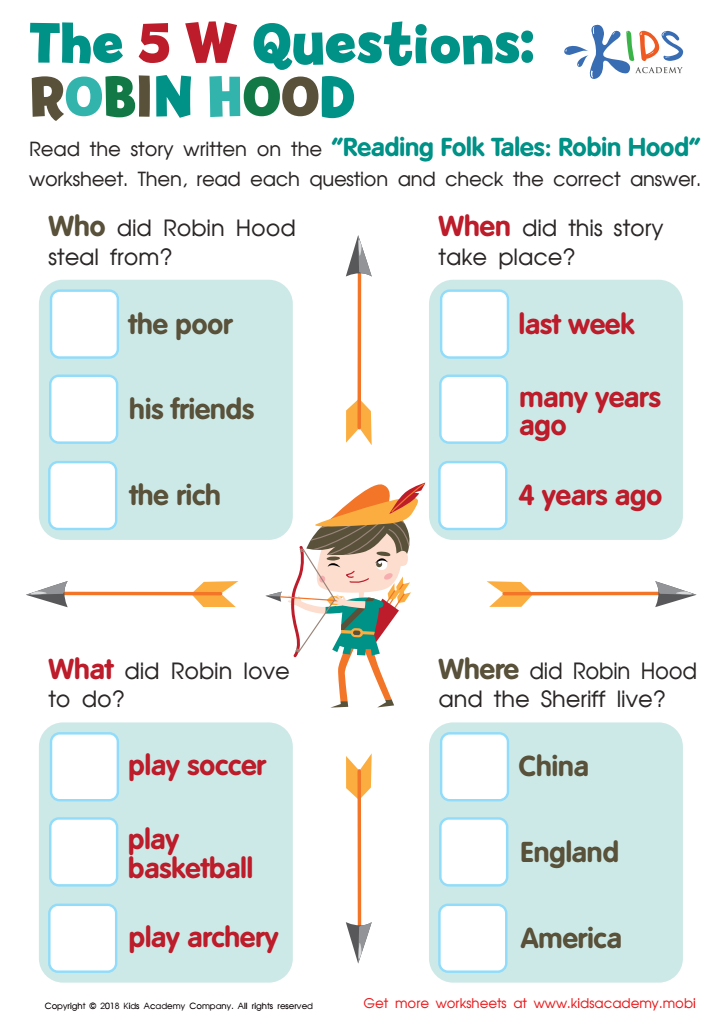
The 5 W Questions: Robin Hood Worksheet
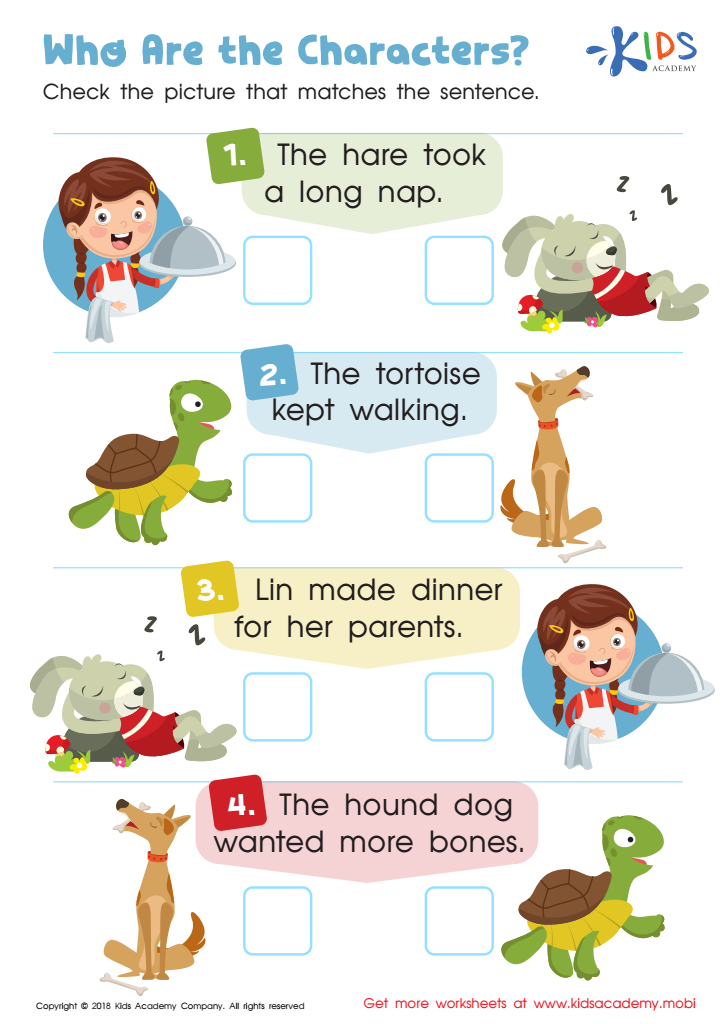
Who Are The Characters Worksheet
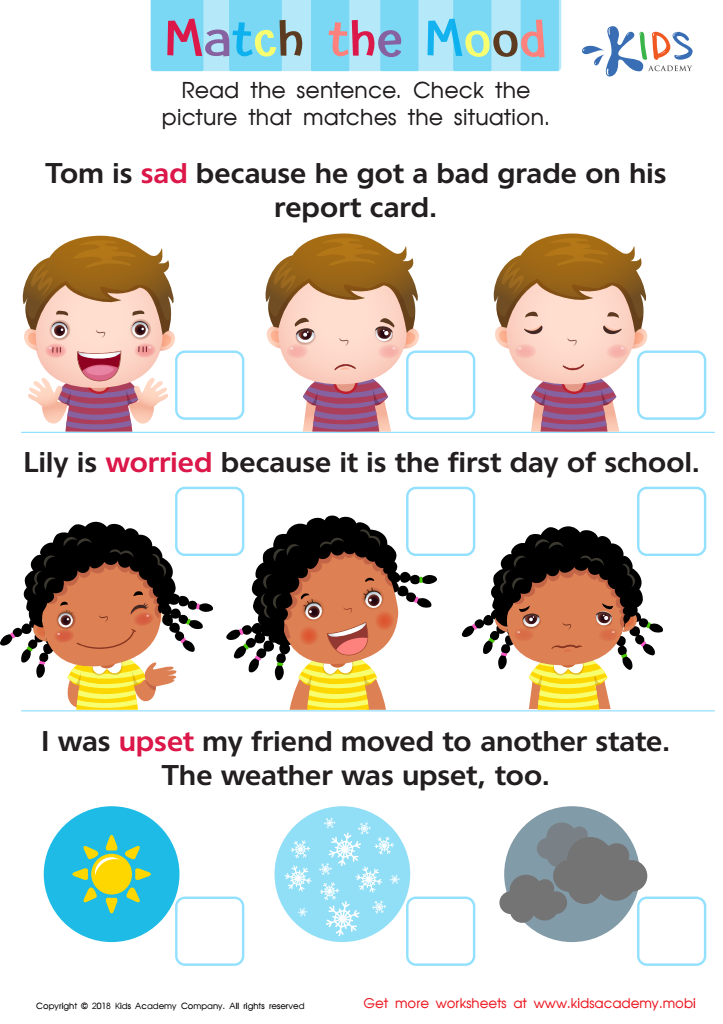
Match The Mood Worksheet
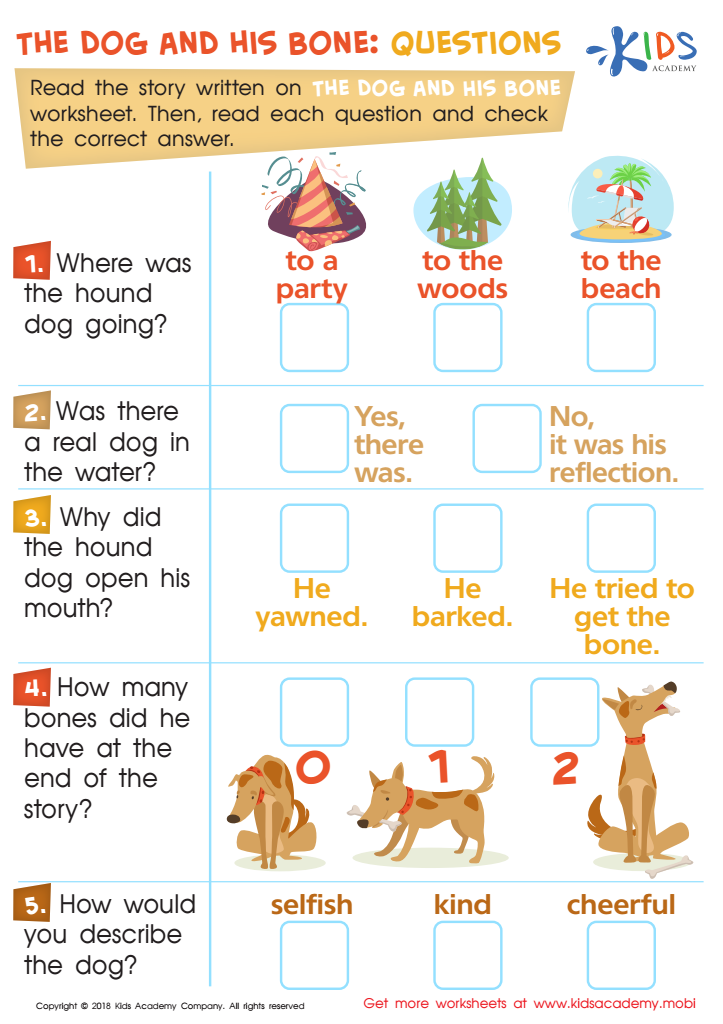
The Dog and His Bone: Questions Worksheet
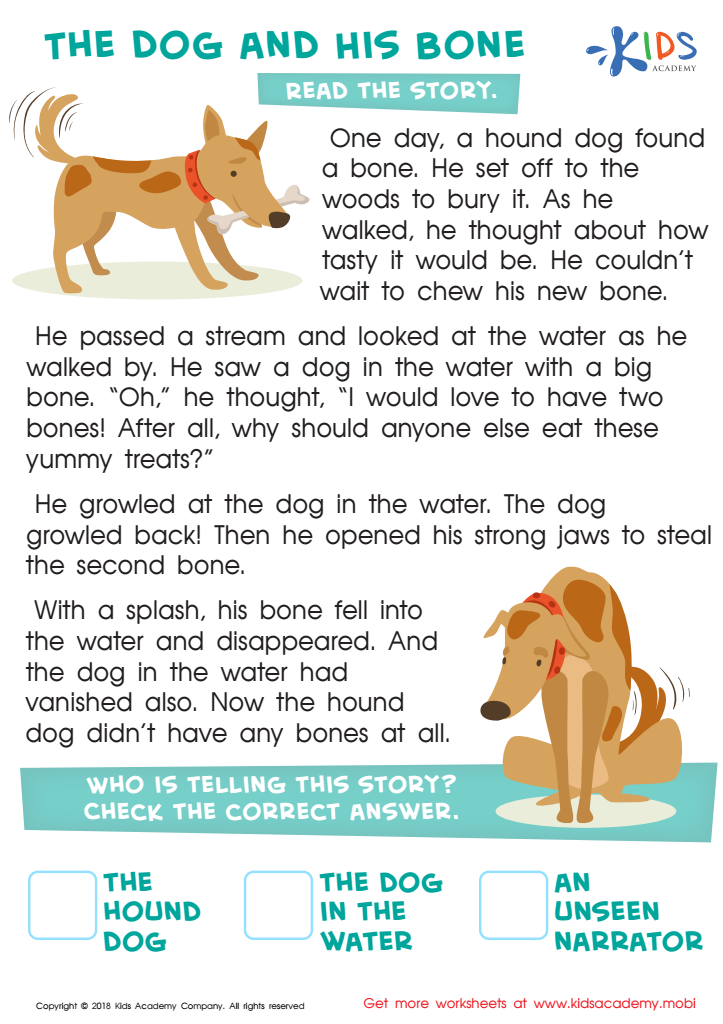
The Dog and His Bone Worksheet
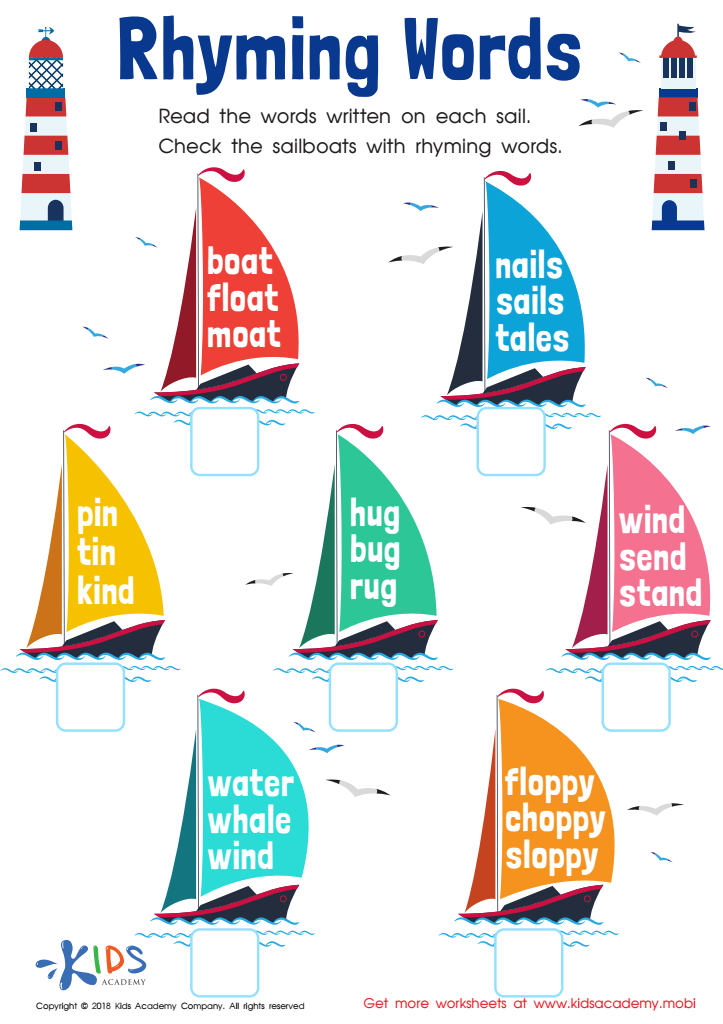
Rhyming Words Worksheet
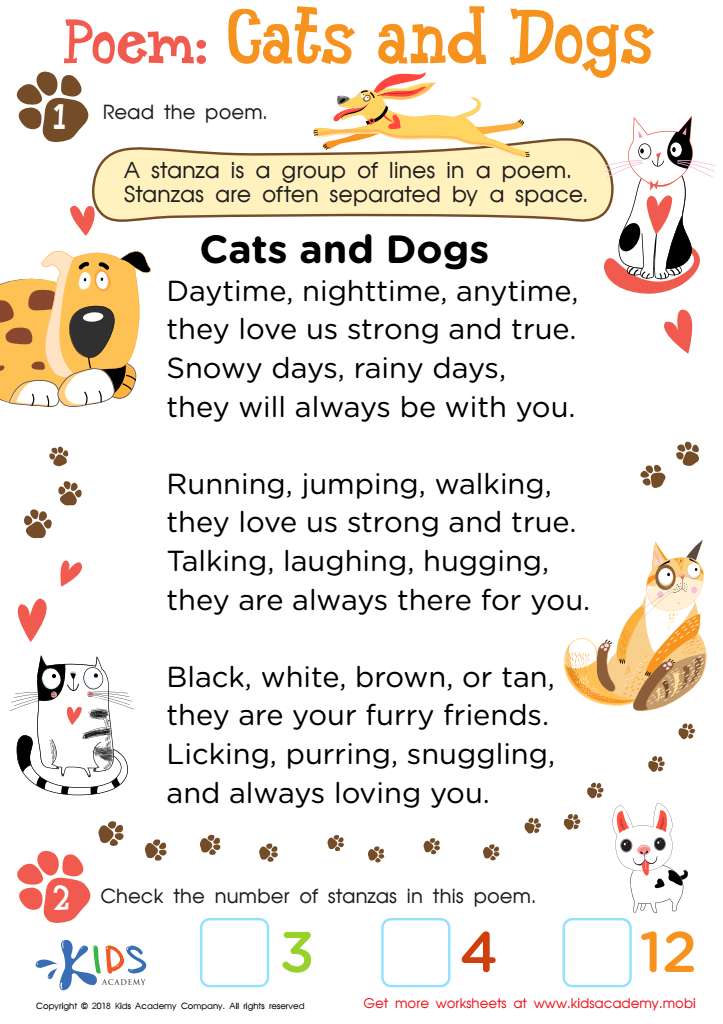
Poem: Cats and Dogs Worksheet
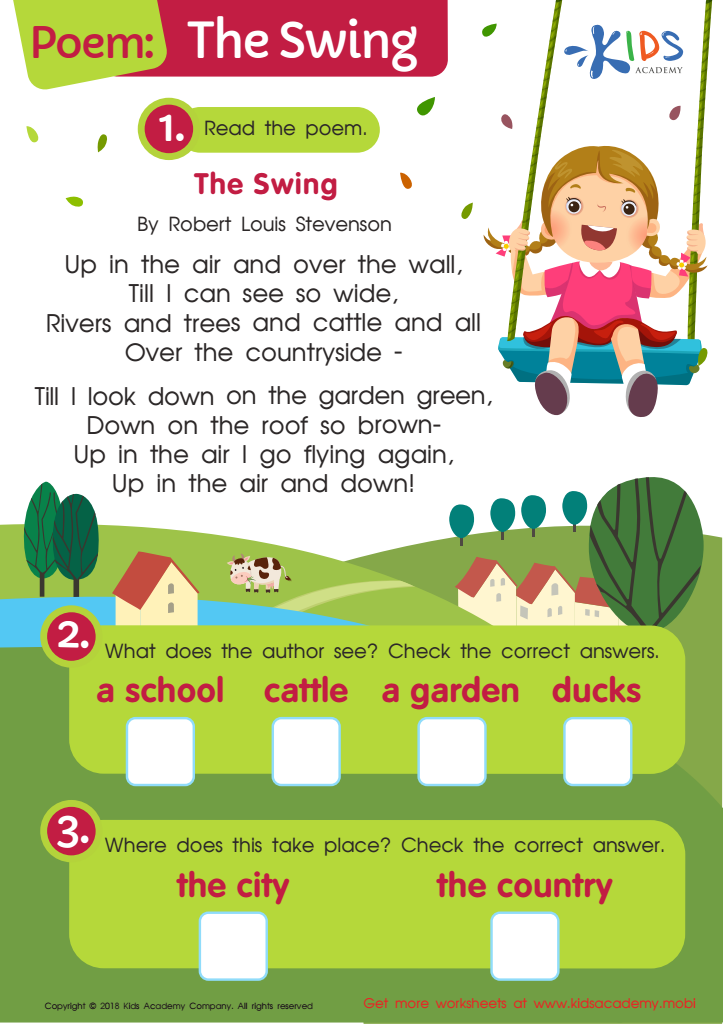
Poem: The Swing Worksheet
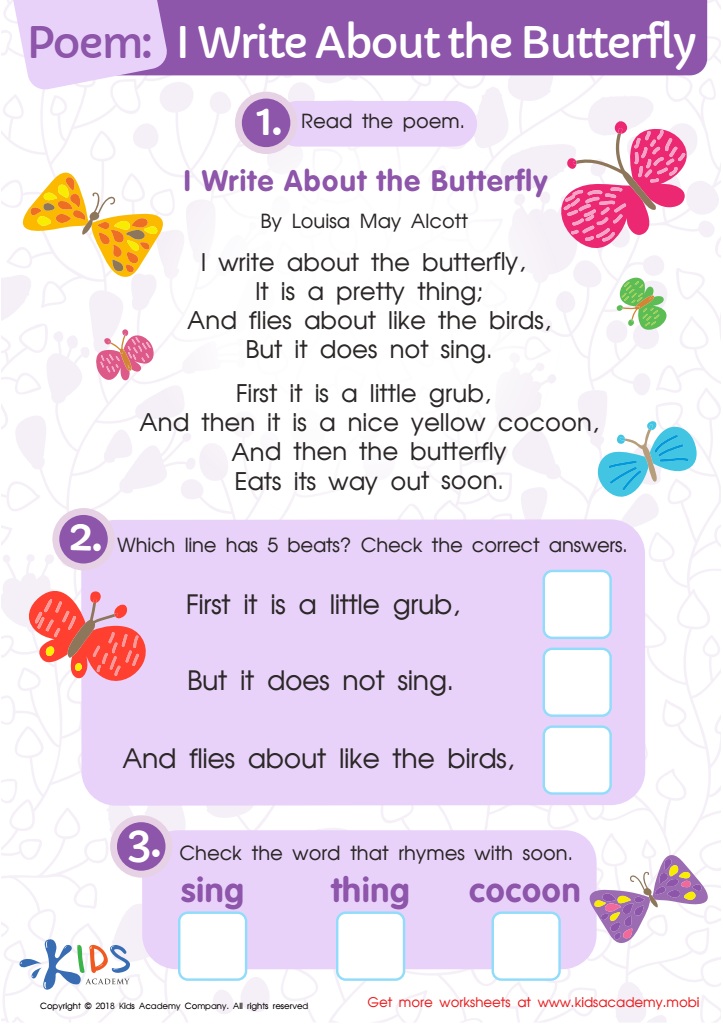
Poem: I Write About The Butterfly Worksheet



.jpg)

.jpg)

Parents and teachers should prioritize reading fiction to children aged 3-8 due to its profound impact on their cognitive and emotional development. During these formative years, kids are developing critical language skills, and exposure to narrative fiction helps expand their vocabulary, enhance comprehension, and foster a love of storytelling. Engaging with diverse characters and plots allows children to explore different cultures, experiences, and emotions, promoting empathy and understanding of the world around them.
Moreover, reading fiction encourages creativity and imagination. When children are immersed in stories, they learn to visualize scenes and characters, stimulating their creative thinking skills, which are essential for problem-solving later in life. Stories also provide an avenue for discussing complex themes, such as friendship, bravery, and resilience, helping children navigate their feelings and responses to various situations.
Additionally, regular reading sessions create bonding opportunities between parents, teachers, and children, enriching relationships and carving out quality time together. In an age where screens dominate leisure activities, reading fiction offers a meaningful, screen-free pastime that develops critical thinking. The benefits of reading fiction extend far beyond literacy; they contribute to well-rounded emotional and social development in young children, setting a strong foundation for lifelong learning.








