Animals Worksheets for Ages 3-8 - Page 3
66 filtered results
-
From - To
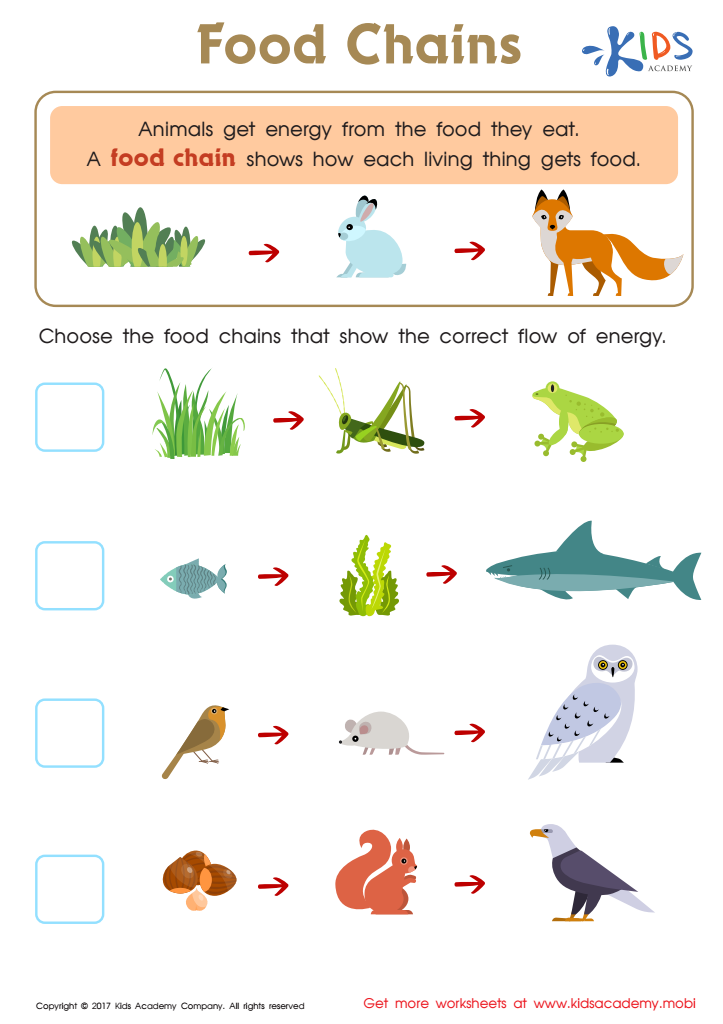
Food Webs and Food Chains Worksheet
 Assign to My Students
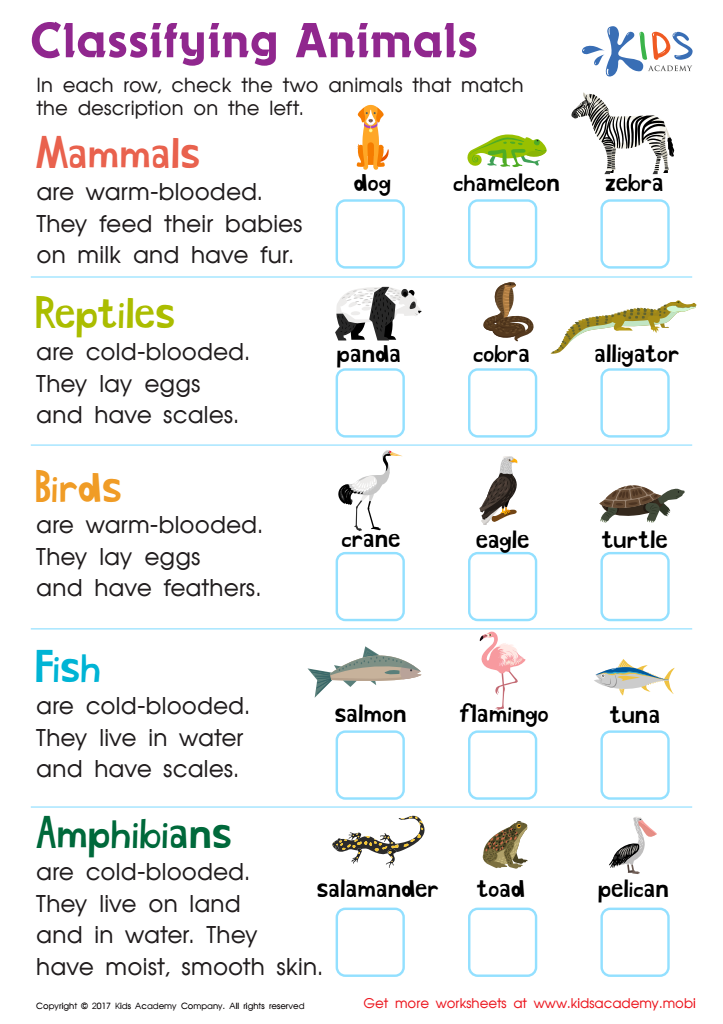
Classifying Animals Worksheet
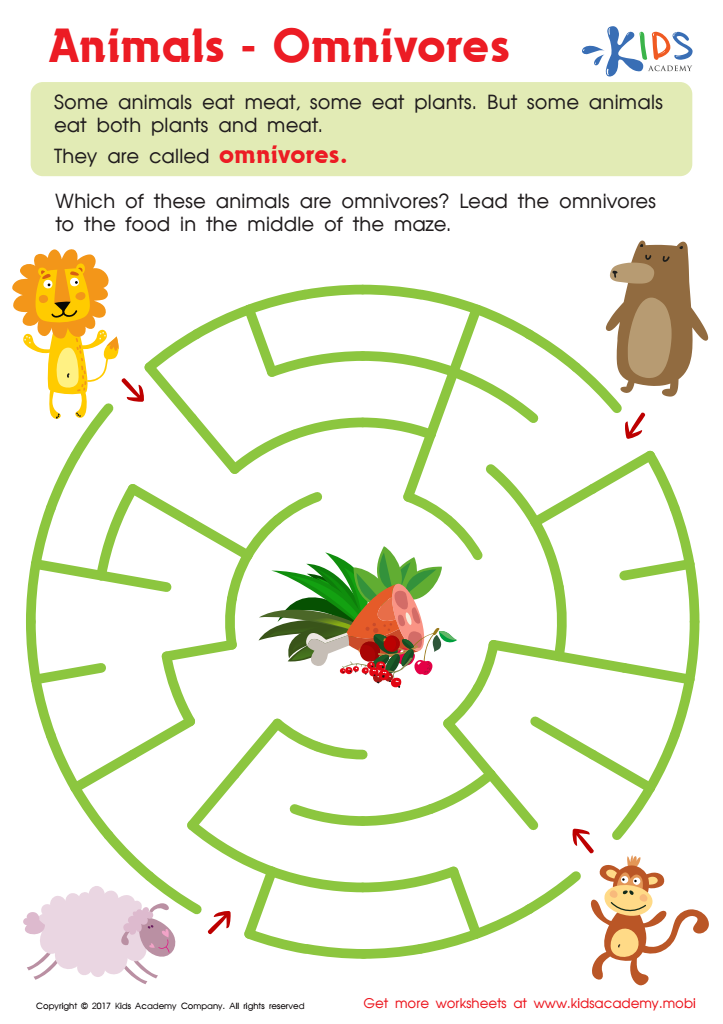
Omnivores Animals Worksheet
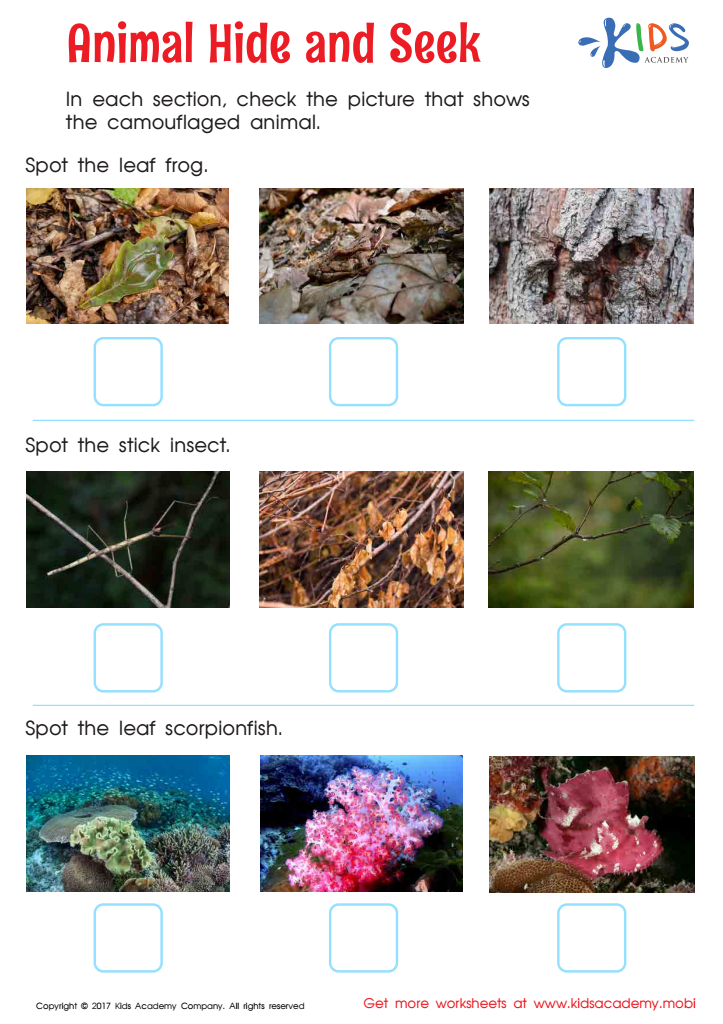
Animal Hide and Seek Worksheet
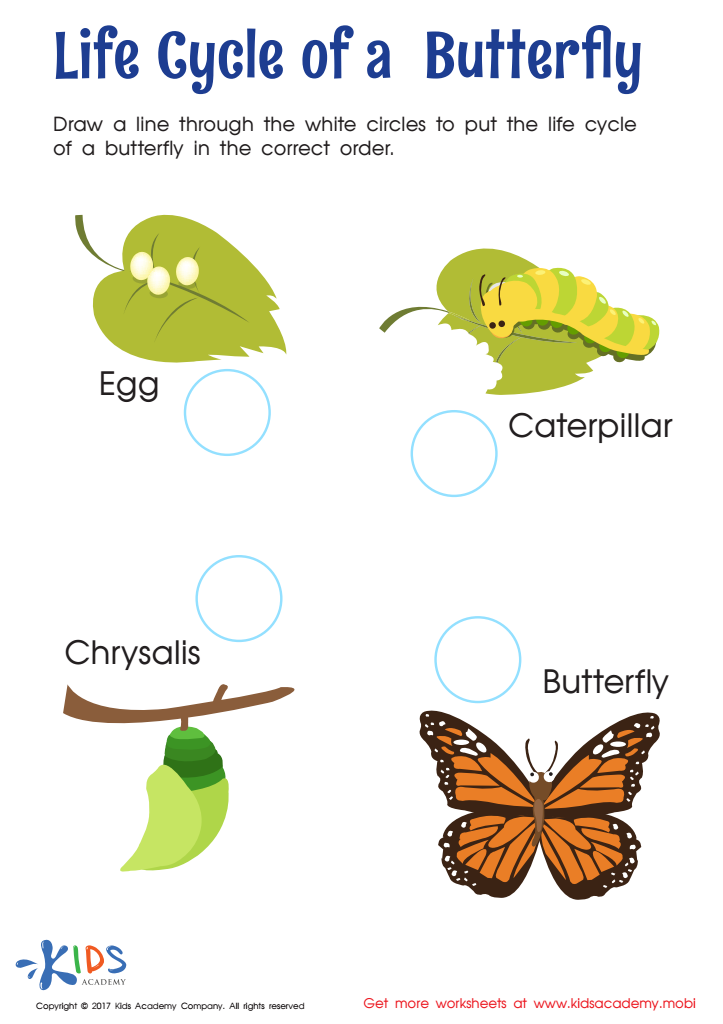
Life Cycle of Butterfly Worksheet
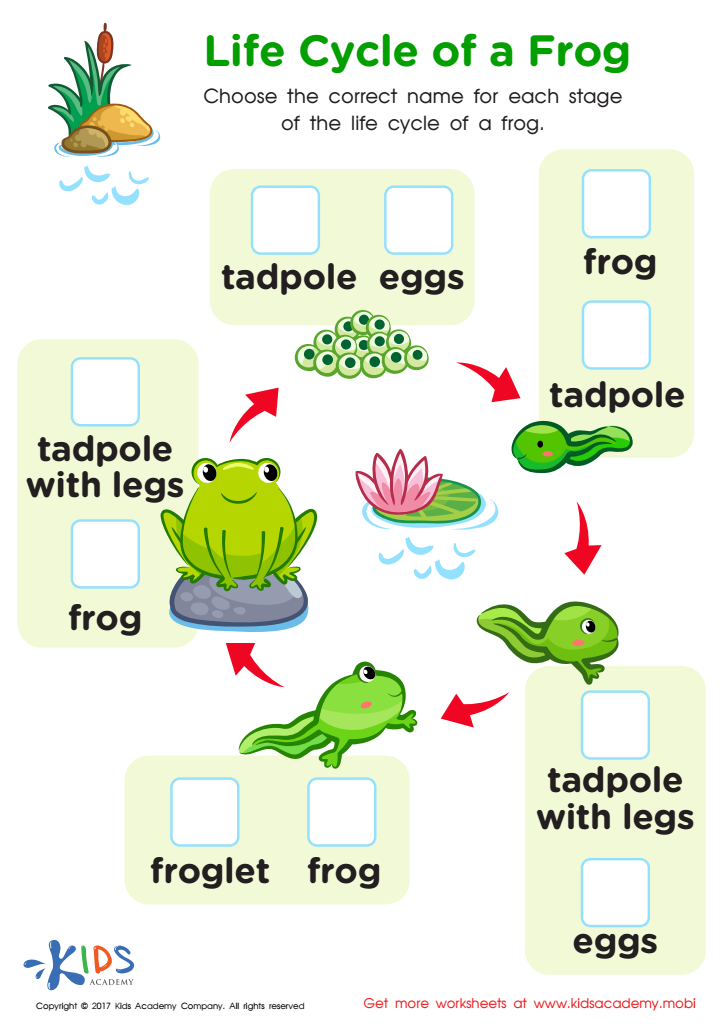
Life Cycle Frog Printable
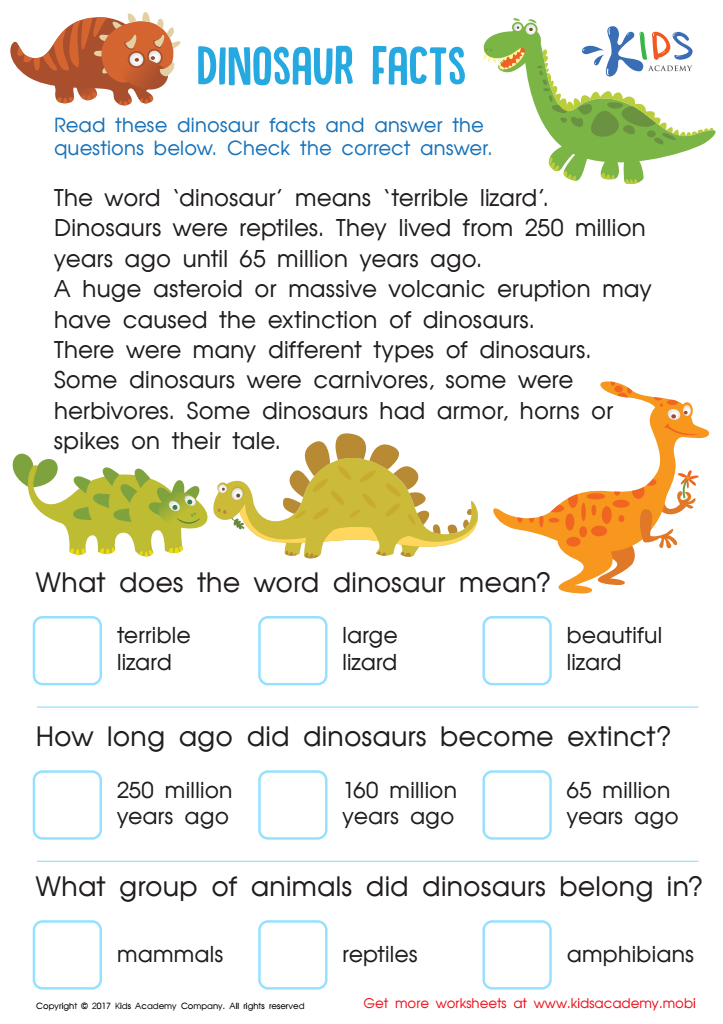
Dinosaur Facts Worksheet
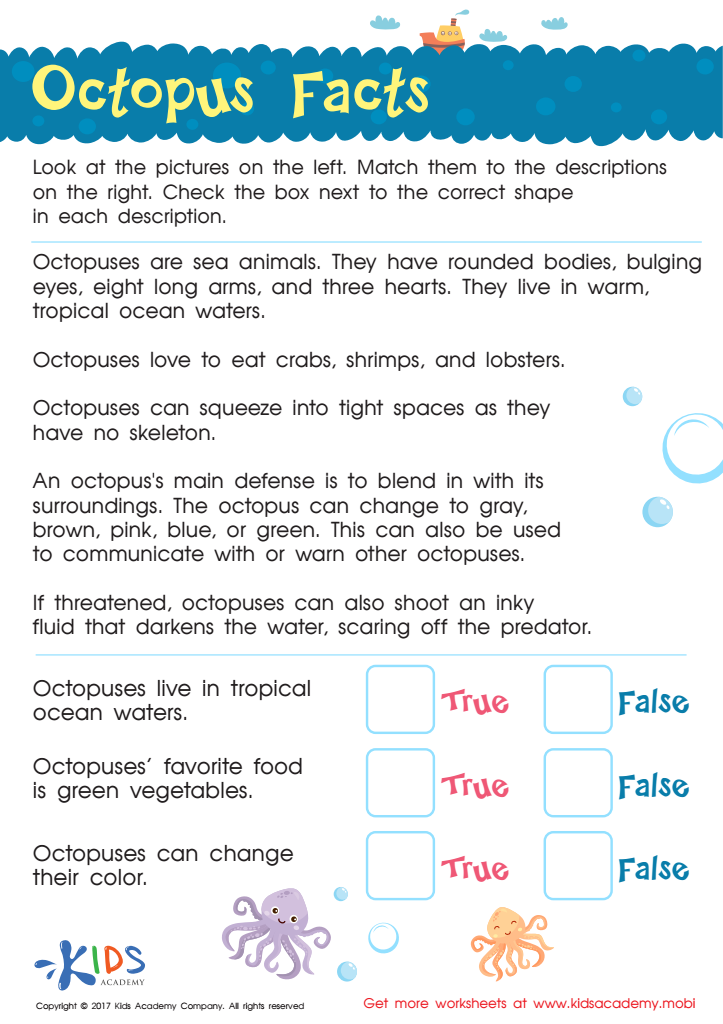
Octopus Facts Worksheet For Kids
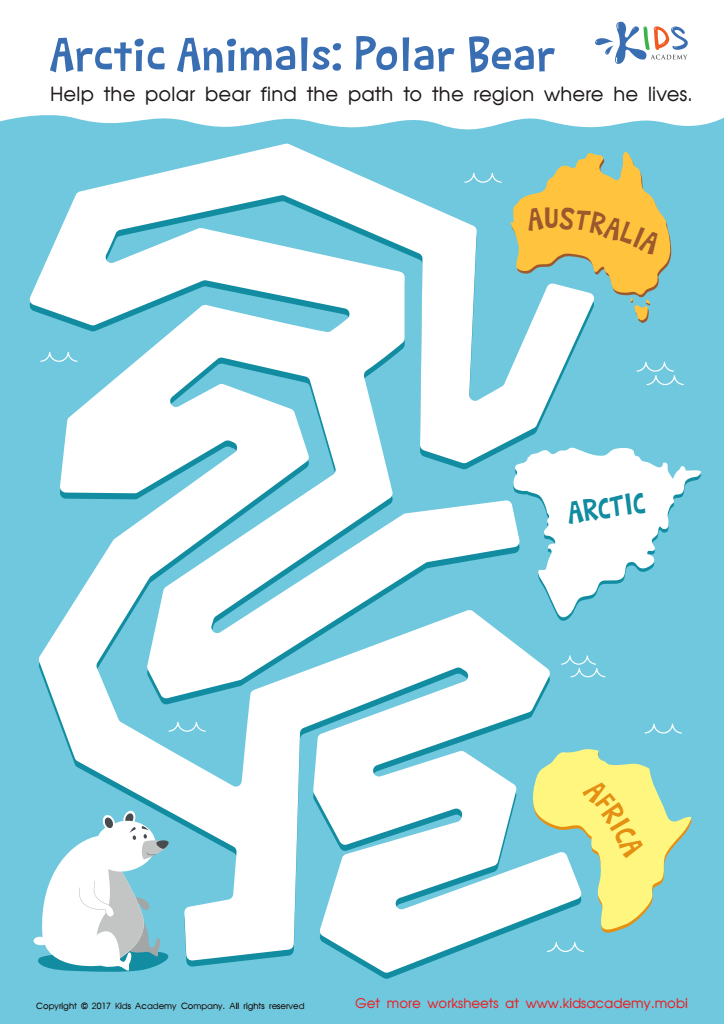
Arctic Animals: Polar Bear Worksheet
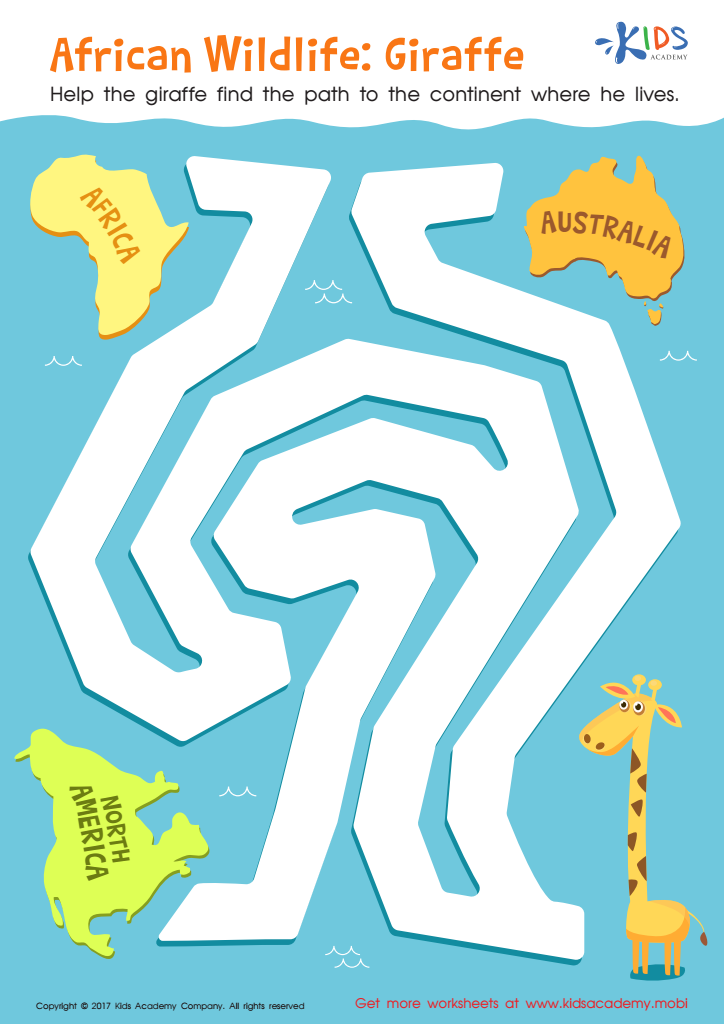
African Wildlife: Giraffe Worksheet
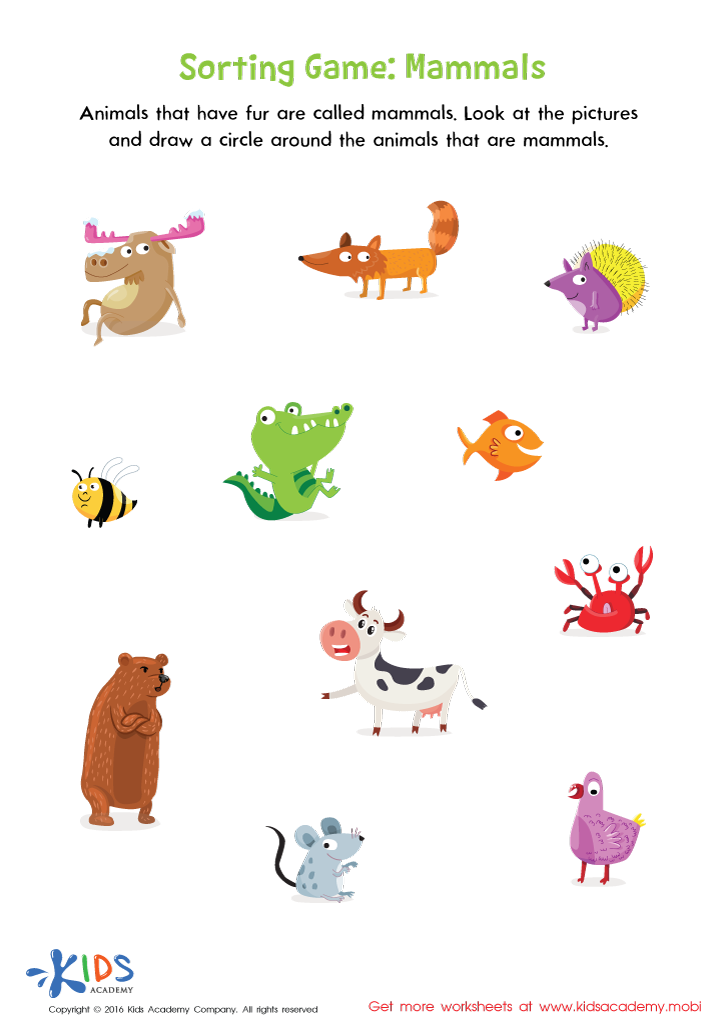
Mammals Sorting Worksheet
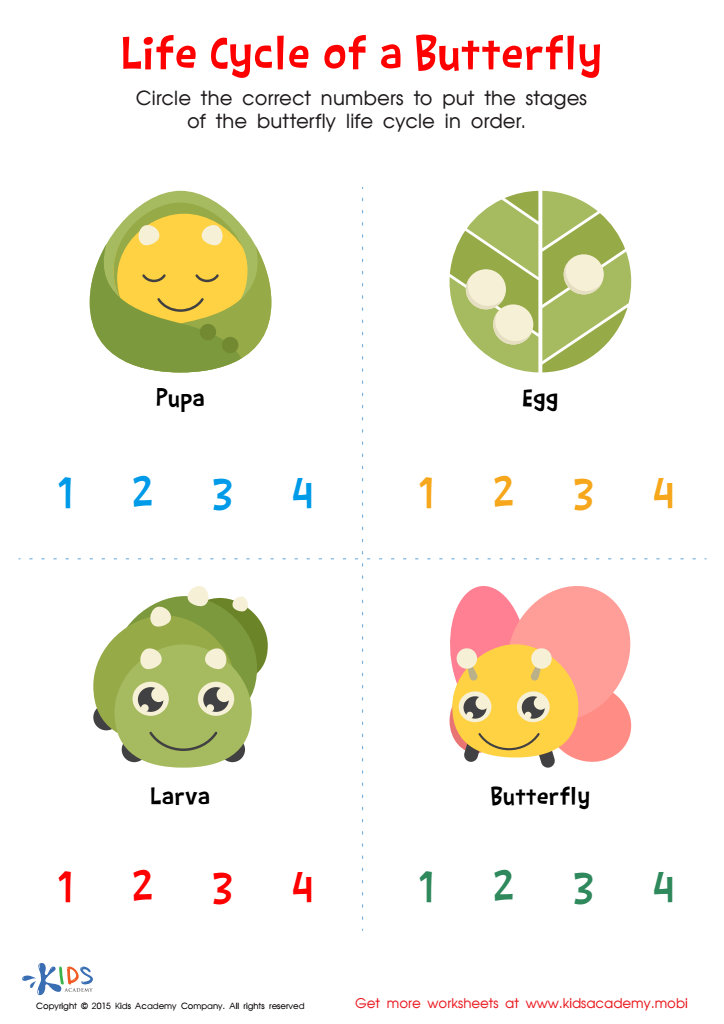
Life Cycle of Butterfly Printable
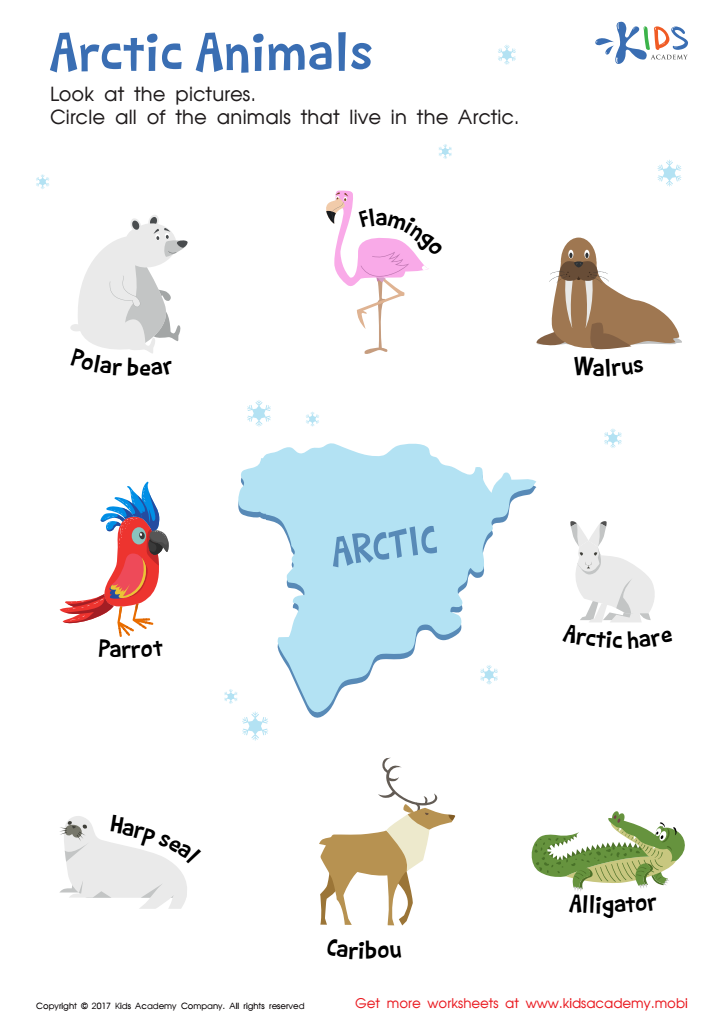
Arctic Animals Worksheet
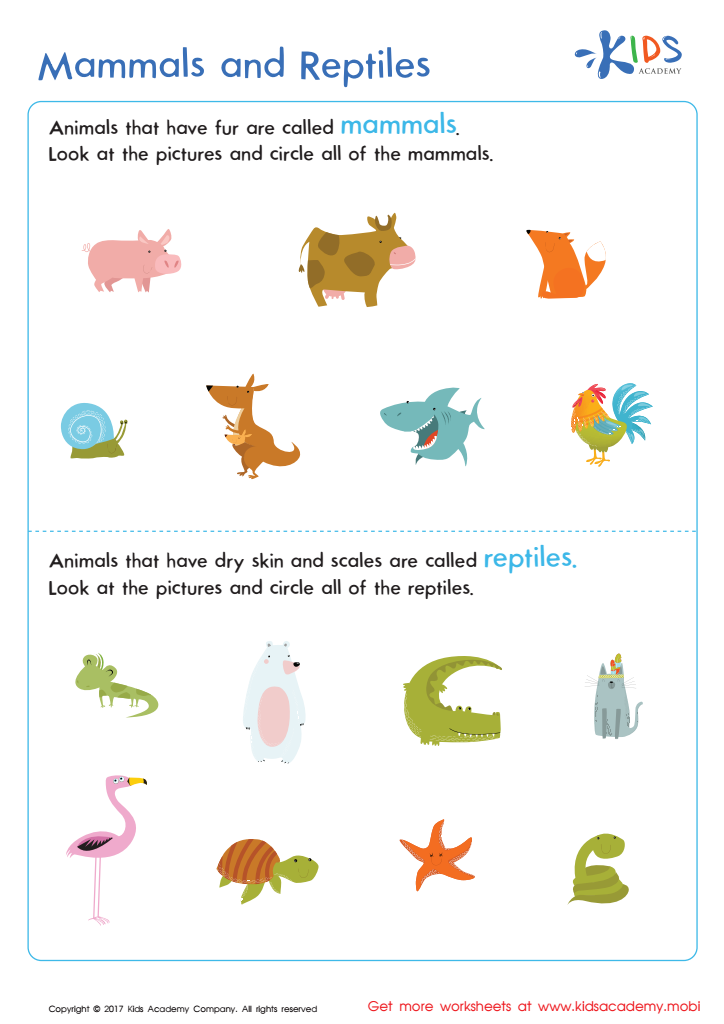
Mammals and Reptiles Worksheet
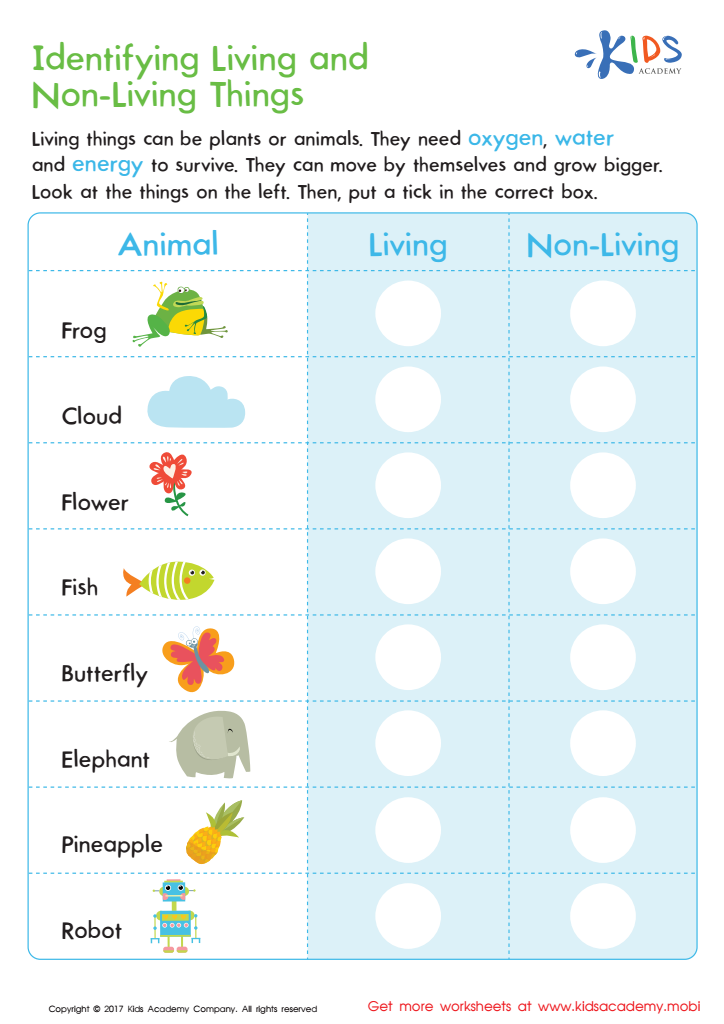
Identifying Living or Non–living Worksheet
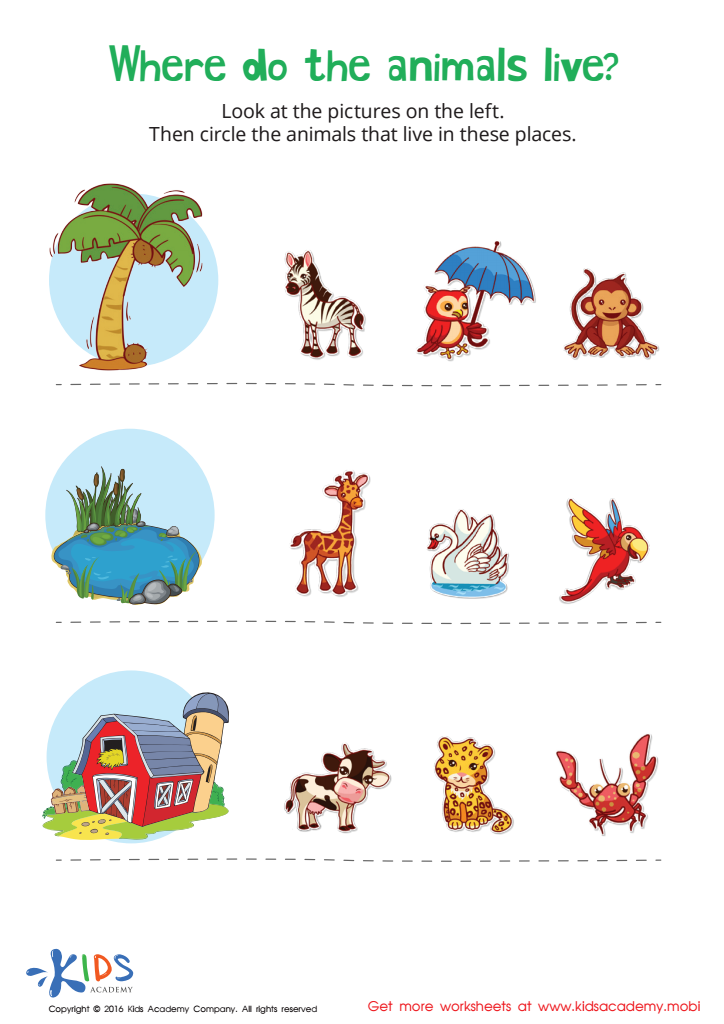
Where Animals Live Worksheet





%20(1).jpg)

Teaching children about animals is valuable for their development in numerous ways. At ages 3-8, kids are naturally curious and eager to learn about the world around them. Animals captivate their interest and imagination, offering a perfect gateway for multifaceted learning experiences.
Firstly, understanding animals enhances children's empathy and compassion. When kids learn about different species, their habitats, and how animals live, they develop a sense of respect and kindness toward living creatures. This emotional growth translates into better social skills and more considerate behaviors towards people.
Secondly, learning about animals strengthens cognitive skills. Children who study various animal characteristics improve their observation, comparison, and classification abilities. These cognitive building blocks are fundamental for scientific inquiry and critical thinking, skills crucial for academic success in later years.
Furthermore, knowledge about animals can spark a lifelong interest in sciences, encouraging children to explore biology, ecology, and other related fields. Introductions to concepts like food chains, ecosystems, and biodiversity lay the groundwork for more advanced science education.
Lastly, children learn responsibility and care by understanding the needs of pets or even backyard wildlife. Activities such as feeding birds or taking care of a pet contribute to developing routine-building skills and accountability.
In essence, teaching kids about animals nurtures empathy, cognitive development, scientific interest, and responsibility, essential qualities for well-rounded growth.








