Geography Worksheets for Ages 3-8 - Page 3
60 filtered results
-
From - To
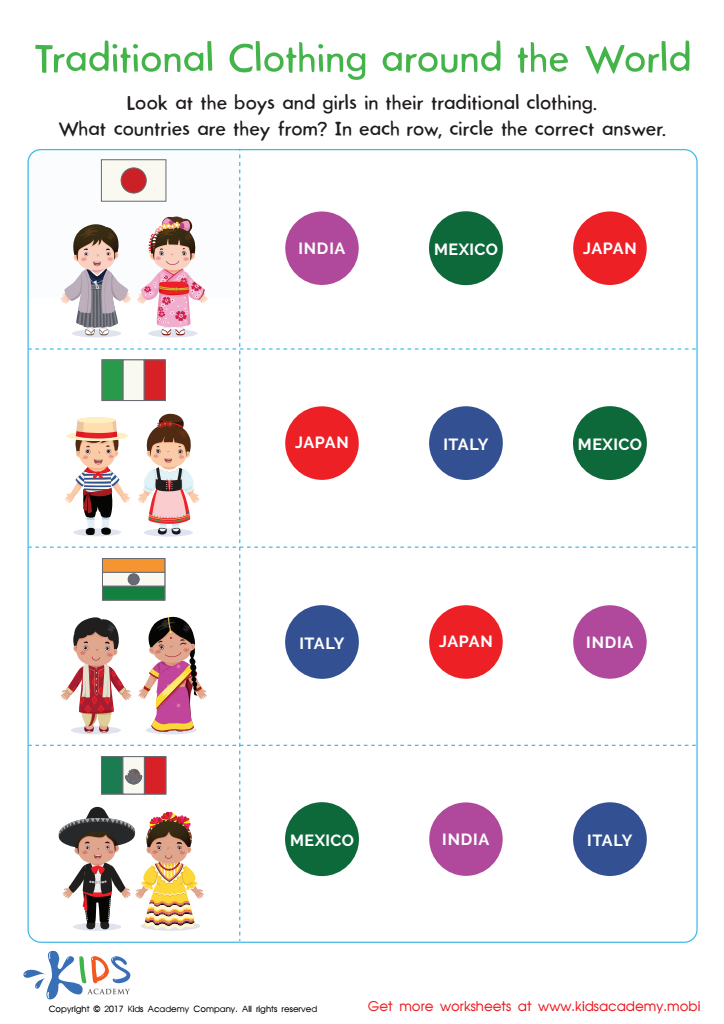
Traditional Clothing Worksheet
 Assign to My Students
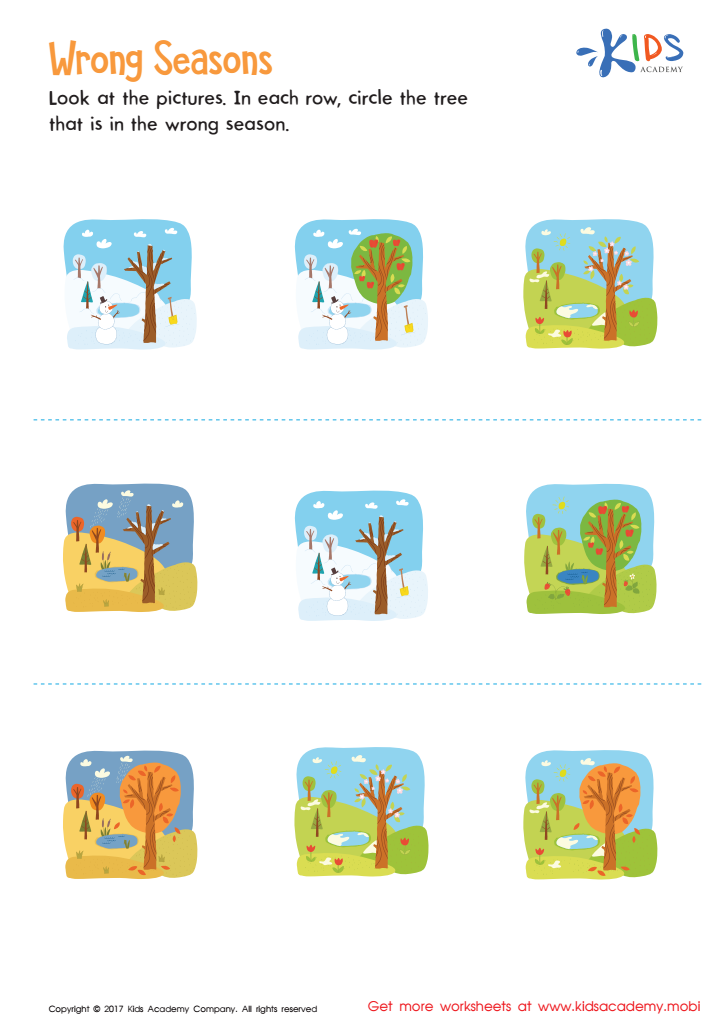
Wrong Seasons Worksheet
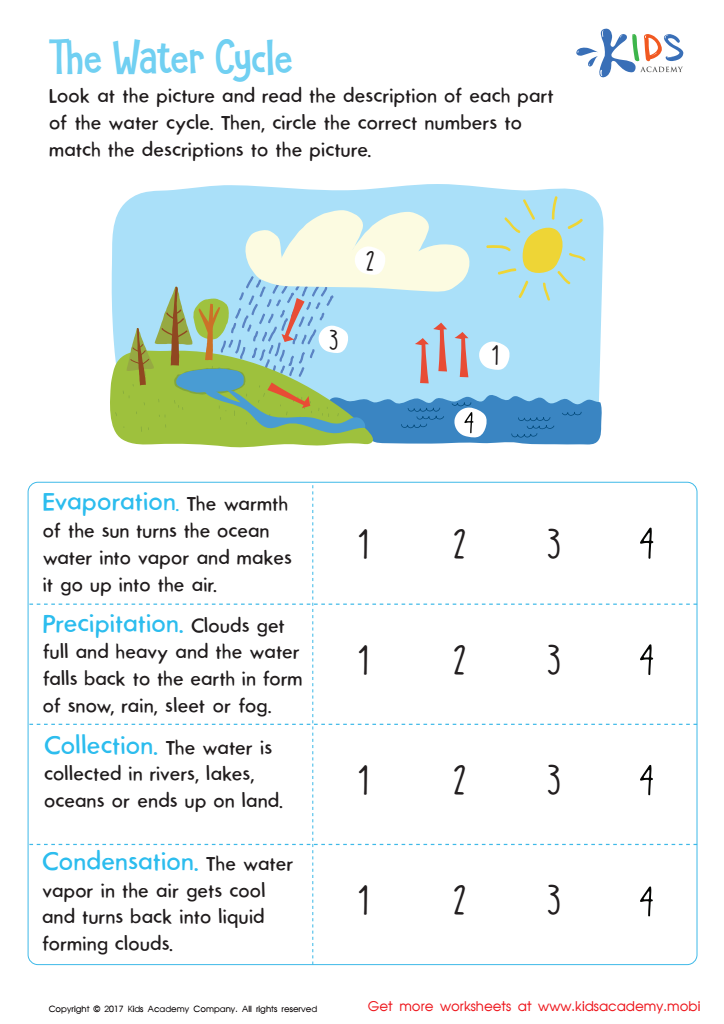
The Water Cycle Worksheet
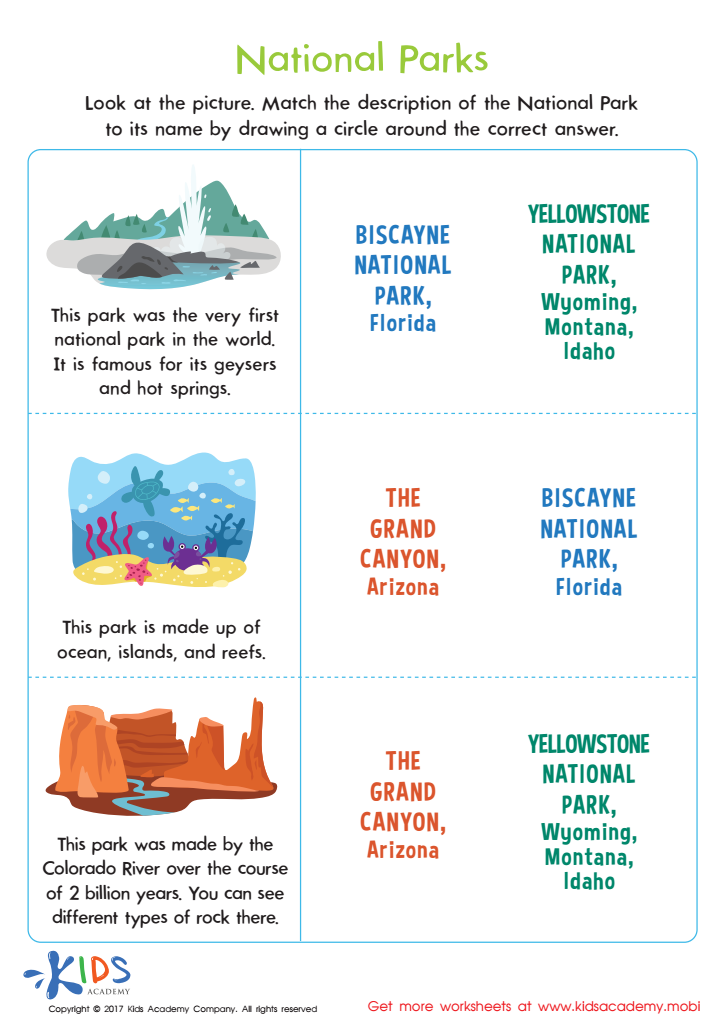
National Parks Printable
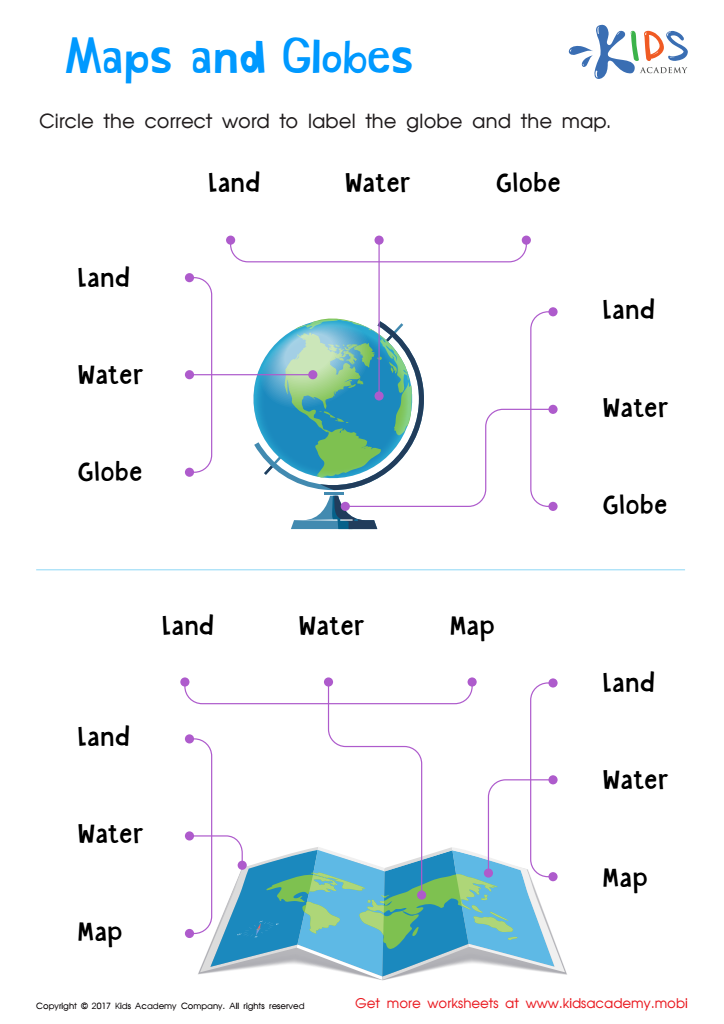
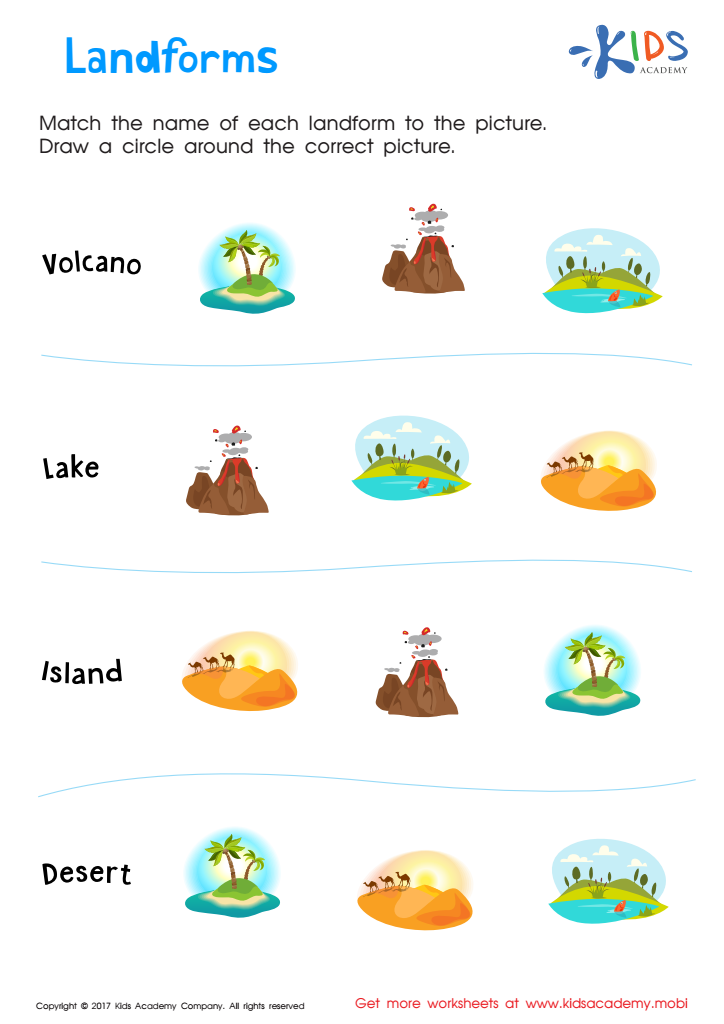
Landforms Printable
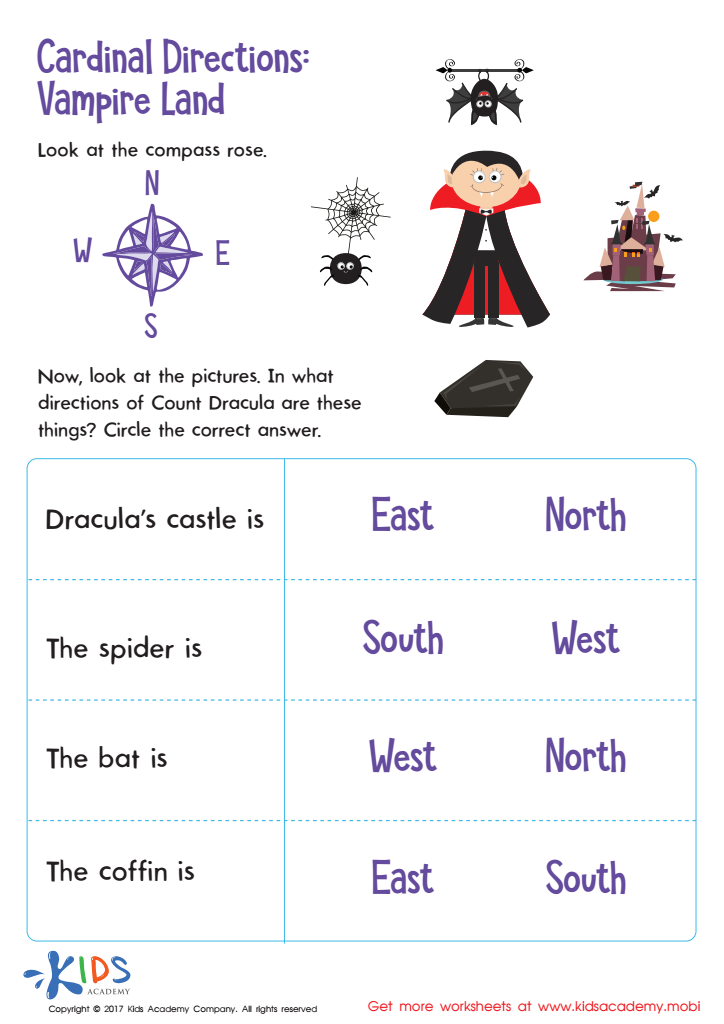
Cardinal Directions Printable
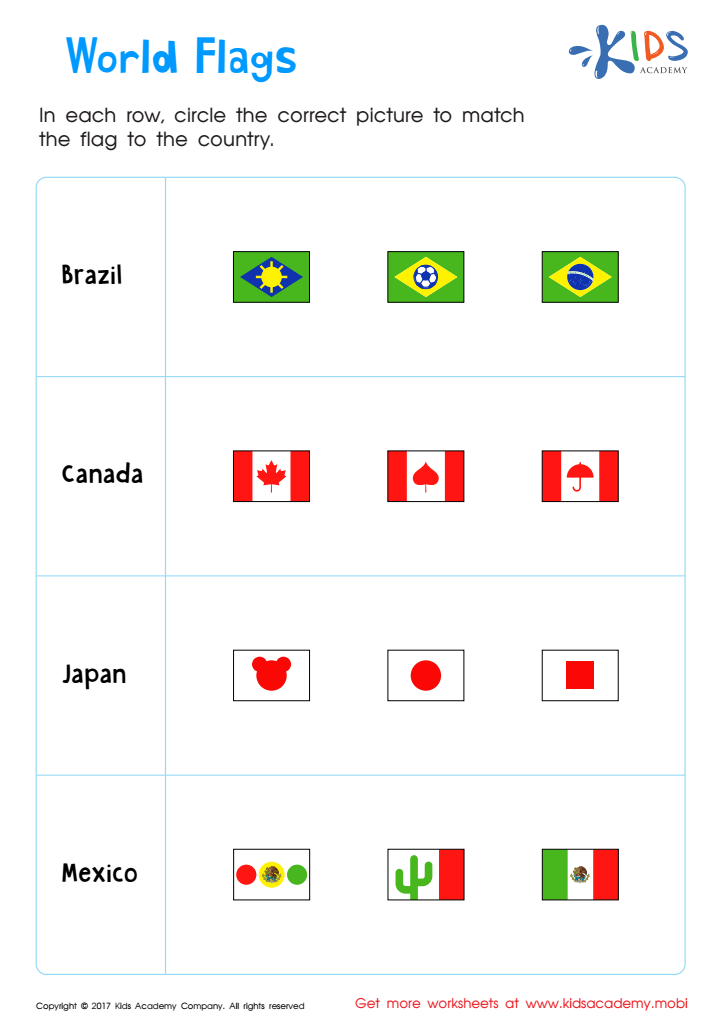
World Flags Printable
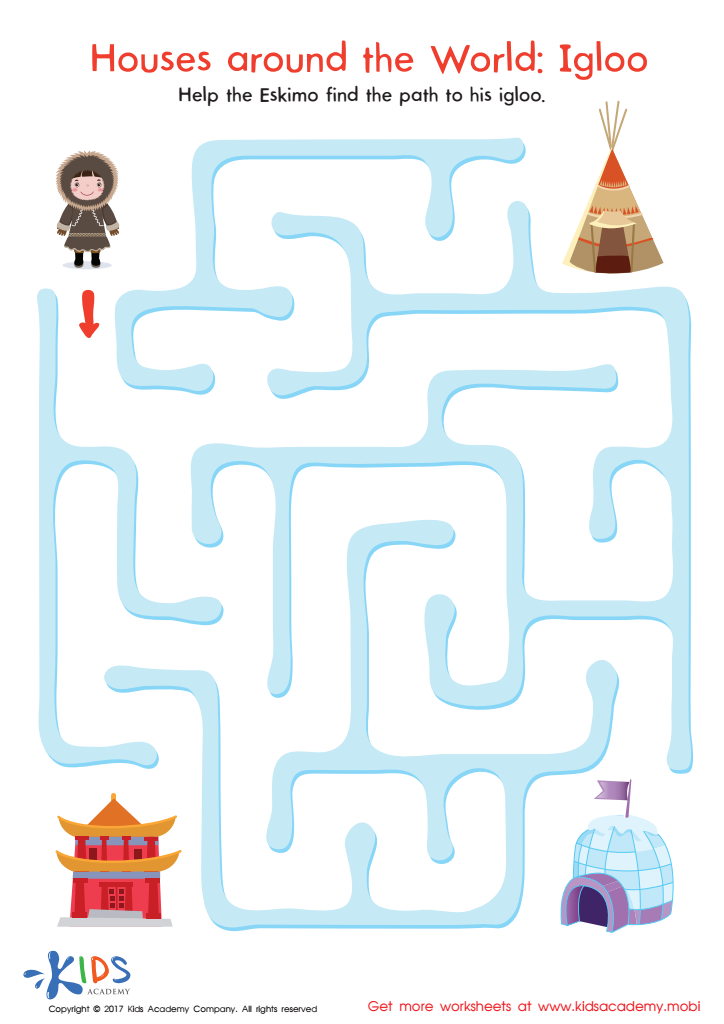
Houses Around the World: Igloo Printable
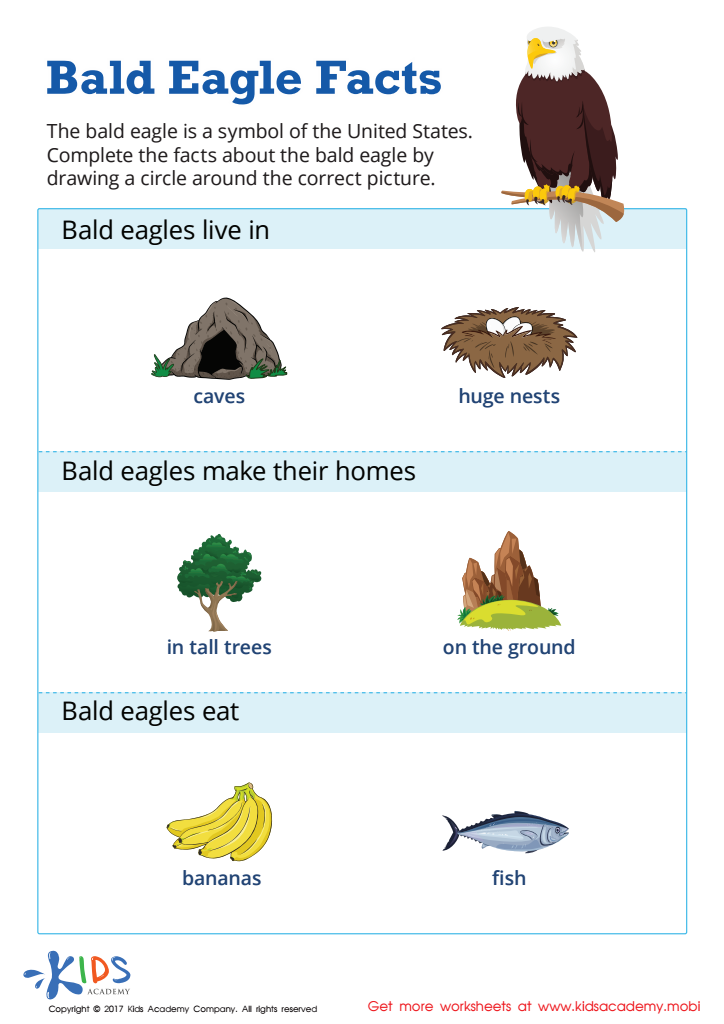
Bald Eagle Facts Worksheet
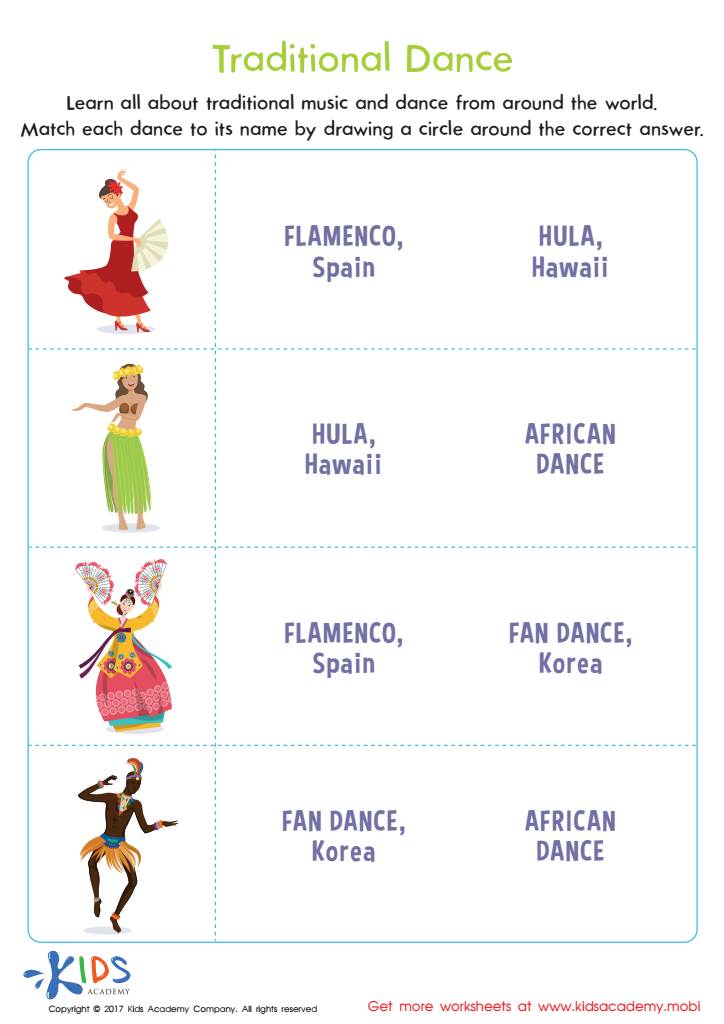
Traditional Dance Printable
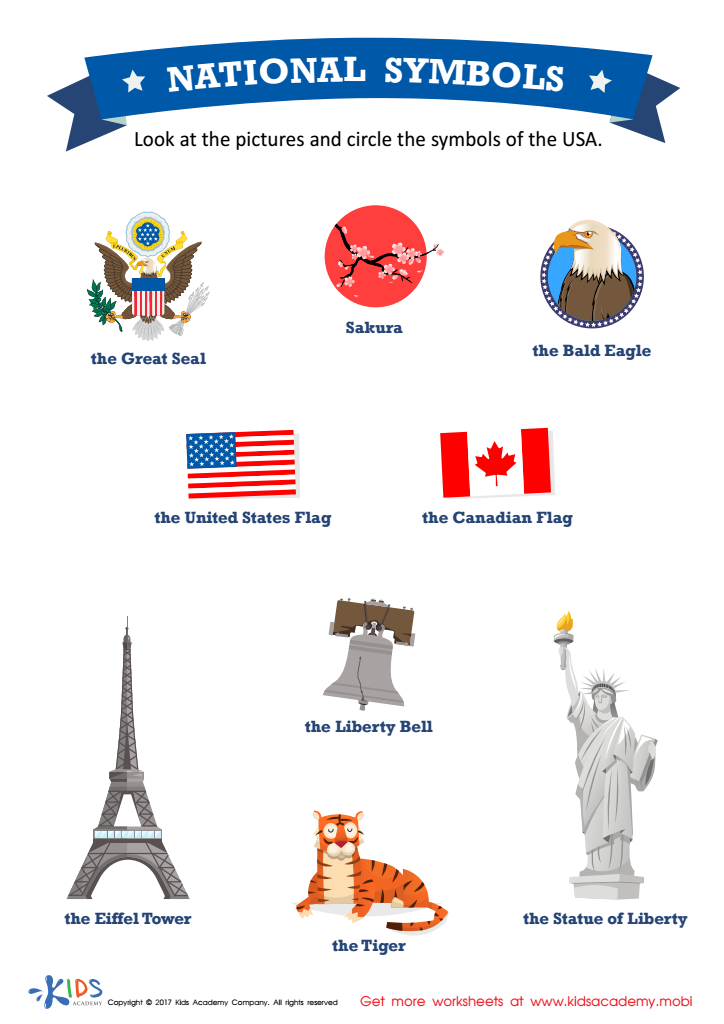




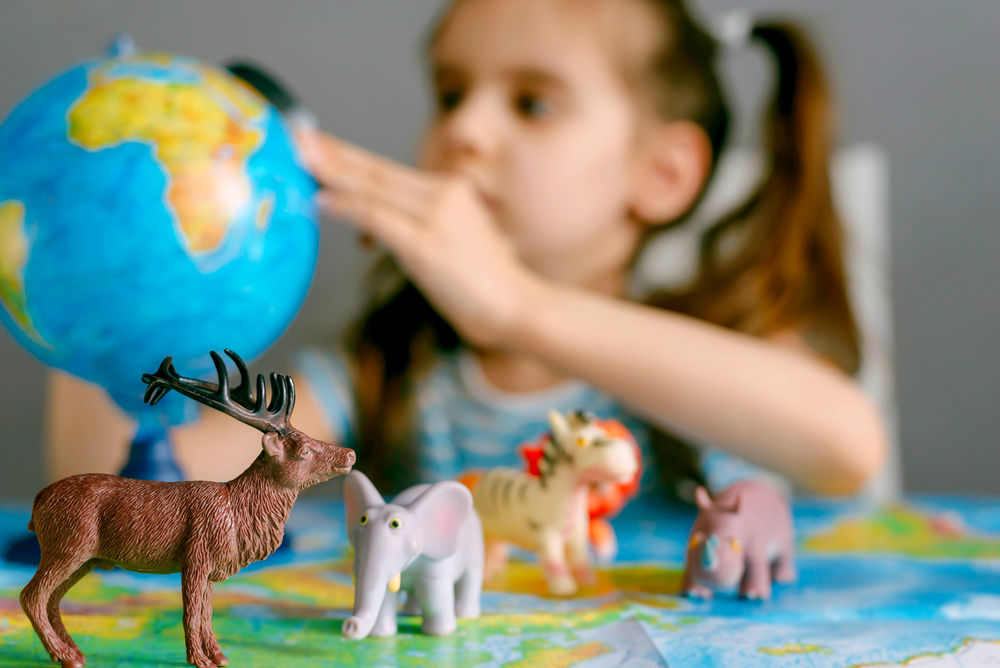


Geography is an essential subject for young children, offering numerous benefits that extend beyond classroom learning. For parents and teachers, fostering an appreciation for geography in children aged 3 to 8 can play a vital role in their overall development. Understanding geography helps young learners develop a sense of their place in the world. It introduces them to diverse cultures, landscapes, and communities, promoting empathy and appreciation for differences.
At this developmental stage, children are naturally curious, and geographic concepts can ignite their imagination and exploration. Engaging activities like mapping local neighborhoods, learning about animals from different continents, or studying weather patterns help build critical thinking and problem-solving skills. Moreover, geography enhances children's communication skills, enabling them to describe their environment and share experiences effectively.
Awareness of global interconnections and environmental issues fosters responsible citizenship, crucial in today’s interconnected world. It encourages children to think critically about their surroundings and inspires curiosity about global problems, laying the groundwork for proactive, informed future citizens. When parents and teachers prioritize geography, they cultivate curiosity, understanding, and respect for the world, enriching children's learning experiences and preparing them for a diverse, ever-changing world.








