Letter Recognition Worksheets for Ages 3-9
100 filtered results
-
From - To
Discover the fun and effective way to boost letter recognition skills for children aged 3-9 with our engaging letter recognition worksheets! Designed to enhance early literacy, these printables feature colorful activities that capture young learners' attention. Each worksheet focuses on identifying, tracing, and building a strong foundation in alphabet knowledge. Perfect for parents and educators, our resources cater to various learning styles and abilities, making letter learning enjoyable and accessible. Encourage creative exploration through fun games, puzzles, and exercises that reinforce the importance of letter recognition in reading and writing. Start your child's literacy journey today with our comprehensive worksheets!
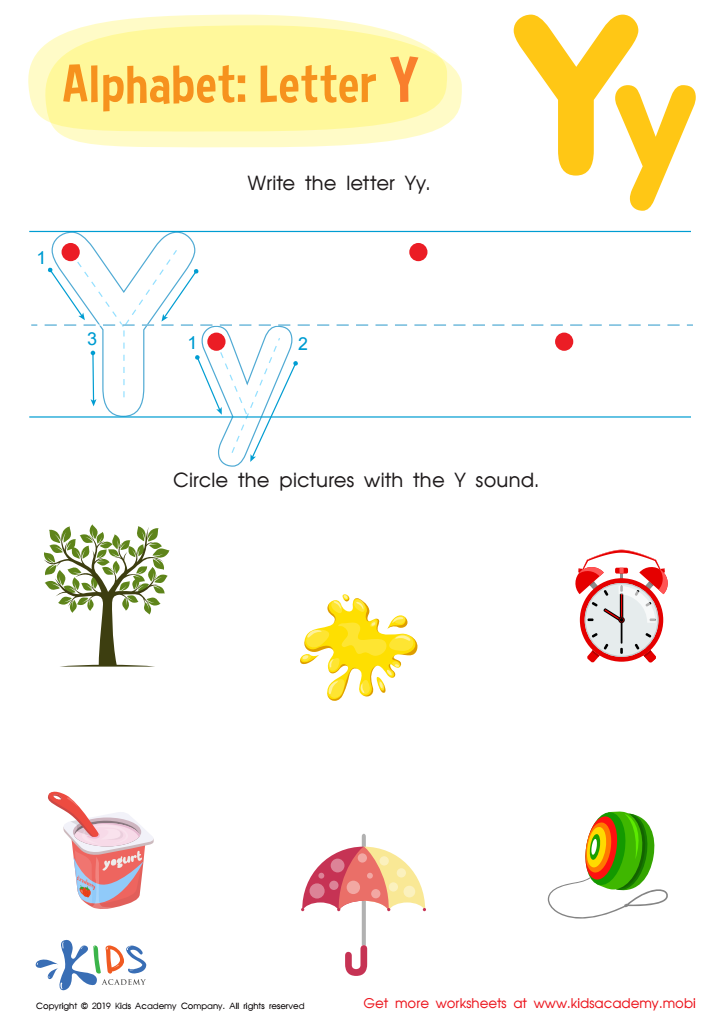
Letter Y Tracing Worksheet
 Assign to My Students
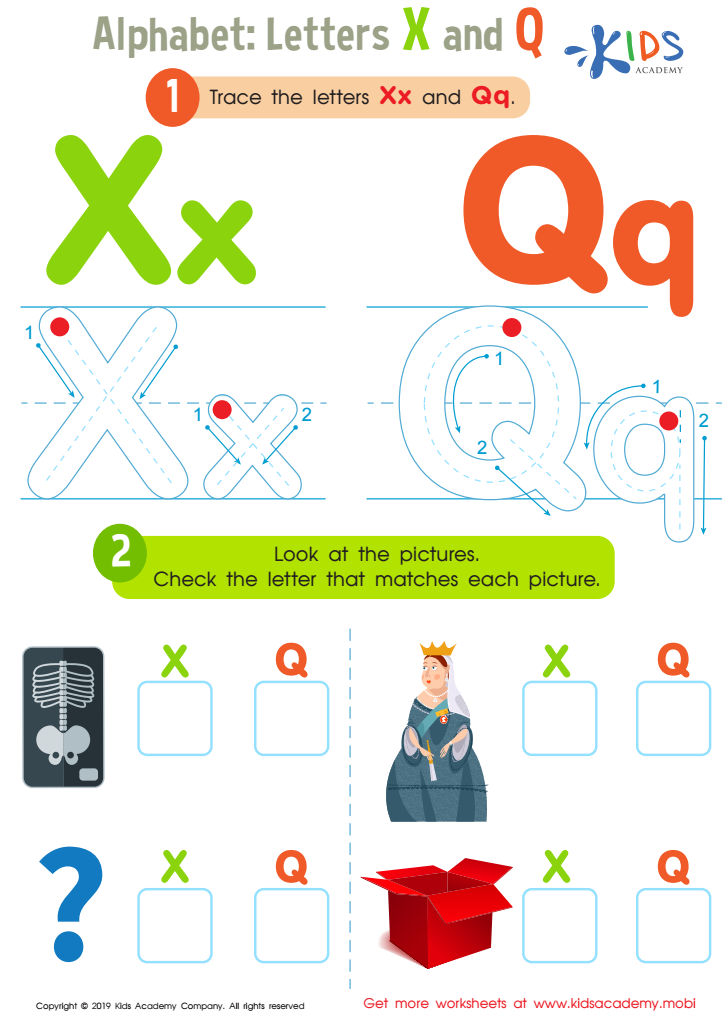
Letters X and Q Tracing Worksheet
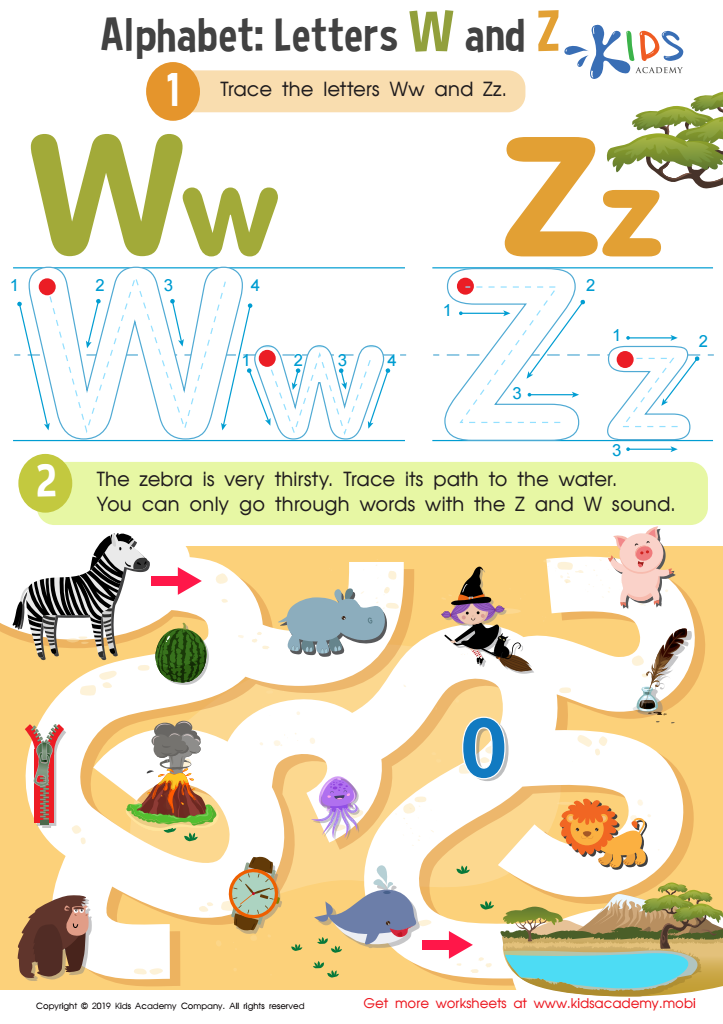
Letters W and Z Tracing Worksheet
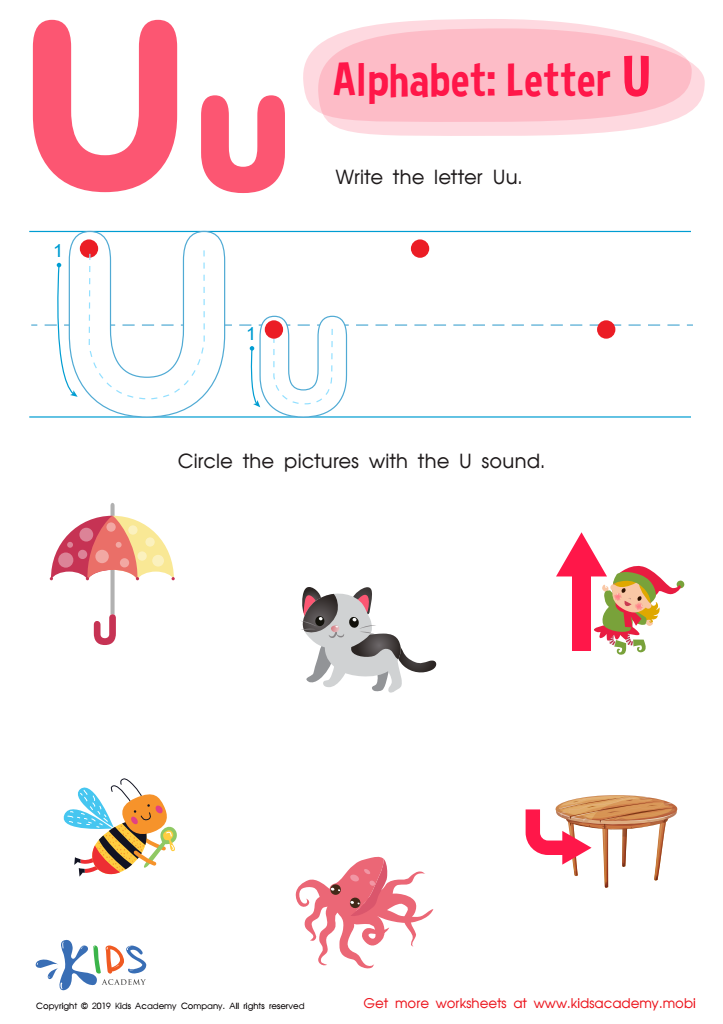
Letter U Tracing Worksheet
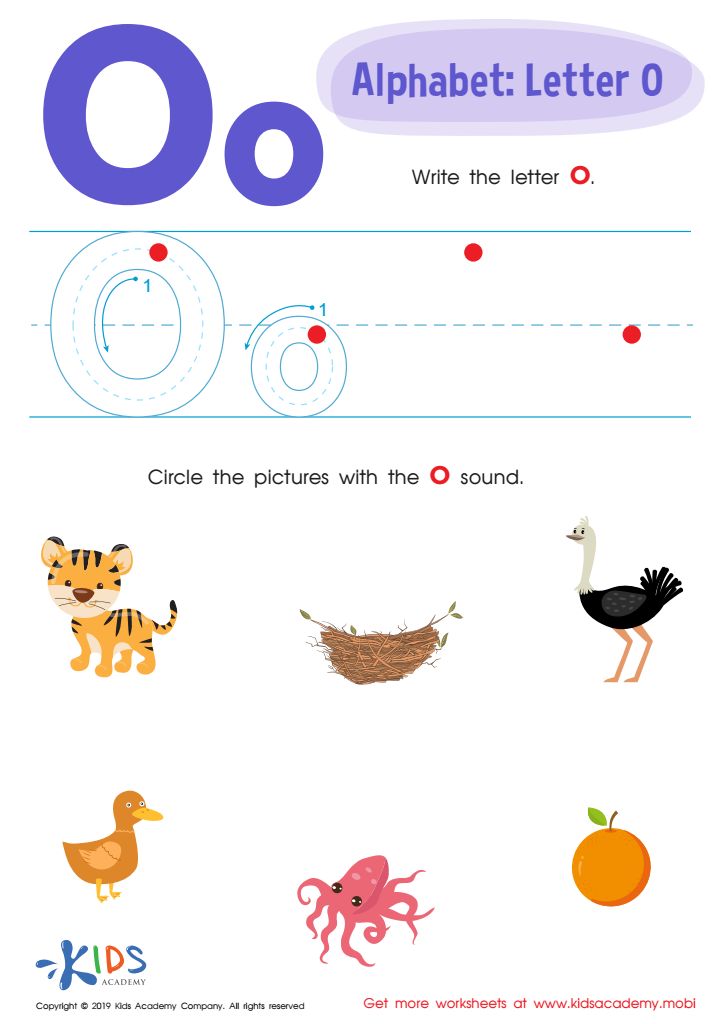
Letter O Tracing Worksheet
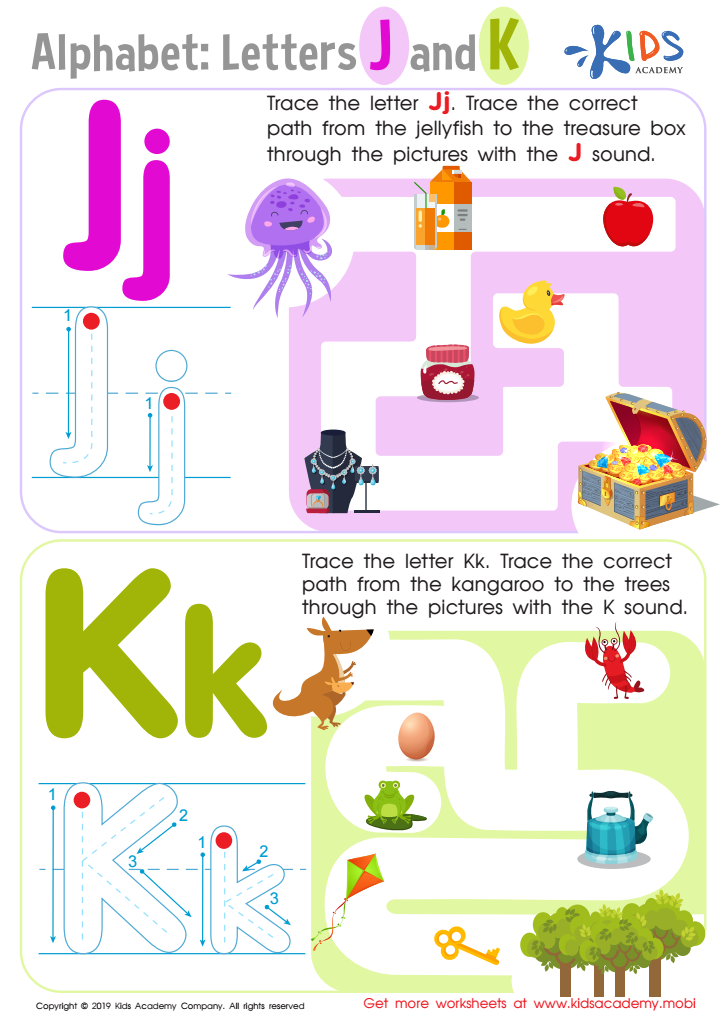
Letters J and K Tracing Worksheet
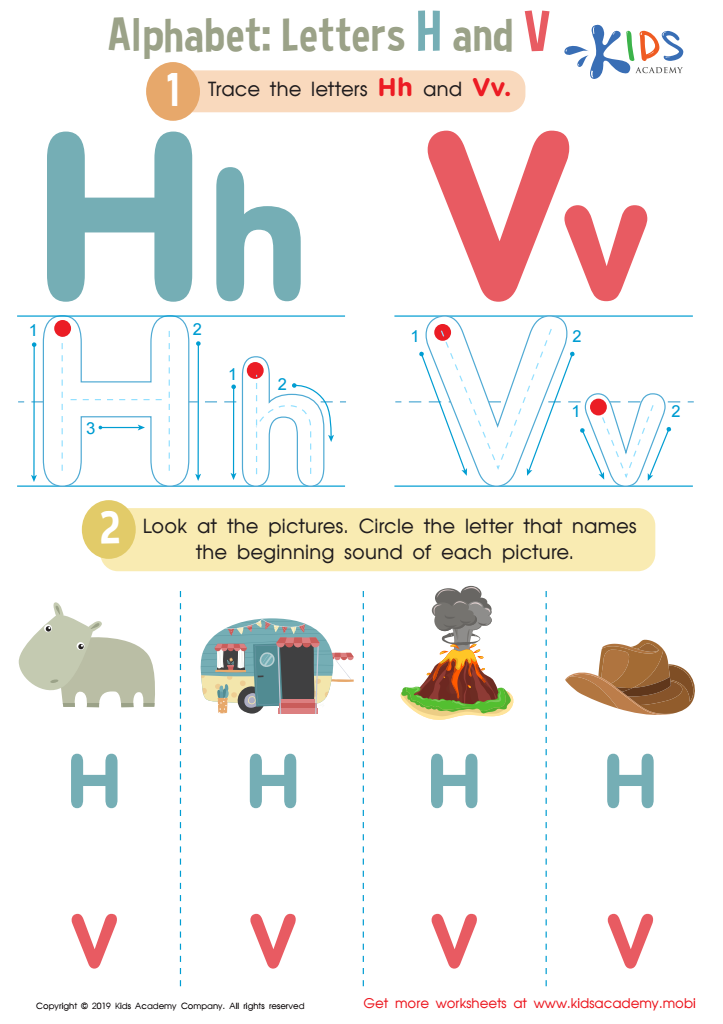
Letters H and V Tracing Worksheet
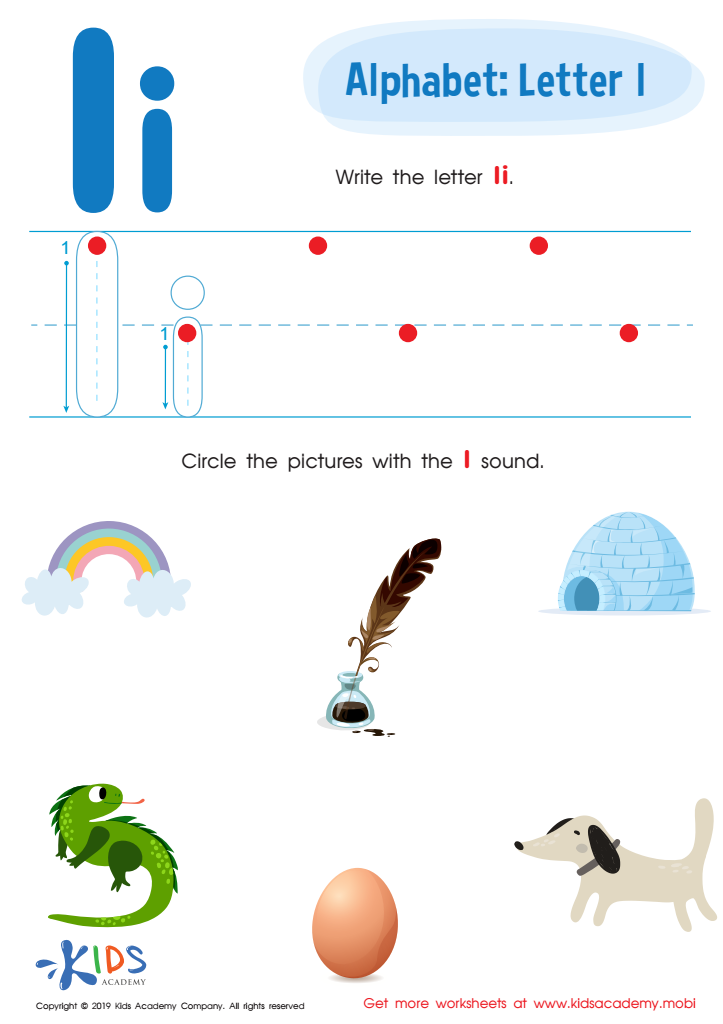
Letter I Tracing Worksheet
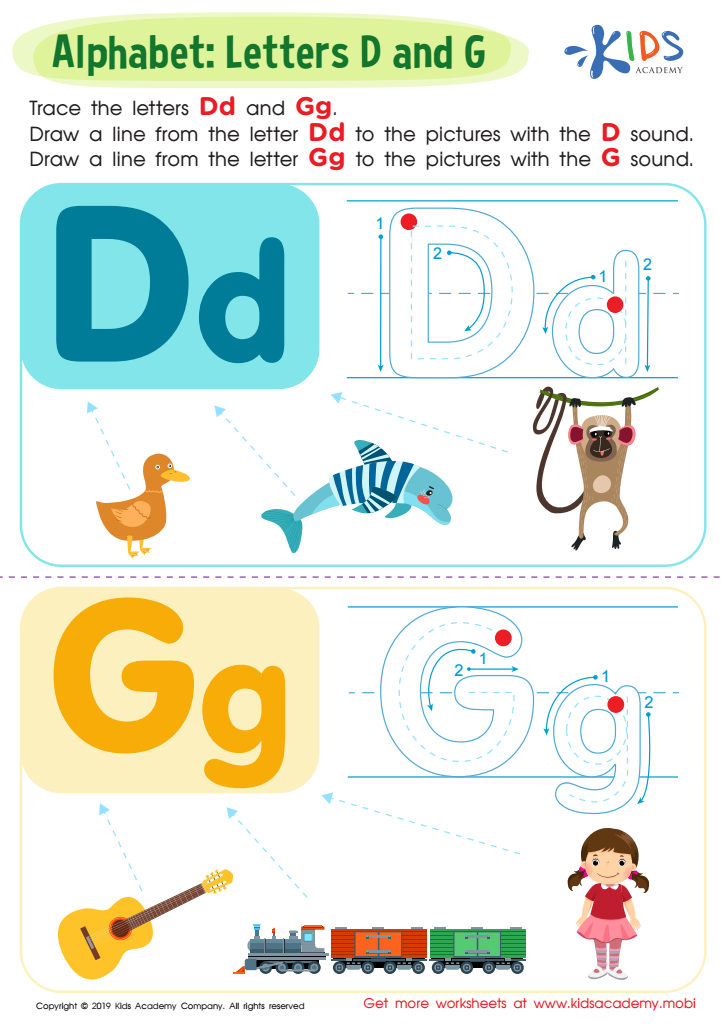
Letter D and G Tracing Worksheet
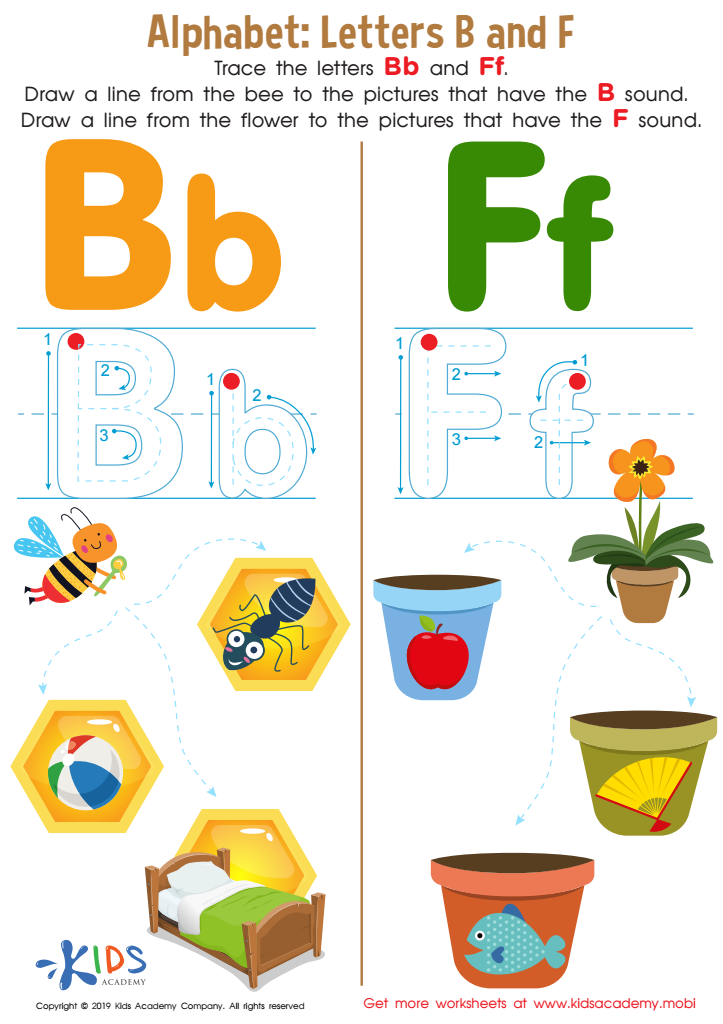
Letters B and F Tracing Worksheet
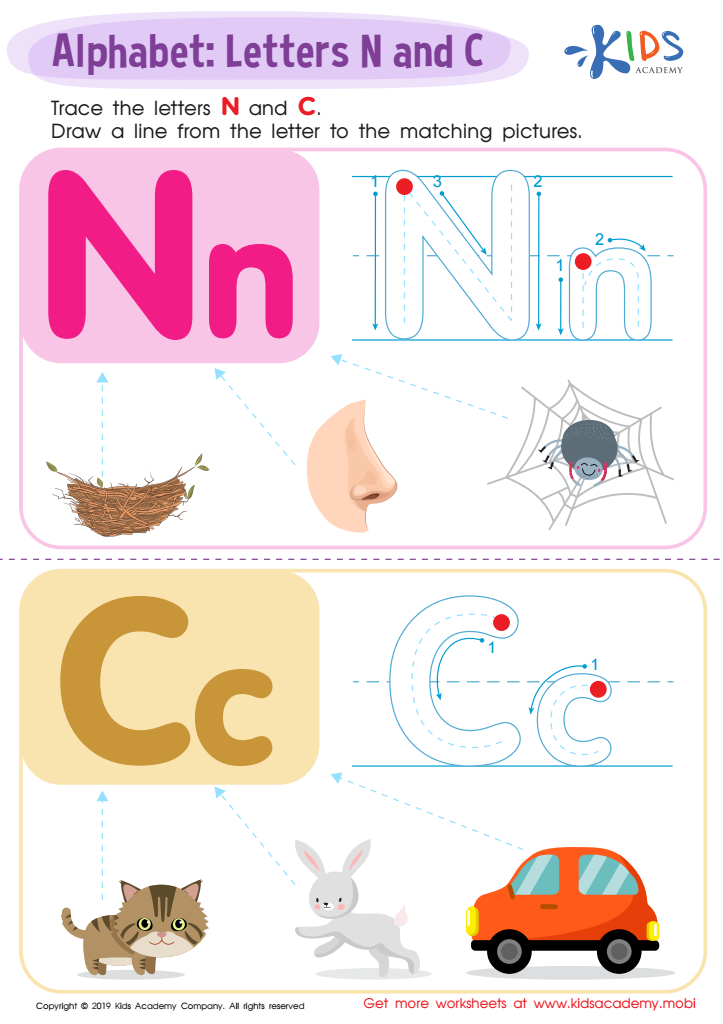
Letter N and C Tracing Worksheet
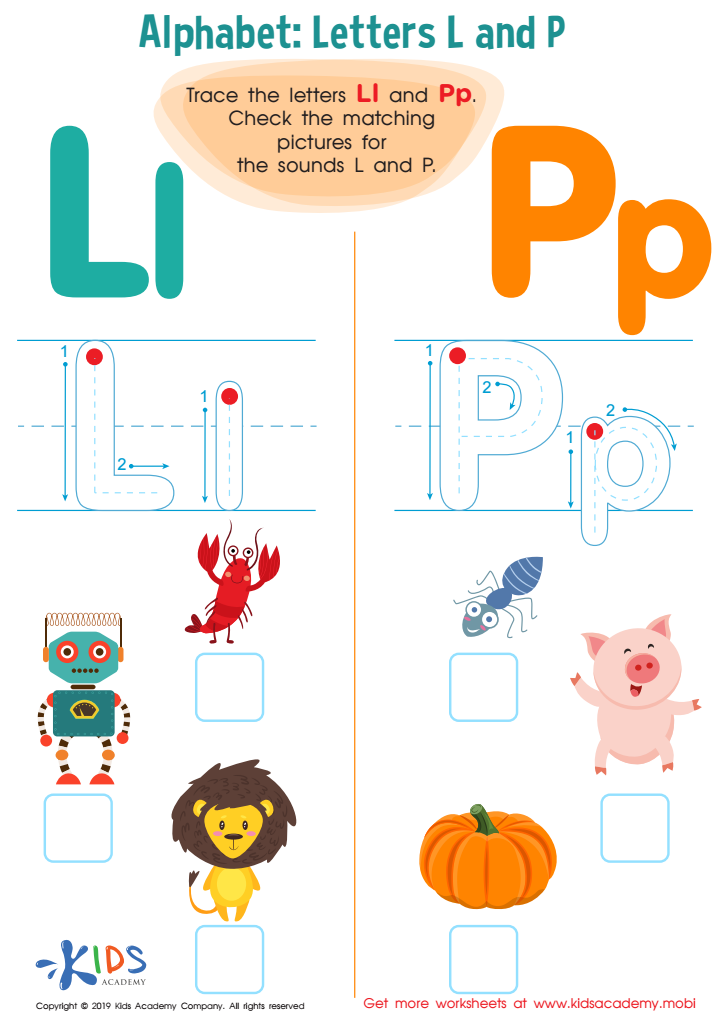
Letter L and P Tracing Worksheet
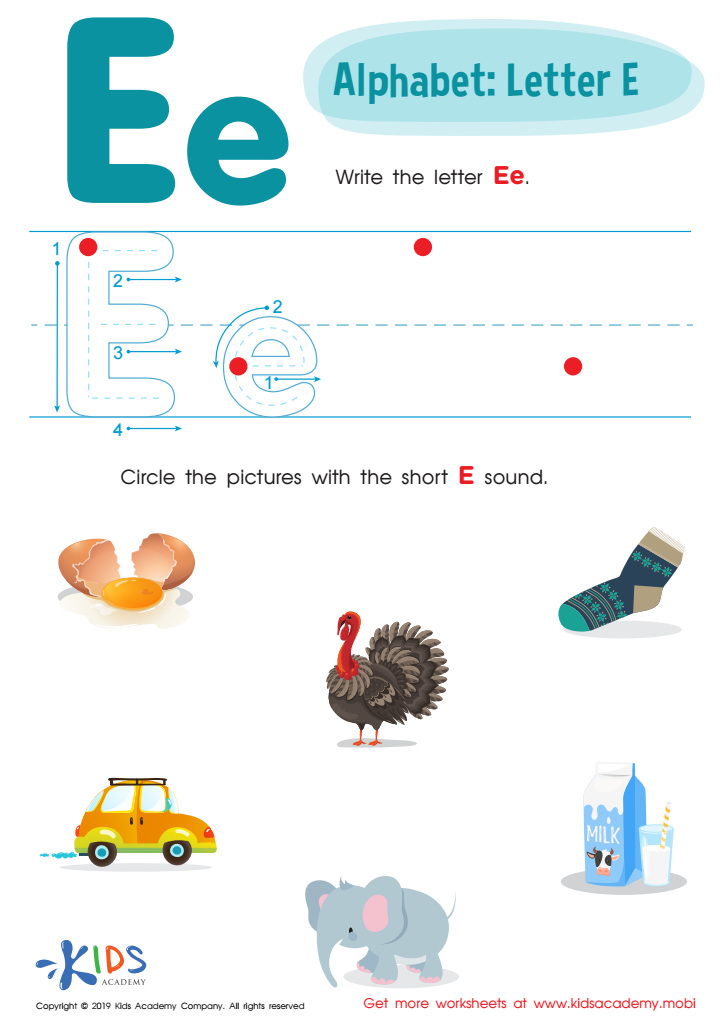
Letter E Tracing Worksheet
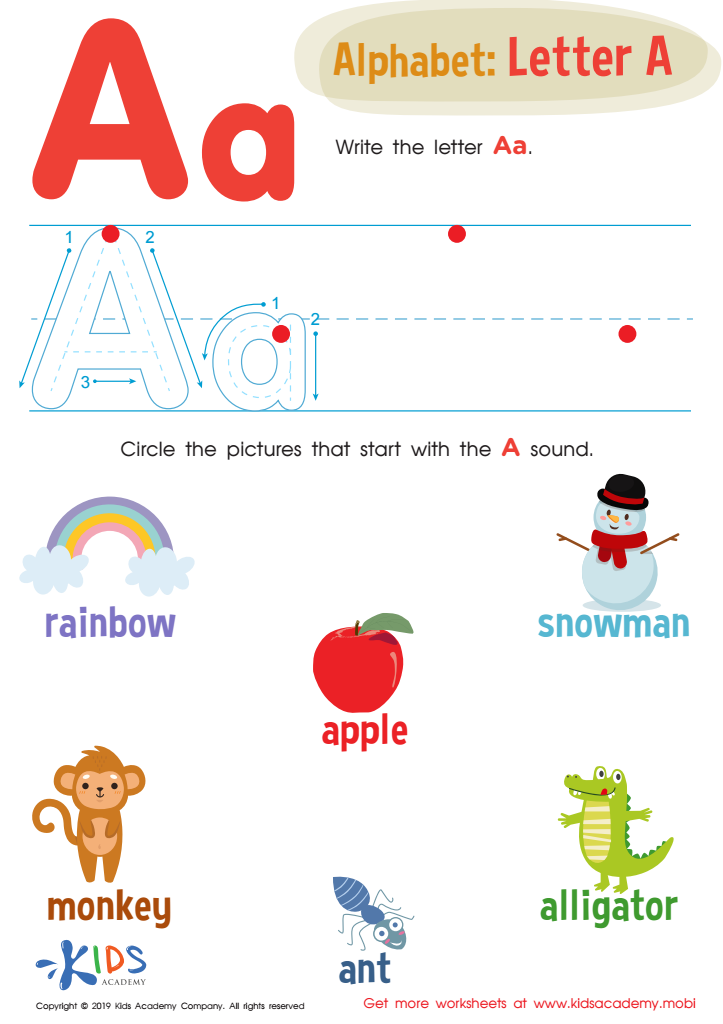
Letter A Tracing Worksheet
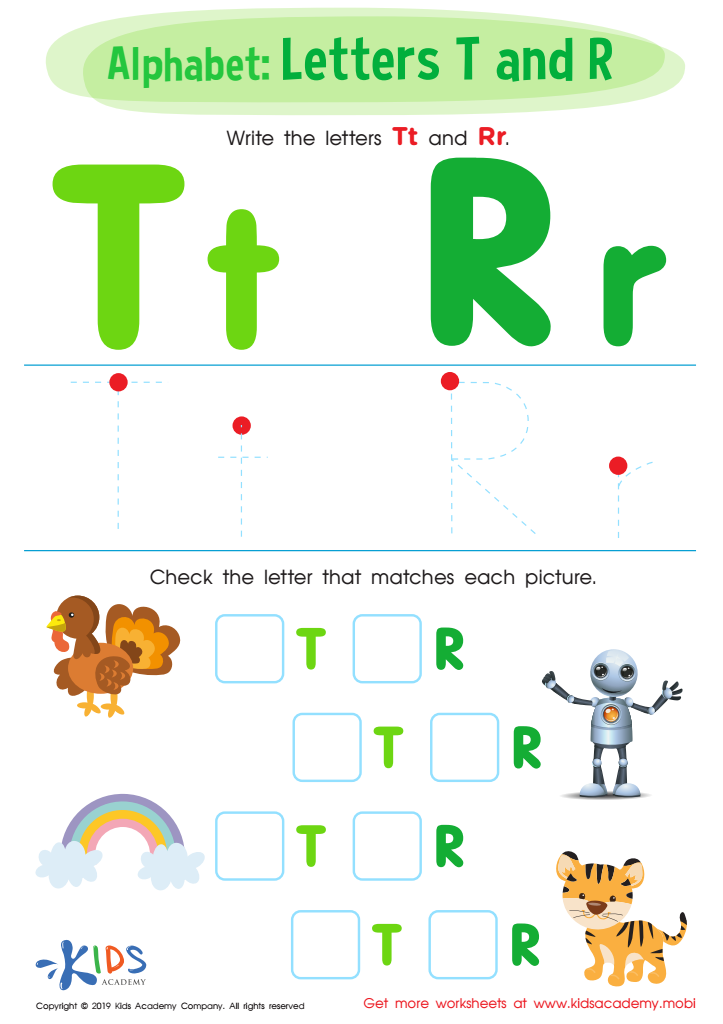
Letters T and R Worksheet
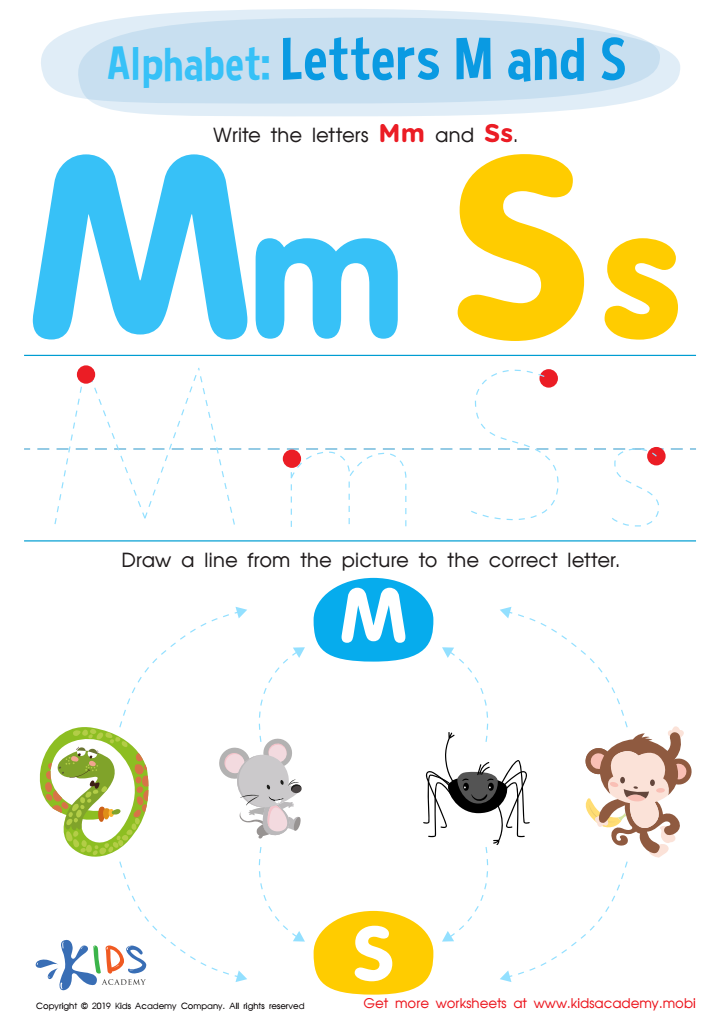
Letters M and S Tracing Worksheet
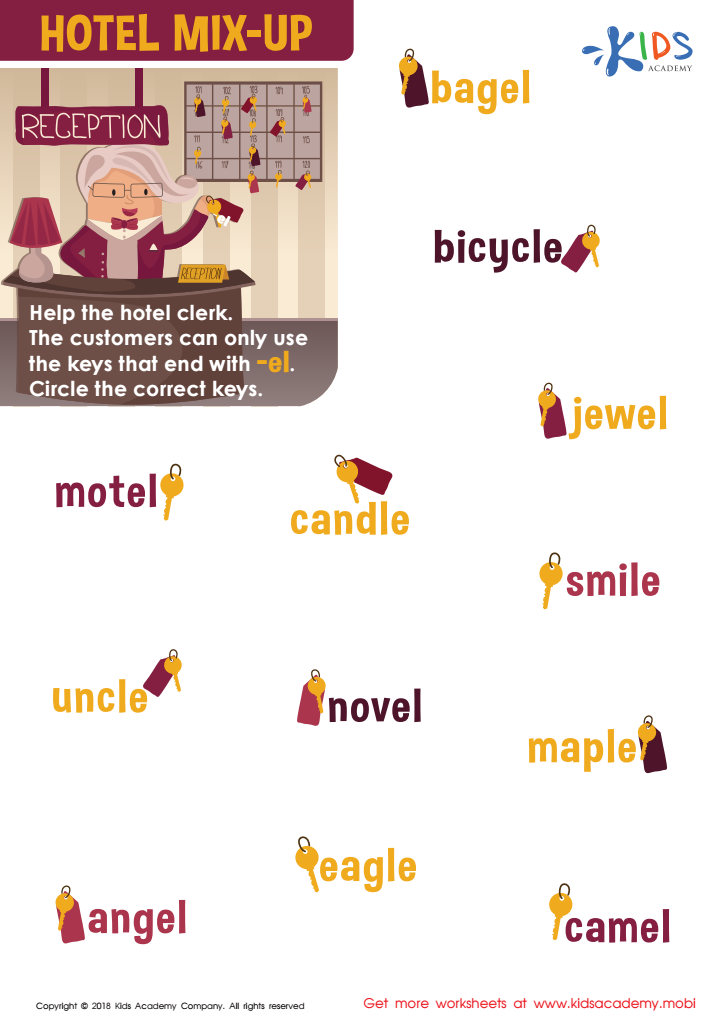
Hotel Mix-up Worksheet
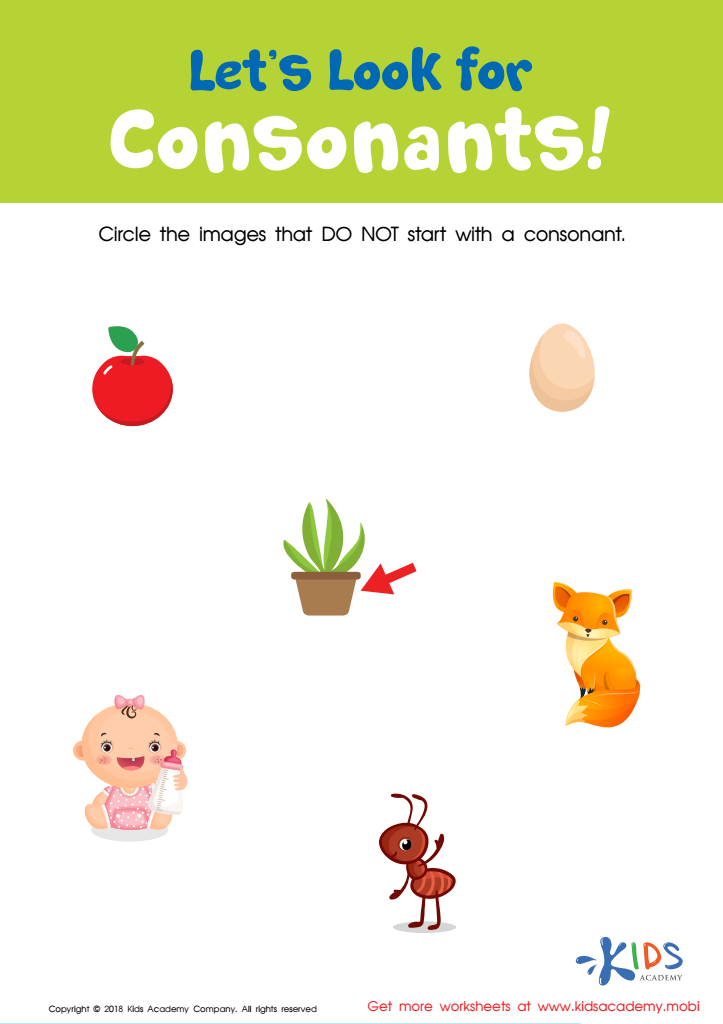
Let's Look for Consonants Worksheet
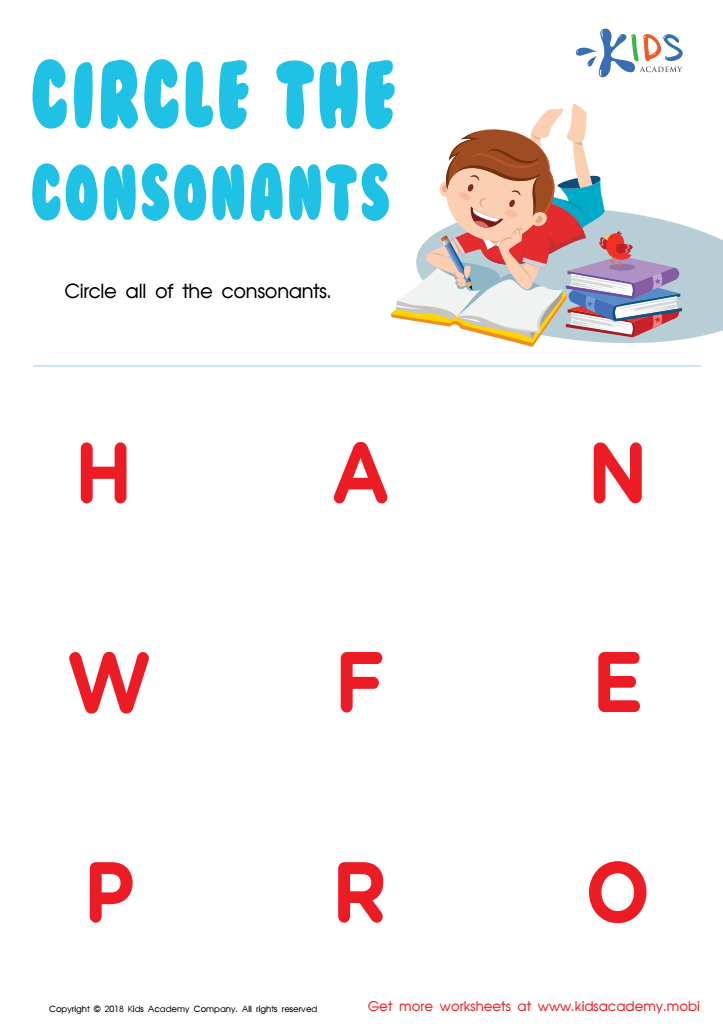
Circle the Consonants Worksheet
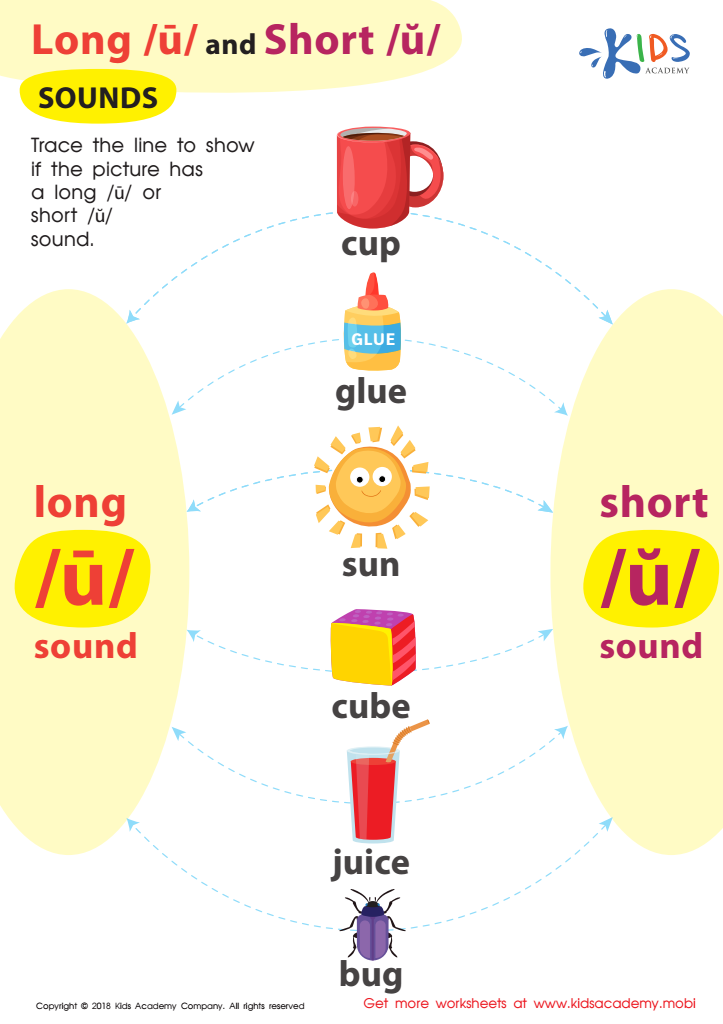
Reading: Long U and Short U Sounds Worksheet
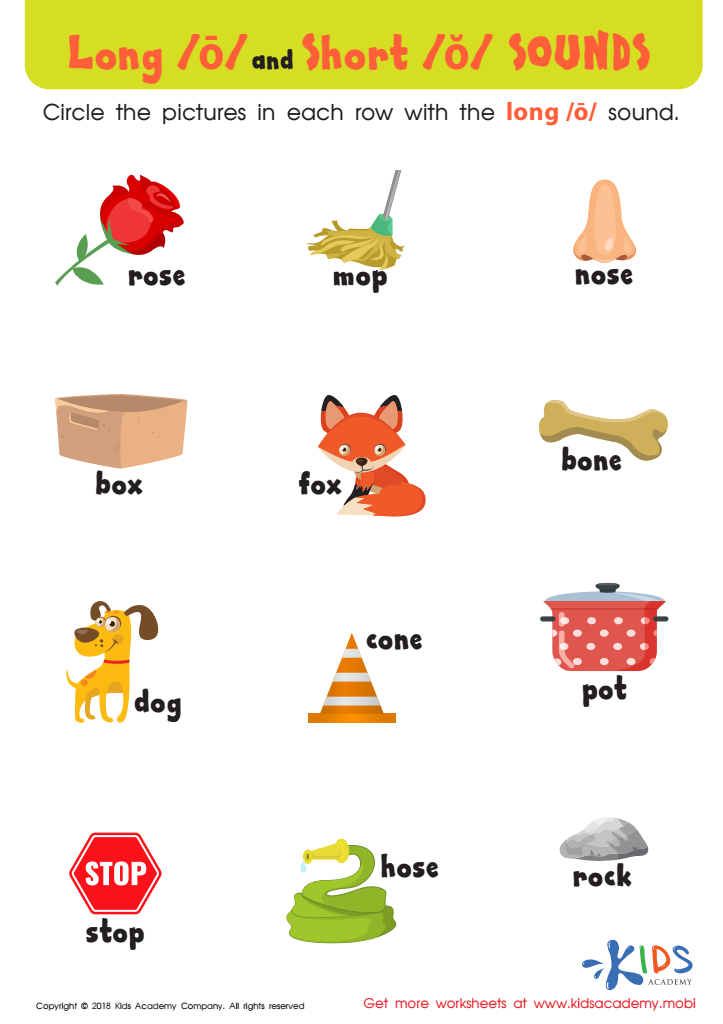
Reading: Long O and Short O Sounds Worksheet
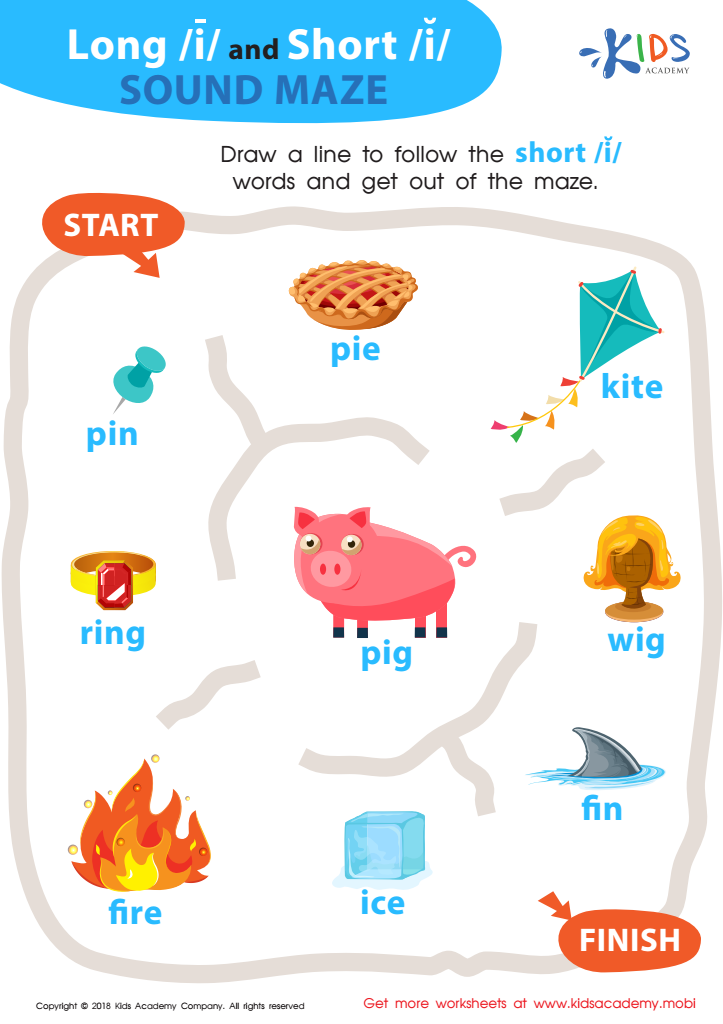
Reading: Long I and Short I Sound Maze Worksheet
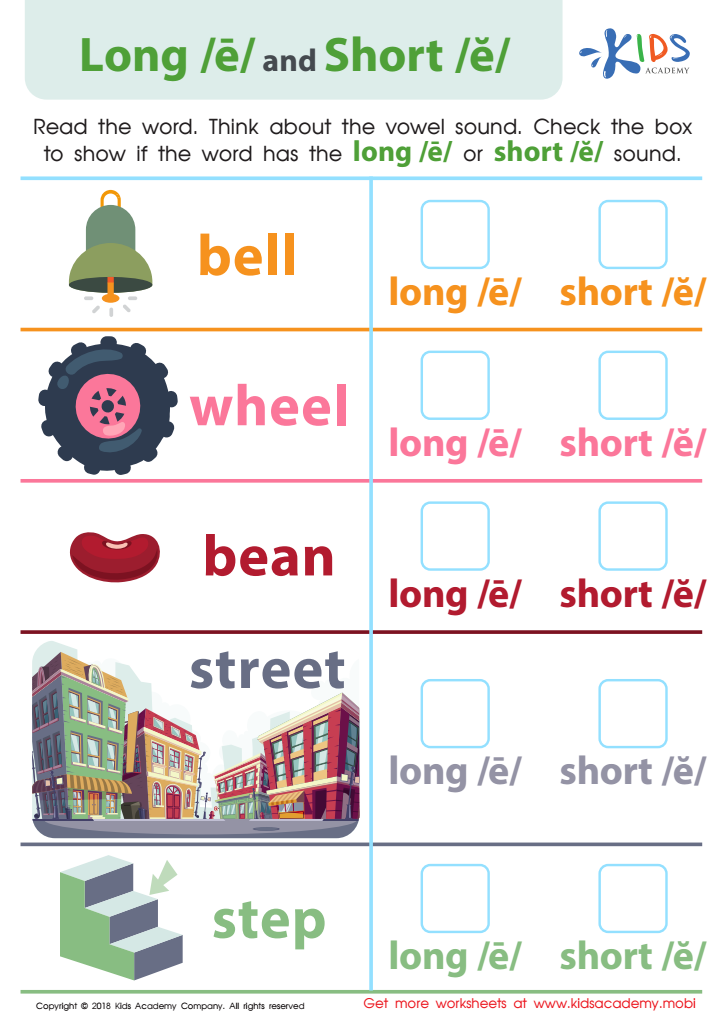
Reading: Long E and Short E Worksheet
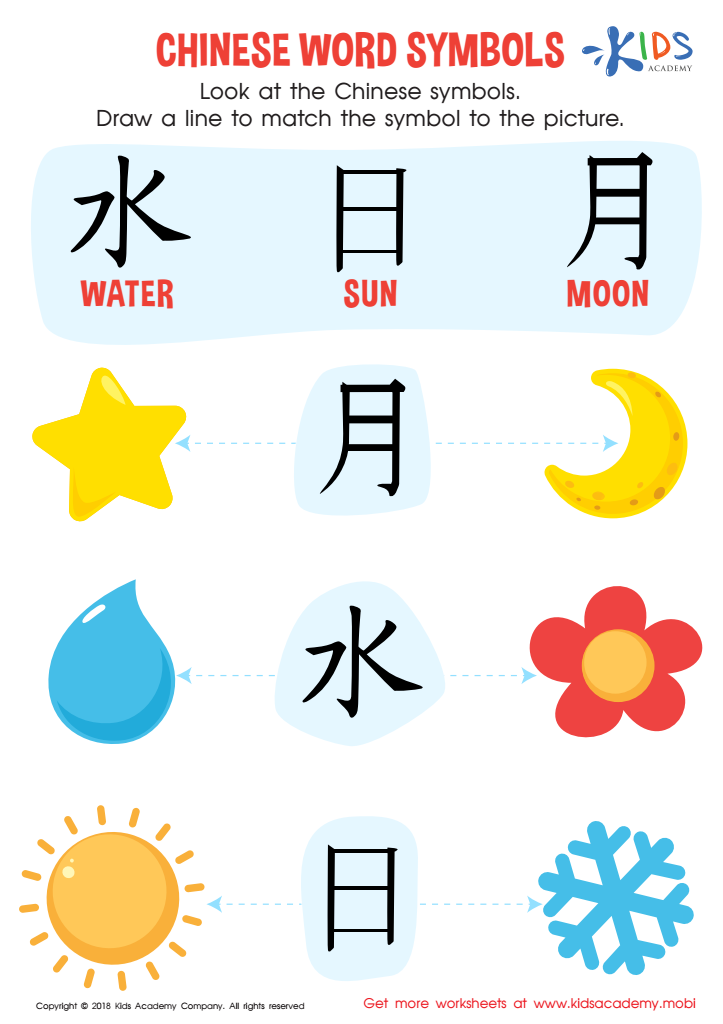
Chinese Word Symbols Worksheet








Letter recognition is a fundamental building block of literacy, crucial for children ages 3 to 9. Understanding letters is the first step in learning how to read and write, which lays the foundation for academic success. For parents and teachers, fostering letter recognition helps children connect letters with sounds, leading to phonemic awareness—an essential skill for reading fluency.
Moreover, recognizing letters enhances vocabulary development and communication skills. It allows children to decode simple words, paving the way for more complex language skills as they progress. Early familiarity with letters also boosts confidence and enthusiasm for learning, encouraging kids to engage with reading materials more readily.
Additionally, letter recognition plays a vital role in cognitive development. It promotes critical thinking and memory skills, as children learn to identify and differentiate between various letters and their forms. By addressing letter recognition, parents and educators can identify children who may need extra support, providing tailored learning experiences to ensure all children advance at their own pace.
Ultimately, prioritizing letter recognition helps create a solid foundation for lifelong learning, inspiring a love of reading and fostering educational curiosity in young children.







