Comparing Numbers Worksheets for Ages 3-9 - Page 2
52 filtered results
-
From - To
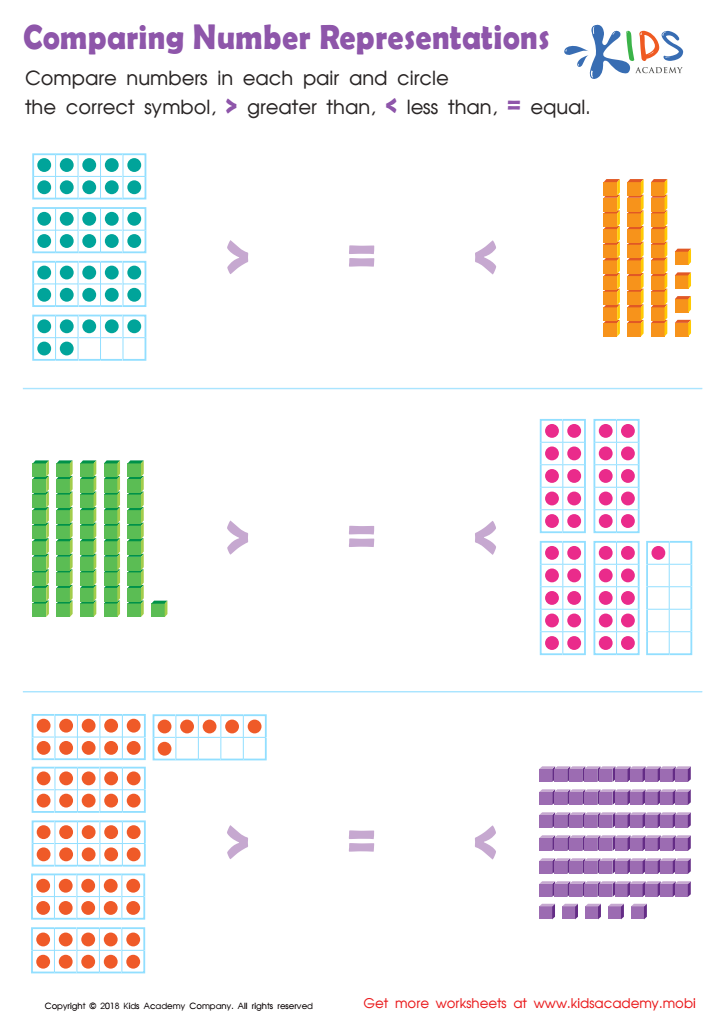
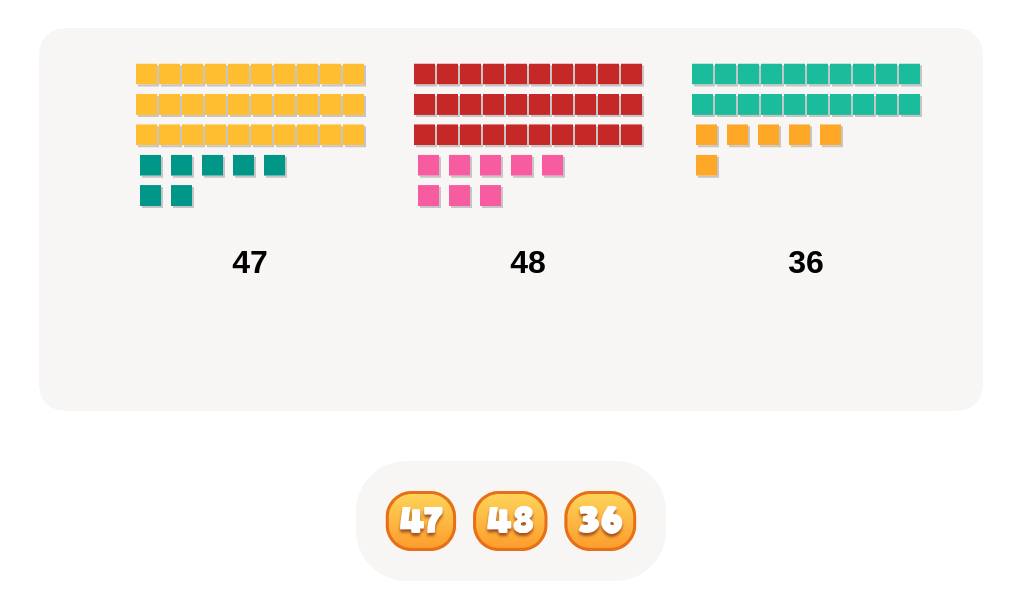
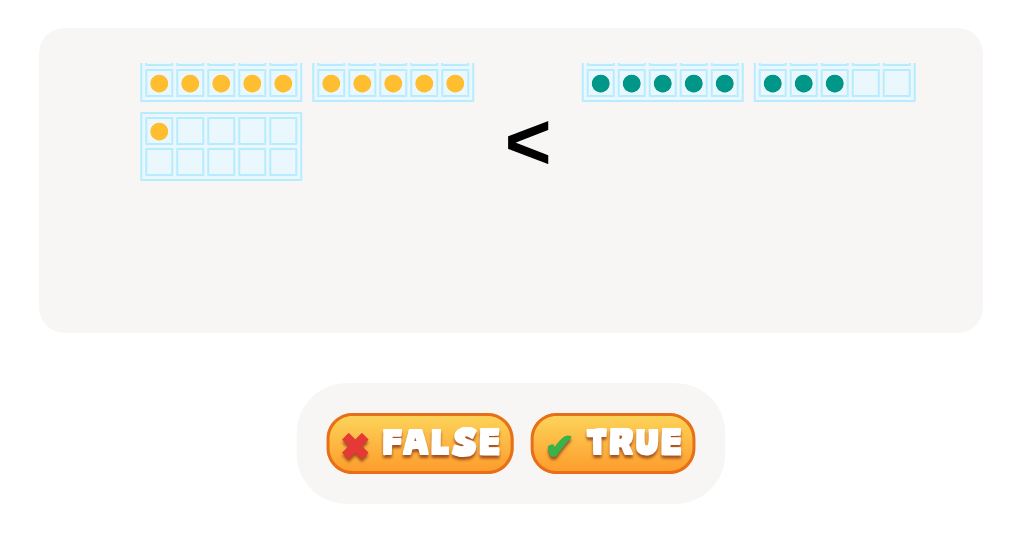
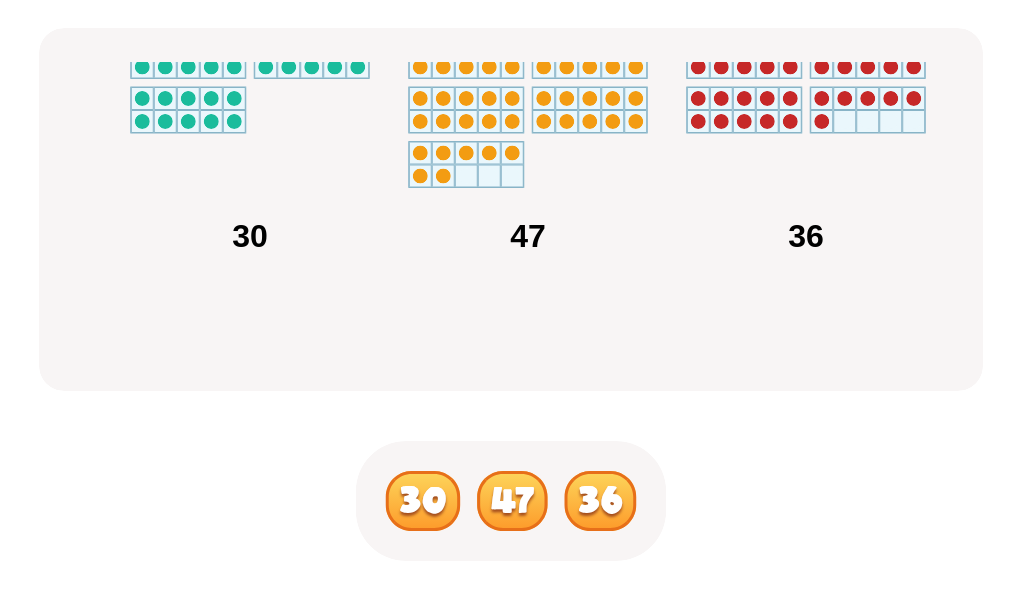
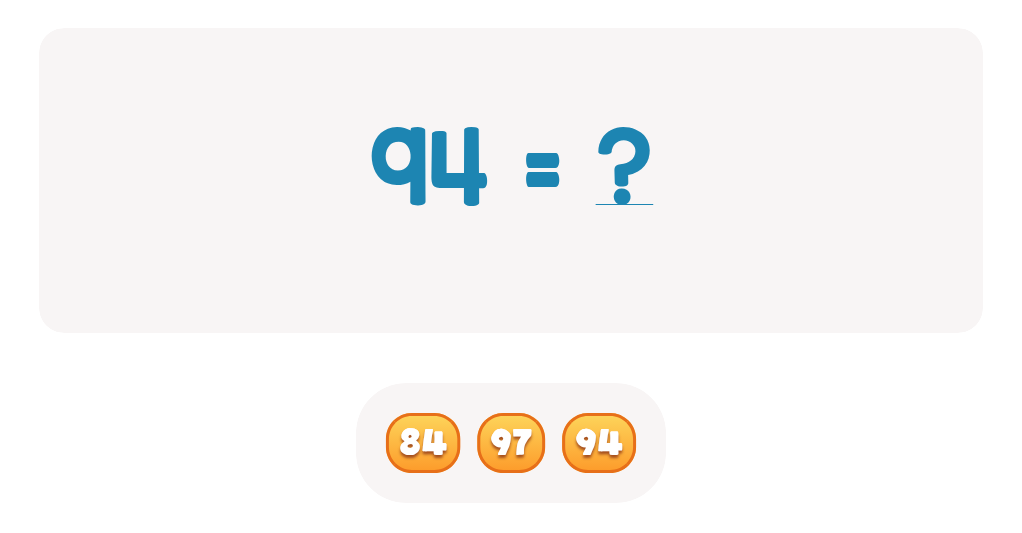
Comparing Number Representations Worksheet
 Assign to My Students
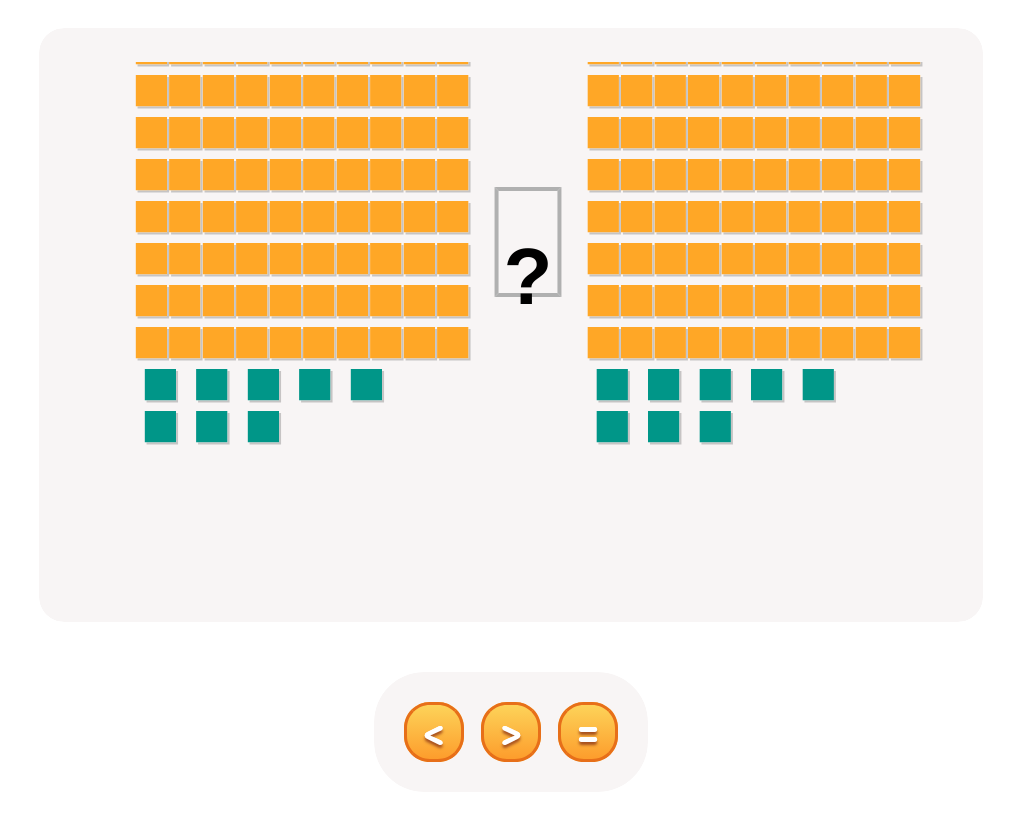

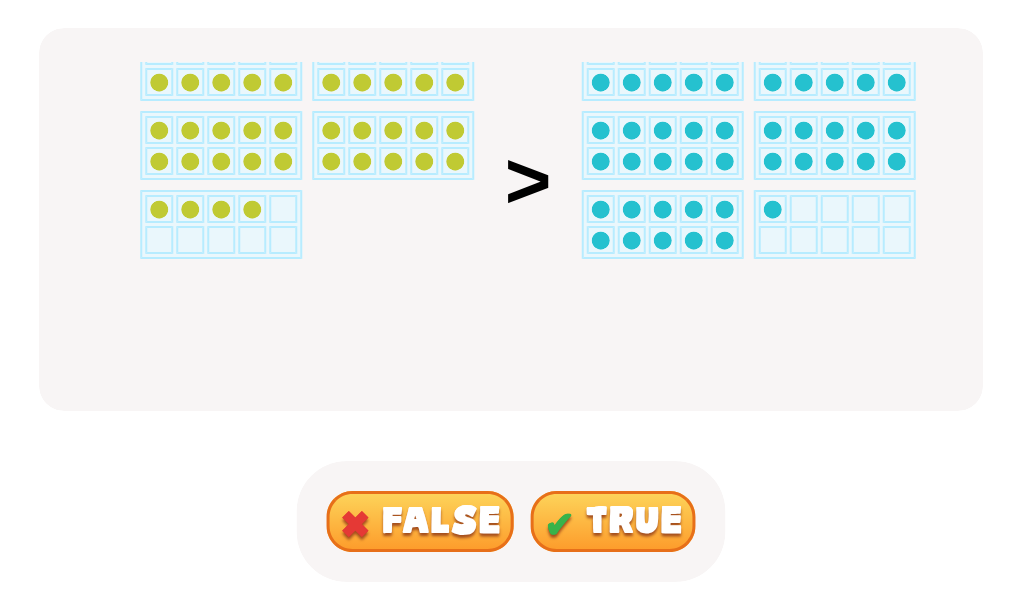
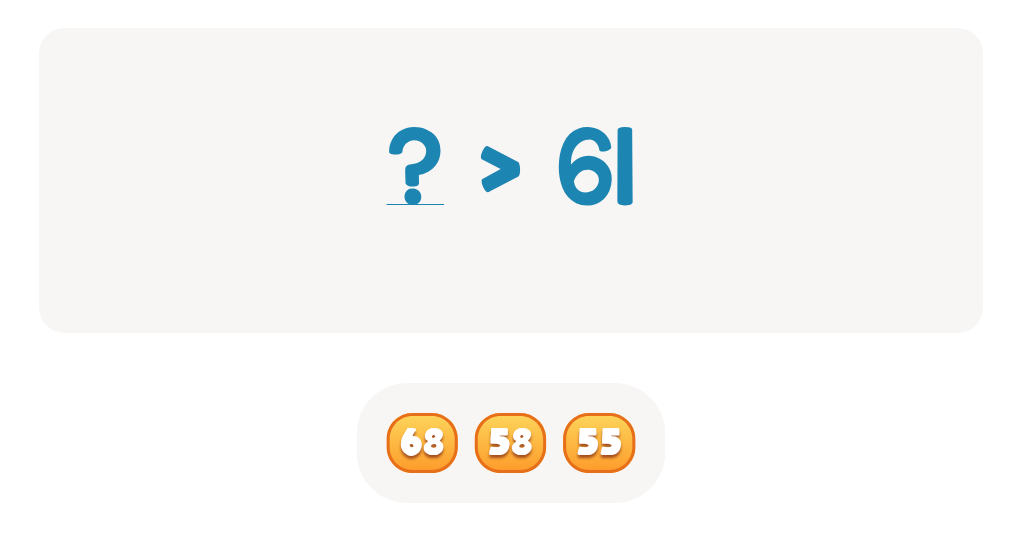
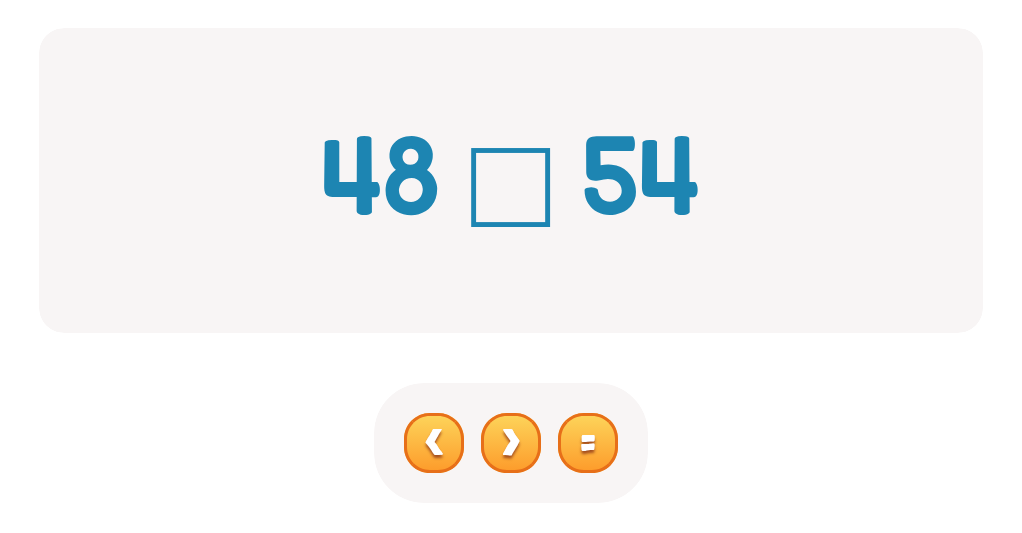
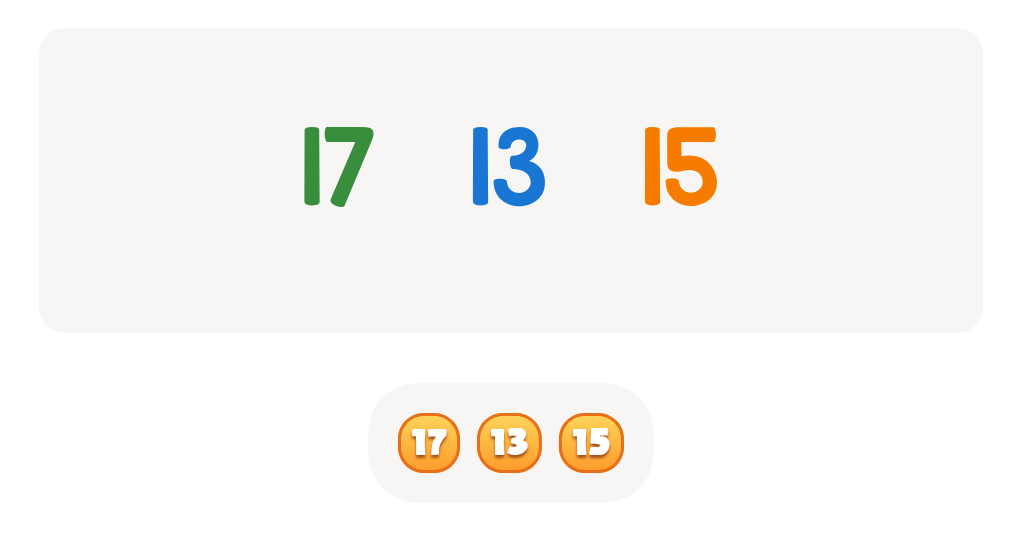
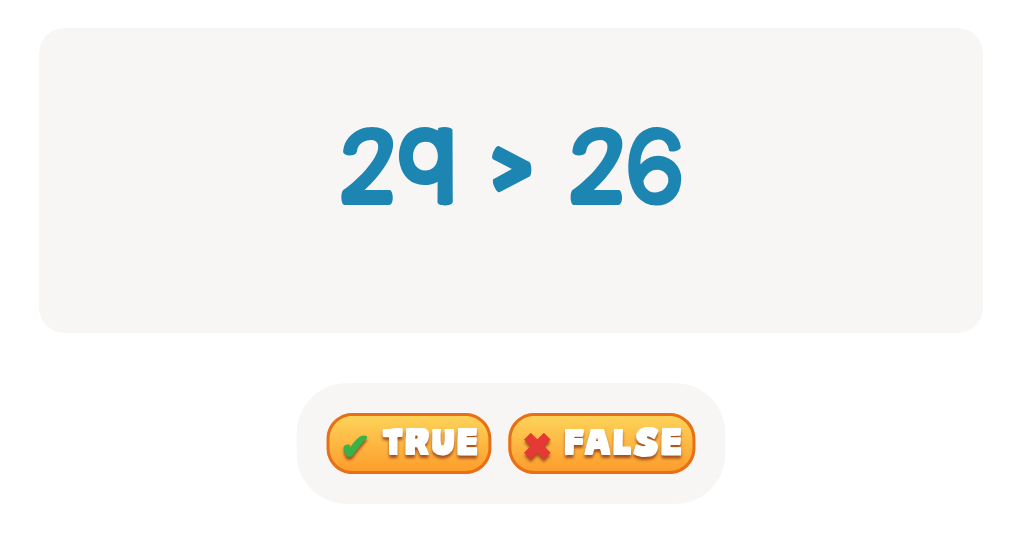
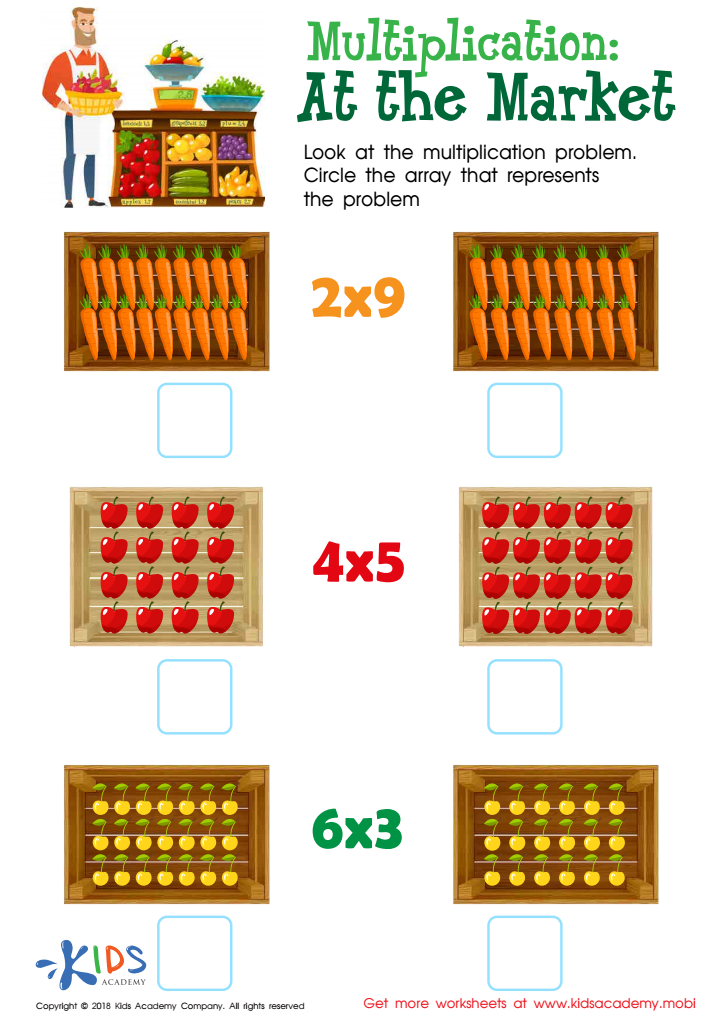
At the Market Worksheet
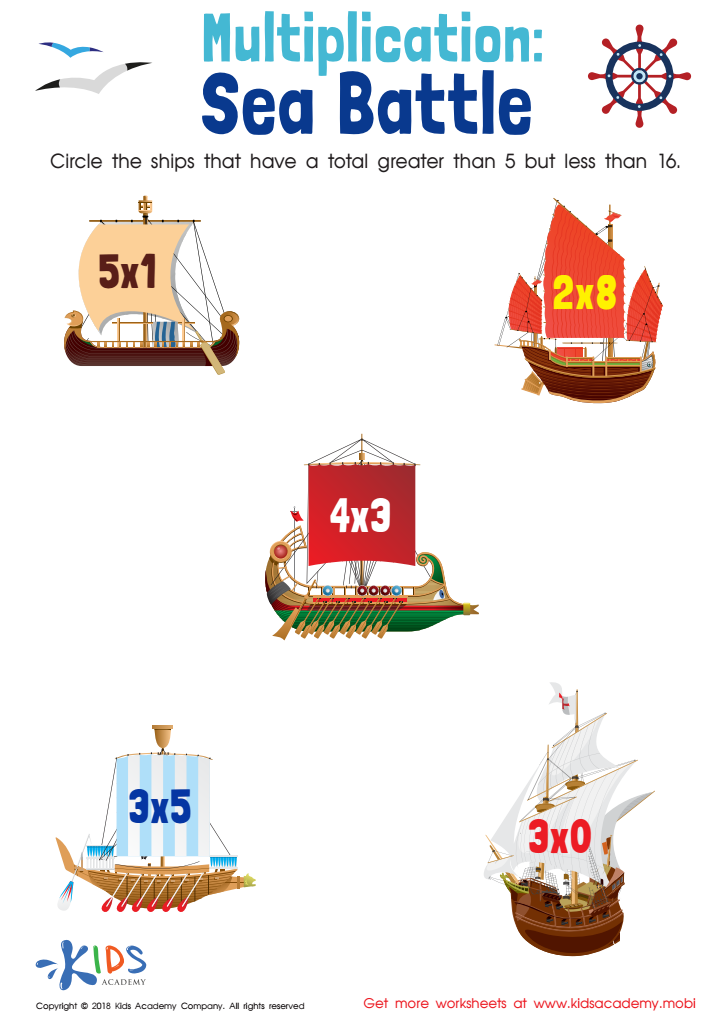
Sea Battle: Multiplication Worksheet
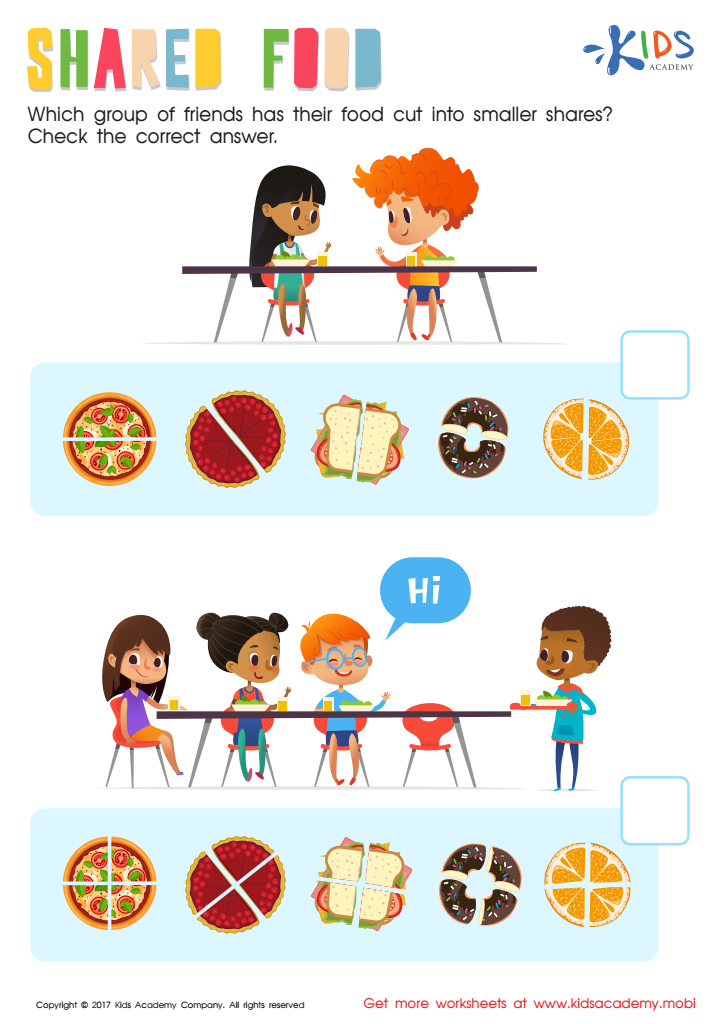
Shared Food Worksheet
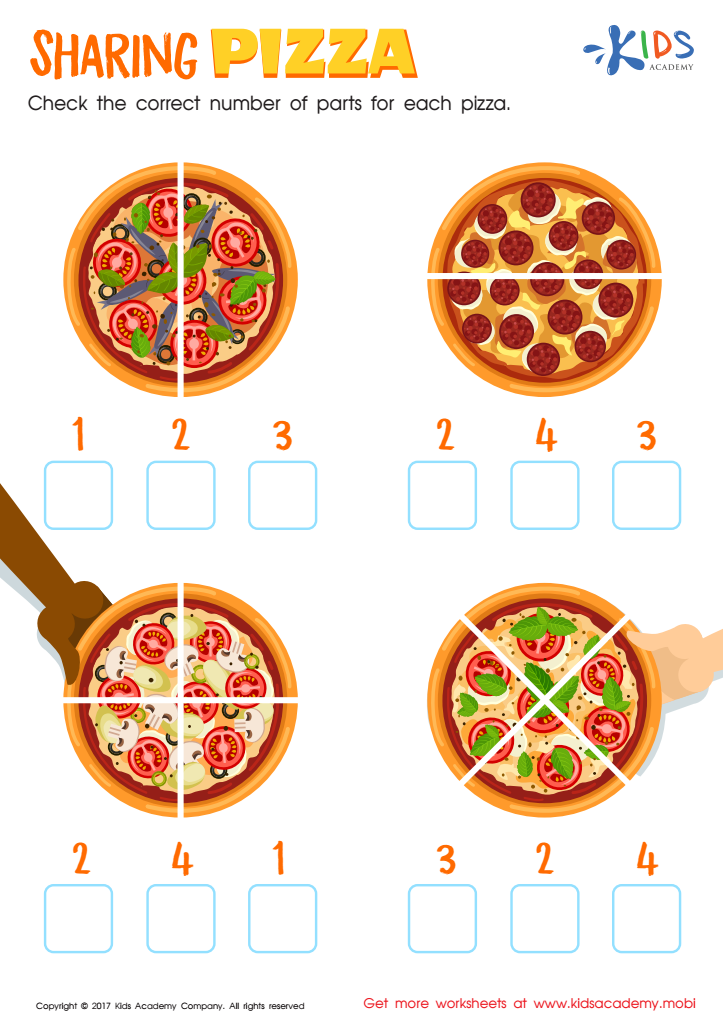
Sharing Pizza Worksheet
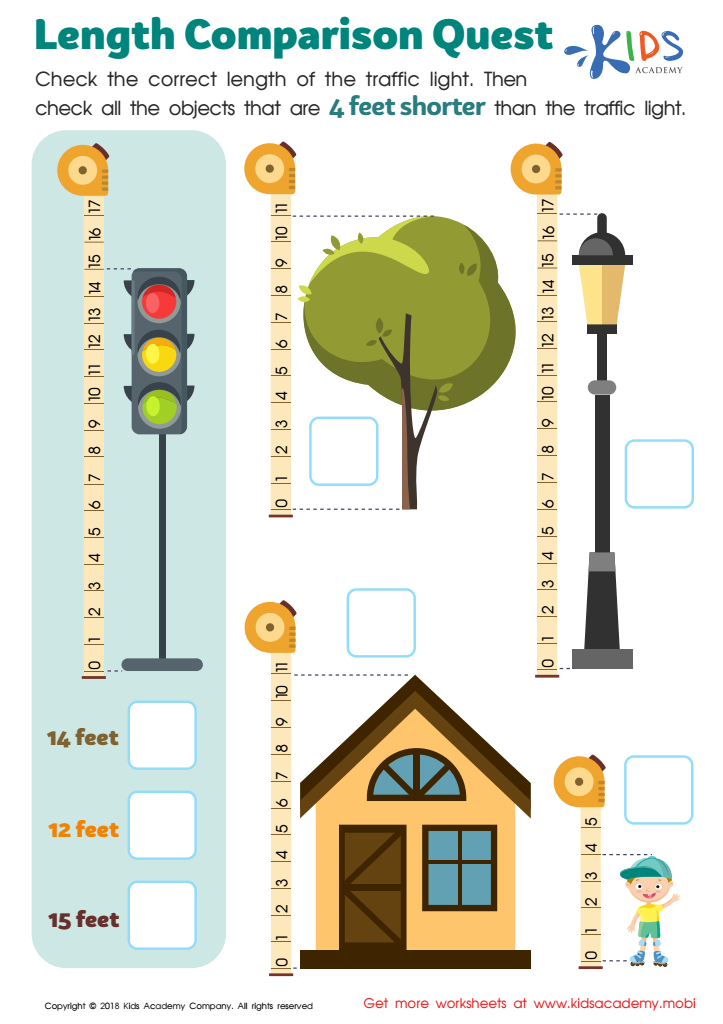
Length Comparison Quest Worksheet
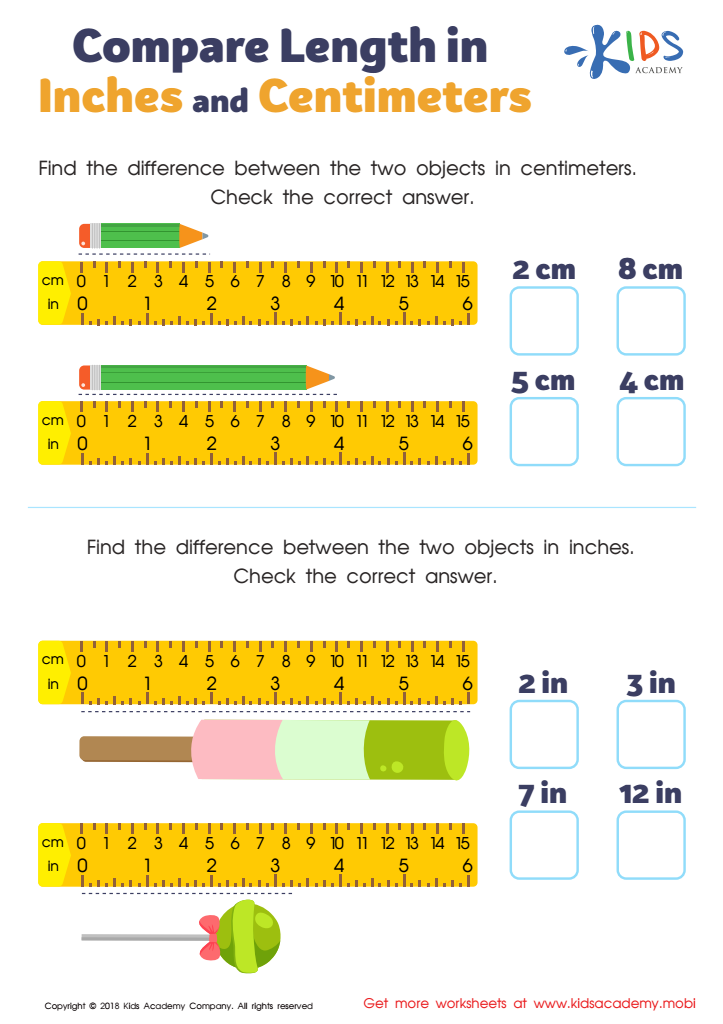
Compare Length in Inches and Centimeters Worksheet
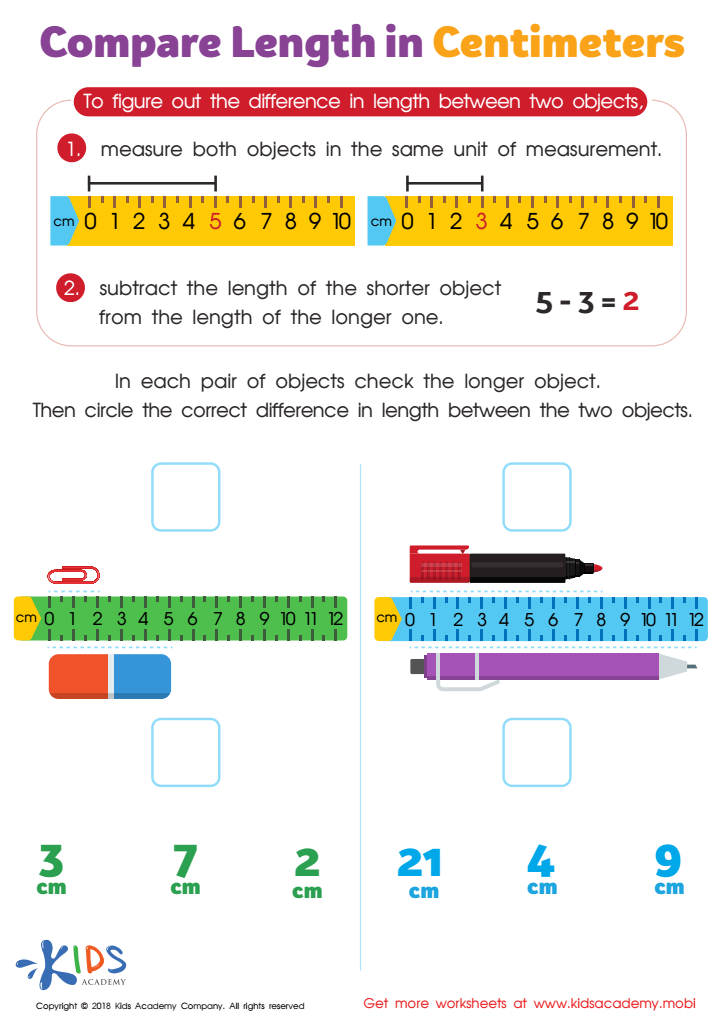
Compare Length in Centimeters Worksheet
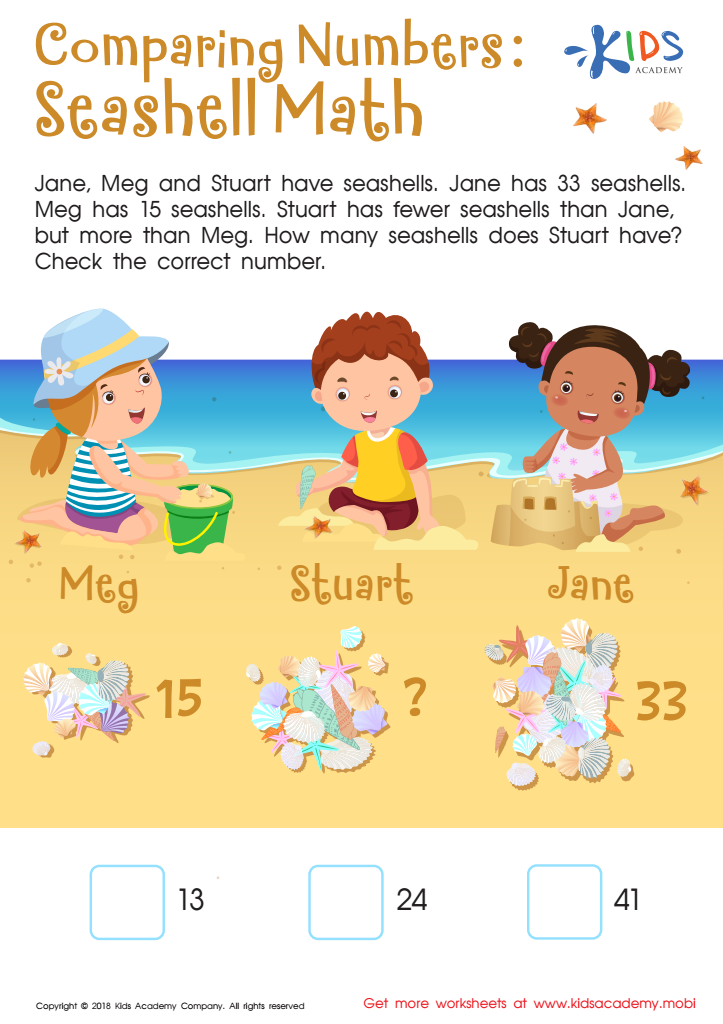
Seashell Collectors Worksheet
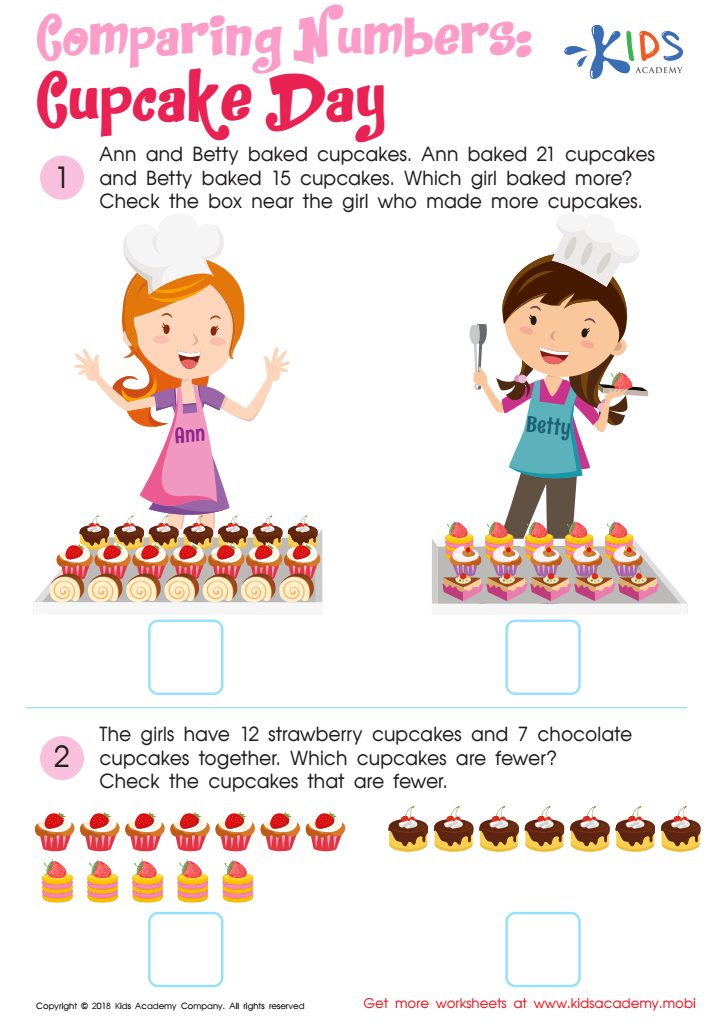
Cupcake Day Worksheet
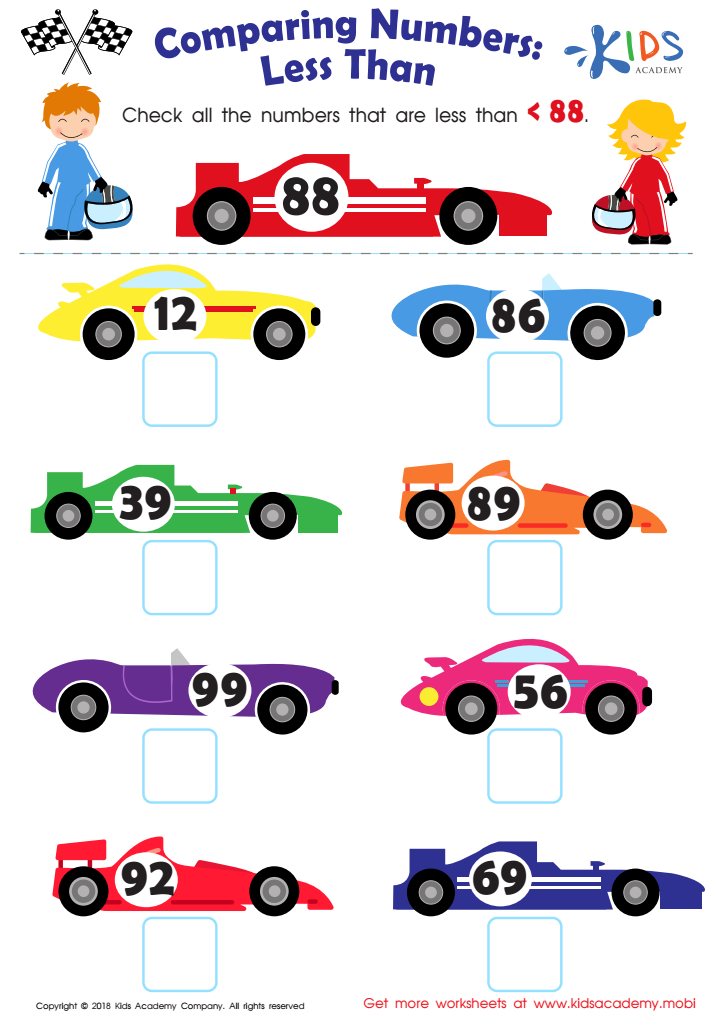
Less Than Worksheet
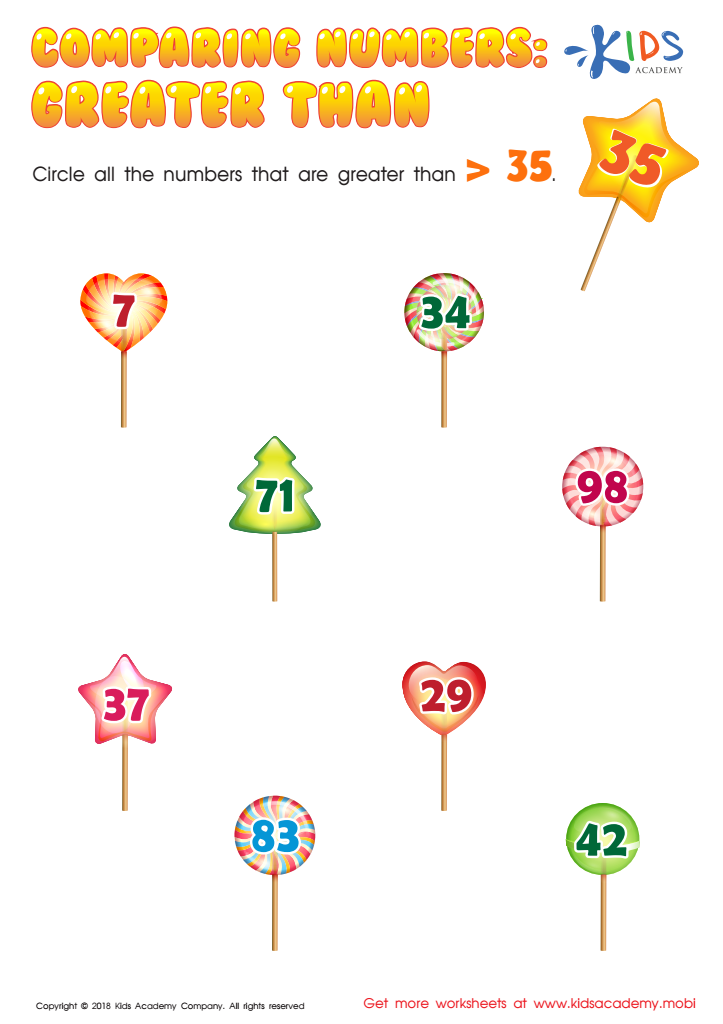
Greater Than Worksheet
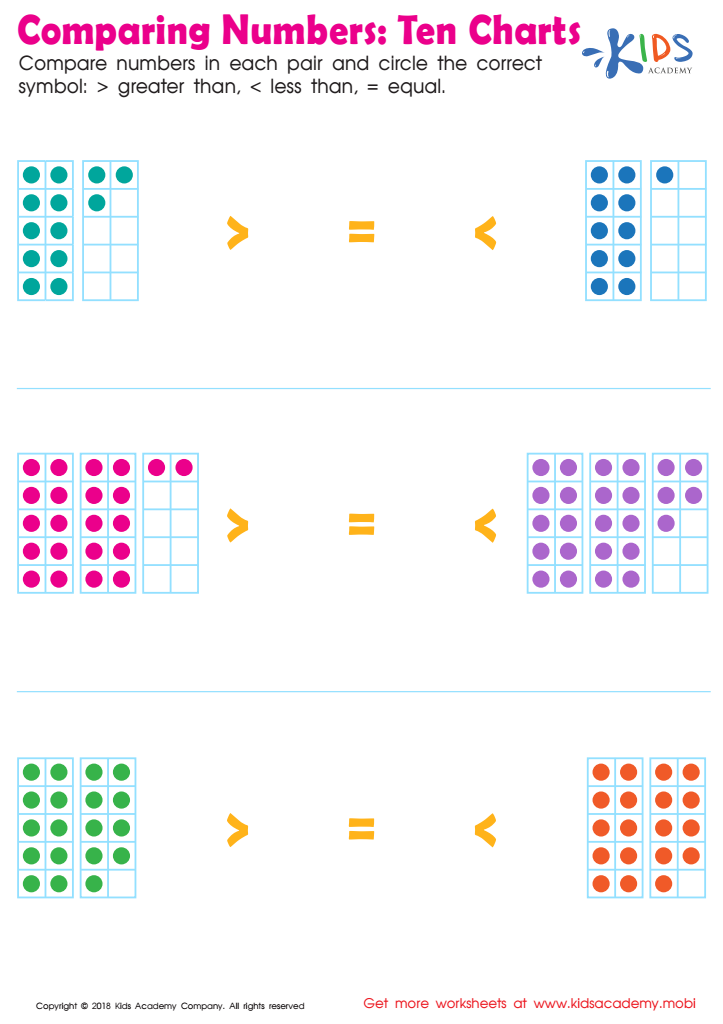
Ten Charts Worksheet
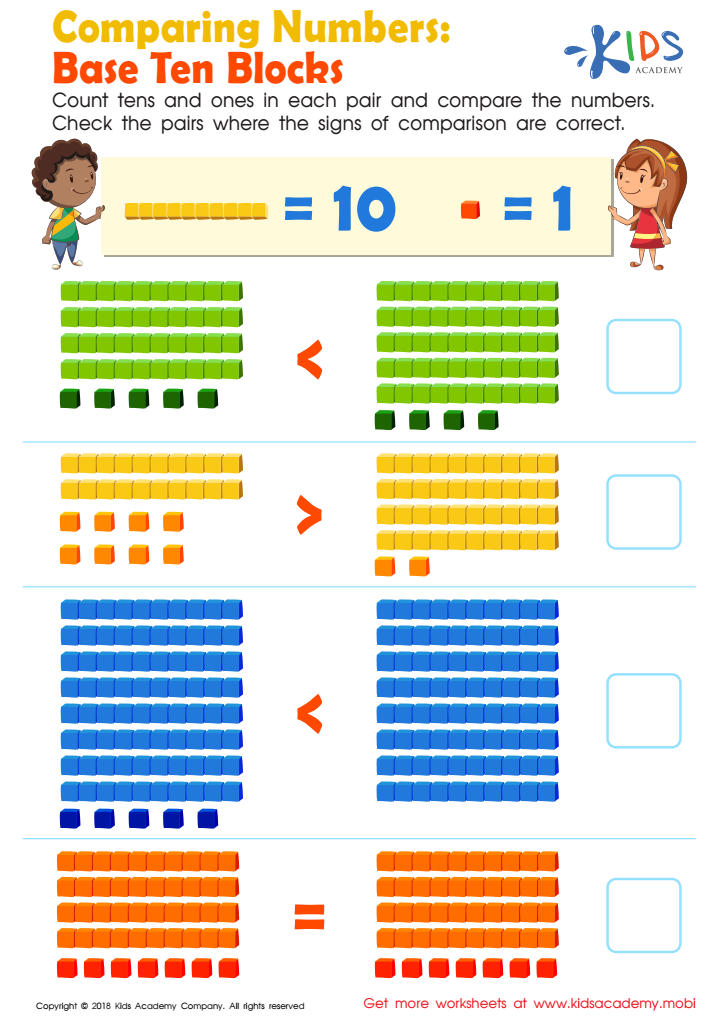
Comparing Numbers: Base Ten Blocks Worksheet
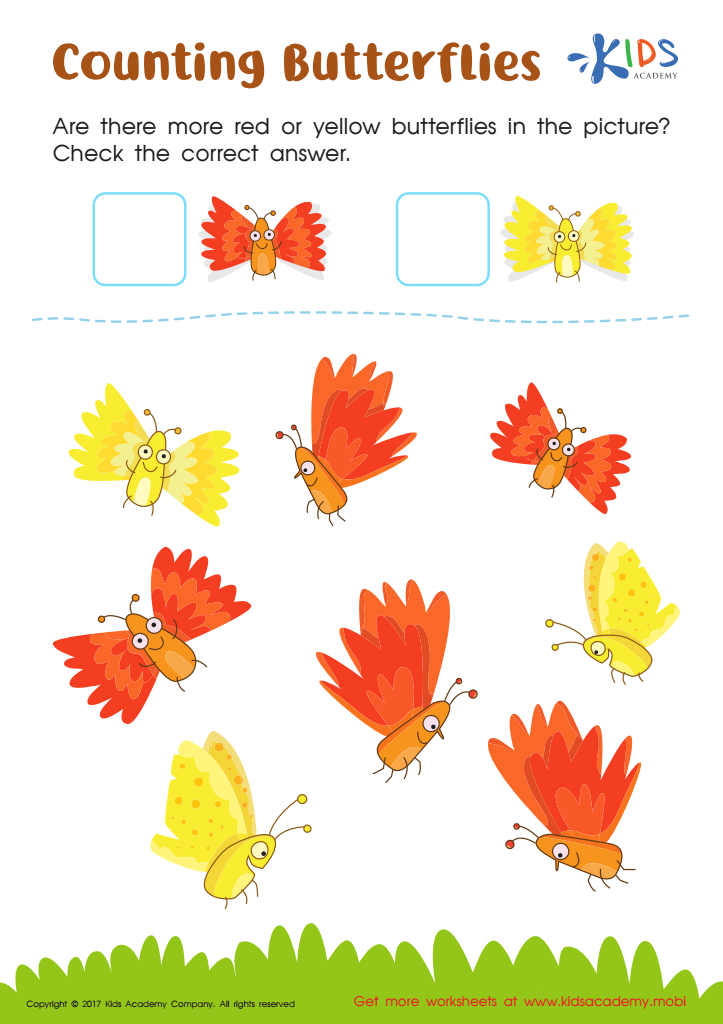
Counting Butterflies Worksheet
Matching: Classifying Toys by Size Worksheet
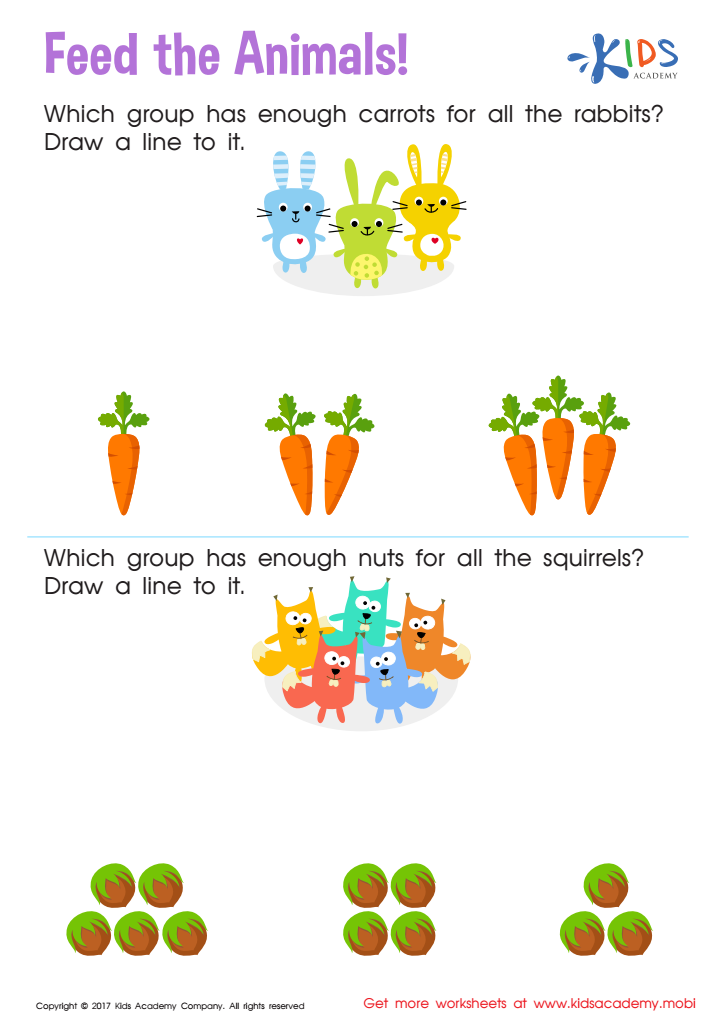
Count and Match: Feed the Animals Worksheet
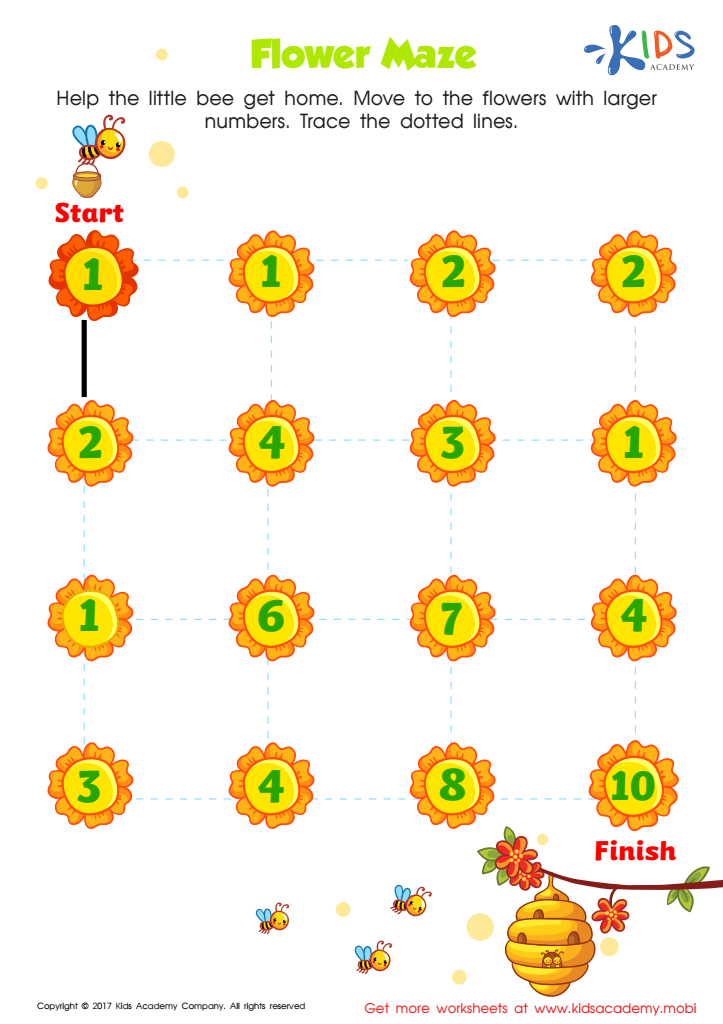
Number Maze For Kindergarten Printable
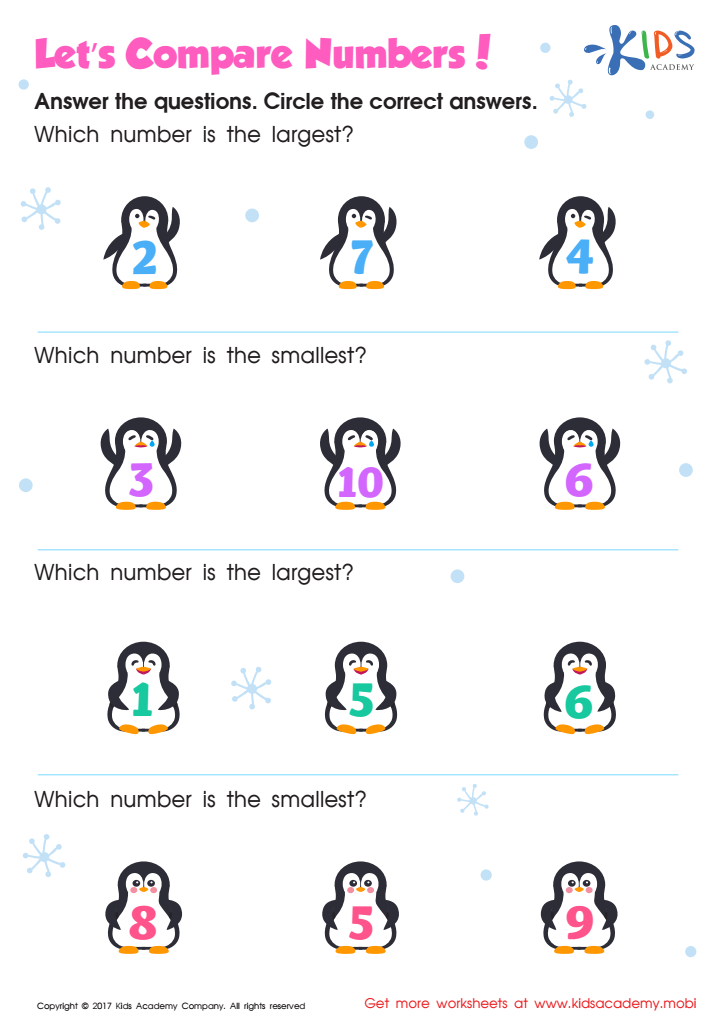
Comparing Numbers 1–10 Worksheet Kindergarten
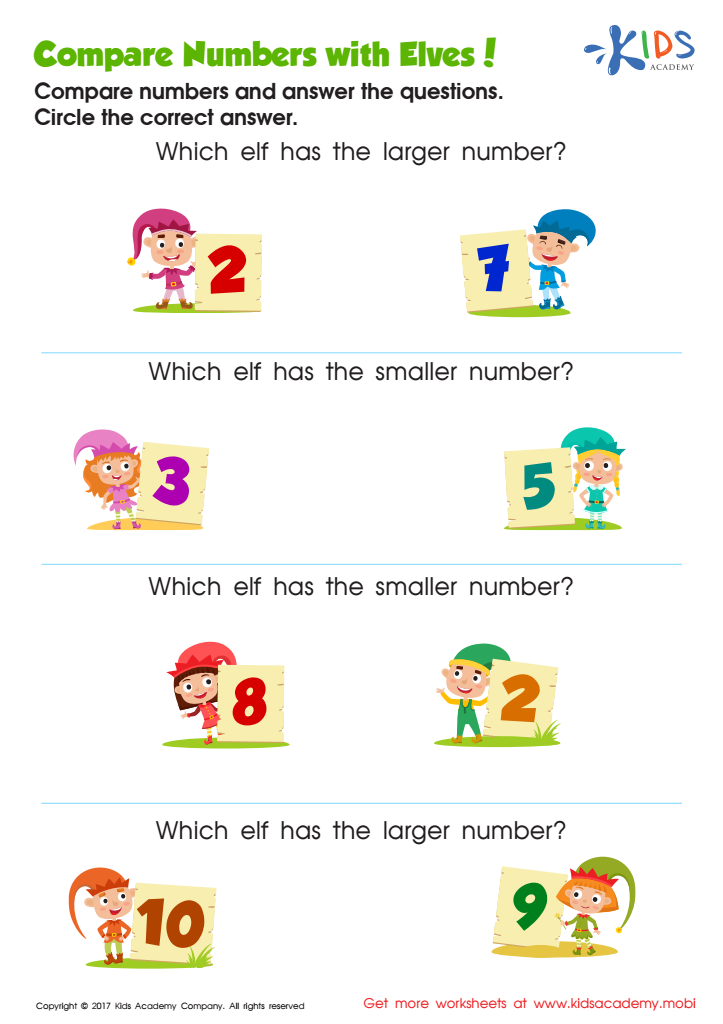
Comparing Numbers Worksheet for Kindergarten
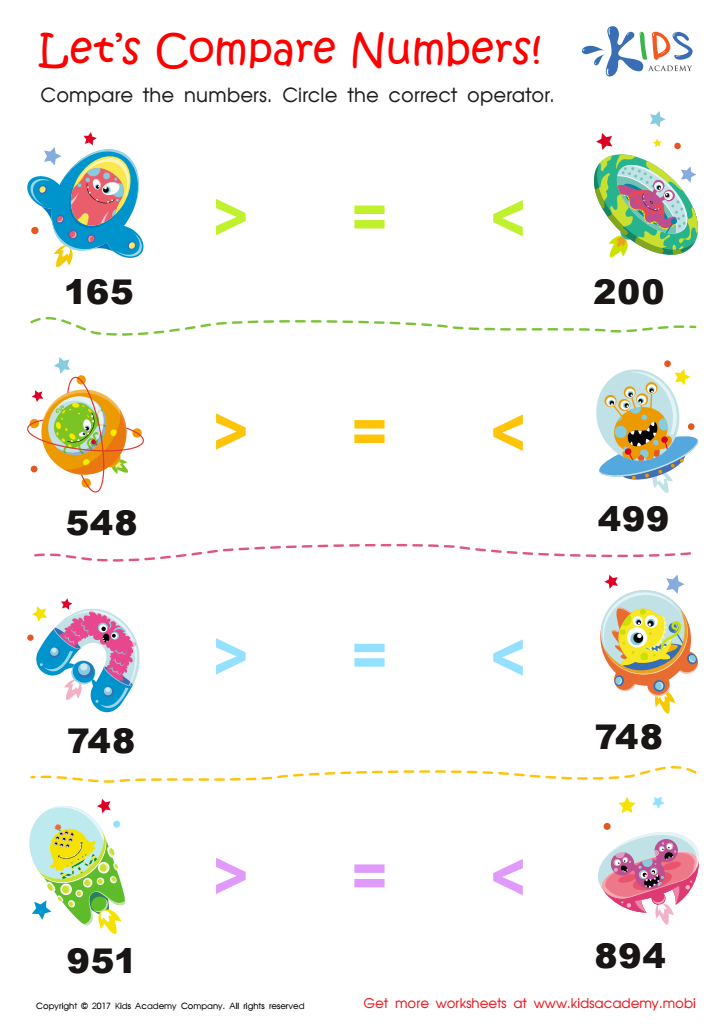
Comparing Numbers Worksheet for 2nd Grade
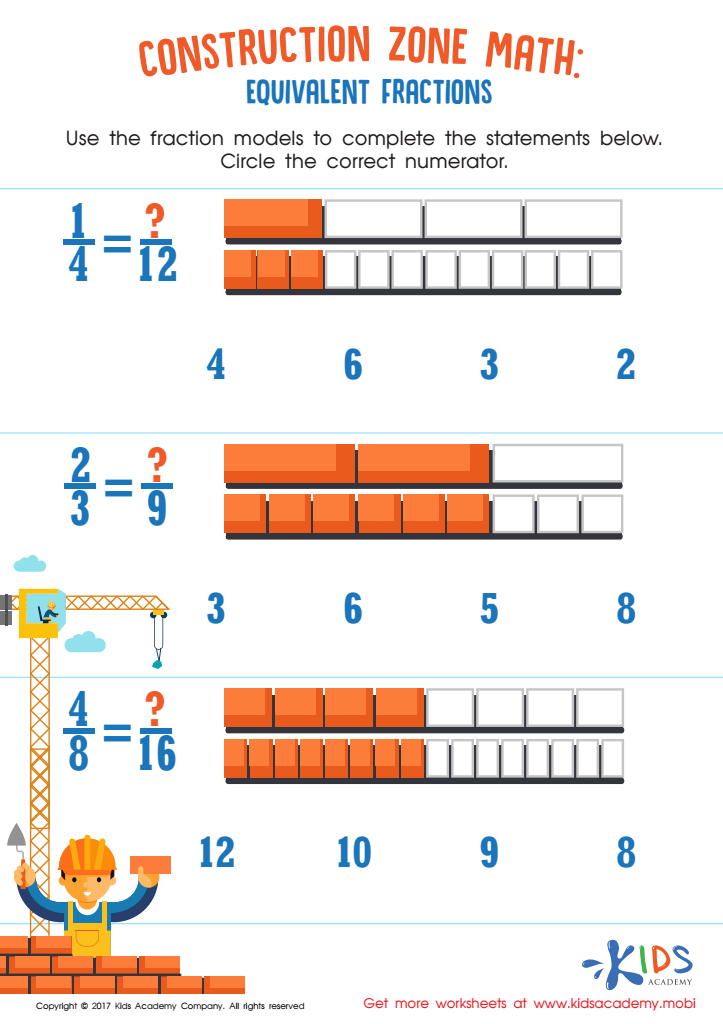
Equivalent Fractions Worksheet
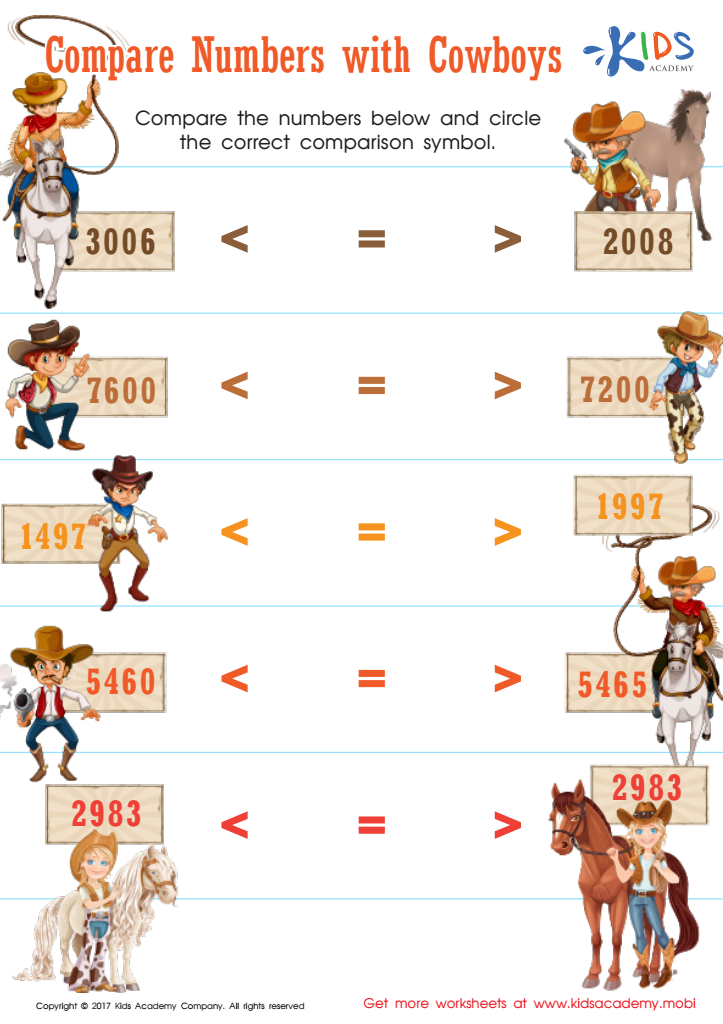
Compare Numbers Worksheet for 3rd Grade
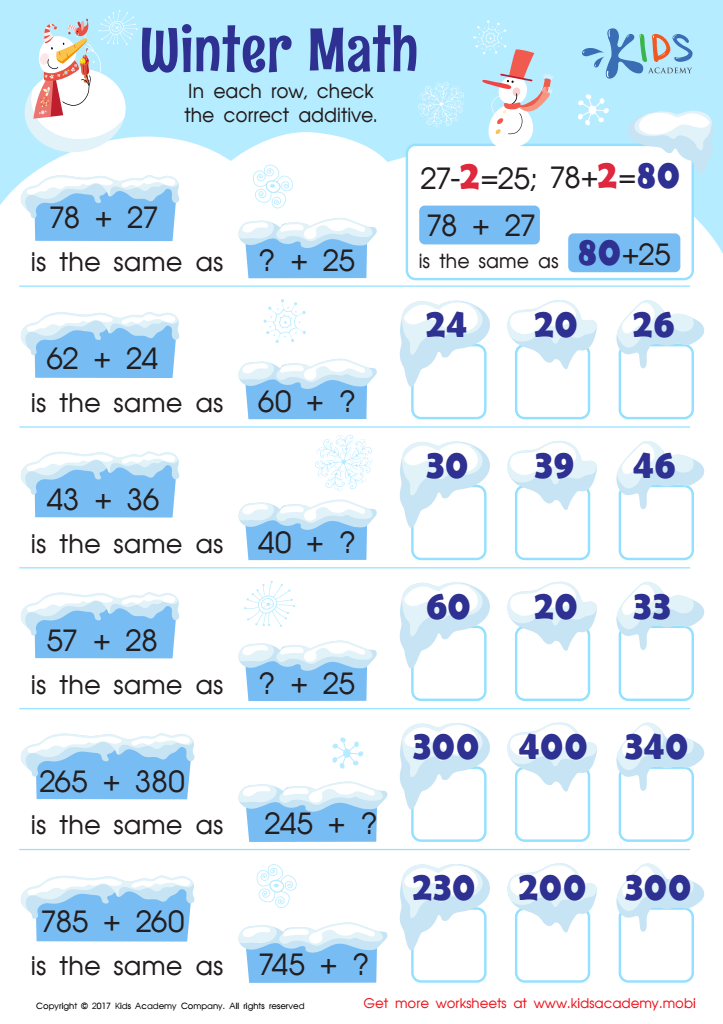
Free Addition Worksheet





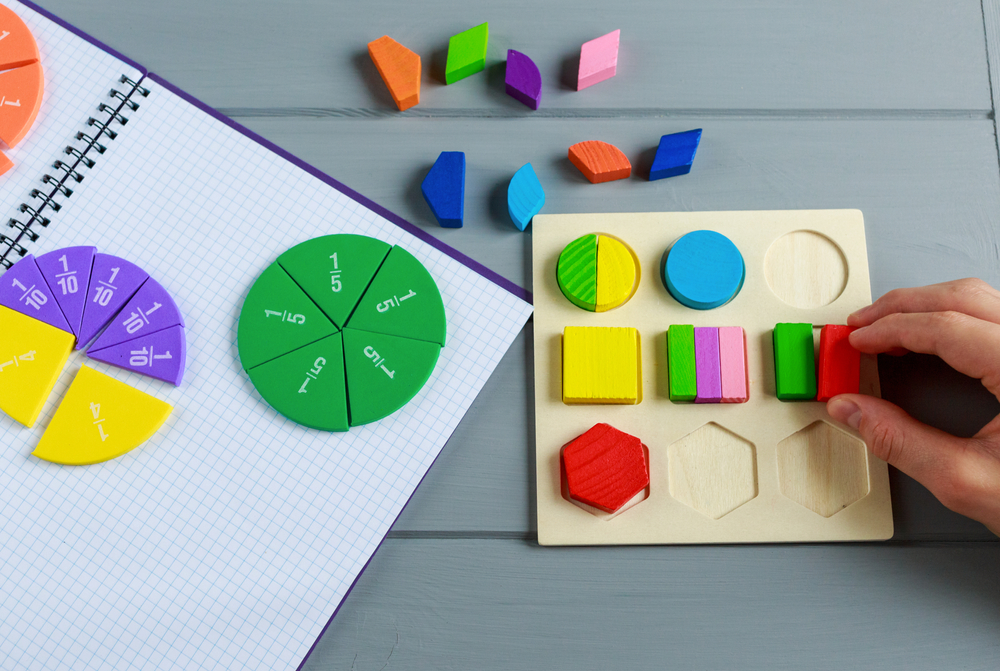


Comparing numbers is a fundamental skill that lays the groundwork for a child's mathematical development. For parents and teachers of children aged 3-9, understanding this concept is critical, as it supports cognitive growth and enhances problem-solving abilities.
First, comparing numbers helps children develop a sense of quantity, which is crucial for everyday life. They learn to recognize which number is larger or smaller, fostering critical thinking as they engage with concepts such as more, less, and equal. This foundational understanding can influence their confidence in tackling more advanced mathematical operations later on.
Additionally, comparing numbers promotes language development. As children articulate their reasoning—using terms like "greater than" or "less than"—they expand their vocabulary and communication skills, essential for academic success.
Furthermore, these skills enhance a child’s ability to observe and organize information, which is valuable both in academics and life situations. Early exposure to comparing numbers nurtures a positive attitude towards mathematics, allowing them to approach more complex topics with confidence and curiosity.
In summary, emphasizing the importance of comparing numbers equips children with vital skills, supports their development in various realms, and sets a strong foundation for future learning.