Life Science Worksheets for Ages 3-9 - Page 2
36 filtered results
-
From - To
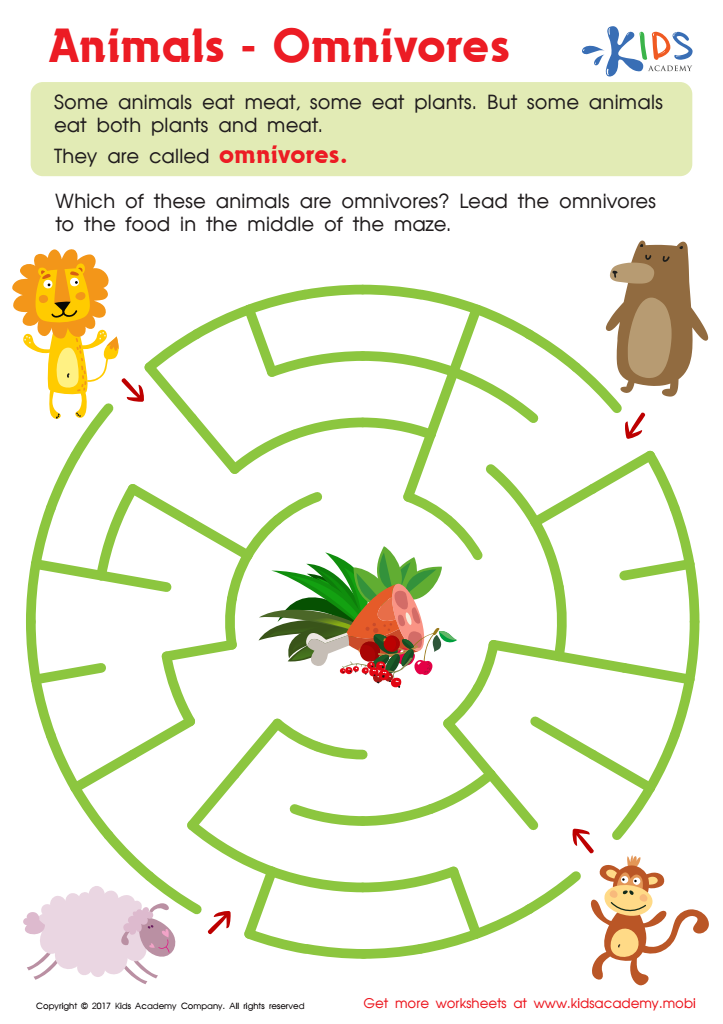
Omnivores Animals Worksheet
 Assign to My Students
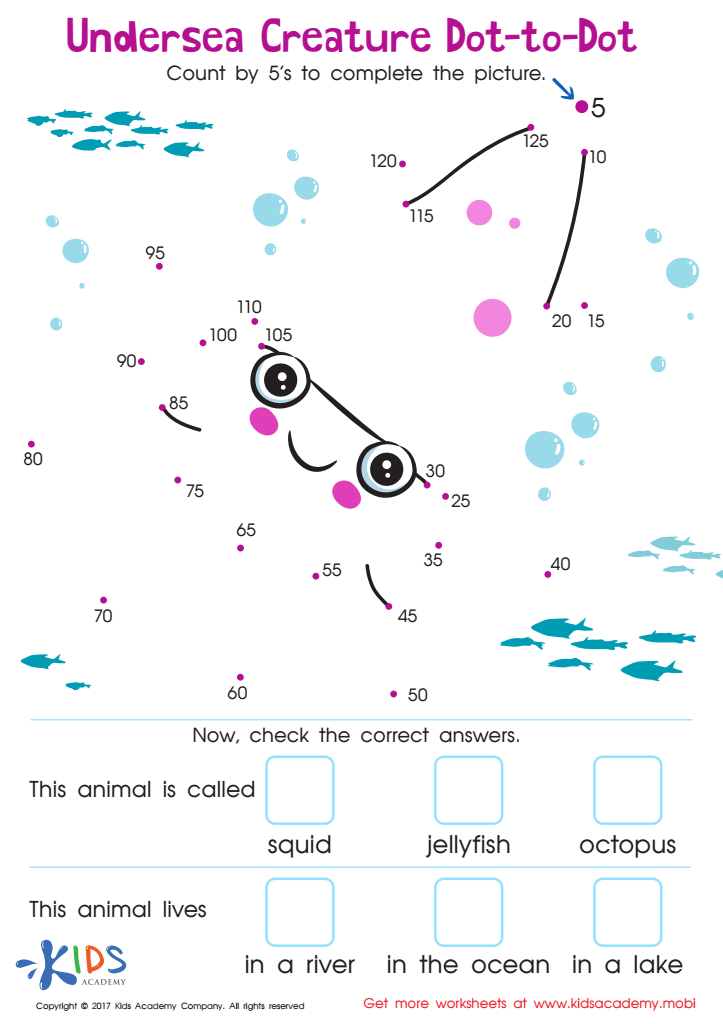
Undersea: Dot To Dot Worksheet
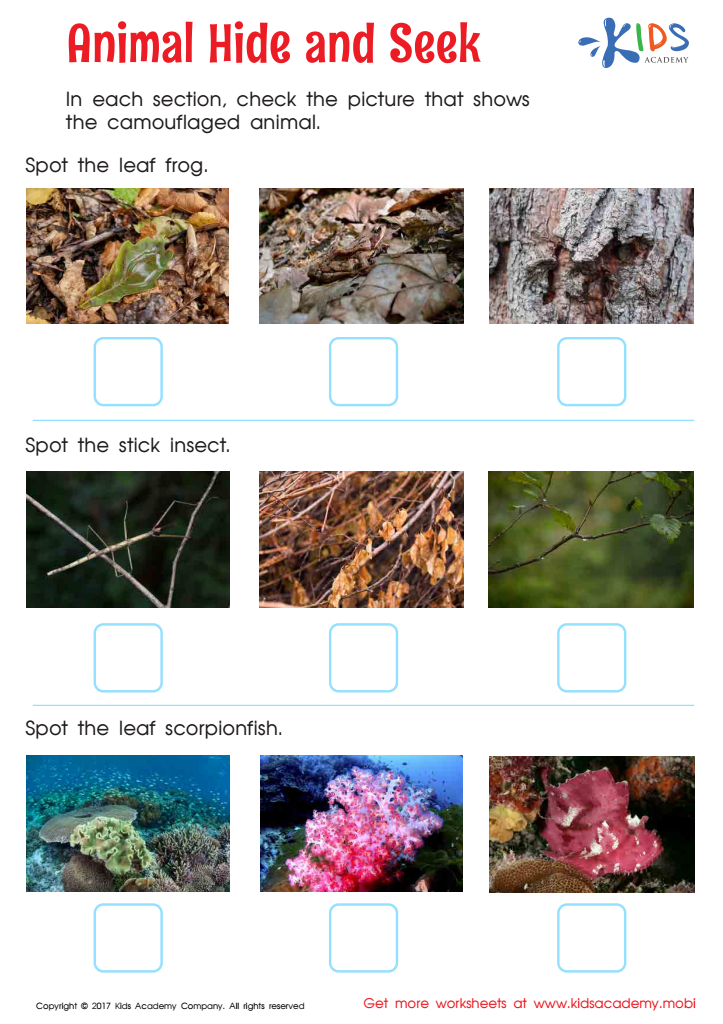
Animal Hide and Seek Worksheet
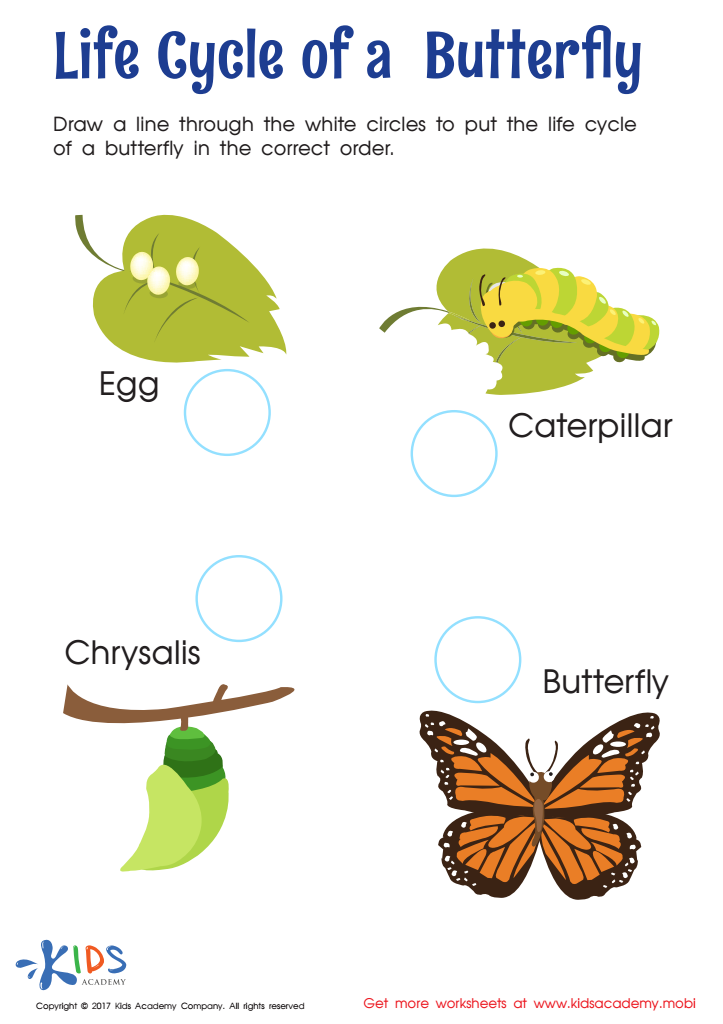
Life Cycle of Butterfly Worksheet
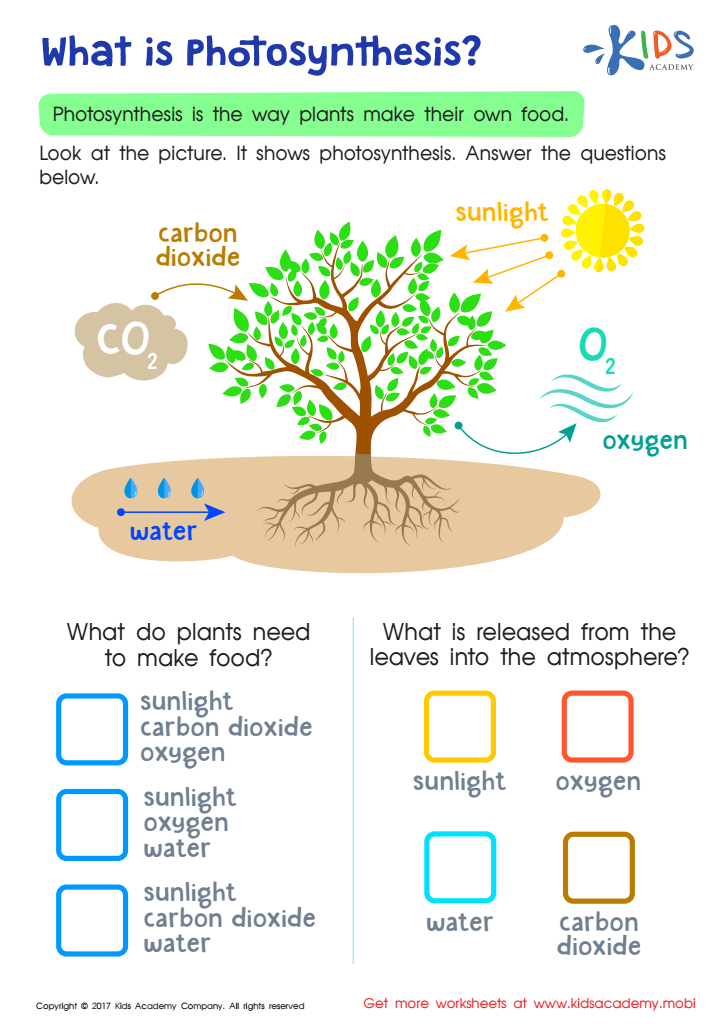
What is Photosynthesis Printable
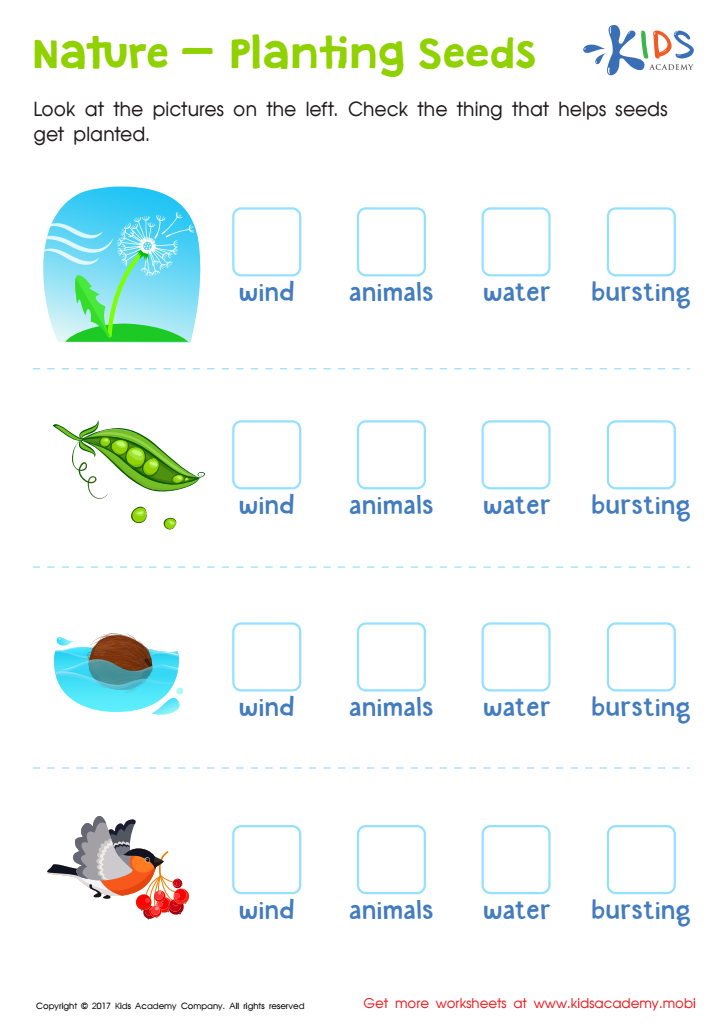
Nature Planting Seeds Worksheet
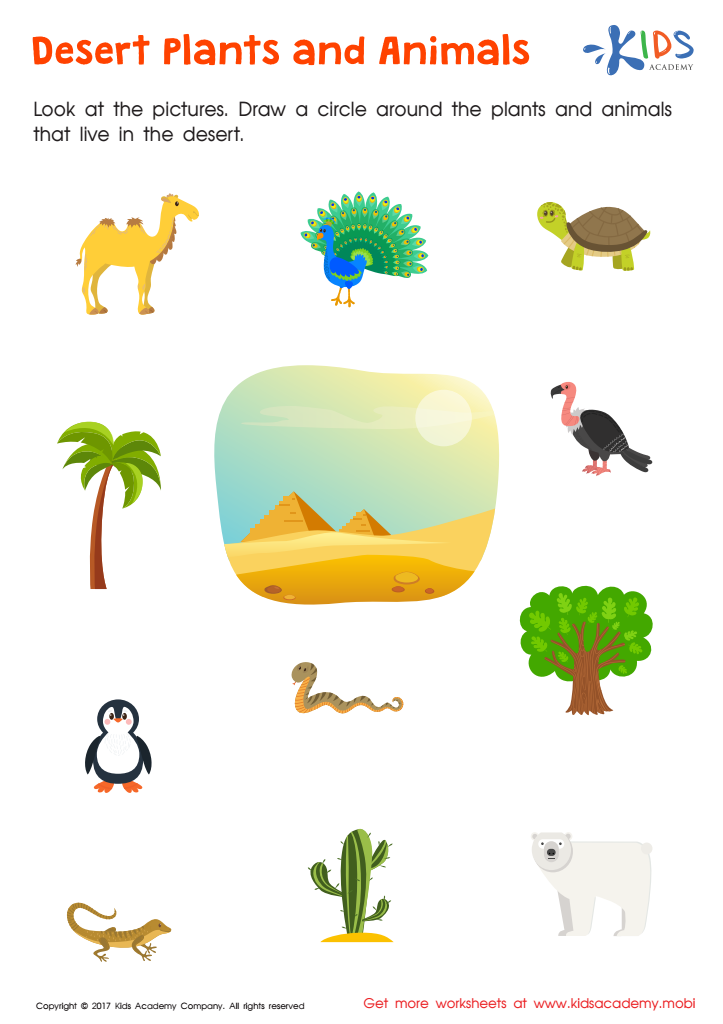
Desert Plants Animals Printable
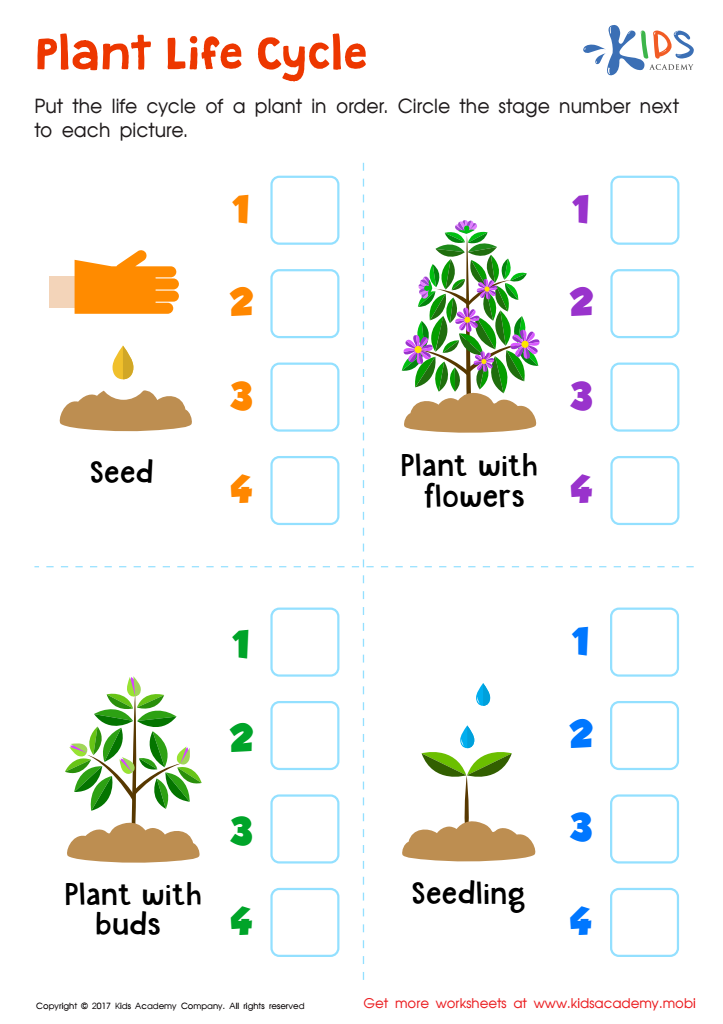
Plant Life Cycle Printable
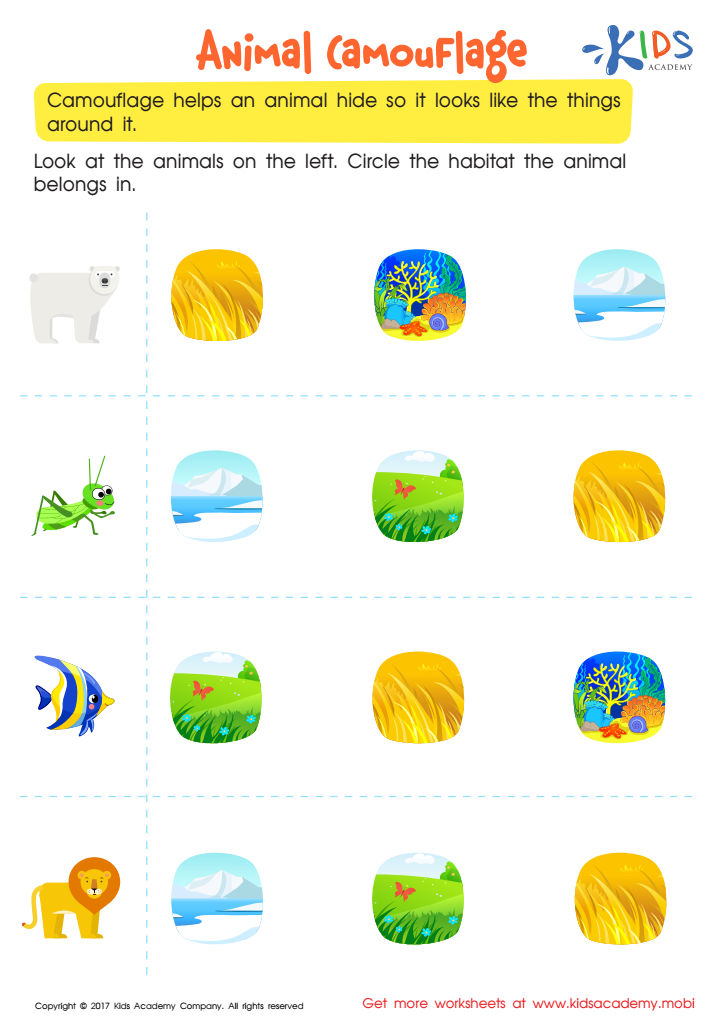
Animal Camouflage Worksheet
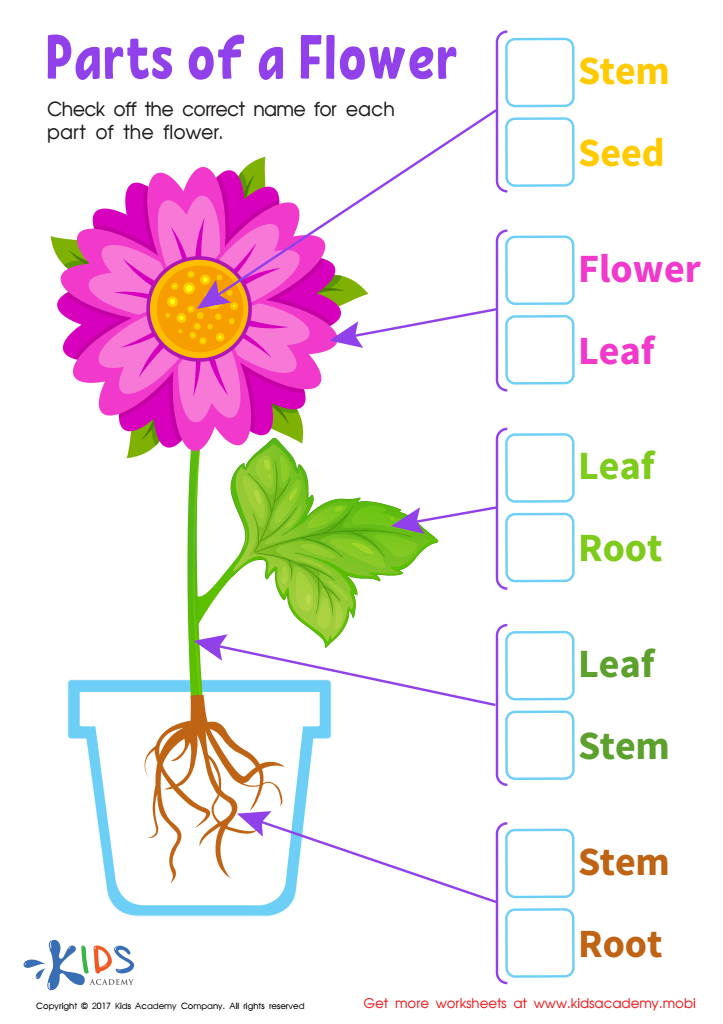
Parts Flower Printable
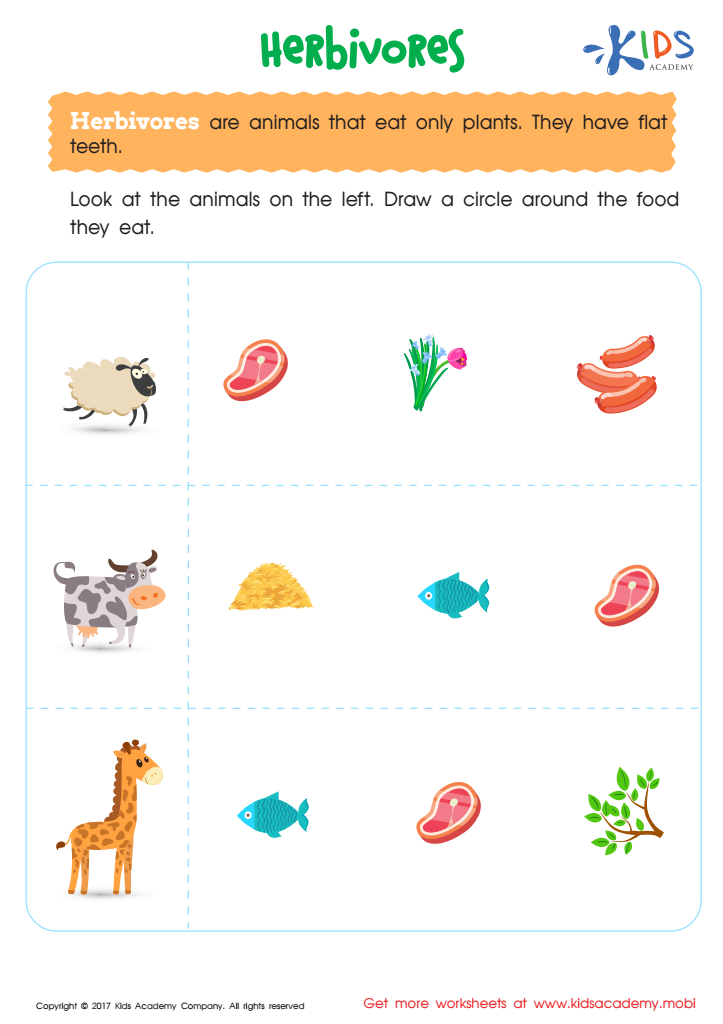
Herbivores Printable
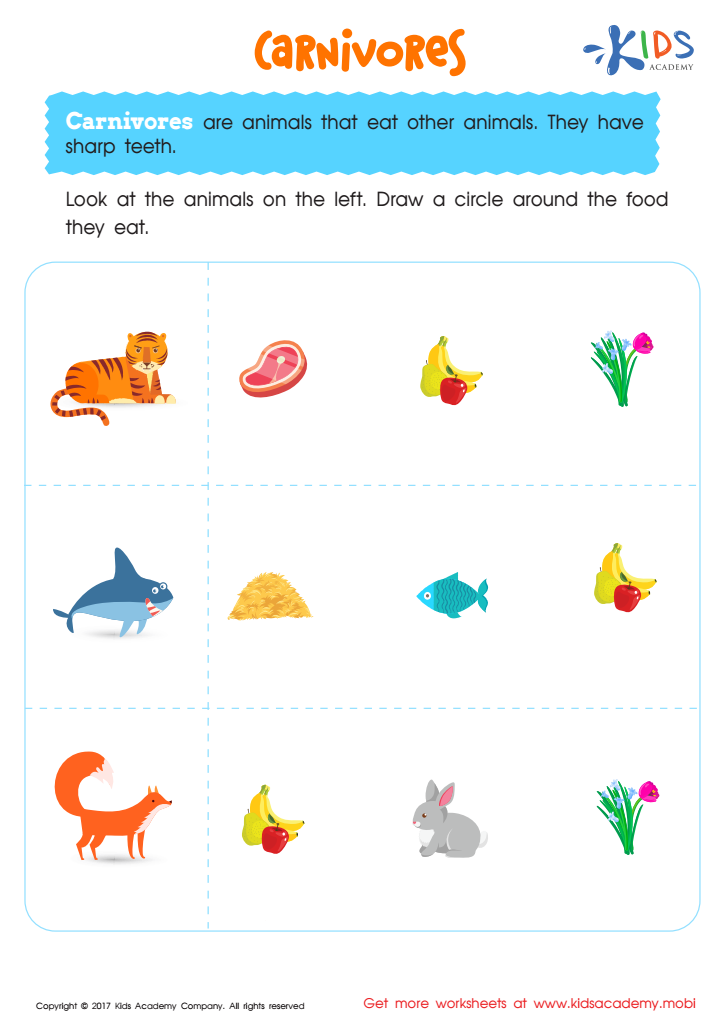
Carnivores Worksheet




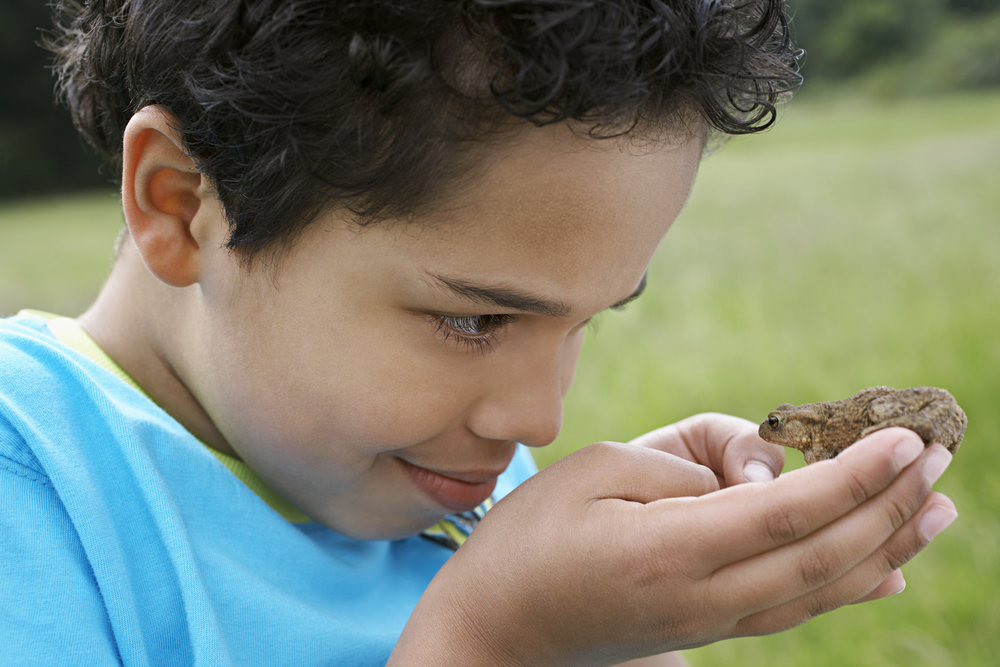



Life Science for ages 3-9 is a foundational aspect of early education that fosters curiosity, critical thinking, and a lifelong love for learning. At this impressionable stage, children are naturally curious about the world around them, and life science taps into this innate wonder. Introducing concepts like plant growth, animal habitats, and human biology helps kids develop an understanding of the environment and the interconnectedness of life.
Understanding life science encourages children to ask questions, make observations, and explore the natural world, which are crucial skills for scientific inquiry. These early experiences contribute significantly to cognitive development by enhancing problem-solving abilities, improving observational skills, and fostering analytical thinking.
Additionally, introducing life science at a young age promotes empathy and respect for living things. It helps children appreciate biodiversity and understand the importance of conservation. Engaging with life science can also promote healthy lifestyle choices by teaching kids about nutrition and the functions of their bodies.
Parents and teachers play a pivotal role by instilling a sense of awe and responsibility toward living things. Early exposure to life science not only supports academic growth but also nurtures responsible citizens who are equipped to make informed decisions about health and the environment. Thus, focusing on life science in early education sets the stage for well-rounded development and future academic success in scientific fields.








