Alphabet Worksheets for Ages 4-7 - Page 2
338 filtered results
-
From - To
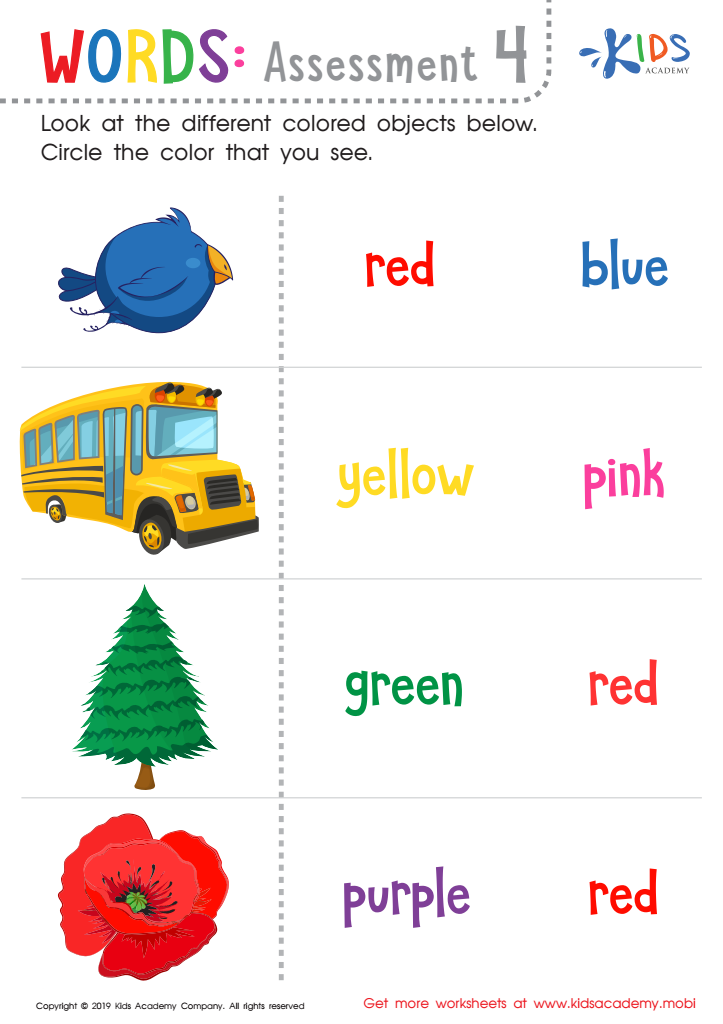
Words: Assessment 4 Worksheet
 Assign to My Students
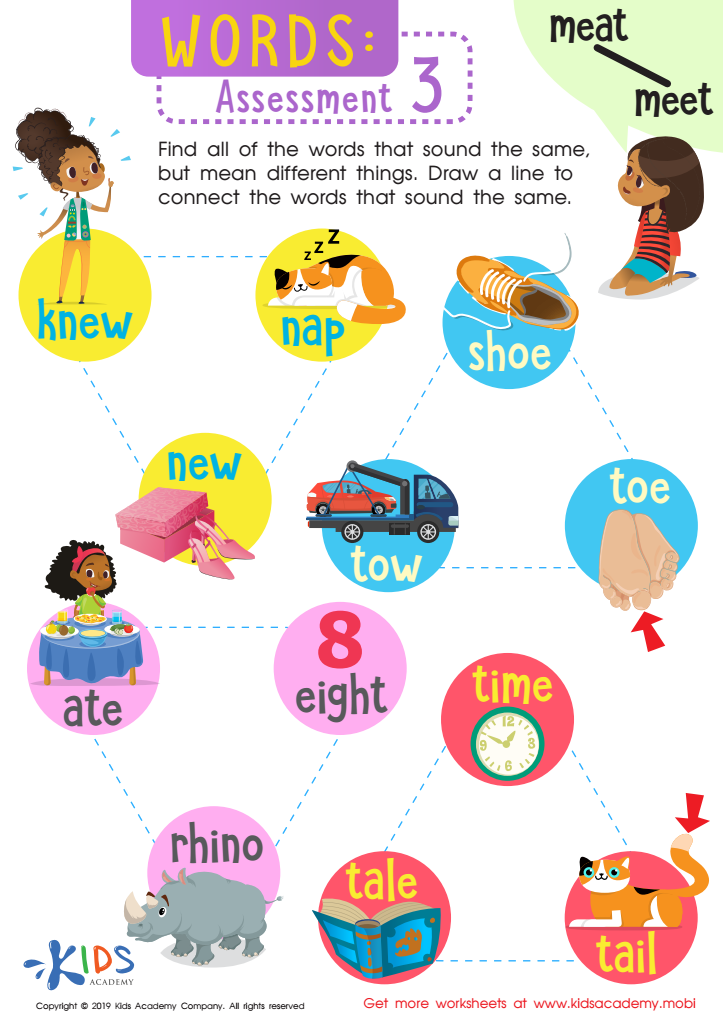
Words: Asessment 3 Worksheet
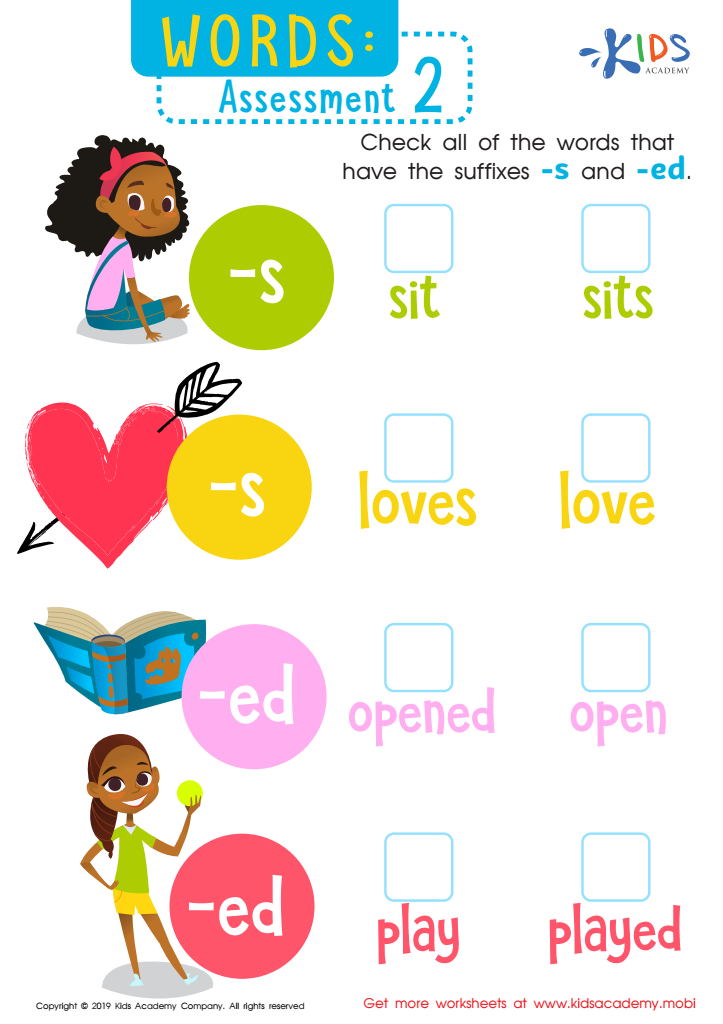
Words: Assessment 2 Worksheet
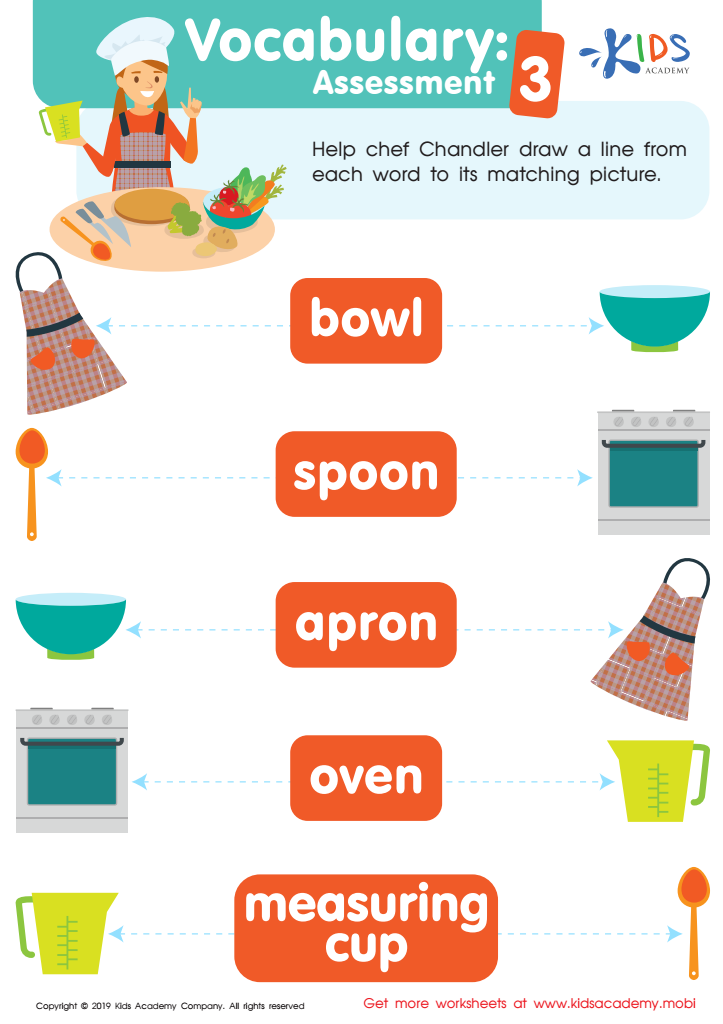
Vocabulary: Assessment 3 Worksheet
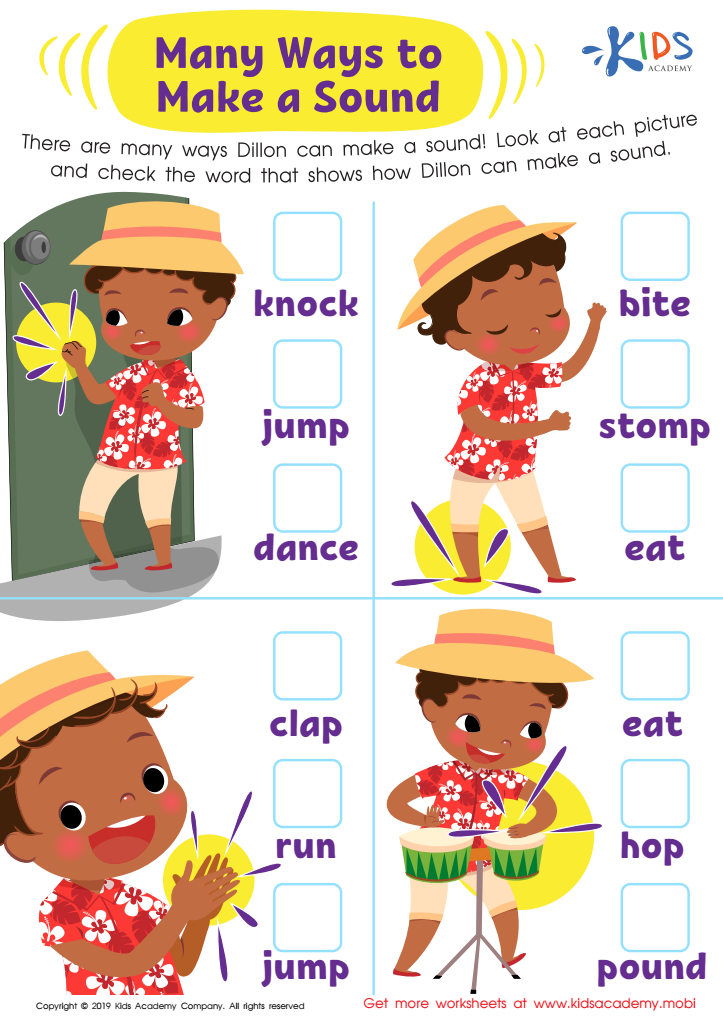
Many Ways to Make a Sound Worksheet
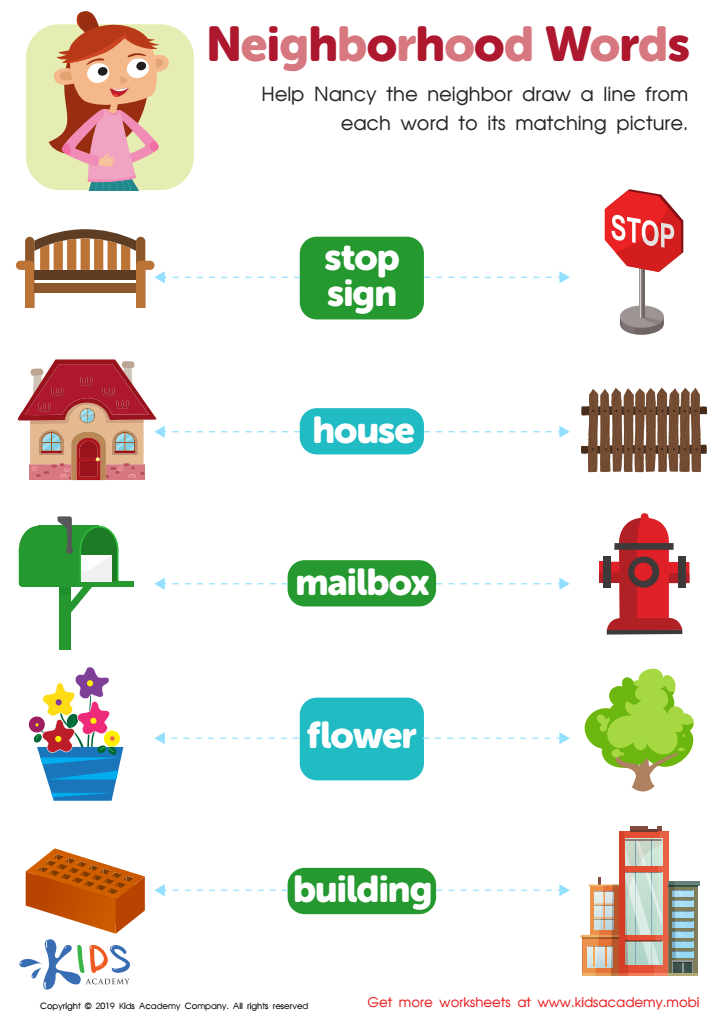
Neighborhood Words Worksheet
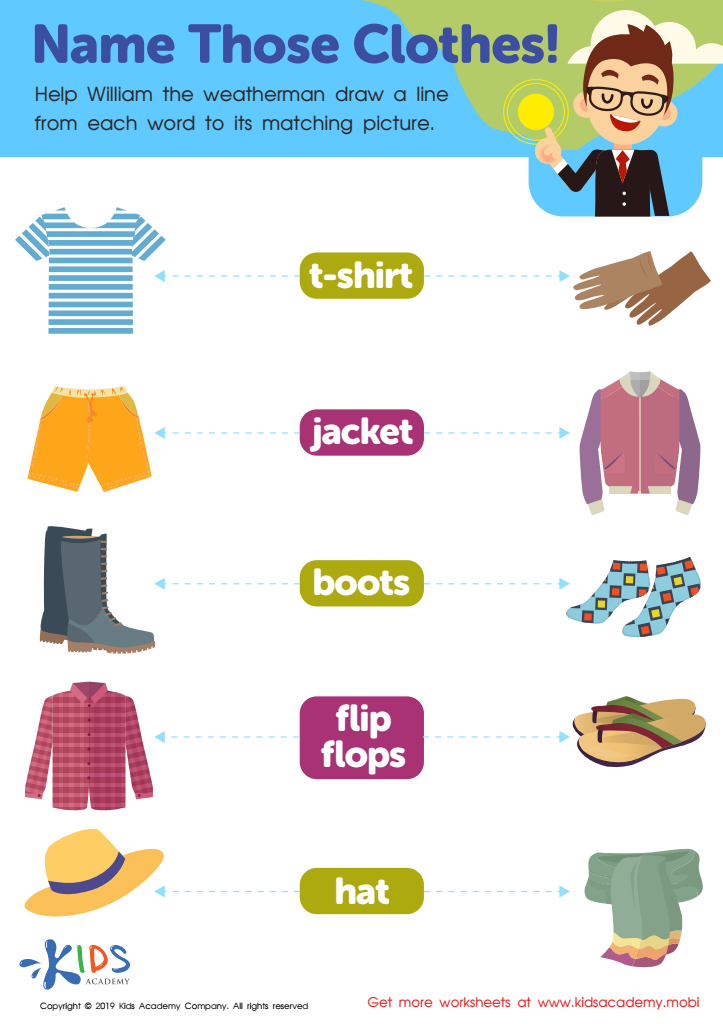
Name Those Clothes Worksheet
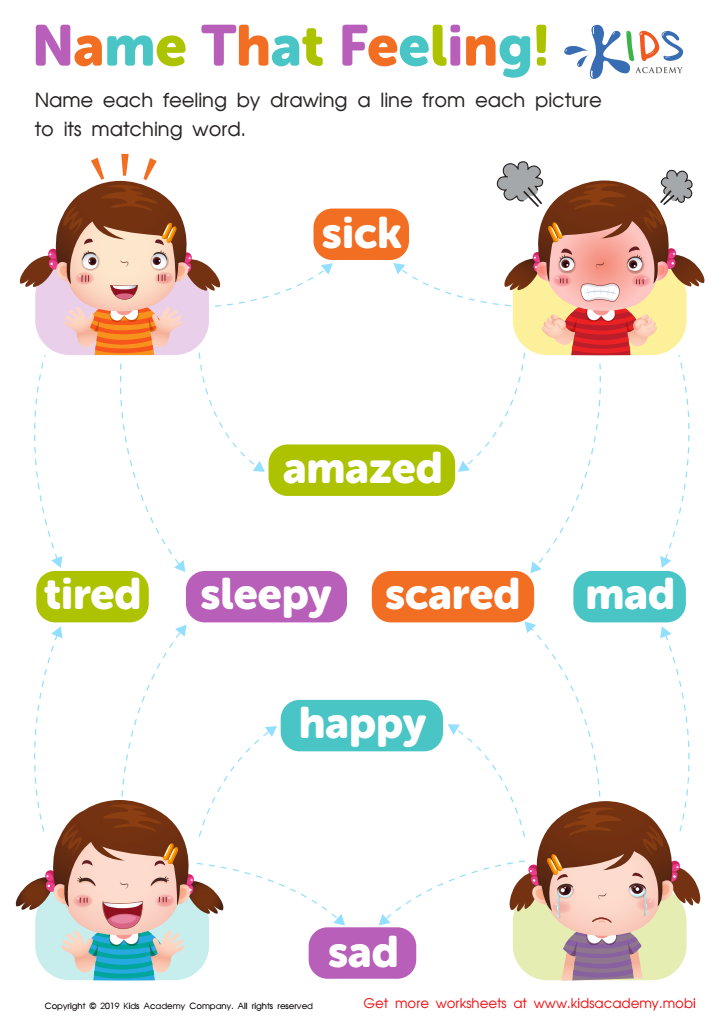
Name that Feeling Worksheet
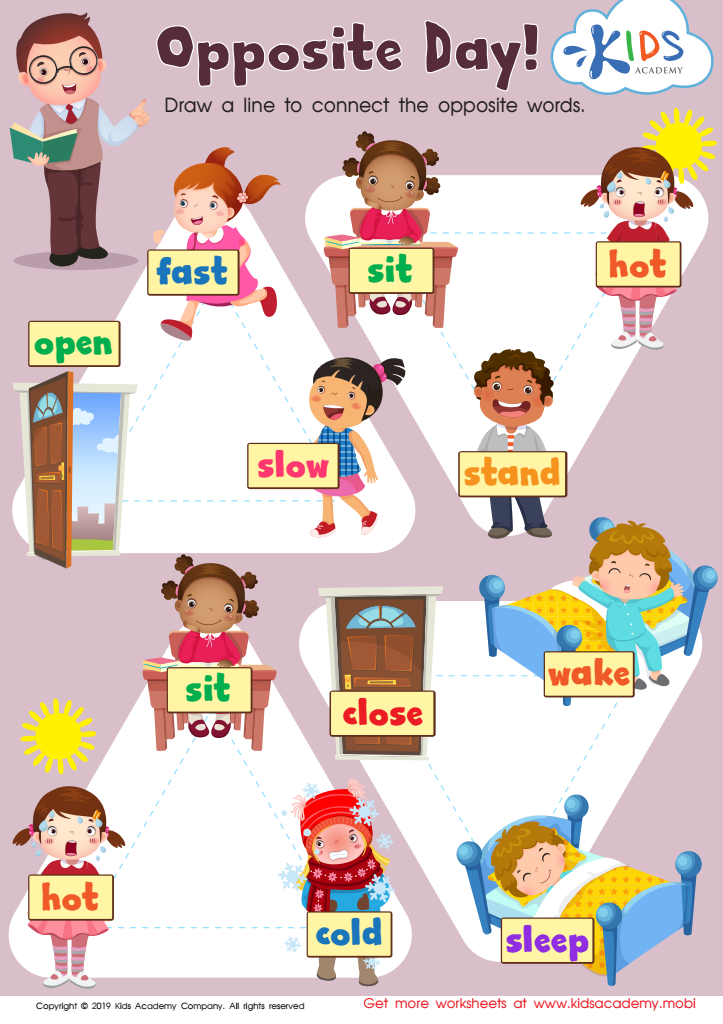
Opposite Day Worksheet
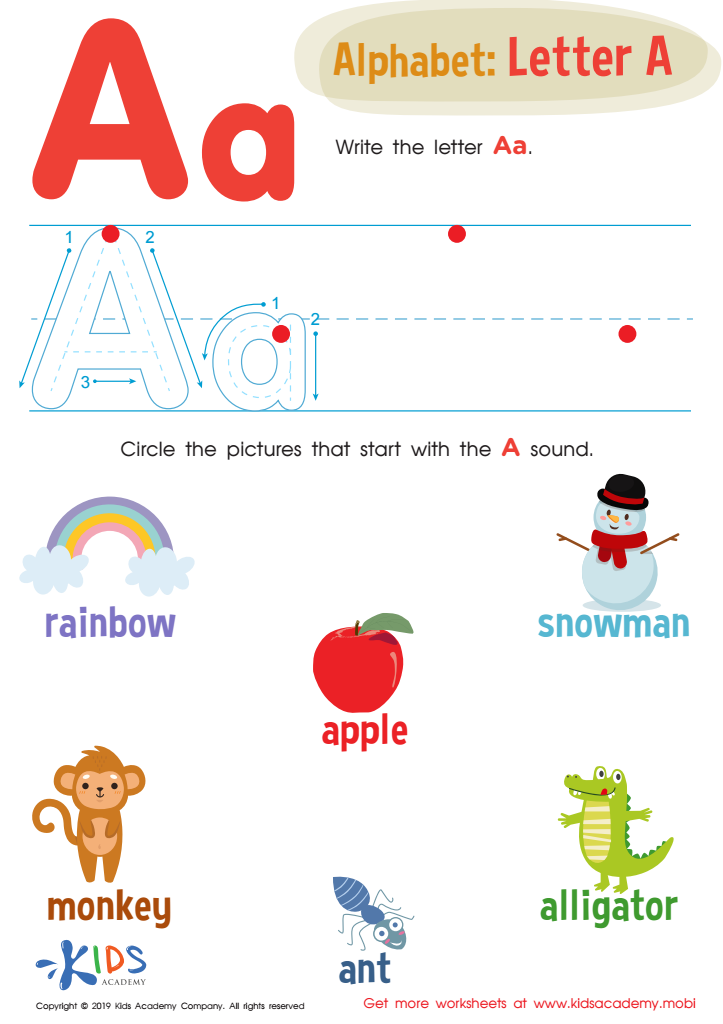
Letter A Tracing Worksheet
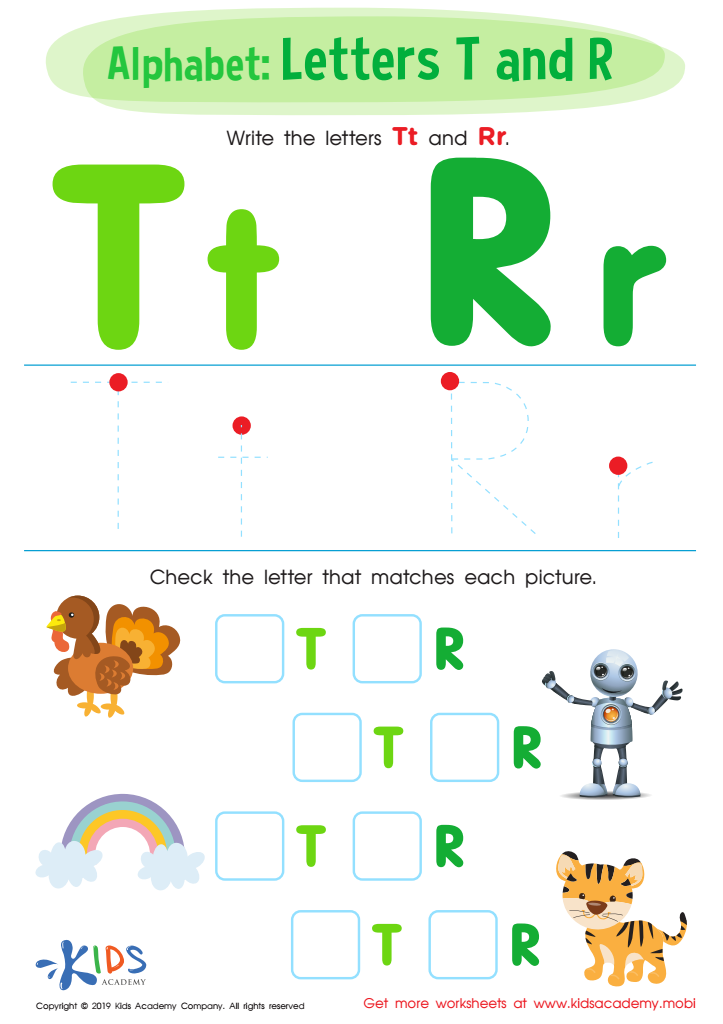
Letters T and R Worksheet
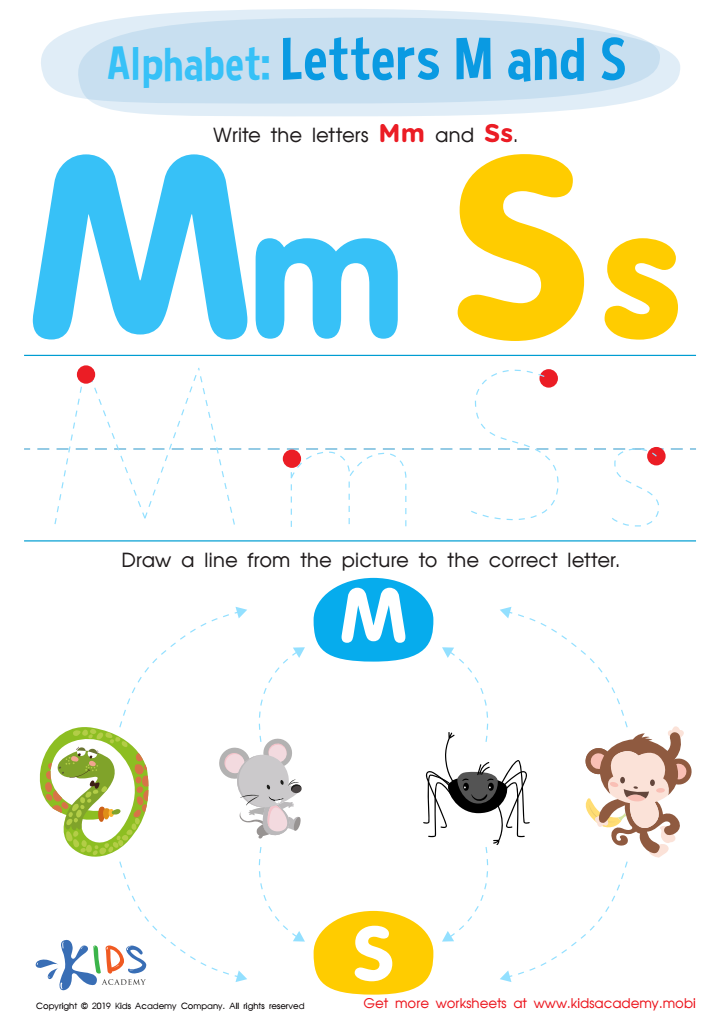
Letters M and S Tracing Worksheet
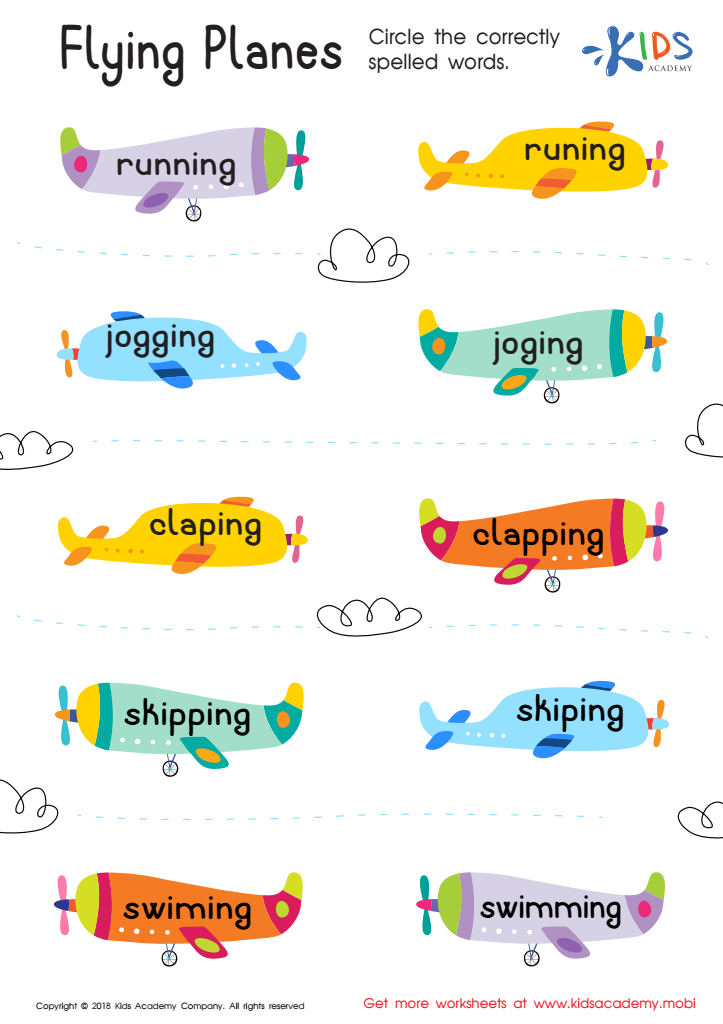
Flying Planes Worksheet
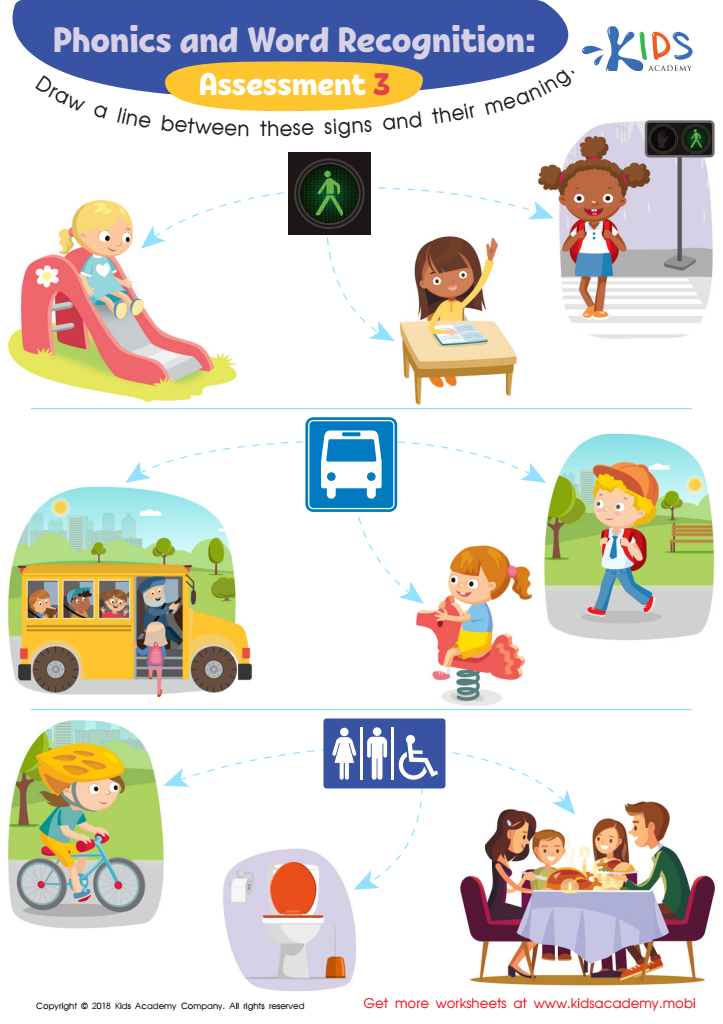
Phonological Awareness: Assessment 3 ELA Worksheet
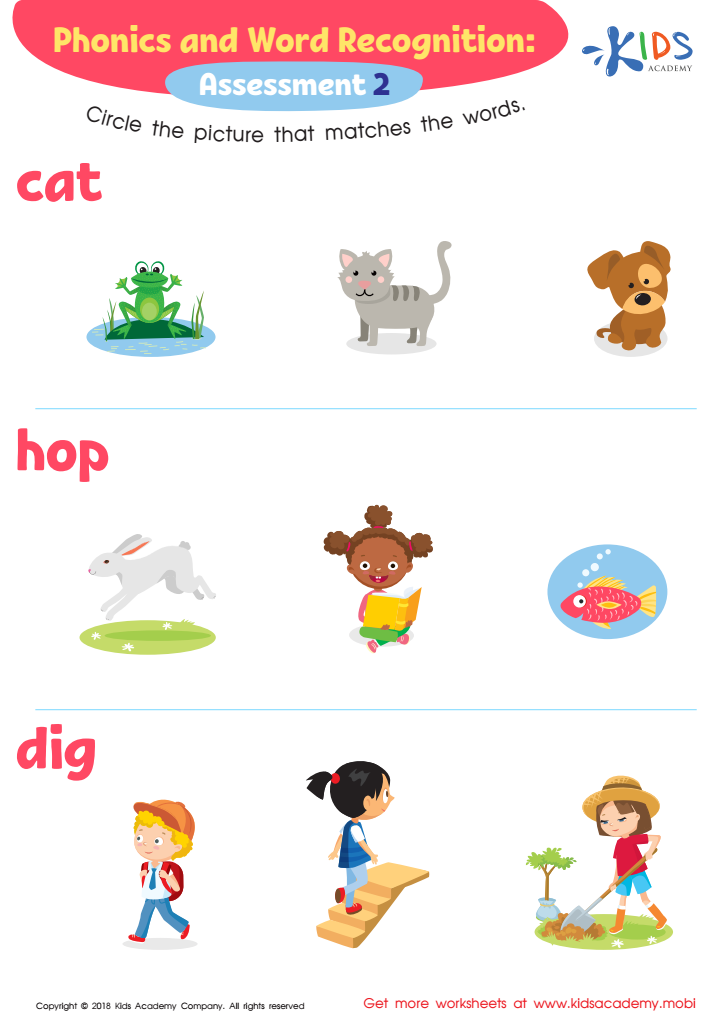
Phonological Awareness: Assessment 2 ELA Worksheet
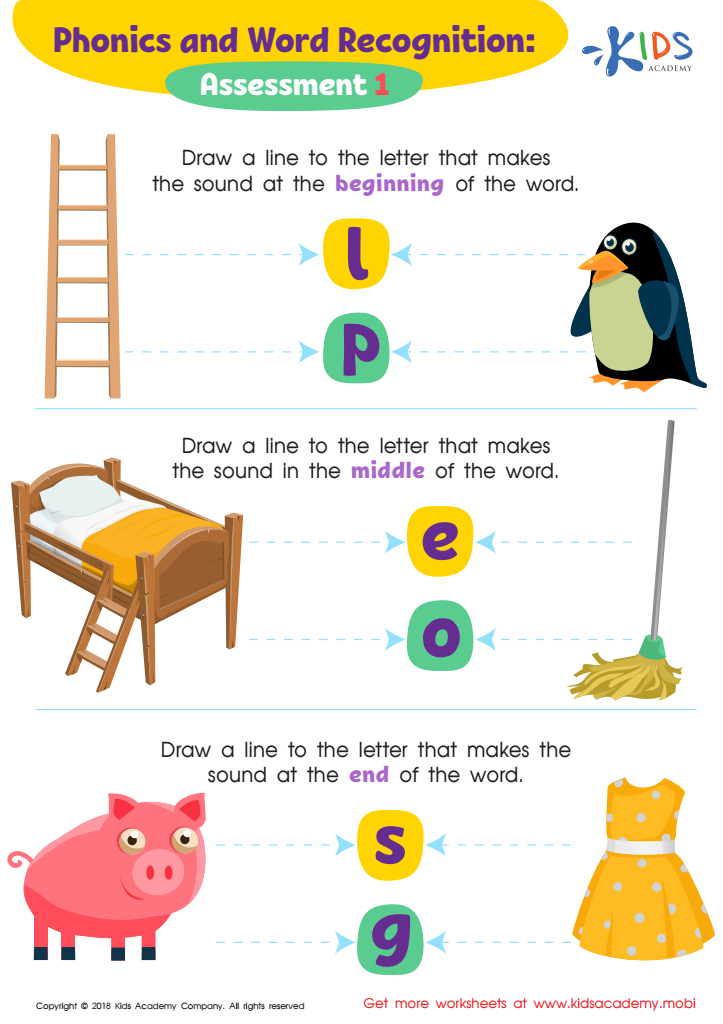
Phonics and Word Recognition: Assessment 1 ELA Worksheet
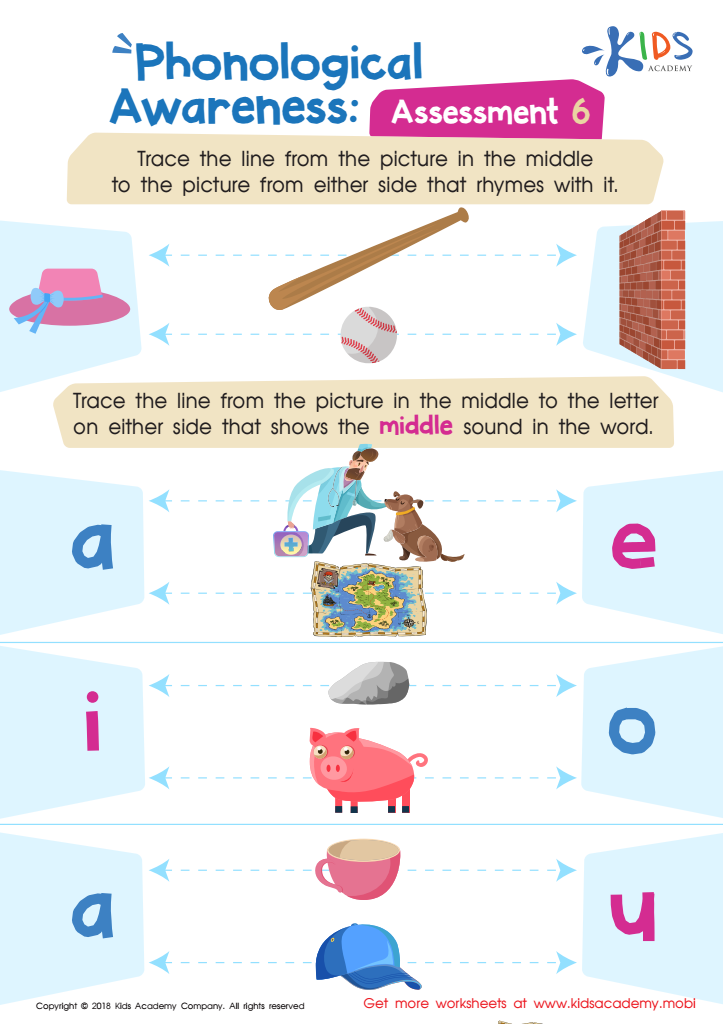
Phonological Awareness: Assessment 6 Worksheet
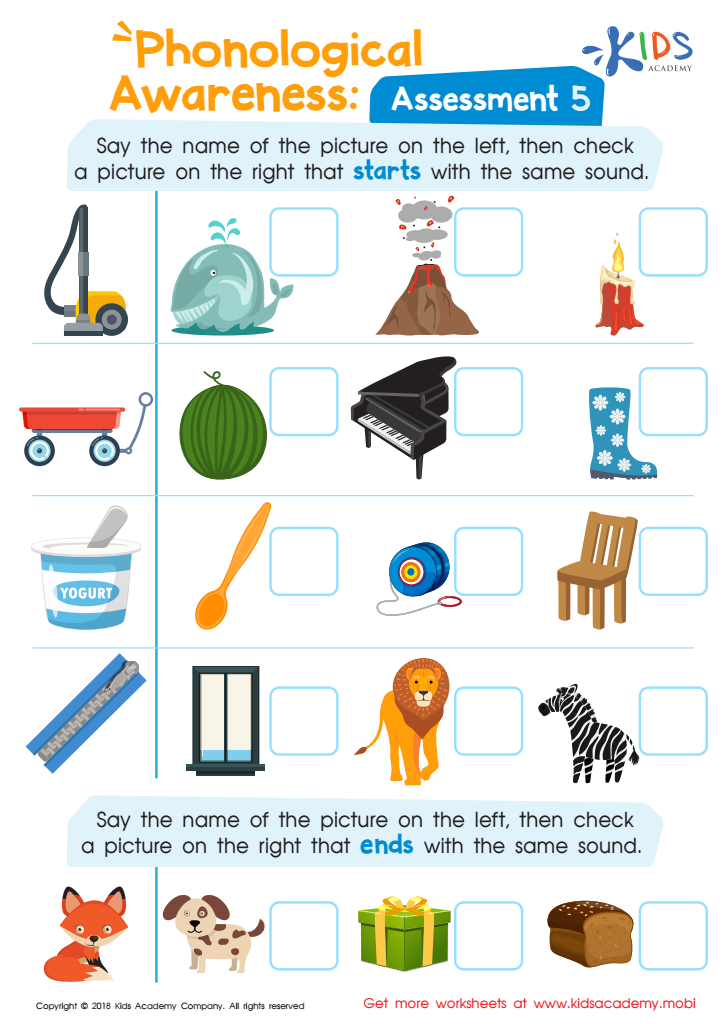
Phonological Awareness: Assessment 5 Worksheet
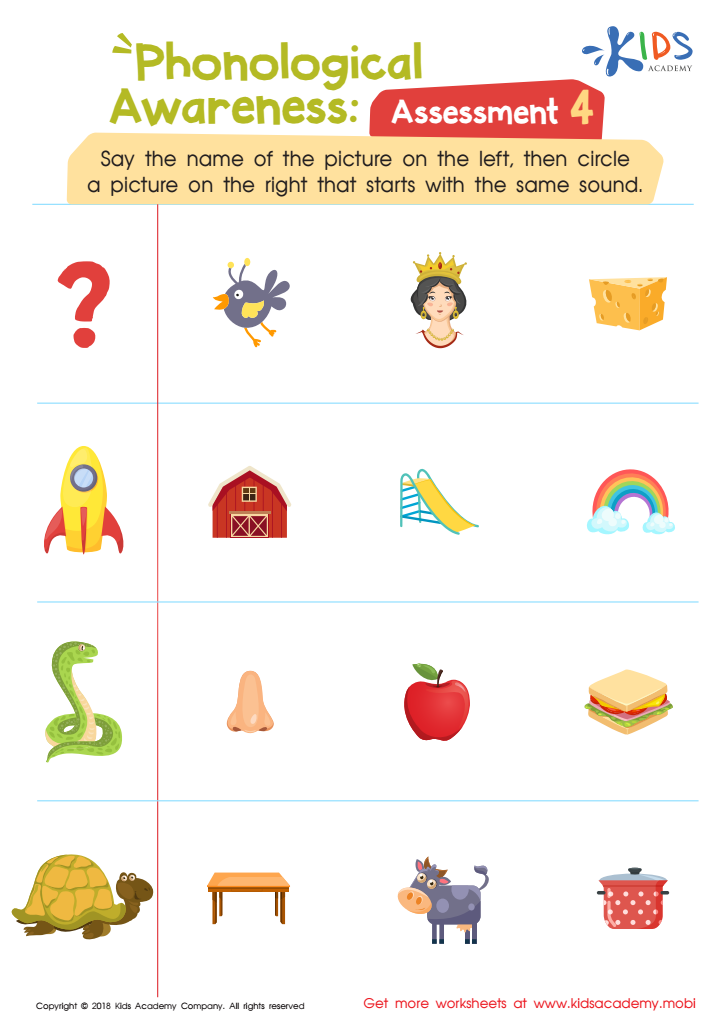
Phonological Awareness: Assessment 4 Worksheet
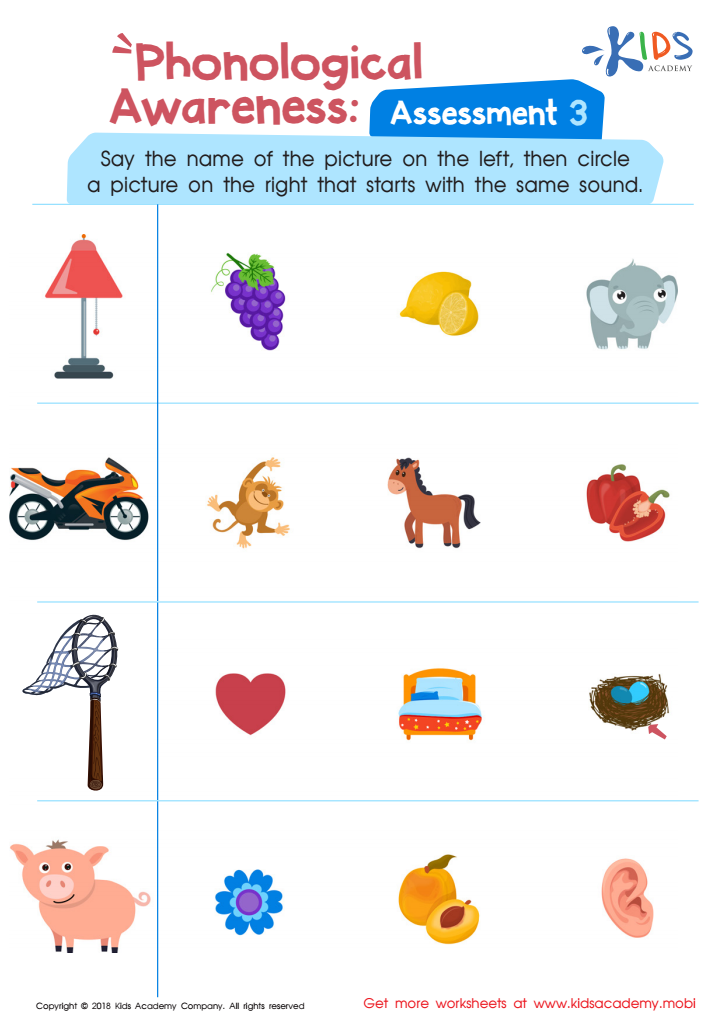
Phonological Awareness: Assessment 3 Worksheet
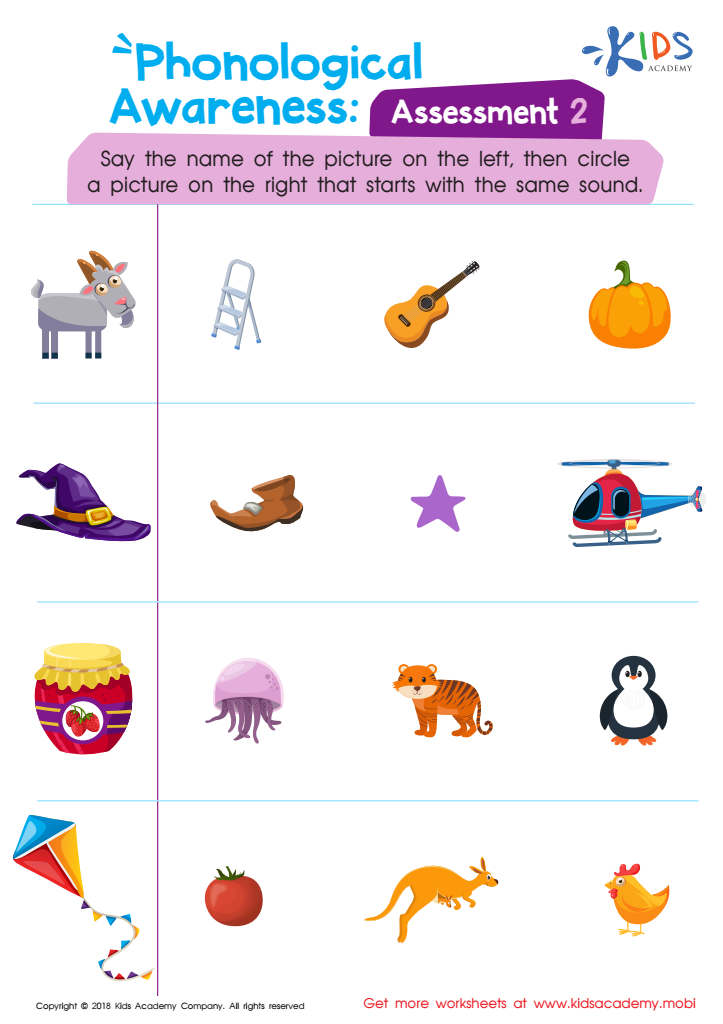
Phonological Awareness: Assessment 2 Worksheet
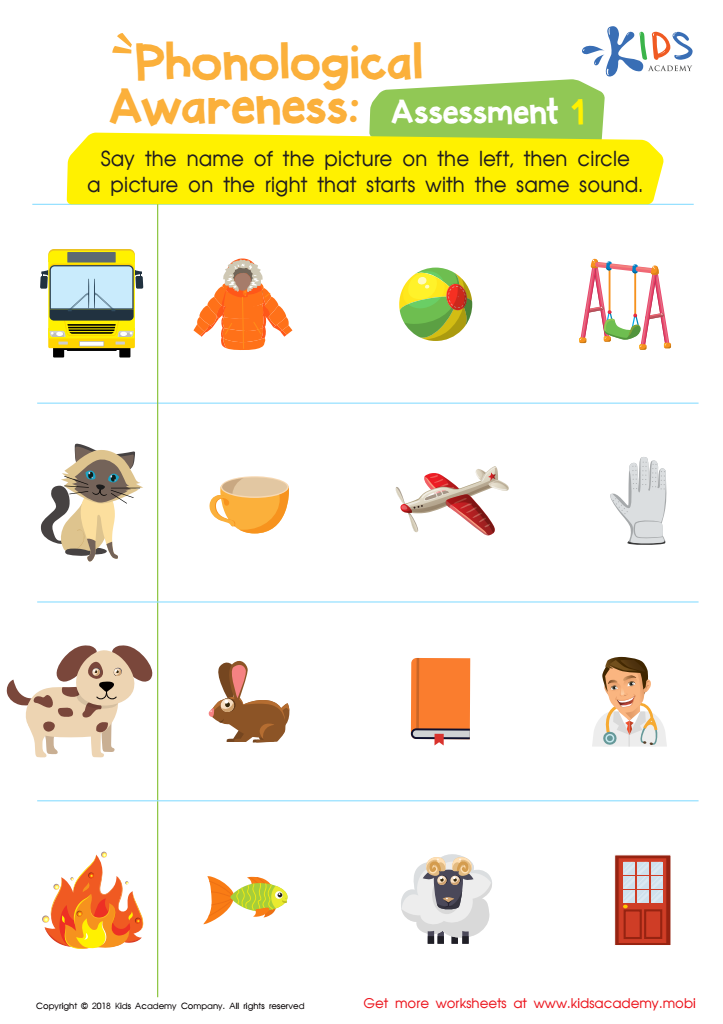
Phonological Awareness: Assessment 1 Worksheet
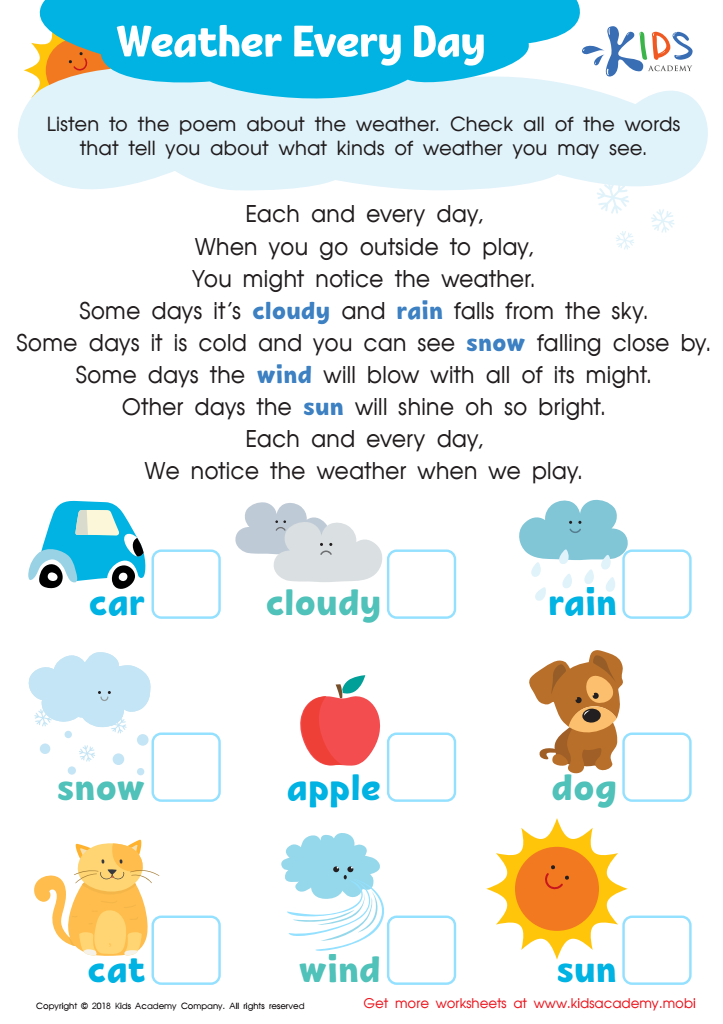
Weather Every Day Worksheet
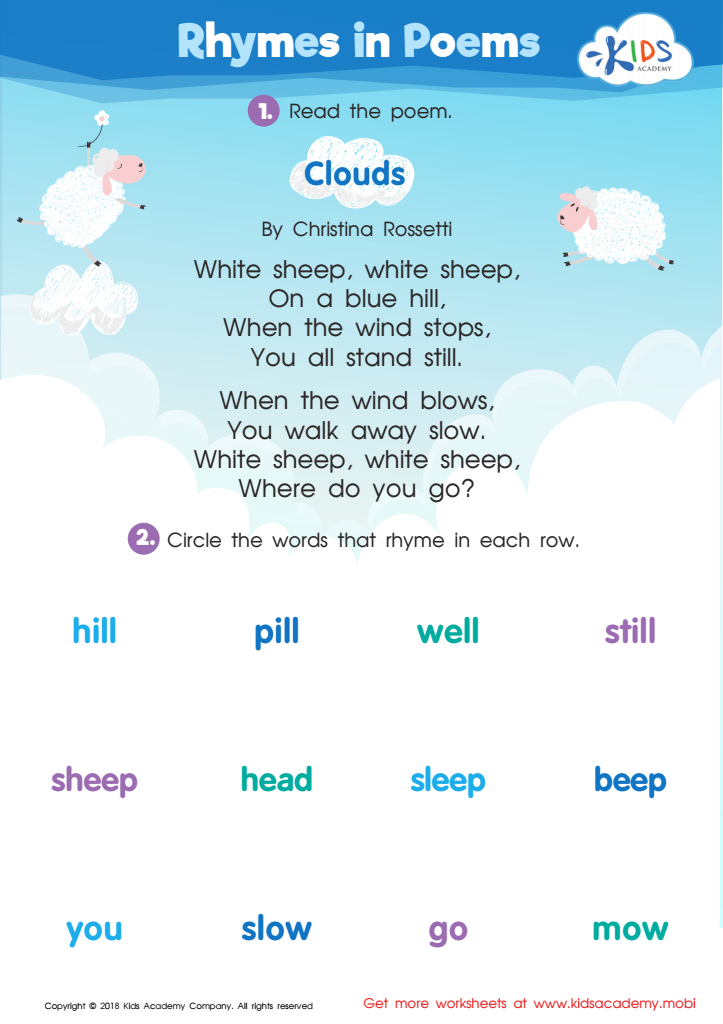
Rhymes in Poems Worksheet







Parents and teachers should prioritize teaching the alphabet to children aged 4-7 because it serves as the cornerstone of literacy development. Mastering letter recognition and sound associations is essential for young learners as it lays the groundwork for reading and writing skills. At this stage, children are naturally curious and eager to learn, making it an ideal time to introduce the alphabet.
Understanding the alphabet enhances vocabulary and comprehension, fostering communication skills that are critical for success in school and beyond. Engaging children in activities related to the alphabet—such as singing songs, playing games, and reading together—can create a fun, interactive, and effective learning environment.
Moreover, early familiarity with letters helps cultivate a love for reading, instilling lifelong learning habits. Recognizing letters is also tied to cognitive development, aiding memory, and attention skills. Emotionally, as children grasp the alphabet, they gain confidence in their abilities and become more enthusiastic about learning.
In addition, being proficient in the alphabet gives children an academic advantage, setting the stage for success in structured education. Overall, the importance of learning the alphabet cannot be overstated—it is a fundamental building block that nurtures a child's intellectual, emotional, and social growth.







