Measurement Worksheets for Ages 5-7 - Page 2
103 filtered results
-
From - To
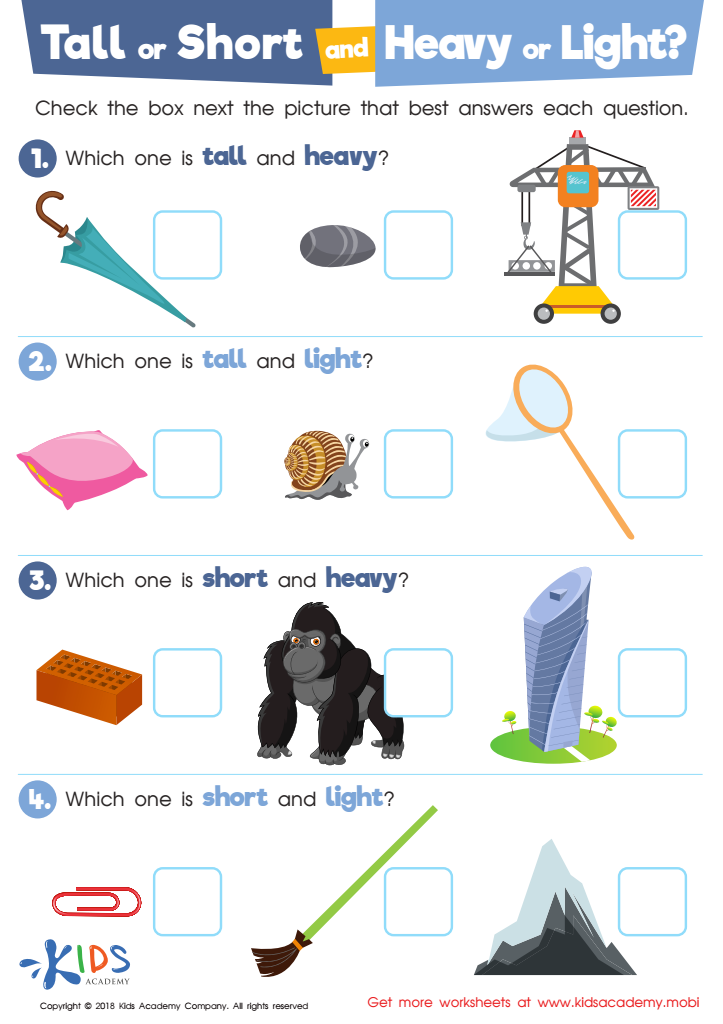
Tall or Short and Heavy or Light? Worksheet
 Assign to My Students
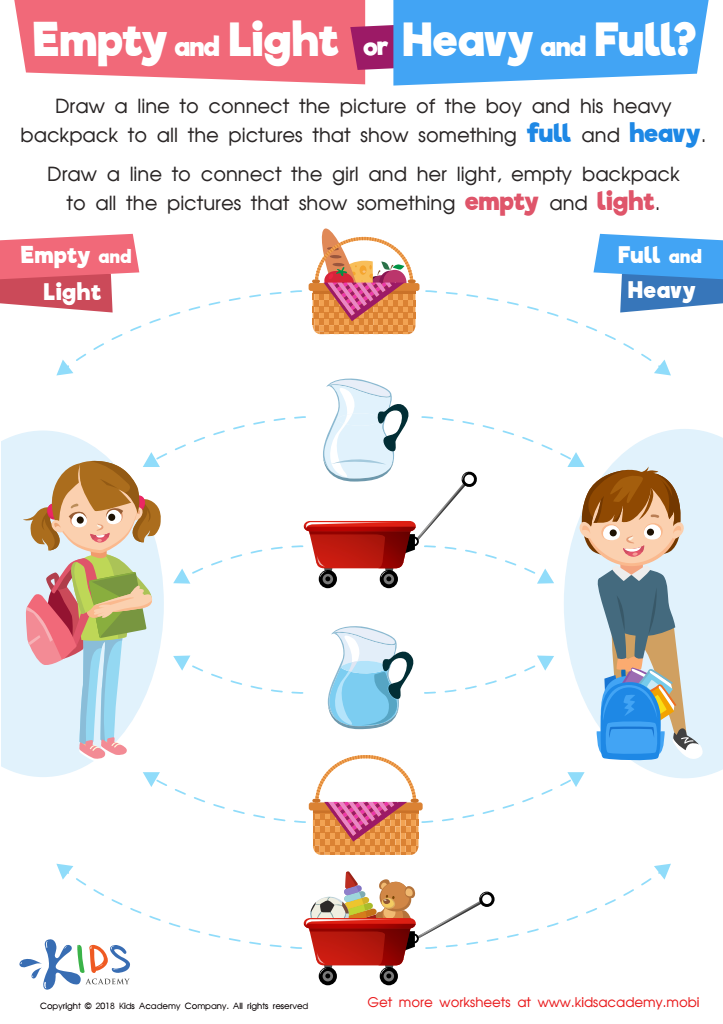
Empty and Light or Heavy and Full? Worksheet
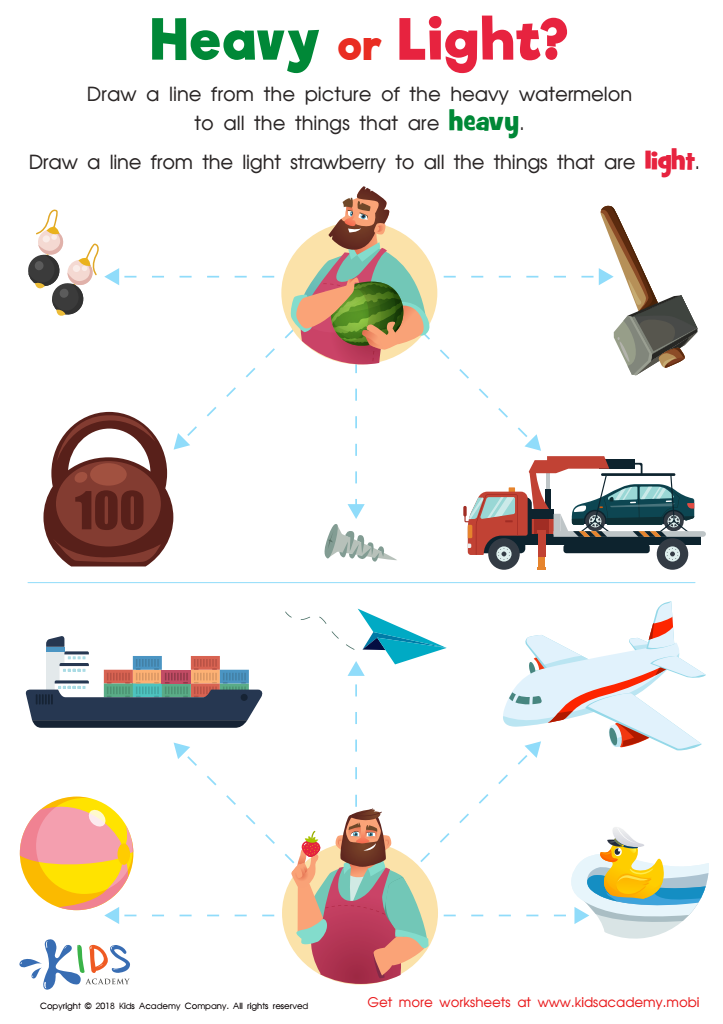
Heavy or Light? Worksheet
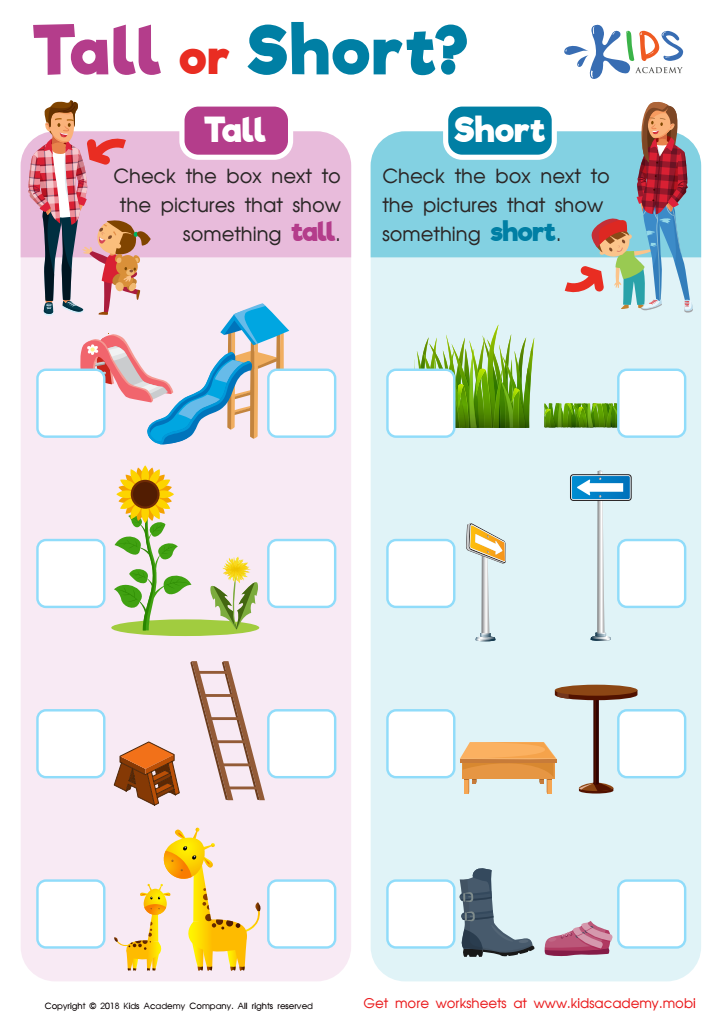
Tall or Short? Worksheet
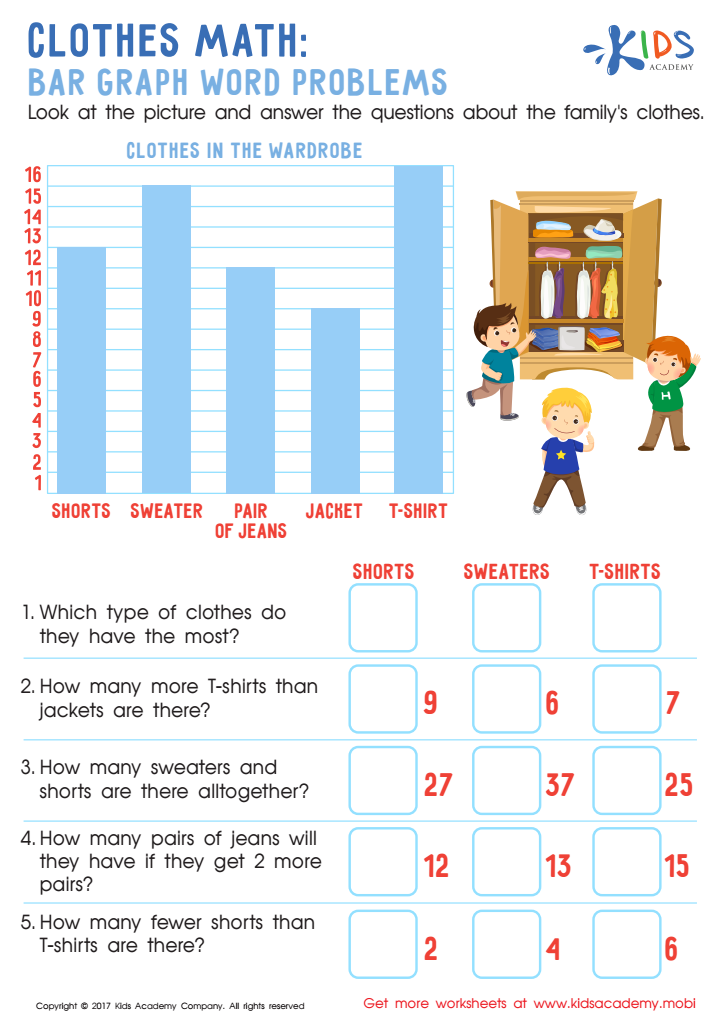
Clothes Math: Bar Graph Word Problems Worksheet
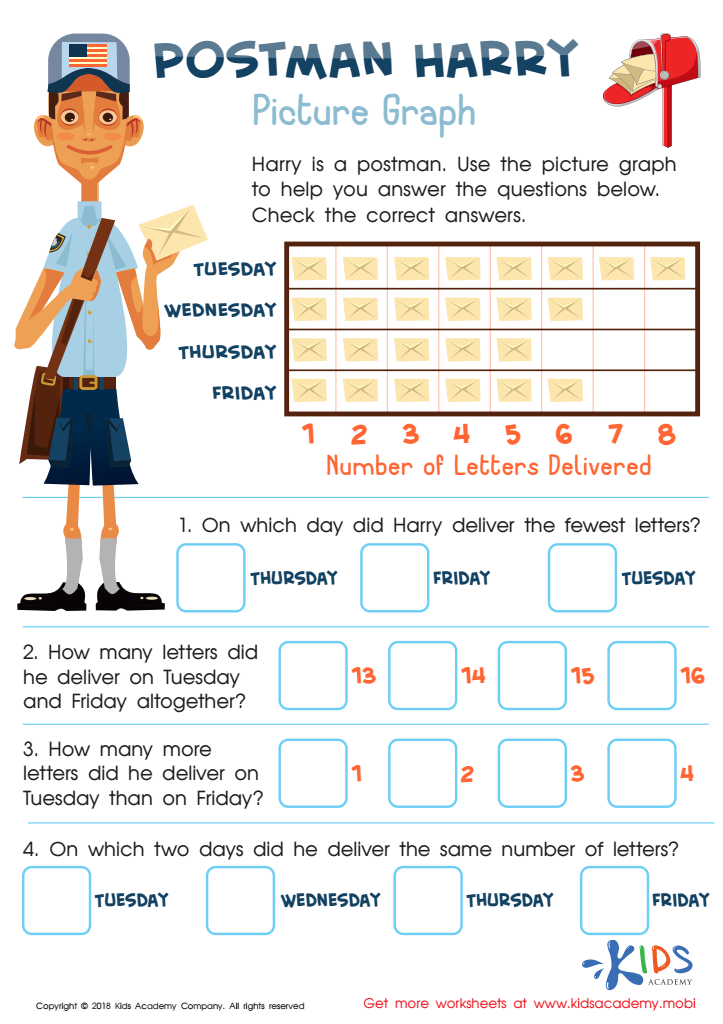
Postman Harry: Picture Graph Worksheet
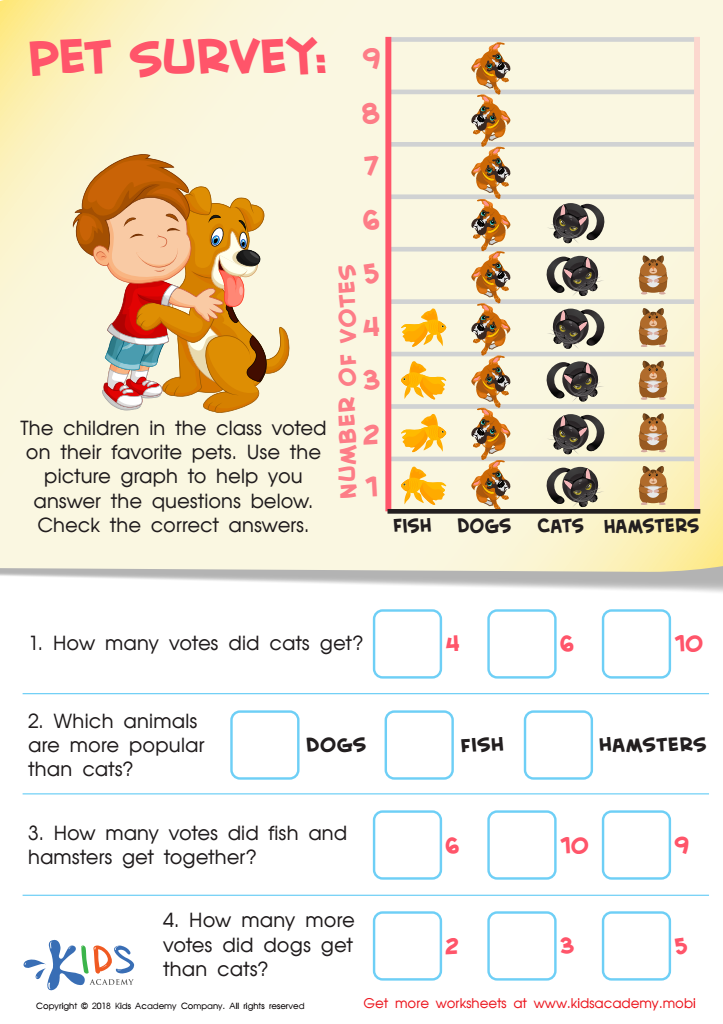
Pet Survey Worksheet
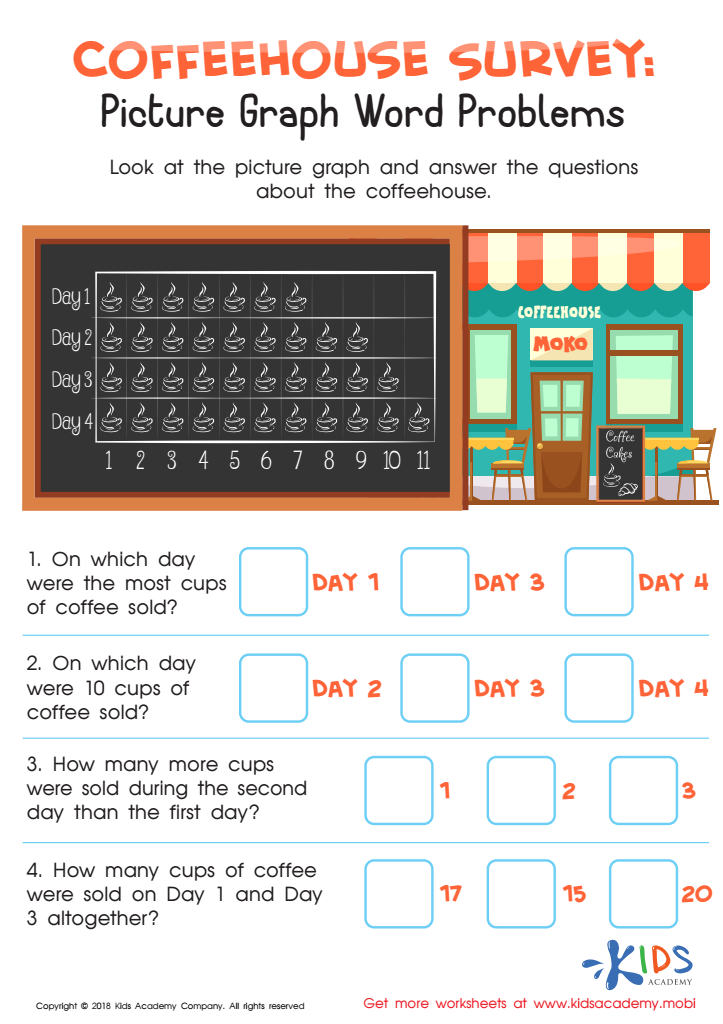
Coffeehouse Survey: Picture Graph Word Problems Worksheet
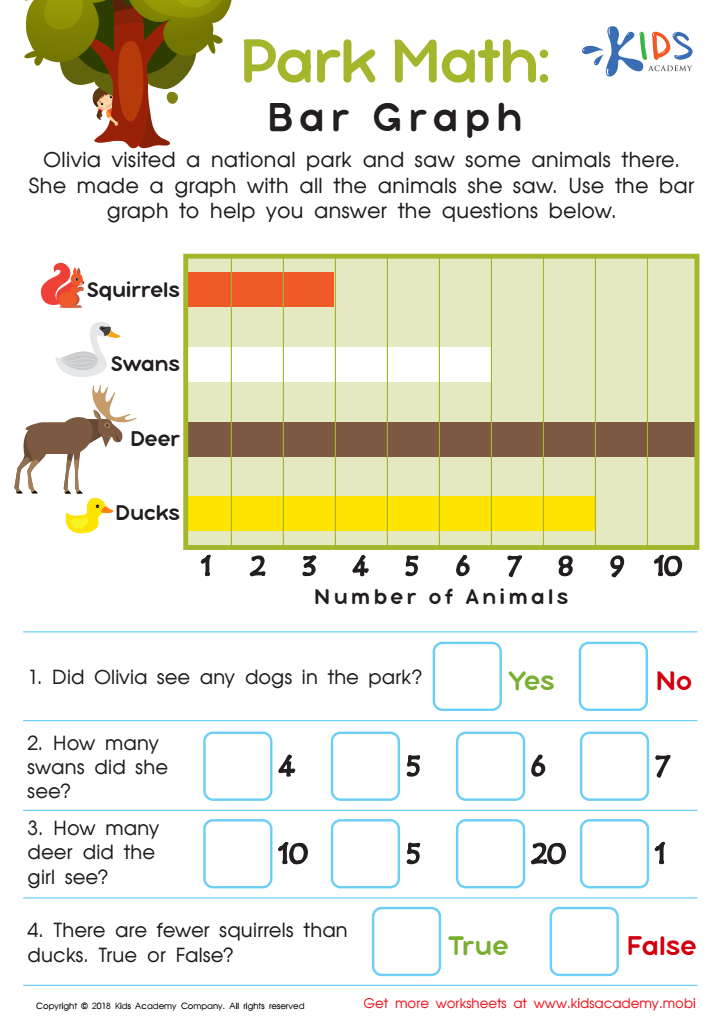
Park Math: Bar Graph Worksheet
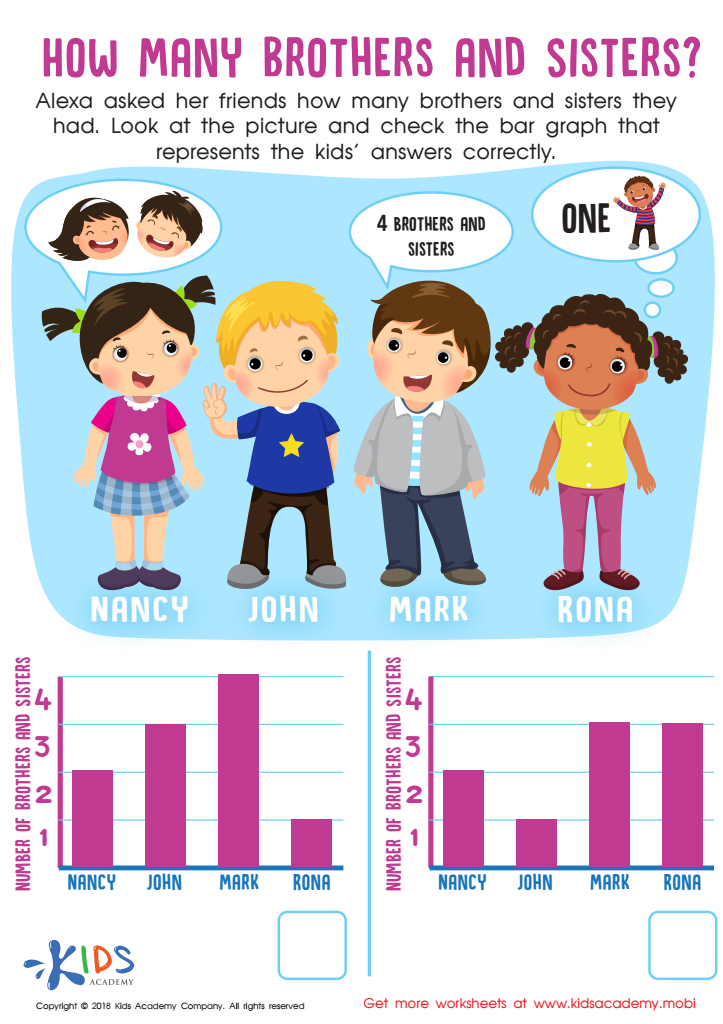
How Many Brothers and Sisters? Worksheet
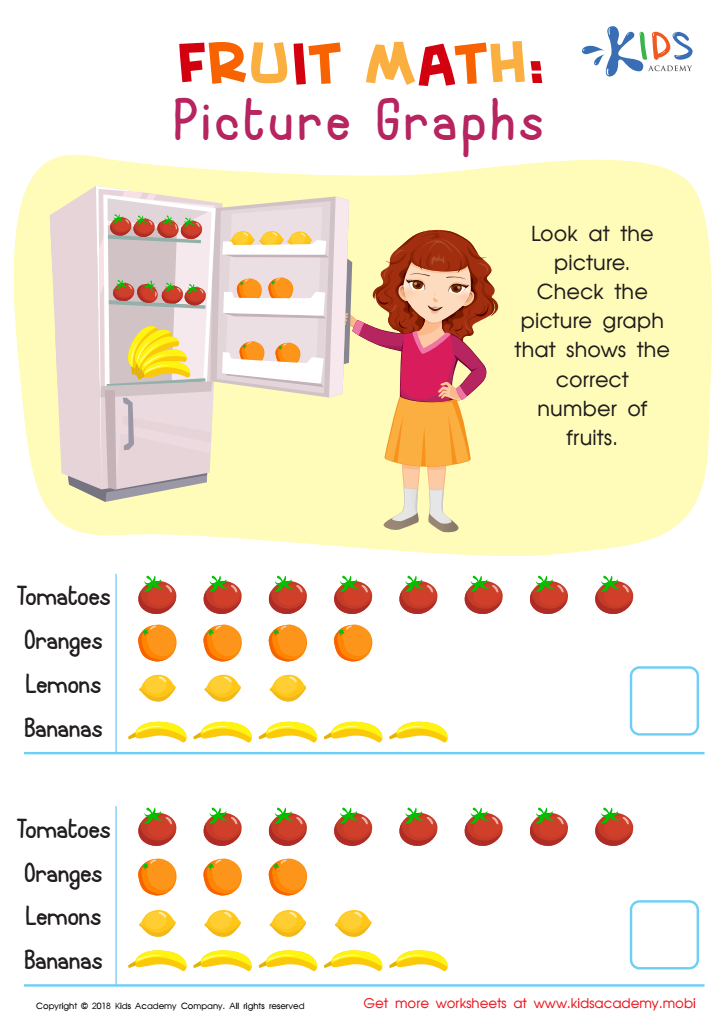
Fruit Math: Picture Graphs Worksheet
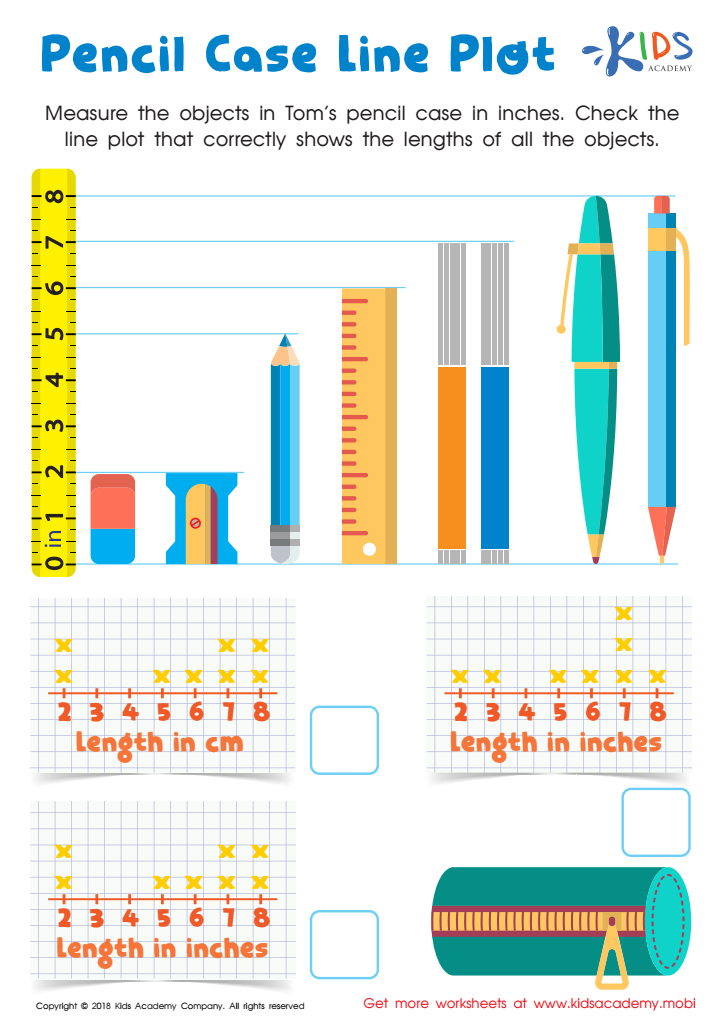
Pencil Case Line Plot Worksheet
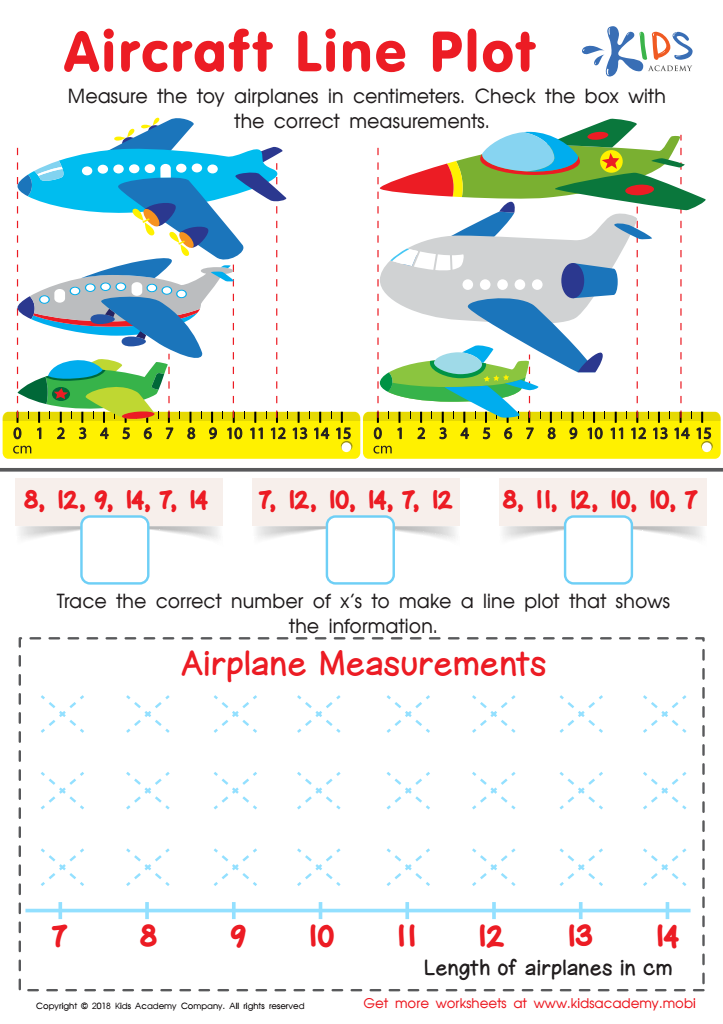
Aircraft Line Plot Worksheet
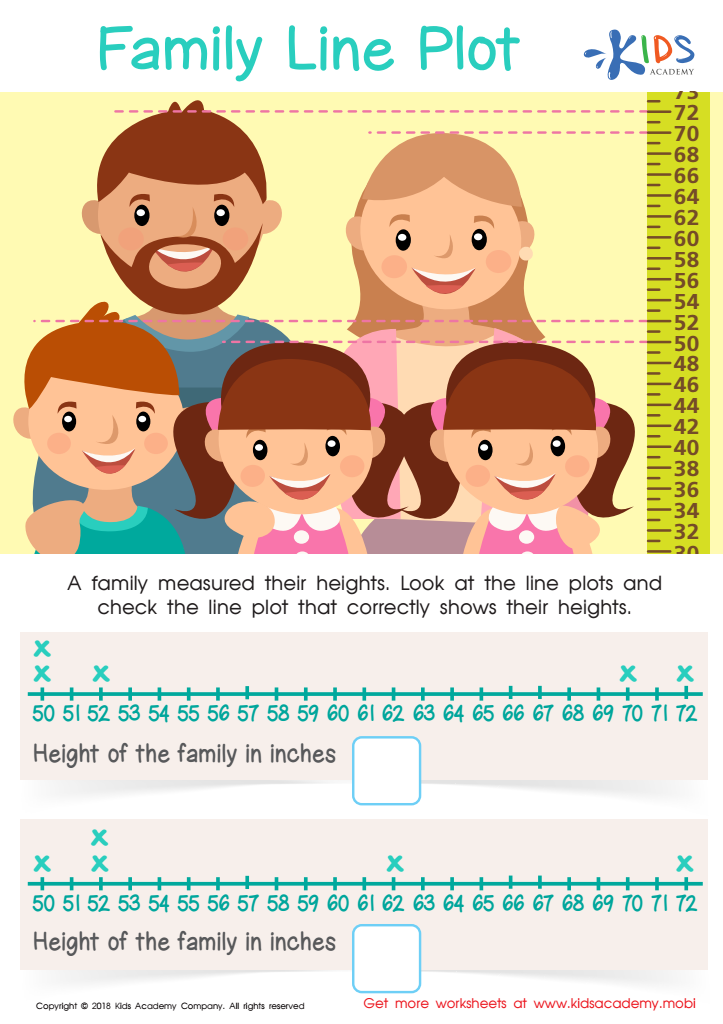
Family Line Plot Worksheet
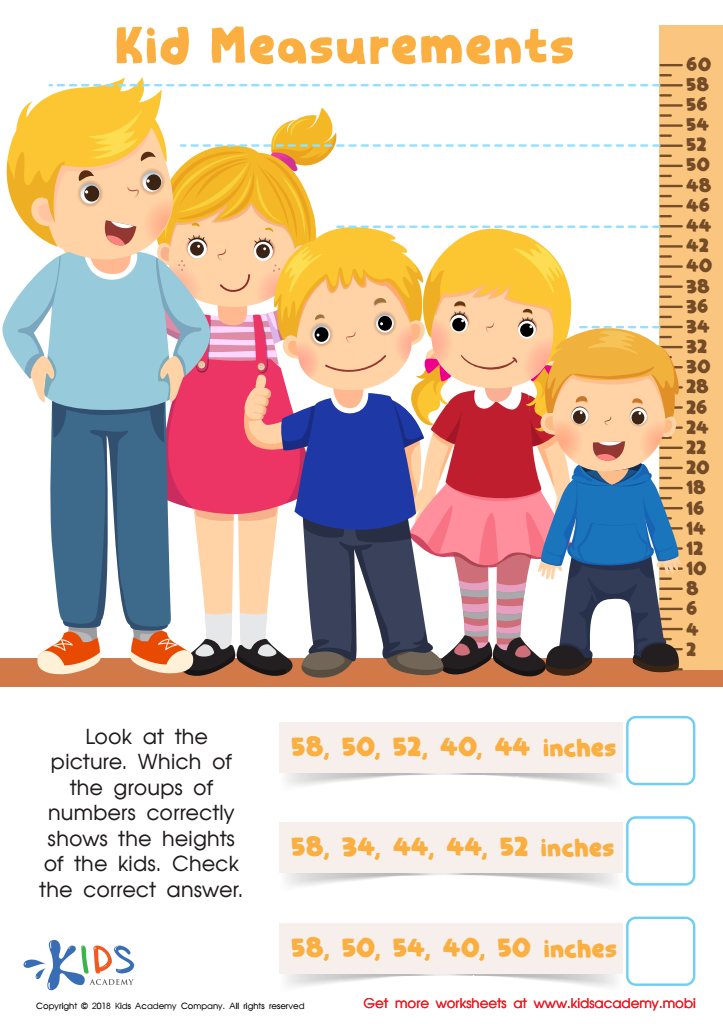
Kids Measurements Worksheet
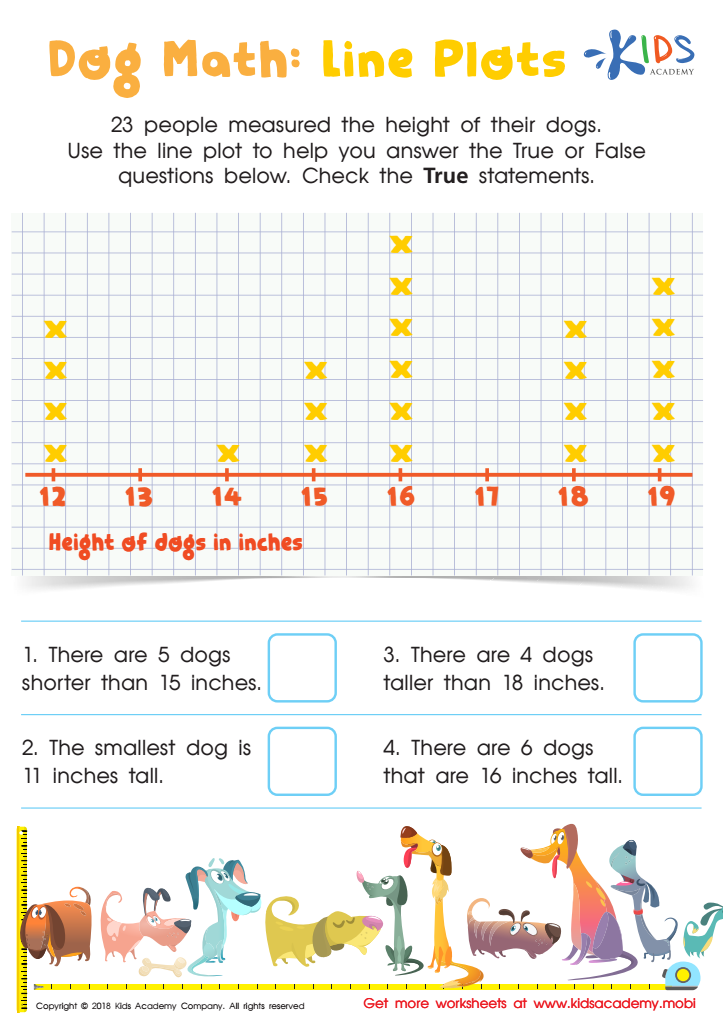
Dog Math: Line Plots Worksheet
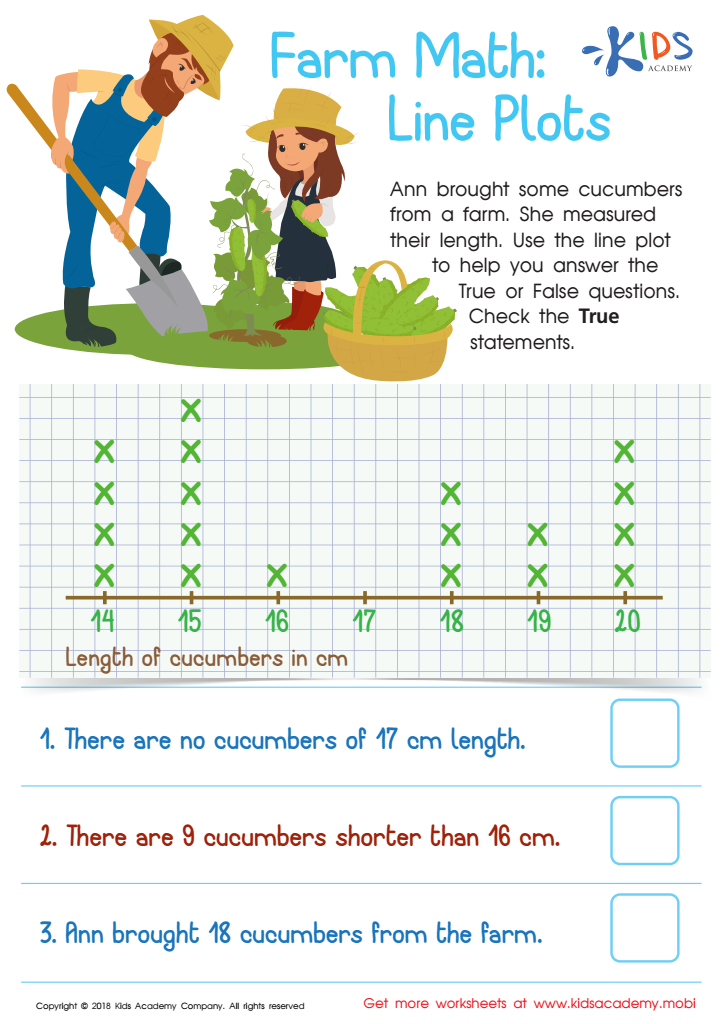
Farm Math: Line Plots Worksheet
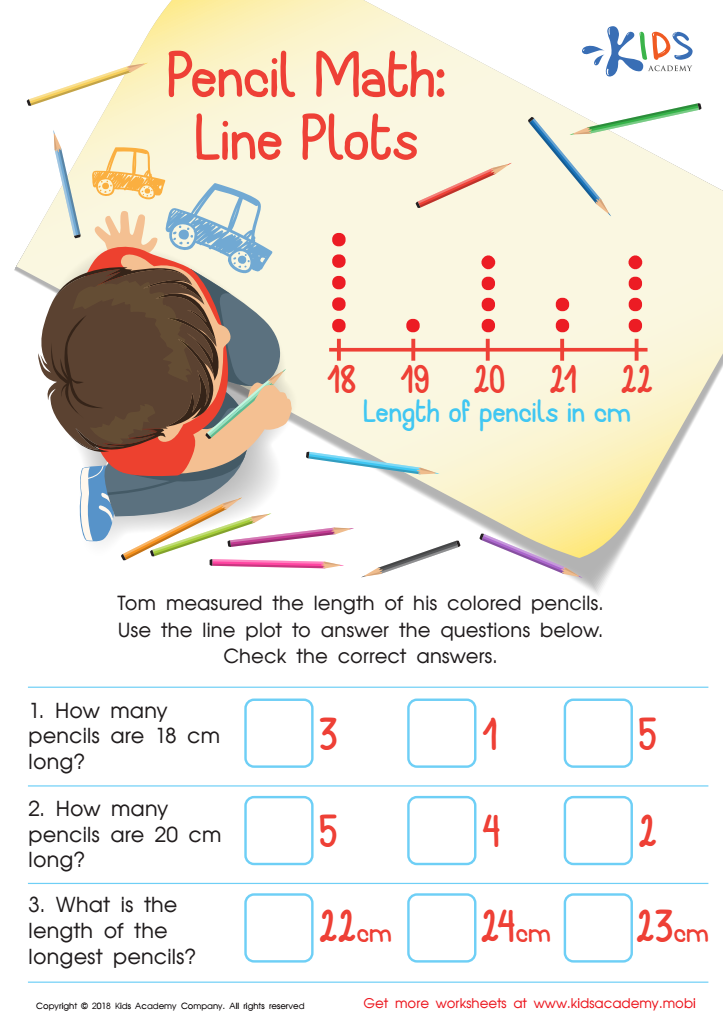
Pencil Math: Line Plots Worksheet
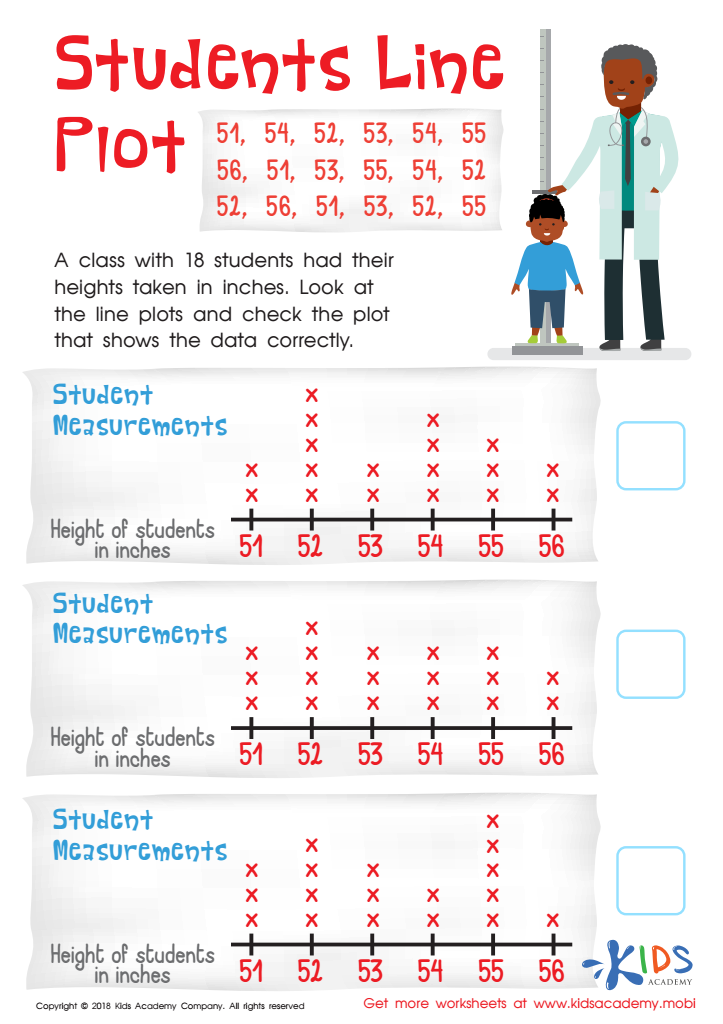
Students Line Plot Worksheet
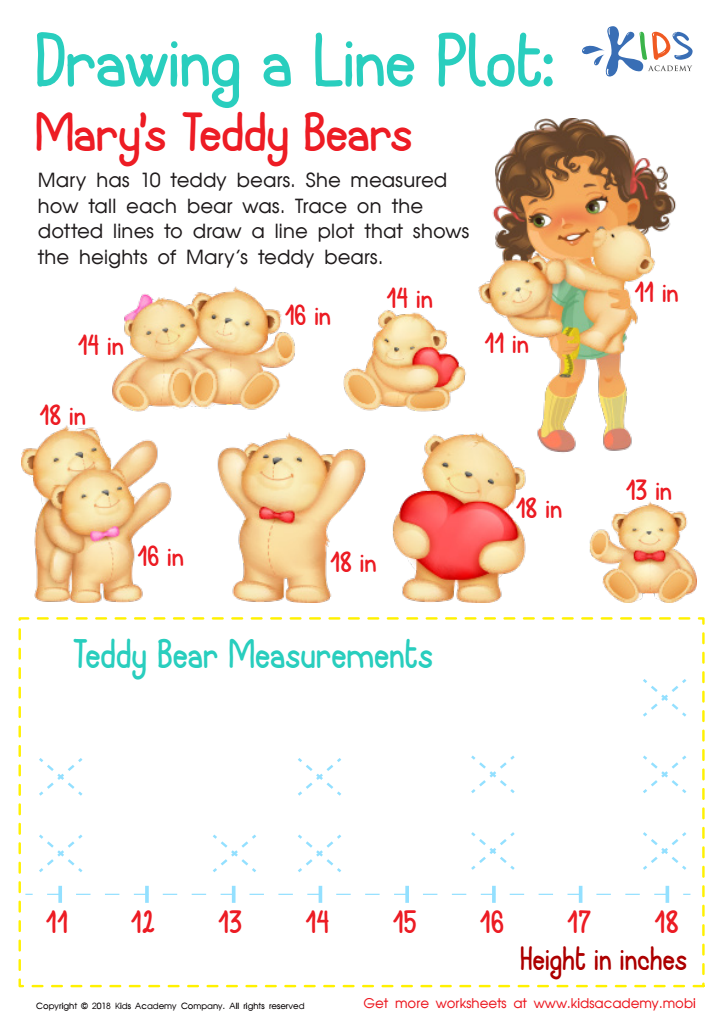
Drawing and Line Plot: Mary's Teddy Bears Worksheet
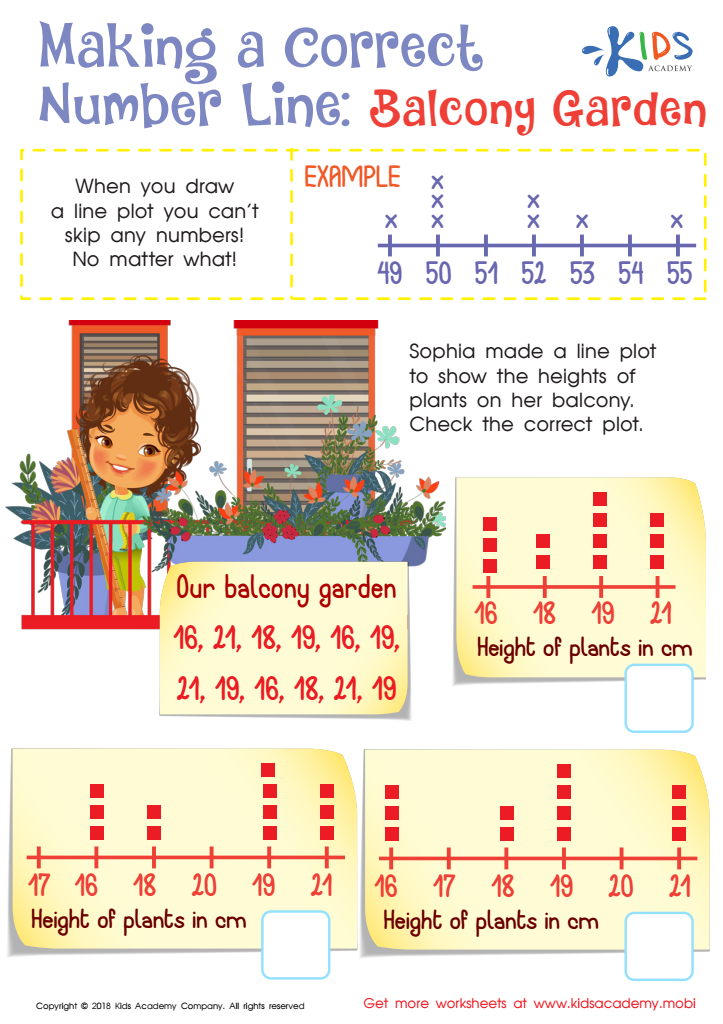
Making a Correct Number Line: Balcony Garden Worksheet
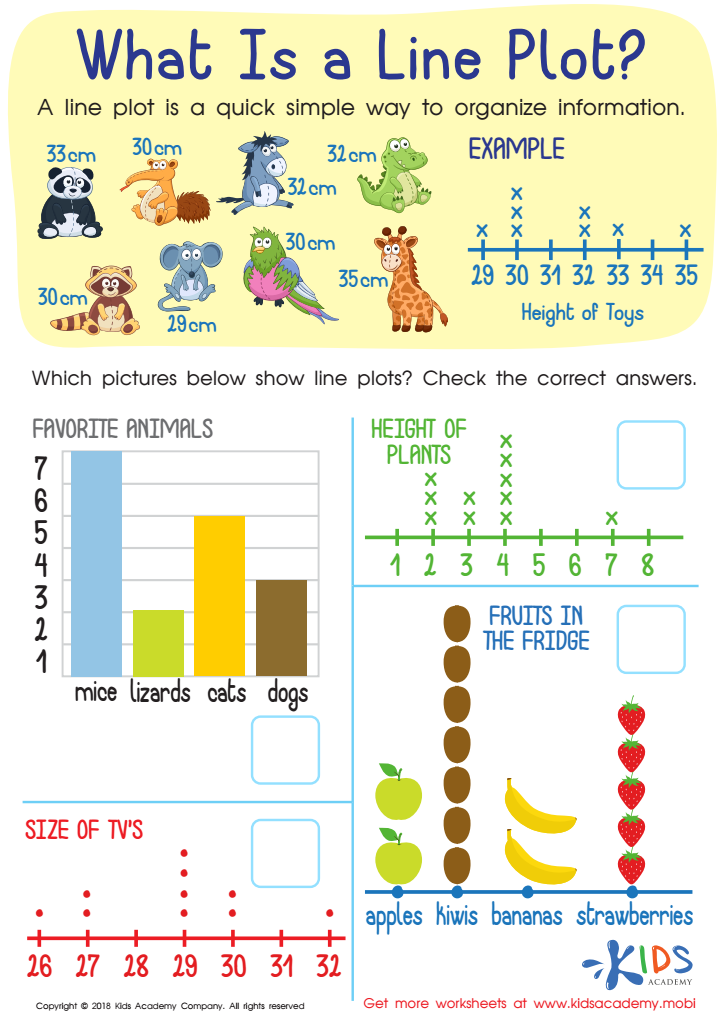
What Is a Line Plot? Worksheet
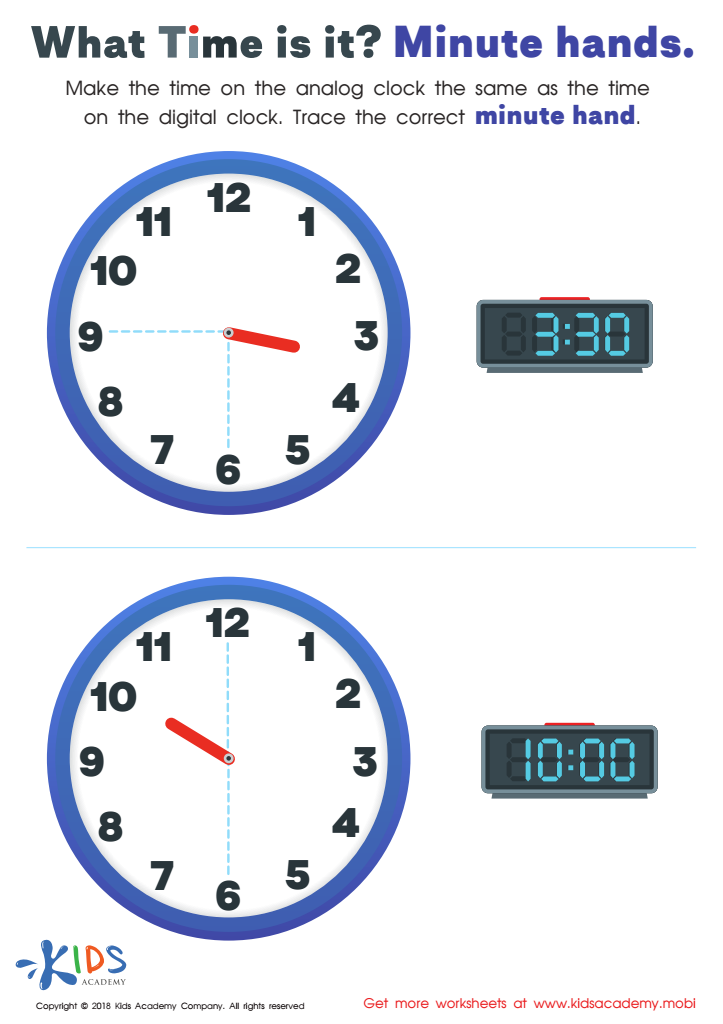
What Time Is it? Minute Hands Worksheet
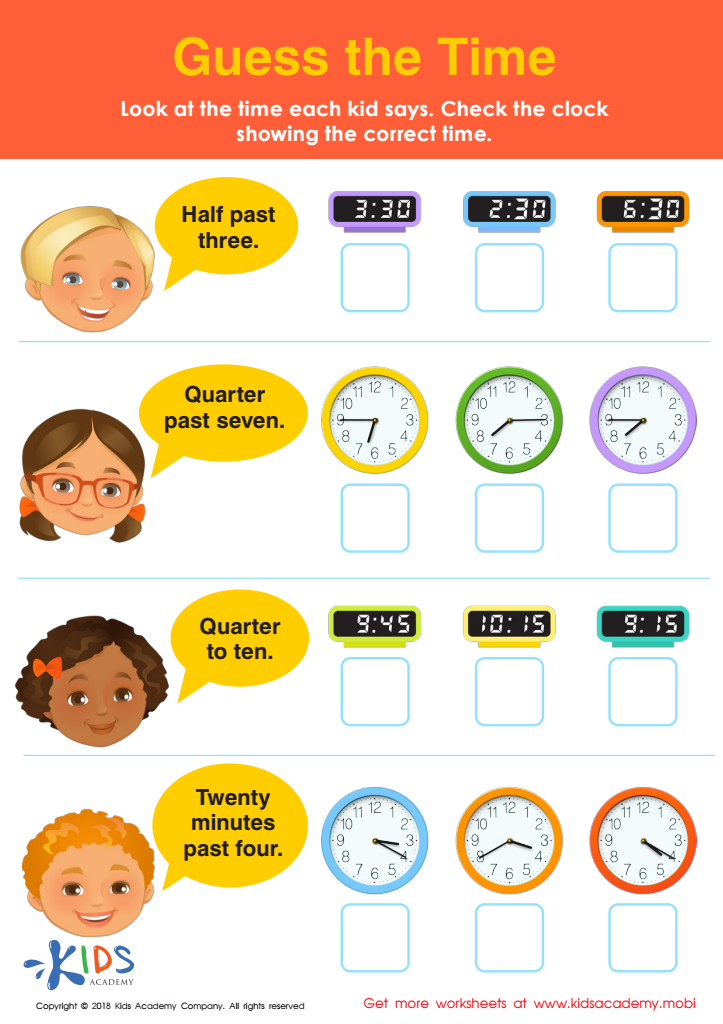
Guess the Time Worksheet








Measurement is a foundational concept in early education that plays a crucial role in a child's cognitive development. For children aged 5-7, grasping measurement fosters essential math skills such as understanding numbers, spatial awareness, and problem-solving techniques. Engaging with measurement helps children develop an intuitive sense of size, volume, and time, which are vital life skills.
Parents and teachers should care about measurement because it enhances children's critical thinking abilities. Through activities like comparing lengths, weighing objects, or measuring liquids, children learn to make observations and draw conclusions. It also lays the groundwork for more complex mathematical concepts in the future.
Furthermore, measurement is deeply connected to real-world applications. It helps children understand everyday tasks, such as cooking, shopping, and budgeting, reinforcing the relevance of math in daily life. When parents and teachers emphasize measurement early on, they encourage a positive attitude towards mathematics, reducing anxiety and boosting confidence.
By actively exploring measurement, children develop their vocabulary, learn to communicate their findings, and engage in collaborative problem-solving with peers. Thus, a focus on measurement during these formative years will establish a strong educational foundation that benefits children's ongoing learning and overall development.








