Science Worksheets for Ages 6-8 - Page 14
383 filtered results
-
From - To
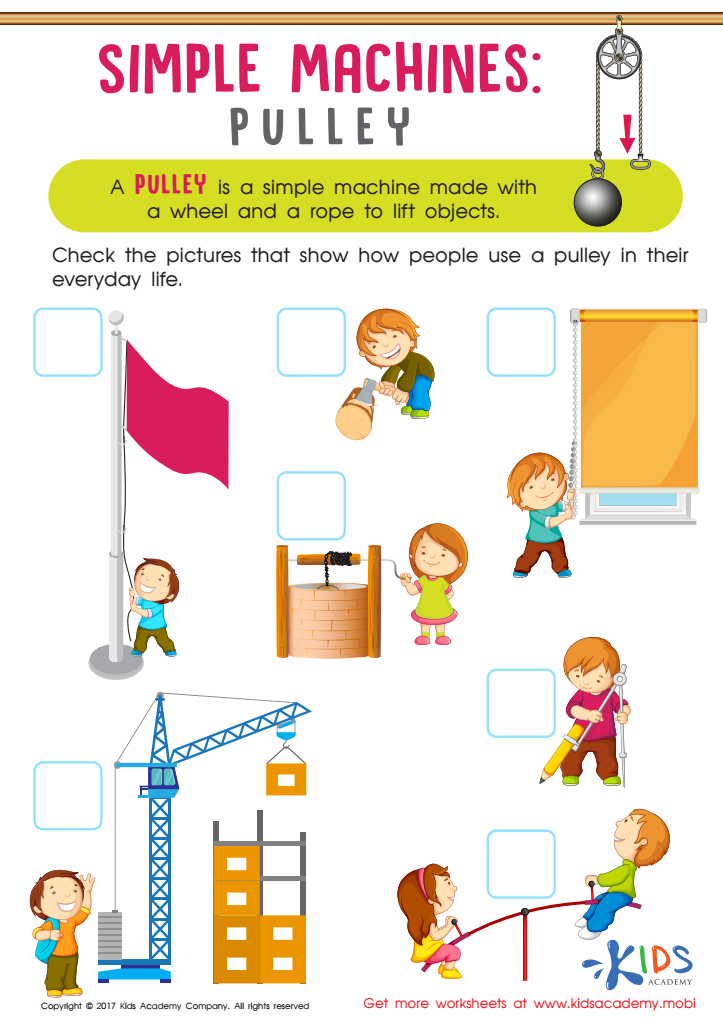
Simple Machines Pulley Worksheet
 Assign to My Students
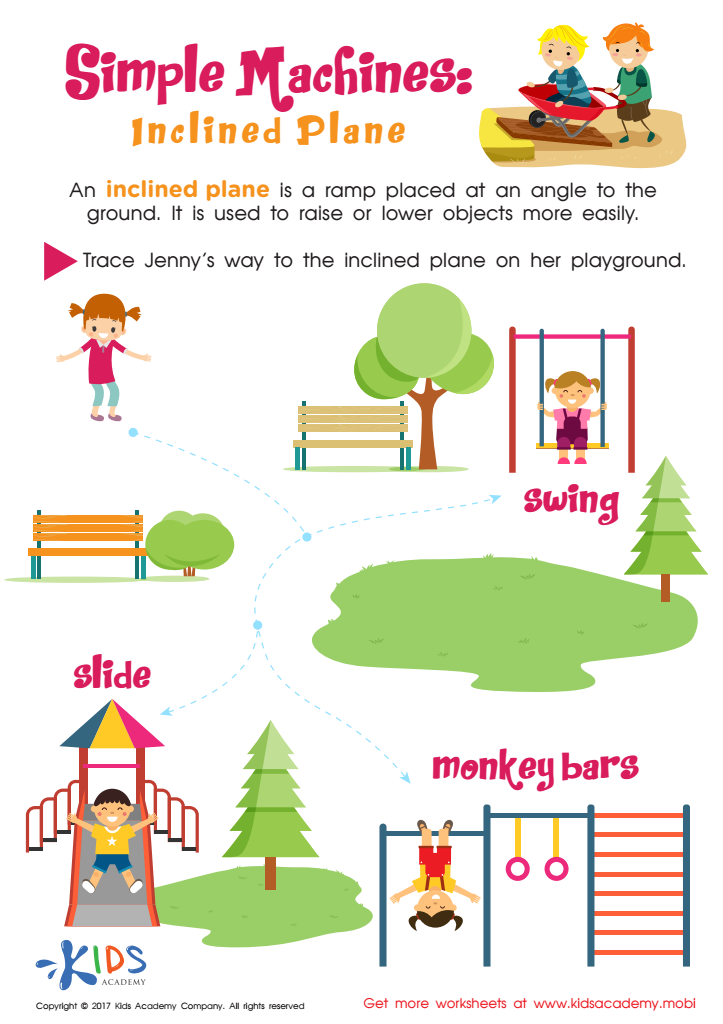
Simple Machines Inclined Plane Worksheet
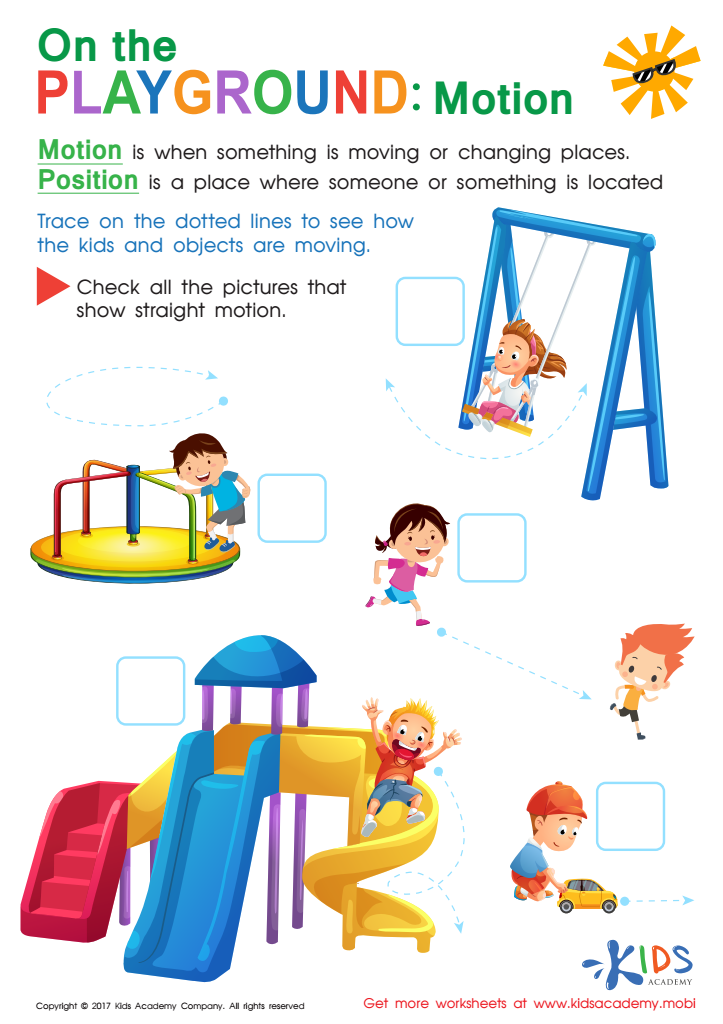
Position and Motion Worksheet
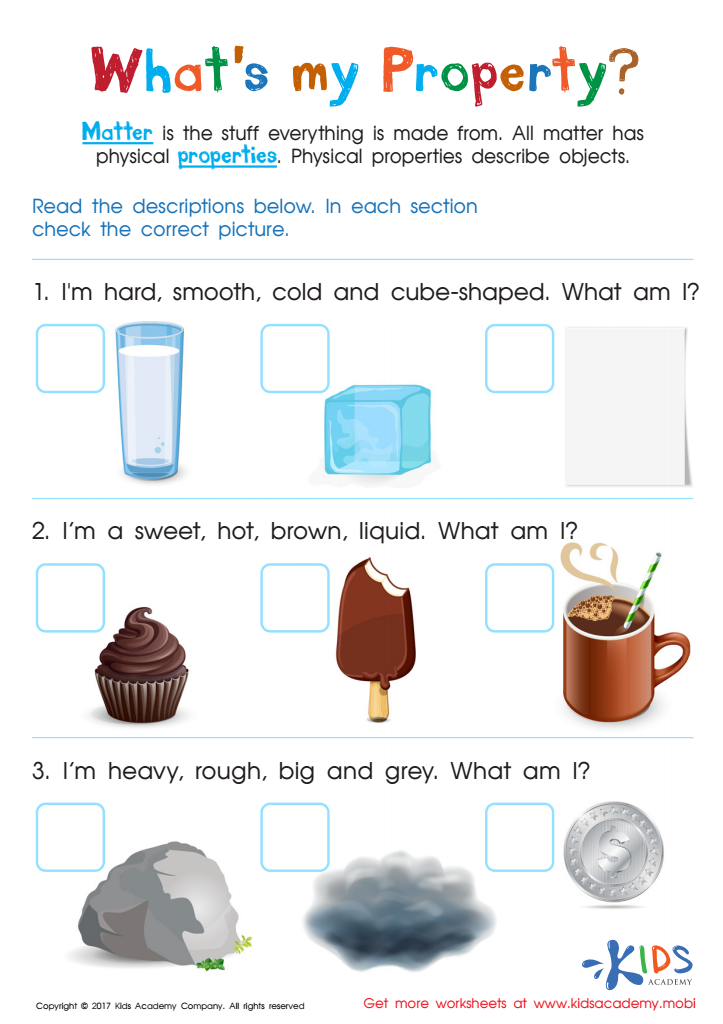
Physical Properties Of Matter Worksheet
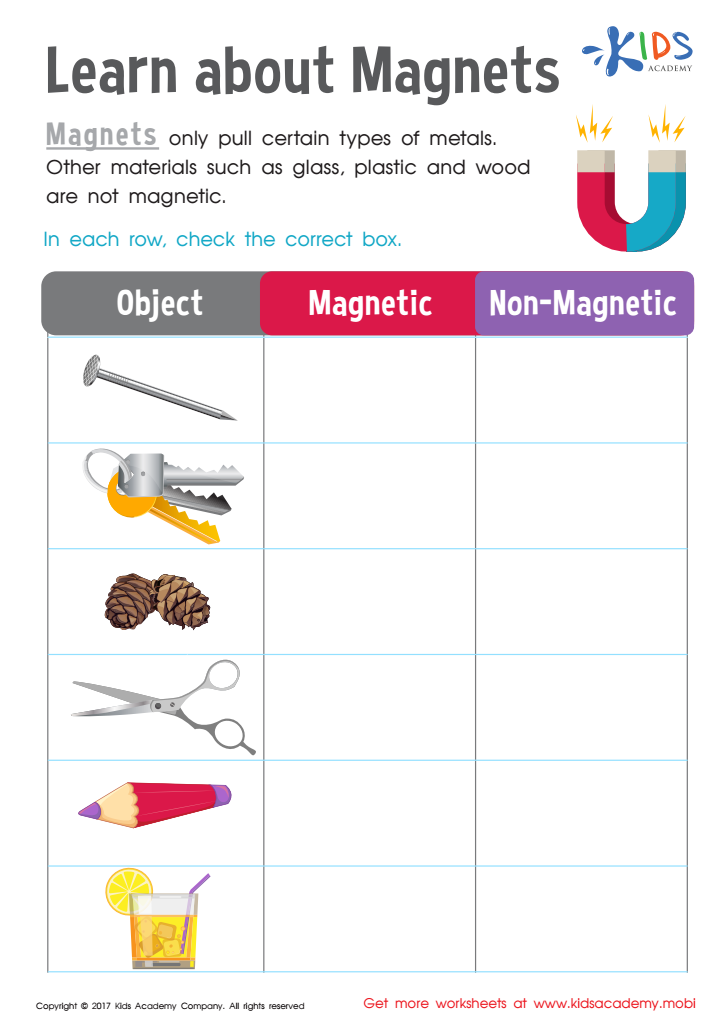
Magnetic Or Not Worksheet
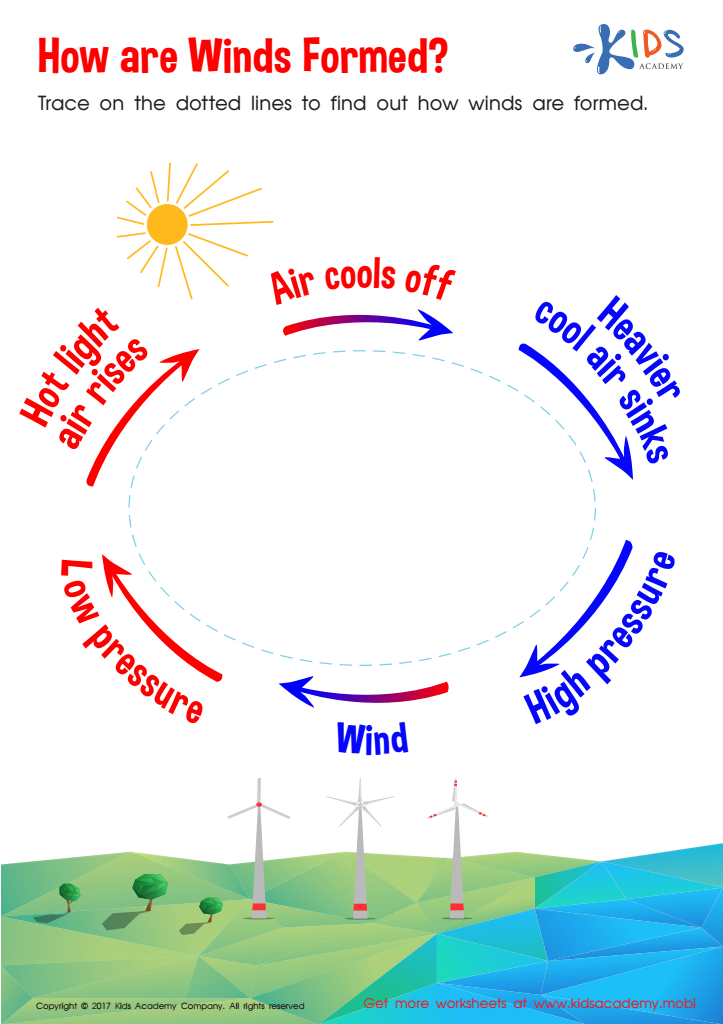
How are Winds Formed? Printable
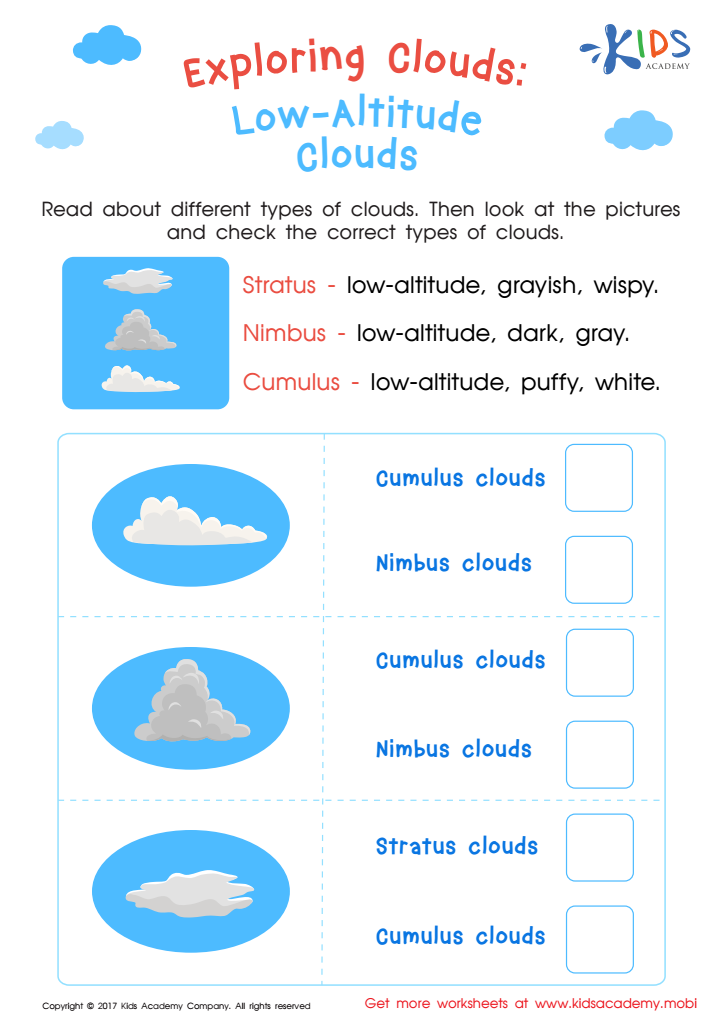
Exploring Clouds: Low Altitude Clouds Printable
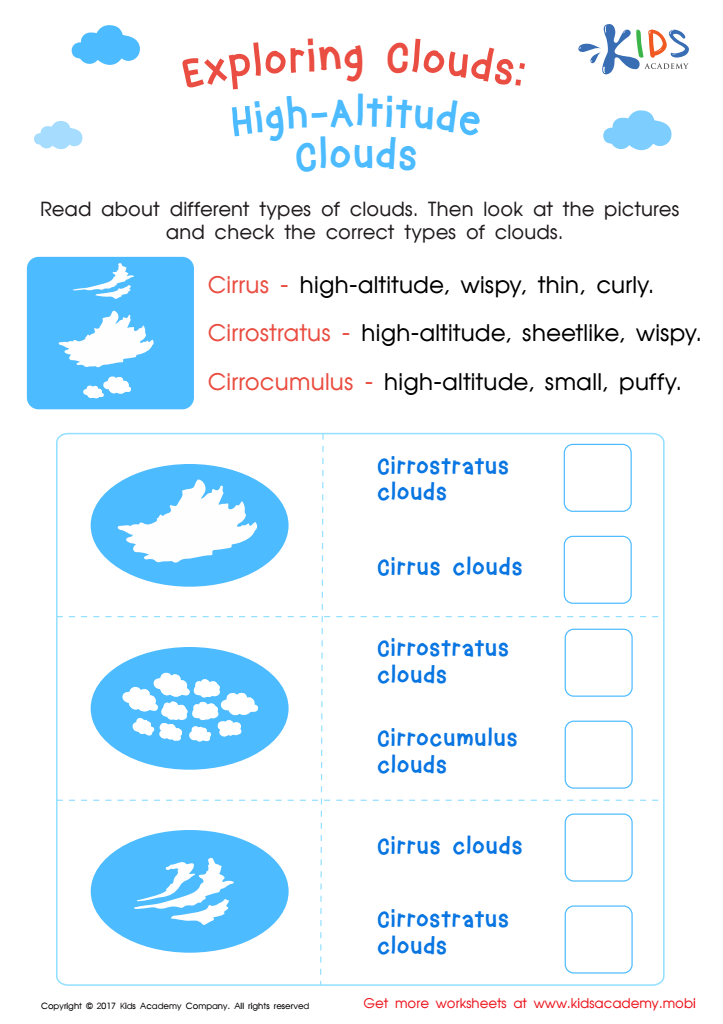
Exploring Clouds: High Altitude Clouds Worksheet
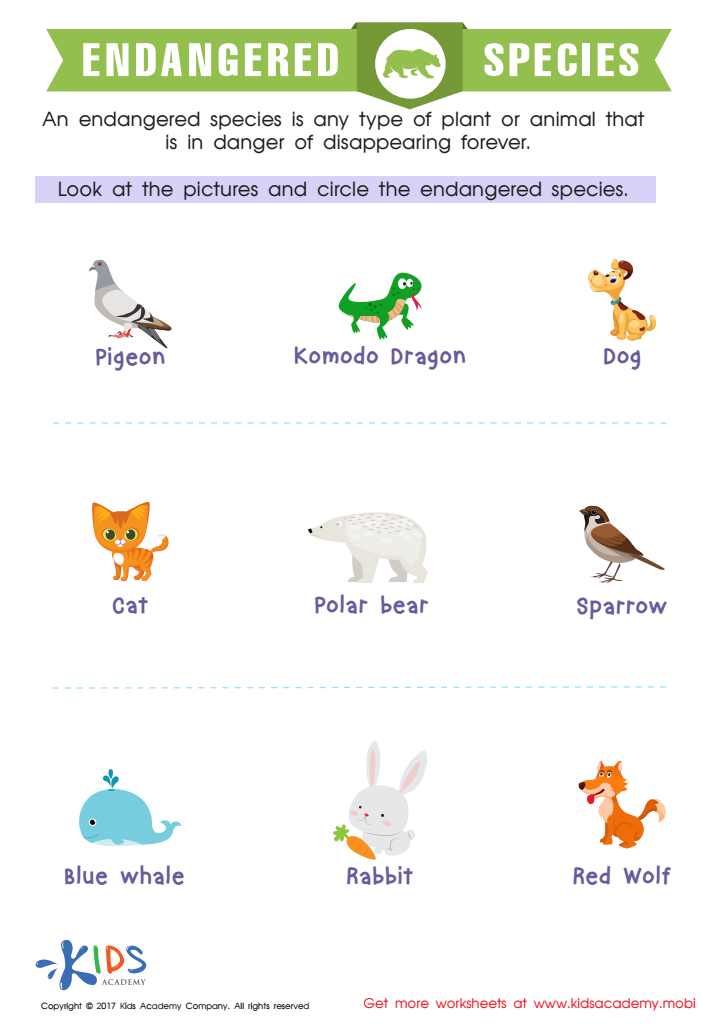
Endangerd Species Printable
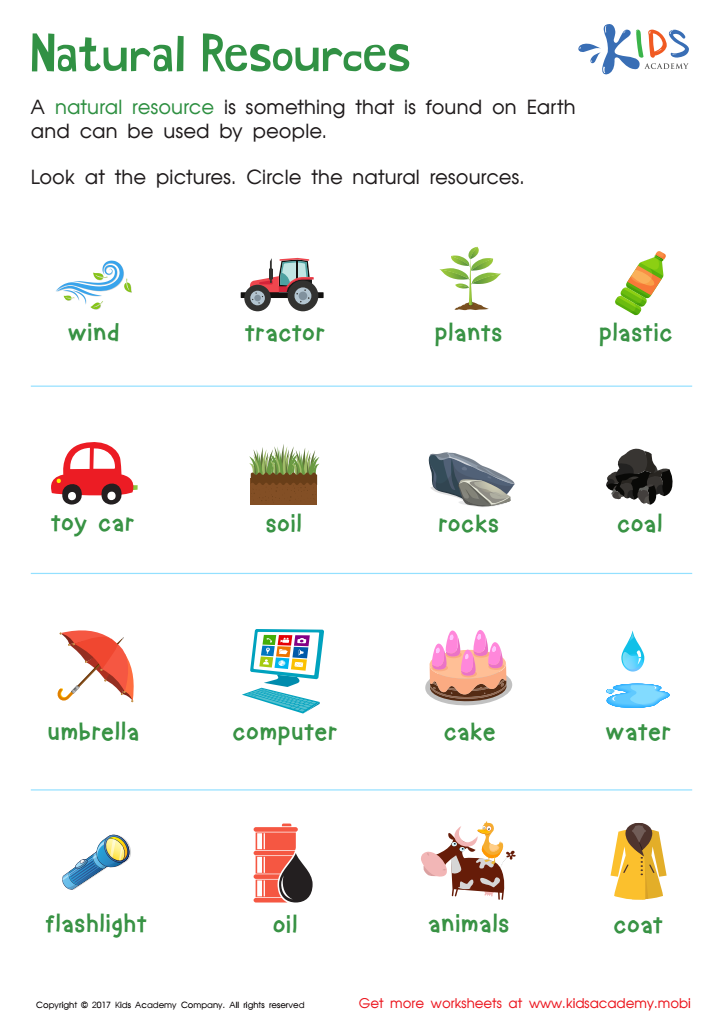
Natural Resources Worksheet
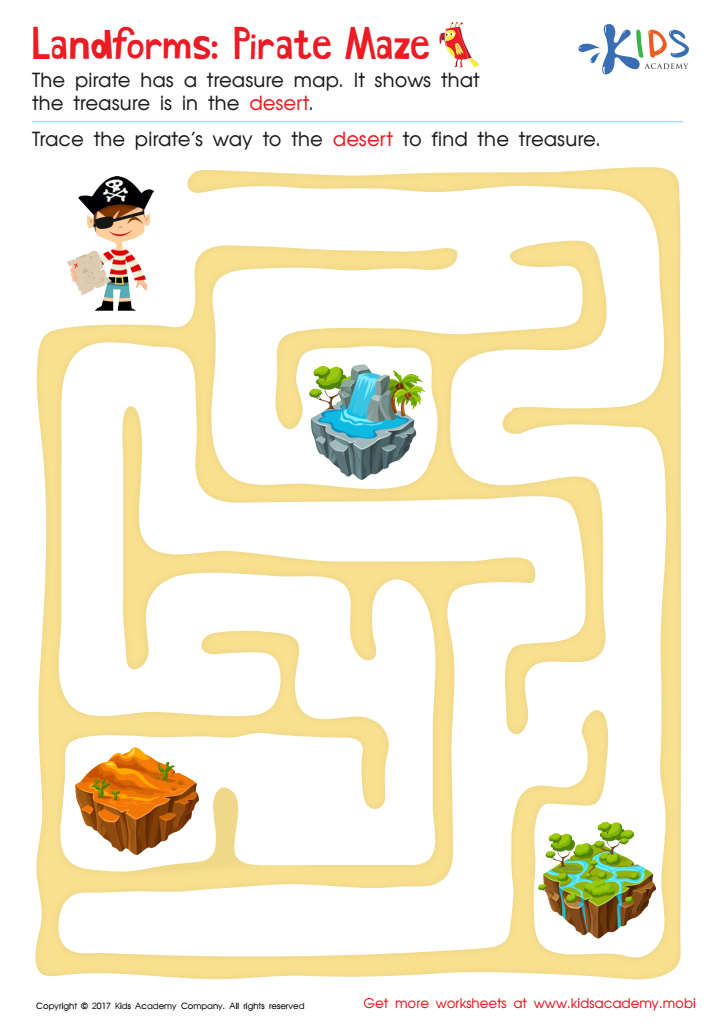
Landforms: Pirate Maze Printable
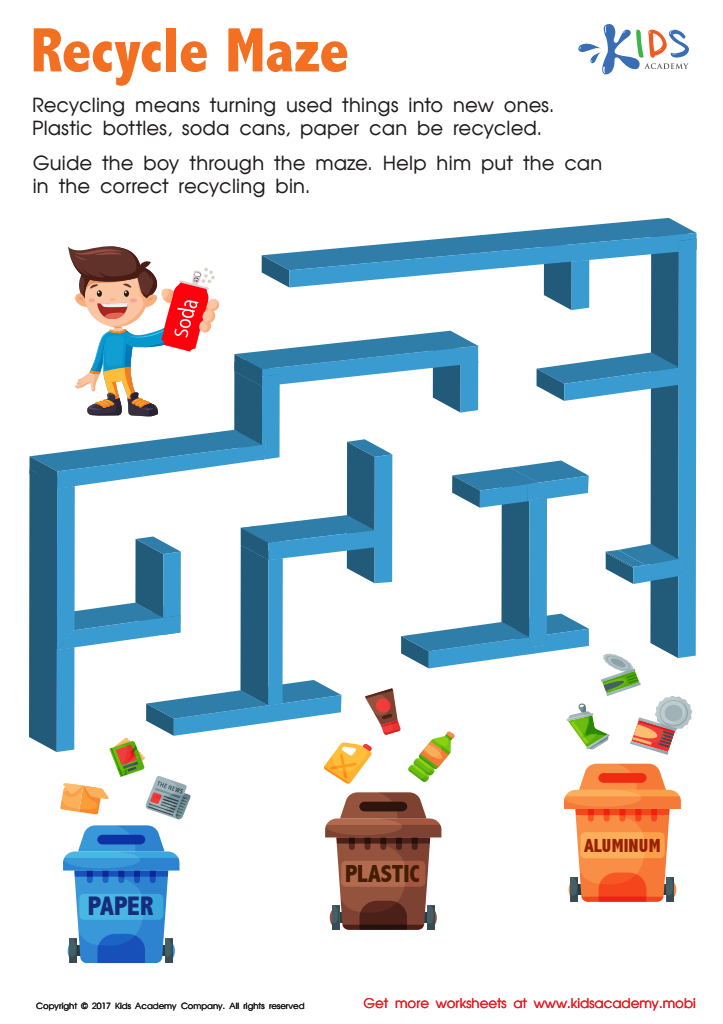
Recycle Maze Worksheet
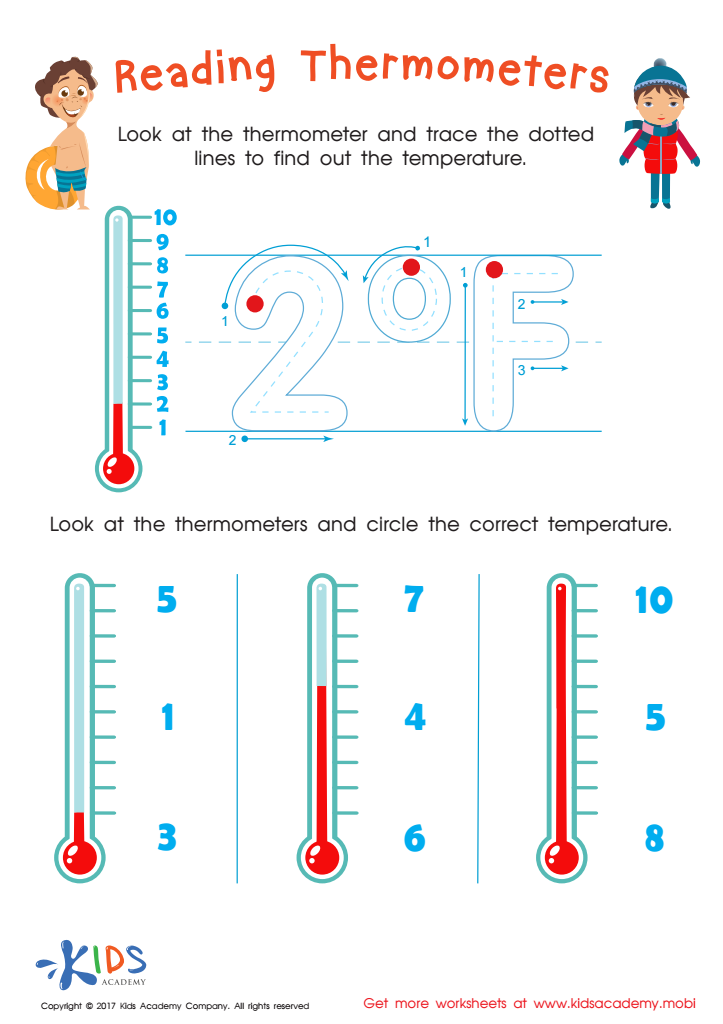
Reading Thermometers Printable
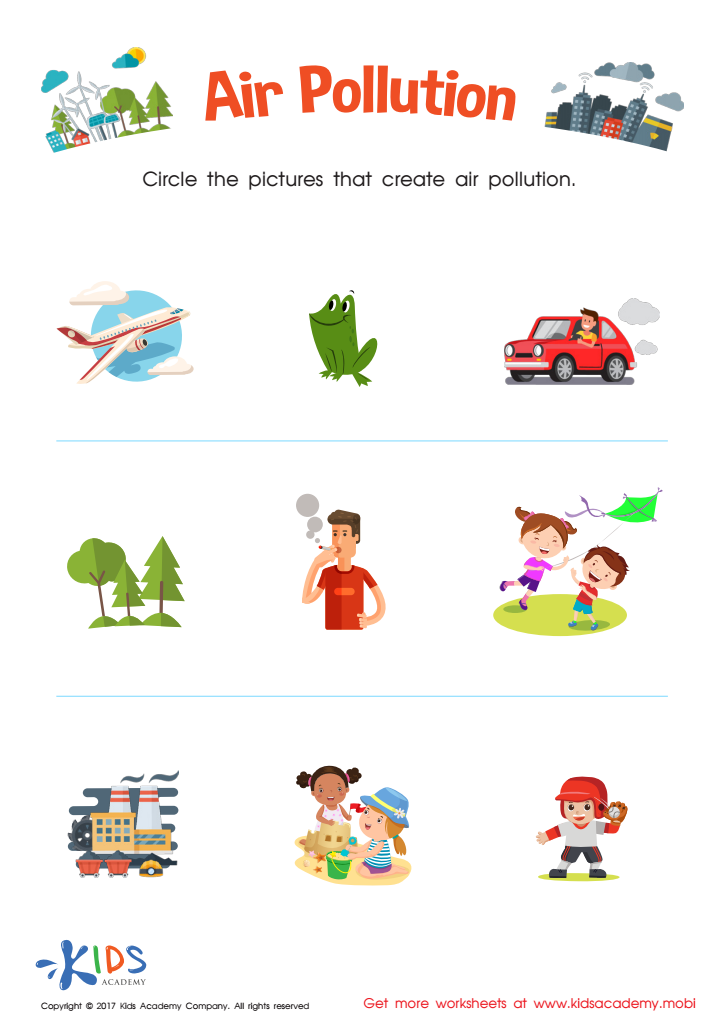
Air Pollution Worksheet
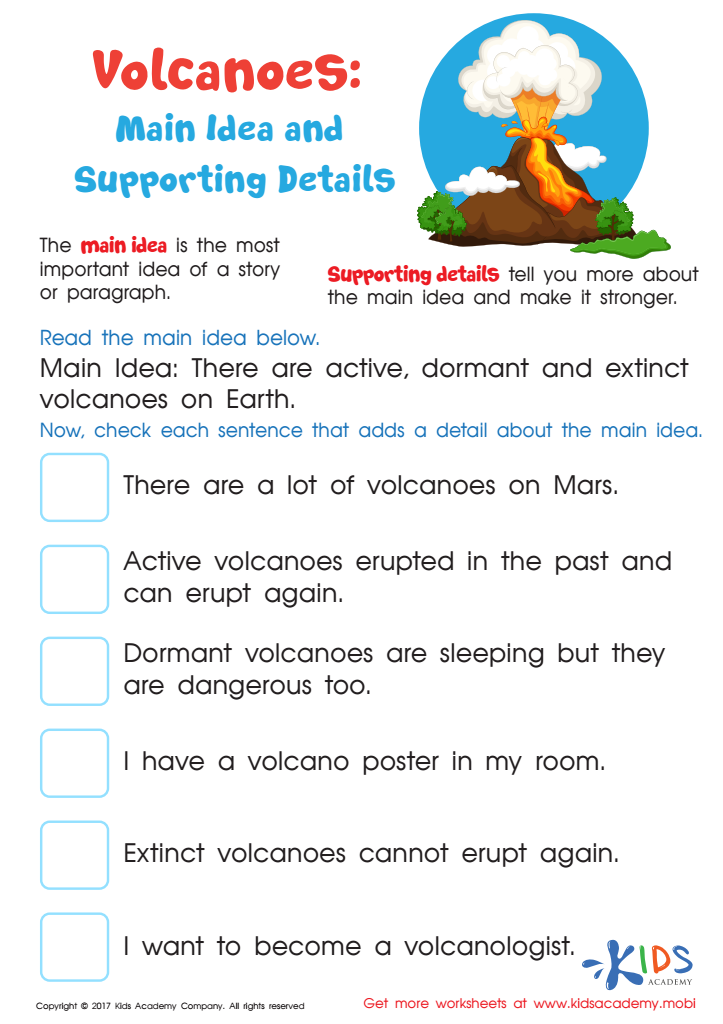
Volcano Facts Worksheet
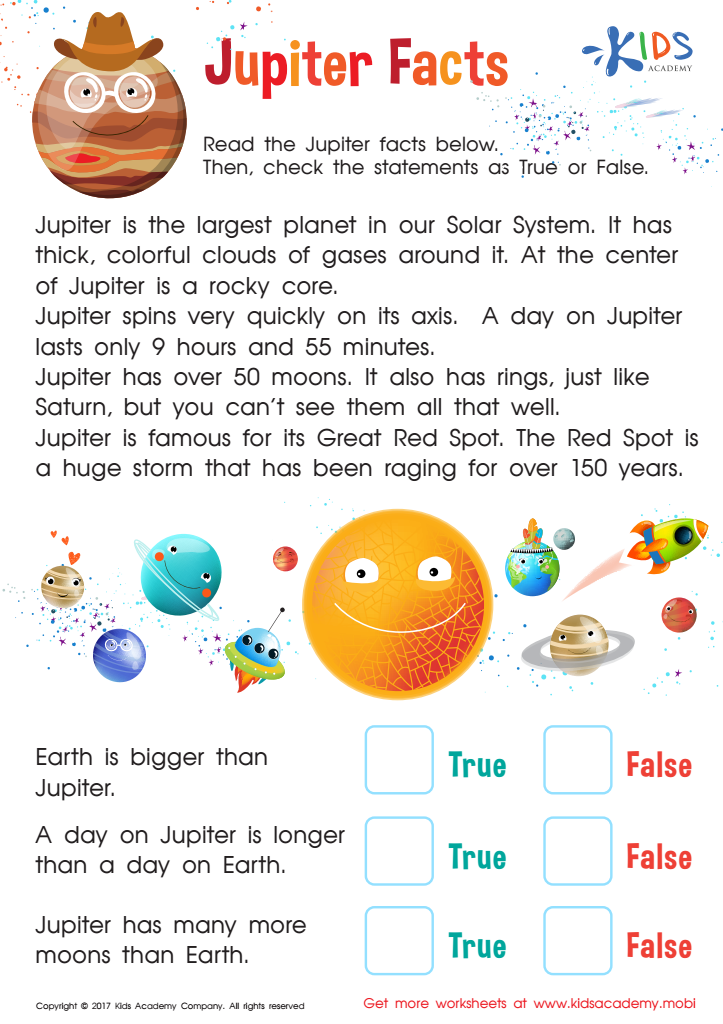
Jupiter Facts Worksheet
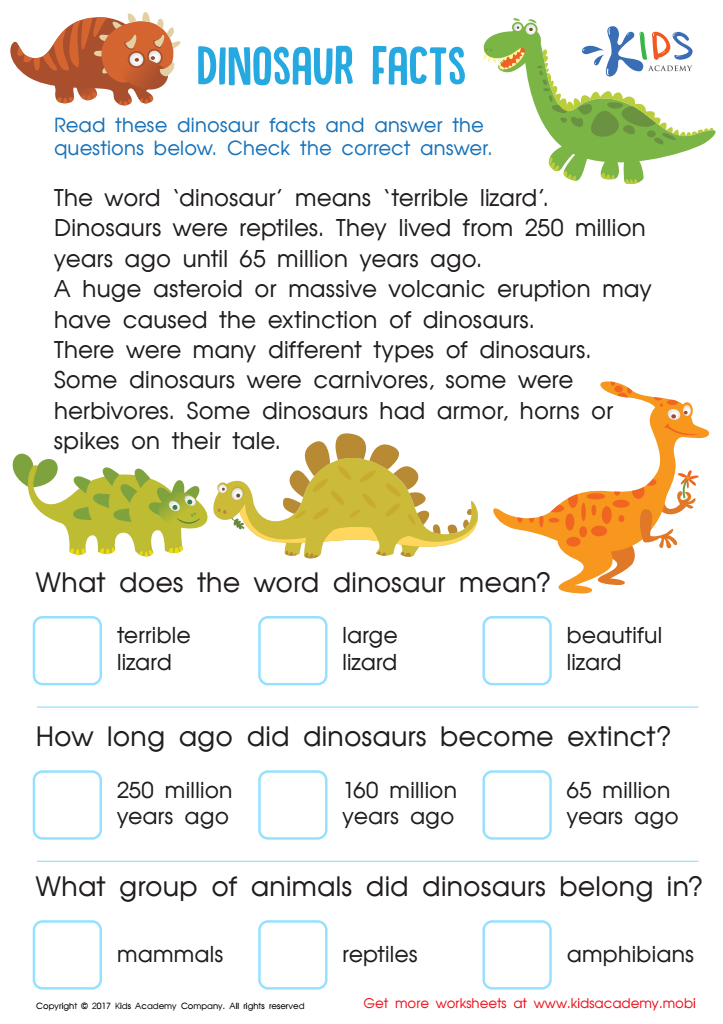
Dinosaur Facts Worksheet
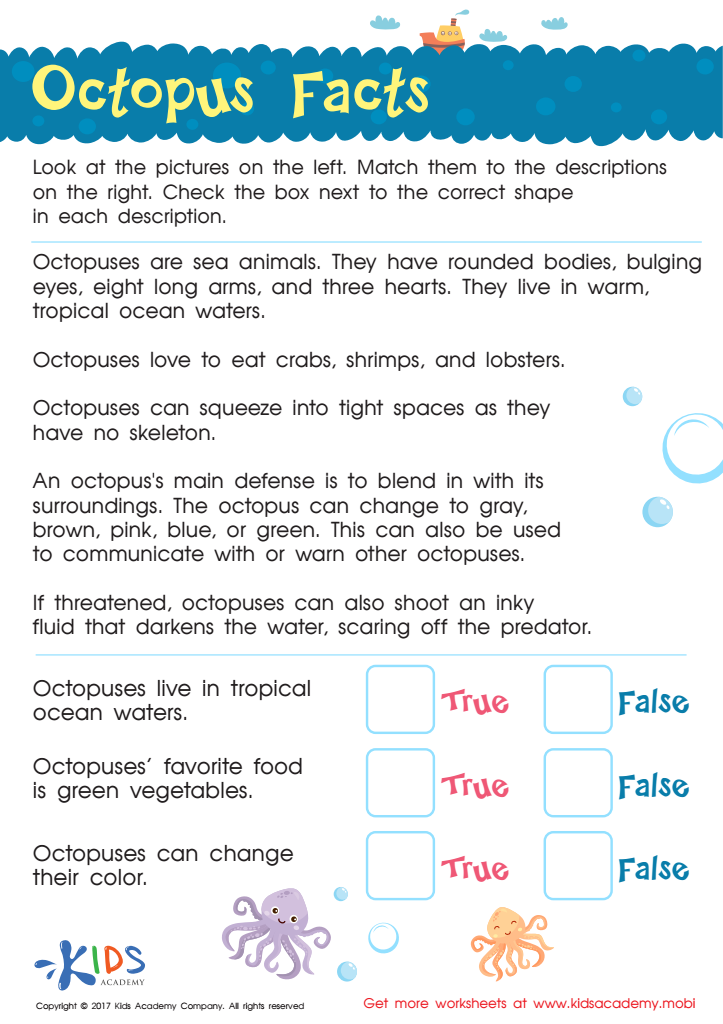
Octopus Facts Worksheet For Kids
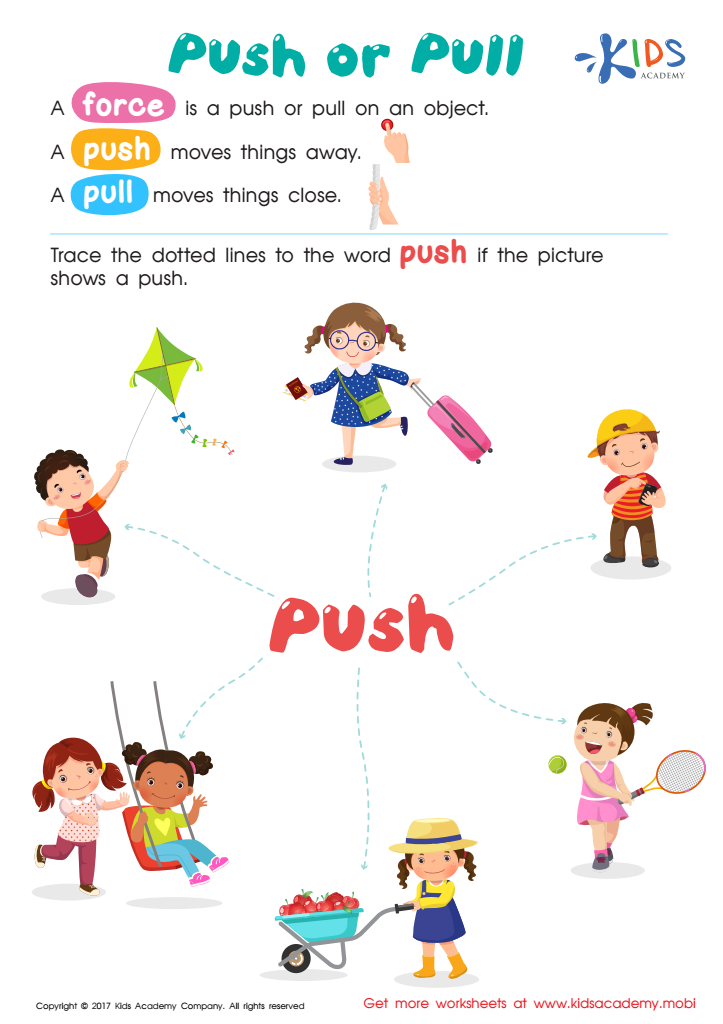
Push or Pull Worksheet
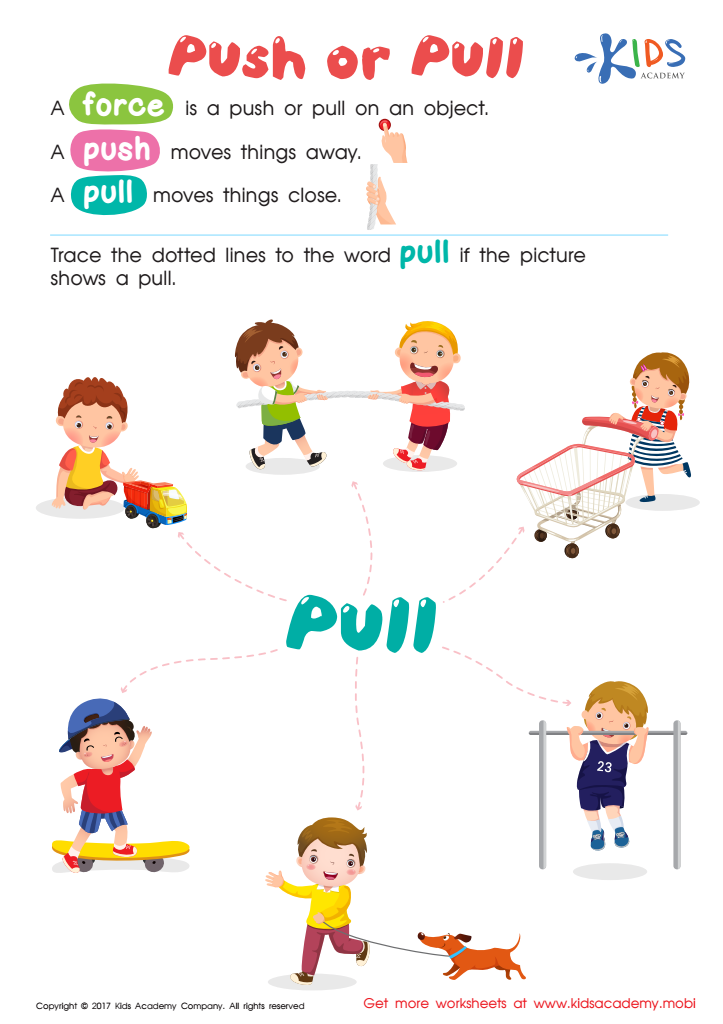
Pull or Push Worksheet
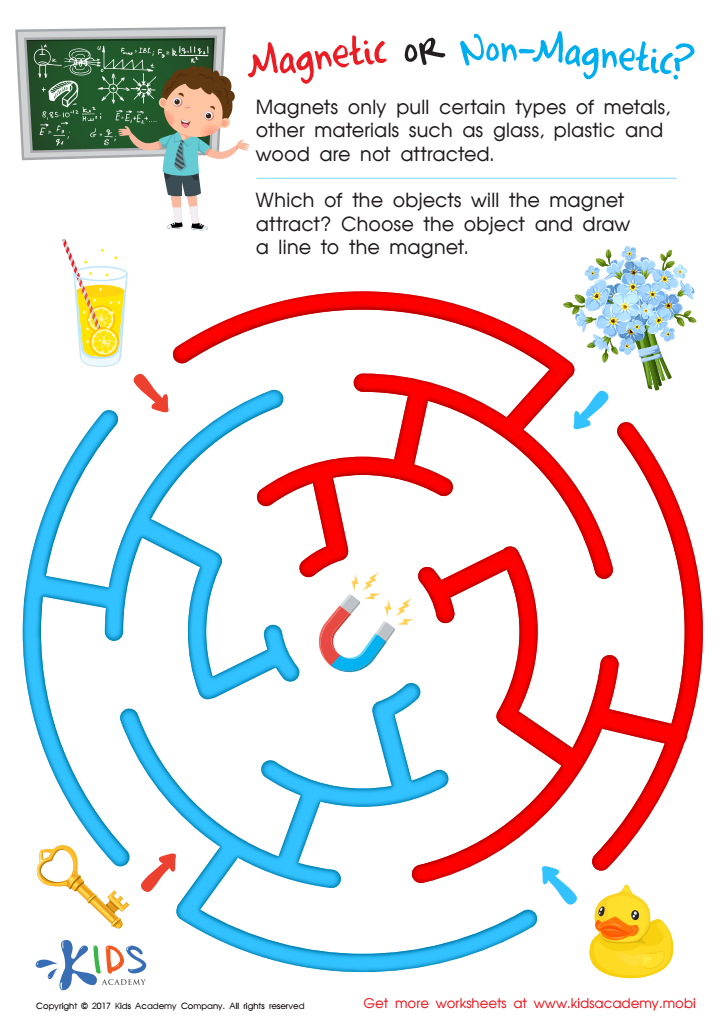
Magnetic or Non–Magnetic Worksheet
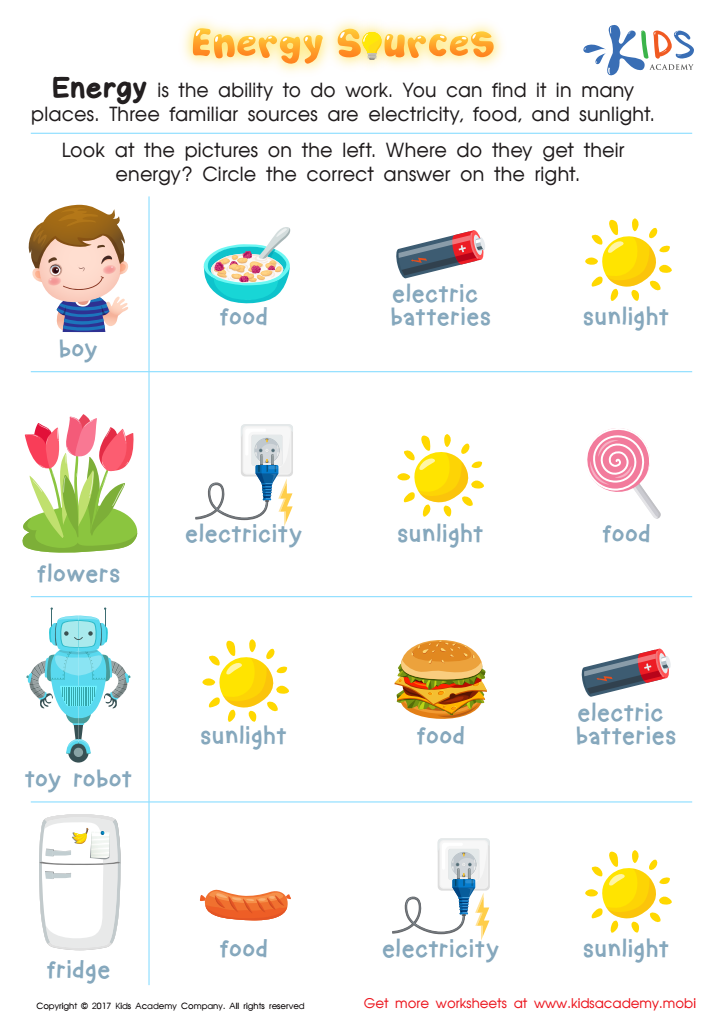
Energy Sources Printable
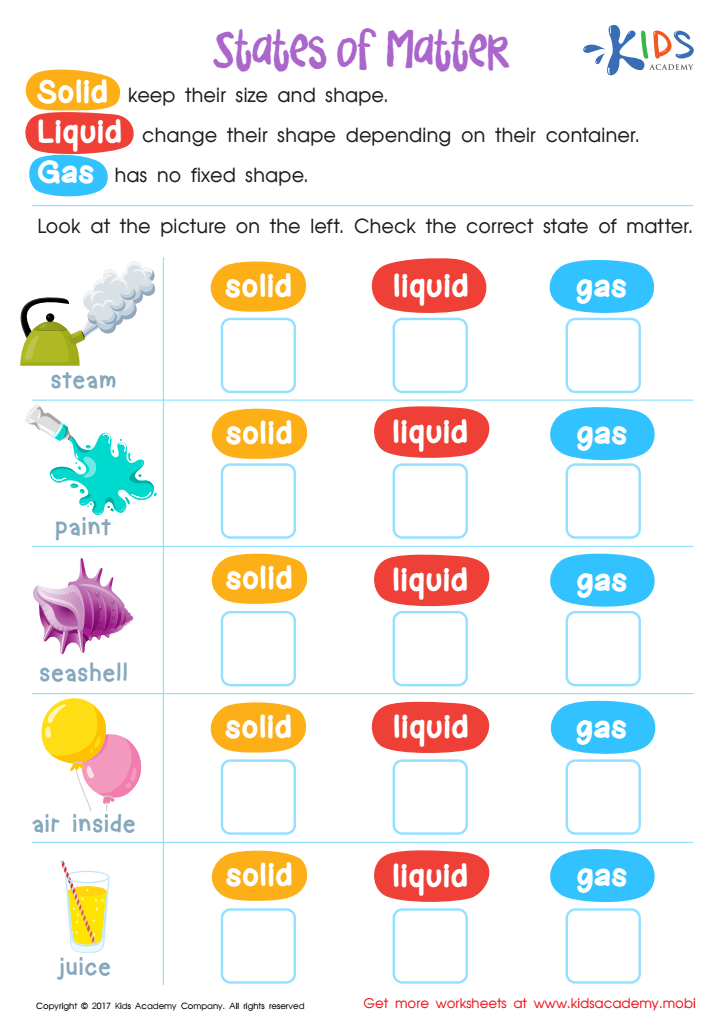
Physical Science: States of Matter Worksheet
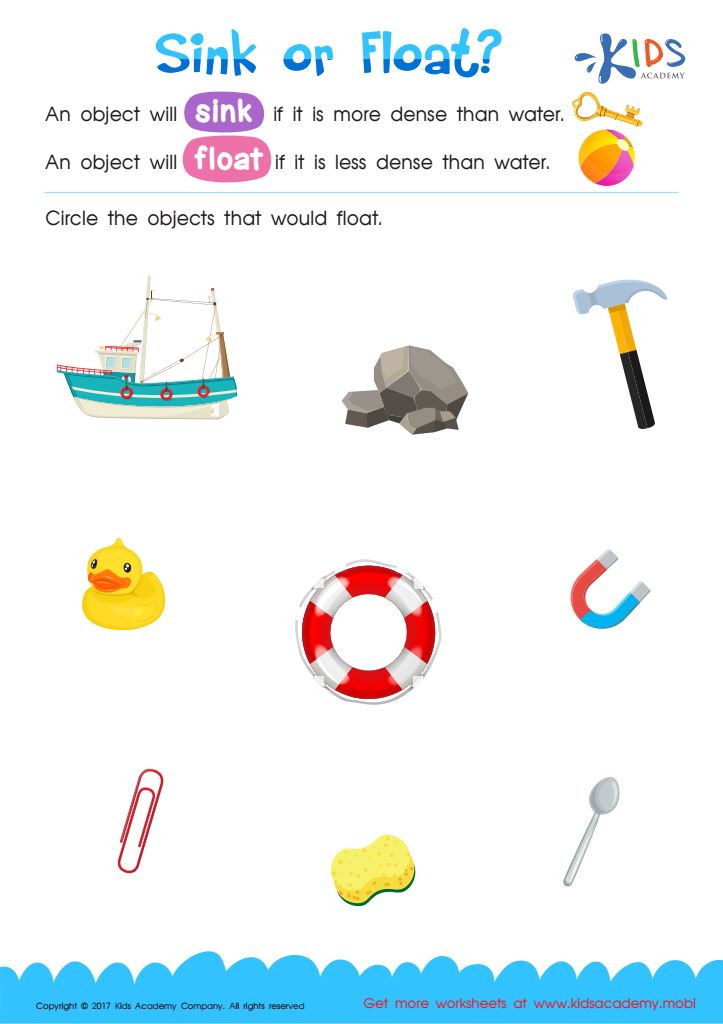
Sink or Float Printable






Science for ages 6-8 is crucial for fostering curiosity and critical thinking in young learners. At this age, children are naturally inquisitive, and engaging with scientific concepts nourishes their innate curiosity. Parents and teachers should care about science education because it helps develop fundamental skills, such as observation, experimentation, and problem-solving, which are essential not only in science but across all subjects.
Moreover, introducing science early lays the groundwork for understanding the world around them, from basic life processes to the principles of physics, which are integral in our everyday lives. By encouraging inquiry and exploration, children learn to ask questions, seek answers, and connect different ideas, which enhances their cognitive development.
Additionally, an early foundation in science cultivates a sense of wonder and enthusiasm for learning. This early exposure can inspire future aspirations in science, technology, engineering, and mathematics (STEM) fields, promoting literacy and numeracy as they integrate these subjects into their problem-solving skills.
Finally, science education instills a sense of responsibility towards the environment and society, encouraging children to think about the world they live in and their role in shaping it. Thus, prioritizing science in early education is essential for nurturing informed, curious, and engaged citizens.







