Plants and Animals Worksheets for Ages 6-8 - Page 2
139 filtered results
-
From - To
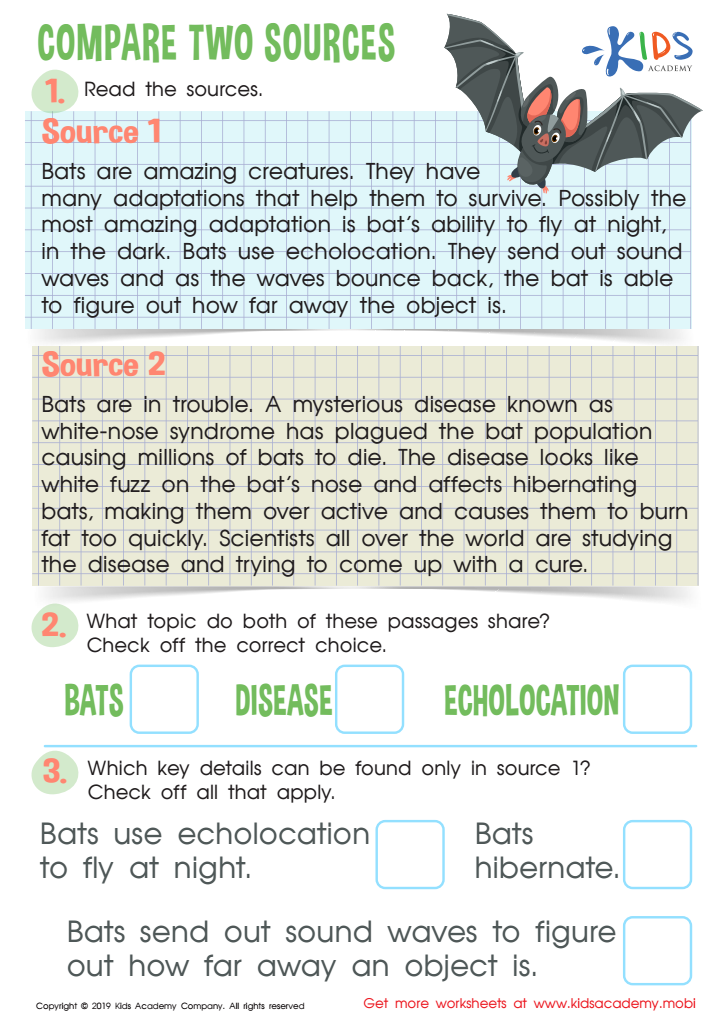
Compare Two Sources Worksheet
 Assign to My Students











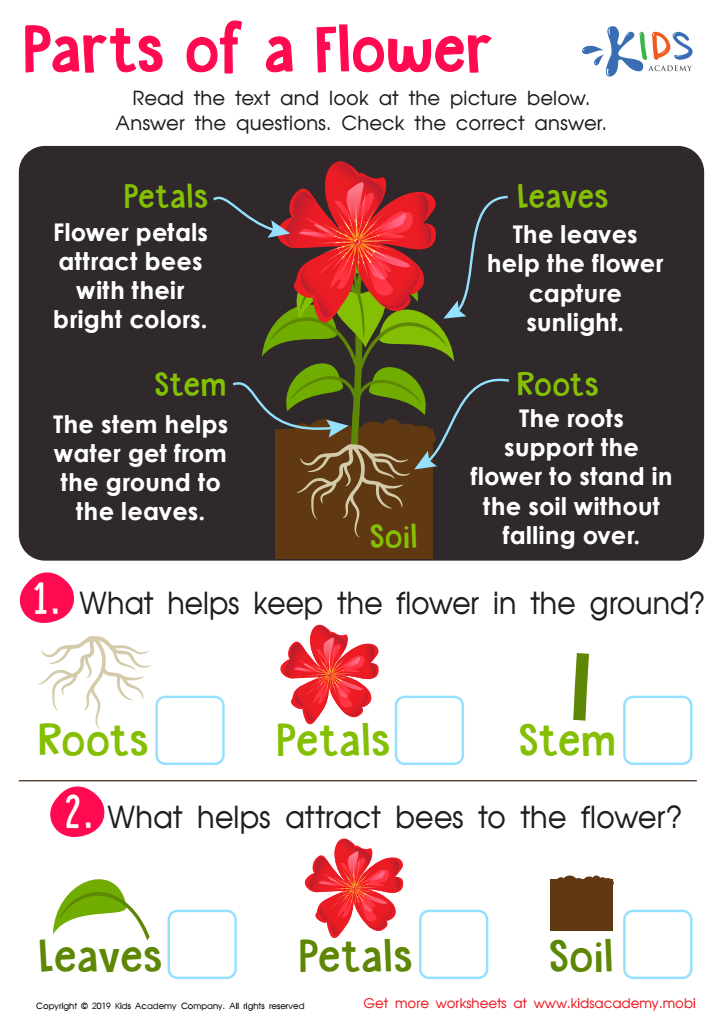
Parts of Flower Worksheet
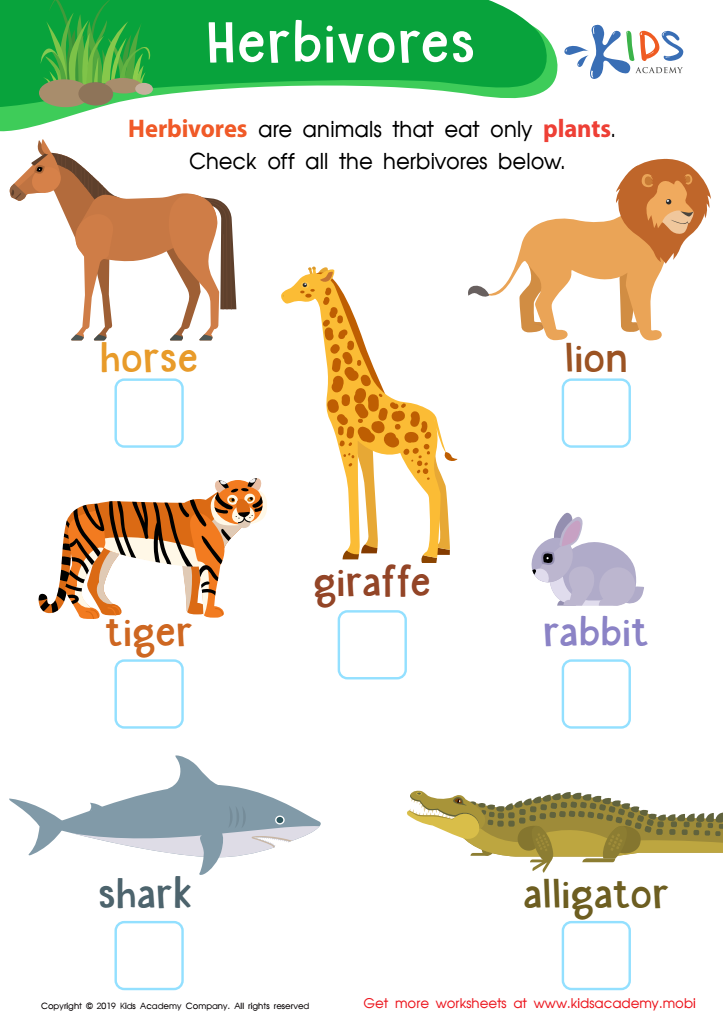
Herbivores Worksheet
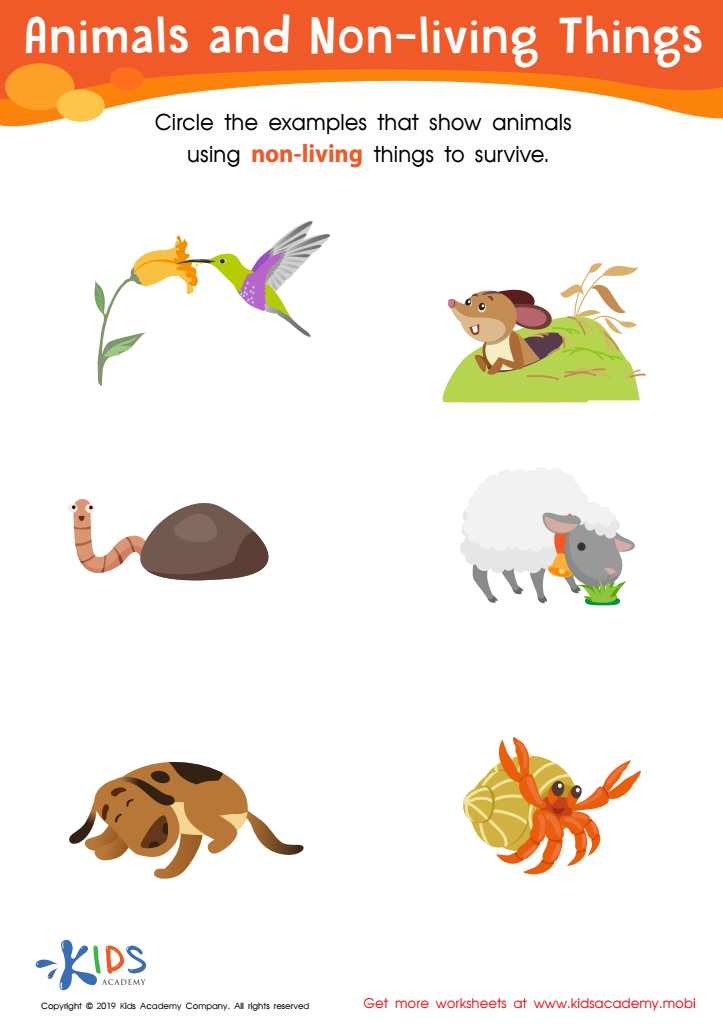
Animals and Non-Living Things Worksheet
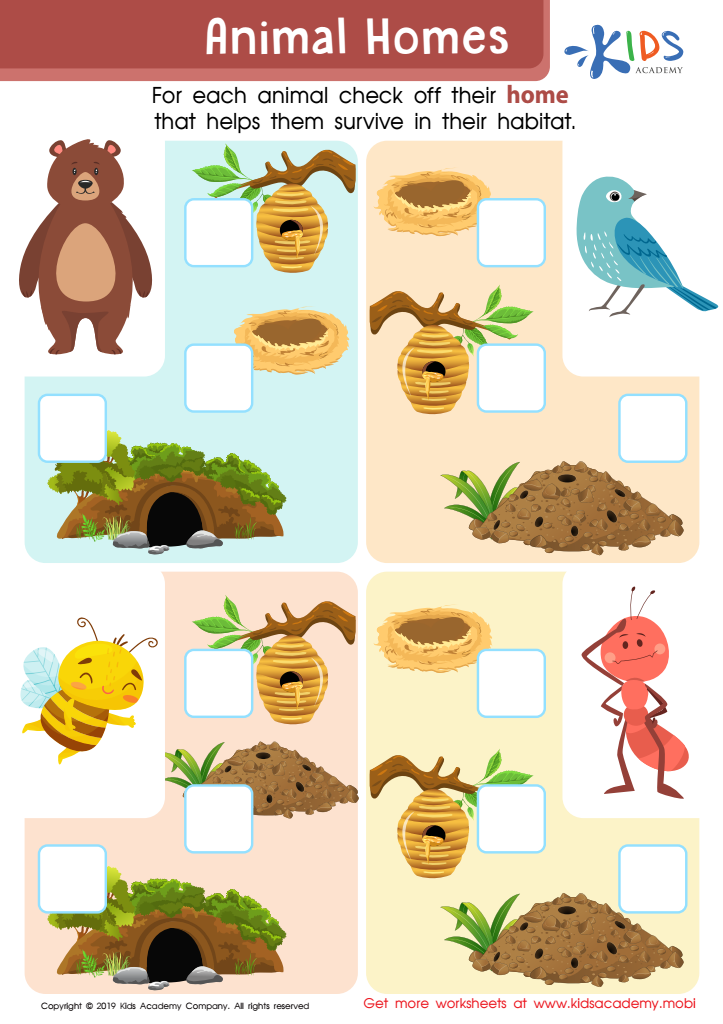
Animal Homes Worksheet
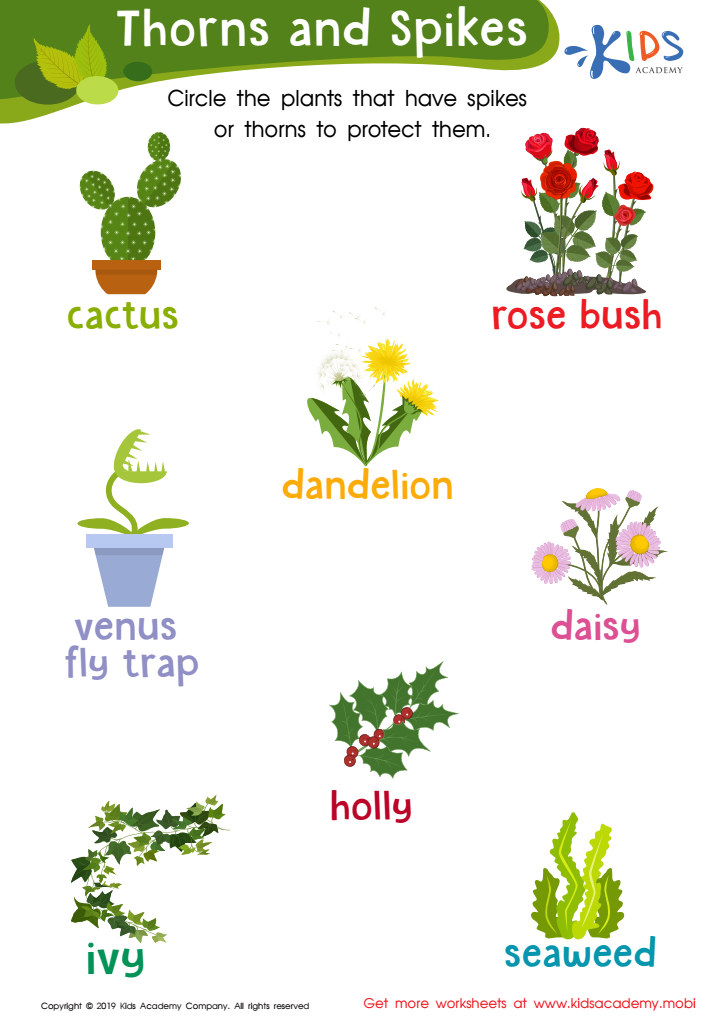
Thorns and Spikes Worksheet
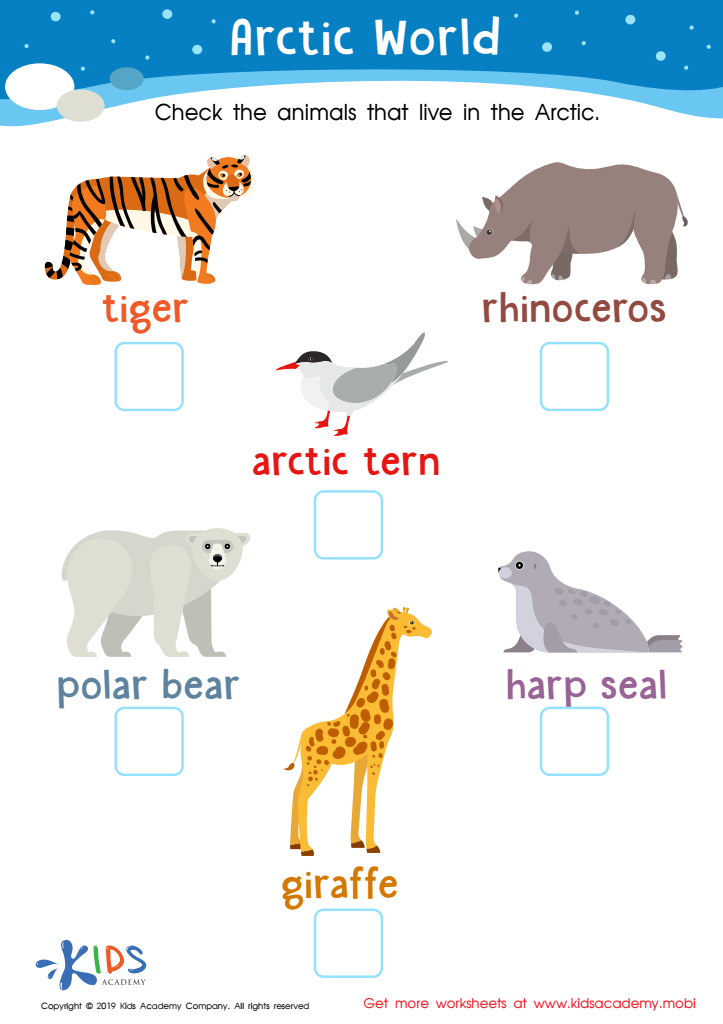
Arctic World Worksheet
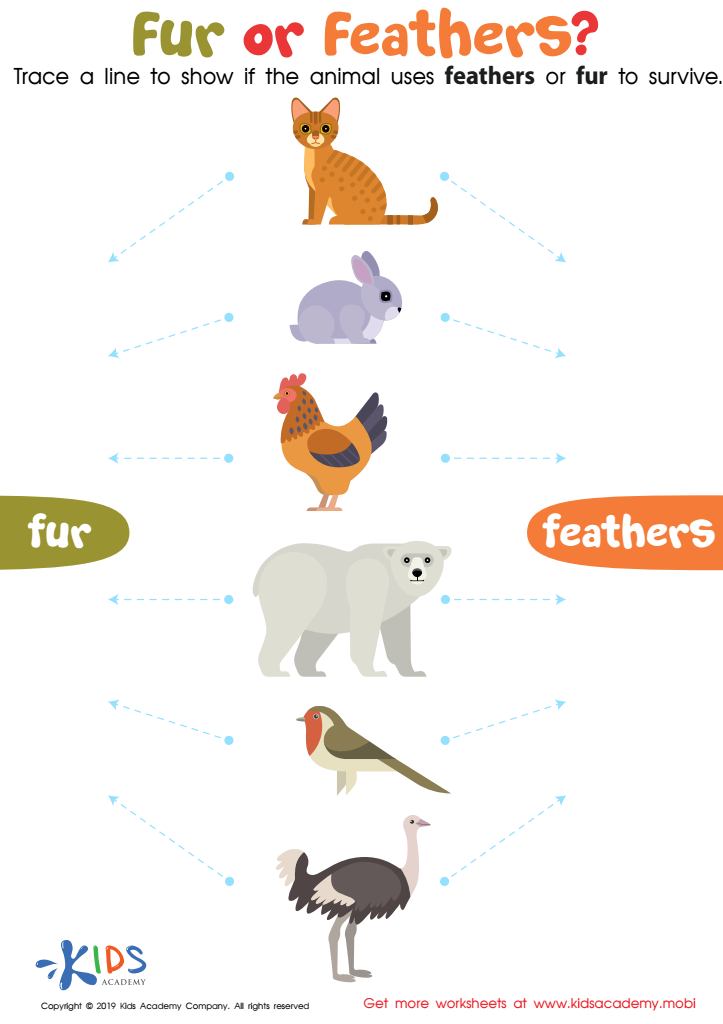
Fur or Feathers? Worksheet
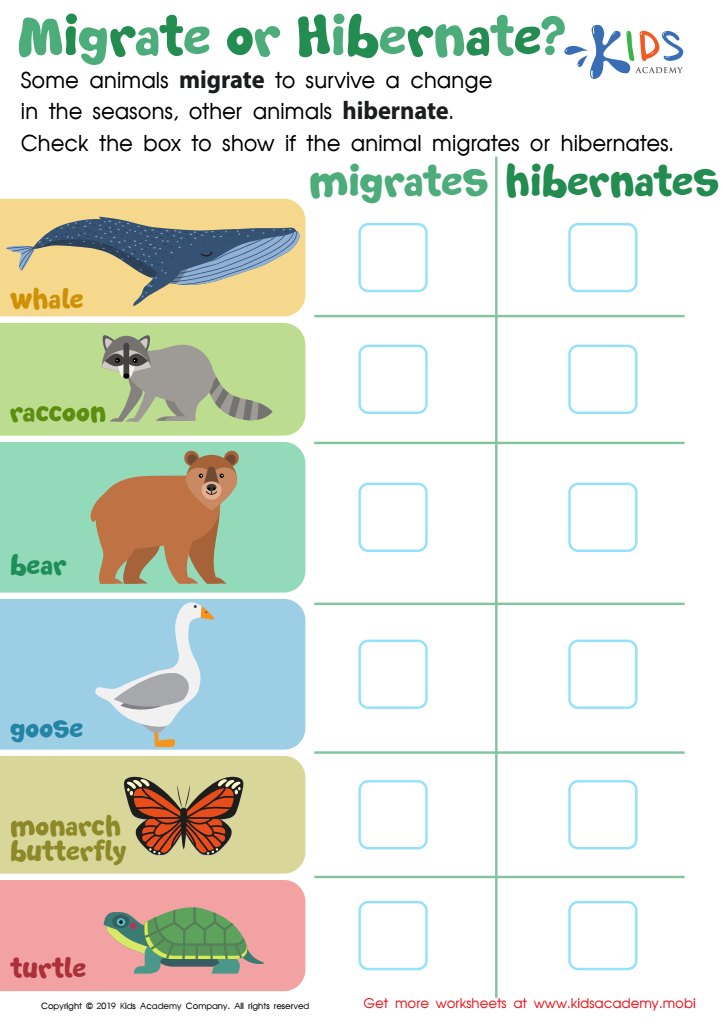
Migrate or Hibernate? Worksheet
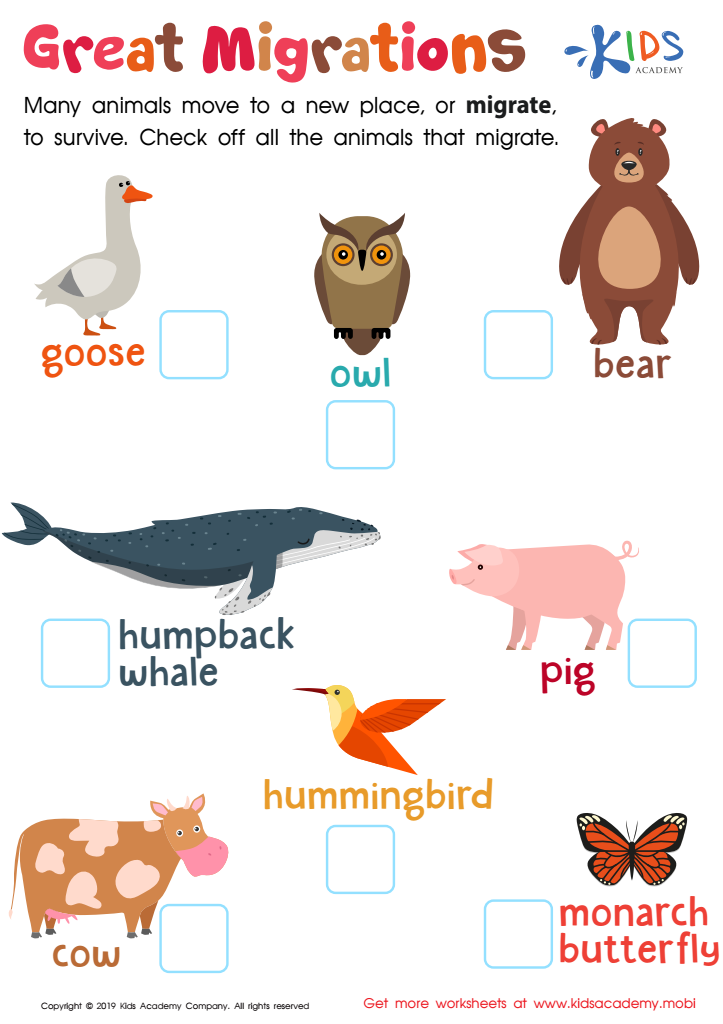
Great Migrations Worksheet
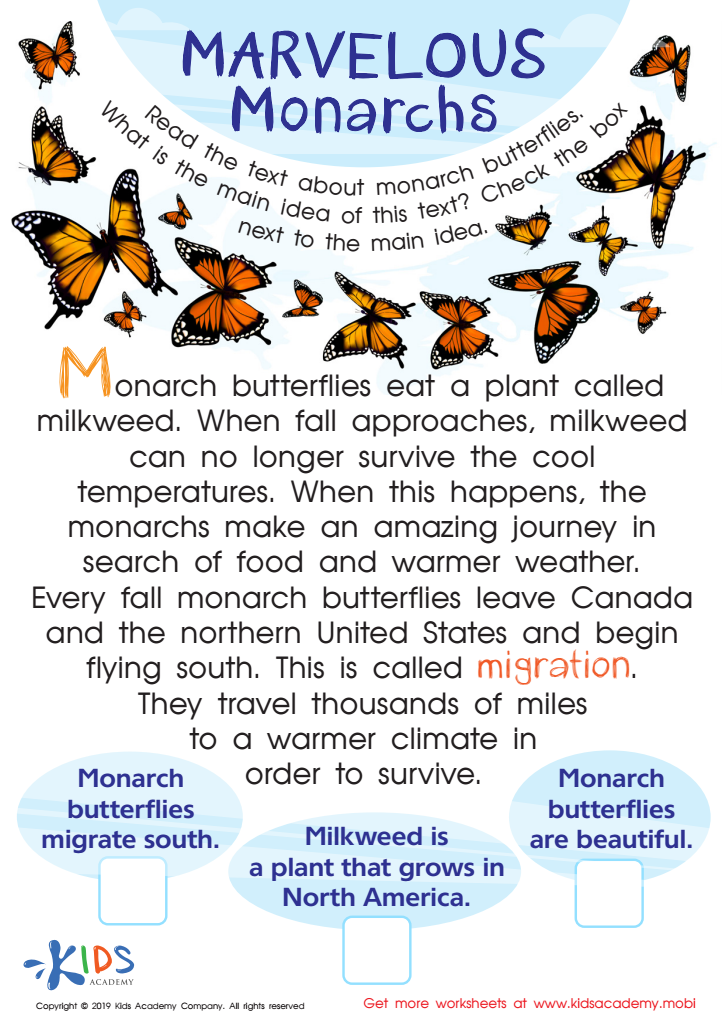
Marvelous Monarchs Worksheet
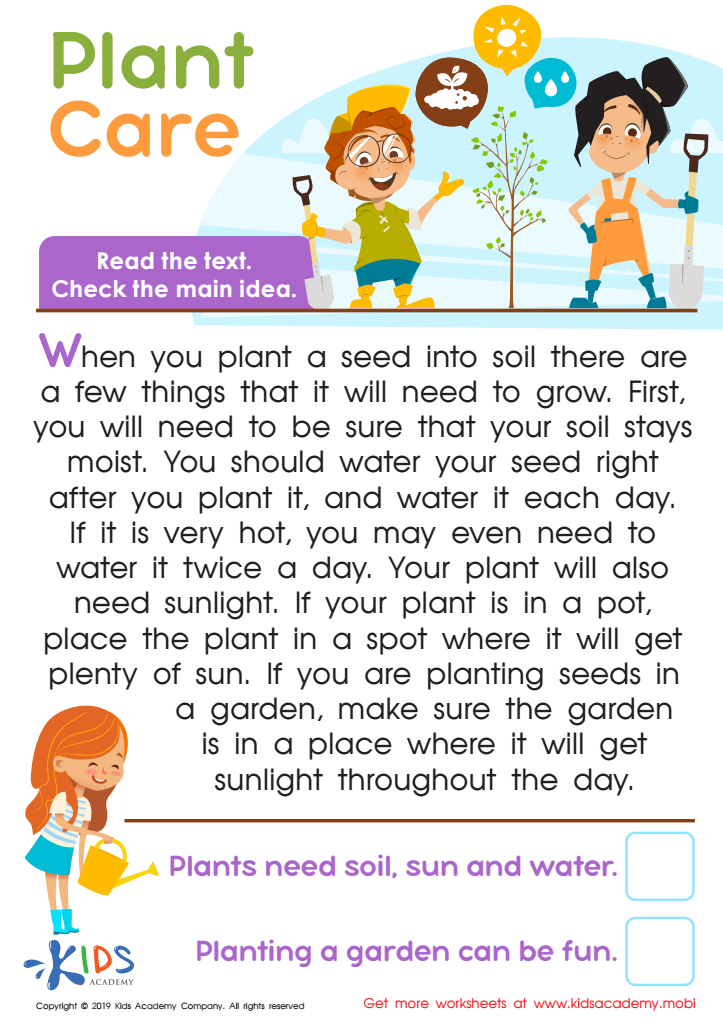
Plant Care Worksheet
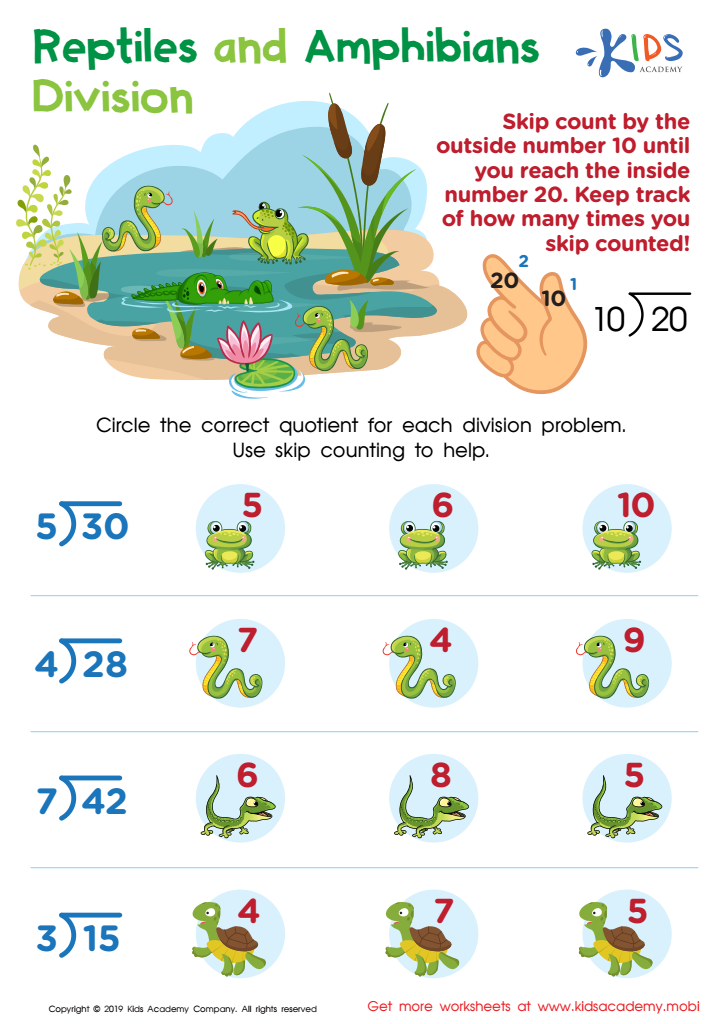
Reptile and Amphibians Division Worksheet
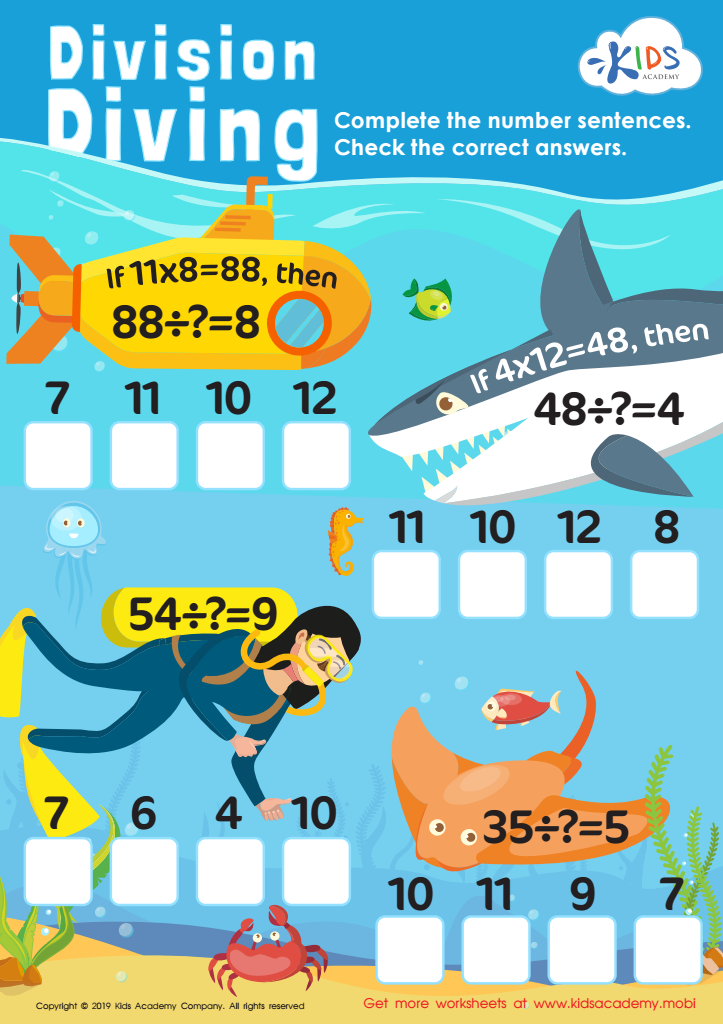
Division Diving Worksheet
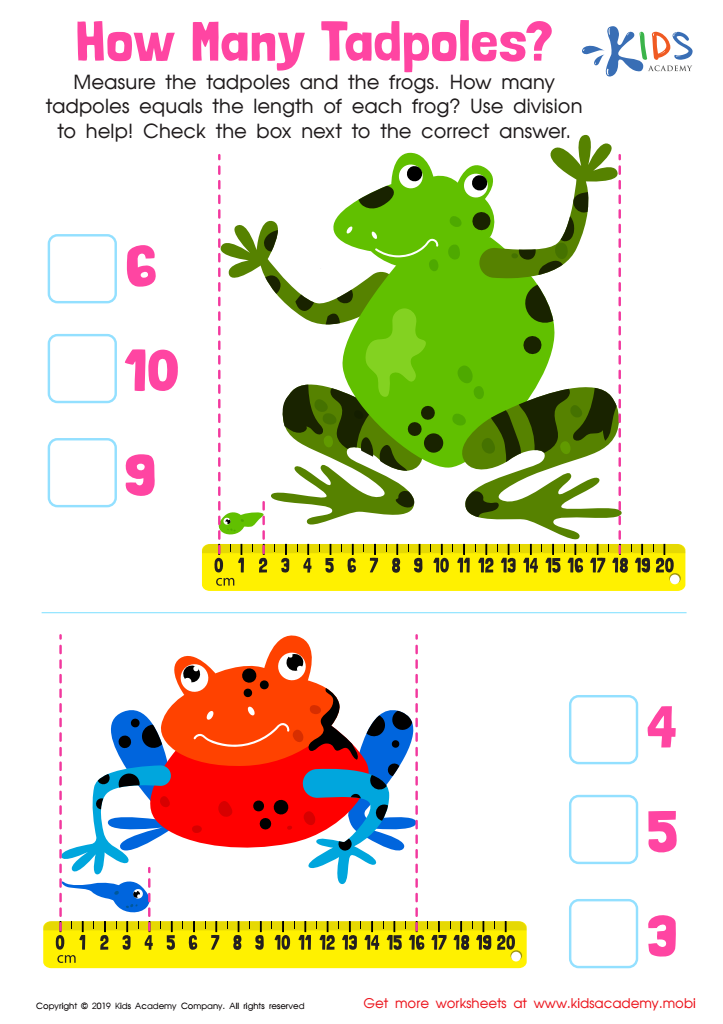
How Many Tadpoles Worksheet
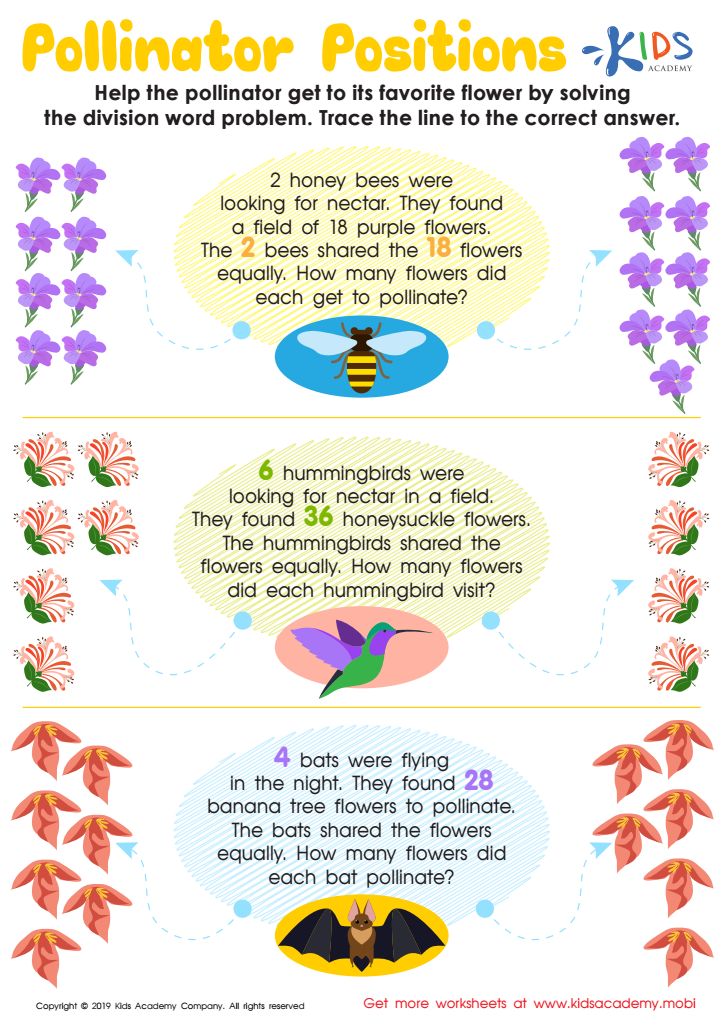
Pollinator Positions Worksheet
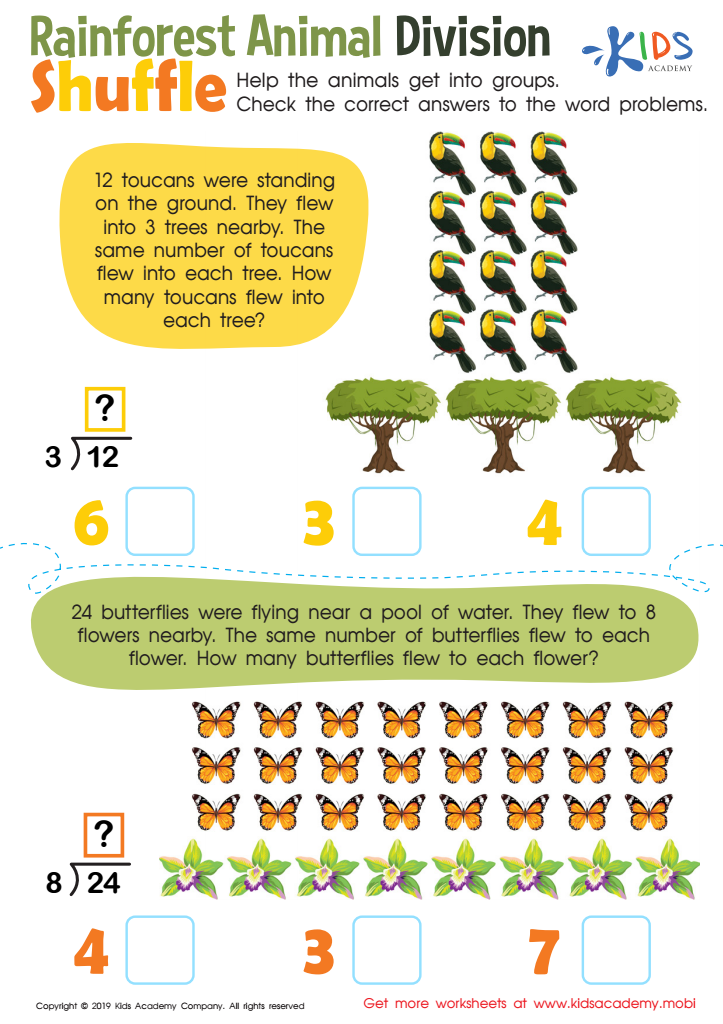
Rainforest Animal Division Worksheet
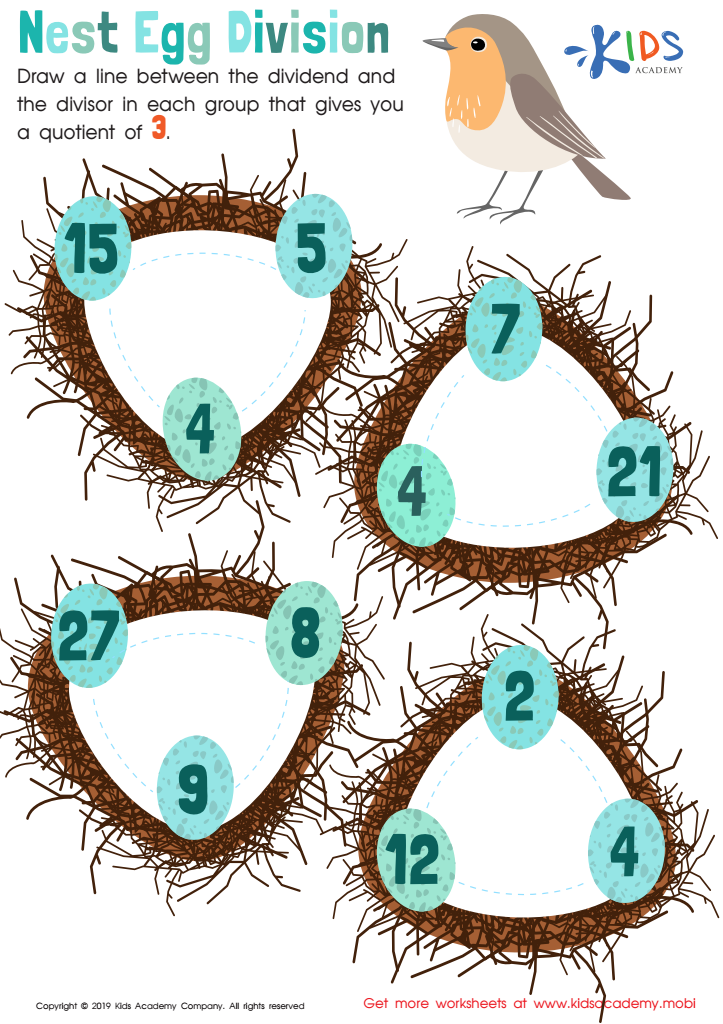
Nest Egg Division Worksheet
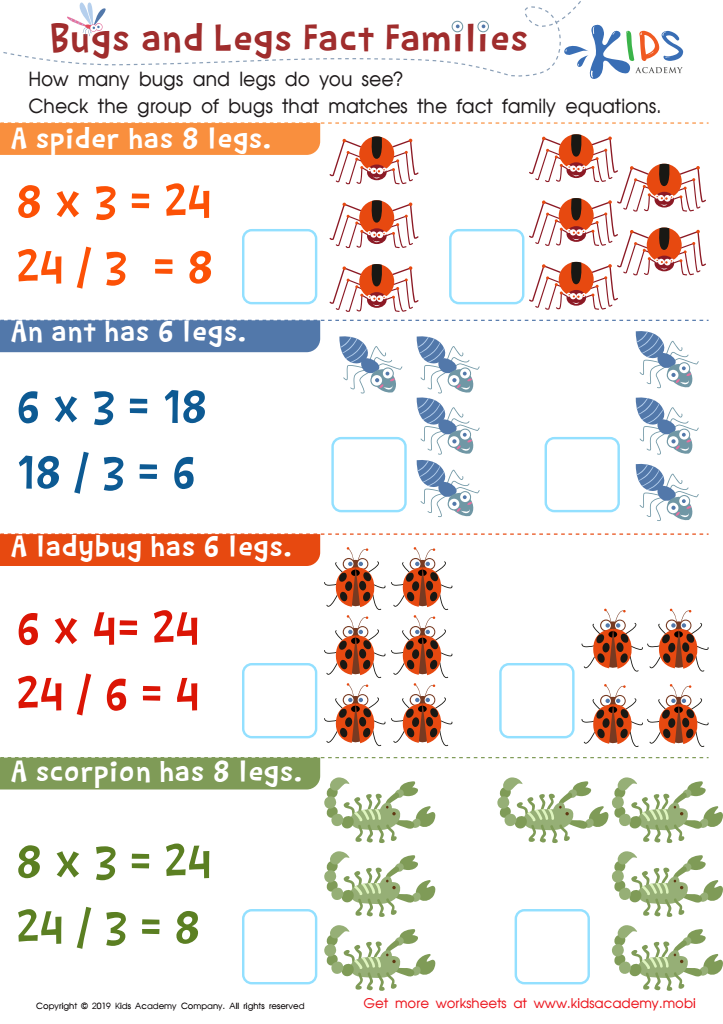
Bugs and Legs Fact Families Worksheet
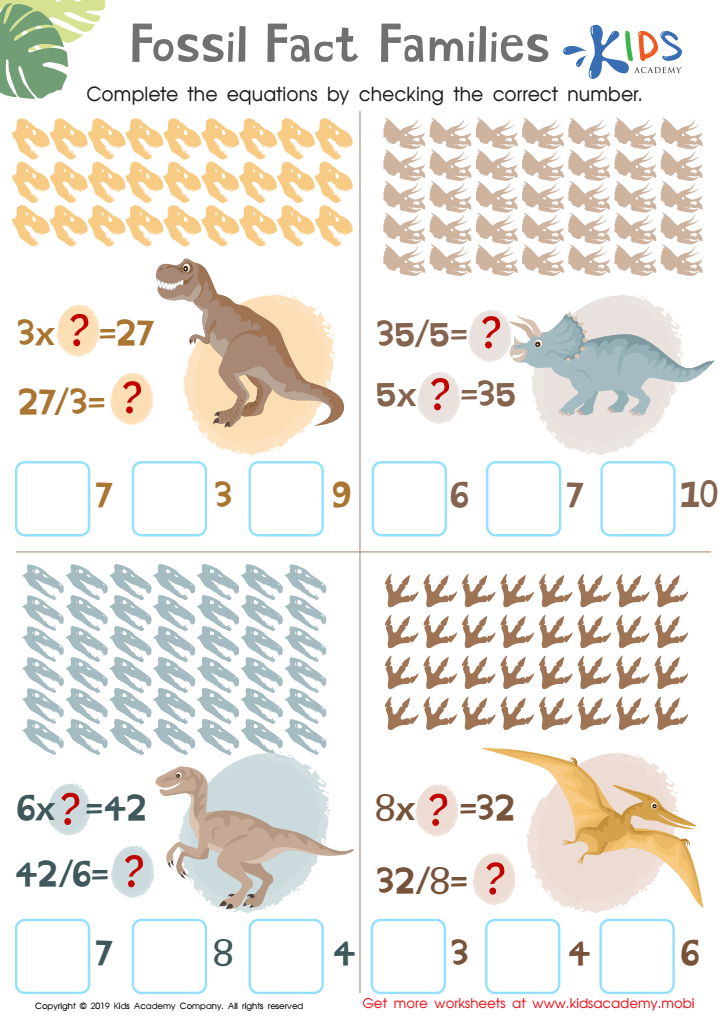
Fossil Fact Families Worksheet
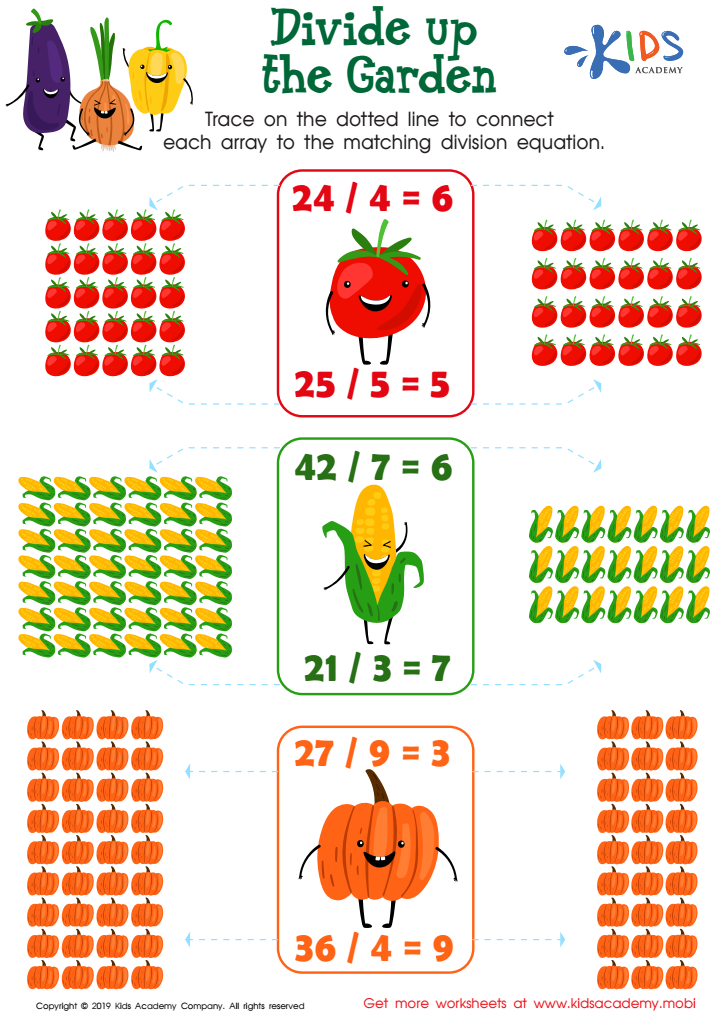
Divide up the Garden Worksheet
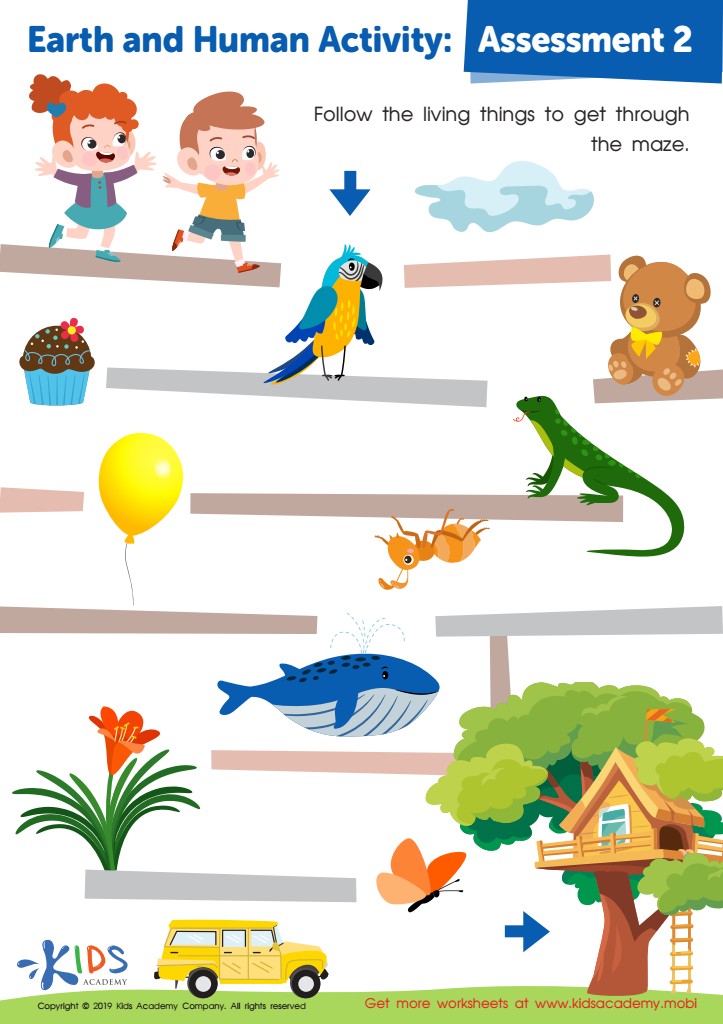
Earth and Human Activity: Assessment 2 Worksheet
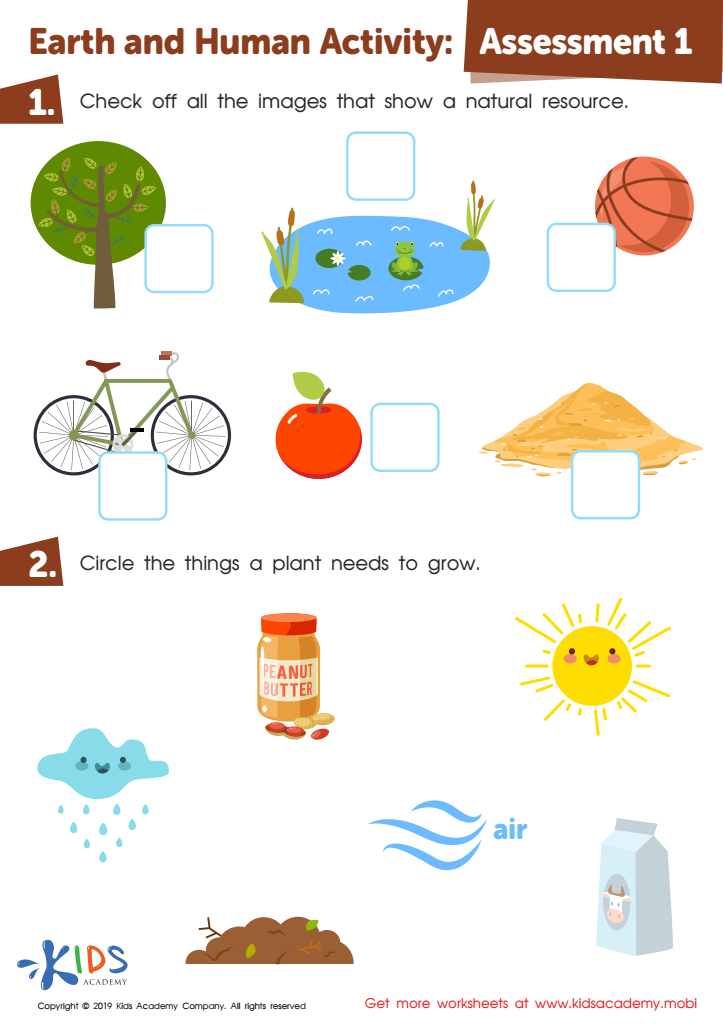
Earth and Human Activity: Assessment 1 Worksheet
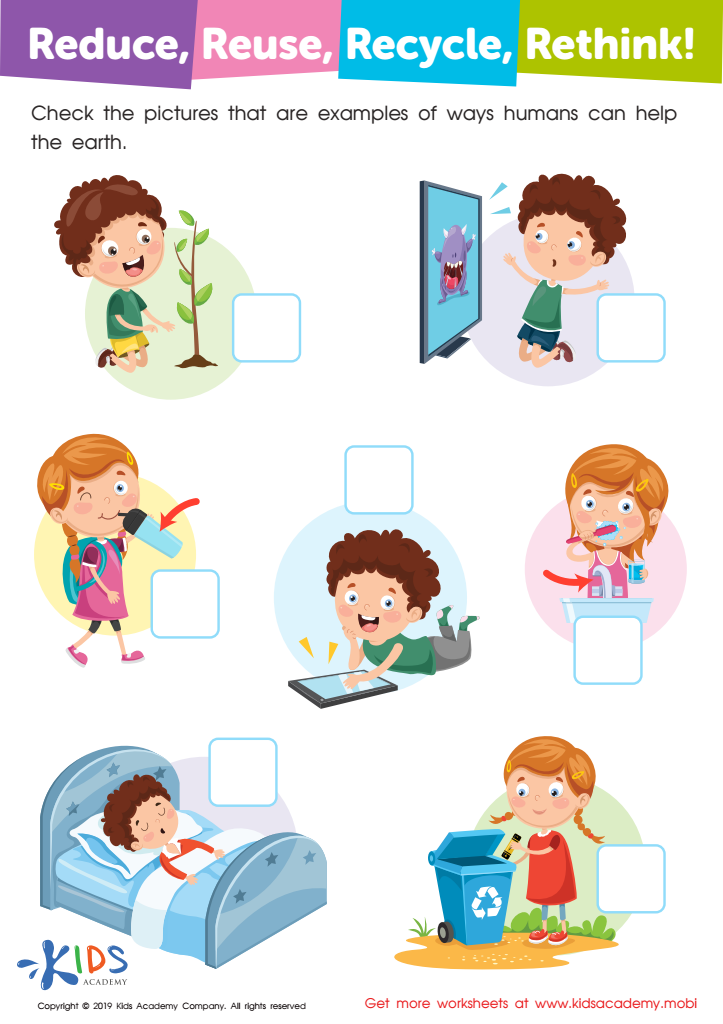
Reduce, Reuse, Recycle, Rethink Worksheet








Understanding plants and animals is essential for children aged 6-8 as it nurtures their curiosity about the natural world. Learning about plants helps children appreciate nature’s beauty and understand essential processes like photosynthesis, growth, and the role of plants in our ecosystem, which is crucial for life on Earth.
For animals, knowledge enhances empathy and compassion. When children learn about different species, their habitats, and behaviors, they foster a sense of responsibility towards living beings. This understanding encourages them to care for local wildlife, explore their environment, and understand biodiversity's significance.
Incorporating plants and animals into a child's education promotes critical thinking and observation skills. Activities like gardening or studying animal behaviors can ignite a lifelong interest in science and conservation, laying a foundation for environmental stewardship.
Furthermore, many cross-curricular connections come from these topics—math can be applied in measuring growth, and language arts can be enriched through storytelling about the animal kingdom. Engaging with plants and animals can be a hands-on, immersive experience that excites and enriches children's education, making it vital for parents and teachers to prioritize these subjects in a child's learning journey.








