Elementary Phonics Worksheets for Ages 6-9
21 filtered results
-
From - To
Unlock the joy of reading with our elementary phonics worksheets designed for children aged 6-9. These captivating, age-appropriate activities are expertly crafted to enhance reading skills by focusing on letter sounds, blending, and pronunciation. Each worksheet combines colorful visuals with engaging exercises that make learning phonics fun and effective. Perfect for both classroom and home use, these worksheets empower young learners to build a strong reading foundation while boosting confidence and phonemic awareness. Help your child master the alphabet and early reading strategies today with our comprehensive phonics resources at Kids Academy. Start your educational adventure now!
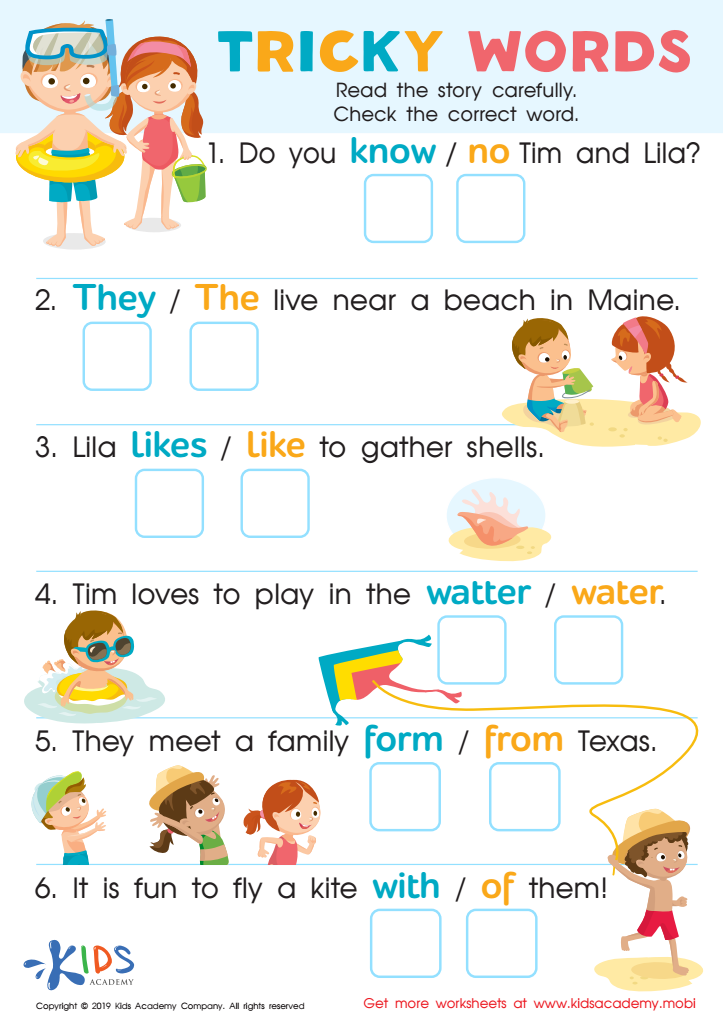
Tricky Words Worksheet
 Assign to My Students
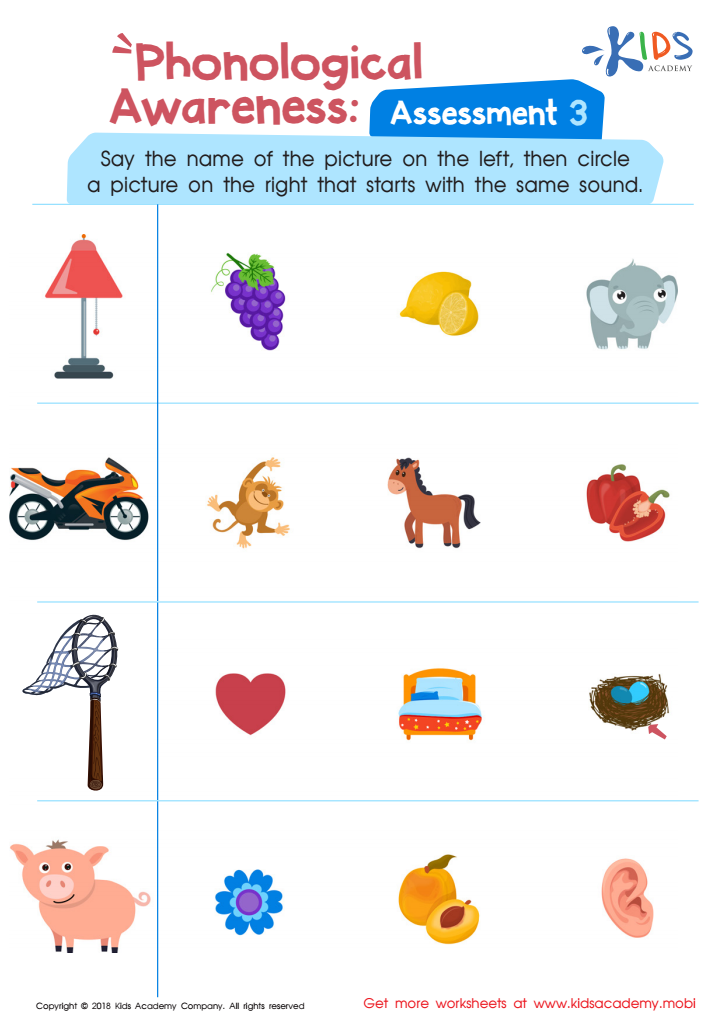
Phonological Awareness: Assessment 3 Worksheet
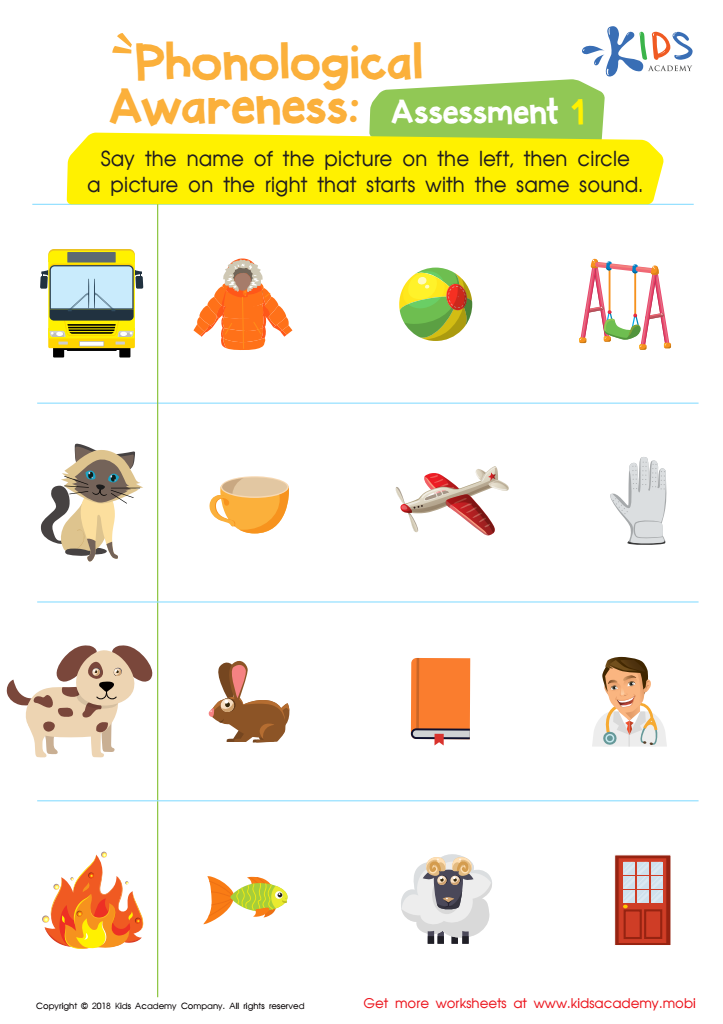
Phonological Awareness: Assessment 1 Worksheet
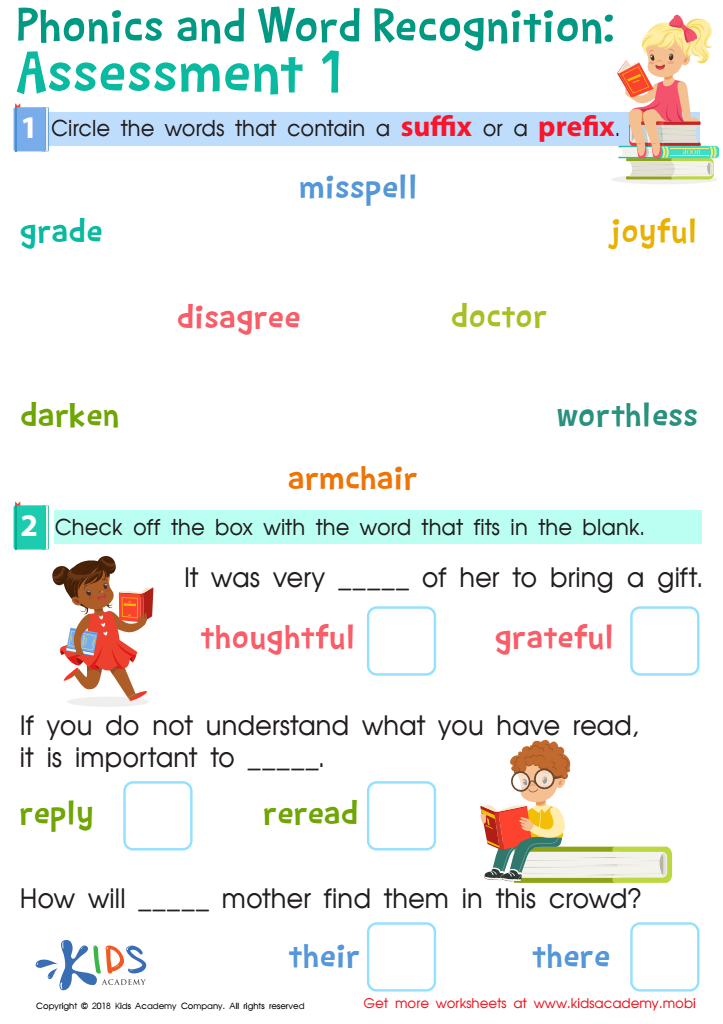
Phonics and Word Recognition: Assessment 1 Worksheet
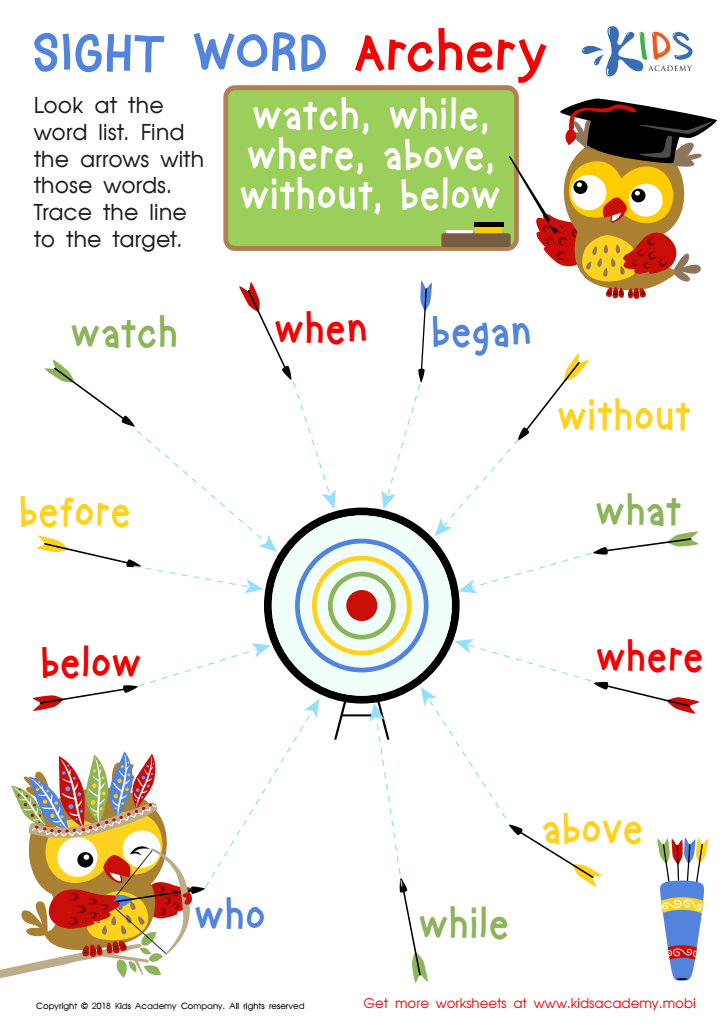
Sight Word Archery Worksheet
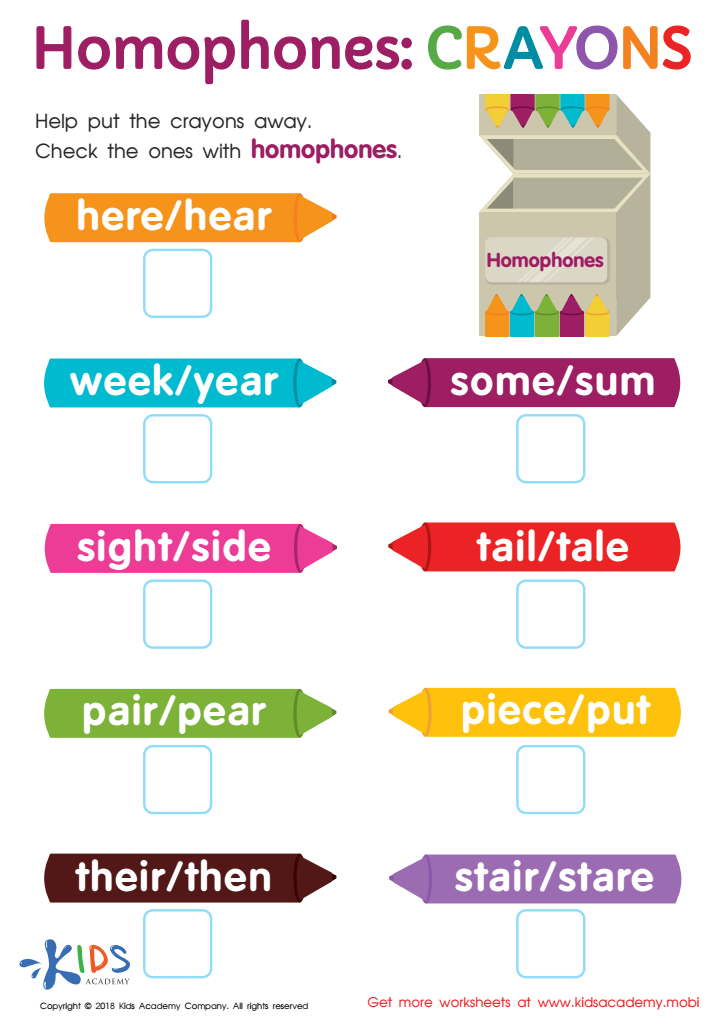
Homophones: Crayons Worksheet
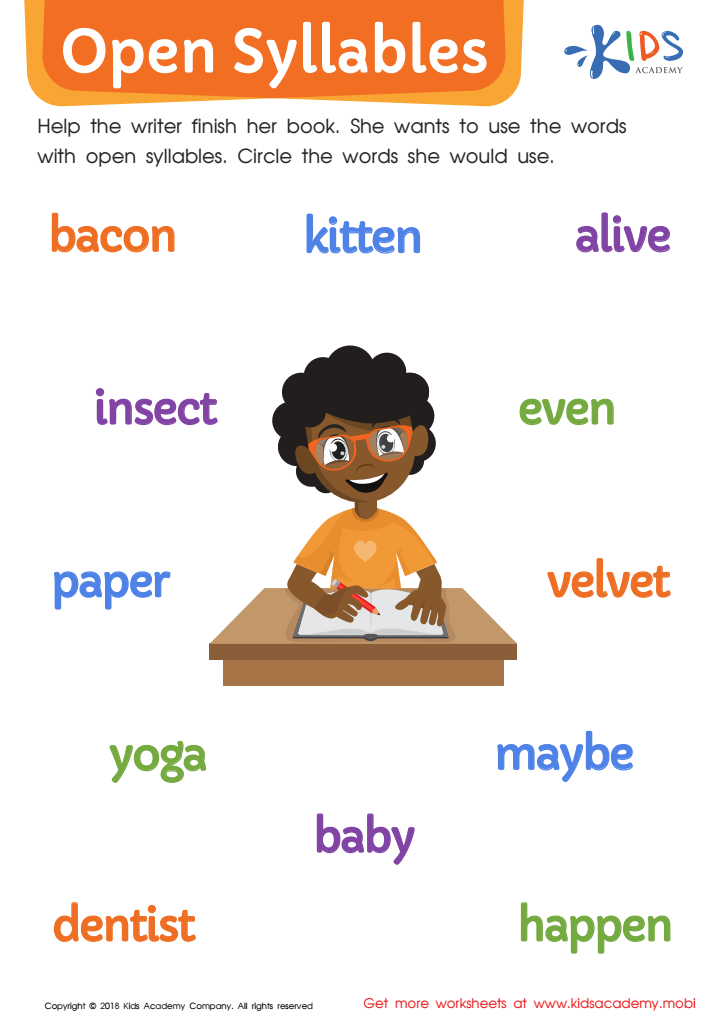
Open Syllables Worksheet
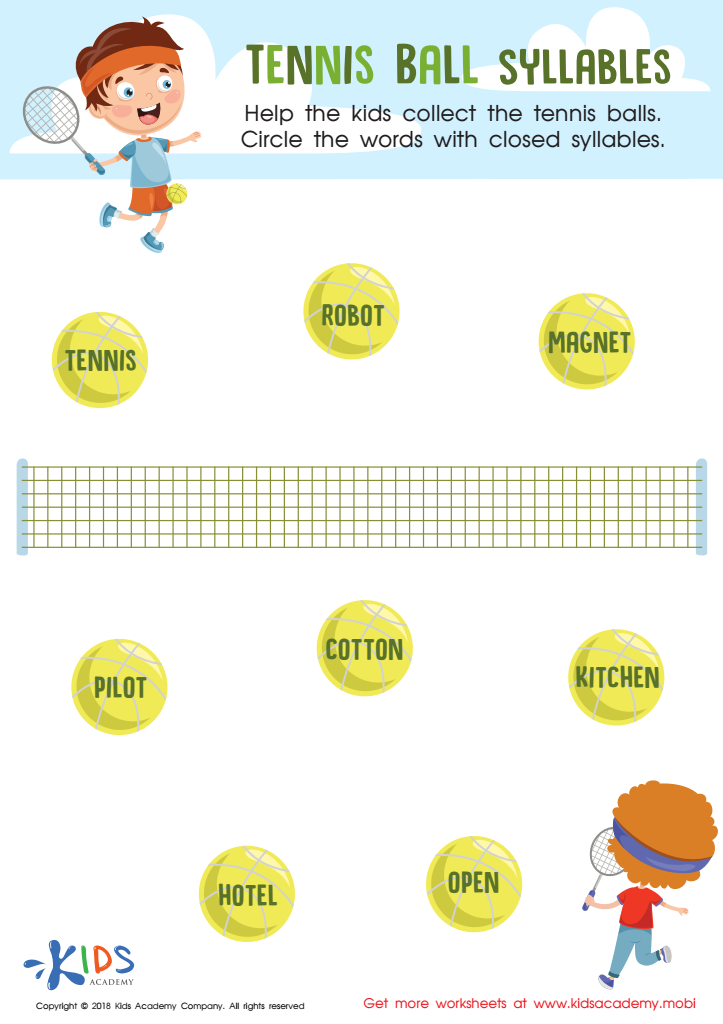
Tennis Ball Syllables Worksheet
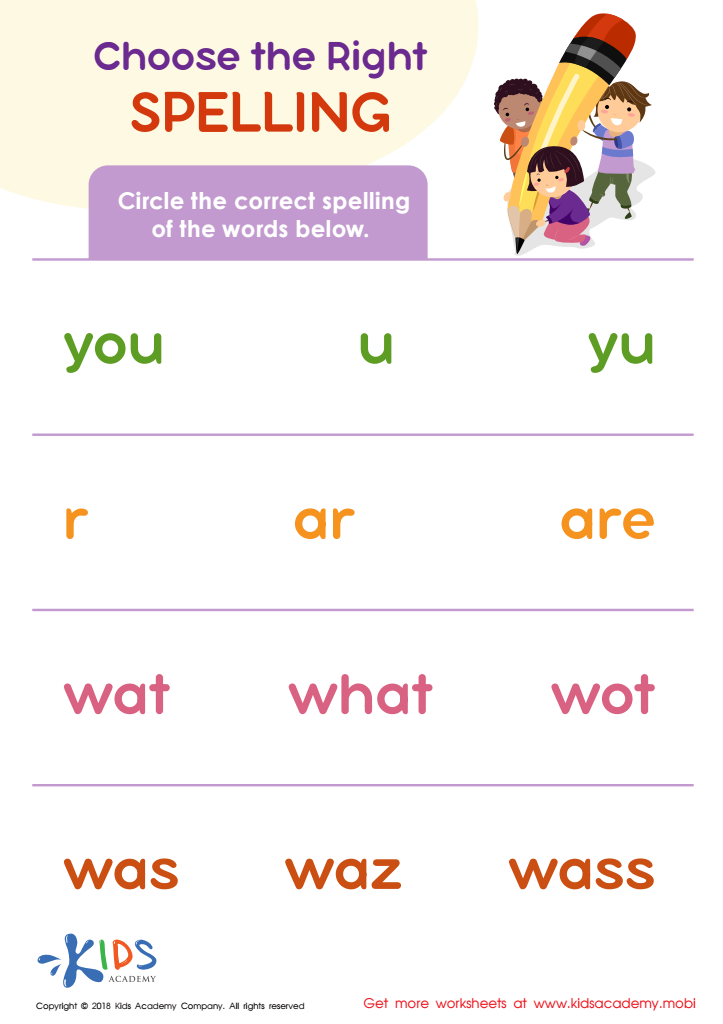
Choose the Right Spelling Worksheet
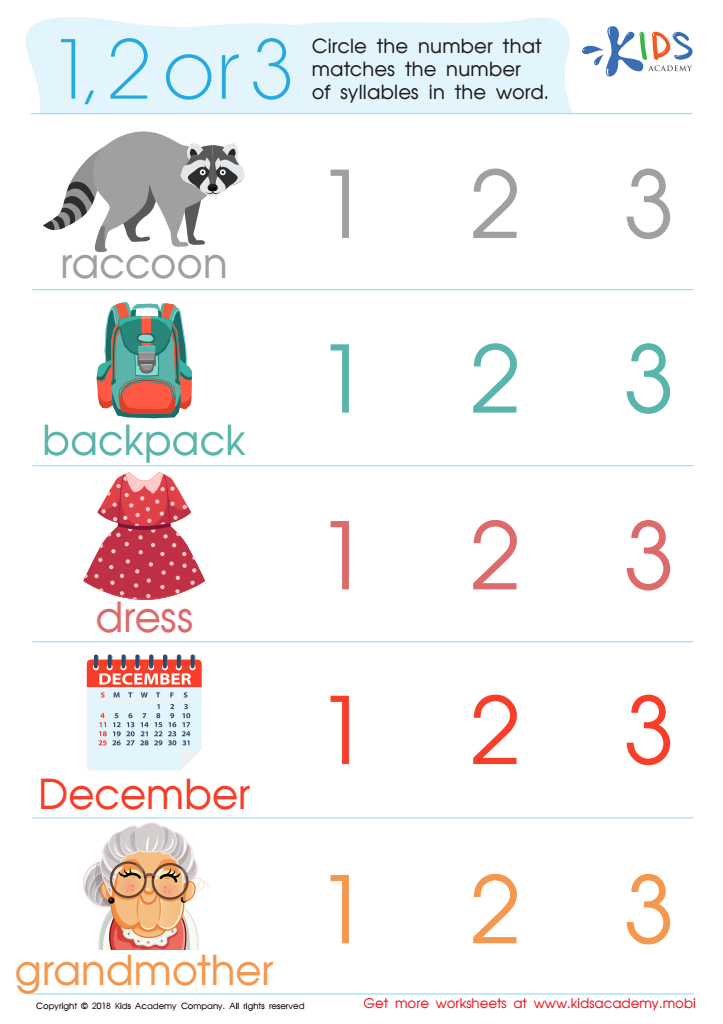
1, 2 or 3? Worksheet
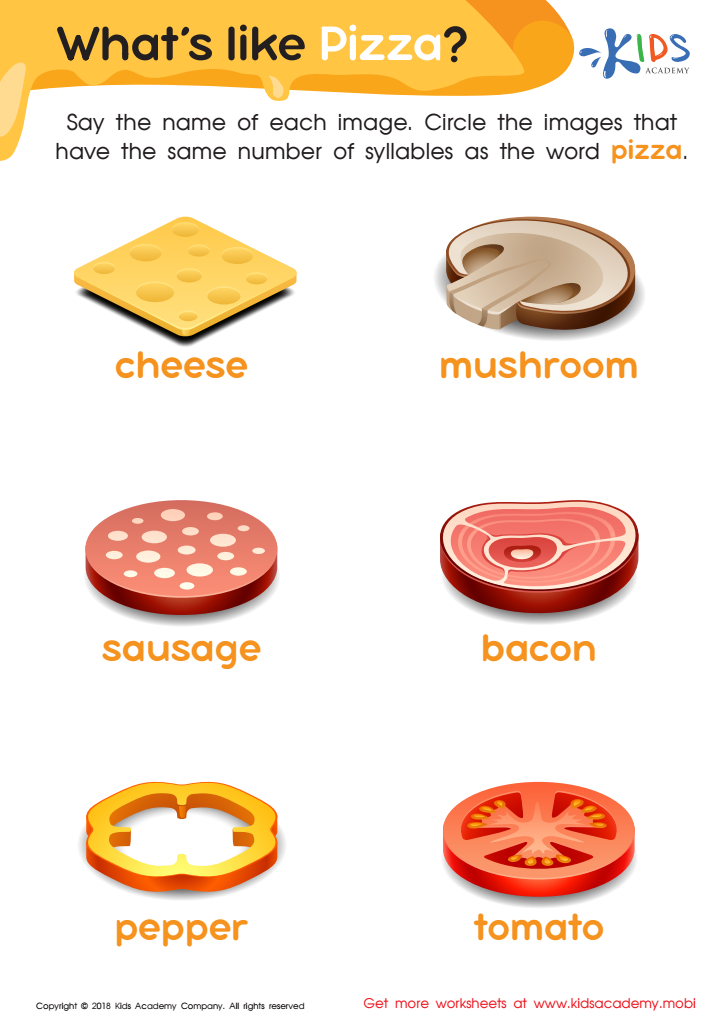
What's Like Pizza? Worksheet
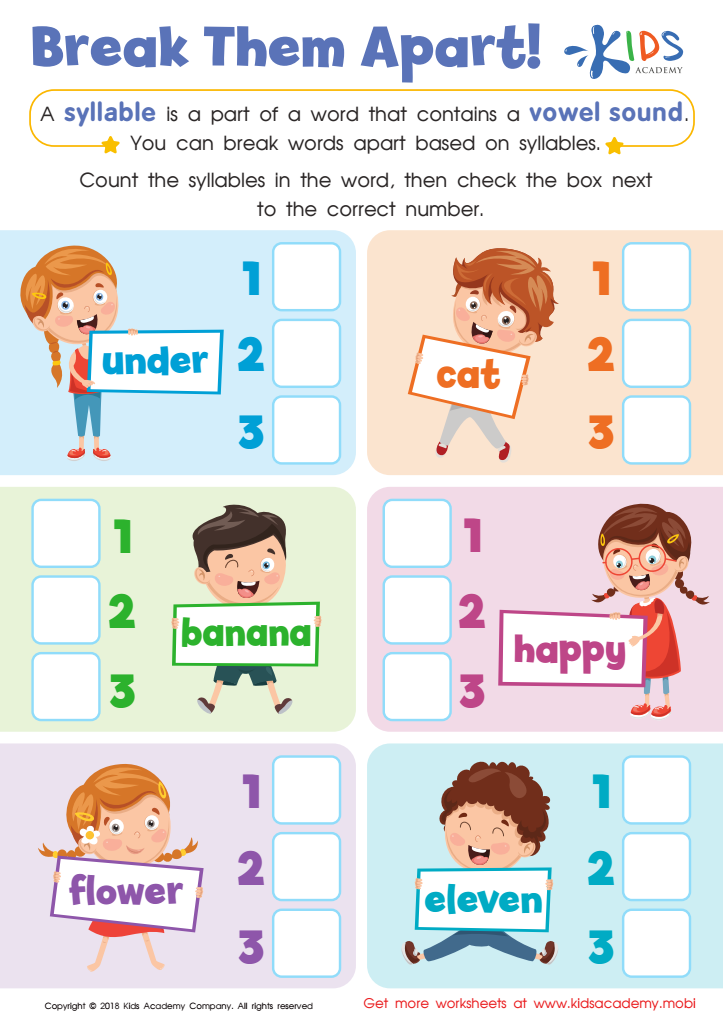
Reading: Break Them Apart Worksheet
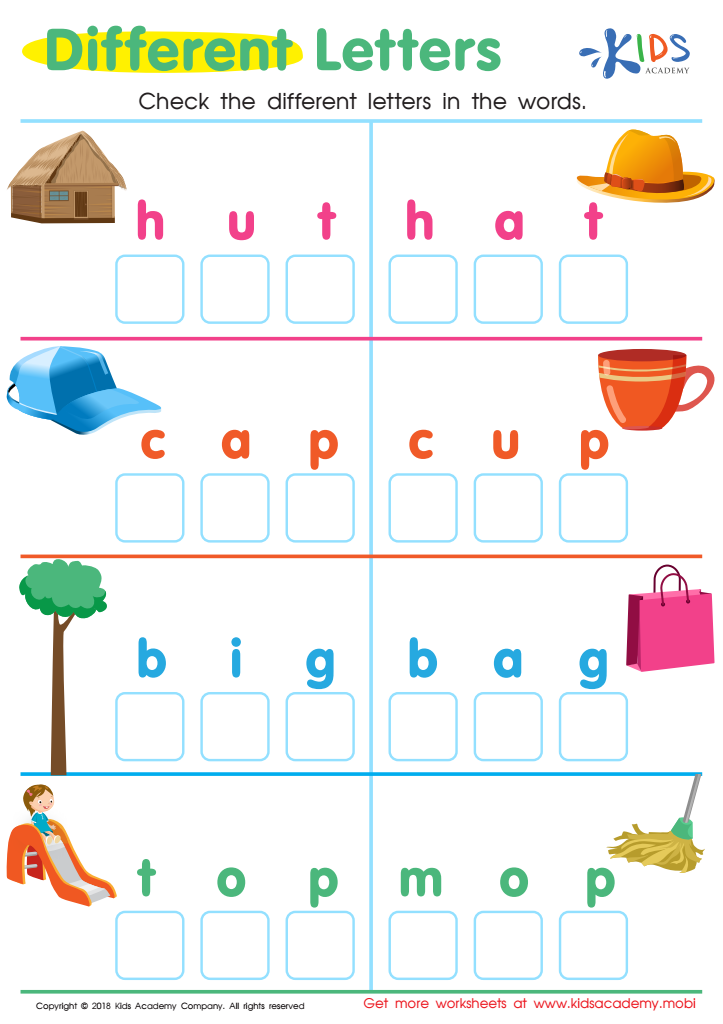
Different Letters Reading Worksheet
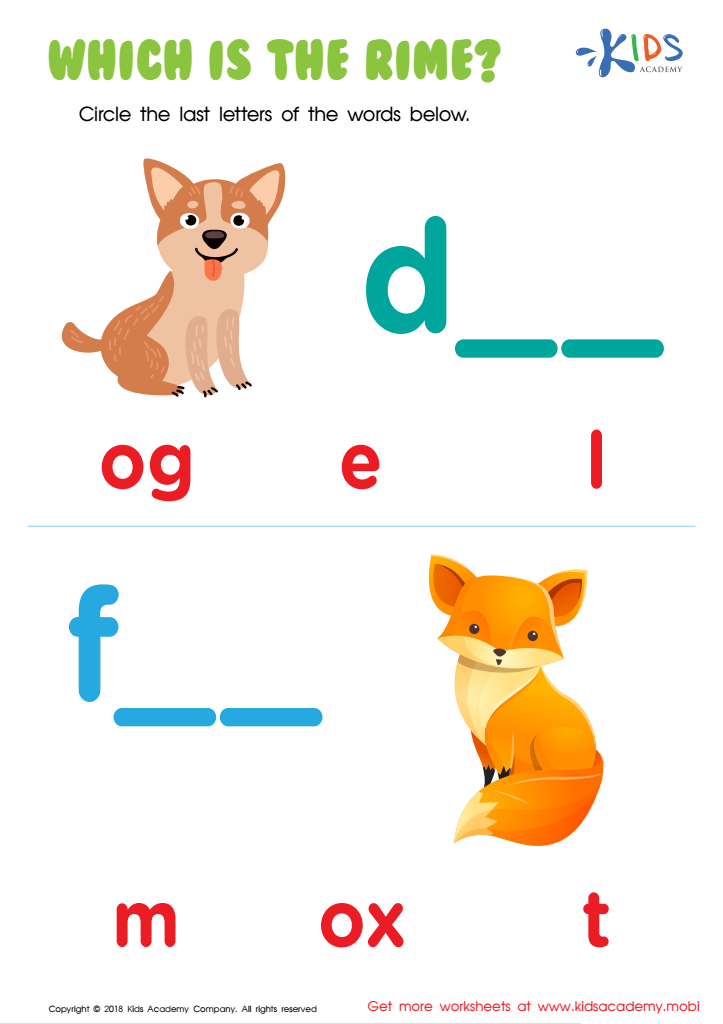
Which Is the Rime? Worksheet
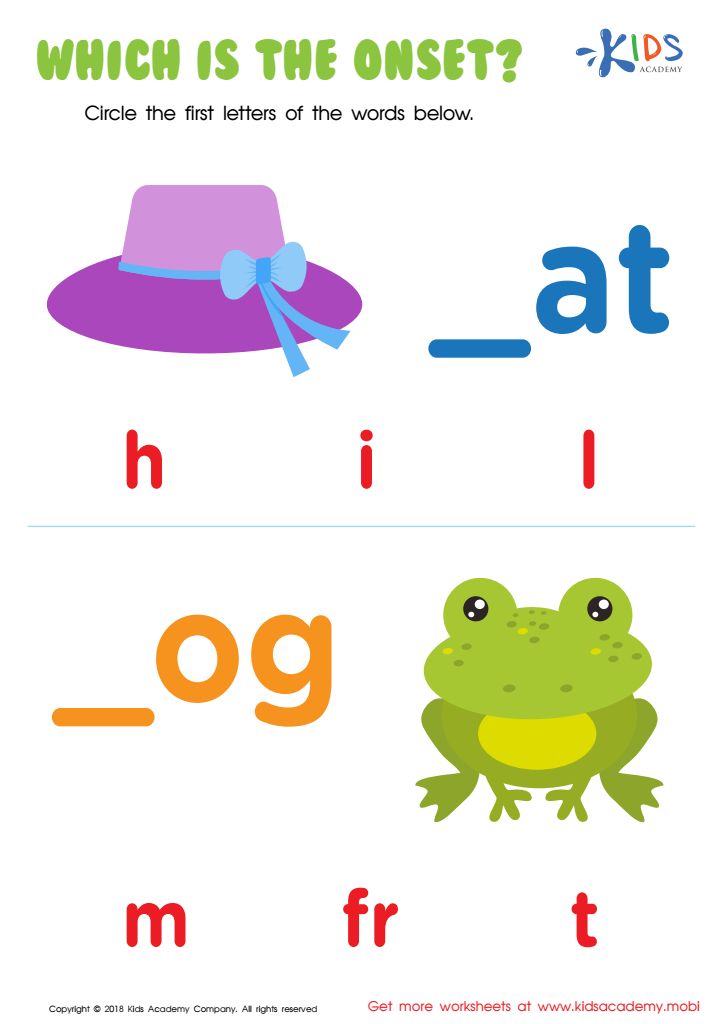
Which Is the Onset? Worksheet
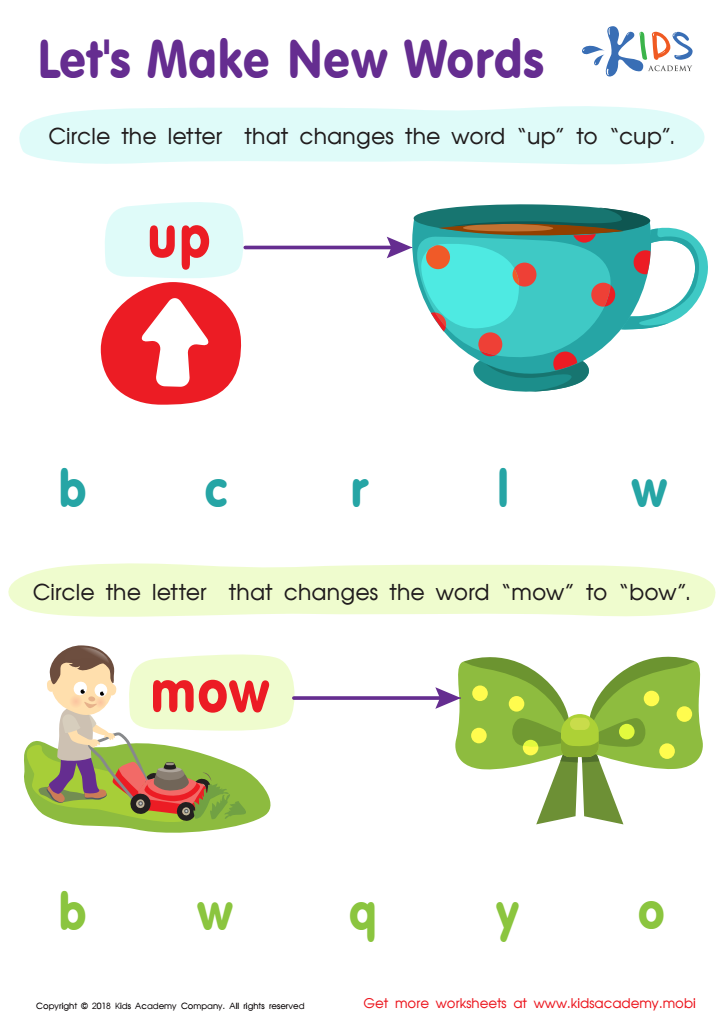
Let's Make New Words Worksheet
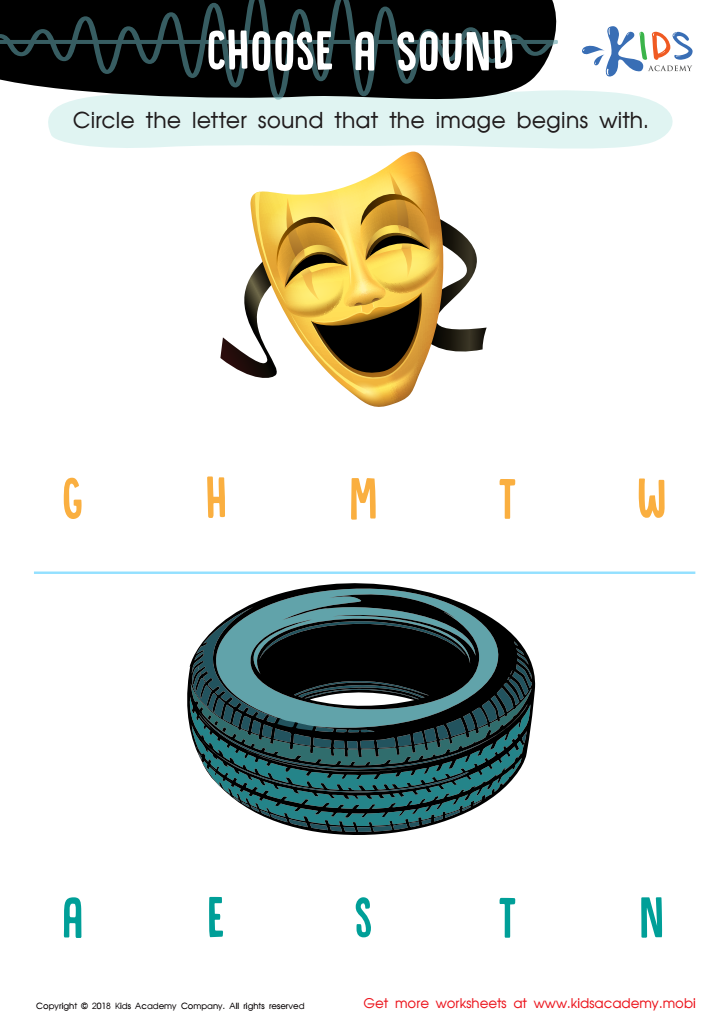
Choose a Sound Worksheet
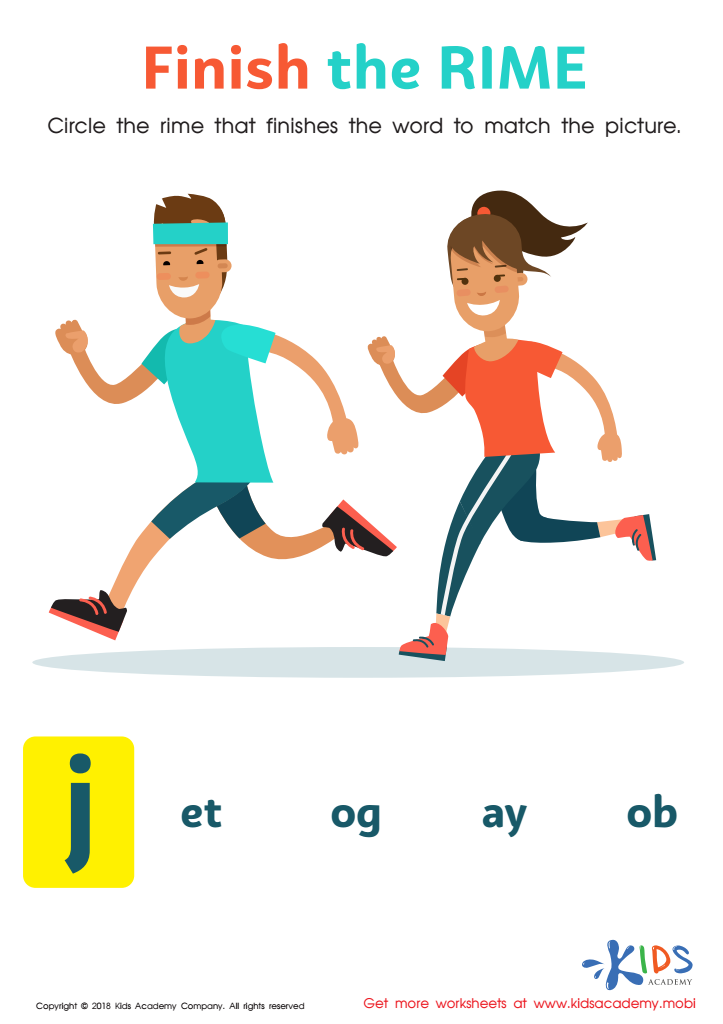
Finish the Rime Worksheet
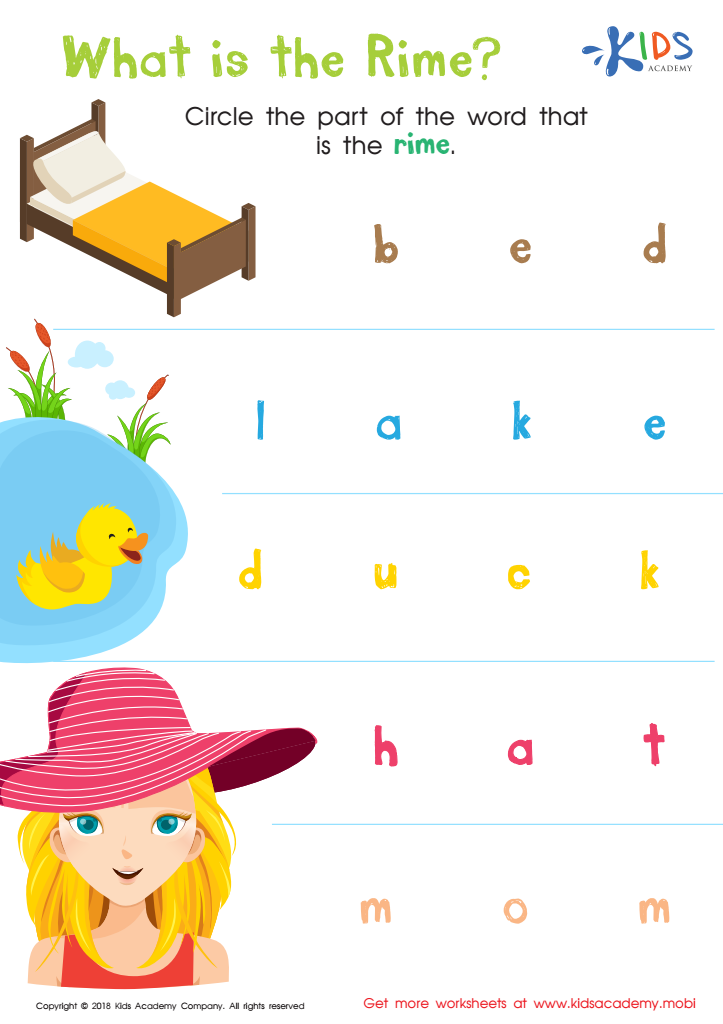
What Is the Rime? Worksheet
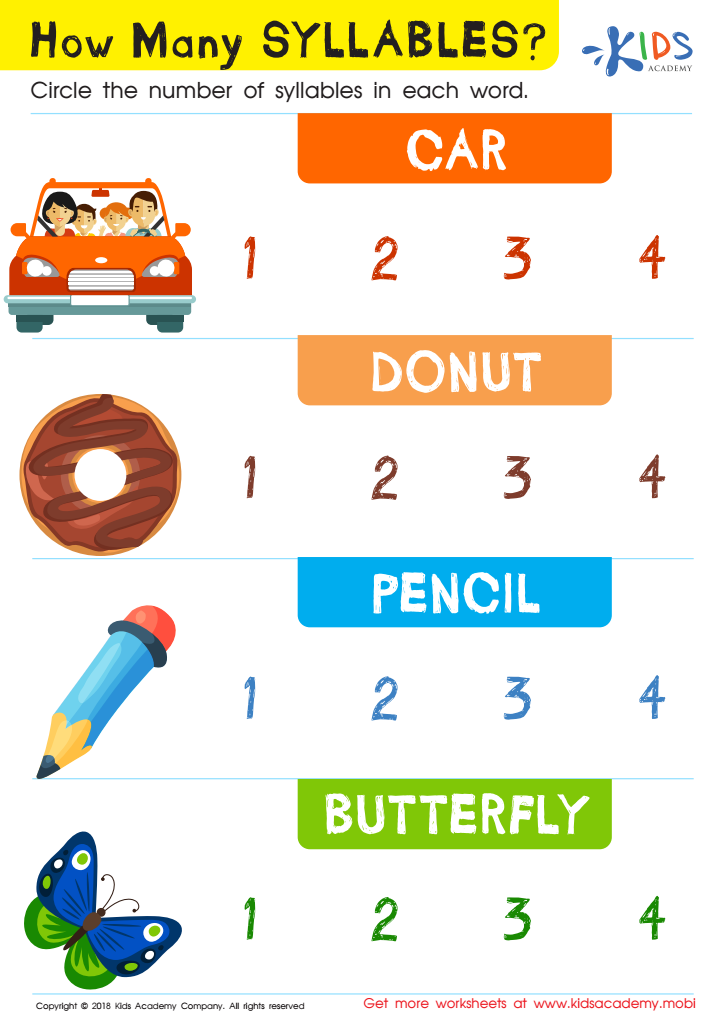
How Many Syllables? Worksheet
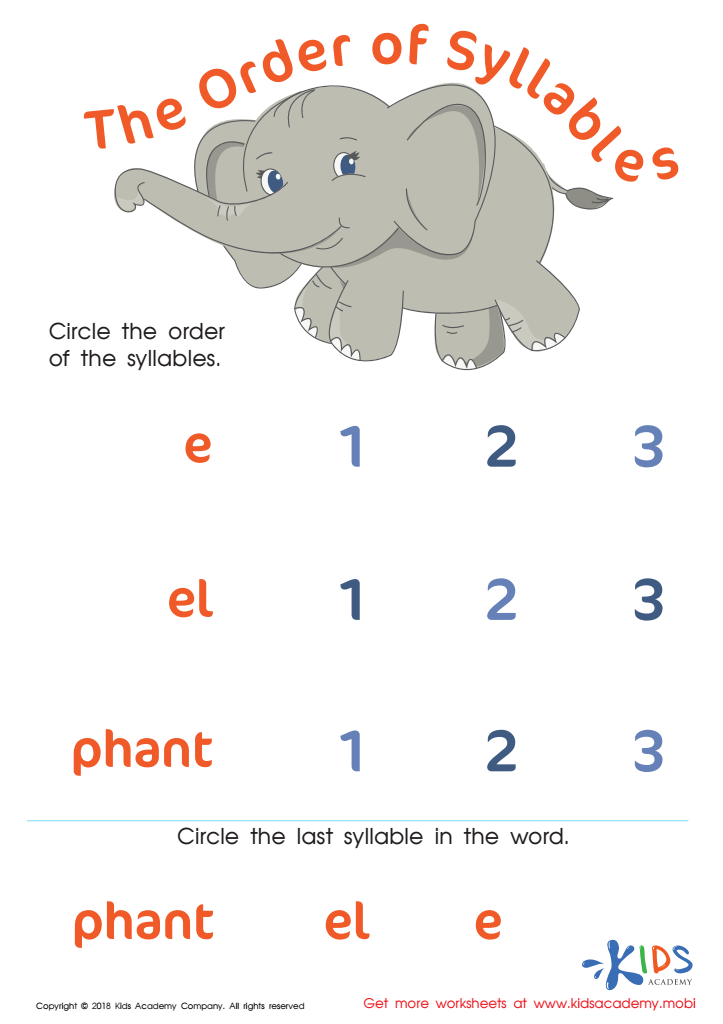
The Order of Syllables Worksheet




Elementary phonics for children aged 6-9 is essential as it serves as the building block of reading and literacy. During this crucial developmental phase, children learn how sounds correspond to letters and words, which is fundamental for their reading fluency and comprehension. Phonics helps children decode new words, enhancing their ability to understand and enjoy a variety of texts, from storybooks to informational text.
For parents and teachers, focusing on phonics ensures that kids develop a solid foundation in reading. This foundational skill positively impacts other areas of learning; proficient reading abilities lead to better performance across all subjects, including math, science, and social studies. Furthermore, being able to read confidently can significantly boost a child's self-esteem, encouraging a lifelong love for learning.
Phonics education also plays a vital role in identifying and supporting struggling readers early on. Children who fall behind in reading early may face increasing difficulties in other academic areas, which can lead to frustration and disengagement from school. By emphasizing phonics, parents and teachers can provide targeted interventions that help lagging students catch up.
In summary, investing time and effort into elementary phonics directly influences a child's academic success, emotional well-being, and enjoyment of learning, making it a critical focus for both parents and educators.







