Comparison Worksheets for Ages 6-9
18 filtered results
-
From - To
Help your child master the concepts of comparison with our engaging and educational Comparison Worksheets designed for ages 6-9. Our expertly crafted worksheets reinforce essential math skills, such as comparing numbers, sizes, and quantities, in a fun and interactive way. Perfect for young learners, these printables provide clear instructions and colorful illustrations to make learning enjoyable. Whether for classroom use or home practice, our worksheets support critical thinking and problem-solving abilities. Visit our site to explore the collection and give your child the tools to succeed in math with confidence!
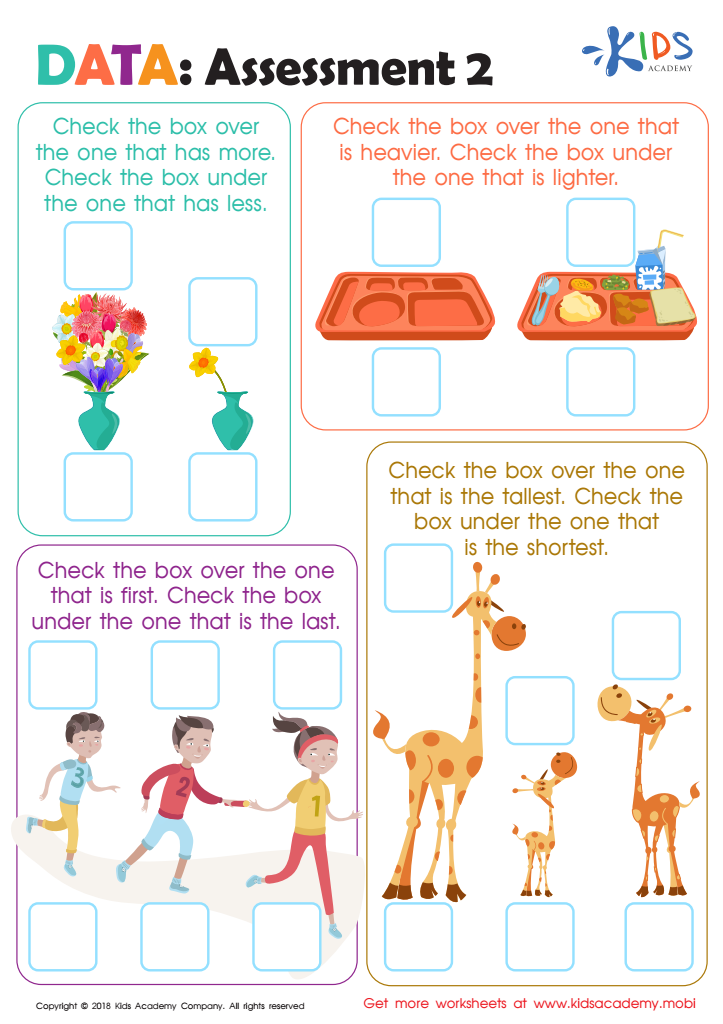
Data: Assessment 2 Worksheet
 Assign to My Students
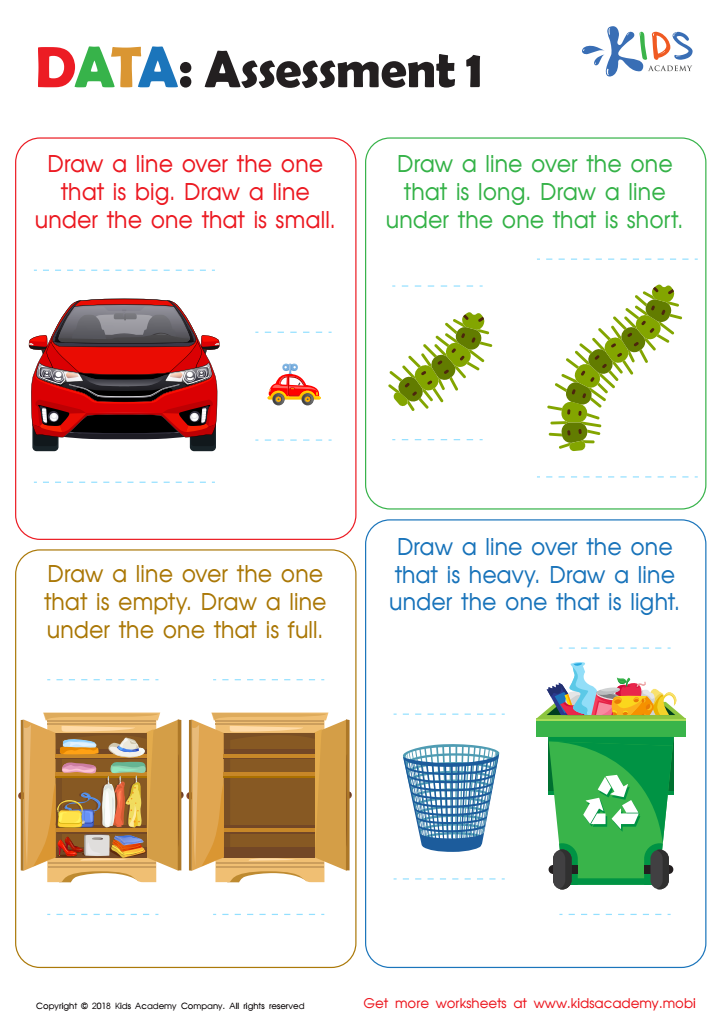
Data: Assessment 1 Worksheet
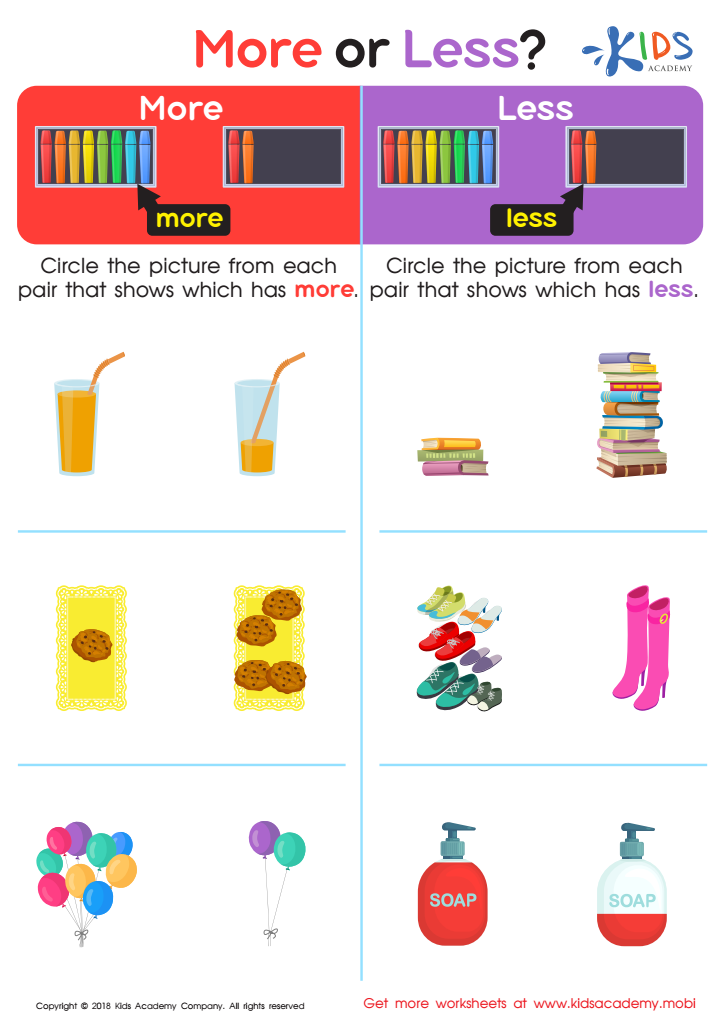
More or Less? Worksheet
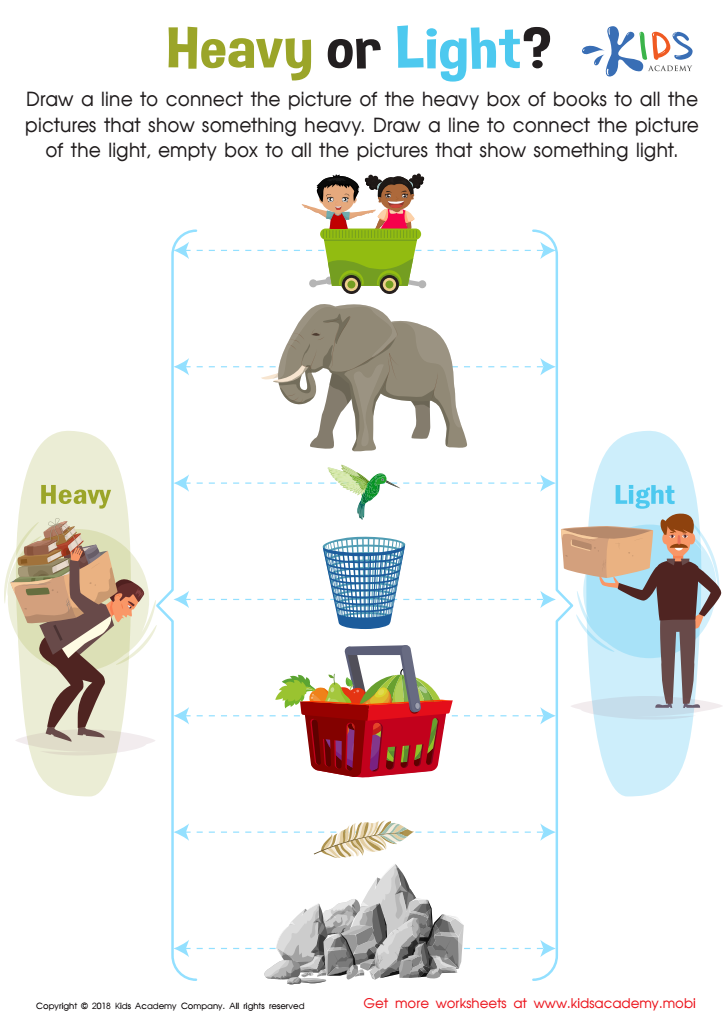
Heavy or Light? Worksheet
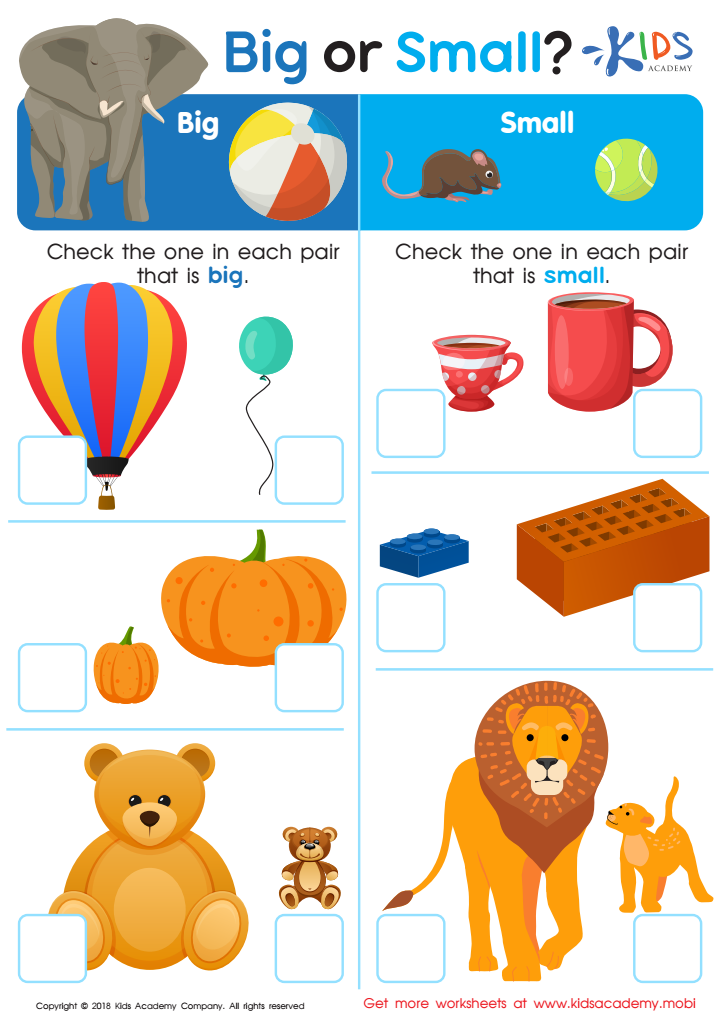
Big or Small? Worksheet
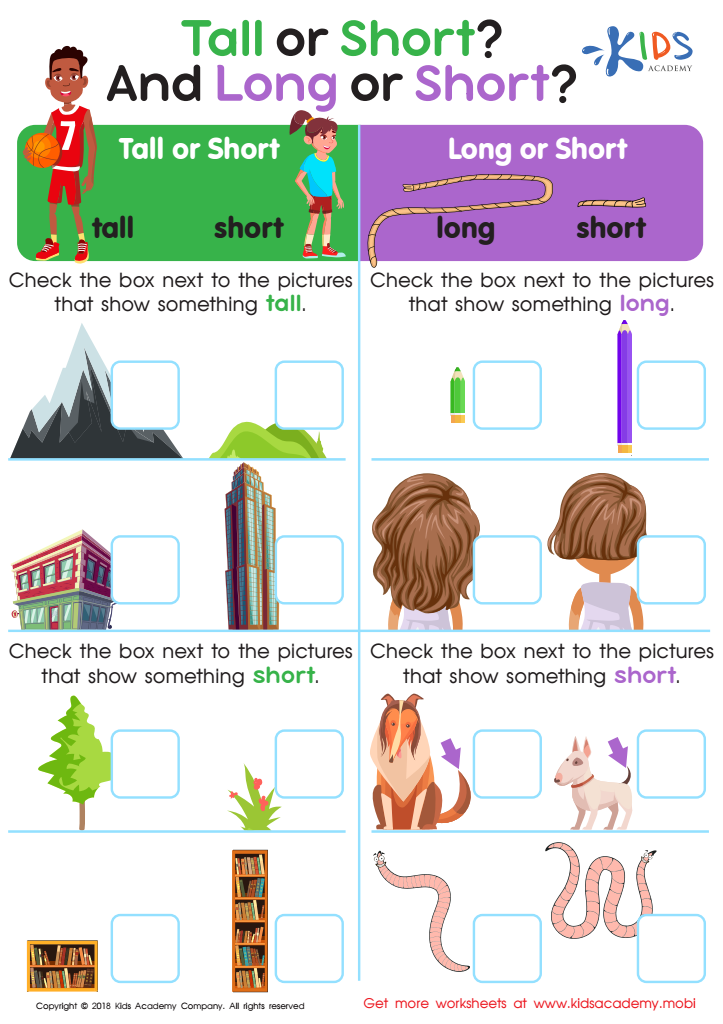
Tall or Short and Long or Short? Worksheet
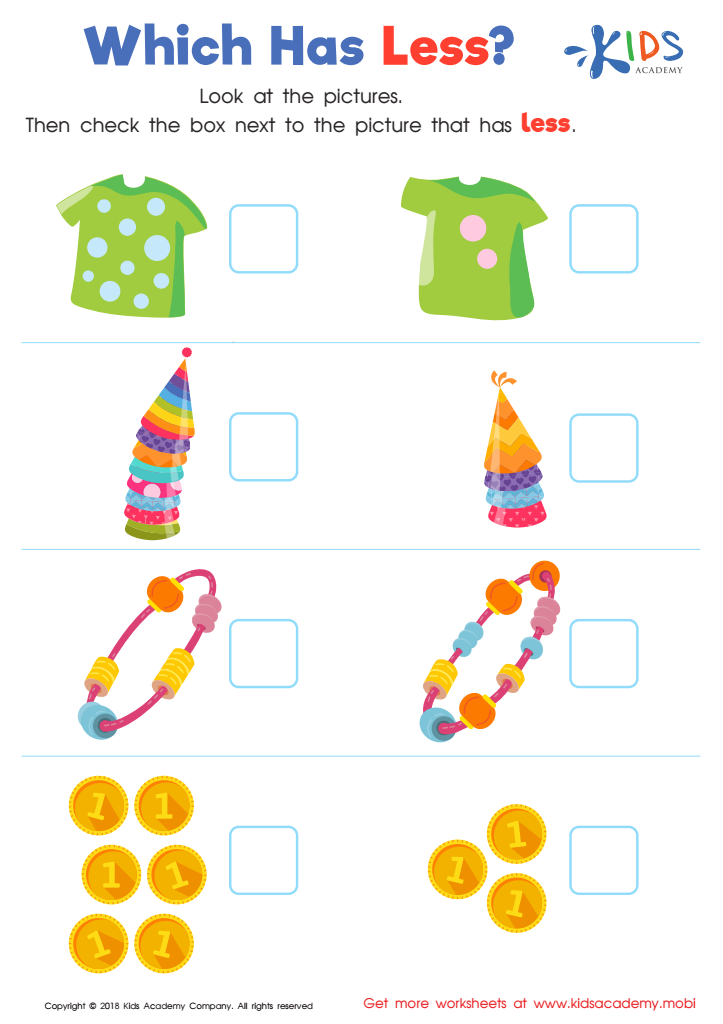
Which Has Less? Worksheet
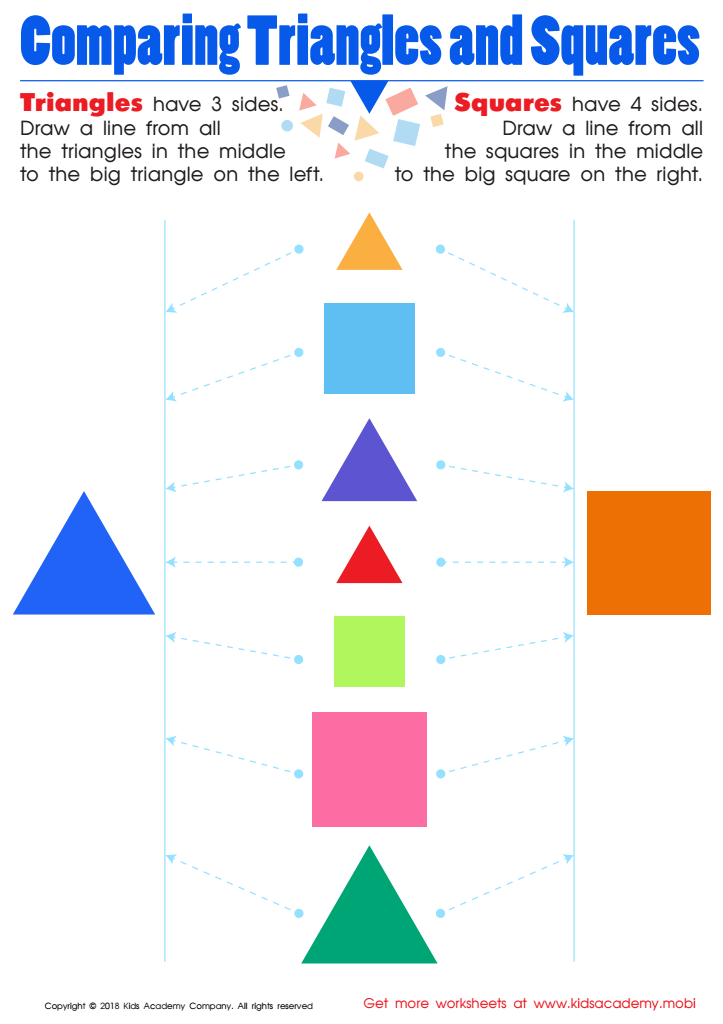
Comparing Triangles Squares Worksheet
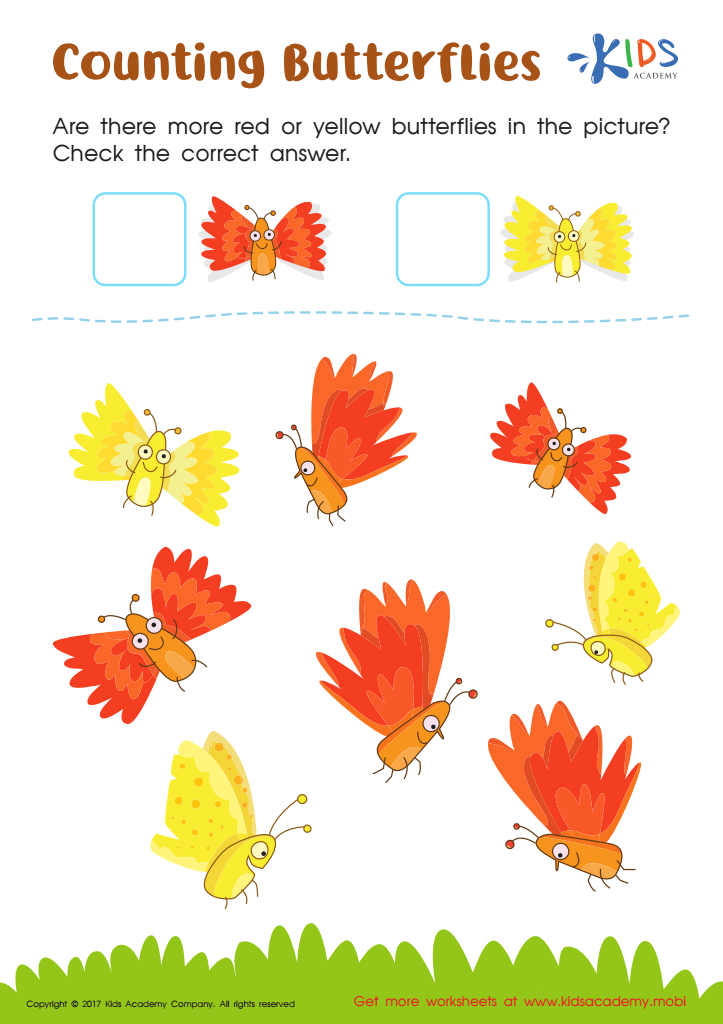
Counting Butterflies Worksheet
Matching: Classifying Toys by Size Worksheet
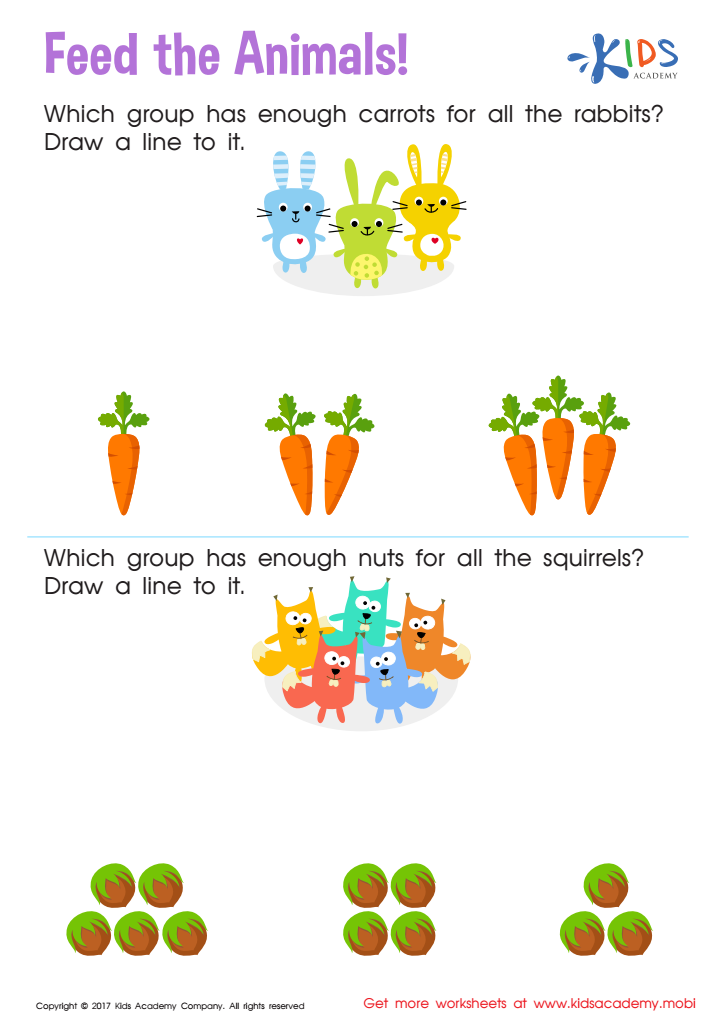
Count and Match: Feed the Animals Worksheet
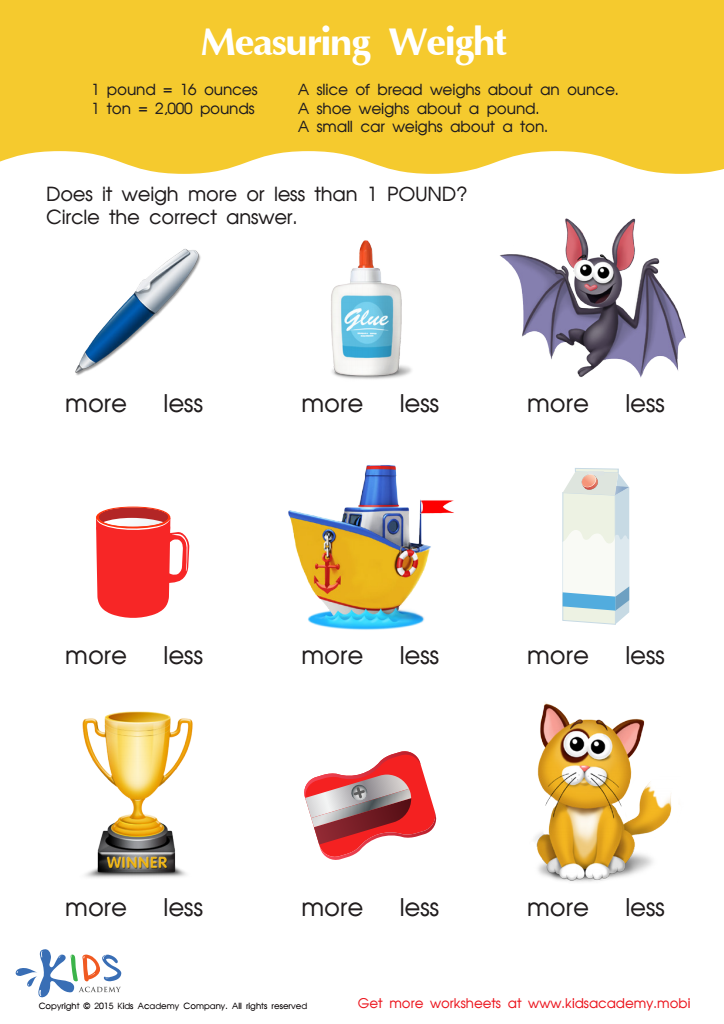
Measuring weight in pounds Worksheet
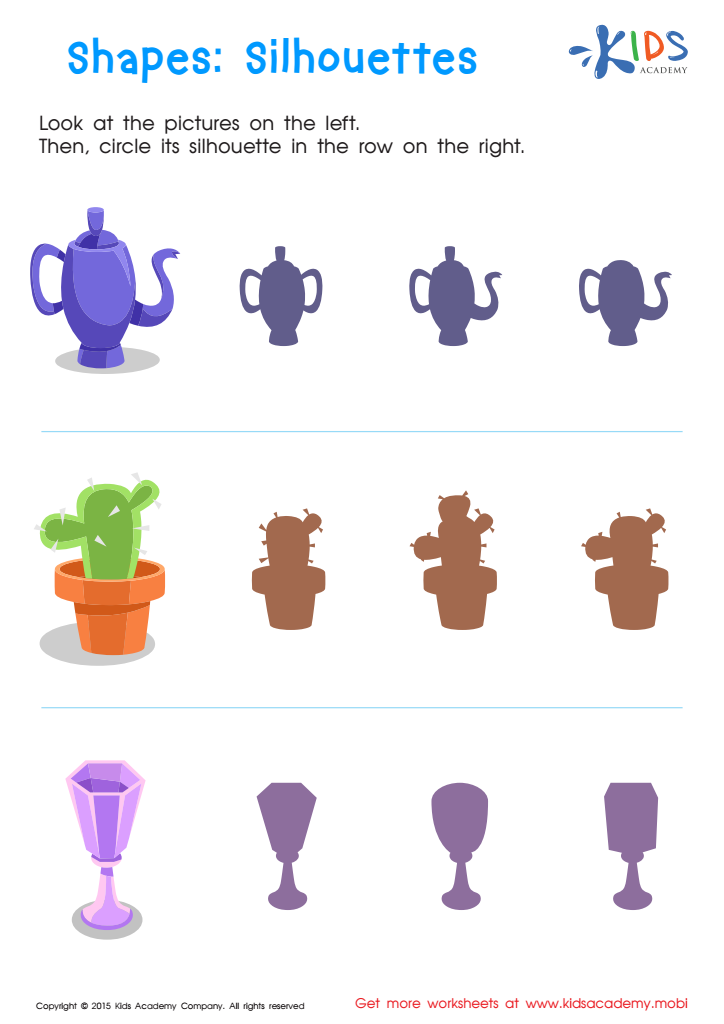
Silhouettes – Shapes Worksheet
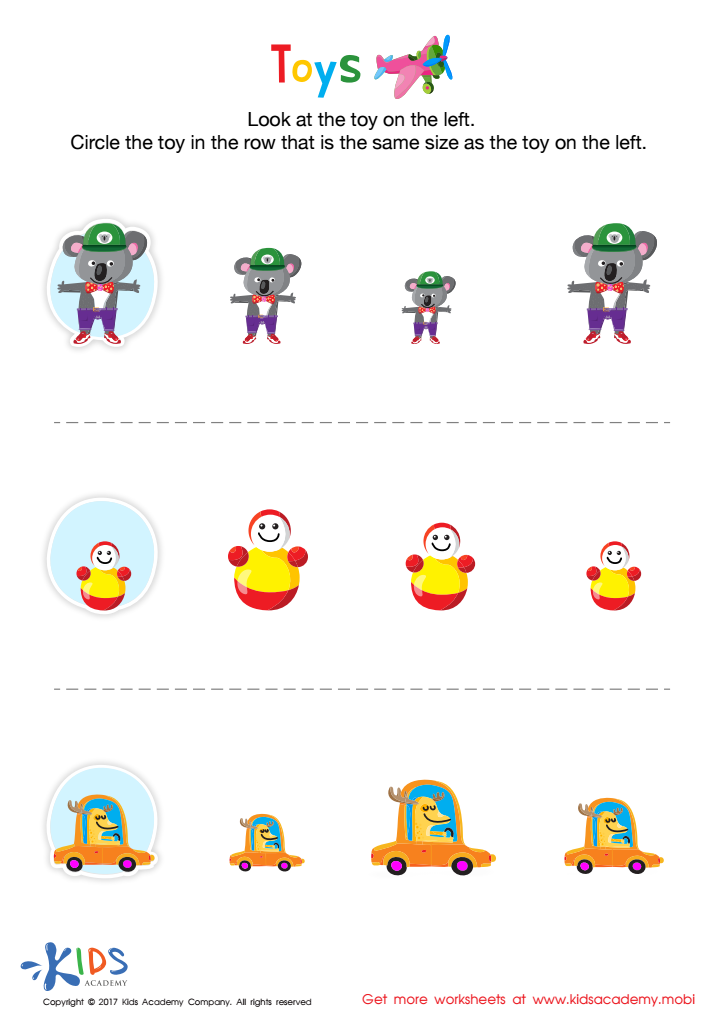
Matching: Classifying Toys by Size Worksheet
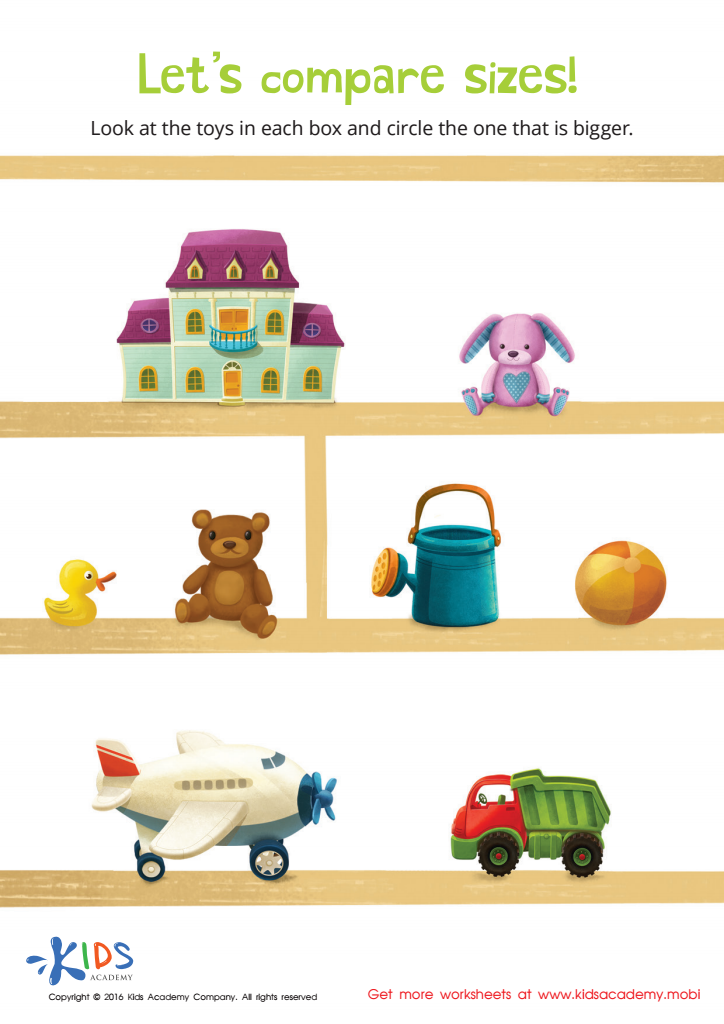
Classifying by Size Sorting Worksheet
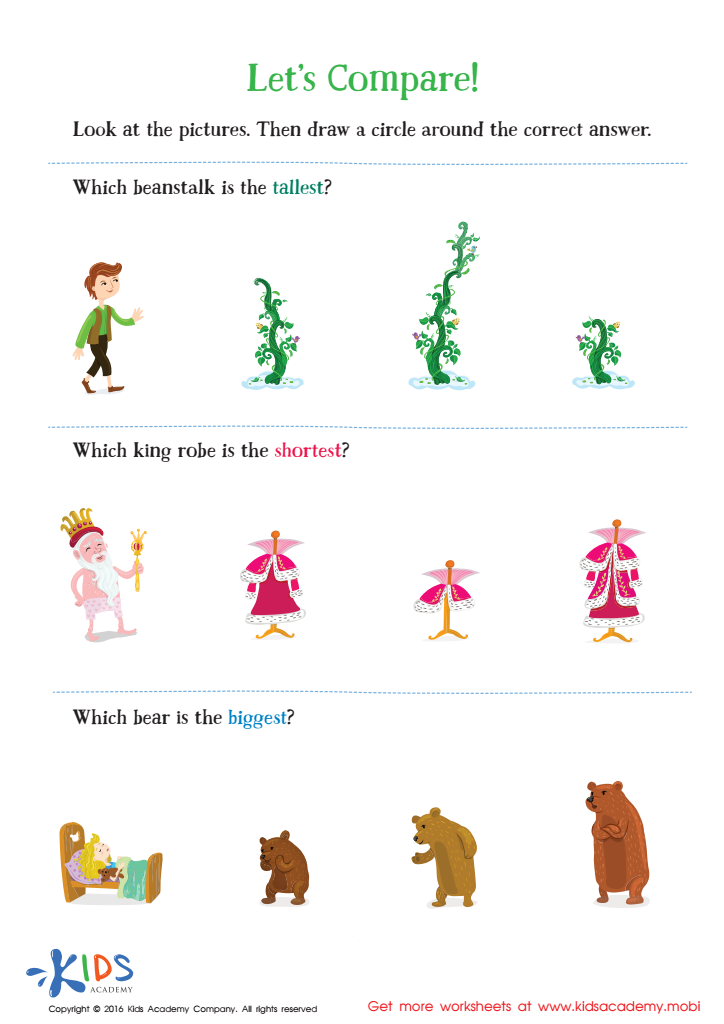
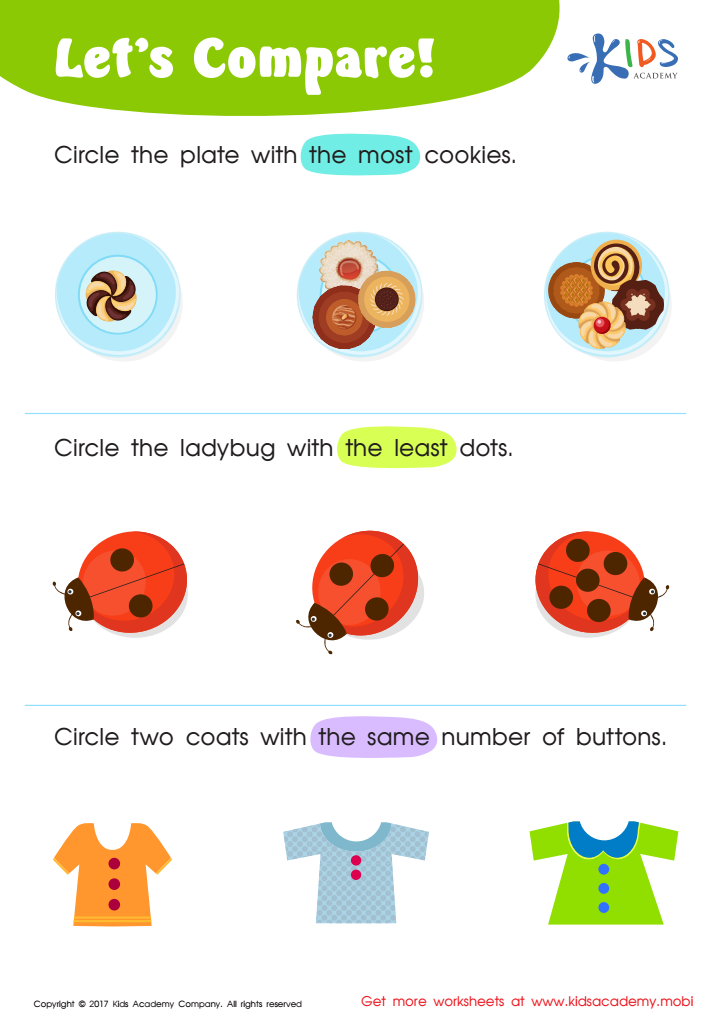
Fairy Tale Worksheet: Let's Compare
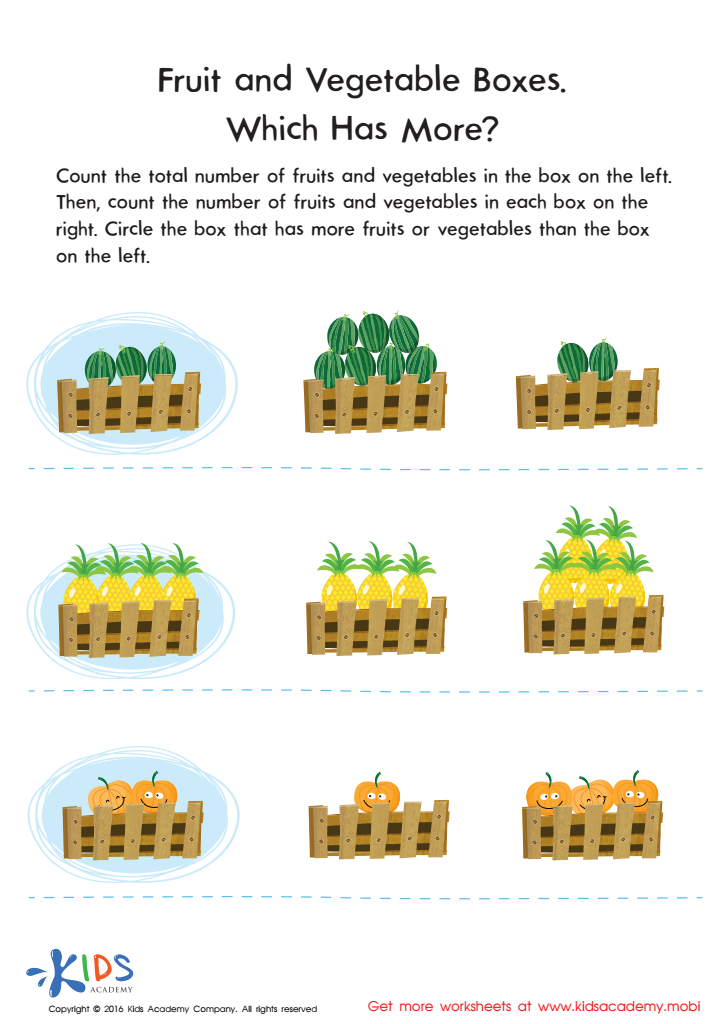
Which Has More? Size Worksheet
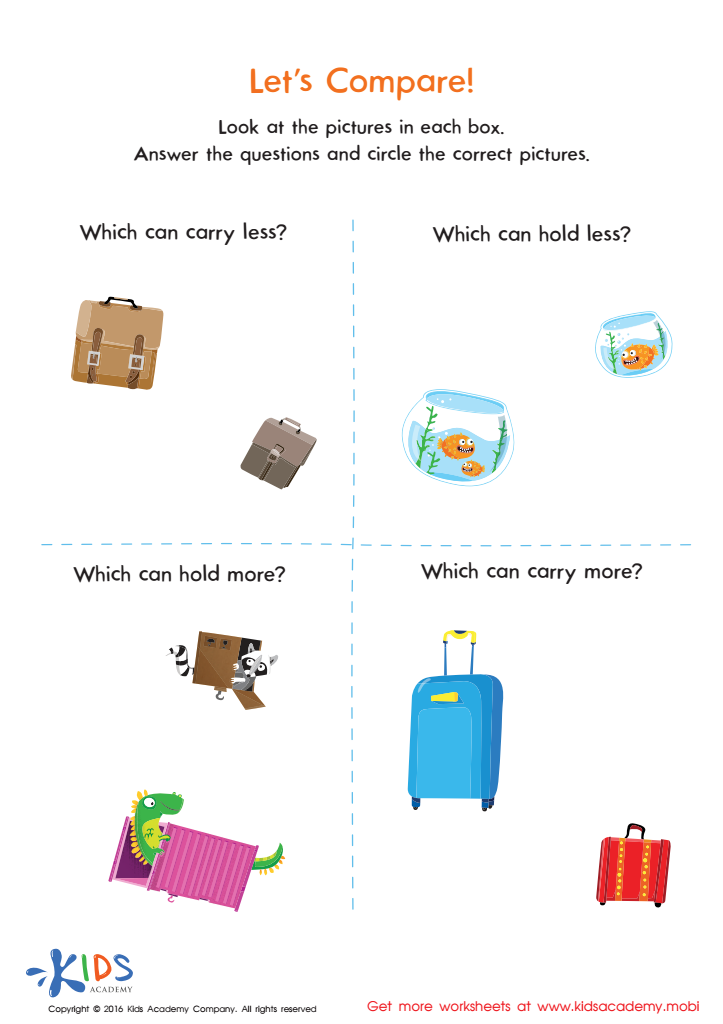
Let's Compare Worksheet: Big or Small




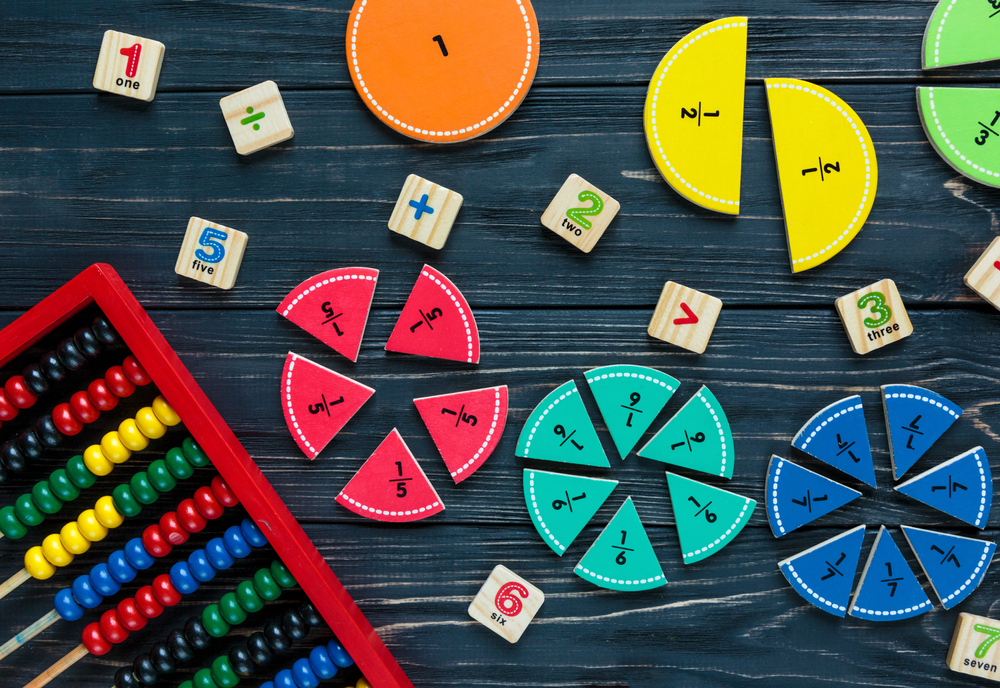



Comparison skills are fundamental in early education, and parents or teachers should prioritize them for ages 6-9 for several reasons. First, comparison forms the basis for critical thinking and problem-solving skills. By comparing objects, quantities, and concepts, children learn to identify similarities and differences, enhancing their analytical abilities.
Second, comparison is integral to math learning. Understanding concepts like "greater than," "less than," "equal to," and basic arithmetic operations all revolve around comparison. This foundational skill boosts their confidence and competence in math—a subject many children find challenging.
Third, comparison aids in vocabulary development and language skills. When kids compare, they exercise descriptive language, use comparative adjectives (bigger, smaller, longer, shorter), and improve verbal expression. This enhanced linguistic ability supports reading comprehension and overall literacy.
Lastly, developing comparison skills encourages social-emotional growth. Children learn to make fair decisions, resolve conflicts, and understand perspectives different from their own by comparing themselves and their experiences with others.
Incorporating comparative exercises in both everyday situations and structured learning allows children to build these essential skills early on, setting a strong groundwork for future academic and personal success. This holistic development will benefit them across all domains of learning as they grow.








