Physical Science Worksheets for Ages 6-9 - Page 2
85 filtered results
-
From - To
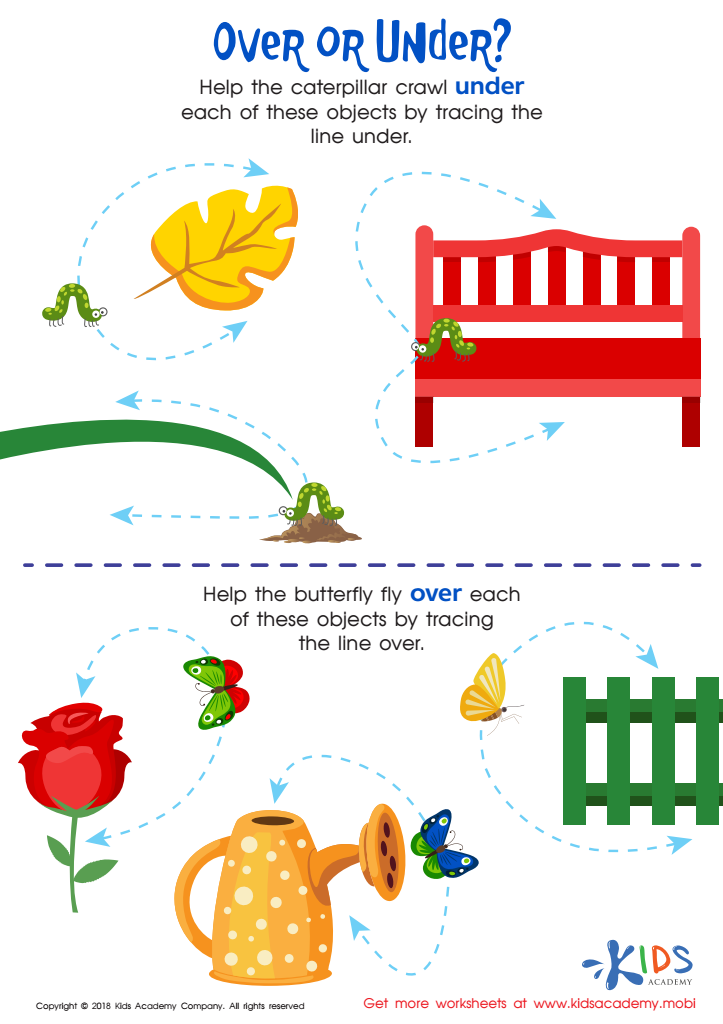
Over or Under? Worksheet
 Assign to My Students
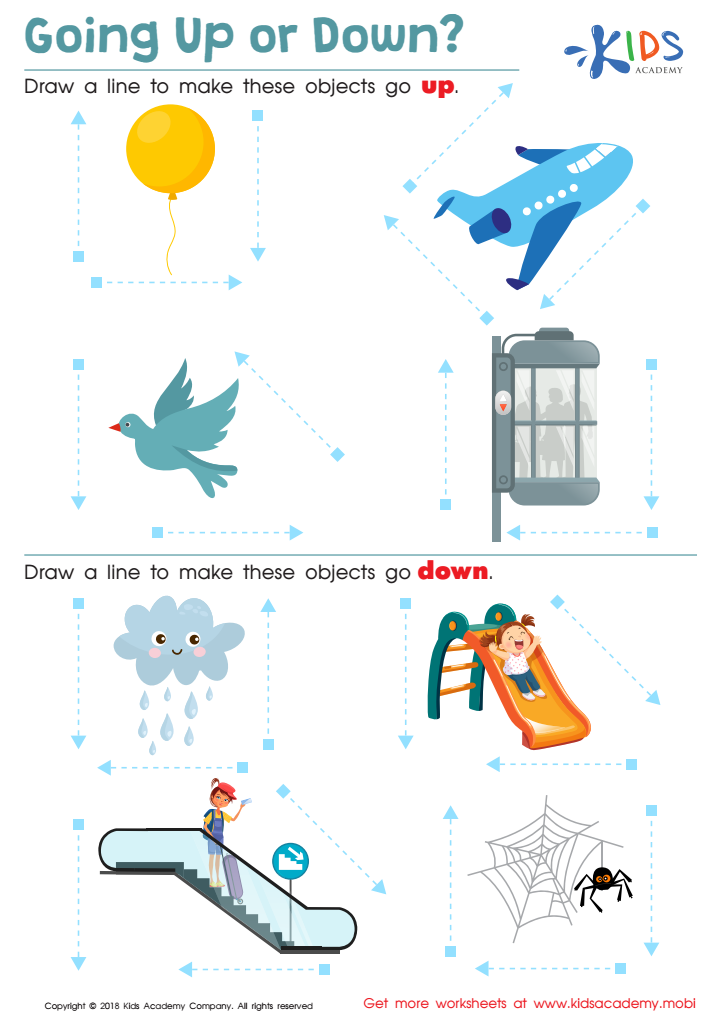
Going up or Down? Worksheet
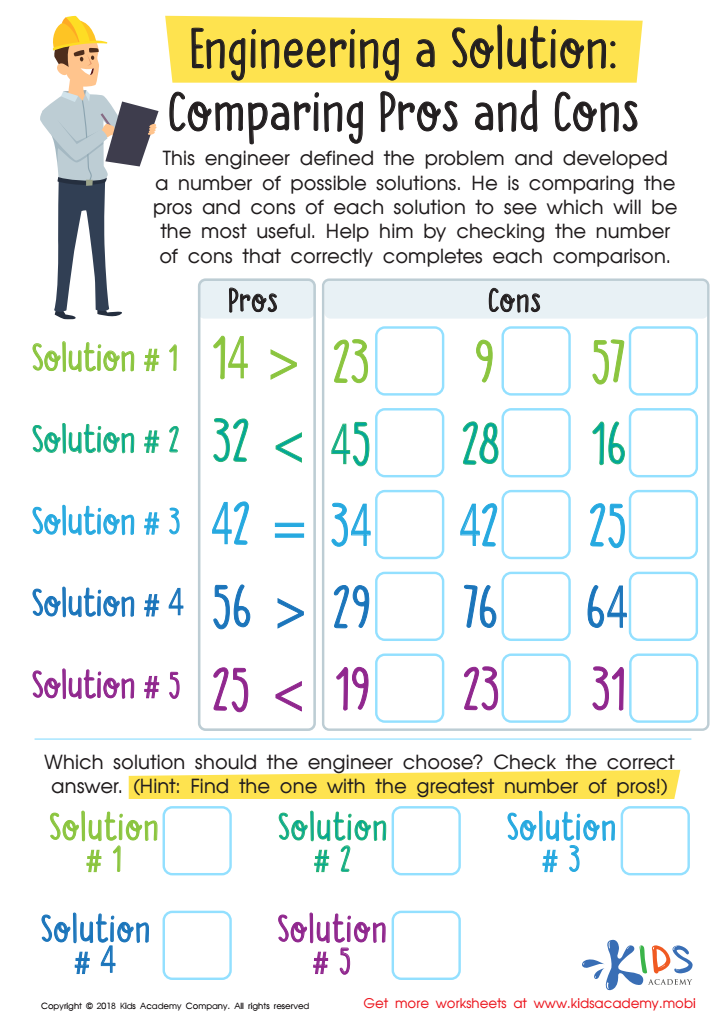
Engineering a Solution: Comparing Pros and Cons Worksheet
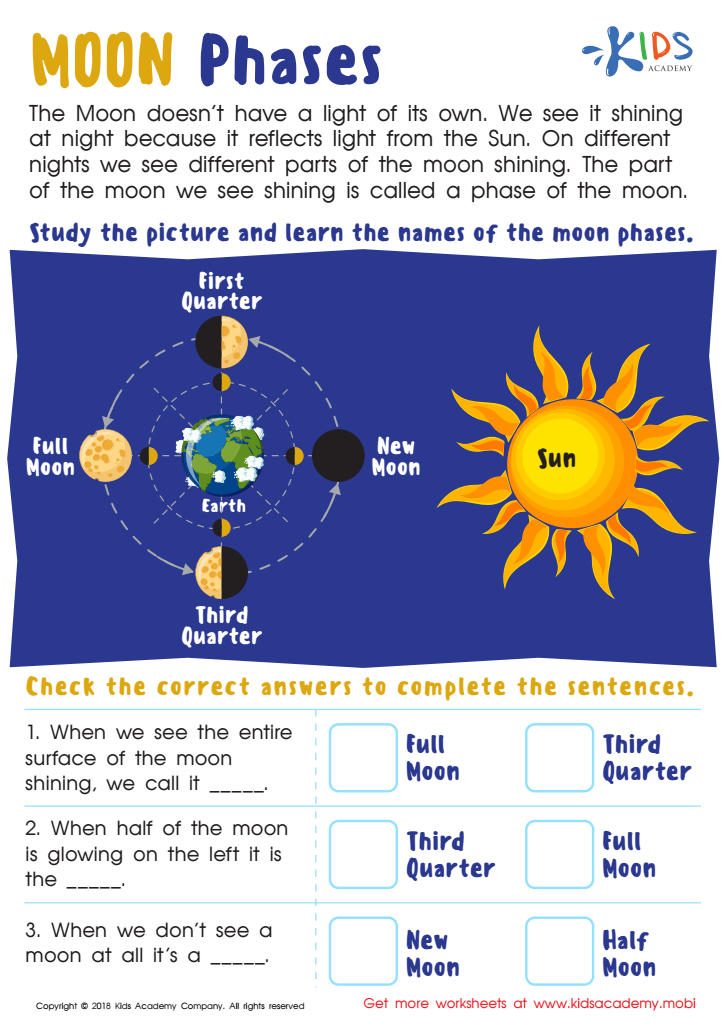
Moon Phases Worksheet
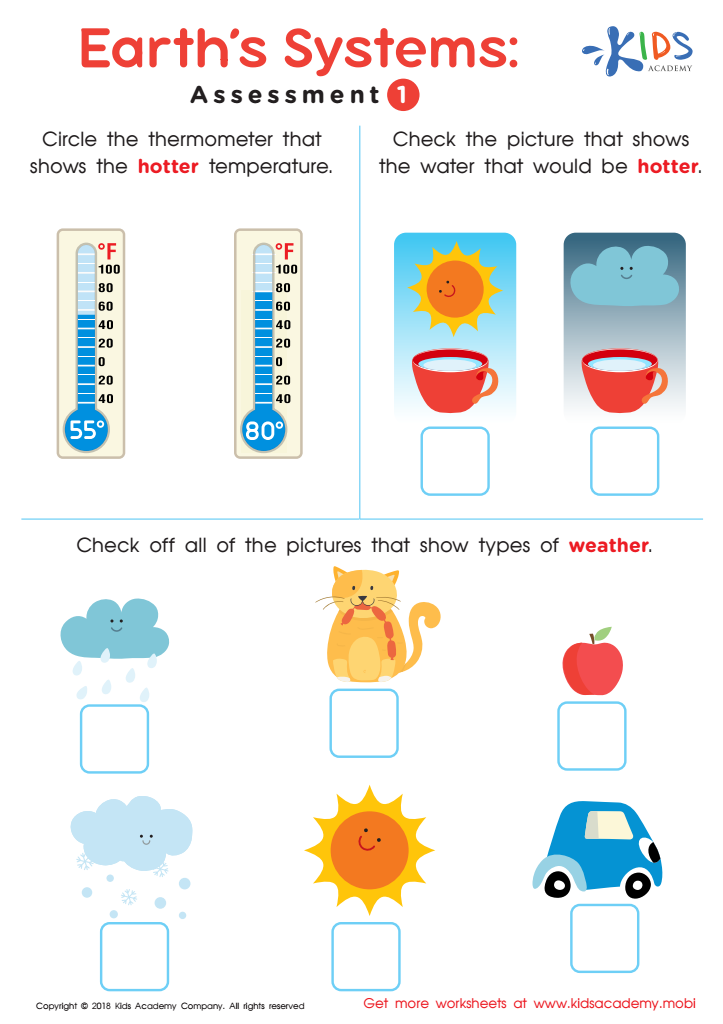
Earth's Systems: Assessment 1
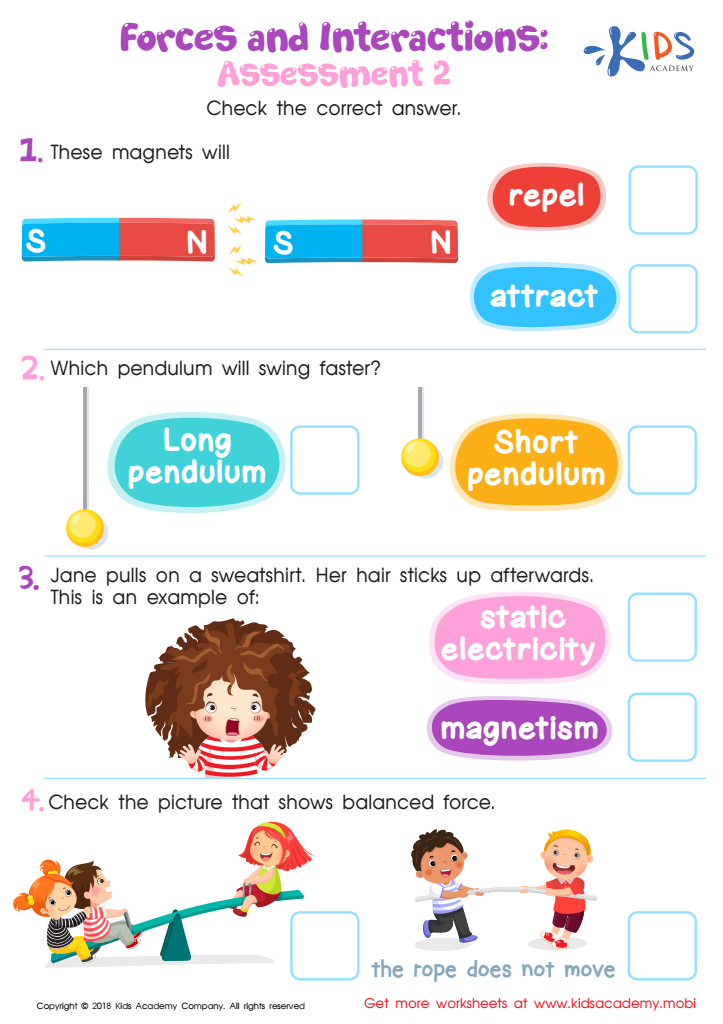
Forces and Interactions Worksheet For 3rd Grade
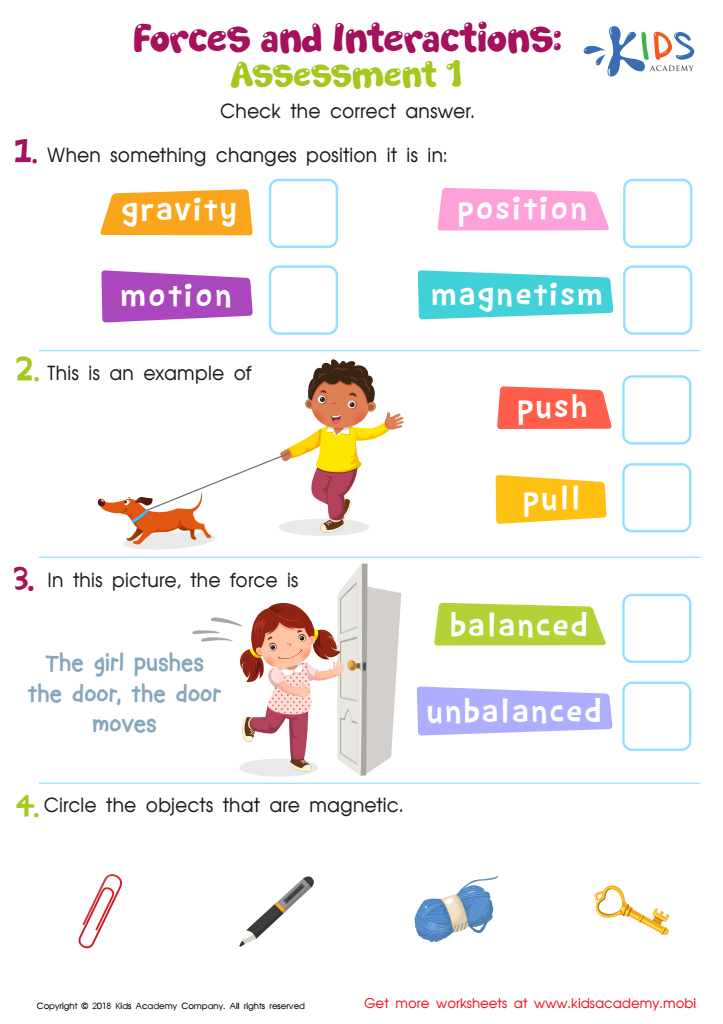
Forces and Interactions Printable
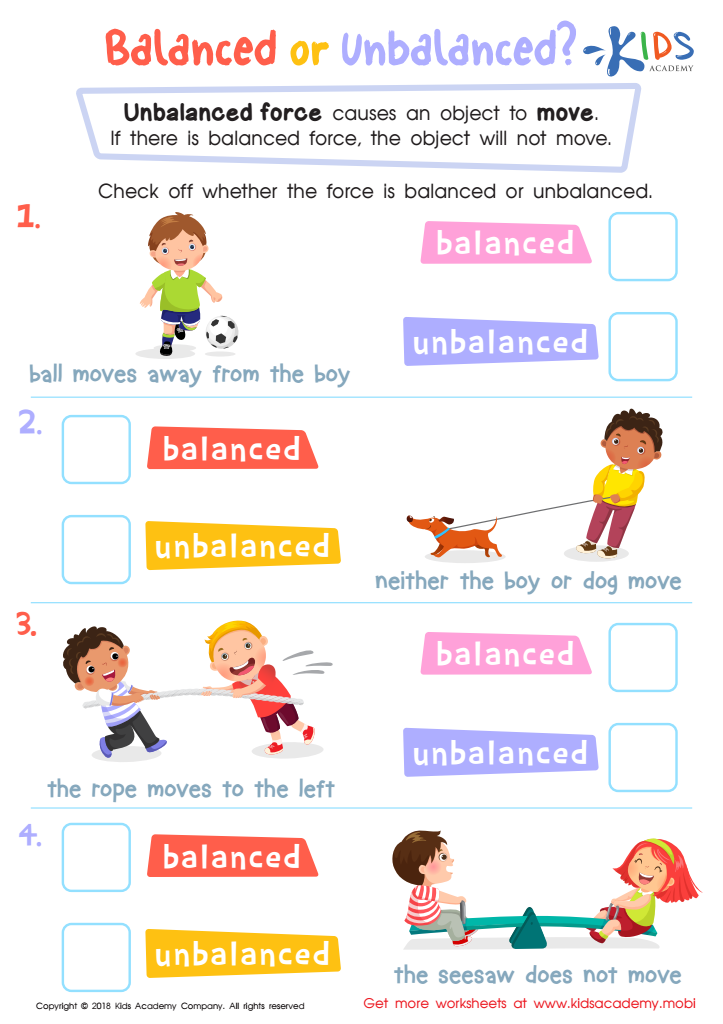
Balanced or Unbalanced Science Worksheet
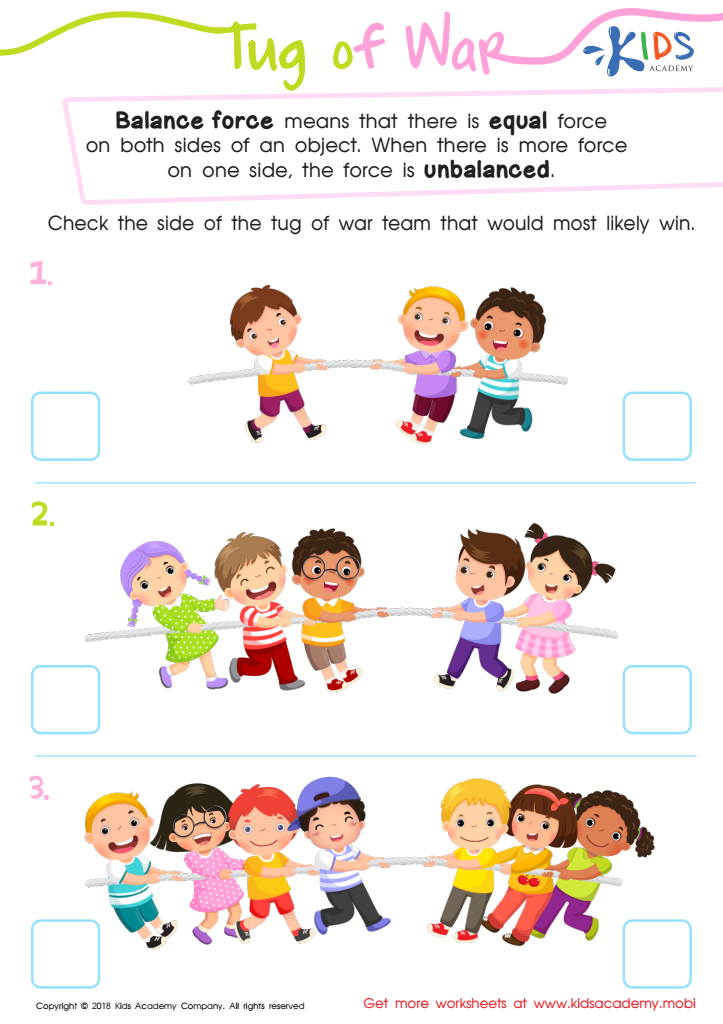
Balanced Forces Worksheet
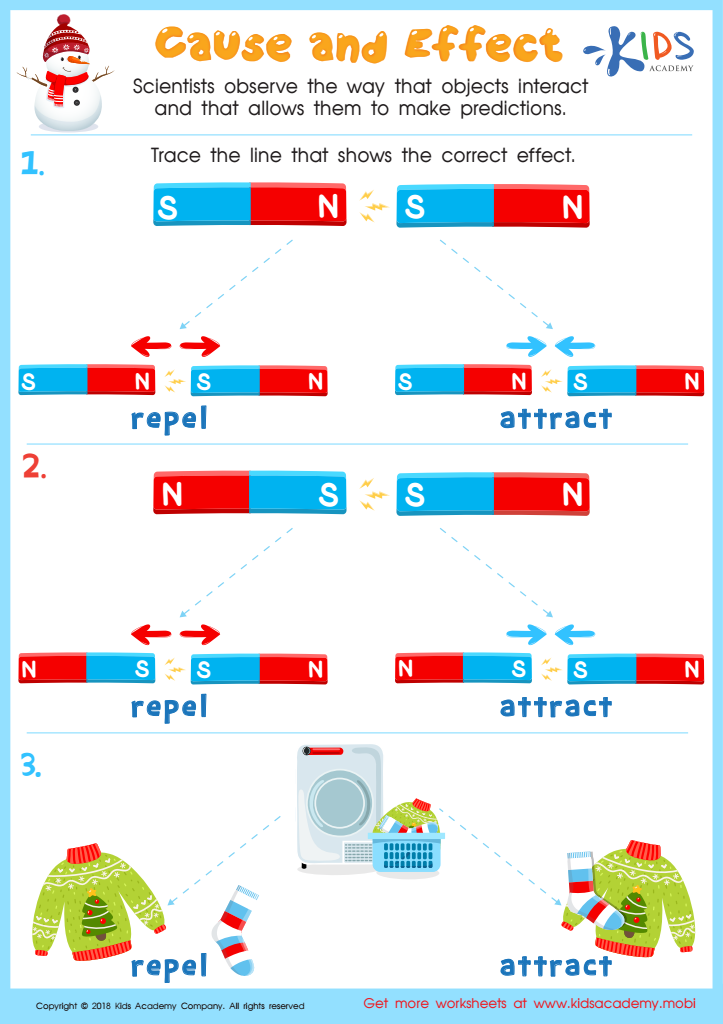
Repel and Attract Magnet Worksheet
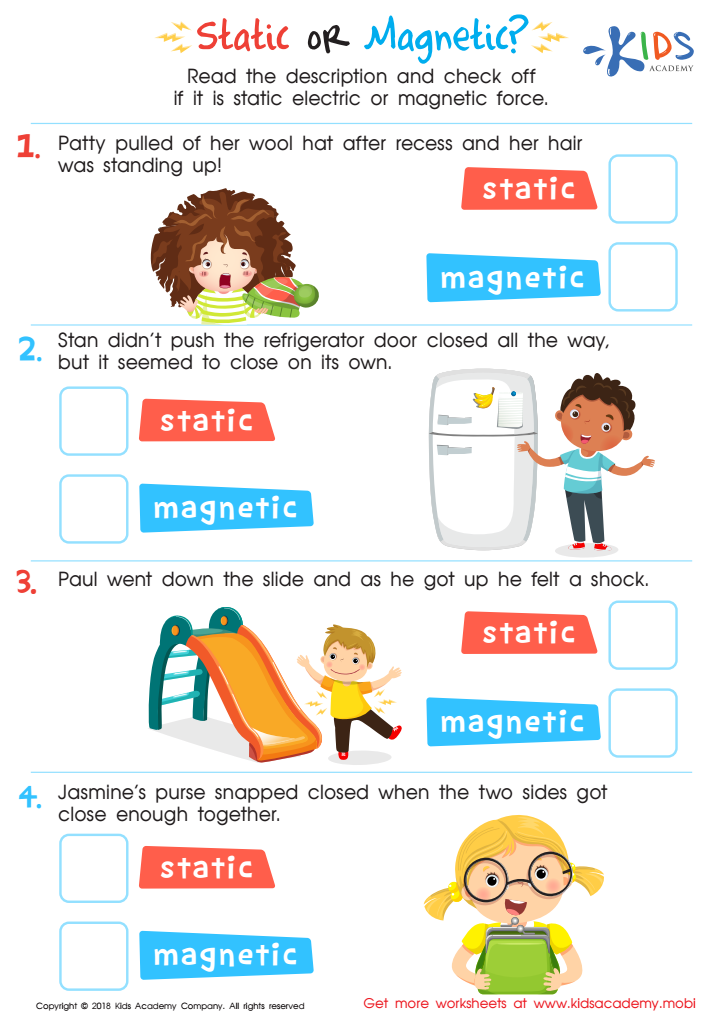
Static or Magnetic Printable Worksheet
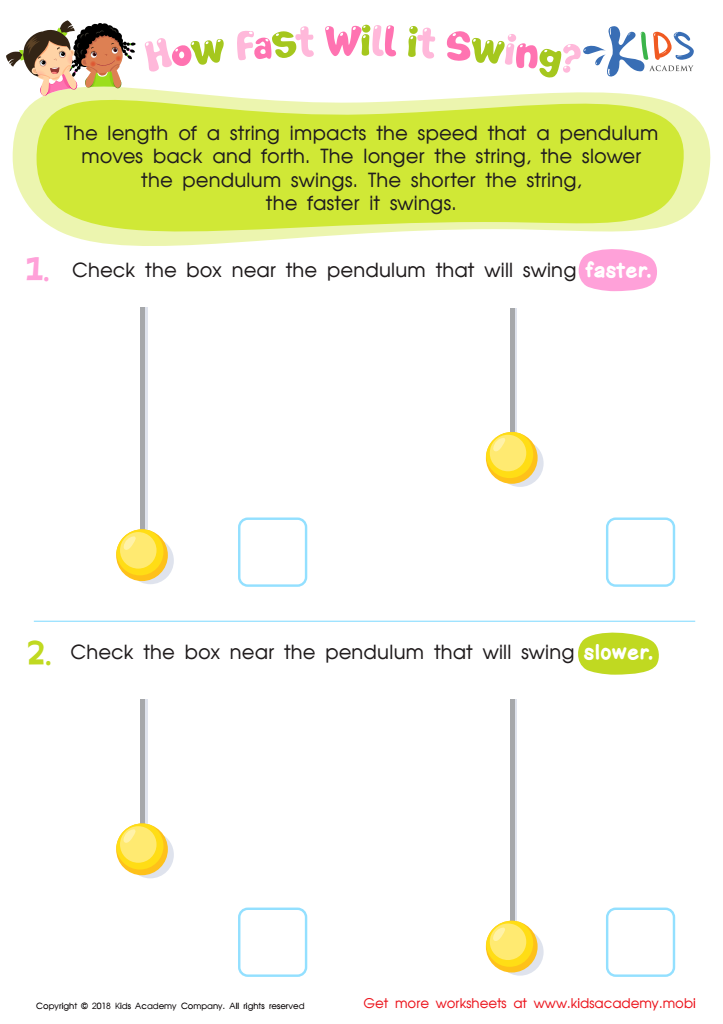
Pendulum Experiment Worksheet For 3rd Grade
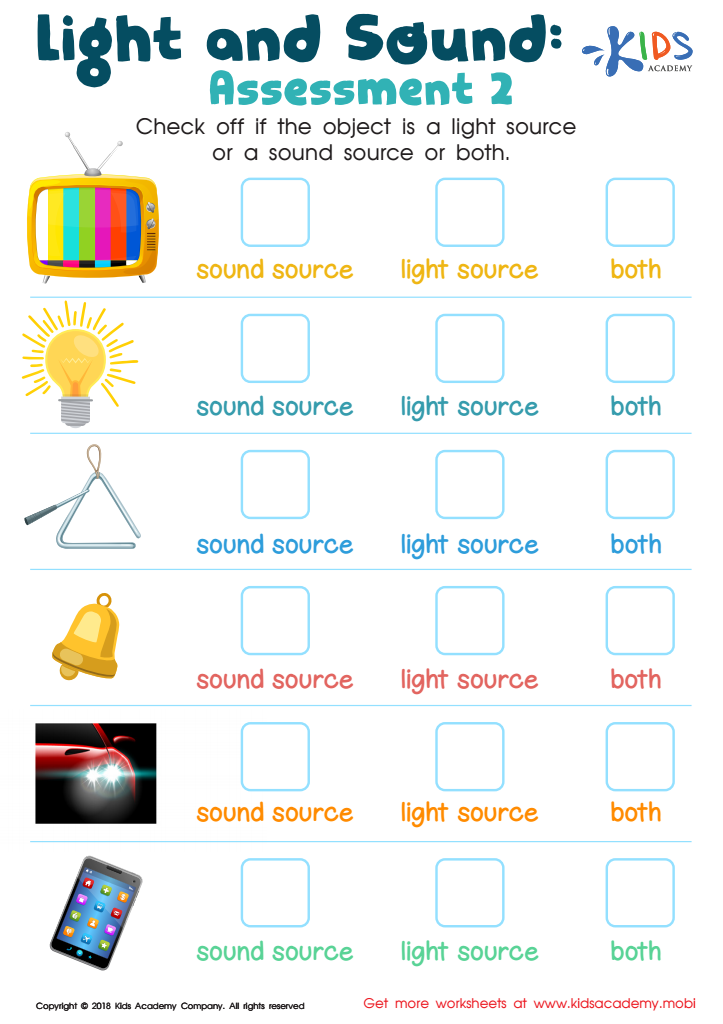
Light and Sound: Assessment 2 Worksheet
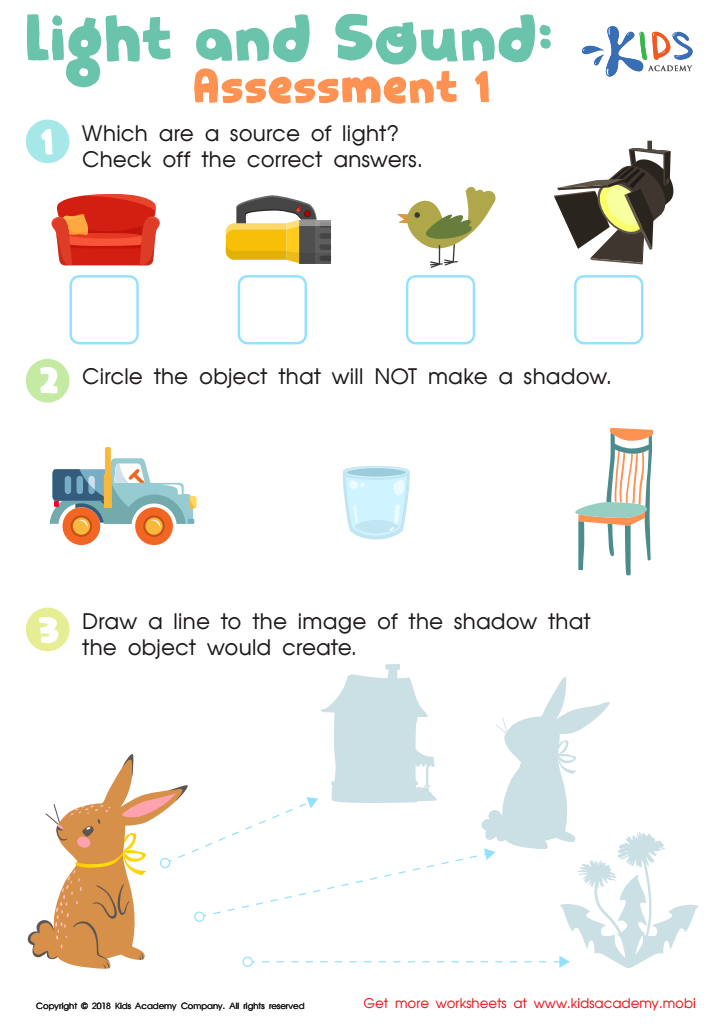
Light and Sound: Assessment 1 Worksheet
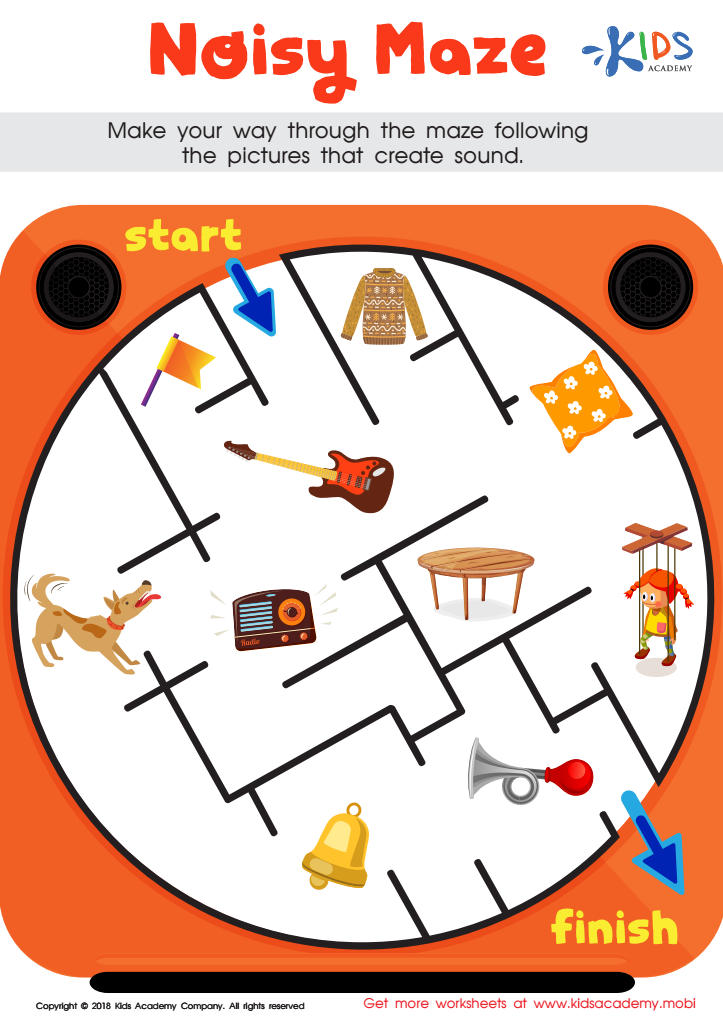
Noisy Maze Worksheet
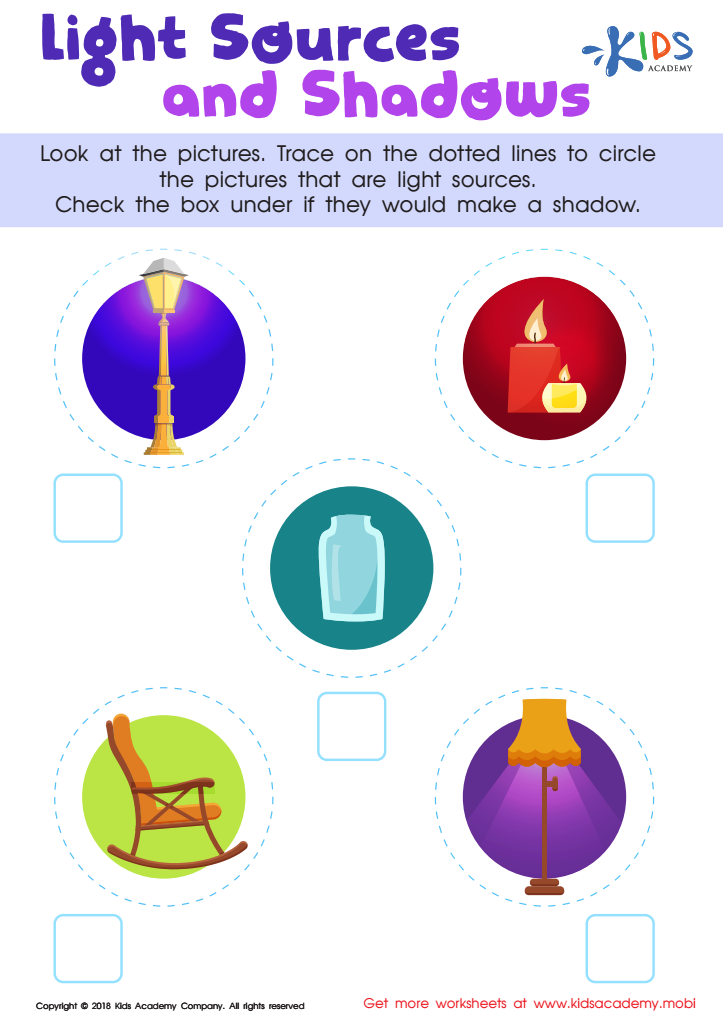
Light Sources and Shadows Worksheet
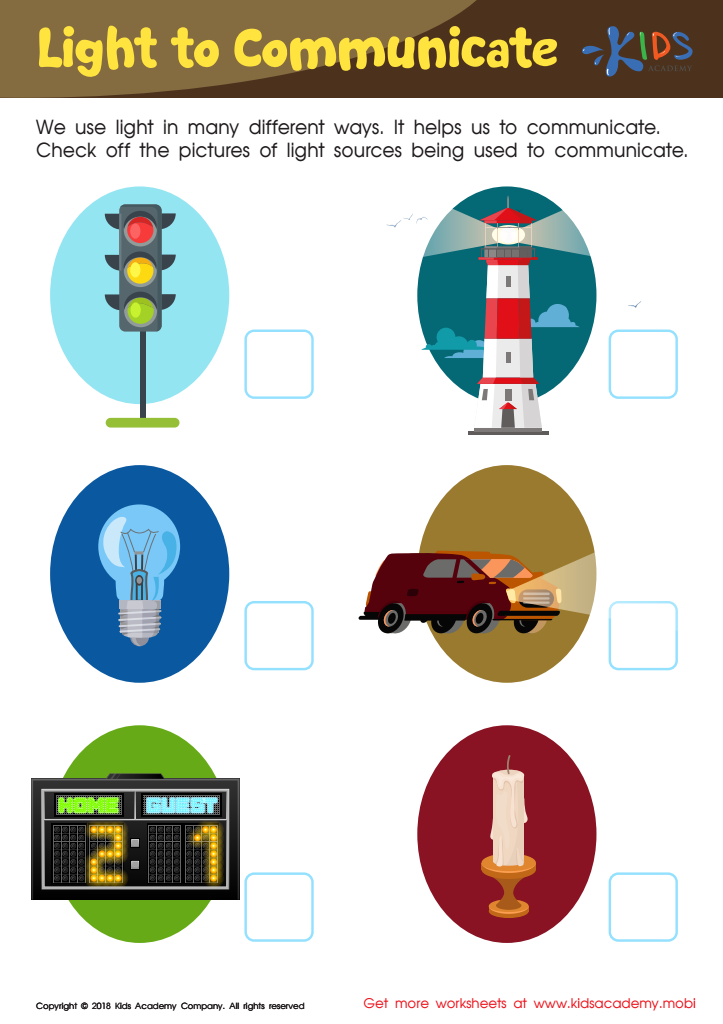
Light to Communicate Worksheet
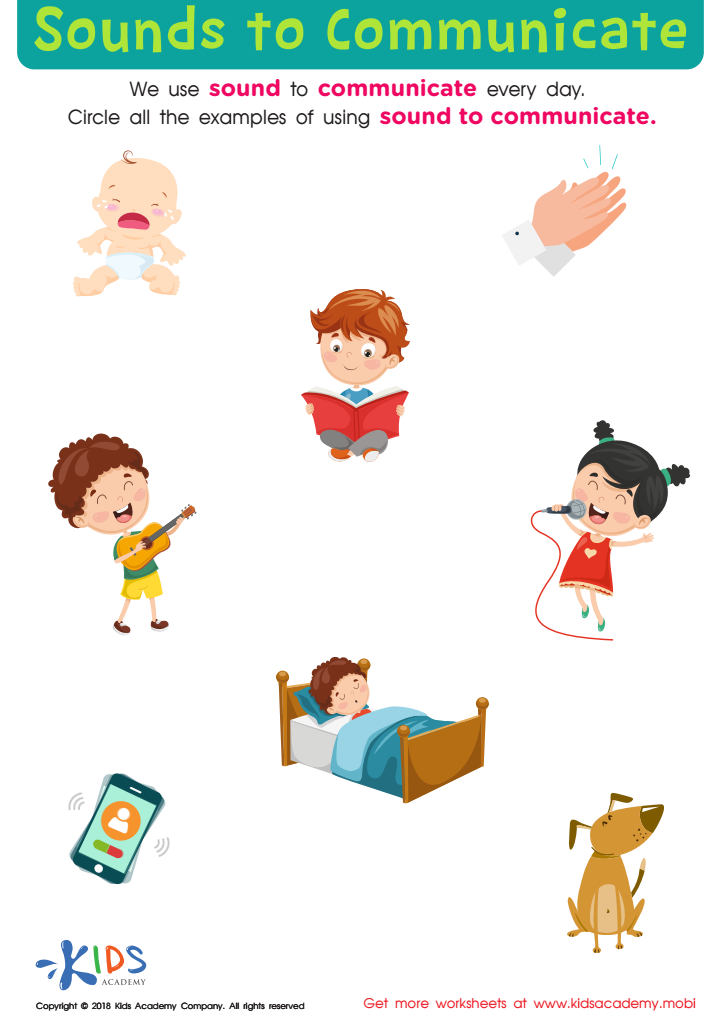
Sounds to Communicate Worksheet
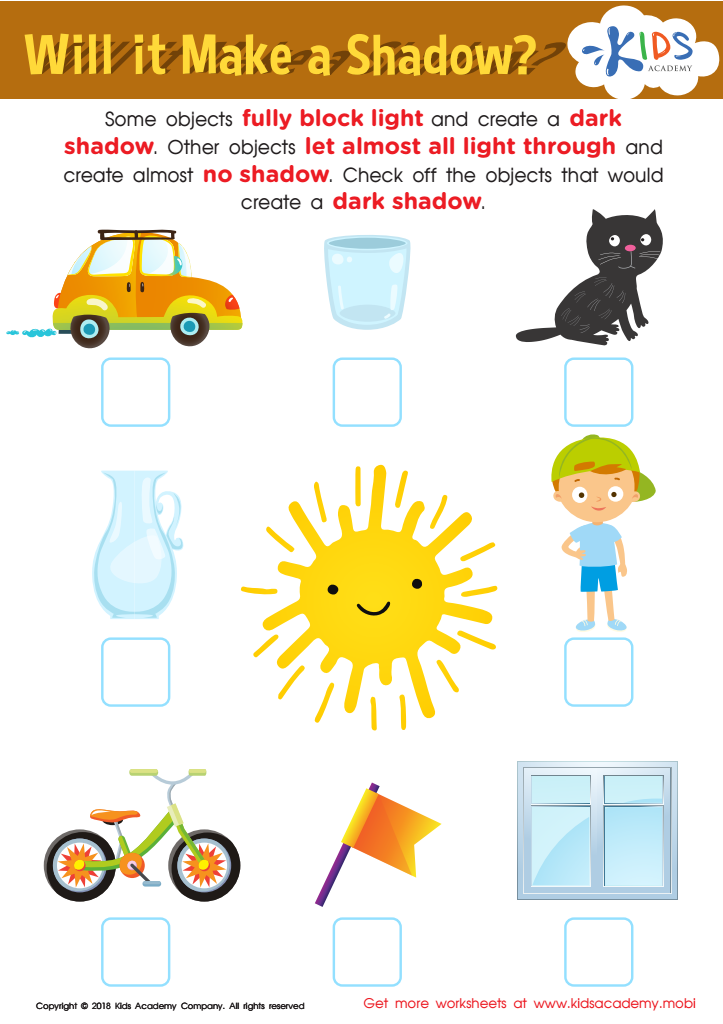
Will It Make a Shadow? Worksheet
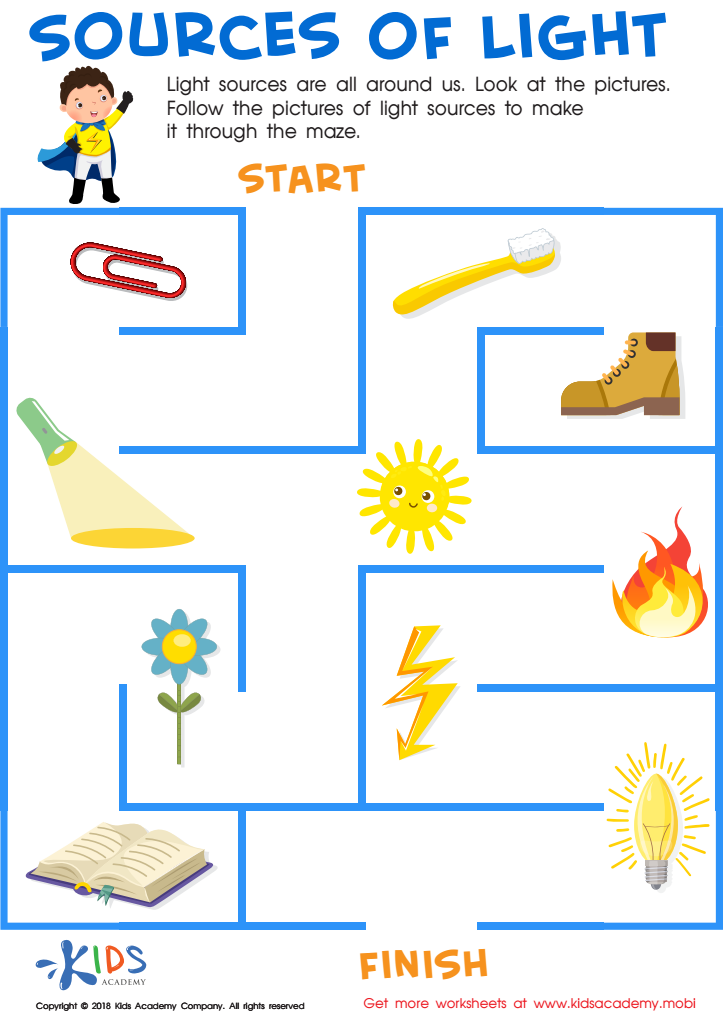
Sources of Light Worksheet
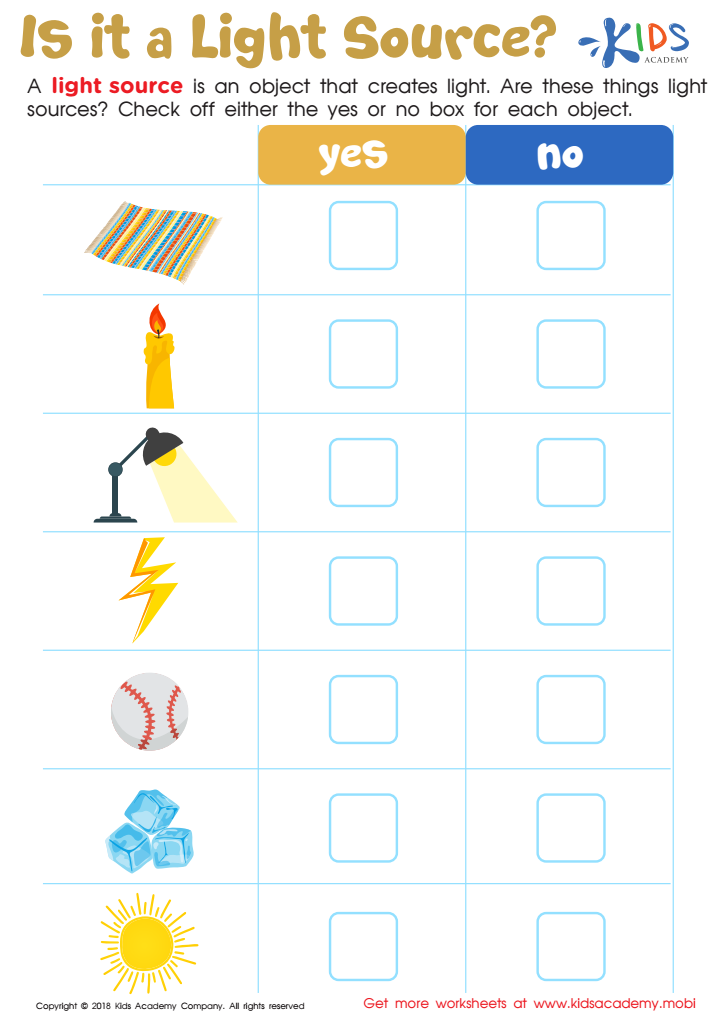
Is It a Light Source? Worksheet
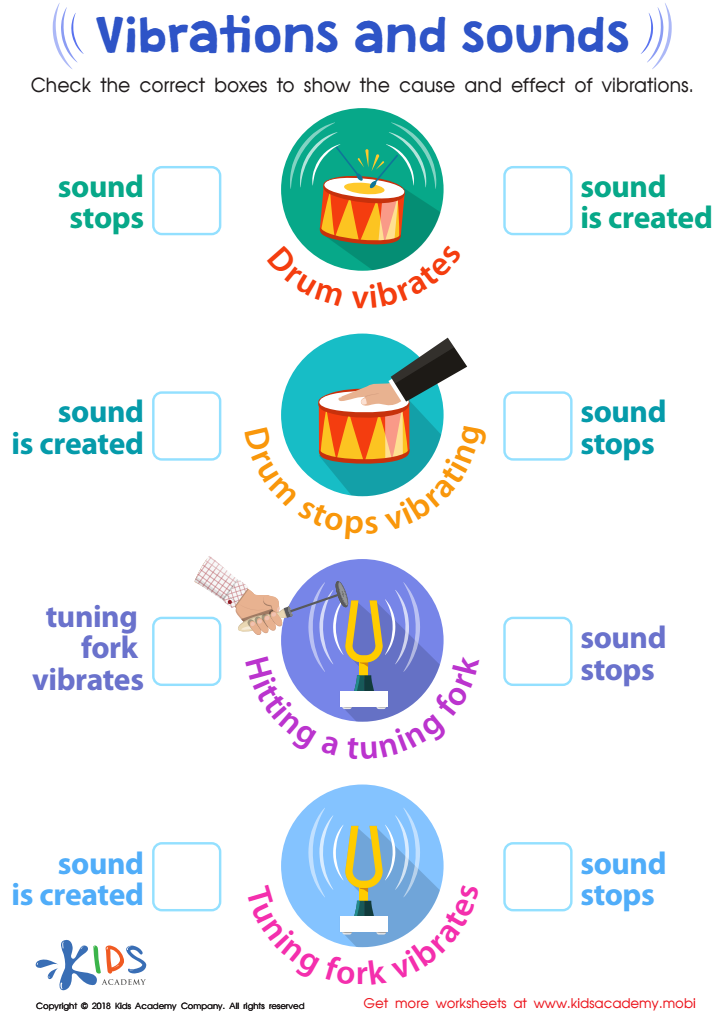
Vibrations and Sounds Worksheet
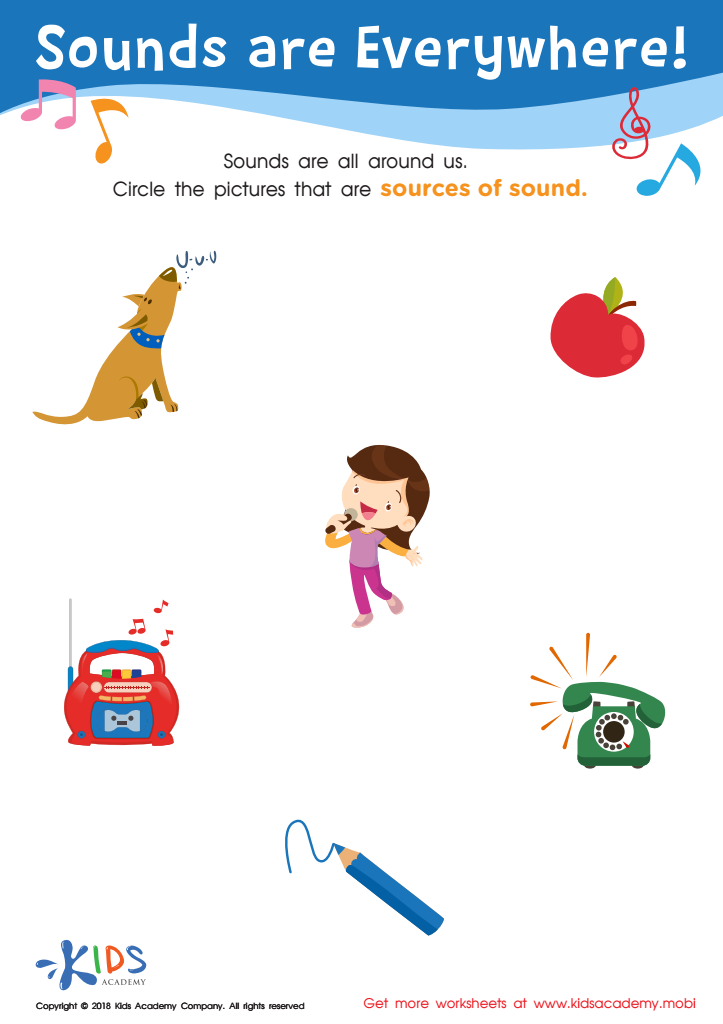
Sounds Are Everywhere! Worksheet
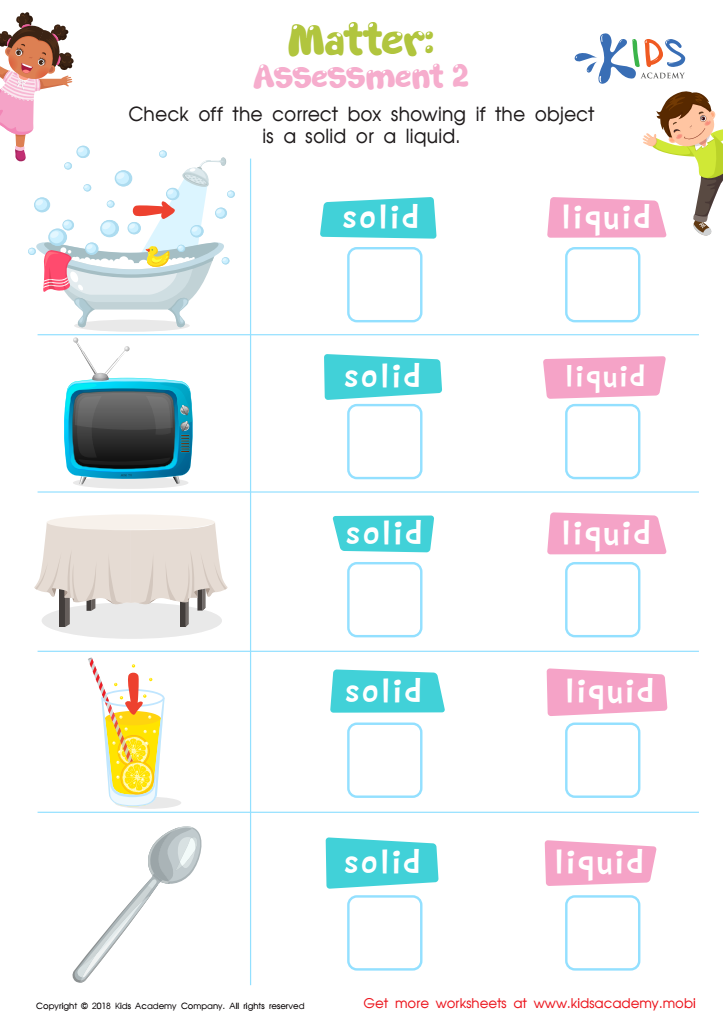
Matter: Assessment 2 Worksheet





Parents and teachers should care about exposing children ages 6-9 to physical science because it fosters curiosity and a lifelong love for learning. Physical science explores the fundamental components of our world, such as matter, energy, force, and motion. Introducing these concepts early on helps children develop critical thinking and problem-solving skills, which are essential for academic success in all subjects.
At this young age, children are naturally inquisitive and learn best through hands-on experiences. Engaging activities, like simple experiments and observations, make learning physical science fun and memorable. For instance, exploring why ice melts or how magnets work cultivates a sense of wonder and encourages kids to question how things work, laying a strong foundation for scientific literacy.
Moreover, understanding basic physical science principles helps children better grasp the technological and environmental issues they'll encounter throughout life. For example, they start appreciating the importance of energy conservation and the impact of human activities on the planet.
By prioritizing physical science education, parents and teachers can help children become informed, responsible citizens equipped with the skills to navigate and influence an increasingly complex world. Ultimately, this early exposure supports a well-rounded education, bolstering both personal and intellectual development.







